
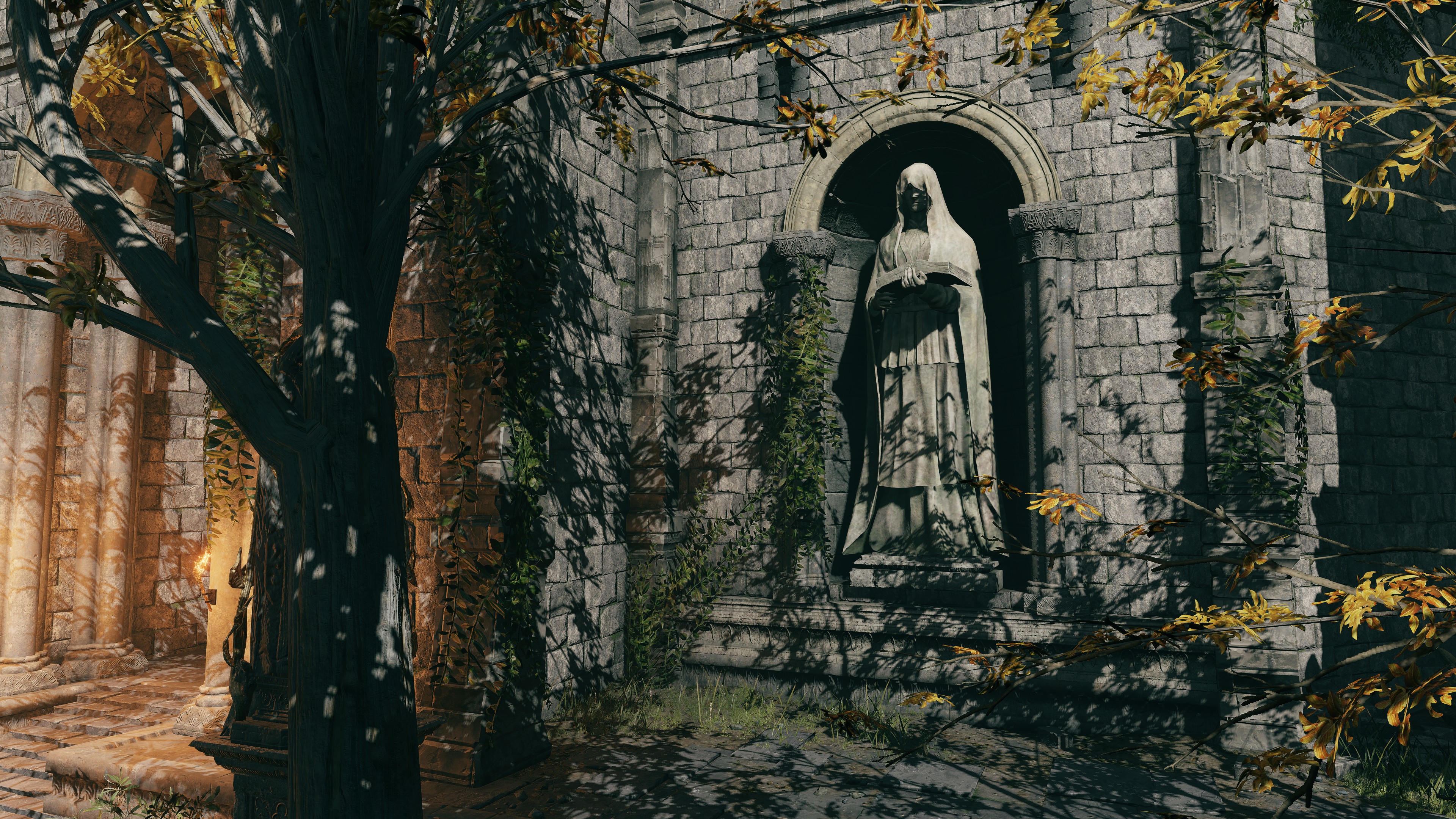
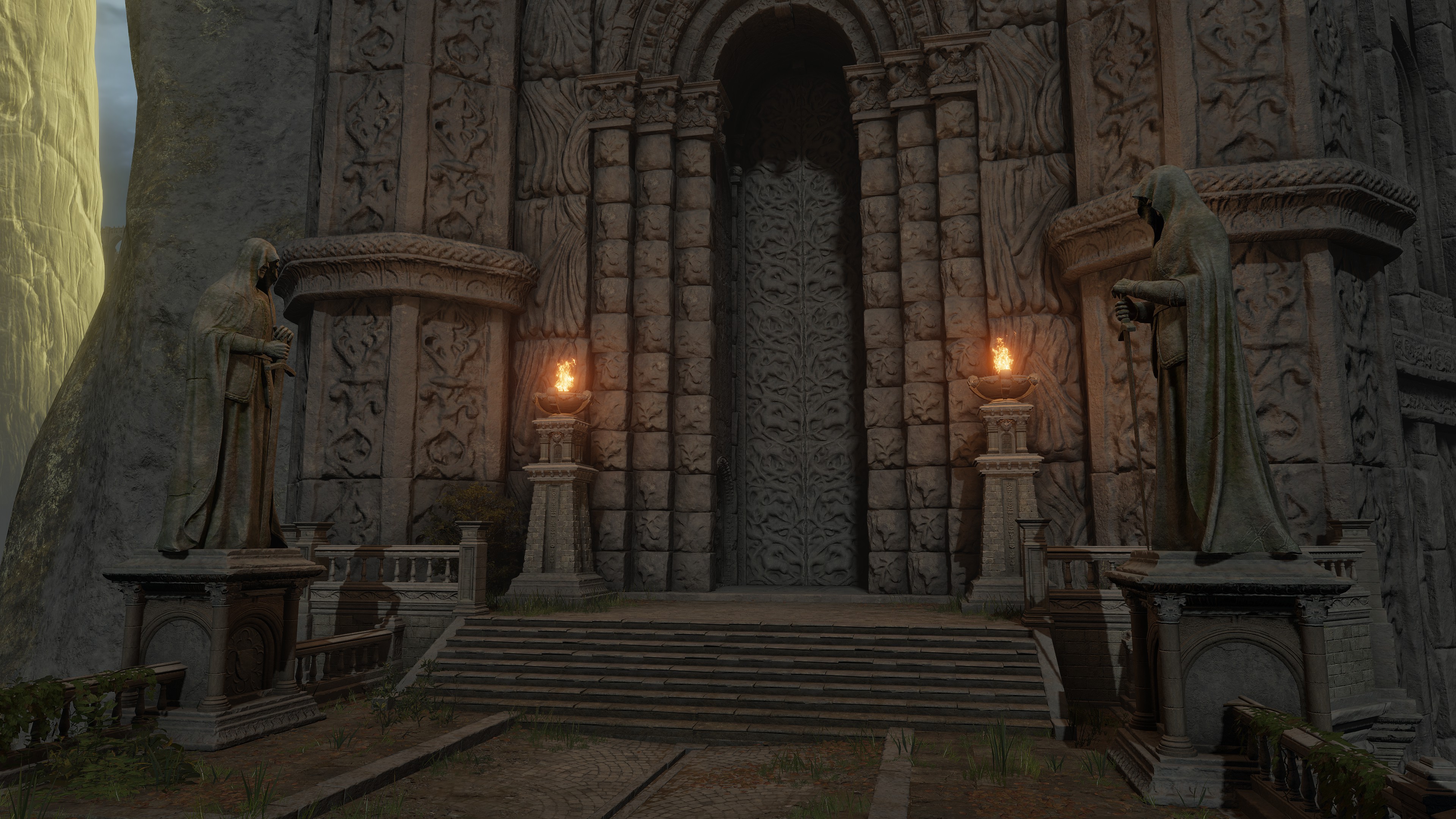
Common across the Lands Between is one statue depicting a cloaked man with a sword, the figure decorating bridges especially. The name of Saintsbridge in particular clarifies that this character is a saint — seijin (聖人) more literally referring to a “holy man” — and therefore carries the sword as some sort of warrior hero or guardian. We can also come across a variant of the hooded figure holding open a book in robes instead of armor, highlighting the saint as a purveyor of wisdom rather than a champion of battle. For that reason, I will distinguish this variant as a “sage” statue. Both his aspects as a wise man and holy man imbue him with importance, a symbol of virtue and warning against vice to travelers across those select bridges. But to who? The figure looks generic enough to be adopted by any culture and so need not be a specific individual. However, even if the statues remain on infrastructure used by Marika’s Erdtree kingdom, the saint’s image is probably far more ancient.
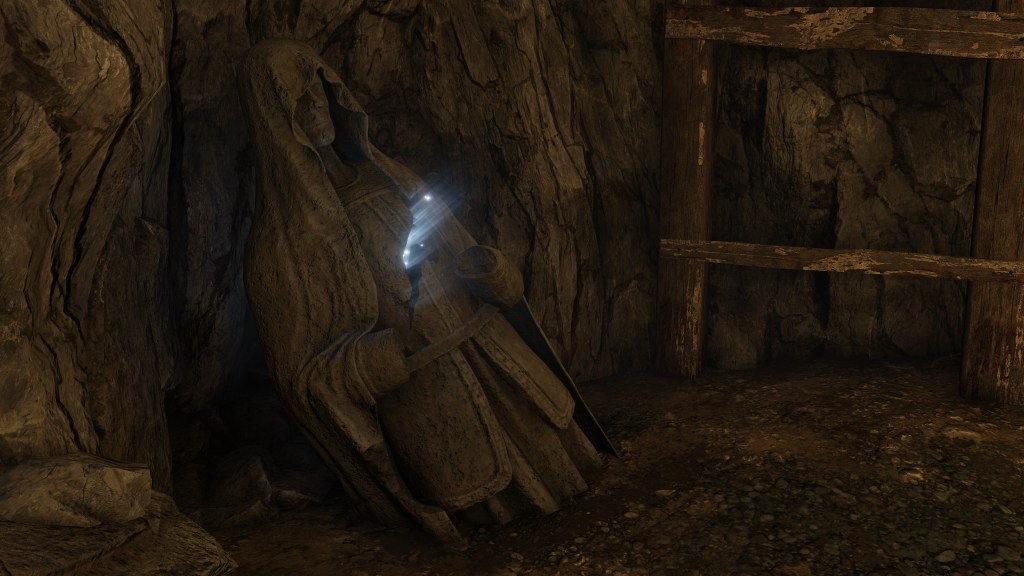
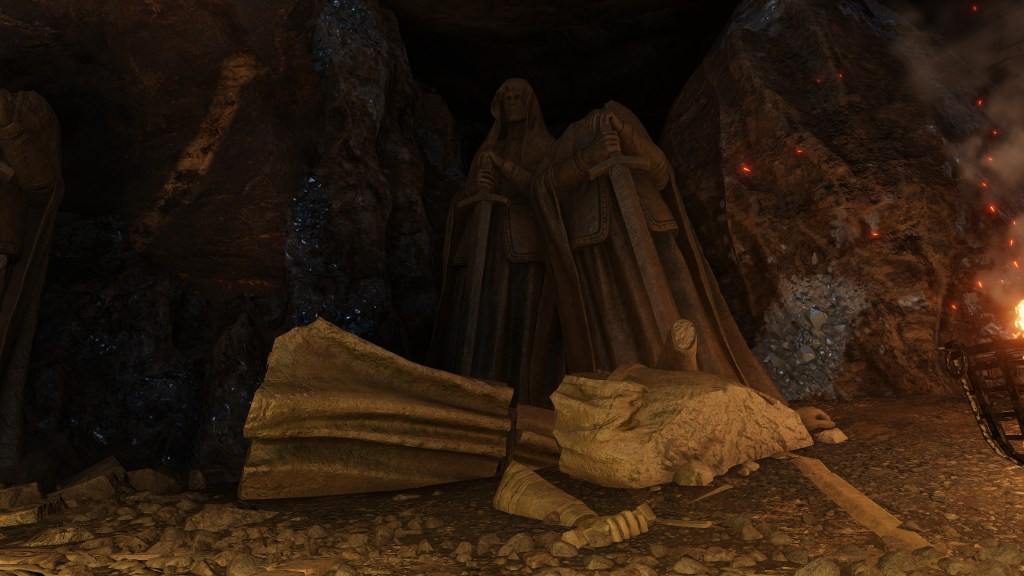
In most every region of the Lands Between, we can find a saint statue knocked over to some degree and partially buried in the ground. One might argue that this is innocent destruction from the current conflicts in urban locations like Stormveil Castle. However, the same statue stands waist-up in the middle of Stormhill, with similar cases in Greyoll’s Dragonbarrow, Mt. Gelmir, the Capital Outskirts, and Consecrated Snowfield. Even the Mountaintops of the Giants has the statue in the middle of the frozen river, leaning before the waterfall. None of this is conducive to modern urban sprawl. Rather, it suggests that the statue originated with a prior civilization, about as widespread as Marika’s prevailing empire but with infrastructure in more remote places. Whether these were cities or shrines, this infrastructure has been lost to time and the elements, leaving only half-buried statues to remember its existence by. With that in mind, I will refer to this culture as the “saint” civilization.
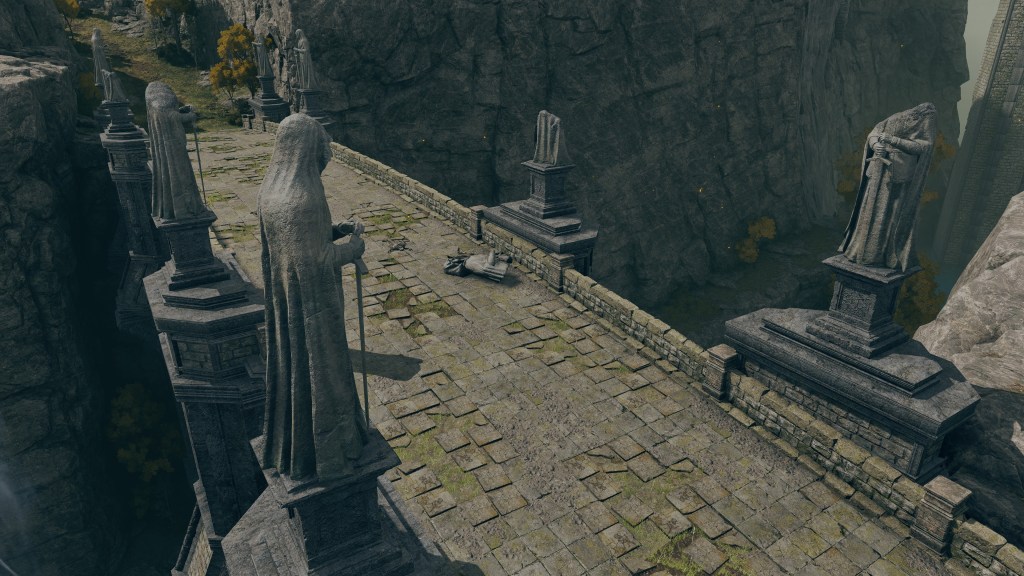
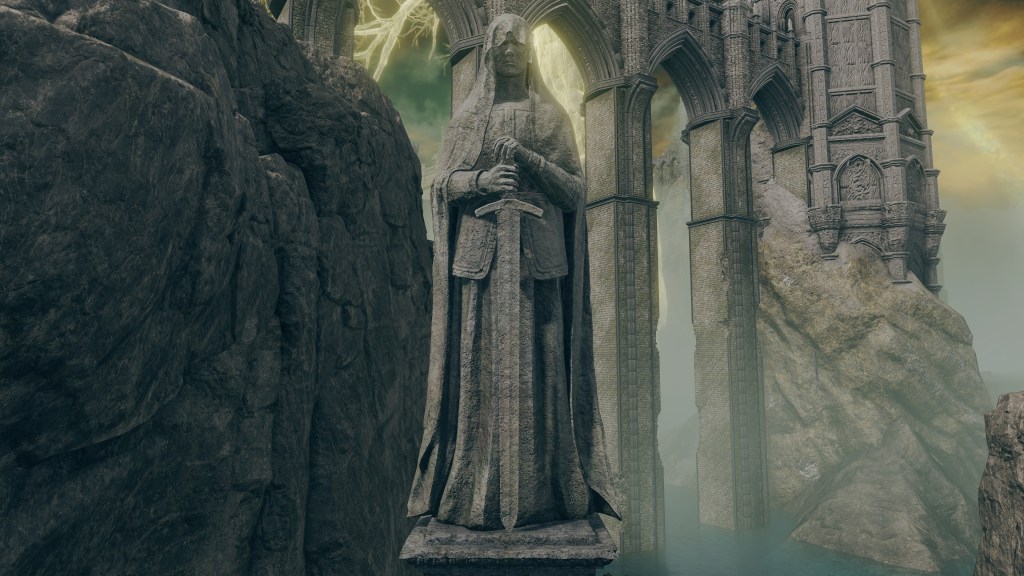
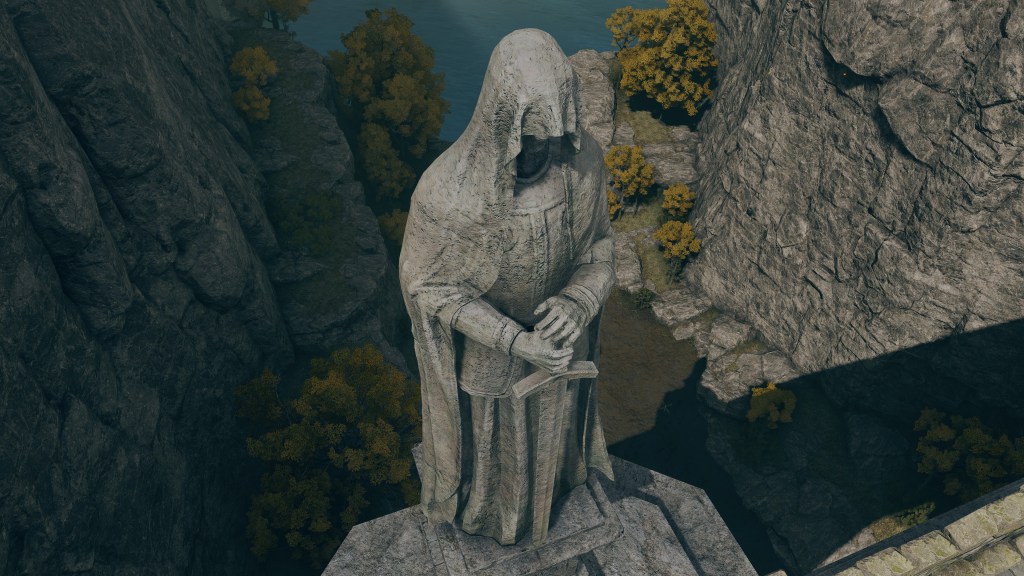
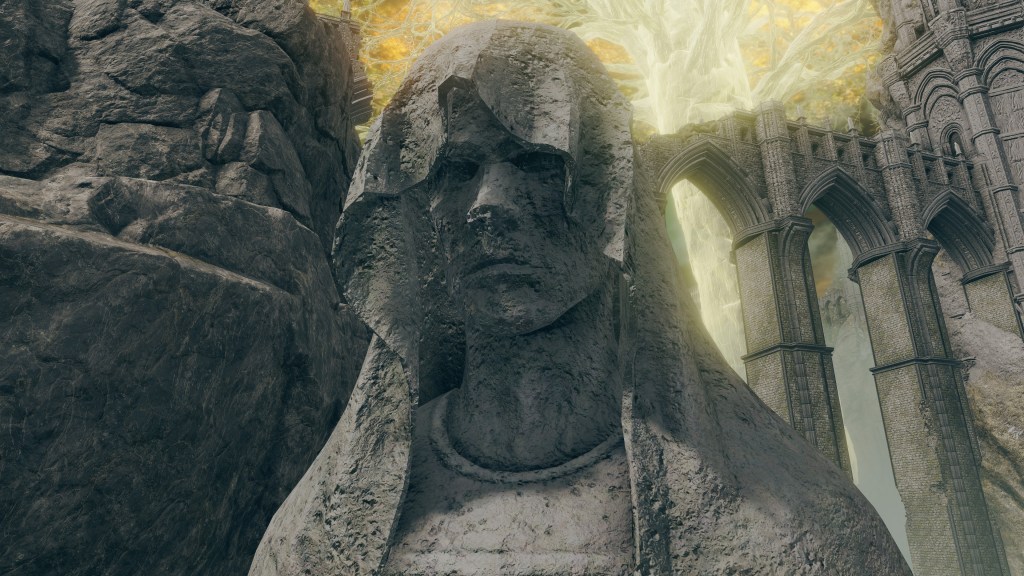
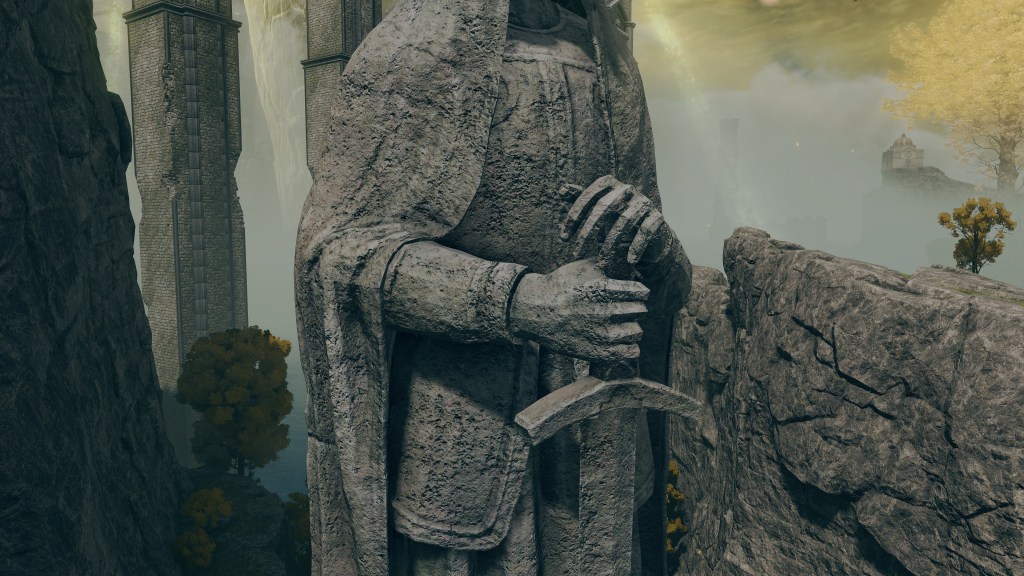
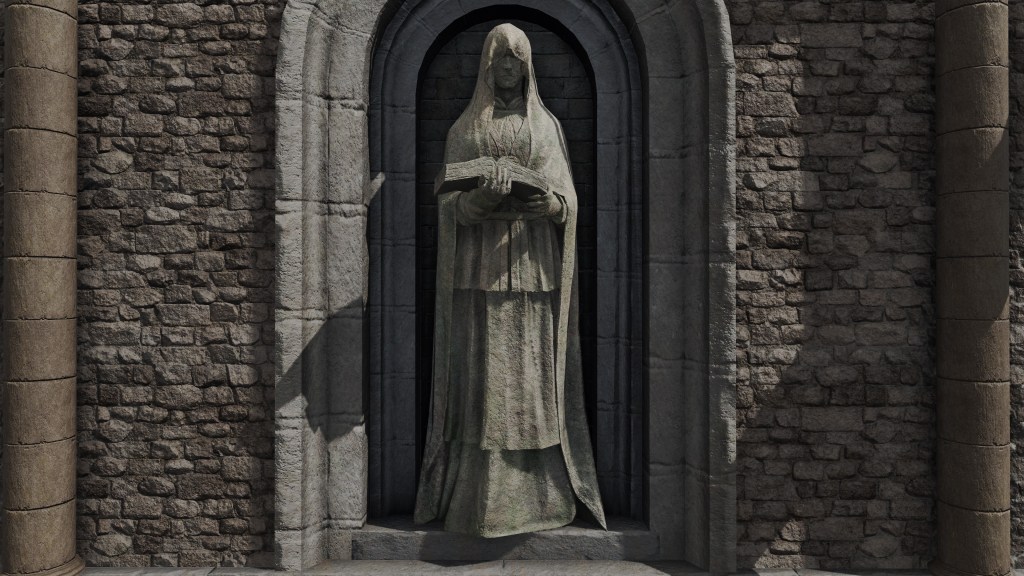
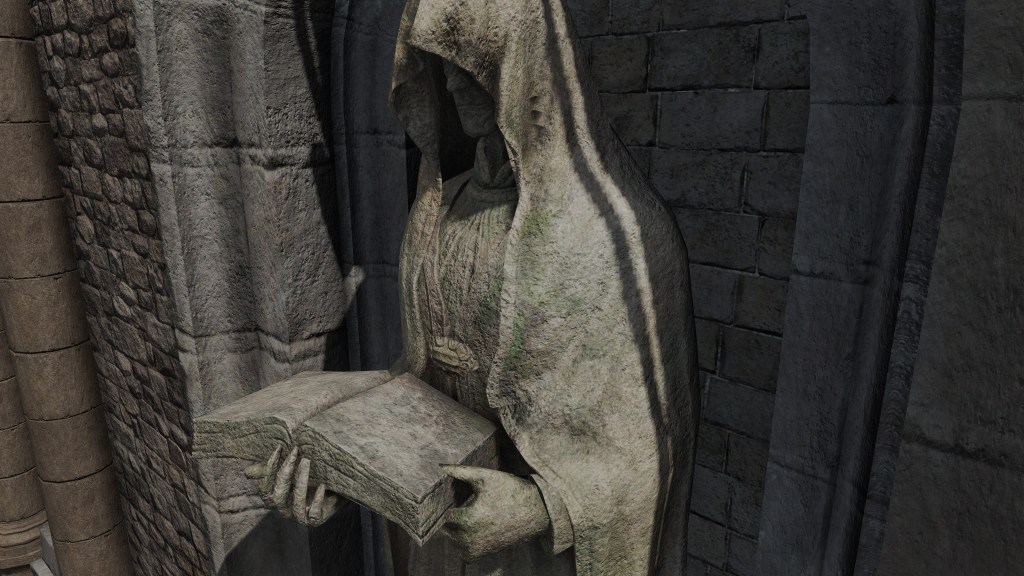
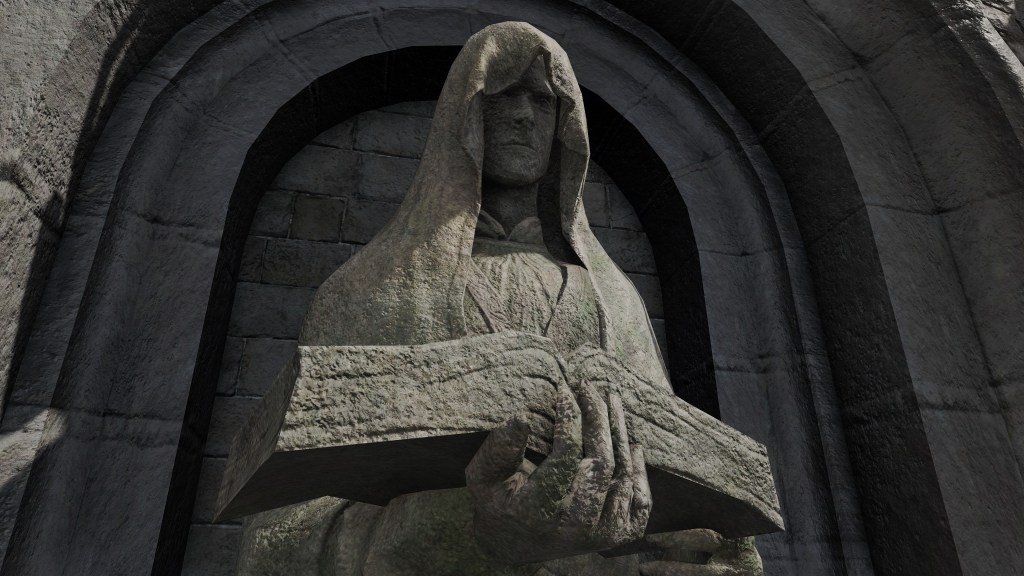
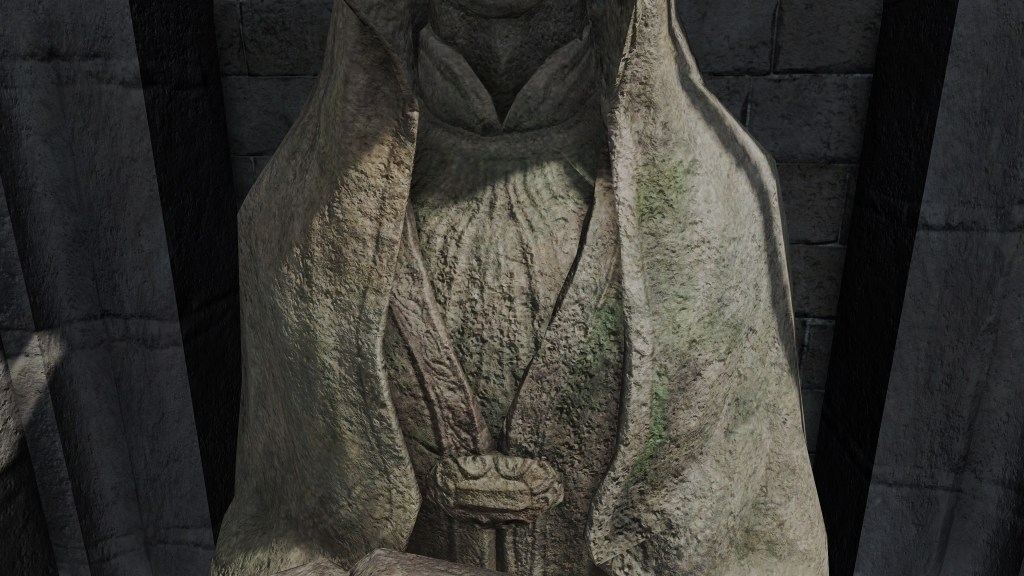
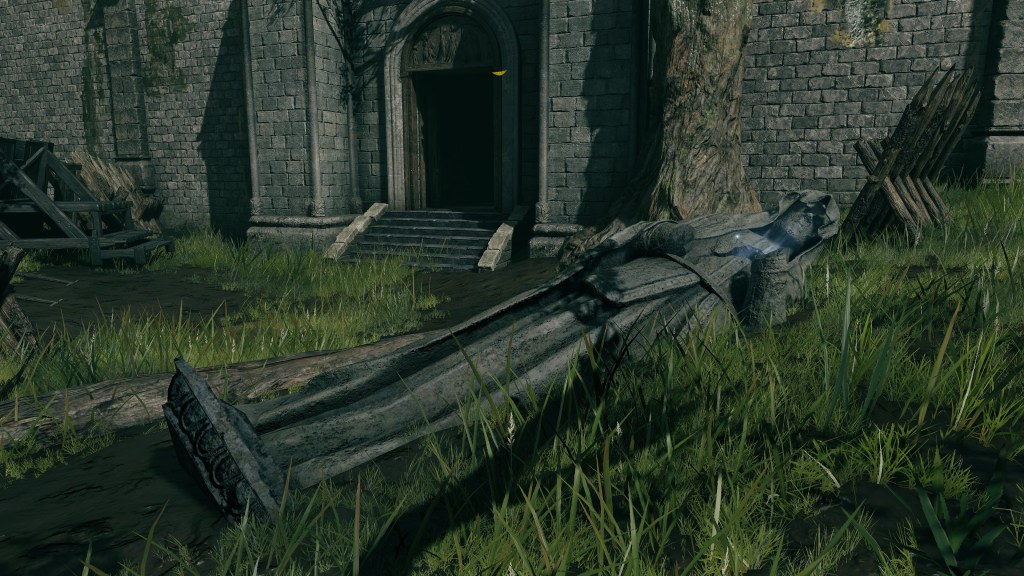
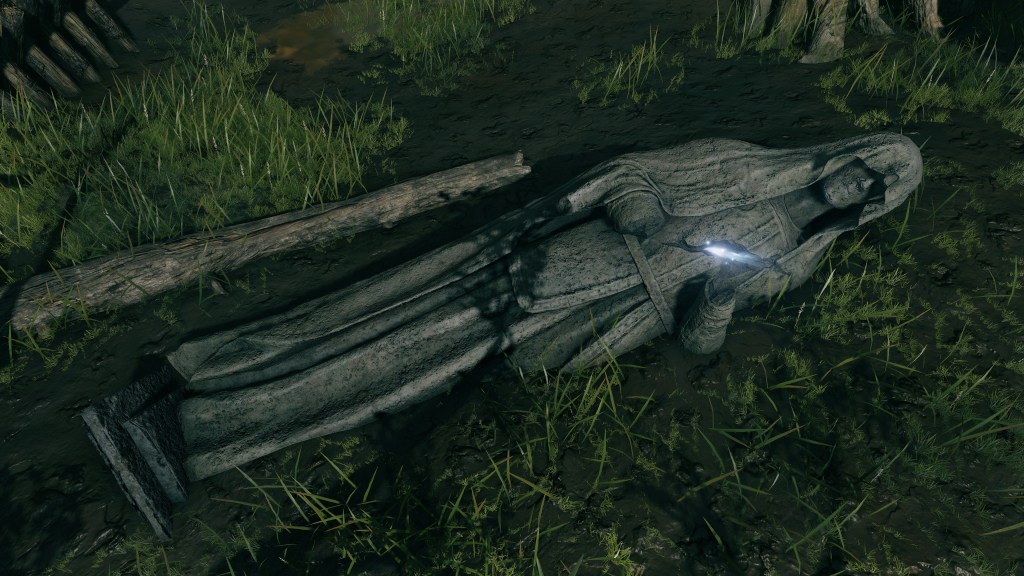
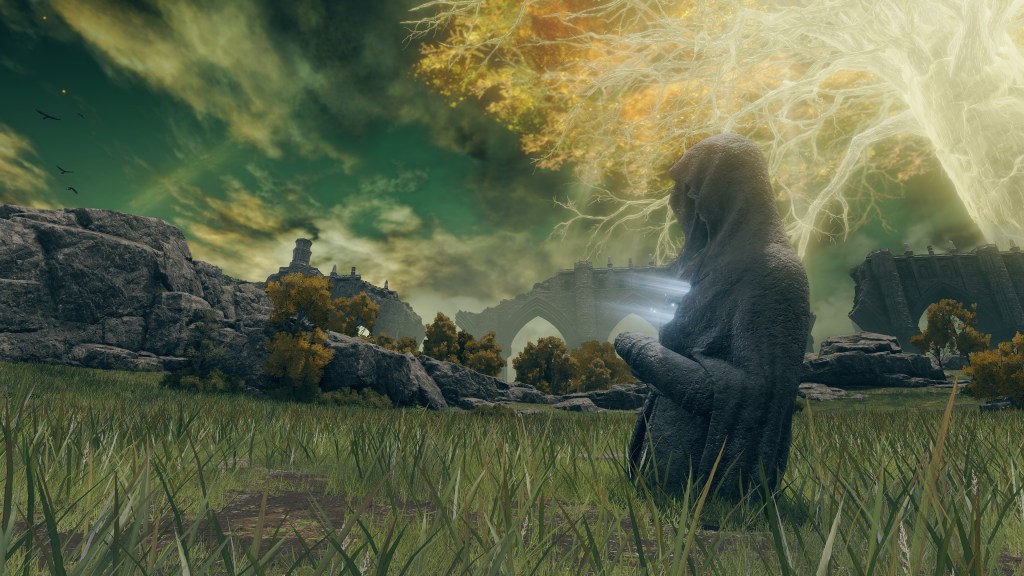
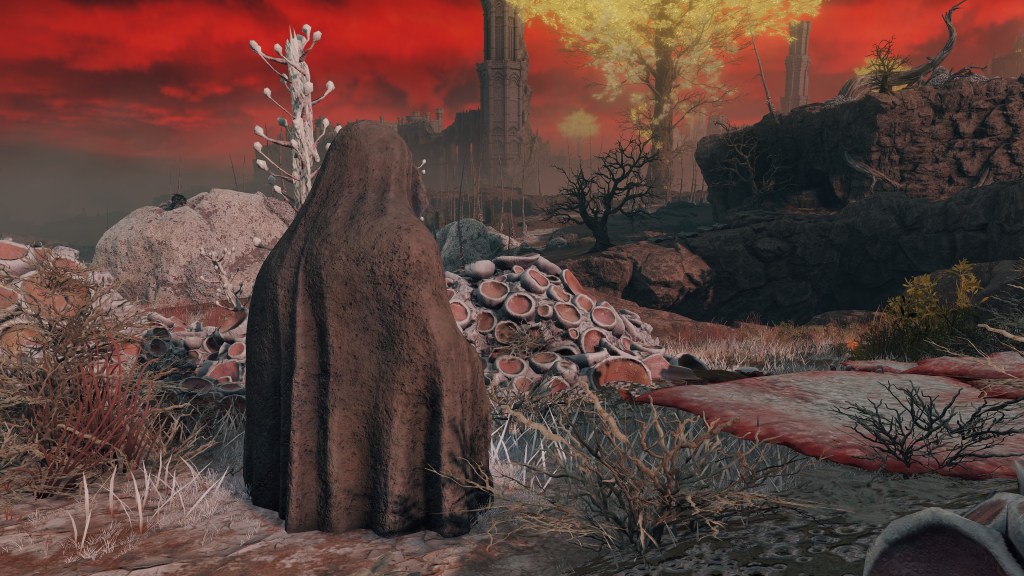
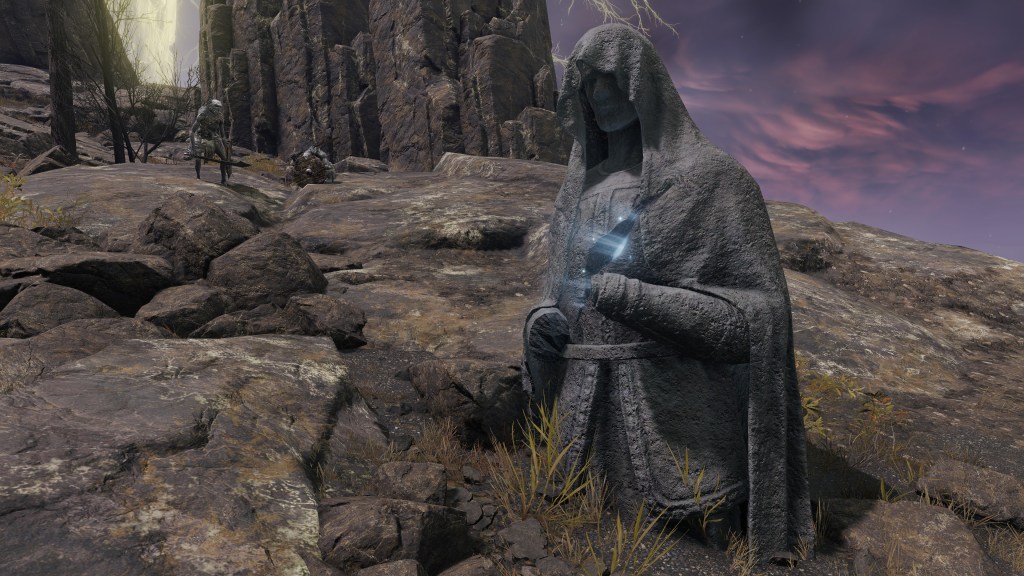
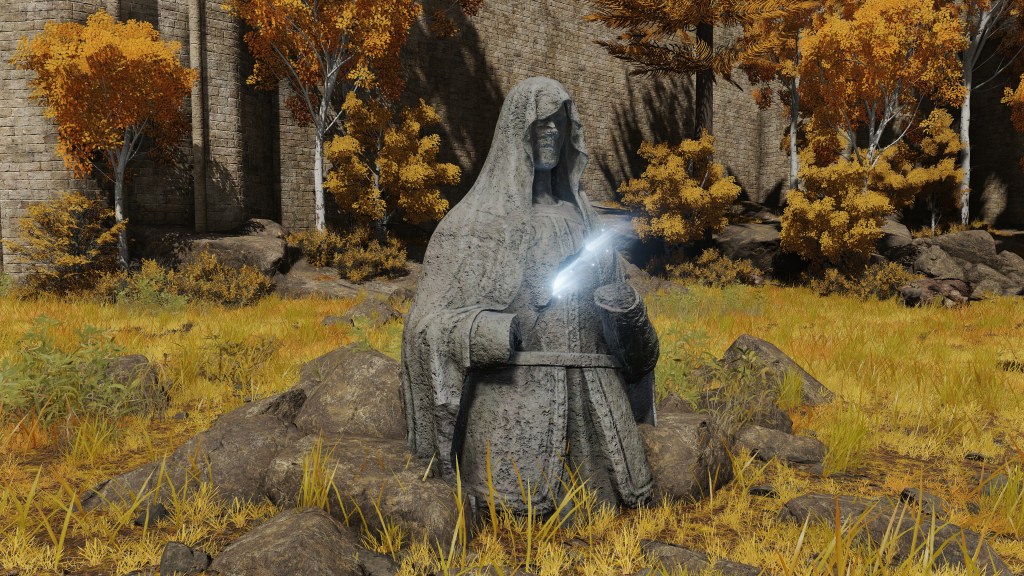
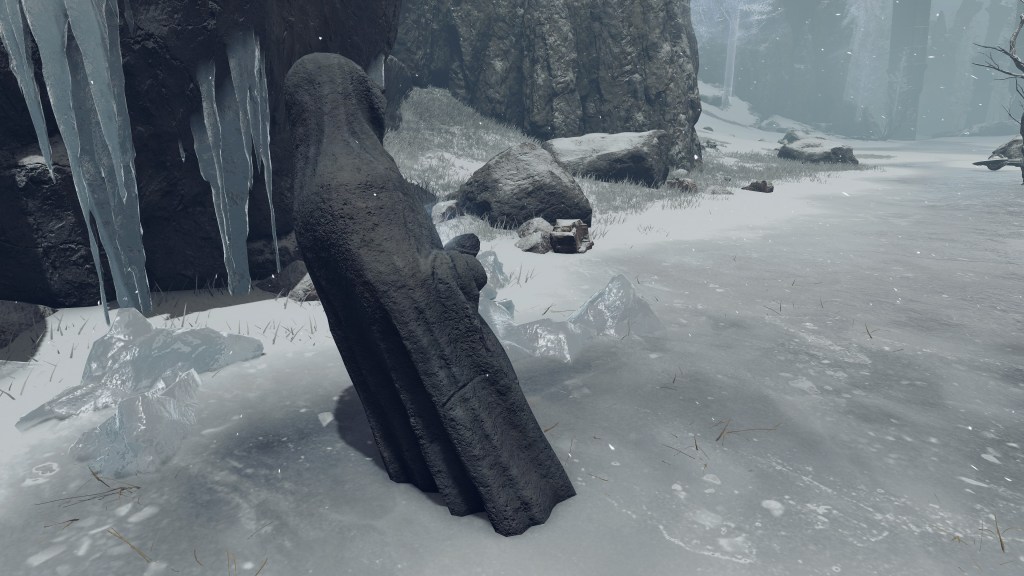
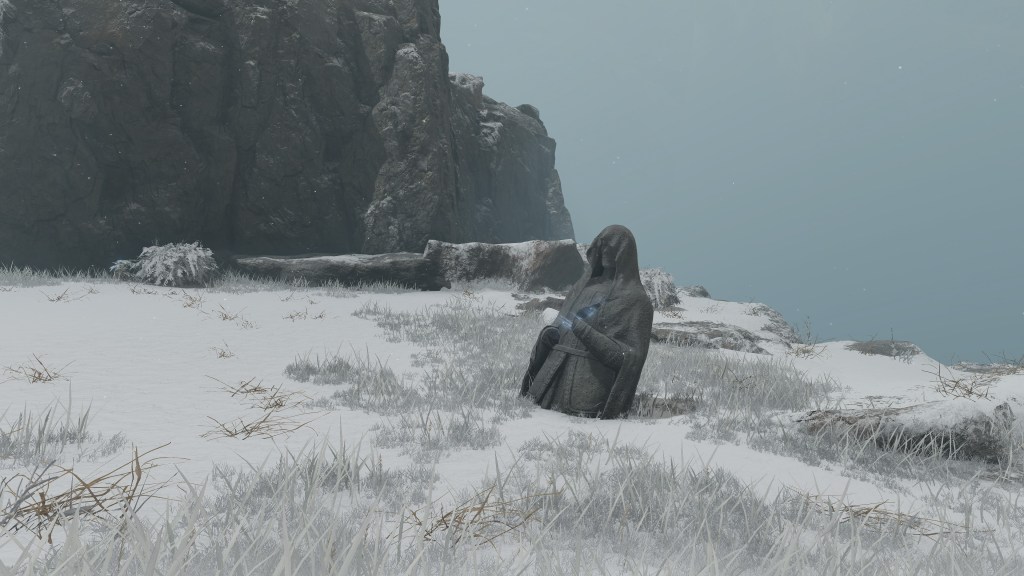
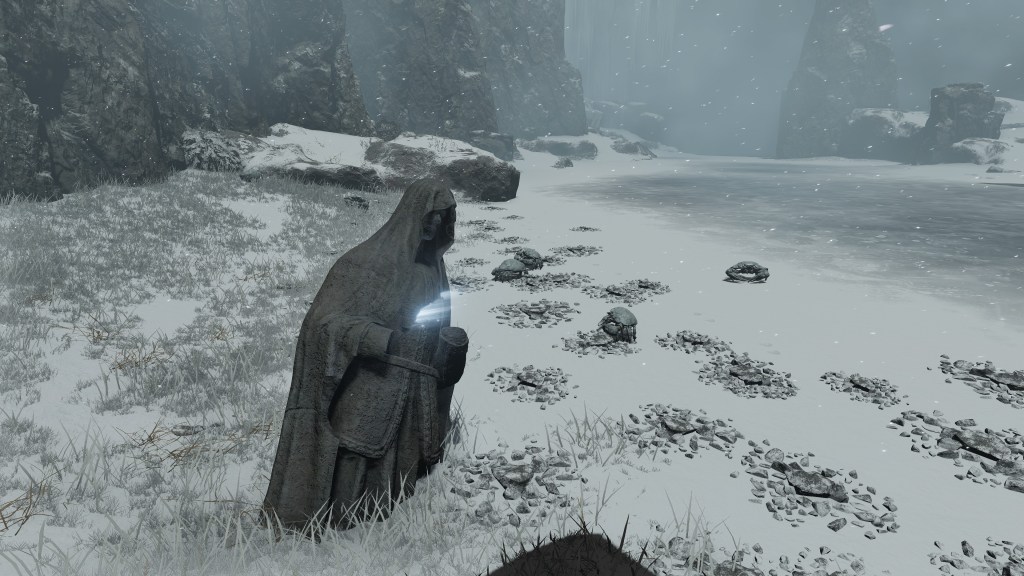
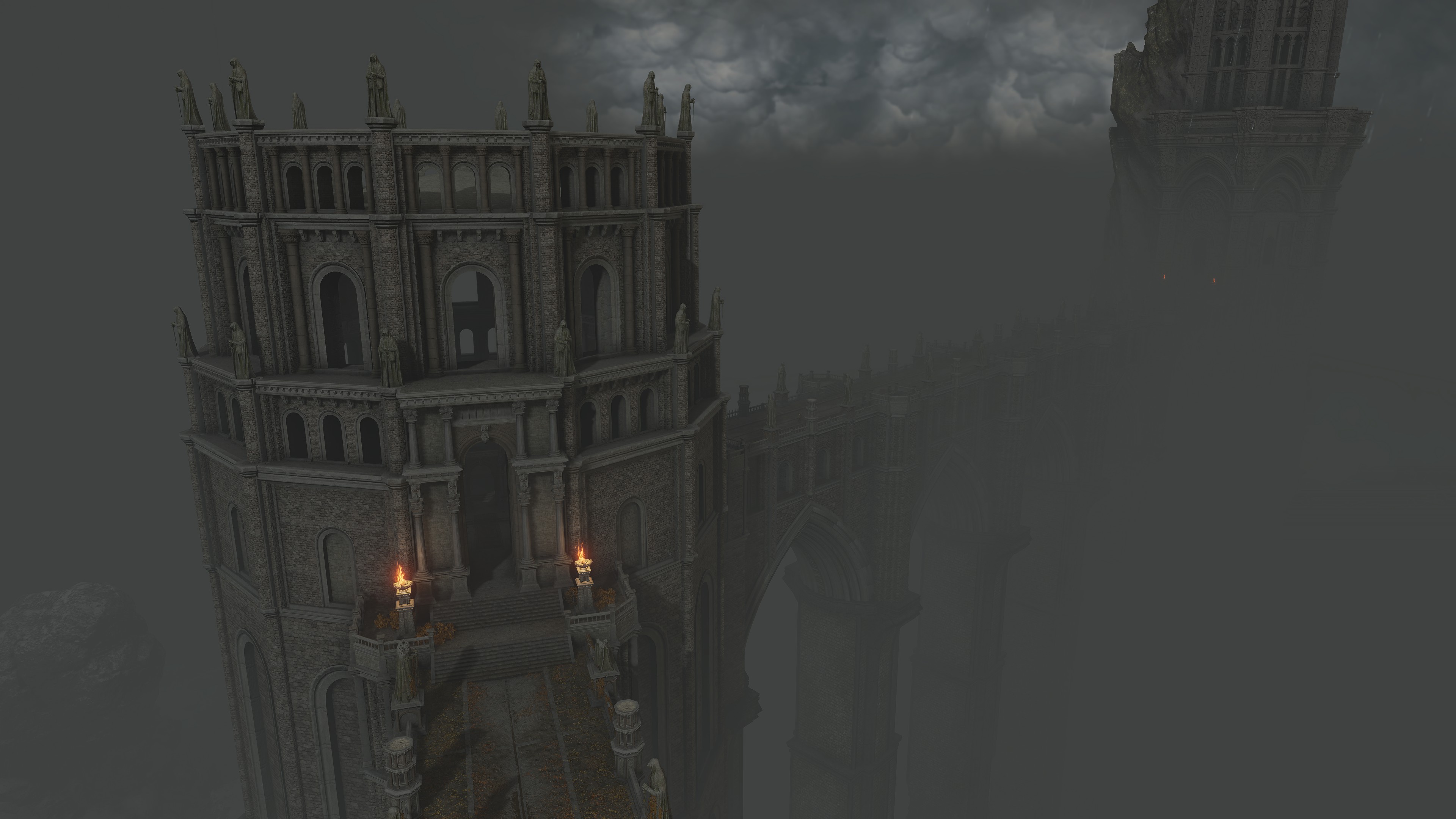
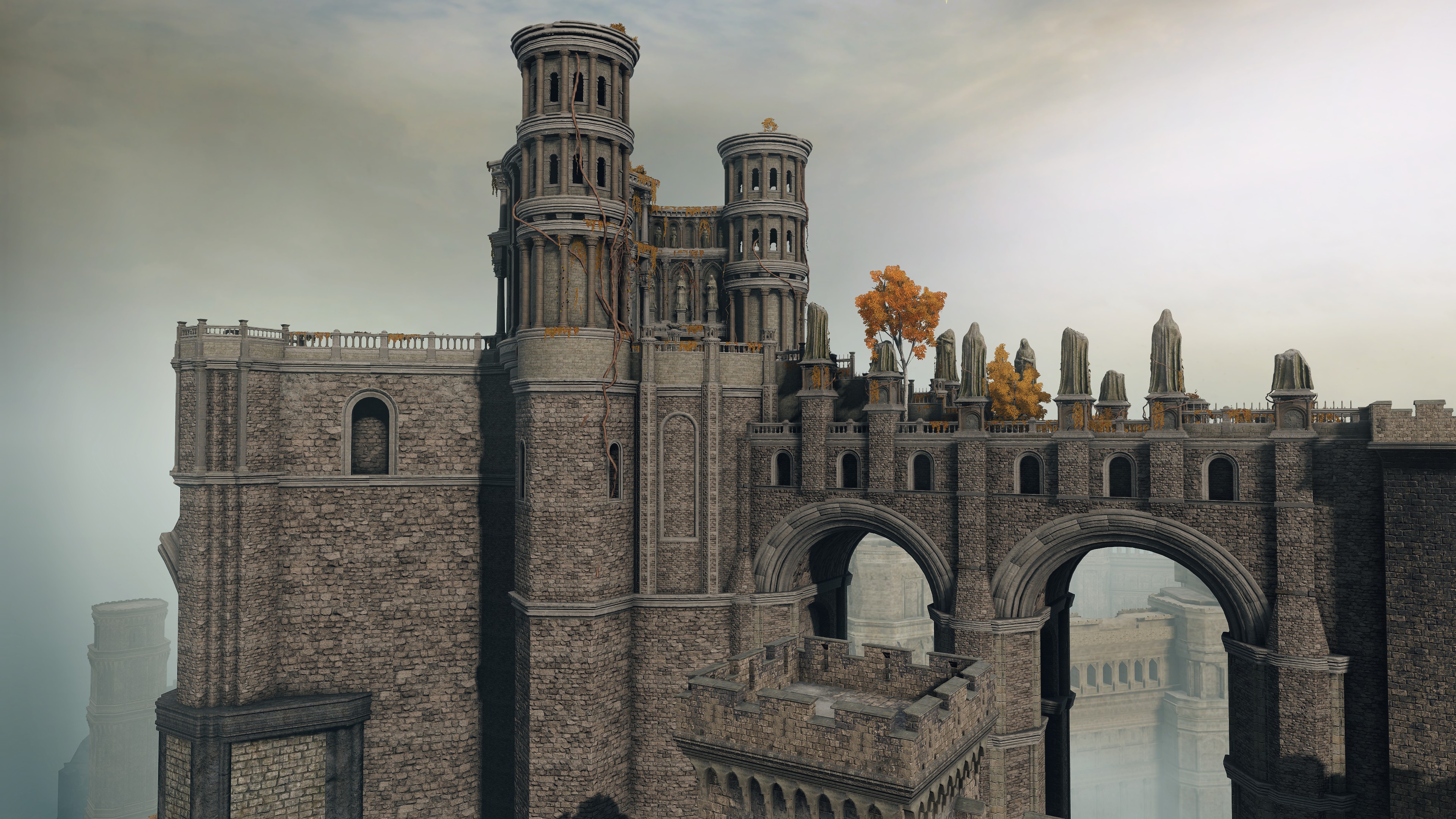
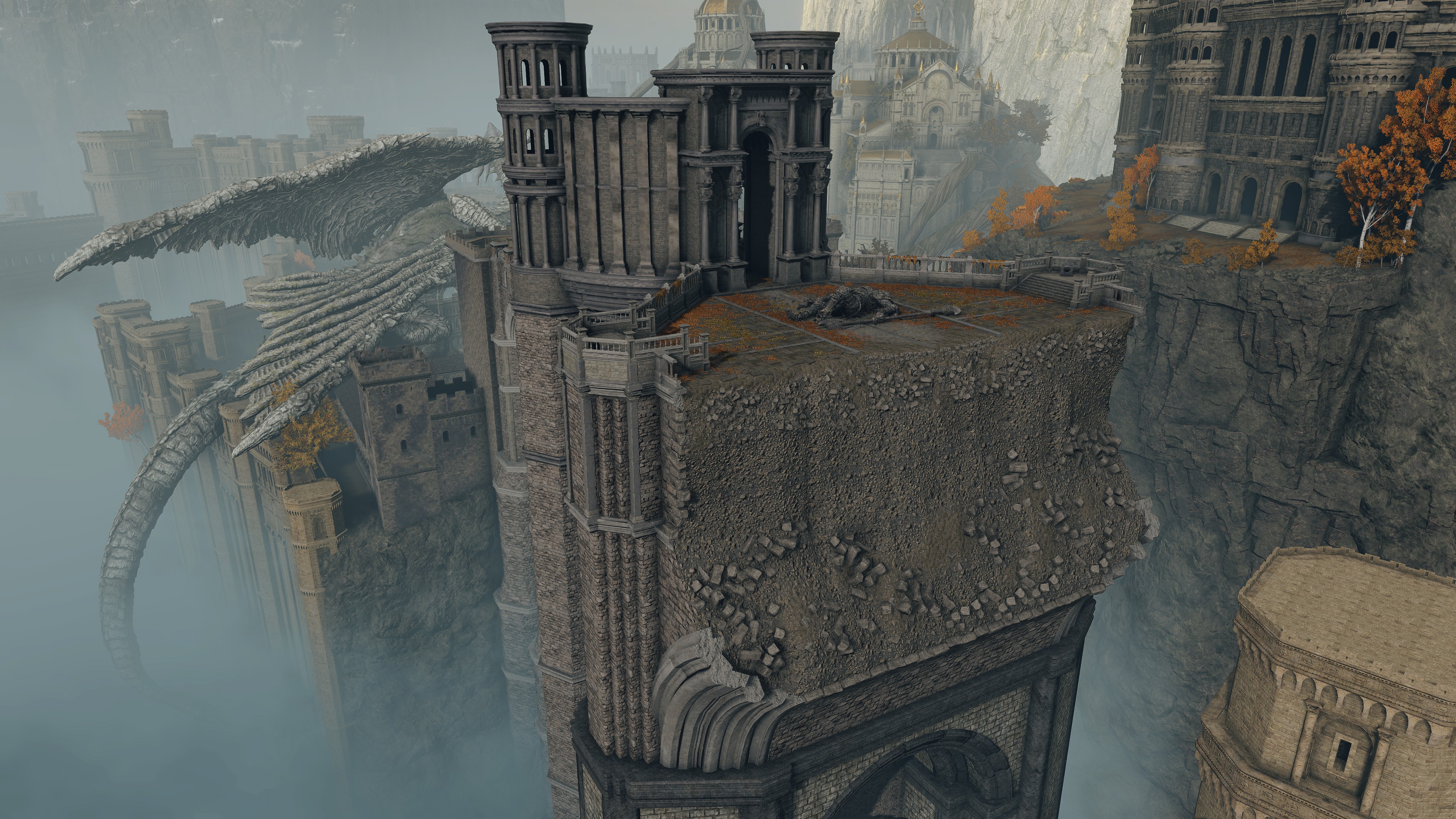
Evidently, the saint was a core figure to this ancient people, his ubiquity potentially positioning him as a kind of folk hero later peoples still remember and trace their lineage to. That would explain why the character remains on so much infrastructure as a kind of universal symbol for humanity. But before any of the real history was forgotten, what did he mean to the civilization putting him on a literal pedestal? We may have our answers in where the statue is most common: on bridges to the Divine Towers. Four of the six Divine Towers require these greatbridges to access, each erecting the saint statue at their parapets like with Saintsbridge and others. However, while the greatbridge models do share some similarities with those other bridges individually, none are an exact match. We can thus surmise that the tower greatbridges were built independently and potentially even predate all others.
Both are undoubtedly exceptionally old. Among the countless paintings in Stormveil Castle, there is the occasional landscape of Stormhill without the castle. This image clearly redraws an early concept art of Stormveil, even retaining a random bridge and tower in the midground. However, these details, much like the fact that the snowy mountain in the background is part of one continuous landmass on the hill, are difficult to discern in-game. The focus of the concept art is the player character in the foreground and Stormveil Castle in the background. Both have been removed from the landscape painting and replaced with the Divine Tower and its adjoining bridge connecting it to the hilltop, the snowy peak now appearing like part of the northern mountaintops on the horizon. Notably absent from this depiction is the Erdtree, which normally looms from behind the tower. This indicates that the bridge and the tower predate the tree alongside Stormveil Castle, and by presumably a large margin.
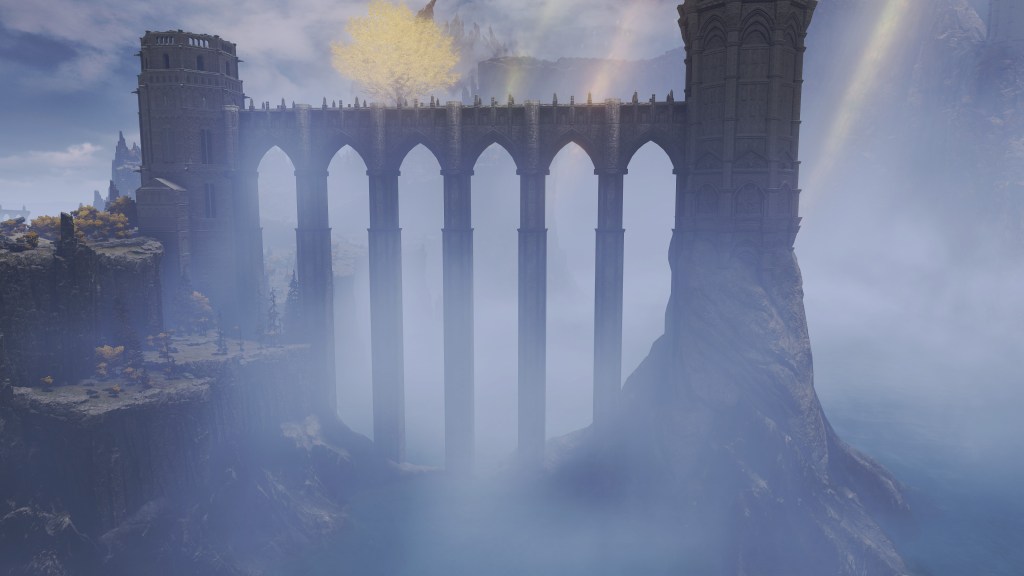
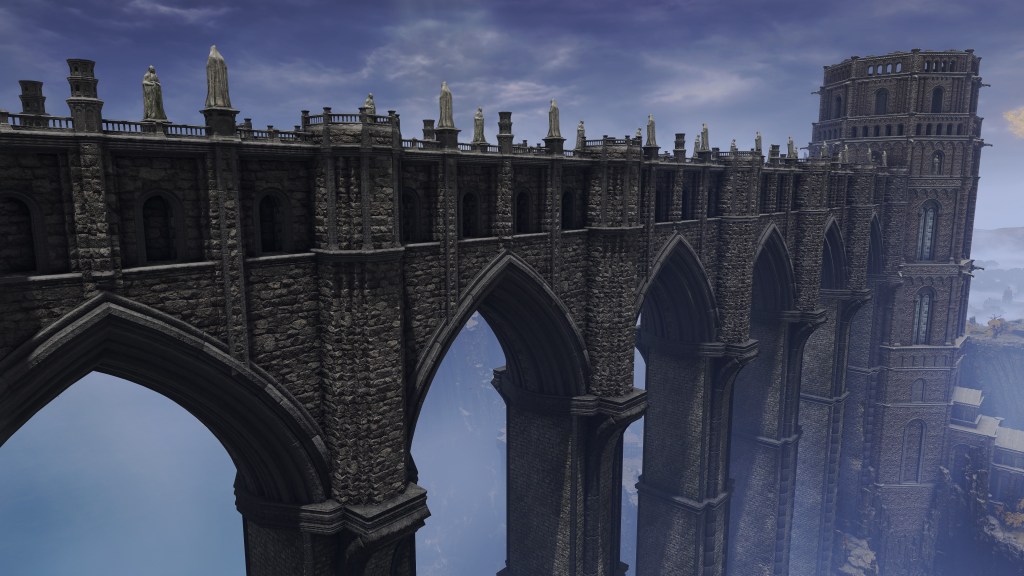
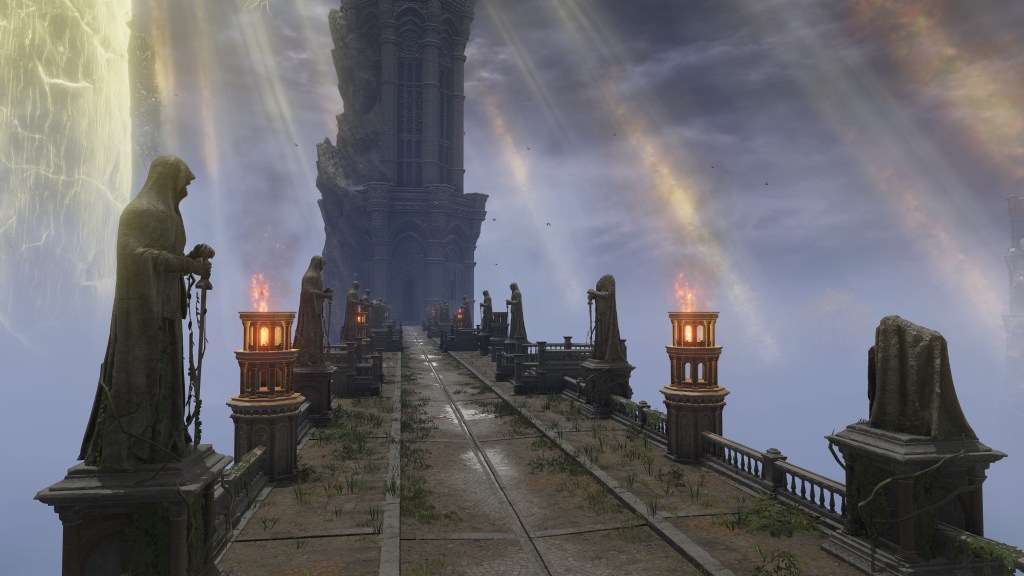
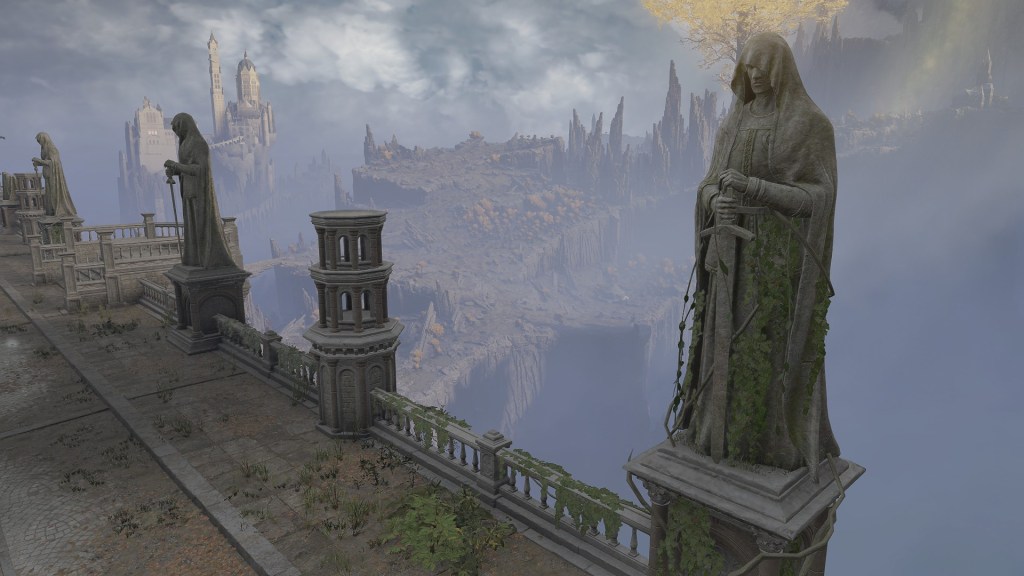
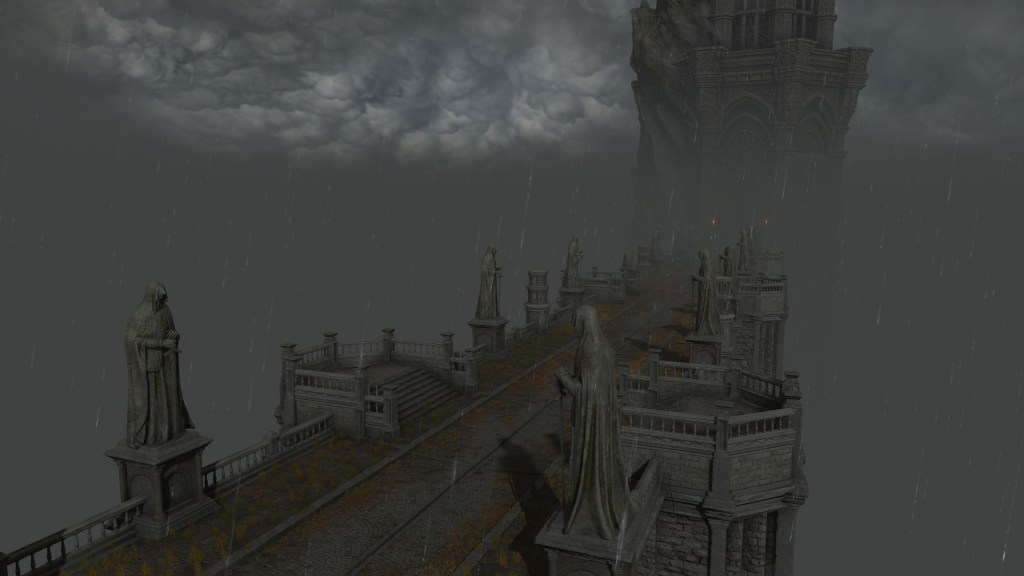
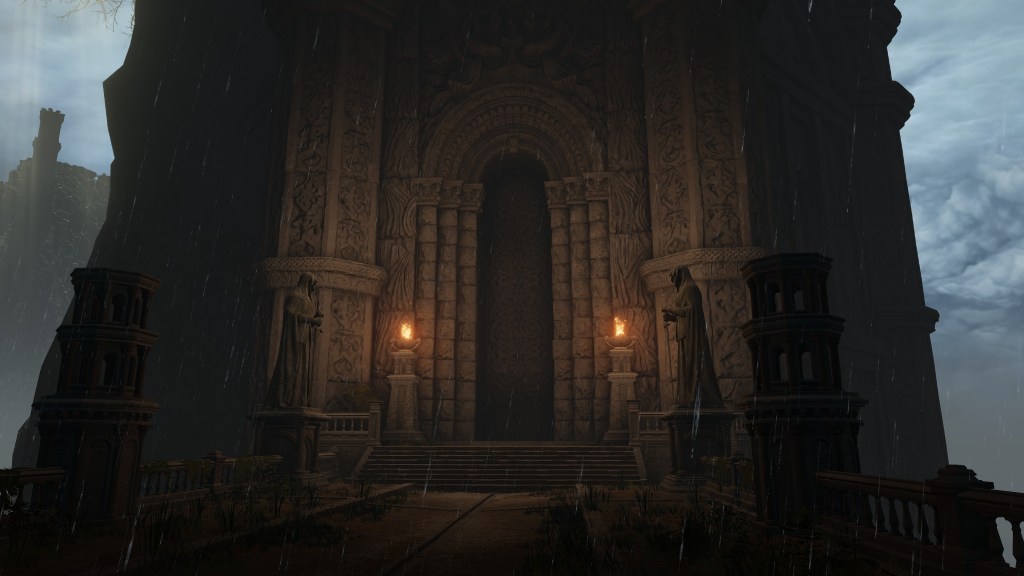
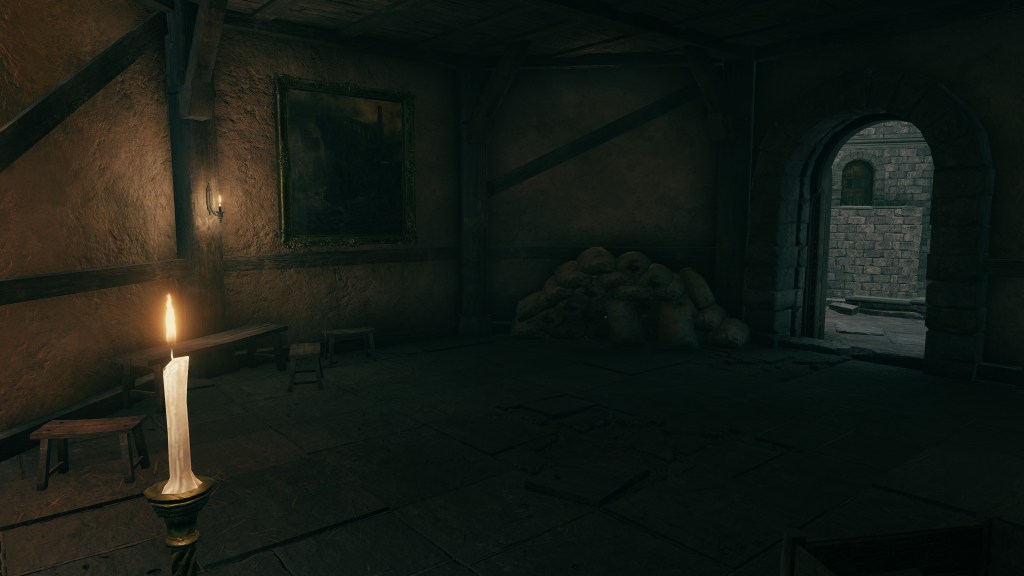
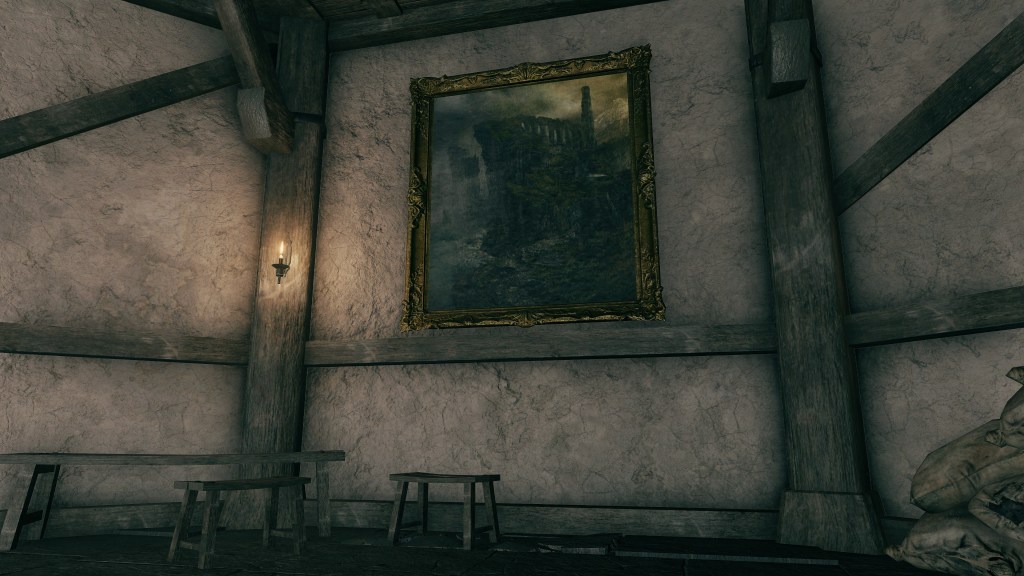
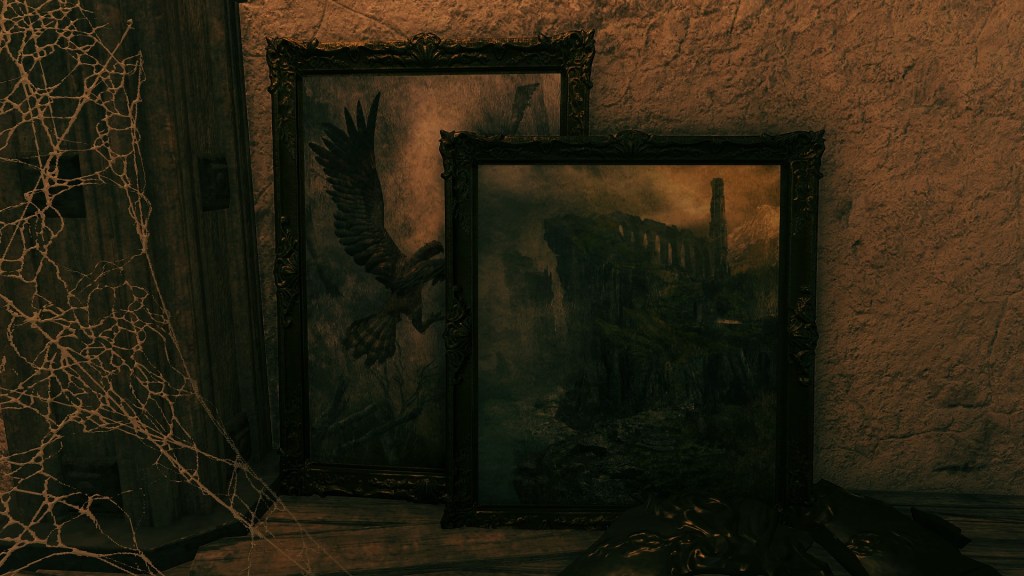
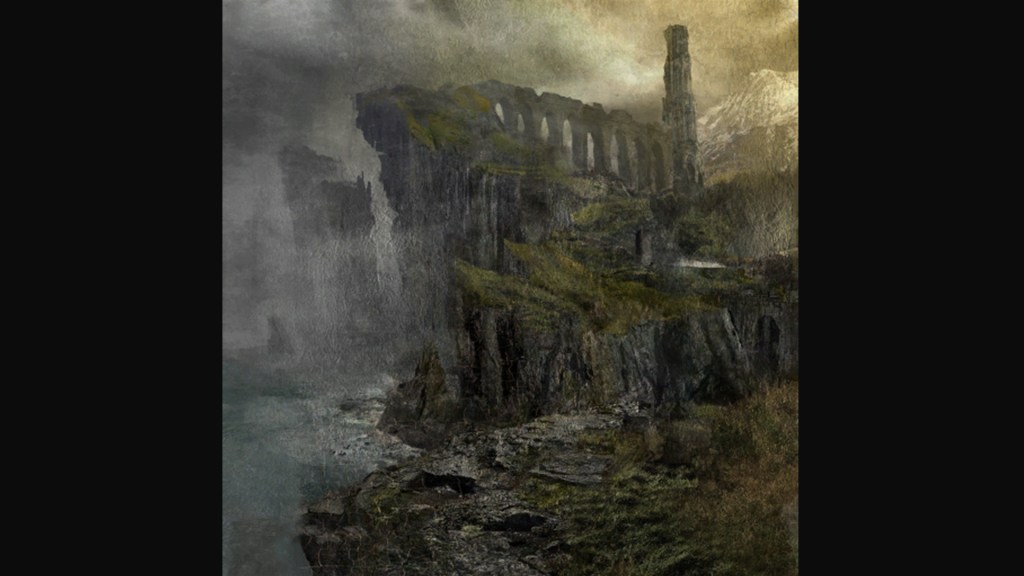
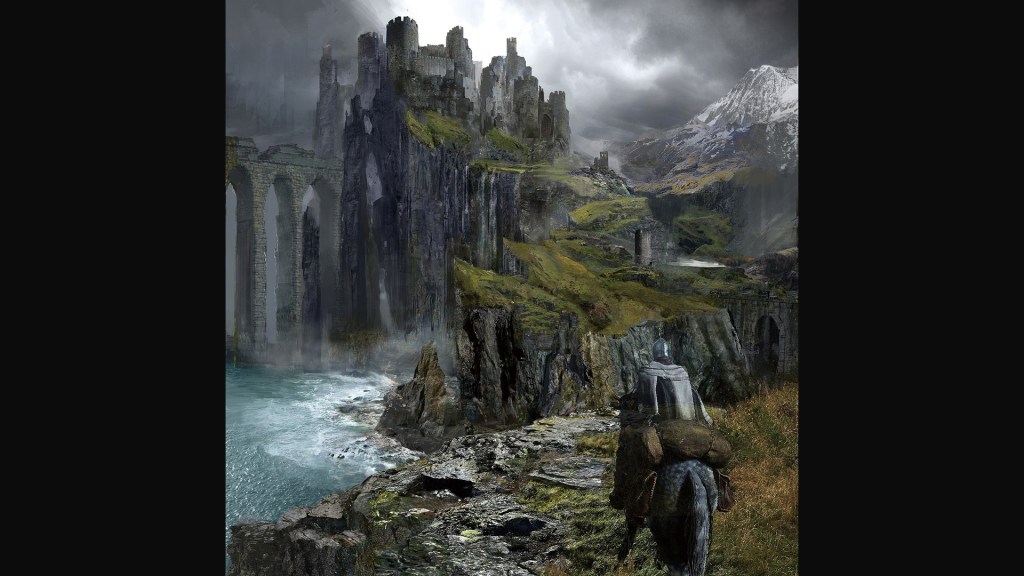
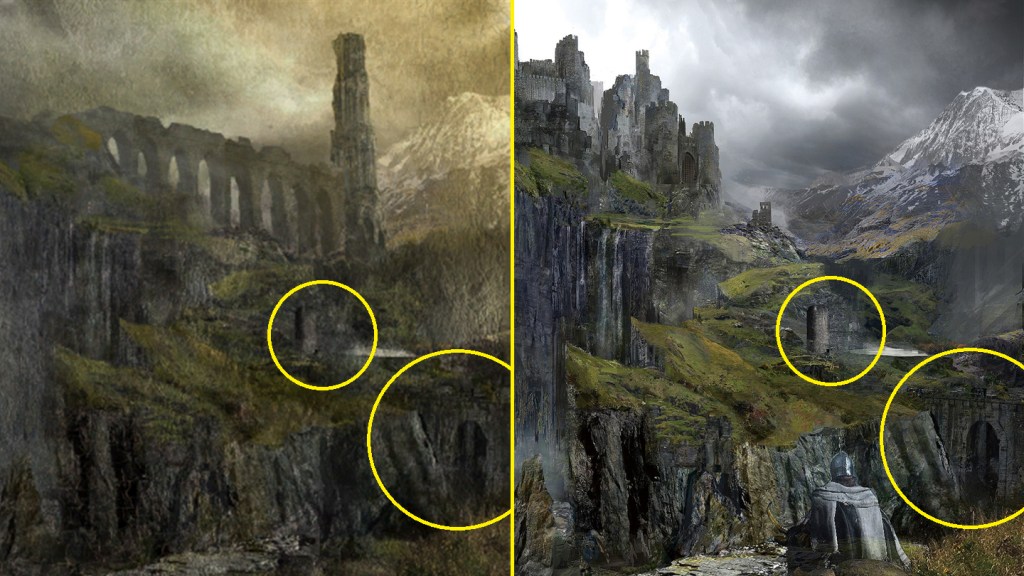
As further support, there is the damage to the actual bridge. While the painting depicts broken parts of the deck, the greatbridge at present has entire sections missing above the columns, with trees and bushes growing in their place. The vegetation itself is consistent with the other bridges, but this inconsistent kind of damage is unique, seemingly a result of the constant wind and rain buffeting the viaduct on that hill for years on end. For the storm damage to be this severe in the current day and still relatively serious when the landscape was painted — just before Stormveil Castle’s construction at latest — the bridge must have been around for quite a while. Considering that the castle itself owns antiquated crests, both the bridge and tower are surely more ancient constructs, perchance even contemporaneous with one another. The inclusion of statues may therefore tie them both to the saint civilization.
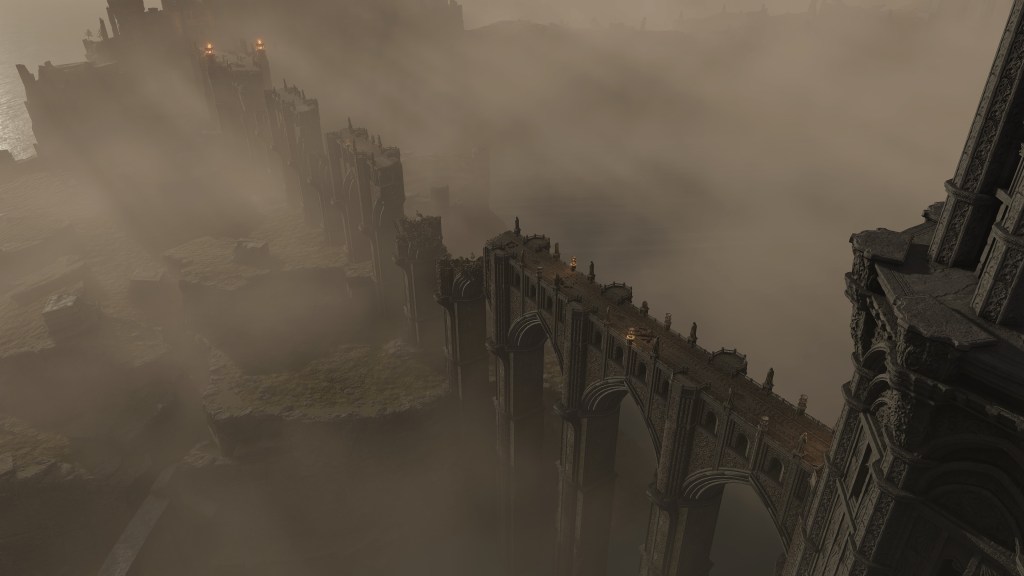
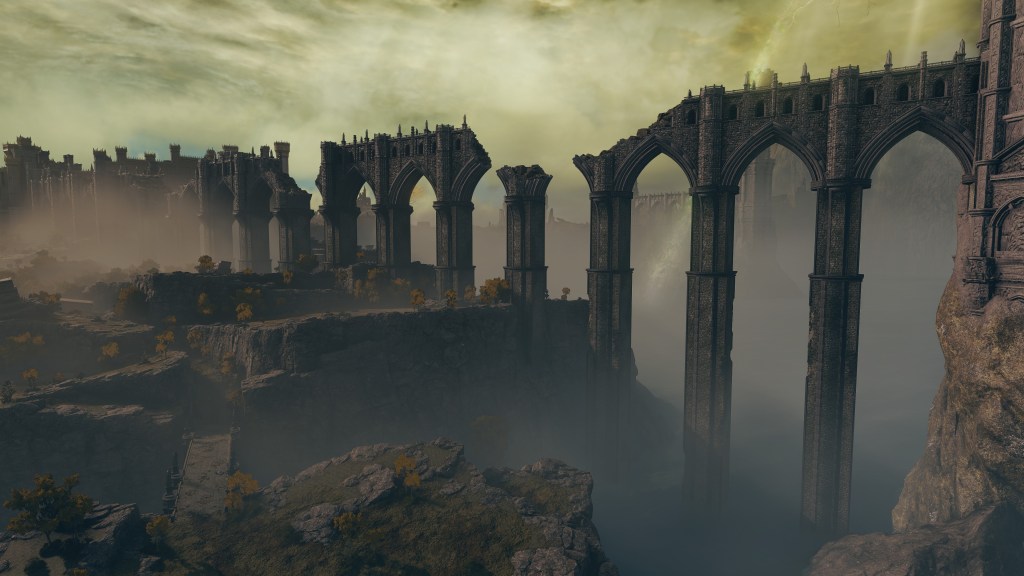
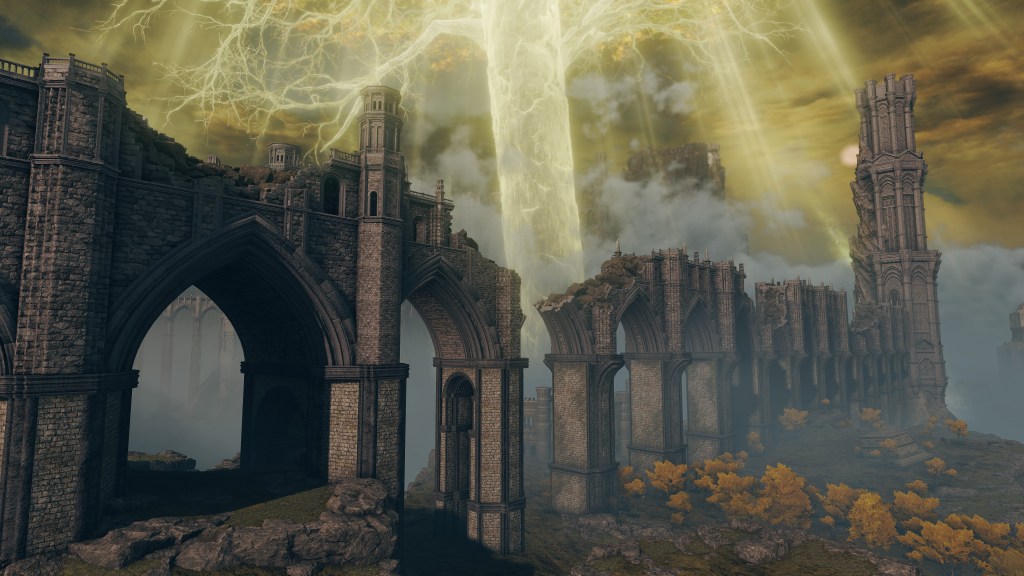
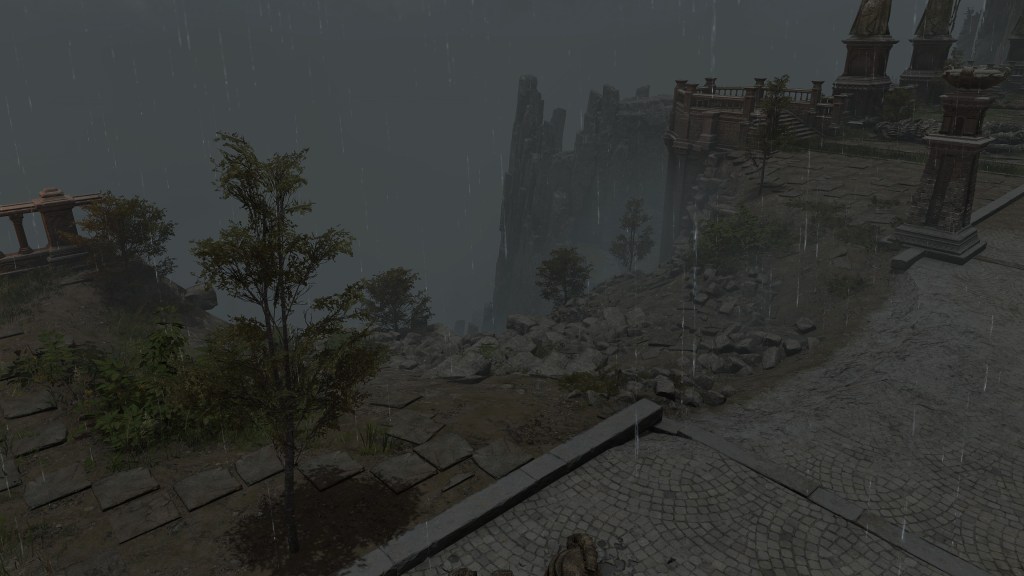
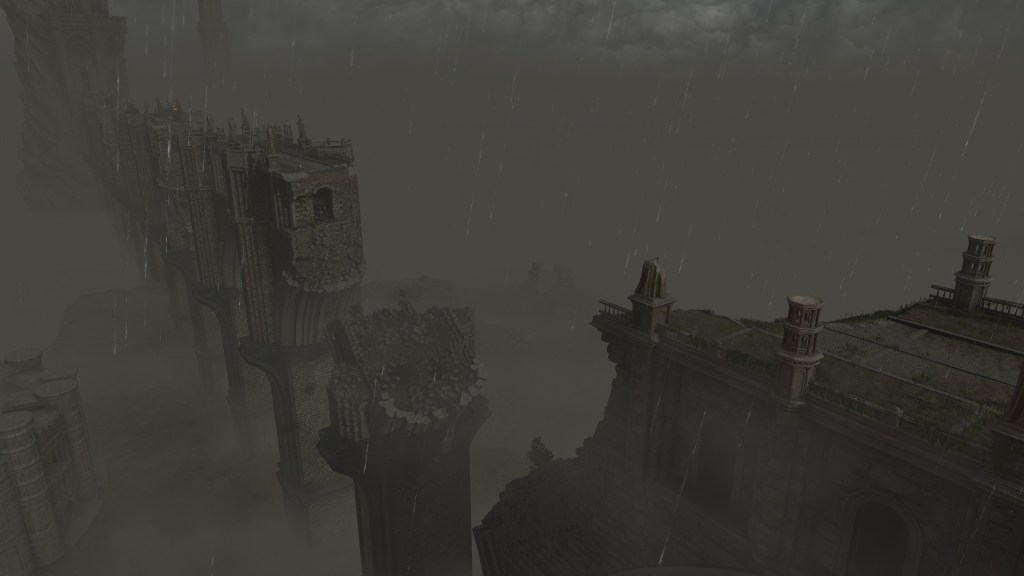
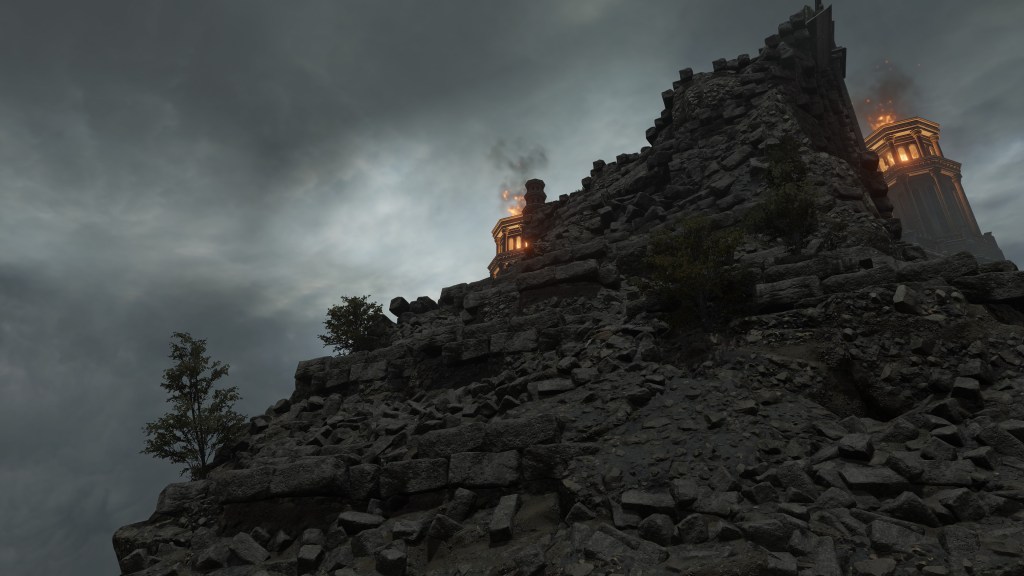
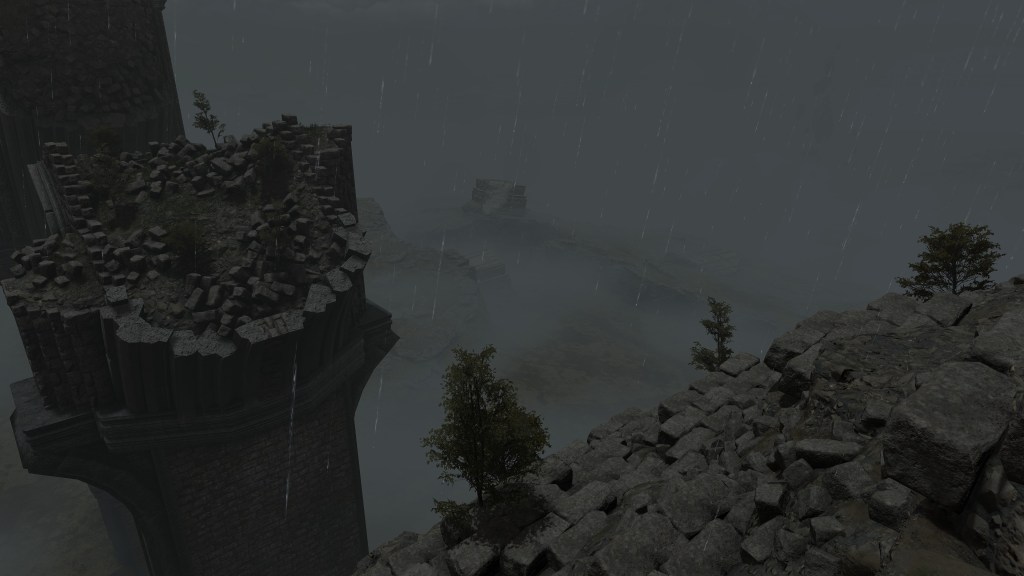
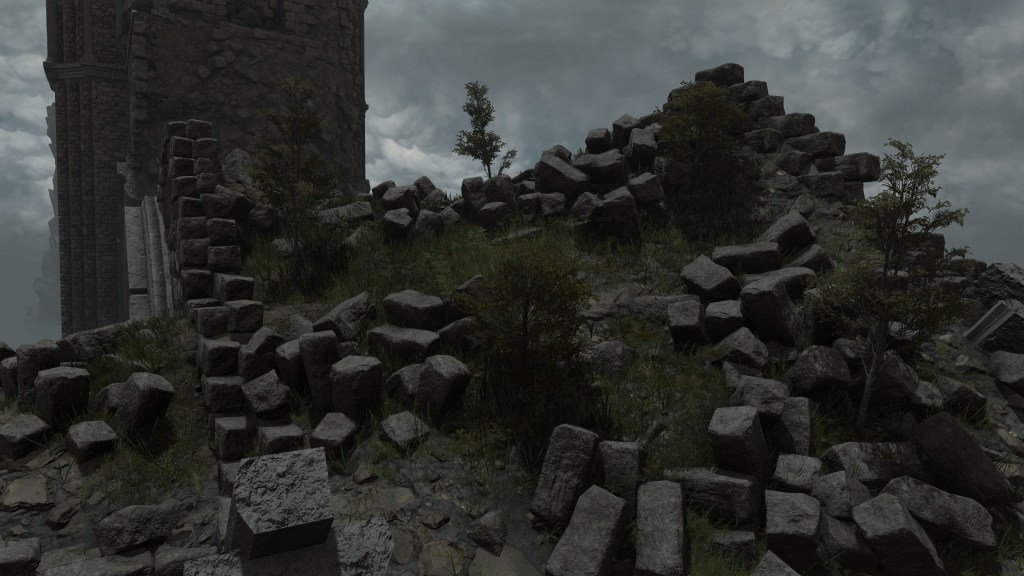
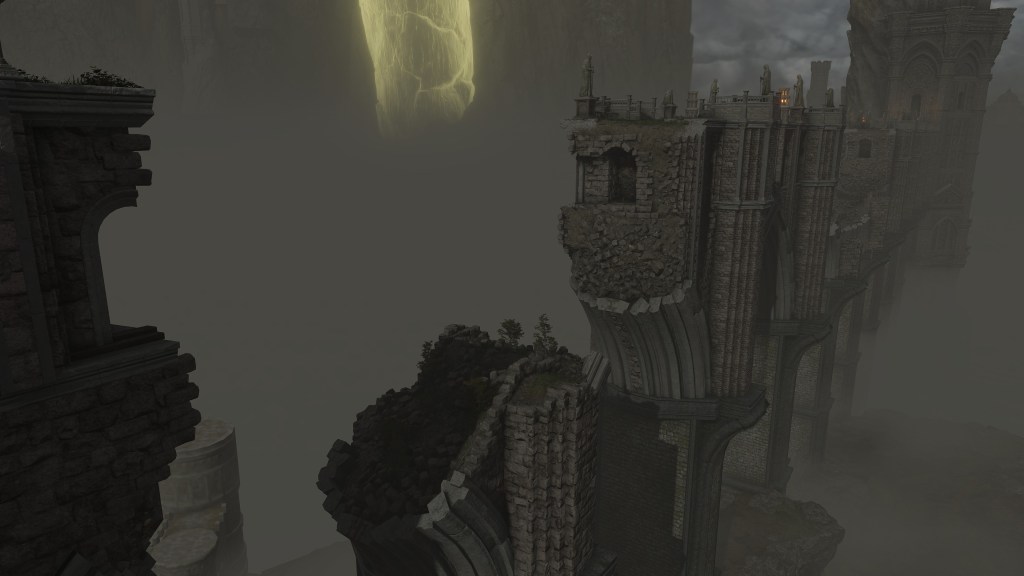
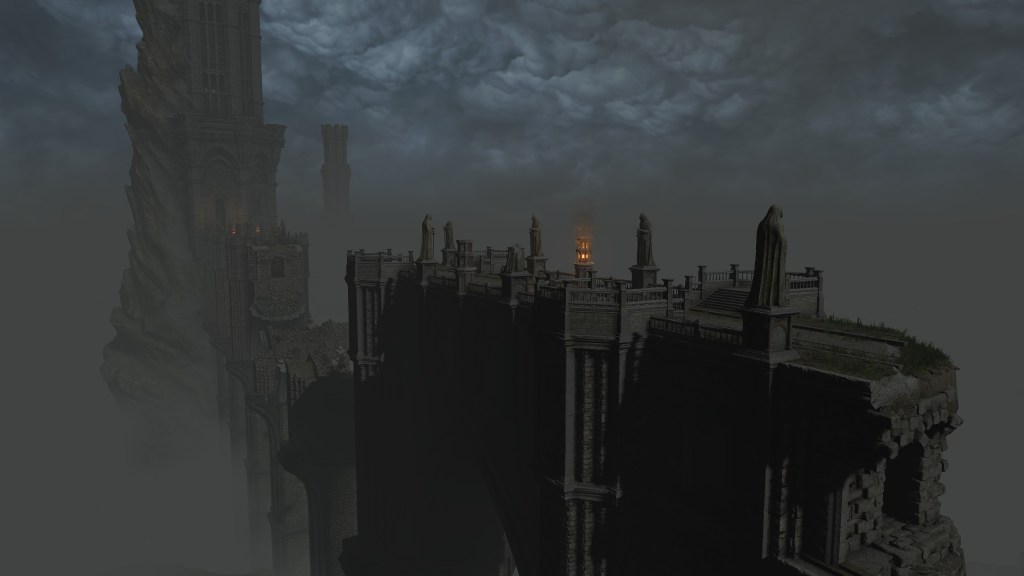
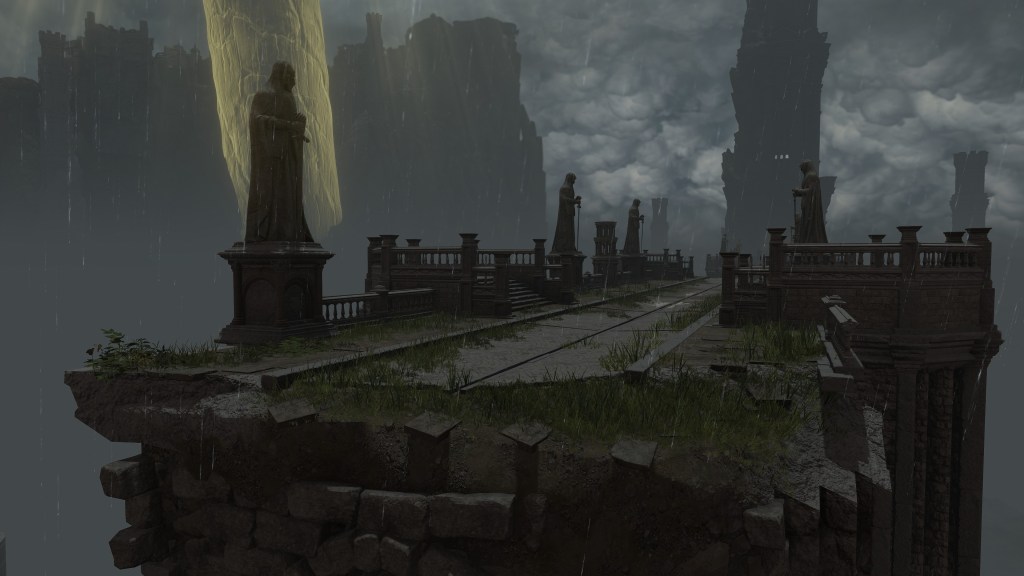
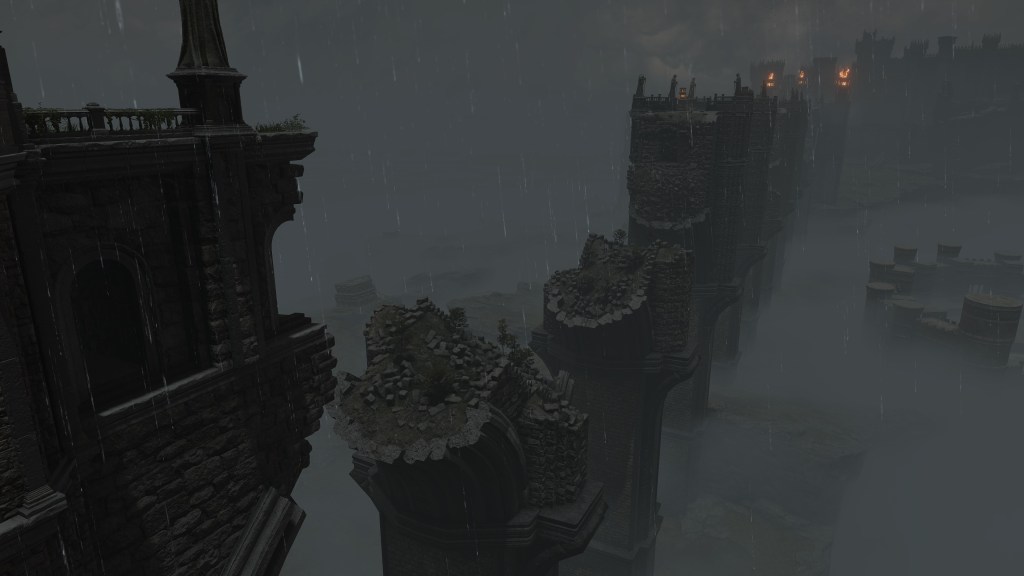
Admittedly, it is possible that this was a later renovation. One element of the bridge manifestly absent from Stormveil’s landscape painting is the triumphal arch, covered in saint and sage statues along with tree reliefs. Perhaps the absence is another oversight by FromSoftware, but it opens the prospect that the entire structure was added by a later culture like the Erdtree kingdom; besides the arboreal iconography, we only see these arches on the bridges connected to its royal capital of Leyndell. In that case, it is feasible for the statues along the parapets to be further additions to the existing bridge, whether by the Erdtree or earlier civilizations including the actual saint culture. The same might be said for the various towers often adjoined to these viaducts, typically facilitating lifts up to the bridge and sharing elements with the arches for their entrances and exits. These too often adorn themselves with some combination of saint and sage statues. The differing styles of the towers, along with other small adornments, generally convey multiple influences on the final design.
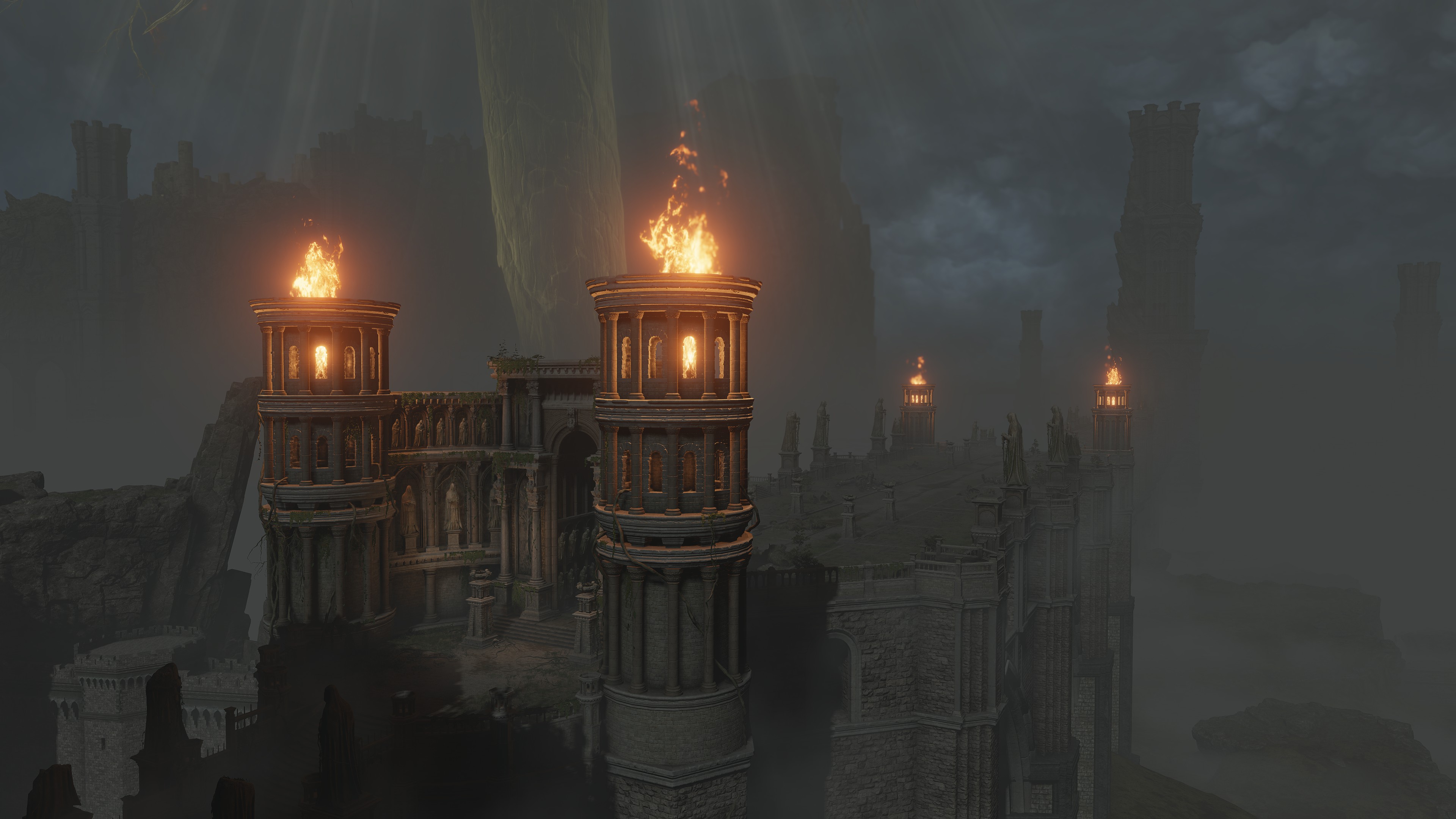
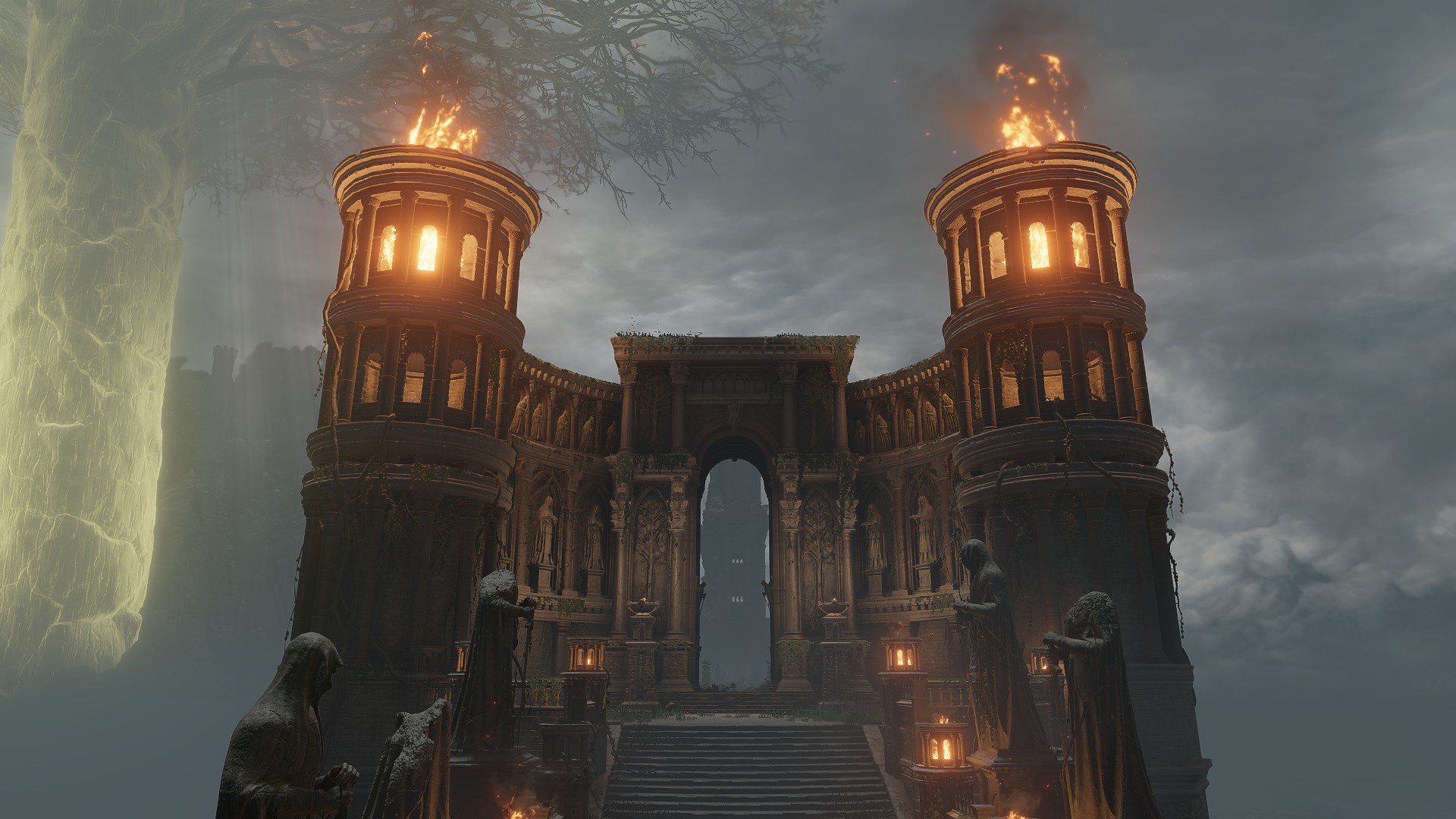
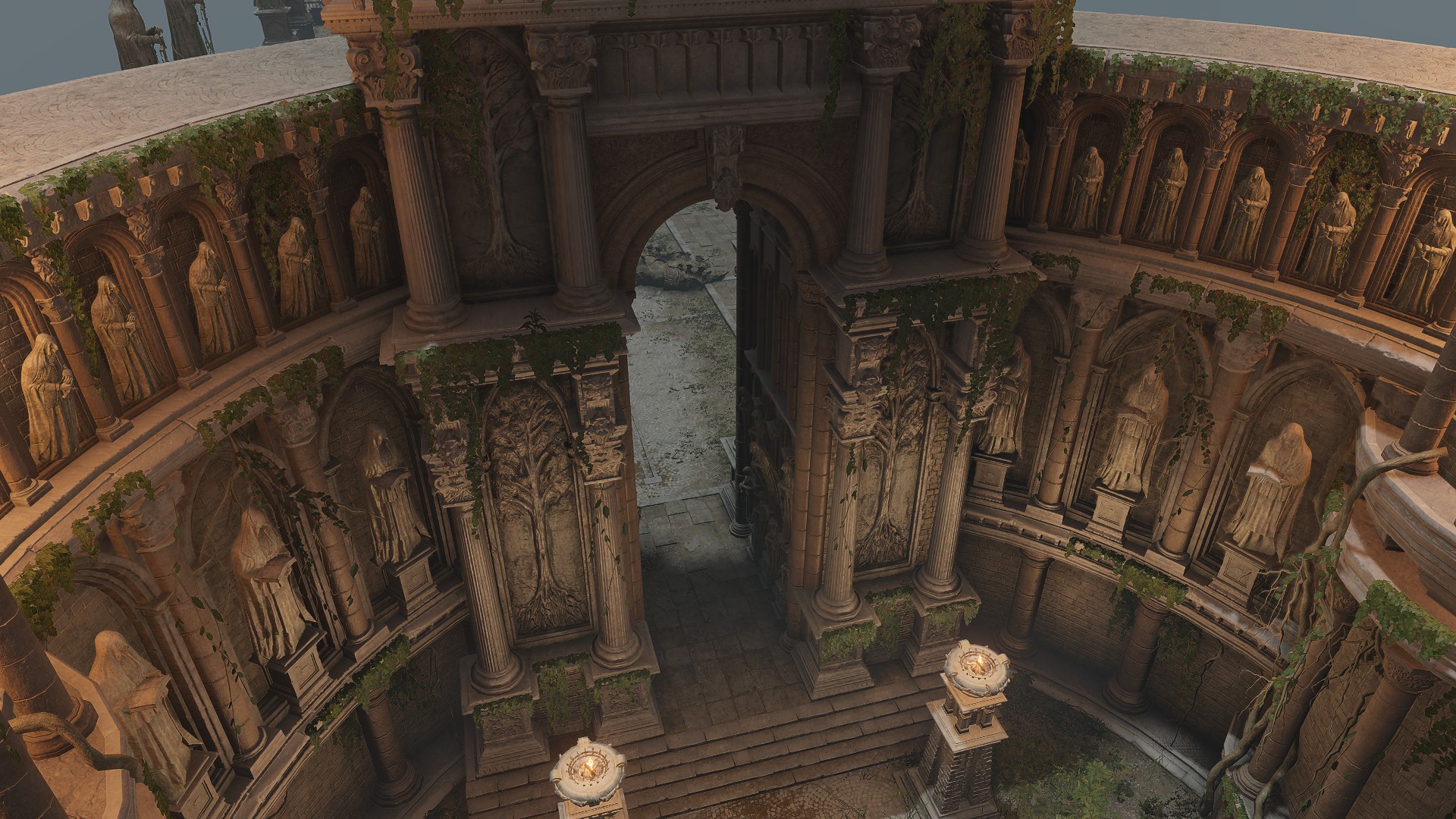
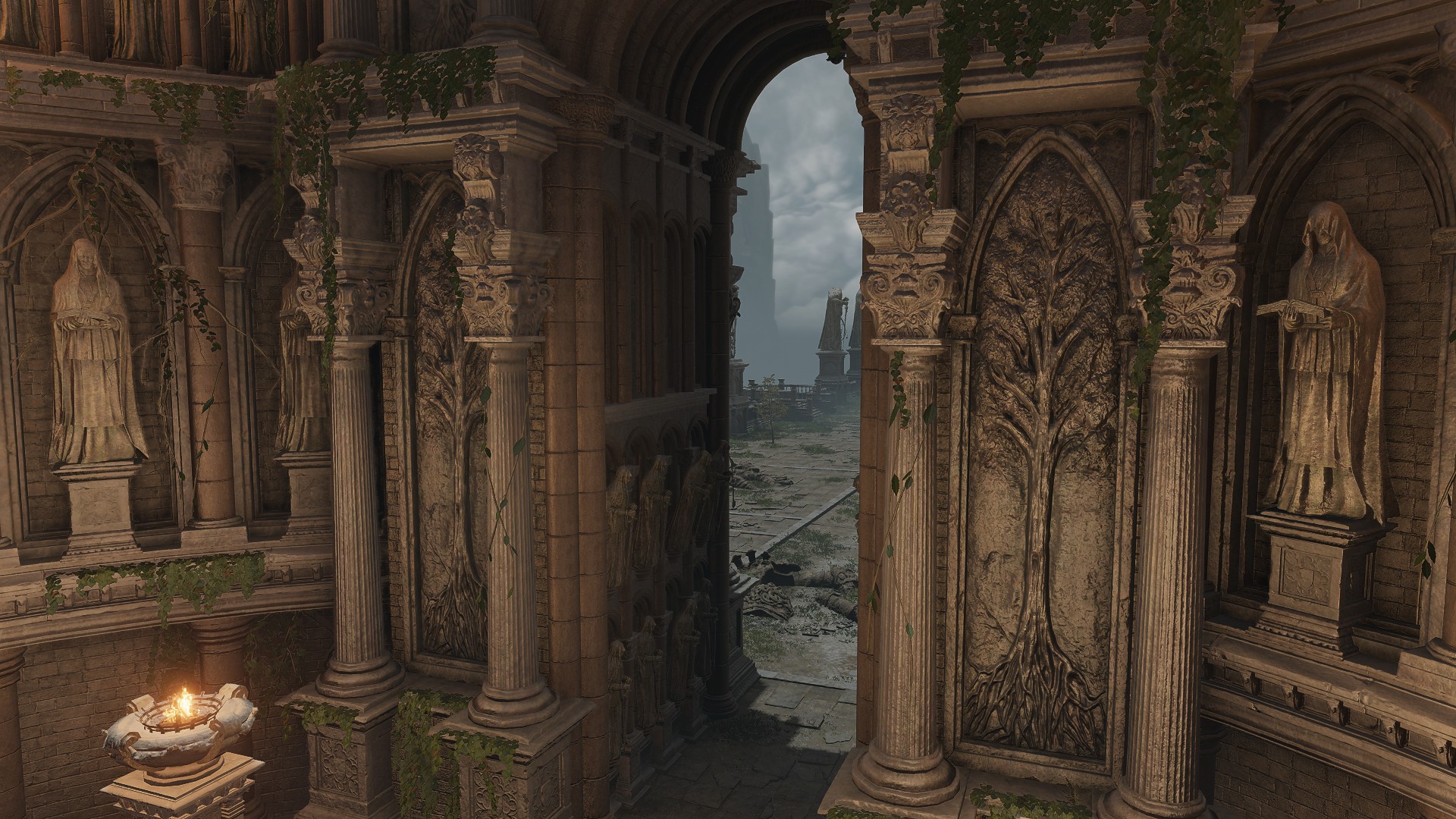
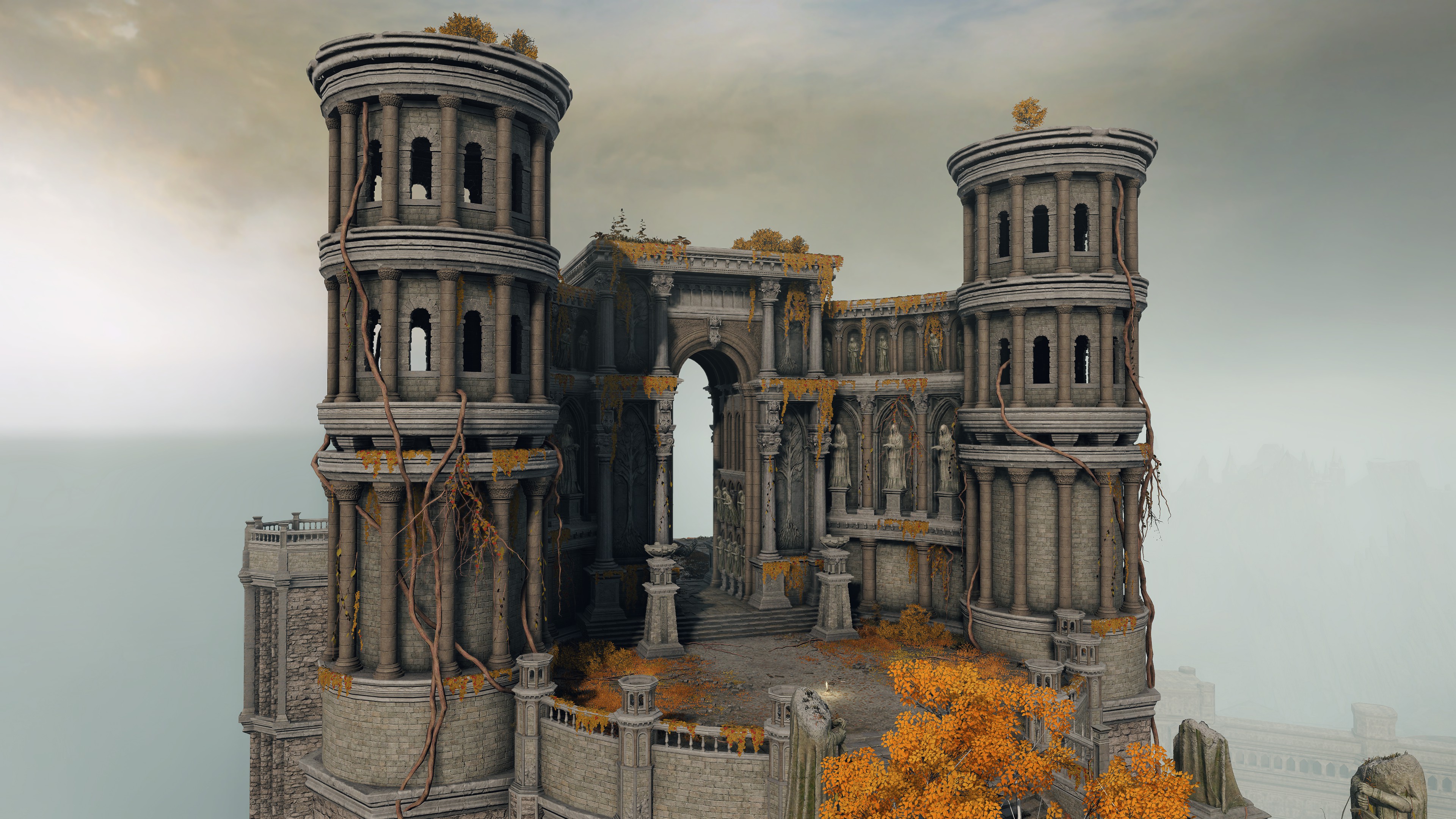
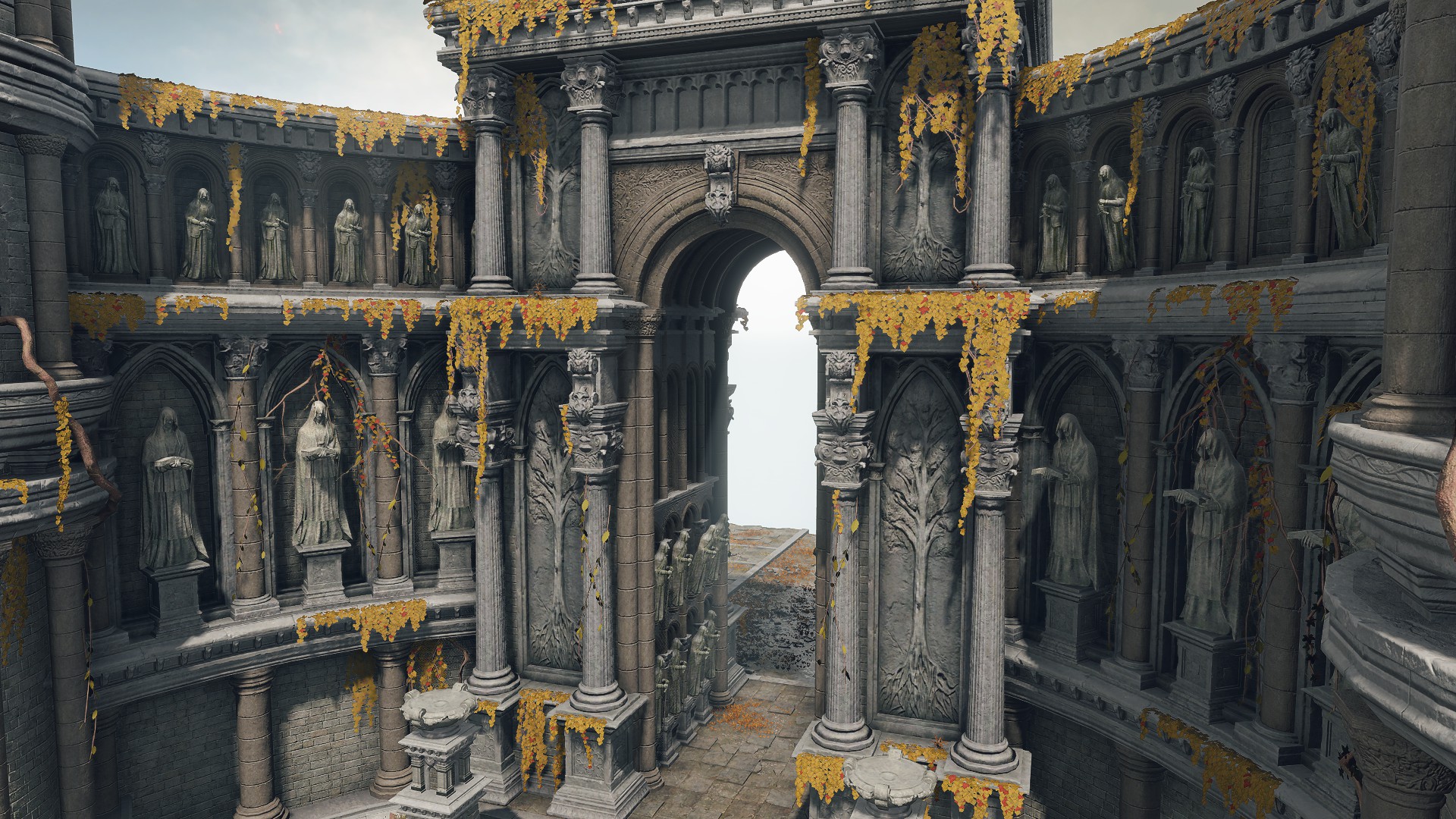
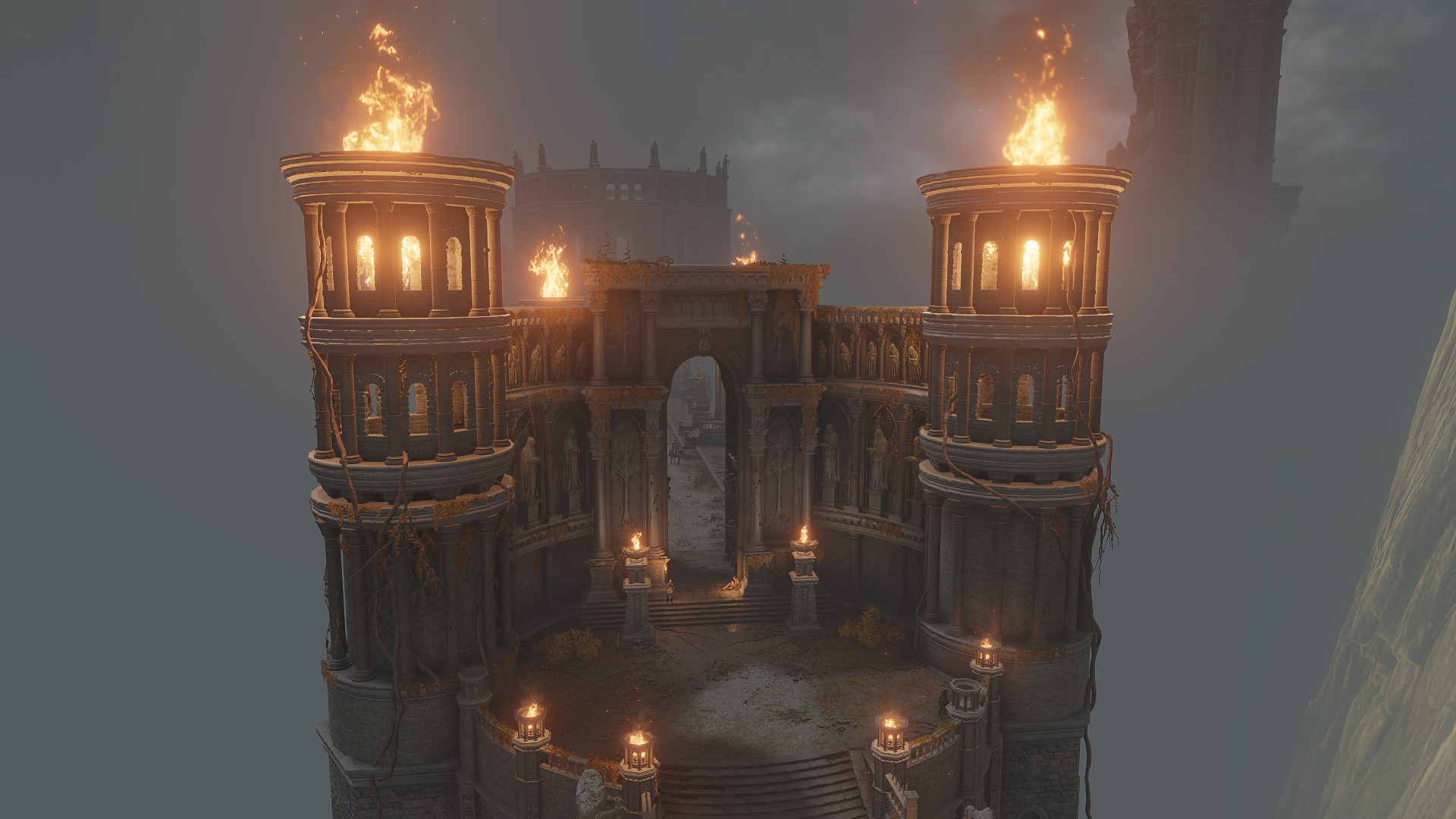
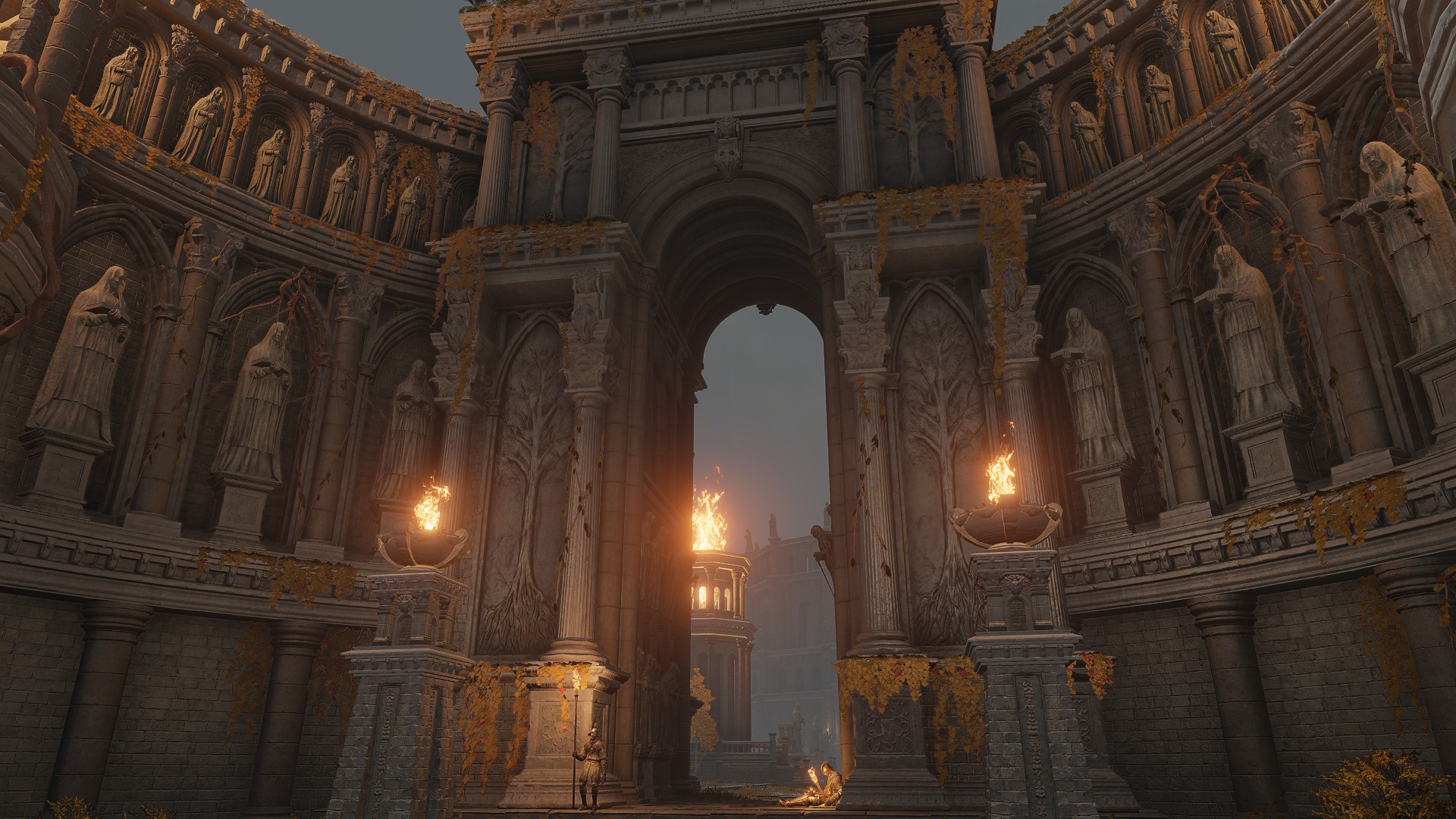
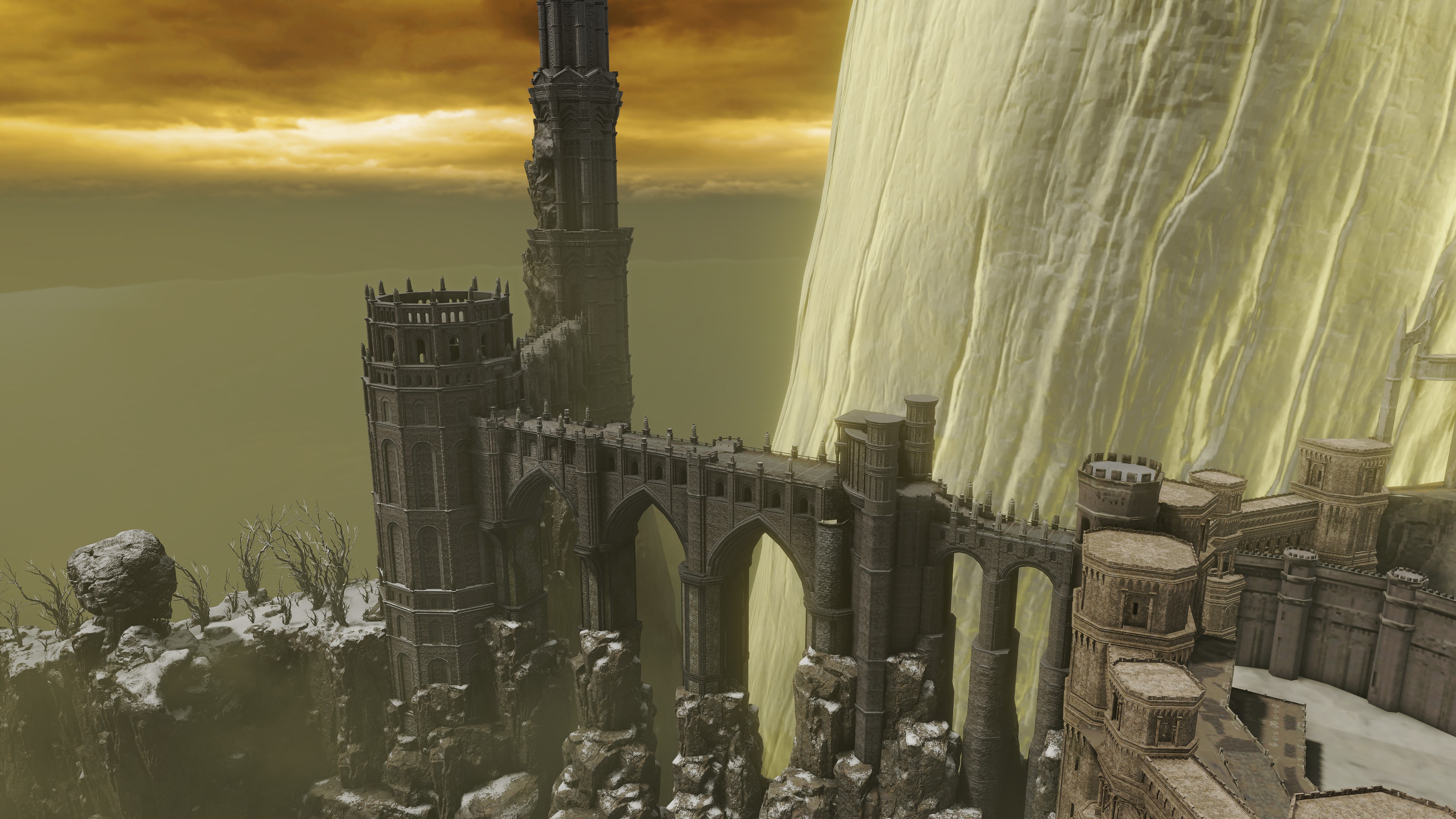
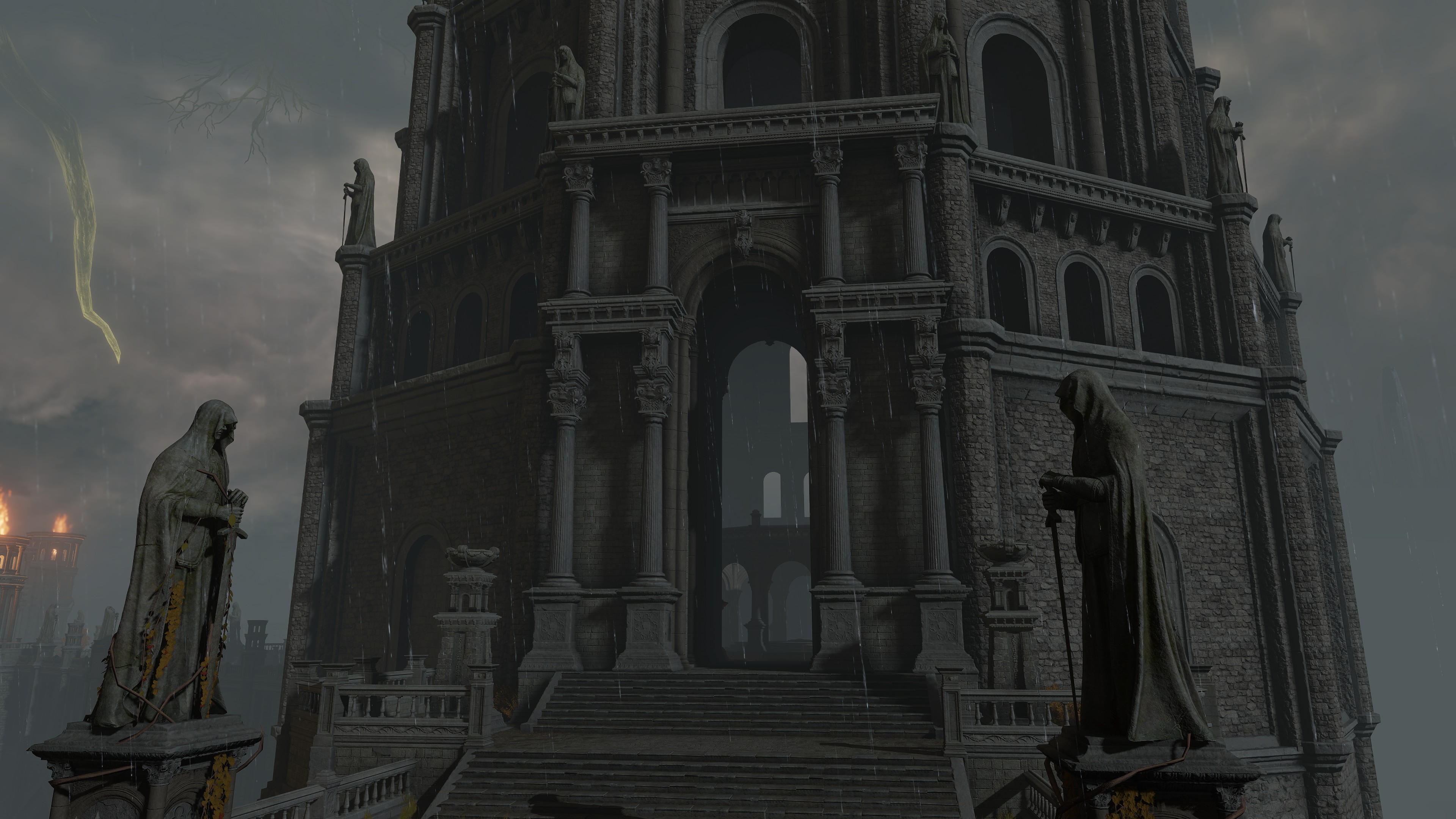
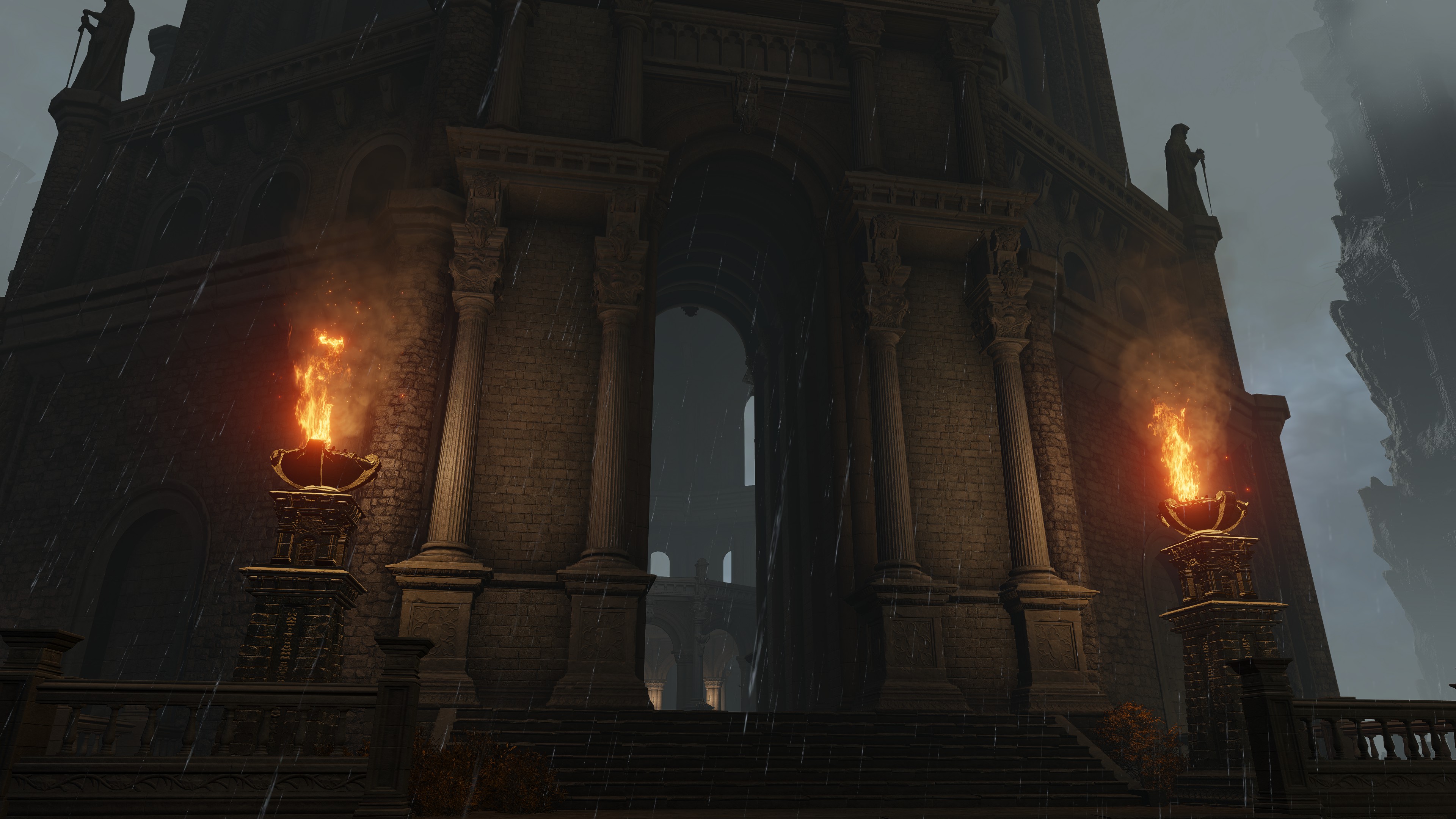
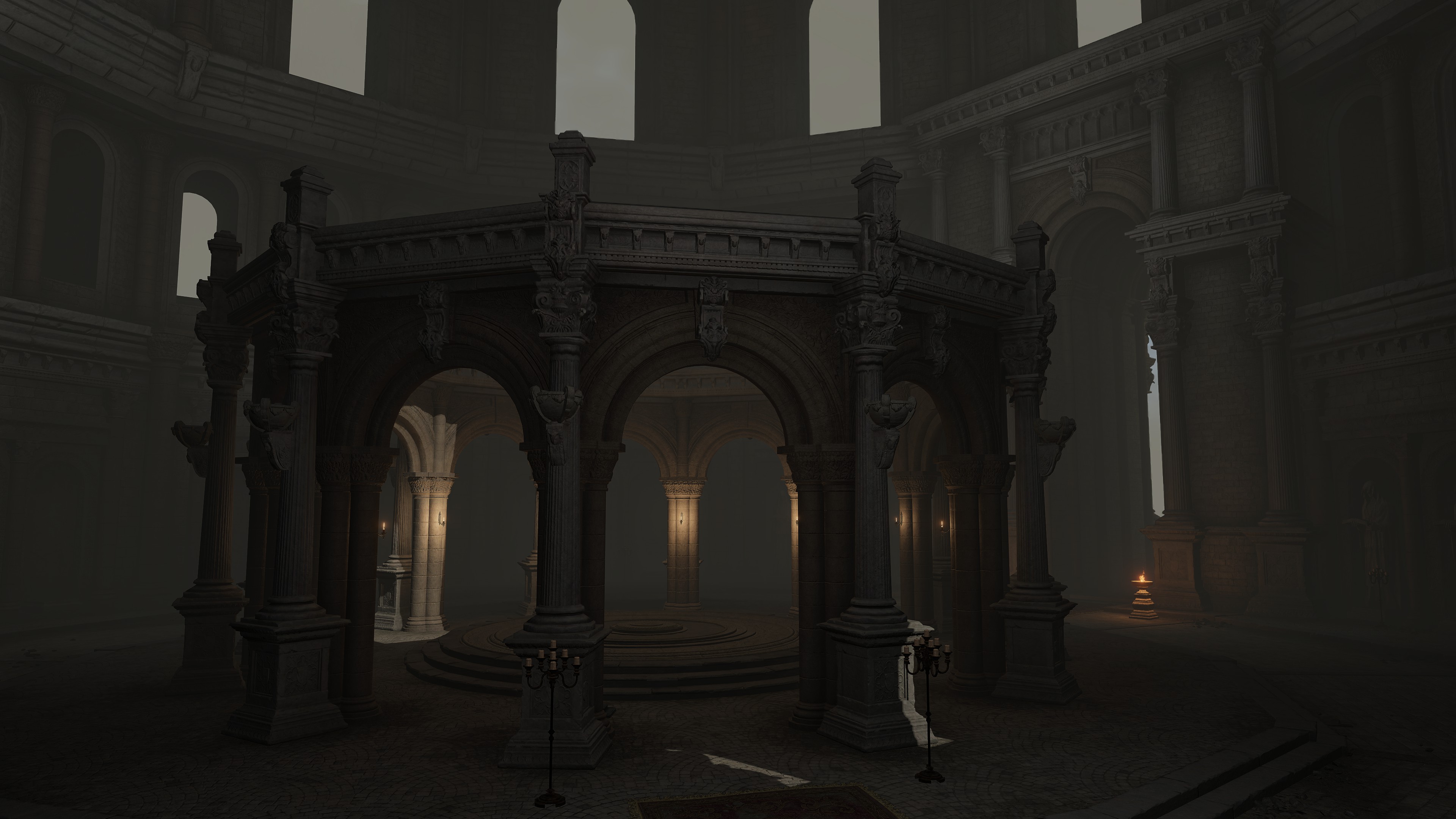
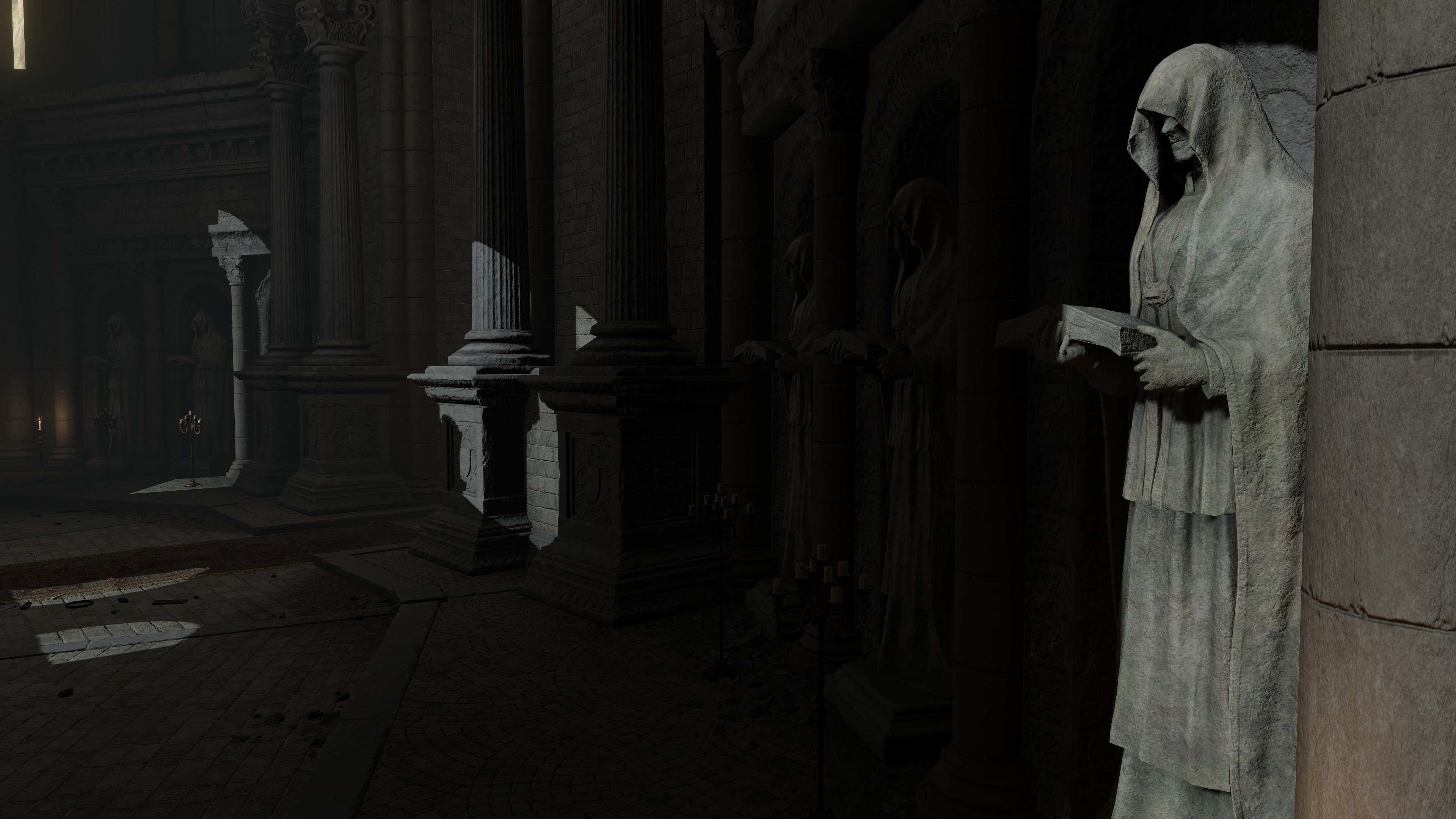
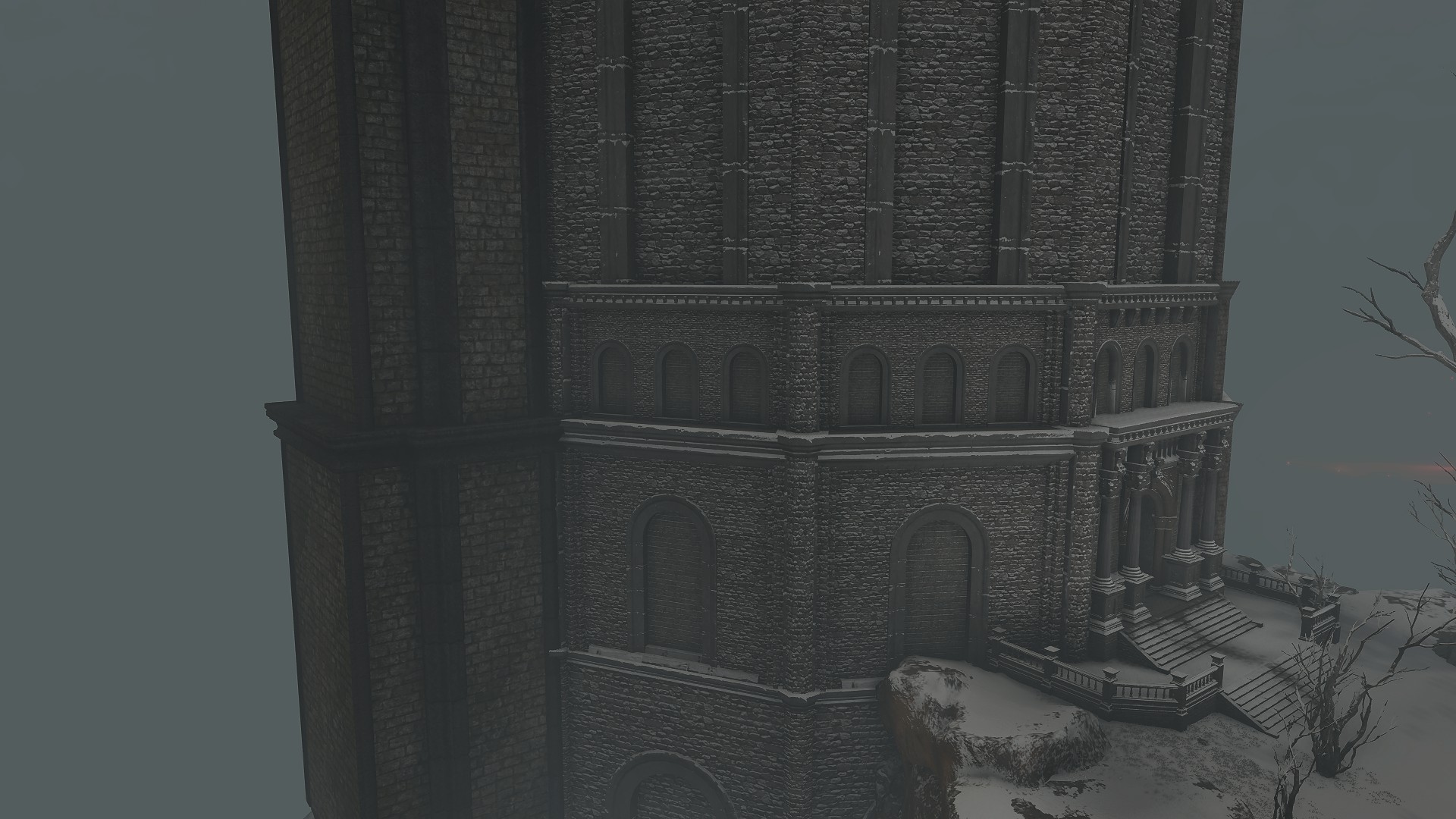
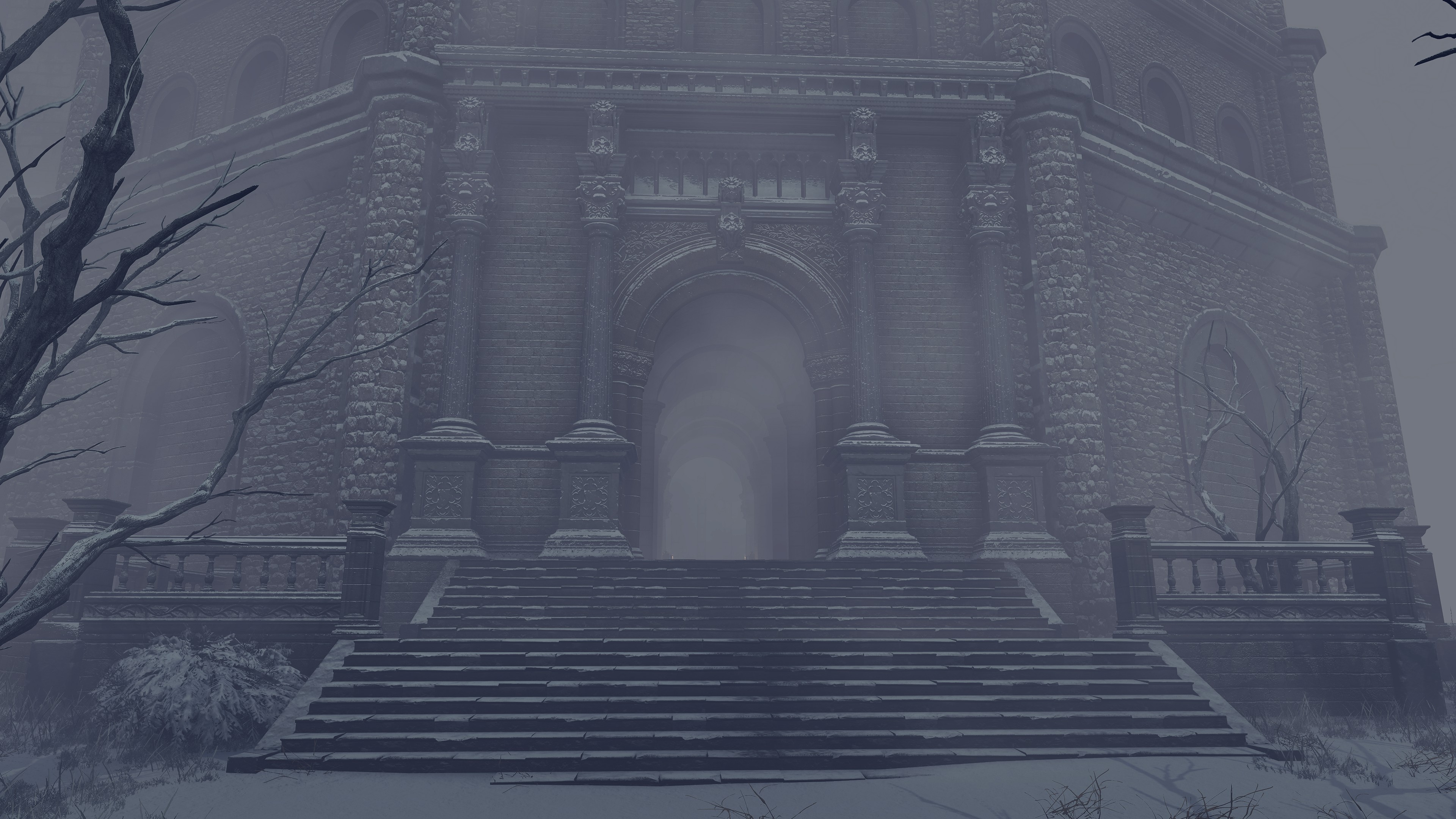
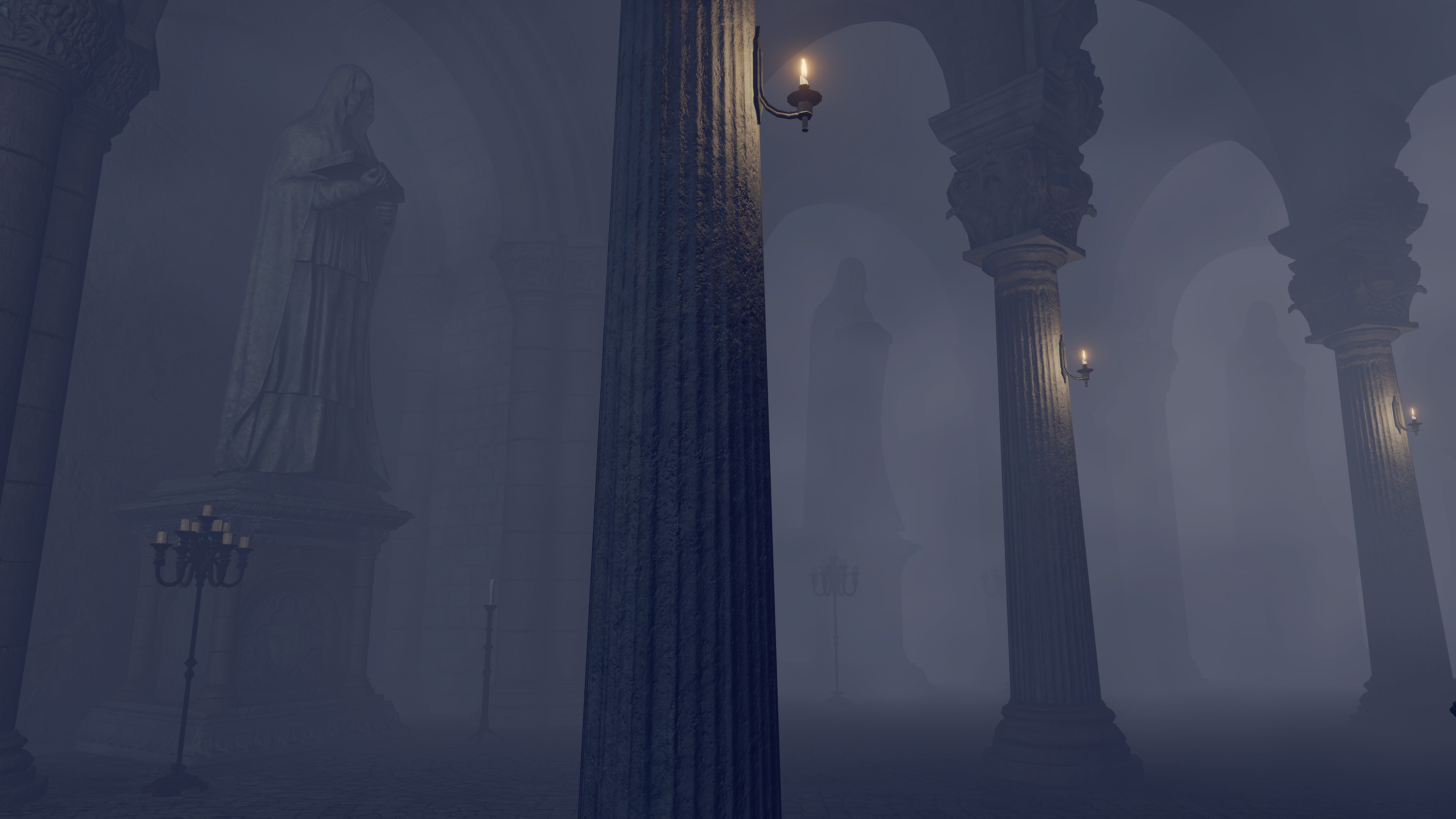
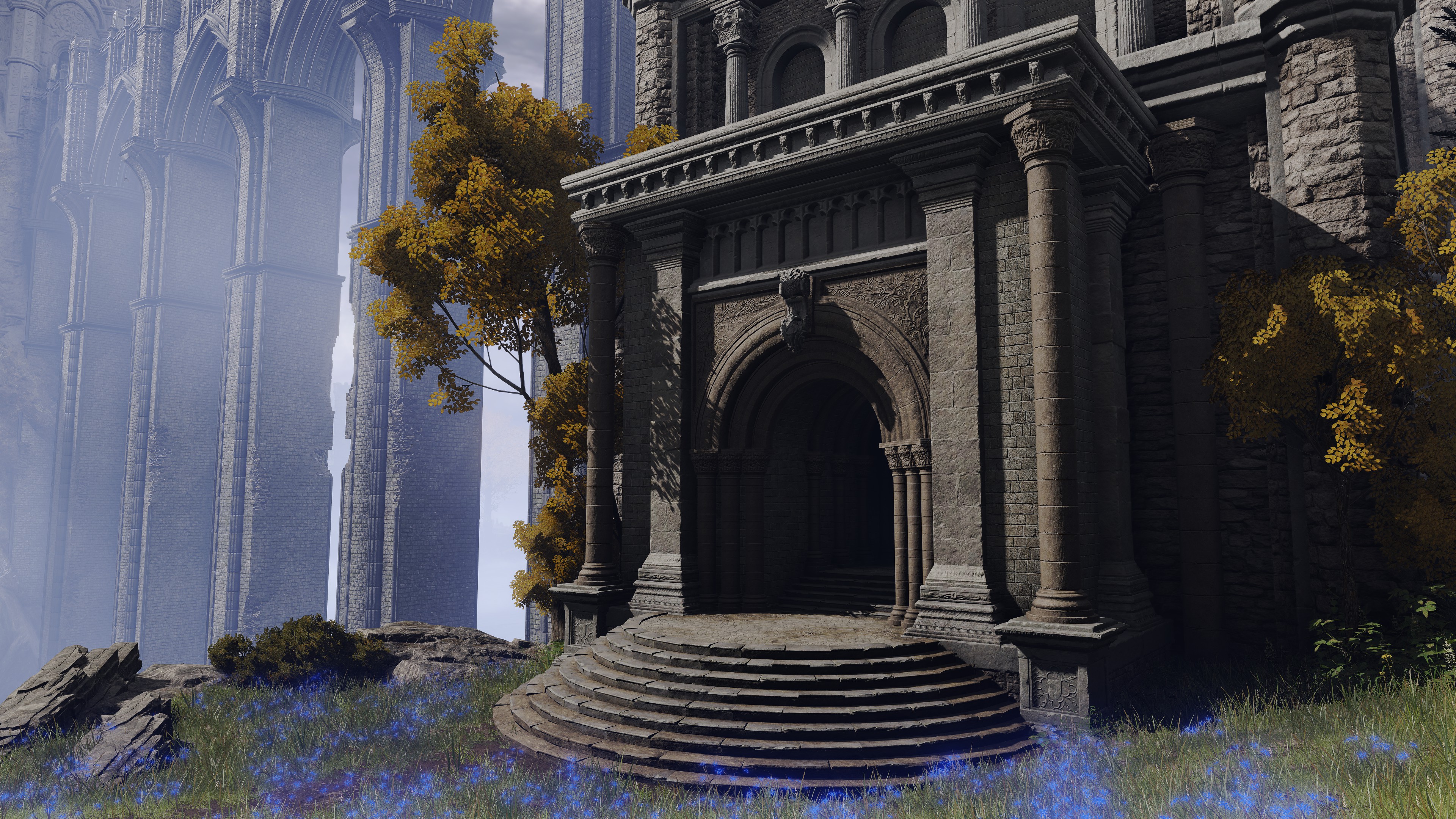
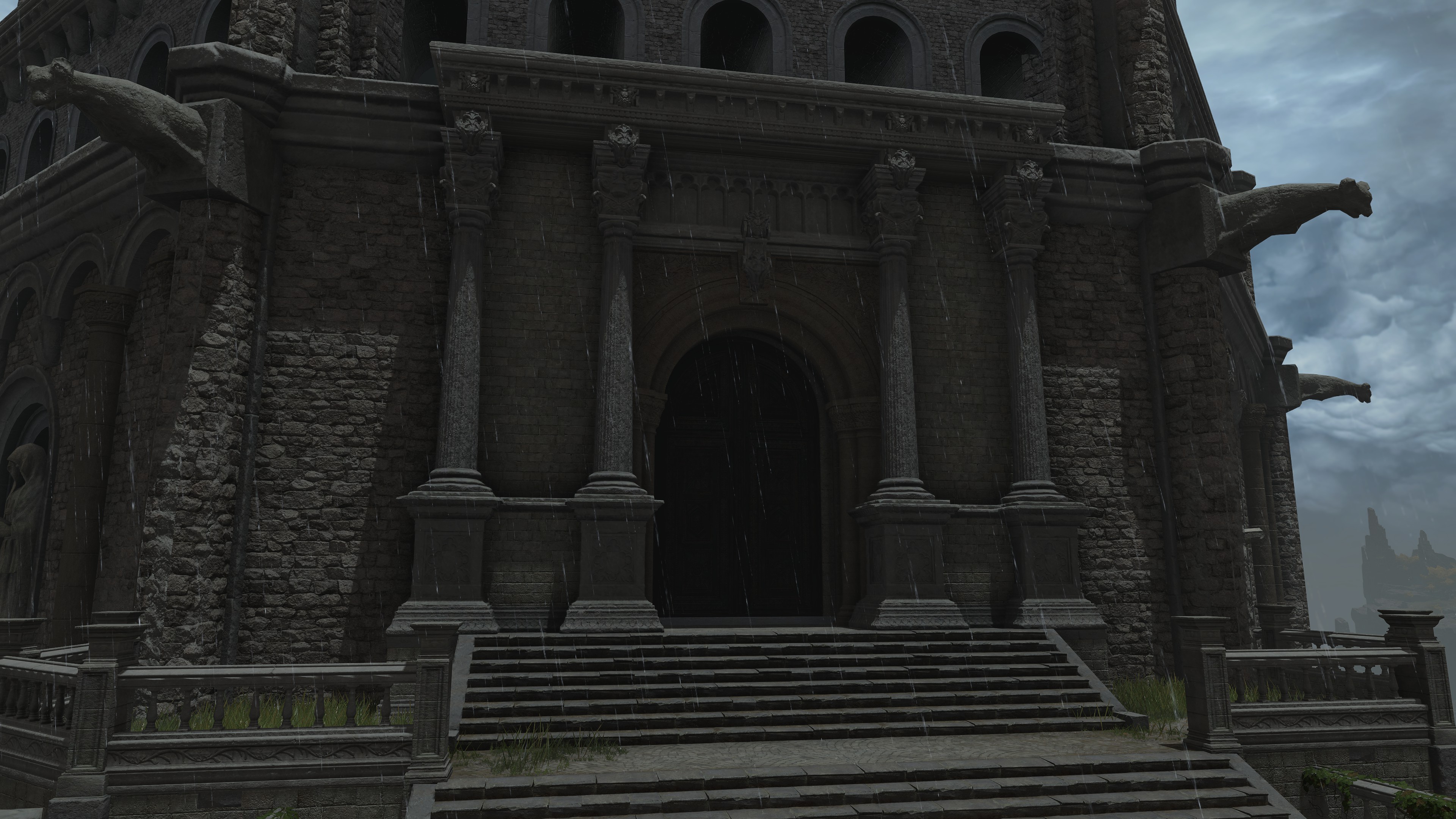
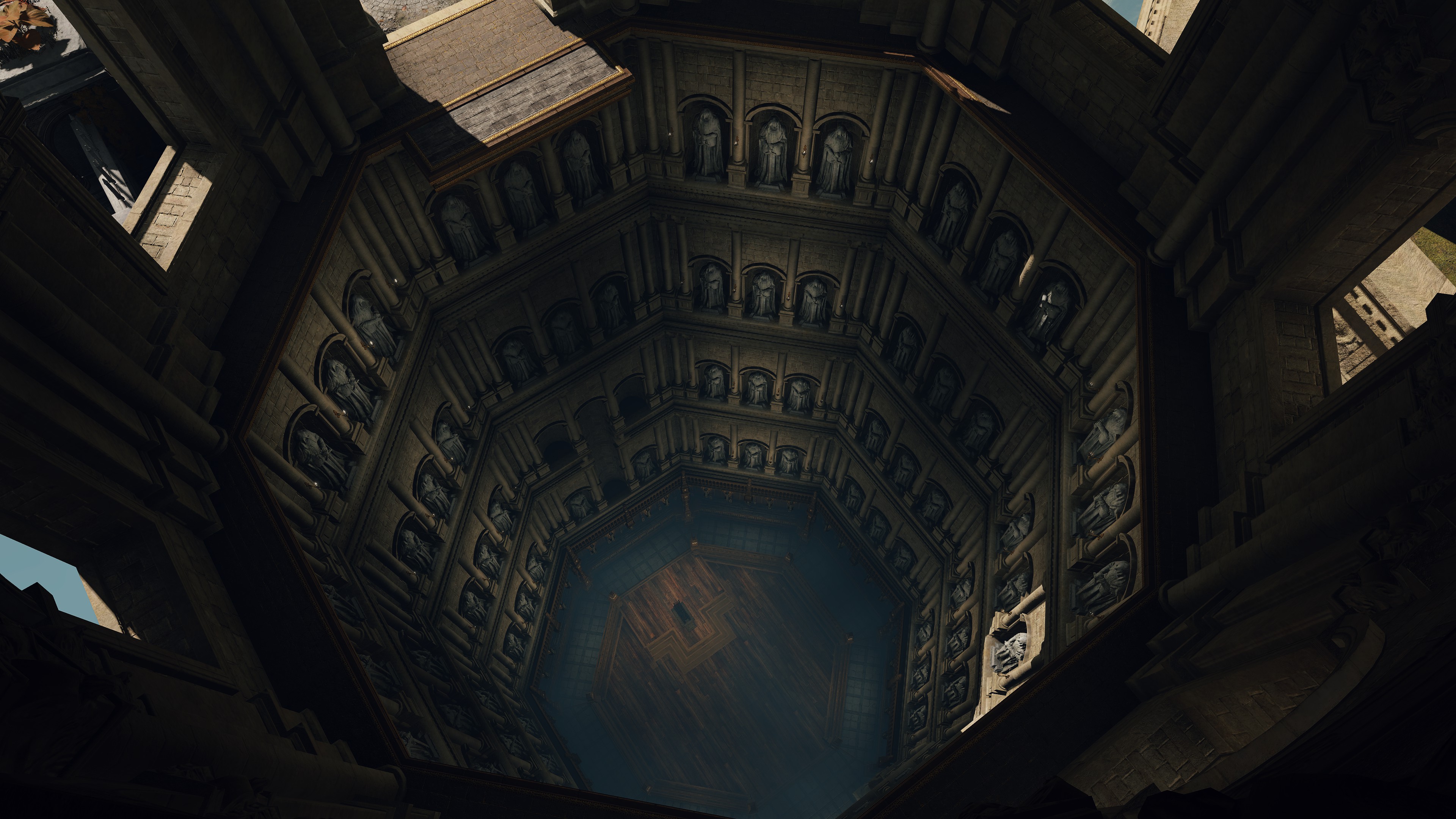
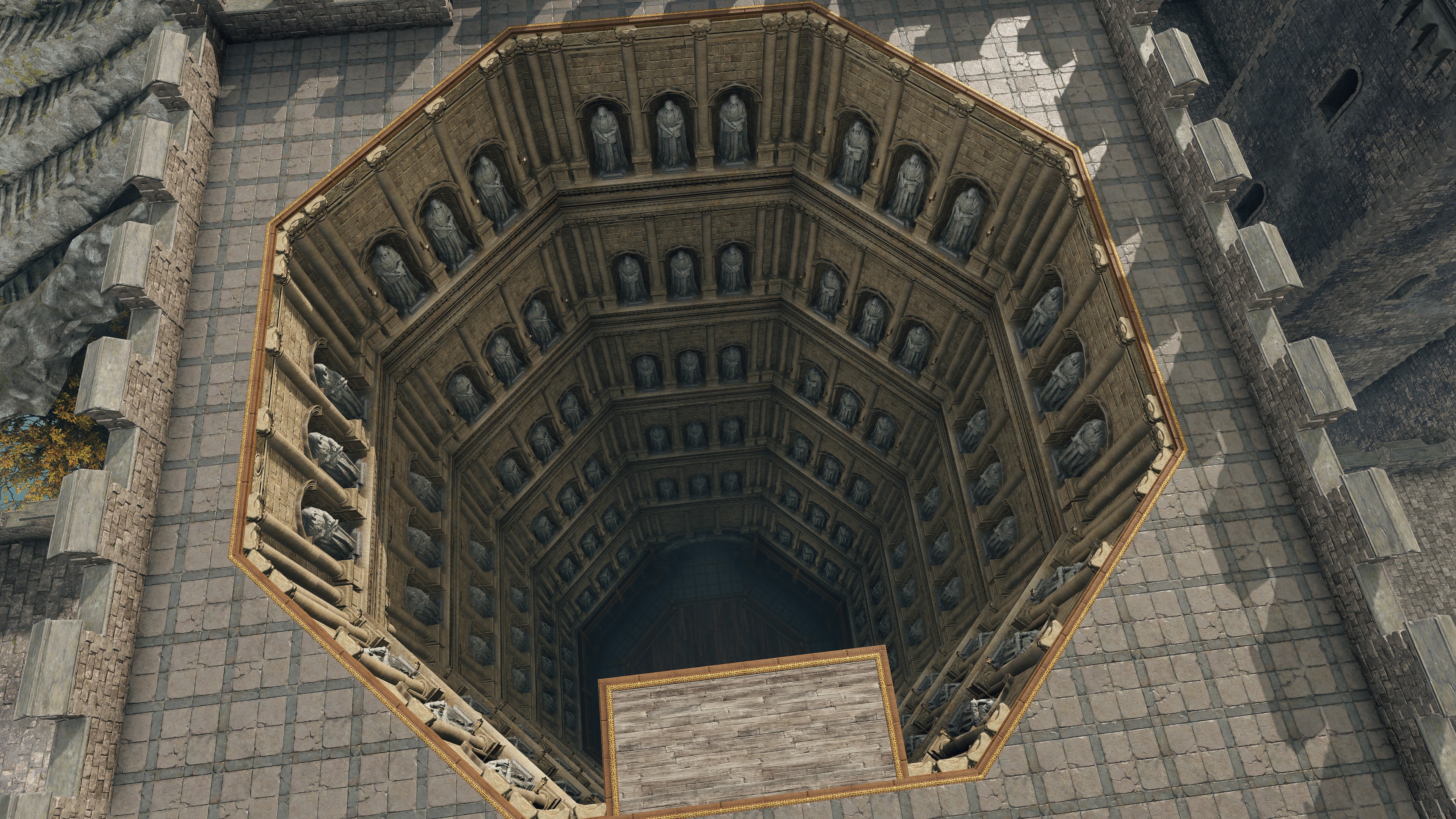
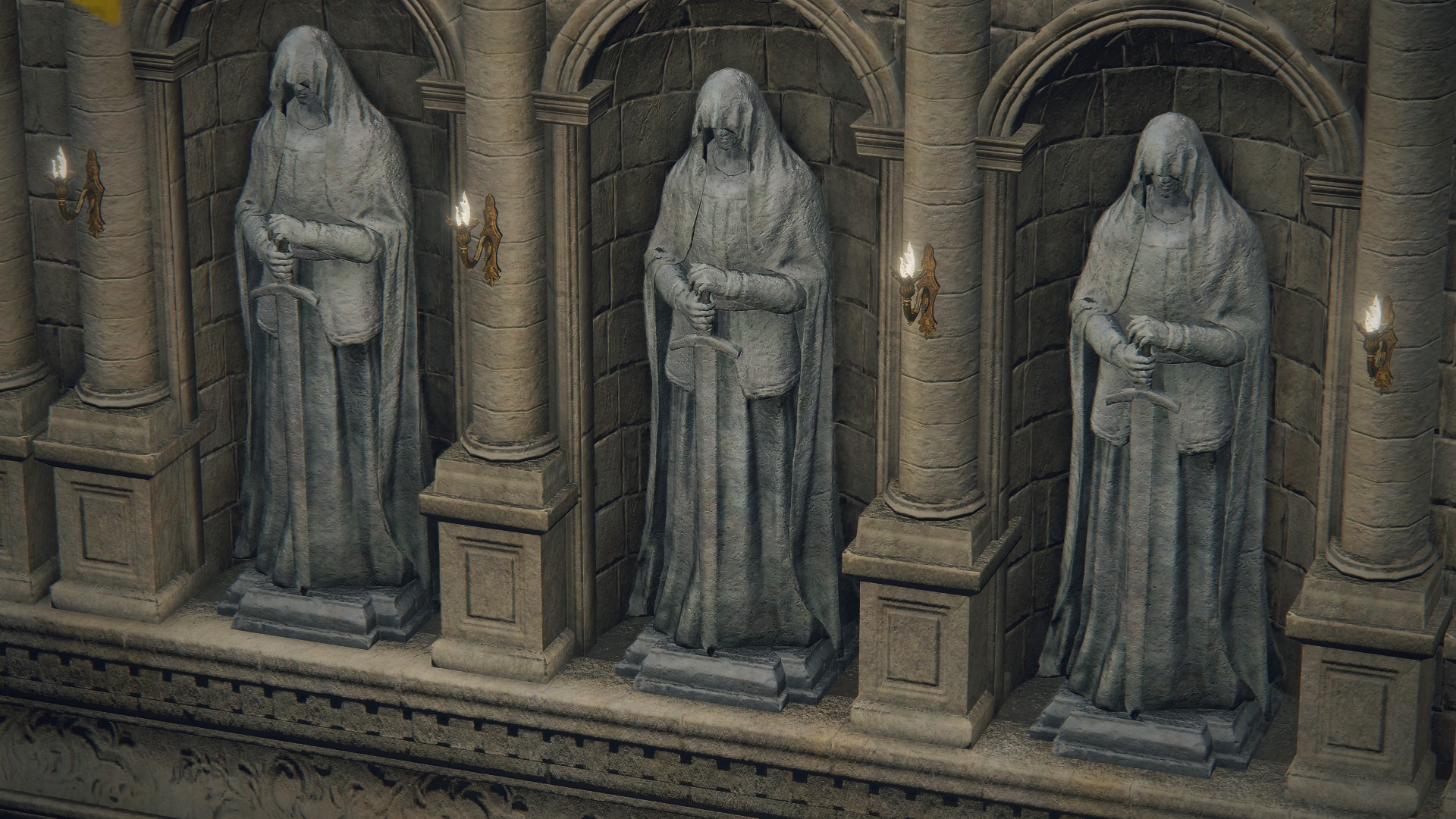
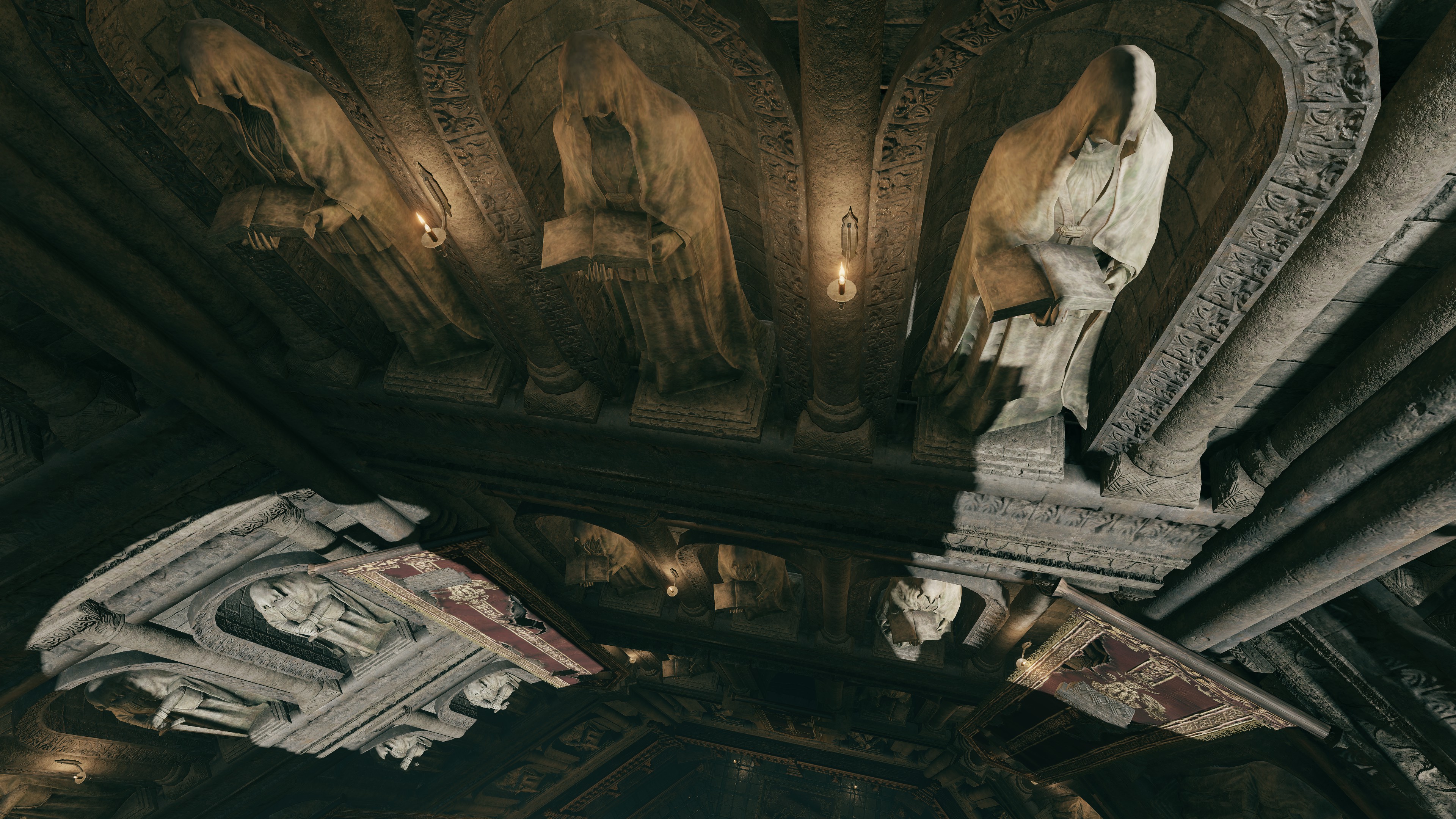
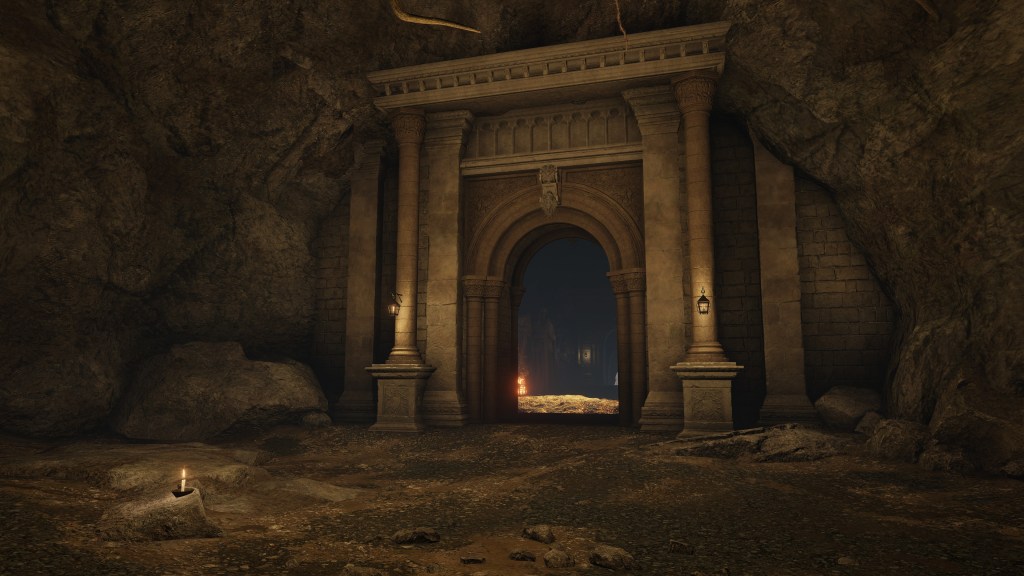
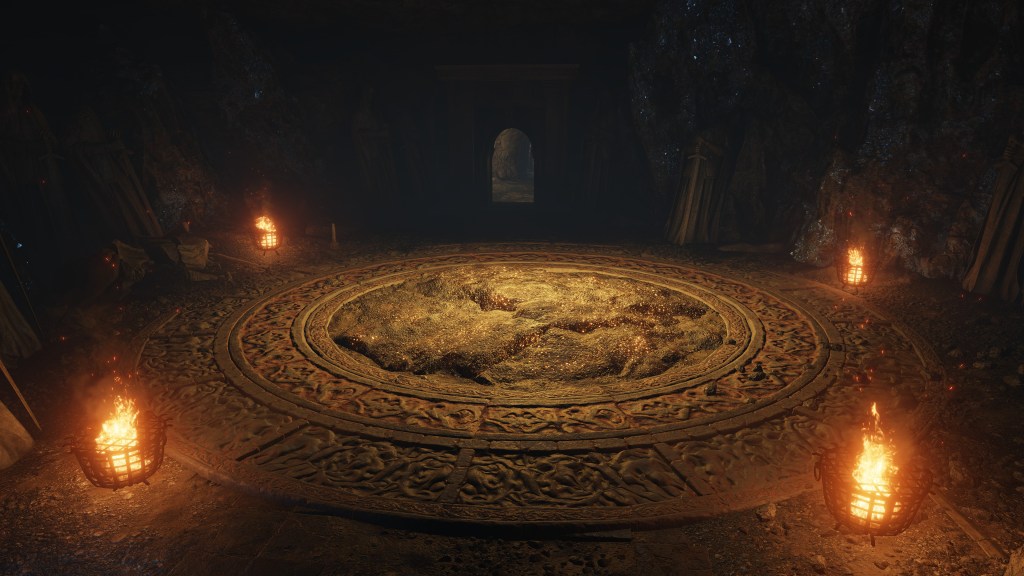
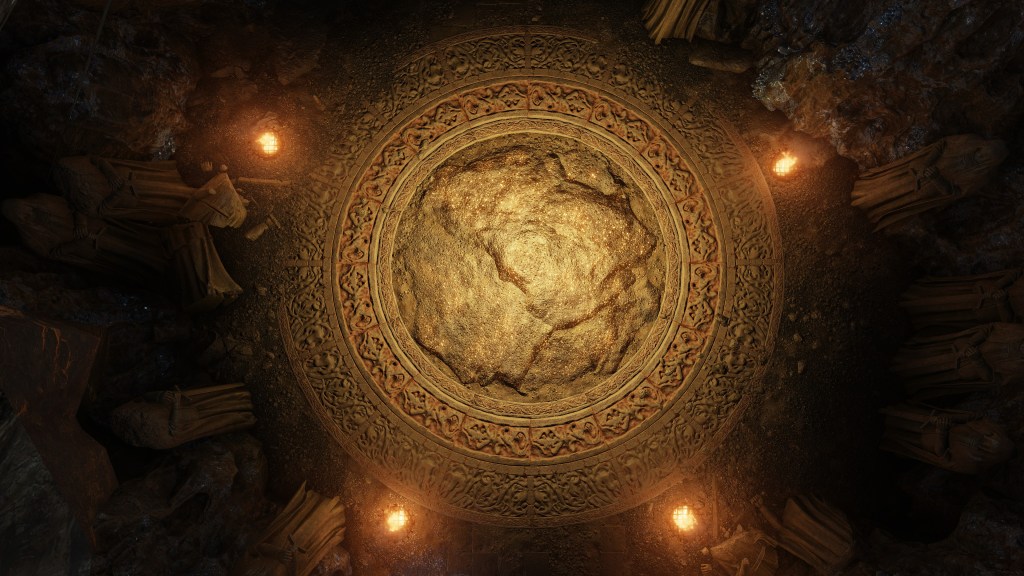
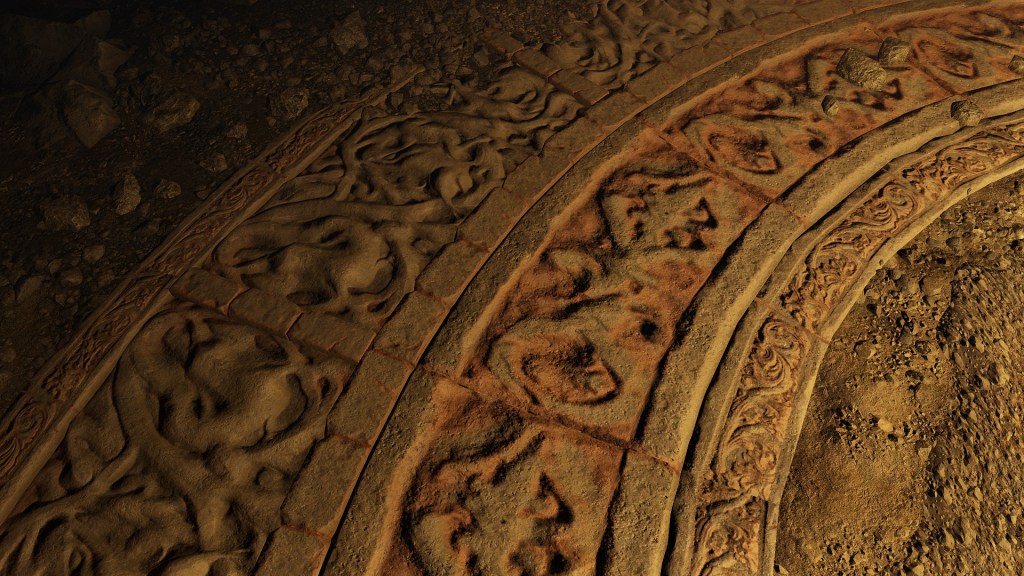
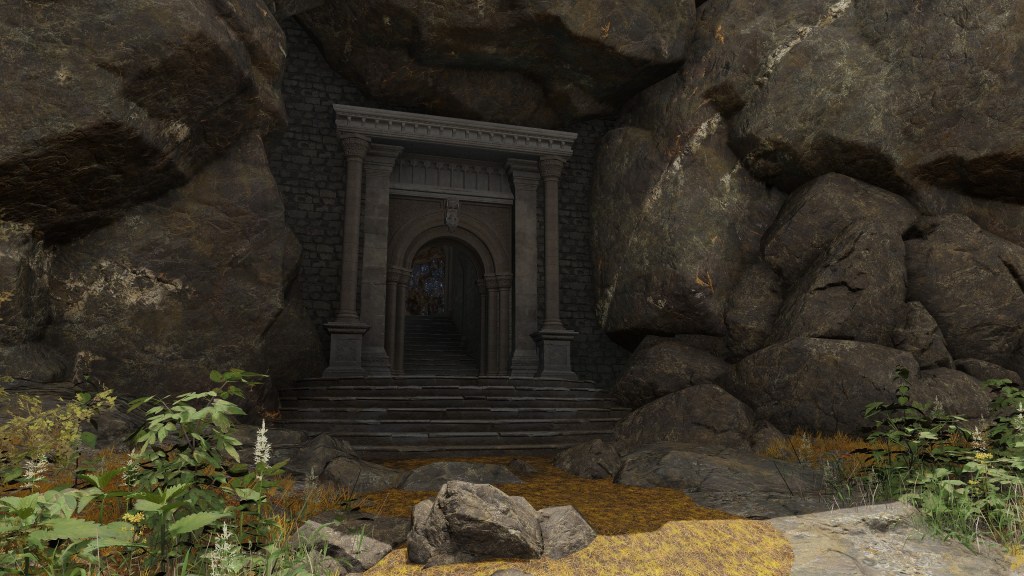
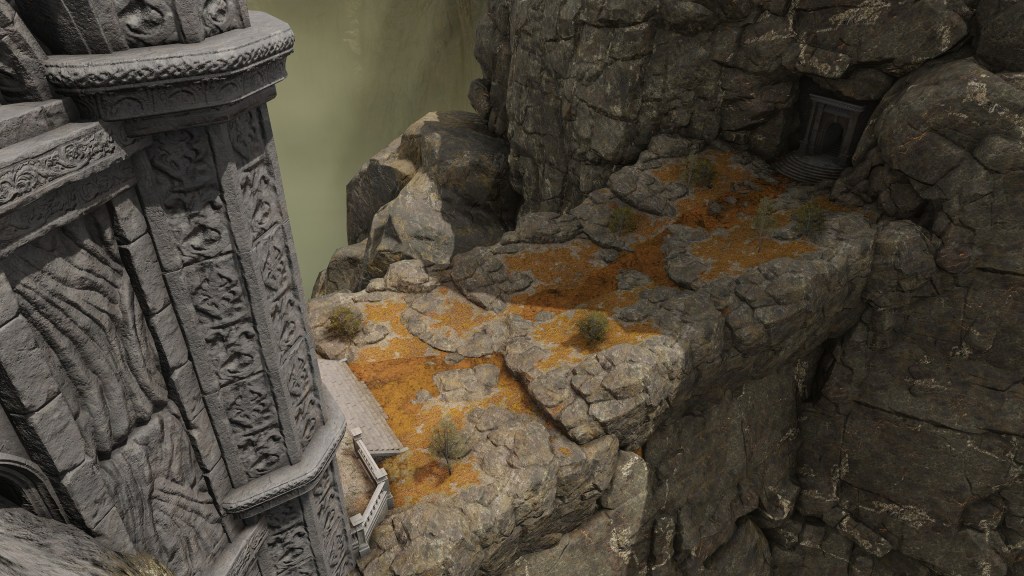
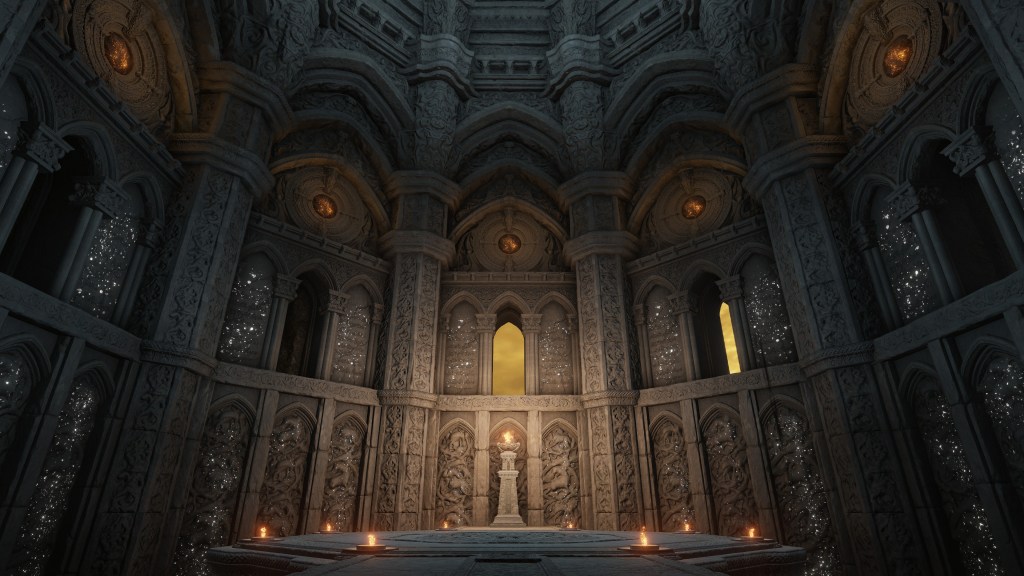
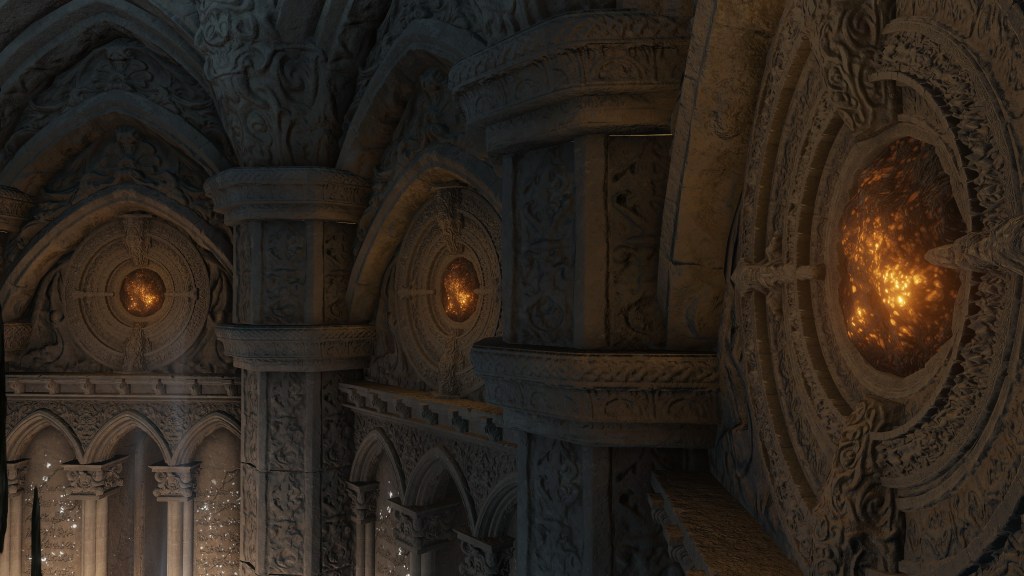
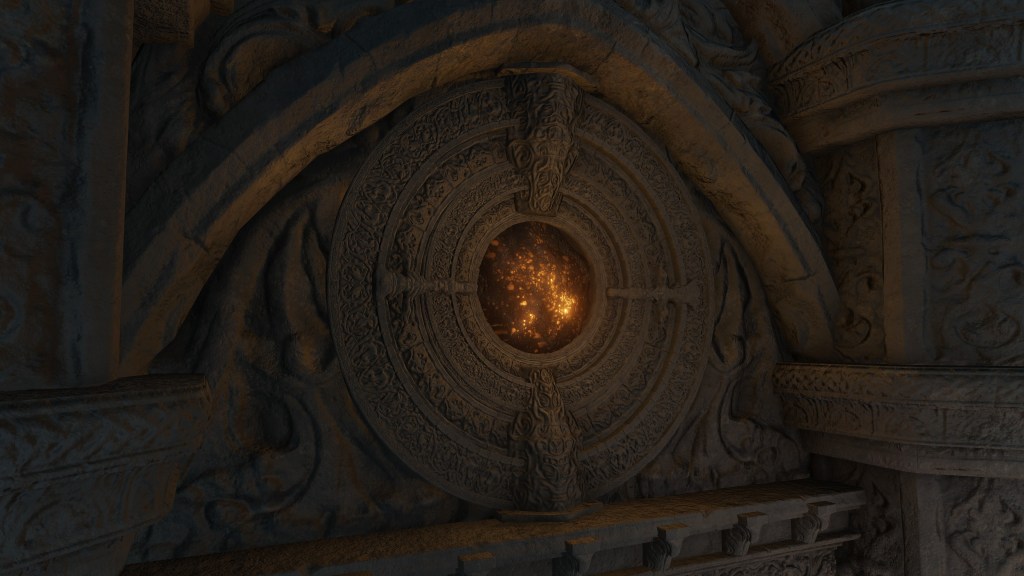
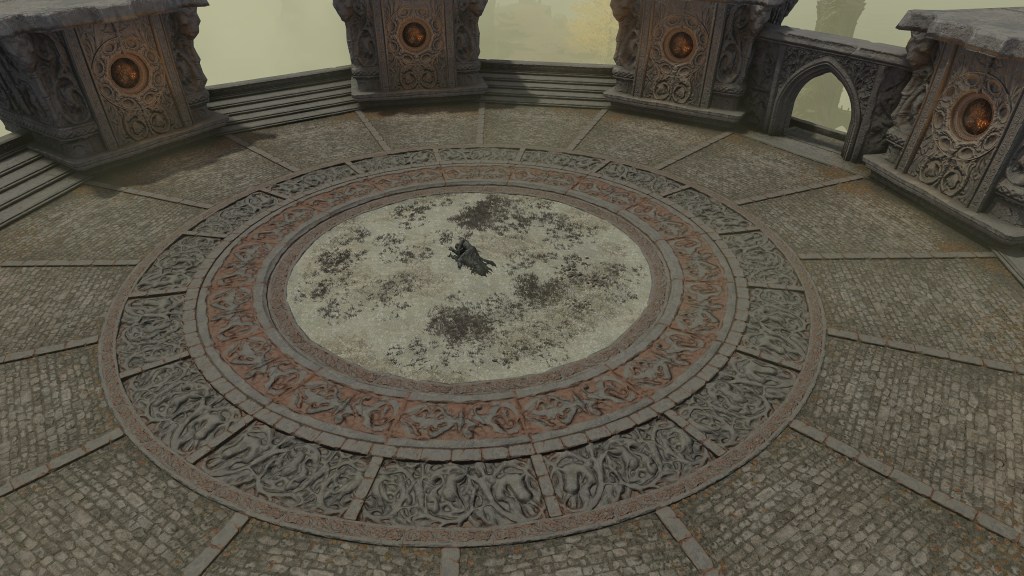
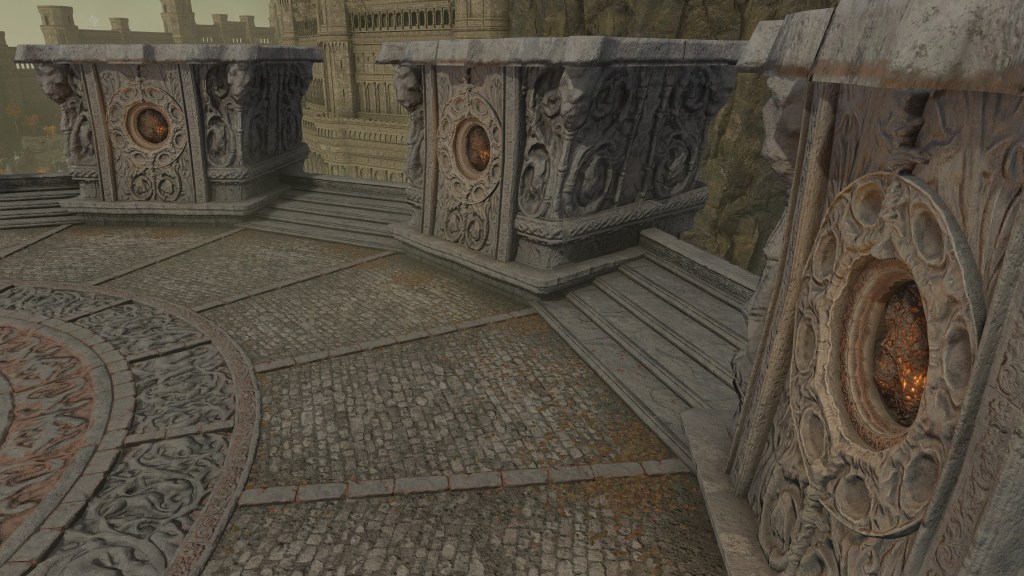
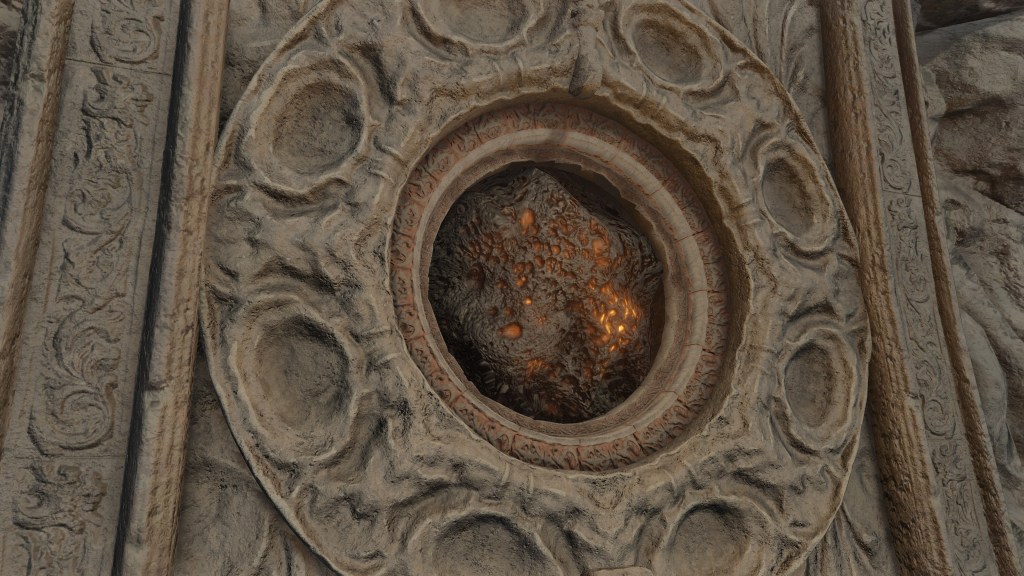
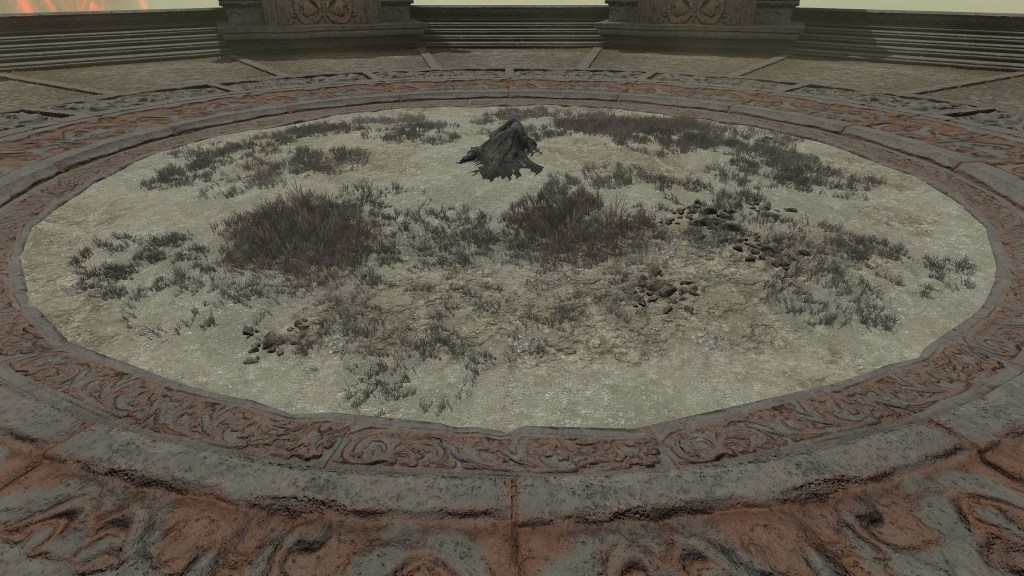
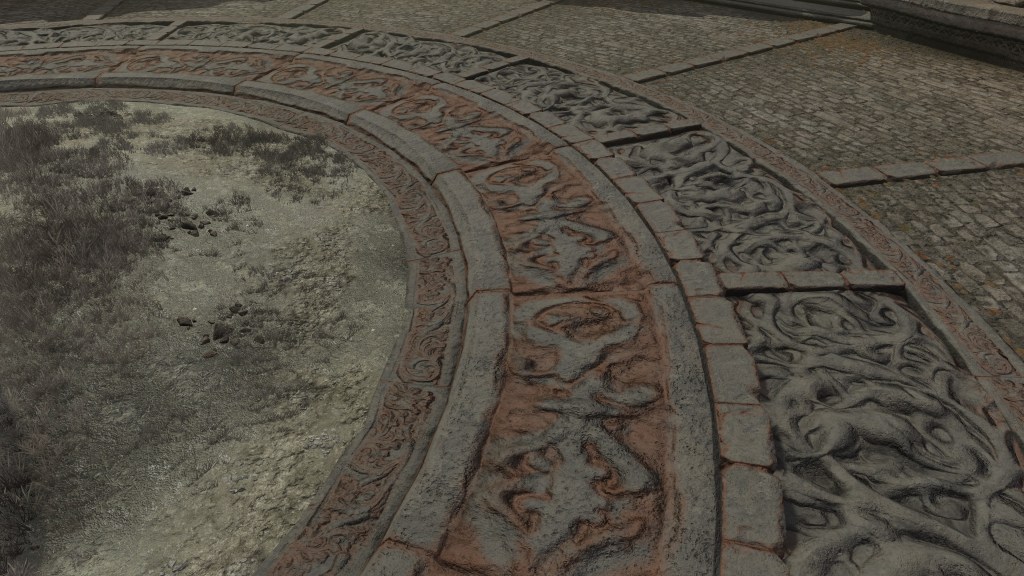
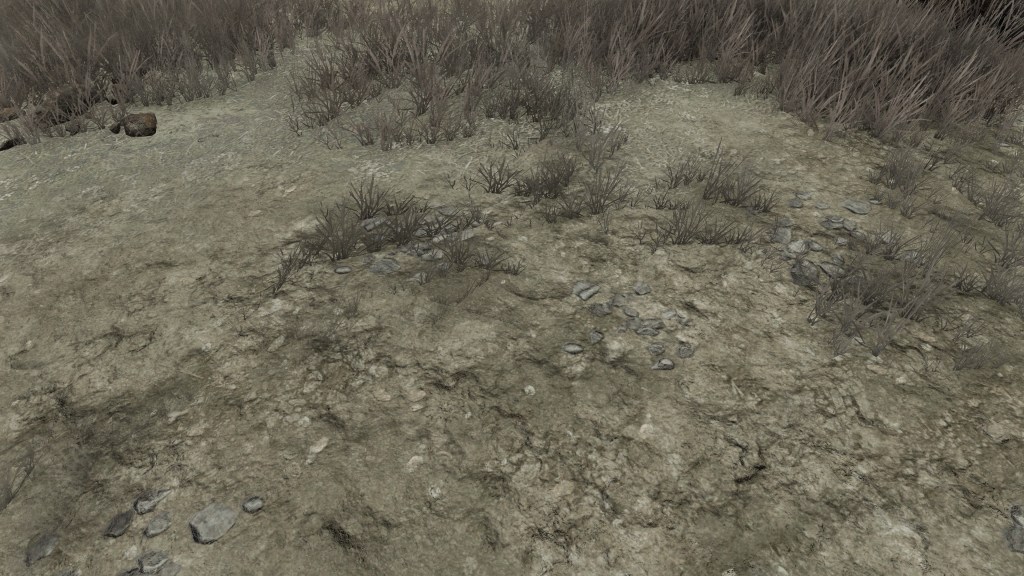
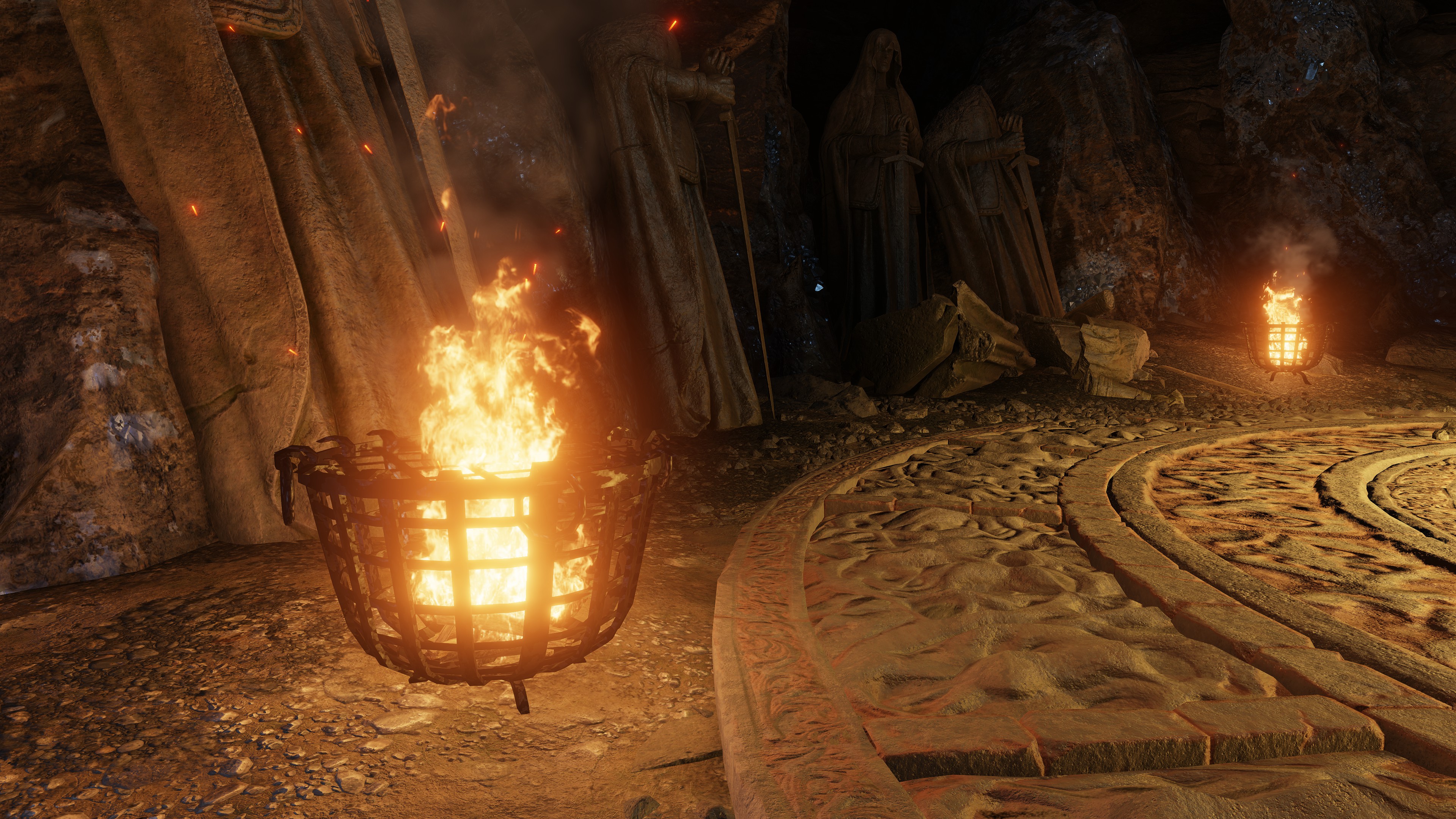
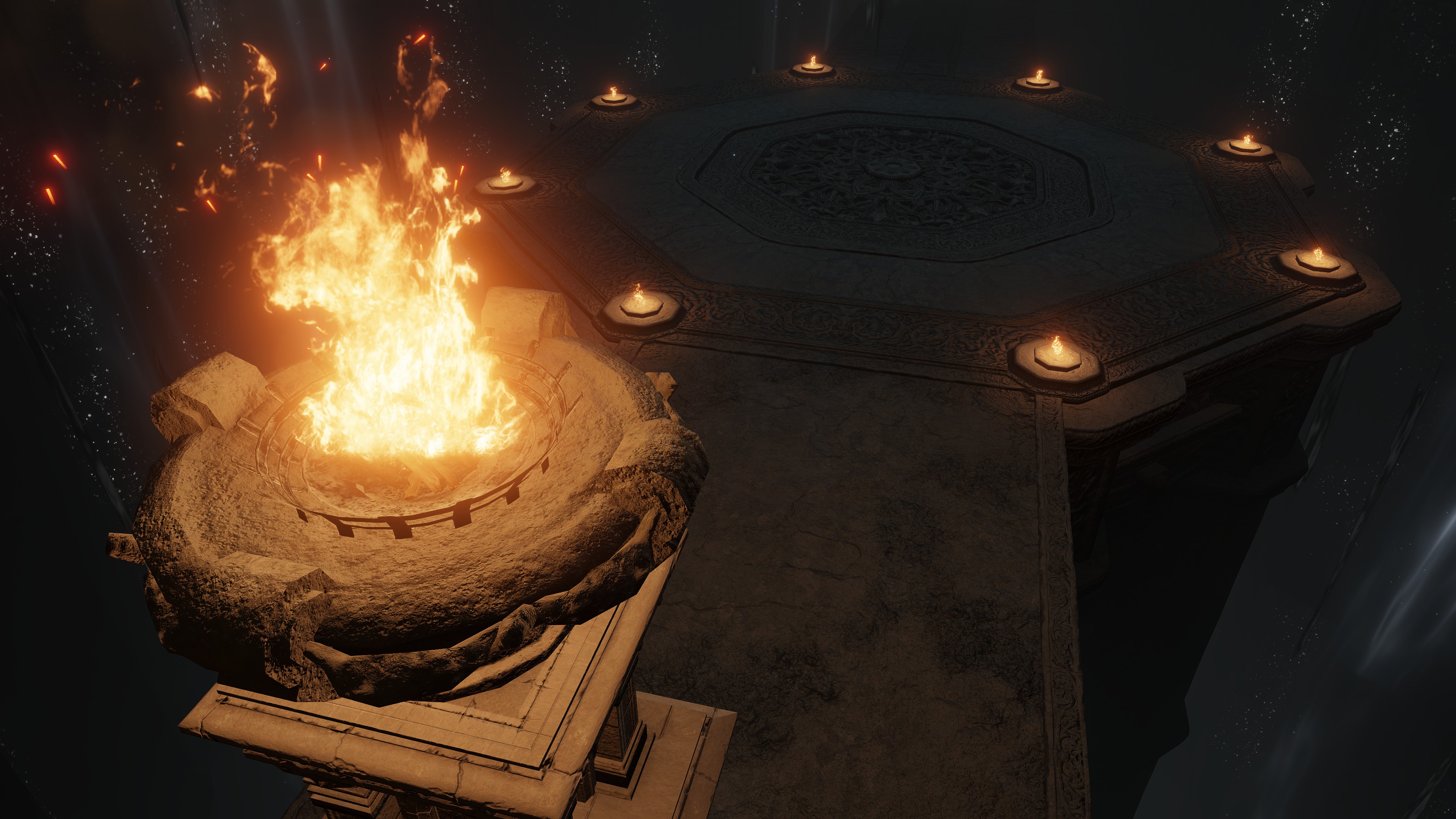
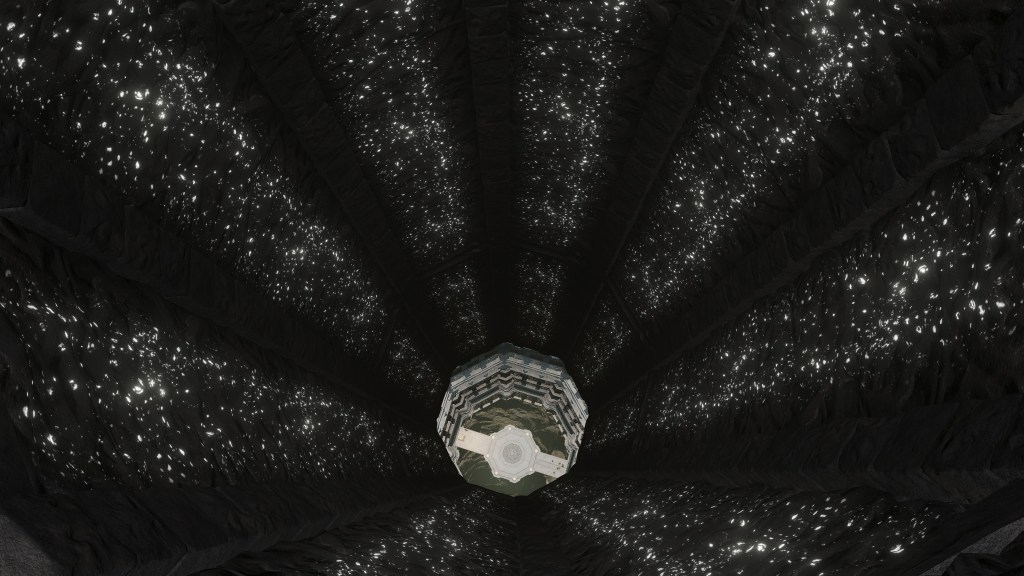
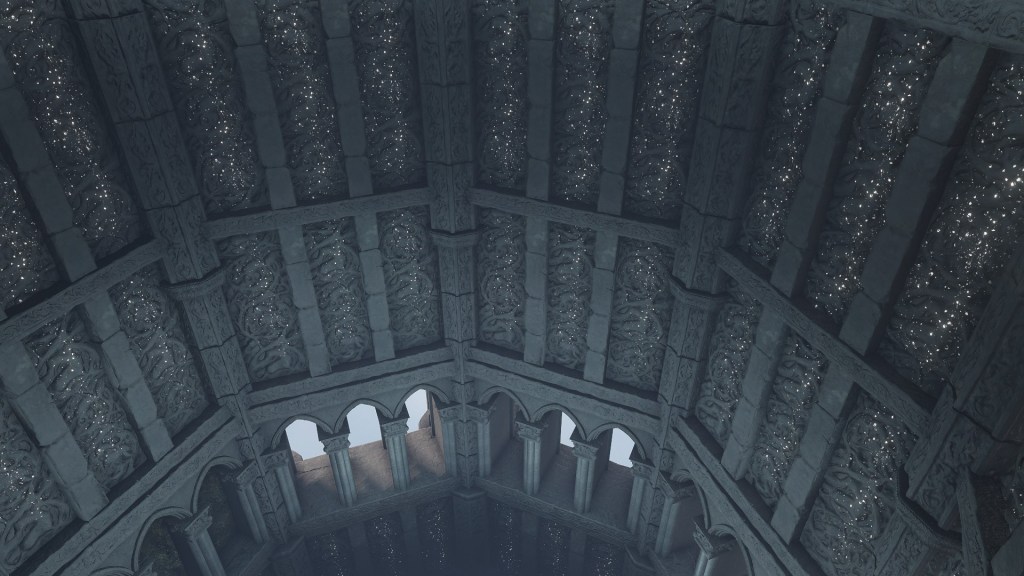
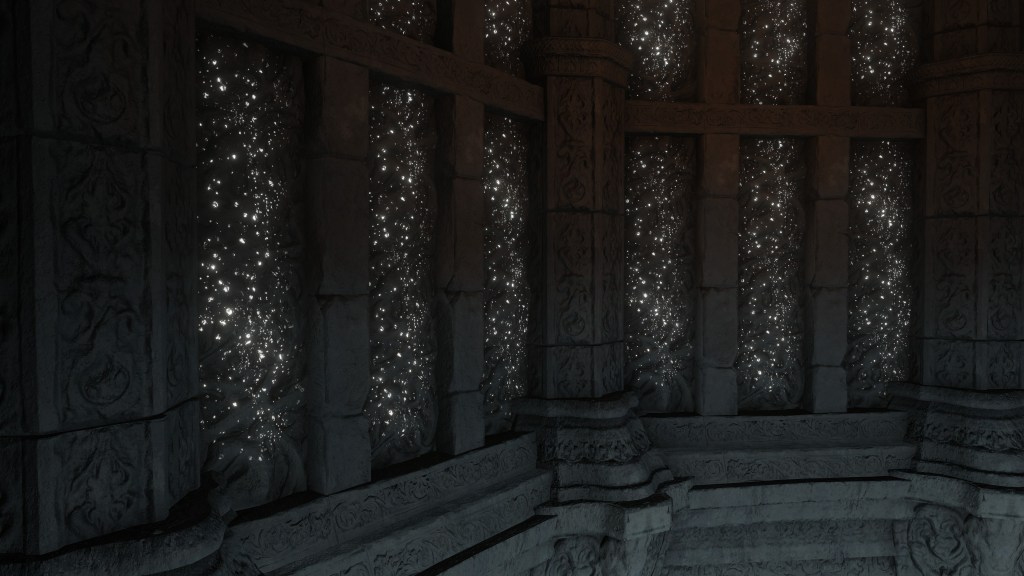
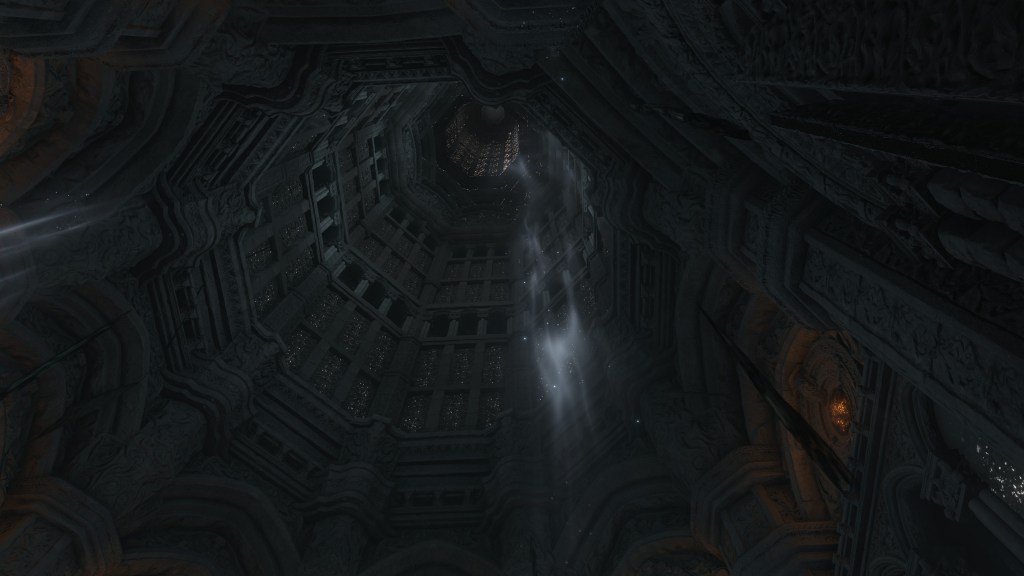
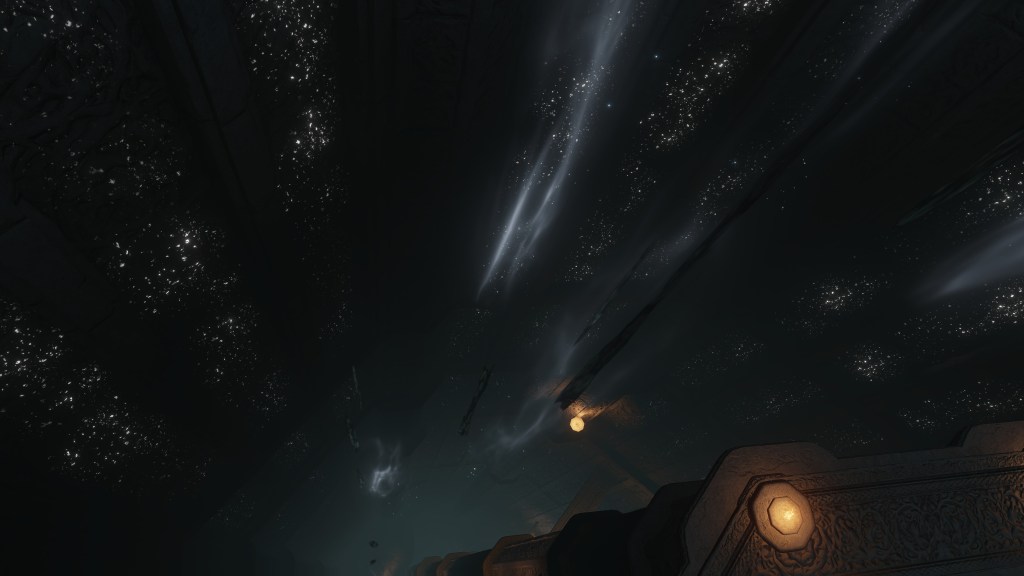
Even so, we can still infer the saint civilization’s close connection to the Divine Towers and their causeways. The Sealed Tunnel is notable not just for the saint statue half-buried in the middle of it, but also for the many more statues in a circle around the meteor embedded at the core. Both ends of this boss room have arched entrances sharing the aforementioned elements, and the actual chamber encloses the space rock in stone rings utilizing the Divine Towers’ architectural style. Combined with the saint statues, and it is obvious that the meteor has been enshrined with reverence. This holds particular relevance to the chamber’s location, the other archway exiting out to the Divine Tower of West Altus. Like its ilk, the tower embeds smaller meteors into its walls, drawing immediate parallels to the shrine in the tunnel. At the top, more stone rings surrounded by those meteors enclose a curious mound of grassy dirt, as if awaiting another star to fall and embed itself into the earth right there. All combined, this draws a direct link between the saint civilization, meteors, and the Divine Towers.
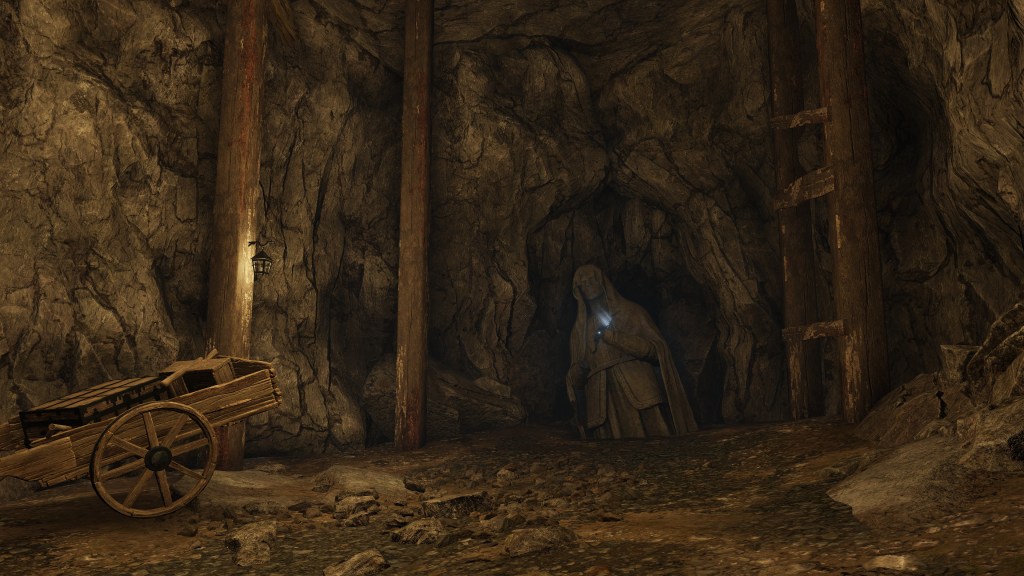
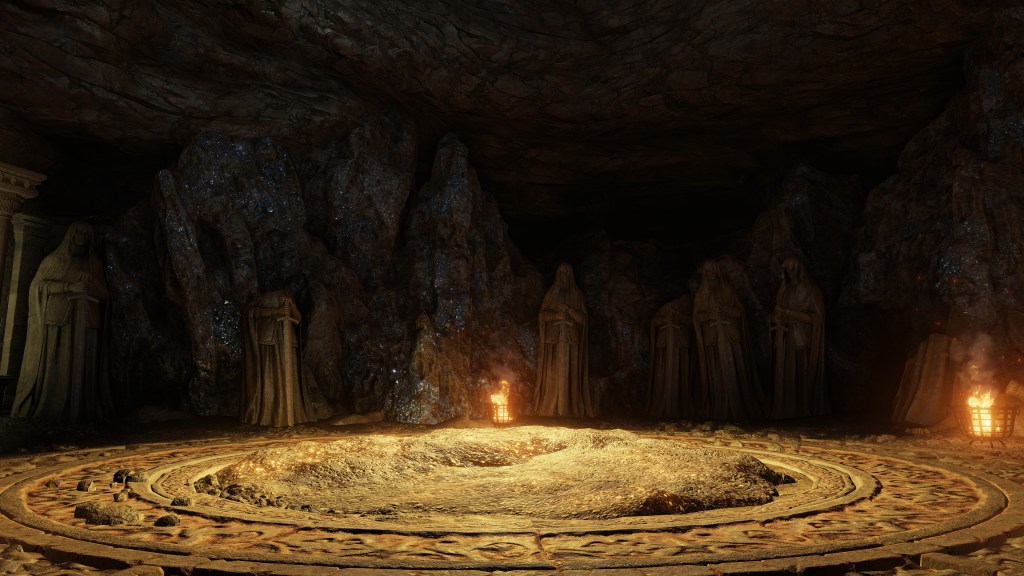
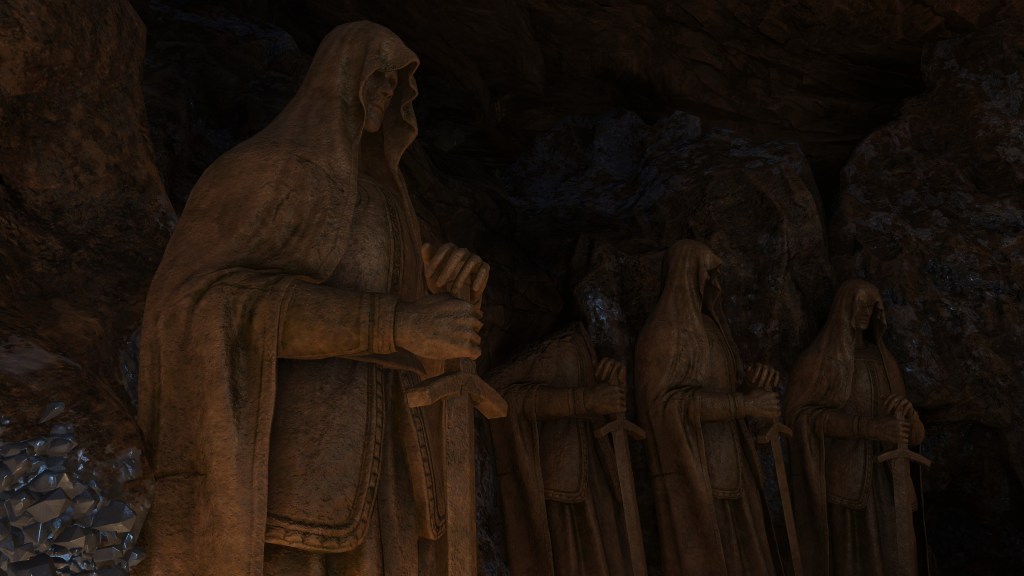
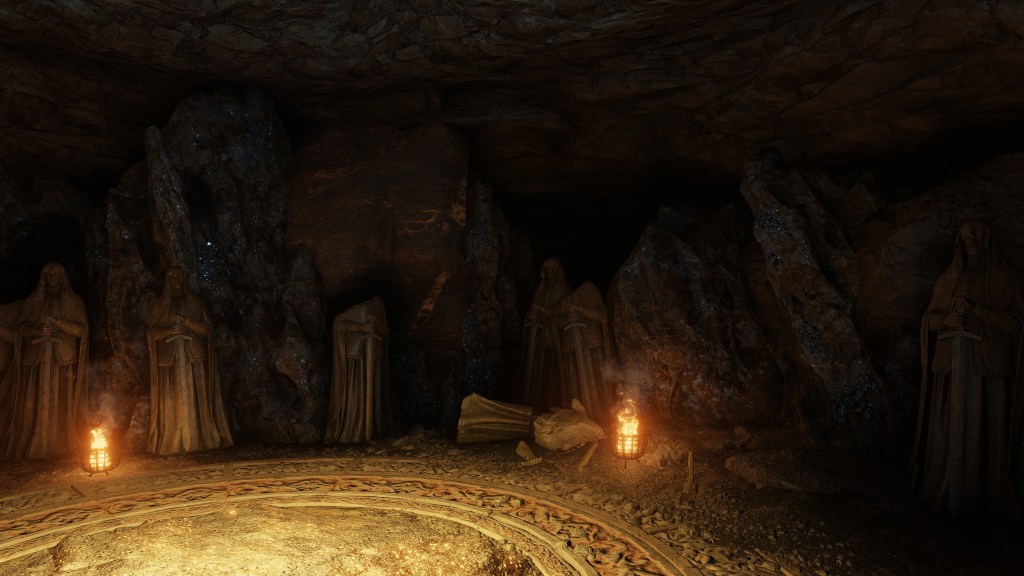
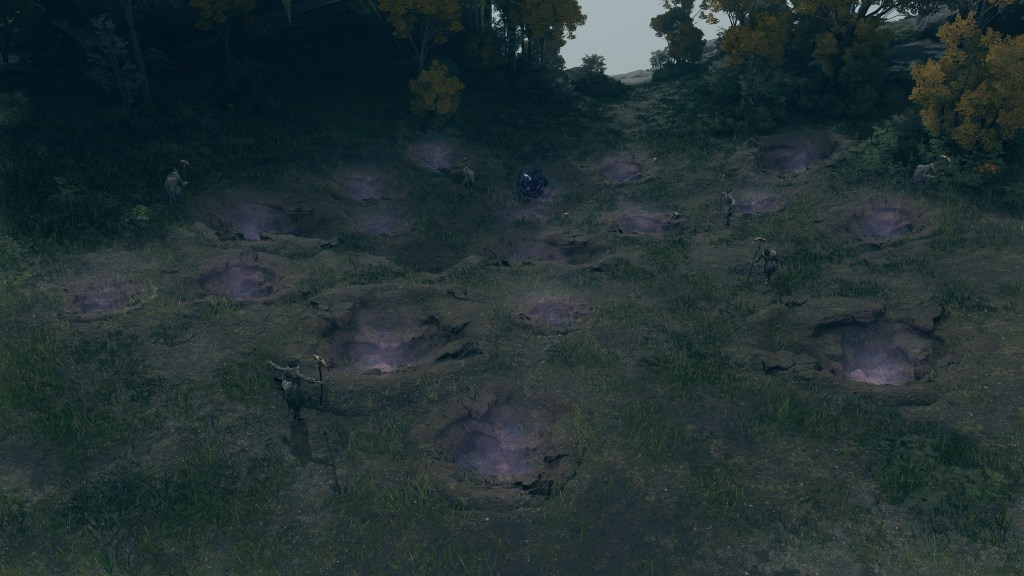
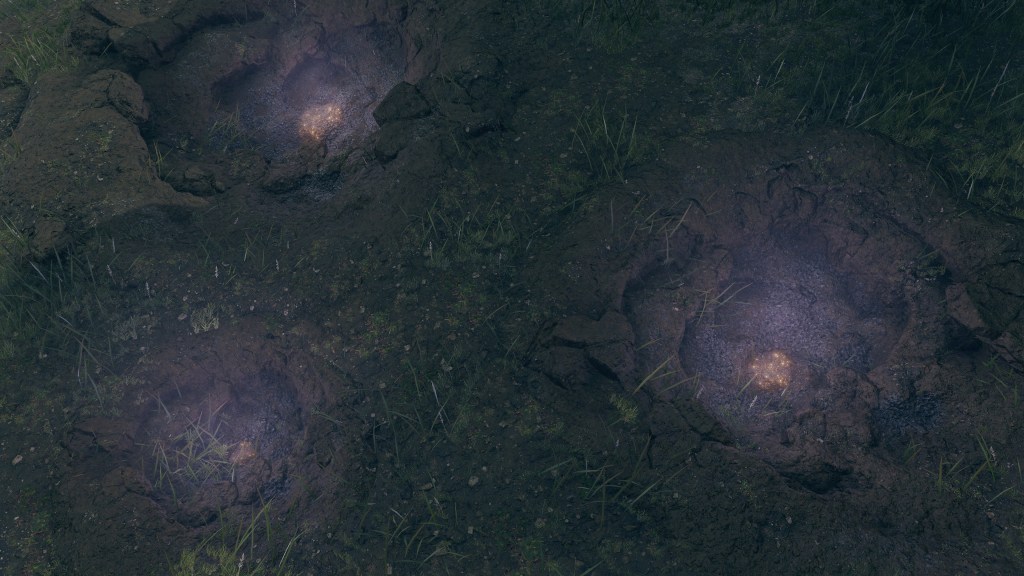
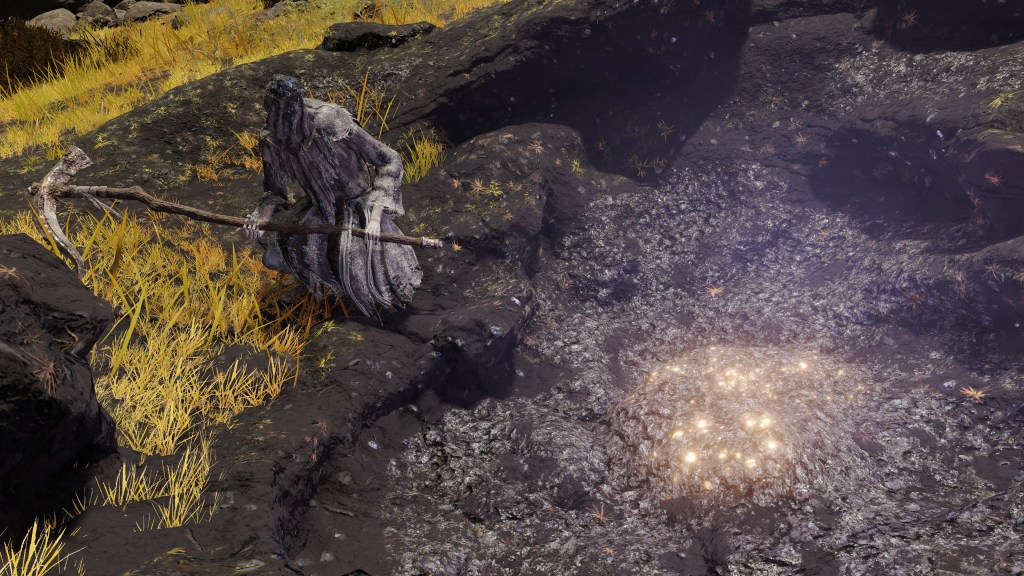
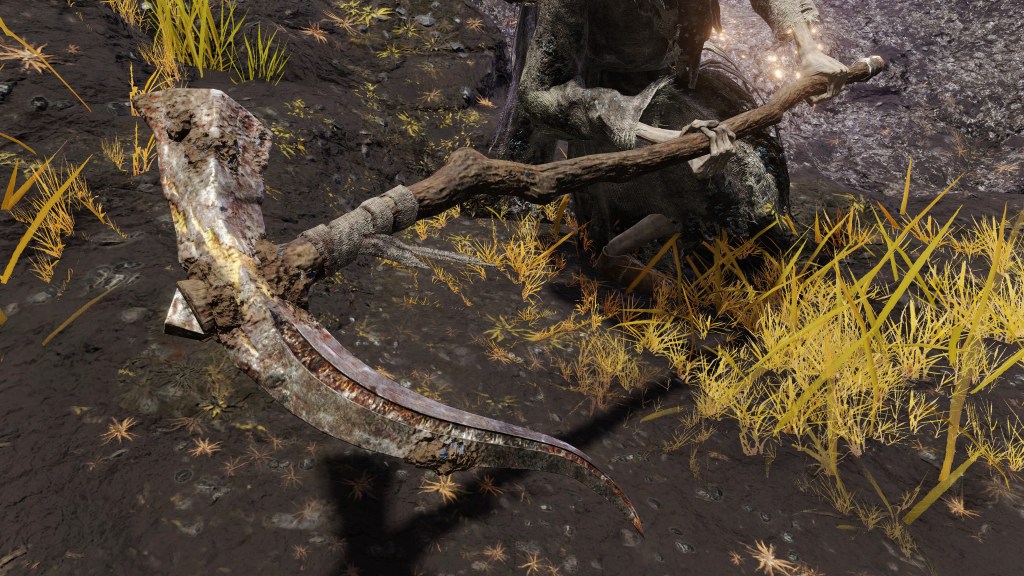
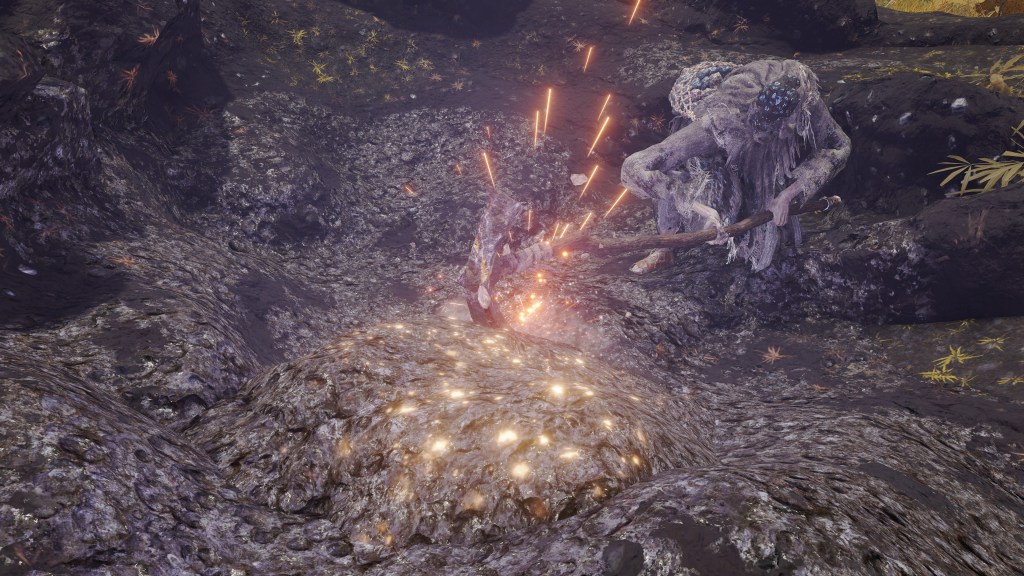
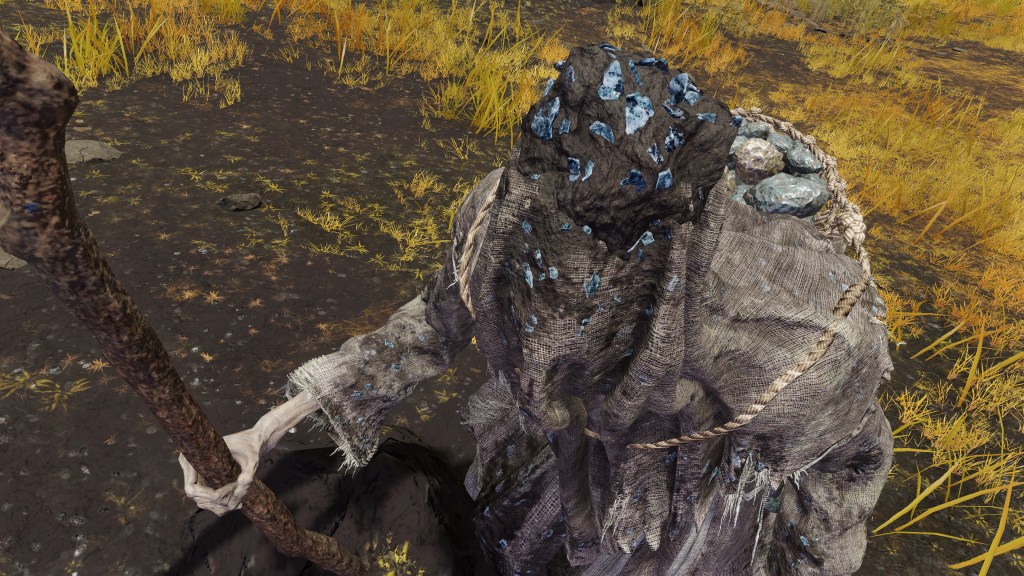
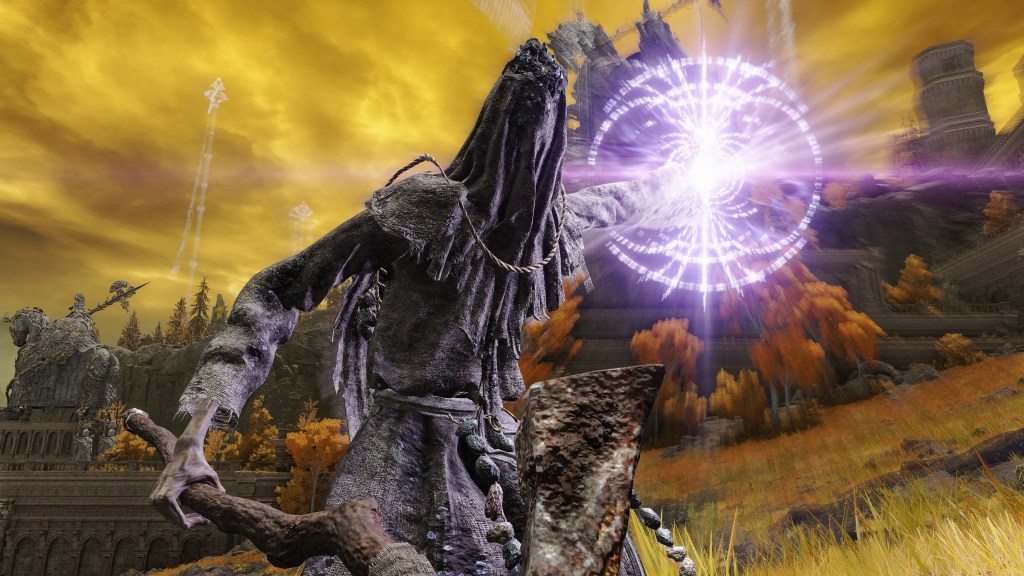
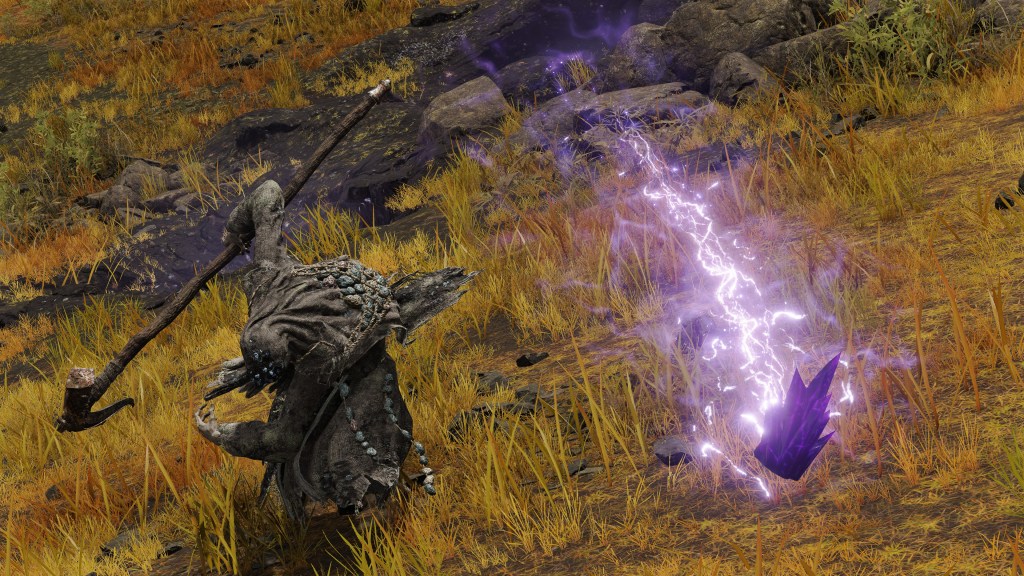
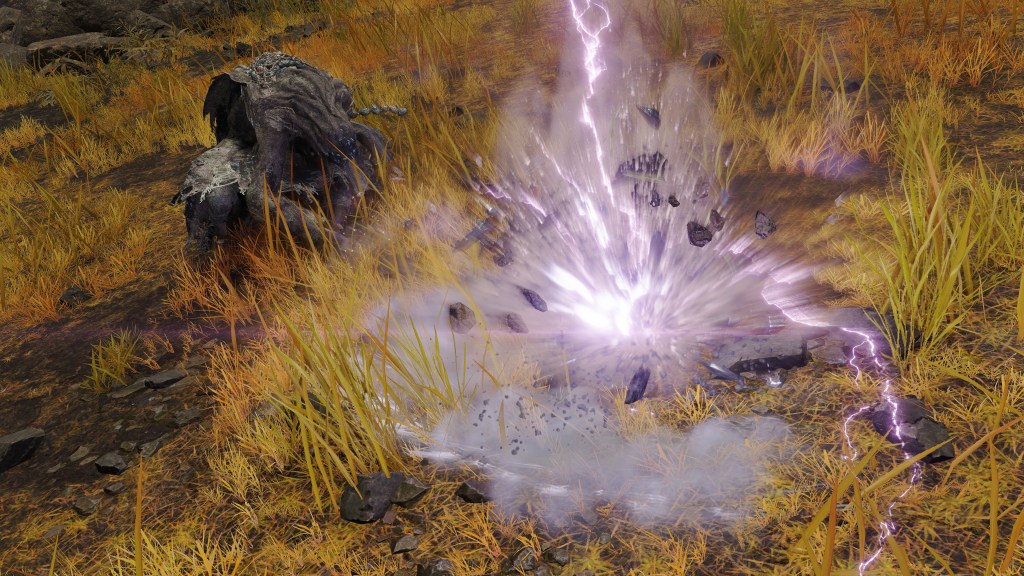
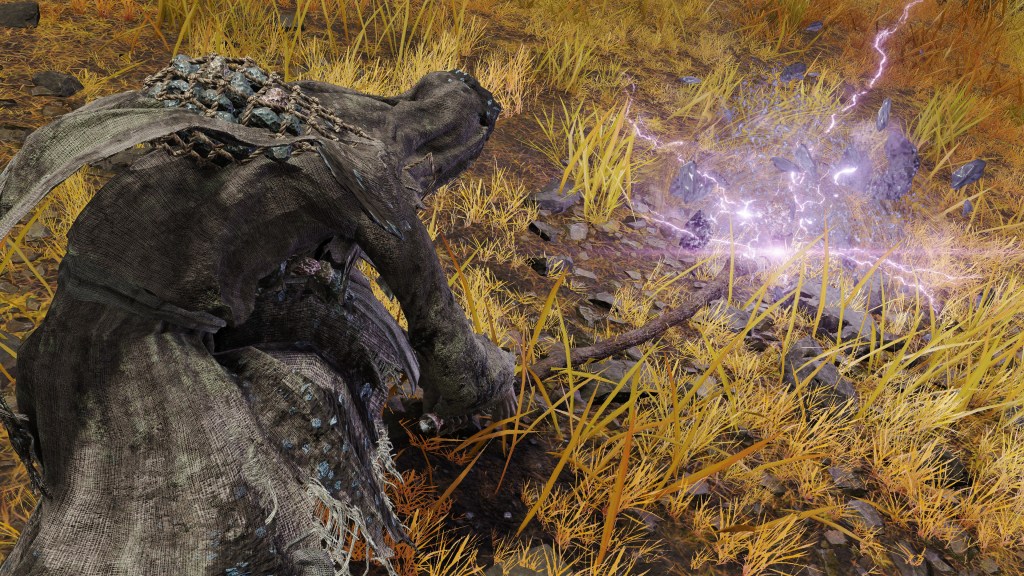
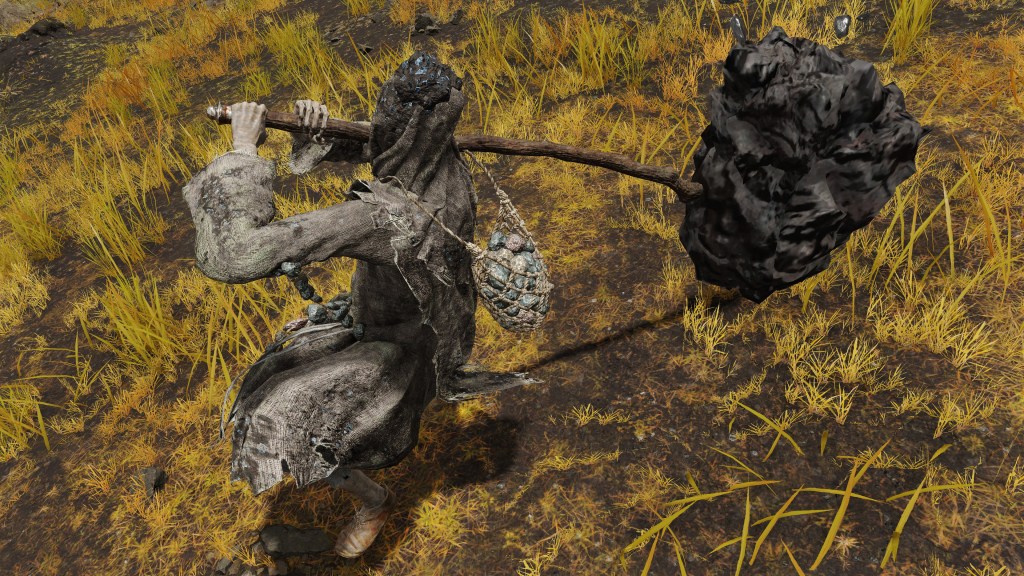
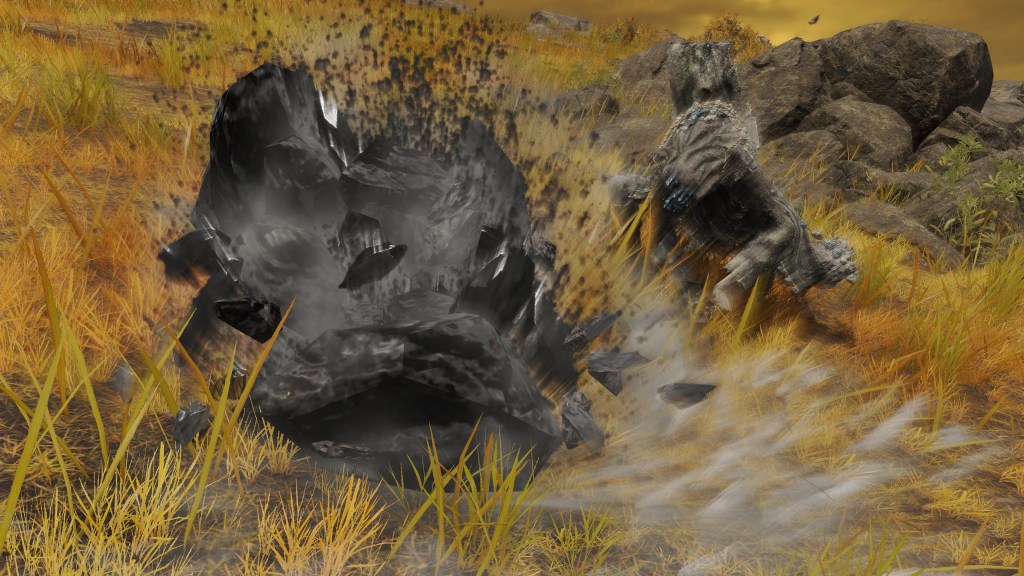
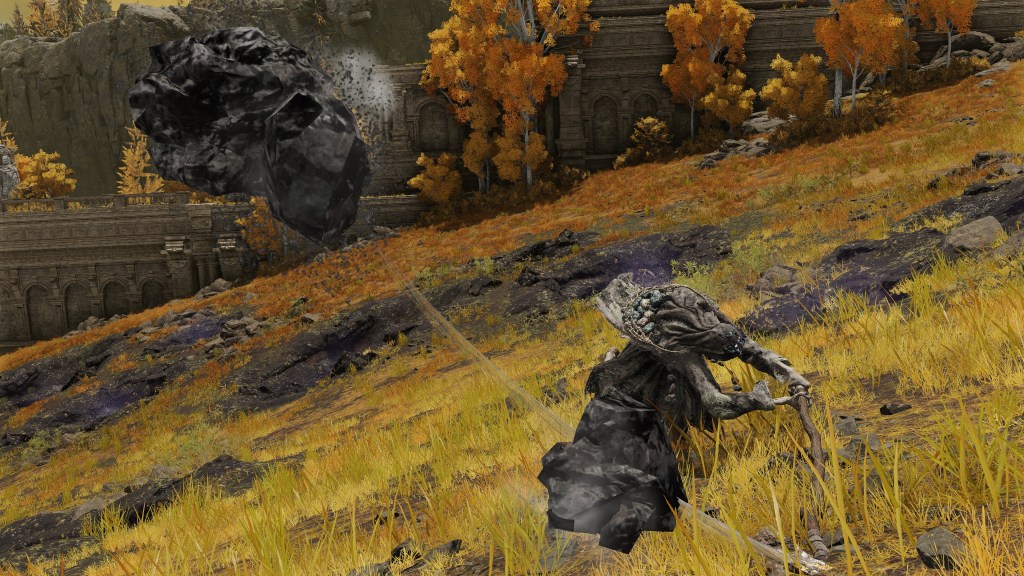
Put simply, the saint folk were likely some of the earliest astrologers, a people who took interest in the stars but didn’t yet discover how to control them with sorcery. Prior to the founding rain of stars, there were sure to be random meteor showers, with fresh strewn fields still encounterable along parts of our journey. We see hobbyists attracted to these meteorites, scavenging the rocks with improvised pickaxes. They put on shabby robes and call themselves “Starcallers” with the stones they collect, drawing out the power from those especially heavy with gravity magic to create shockwaves or explosions. But this appellation can apply even to proper gravity sorcerers, as demonstrated by Radahn — the roar skill he performs with his gravity-imbued swords to draw in enemies with a wave also bears the name “Starcaller” (星呼び) originally. By contrast, these cultists demonstrate little knowledge of sorcery, relying on those gravity stones or simple tricks like magnetizing rock to their pickaxe with the partial gravity the tip has picked up. Their only interest is the power, giving praise to the very life spawned from it.
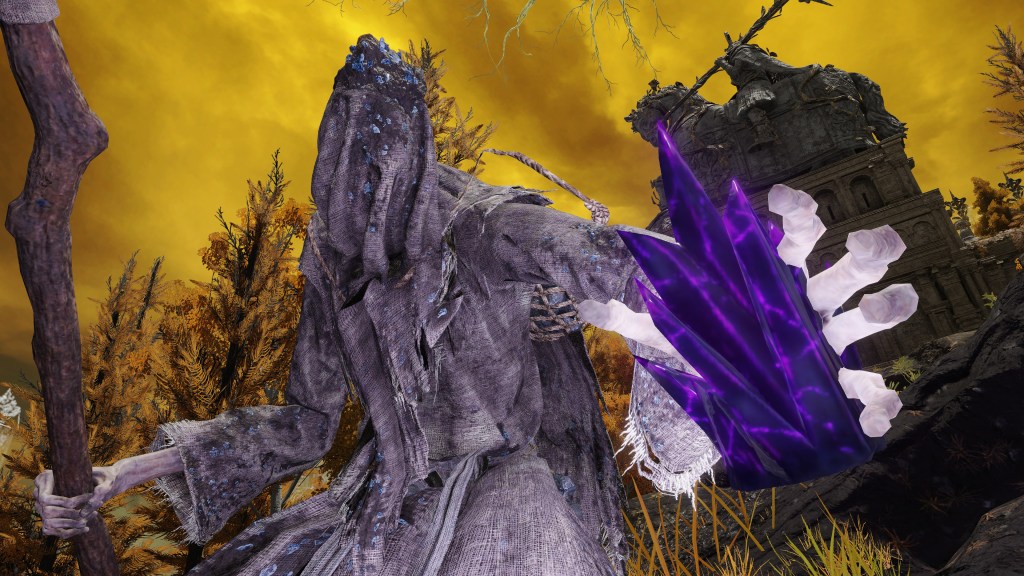
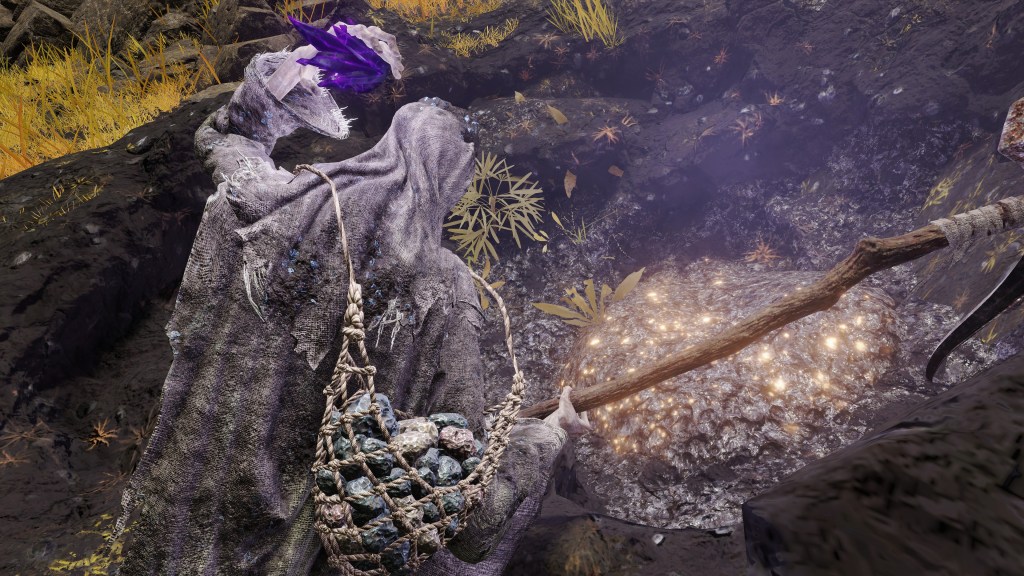
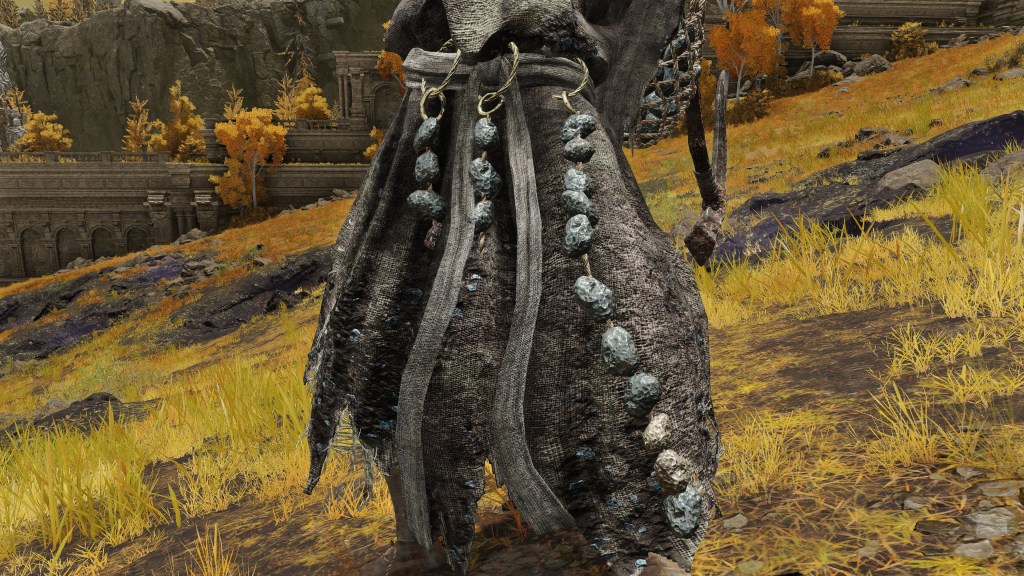
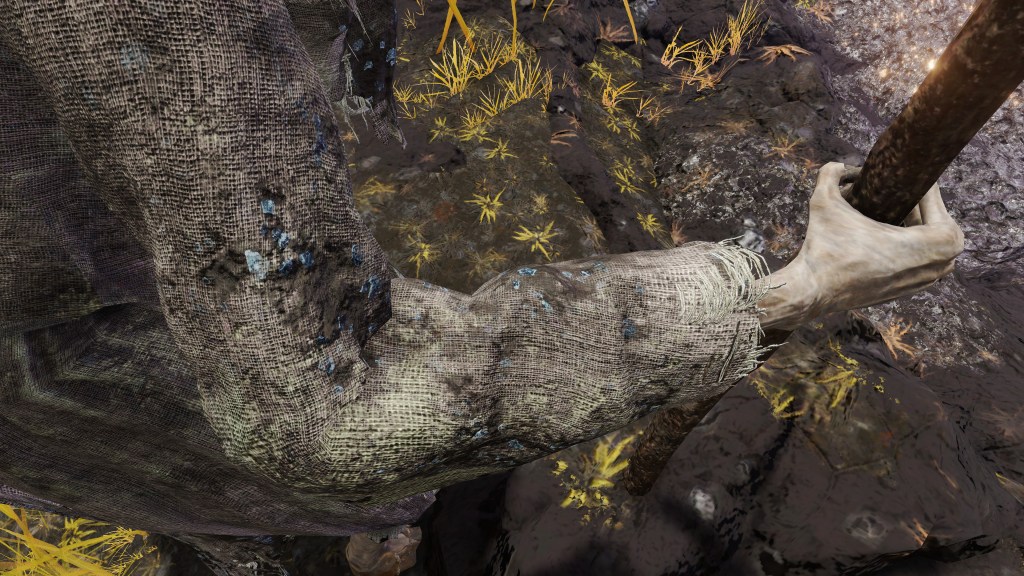
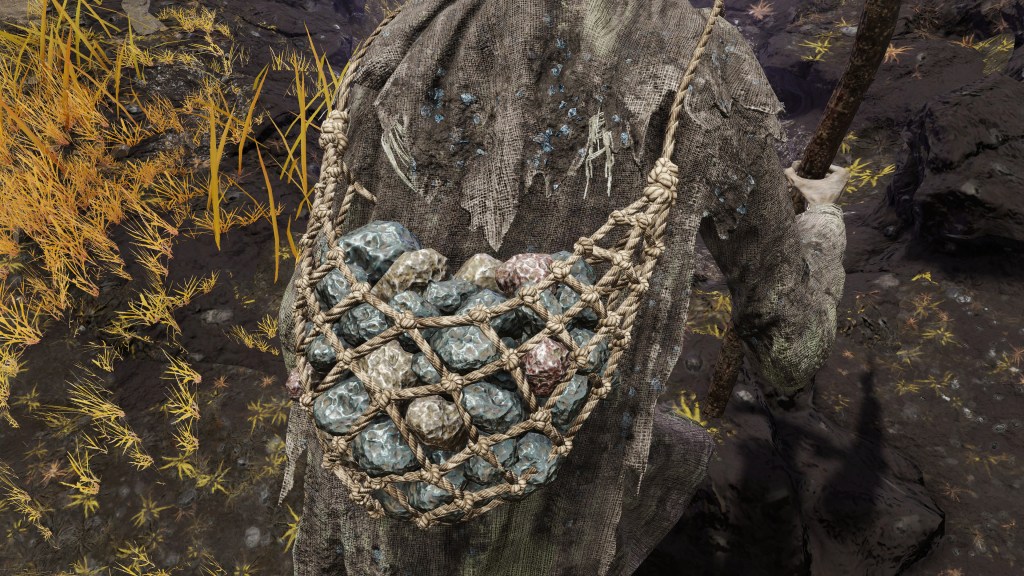
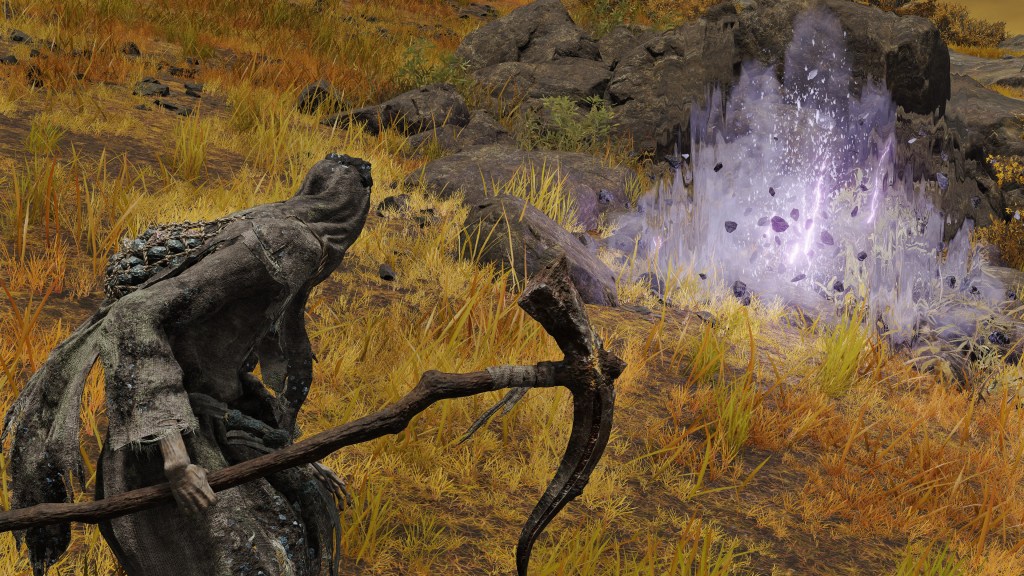
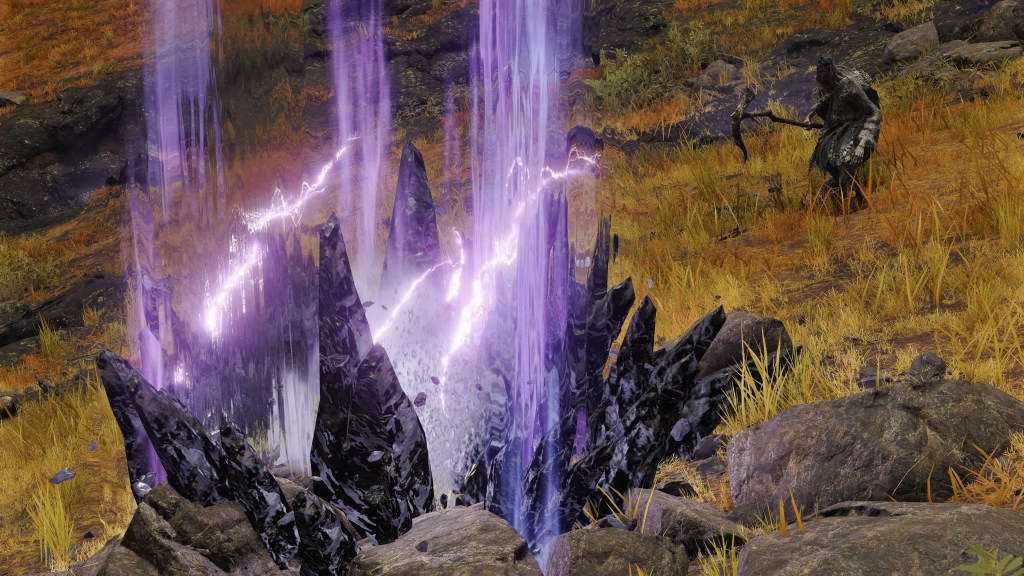
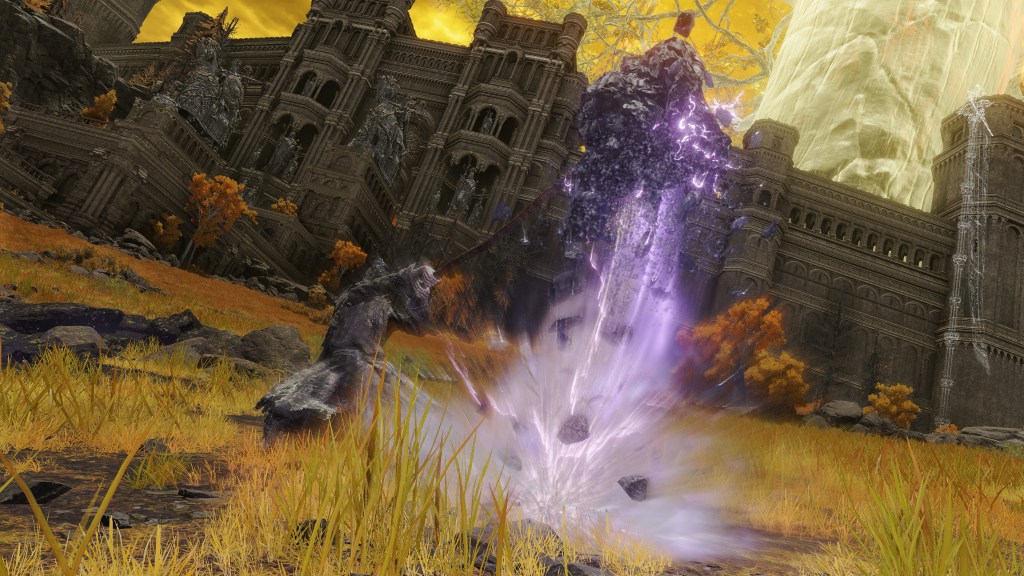
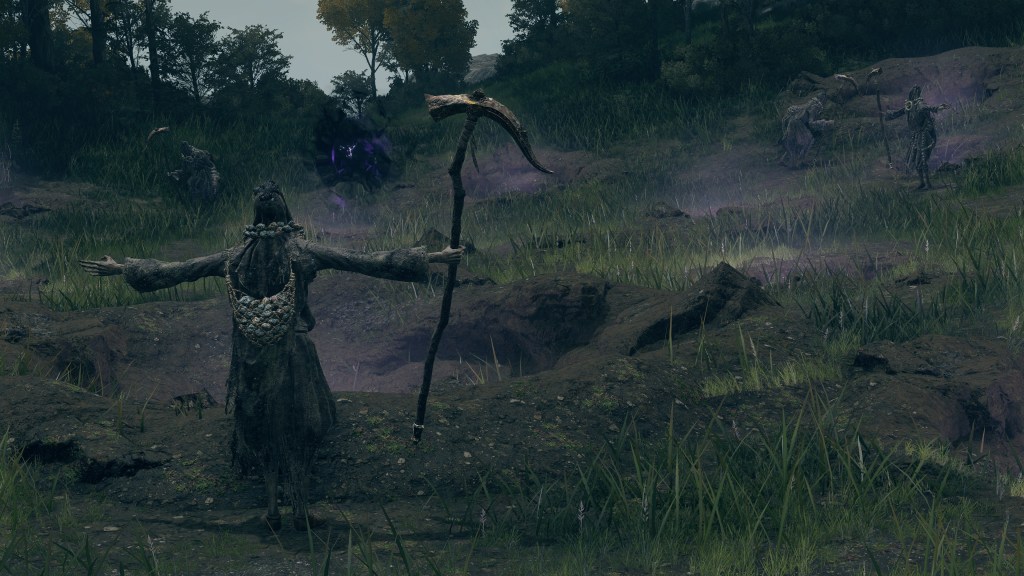
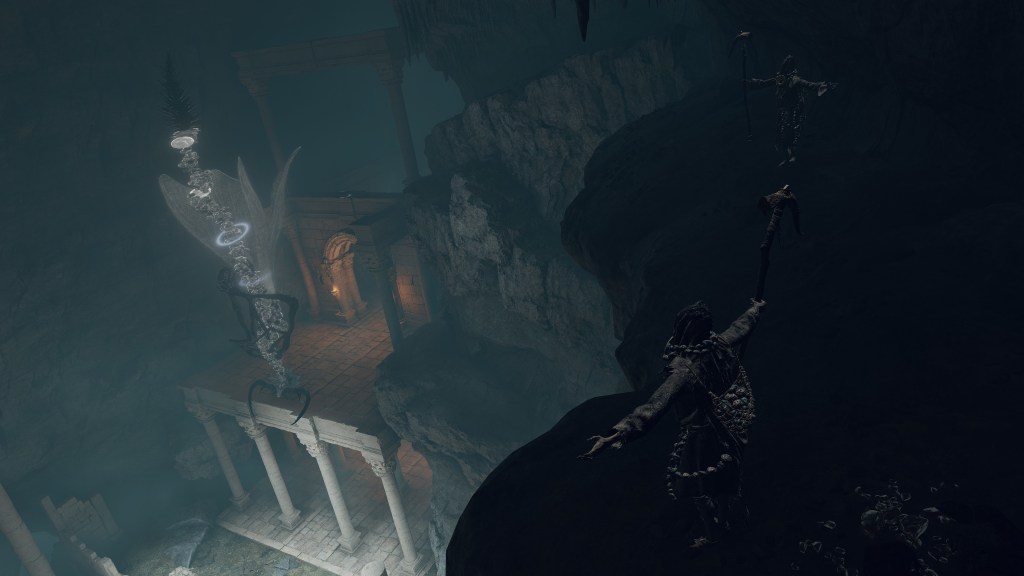
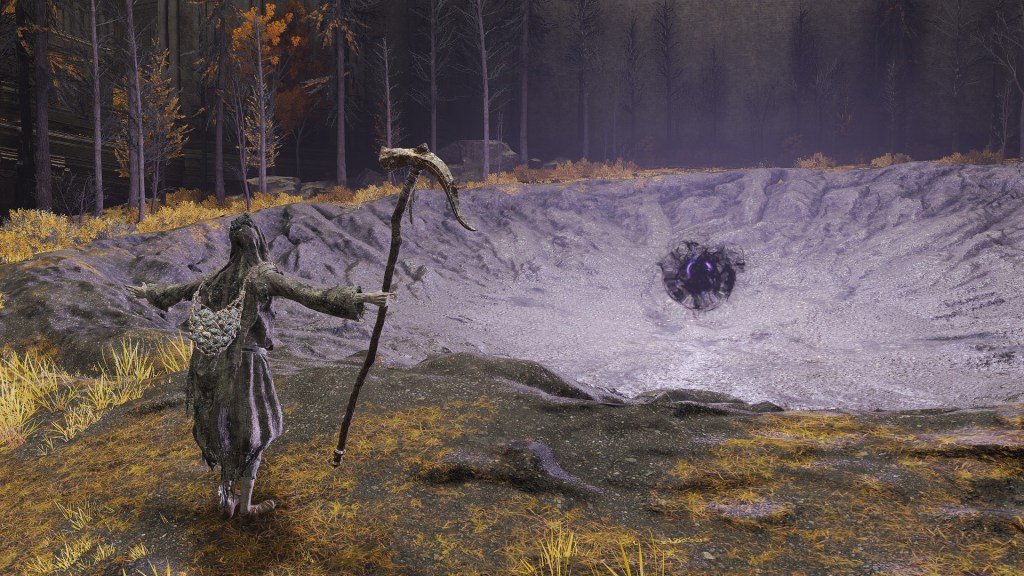
Thing tinged with particularly heavy magic power even among the stone fragment discovered in meteorite fall sites.
Consumes FP to generate fan-shaped gravity shockwave.
The shabby ones who scavenge this purport themselves to be “starcallers”.
Thing tinged with particularly heavy magic power even among the stone fragment discovered in meteorite fall sites.
Consumes FP to throw at enemies and generate gravity explosion.
The shabby ones who scavenge this purport themselves to be “starcallers”.
Battle art that makes heroic cry to the sky after bringing both swords together to pull enemies in via gravity wave. Slams gravity-enveloped swords with additional input.
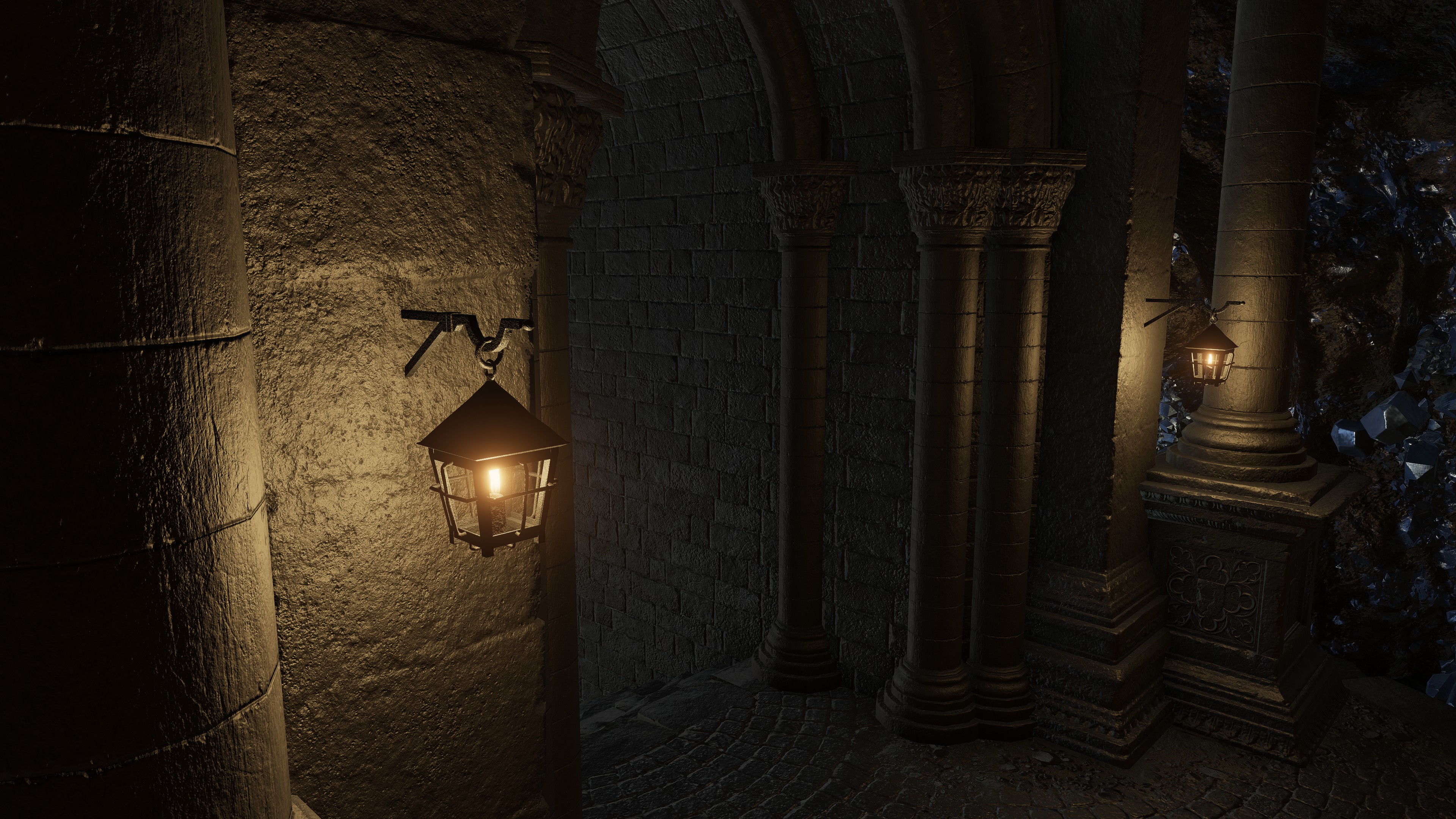
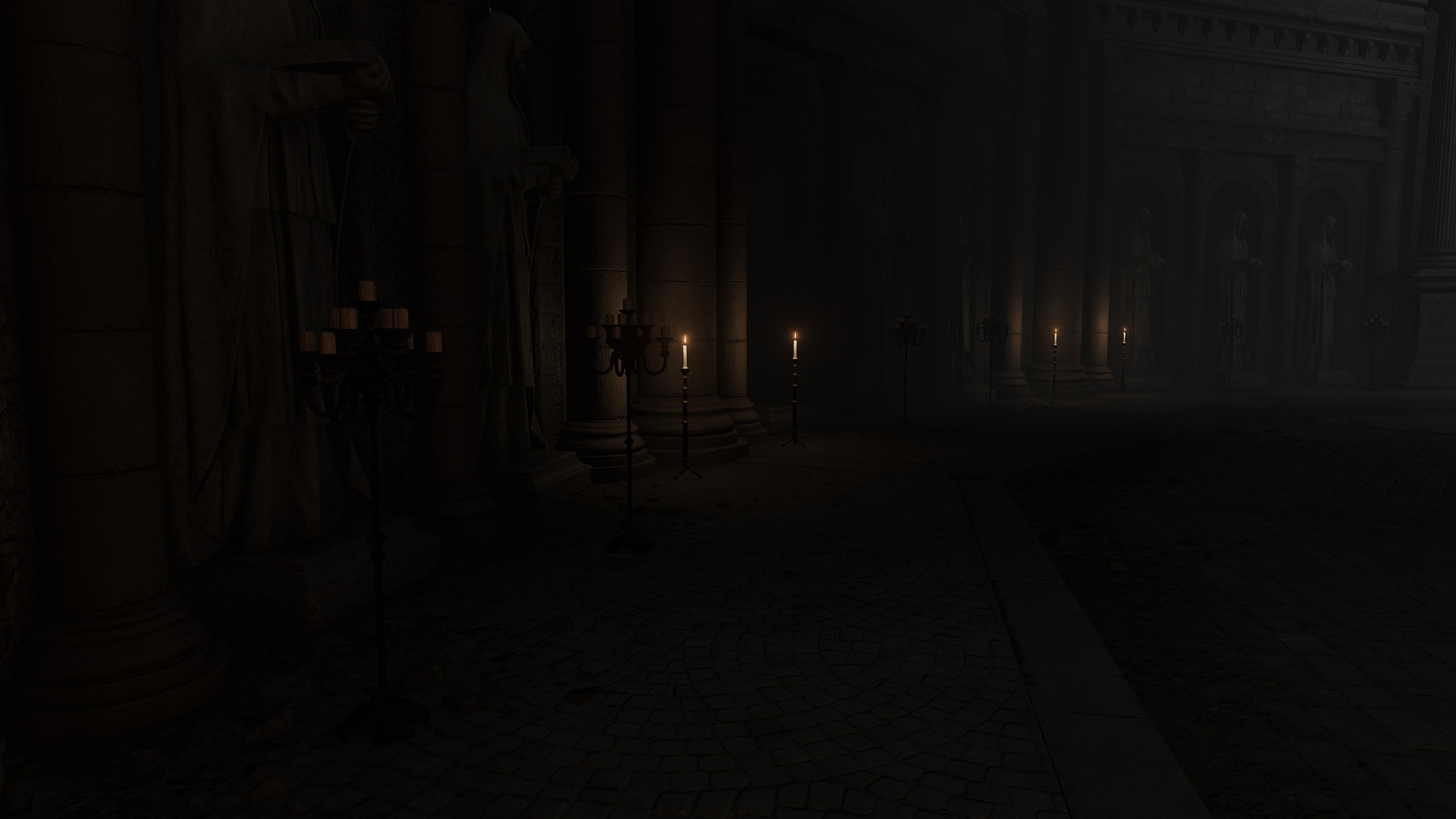
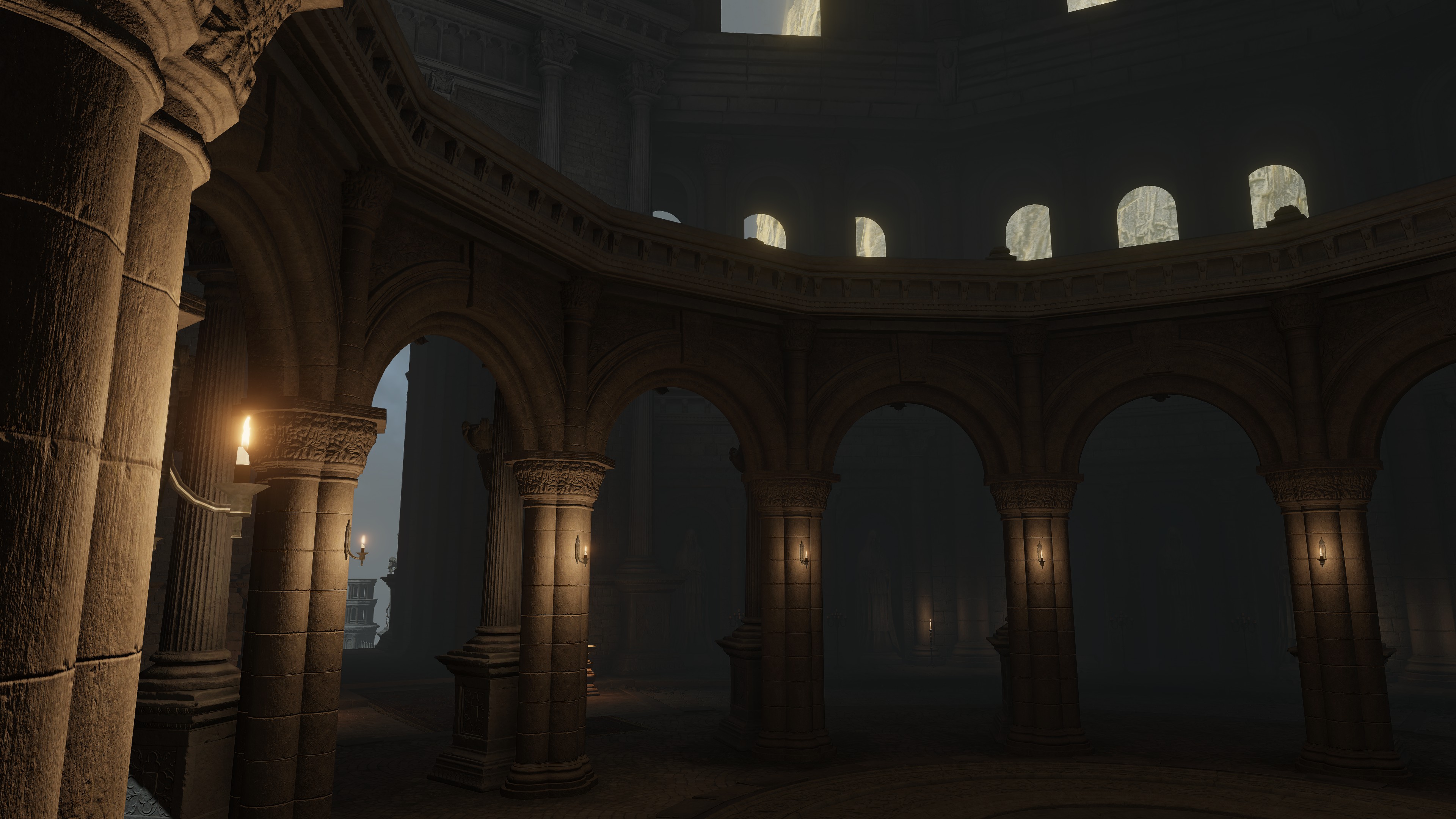
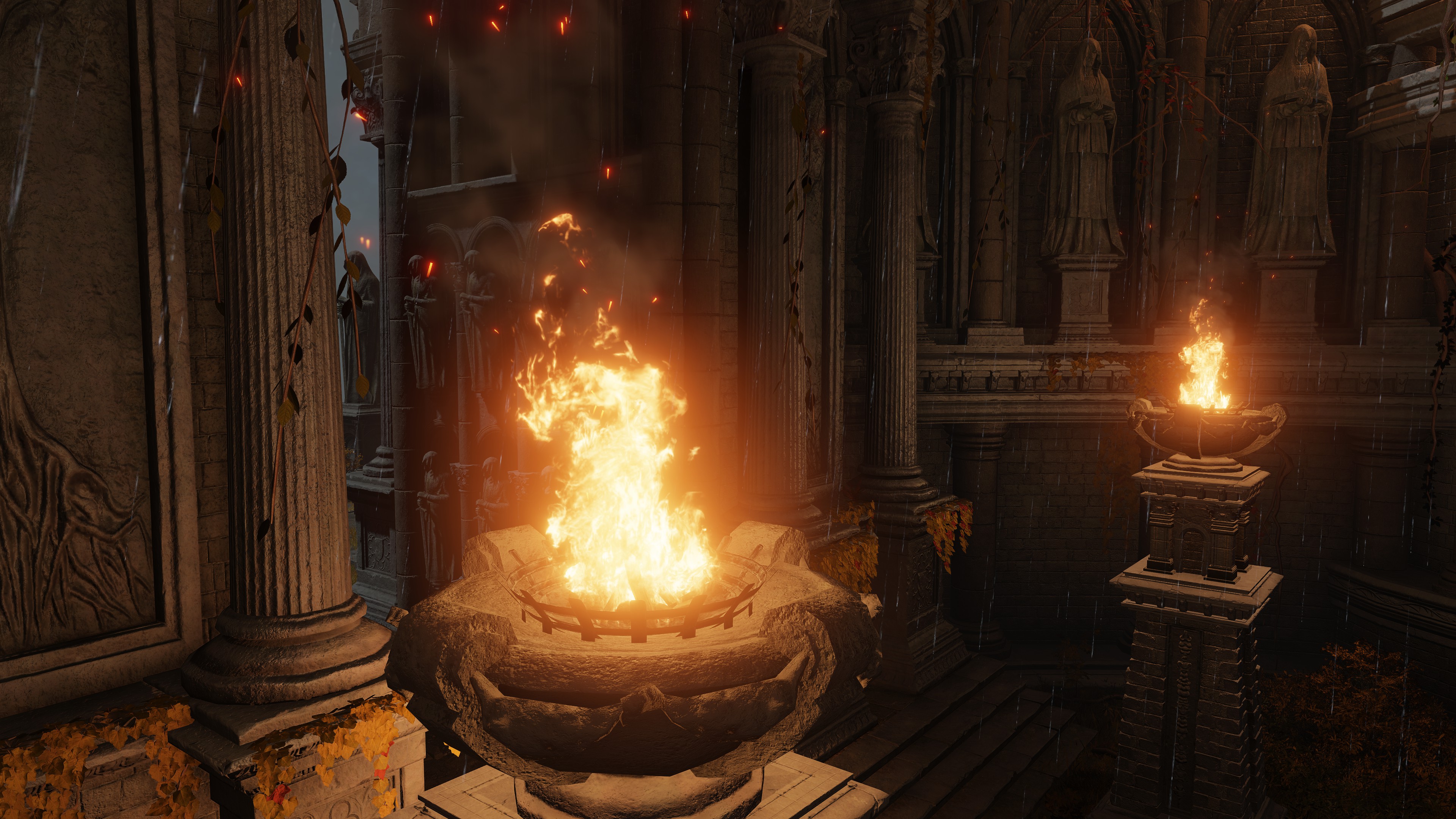
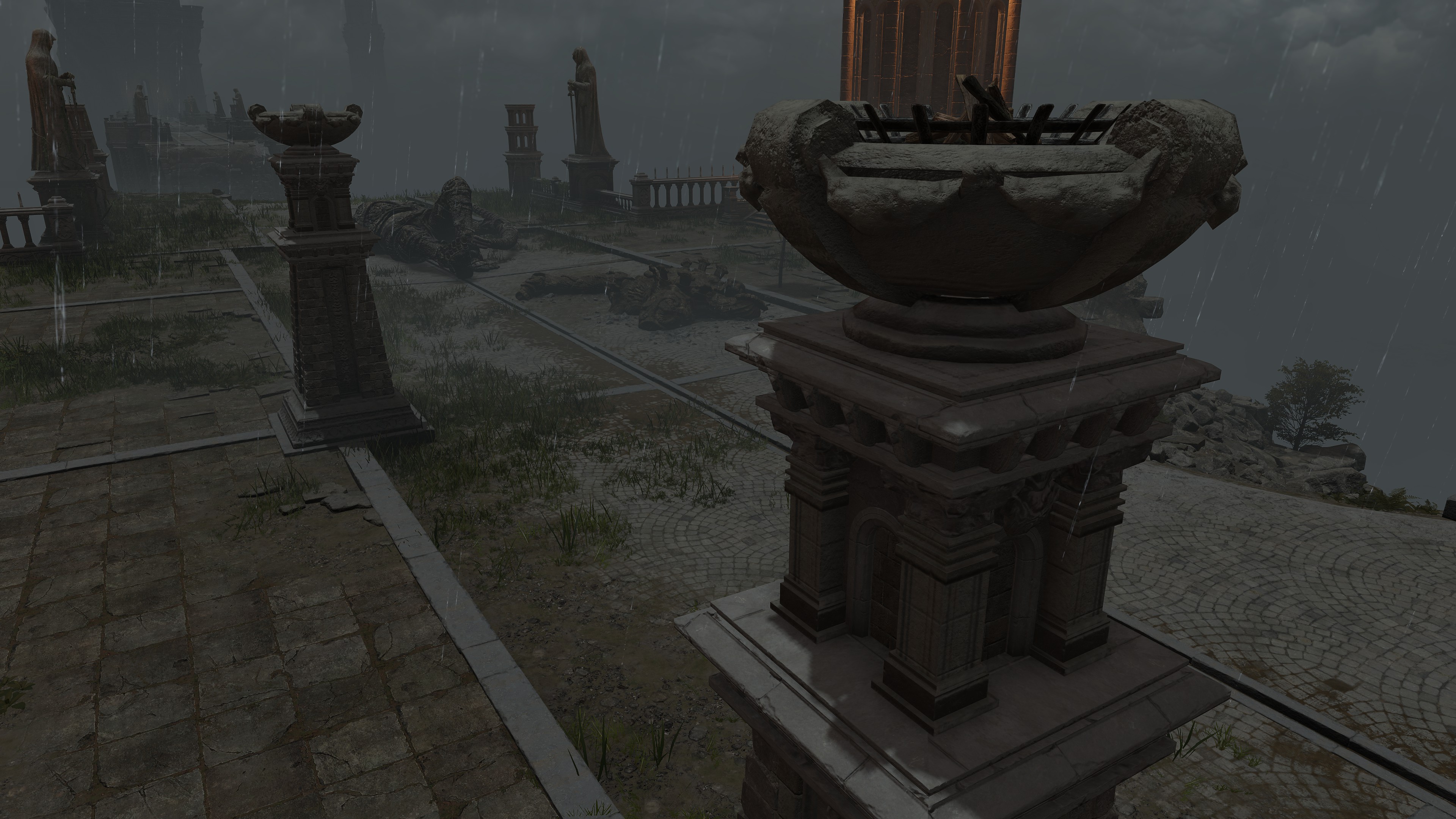
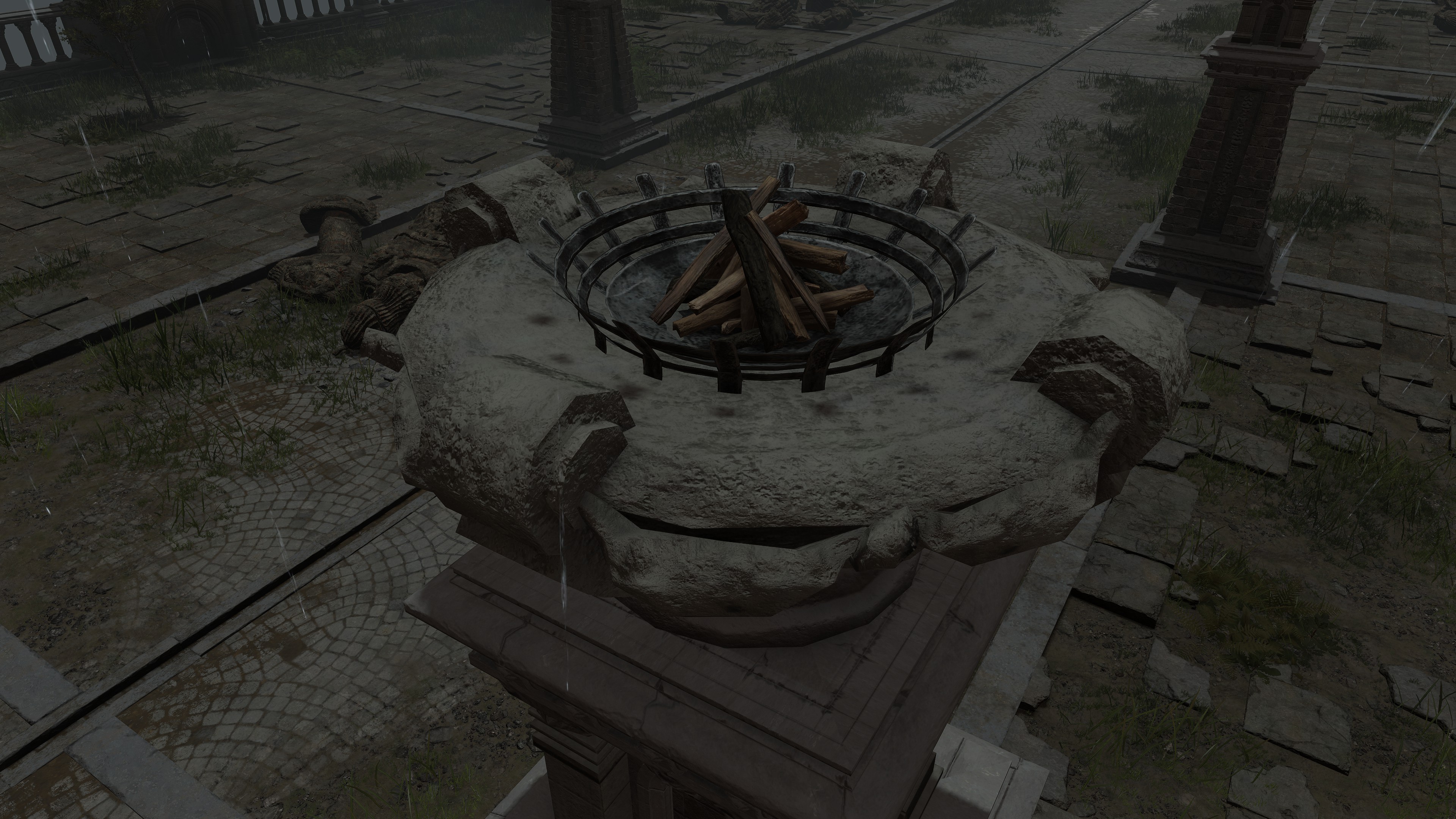
However, their example probably captures the sentiment of certain ancient people as well. For them, stars seemed to just flow through the night sky until they randomly fell to earth, prompting intrigue about meteors and how humans could prompt more to come down. The Divine Towers were more than likely constructed to this end, serving the same function as hemicycliums with starlight shards but on a far larger scale. While impressive megastructures, their builders were, in all likelihood, a neolithic civilization. After all, the large metal braziers and wall lamps in the Sealed Tunnel’s meteor shrine are the same used by the miners in that very tunnel. The wall candles, candle stands, and smaller braziers employed for the greatbridges and connected towers are likewise common to modern facilities. These might thus have all been added after the fact, like at least elements of the triumphal arches. Overall, the culture relied more heavily on stonework like Farum Azula and so is liable to also predate metalworking. Instead, they substituted it with meteors from the heavens.
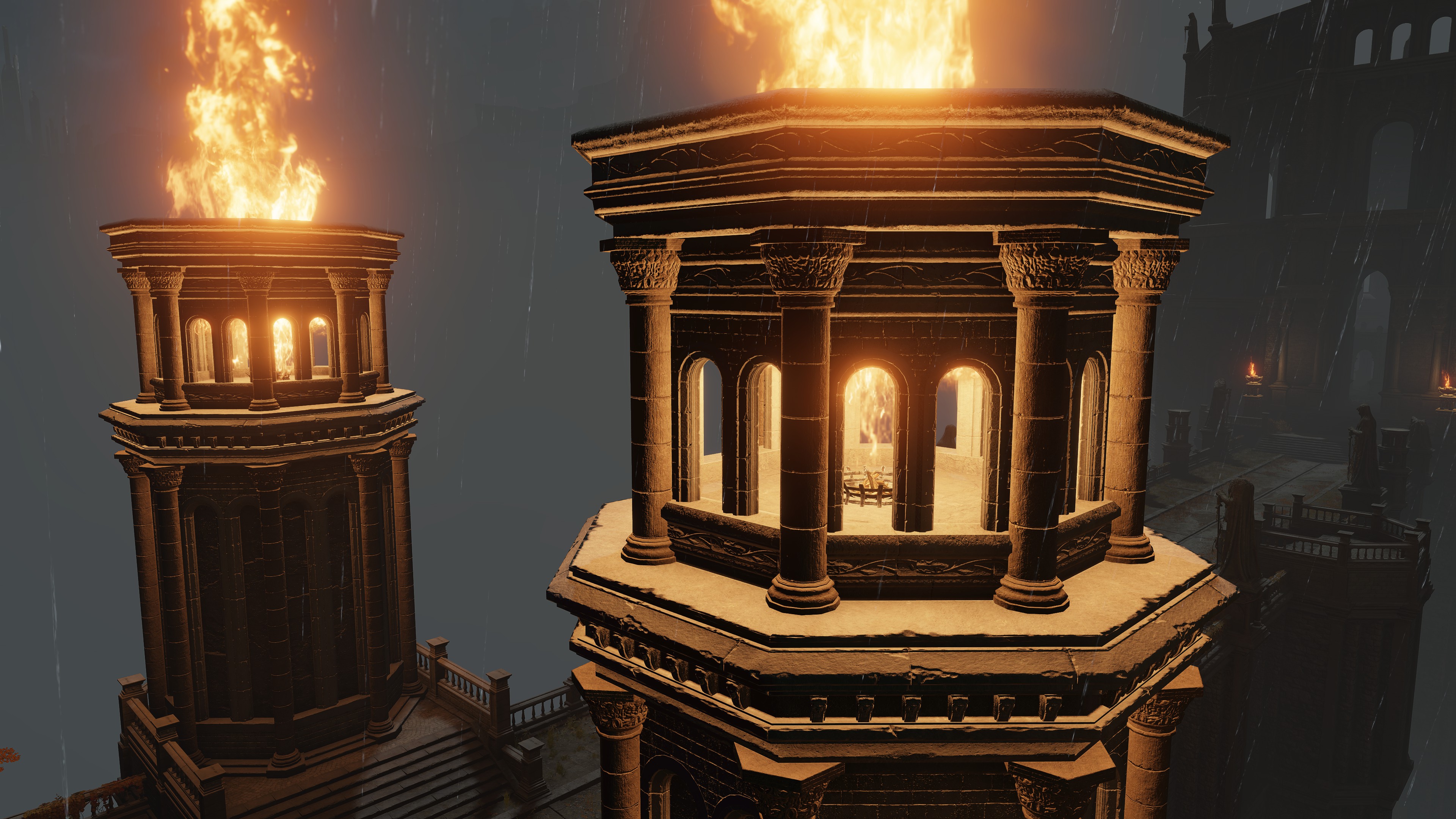
Indeed, the image of the saint with a sword is conducive to this primitive worship of meteors. Carving stone into a functional sword is viable, as exemplified by the Stone-Sheathed Sword — a weapon whose description confirms that it did belong to a lost civilization of antiquity. That mundane mineral can also be empowered by meteoric rock prior, as showcased with smithing stone. Unsurprisingly, we can collect local smithing stone from inside the half-buried saint statues, and glittering white crystal are embedded into the stone walls of the Divine Towers alongside the meteors. If a neolithic man were to discover a way to draw out the power of meteors from stone and create a sword, it wouldn’t be odd for him to dominate over others and be revered as a holy man wielding something sacred. That moreover befits the use of sage statues at entrances to the Divine Tower bridges, heading to the tower equated to the saint revealing the secrets of falling stars for the visitor’s erudition. In total, it paints the figure as a master of meteors, retaining both their strength and wisdom.
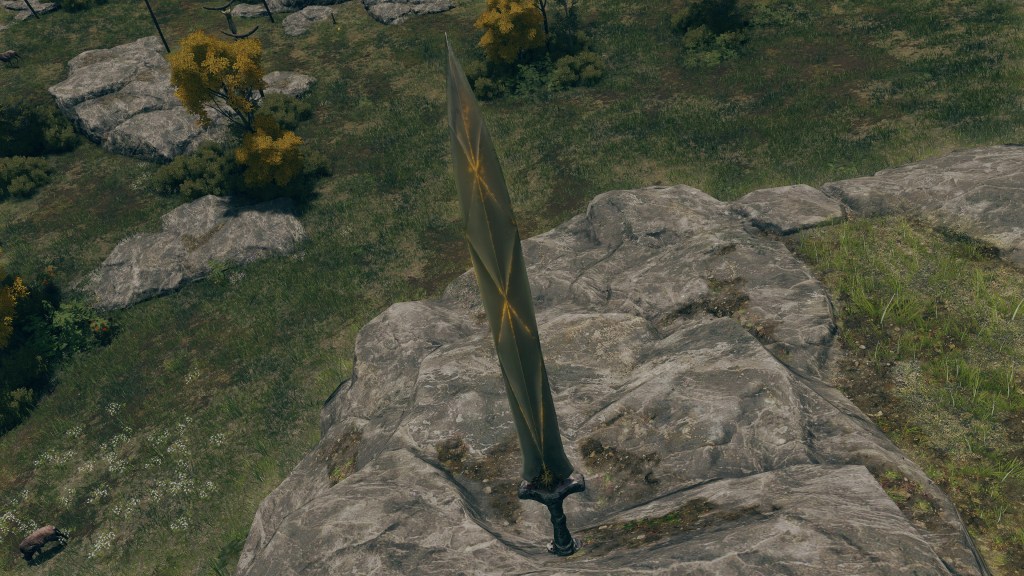
Sword that can never be drawn, contained in a cracked stone sheath.
It is said to be the relic of an old, lost civilization and was offered to altars of either light or dark.
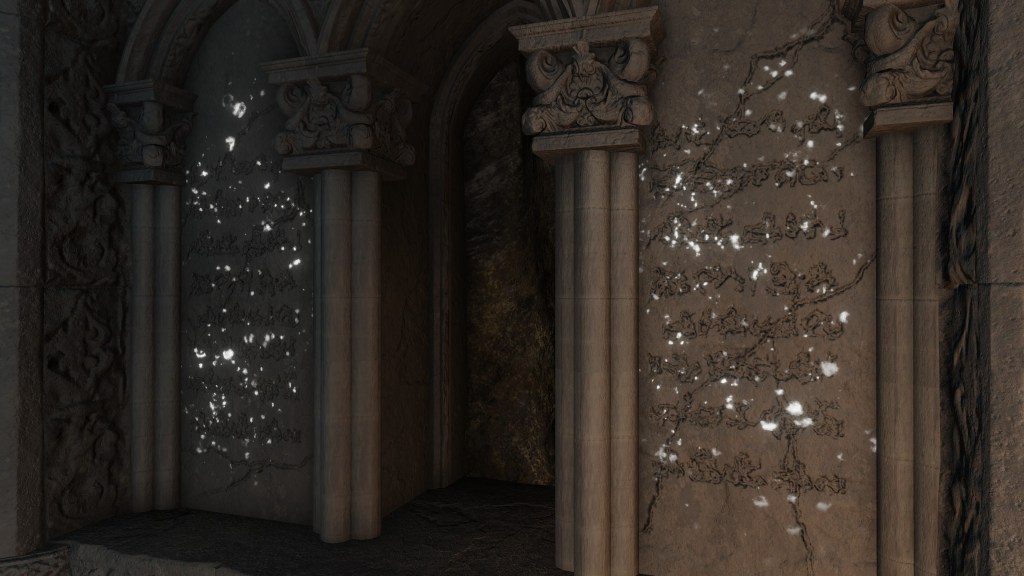
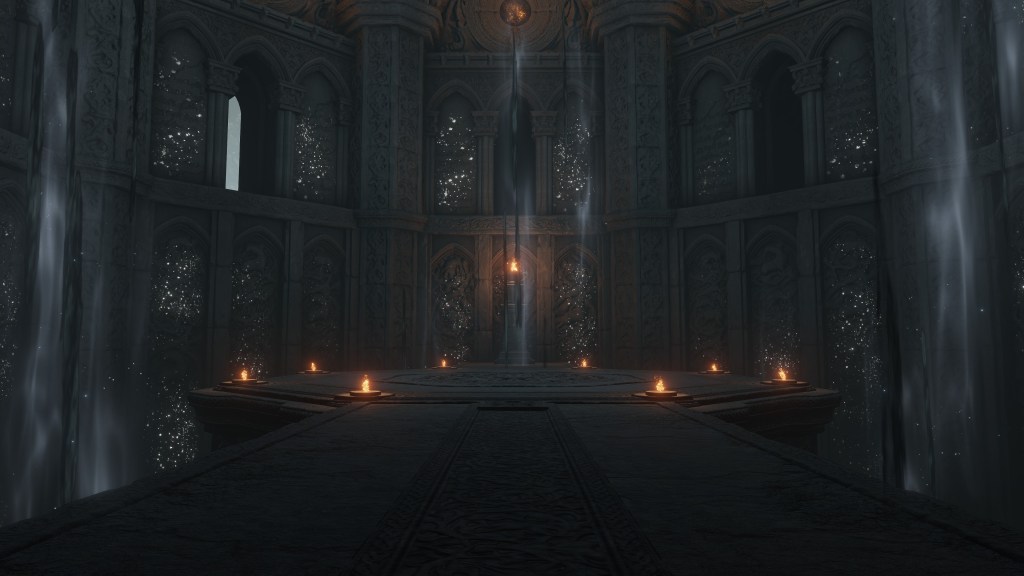
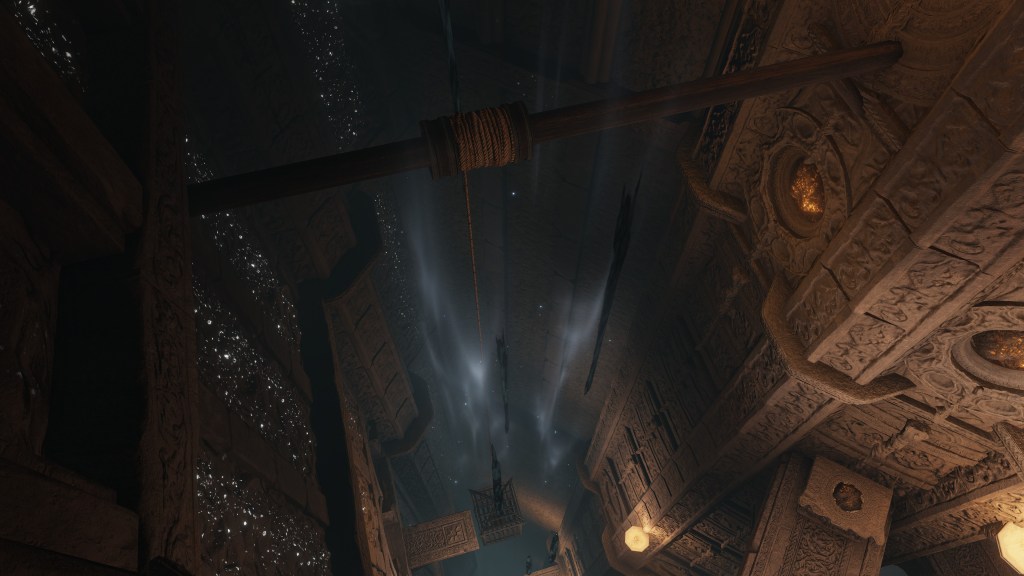
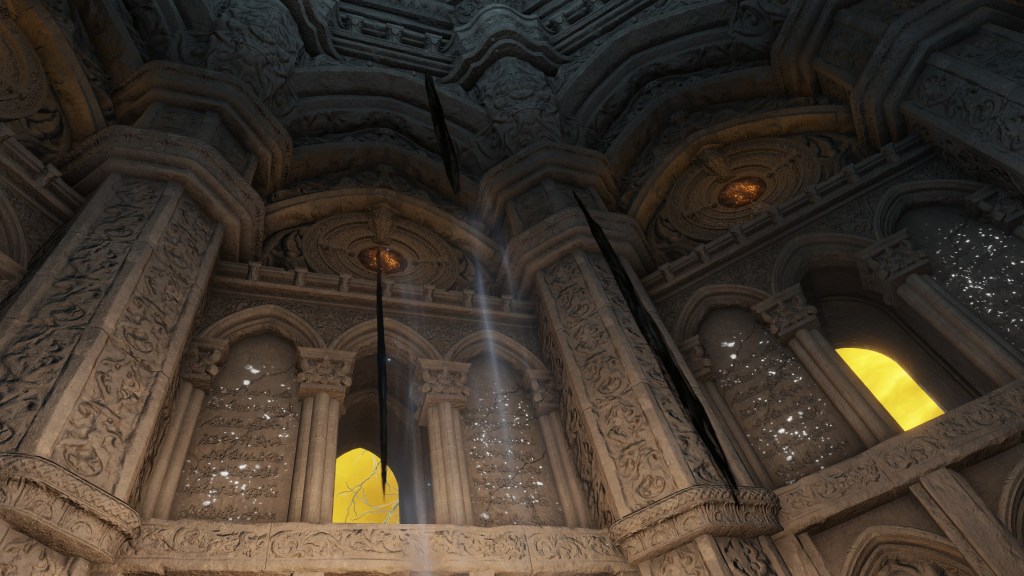
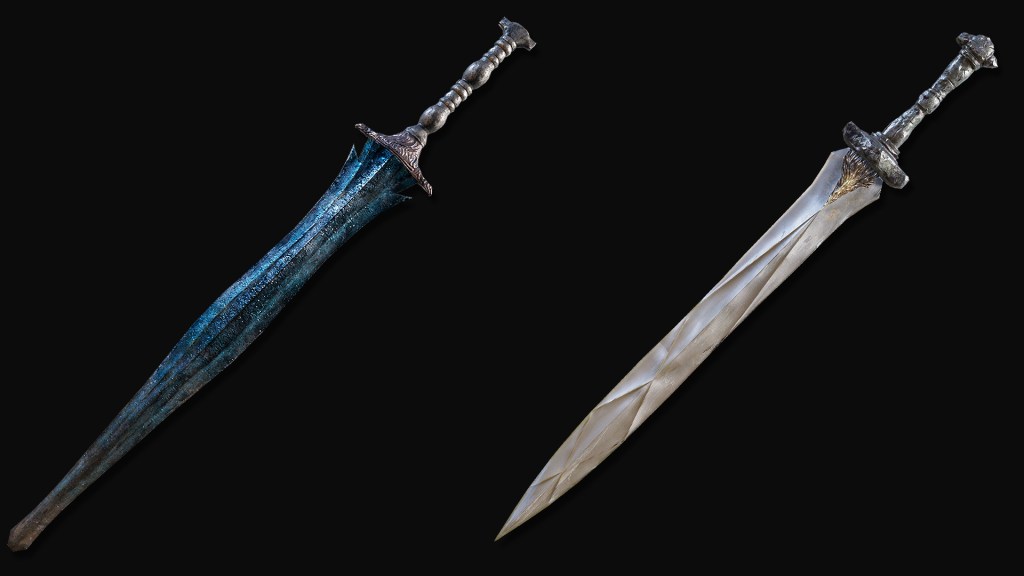
As to the nature of that strength and wisdom, we can see material gracefully drip down from the interior of the Divine Towers, presumably from the embedded crystal where the dripping begins and ends. This material takes the form of either faintly sparkling pale wisps or thick masses of black sludge. The appearance bring to mind light and dark, which is consistent with meteors. The Alabaster and Onyx Lords follow a similar pattern, with the “white” king wielding a pale blue sword while the “black” king wields a golden sword. We see white and blue heavily associated with glintstone and thereby the stars, who are themselves bright lights linked to silver in essence. Meanwhile, gold is deceptive, at its prime with an added reddish hue but ultimately the flipside of shadow. In other words, meteoric lifeforms swing its iron with the colors of silver and gold’s weaker forms, elements which ultimately reflect a light and dark dynamic. Put another way, a mix of light and dark can be extracted from meteors, with the Lords and their weapons providing the examples for humans to follow.
Sword made with pale blue meteoric iron. Its blade hides the power of gravity.
It is the choice weapon of the White Kings possessing stone skin, an old race said to have been born with the fall of meteors once.
Greatsword made with gold-colored meteoric iron. Its blade hides the power of gravity.
It is the choice weapon of the Black Kings possessing stone skin, an old race said to have been born with the fall of meteors once.
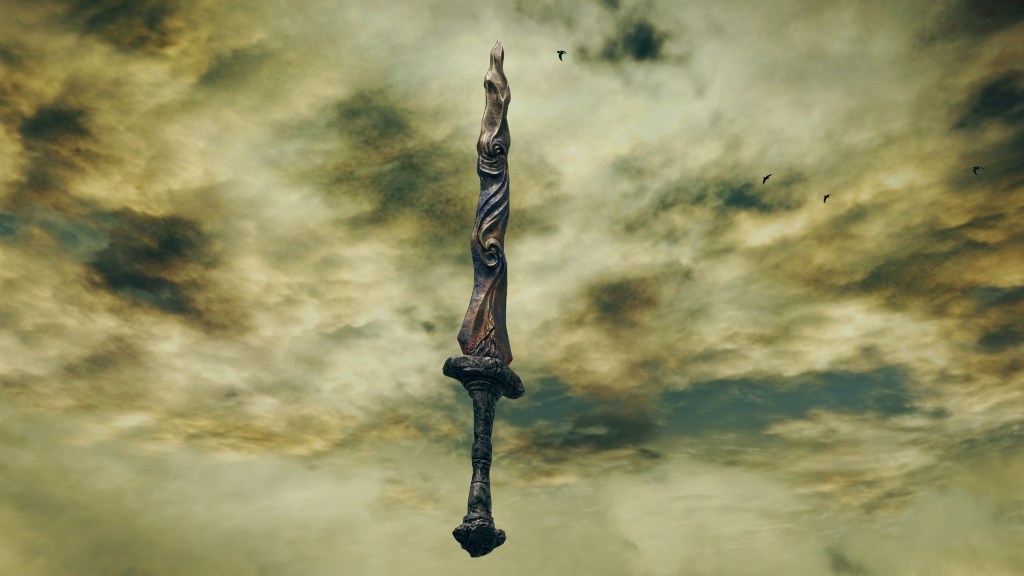
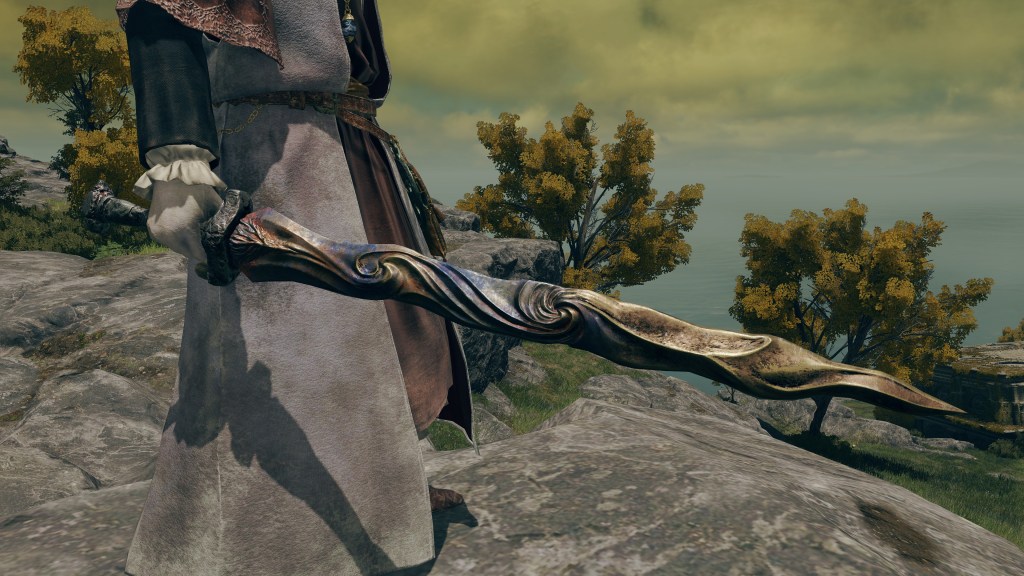
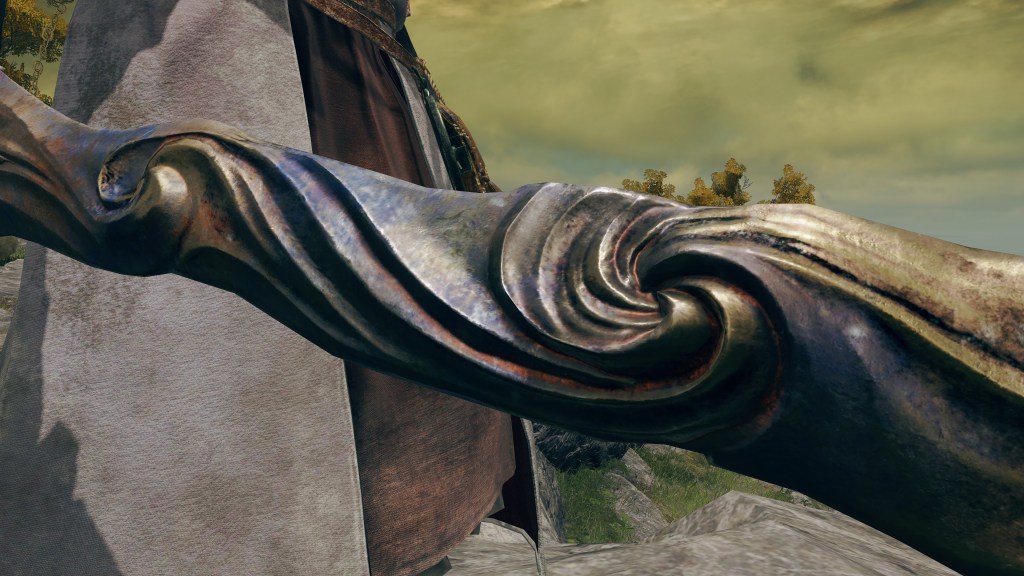
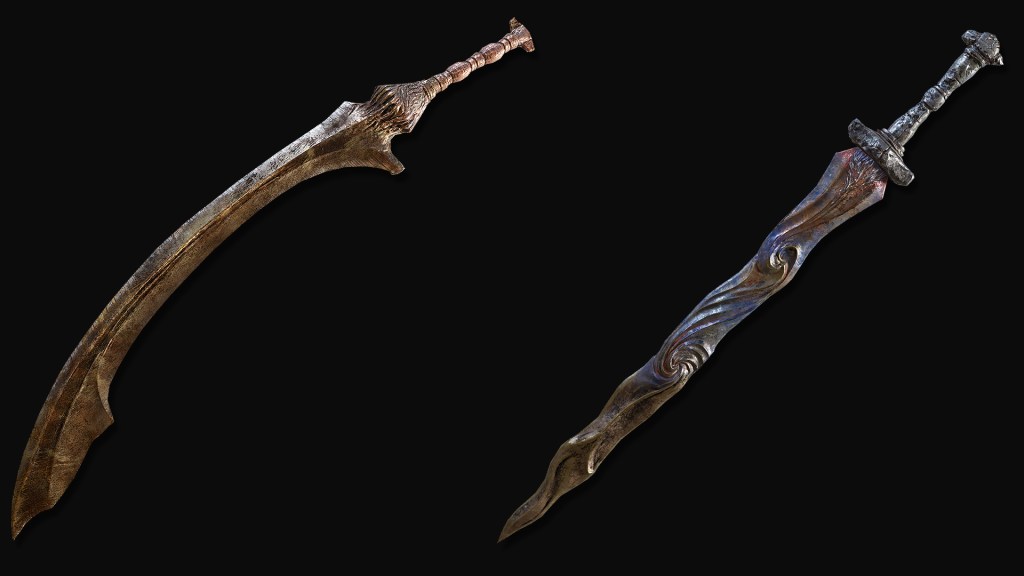
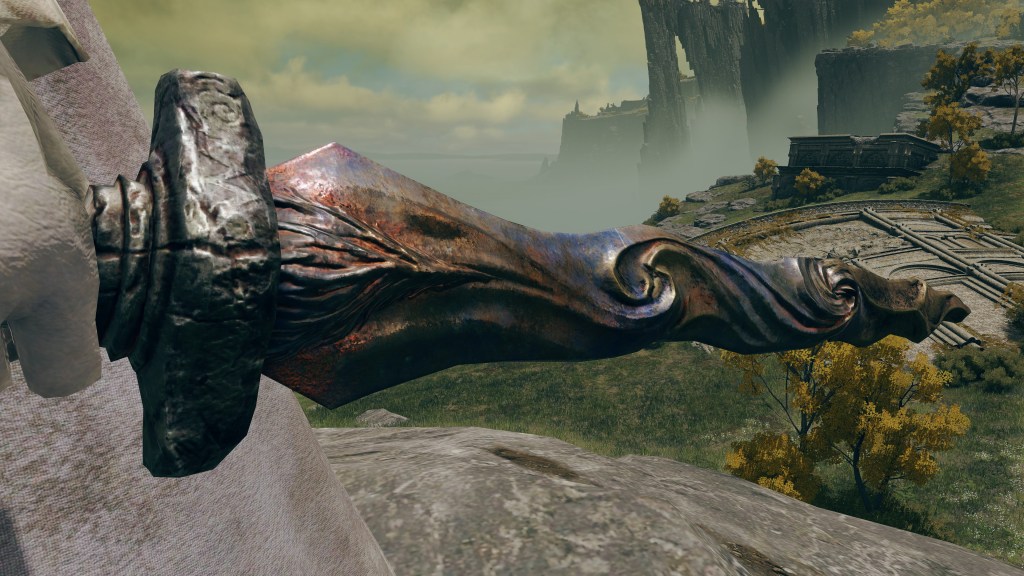
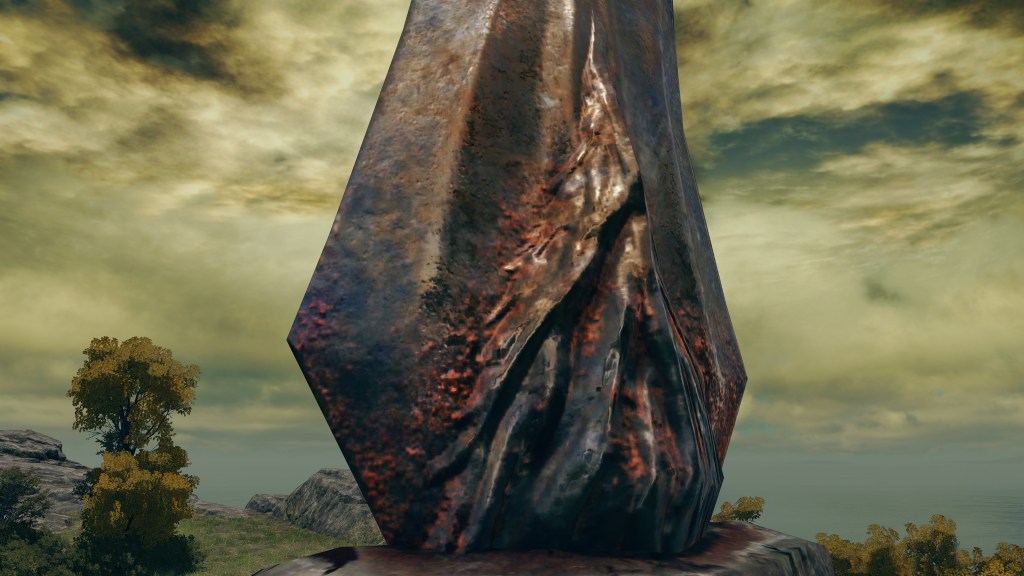
This connection between silver and gold and light and dark is reinforced by the Stone-Sheathed Sword. By offering it up to light or dark at special altars, the ancient sword trapped in its cracked sheath can finally be drawn with a unique form. The Sword of Light reflects and intersects to forms a silver blade, whereas the Sword of Darkness fluctuates in and out to form a “dark” blade of black, red, and gold. The intent to the colors is particularly obvious in how the fluctuations occasionally wind into a vortex, swirling vortexes common to manifestations of red-gold. The way that light doesn’t twist or bend while dark always warps and distorts similarly ties back to the stone-skinned kings — just as the Alabaster Lord wields a more angular straight sword, the Onyx Lord swings a curved sword. Even the respective lord’s gravity affinities comport to this dynamic. The white king pulls to connect, like how stars link men to fate, while the black king pushes to divide, just as the Elden Ring defines an Order. White and black, silver and gold, light and dark; all of it can be found in fallen stars, and one man discovered this fact.
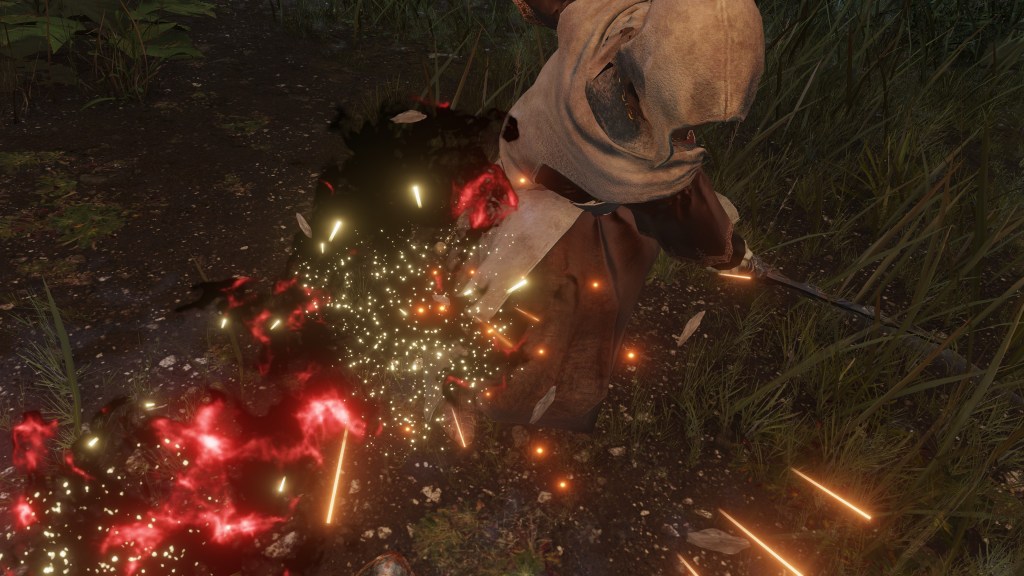
On that note, the Swords of Light and Darkness may well be the original weapon of the saint. Dedicating the blade to either light or dark before unsheathing it comports with a holy man, and the altars themselves are located in the northern parts of the Lands Between’s center, situating them relatively close to the Divine Towers on Altus. Both swords deal holy damage generally associated with gold, but befitting their respective elements, the Light Sword creates clouds of twinkling lights with each hit while the Dark Sword leaves burning red darkness in its wake. The two’s descriptions further highlights how the light and darkness forming the blades stem from “organic” (有機) roots — and even details their manifestation from those roots as tsuji (筋) used to typically denote the fibers for muscles, tendons, arteries, and so on. In short, the sword captures a source of life from which light and dark generate, which is produced in inorganic meteors like the Lords possessing stone skin and brown blood but otherwise behaving akin to biological humanoids.
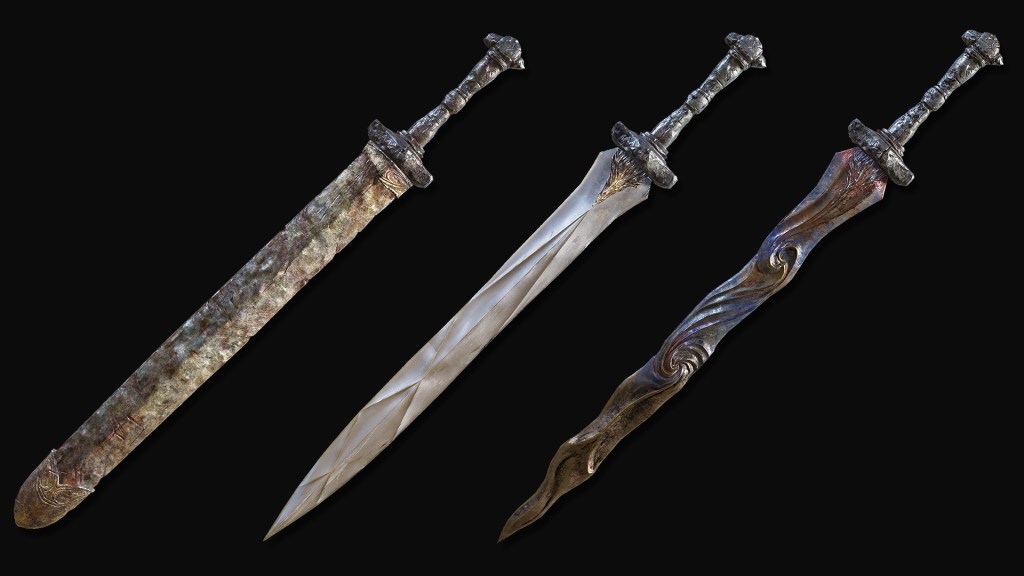
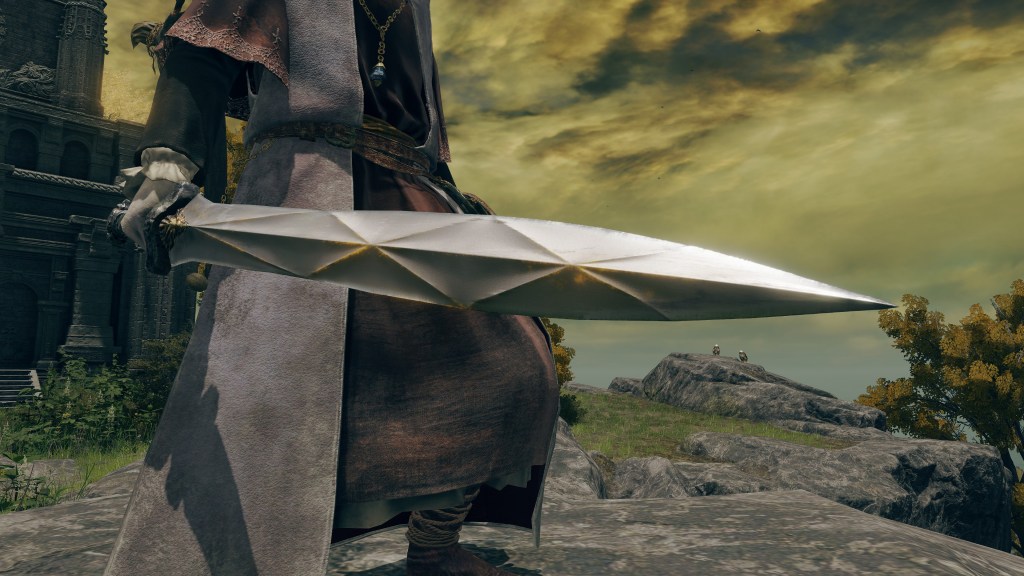
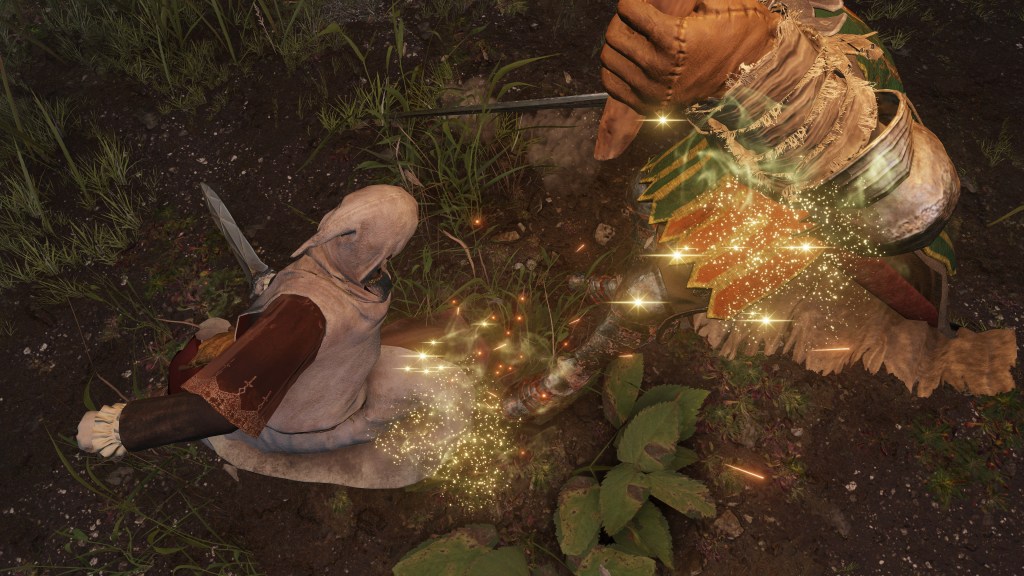
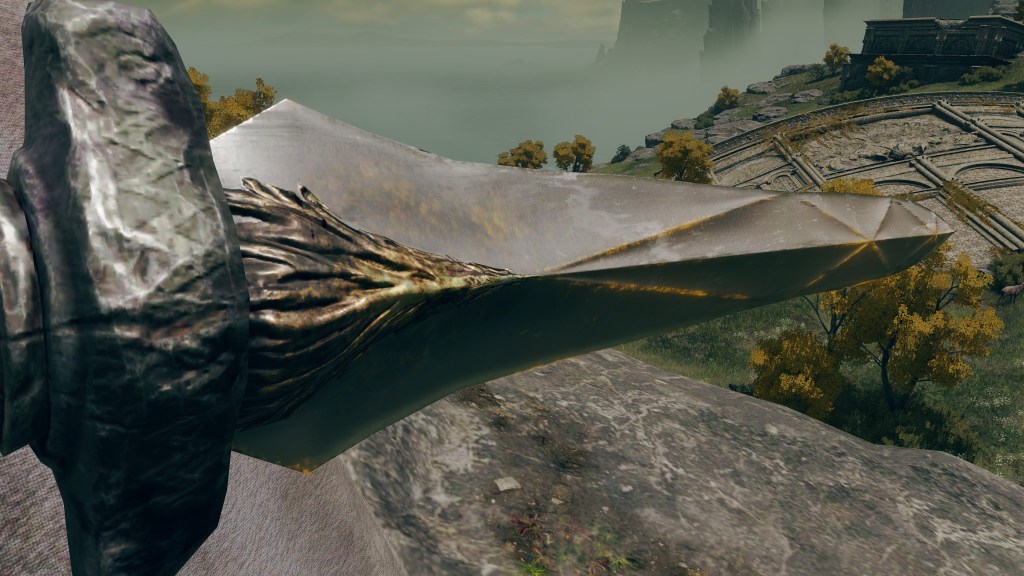
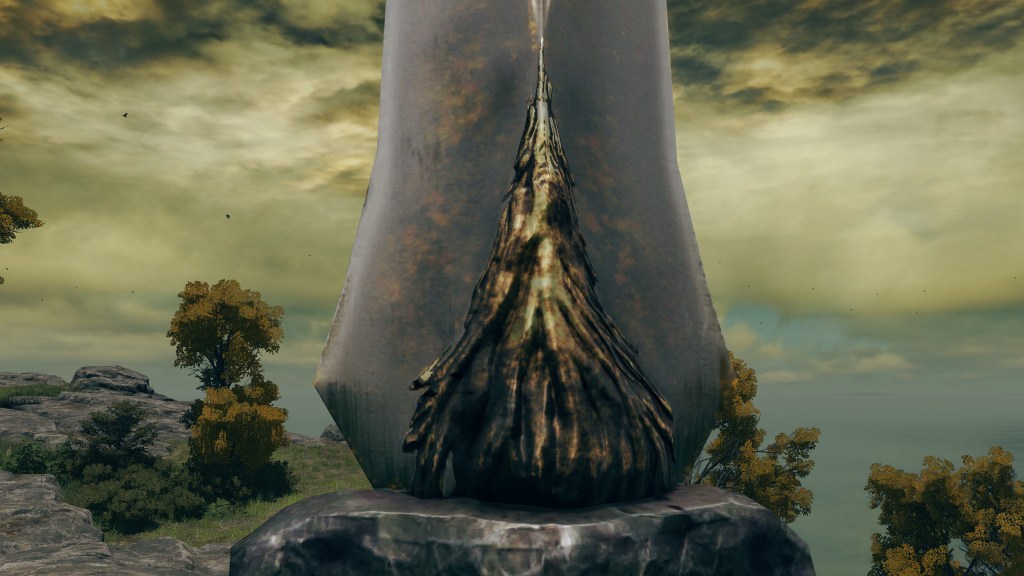
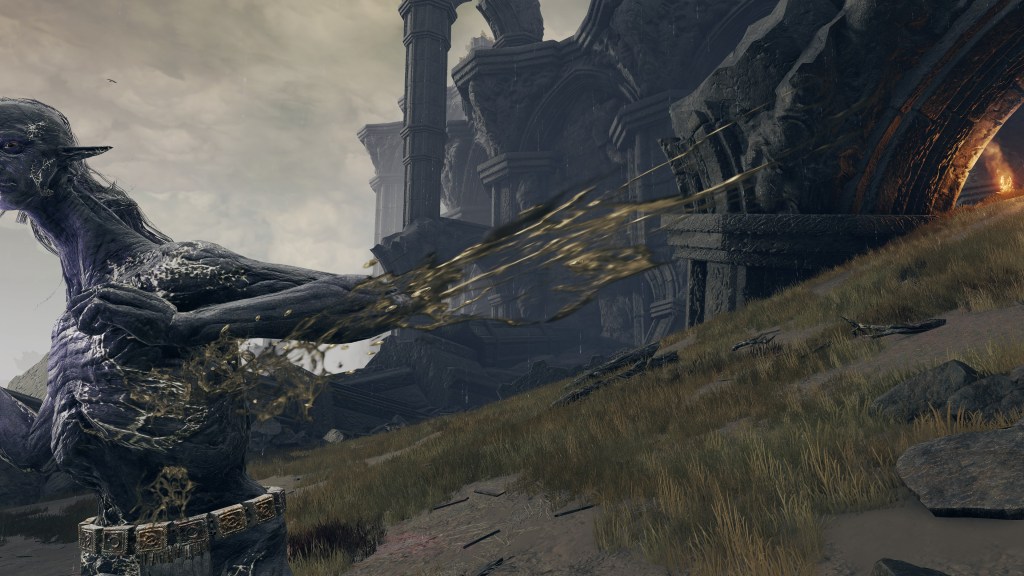
Sword of light removed from the stone sheath offered up to the altar.
Several fibers of light generated from organic roots intersect and reflect without warping as they form a silver blade.
Sword of dark removed from the stone sheath offered up to the altar.
Several fibers of fluctuations generated from organic roots converge and diverge while warping, at times winding into a vortex, as they form a dark blade.
The swordsman’s successors might have applied these same principles to the glintstone which meteors spread. Like the half-buried saint statues, evergaols randomly dot the Lands Between, especially in more remote places. We encounter no “seal-cell” (封牢) in the central lands, also much like those statues. This indicates it to be the universal technology of an ancient people with a similar extent to the saint civilization. The circular structure is stone, and these jails’ locks faintly glow with blue magic flames. When accessed, the flames engulf us as we warp to a parallel plane, a faint barrier enclosing the area with only darkness on the horizon. The prisoner soon manifests from a dimensional fissure as a “revenant” (幽鬼) — already belonging somewhere beyond the realm of the living. This magic is how the occupant is sealed, light and darkness invoked in the manipulation of space comparable to astral life’s gravity portals. More importantly, the glowing lock includes an engraved cipher depicted as emanating from a vortex, implicating some awareness of the Greater Will as the Primeval Current.
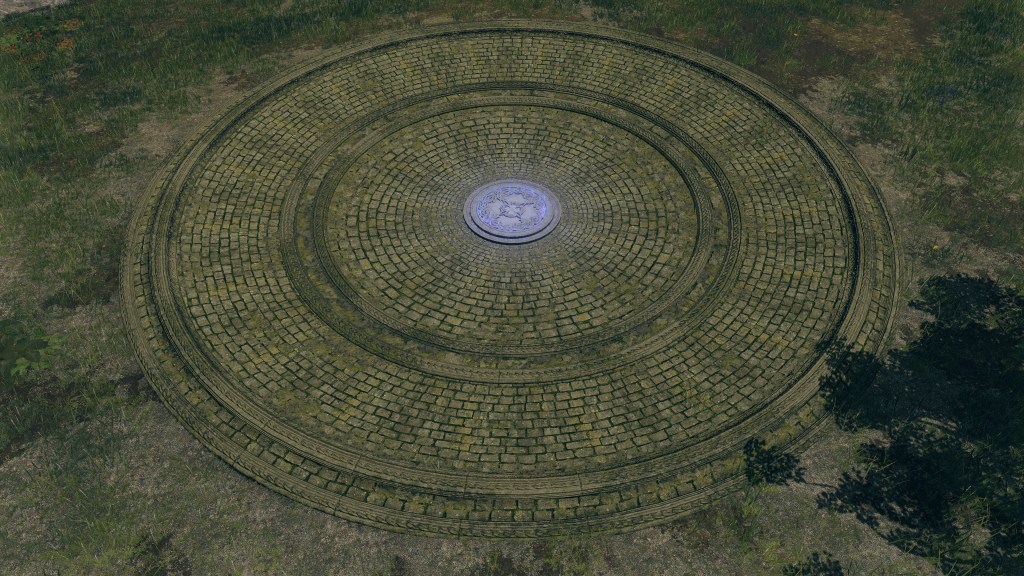
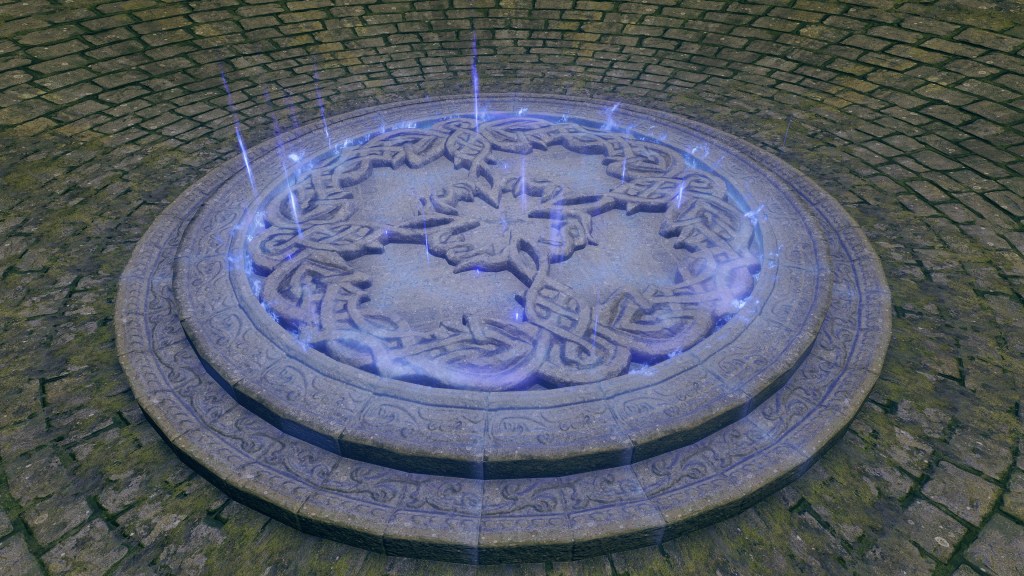
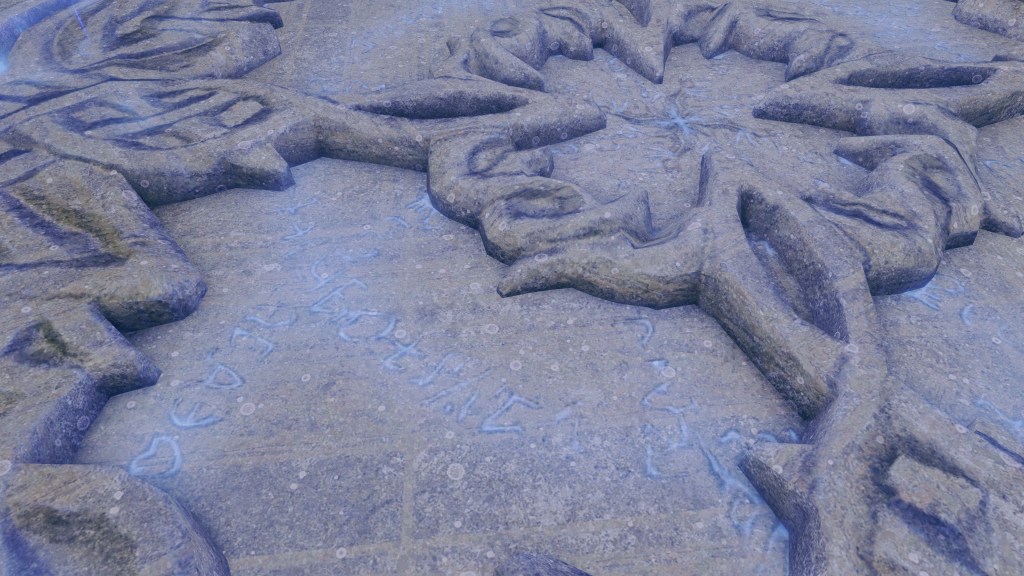
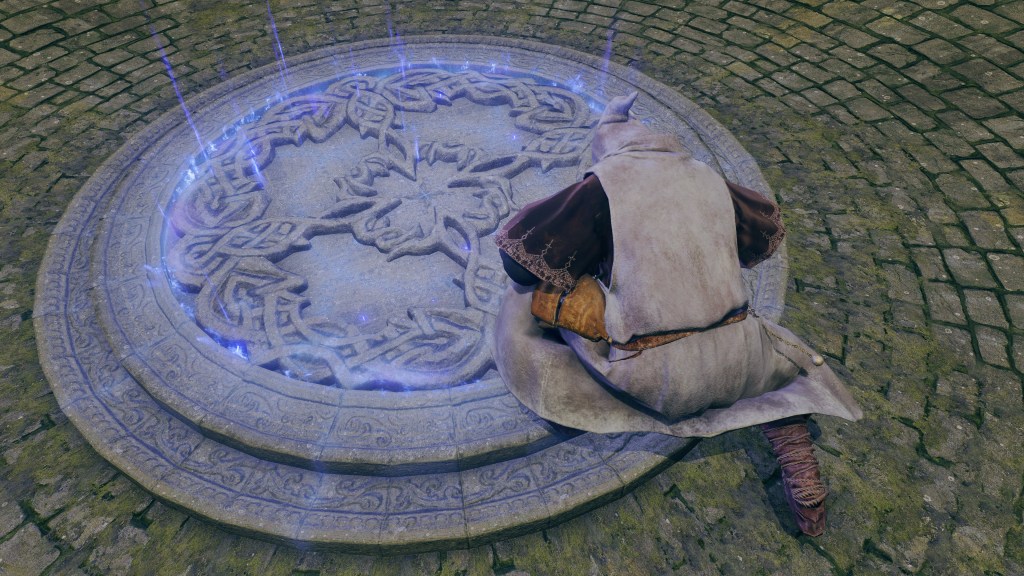
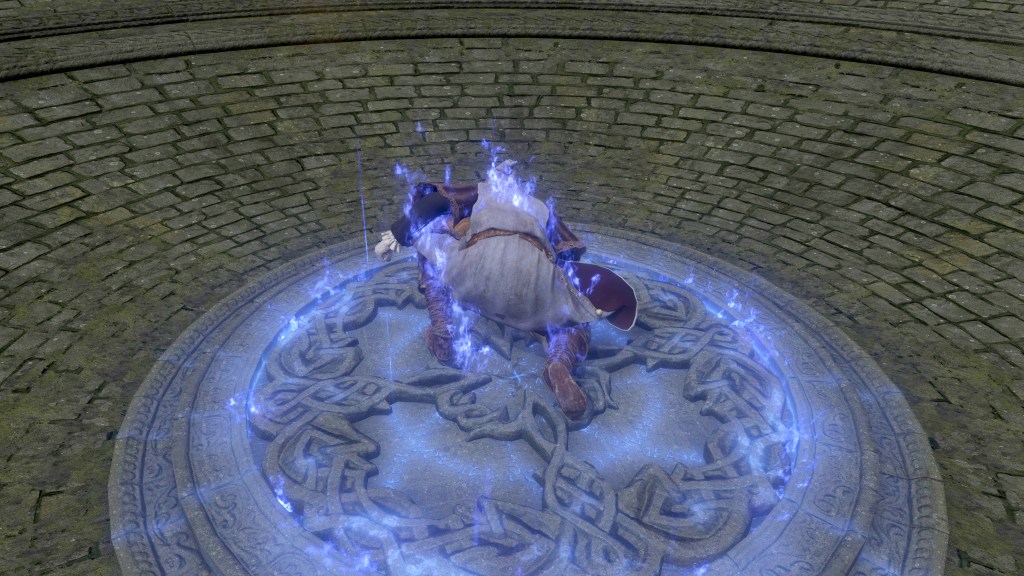
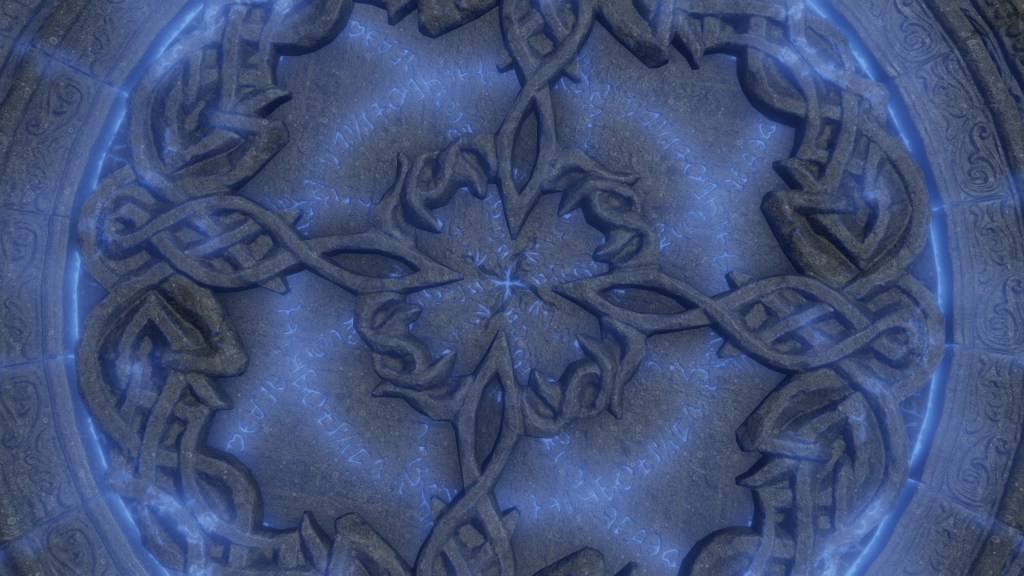
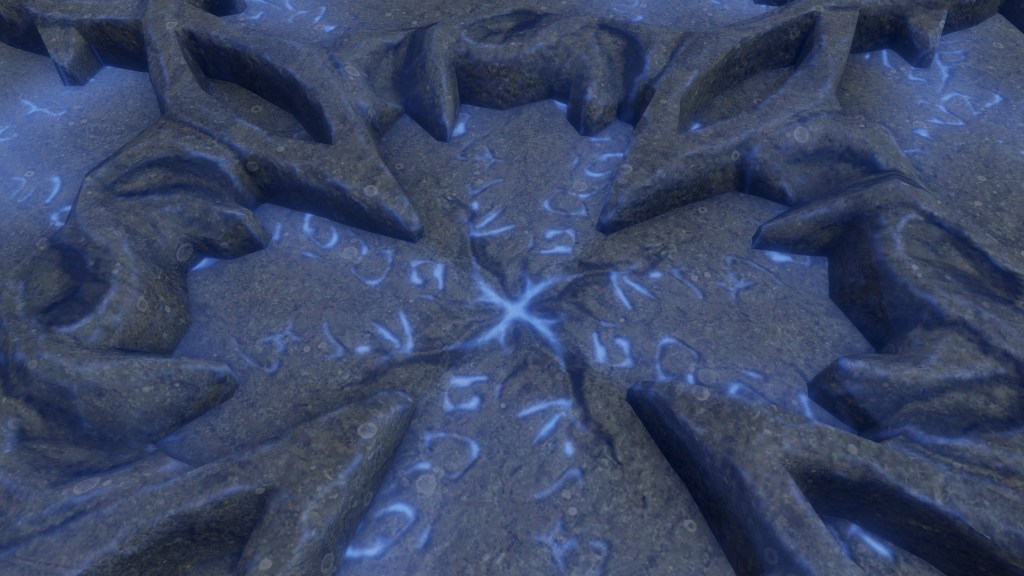
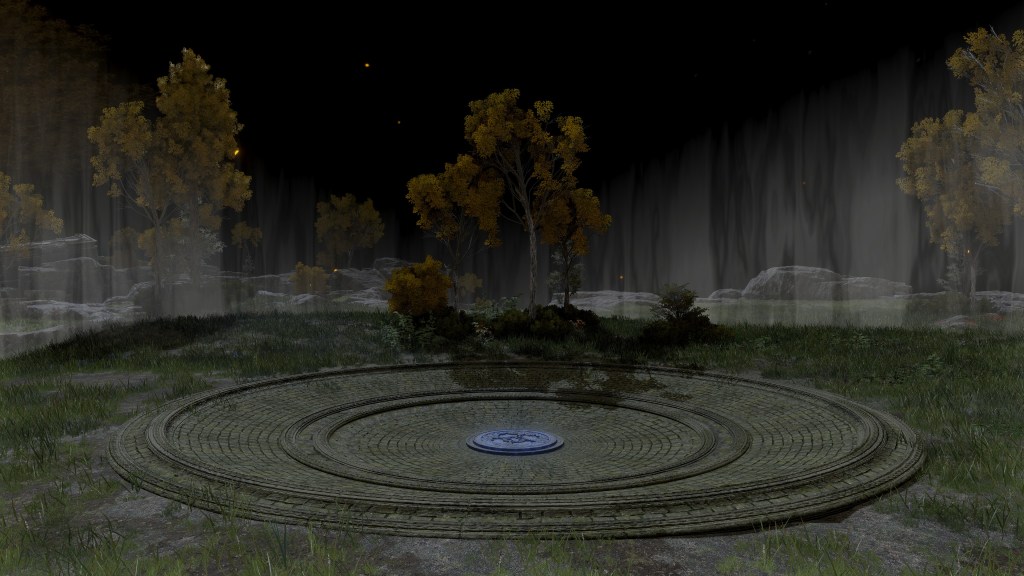
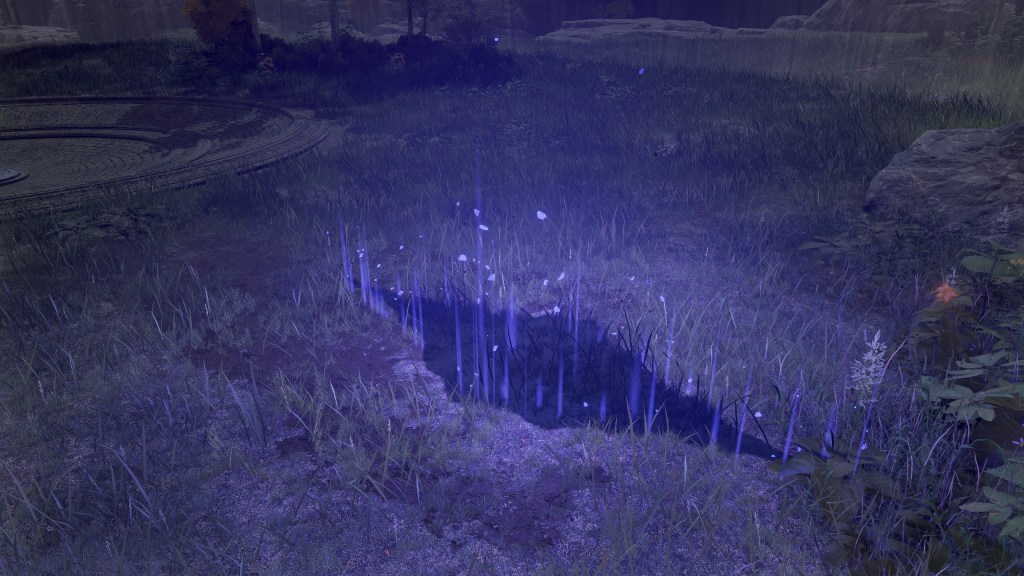
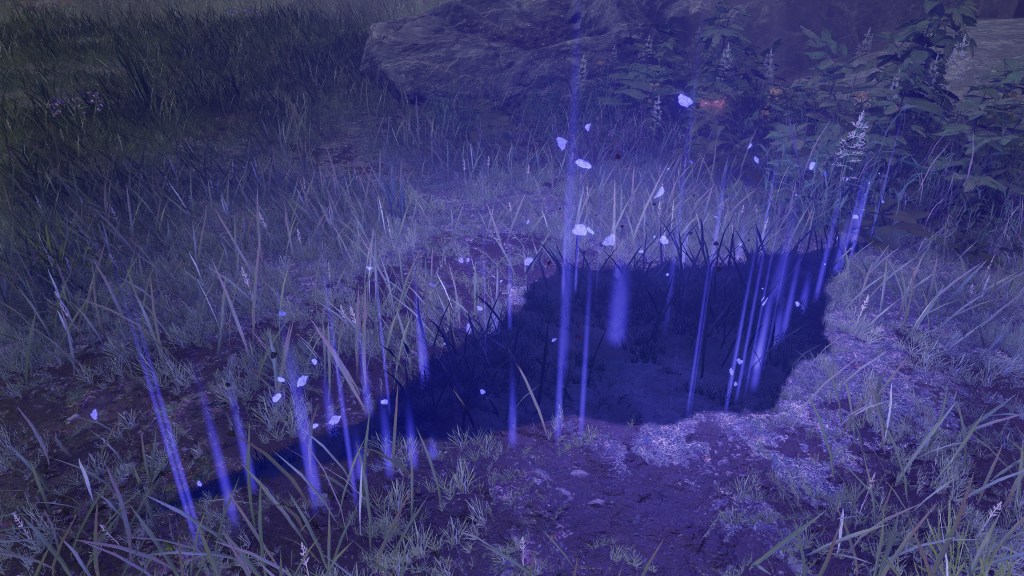
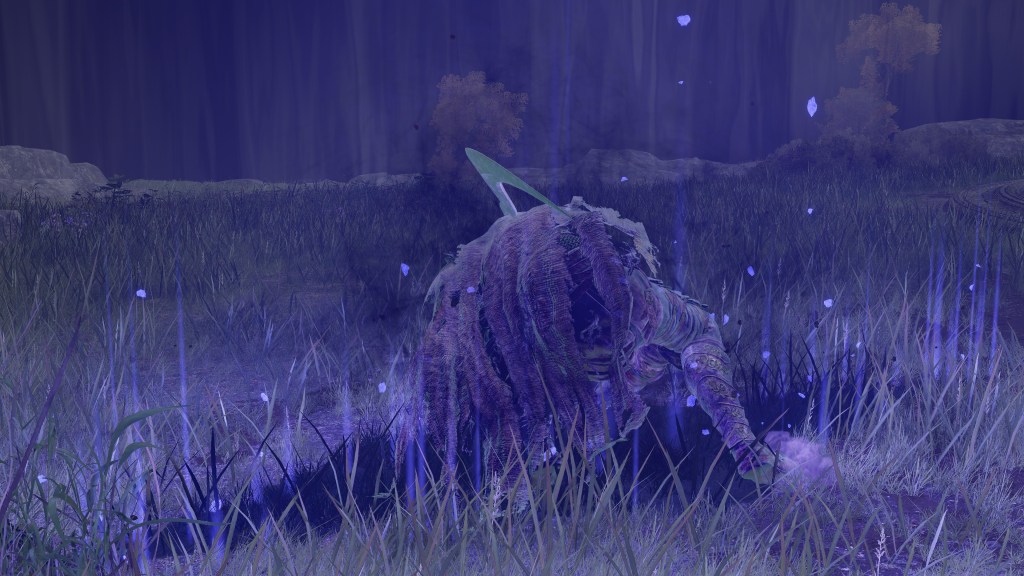
If followers of the saint did invent the evergaol, then it shows how the depth of their knowledge of light and dark encompassed their associate forces. With it, neolithic men created a device that binds the intended prisoners to a small pocket dimension, imprisoning them as a sort of pseudo-spirit existing in a higher plane. Within that liminal space and the planar field set by the stone disc “projector”, the prisoners are essentially frozen in time, immortal beings who we can visit and interact with — even kill or be killed by — but who themselves cannot escape from their confines so long as the magic is in effect. And considering how all the evergaols we encounter remain operational despite suffering the elements all these years, this magic technology is expertly crafted to last in nigh perpetuity. But the same can be said for the Divine Towers and related greatbridges, megastructures which largely still stand despite the march of time.
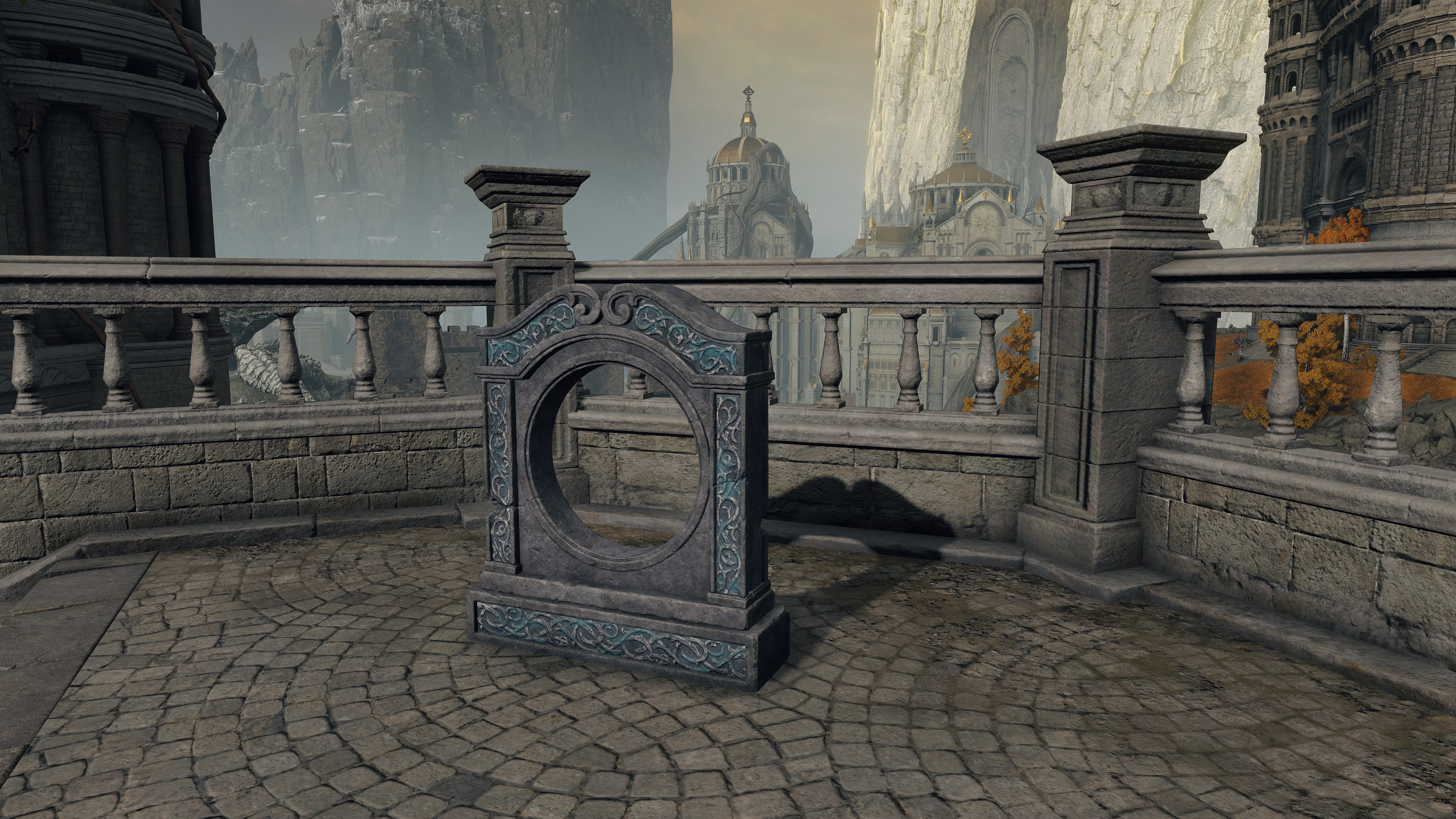
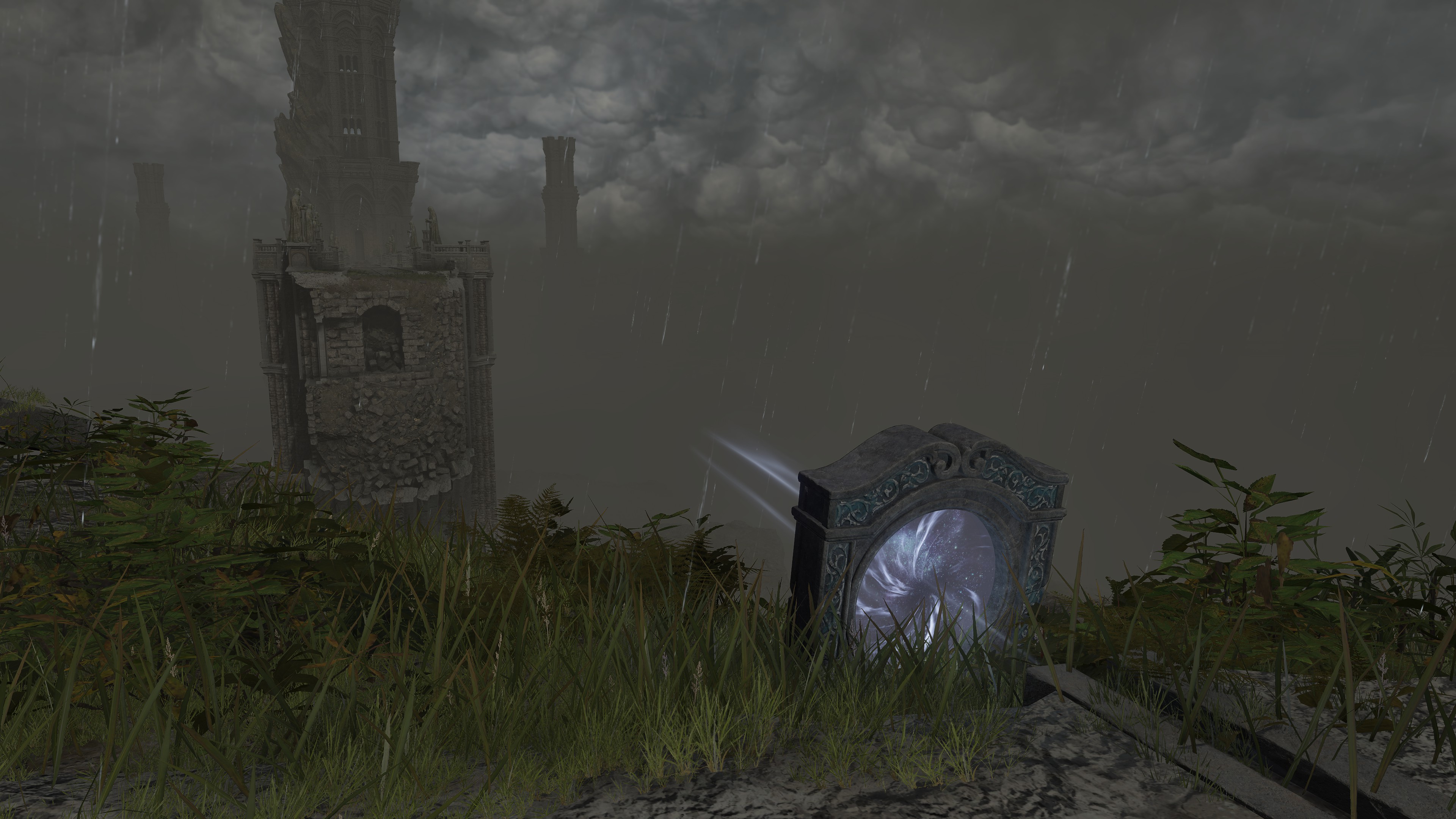
The major exception is the one bridge accessed from the Fortified Manor in southern Leyndell. Past the triumphal arch, little of that viaduct remains. Even so, we can confirm its former connection to the Isolated Divine Tower thanks to the warp gate left on the bridge, teleporting us to the location. This is consistent with the warp gate used to cross the collapsed portions of the Limgrave tower’s bridge, leaving little doubt to the intent for this other example. It is also reasonable to have the bridge in Altus since the tower itself had stood in Farum Azula’s territory, land which the saint civilization is unlikely to have controlled even if they were amicable with the locals. Without permission to establish a firmer presence, it is only natural that they cross over land and sea from north to east. The only curiosity is why such a widespread civilization felt the need to build a sixth tower on foreign soil to begin with. Perhaps the circle those six form was necessary for some larger ritual, or maybe the purpose was purely ceremonial. Either way, the tower remains despite suffering some damage, even if the bridge did not.
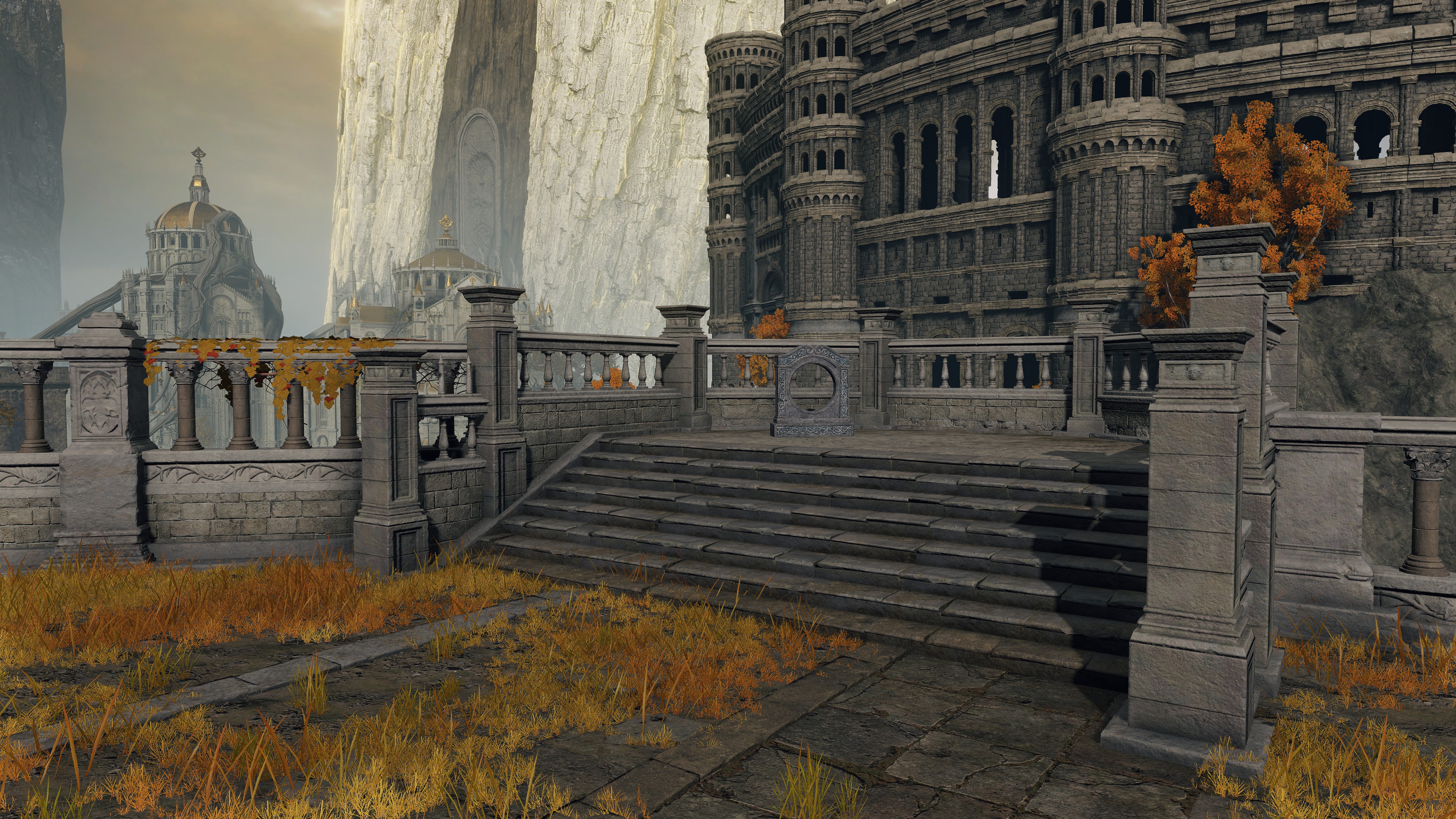
But while these structures mostly survive, the society that built them looks to have collapsed. Conceivably it was due to some cataclysmic calamity, hence why so few ruins connected to the saint civilization remain. With so much knowledge and infrastructure suddenly lost, survivors would return to primitive tribes, astrology carried on by only the curious few over future generations. In time, these stargazers would come to form their own village on the mountaintops, but their interests laid far from the meteors or massive towers of their ancestors. Mankind may still remember the saint, but the full magnitude of his legacy is lost — a stone sword left in its sheath on one of the altars, the other two awaiting an offering to the light or dark. What memory persists, it is his image that cultures primarily engage with, inevitably reinterpreted through their own perceptions and prejudices. Such is the nature of life existing in this world of time.

