
Preface
When first compiling my, very lengthy, analysis for Godfrey, I was amazed to discover just how much I kept coming back to characters and events largely unrelated to him. Despite him and Marika defining the world order, the Elden Lord’s rise and subsequent reign were very much informed by what came before. If not for very specific circumstances, their lives might not have turned out the way they did. This holds especially true after the release of Shadow of the Erdtree, but even before any DLC, it was clear that the epic heroes at the center of George R. R. Martin’s narrative are still part of that wider world. It is a small thing, but I can appreciate how rich the history is because of it.
Manifest Destiny
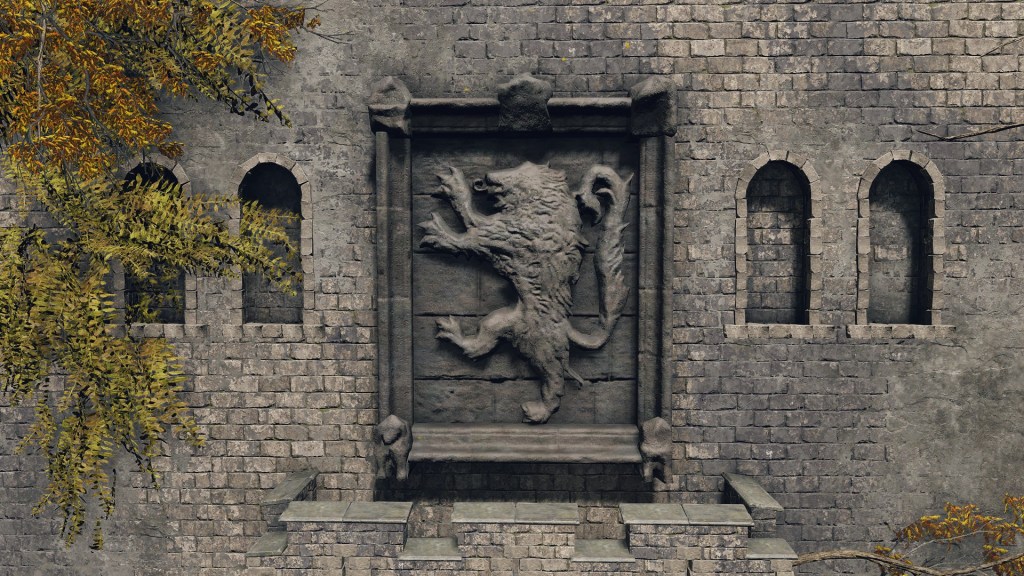
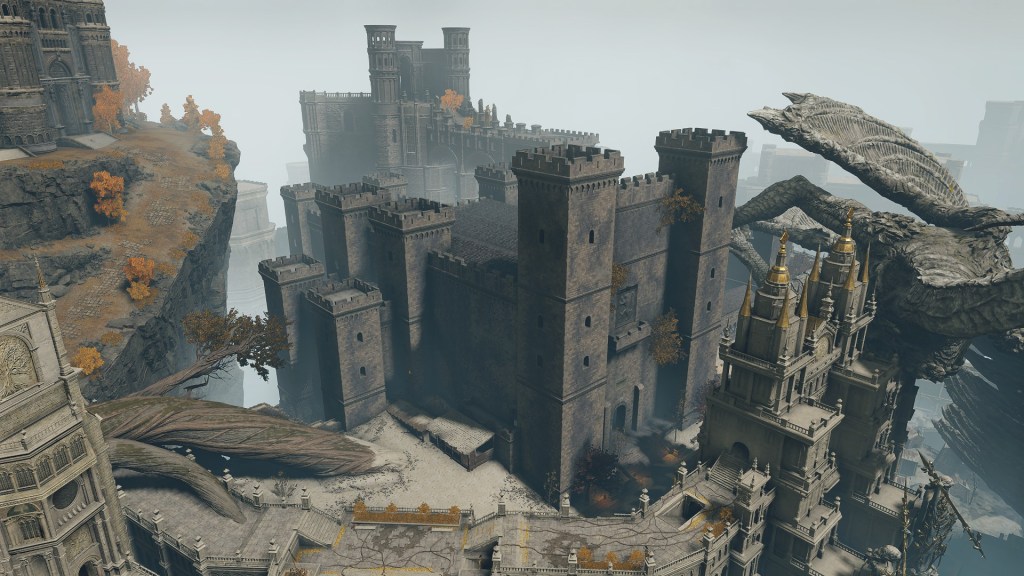
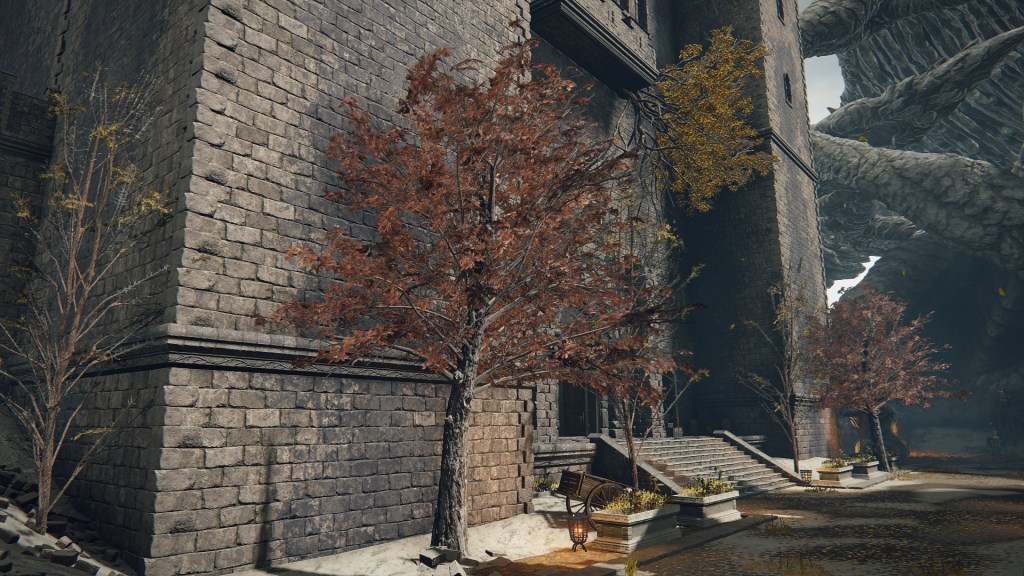
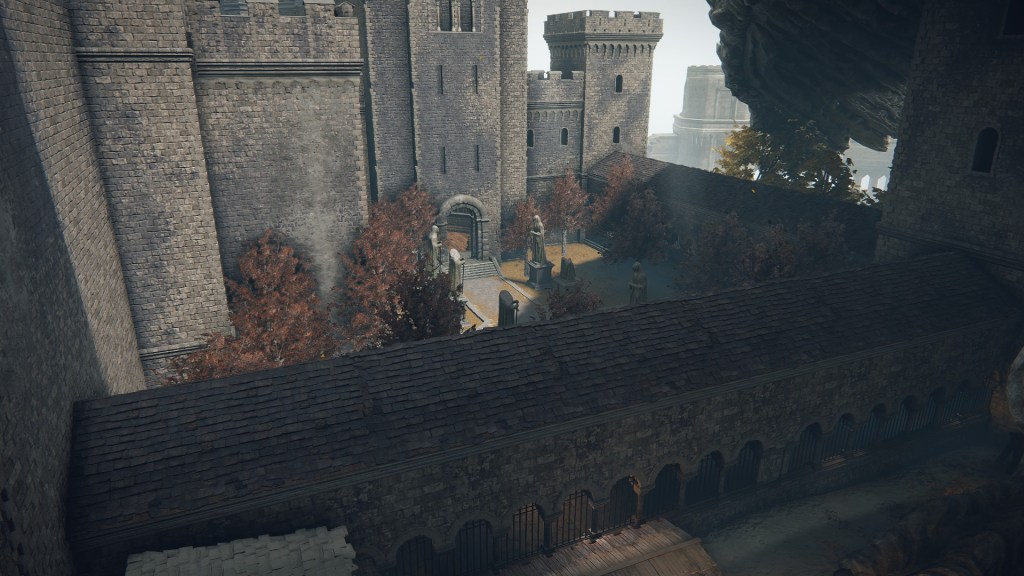
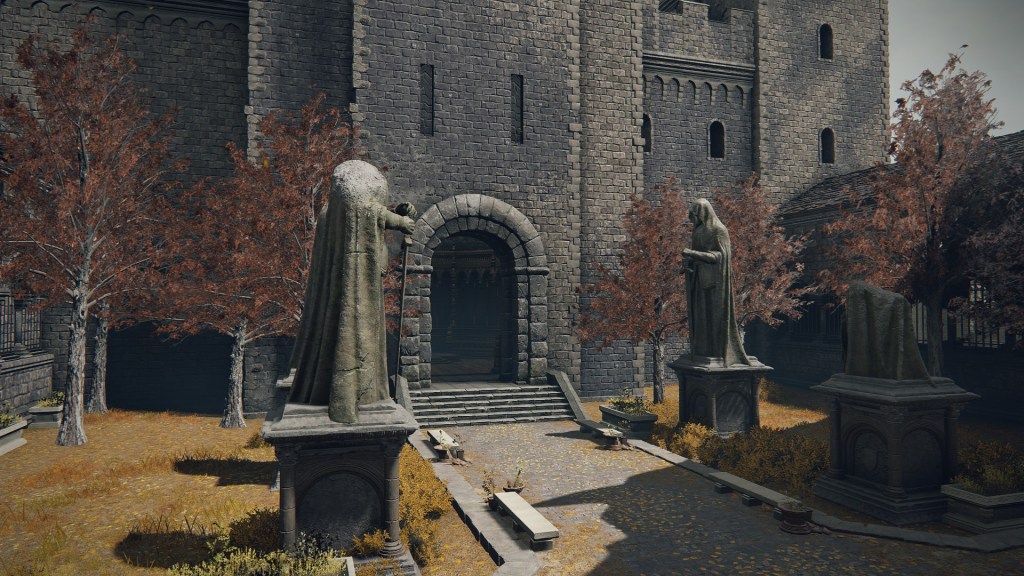
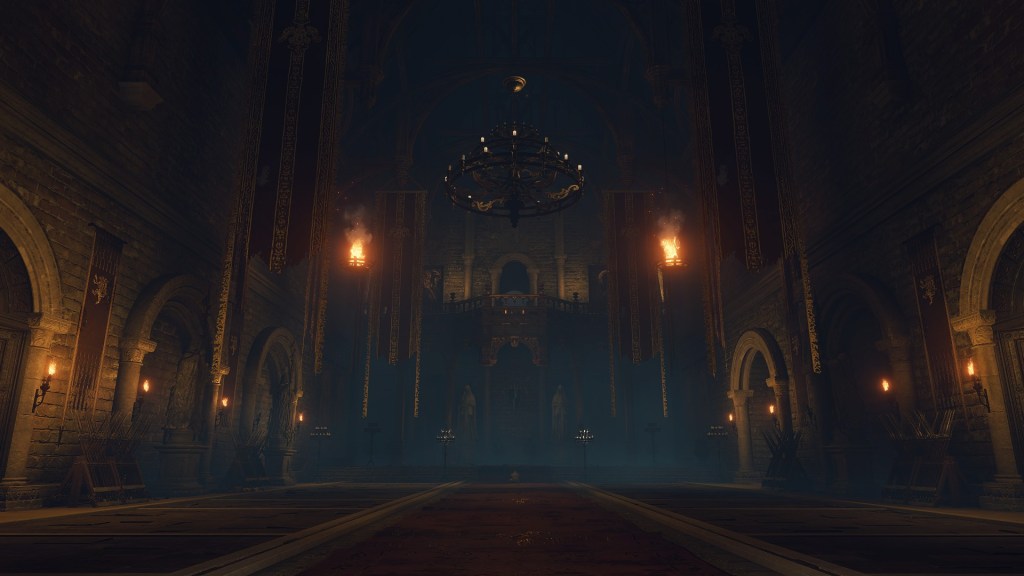
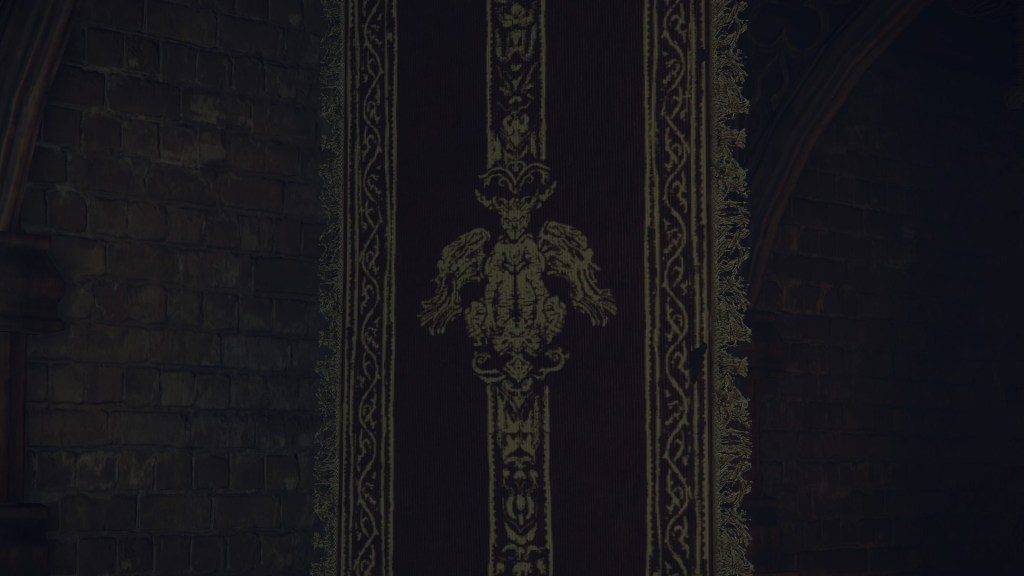
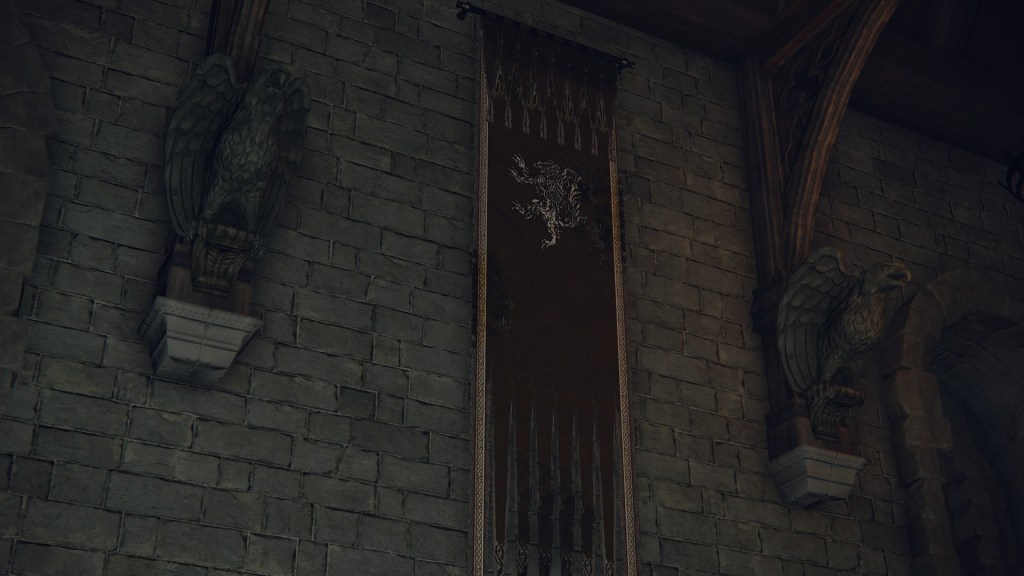
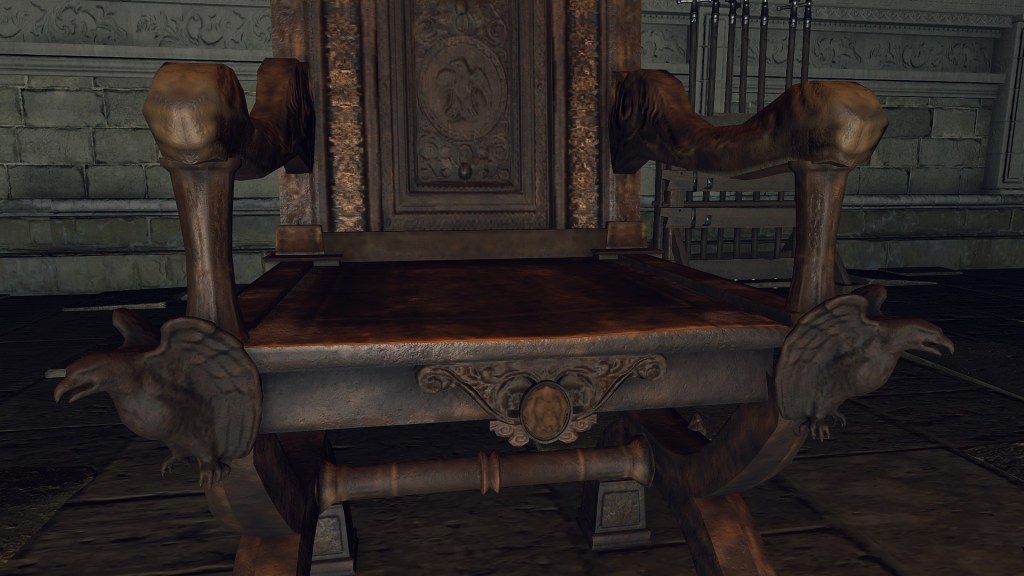
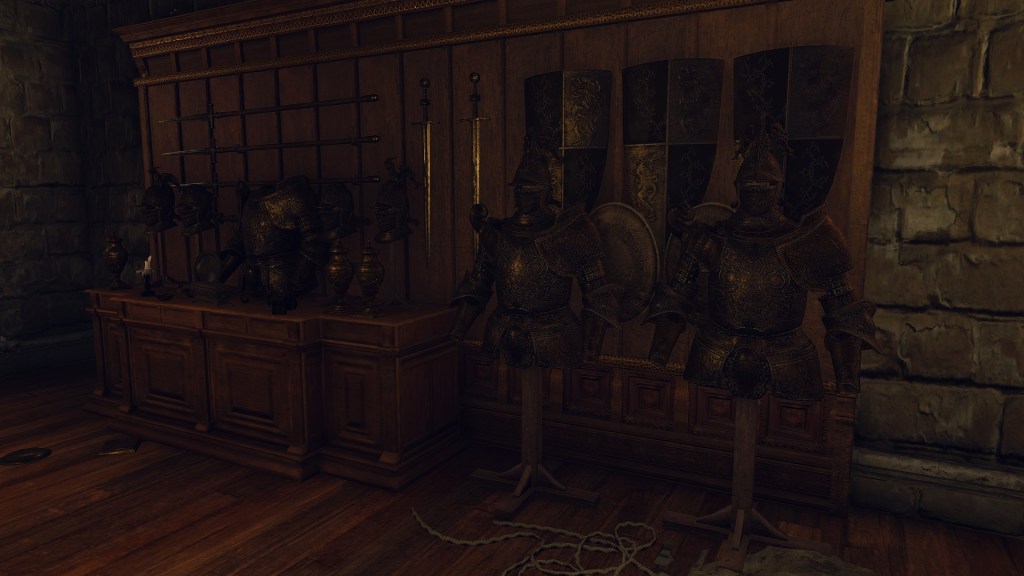
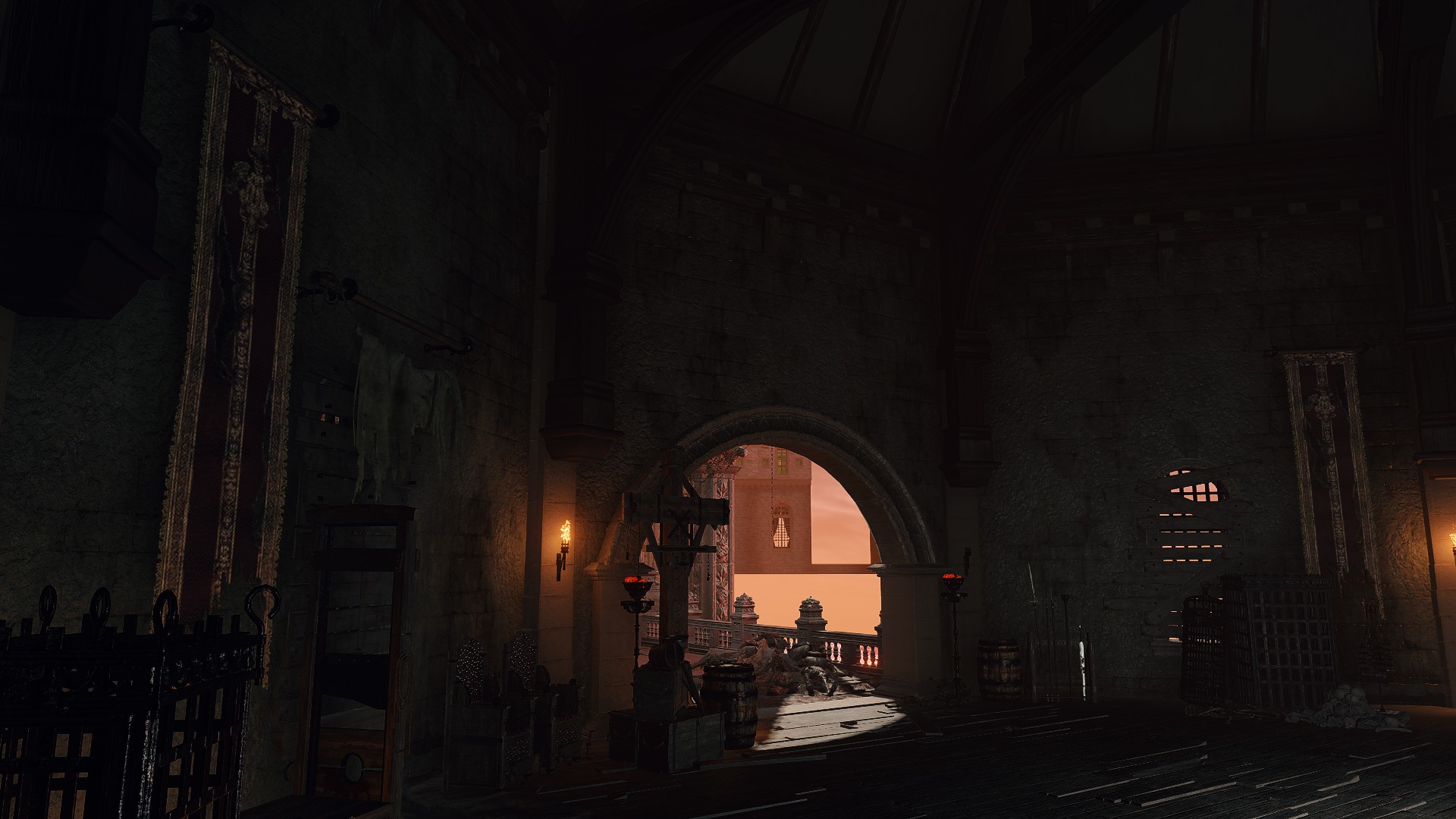
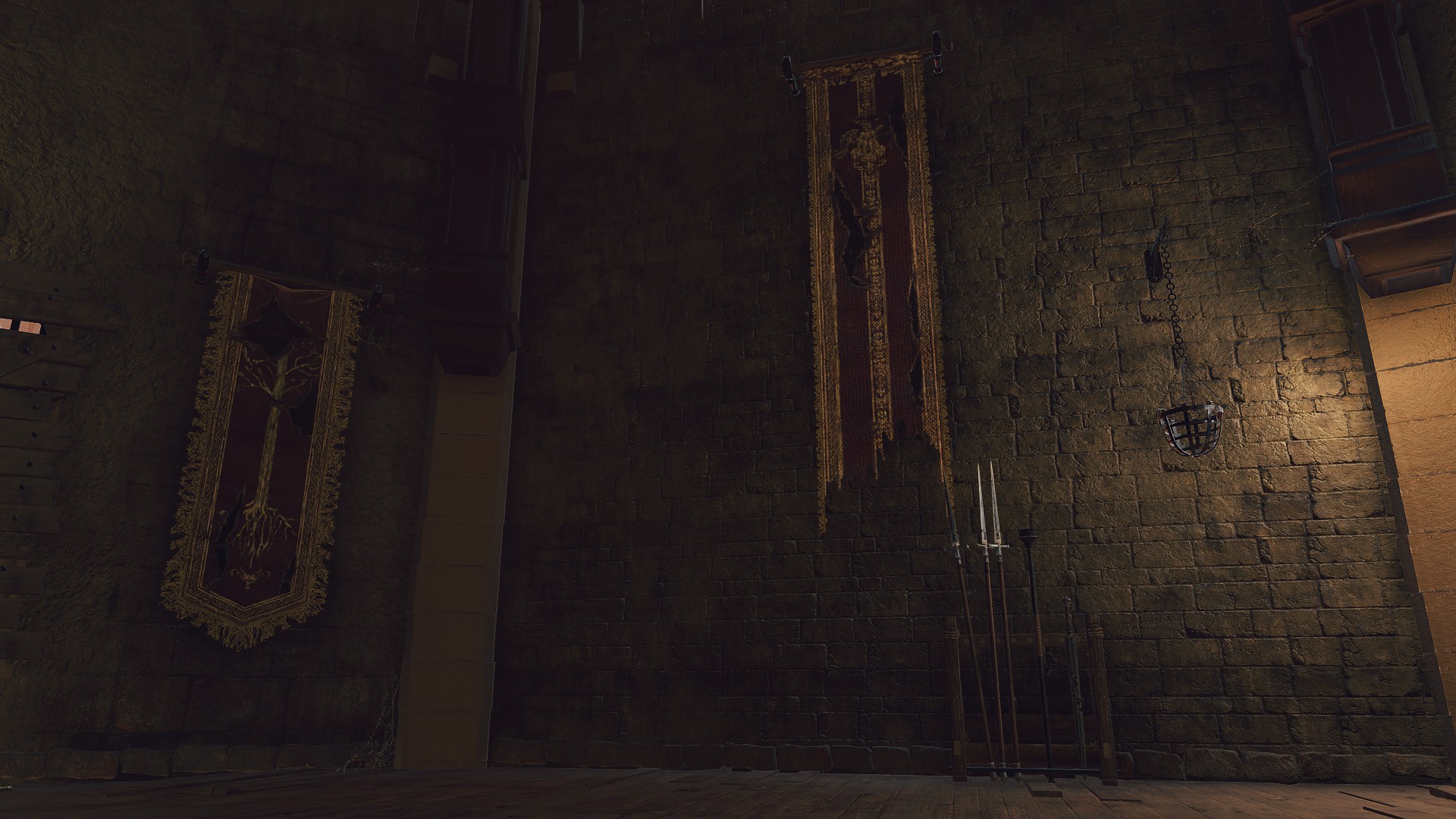
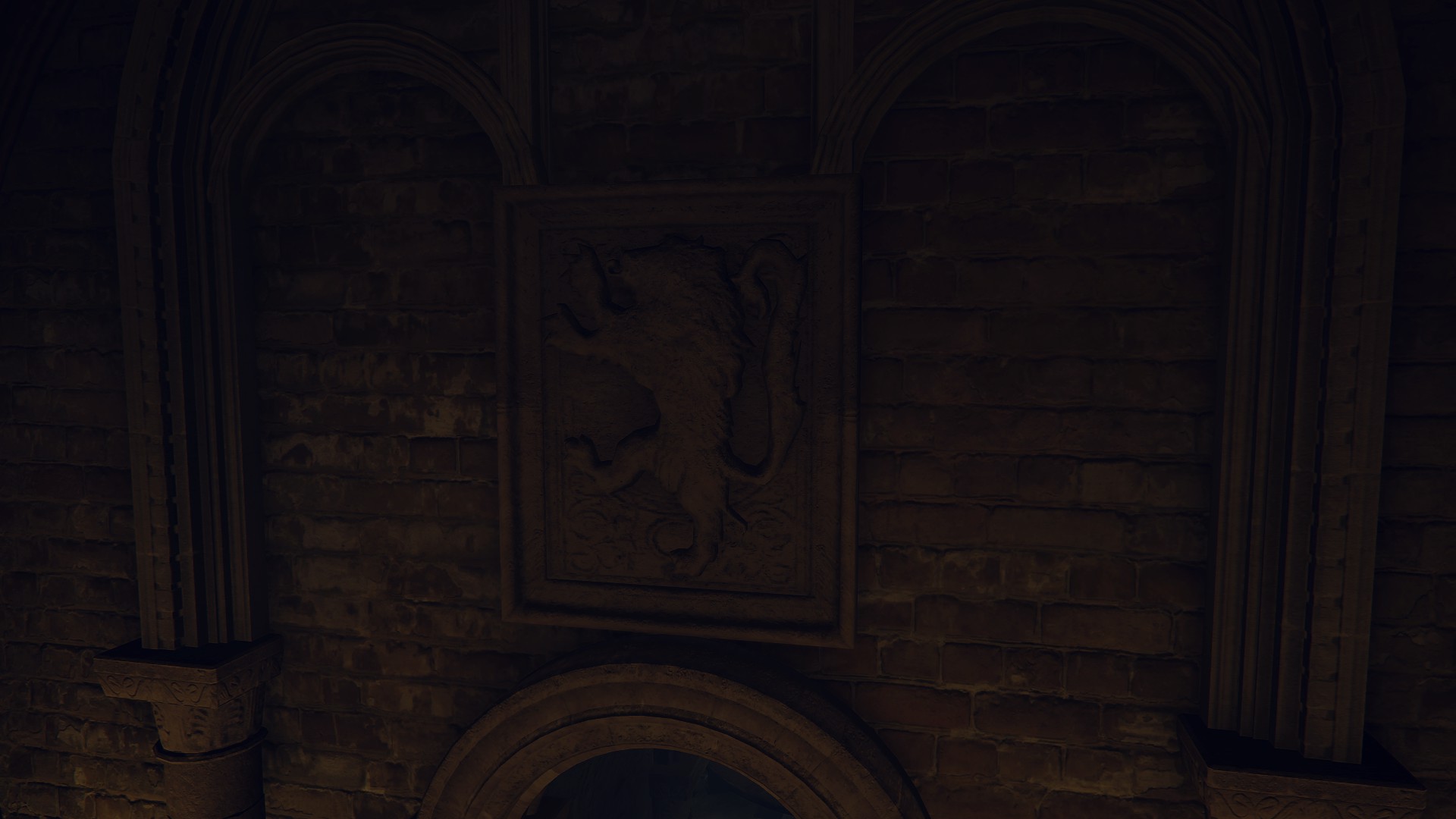
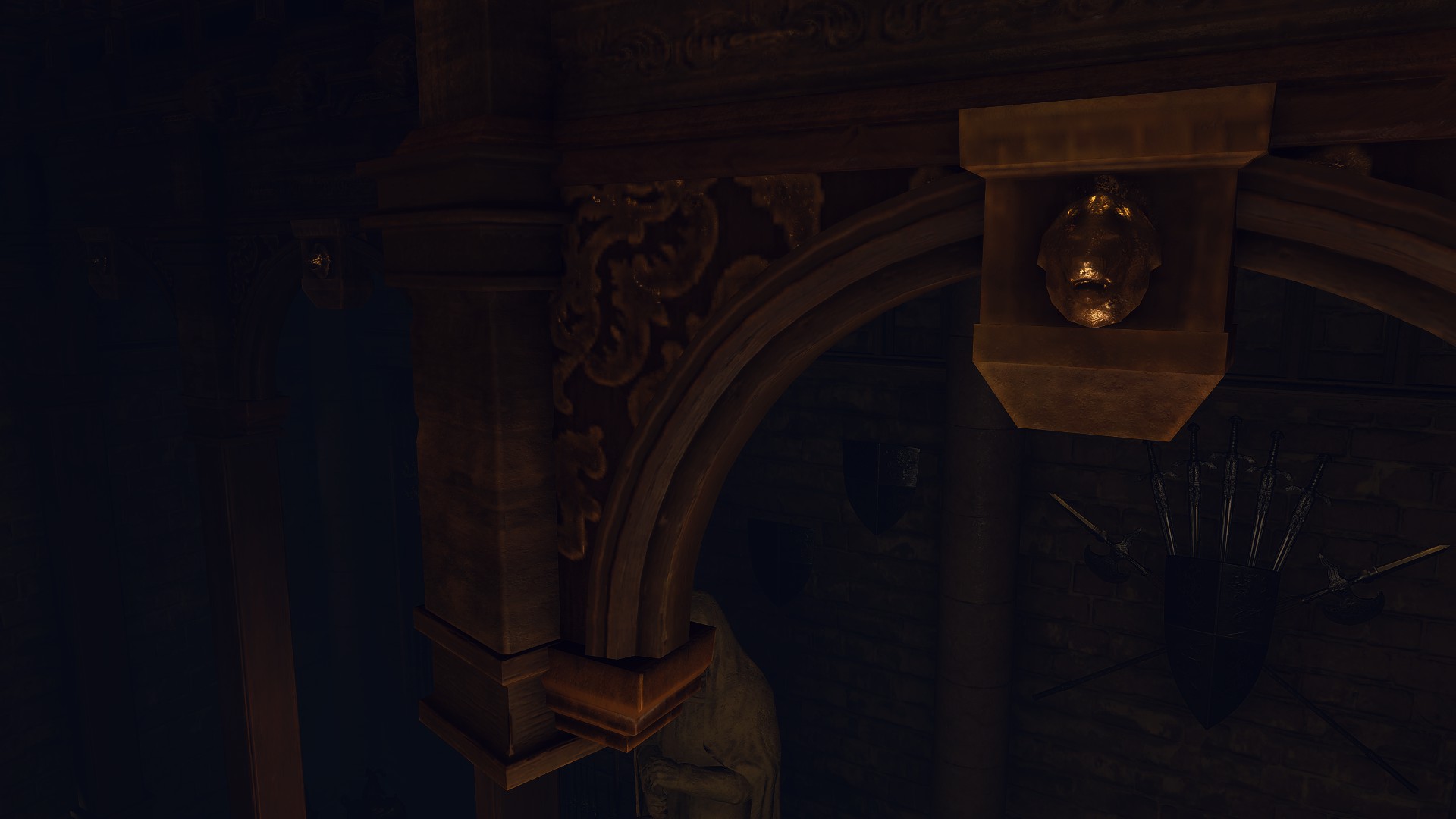
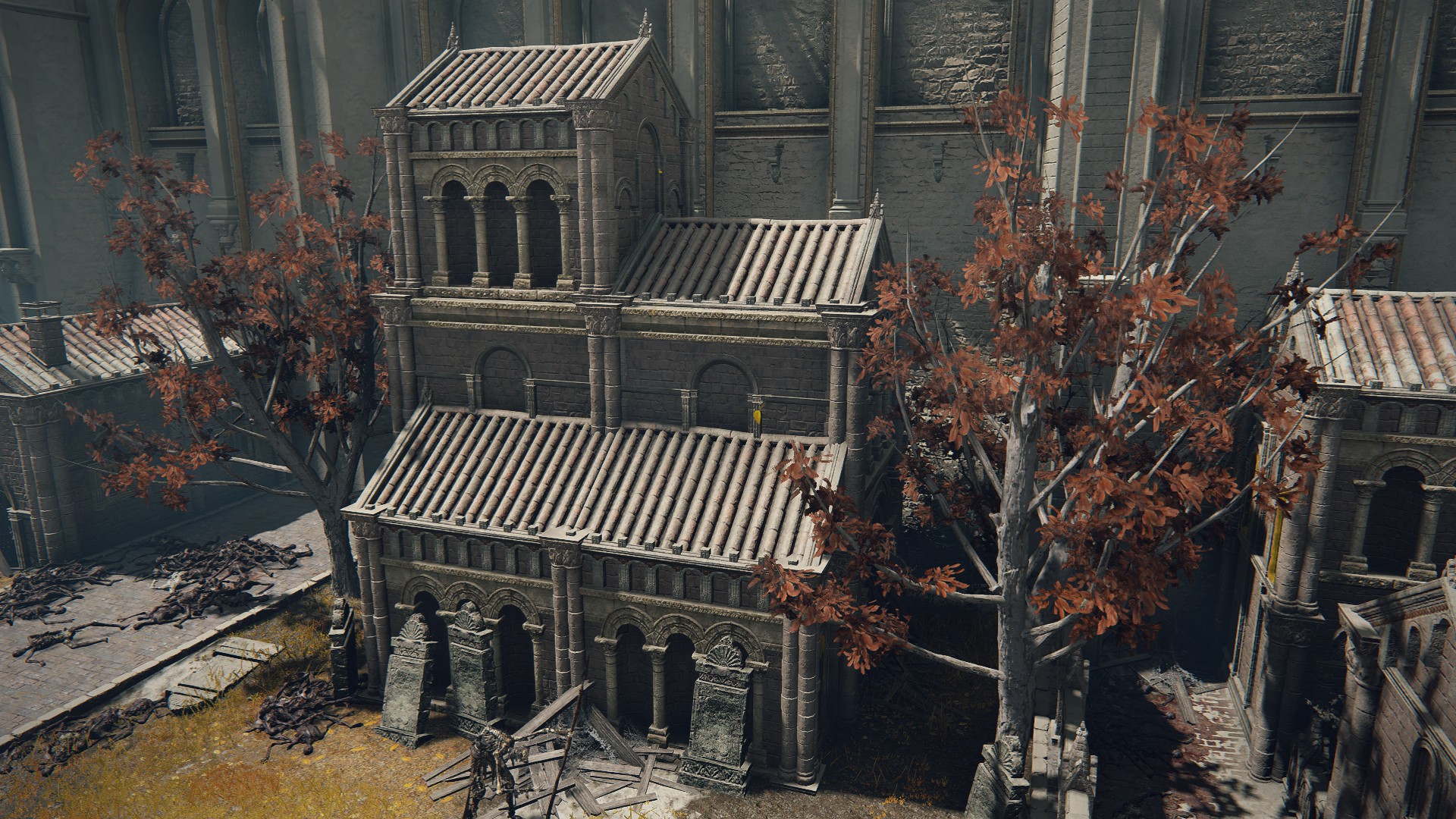
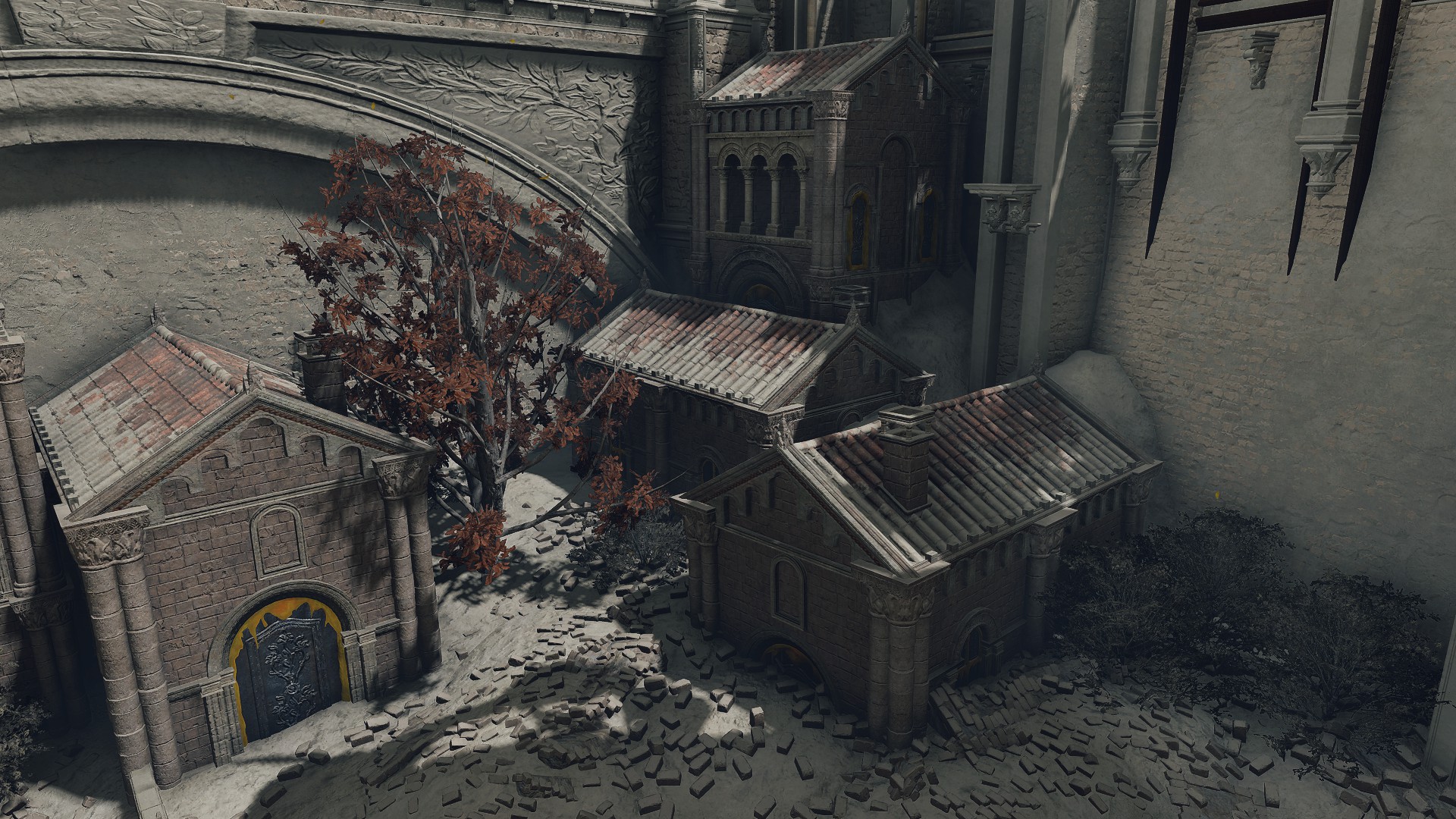
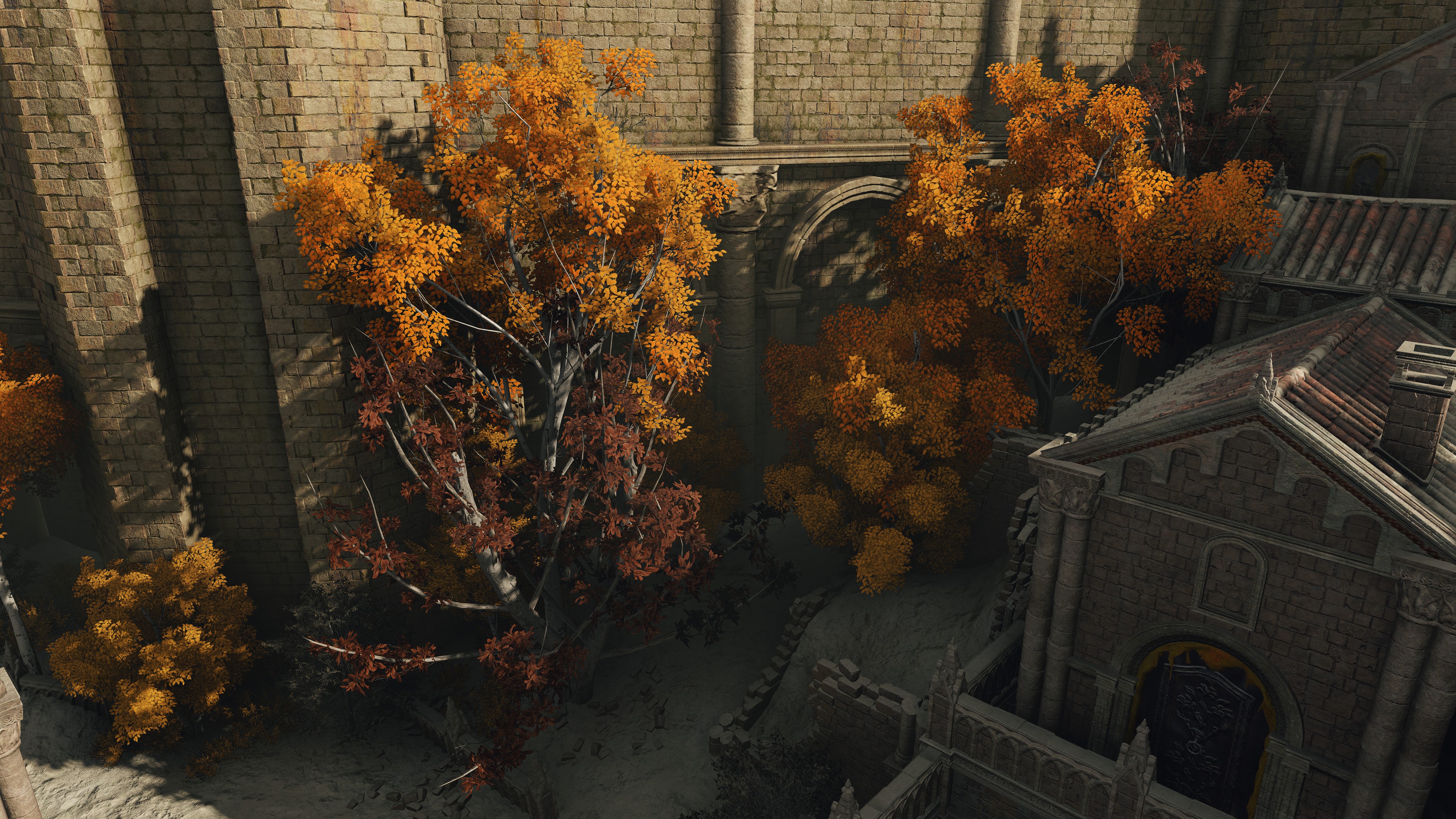
The Erdtree royal capital wasn’t established in a land without a history. Besides barbarians, there had been more “civilized” peoples settling on Altus Plateau prior. The Fortified Manor is a Norman-style castle nestled within the walls of Leyndell on the eastern end of Altus. While the manor does hang portraits of Godfrey and Marika as well as house other furnishings from the capital, these are no doubt later additions. Despite sitting at the heart of the capital, the simple and practical Fortified Manor starkly clashes with the bright and opulent Romanesque architecture around it. This indicates that the place predates the modern city, hence confined to its own small quarter like a time capsule. The main entrance and castle courtyard are decorated with unique red-leaf trees in stark contrast to most of Altus — yet highly reminiscent of the beast capital. The interior, meanwhile, is adorned with images of lions, hawks, and dragons as well as equipment of Banished Knights and the exile soldiers often alongside them. Basically, it appears to have been owned by humans affiliated with Farum Azula.
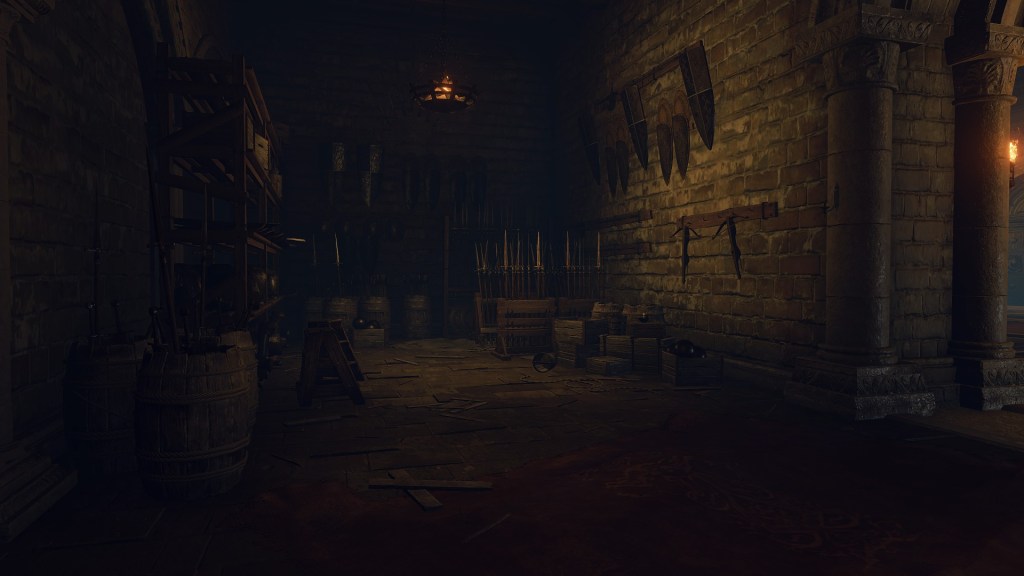
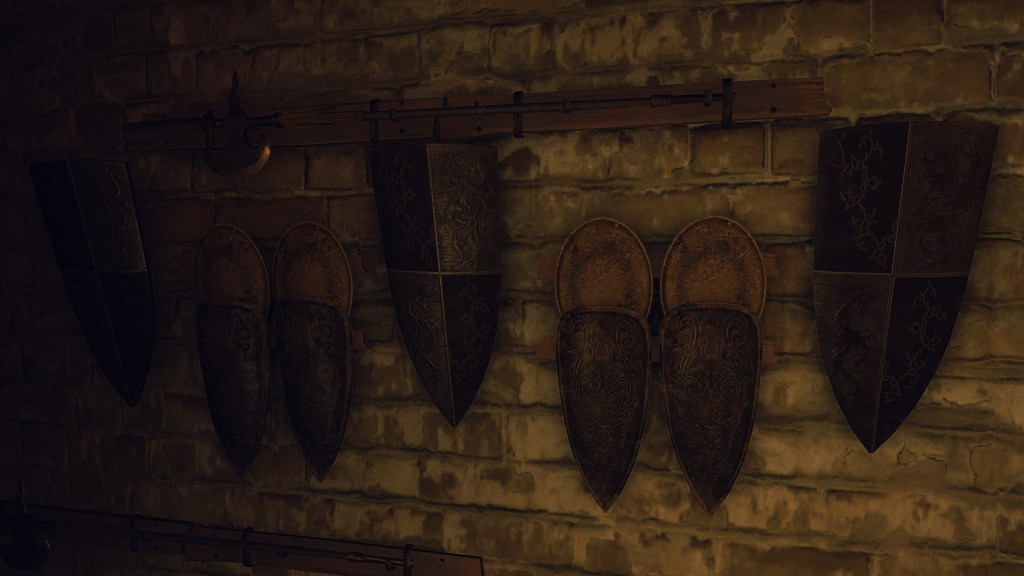
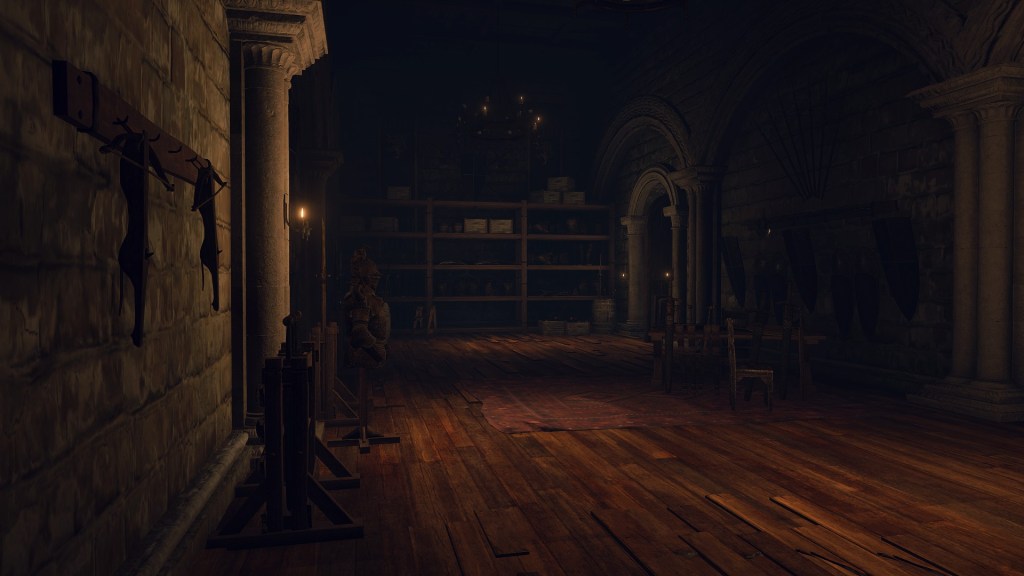
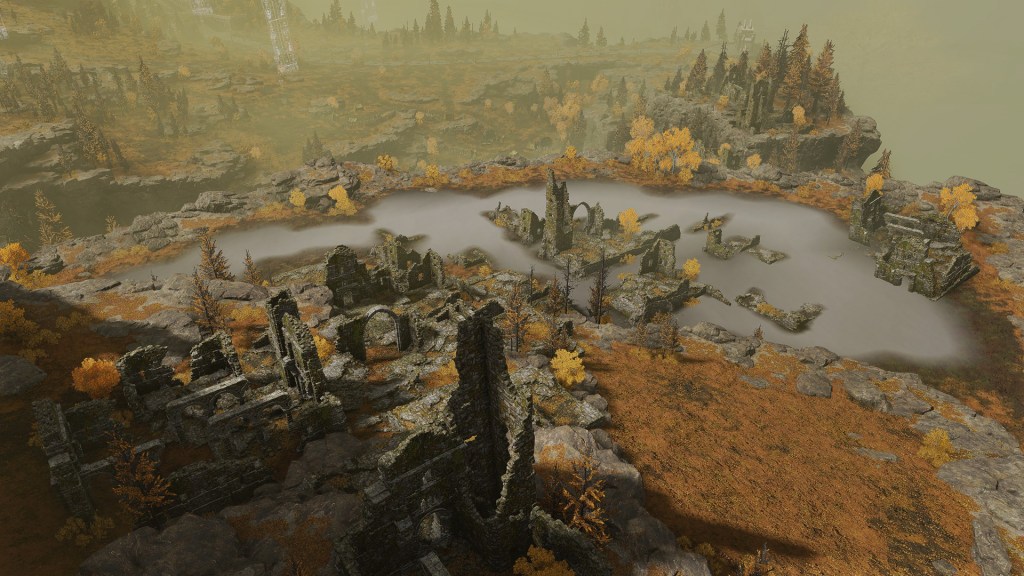
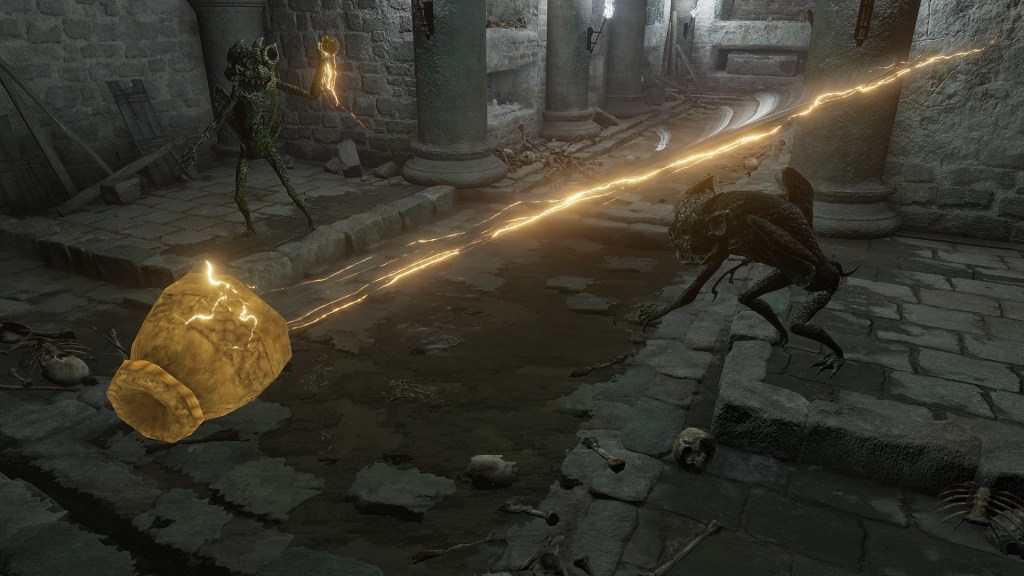
In all likelihood, the Farum warriors came to colonize the highlands. Seated on a small tableland across from Lux and bordering Gelmir, Wyndham is one of the largest ruined settlements remaining in the Lands Between, with its own catacombs. Aside from confirming an exceptionally large populace, both areas say much about the culture. The ruins themselves harbor stormhawk feathers primarily looted from in and around Stormhill. This suggests that Wyndham was also home to the stormhawks seen in Farum Azula; it is called the “wind village” in Old English. The elevated location at the foot of the mount is ideal for the species, volcanoes infamous for attracting storms. We can also acquire a Pearldrake Talisman linking the ruins to the ancient dragons generally. This lines up with the corpses in the catacombs, who carry items related to draconic power like the Lightning Scorpion Charm and first Ancient Dragon Apostle’s Cookbook. Factored in with the lightning for traps, throwing pots, and other defenses, and Wyndham was established by the storm-wielding dragon worshipers from Farum Azula.
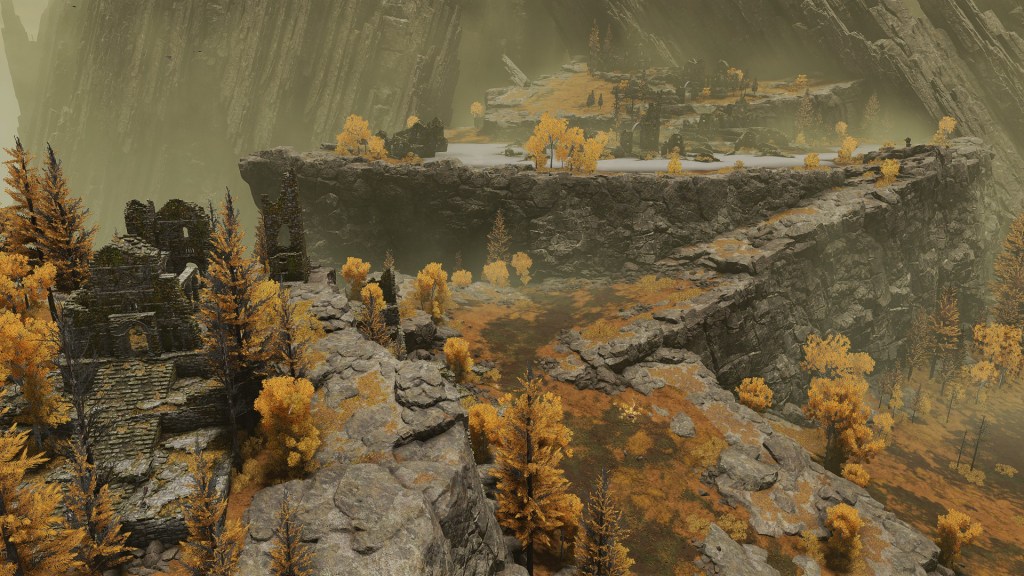
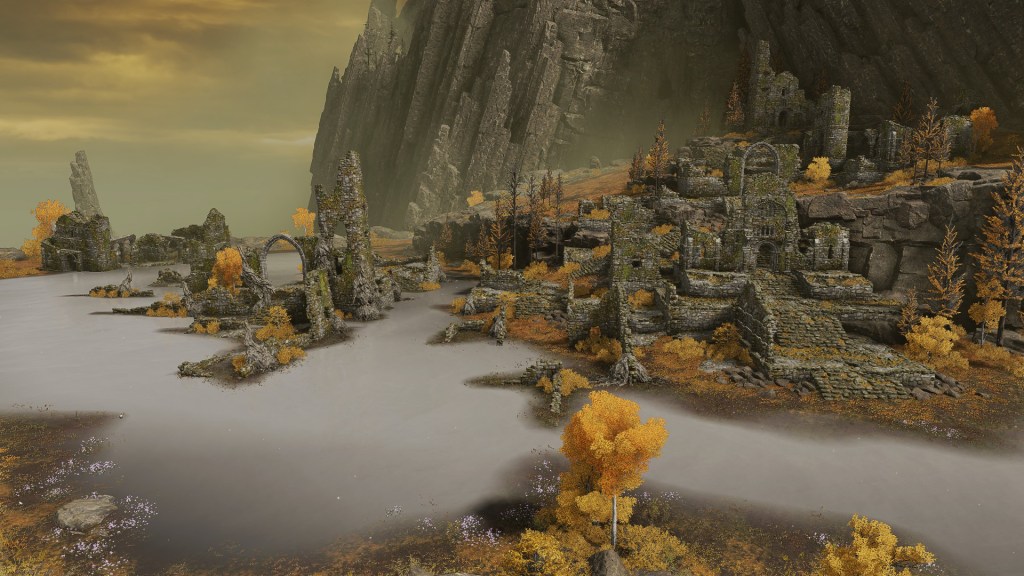
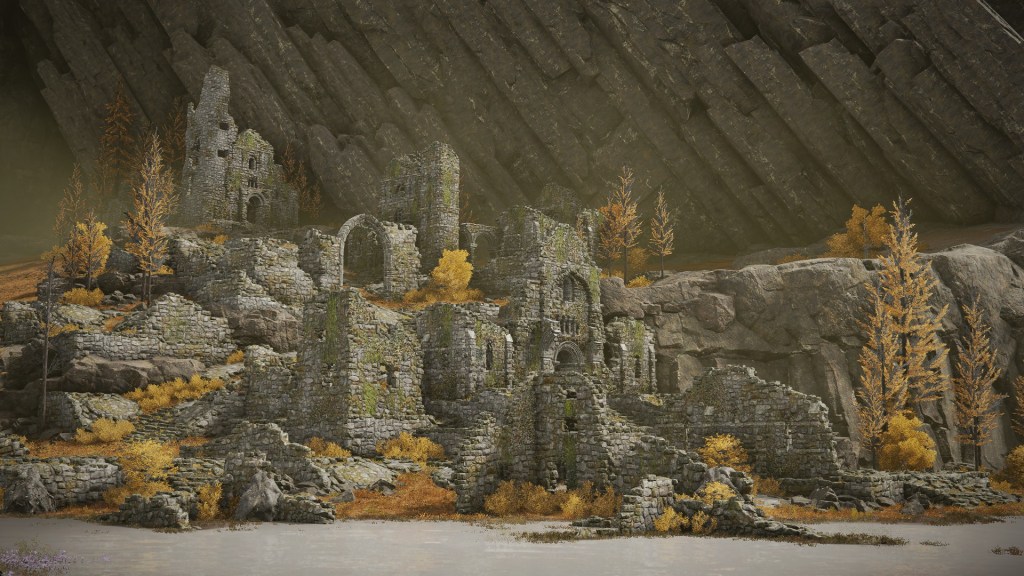
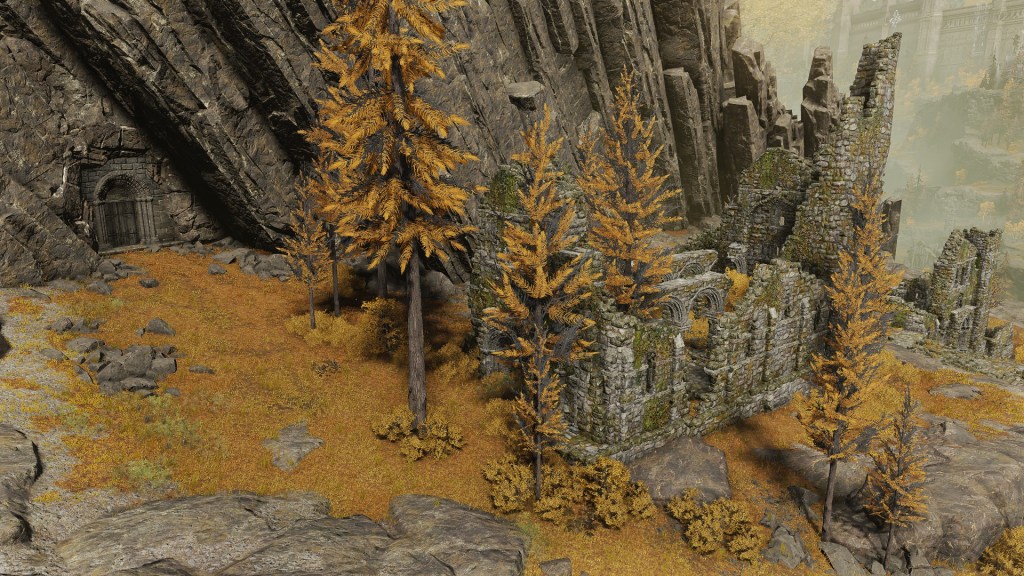
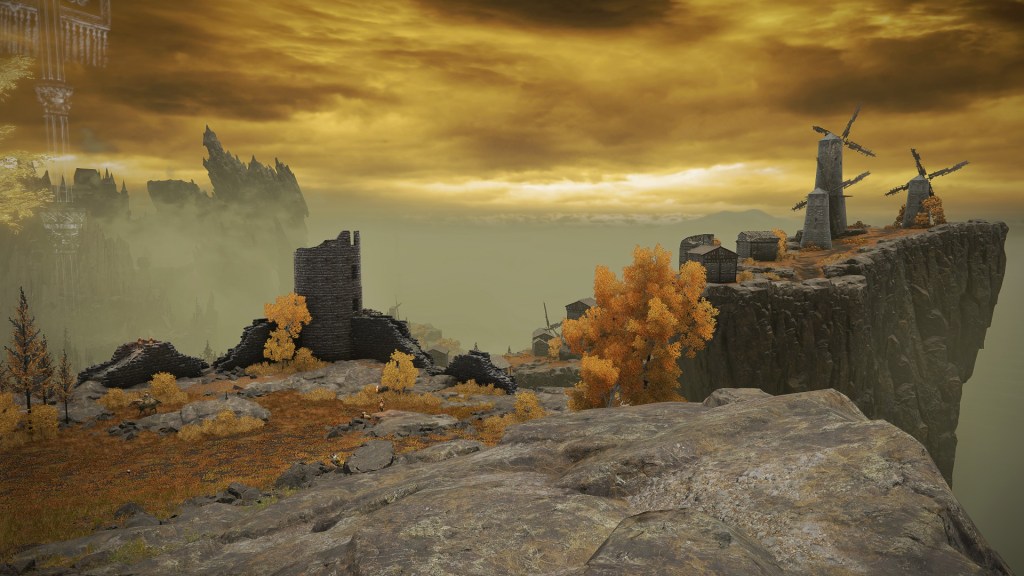
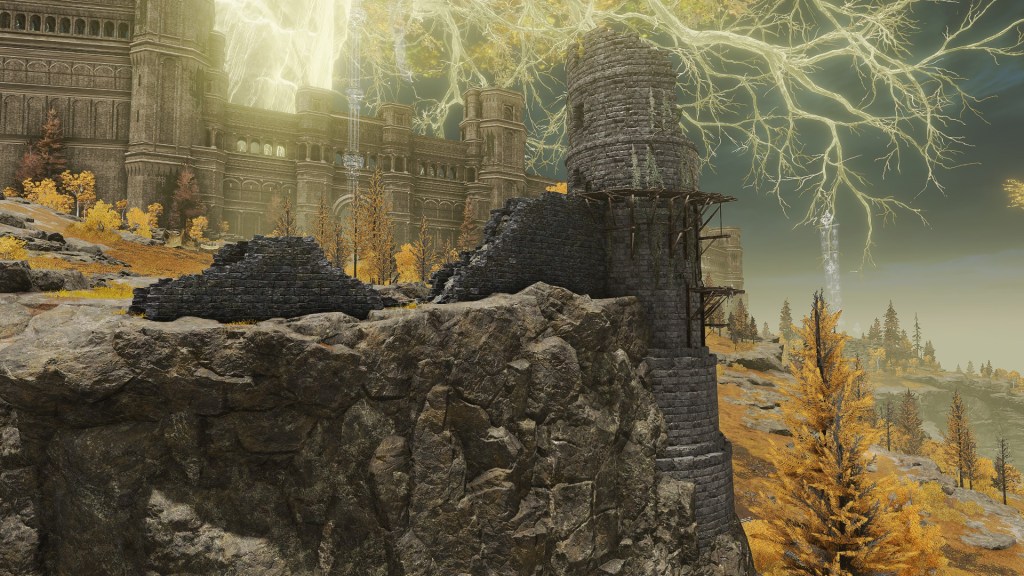
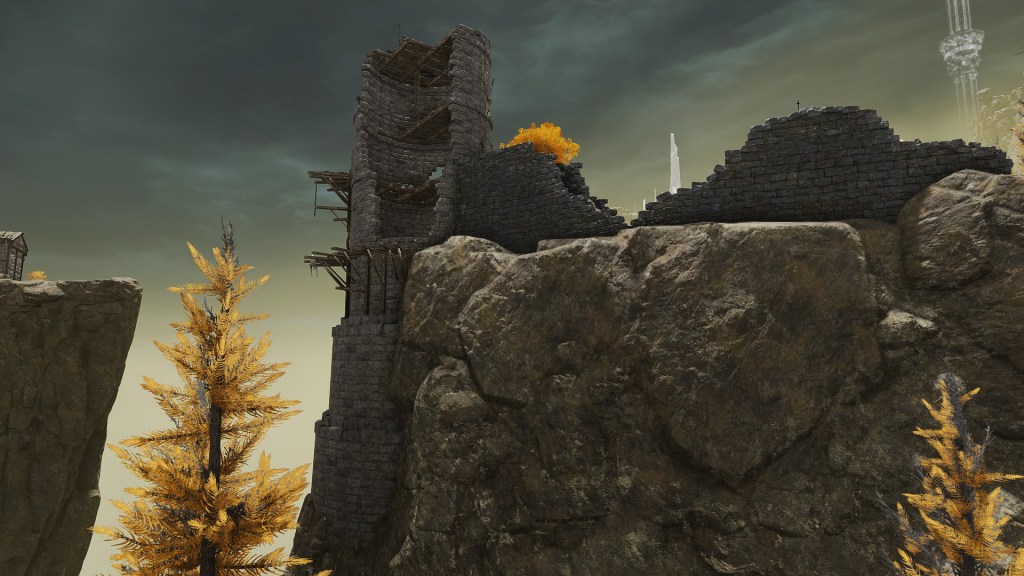
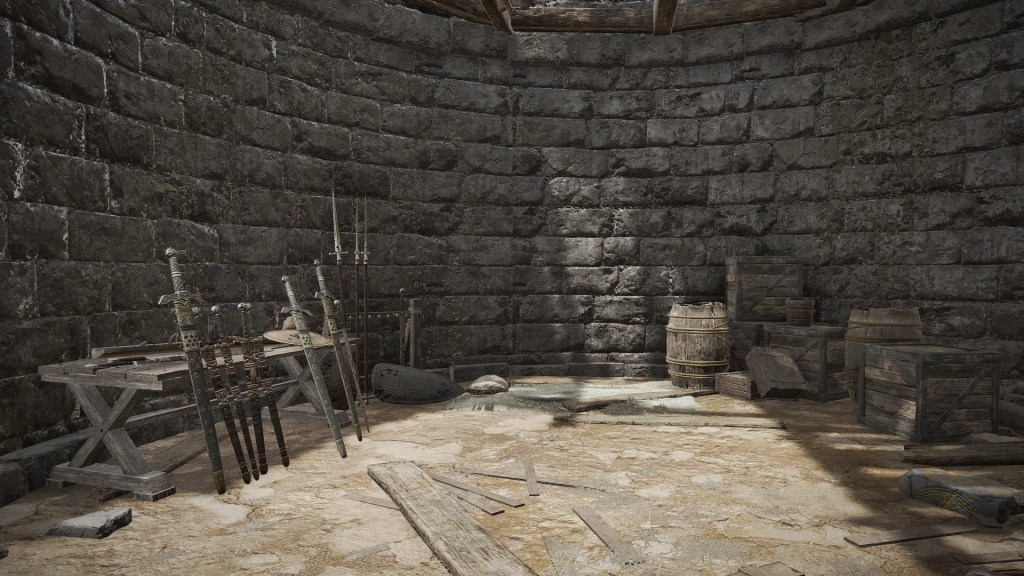
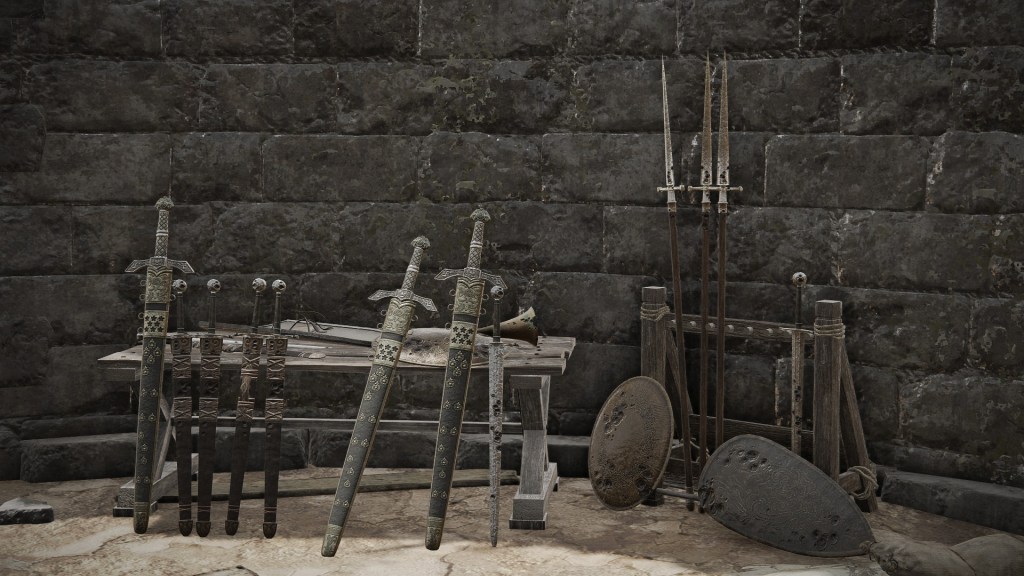
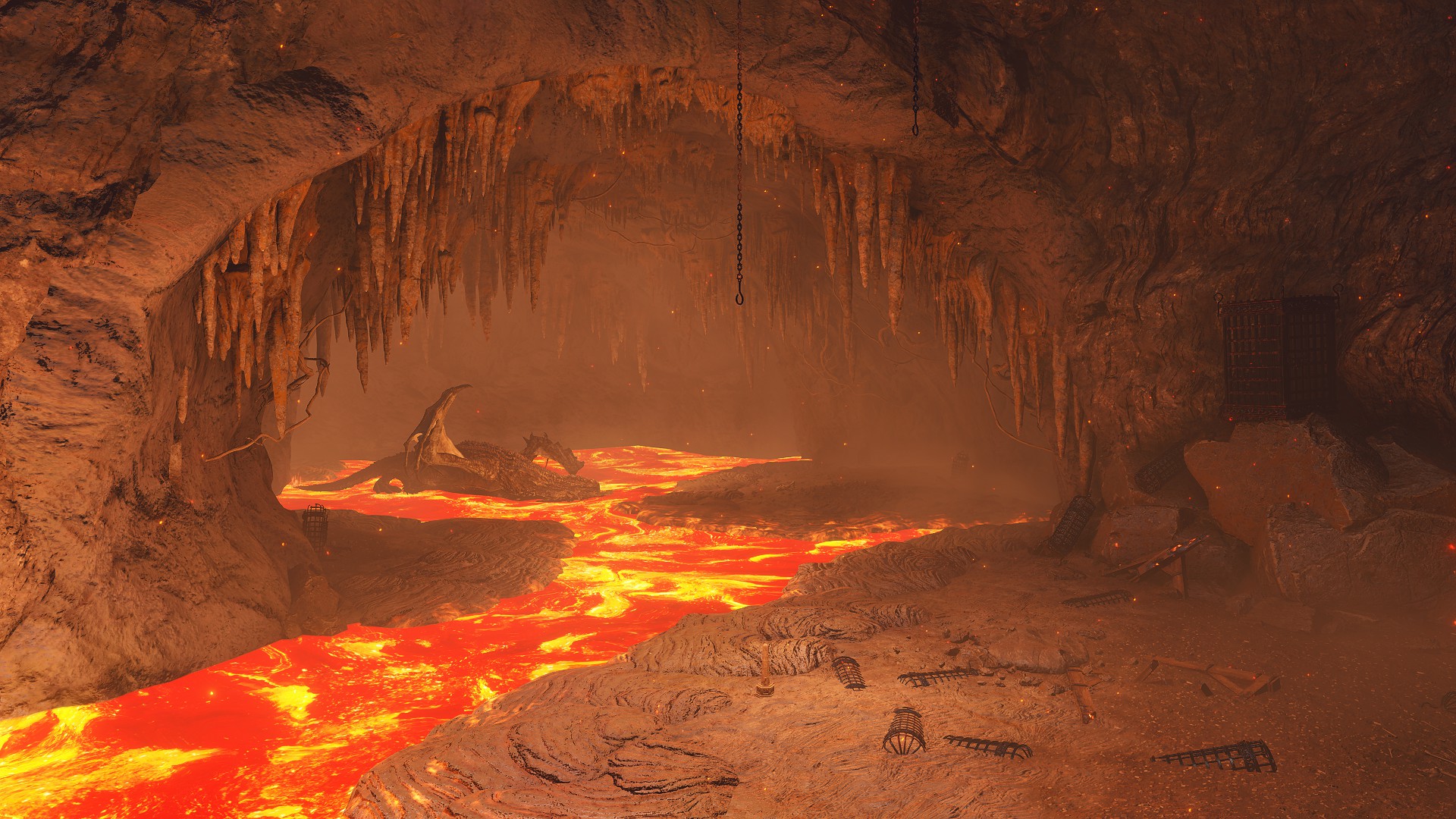
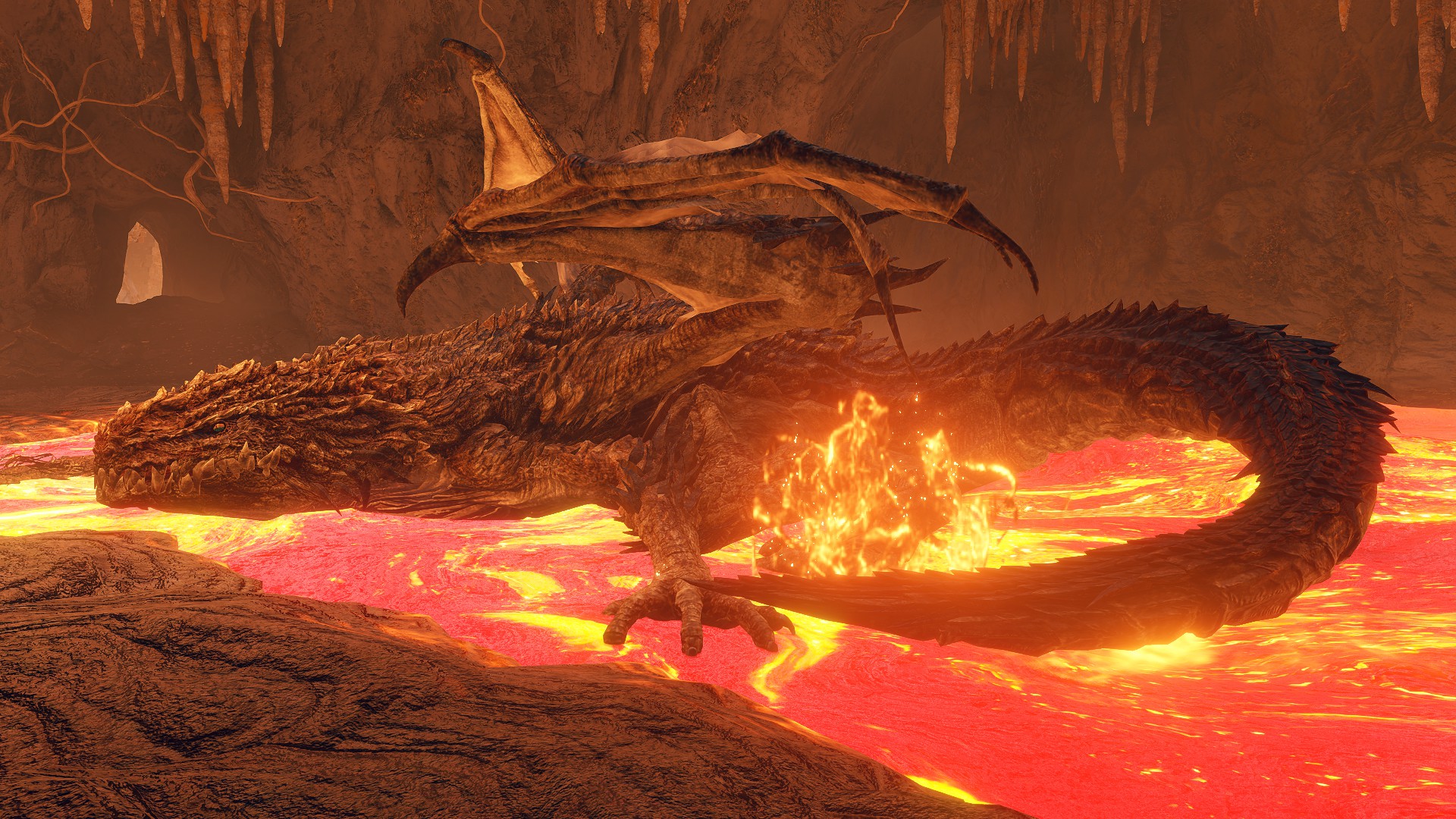
Indeed, we find their one-time presence not just there but all across the plateau. Overlooking Dominula from a hill stands the Highway Lookout Tower in Altus. Although now in ruins, the remaining walls betray the tower as once part of a larger fortification, standing in vigilance over the windmill village and beyond. And who stood watch from this Norman tower except the same Farum warriors? Leftover armaments in the tower like at the Fortified Manor and a corpse carrying stormhawk feathers in Dominula like in Wyndham are a dead giveaway to their occupation. The same can be said for Fort Laiedd, another Norman construct on the opposite end of the Seethewater River as Wyndham. Even ignoring the shields and weaponry left within the fort’s walls, the magma wyrm lurking in the neighboring lava from the volcano impresses how the dragon communicants still linger in the area. And this lasting impression extends all the way to the top of Gelmir.
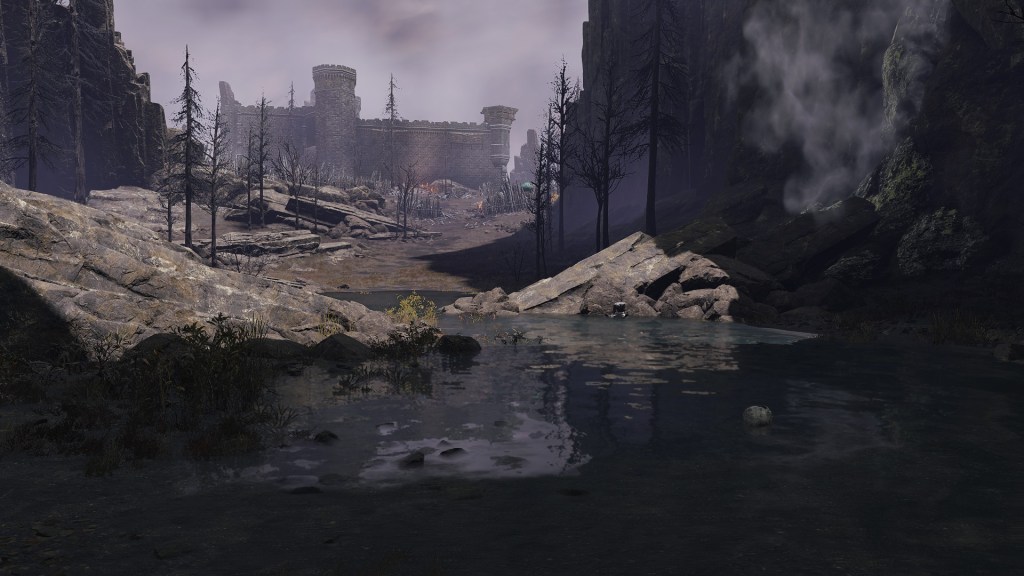
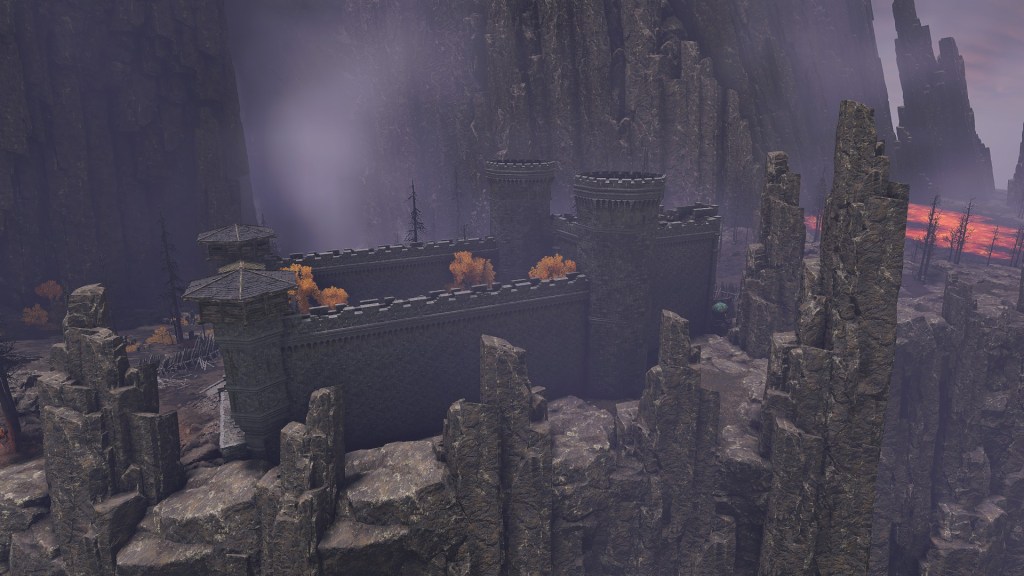
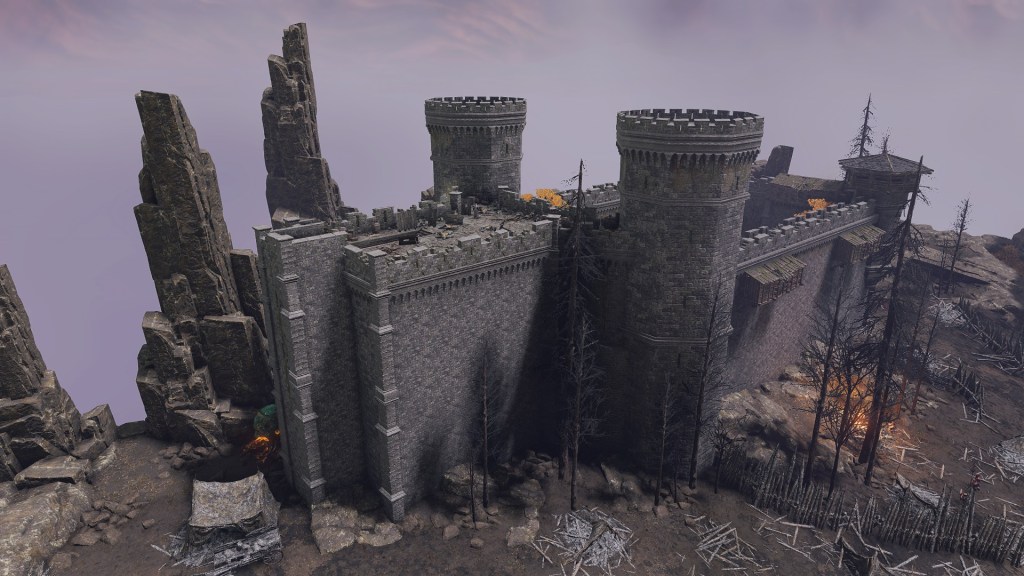
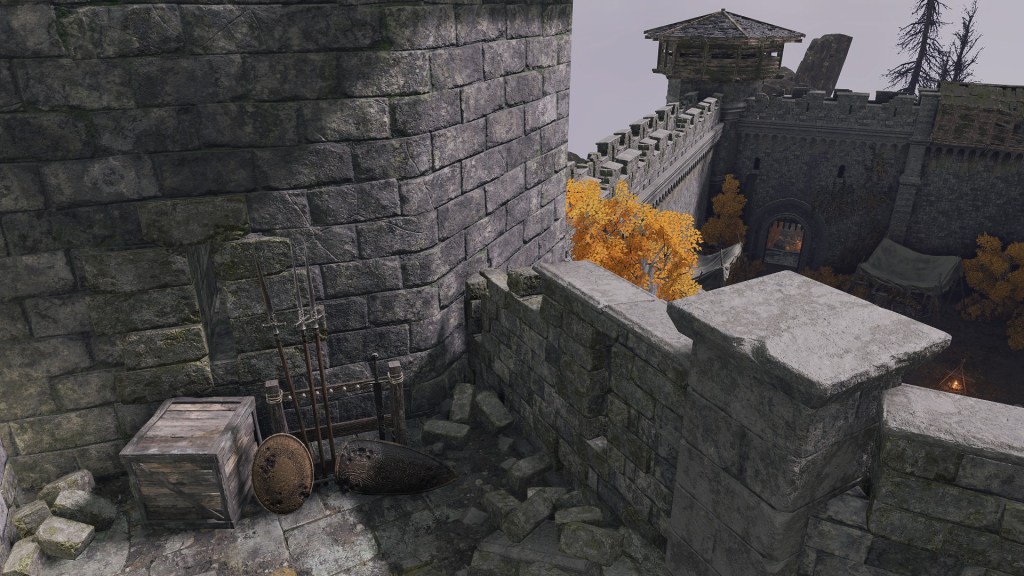
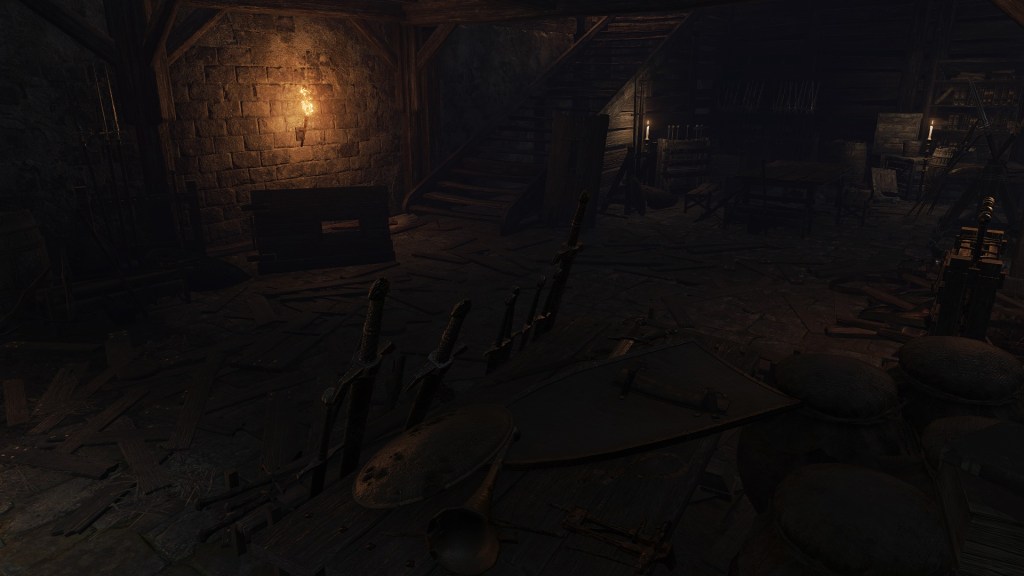
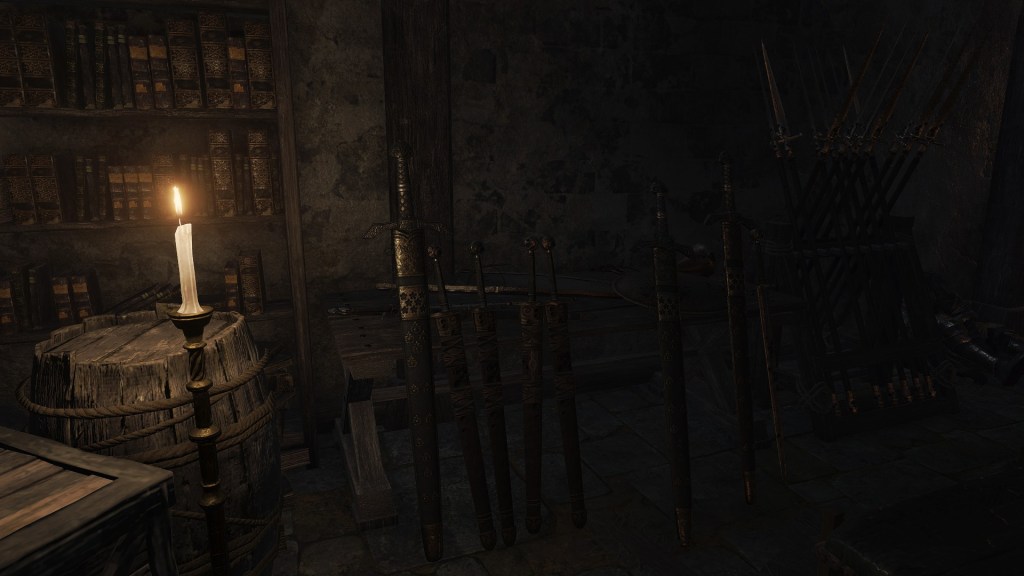
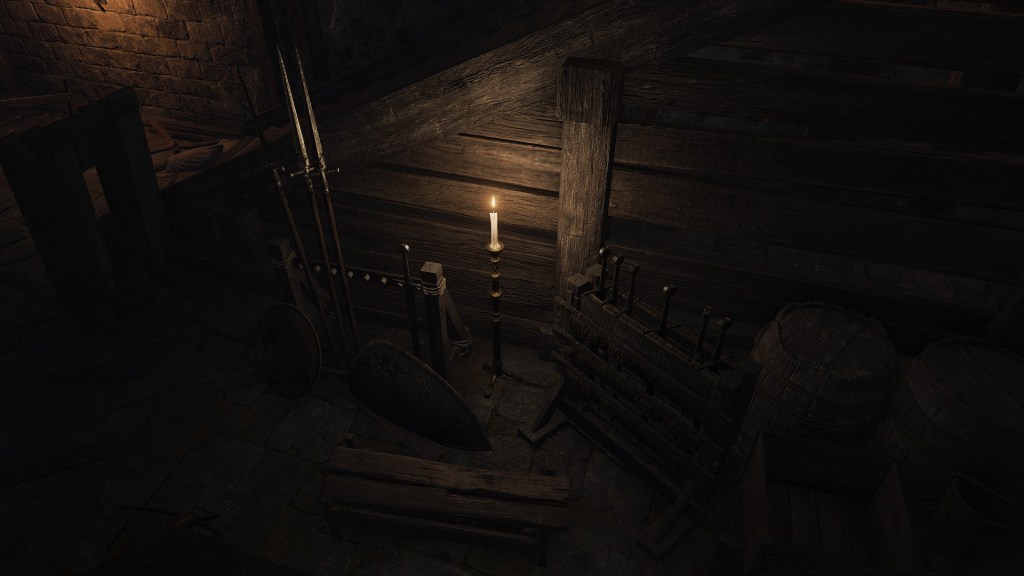
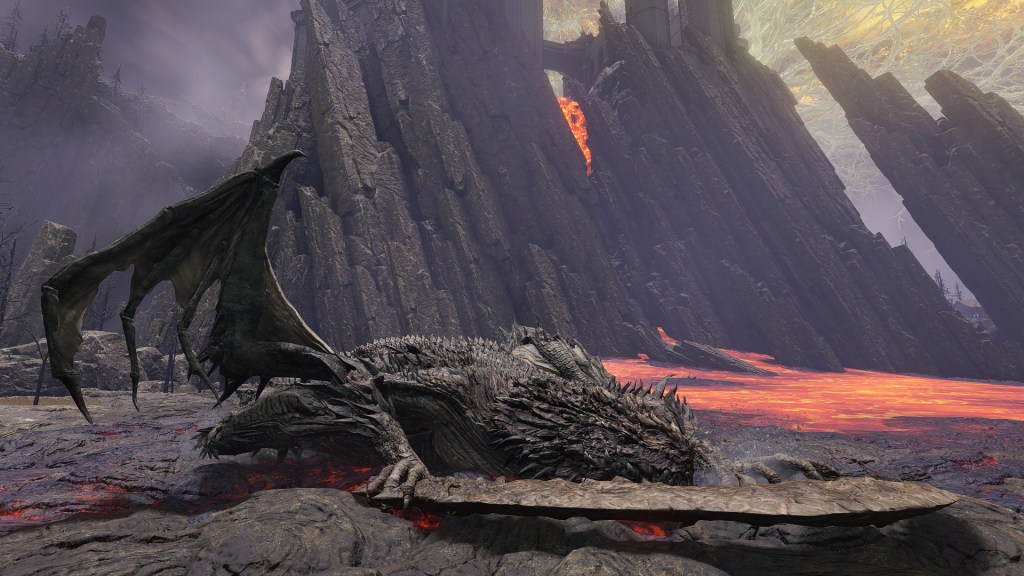
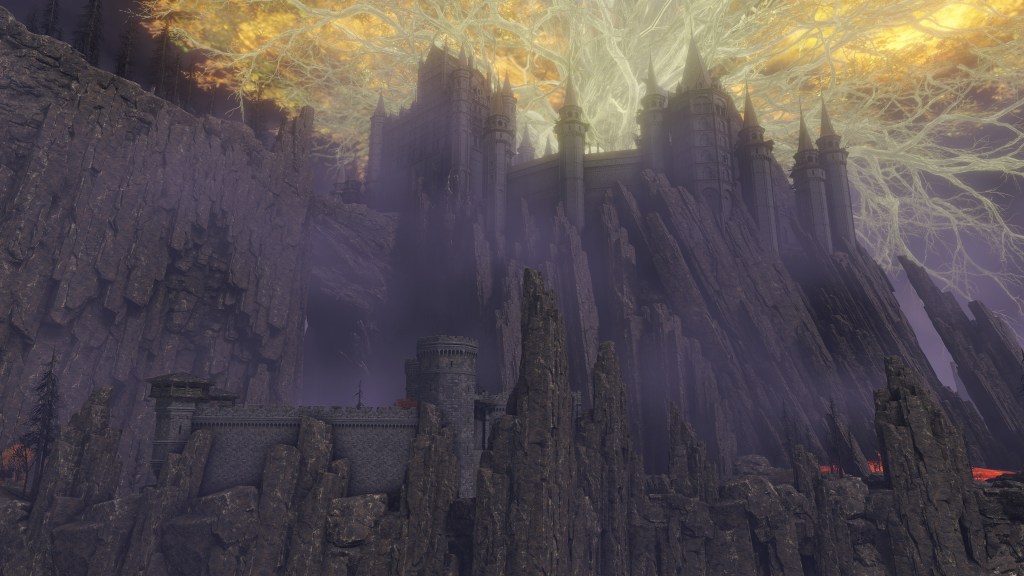
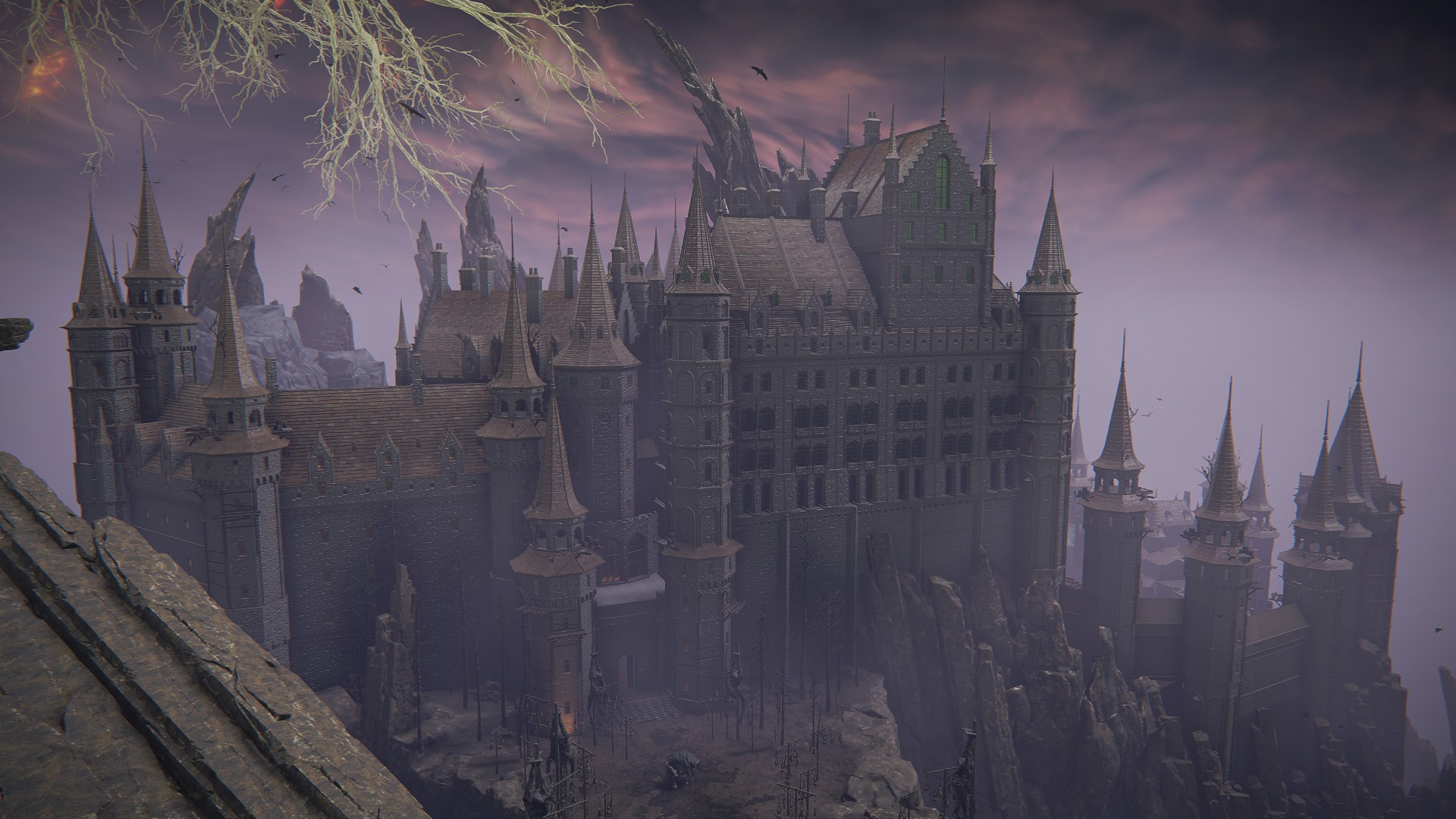
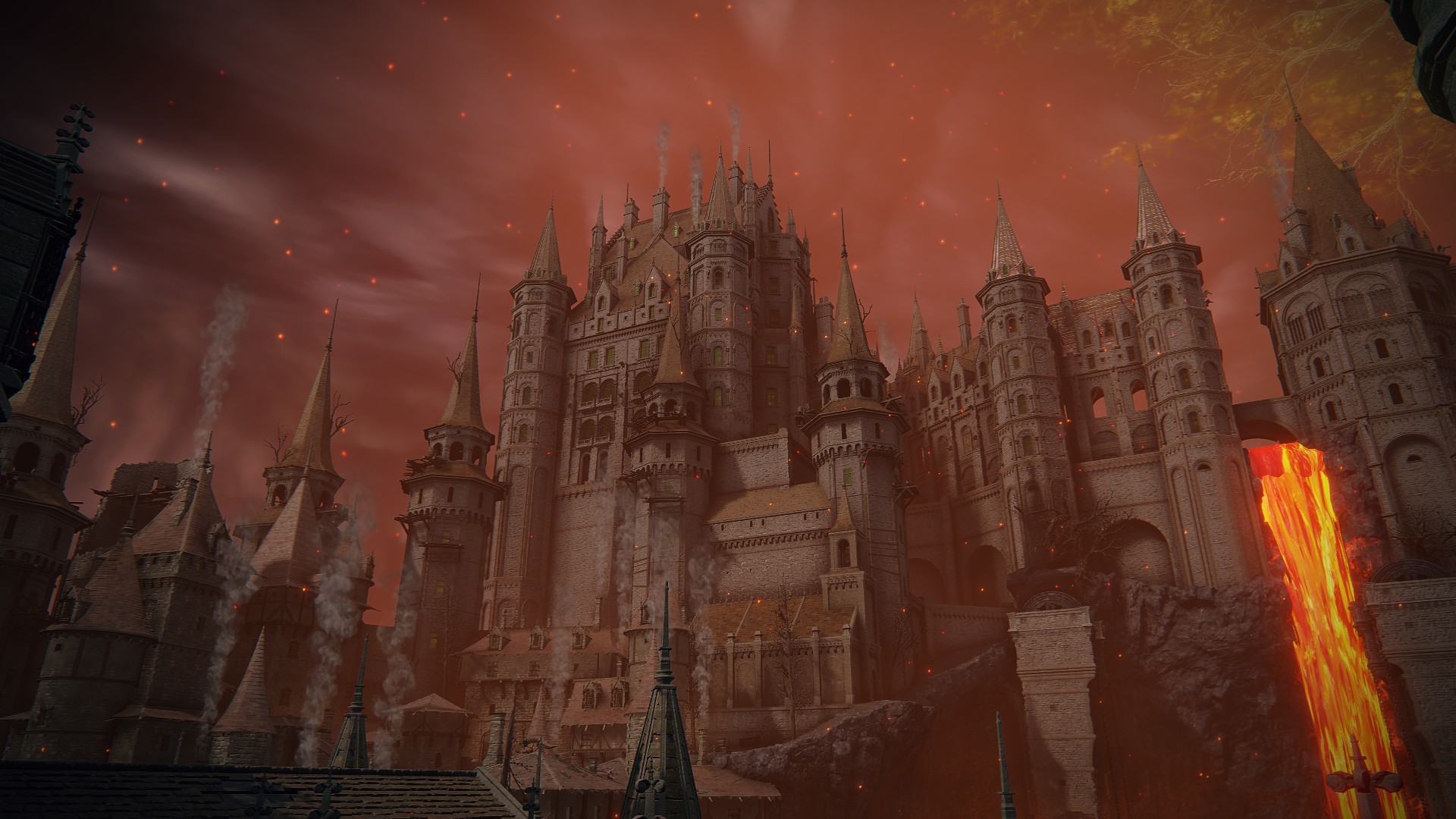
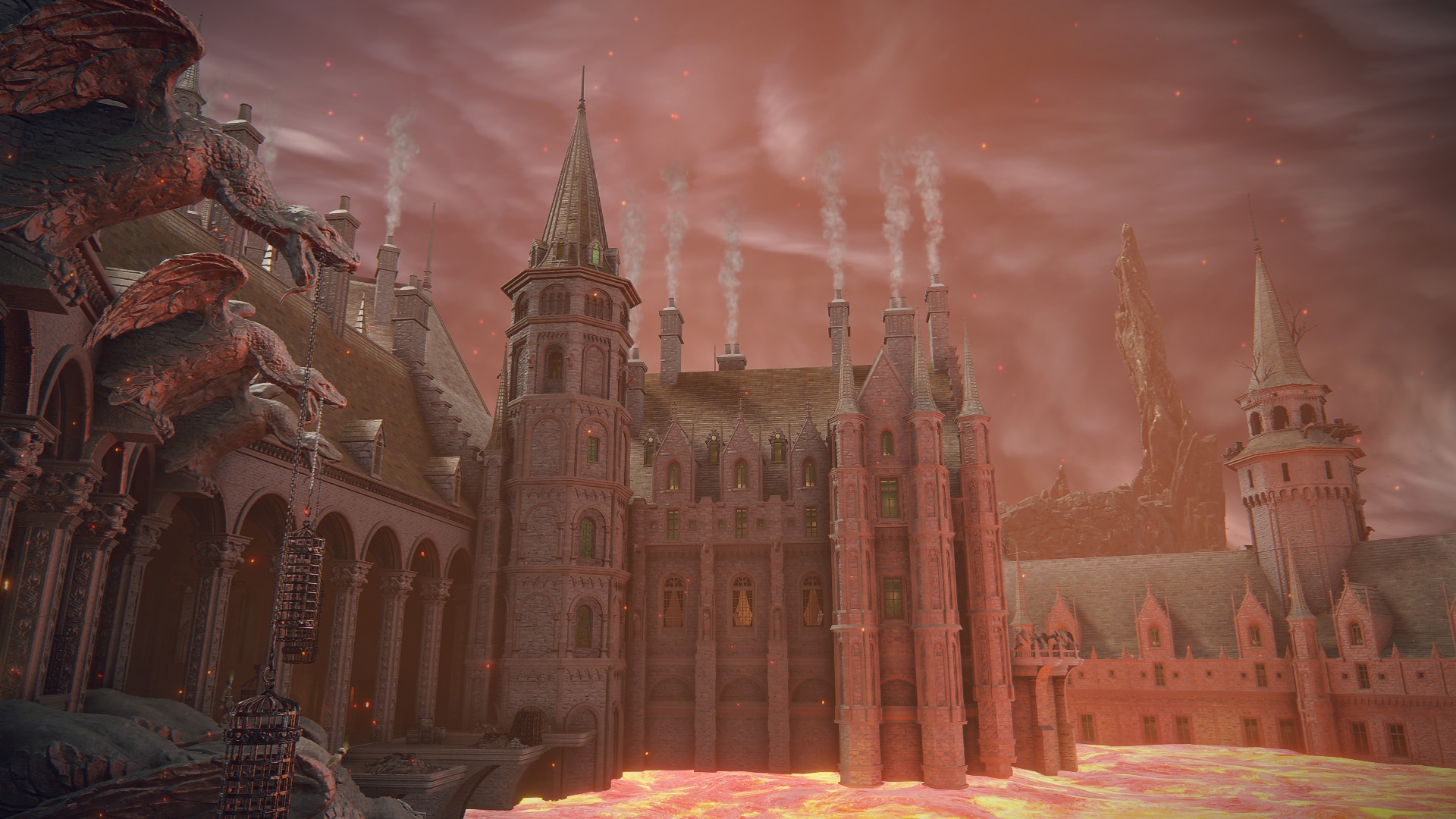
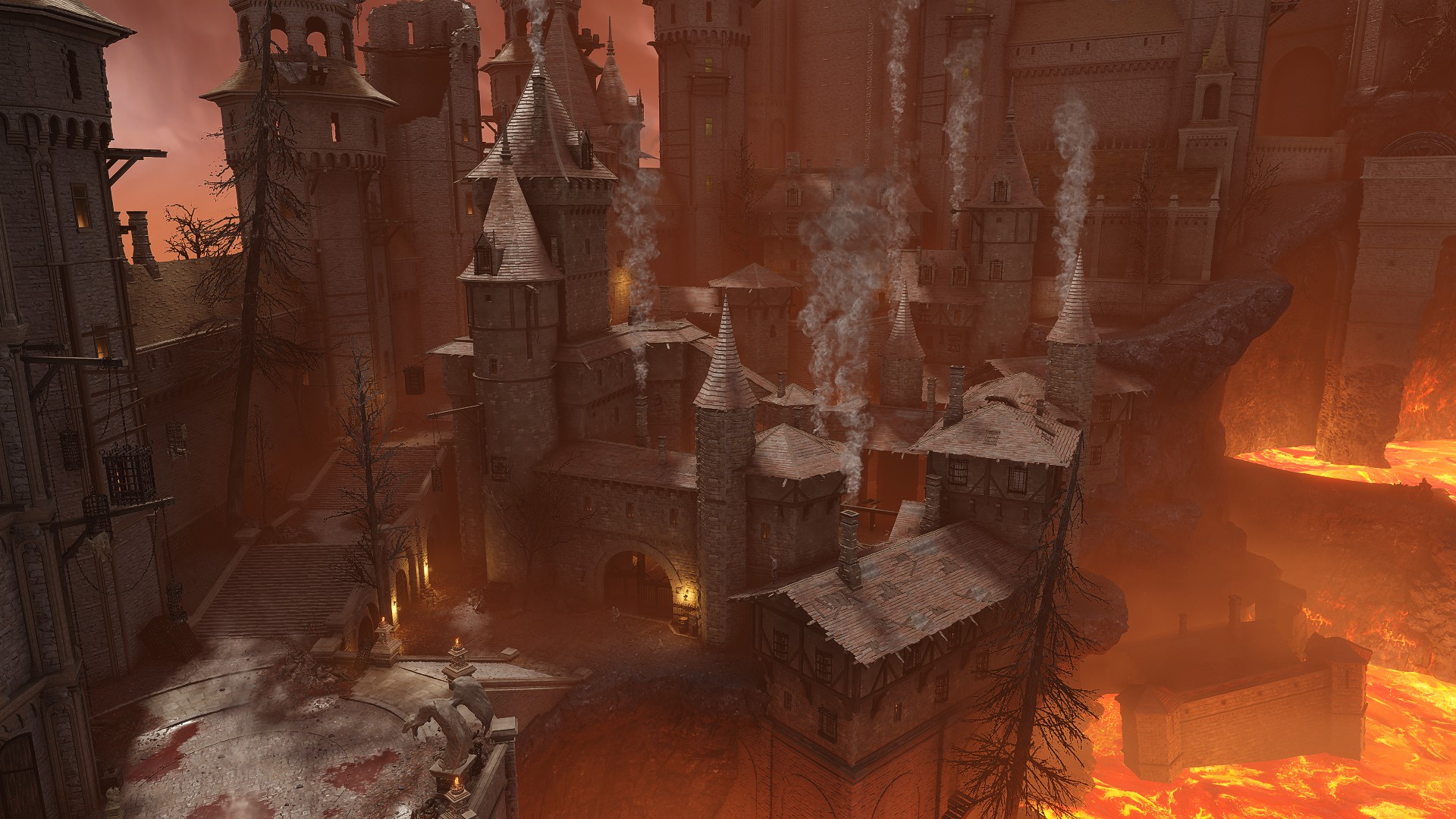
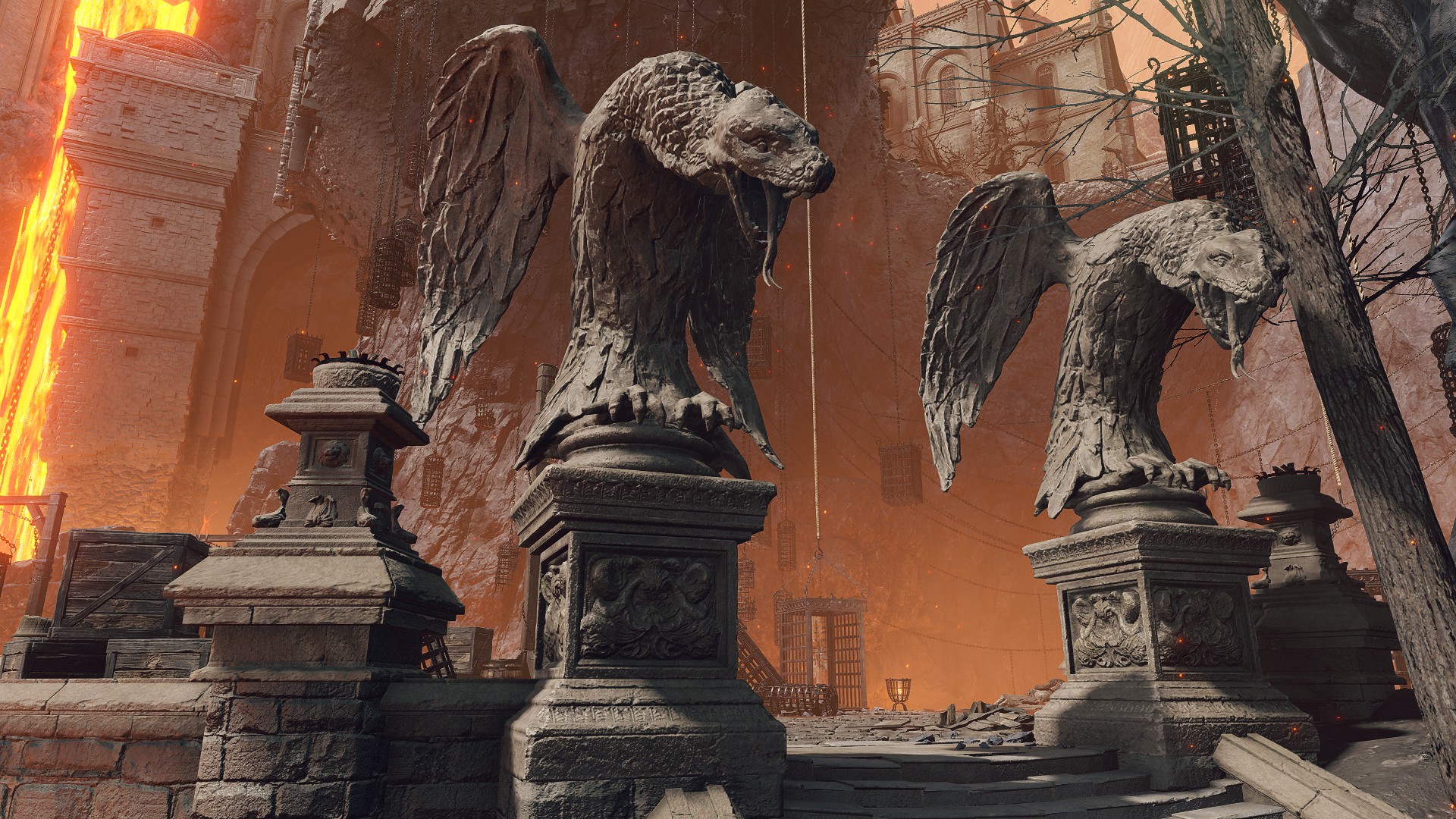
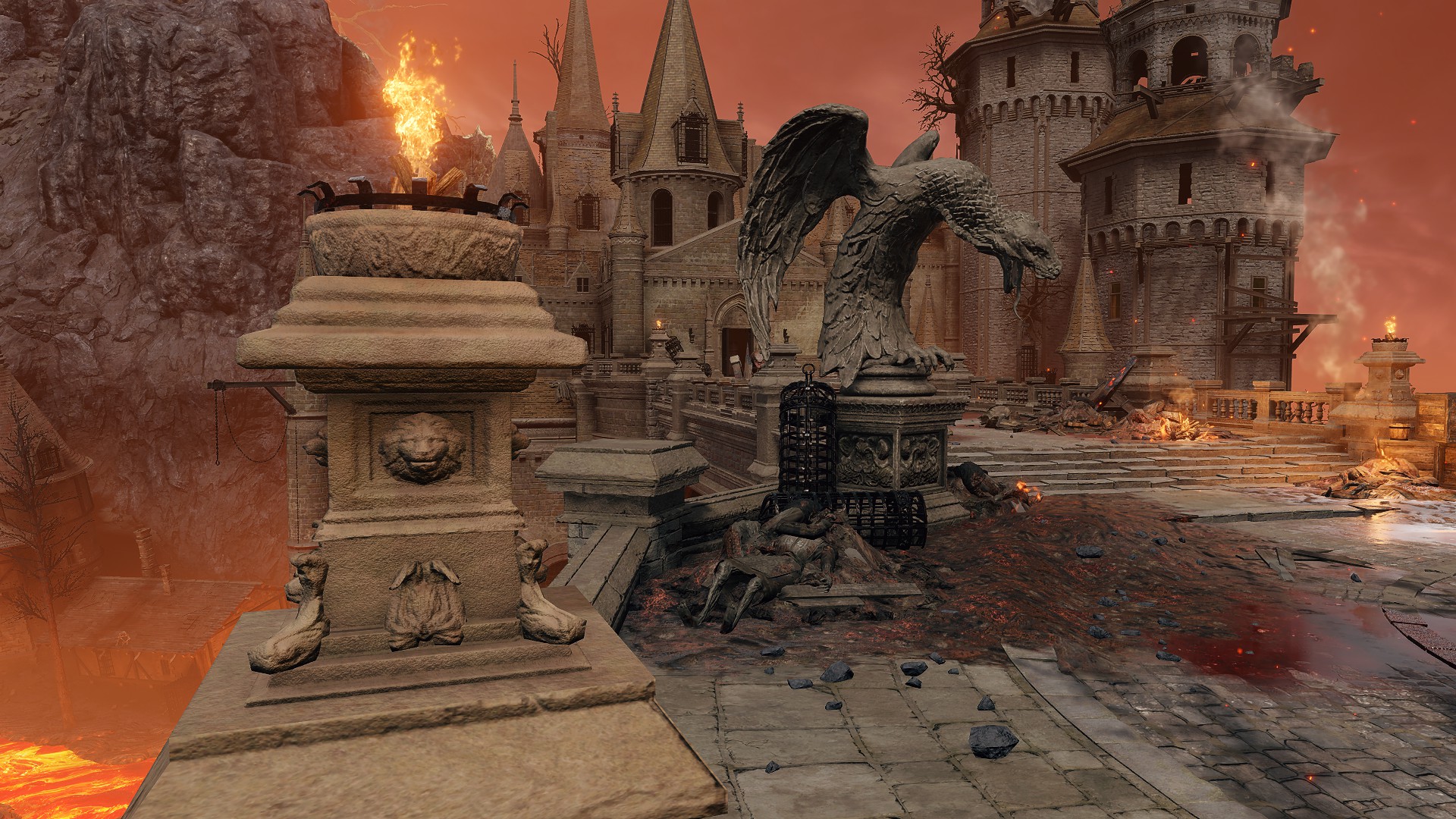
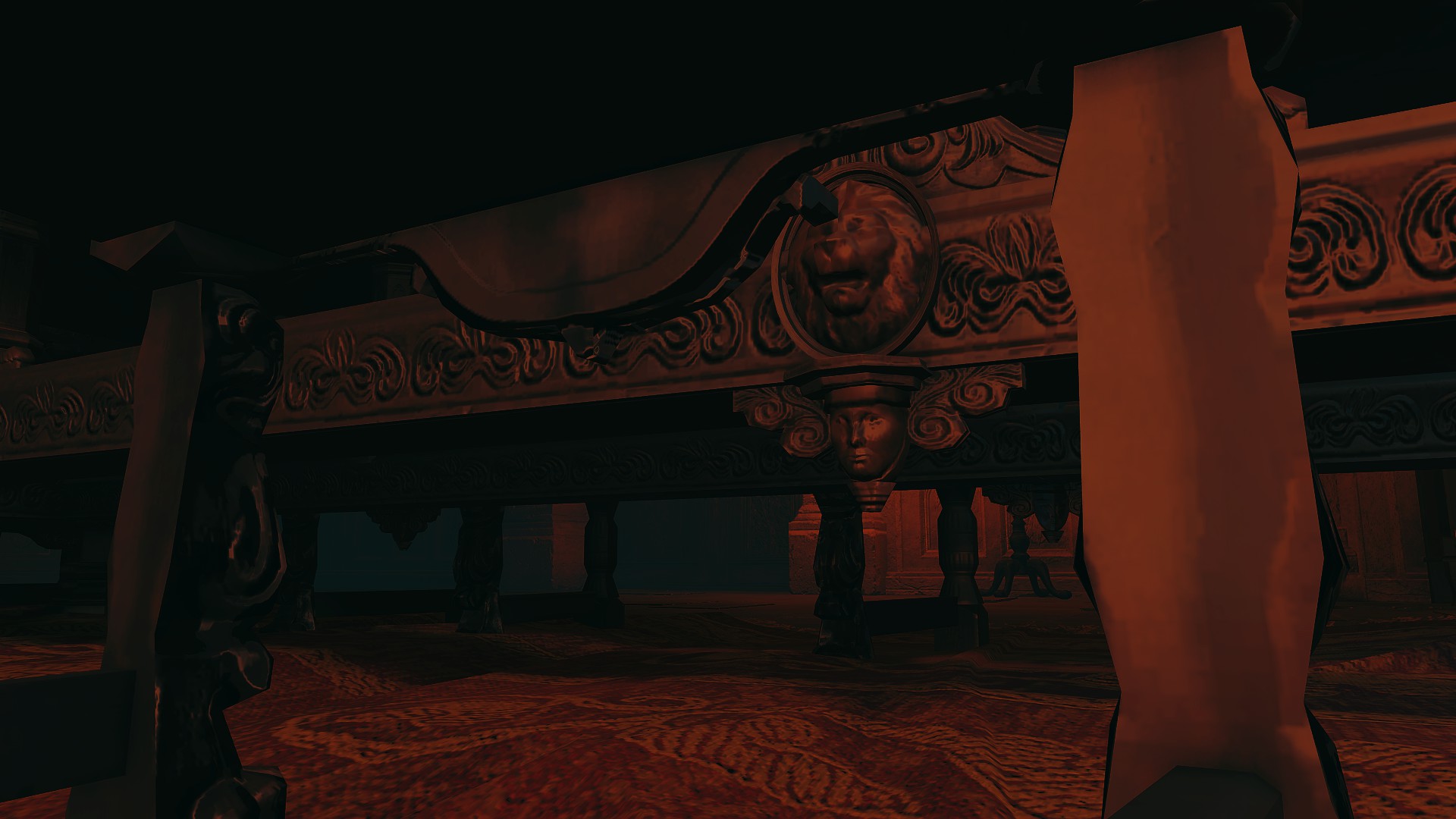
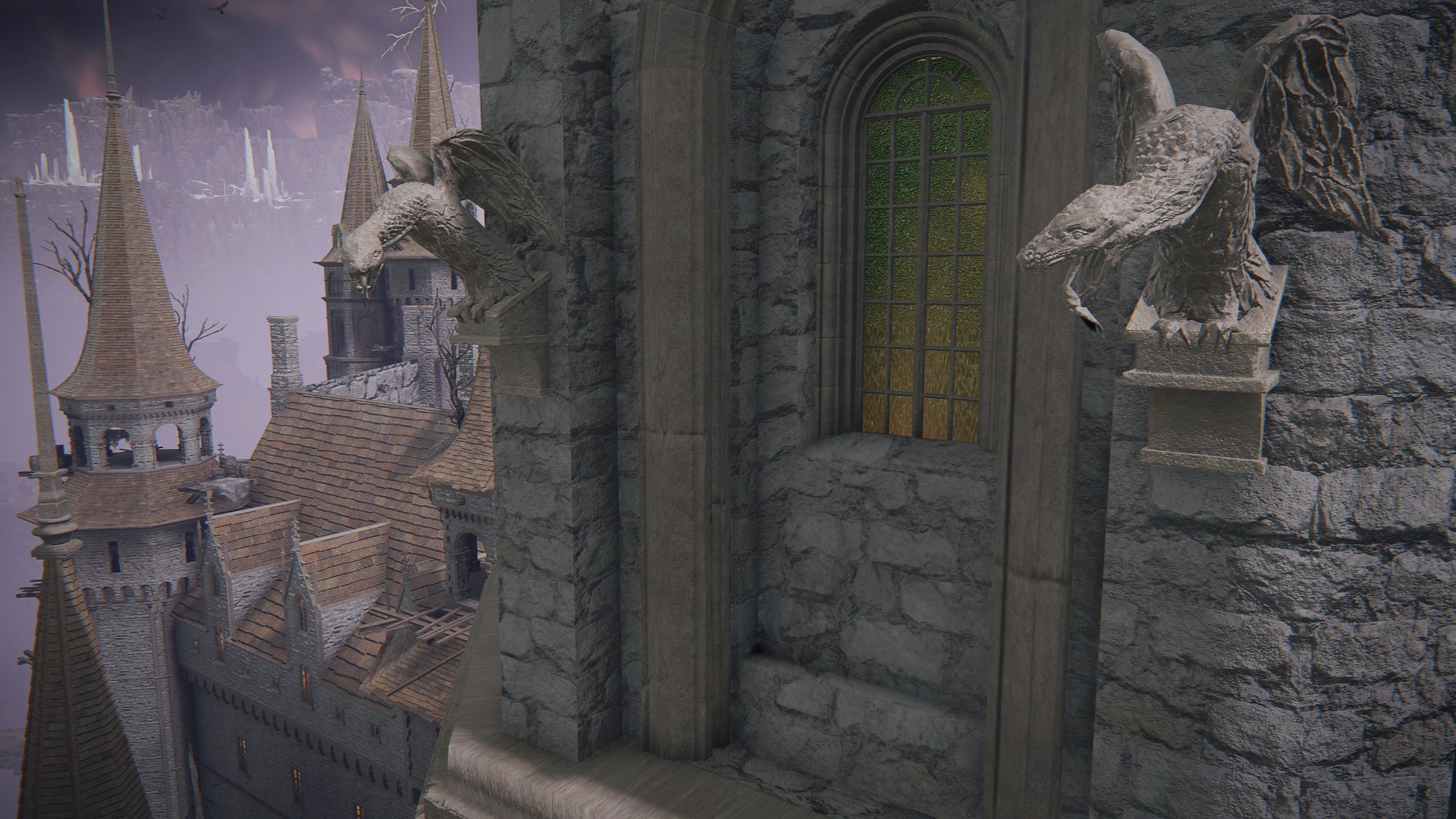
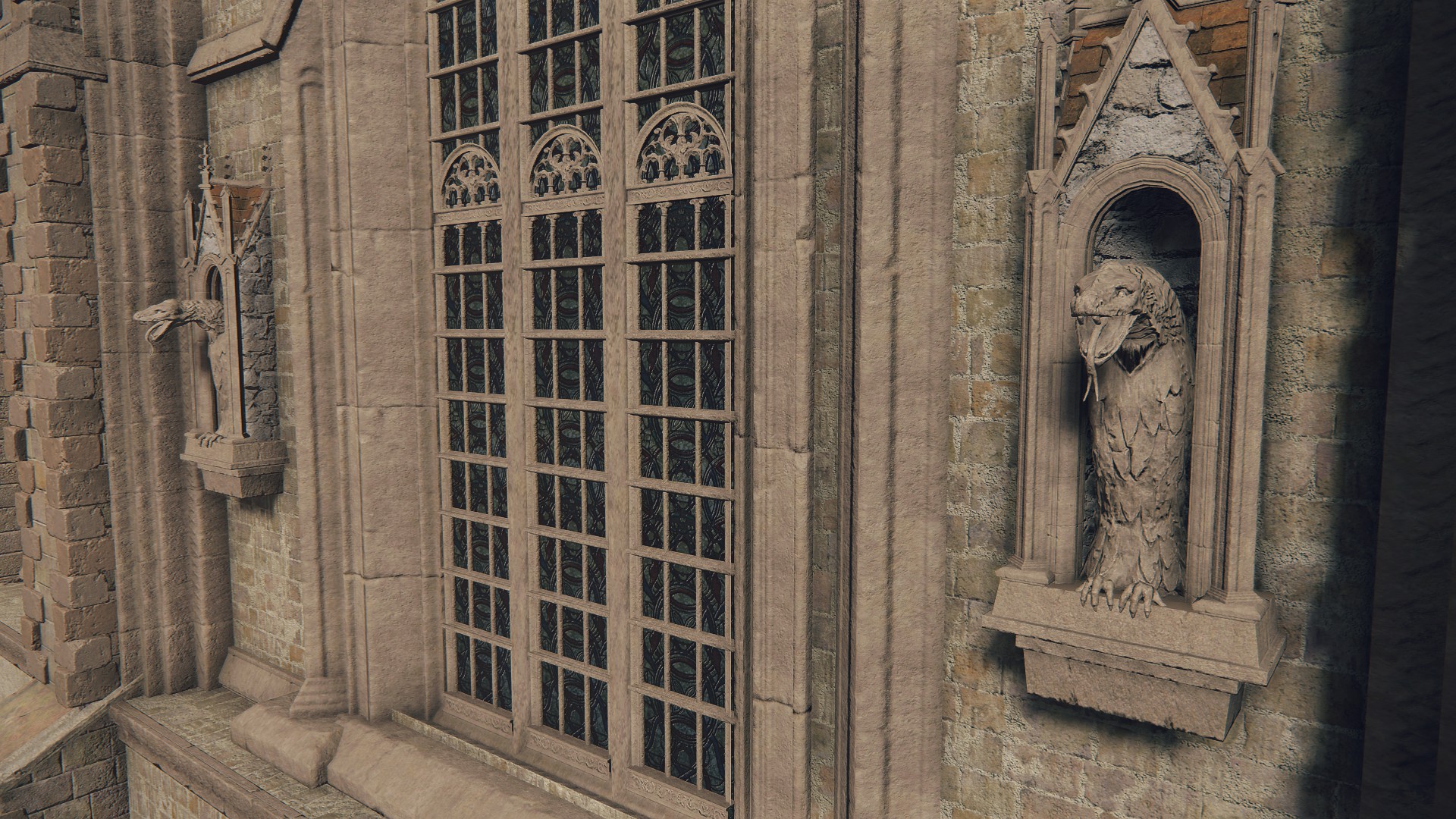
Although not in name, the Volcano Manor is very much a “castle manor” like the so-called “Fortified” Manor in Leyndell, built with the same Norman stonework. However, it includes many unique Gothic additions — such as its rooftop spires — and the town enclosed within its walls is equally as distinct. Even so, it is probably still the work of the same people who constructed the other castles and forts. That another wyrm hides in the lava within the walls already insinuates the dragon worshipers’ presence. Moreover, the rampart towers house the Farum warriors’ weaponry along with their dragon banners. The streets also feature braziers with lion imagery like in Farum Azula. And on the inside, the actual manor is furnished with similar lion and hawk icons. Therefore, the differences in architecture can be attributed to a collaboration between the Farum colonists and the native pagans. This explains the statues depicting a hawk with a snake head ornamenting various parts of the architecture: two animal religions joining hands for mutual benefit.
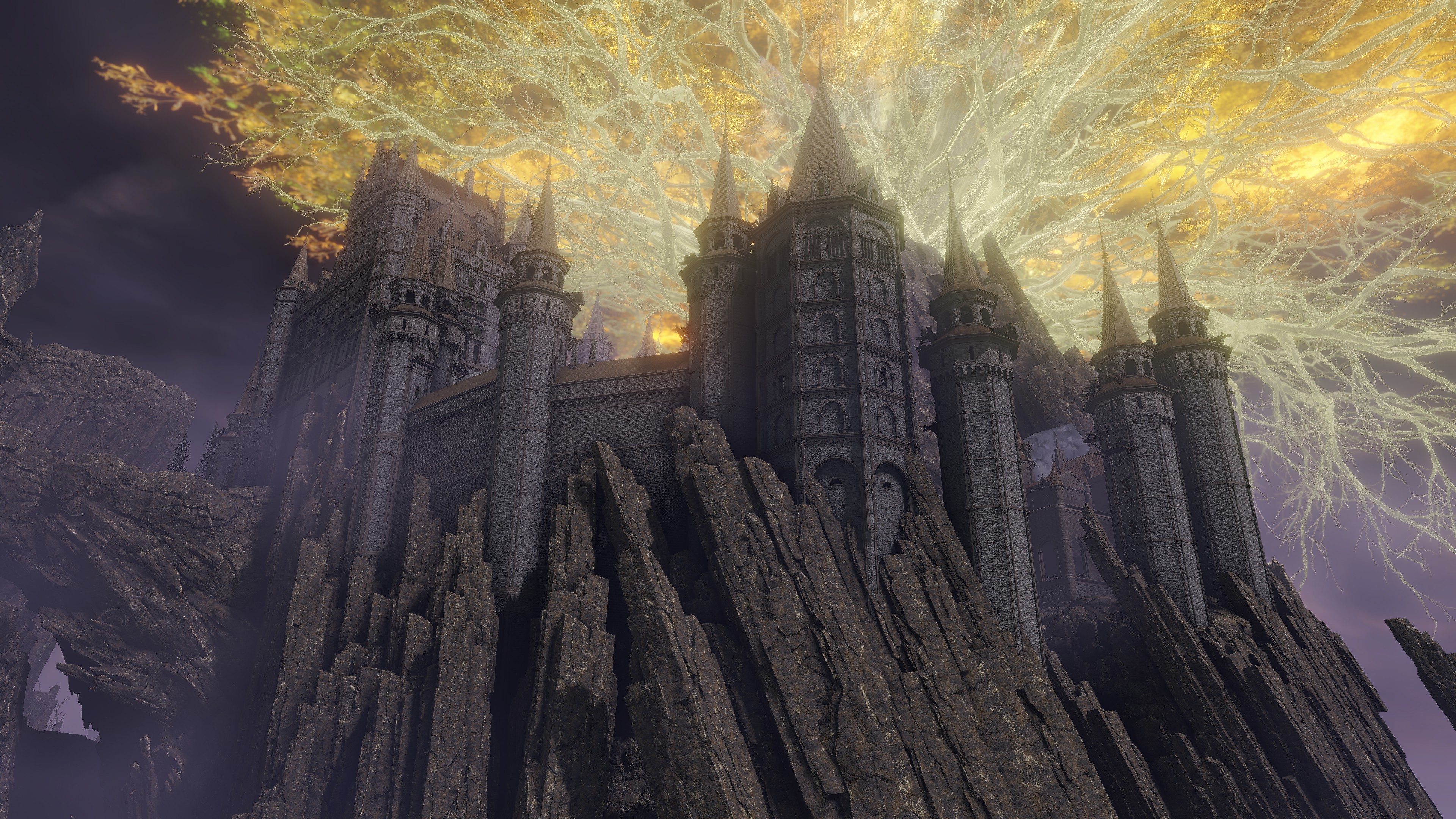
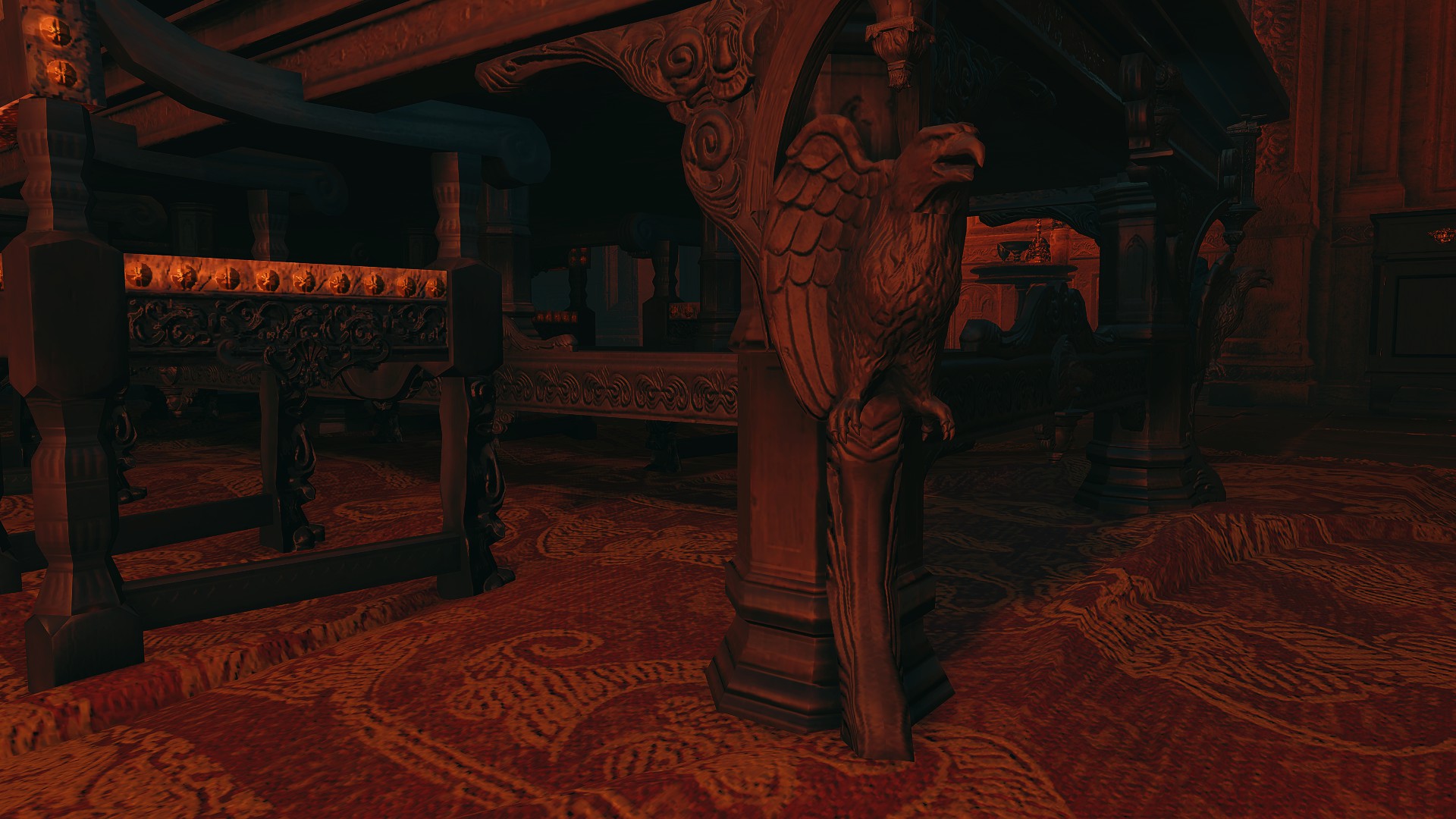
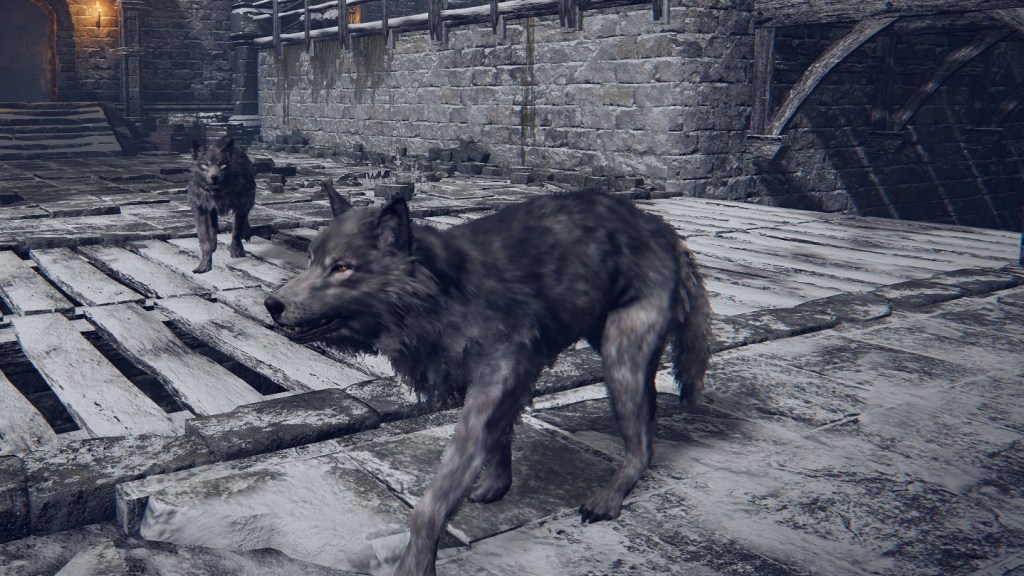
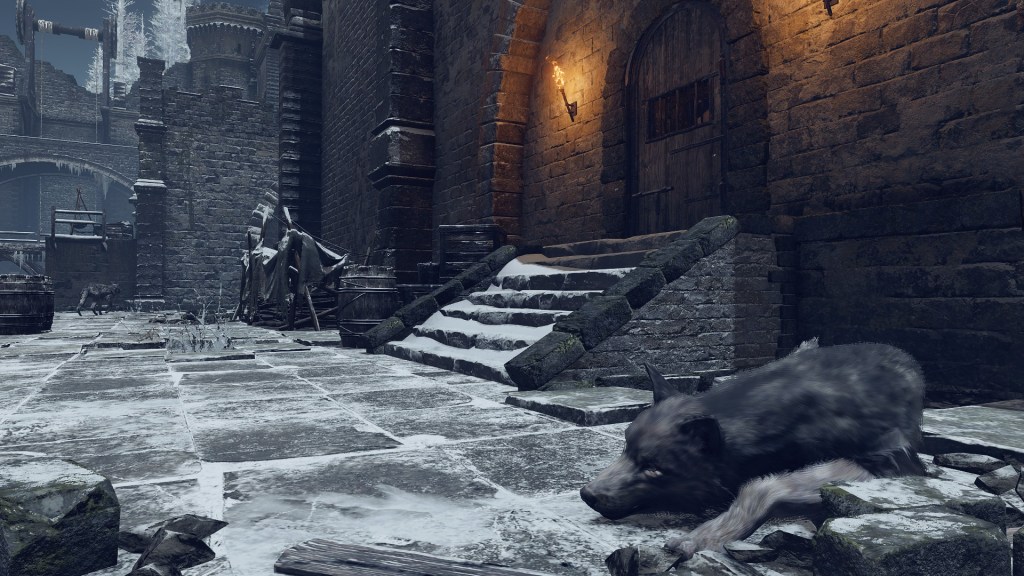
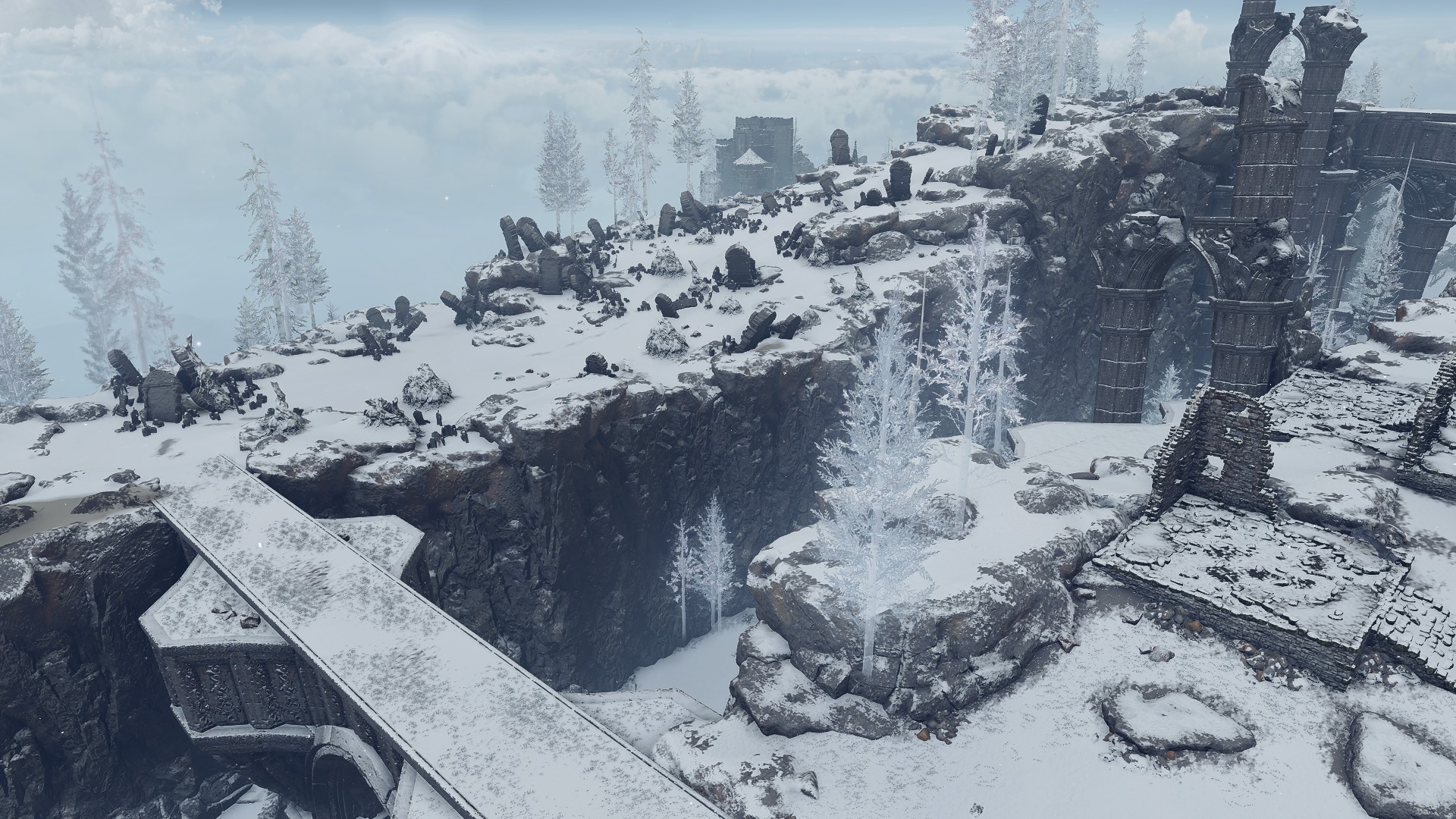
Their colonization wasn’t even strictly limited to the plateau. Nestled along the cliffs in the northernmost valley of the Stargazers’ Ruins, Castle Sol sits high on the cold Mountaintops of the Giants. It too possesses the armaments of the exile soldiers and Banished Knights whose spirits now haunt it, led by their commander Niall. Garrisoned there with them are wolves, tamed locally as war dogs when not skinned for warmth as Niall and certain unique knights demonstrate. Perched above them is a war hawk, with two more stormhawks just outside the castle walls — their plumage turning white in the icy climate as is common for such raptors. A corpse within the castle likewise carries the Stormhawk Axe, complete with its Thunderstorm skill combining draconic lightning with the storm abilities exhibited by the knights. The same axe can also be acquired at the Fortified Manor, leaving no room to doubt the cultural connection between the dragon worshipers in Sol and those at Altus. The Farum natives came with their hawks from the plateau and built this castle.
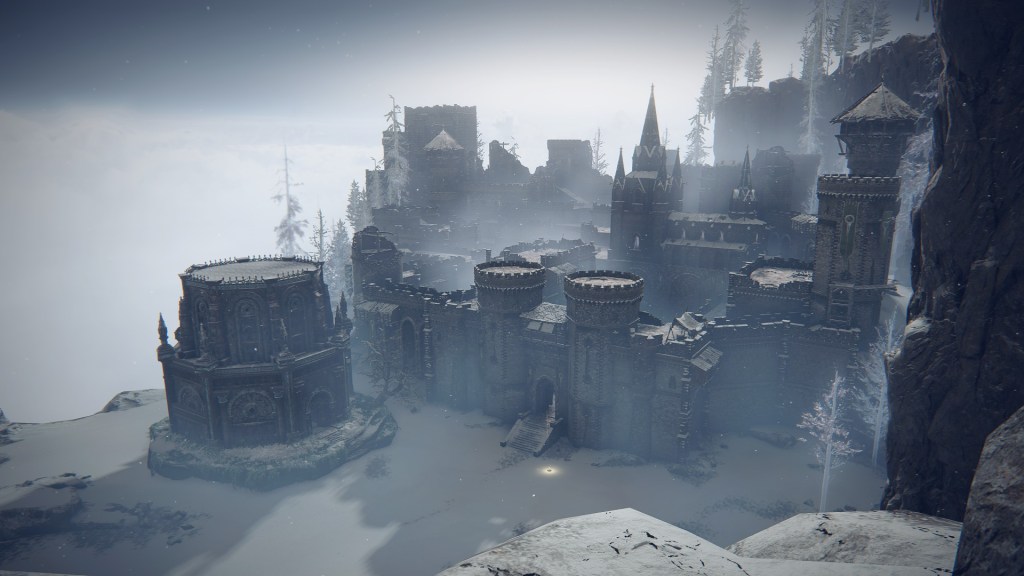
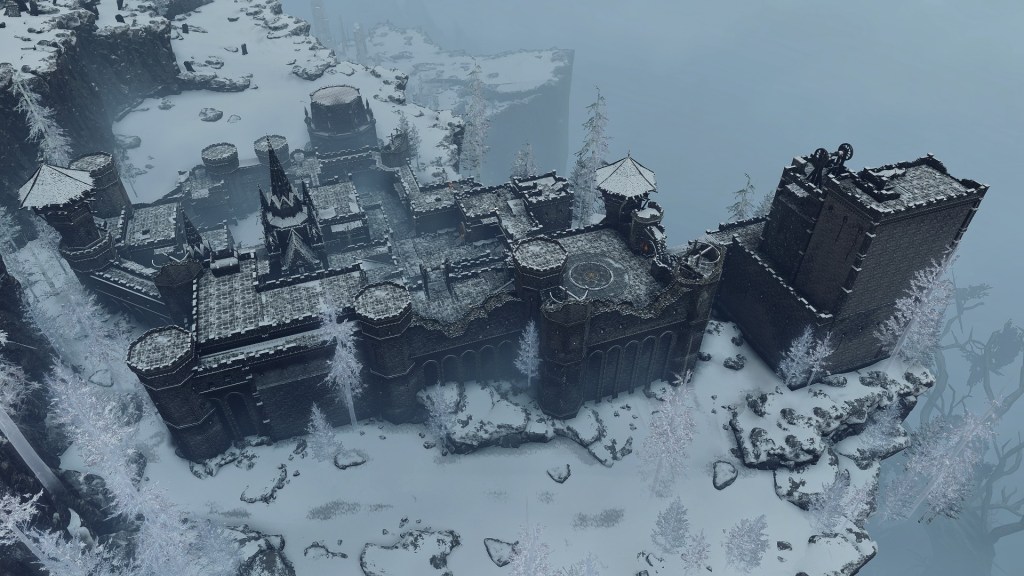
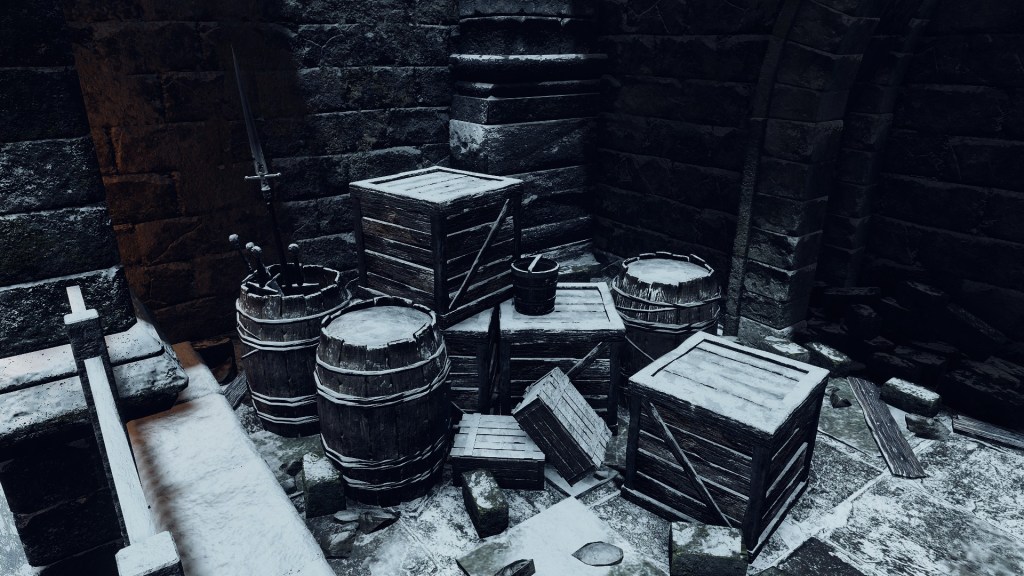
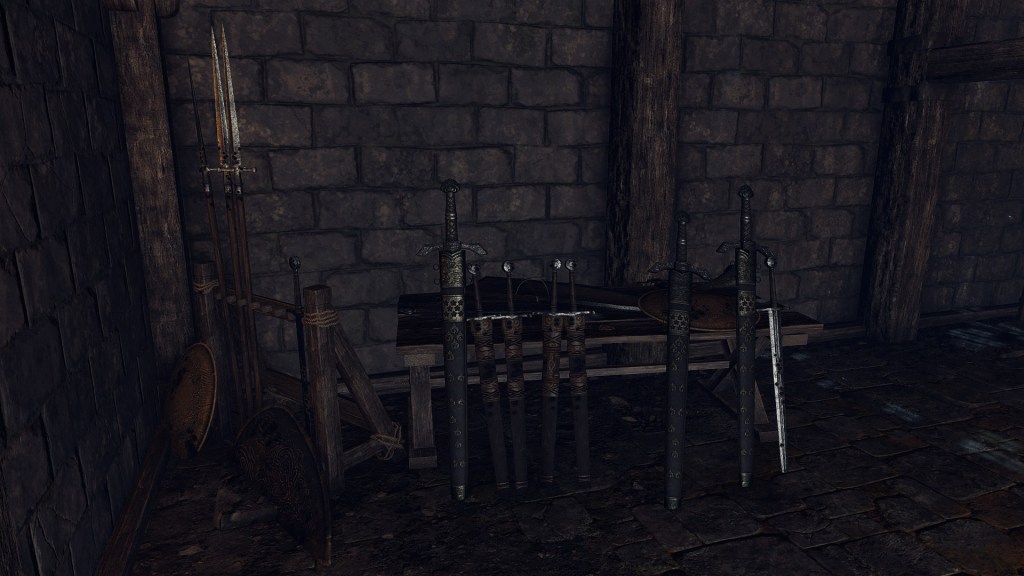
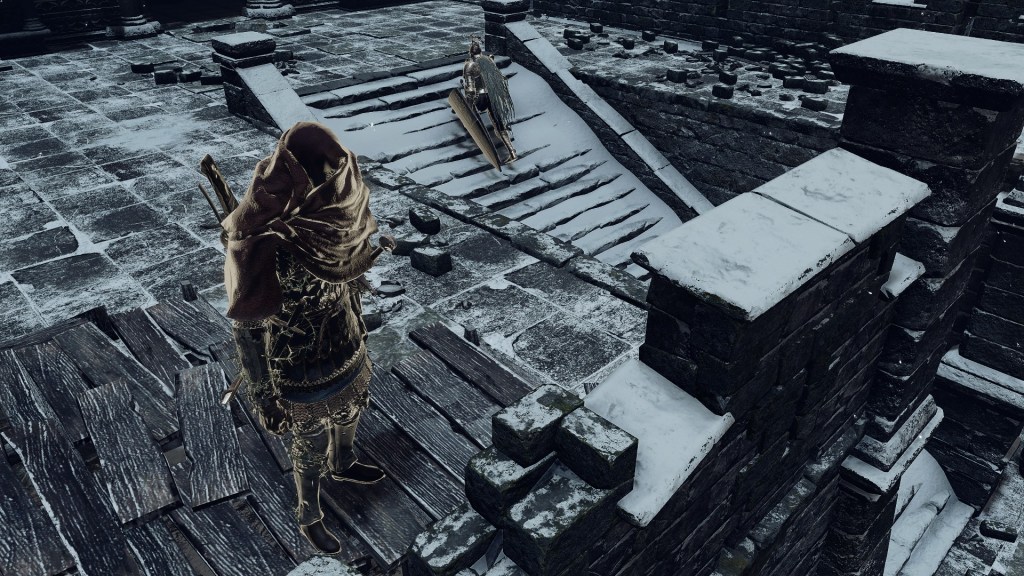
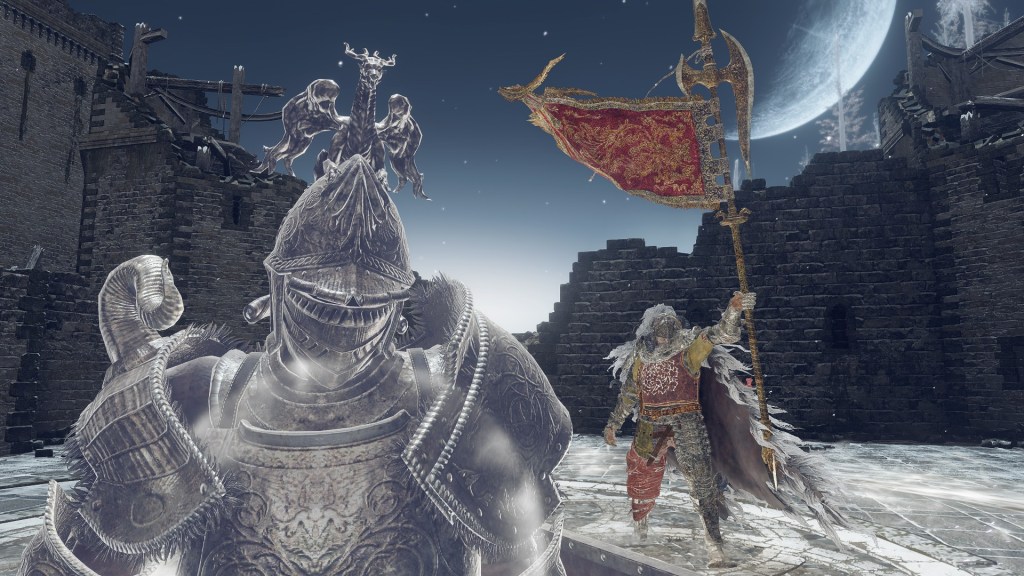
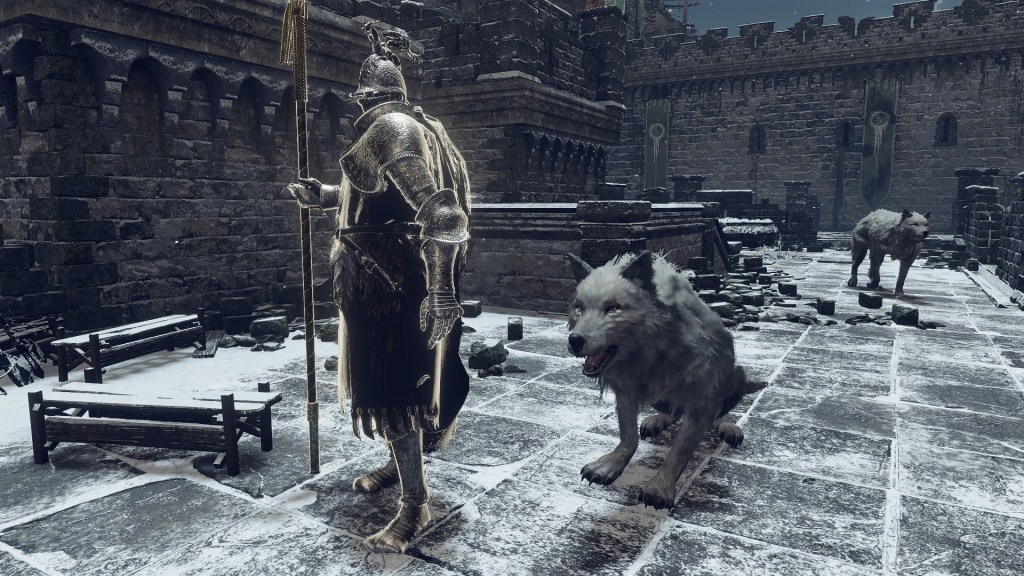
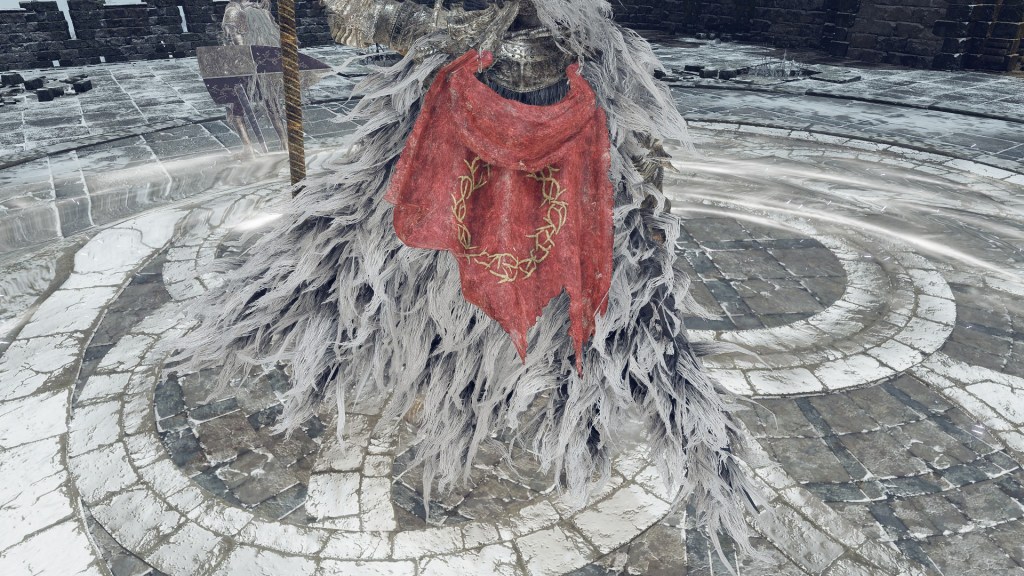
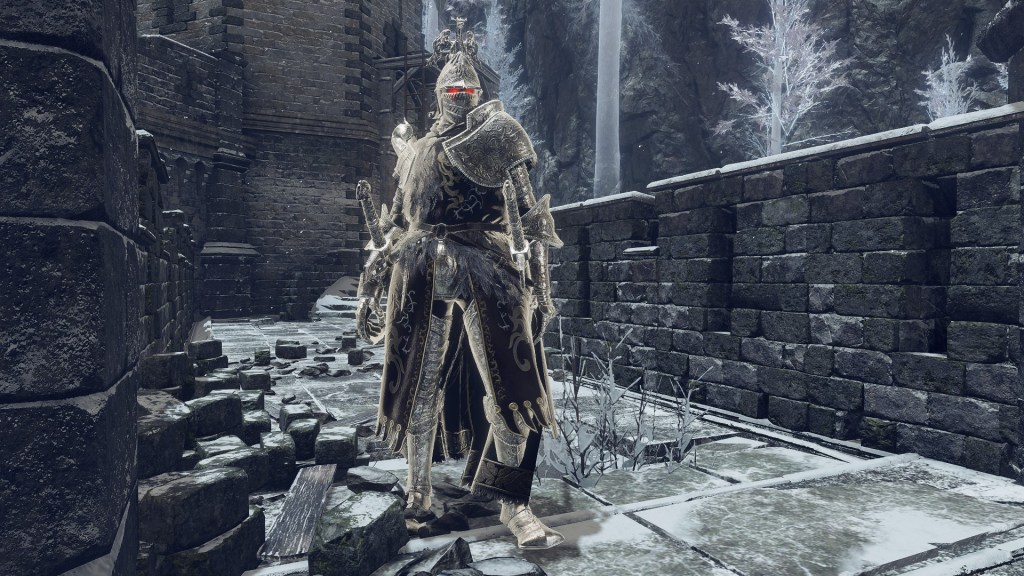
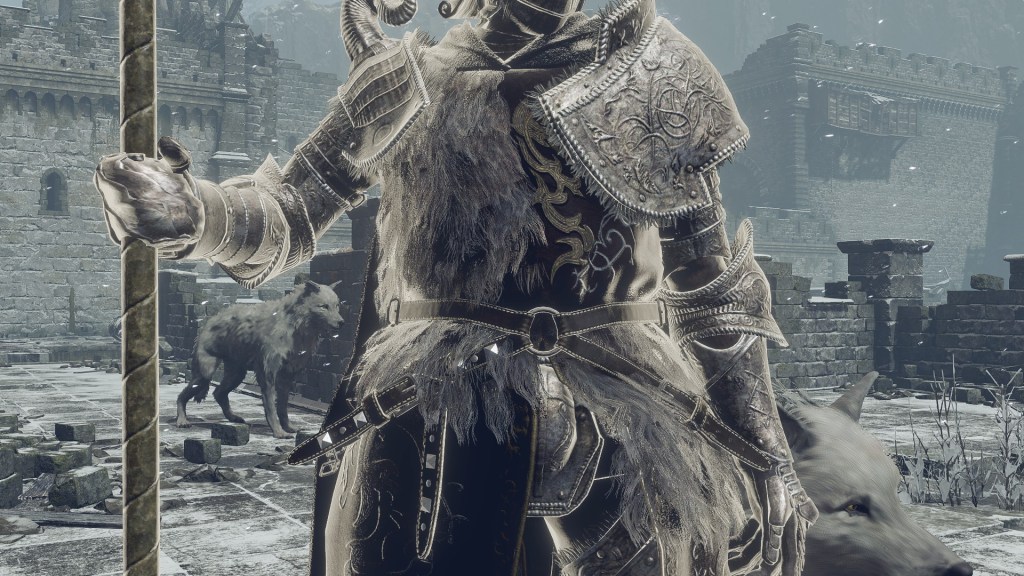
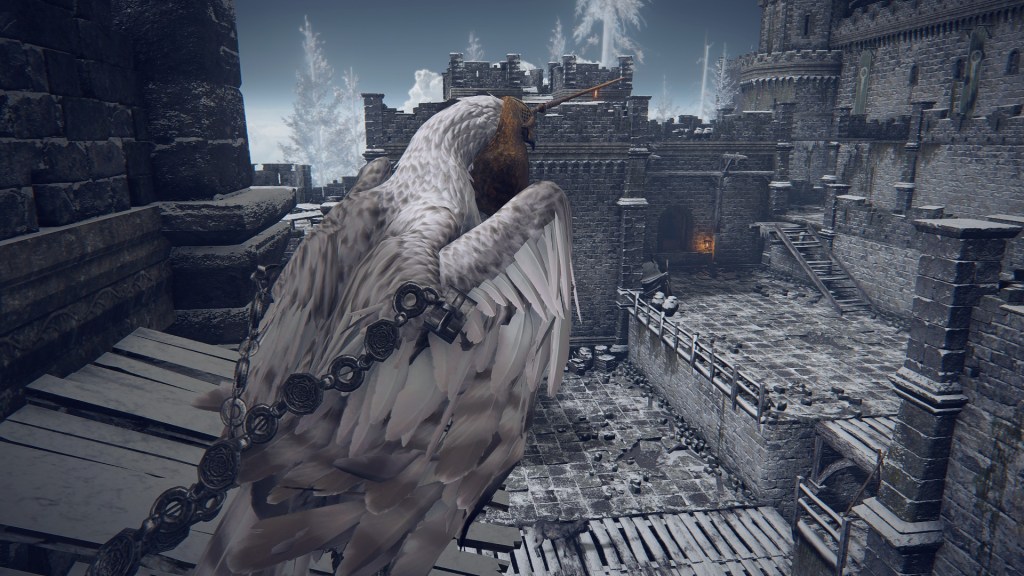
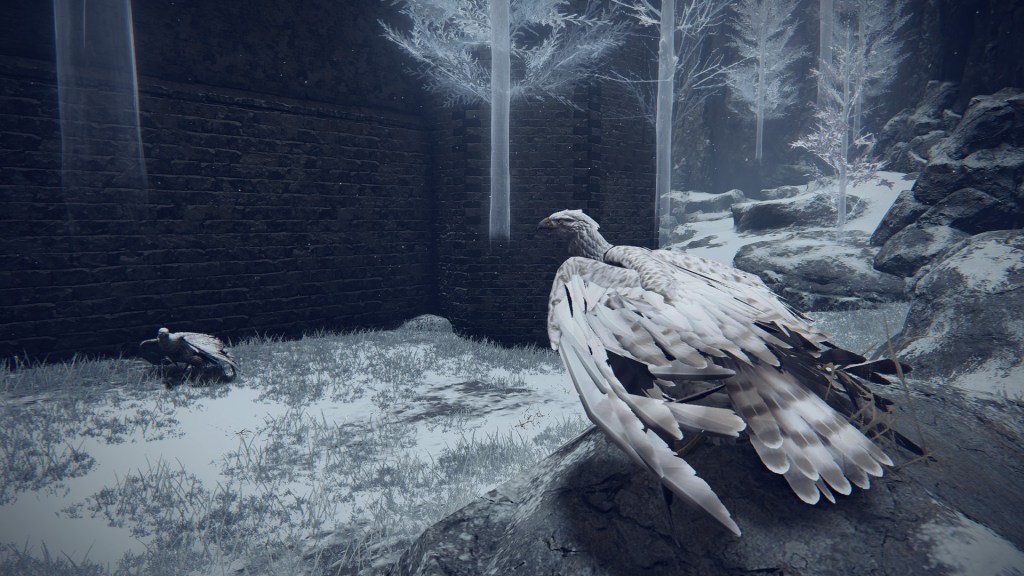
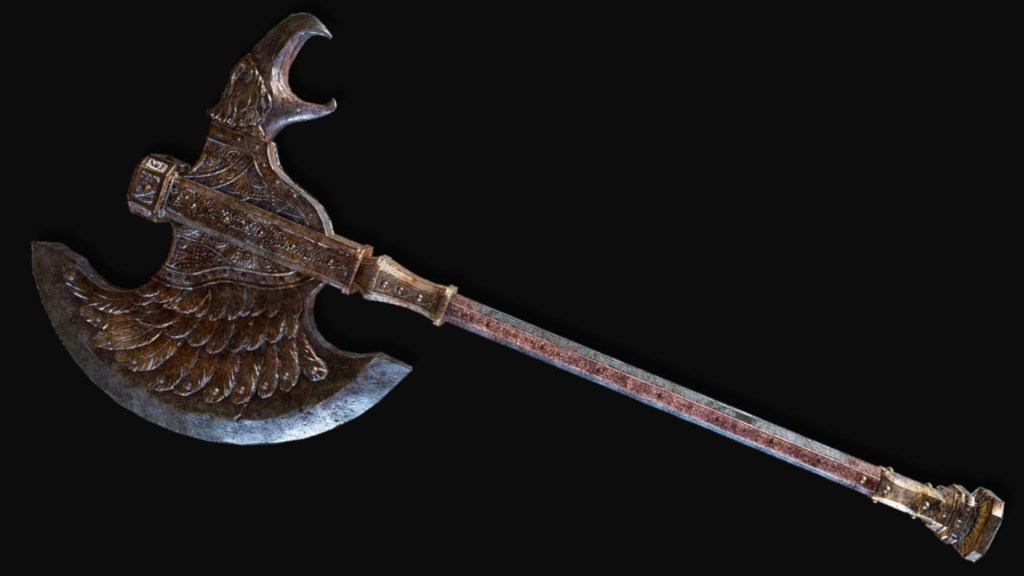
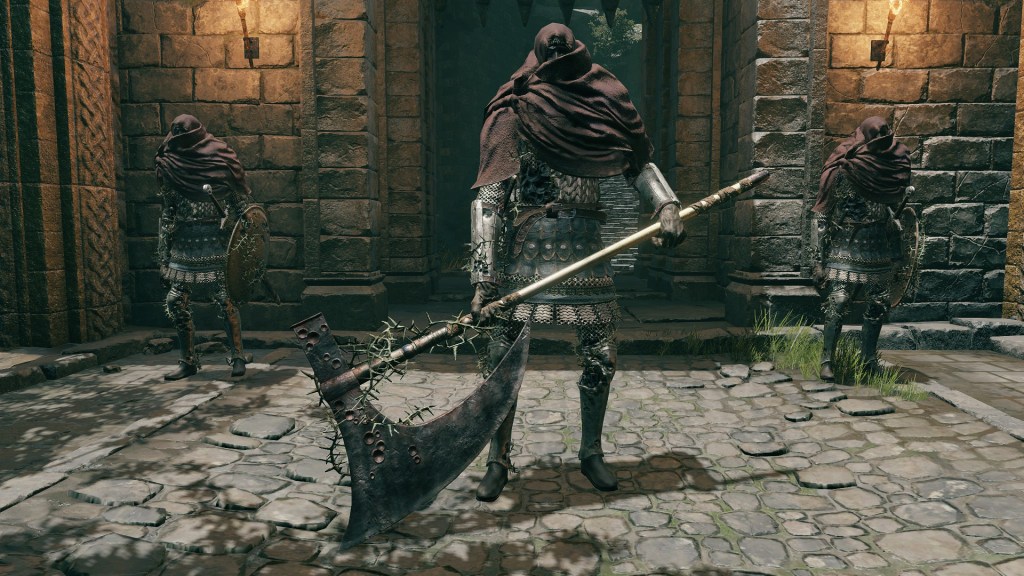
The relationship goes both ways. Among the exile soldiers we encounter at Castle Stormveil, a small number wield the Crescent Moon Axe, named for the shape of its blade. According to the weapon’s description, this was because of “homesickness”, (郷愁) implying that the soldiers are nostalgic for another land somehow associated with this moon — specifically, a “third-day moon” (三日月) evoking a waxing crescent. The Mountaintops of the Giants features just such a moon, day or night. Moreover, Castle Sol is home to the same axe-wielding soldiers. In short, this is the place making the Stormveil warriors homesick, which indicates that the culture at Sol spread just as much to the Fortified Manor and beyond. The castle potentially even predates the manor as the first proper colony. Either way, it affirms that Sol’s separation from the other colonies wasn’t some form of rebellion. It, and presumably the other colonies, were one nation with their Farum heritage.
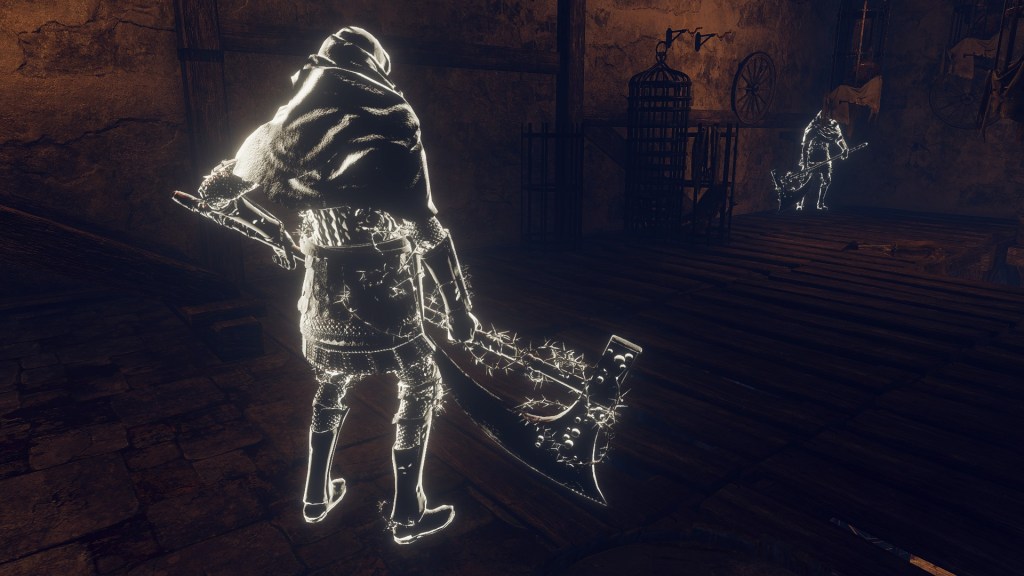
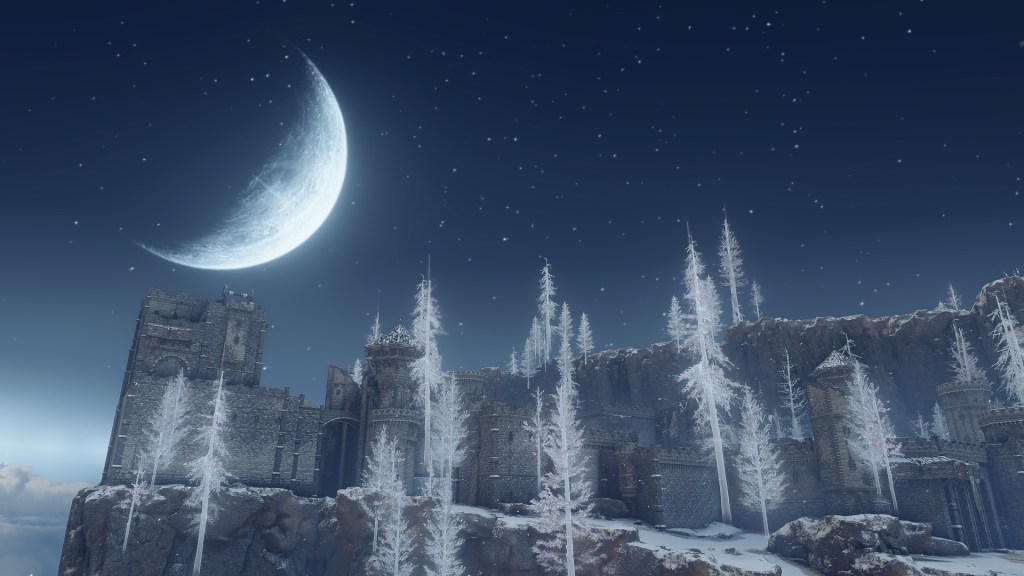
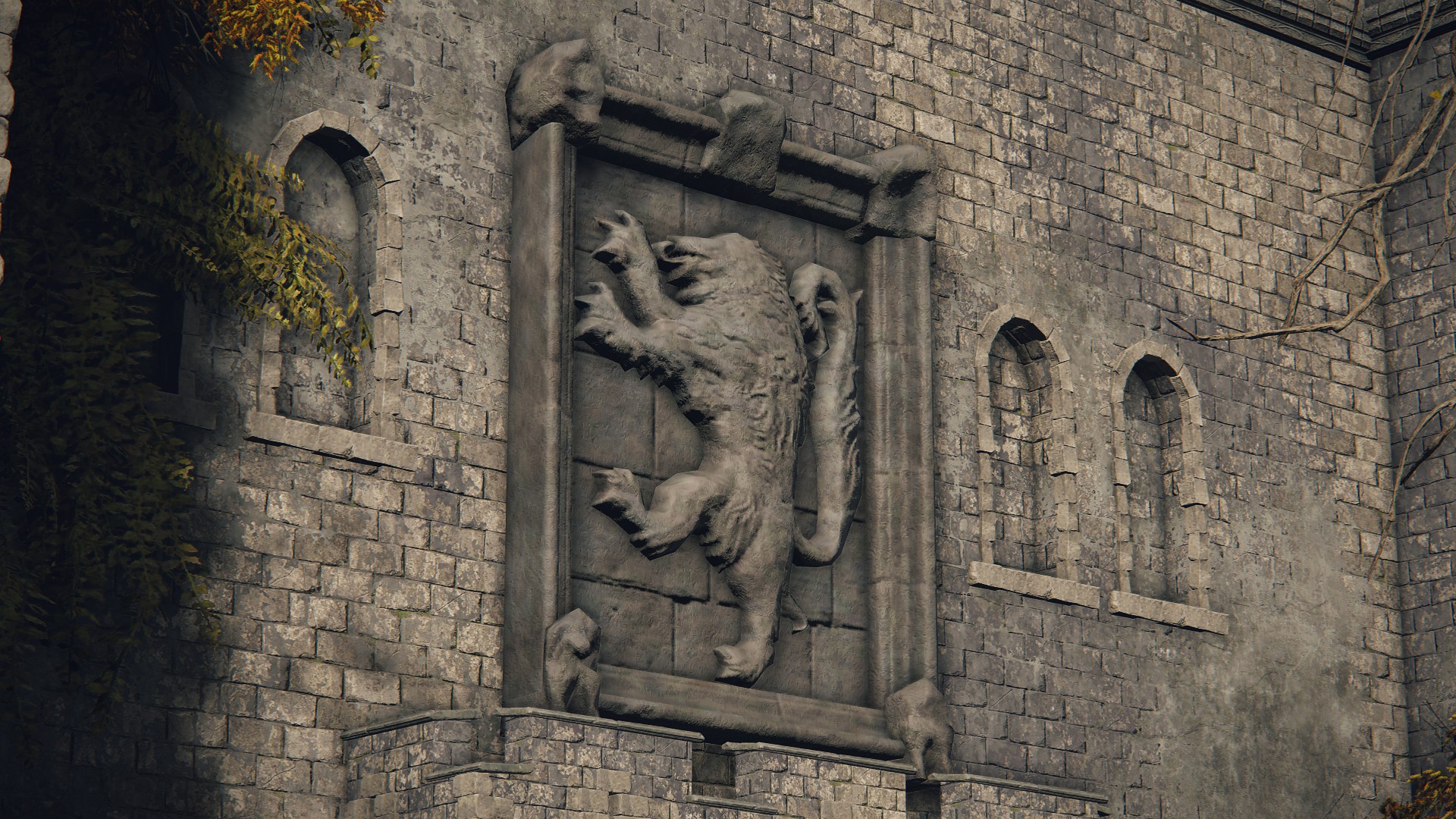
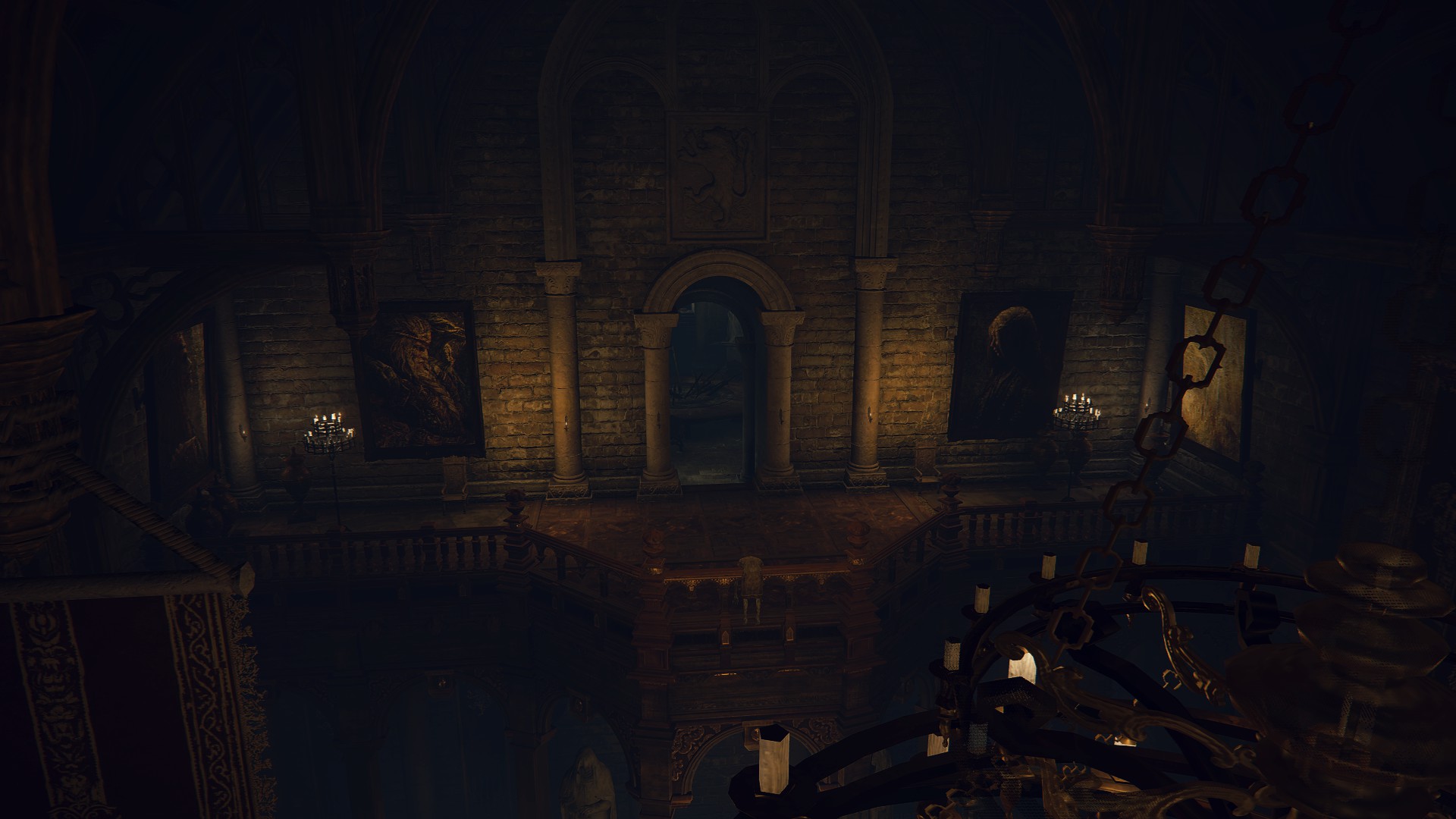
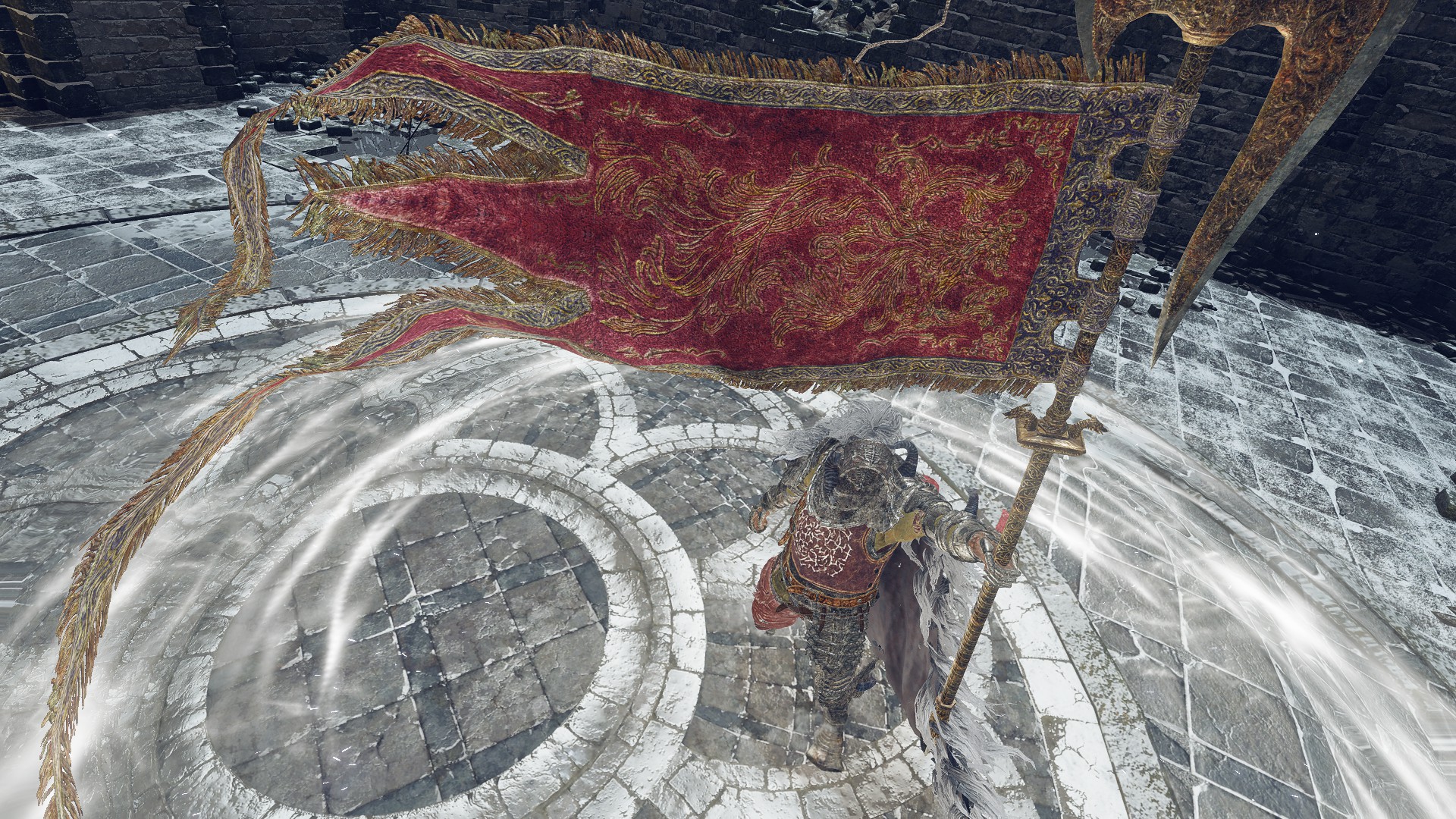
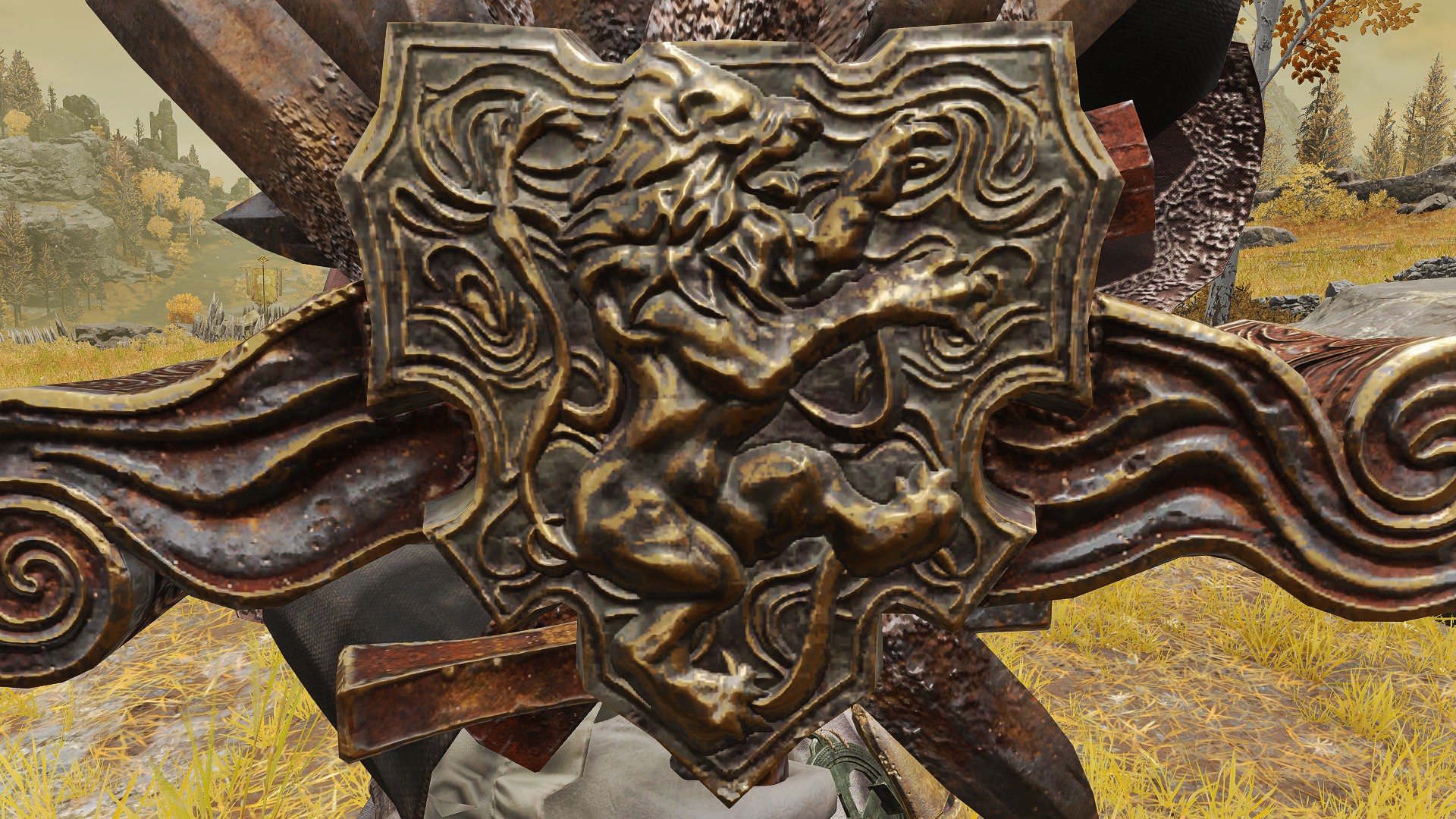
Suffice to say, the highlands saw a huge influx from Farum Azula, and it all traces back to the Fortified Manor. The main reason is because of Serosh. The description to the Golden Beast Crest Shield affirms that the emblem in question represents Godfrey’s chancellor. And that exact beast crest is featured above both the manor’s entrance and foyer, emphasizing his importance; yet more lion iconography hangs beneath in that foyer and elsewhere. Indeed, for the Beast King to have become so close an adviser to the king of Leyndell, he must have been present in the area when the capital was established. The lion was thus most likely residing at the manor, probably the adjoining garden barred like an animal cage specifically. He may not have been alone, given the elder lions’ origin and withering grey manes — if the colonists brought their hawks, why couldn’t Serosh bring his lions? Still, the implication is that the manor served as the headquarters for these wide-stretching colonies, hence Niall raising a battle standard which features their knight shield’s stylistic rendition of the beast crest over at Sol.
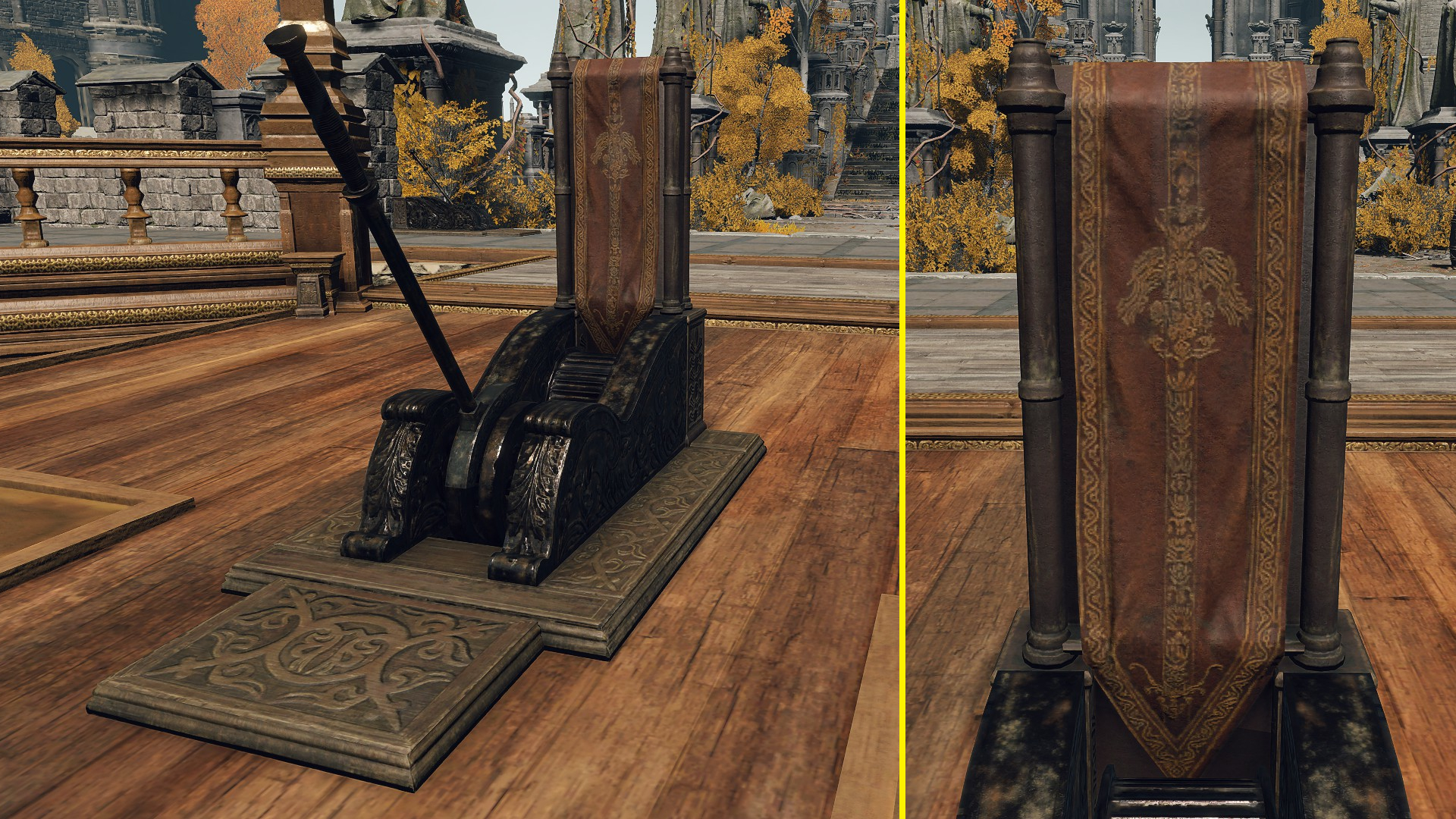
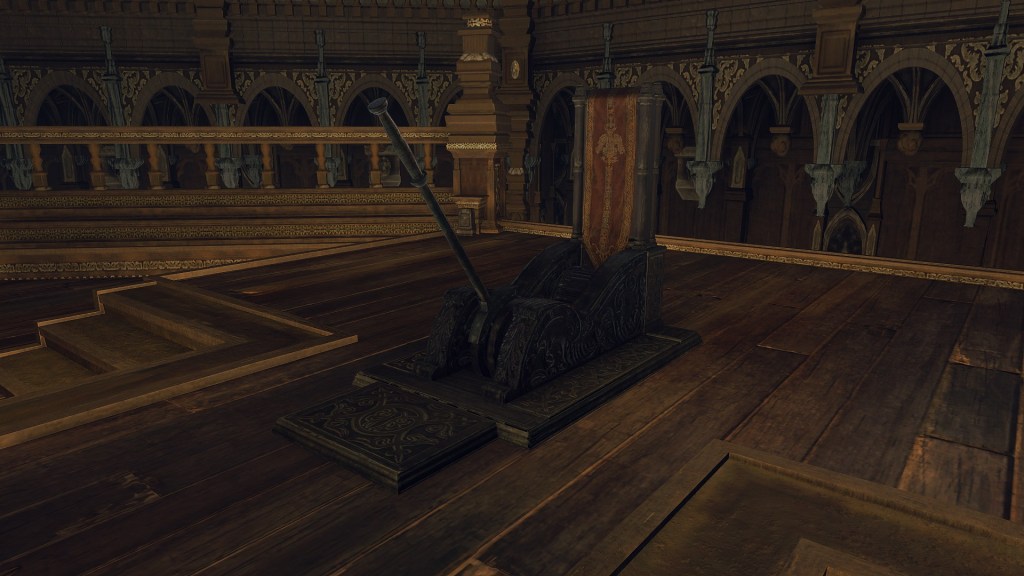
However, there is another reason to believe the Fortified Manor was the nerve center if not the very first colony. The castle courtyard connects to the broken bridge whose waygate leads to the Isolated Divine Tower — in other words, to Farum Azula. This opens up the possibility of the beast capital having direct access to Altus Plateau via this bridge. That would explain the reddish tint to much of the foliage on the bridge, not to mention the red dragon banner adorning the lever to the lift up to it. Moreover, we do see the viaduct network for the Divine Tower of East Altus connects not just Leyndell and the tower itself but also the Forbidden Lands to the Mountaintops. A similar lift waypoint would reasonably exist at the ancient city of dragons. How convenient then that Farum colonists established their castle as effectively a gatekeeper to this bridge. It is almost as if they constructed the manor after first setting foot on the plateau by crossing it. Factor in Serosh as the specific gatekeeper, and it is obvious that this castle was their ultimate base of operation.
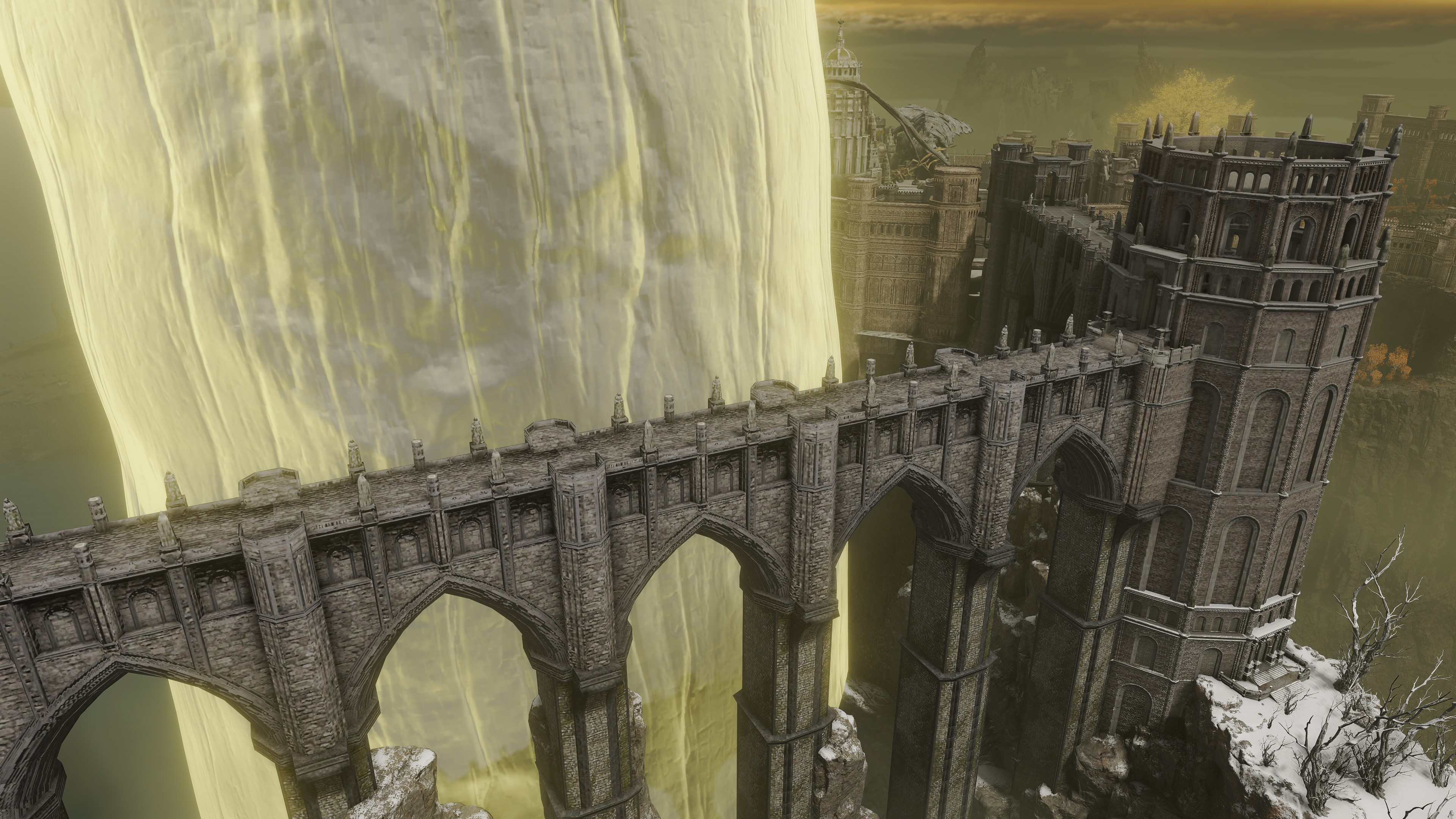
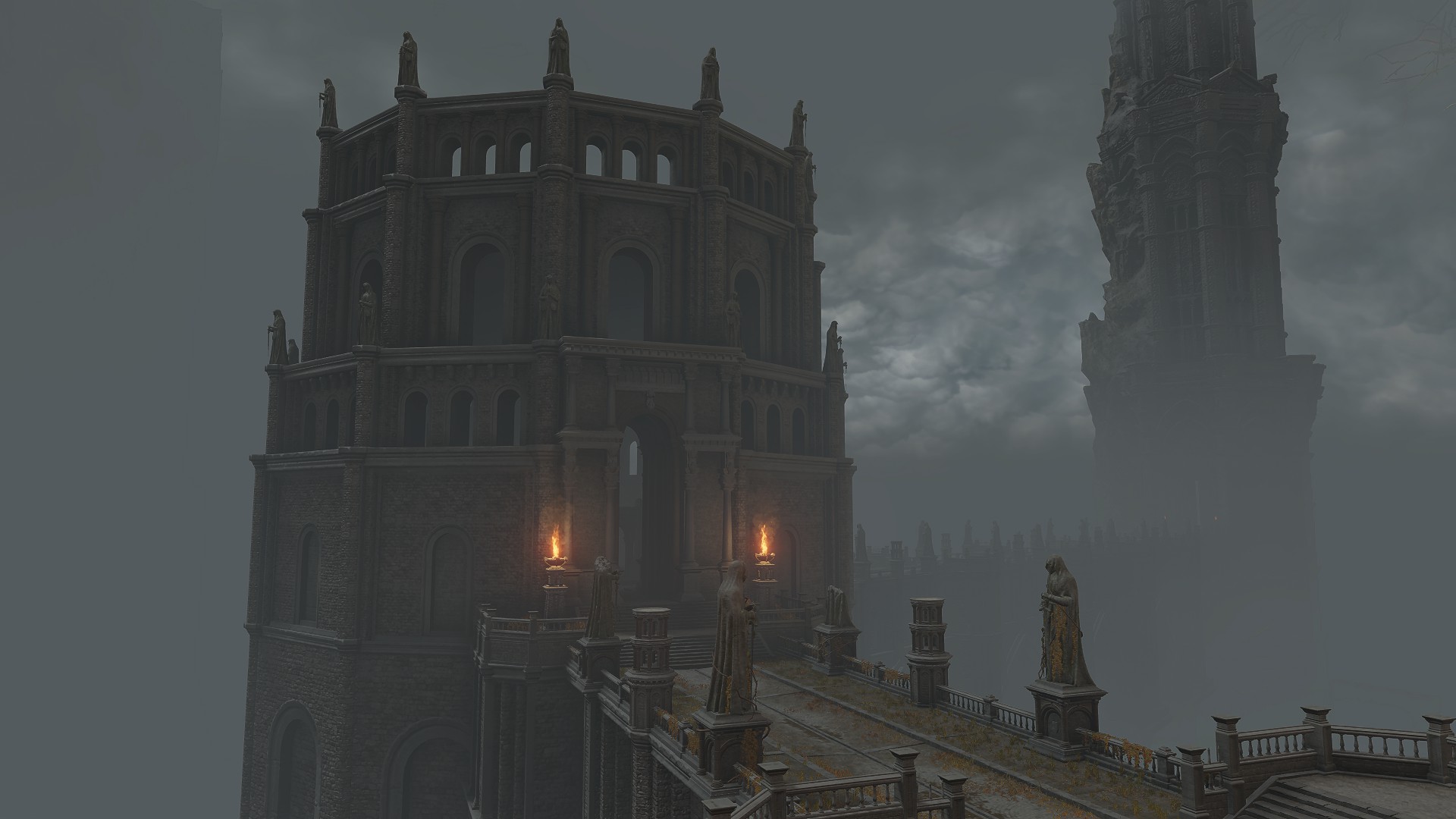
Despite often building fortifications for their own protection, the colonists didn’t come to strictly conquer, but also built relations with the locals wherever possible. The Volcano Manor is one such instance, but another example is Castle Sol. The dragon worshipers there had taken a scale from Borealis and fashioned a hand axe to offer as tribute to Liurnia — its Temple Quarter is where the Icerind Hatchet is now located. In essence, Sol maintained relations with a faraway culture which originated from the Mountaintops it sat upon. The settlement of origin for those lowlanders also happens to be Sol’s southern neighbor. Factoring it all together, the castle developed close relations with the stargazers even before the Laskyar migrated south. And if the castle is that old, then that leaves the colonists plenty of time to likewise befriend giants.
Hand axe possessing a blade with a frozen rind. Tribute from Sol, castle fort of the Far North.
Considered to be the scale of a dragon called the Freezing Fog, so possesses a strong chill status abnormality effect.
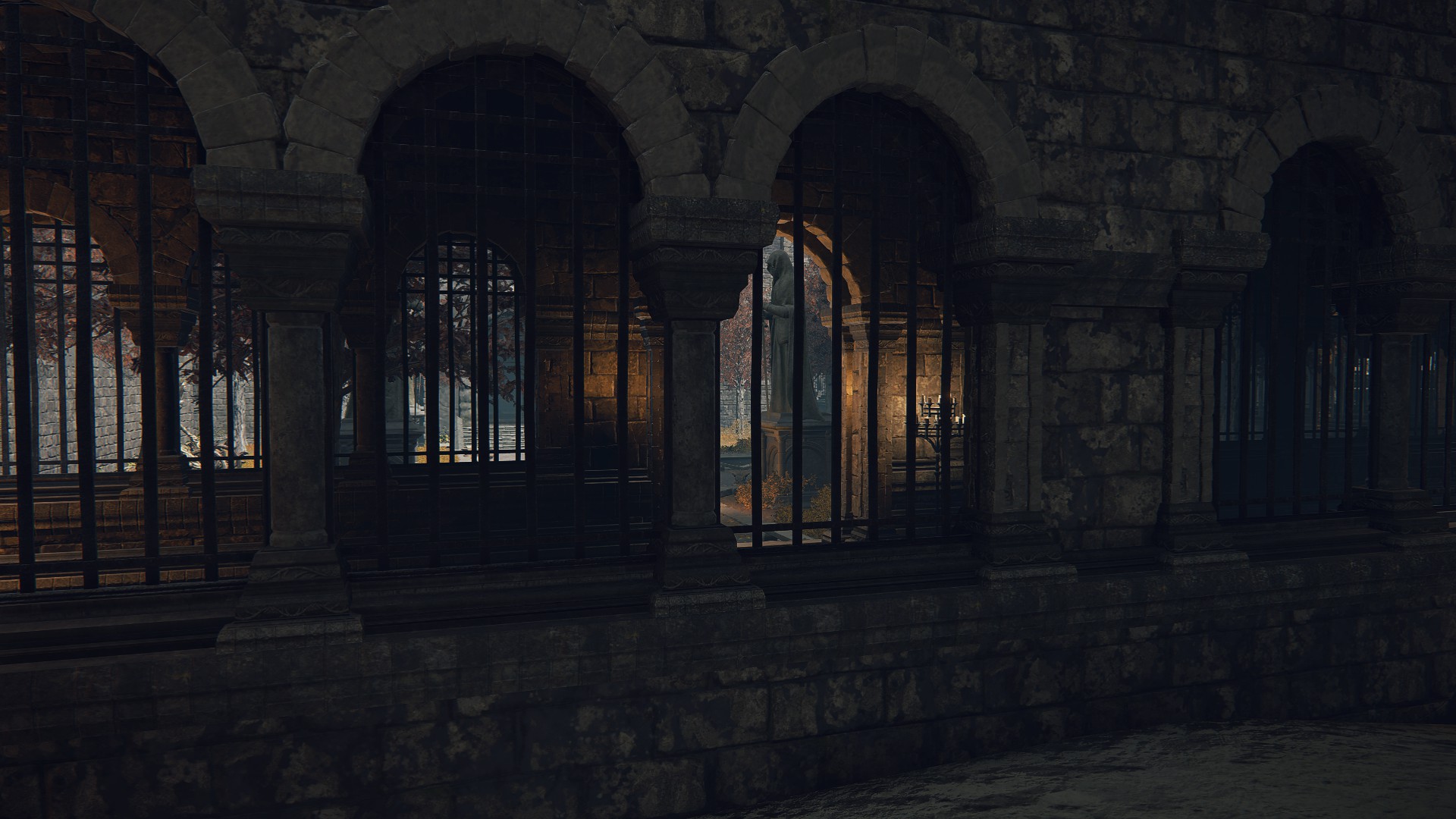
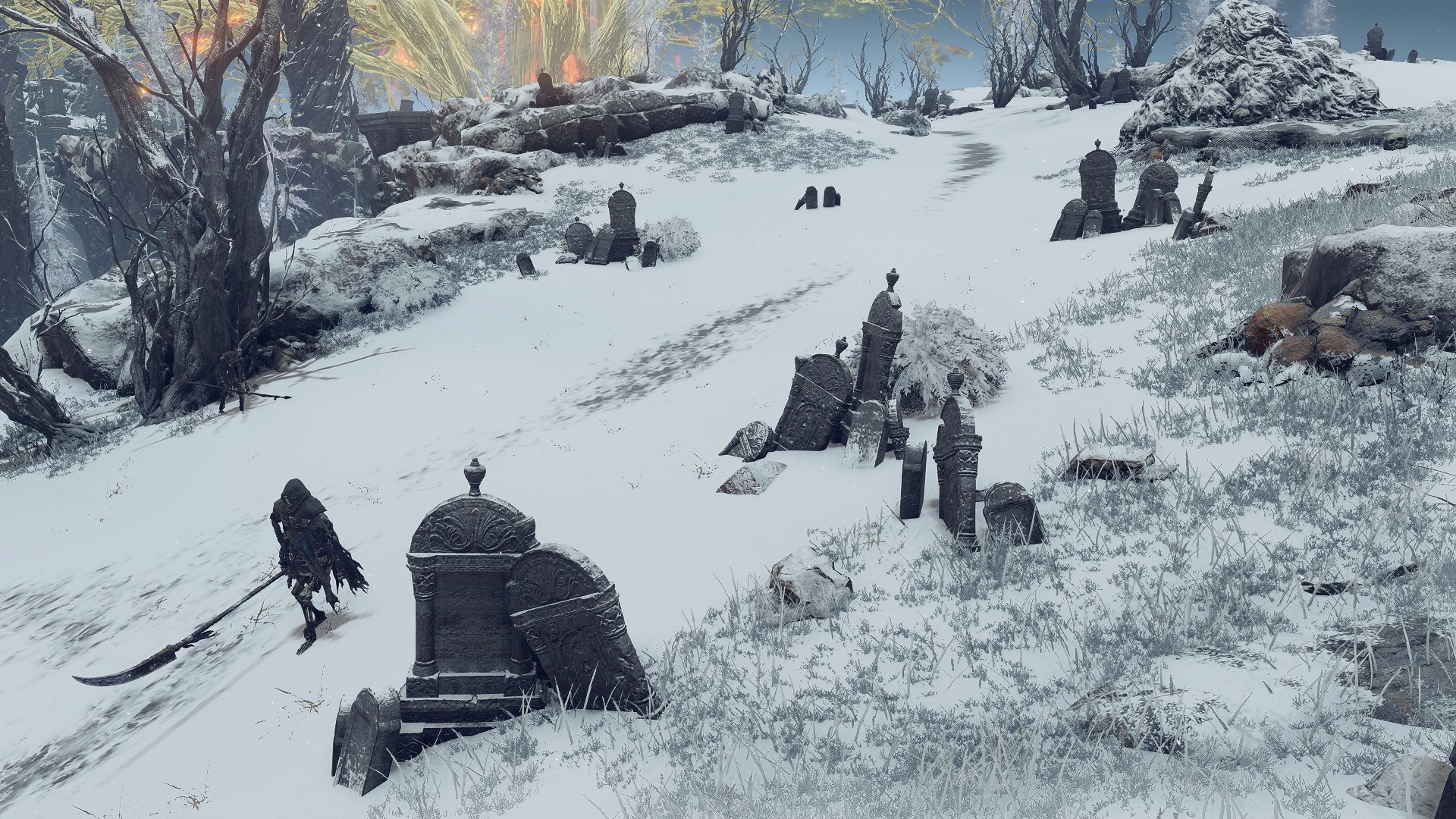
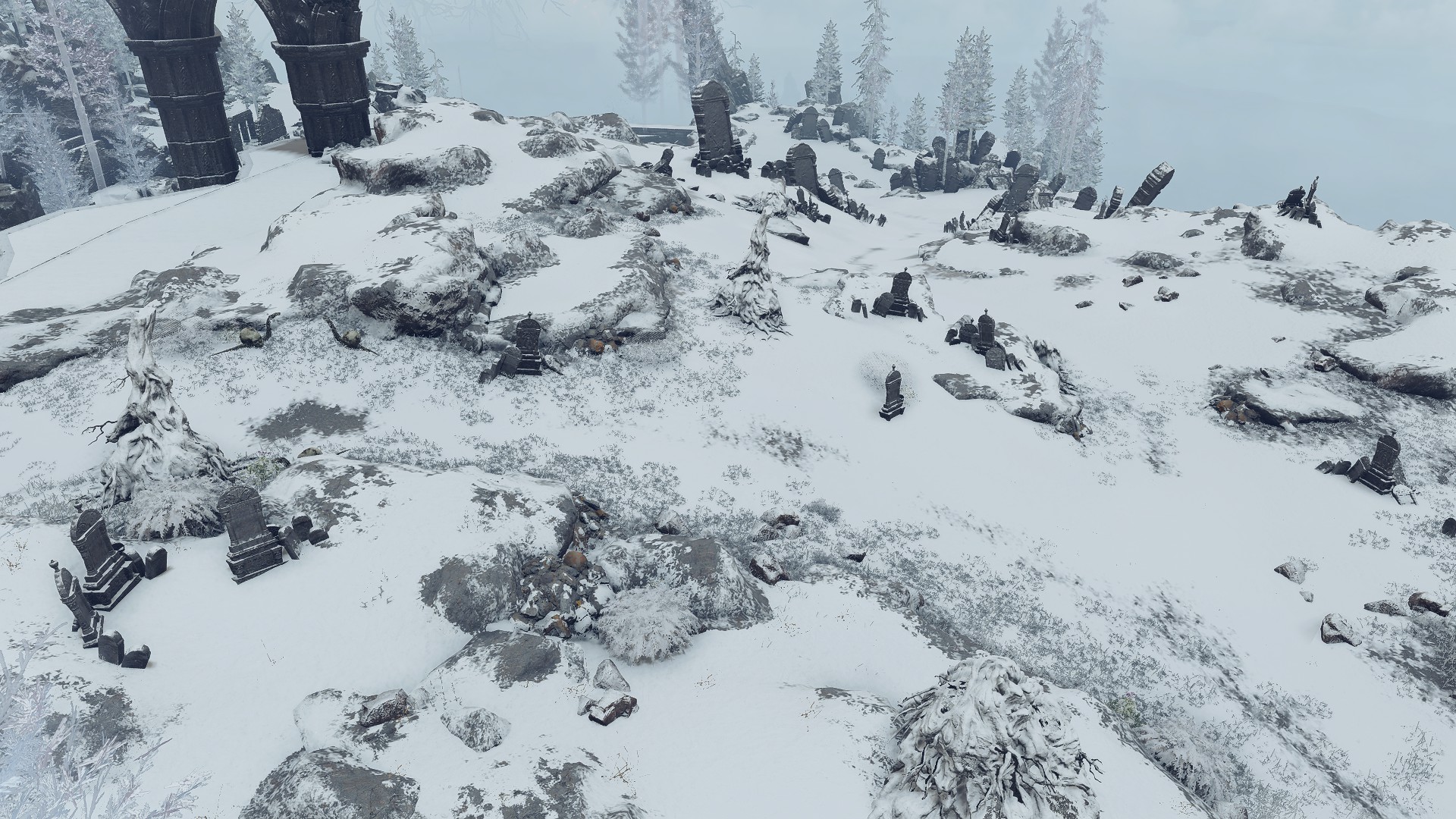
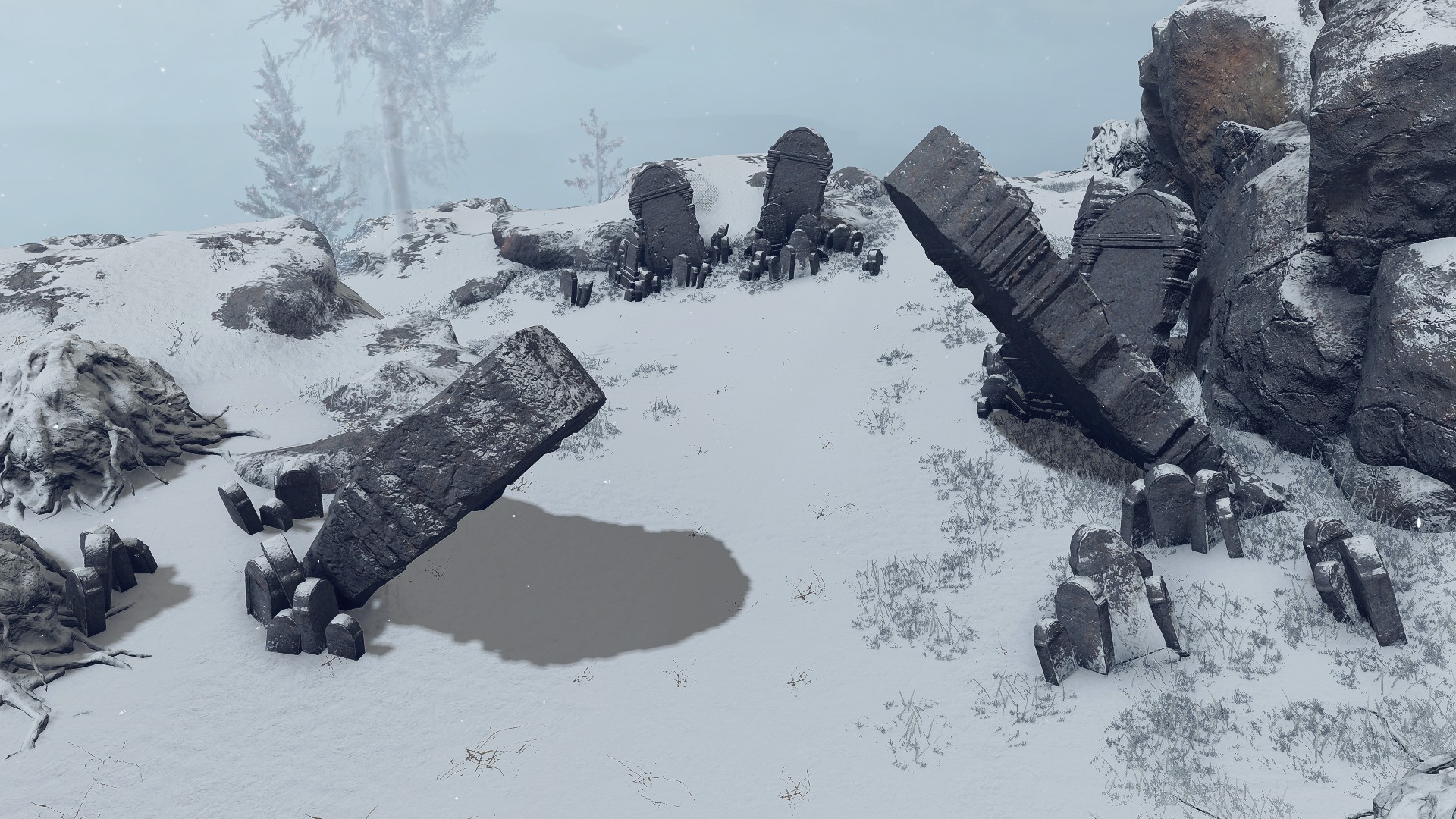
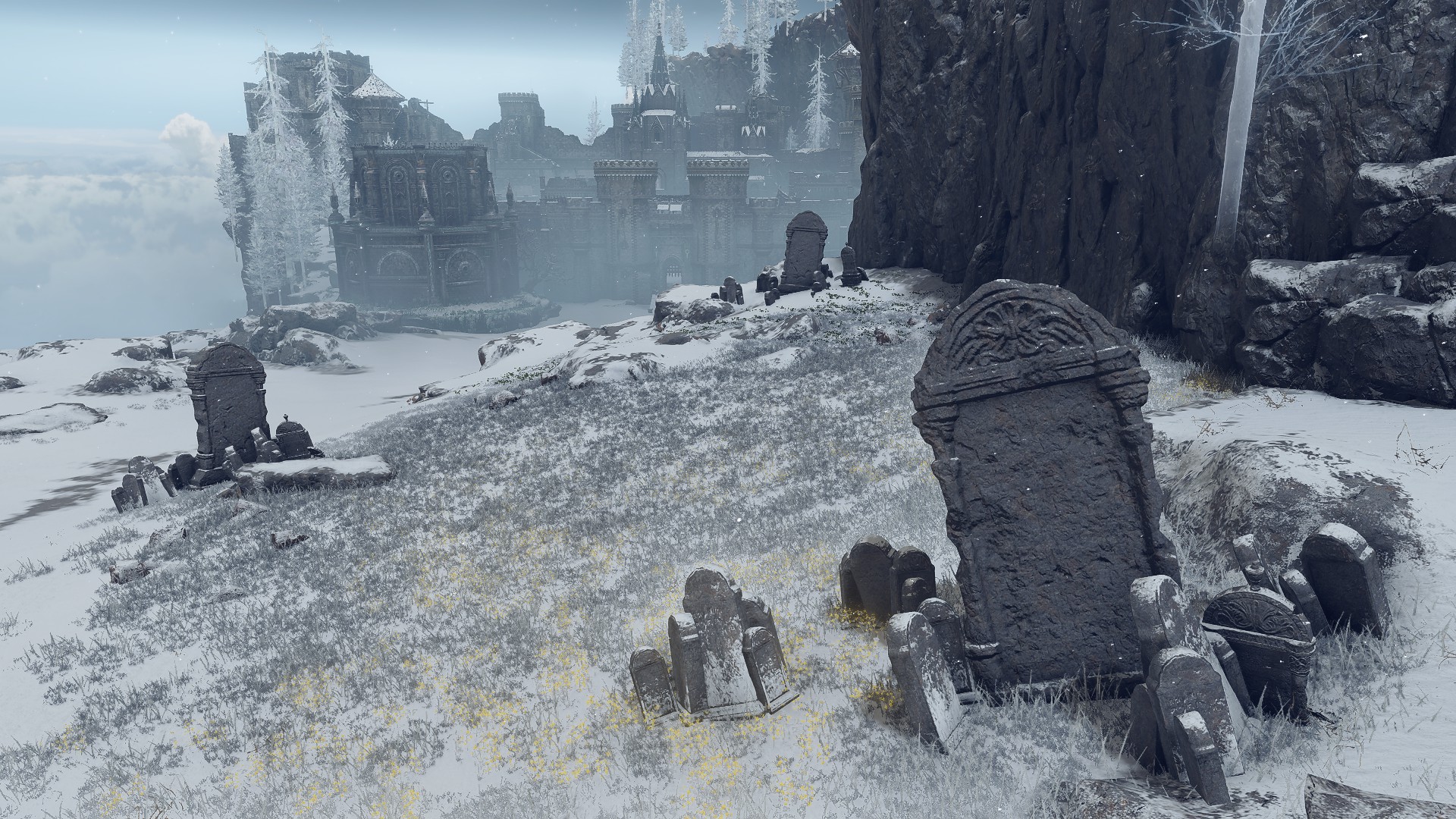
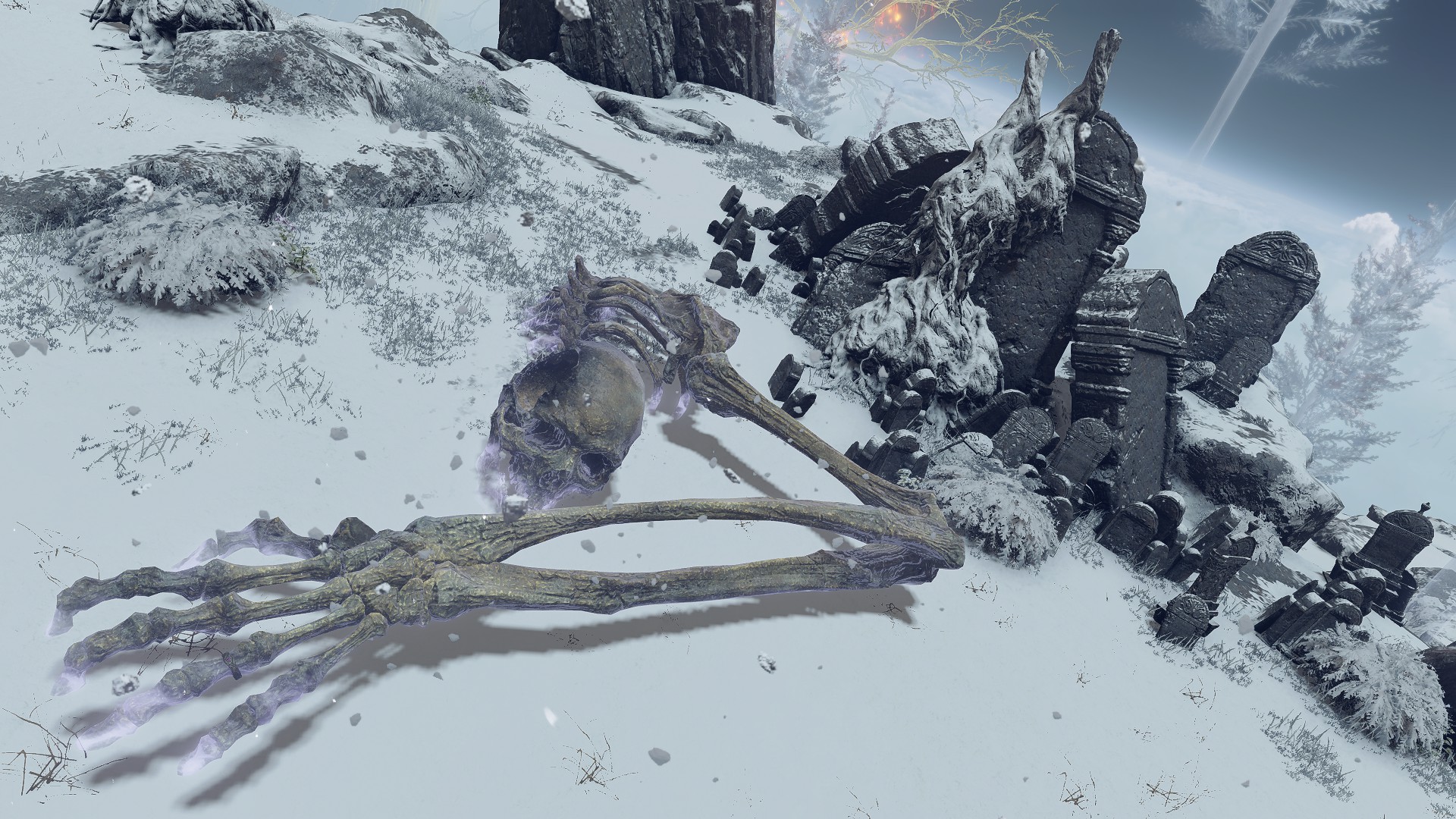
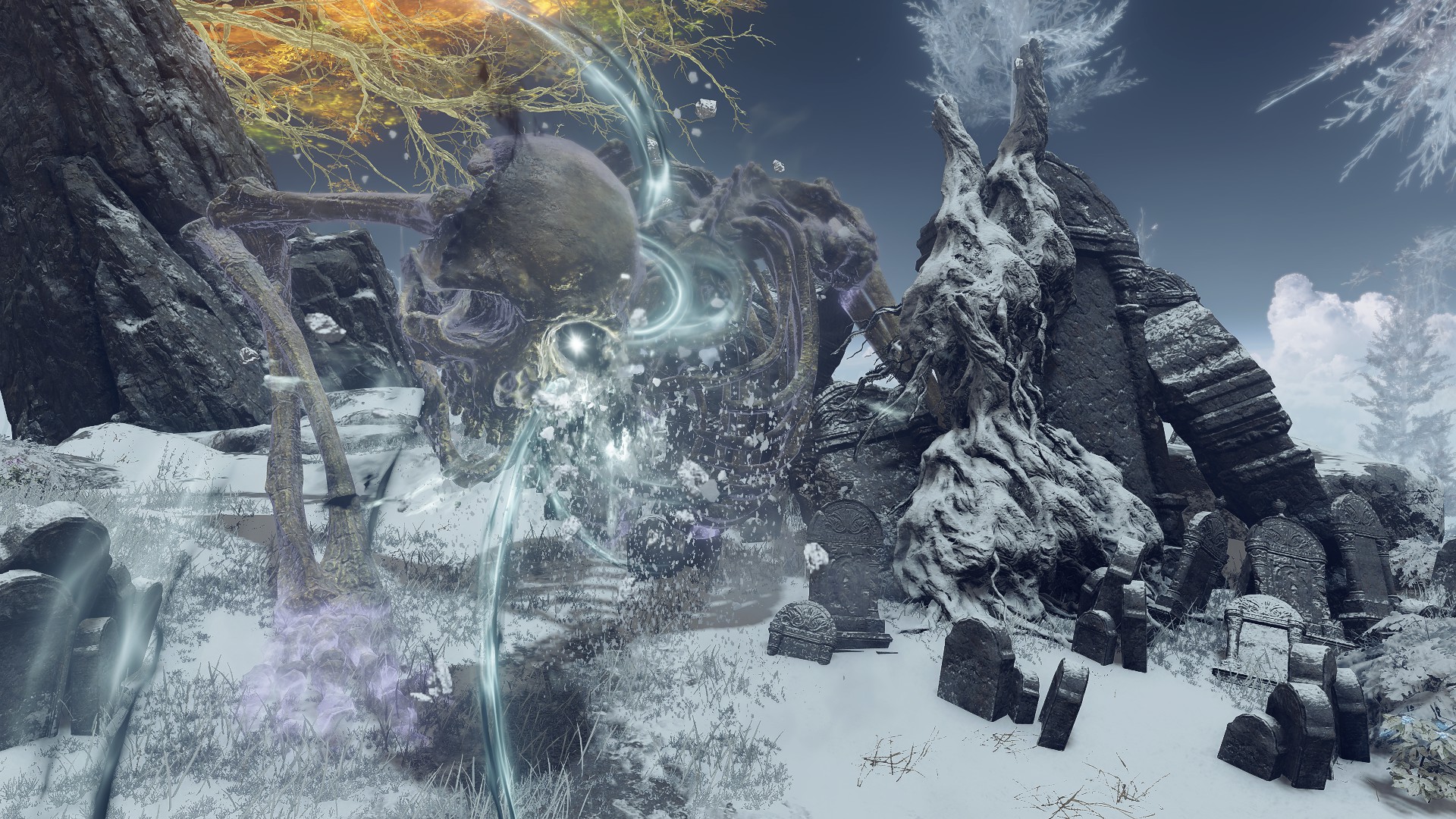
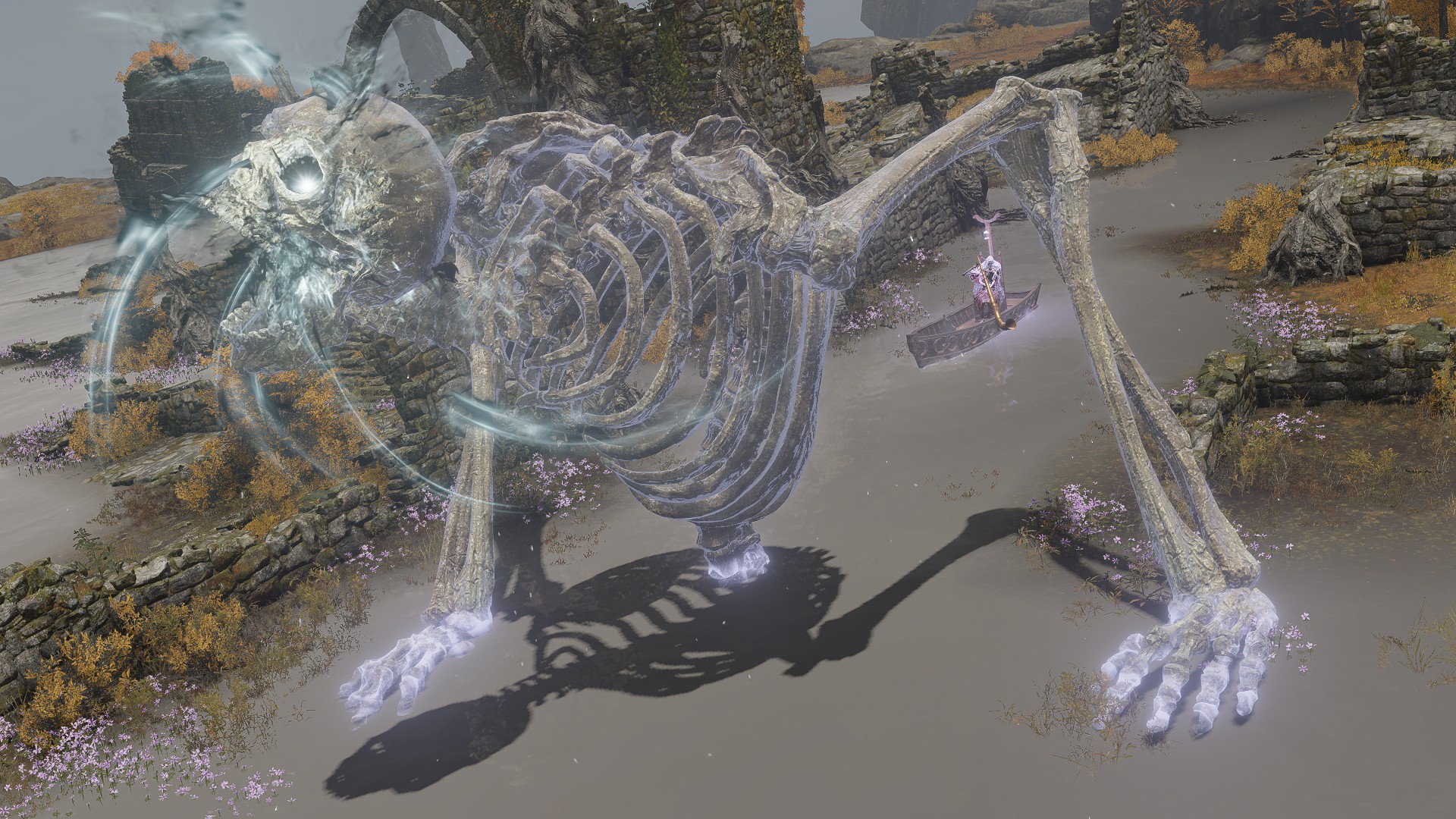
The graveyard sandwiched between Castle Sol and the Stargazers’ Ruins, atop the valley, stands out for multiple reasons. For one, the massive cemetery maintains mostly small graves, but far larger ones begin interspersing them as we approach the northern end, particularly along the path to Sol. While oversized headstones are no oddity in the Lands Between, rarely are they mixed with the smaller graves in this fashion. The contrast implicates a certain grandeur to the sort buried amongst ordinary men at the northern end, and we can confirm this a physical grandeur by the giant skeletons that arise only in this part of the graveyard. These are fire giants who lived, died, and were buried alongside humans in the area, namely from Castle Sol. It is not just there. The Tibia Mariner in the Wyndham Ruins also summons those skeleton spirits, placing the race there with the stormhawks and dragon worshipers as well; the scarab of mid-size in the neighboring river reinforces the insinuation. That being the case, the colonists definitely established close relations with the giants.
Perhaps some of the fire giants came down to Wyndham as part of a collaboration. The village does sit at the foot of Mt. Gelmir, and the Old Altus Tunnel sits at the foot of the cliff beneath them both. We can likewise loot a Boltdrake Talisman from a corpse in Farum Azula. With the plateau’s earlier mine hiding another, the dragon worshipers were probably the first to dig into these smithing stone deposits. In that case, it is possible that nearby Wyndham was working with the giants to develop new smithing techniques using the flames of the volcano. It is easy to see the giants’ curiosity about fire on the western mountain, both in how it differs from their god’s flame and how it might be manipulated. It was enough to weather the risks; the bone mallet of Dominula utilizes an inordinately big skull, which its description affirms to be undeniably inhuman in origin. Evidently, giants were sometimes the locals’ victims. But with the Farum colonists mediating, all parties in the highlands could live in loose harmony.
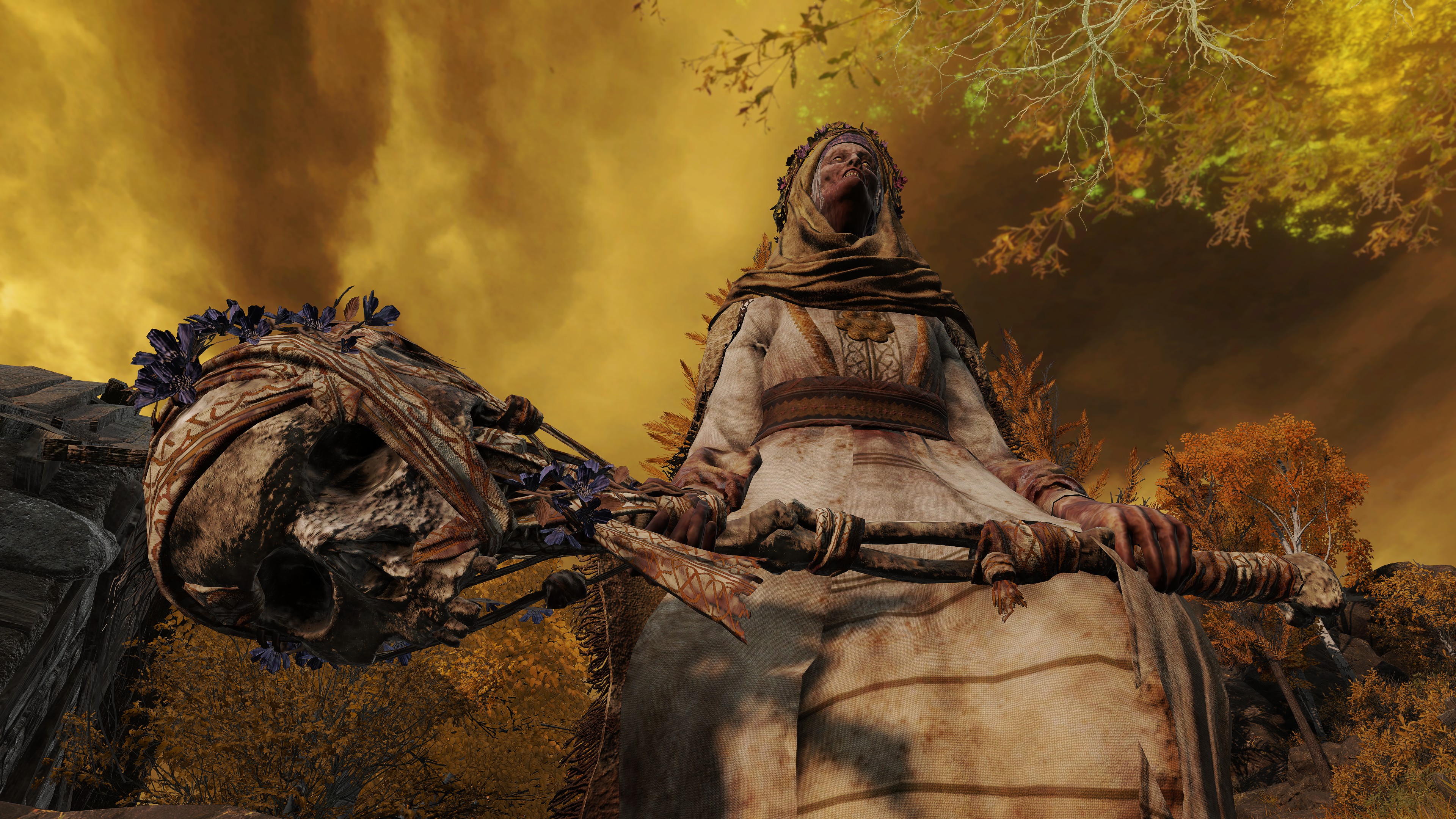
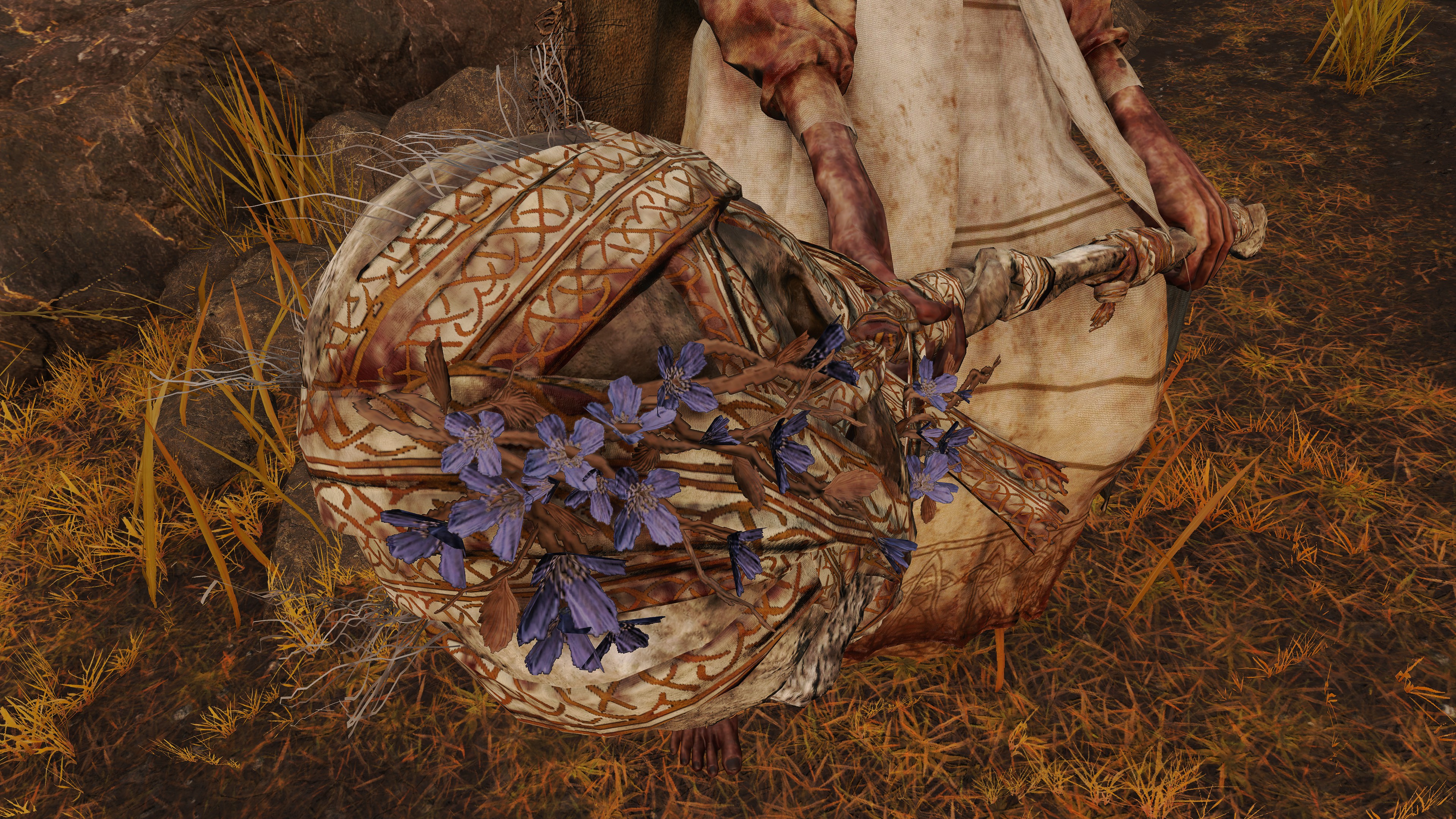
Great hammer adorned with multicolored cloth and flowers. Festival tool of the dancers used in the festivals of Dominula, village of windmills.
Made with a skull bone too large for a human, so acquire very few runes when attacks hit.
Regardless of the specifics, the fire giants’ presence in Wyndham is proof of the diplomatic friendship shared with Farum culture, which we can trace back to Castle Sol. In effect, the colonies had created a sophisticated network of relations spanning north to west. The question is, for what purpose? Farum Azula had limited its culture to the east before this point, a fortified citadel surviving calamity and chaos caused by outsiders. Secluded as they were from most events, it is odd for them to suddenly abandon their entrenched position and colonize the neighboring regions like the human civilizations which followed. Maybe the Ancient Civilization in those lands last deterred a sooner attempt, but that still doesn’t explain their disinterest before the emergence of empires, or their delay following that civilization’s collapse. Why come all the way to settle in the highlands now, after all this time? Why build relations with peoples not immediately neighboring the capital?
In all likelihood, the colonists were beckoned by the wyverns’ presence. War against Bayle brought a mandate to exterminate his kin. But the flying dragons had spread far and wide across the Lands Between. Therefore, hunts needed to be conducted against not just Bayle and his allies at Jagged Peak or Greyoll and her progeny in Caelid, but against every dragon in every land. One force was already pushing their way south, so that just left the north to cover. And as already established, Altus was the foothold readily available to the beast capital. Although we never encounter one during our journey through Altus and Gelmir, the wyrms in the region confirm that dragons were hunted and dined upon once upon a time. Their absence in the present day is proof of the colonists’ long and successful campaign against the flying menace. Even on the Mountaintops, the only ice dragon left appears to be Borealis, not for Castle Sol trying as the Icerind Hatchet demonstrates. We can therefore conclude that the colonies were established in the wake of Bayle’s tyranny.
Maybe it was thanks to Serosh’s wisdom, but the Farum colonists seem to owe their success to cooperation with the locals, entrenching themselves more deeply throughout the region as they hunt for dragons to exterminate. Still, their efforts did change the dynamics on the ground. The hunting party had long settled in, possibly for generations. Even if they maintained their Farum heritage, the colonies wouldn’t simply pack up and return to Azula. The colonists had established their own roots in the land, developed their own friendships with locals — that wouldn’t change even with the extermination of every wyvern in the area; it just incentivized them to expand into the lowlands and continue their mission there. With that, the colonies had achieved at least semi-independence from the beast capital. Although Serosh safeguarded their avenue to reconnect if ever necessary, they probably felt estranged from Farum Azula as time passed. Their chief concern was the peoples closer to home, their new home.
Beacon on a Highland
As detailed in the sword monument at Castle Morne, a lone hero was defeated by Godfrey. This hero is the sole survivor of his ruined nation, having collected the swords of its fallen warriors and grafted them together into one, massive greatsword. From what tribe did he hail from? None near Morne. Crowning the cemetery behind the castle is a particularly large grave with a sizable hole in the center. Considering that this graveyard is where we acquire the sword Morne has kept as a treasure, this must be the hero’s tombstone. And although certainly striking among the more generic graves at the castle, it is not unique. We see the same style of headstone, big and small, in the Capital Outskirts of Altus. Additionally, a little southwest of the cemetery, on the other side of the capital rampart, is the newer Altus Tunnel where we can loot the Arsenal Charm. This talisman draws connection to the Grafted Blade Greatsword and its wielder in its description, and the proximity to identical graves as the one for the hero leaves no doubt that this cemetery up north are the remains of his clan.
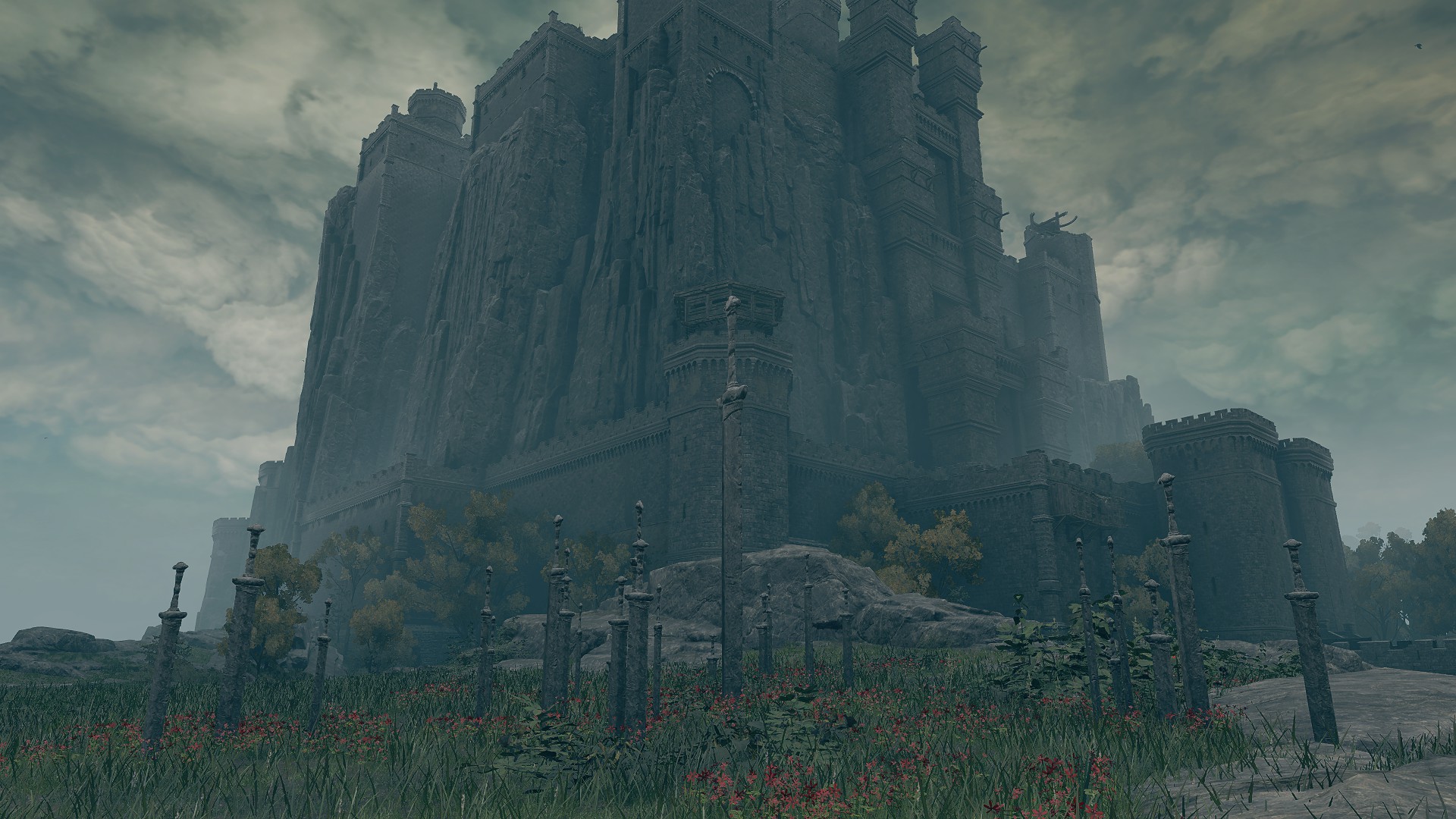
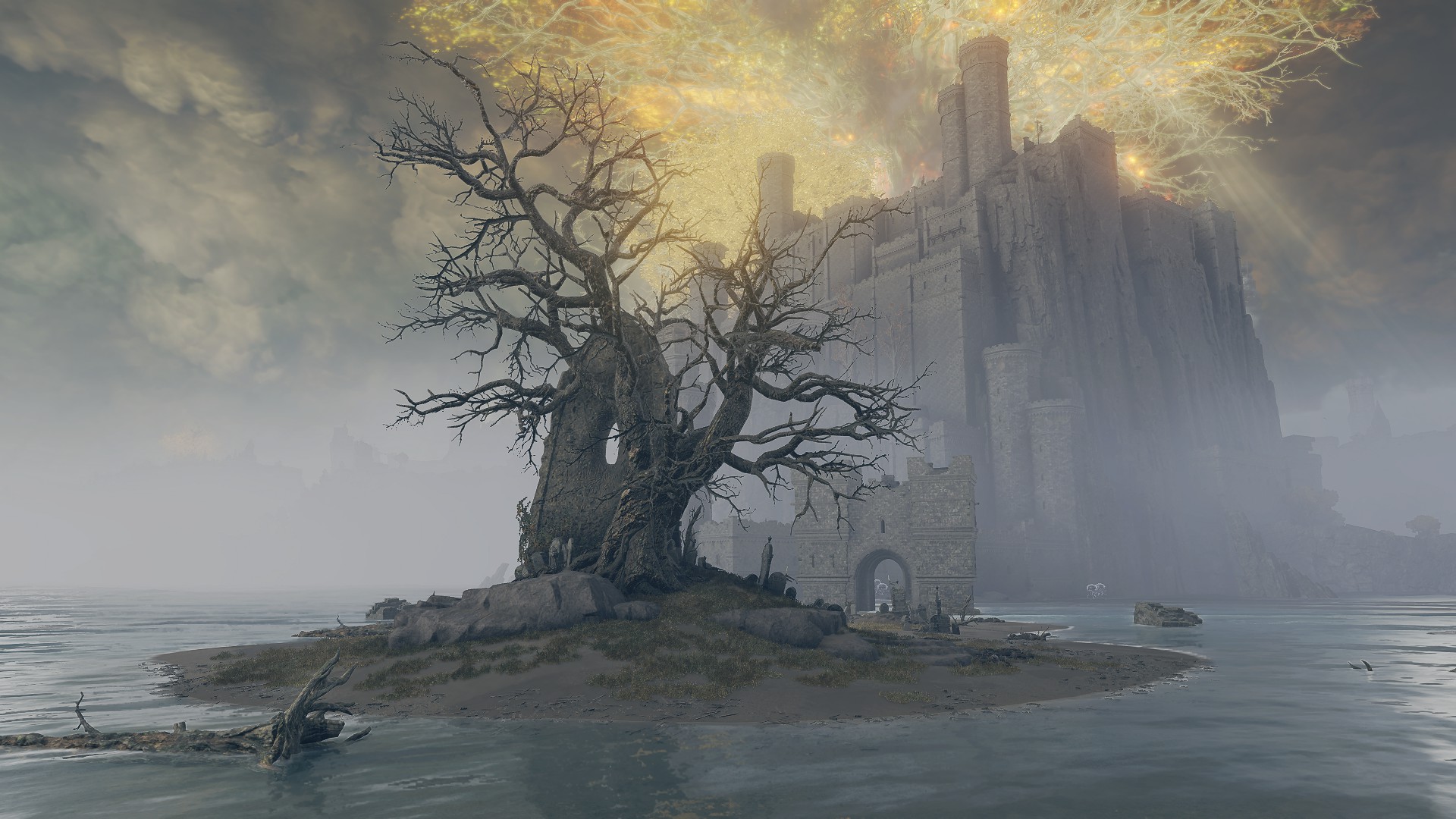
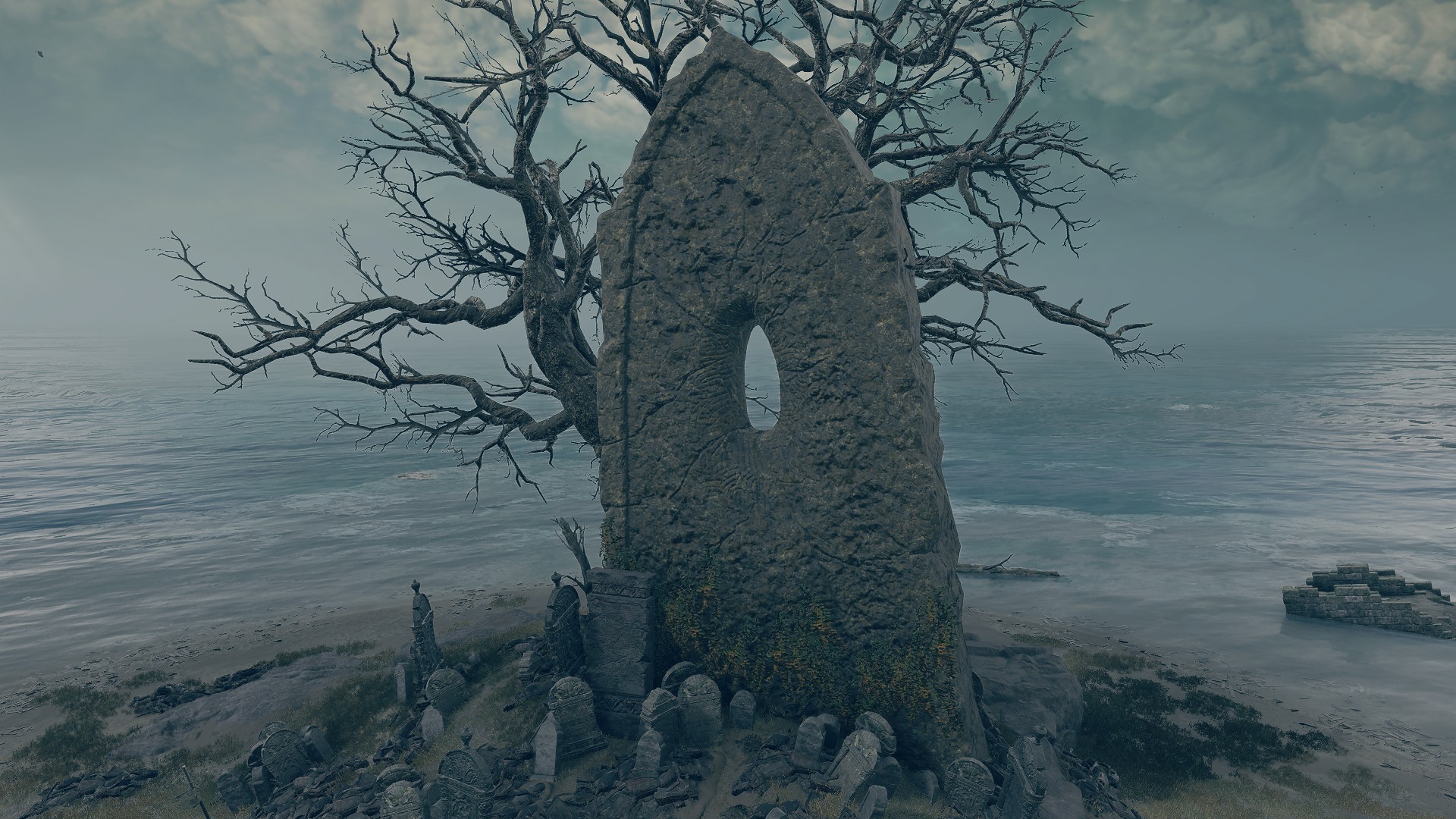
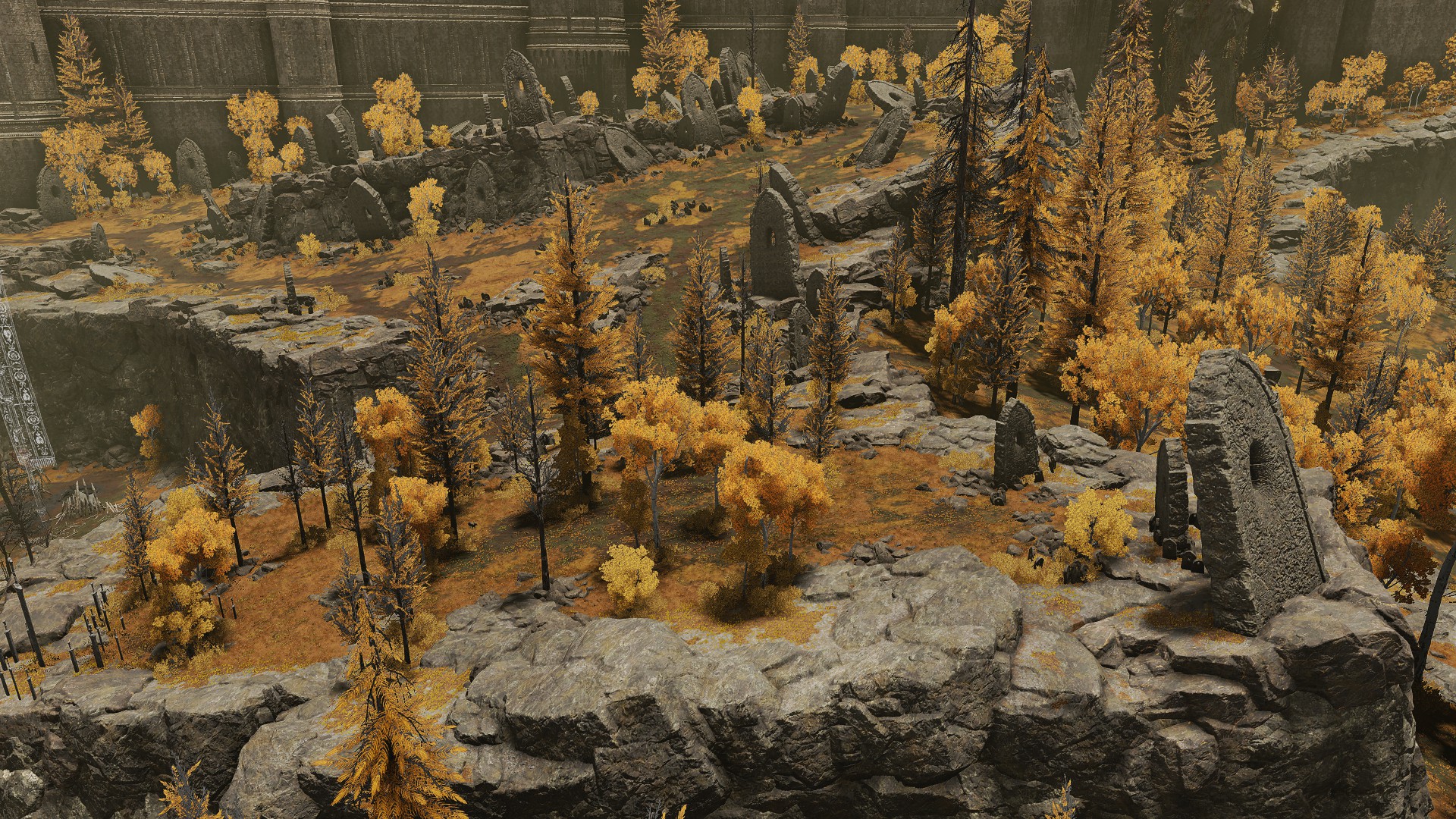
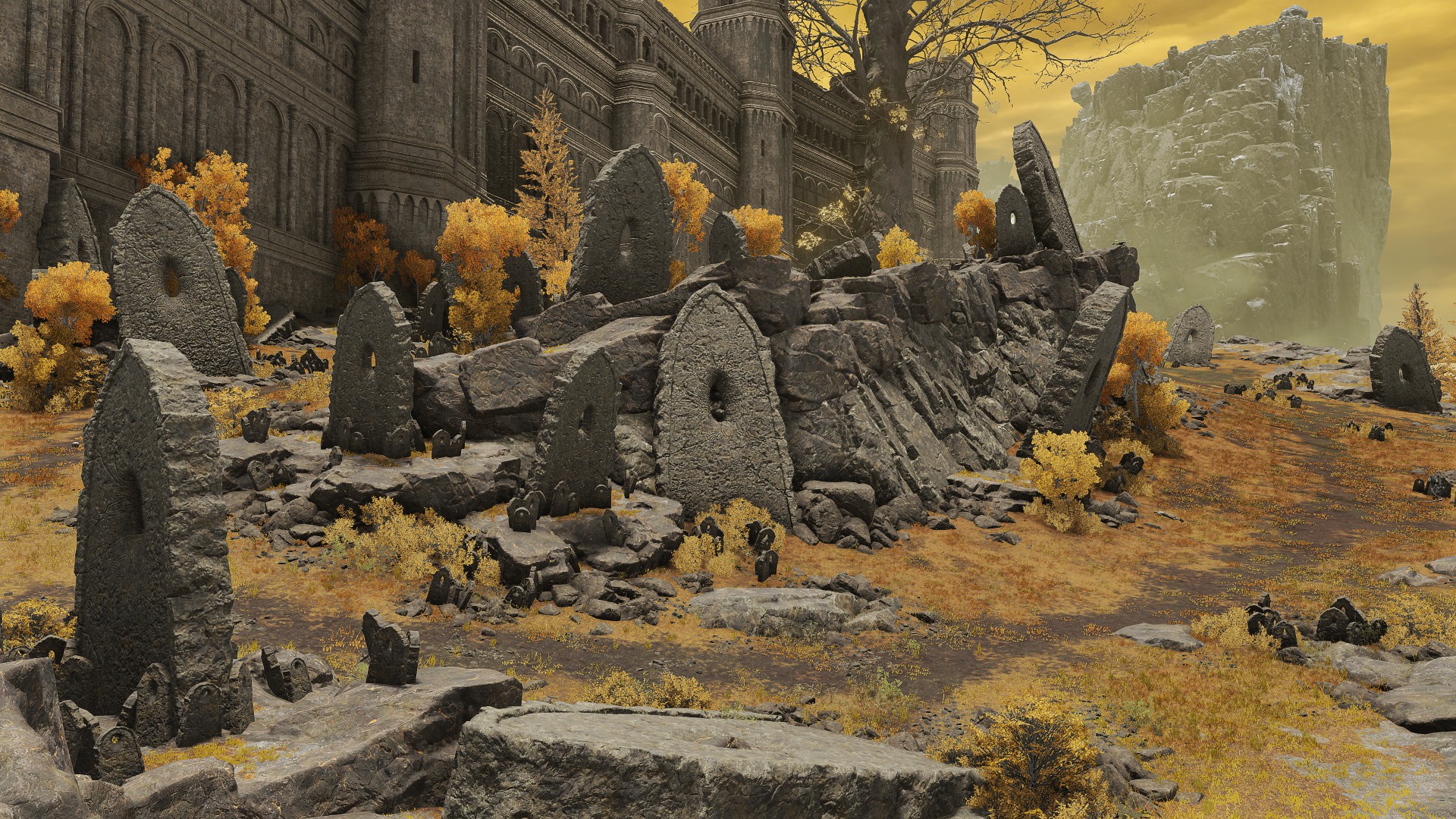
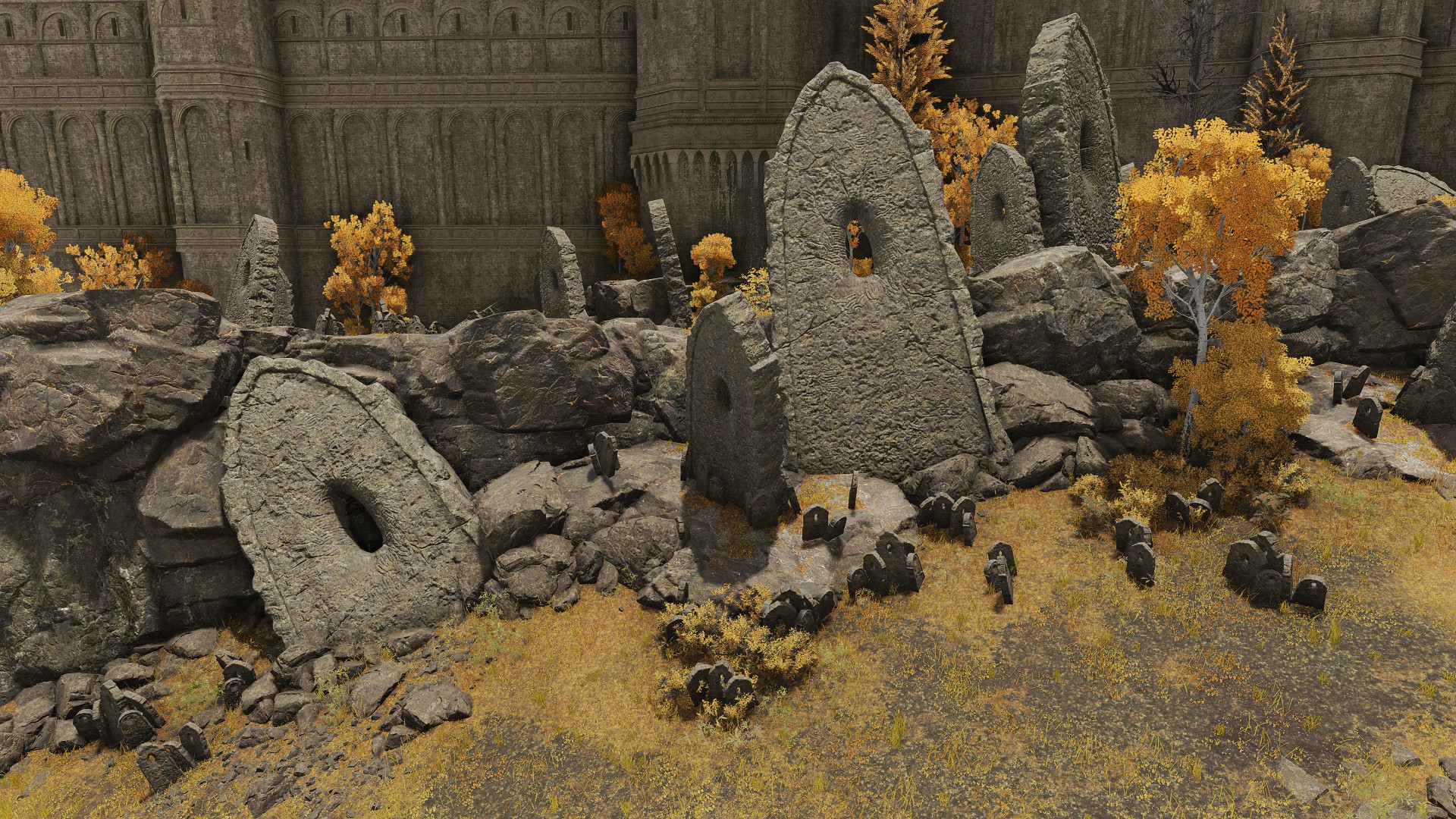
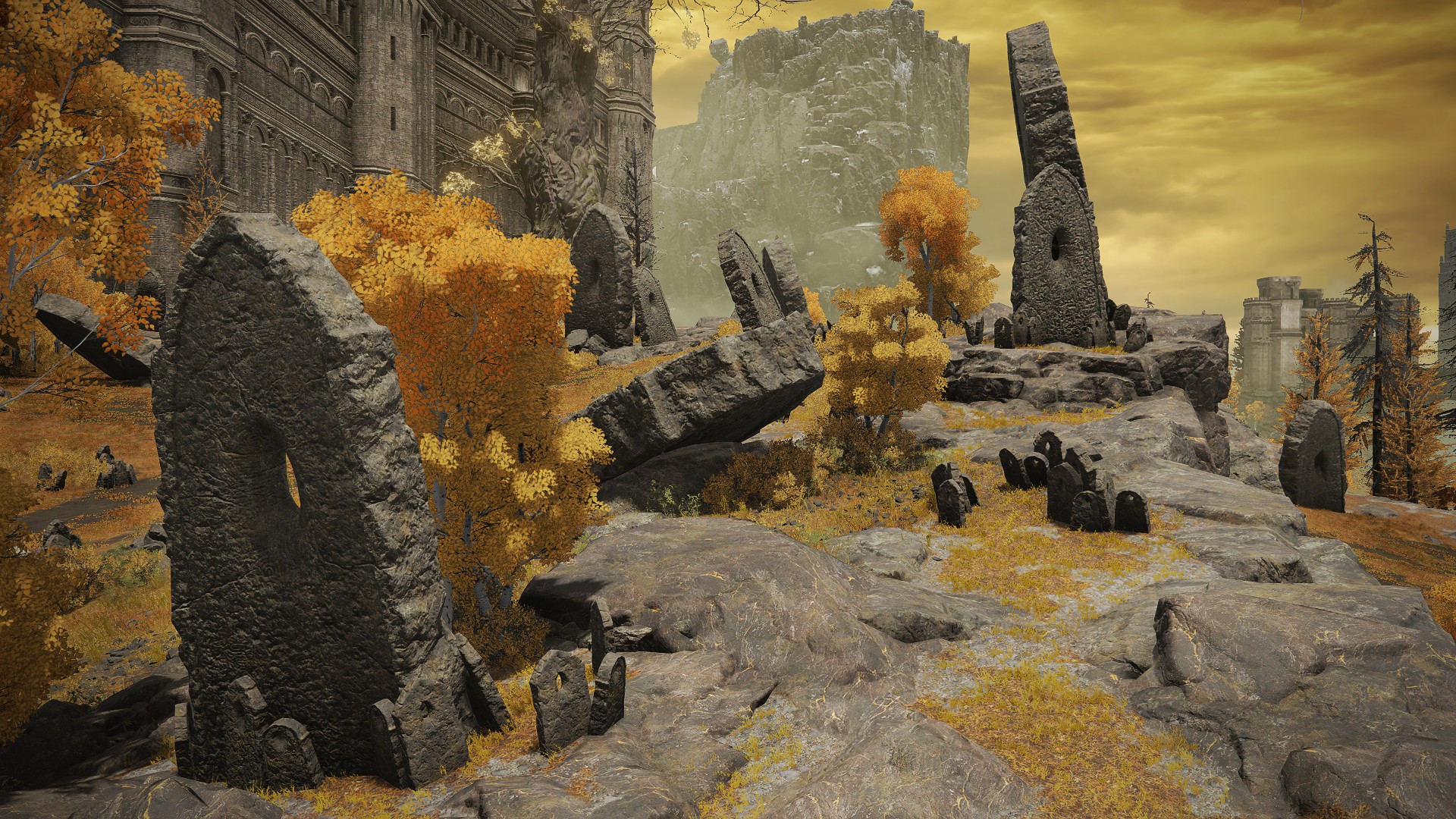
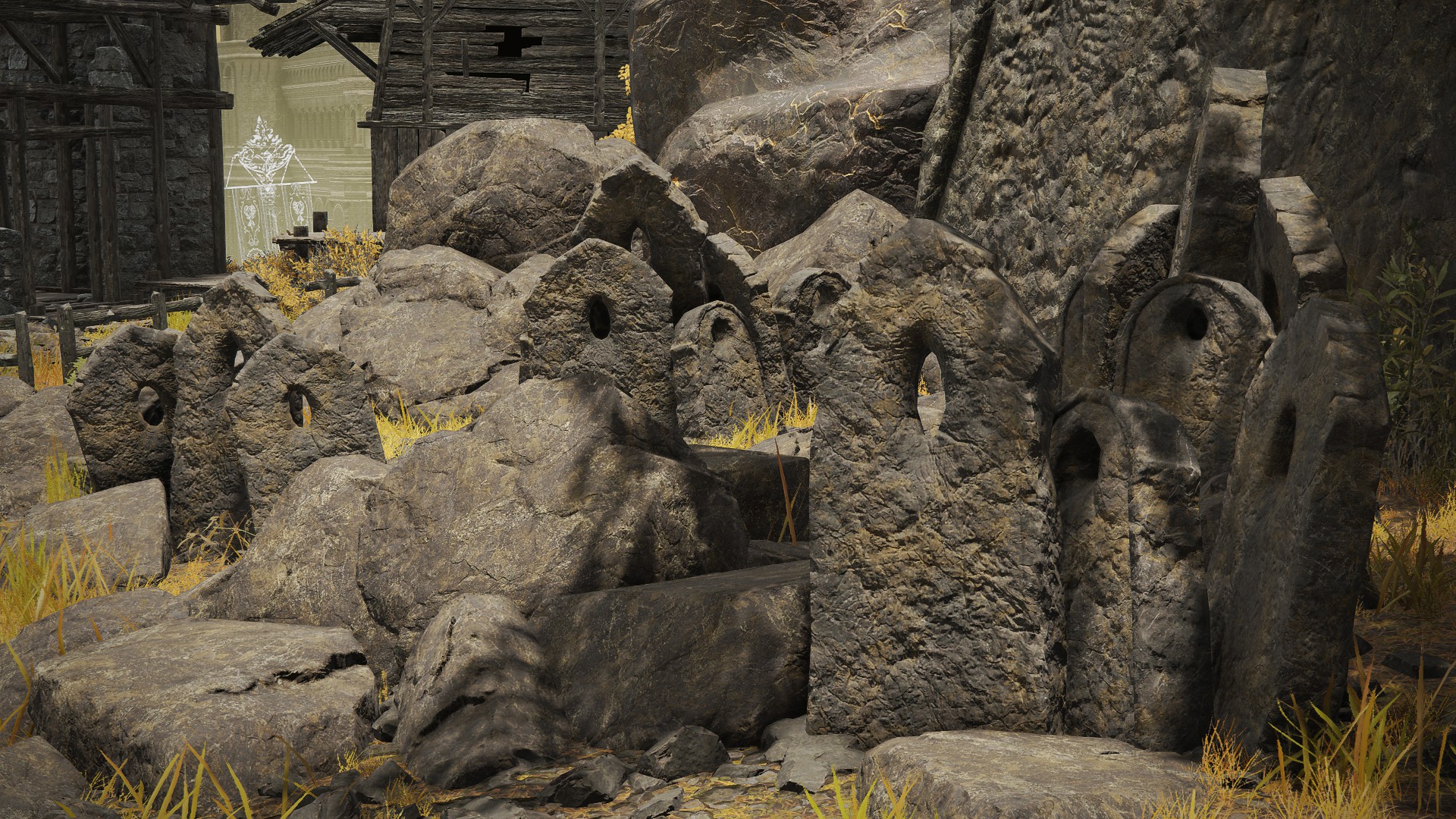
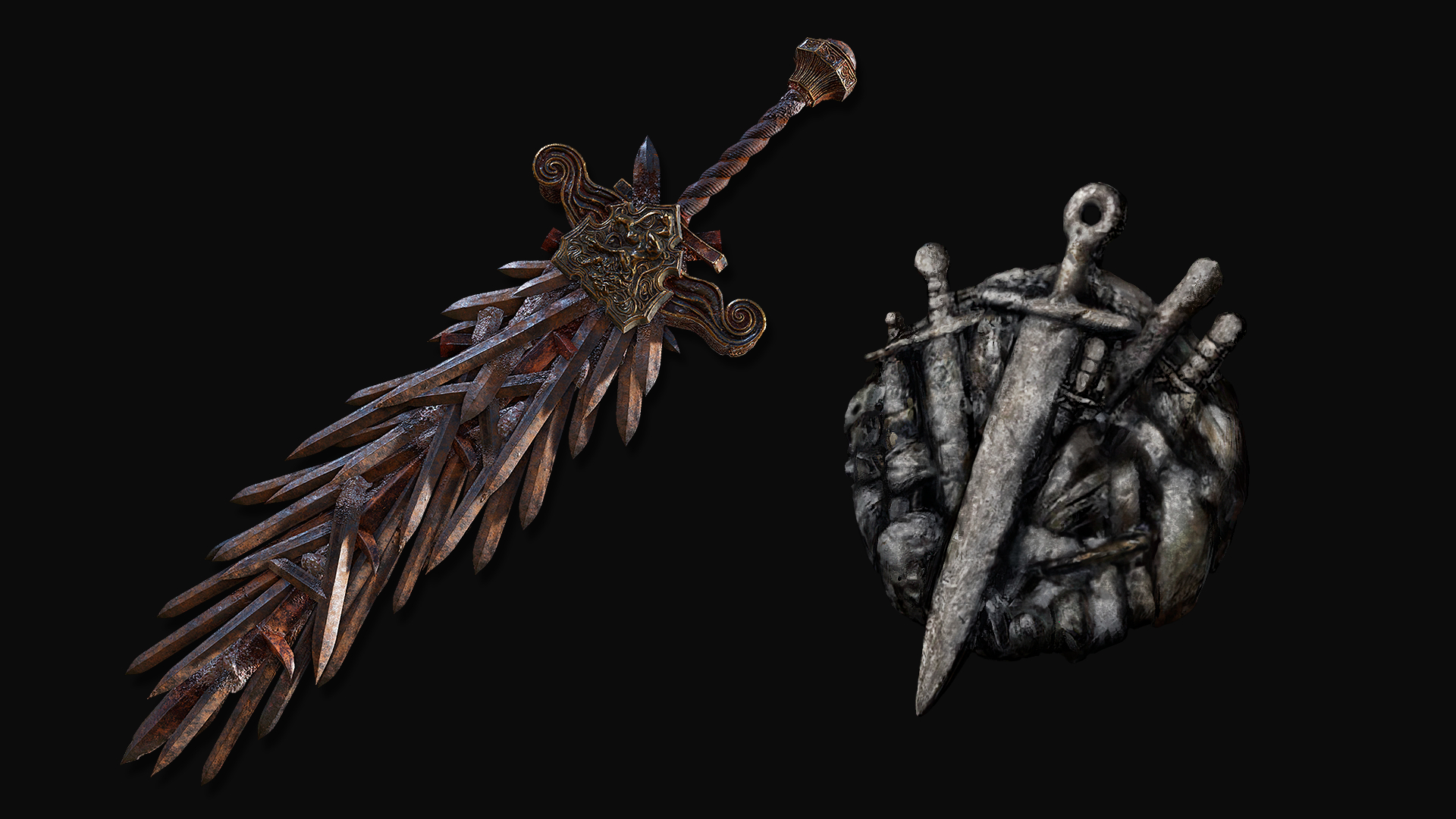
In the Morne Siege, a vengeful hero battles all alone and is defeated by King Godfrey.
Legendary weapon in the possession of Morne’s Castle. Greatsword of revenge shouldering countless griefs and wraths. One of the “legendary weapons”.
Once, the hero of a destroyed country, who alone survived, collected all the swords of his clan’s warriors and continued battling.
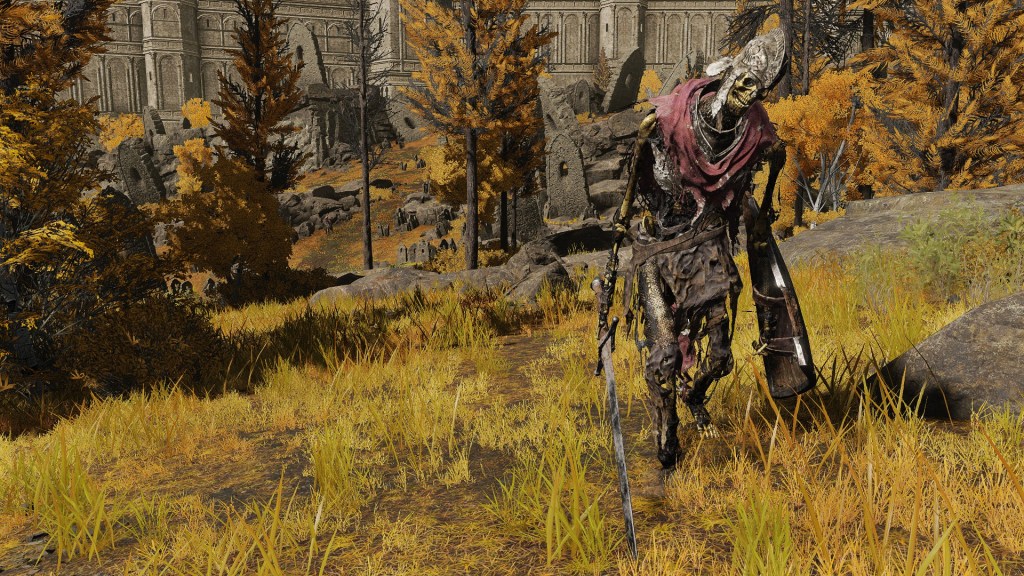
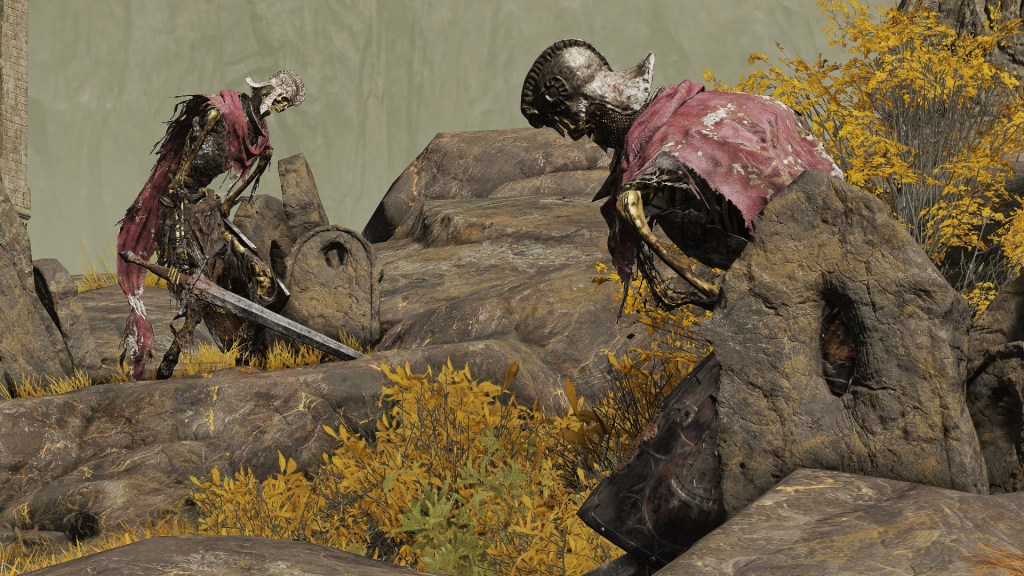
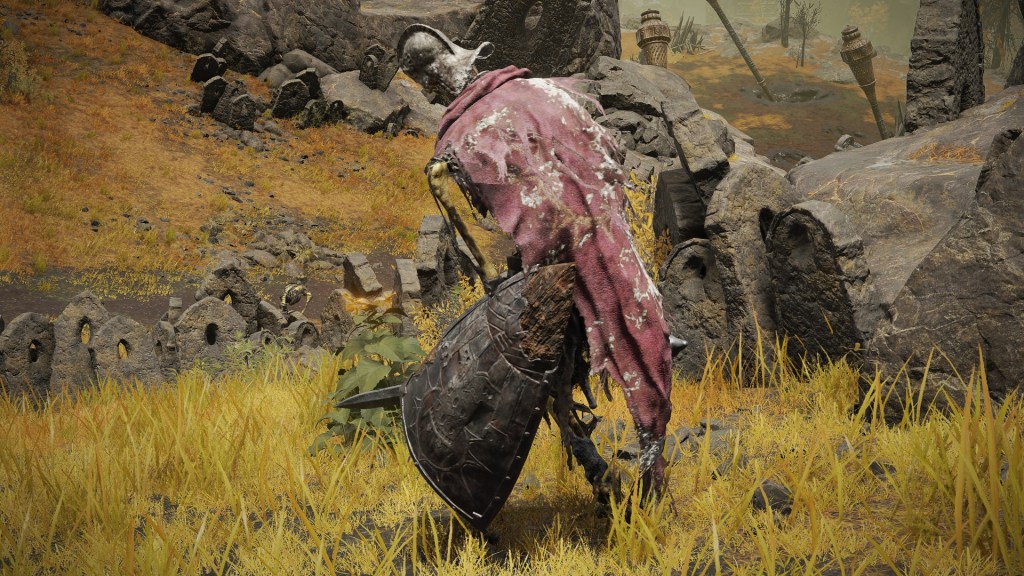
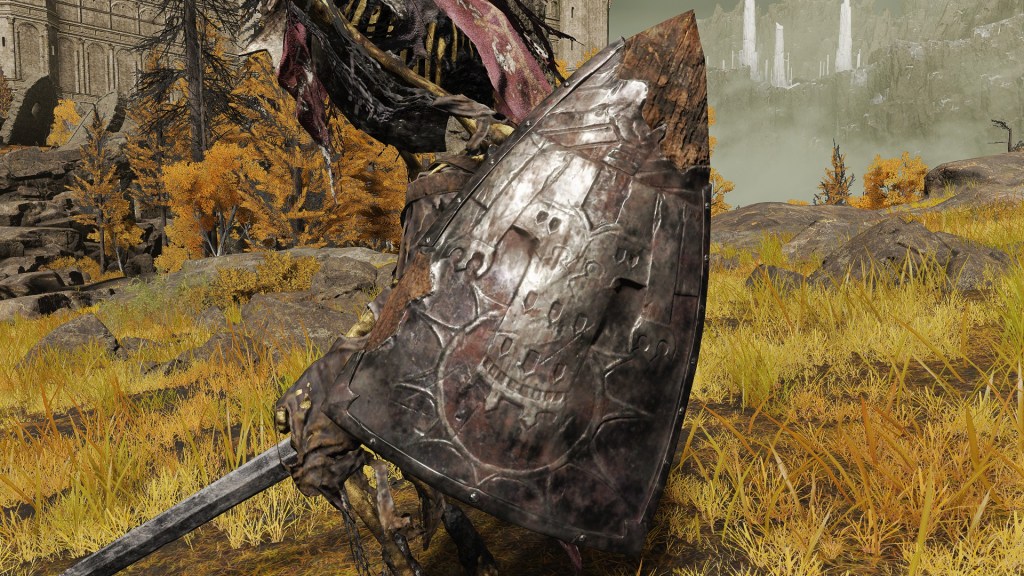
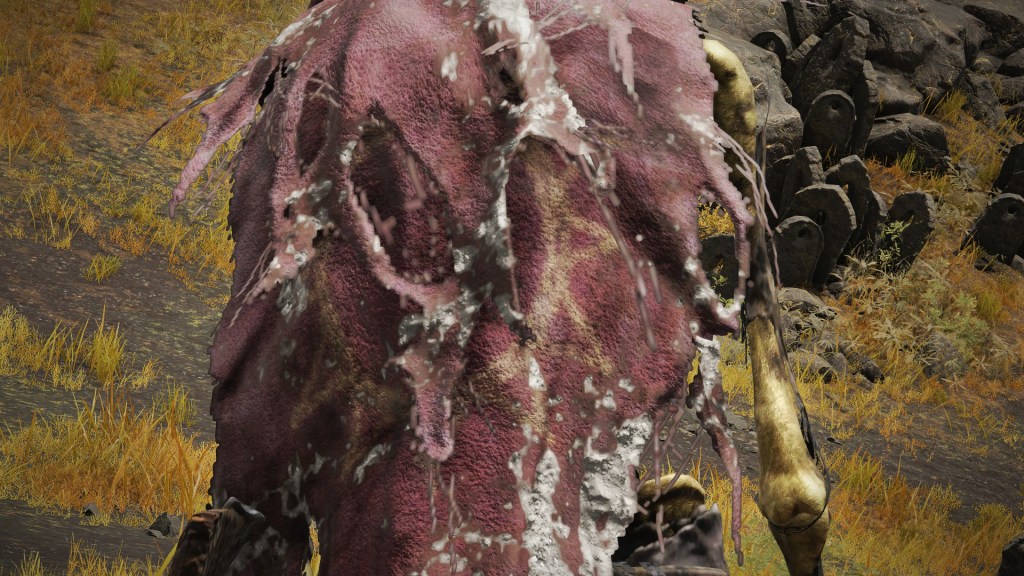
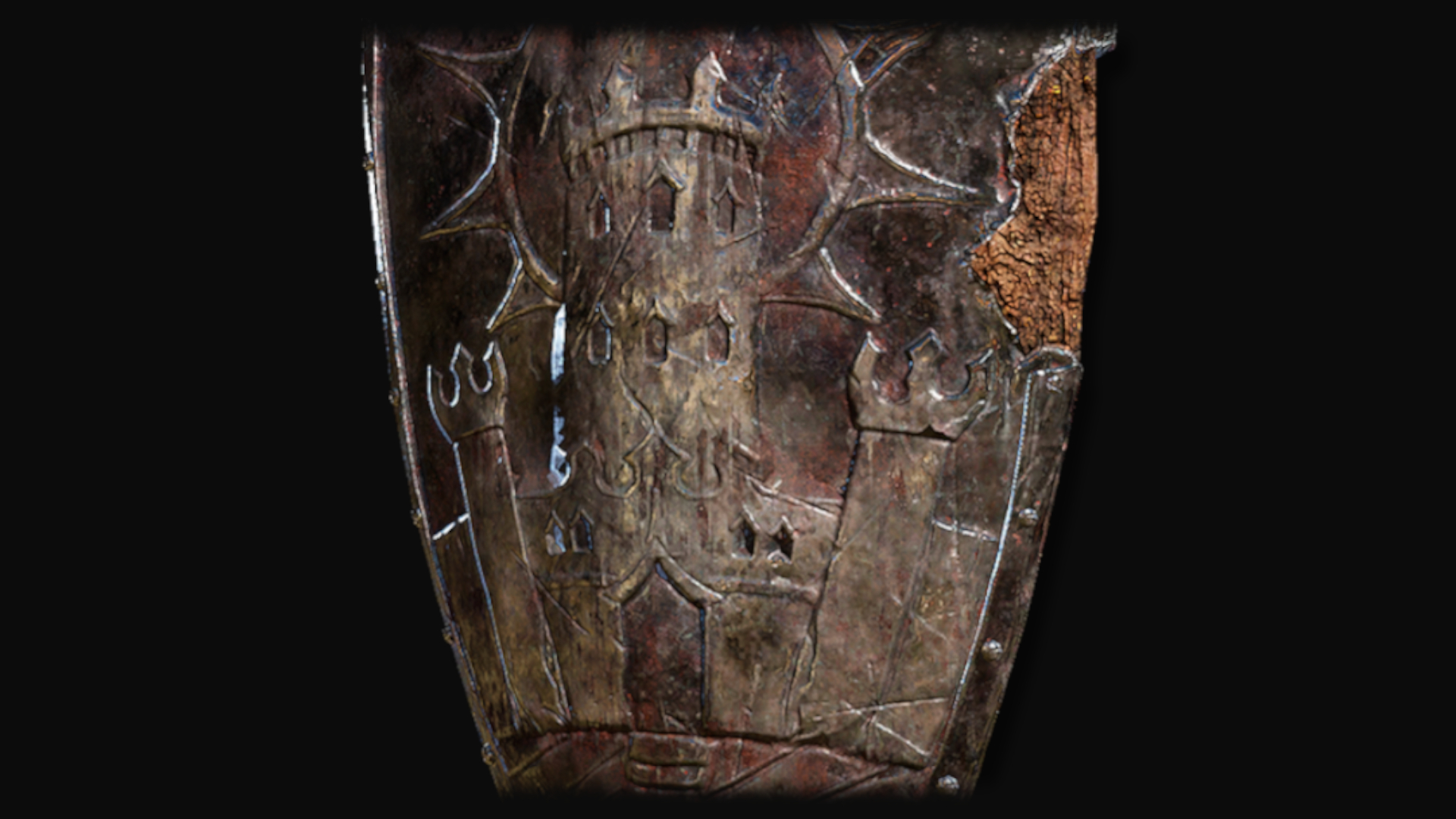
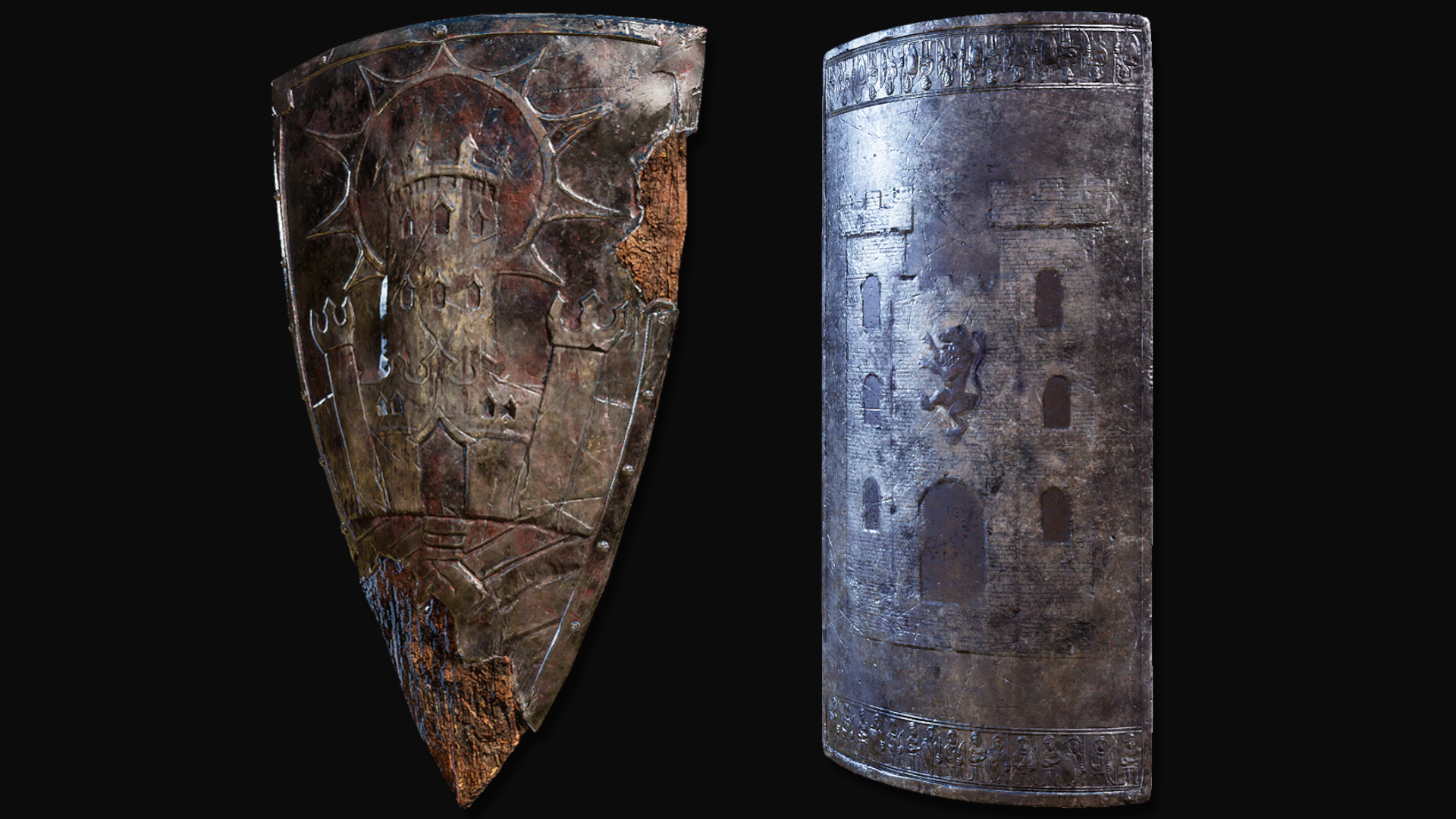
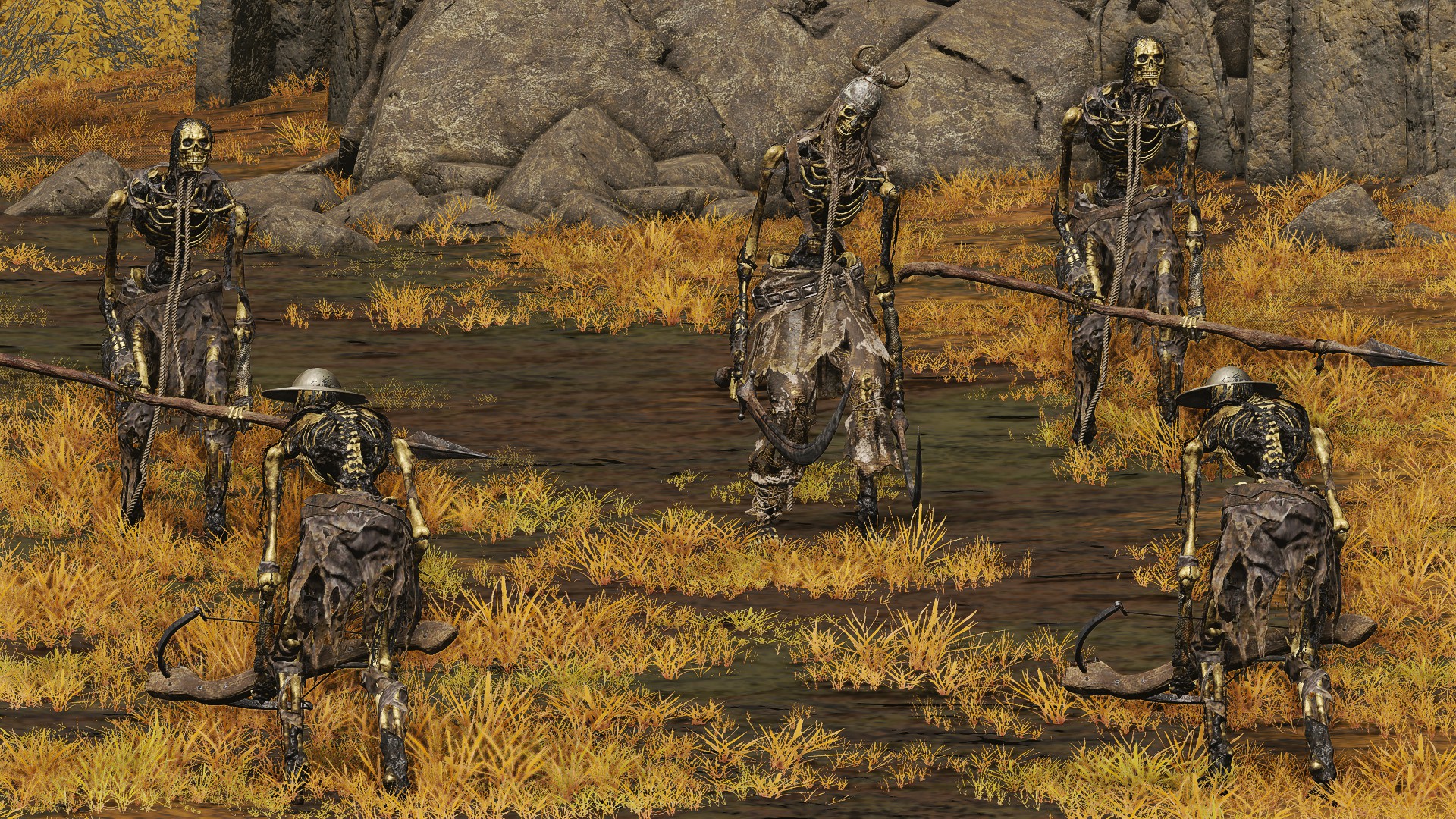
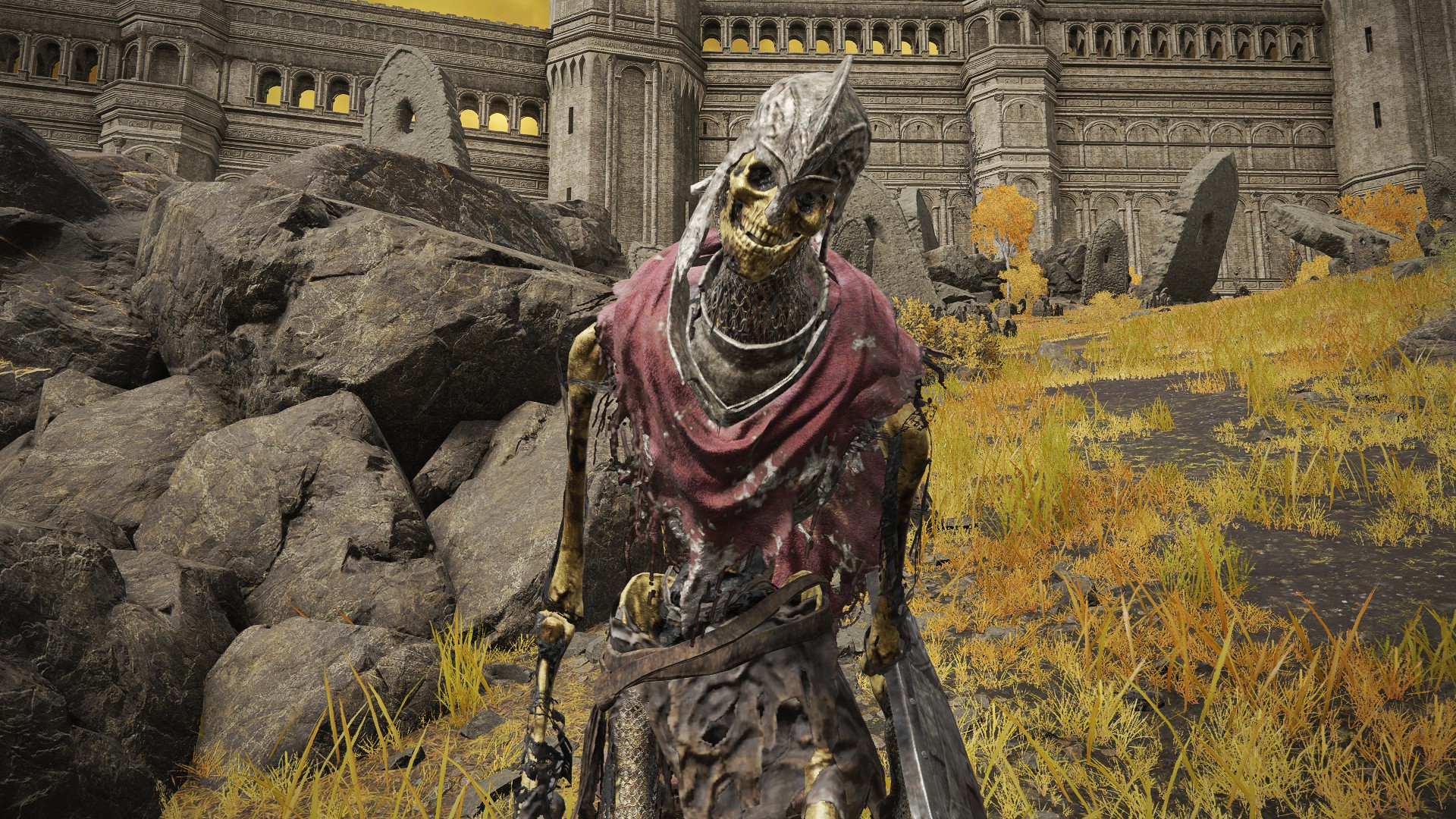
In summation, the hero was a native to Altus; to be specific, he was a citizen of the Sun Capital. Among the variety of skeletons who rise from that graveyard, the largest share are armored knights carrying the Sun Realm Shield. As its description elucidates, the red shield depicts a capital “crowned” by the sun in the background, almost like a halo. The knight likewise dons a red cloak with similar sun emblazoned on the back in gold, affirming his affiliation with this capital. This opens the possibility of these graves belonging to warriors of the metropolis, hence the holes — representations of their allegiance to the ball of light in the sky which might shine through them. In fact, since the large city no longer exists according to the shield’s description, that extensive graveyard may well be its final legacy, interring all the clansmen lost with their home’s destruction thanks to Godfrey.
Some fans might argue that these skeletal swordsmen with the Sun Realm Shield aren’t exclusive to this graveyard. True, while not as numerous as at the Capital Outskirts, these knights are buried all across the Lands Between and the Realm of Shadow; even their largely naked beast variant at Farum Azula and Jagged Peak still utilizes the shield. However, there is a pattern to these locations: they trace the migration of Banished Knights. Wherever we find skeletons bearing this shield, there are also Banished Knights, or at least signs of their culture in the region at one point — for example, the human-giant graveyard by Castle Sol. This is relevant since the Fortified Manor too exists within Leyndell’s walls. That is no coincidence. The Farum colony spread the Sun Capital’s culture all across the Lands Between with its people, right up until circling back to Farum Azula.
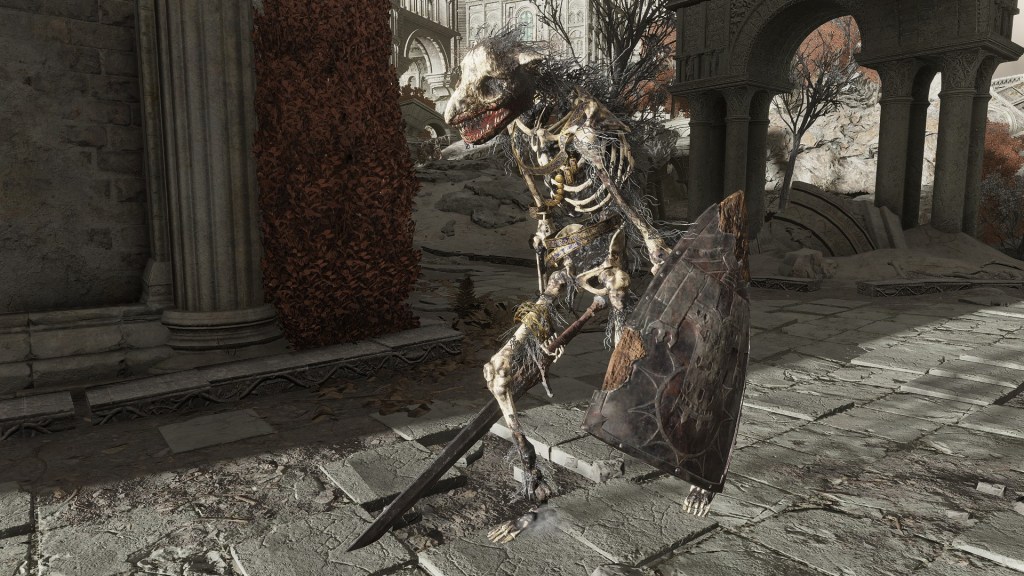
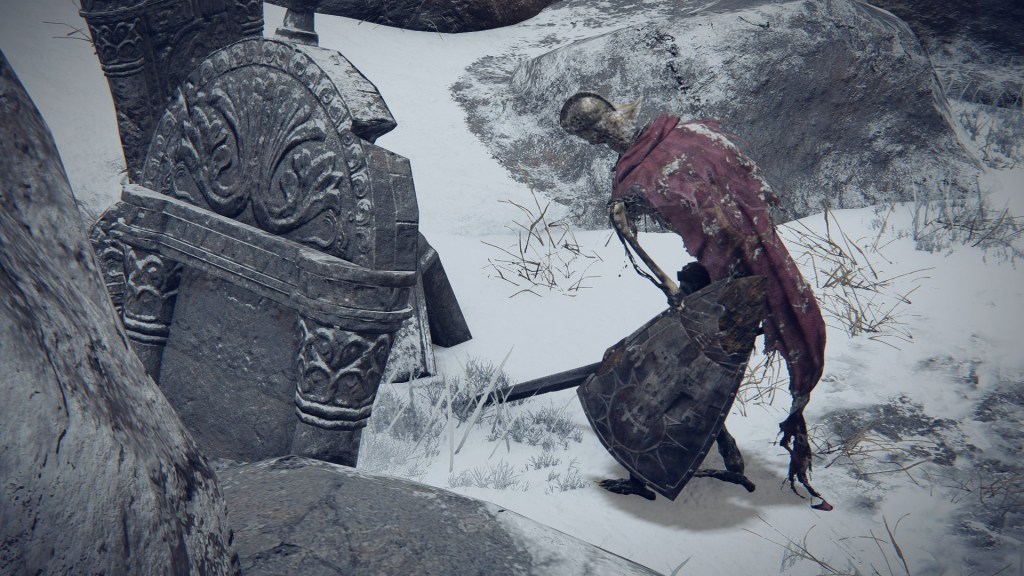
Indeed, if someone were to establish a large city dedicated to the sun, it would be on Altus. The temperate plateau lies closest to that warm body of light, ignoring the surrounding icy or volcanic mountaintops. Then there is the naming scheme to the various areas across the tableland. The village of Lux is named the Latin for “light”, whereas Fort Laiedd makes a similar reference — “Lighdd” (ライード) bears obvious similarities to the English “light”. (ライト) Conversely, the Shaded Castle specifically uses the term hikage (日陰) evoking shade from the sun during the day. Even the present-day royal capital of Leyndell at the base of the Erdtree is, fittingly, called “Lowdayl” (ローデイル) for the “low daylight” from the tree shining closer than the sun ever could. With the names of so many locales alluding to sunlight, what better location for an actual Sun Capital?
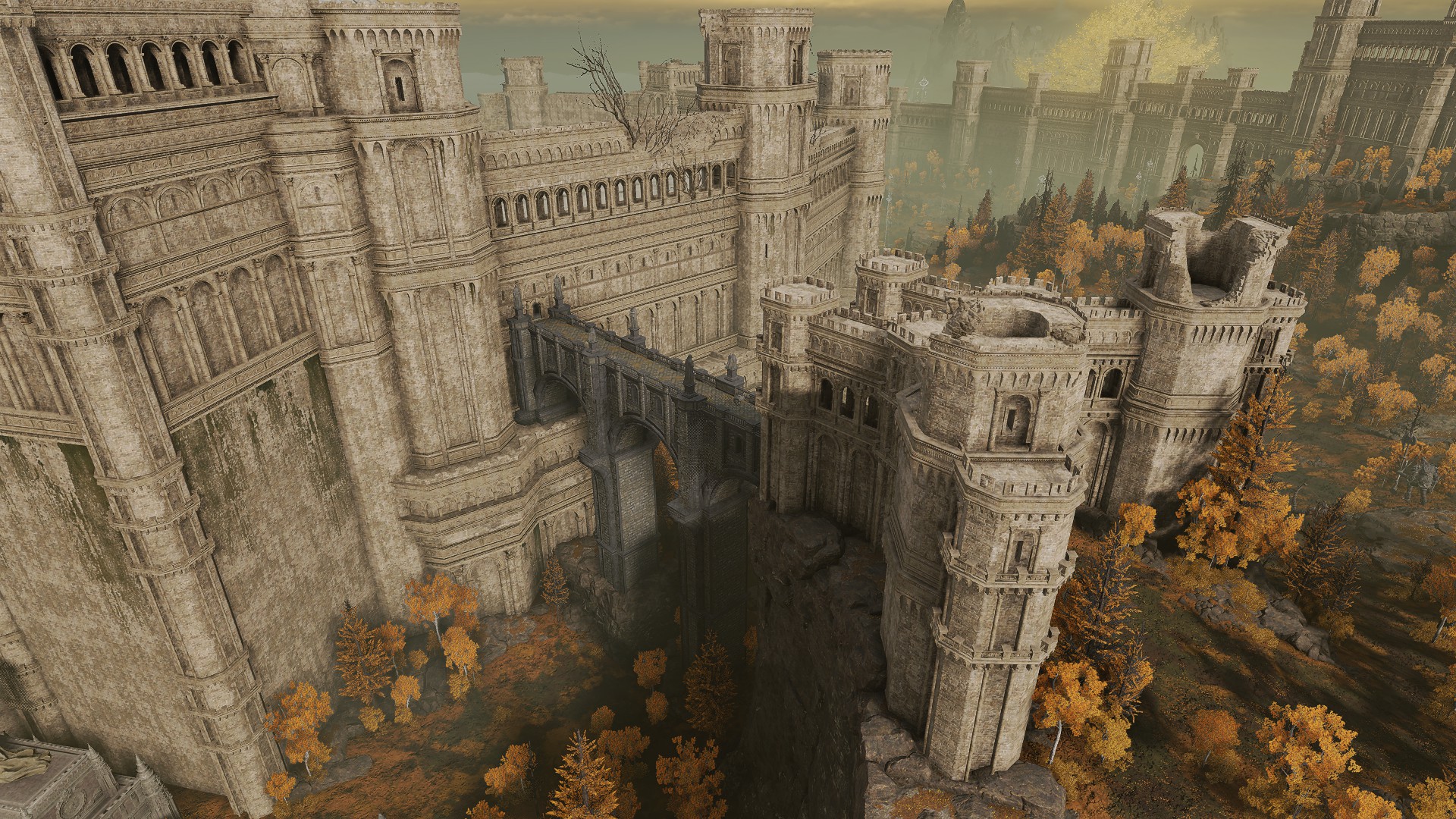
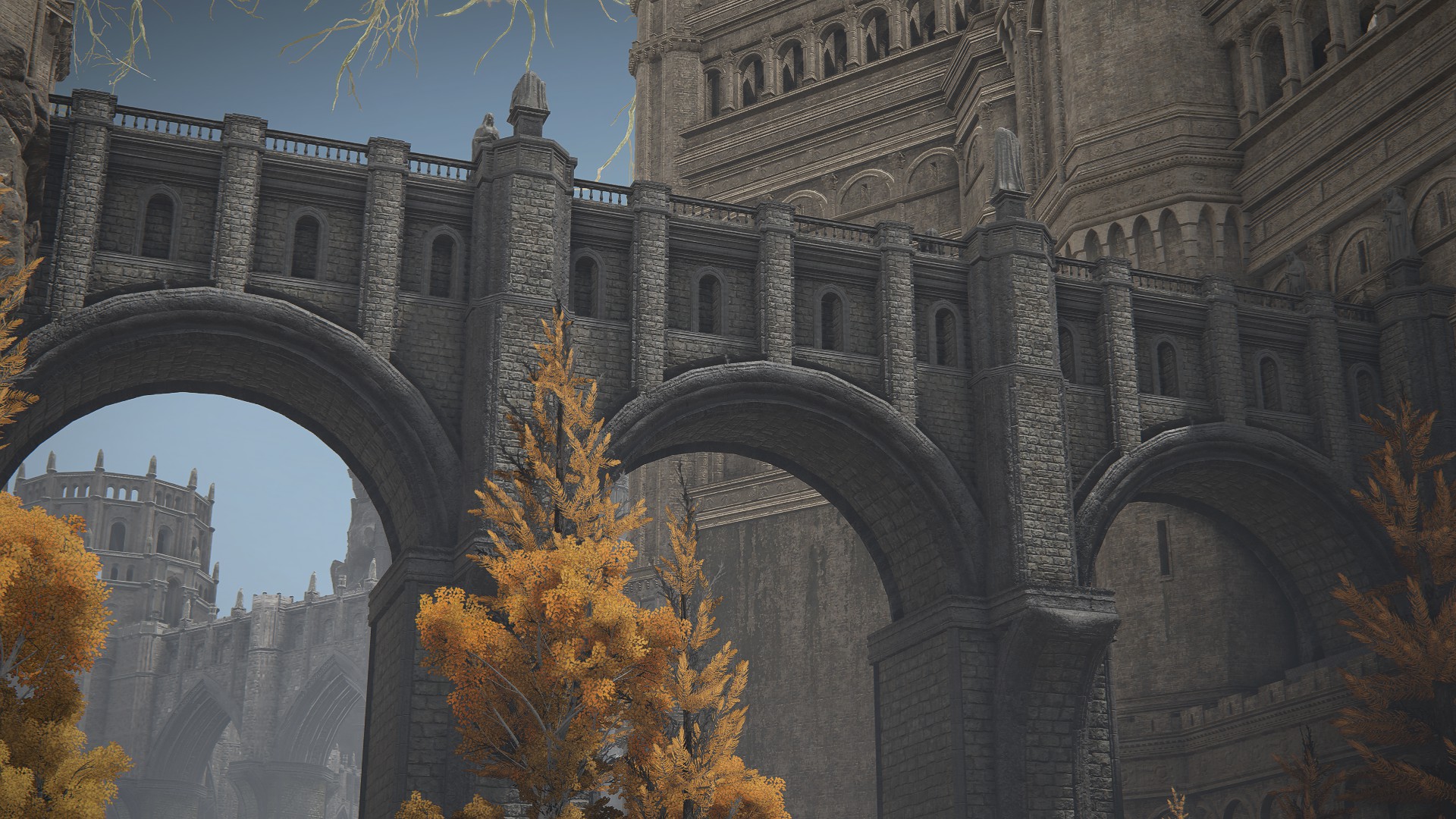
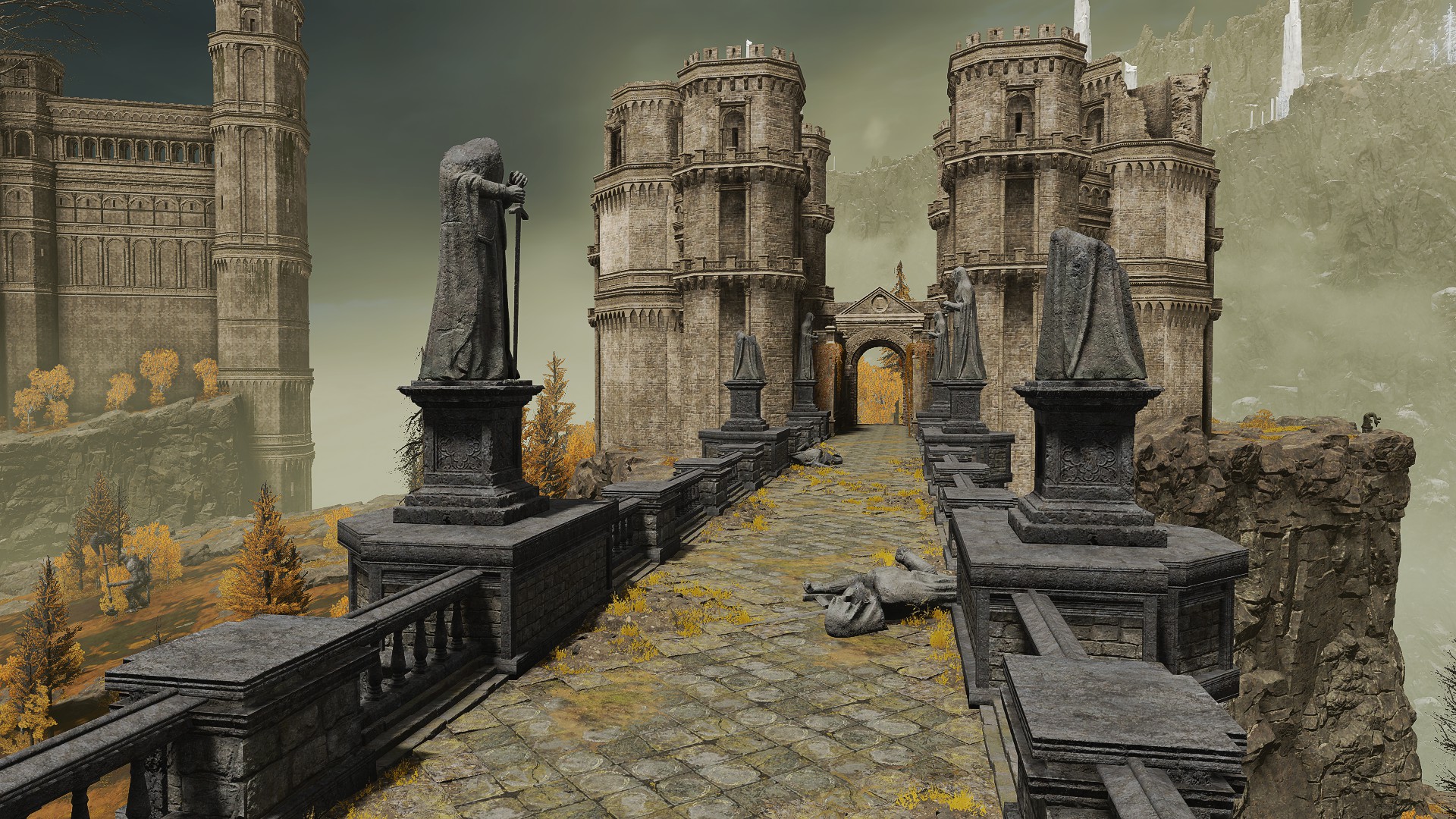
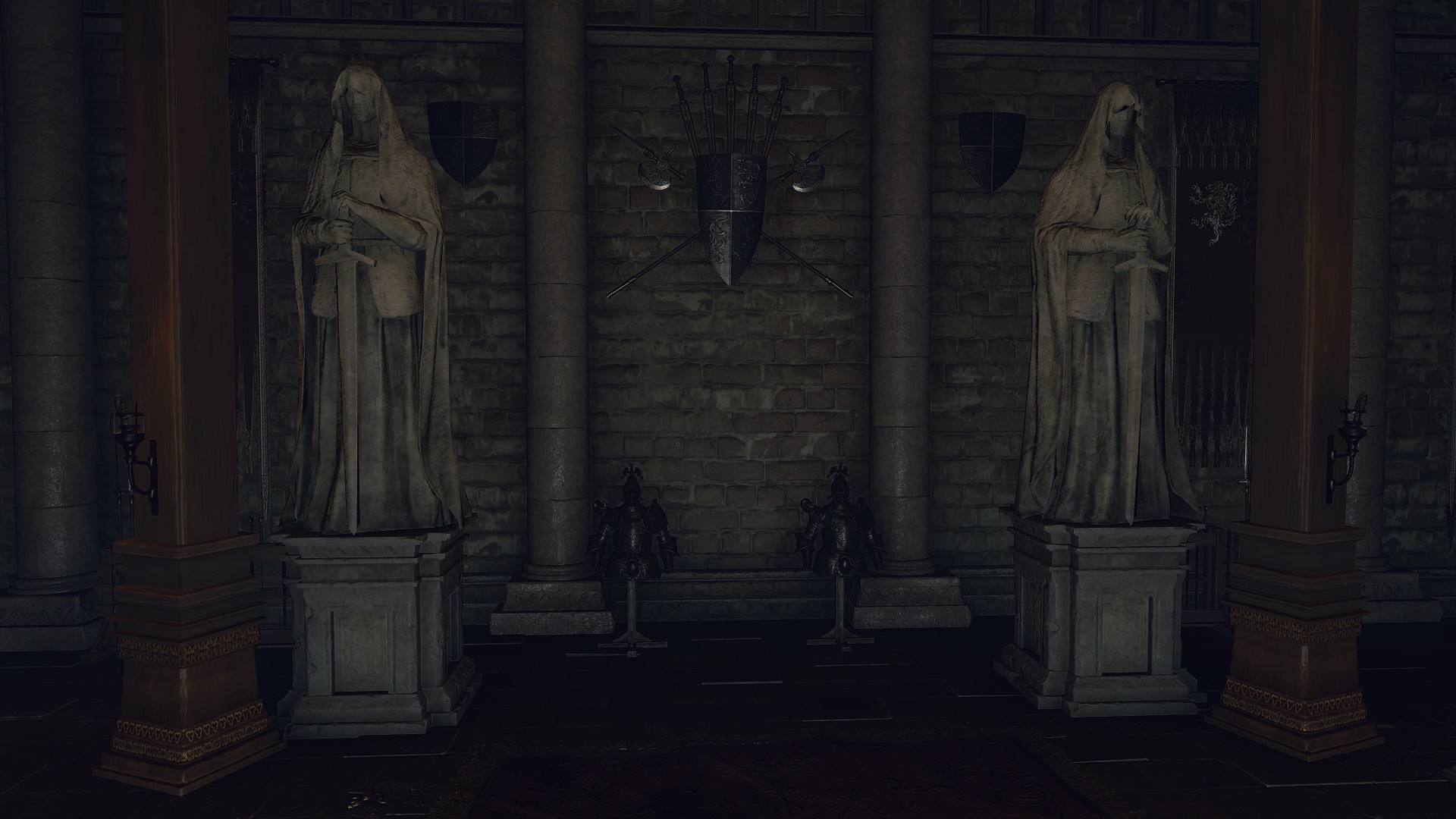
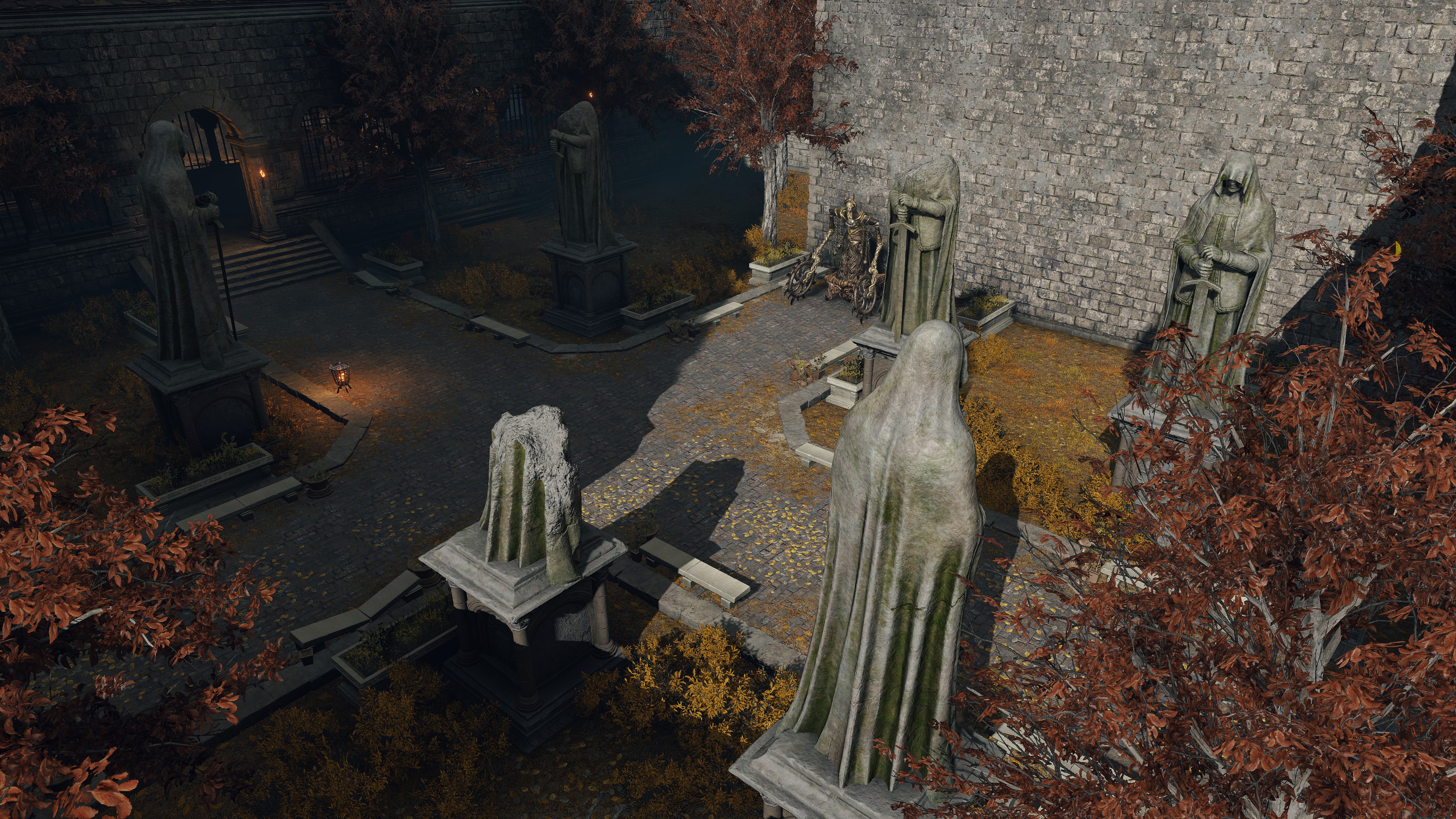
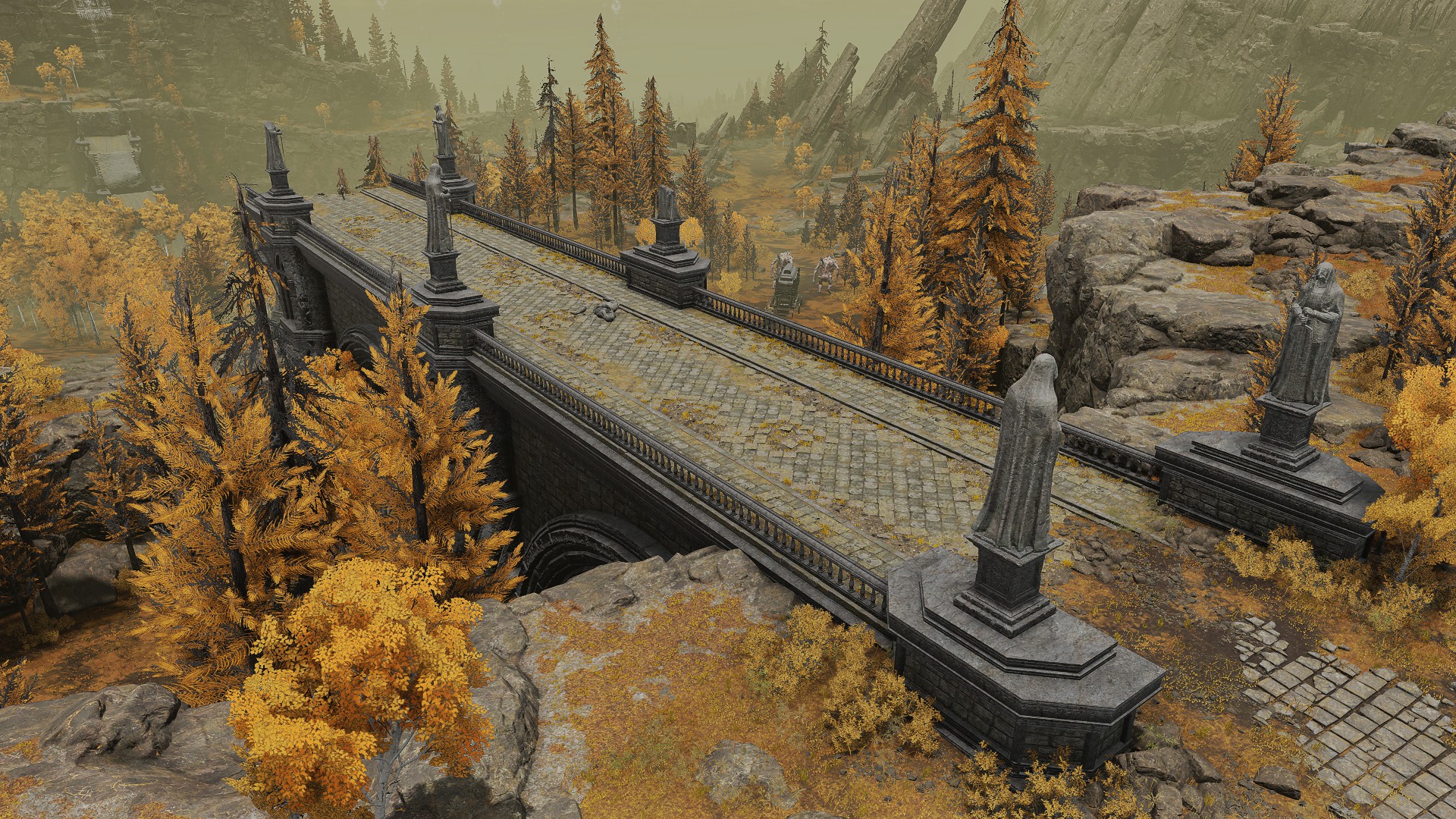
Although the city itself no longer exists “anywhere”, some legacy of it may still remain. To infiltrate Leyndell from the side entrance, we must cross a bridge into the inner rampart. The viaduct stands out from the walls and archway sandwiching it with its darker stonework. The saint statues lining the rails are likewise used sparingly in the Erdtree capital proper, mainly areas predating the current royal city like the Divine Tower bridges and Fortified Manor. Otherwise, we only witness similar architecture from greatbridges at Altus, Gelmir, and Limgrave. Even assuming that those are all of Leyndell construct, the differences imply some degree of foreign influence in the design. And what is the stonework most similar to except the staircase up the cliff to the neighboring boneyard? And so, this staircase and bridge around Leyndell might be the last remnants of the Sun Capital’s infrastructure.
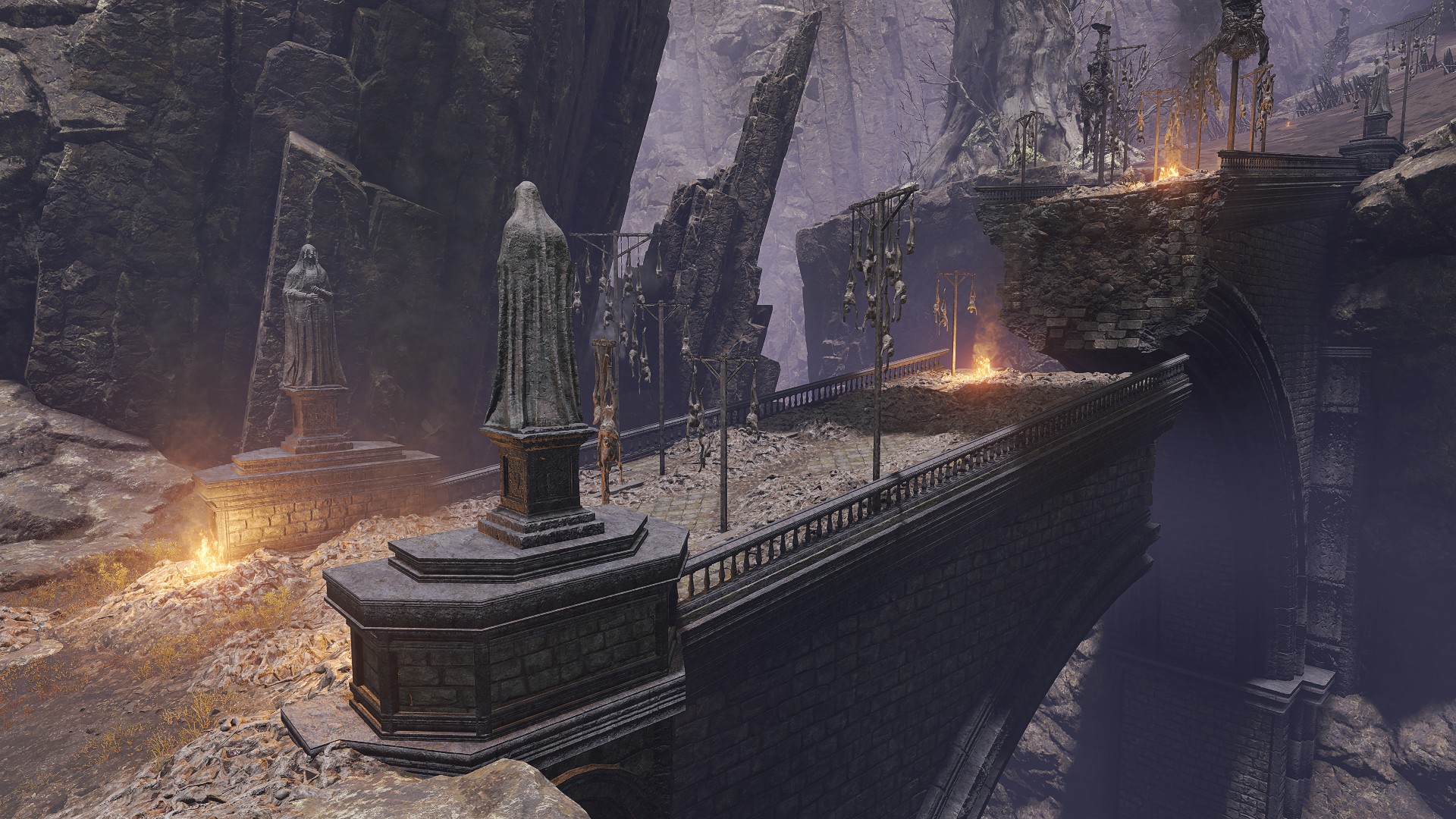
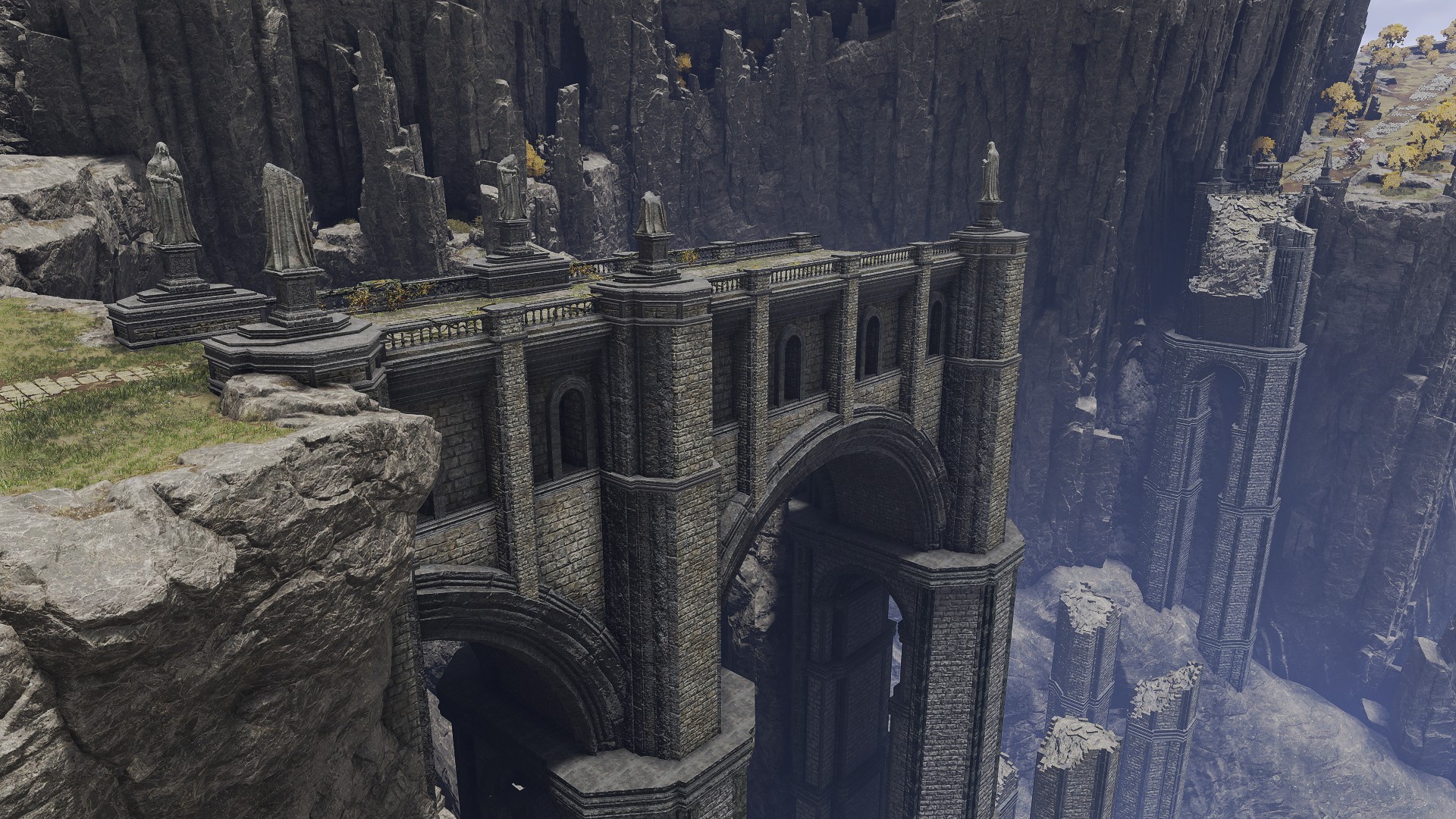
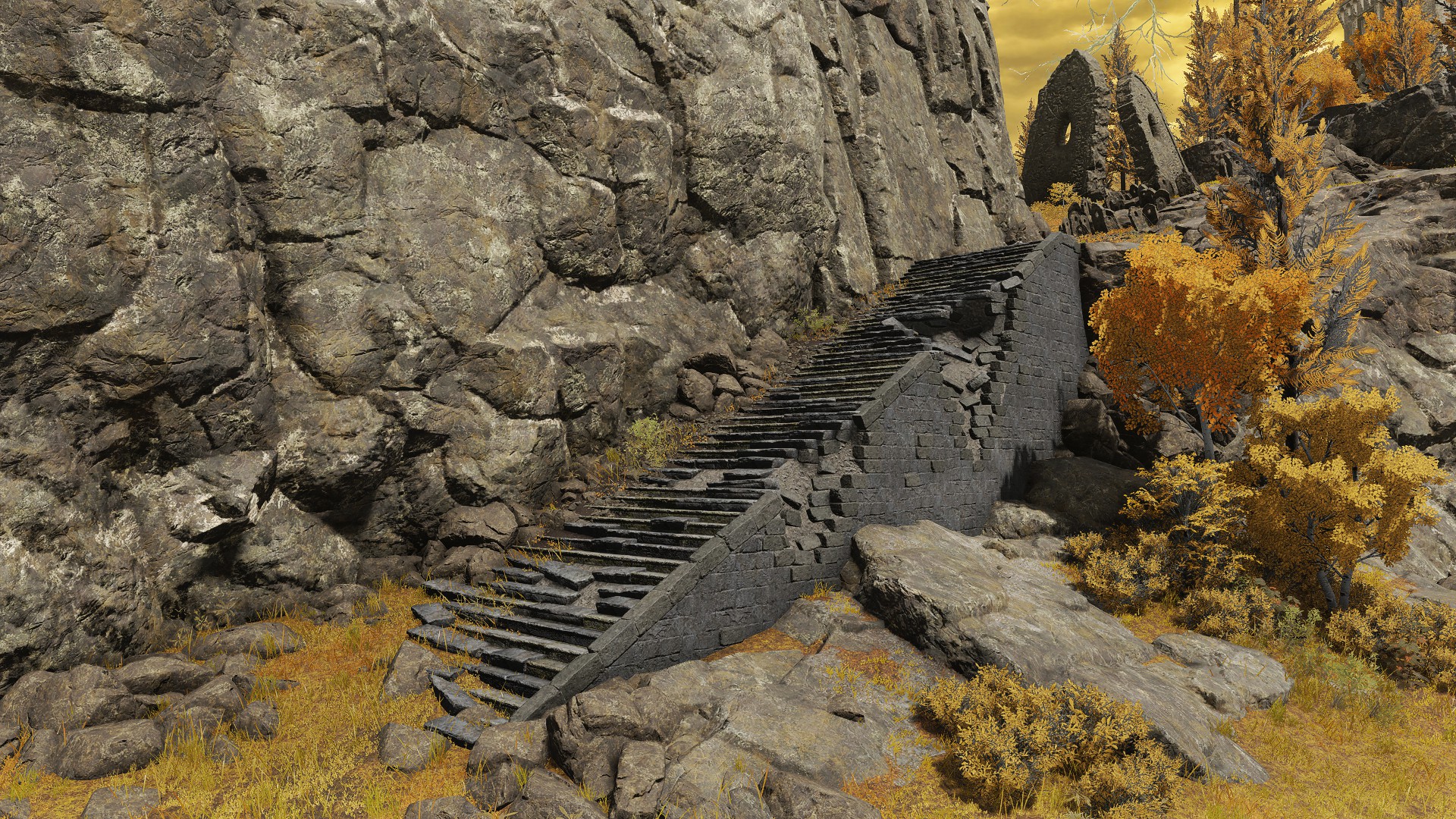
Shield of honor depicting the capital crowned with the sun. But, this is already tattered.
And the Capital of the Sun also no longer exists anywhere.
Adding to this implication, Grafted Blade Greatsword features Serosh’s beast crest fastening the blades at the hilt. Although an earlier version of the description suggests that the original plan was for it to simply be Godfrey’s weapon, it nonetheless insinuates that this hero felt close affinity with the Beast King. Why? Because his city was deeply involved with the castle manor on the eastern end of Altus. In fact, the Fortified Manor was probably once part of the Sun Capital. The city no longer exists anywhere — how is this possible when there are so many ancient structures which have survived as ruins? The obvious explanation is site leveling; the destroyed city was then replaced. And what now occupies the land where the Sun Capital’s dead are buried? Leyndell, which preserves the Fortified Manor. Put simply, before the Erdtree capital was established, a different capital stood on that spot, incorporating the castle manor like a sort of embassy; closely collaborating with Serosh and the colonists under him. In fact, the Sun Capital was likely only built with the help of the golden lion’s party.
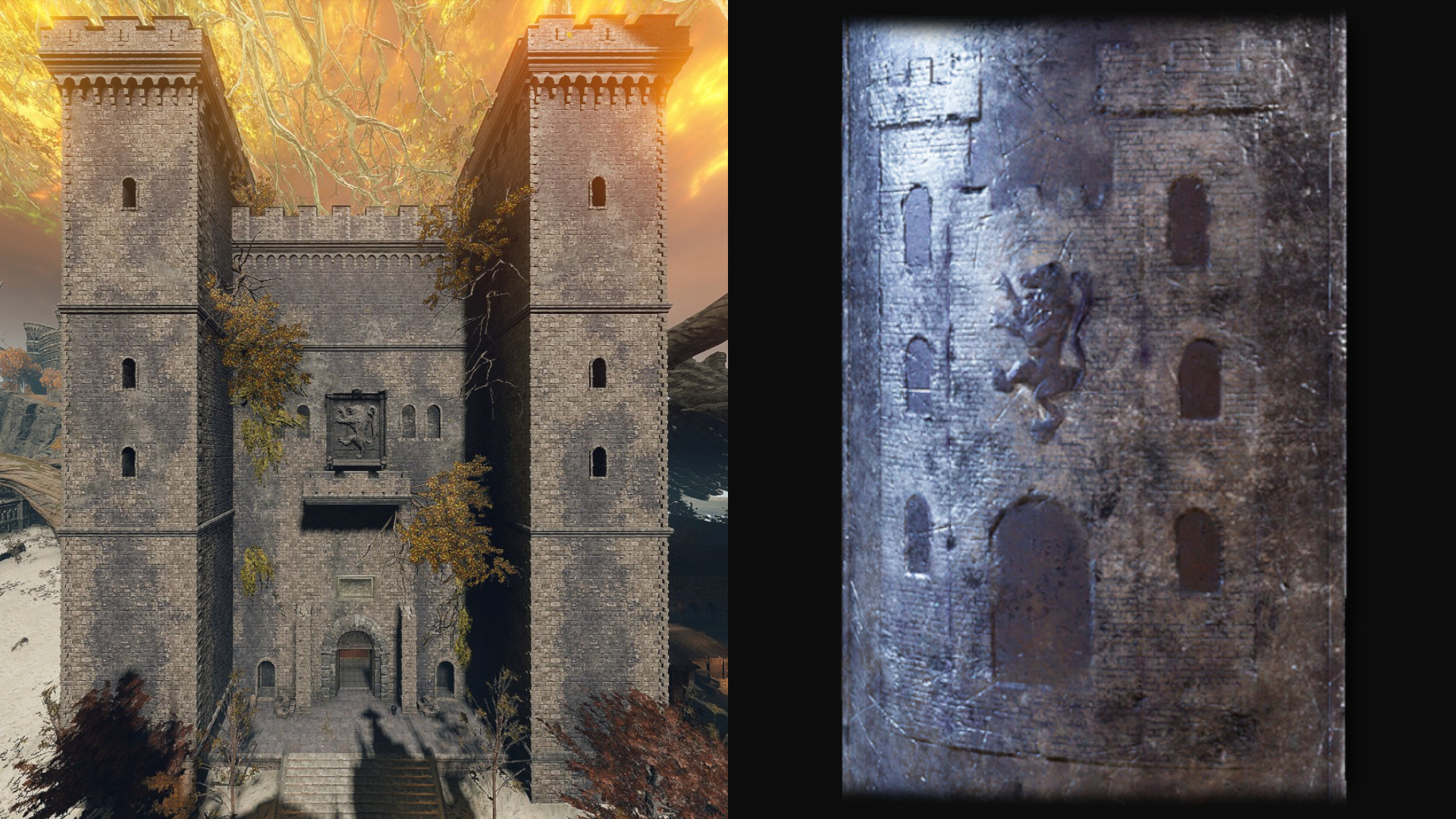
The metropolis depicted on the Sun Realm Shield is enclosed by large walls with only the tallest tower at the center visible behind them. At first glance, one might draw comparisons to the Norman style of the Farum colonies. However, this notion is thwarted when comparing this shield to the Manor Towershield. Although the description claims that it depicts the Roundtable Hold, this isn’t referring to the special hub area currently utilized by Tarnished. The terms for “manor” and “hold” used for the shield are the same word: joukan, (城館) meaning “castle manor”. This is the same term as the so-called “Fortified” Manor, which is only identified as such by the local grace point. The Roundtable Hold which we can warp to from early in our journey is called simply the “Round Table” (円卓) and exclusively referenced by that name in Japanese dialogue. Although the two areas’ interiors are identical, they are different places, with the Manor Towershield illustrating the round table castle manor in Leyndell.
Iron greatshield large enough to cover the whole body. Depicts the Round Table Castle Manor, where heroes gather.
Greatshields have both high cut rates and guard strength and easily deflect enemy attacks.
With that in mind, the differences between depictions of the Fortified Manor and Sun Capital are stark. The latter’s windows and main gate possessed pointed arches, while its towers and walls were topped by extra flourish emphasizing curves and points. Although certainly evocative of the sun in the shield’s background, these artistic elements are a far cry from the simple Norman castles that Farum colonists construct. However, the different styles don’t exclude the possibility of their involvement either, like with the Volcano Manor. Is it any accident that, in a land rife with barbarians, one tribe builds a whole city around the time that the Farum colonists come and help other tribes build more? Of course not. More likely, the capital was the first collaborative project with the natives, wise Serosh seeking friendly relations to gain a foothold in this new and unfamiliar land without issue. The barbarians would enter “civilization” and the Banished Knights would have a buffer nation helping protect their foremost castle. This is most apparent looking at this sun people’s last king, Ensha.
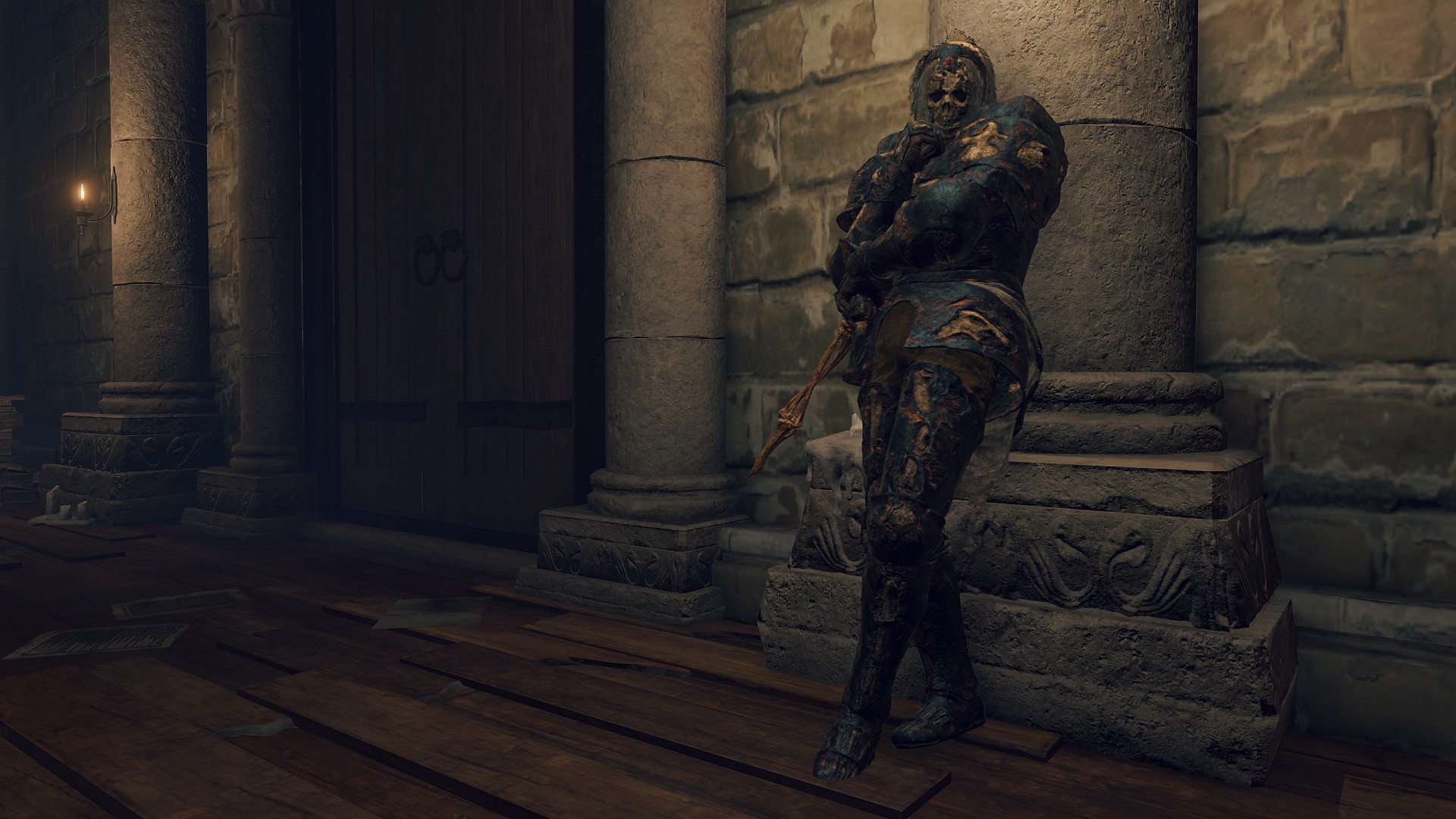
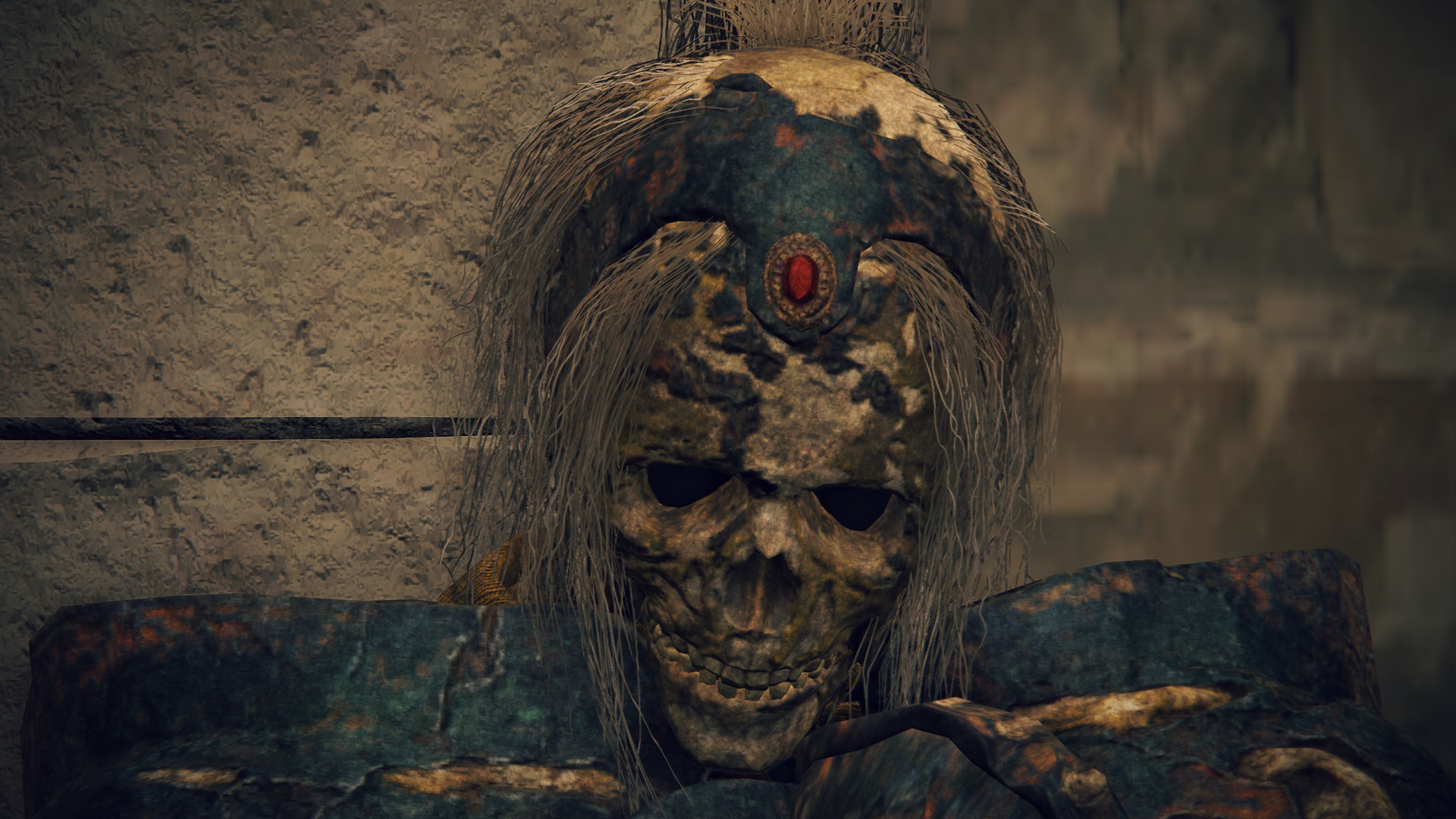
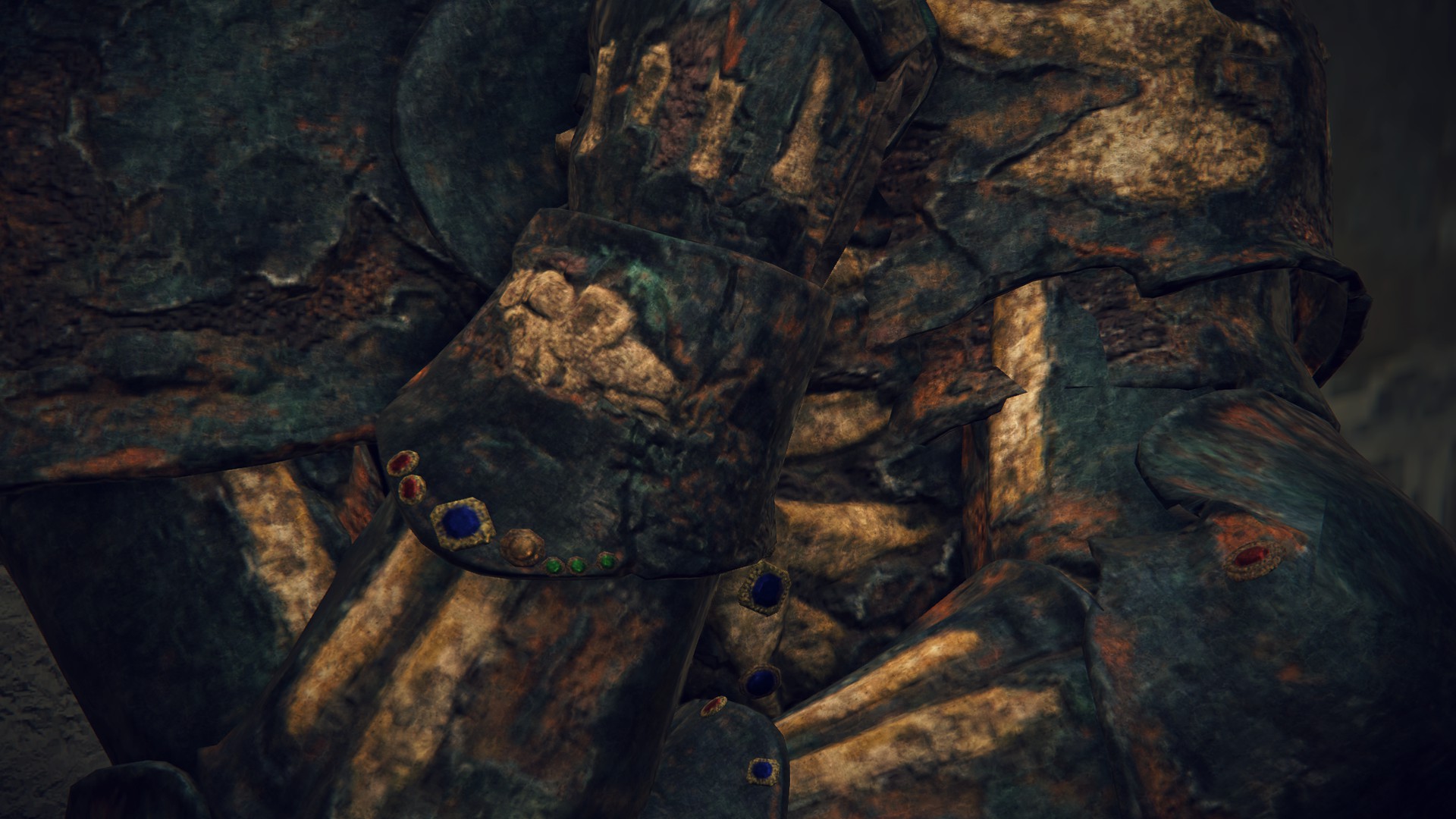
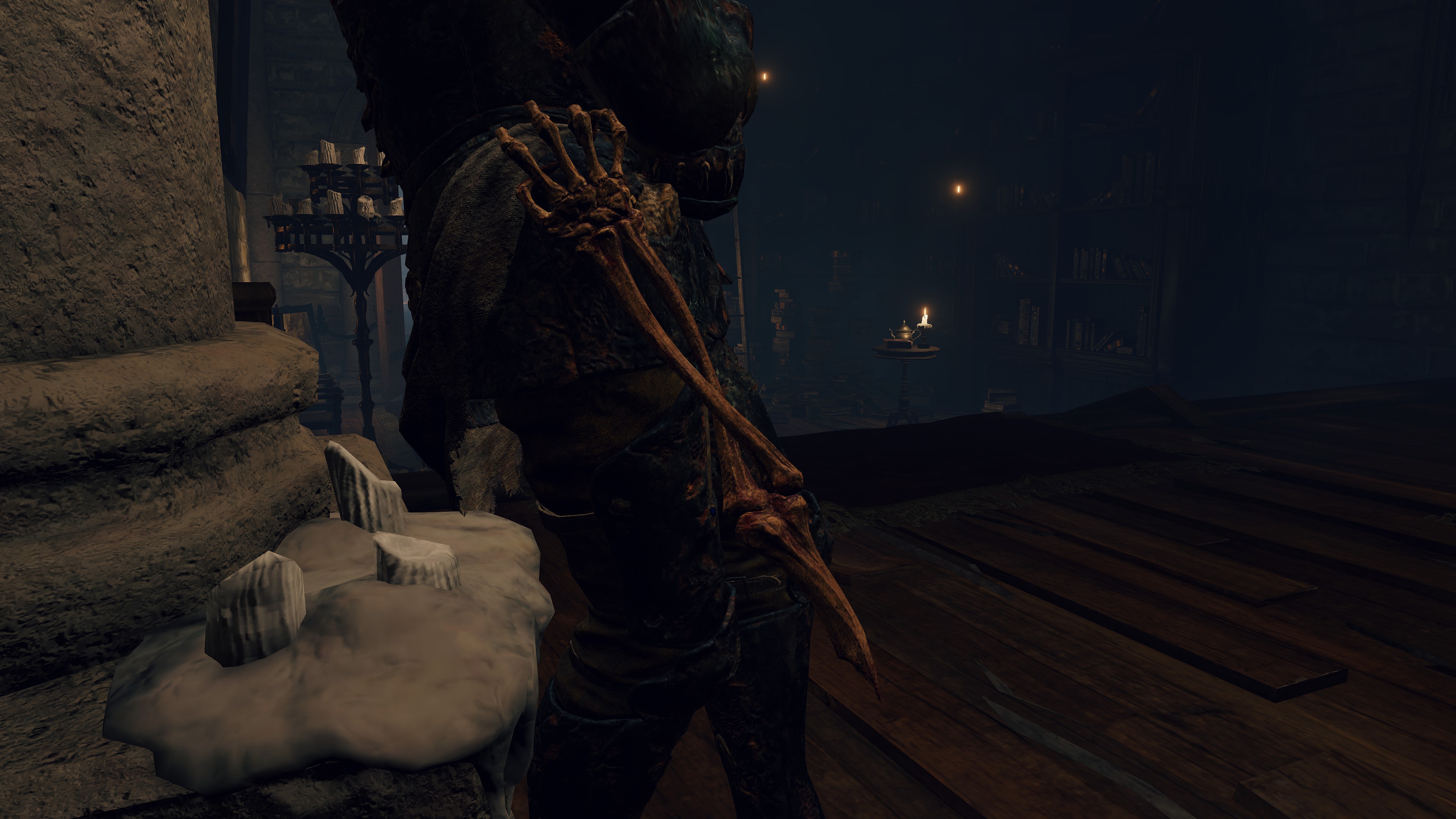
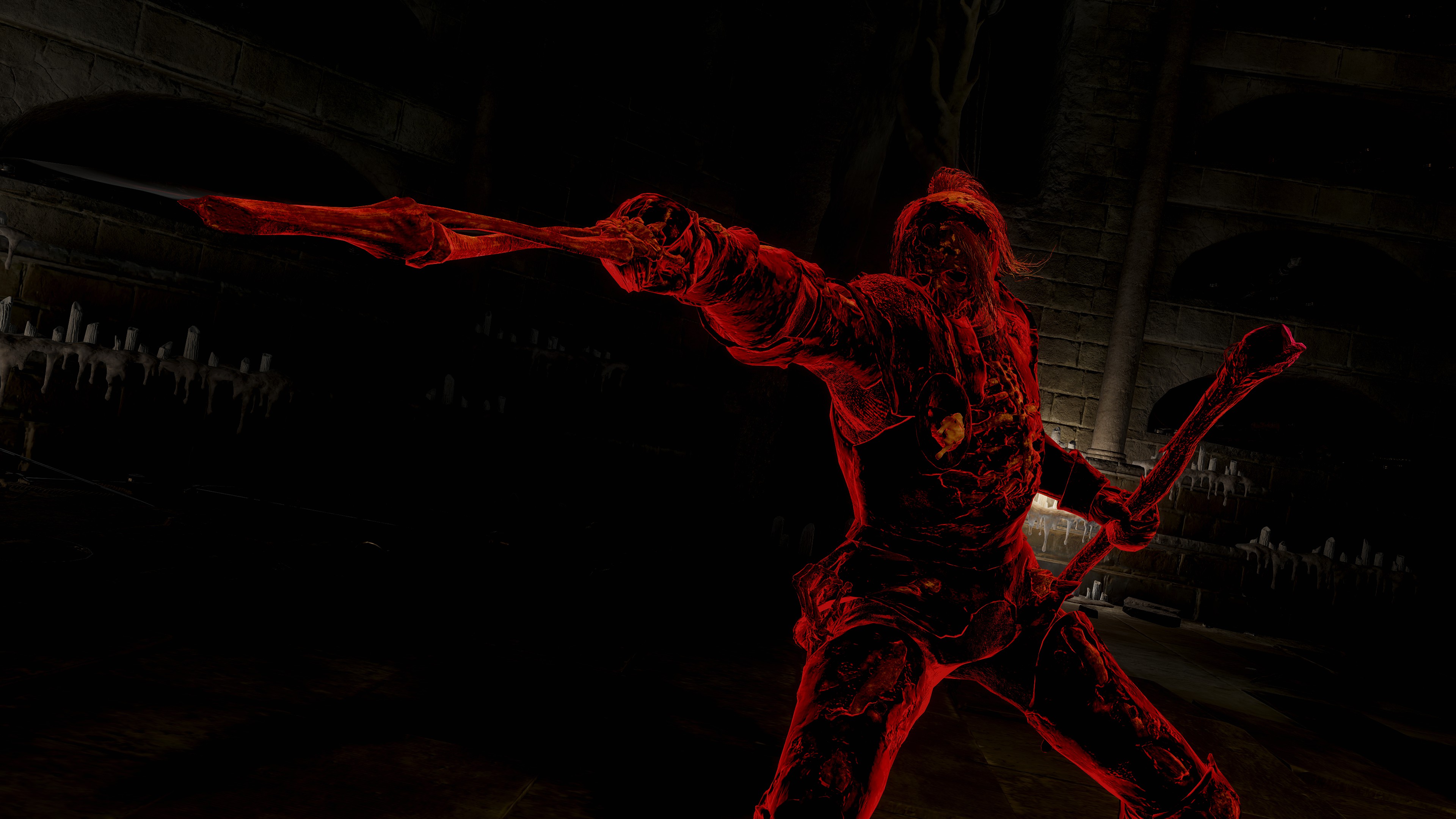
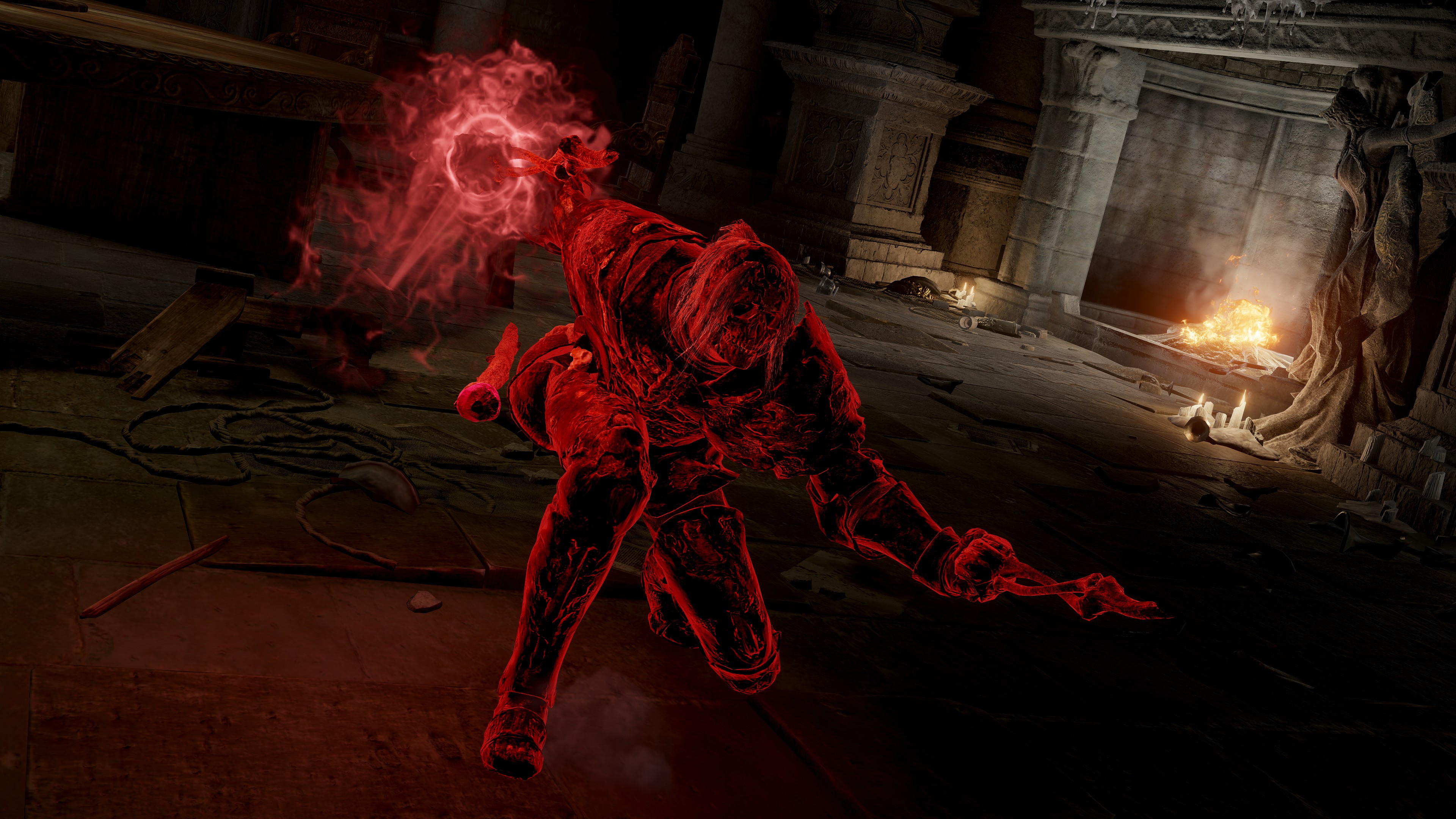
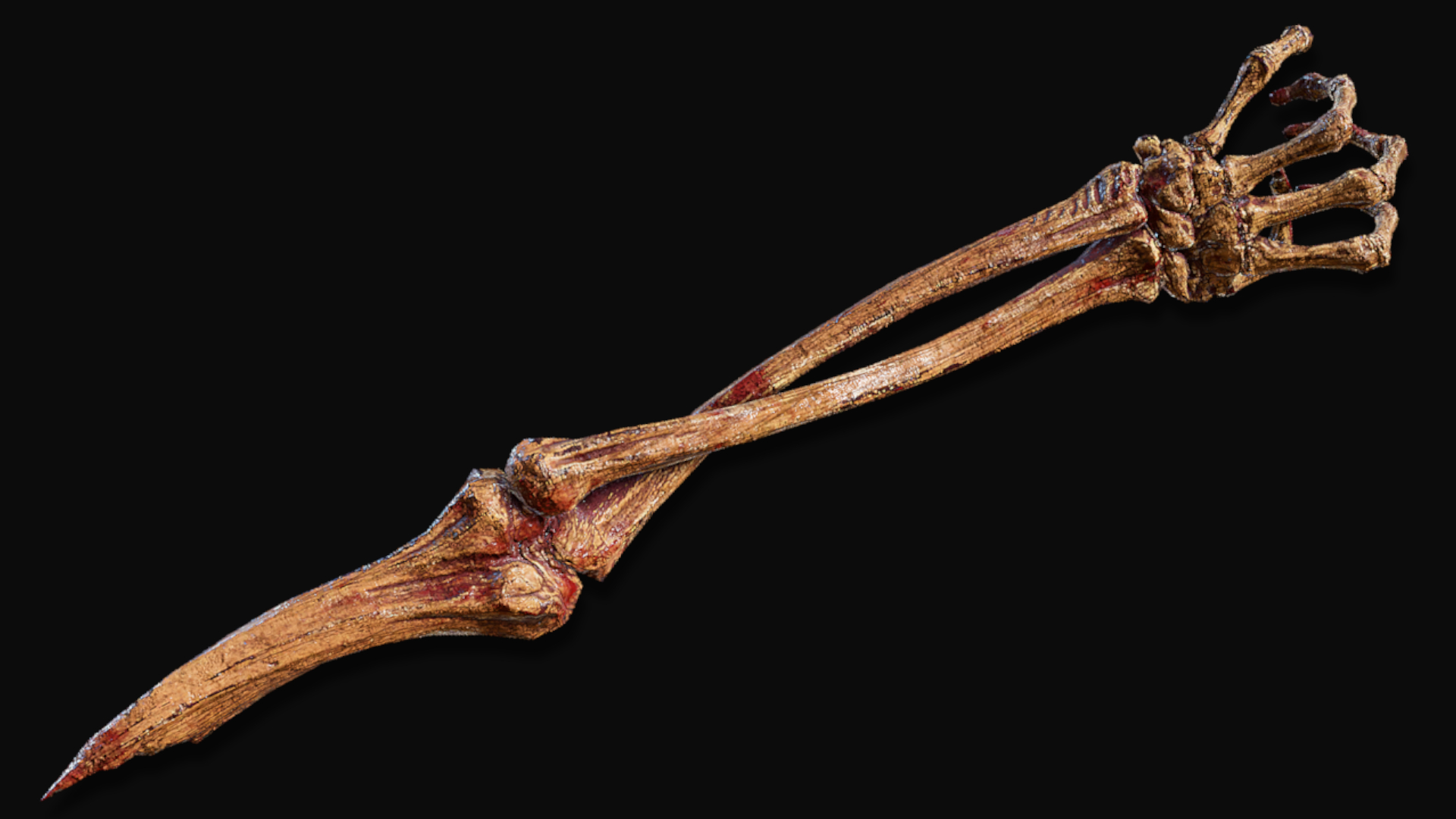
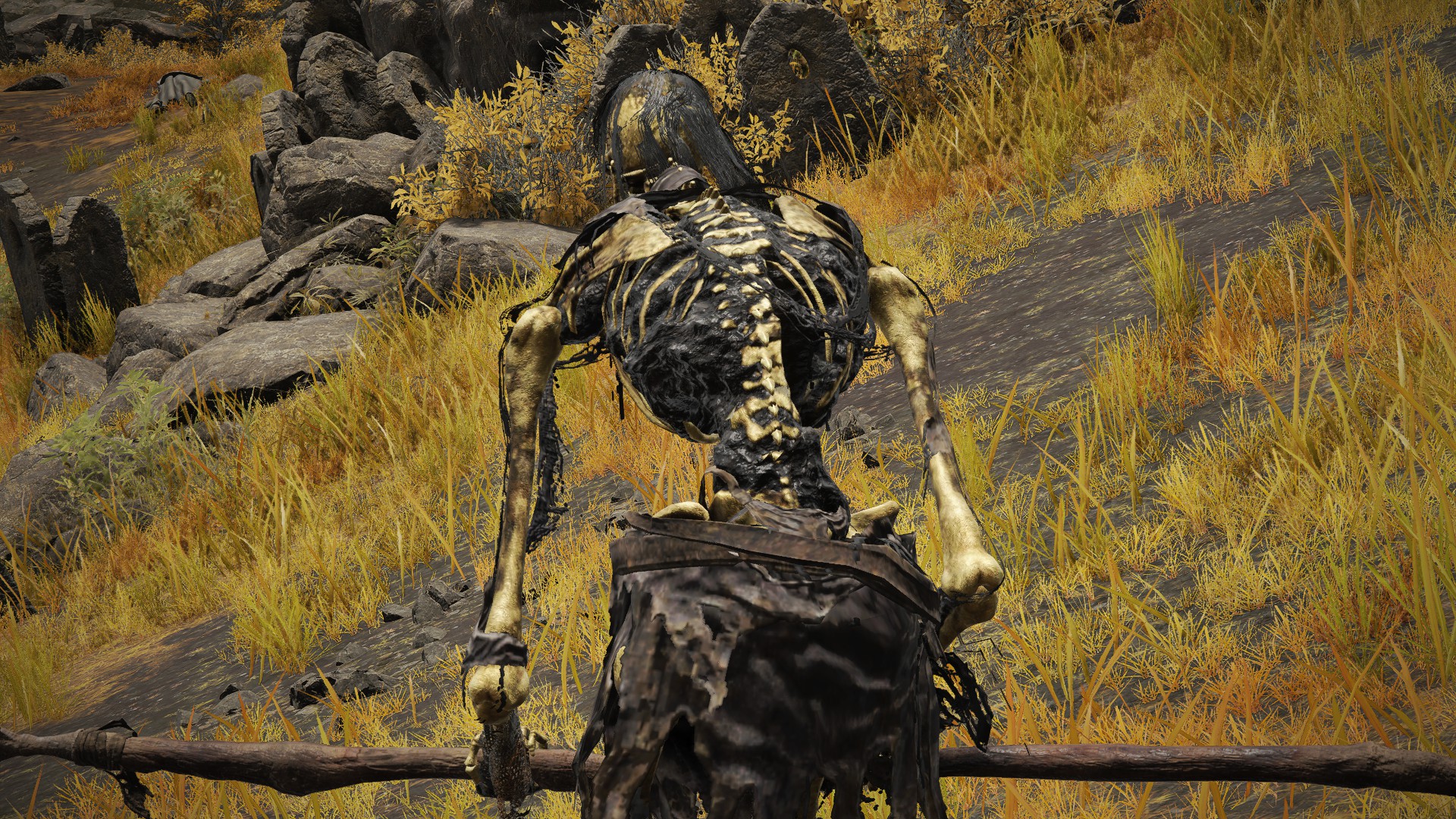
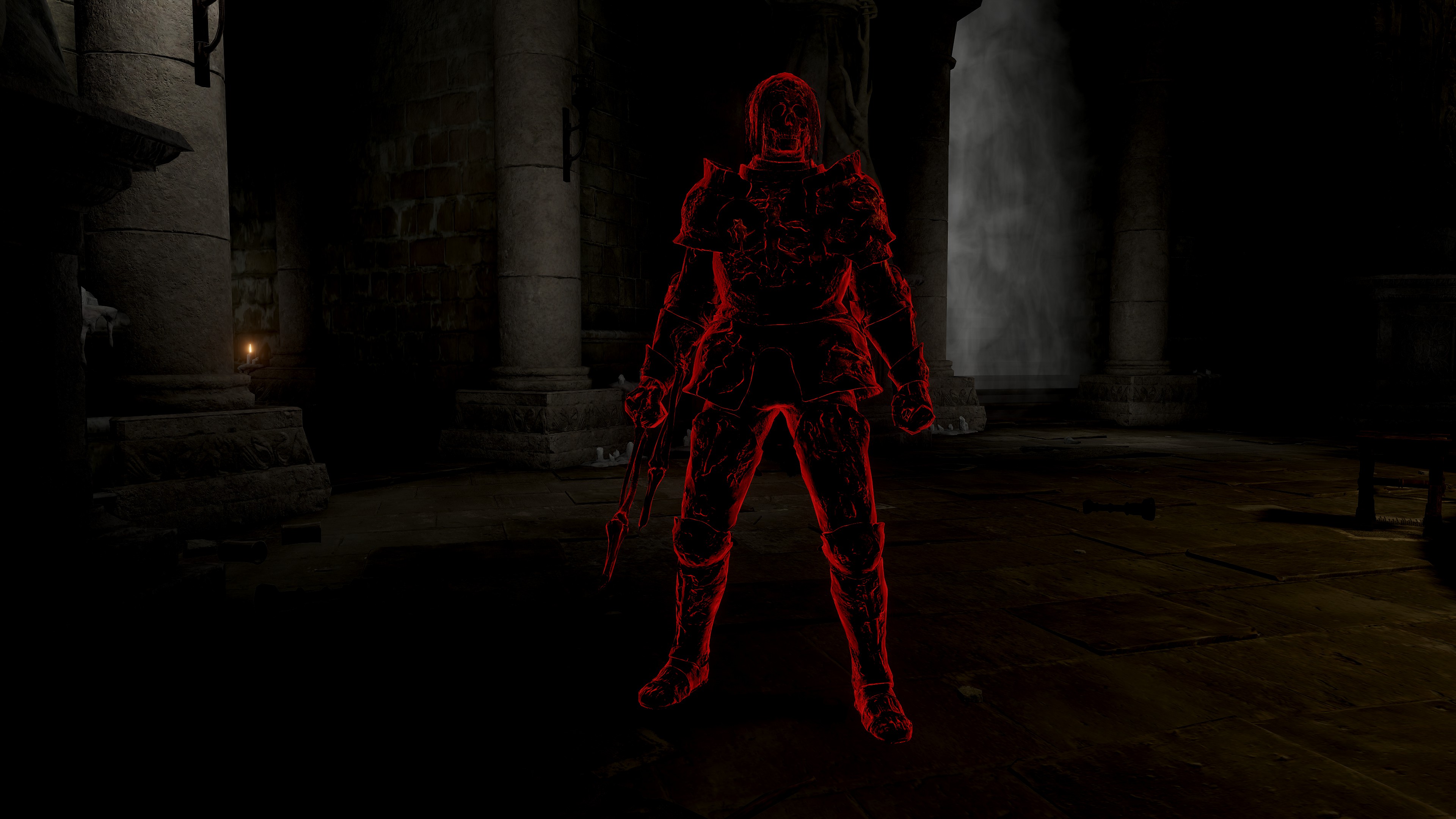
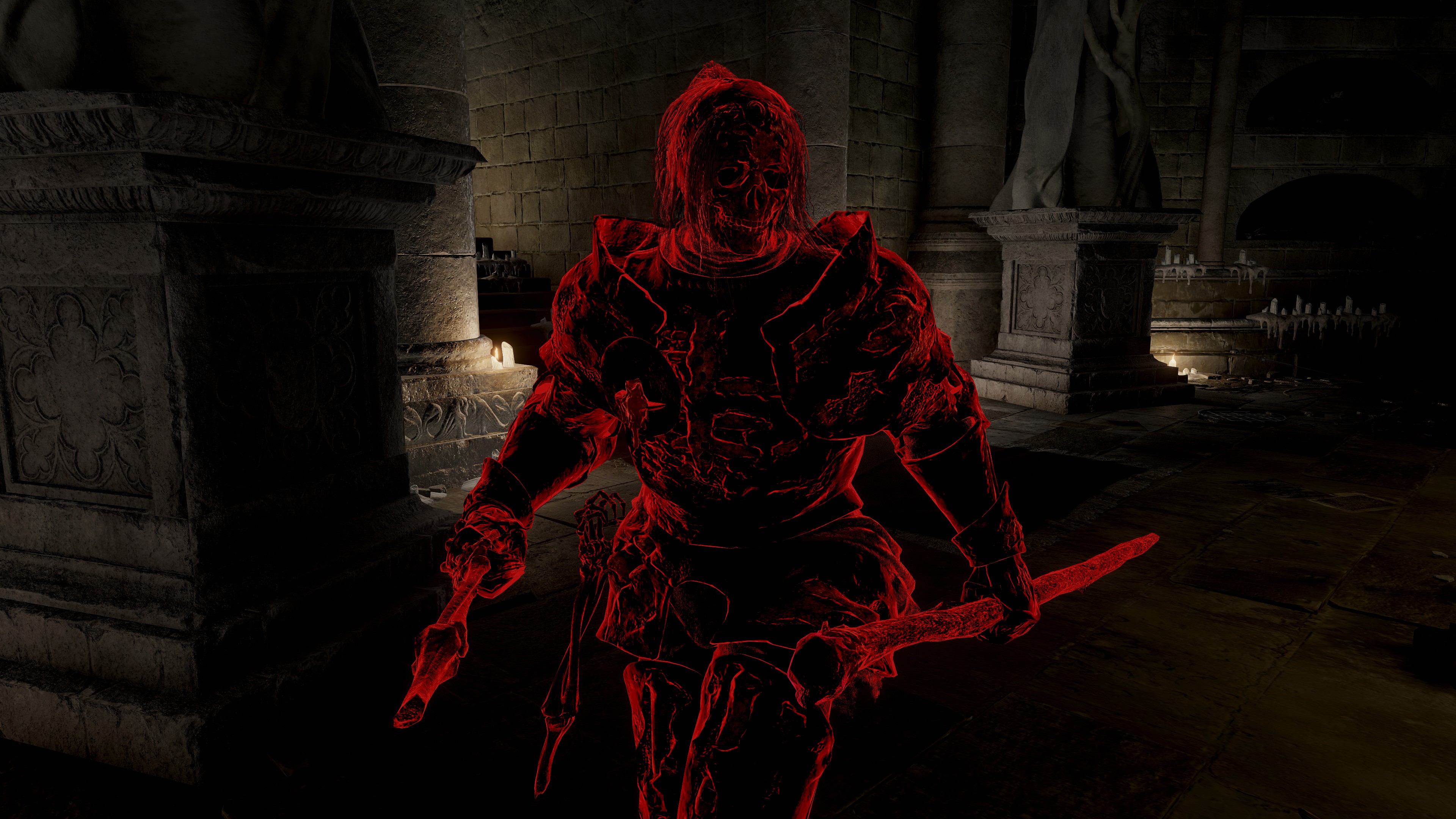
Despite access to Roundtable Hold, Gideon Ofnir’s silent henchman isn’t actually Tarnished. His armor is embedded with bones of an old human king by the same name. This hints that “Ensha” is the bone armor itself, not the person wearing it. To that point, the name “Ensha of the Royal Remains” (王骸のエンシャ) can be read as “Ensha the Royal Remains” also. Moreover, that armor set slowly restores HP, as if trying to resist death — one might even say, to live in death. The armor is lathered in the same black ooze as skeletons reanimated above ground. Its description likewise identifies the king as soulless, paralleling demigods slain by Destined Death. And although the localization additionally addresses Ensha as king of the “lost and desperate”, the Japanese text merely labels them as “clinging” in obvious reference to the royal’s weapon of choice. The Clinging Bone is up to two hardened skeletal arms the wielder tightly grasps by the hand, neither king nor subject letting go according to its description. And the weapon’s skill? Lifesteal Fist, robbing others of their vital energies to add to the wielder’s own vigor.
Armor arranged with golden human bones. Equipment of the silent follower of the All-Knowing Lord Gideon.
It is said that those human bones are the remains of an old king. A soulless king, a king of those clinging on. It is said that her name is Ensha.
Bizarre weapon which processed arms of human bone hard. Choice weapon of Ensha the Royal Remains.
The more you clench your fist to equip it, the more it digs in. One clinging, a king does not let go of that hand.
All of this pins Ensha as one of Those Who Live in Death, unique only in that the soulless bones have been affixed to armor. Cut text for the set goes so far as to claim that the wearer is a madman mediating for a famous ancestor, effectively letting himself be piloted by the bones. This might explain why, underneath the armor, the Tarnished possesses a male face but a female body relevant to subtle gestures — if the king is also a woman, then she would move the body as she did in life, with womanly habits. However, the disconnect is equally likely to be an oversight by the developers; the game’s code segregates the data for faces and bodies, and the change in gestures are easy to miss. Man or woman, the armor taking control justifies Ensha’s silence just as well. Without a voice box of its own, it can only stand around looking intimidating, unable or unwilling to speak through the man enabling the skeleton entry to the Roundtable Hold. Still, these bones once belonged to a living person who ruled a kingdom, and that begs the identity of the kingdom.
Mask of a madman who acted as a medium for the corpse of a famous ancestor.
Thankfully, the dead don’t lie. The bones of Ensha and whoever he deprived of arms are both golden, linking them to the Capital Outskirts graveyard. No other place in the Lands Between buries golden skeletons, leaving just one implication: he must have been king of the Sun Capital. With that in mind, Ensha is also a sorcerer, conjuring Rock Sling and Collapsing Stars with a Meteorite Staff. The staff by itself betrays the old king’s interest in mastering gravity magic. However, the sorcery is just as revealing, Collapsing Stars in particular unleashing a flurry of gravity projectiles; an advanced spell proving the caster is at the level to arrest the very stars, as later demonstrated by Radahn. From the long strands of grey hair still hanging off the skull, King Ensha lived long enough to become such a proficient gravity sorcerer. It may be a cultural interest — one can envision the elites’ dream of holding back the setting sun, letting day forever shine. Regardless, it suggests that the capital pursued rational study of meteors, if only to better understand the fiery star burning bright with each regular rise and fall yet never to earth.
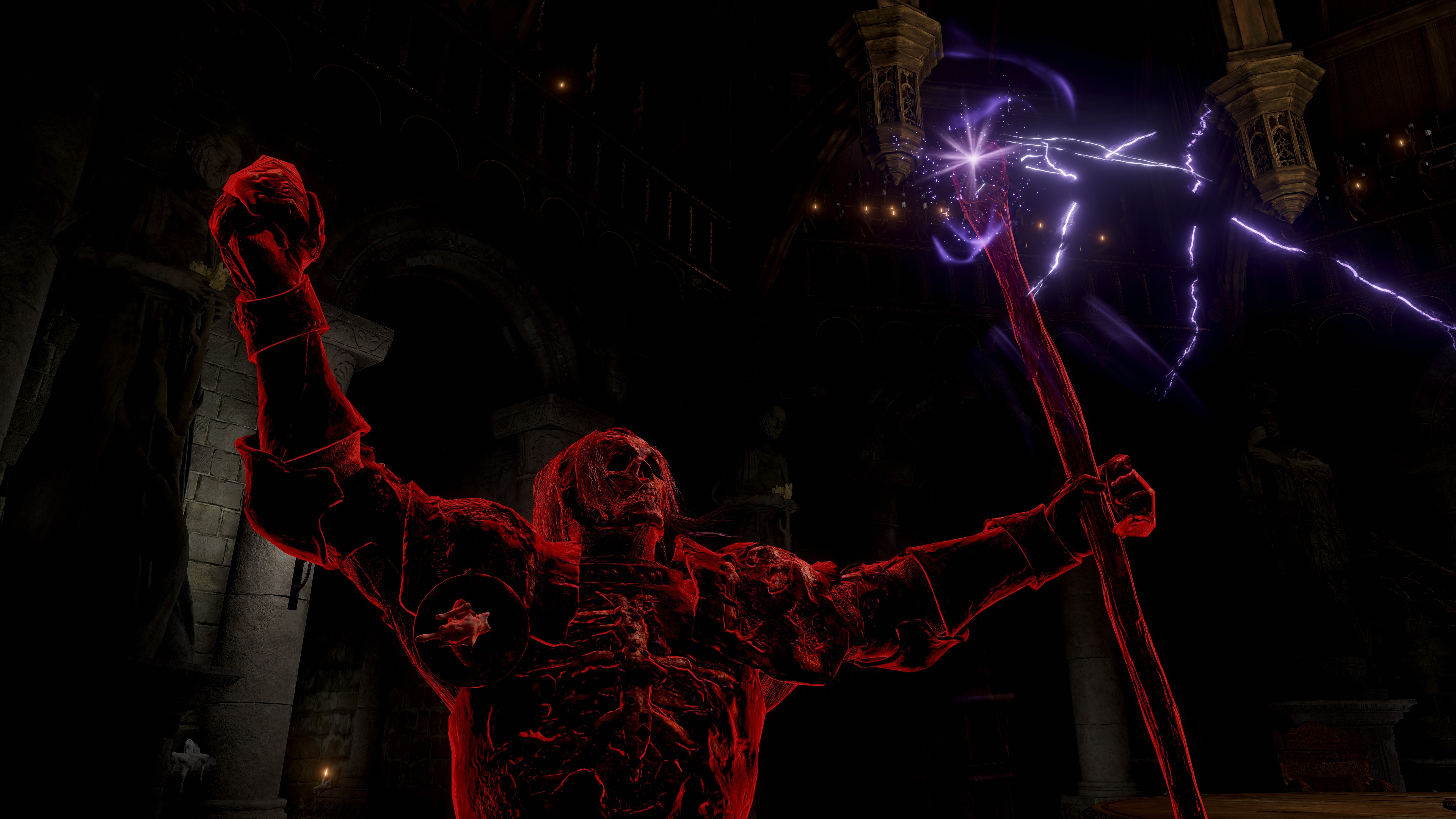
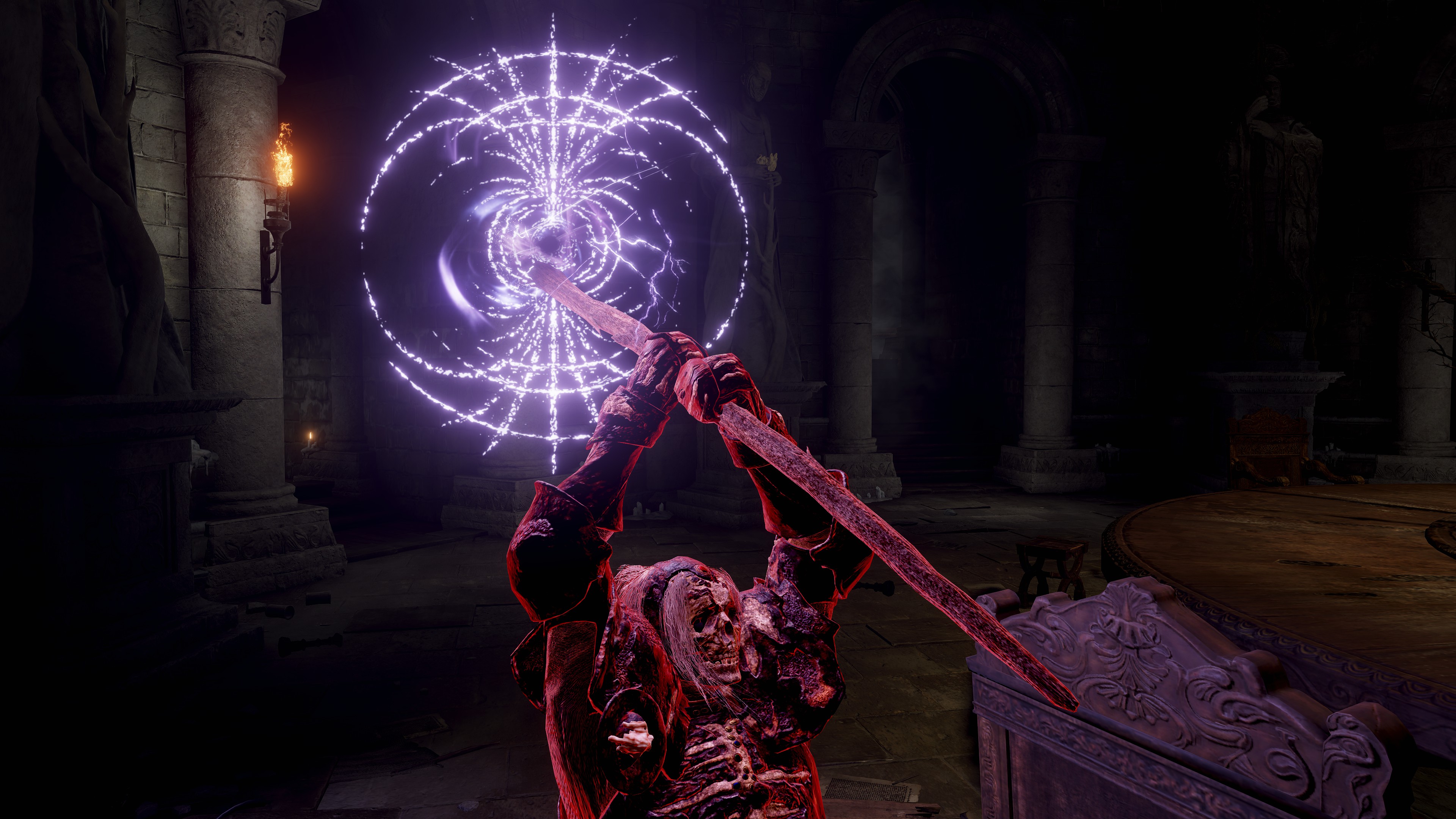
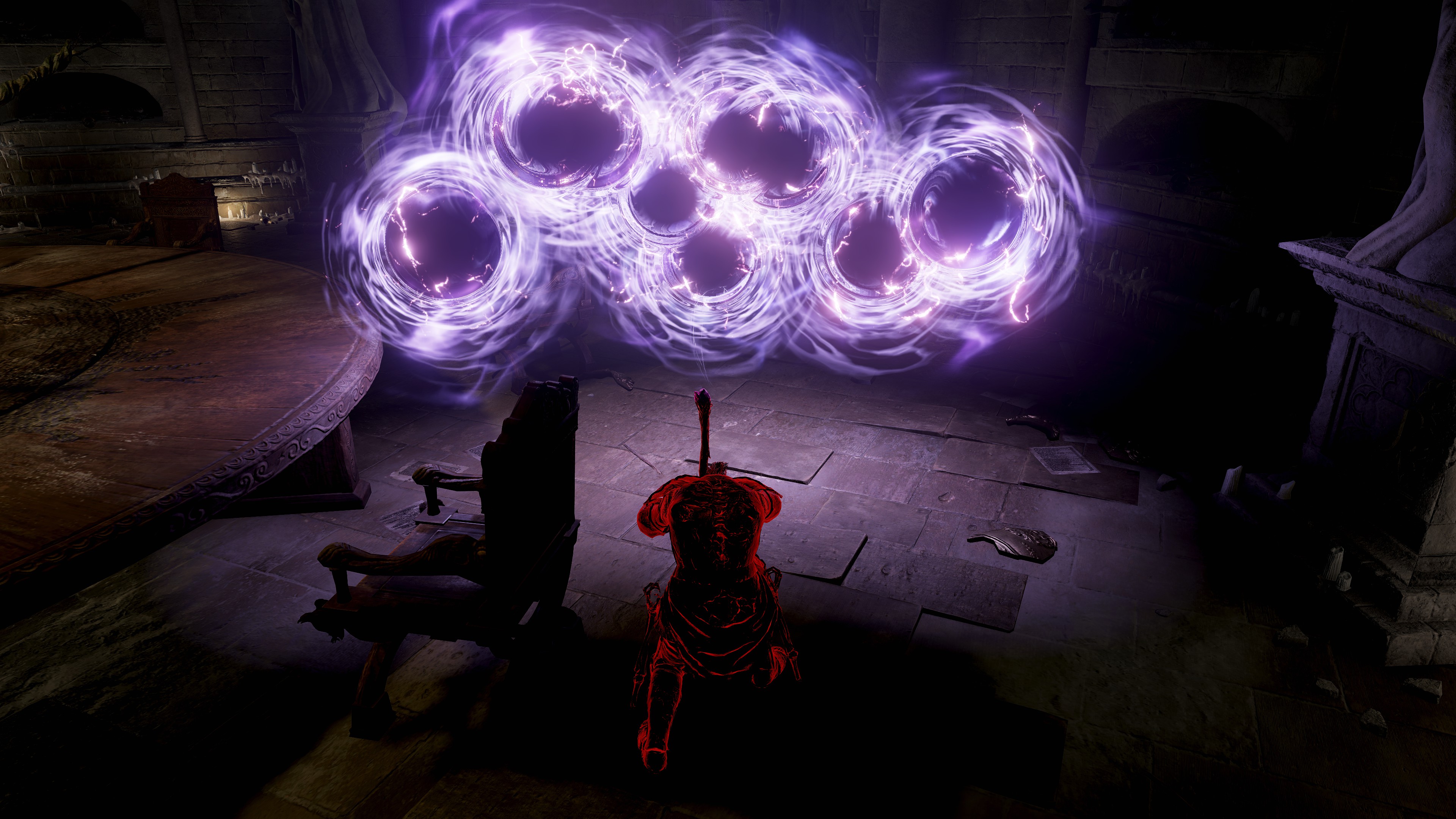
Maybe the Sun Capital’s development of sorcery can be credited to collecting some of the astrologers migrating down from the northern Mountaintops, with the gravity aspect resulting from investigation of the Divine Towers immediately accessible to them. It certainly explains their adoption of the lost saint, a role model for the sorcerers to follow. Either way, the populace was doubtful interested in meteors or glintstone or gravity in itself, just how it might be applied to their true area of interest: the golden ball of light in the sky. In other words, the city opened itself to a variety of influences. This is only natural, since the capital had been situated at the nexus between so many different parties. Even as they uniquely fixated on the sun, their origins as a developed people taught the tribe to consider outside ideas, past and present. The result was fully embracing the melting pot.
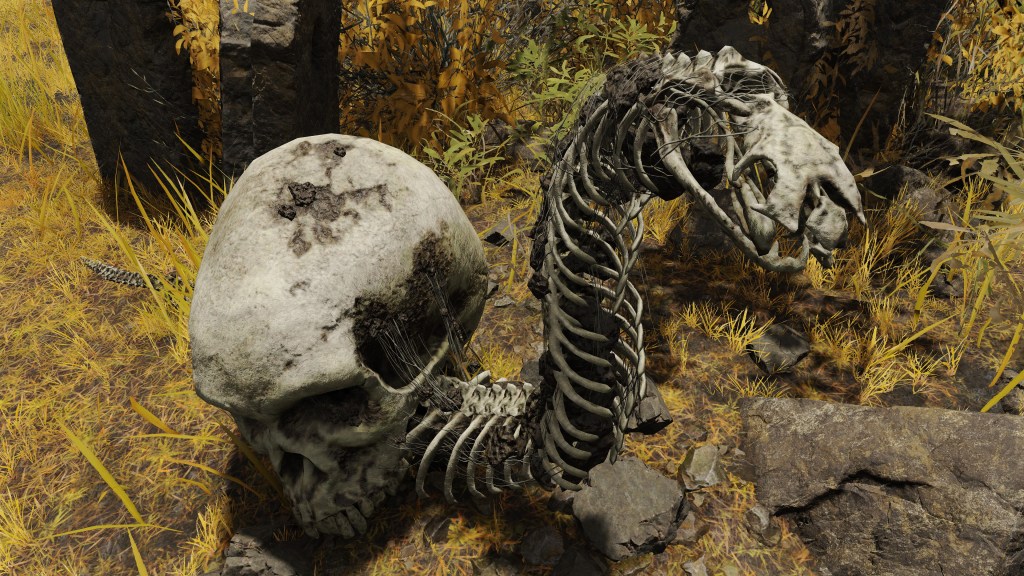
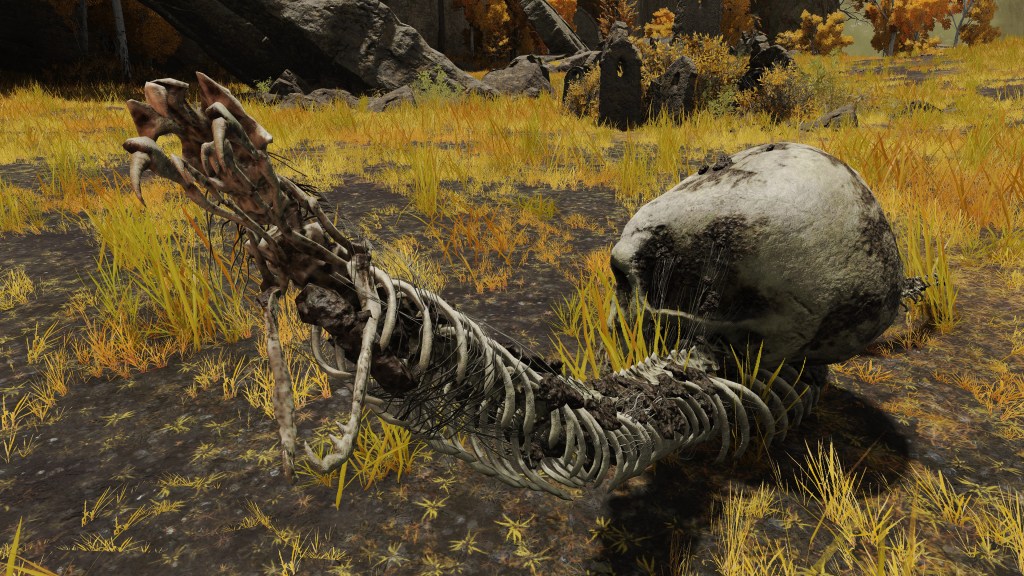
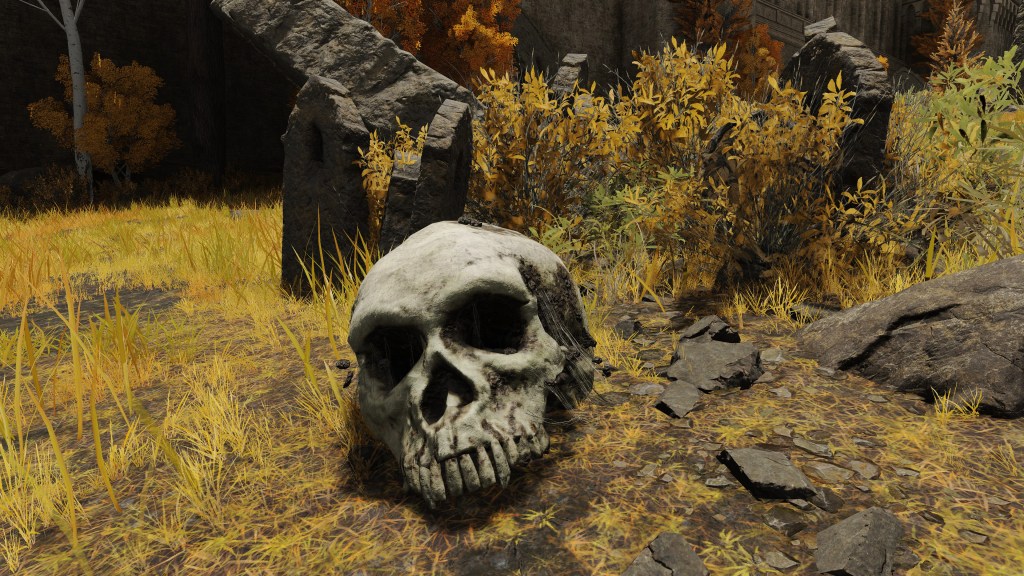
For their contribution to the culture, wise Serosh and his ilk were allowed to stay in a castle of their own make within the capital’s bounds, essentially as a foreign embassy. The castle manor, too, adopted the saint, likely in part due to solidarity with their new ally and in part for personal reasons; a holy man with a sword perfectly encapsulates these dragon-communing crusaders. Shared symbols aside, their kingdom’s connection to gold and dominion over another Divine Tower guaranteed continued relations with this country they propped up. The Farum colonists could also later leverage their relationship with the fire giants. Indeed, the gold boneyard has a mix of graves big and small like at Castle Sol, with both home to skeletal serpent snails who use giant skulls for shells. We can thus infer that the clan included the race of Flame Peak amongst its midst, helping facilitate travel to Gelmir through their city. Why not, when their flame might teach them about the sun?
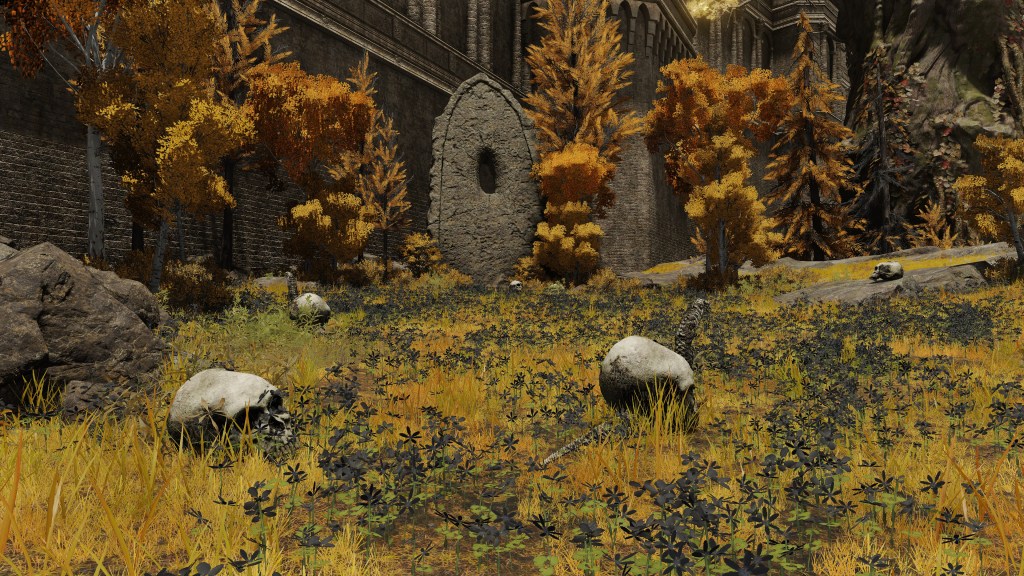
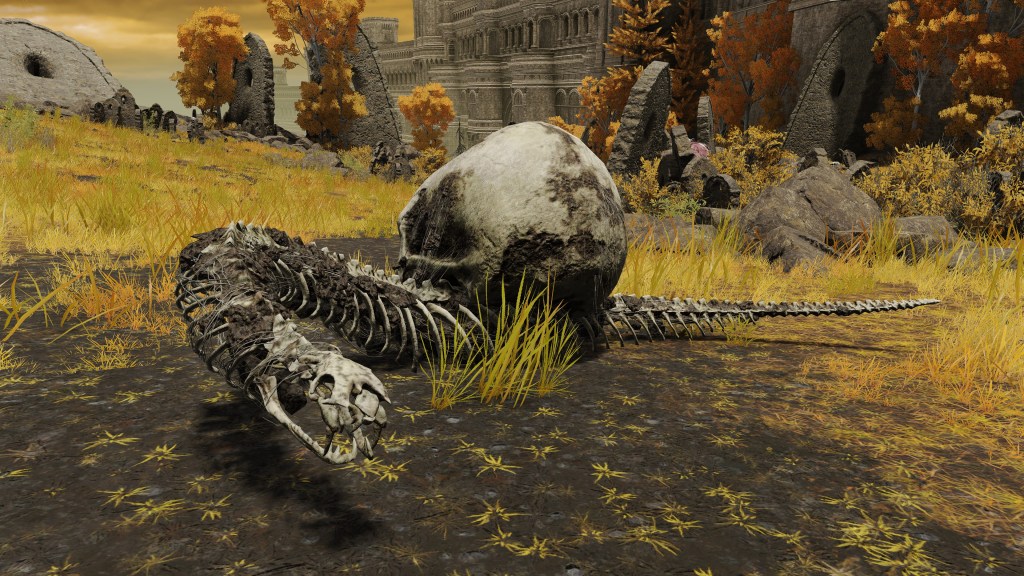
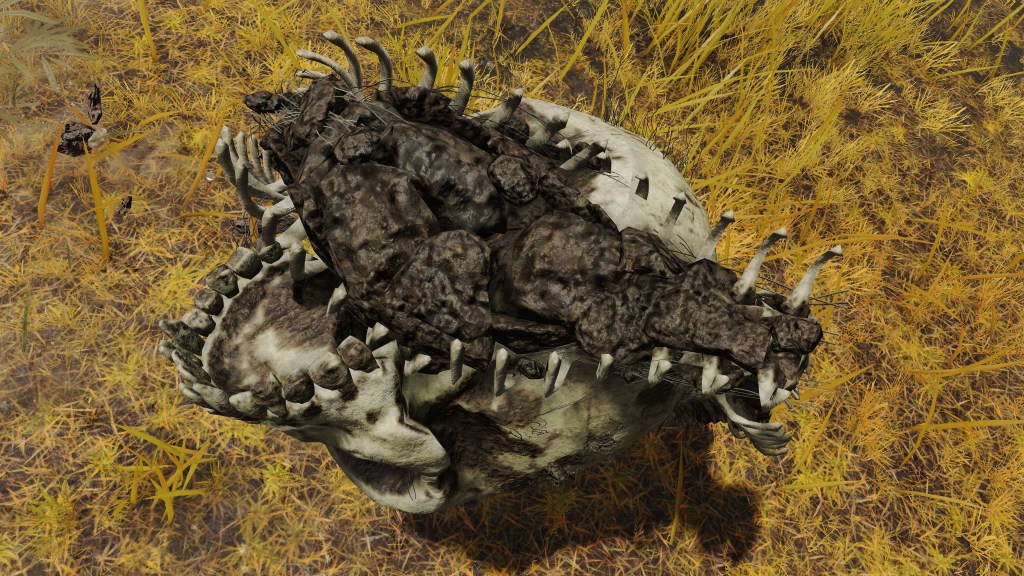
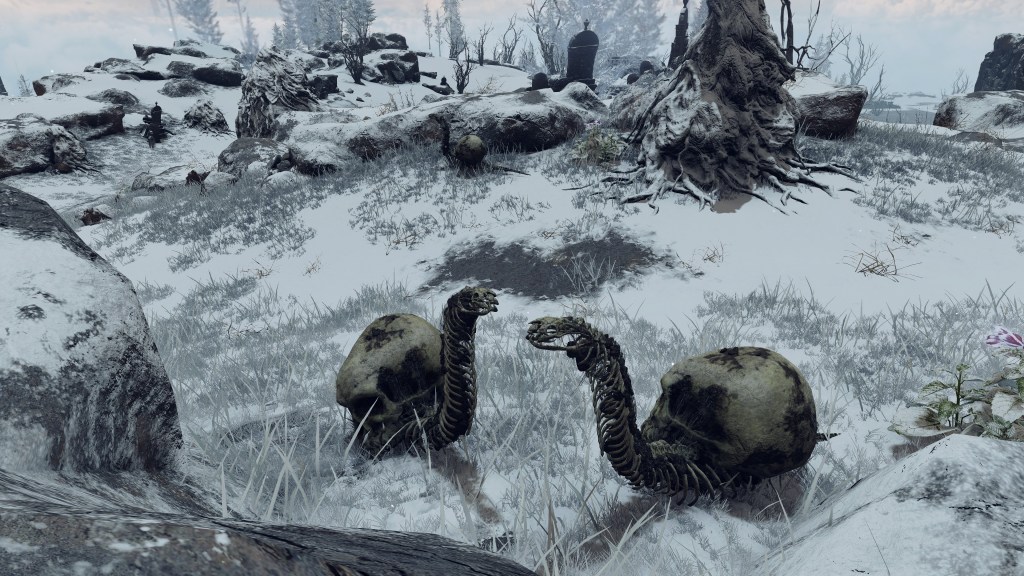
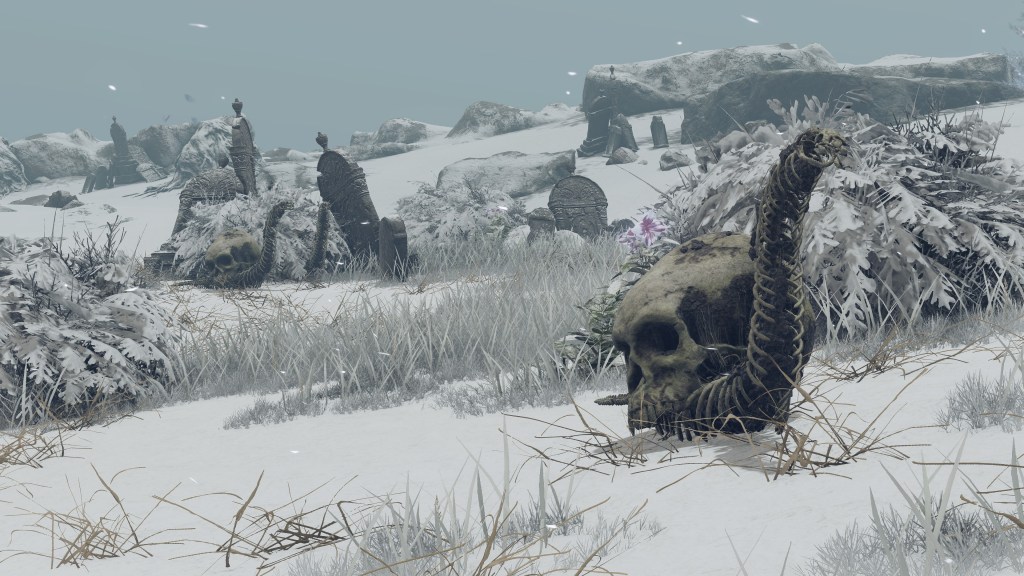
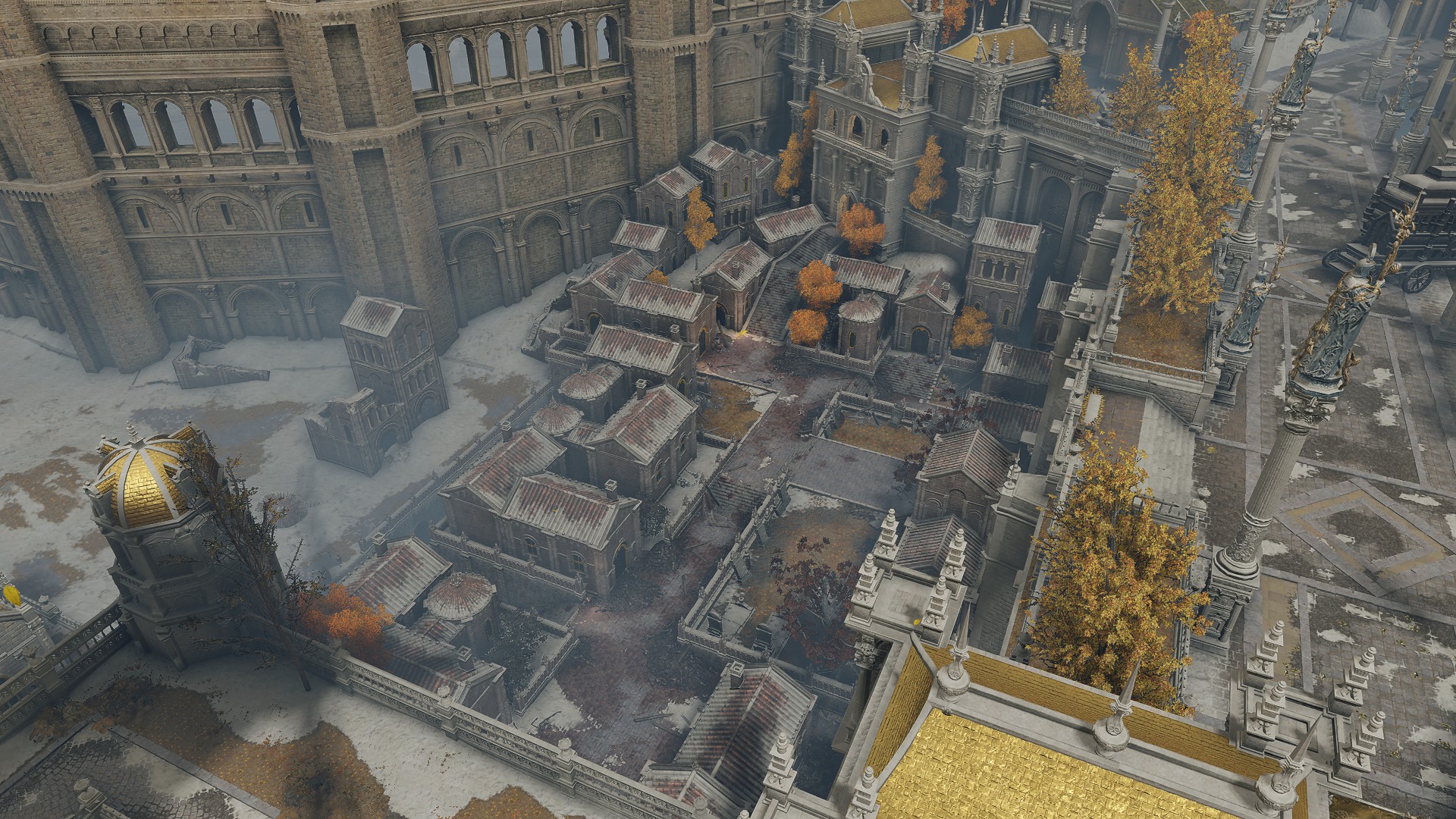
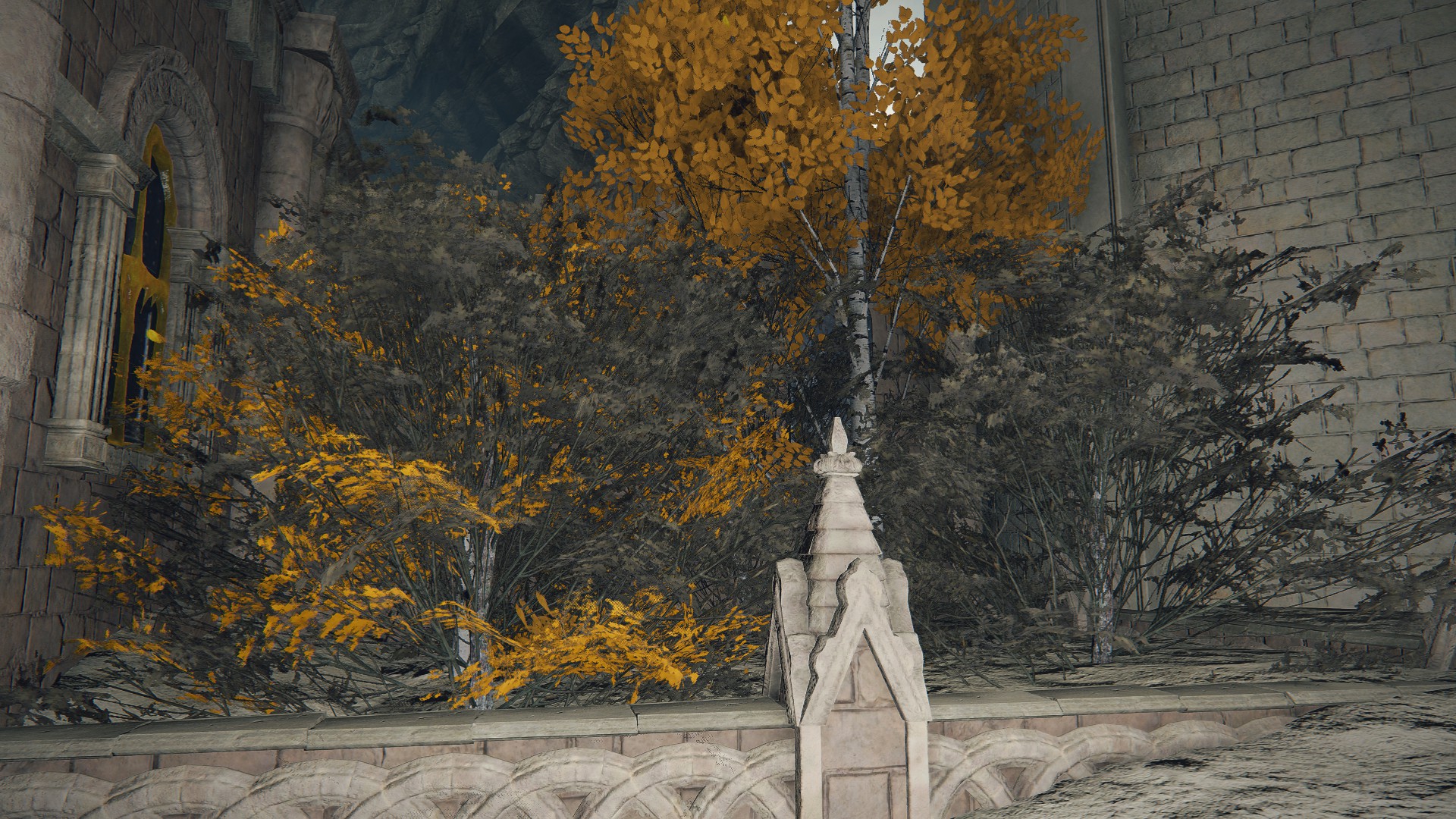
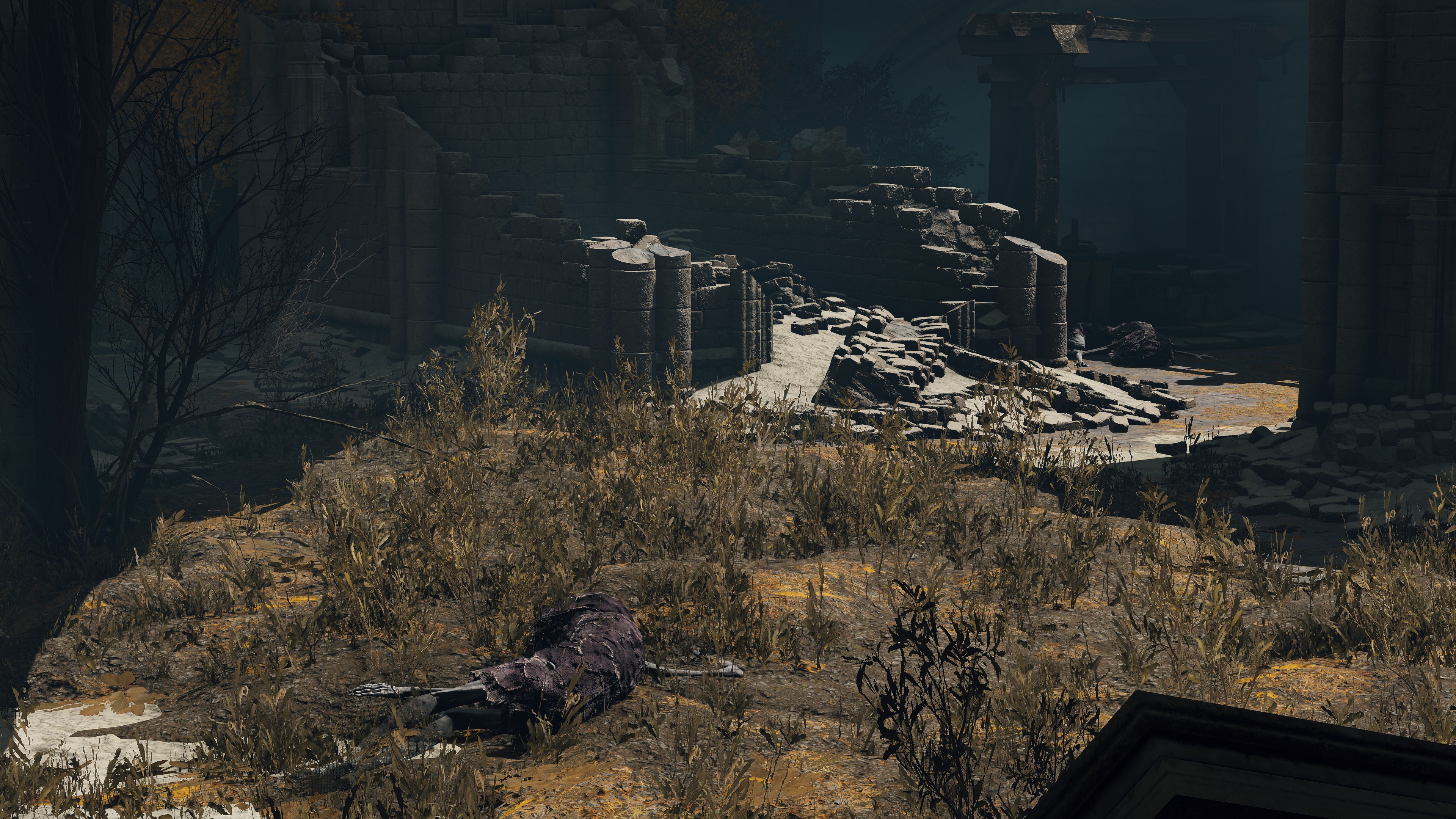
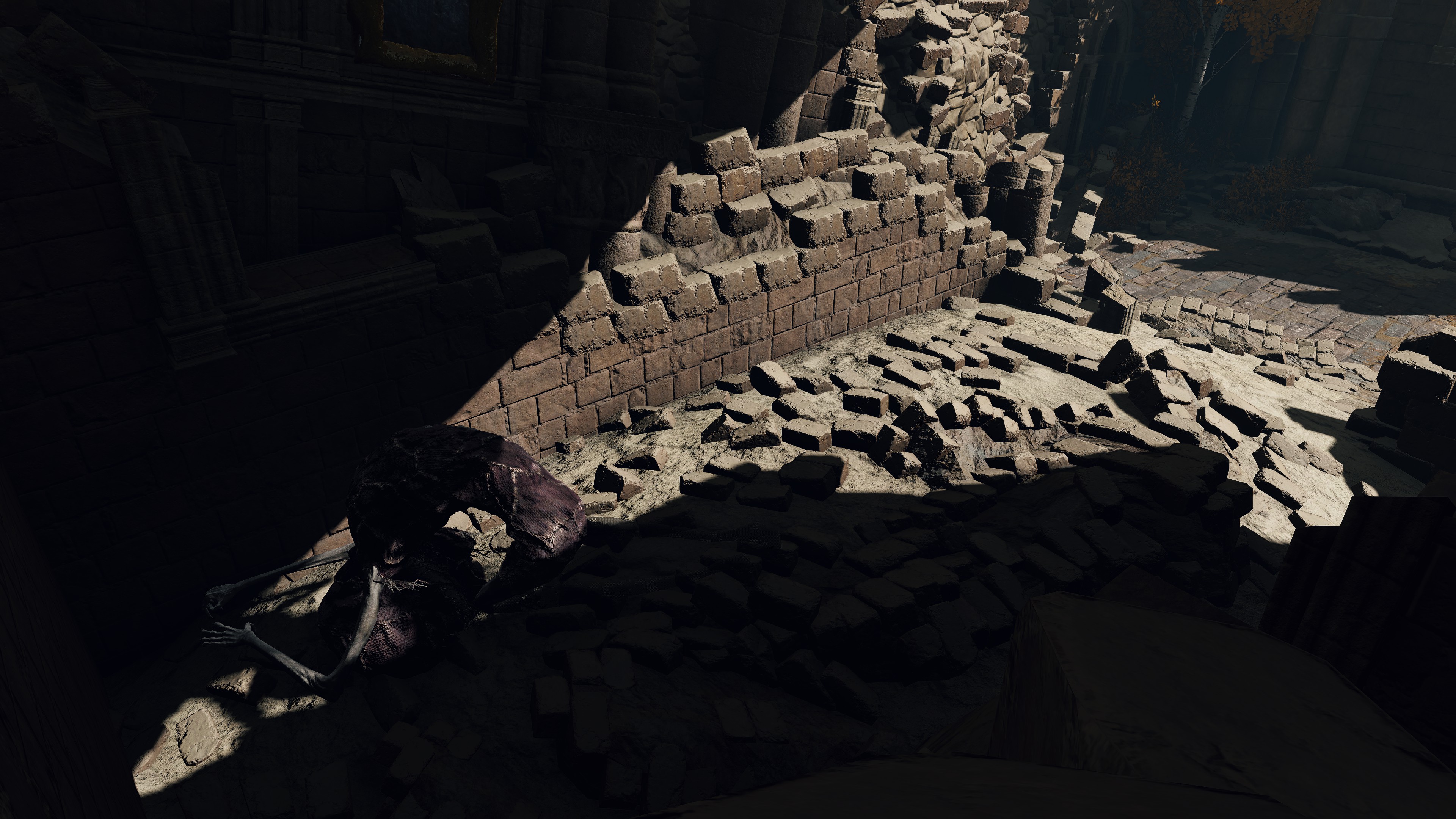
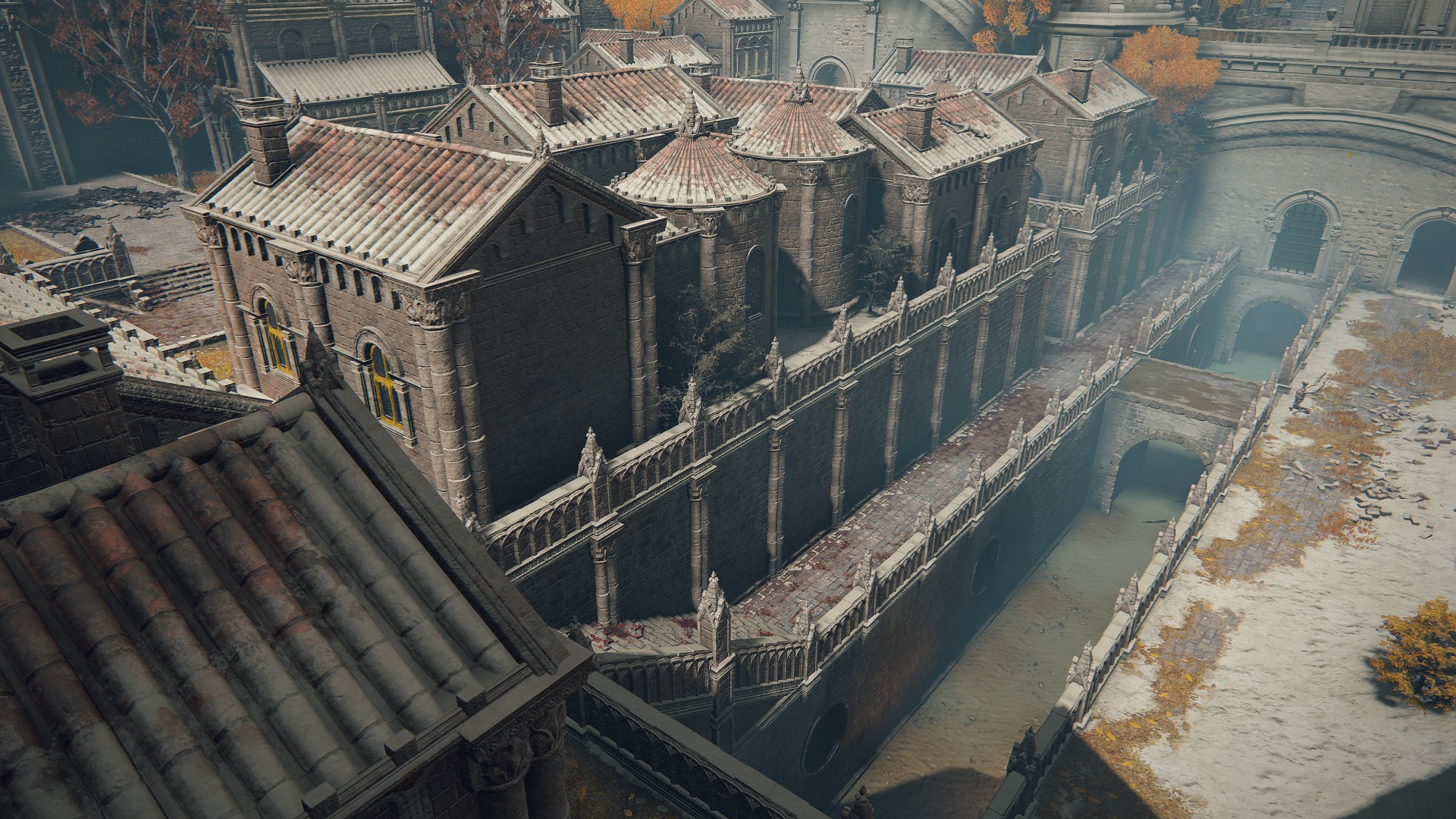
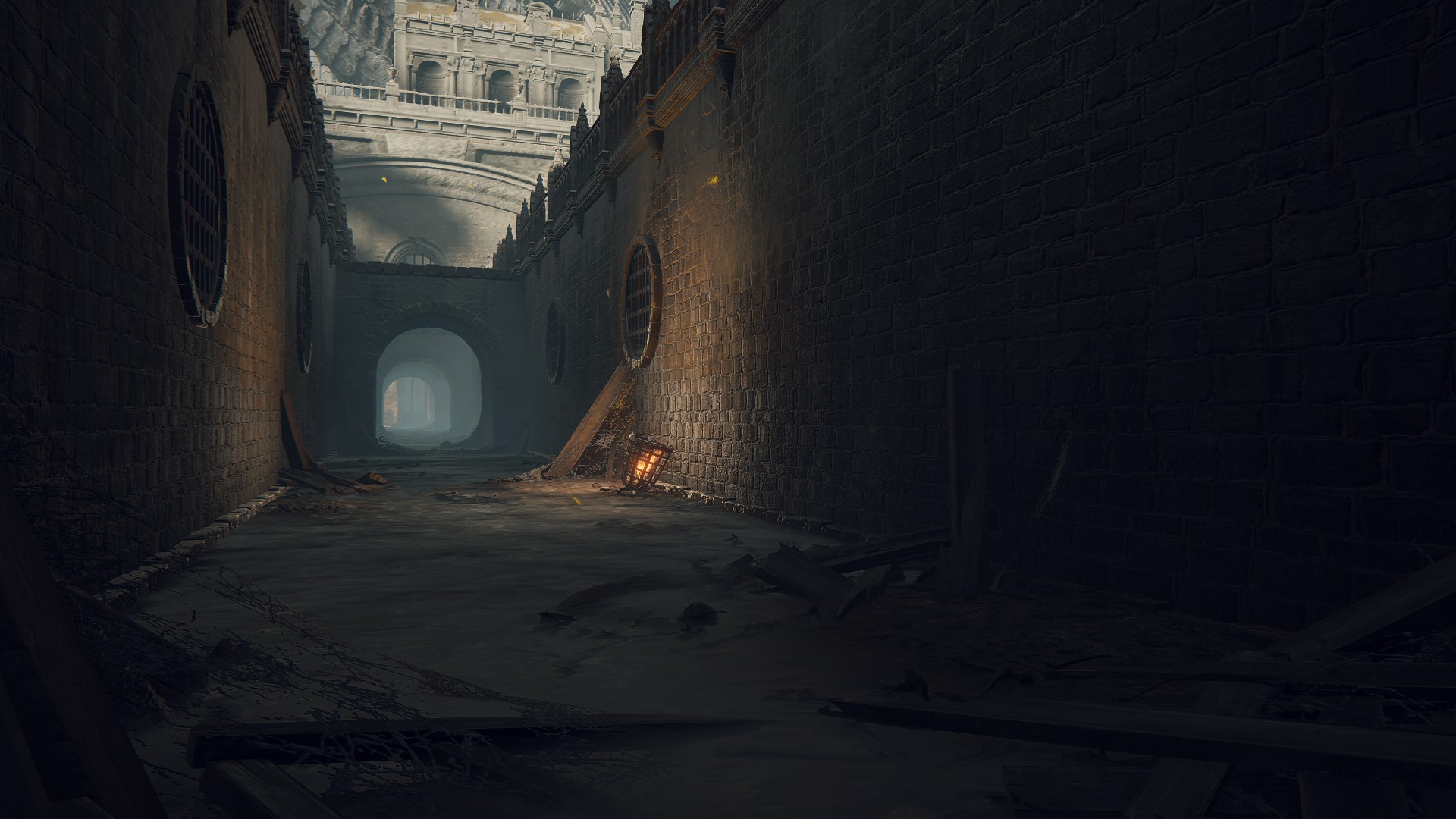
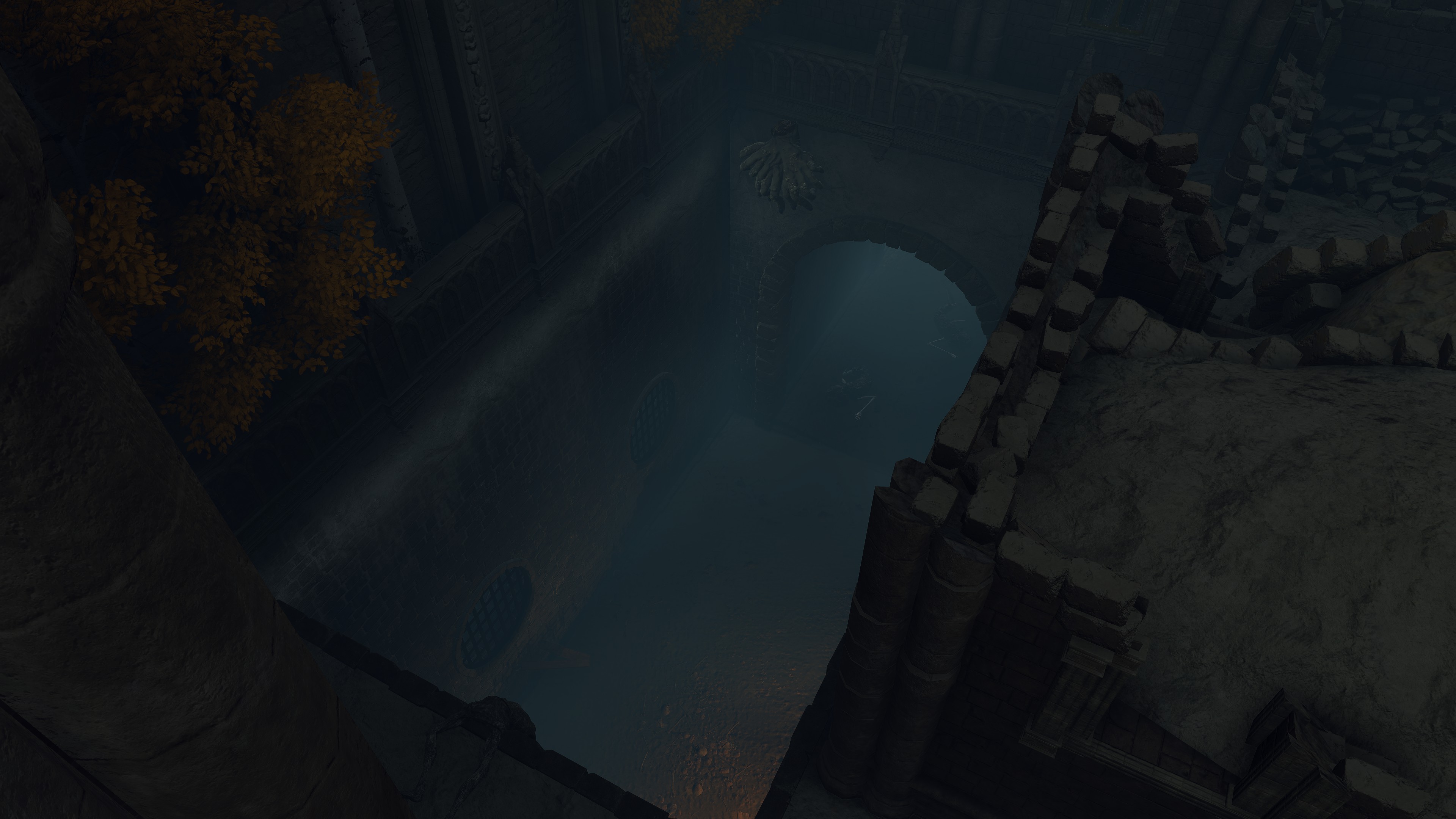
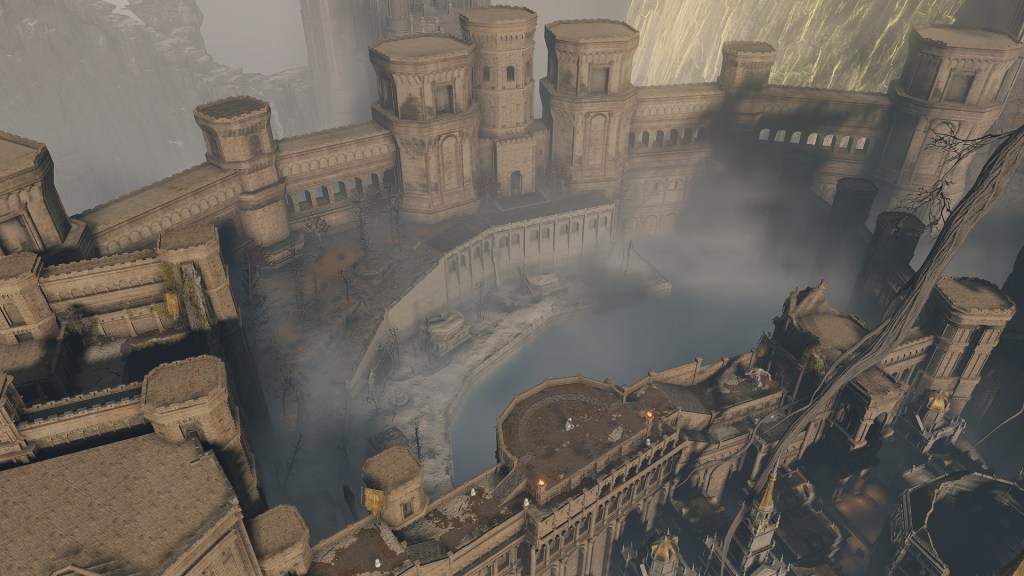
The Sun Capital also welcomed the Eternal City beneath their feet. Among the various residential blocks of Leyndell, one stands out for having upper and lower stratums, the “lower town” (下層街) with the same red-roofed homes as Sellia and Ordina. Observable residents are either generic corpses or long-rotted, making their identities impossible to verify — particularly their skin tone. But if Sellia and Ordina are descendants of the Eternal Cities, then it is possible for this Lower Quarter to be another. Apropos to that, the district is the only area to utilize green bushes and small trees across virtually all of Altus, the developers erroneously overlapping one plant with a yellow equivalent in a single instance. With such contrast, the residents there must be unique from the rest living in Leyndell. They definitely predate the modern capital since the red trees seen at the Fortified Manor tower amongst the greenery. This is consistent with Nox from the capital below, whose grounds are covered in the standard grass rather than the special kind growing everywhere else in the subsurface.
Note of a wandering people merchant. The information is written succinctly.
Sewers stretch through the royal capital of Lowdayl’s underground. And the Lower Town’s well connects to that deep place.
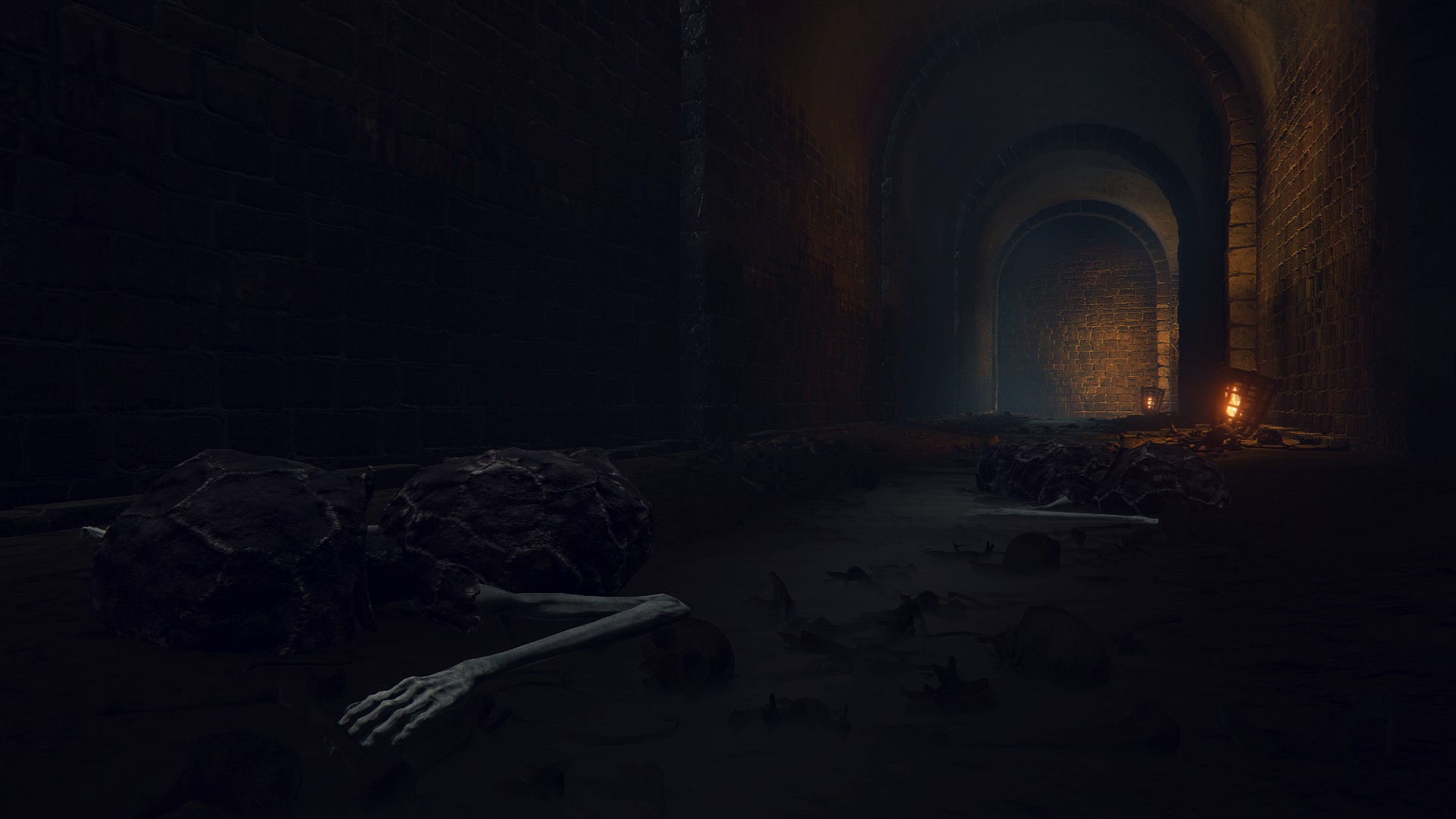
As further indication, a ruined part of the quarter hides Albinaurics, the tortured first generation lurking not just amidst the rubble but also within the sewers underneath Leyndell — sewers which, conveniently, are most readily accessed from the open channel cutting through the district. Taken as a whole, these silver-men were most likely brought above ground by their Nox masters, subsequently tormented until either escaping down the channel or left behind with the destruction to the zone. Putting the abuse aside, these servants’ presence leaves no reason to doubt who the Lower Quarter existed for. Some Nox came to live on the plateau in the days of the Farum colonies, their housing up top more shadowy at lower elevation per their preferences. This was assuredly a result of diplomacy between the capitals above and below that eastern ridge. Perhaps the realm under the sun sought out the Eternal City to help inform their sorcery culture, but it adds just one more to the melting pot. More than just the Farum colonies, the metropolis was truly cosmopolitan.
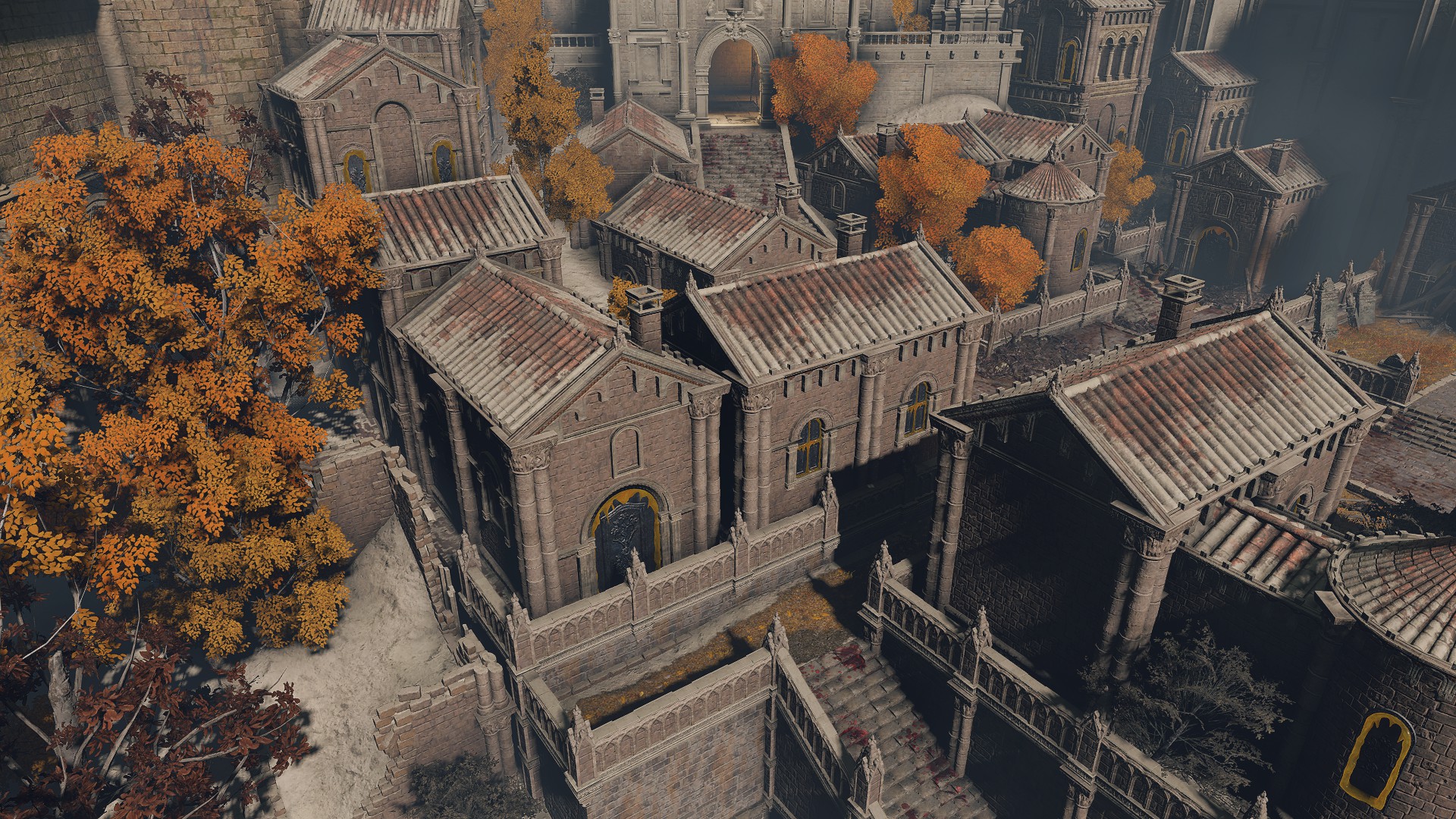
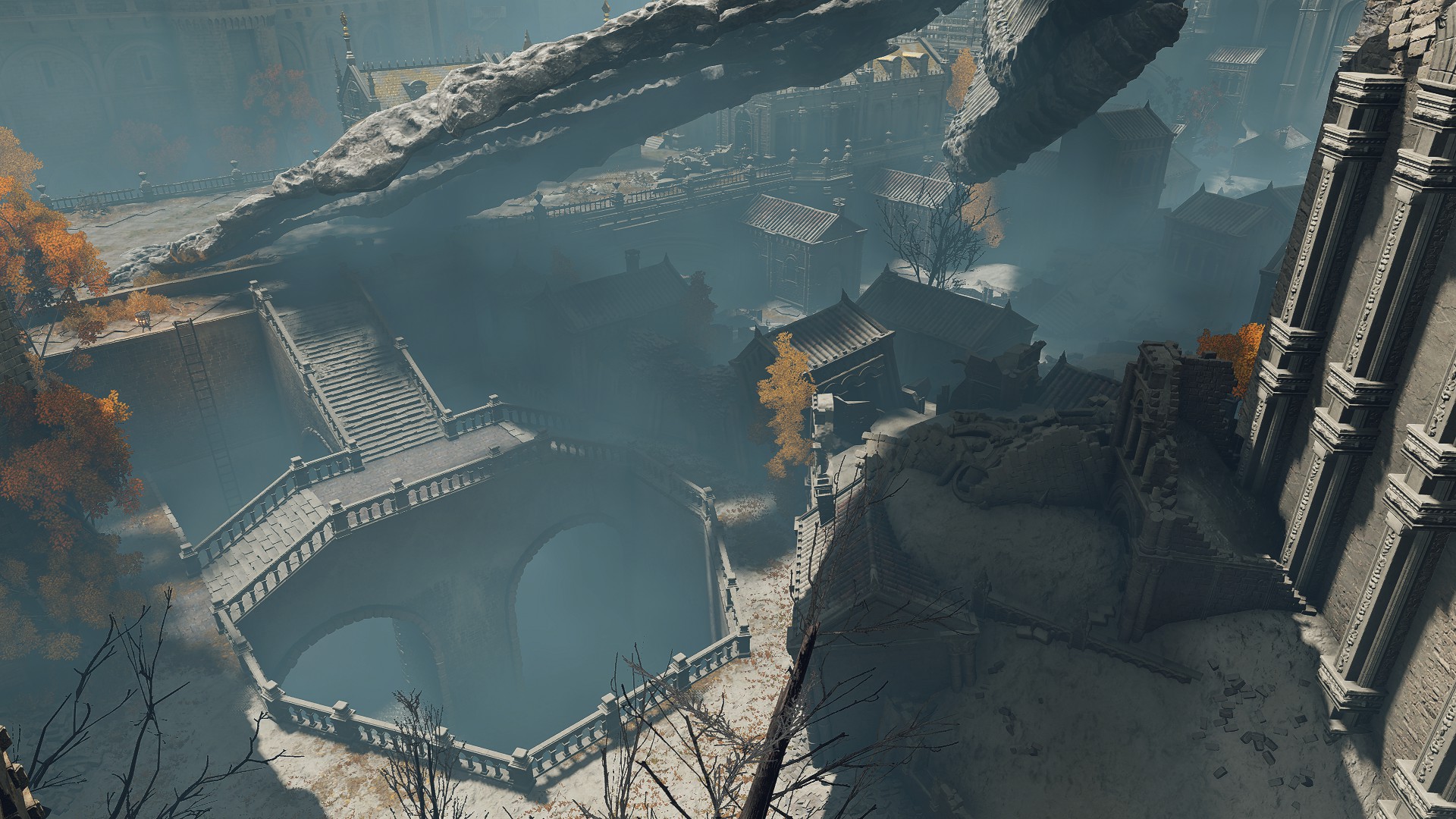
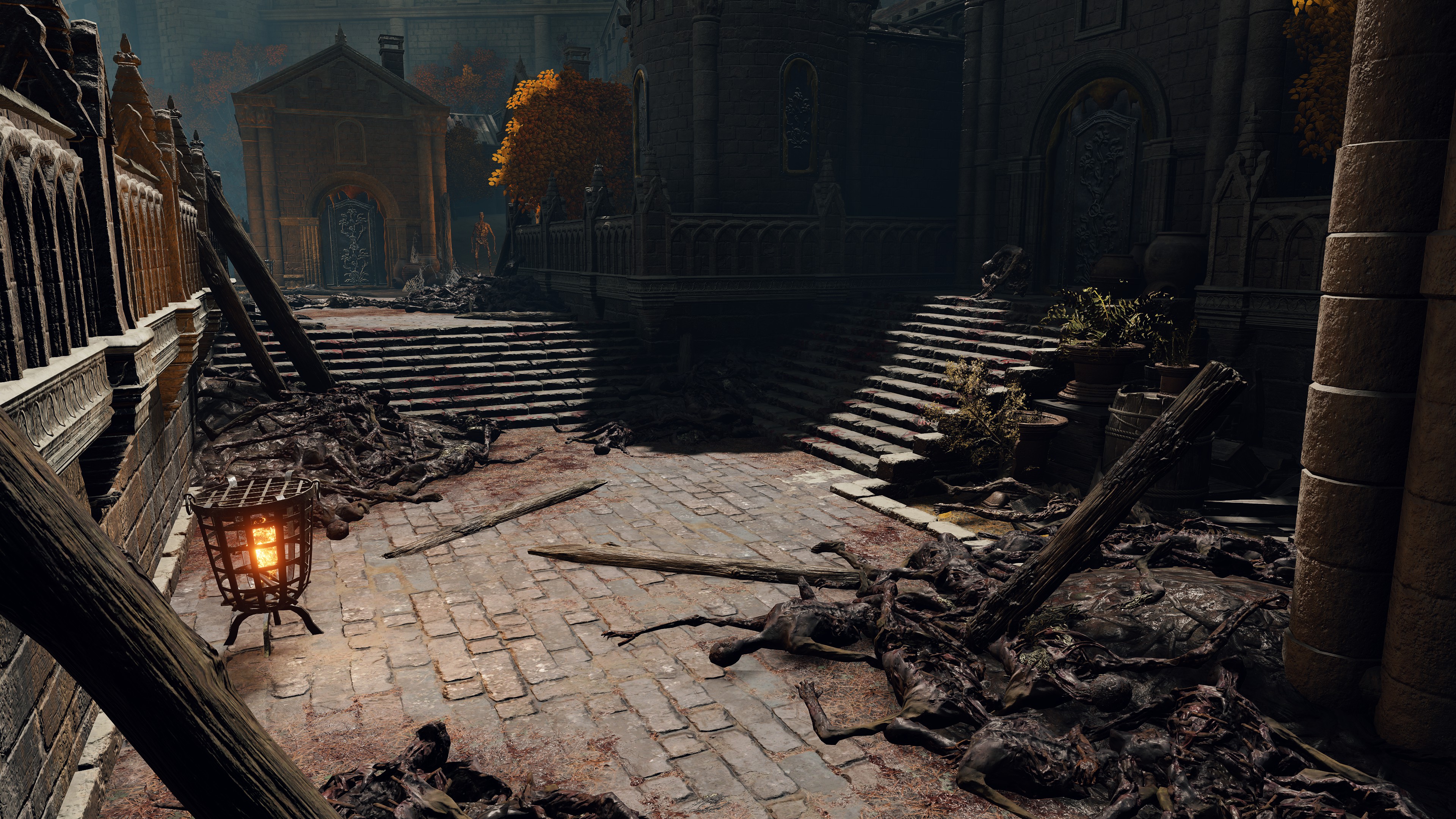
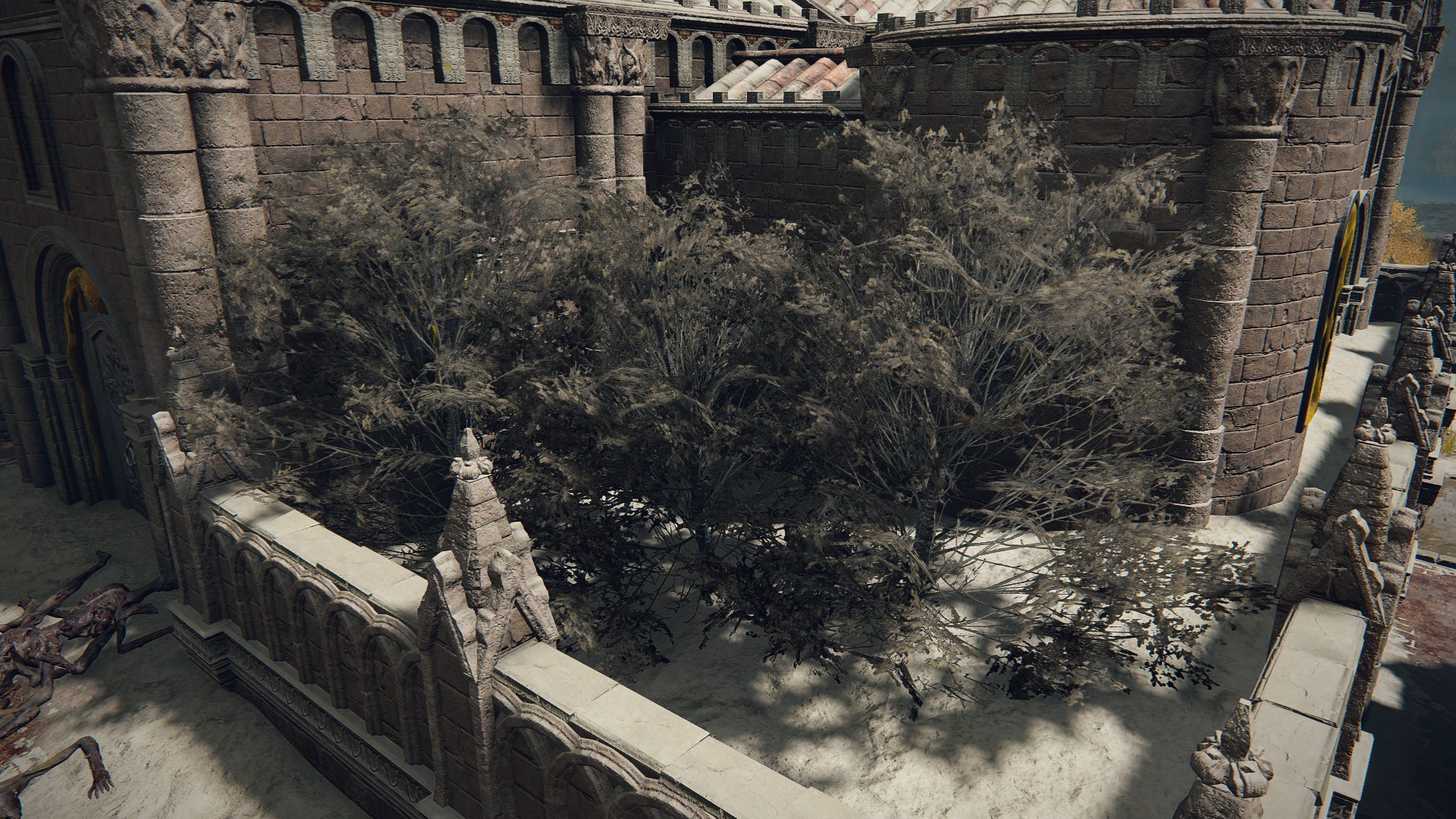
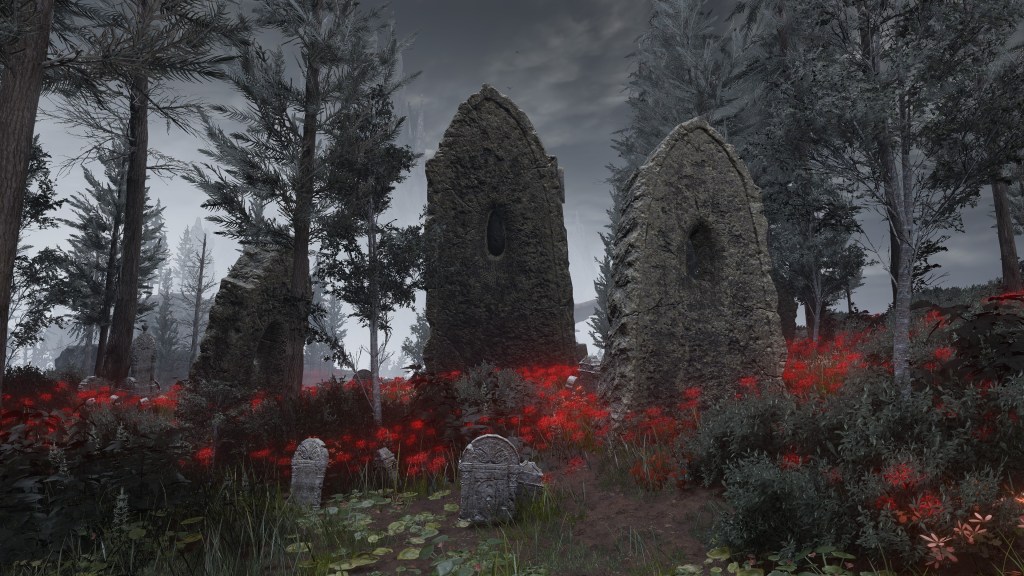
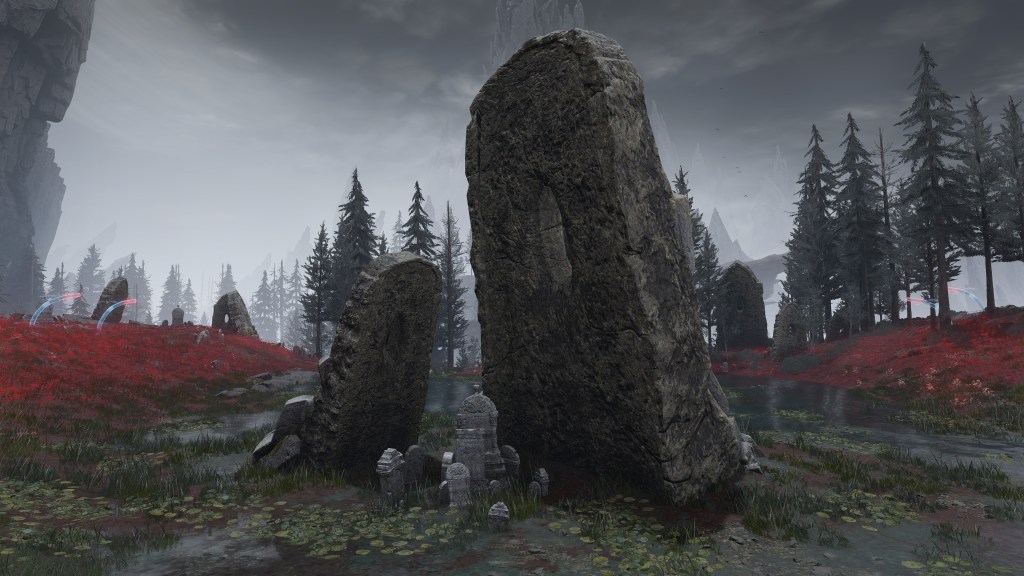
This eclectic mix even extends to the Sun Capital’s burial practices. Despite the gold boneyard’s location, it was probably only created with the city state’s collapse. We can find the same style of headstone in the Realm of Shadow, primarily scattered amongst the countless in Deathbird territory. In short, the clan sent its dead off to the center of the Lands Between as part of the pagan funerals predating modern Erdtree Burial. This is no surprise, given the city’s location. If locals left Altus Blooms with the dead to help the Deathbirds with cremation before the Erdtree, then a primitive clan were liable to carry this on even after establishing new civilization. It wasn’t as if the custom interfered with their sun veneration, after all. If anything, these practices might have influenced the Farum colonies.
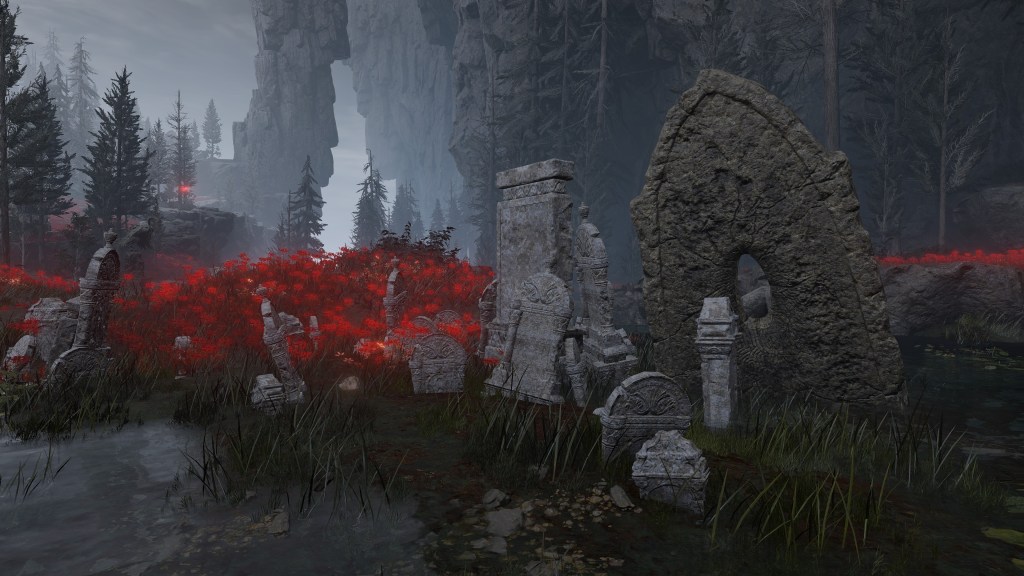
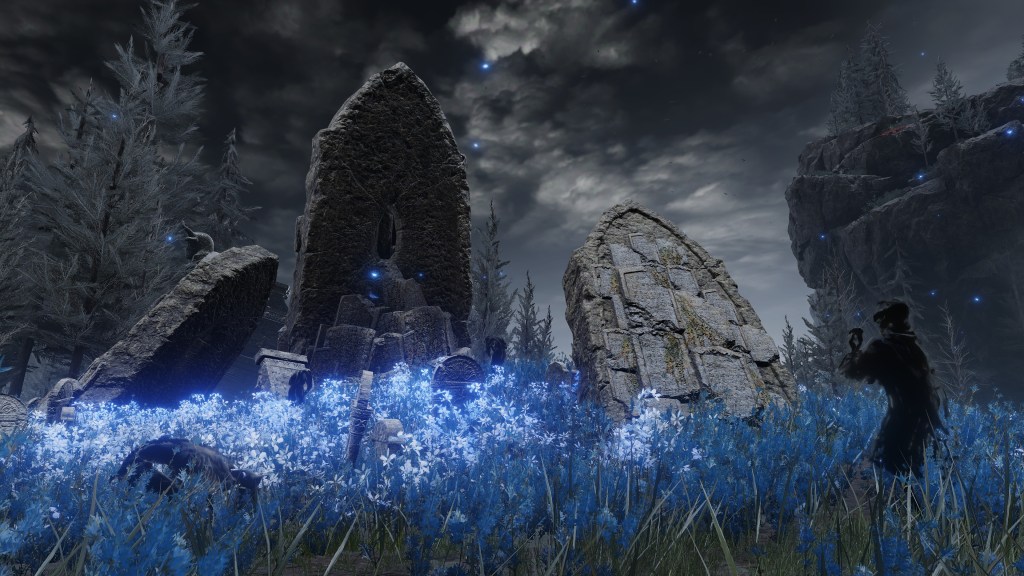
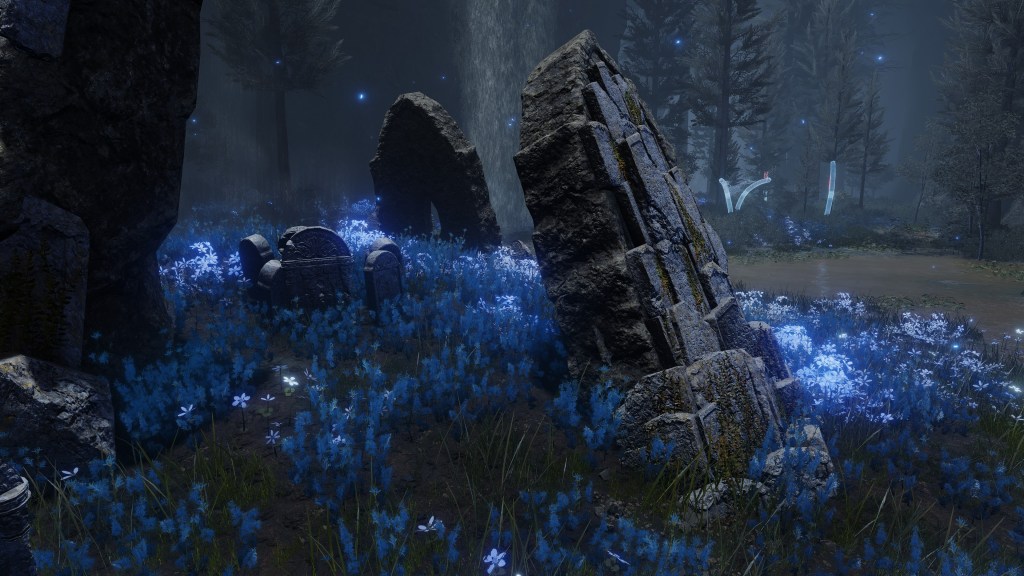
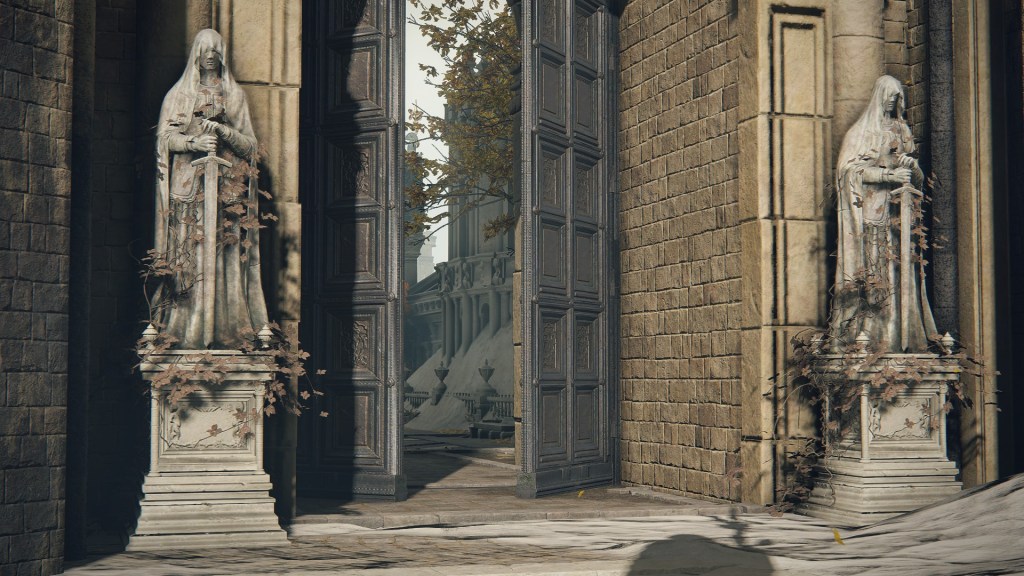
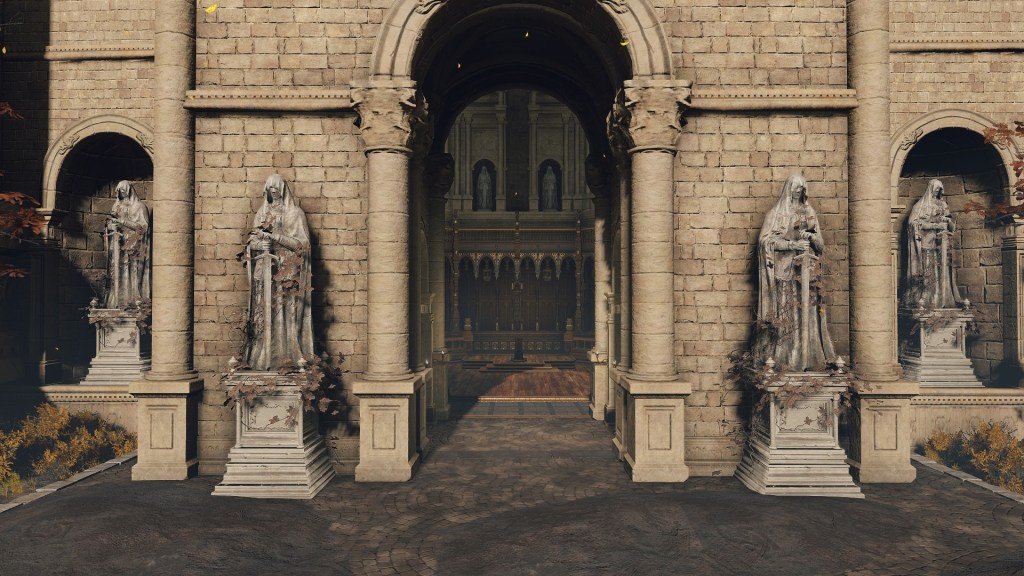
The main street to the “Upper Quarter” in Leyndell connects districts at both ends. The western block is for the Fortified Manor, the other is for more residential. Both keep divine bridges, the latter leading to the Mountaintops and East Altus Divine Tower. Residents of this quarter maintain their own private graveyard. The cemetery features the saint statue, which additionally lines both exits to this district. Both yards along the city ramparts likewise grow the manor’s red trees — even the lift to the divine bridge uses the same dragon banner for its lever. Altogether, the various unique elements imply the eastern block to be a “Pagan Quarter” connected to the castle opposite end of main street. This brings attention to one variant of headstone standing out from the rest in that graveyard. This distinctive asset is reused from Dark Souls III, like many others, except with the half-flower ornamenting the top removed. The unchanged asset remains in use elsewhere, prominently at churches enshrining Marika or Radagon. Does, then, the missing flower denote the deceased as outside the Erdtree faith?
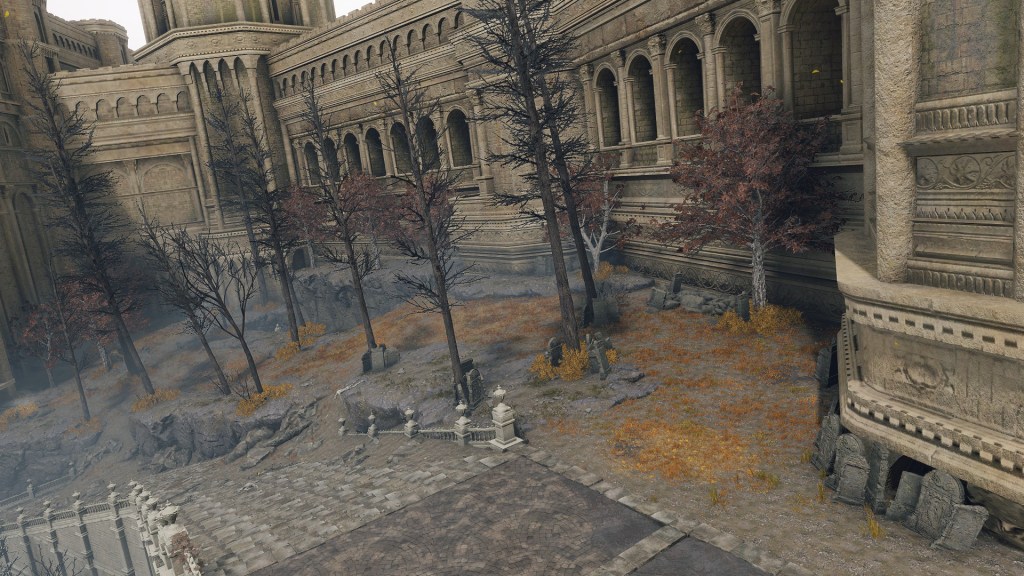
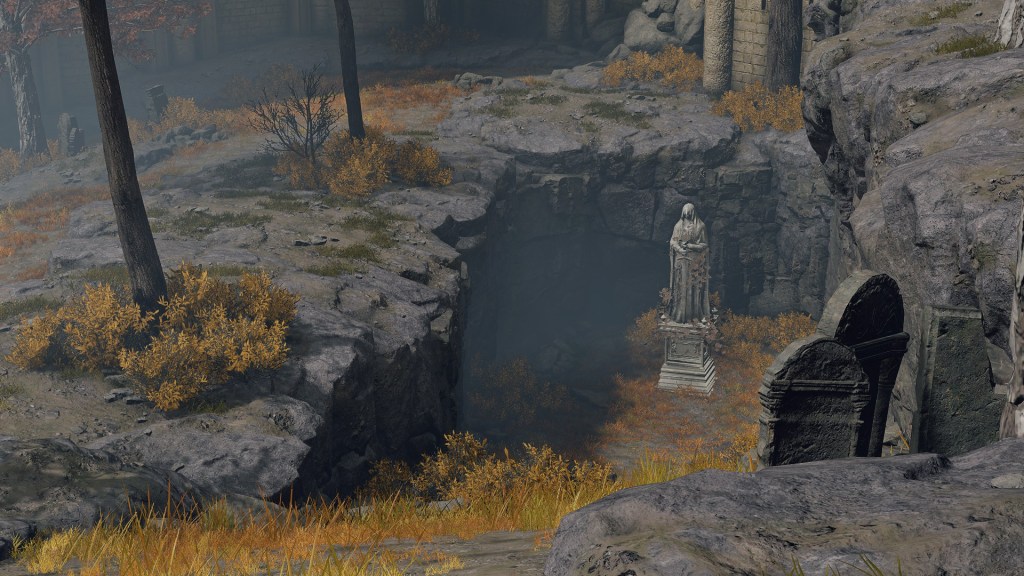
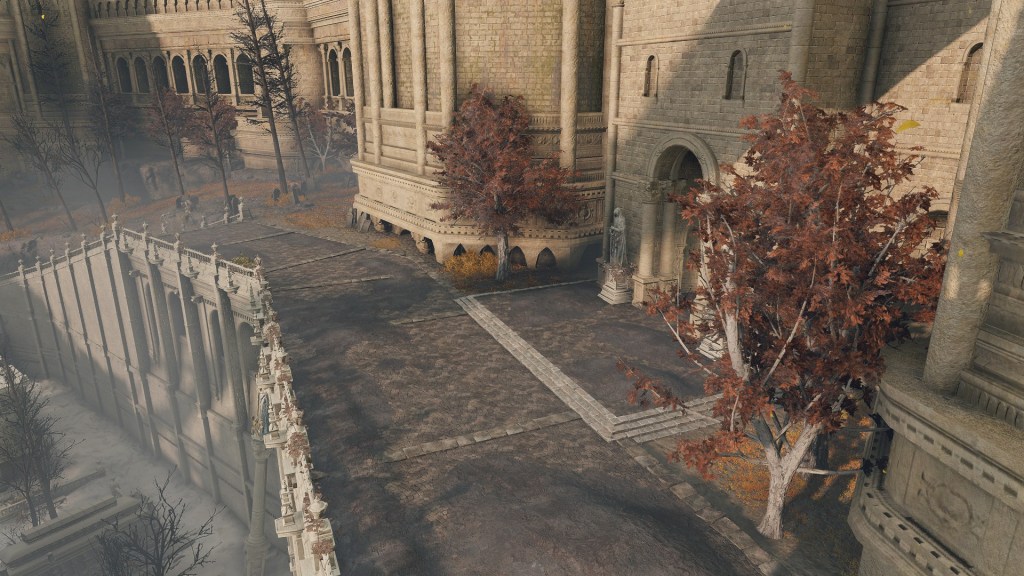
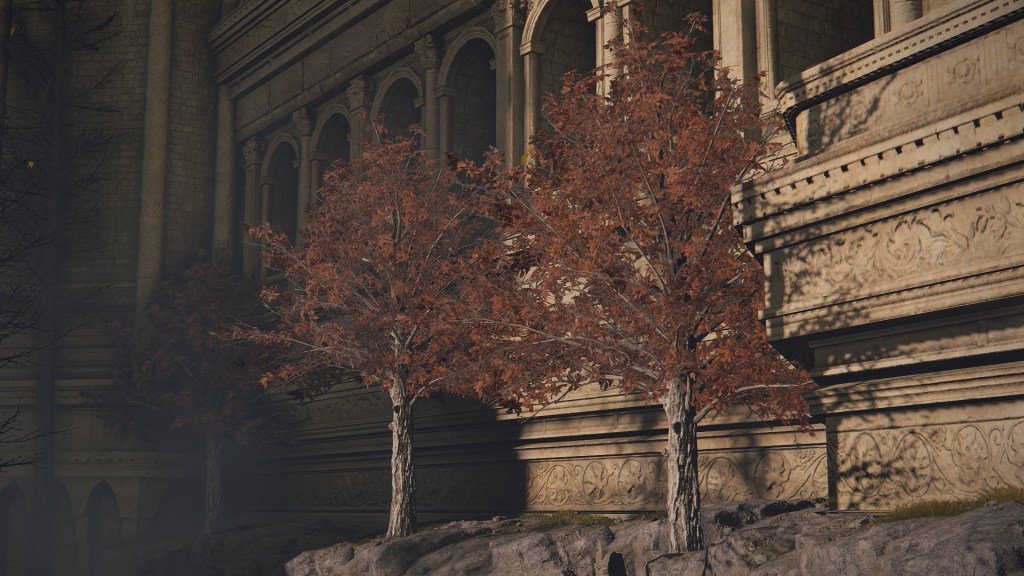
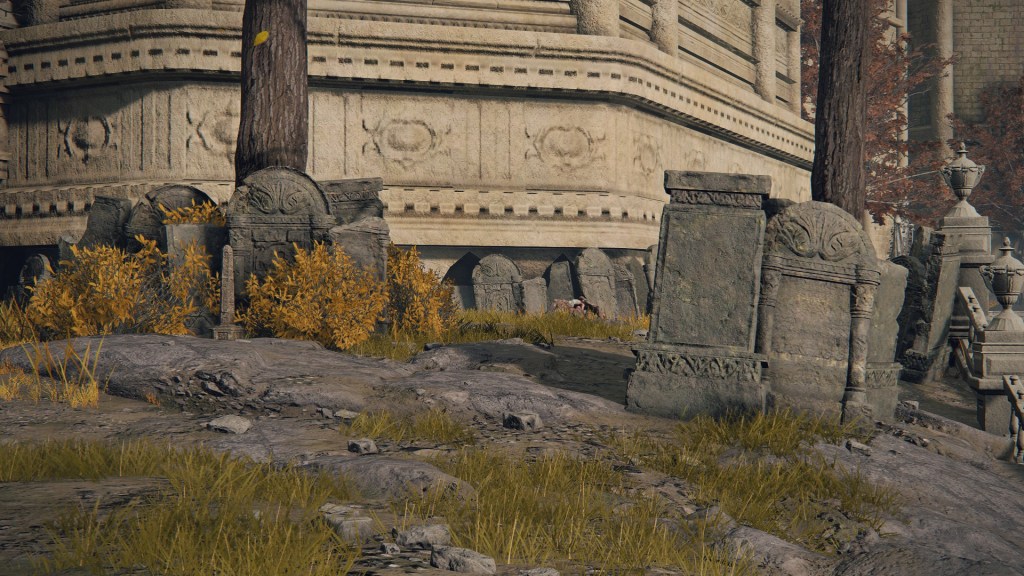
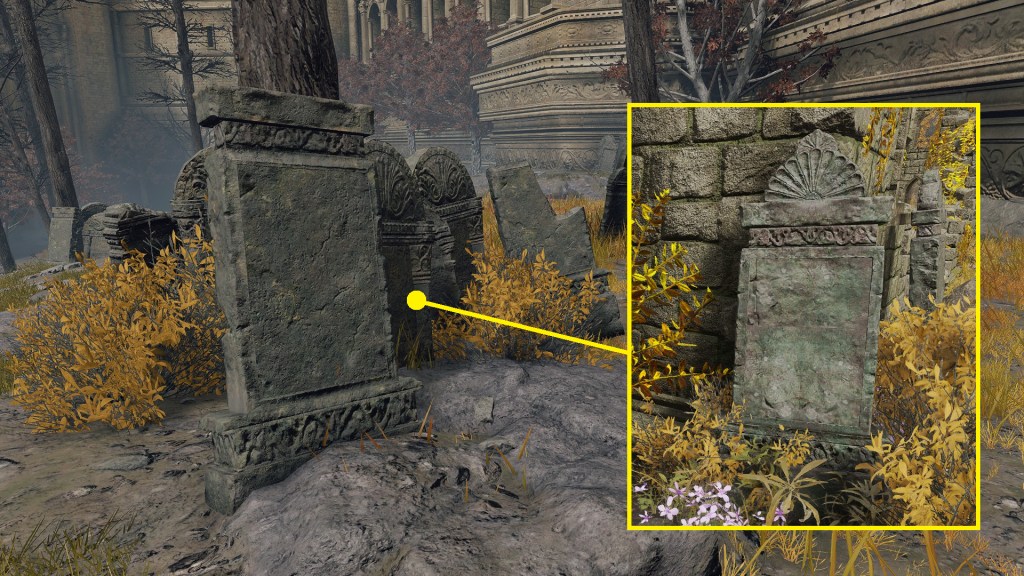
When it comes to decidedly pagan burials, the flat-top grave is nowhere more numerous than at the necropolis stretching across Charo’s Hidden Grave and the Cerulean Coast. There, once again, the graveyard employs exclusively this version with three exceptions, each in remote corners of the Hidden Grave. Granted, it is reasonable for the few odd Erdtree worshipers to nonetheless end up buried under the Deathbirds’ purview; there are always outliers. The random anomaly only serves to highlight the general rule. This isn’t to say that every pagan is buried with the same flat-top headstone — the center of the Lands Between is filled with plenty of diversity, some combination of tombstone common to many other graveyards. However, it is clear that when choosing between the two versions, FromSoftware uses the edited grave model to confirm the pagan status of at least a sizable portion of the dead at a given burial site. Leyndell’s Pagan Quarter is just one part of this trend.
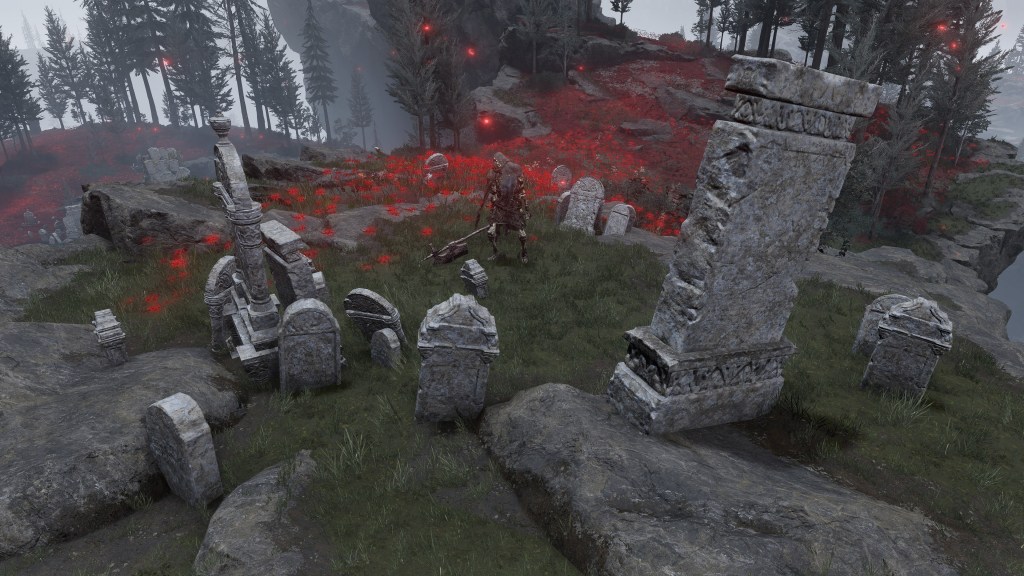
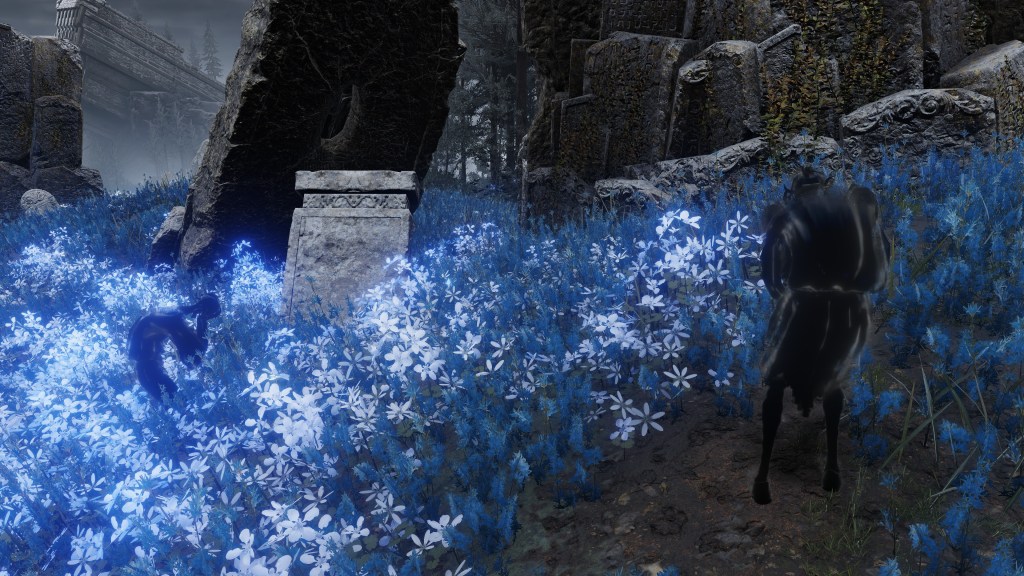
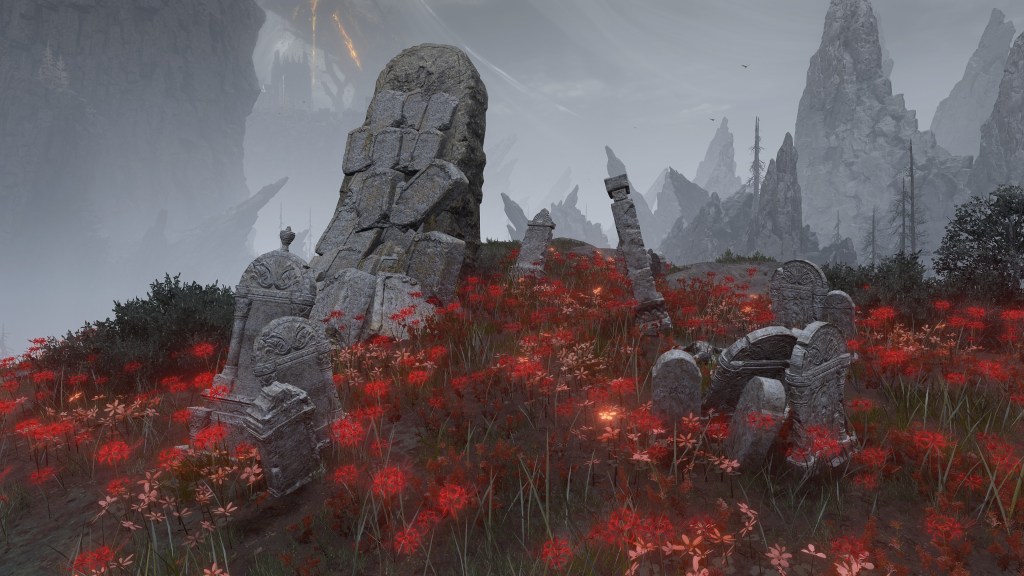
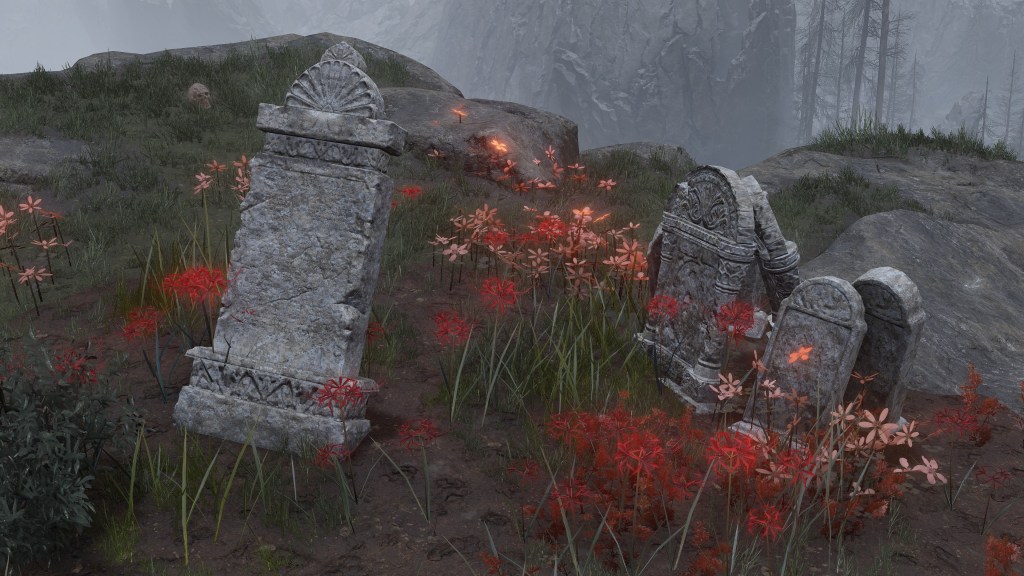
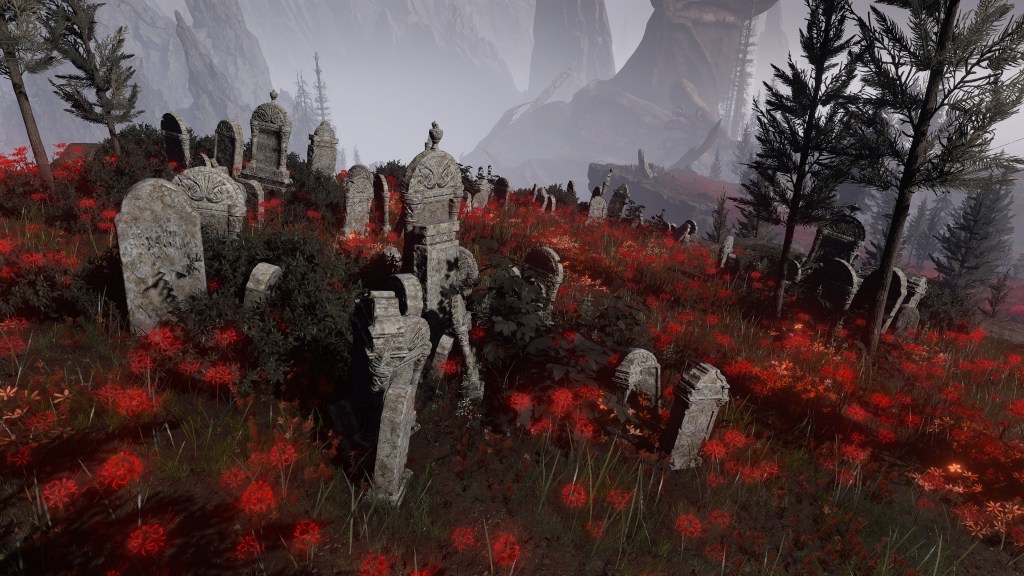
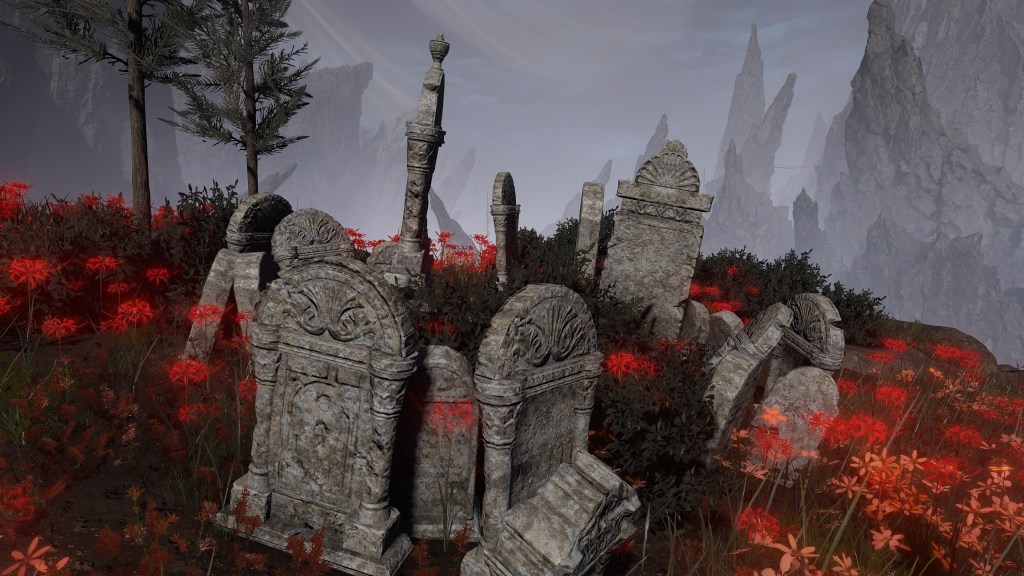
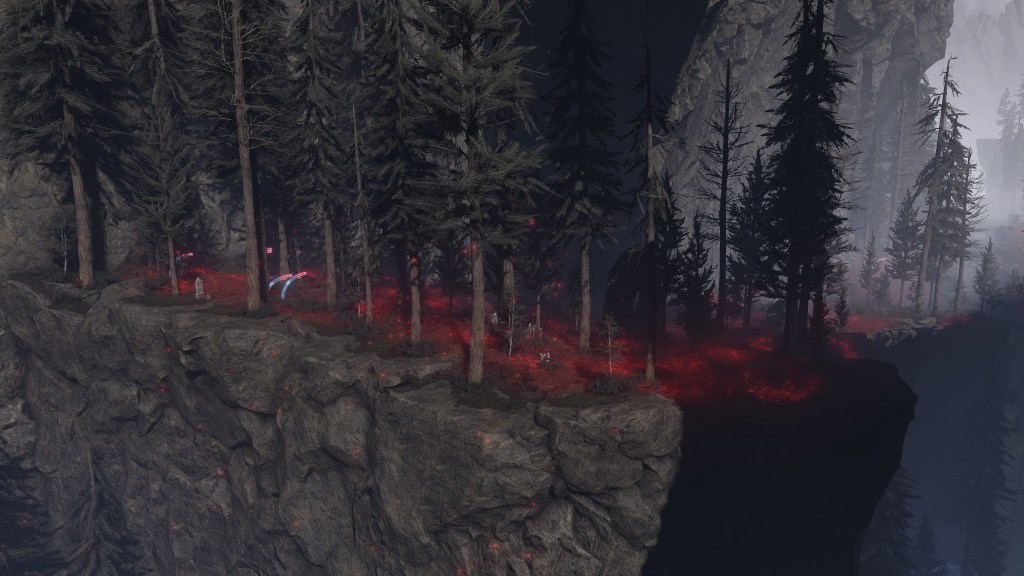
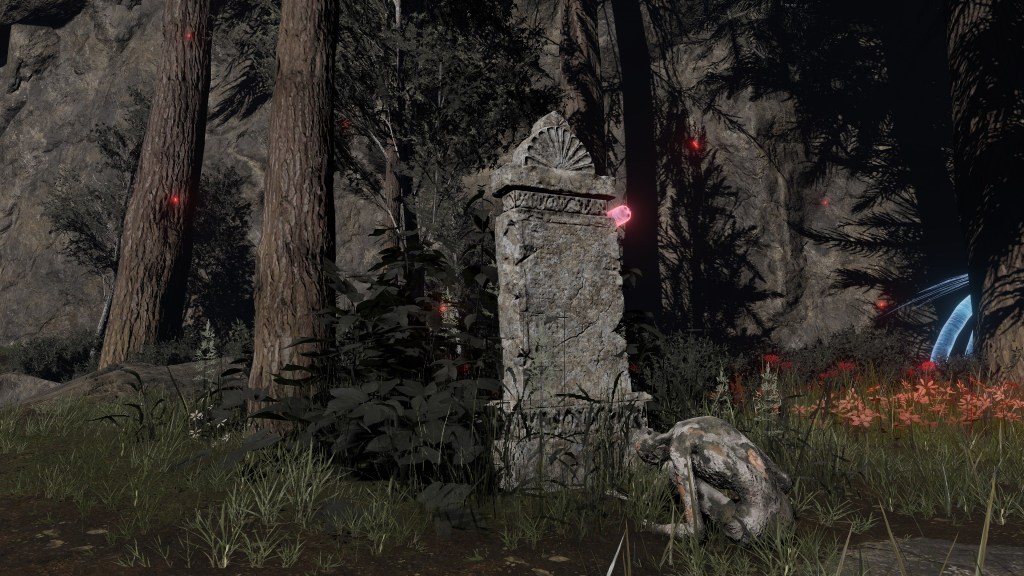
The reason to highlight this fact in connection to the Farum colonies is because of their intimacy with the peoples practicing similar pagan funerals. We never encounter a conventional Farum burial on Altus, not even in obscure caves like the Dragon’s Pit by Jagged Peak. Perhaps this is because the dragon hunters up north consisted primarily of humans, not beastmen, but it still suggests a disconnect with the motherland. It is possible that the colonists adopted some local customs which wouldn’t interfere with their main mission and core beliefs, including burial rites. Those have now become mainstays for a pagan culture which no longer dominates the land it settled, but it shows a divergence from Farum Azula. Both sides had maintained contact and trade, as we encounter beast skeletons even around Jagged Peak armed with the Sun Realm Shield. But they were ultimately separate communities concerned with their own immediate affairs. The humans under the Beast King were free to do as they wished so long as they continued to hunt their nemeses to extinction. The highlands were just the beginning.

