
Preface
The march of time is kind to no one, but do I enjoy learning about the rise and fall of nations long past. We often treat the history of our day as set in stone, yet every year proves such accounts to be more narrative than fact. And as our understanding of the generations before evolves, so too does our fiction. Thankfully, fiction is nowhere near the scale of real life, even in Elden Ring. Details to its world’s history may be elusive, but they are nonetheless able to be parsed. The resulting narrative they form speaks to a tragic and illustrious tapestry of fate. What follows is just the beginning of that tale, fixed into the rock face by truly inspired authors.
As Above, So Below
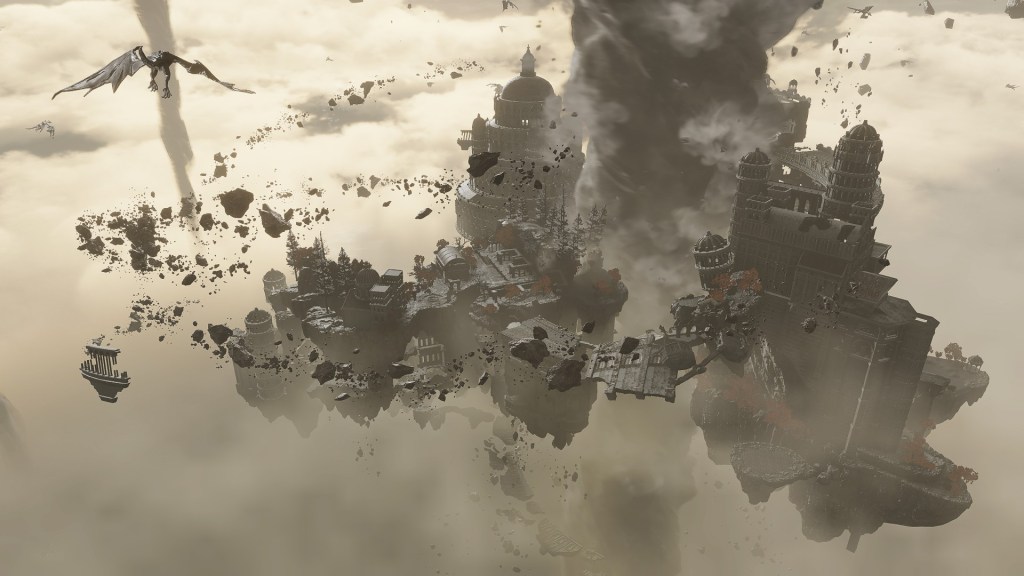
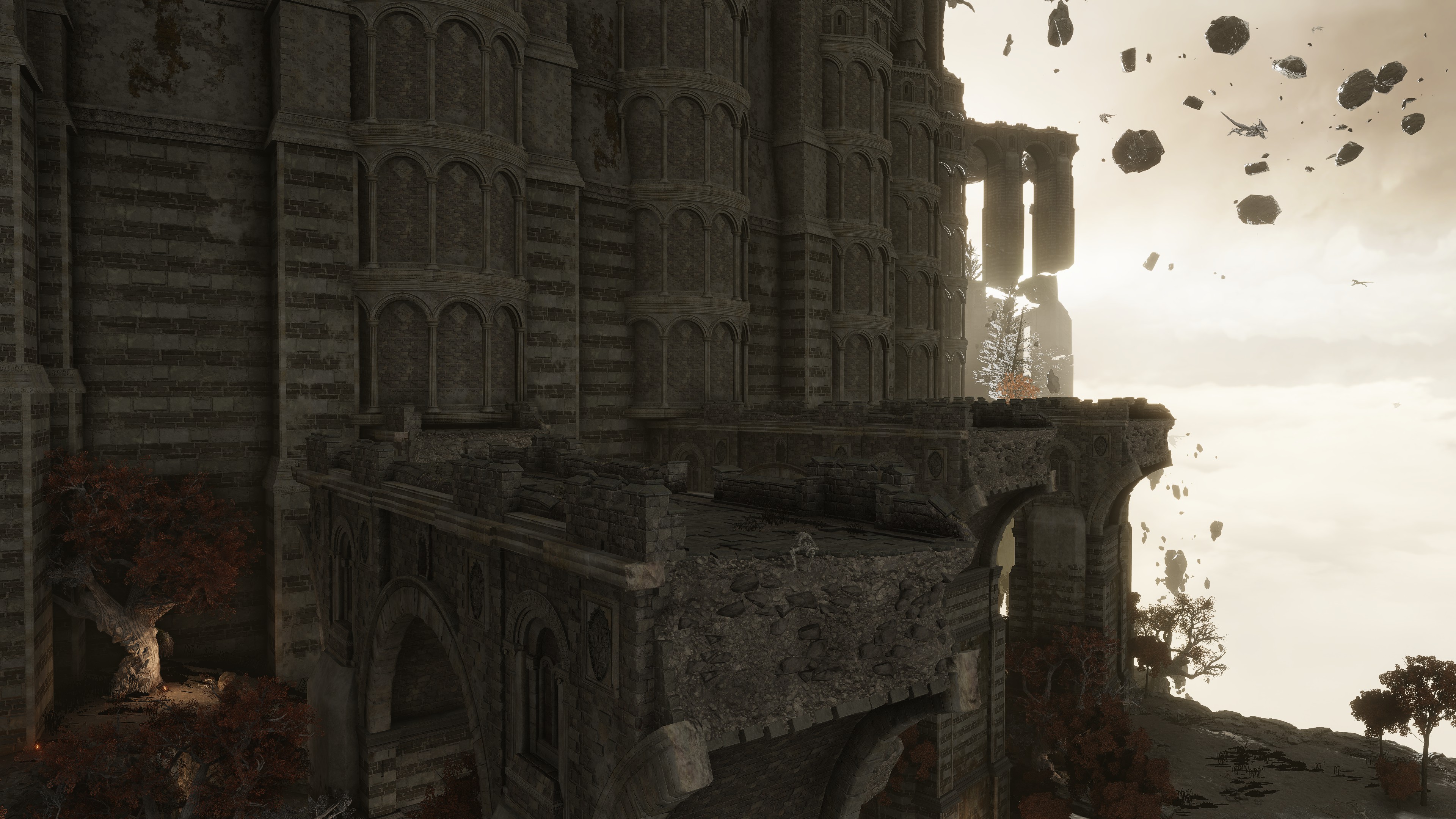
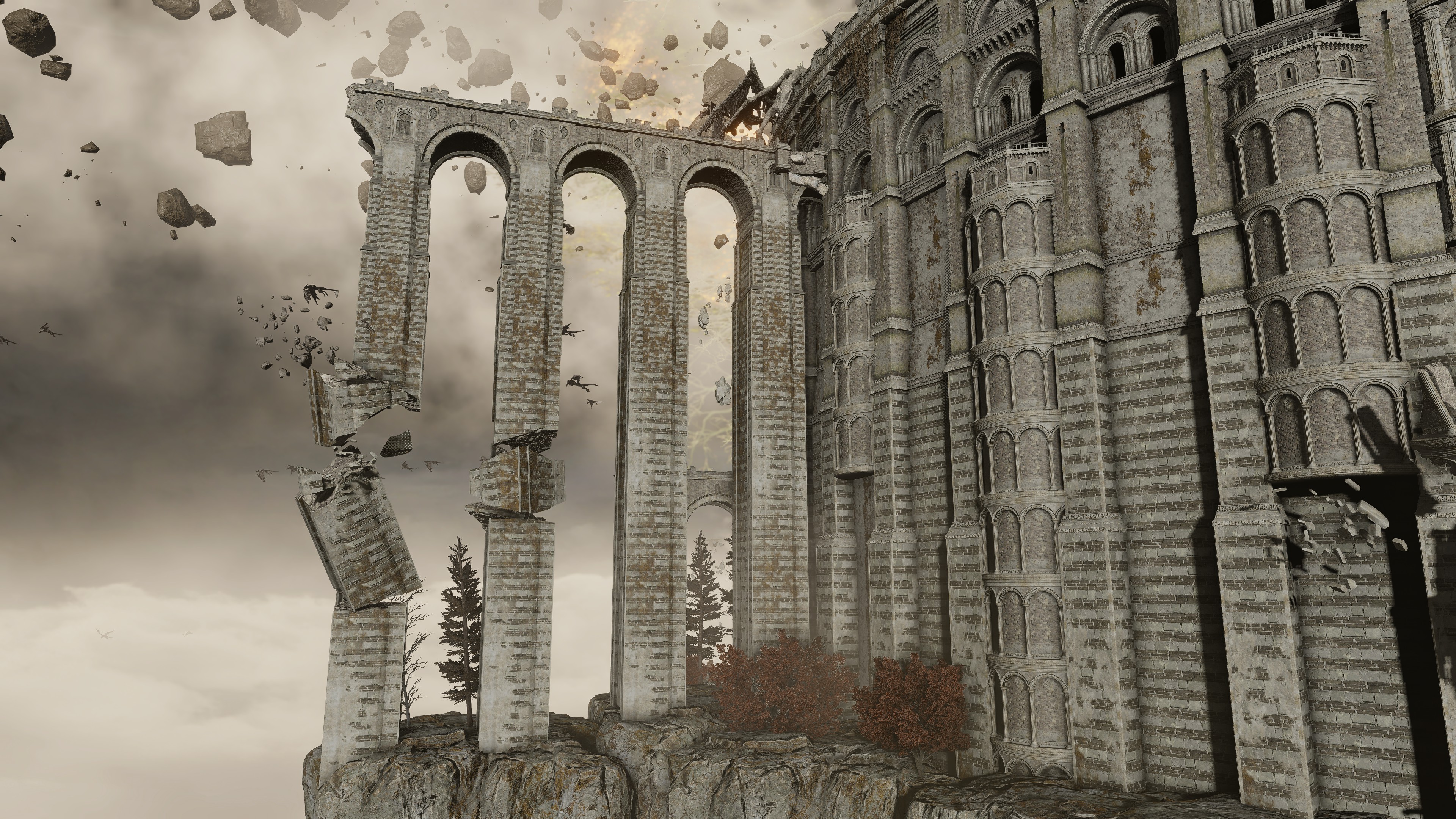
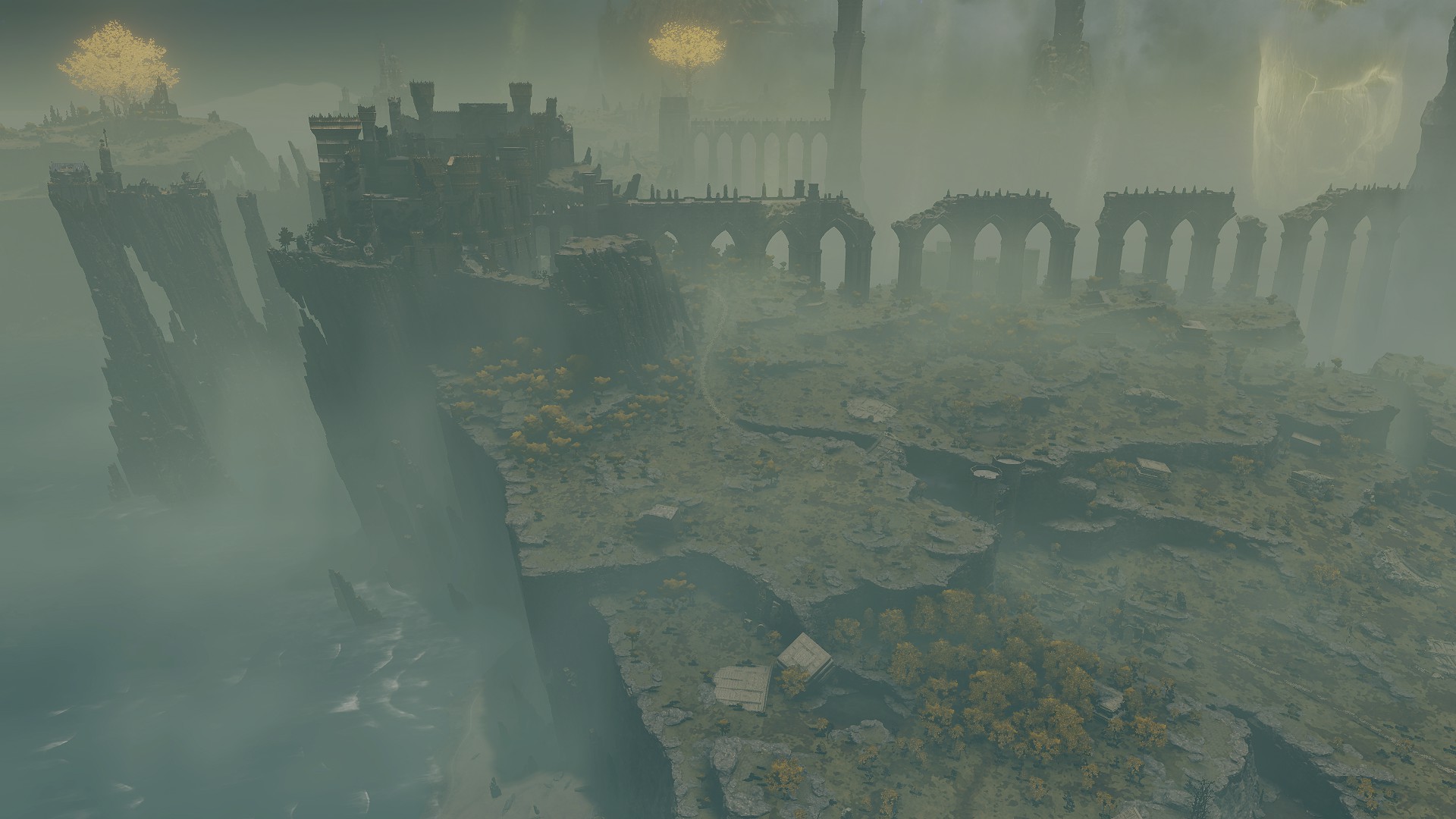
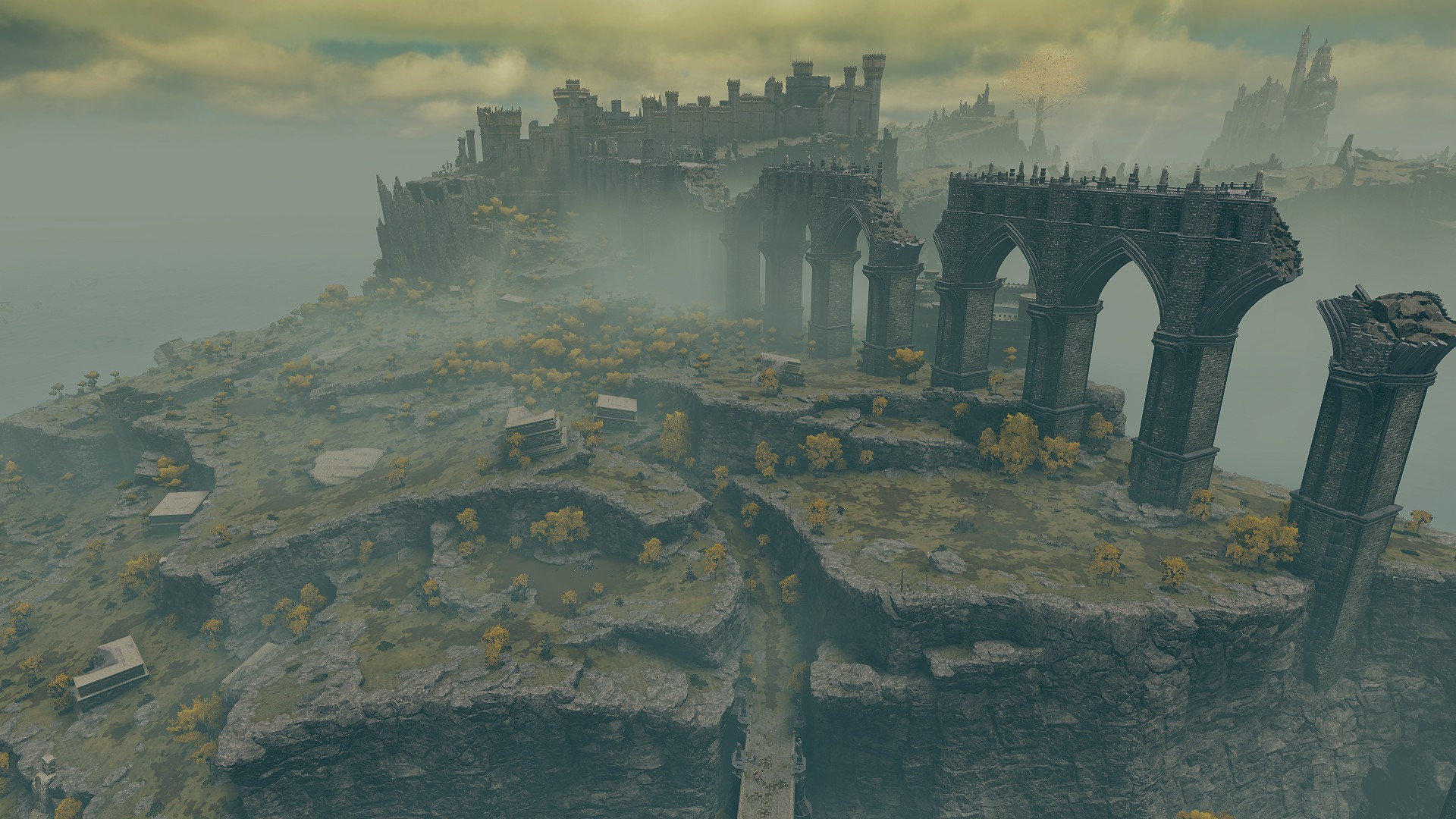
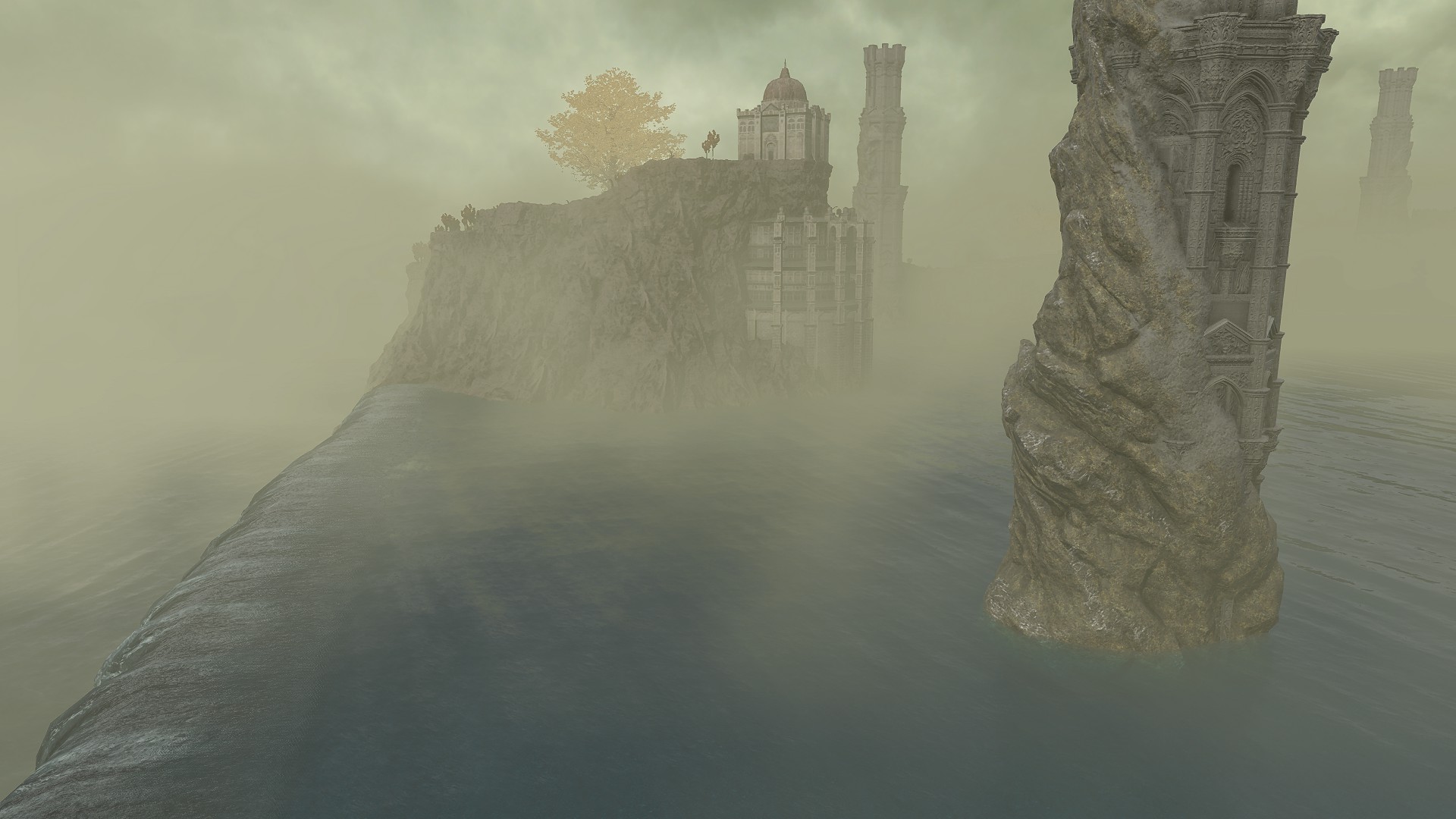
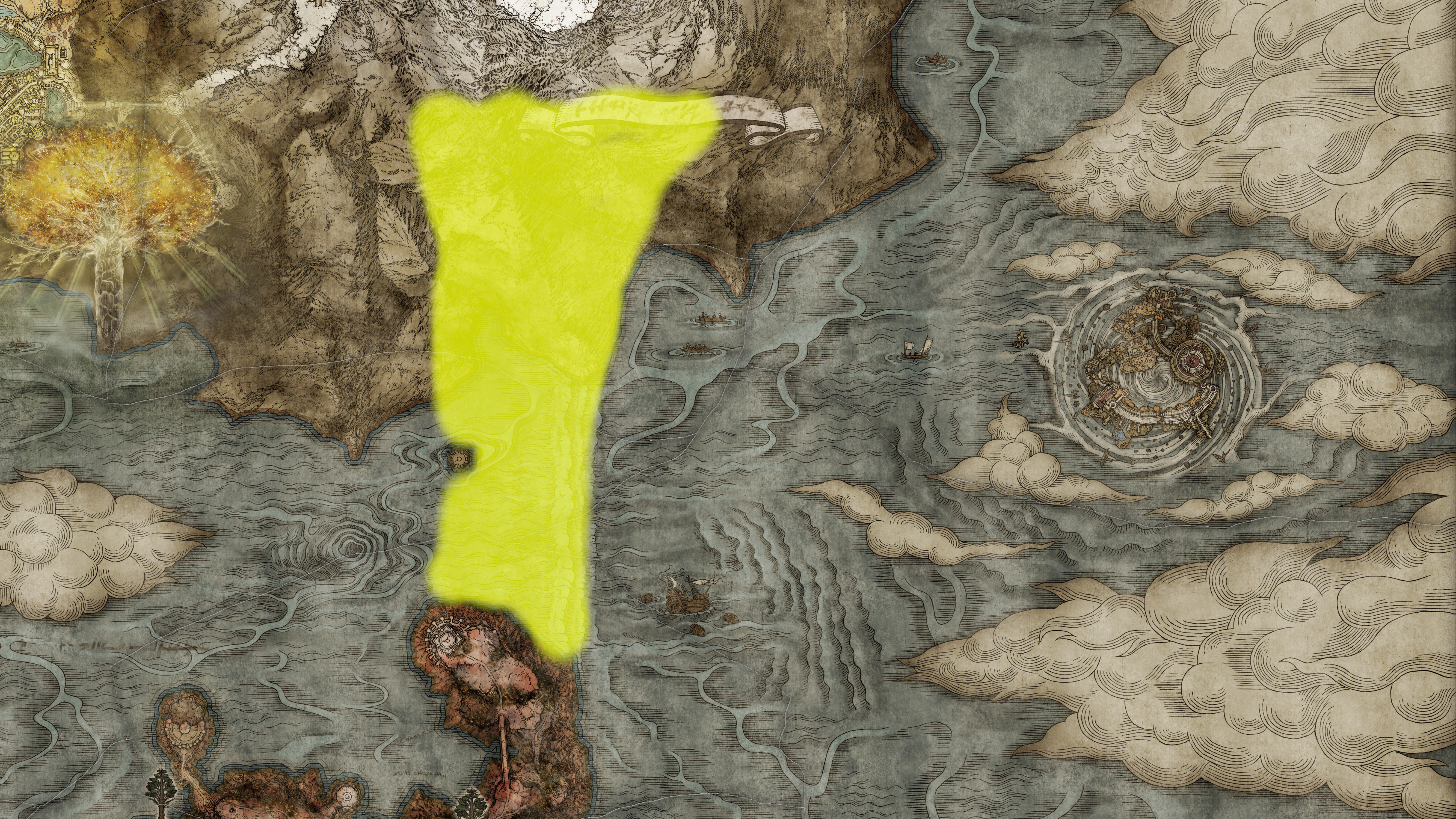
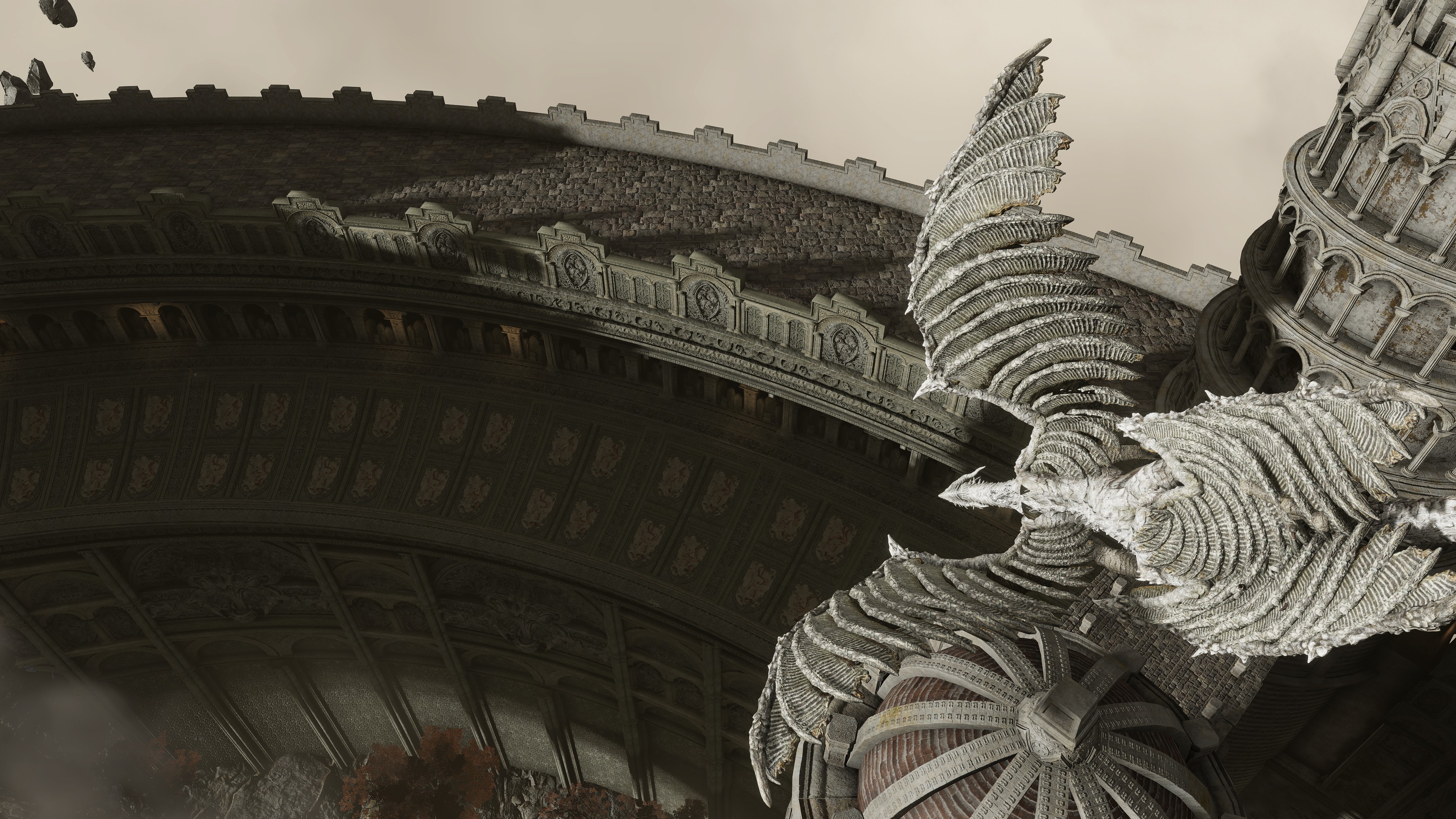
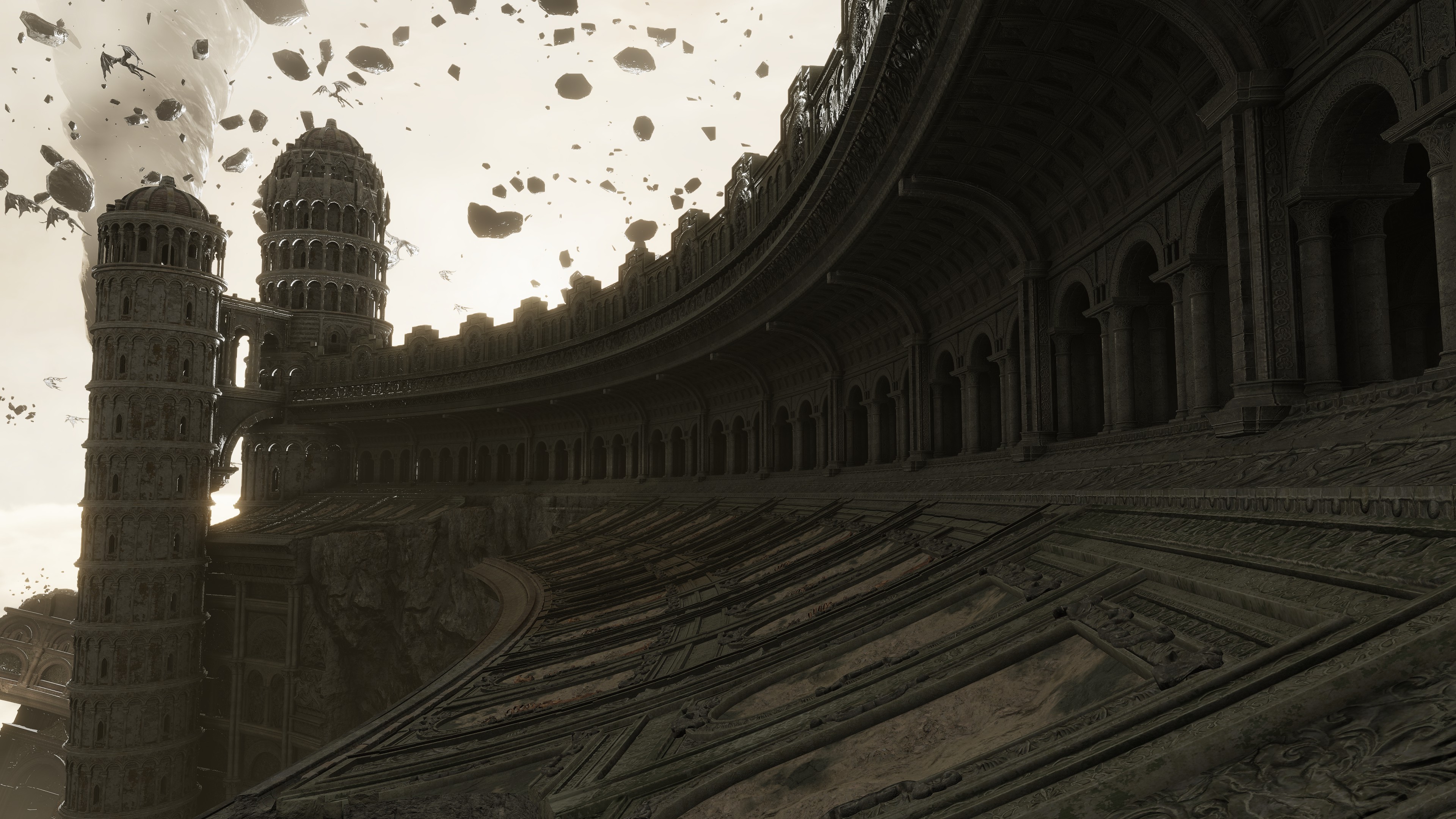
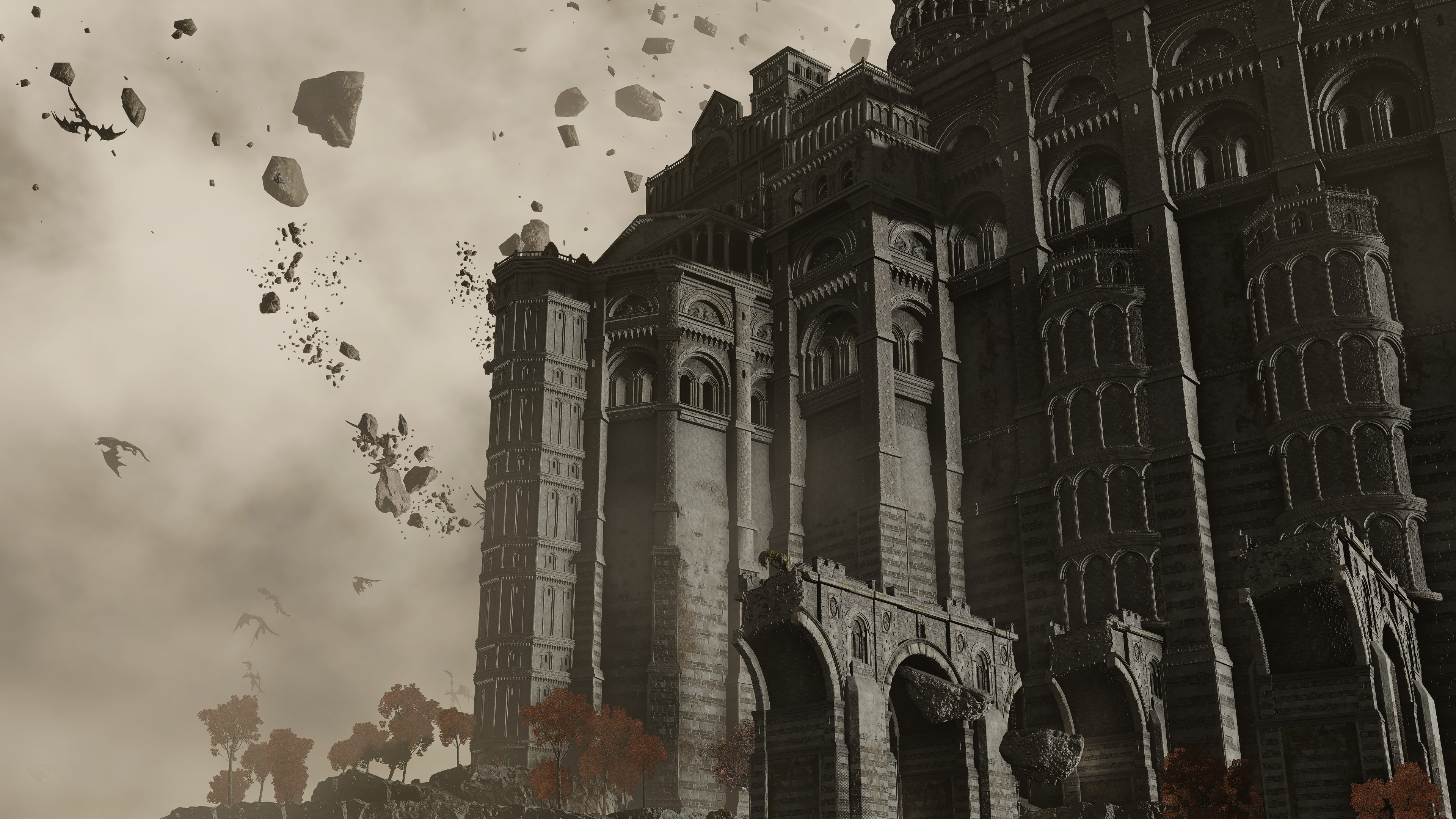
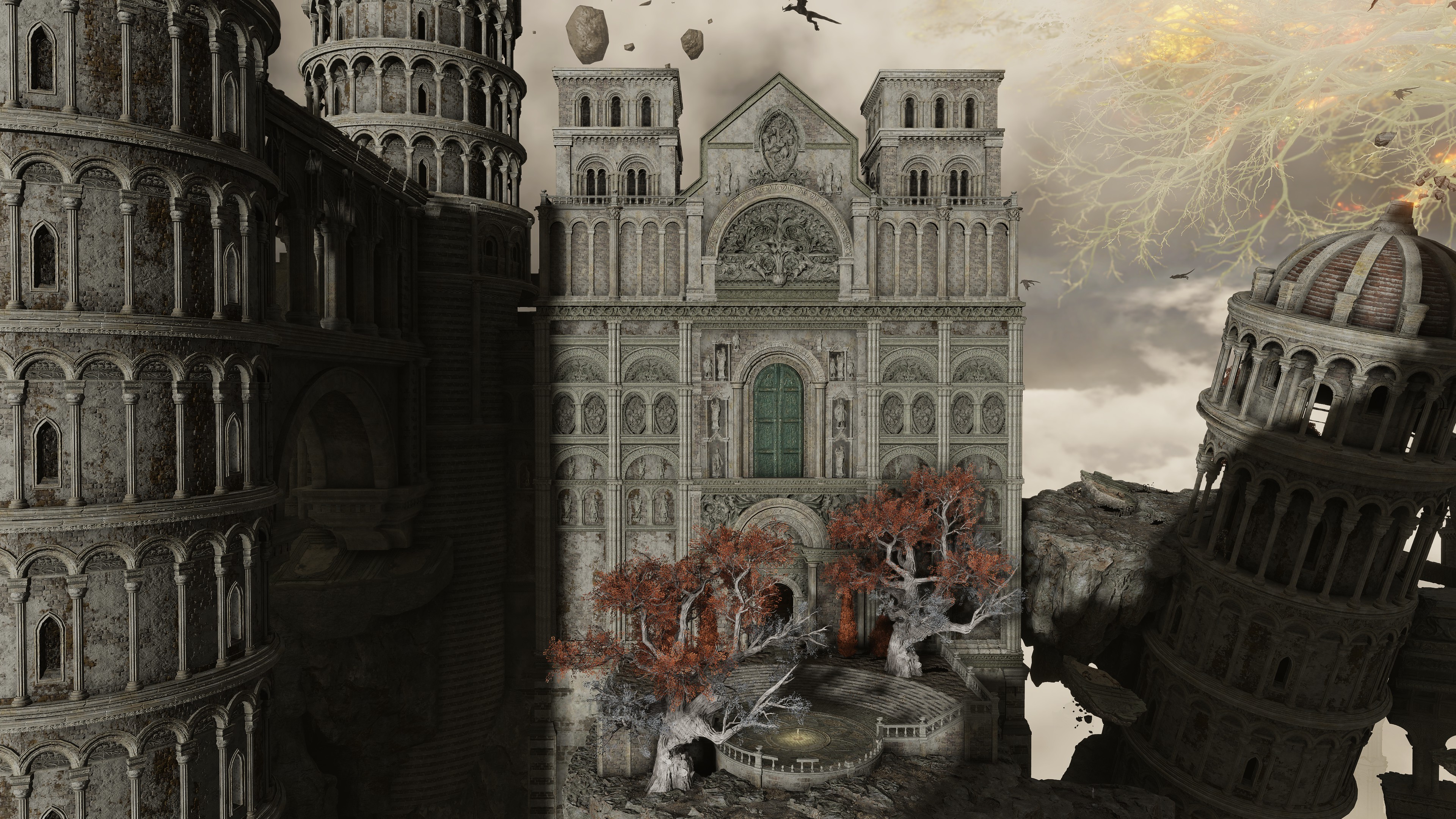
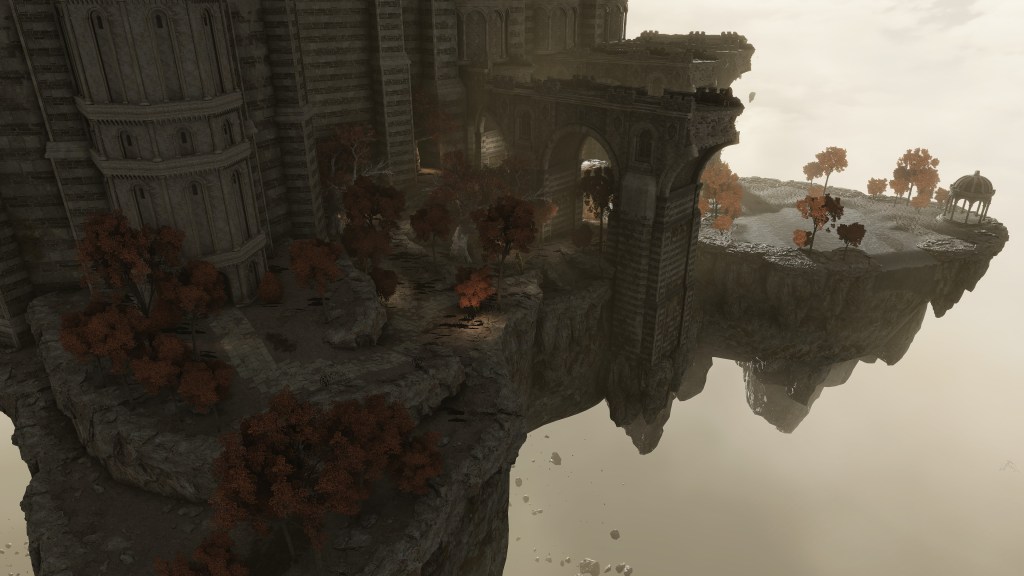
Despite currently crumbling in the sky, the ancient capital of Farum Azula once sat on the eastern end of the Lands Between. At Greyoll’s Dragonbarrow in northern Caelid, the two Farum Greatbridges plus the Bestial Sanctum exhibit the same architecture, to make no mention of the shared terminology. The bridges serve only to connect the mainland to the temple, which sits on the precipice at the easternmost tip this far south. If there was any connection to Crumbling Farum Azula, it would be there, behind the temple. The city itself floats just east of this location, visible on the horizon. There is also geography. Although fractured beyond recognition, the architecture is clearly built both atop and into the side of cliffs, implying a rocky terrain. Combining this with the proposed location gives the impression of a land with many peaks and valleys as it generally slopes down from the northern Mountaintops of the Giants to Caelid. We might even be able to glean a few more details about the topography.
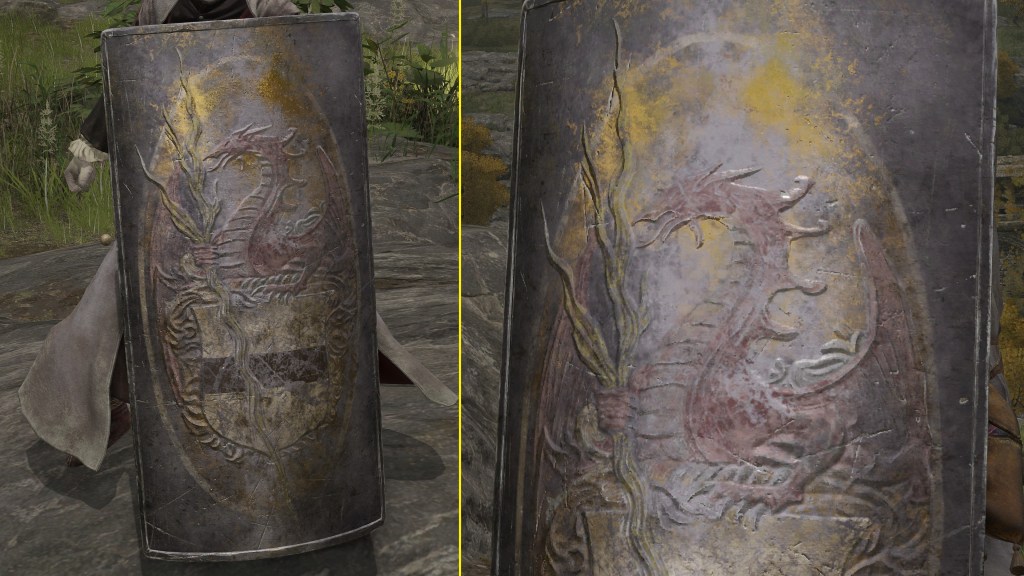
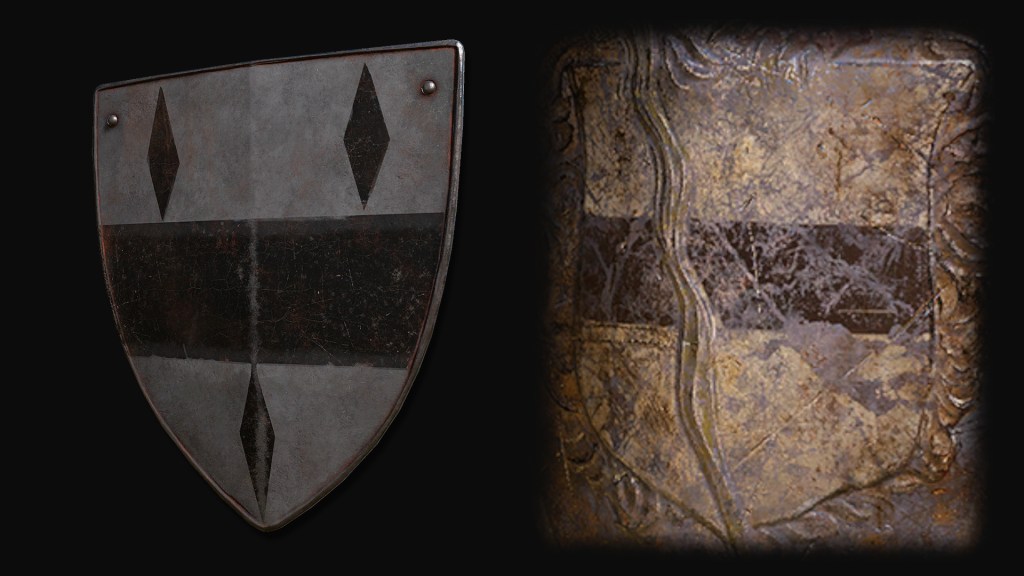
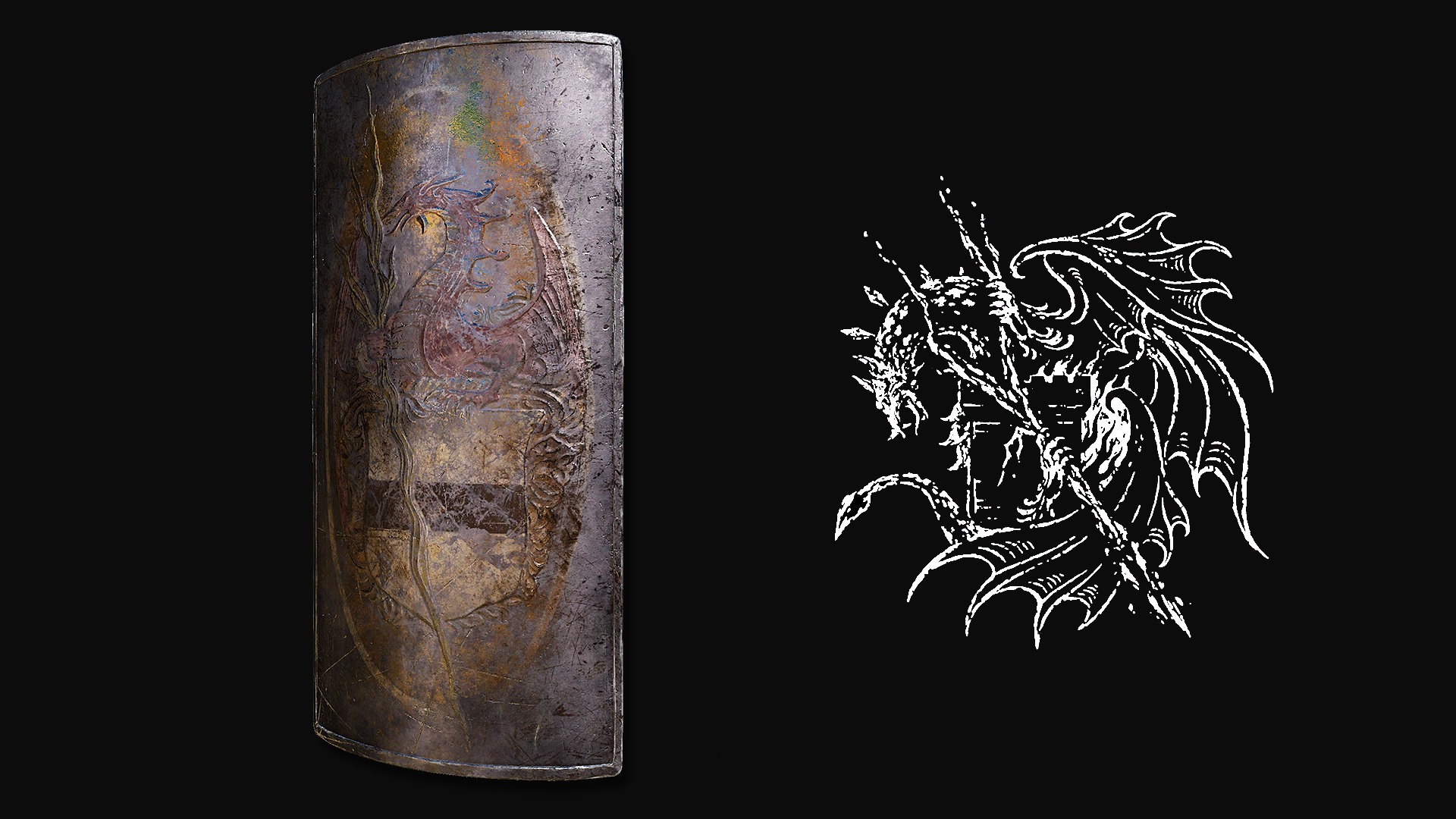
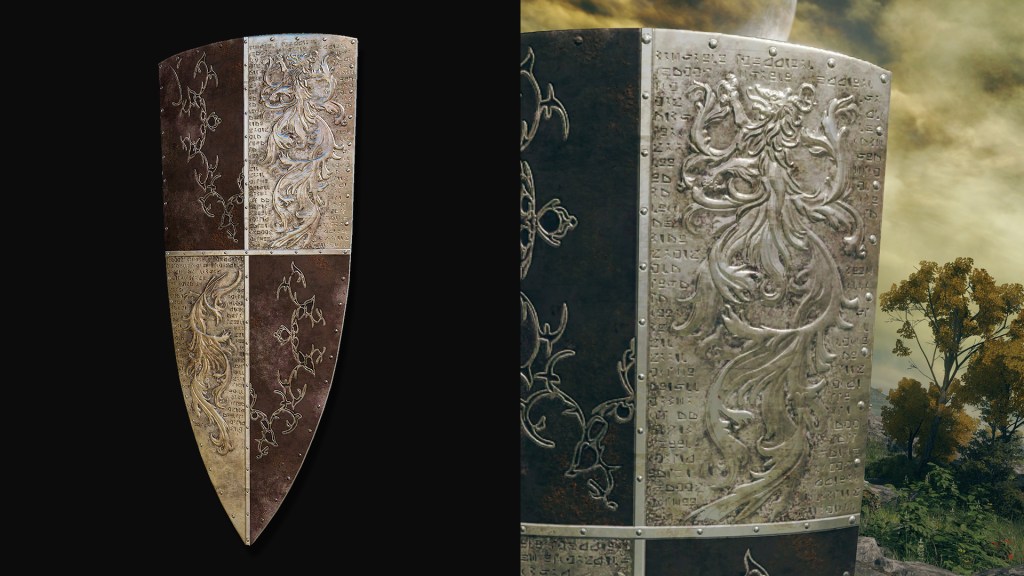
Judging by the flying buttresses behind the temple, Greyoll’s Dragonbarrow didn’t connect directly to Farum Azula, at least via the Bestial Sanctum. Instead, the support structures built into the cliffside indicate that water always flowed out into the ocean, as we see now. This agrees with the Dragon Towershield, which depicts the scale beast atop a simple heraldry with a single dark stripe across the escutcheon. By itself, this might look meaningless, but we see the same symbol employed for the Blue Heater Crest Shield. The matching heater shield shape has the single stripe surrounded by three diamonds, this blue crest representative of a river surrounded by woods — like the Liurnia river valley where we find the merchant selling it. If the diamonds represent the forest trees and the stripe the river, then the same presumably applies to the Towershield. With the dragon there as a symbol of protection, the heraldry conveys the territory protected as a land with a major river. And where do we acquire it? Farum Azula. Therefore, the Bestial Sanctum likely did have water flowing behind it.
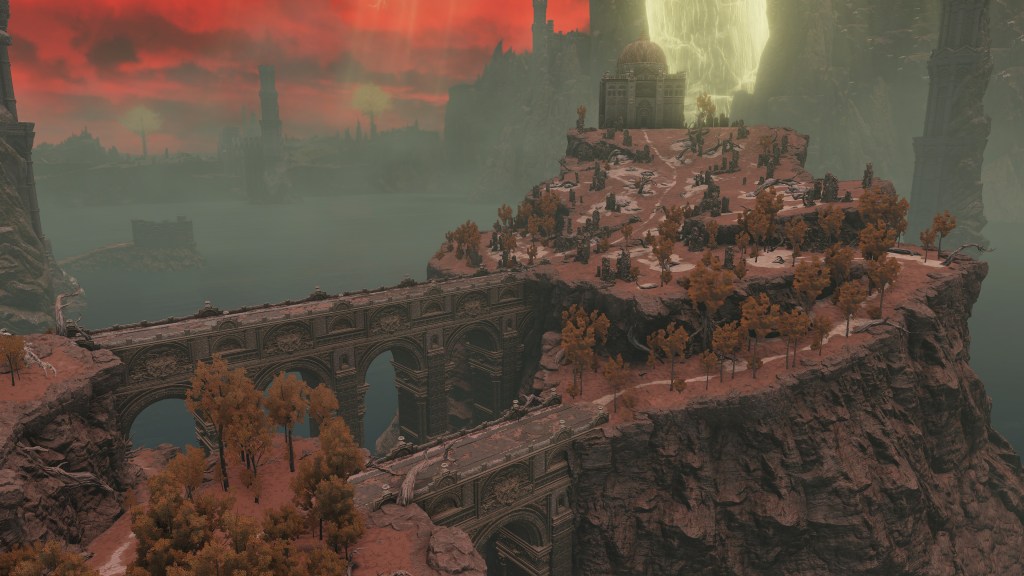
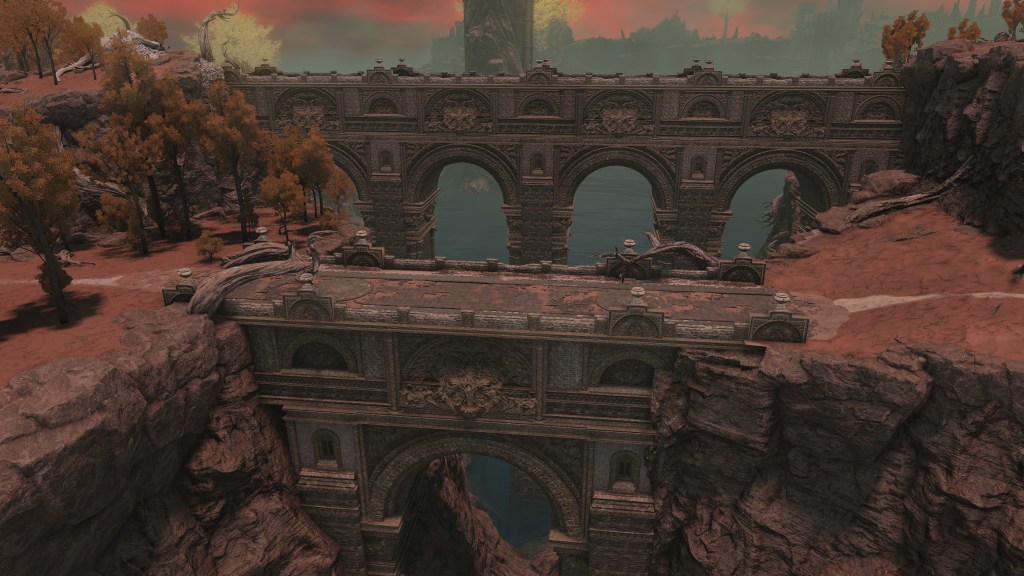
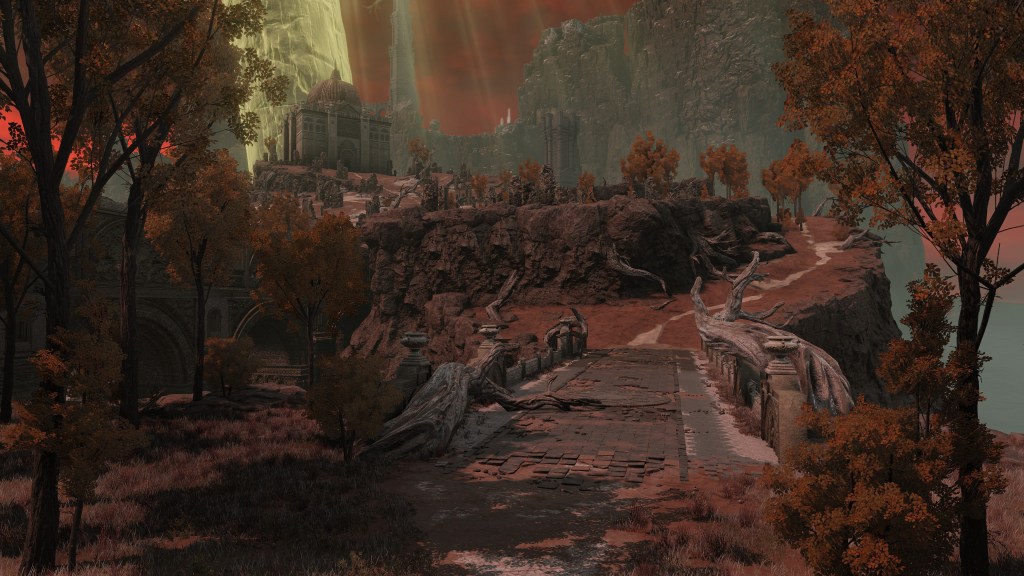
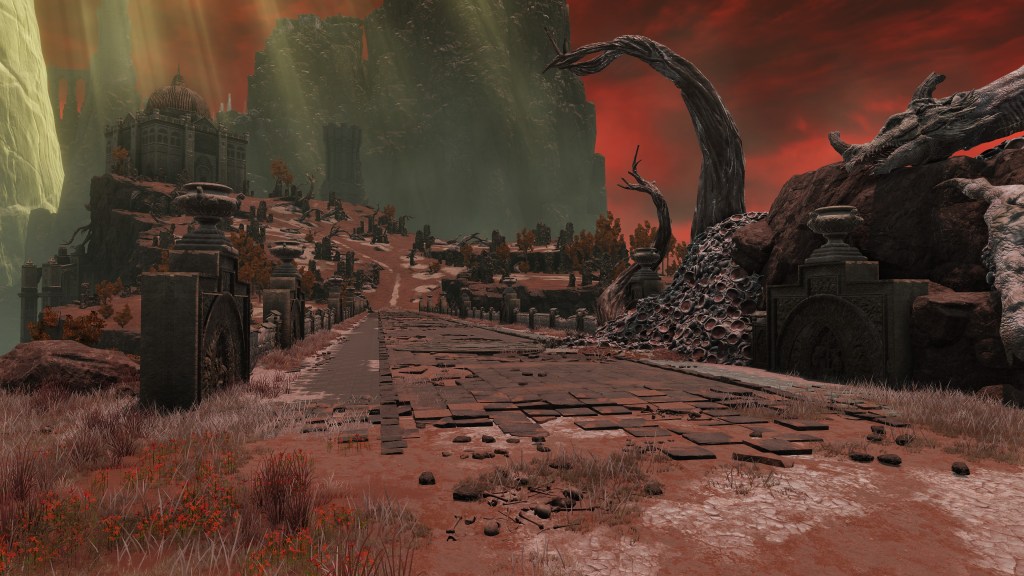
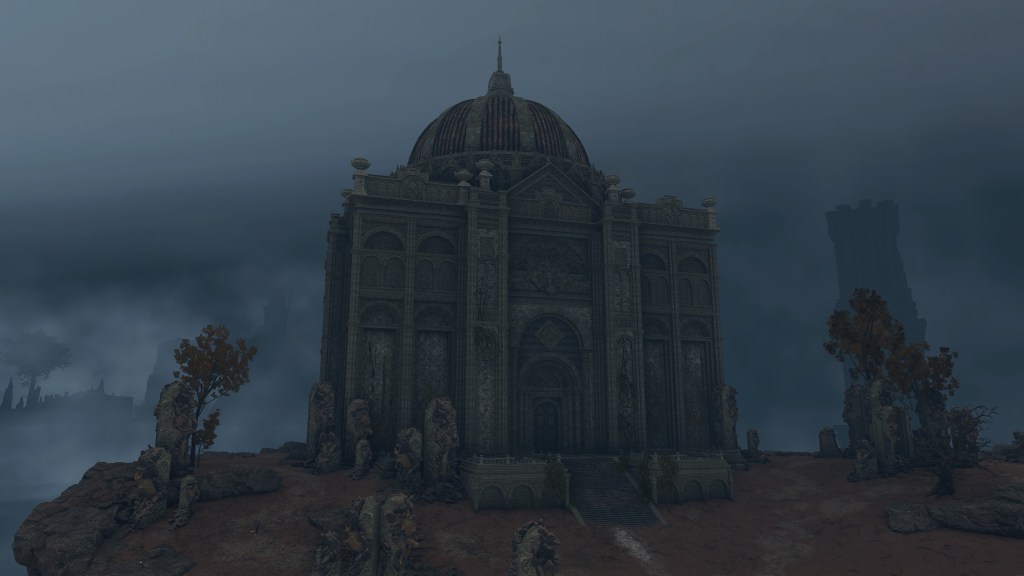
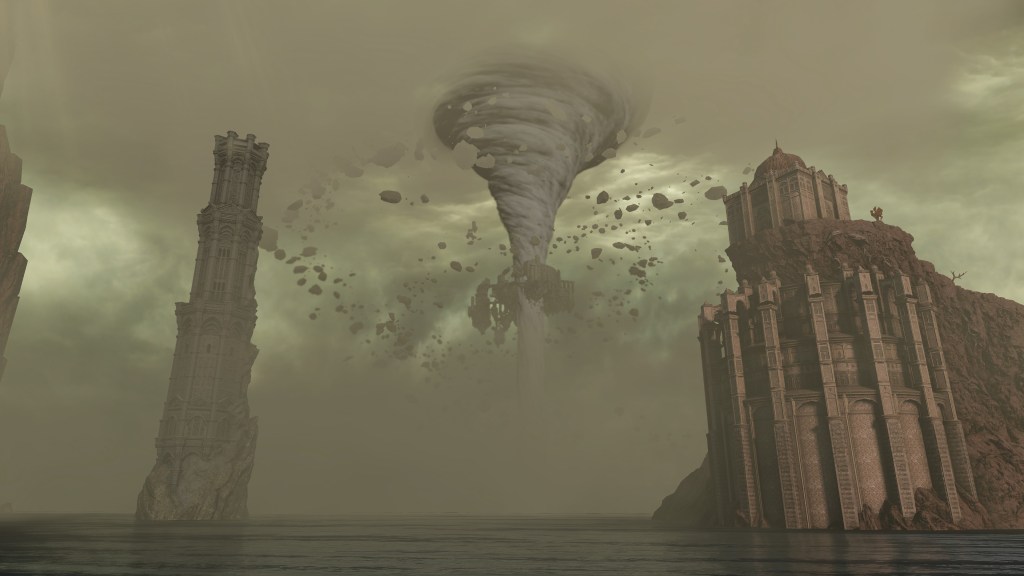
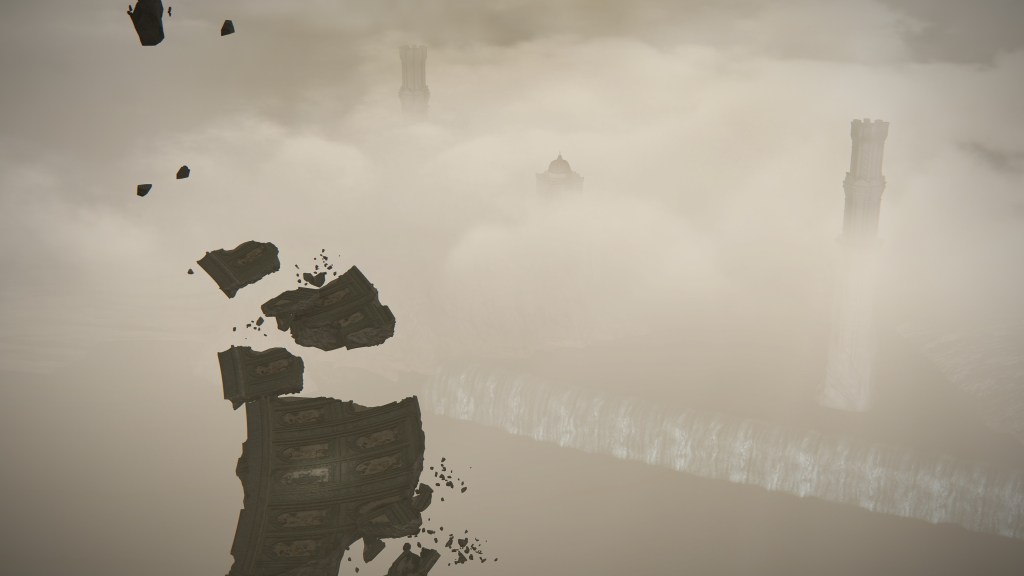
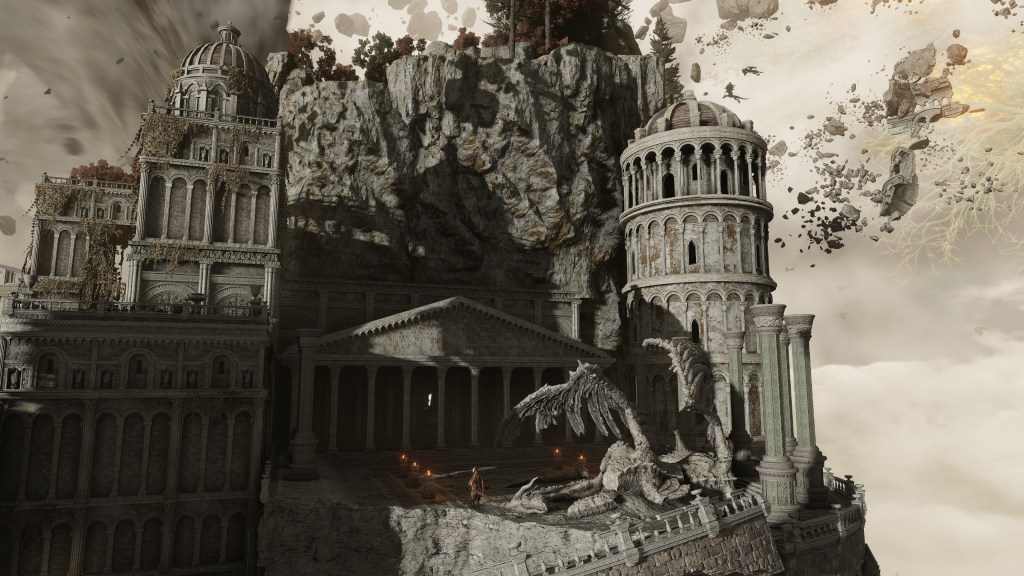
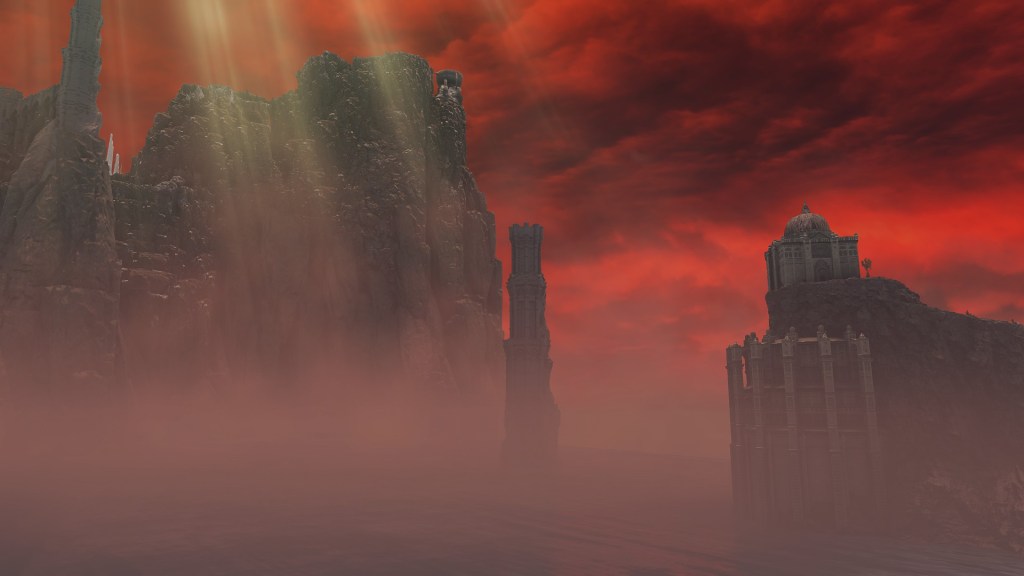
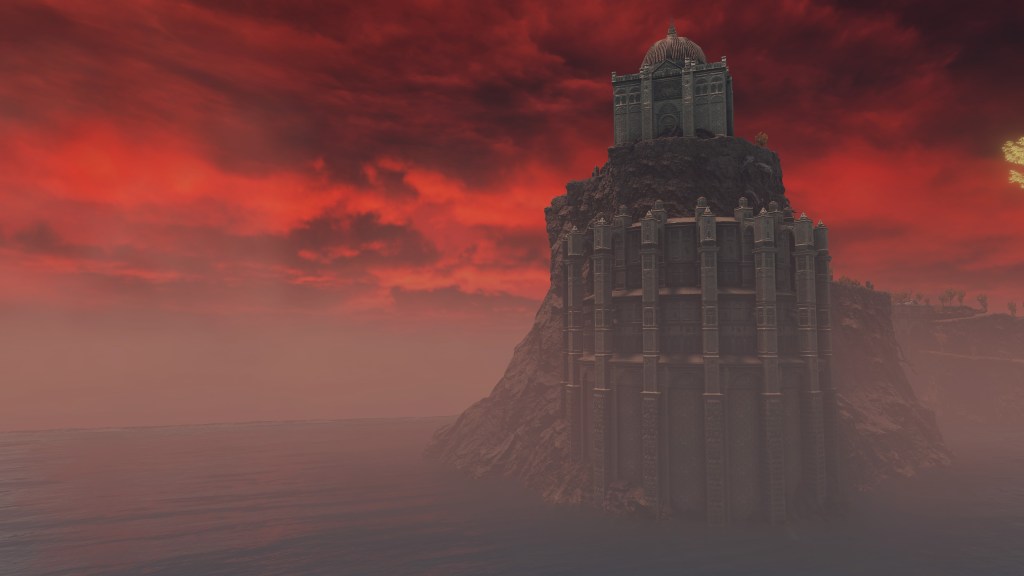
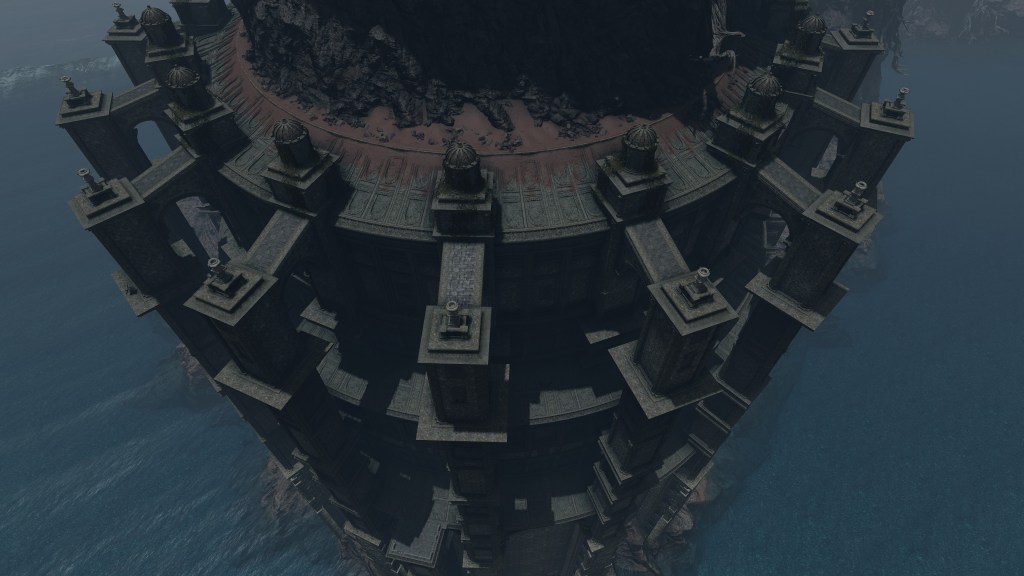
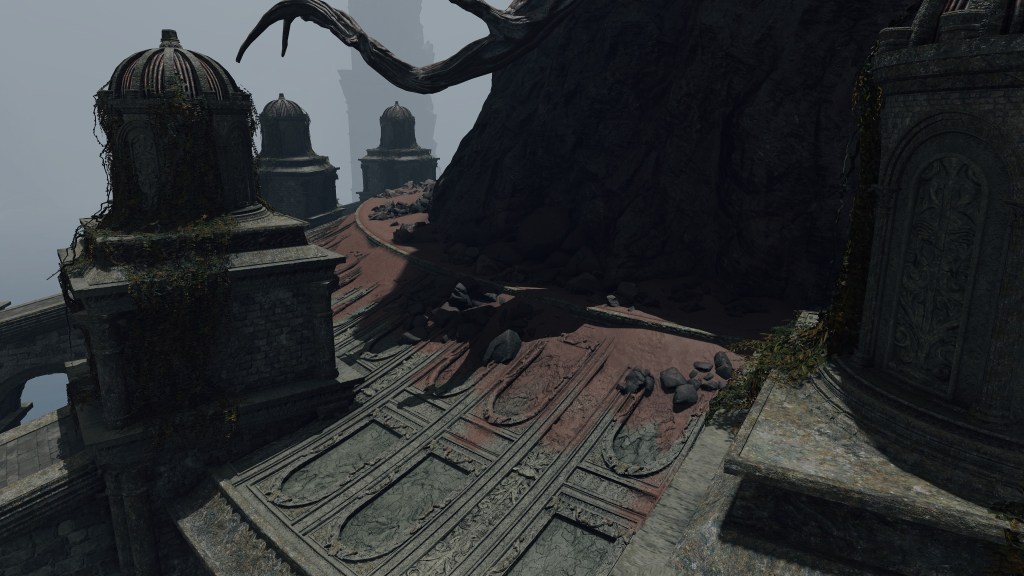
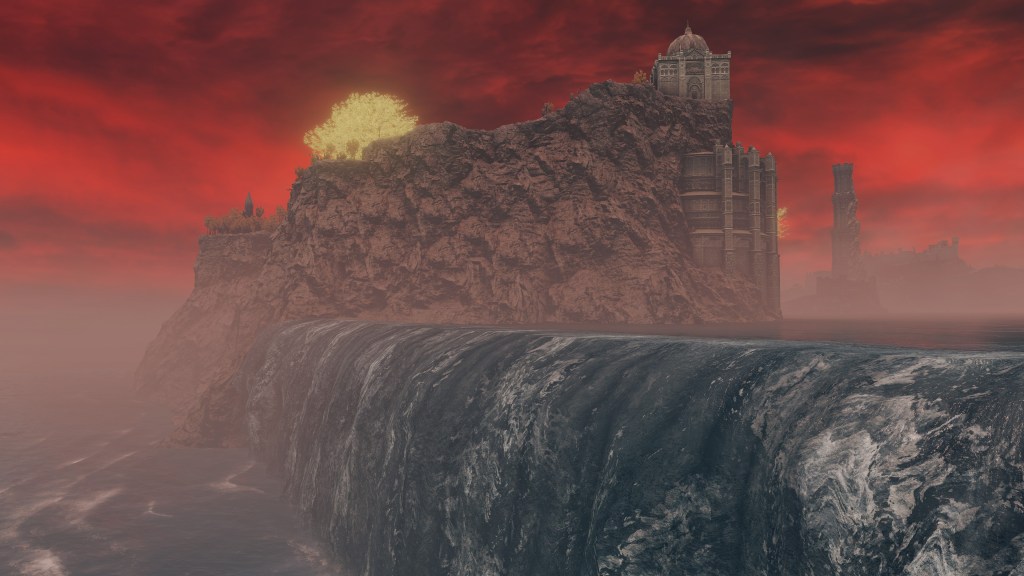
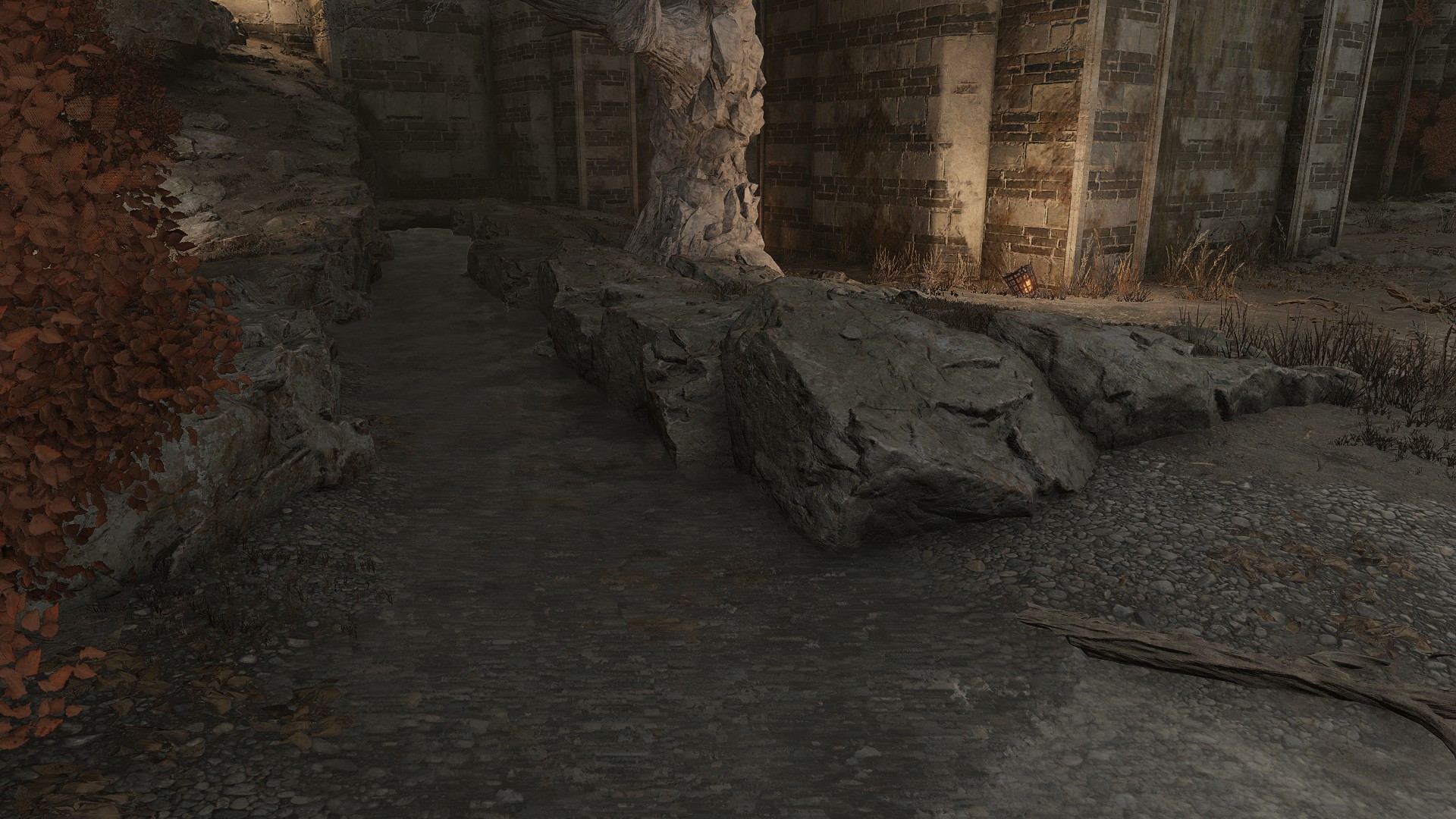
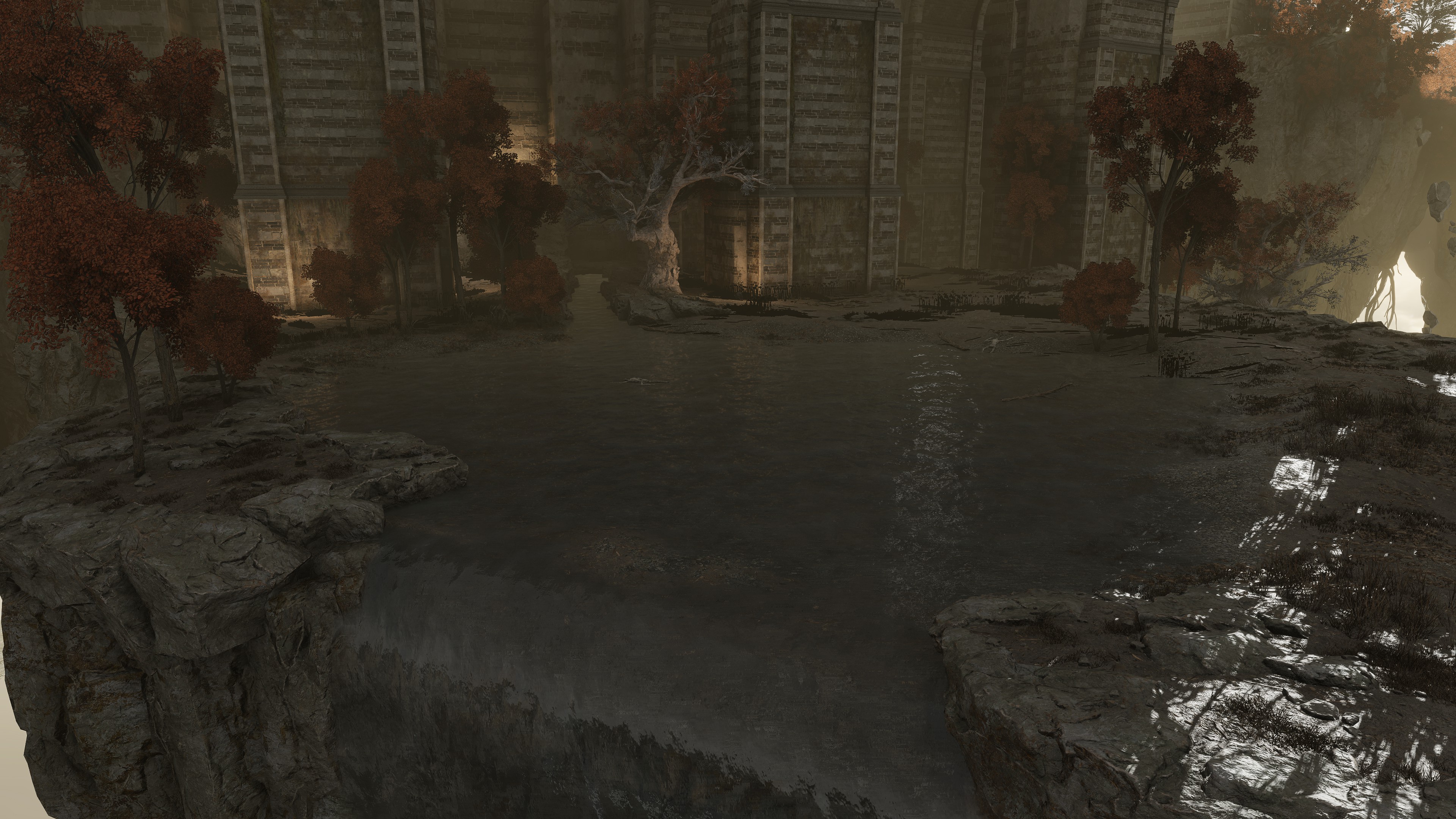
Water from the bay thus was always dumping out into the sea, though obviously not at same rate as of current. But when there was a wall of crags redirecting the flow into a river down south, water seems to still have had a place in the land; a small stream flows out from beneath some of Azula’s infrastructure, forming a sizable pond. Evidently, there still exist pockets of water within this mountainous region, likely supplied in part by the bay. This scenic pond was in all likelihood situated in the northern half of the region. While this section is part of the southern ruins, we arrive from the northern Mountaintops on a bridge near the pond. This bridge and parallel viaducts connected with the structure lead to nowhere at present, but clearly served as the best starting point for when we warp from the Forge of the Giants to Crumbling Farum Azula. Why, unless this was how the two areas were originally meant to connect? The bridges in the southern ruins might have led up north to the Mountaintops, and conversely, the northern ruins may well have led down south to the Dragonbarrow.
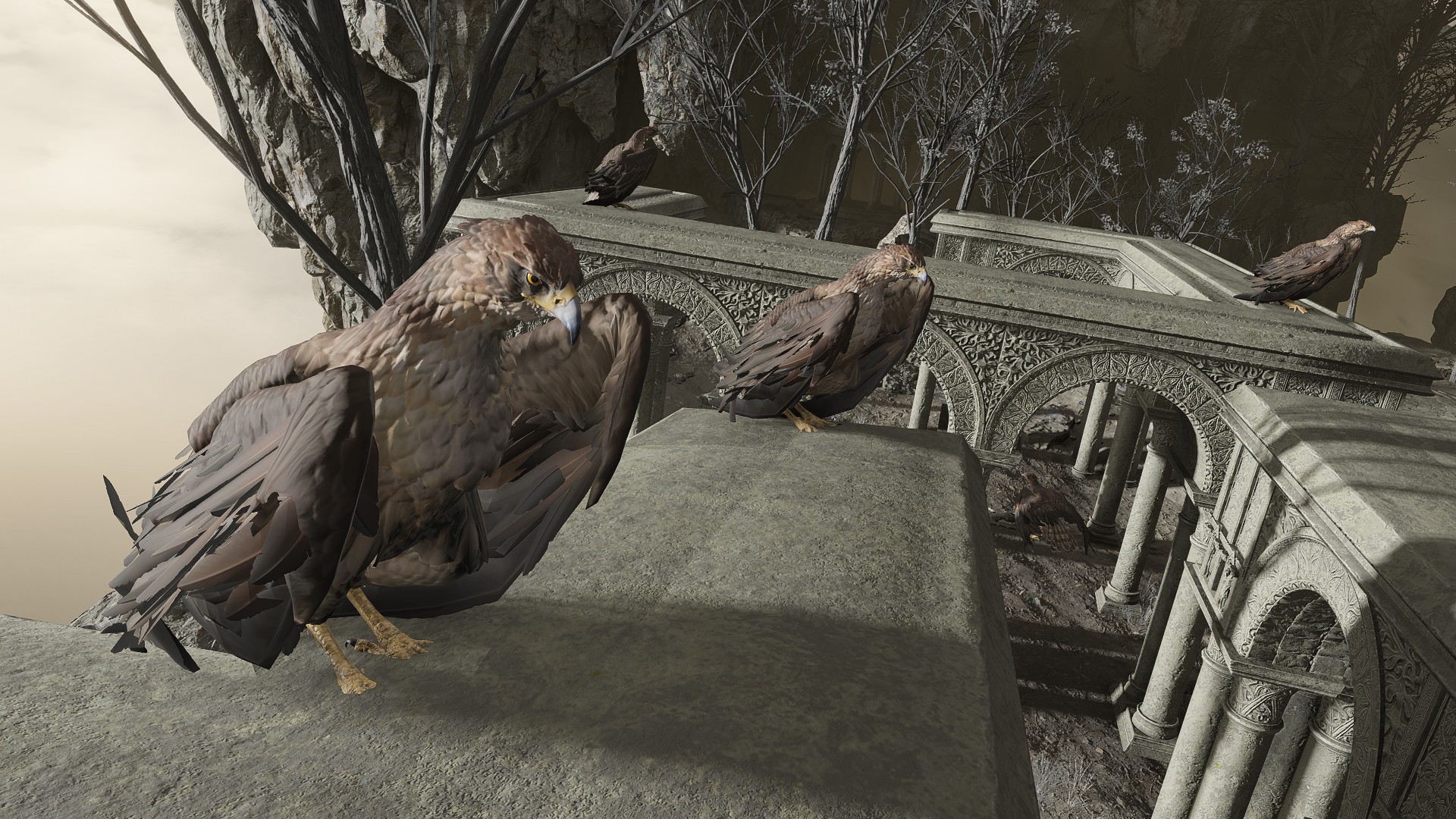
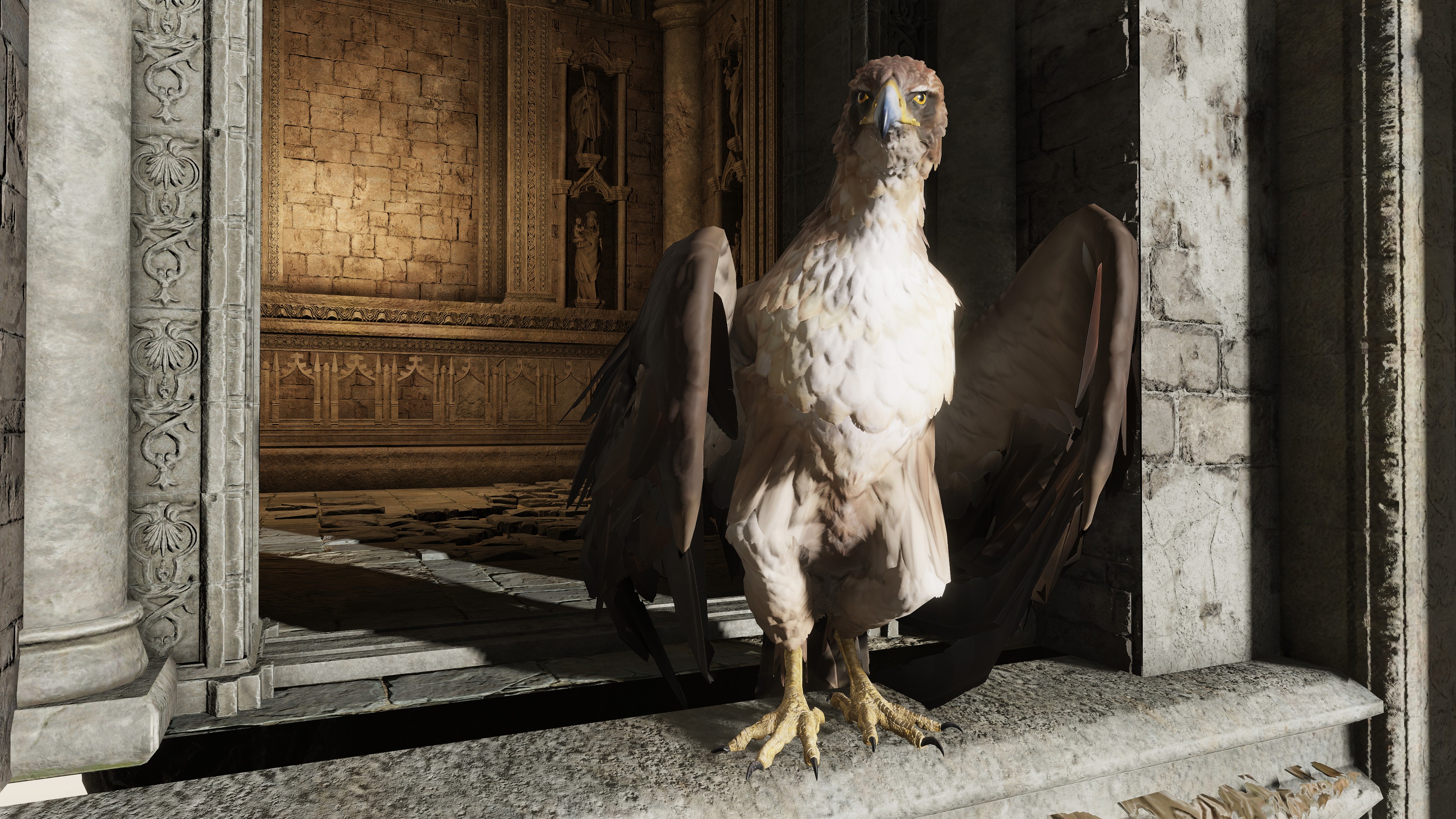
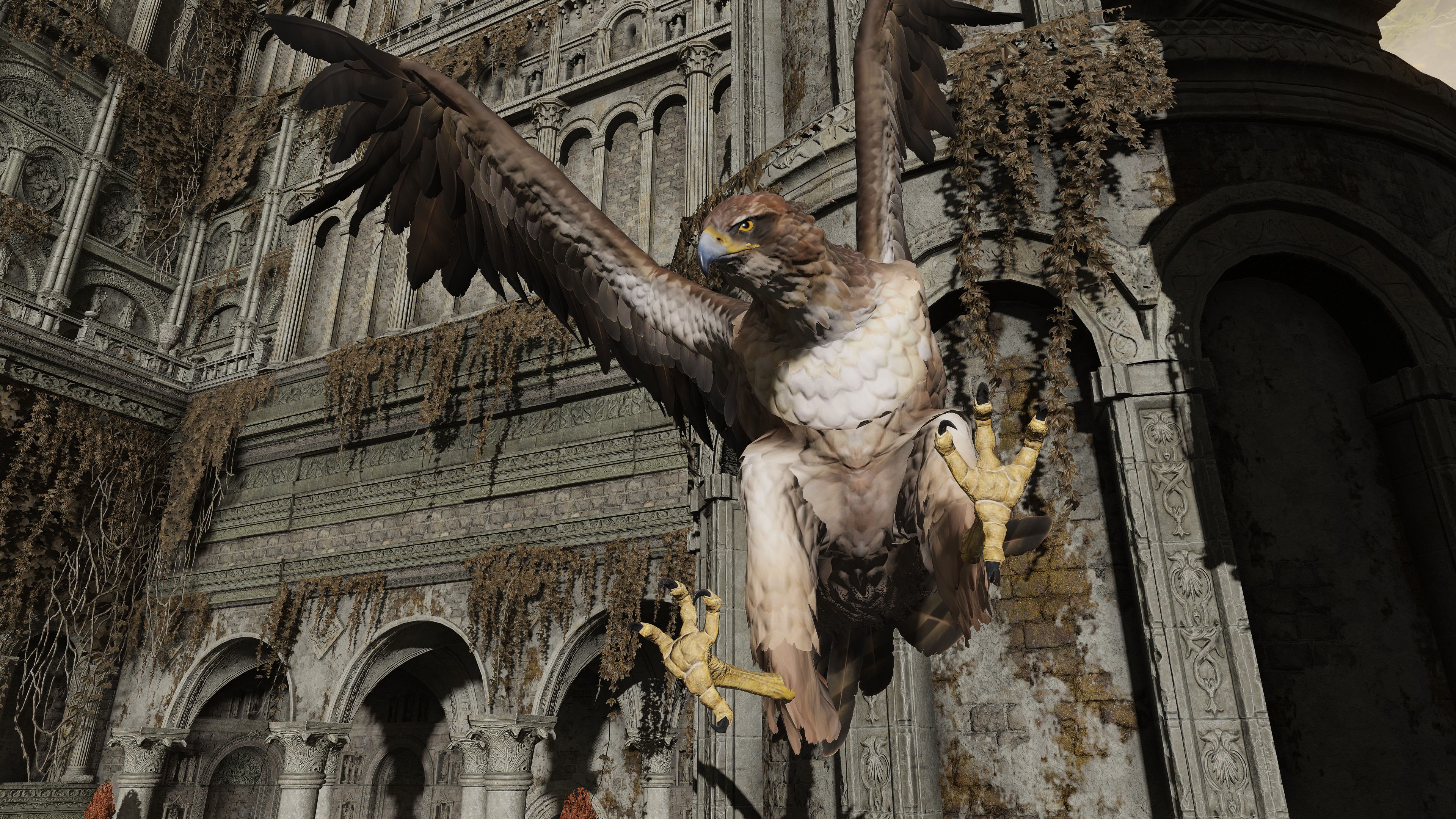
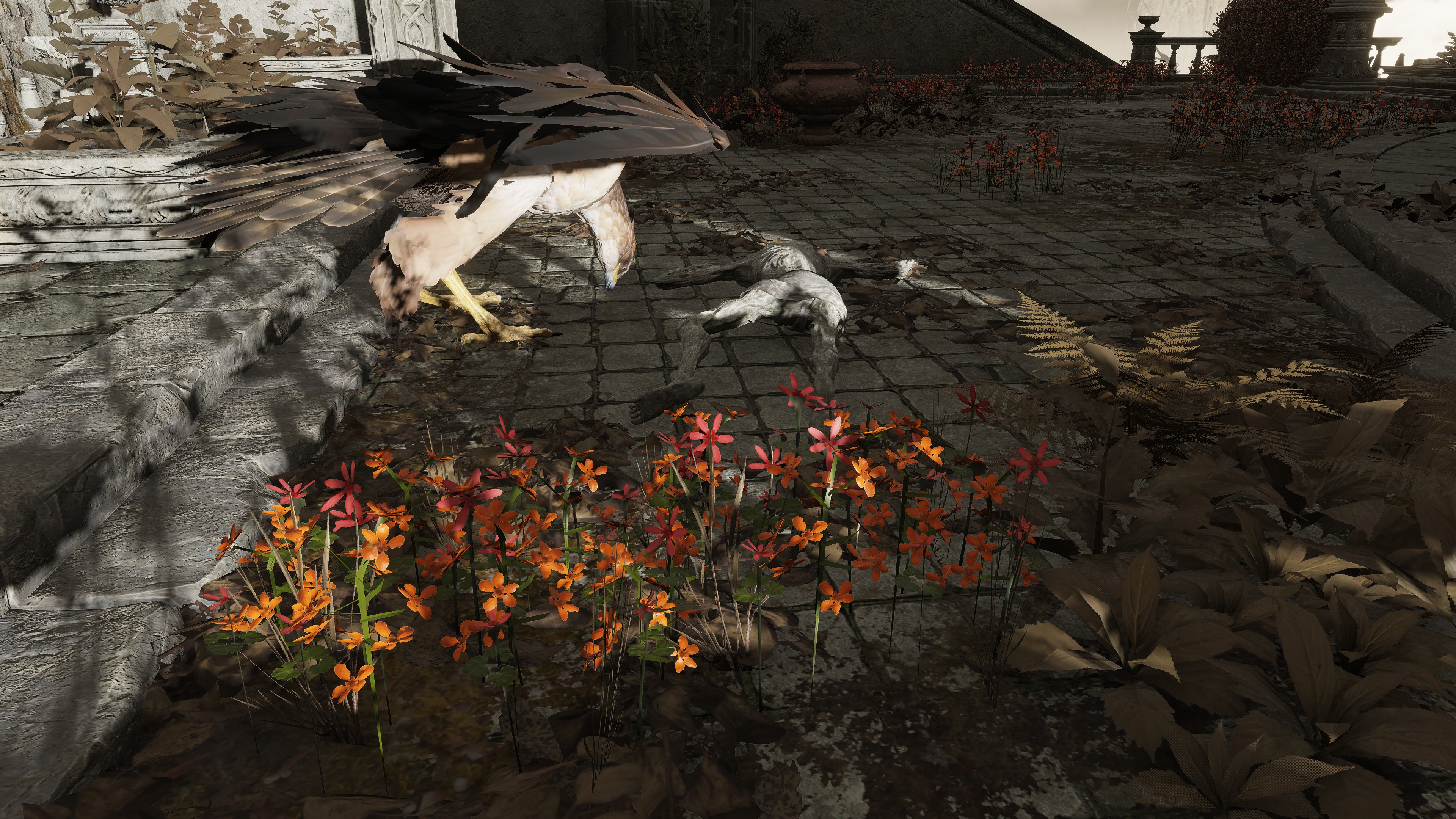
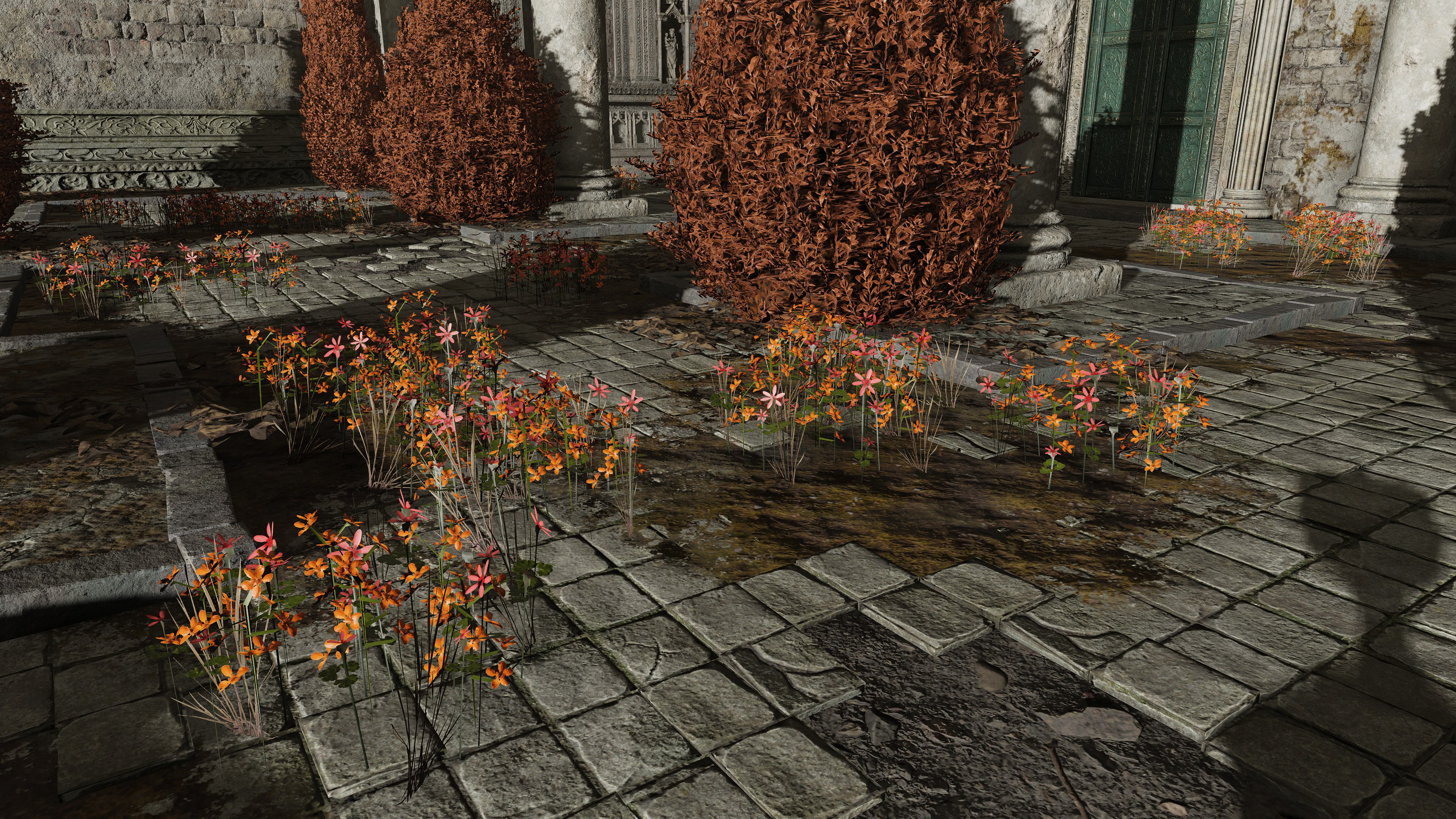
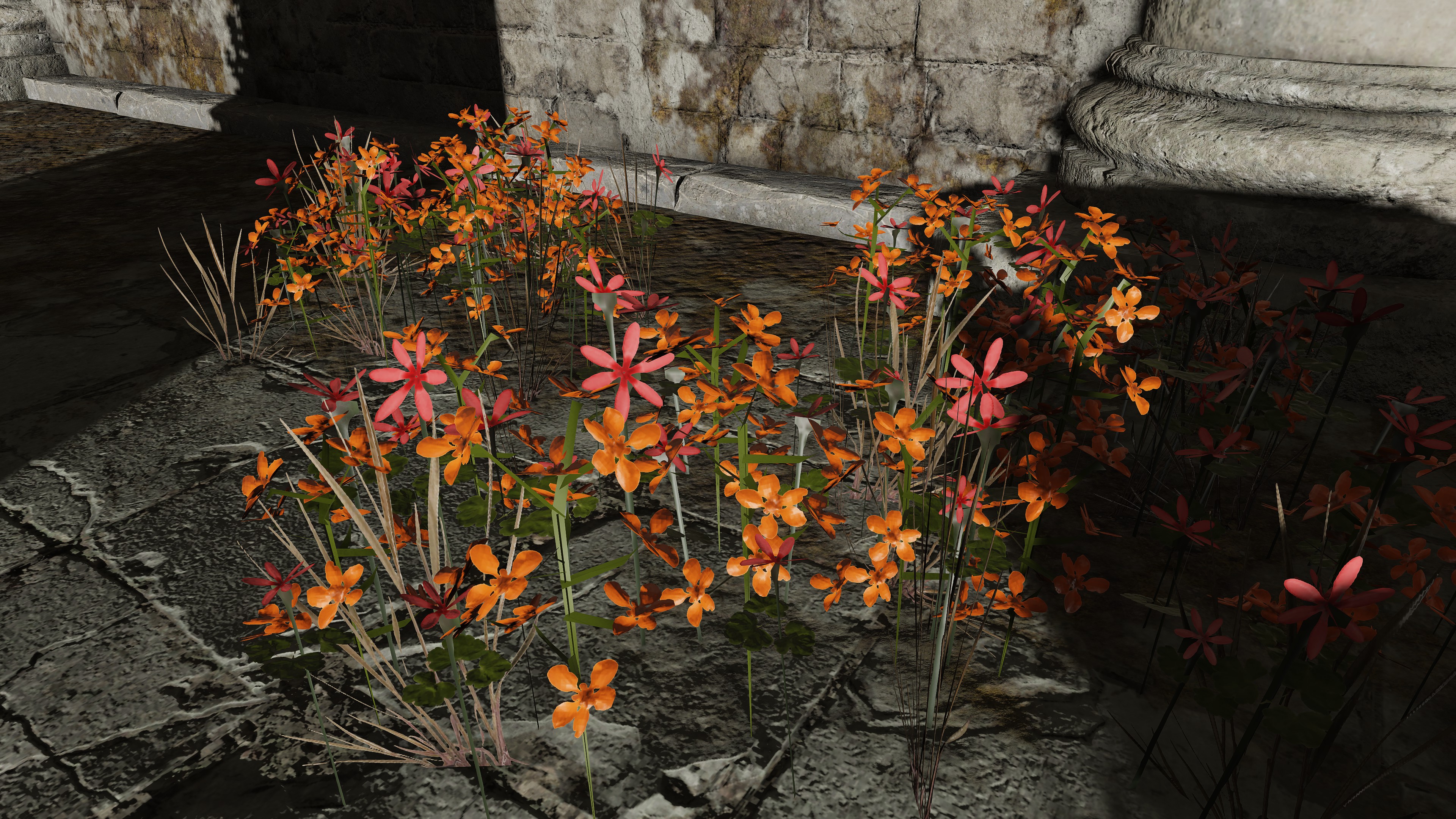
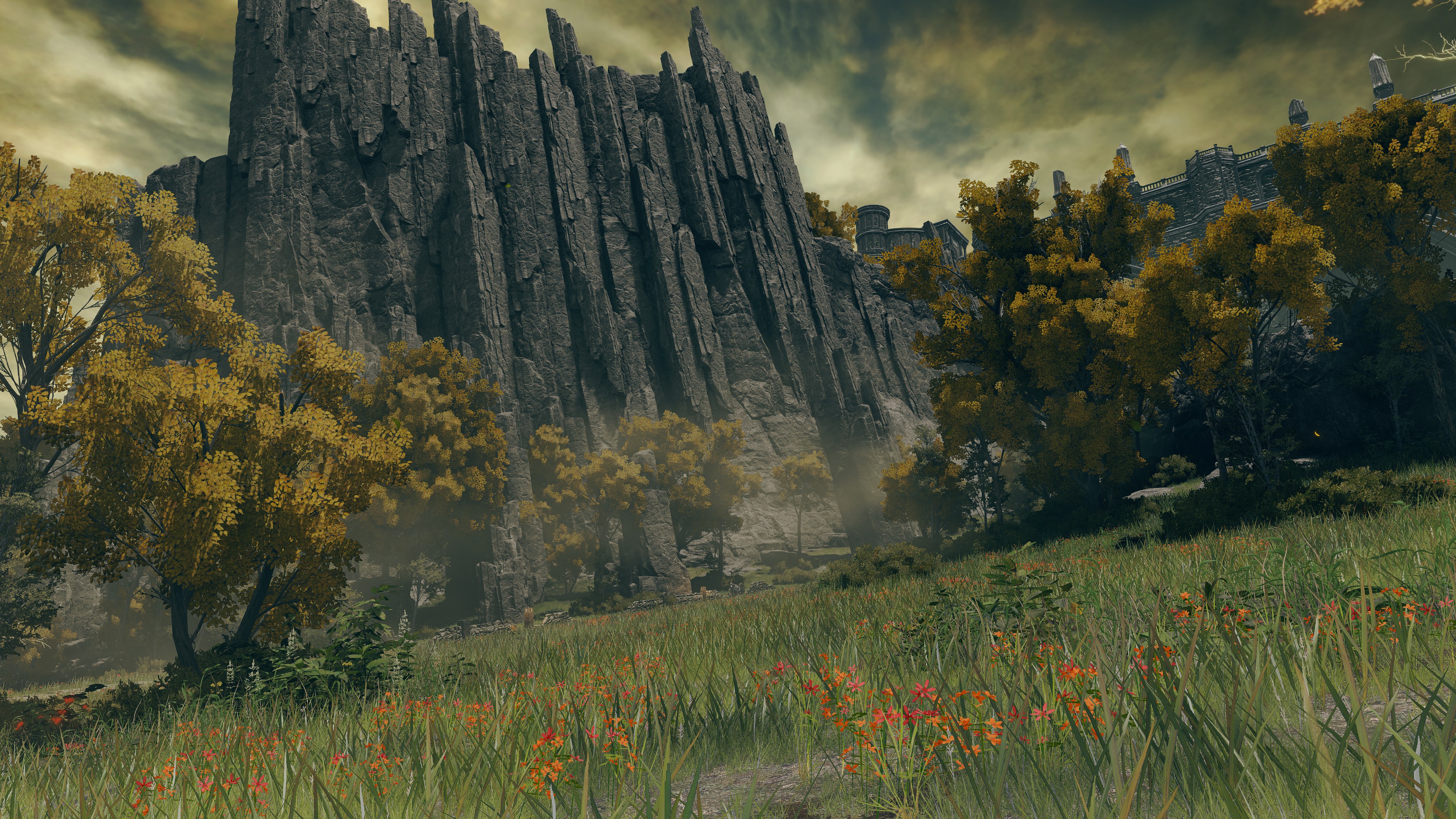
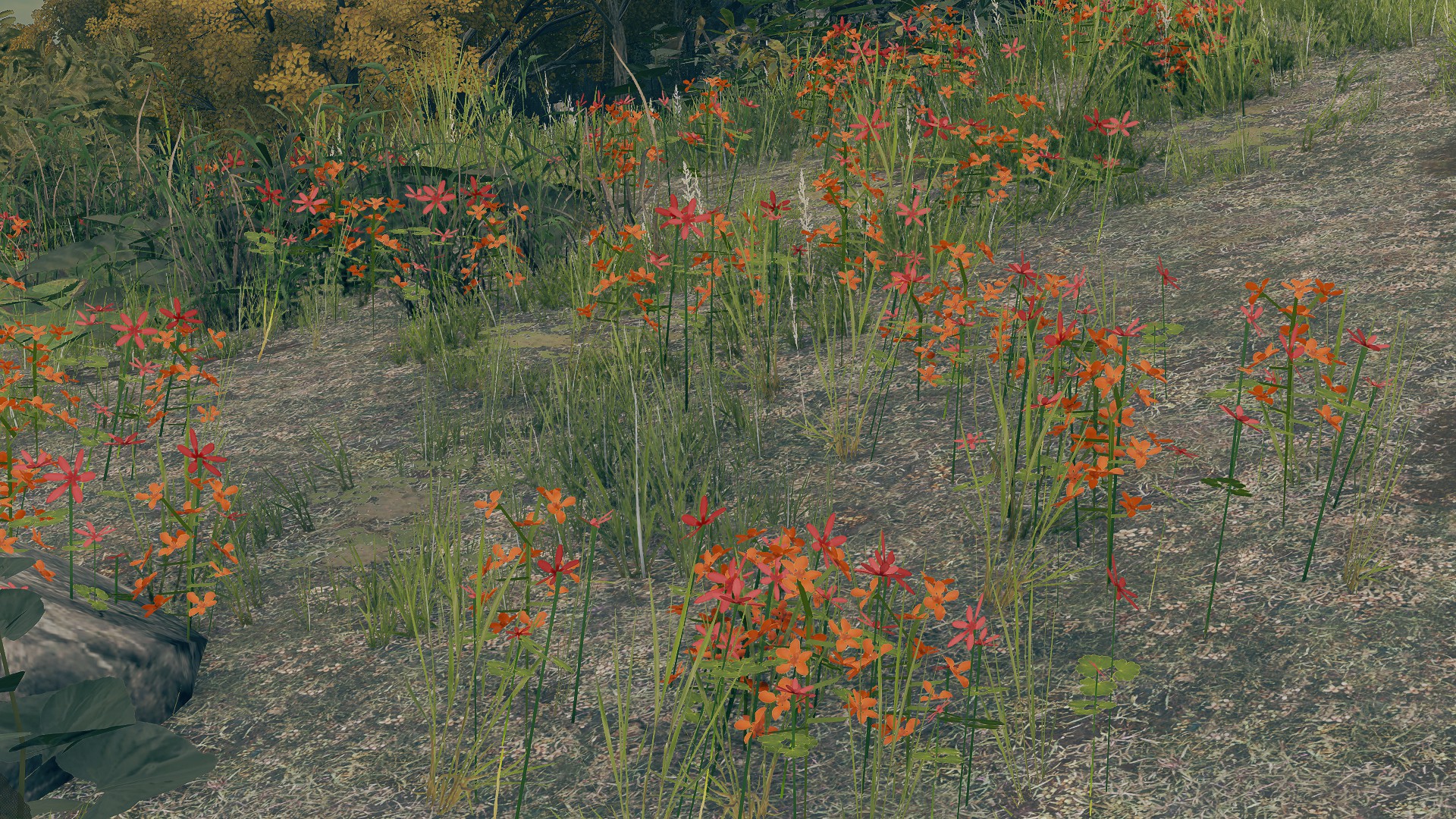
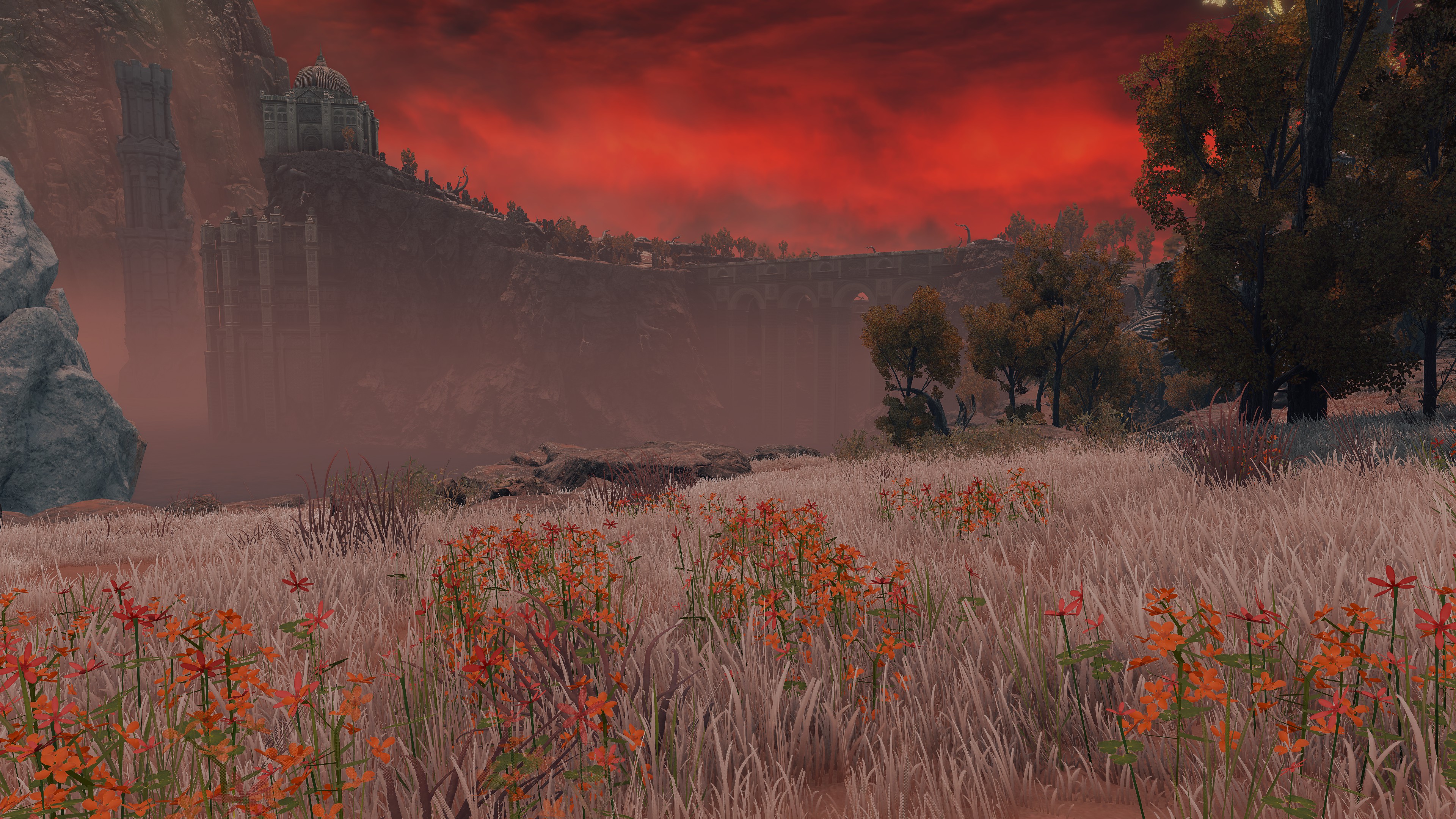
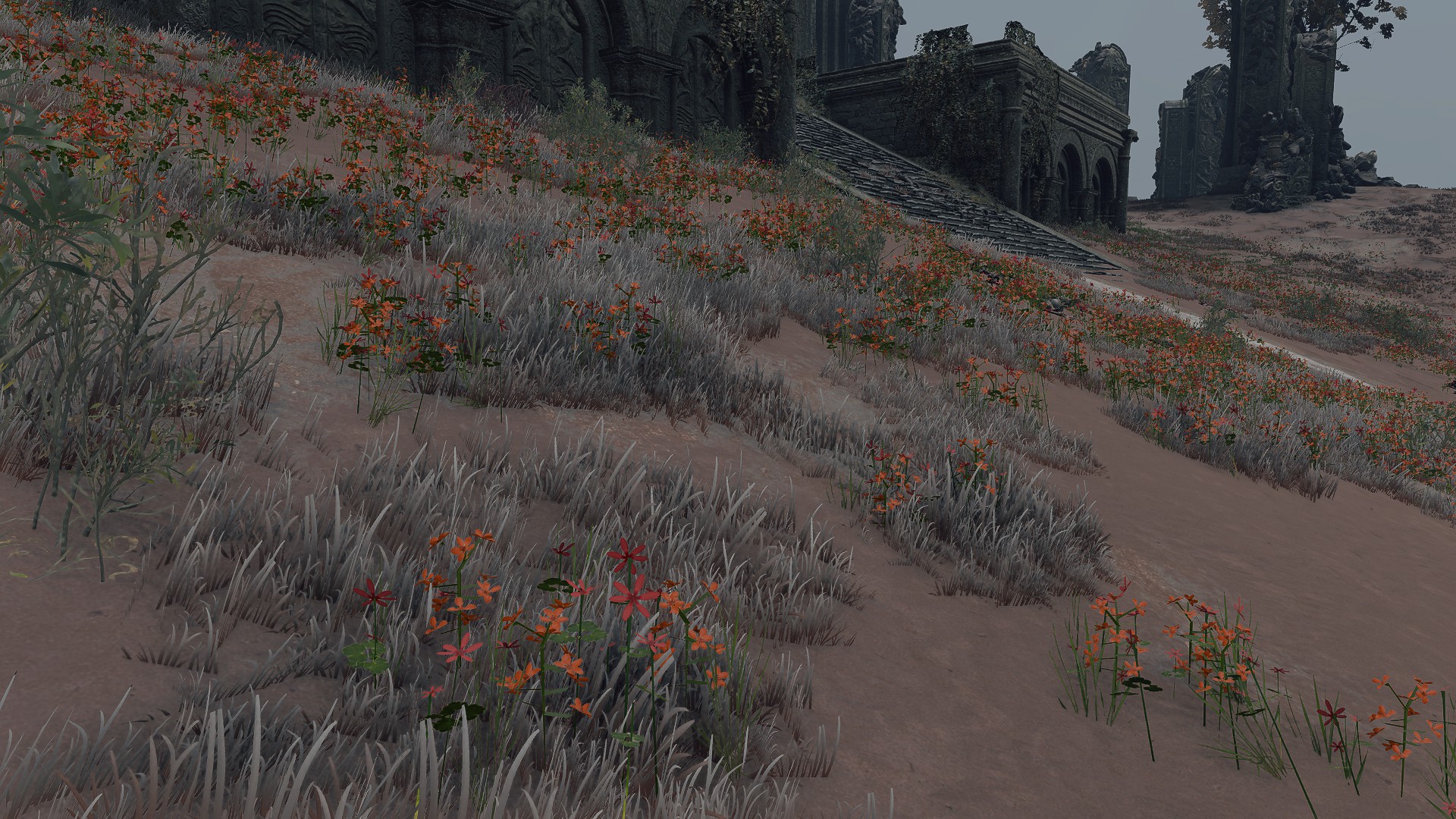
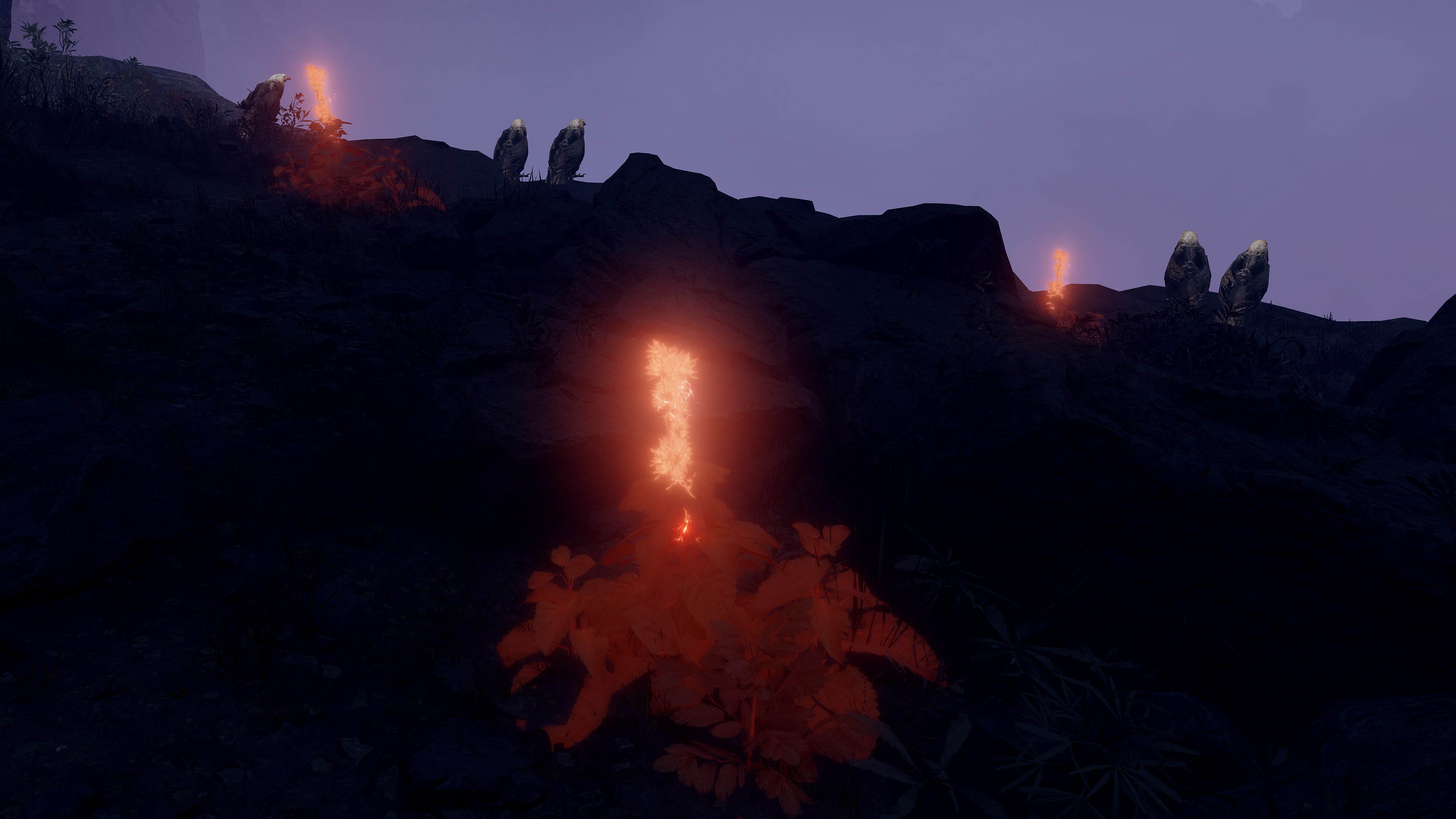
Adding to this impression is the presence of Stormhawks. These large birds of prey congregate in the northern ruins. Yet from the Warhawk Ashes’ description, Stormhill is their “cradle” where they all apparently matured, the metaphorical bird coop rocking the chicks in its heavy winds. Because of the constant storm brewing on this precipice along that northwestern coast of Limgrave, the birds have adapted to maneuver through and even manipulate turbulent winds. Normally, this manifests in subtle ways, such as the way air naturally swirls around their feathers, making them ideal for fletching arrows. Stormhill is undeniably their home, but we still see that a sizable population have migrated to Farum Azula, and have done so regularly if the flowers are any indication; where we encounter the Farum hawks, we also find the same orange and red flowers otherwise only growing on the hill and the lead-up to Bestial Sanctum. And if flying over from Limgrave, it is only sensible for them to touch ground in the land closest to them, in the south. In that case, their perch in the northern ruins was most likely on the south side originally.
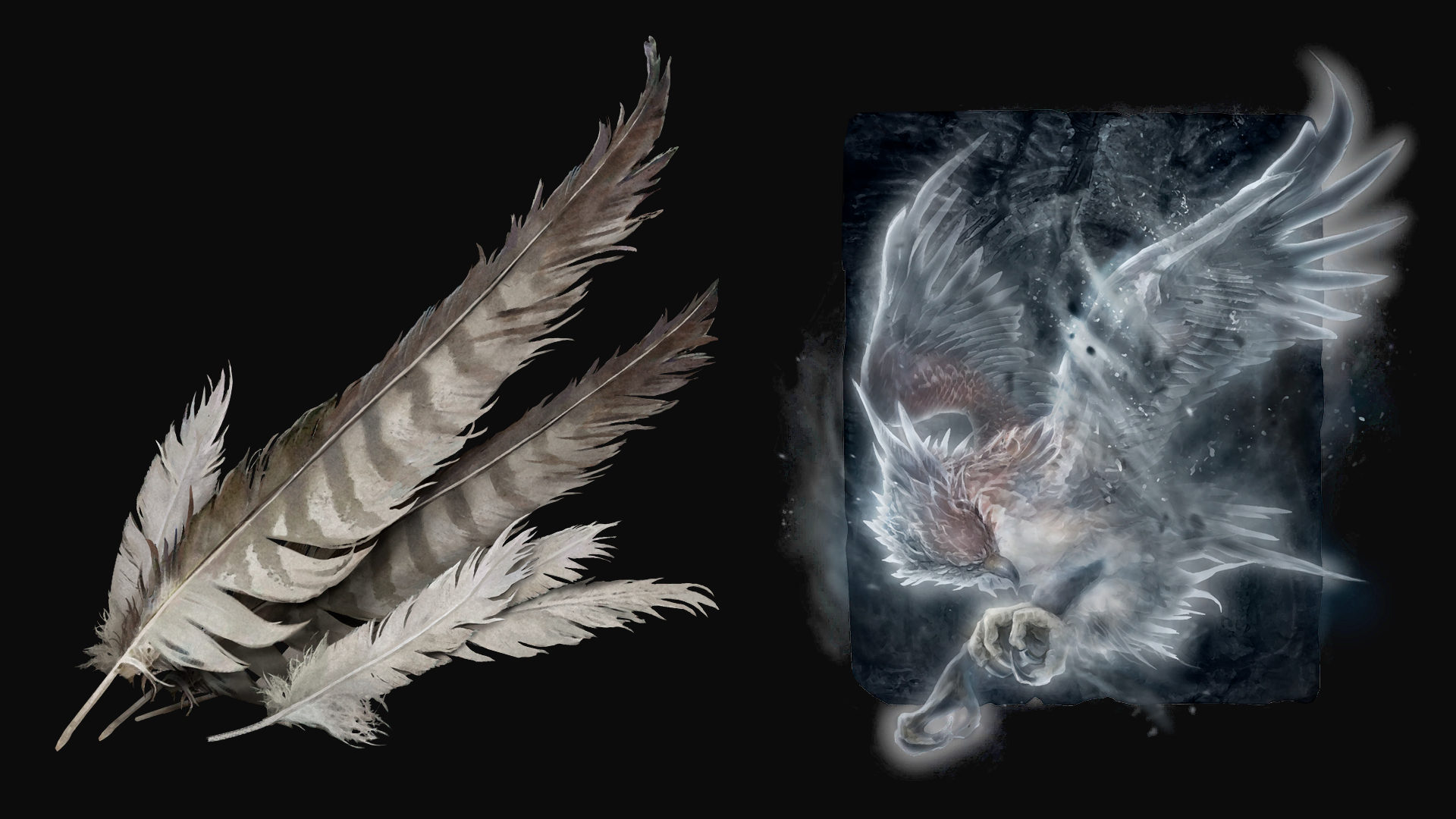
Ashen remains inhabited by spirits. Summons Warhawk spirit.
Spirit of a warhawk of Stormveil, whose talons were cut off and had thin swords grafted on. The hawk, whose master has fallen and very own wings have been wounded, died quietly gazing at its homeland. The storm is their cradle.
Feather of a hawk who lived alongside storms. One of the materials used in item crafting.
That feather is enwreathed with swirling winds, so mainly used in arrow feathers.
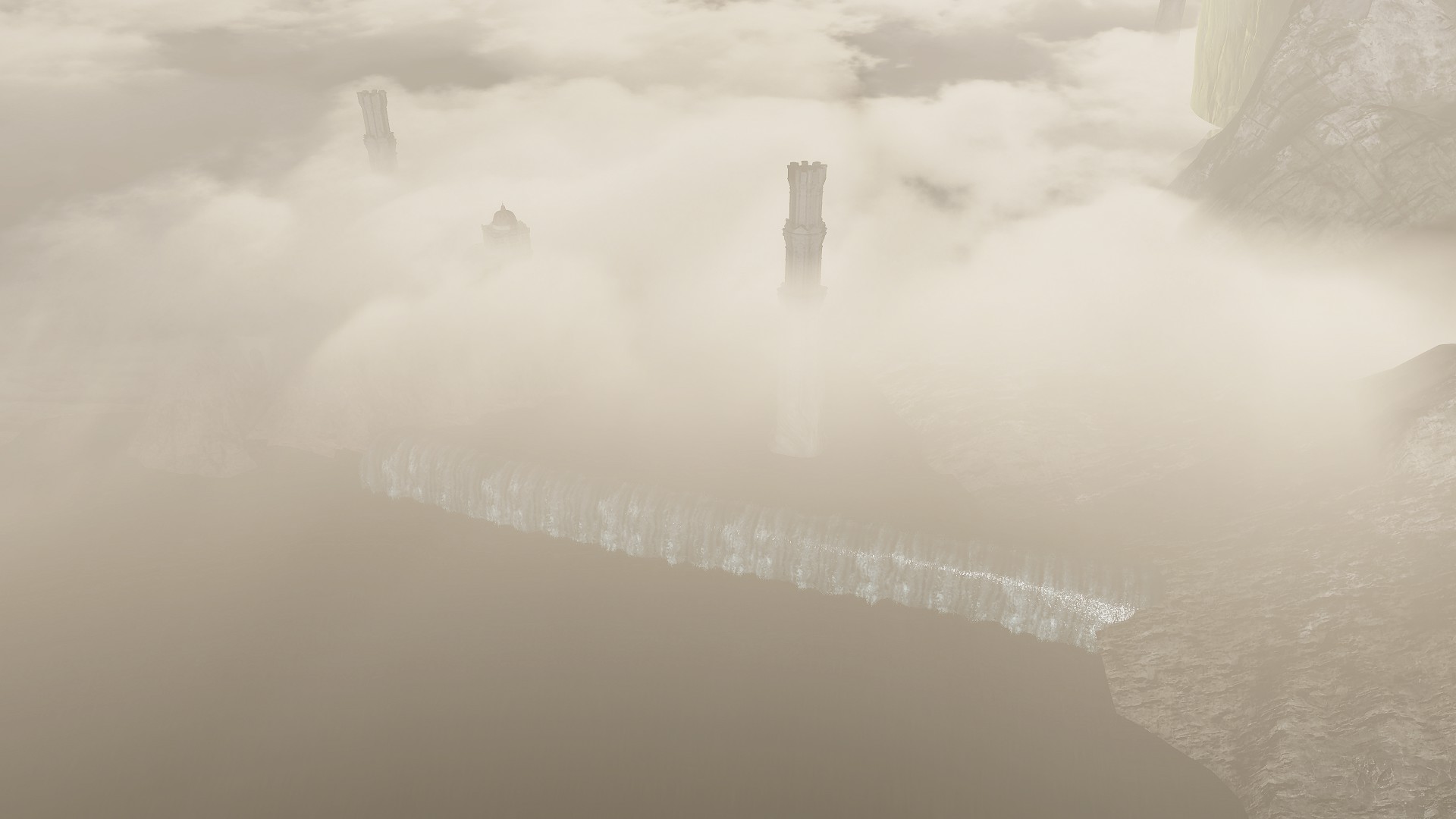
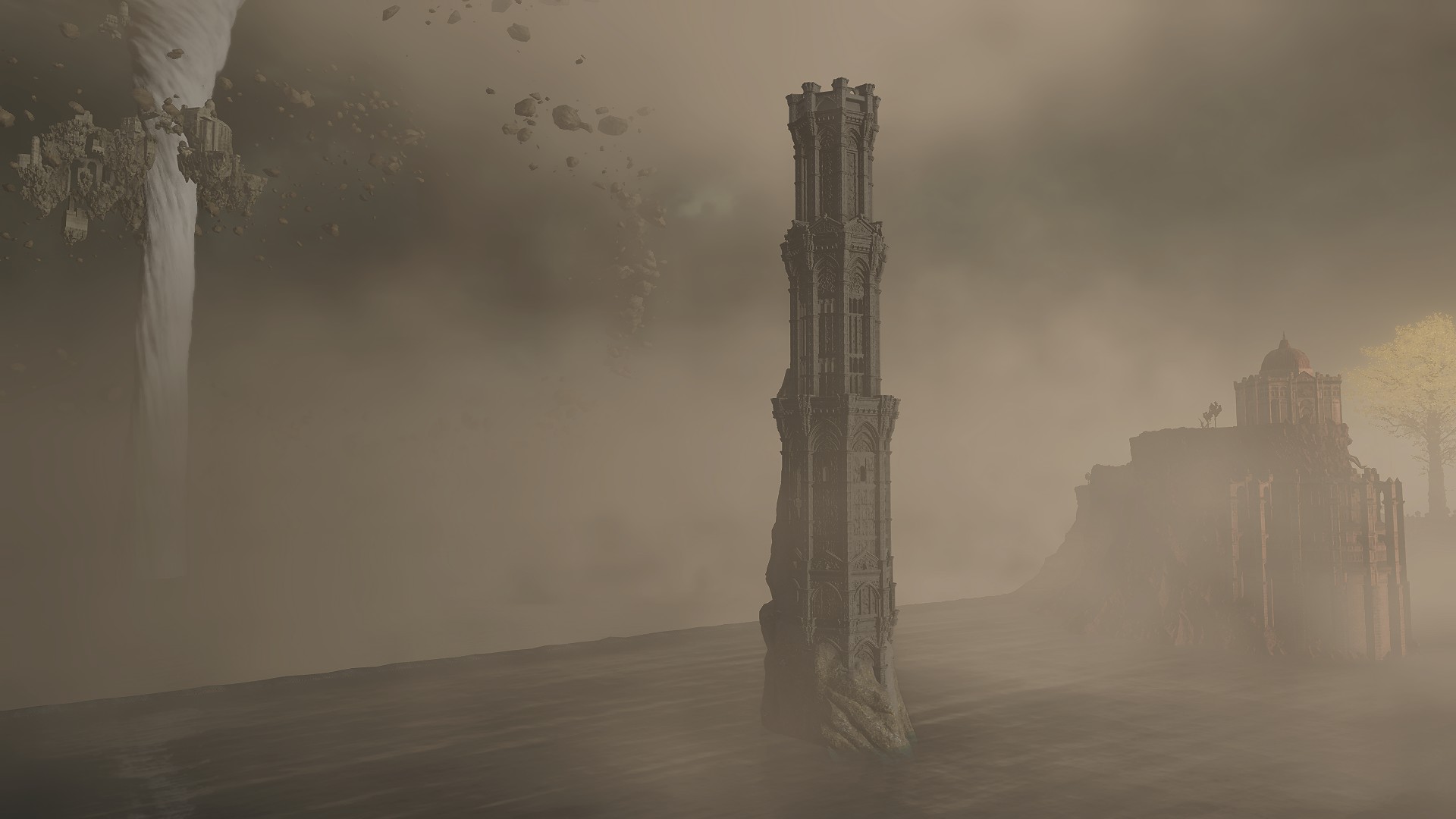
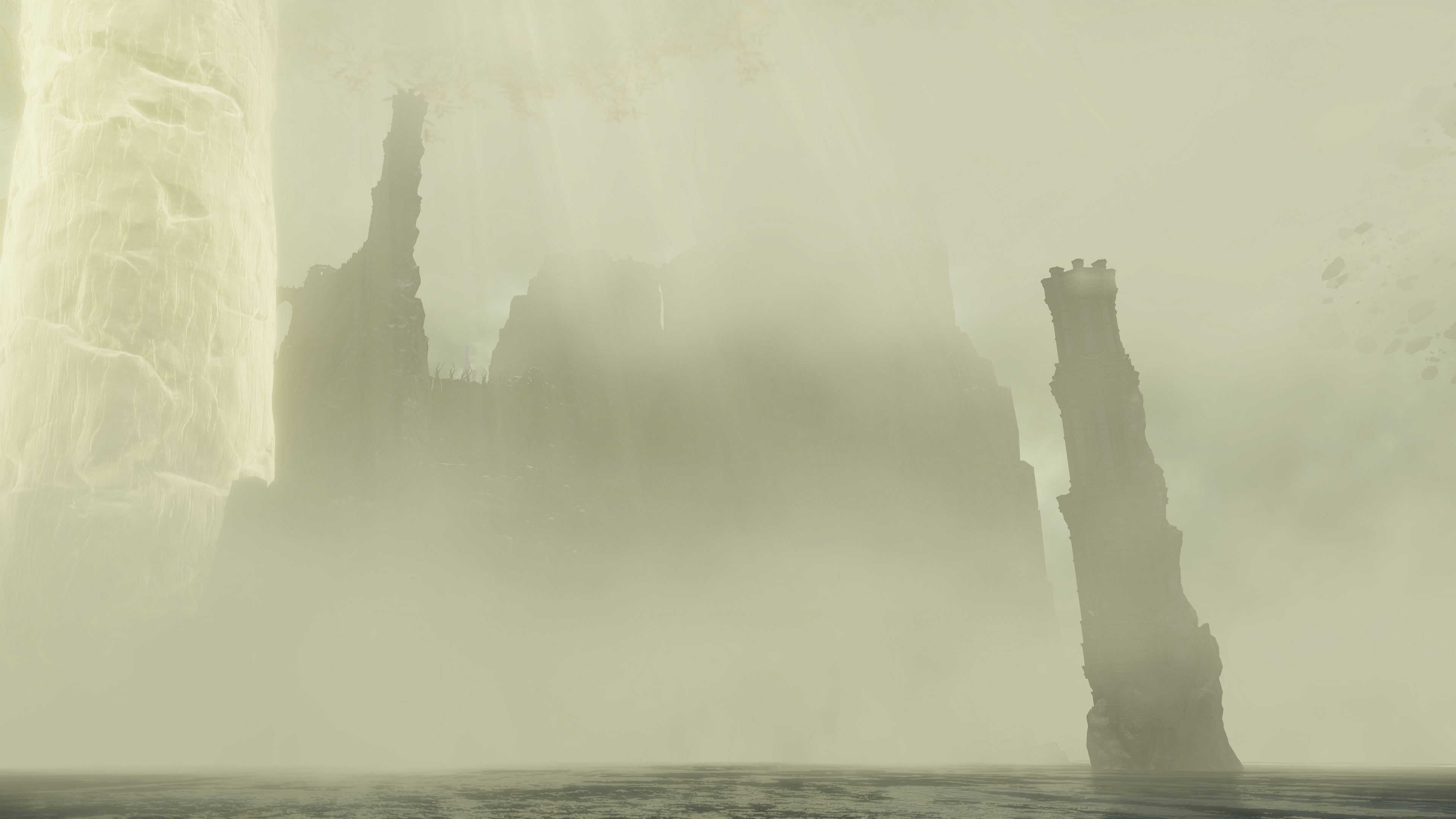
Finally, Farum’s land covered little area compared to other regions of the Lands Between. The six Divine Towers all stand above the water of the central bay, five forming a circle along the headland. The last tower farthest east stands alone, evidently left behind by the rest of Crumbling Farum Azula; it even shares unique damage at the top closest to the destroyed ruins. Assuming that it follows the same pattern, then its location marks the furthest west that the land extended. The waterfall spanning the east side likewise conveys the drop-off point for the land, largely in line with the Mountaintops north and Caelid south. Factor them both together, and we can determine that the former ground spanned a long and narrow corridor, perhaps only beginning to widen as it reached the summits. All of this lays out the land where a stone metropolis was eventually established. From this isthmus, a civilization was born, filled with dragons and beastmen.
From Rock to Rock
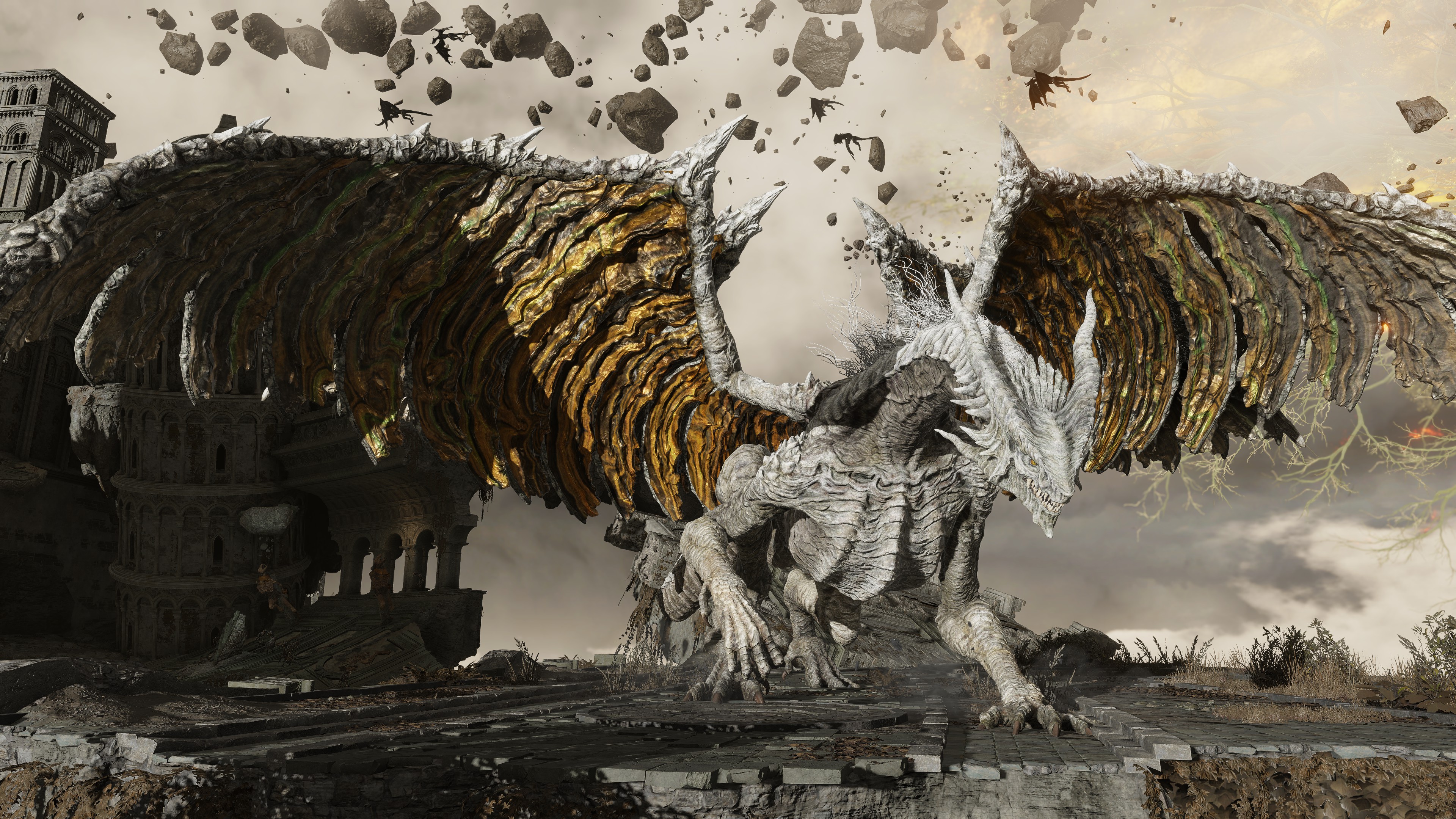
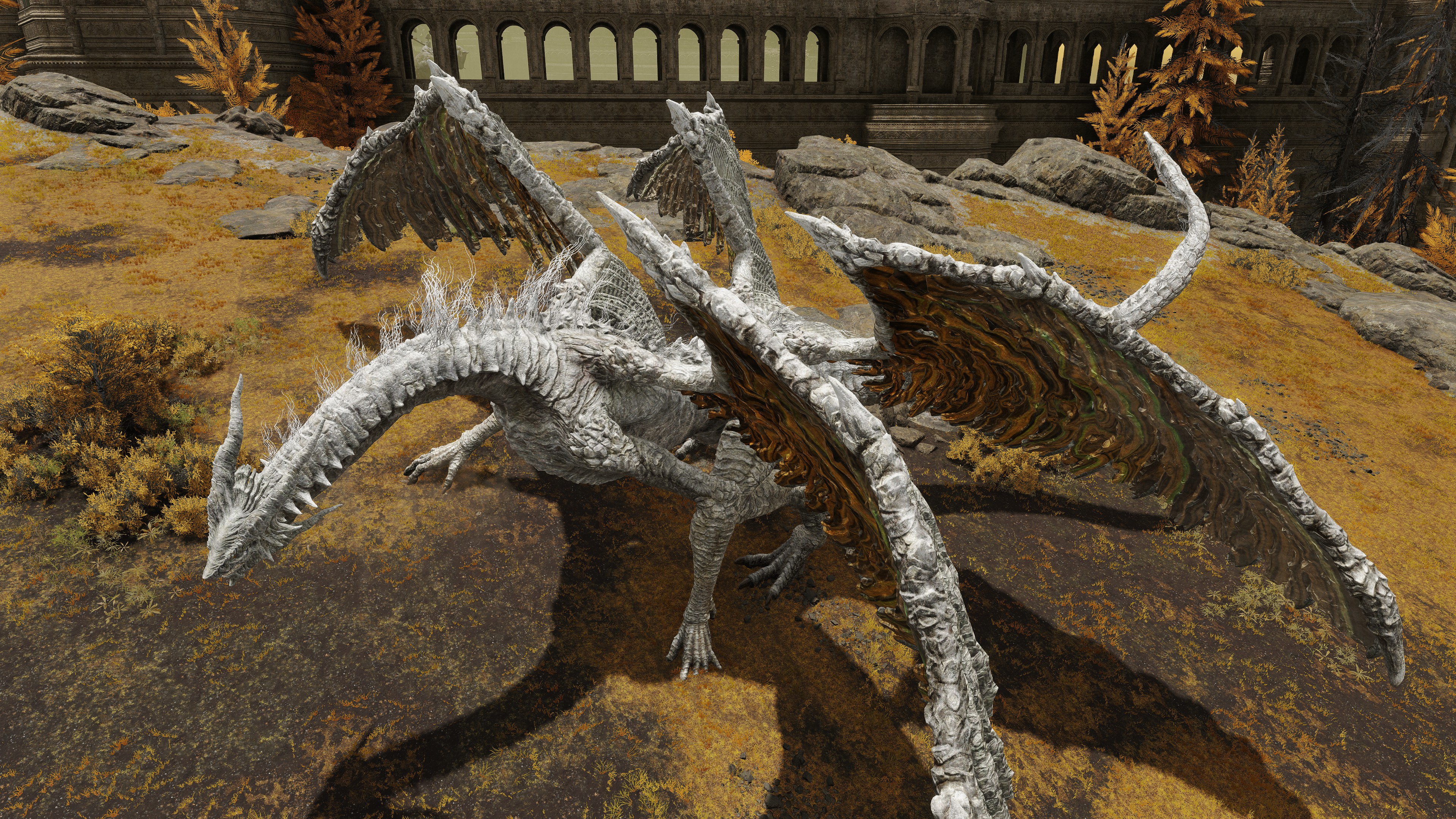
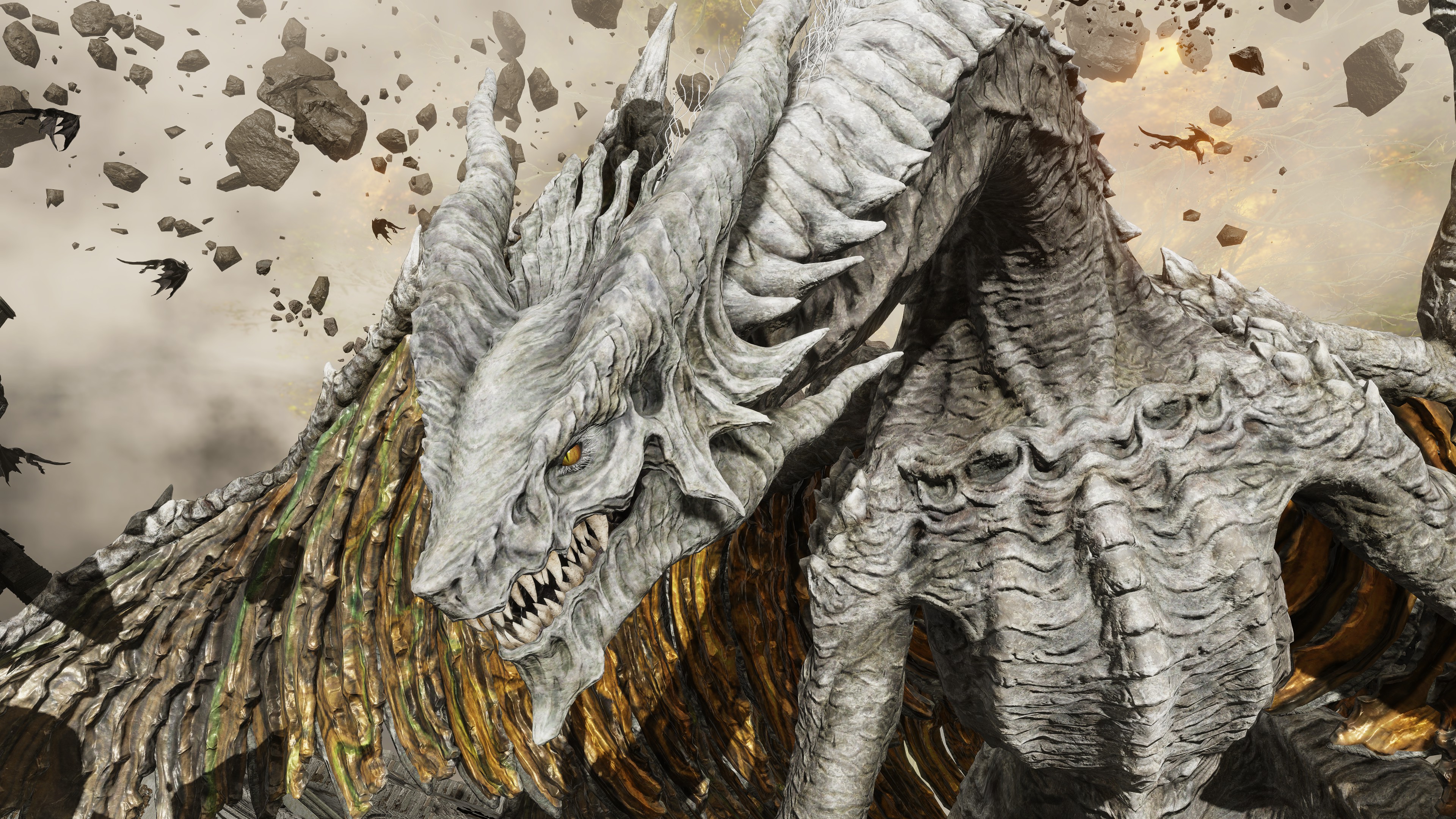
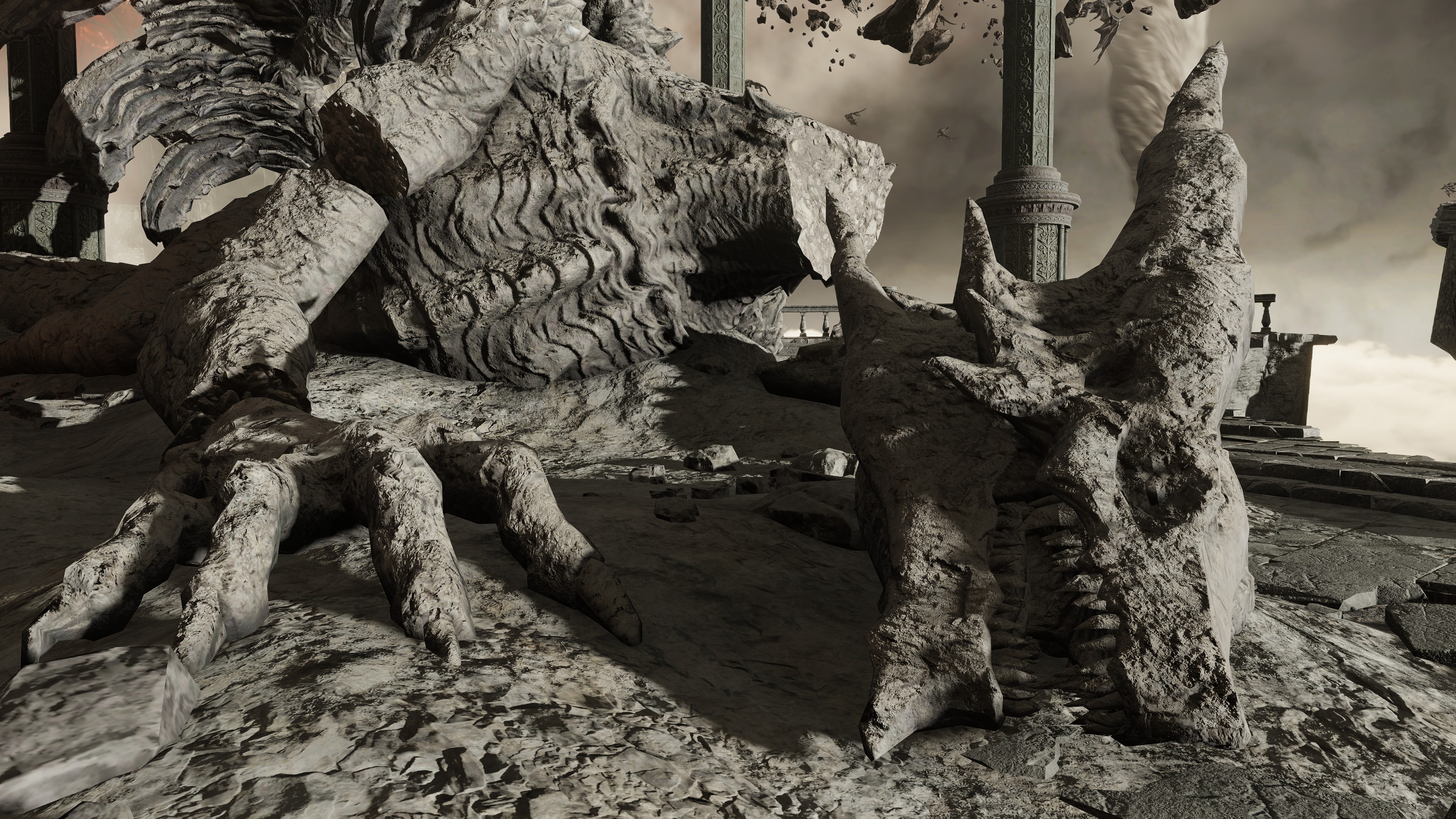
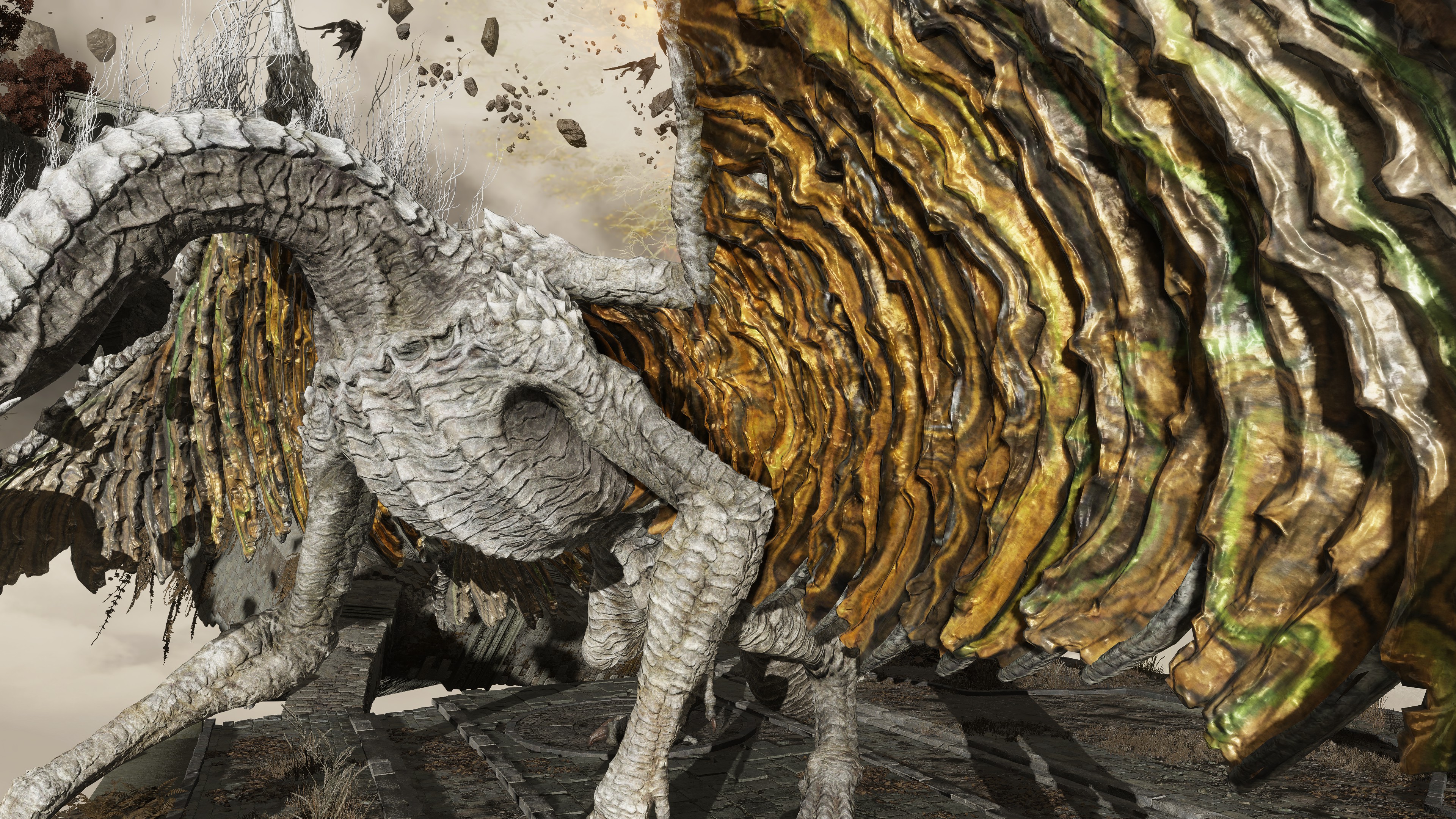
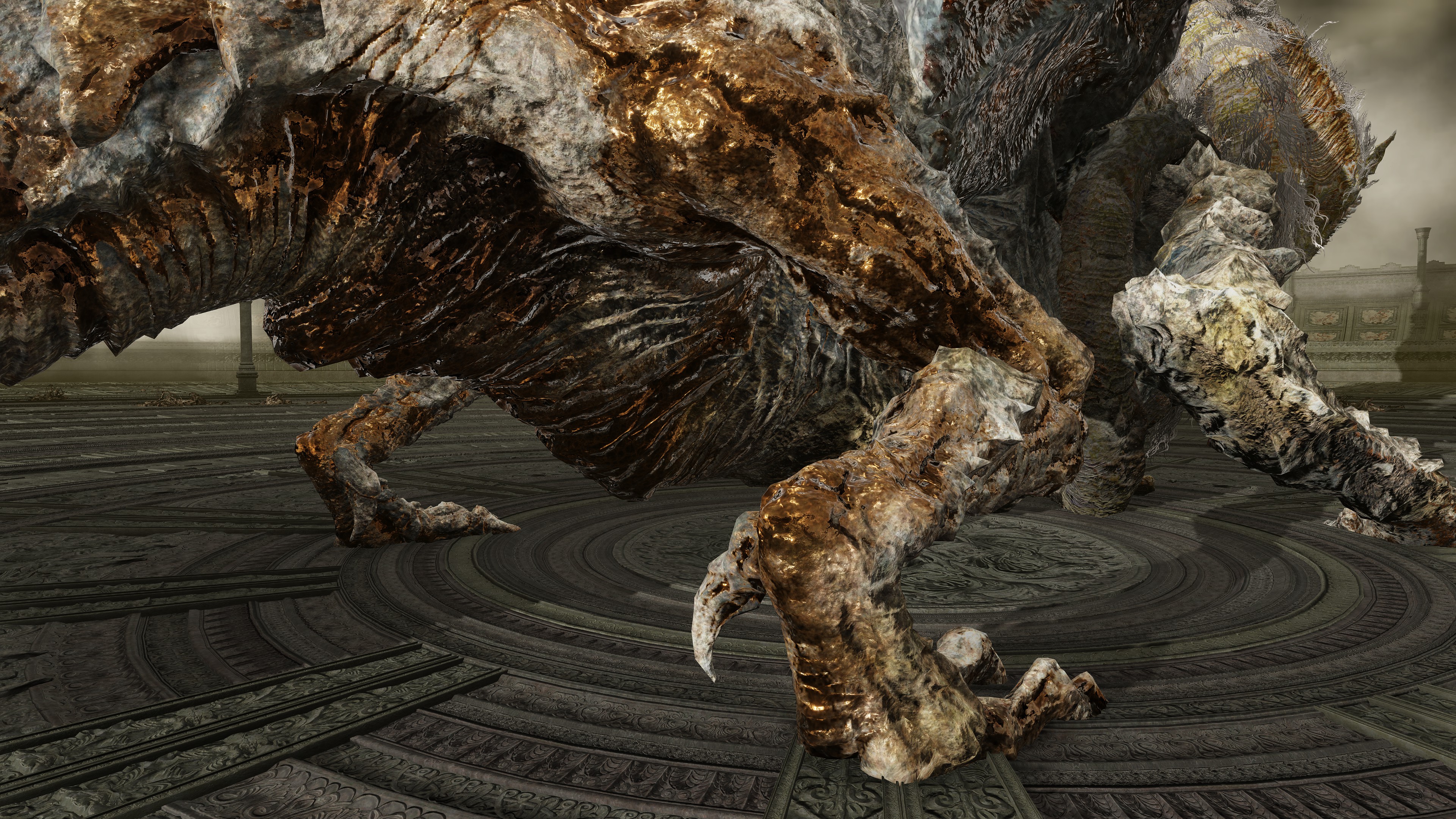
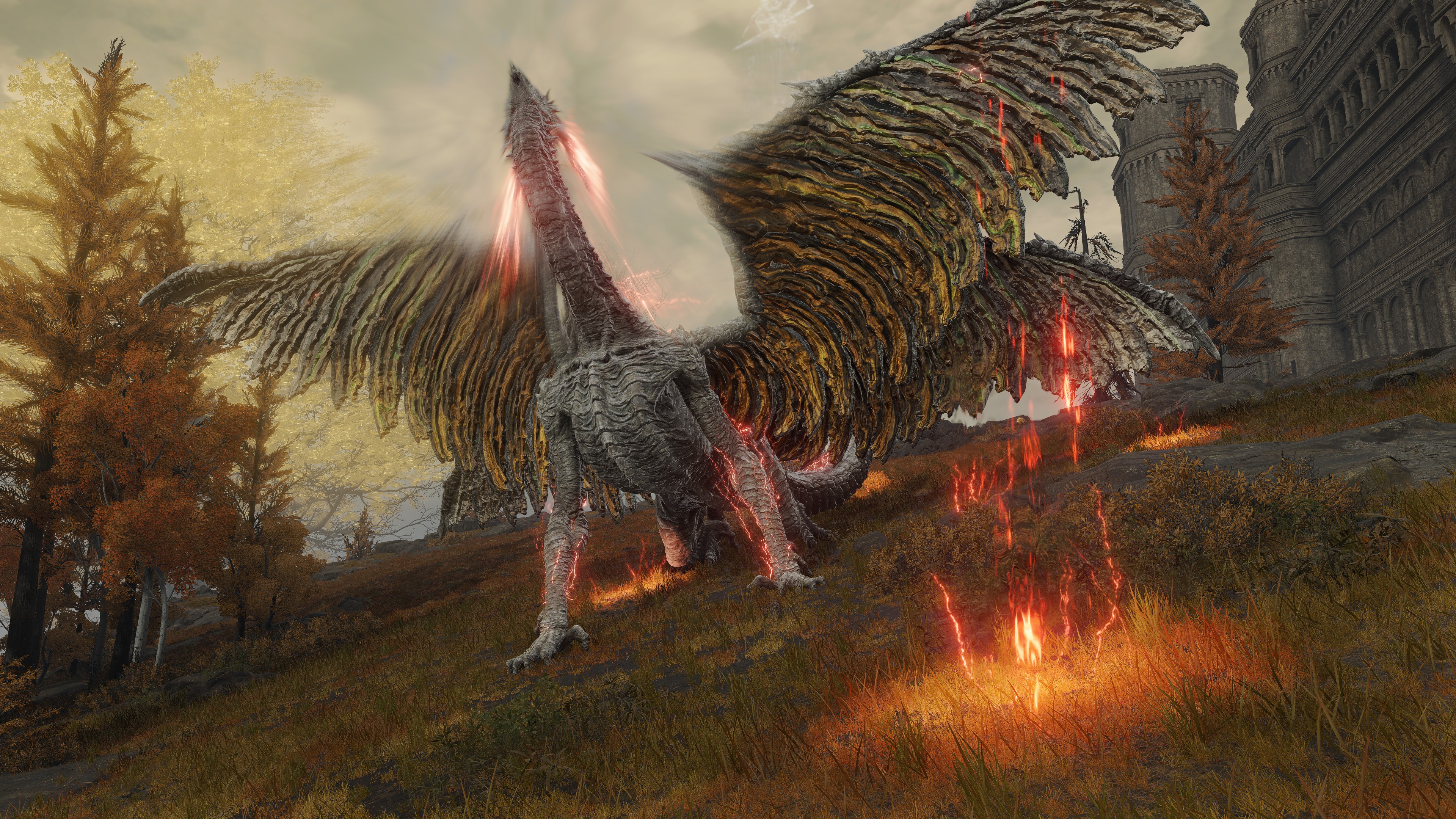
As the “old” iteration, the ancient dragons were presumably the first species of dragon to exist in the Lands Between. Separating them from other fauna are their stone scales — sharp, gravely rock which covers their entire body. With it, dragons appear to be immortals, the Dragonscale Blade identifying the scales as the “essence” of their “imperishability” in its description. Besides serving as an obvious callback to the stone-scaled ancient dragons in Dark Souls, this brand of immortality explains why the dragons don’t decay in death, but rather petrify; without life, they are, at their core, creatures of stone. Nonetheless, dragons do possess life, with hearts pumping blood just like any other fauna. In fact, the hearts are just as core to dragons, with those who devour hearts in dragon communion ultimately becoming dragons themselves. At the same time, the stone nature is more than skin deep, with gravel stone even covering a dragon’s heart. The ancients were a combination of stone and life, half and half.
Sharp-pointed stone flakes. Mass of them. One of the materials used in item crafting.
Found in lands once attacked by ancient dragons, it is said to be the ancient dragons’ scales.
Choice weapon that sharpened gravel scales, the essence to an ancient dragon’s imperishability, and made it an unclouded blade.
The dragon-men soldiers were born as those to be dragons, but they were unable to, so have been dying out as aged pseudo-dragons.
This bizarre nature may be partially responsible for the species’ ability to breathe fire. With their rock bodies, dragons channel heat up their throats to unleash billowing flames. This most likely originates from their living hearts. Dragons like Bayle possess “boiling” hearts, harboring so much life energy that they continue to pulsate even after being ripped from the bodies of their owners. Devouring these hearts in communion transforms humans specifically into magma wyrms, mouths watering with lava as if their insides are melting. It is obvious that the nonstop heart produces the heat which circulates through the entire body via blood. A mass of dragon flesh possesses an uncooling heat at the root of their scales which humans can only somewhat replicate. It is that power of life heating gravel from within which a dragon then expels as flame. In fact, this feature is replicable: one Aspects of the Crucible incantation uses red gold to produce a mouth sack for breathing fire. Fire breathing is well within possibility for golden life.
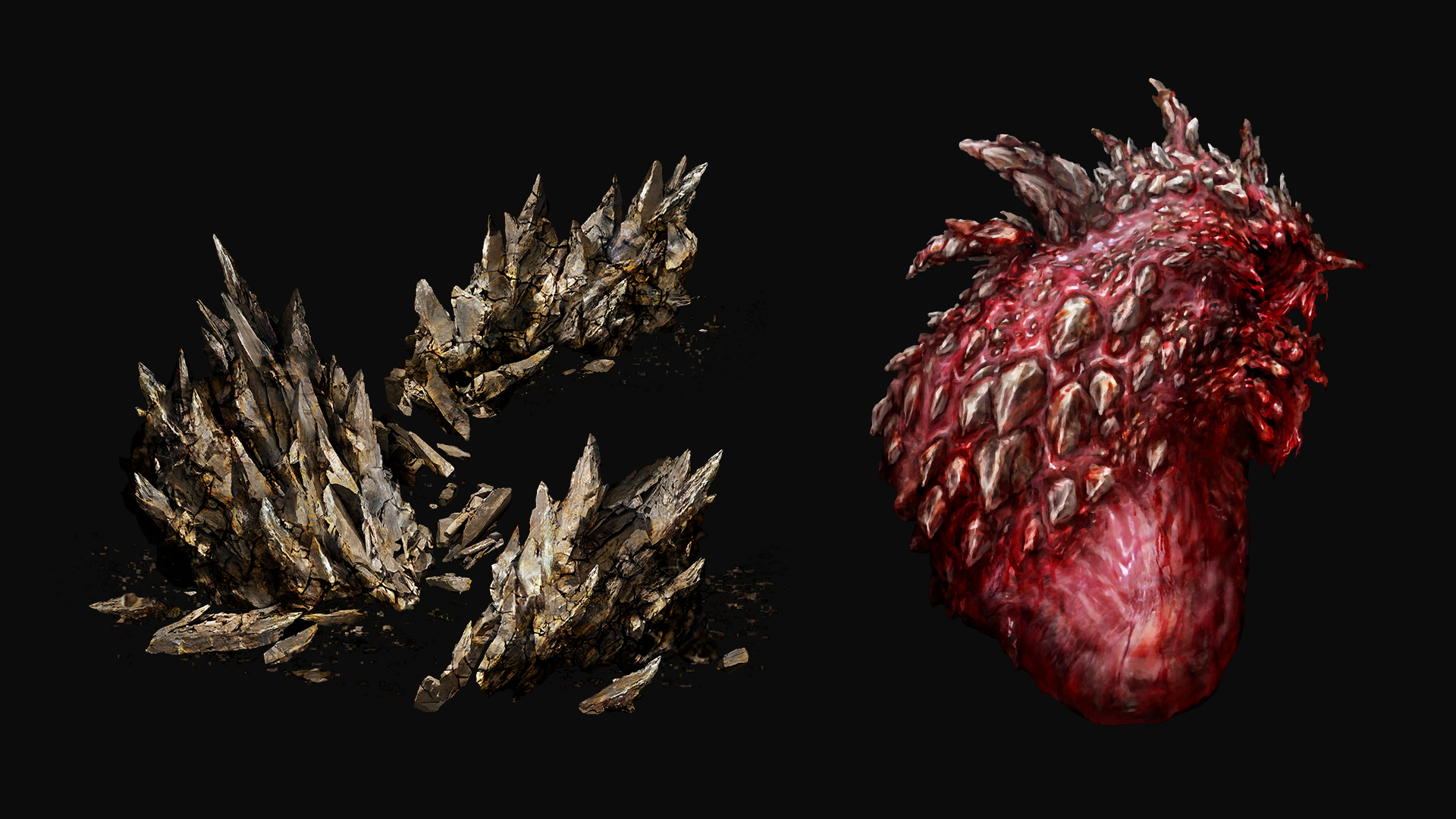
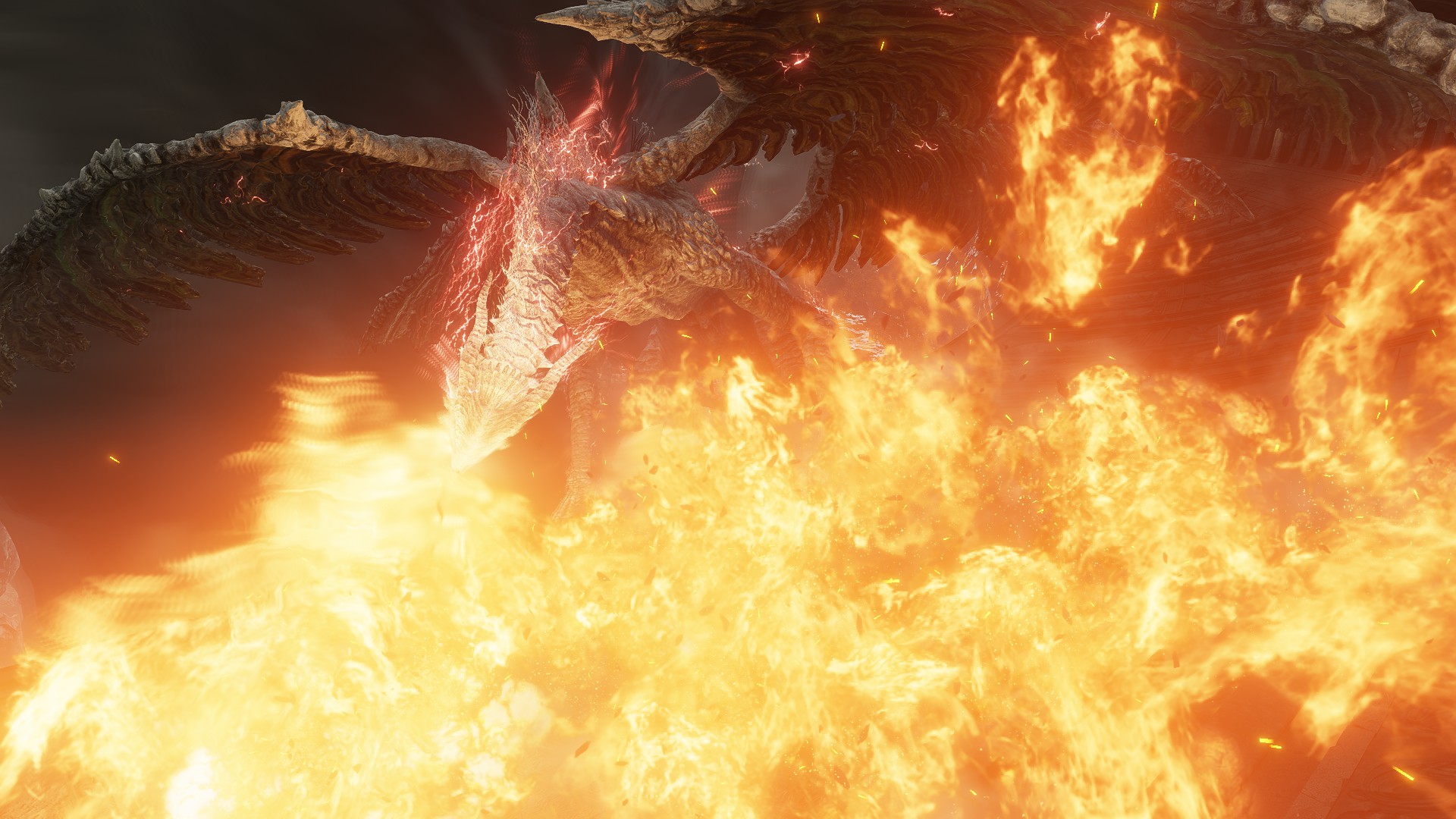
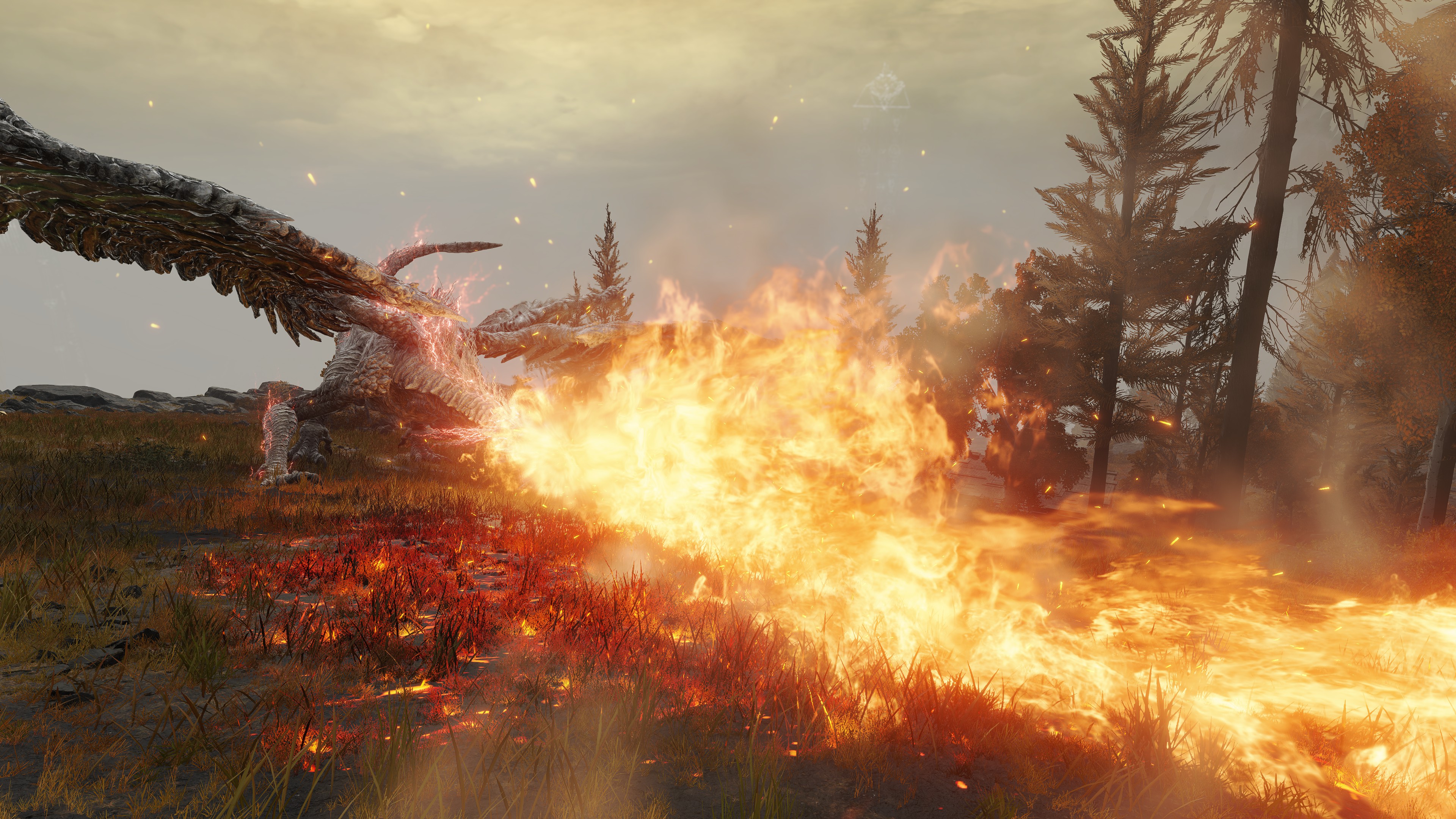
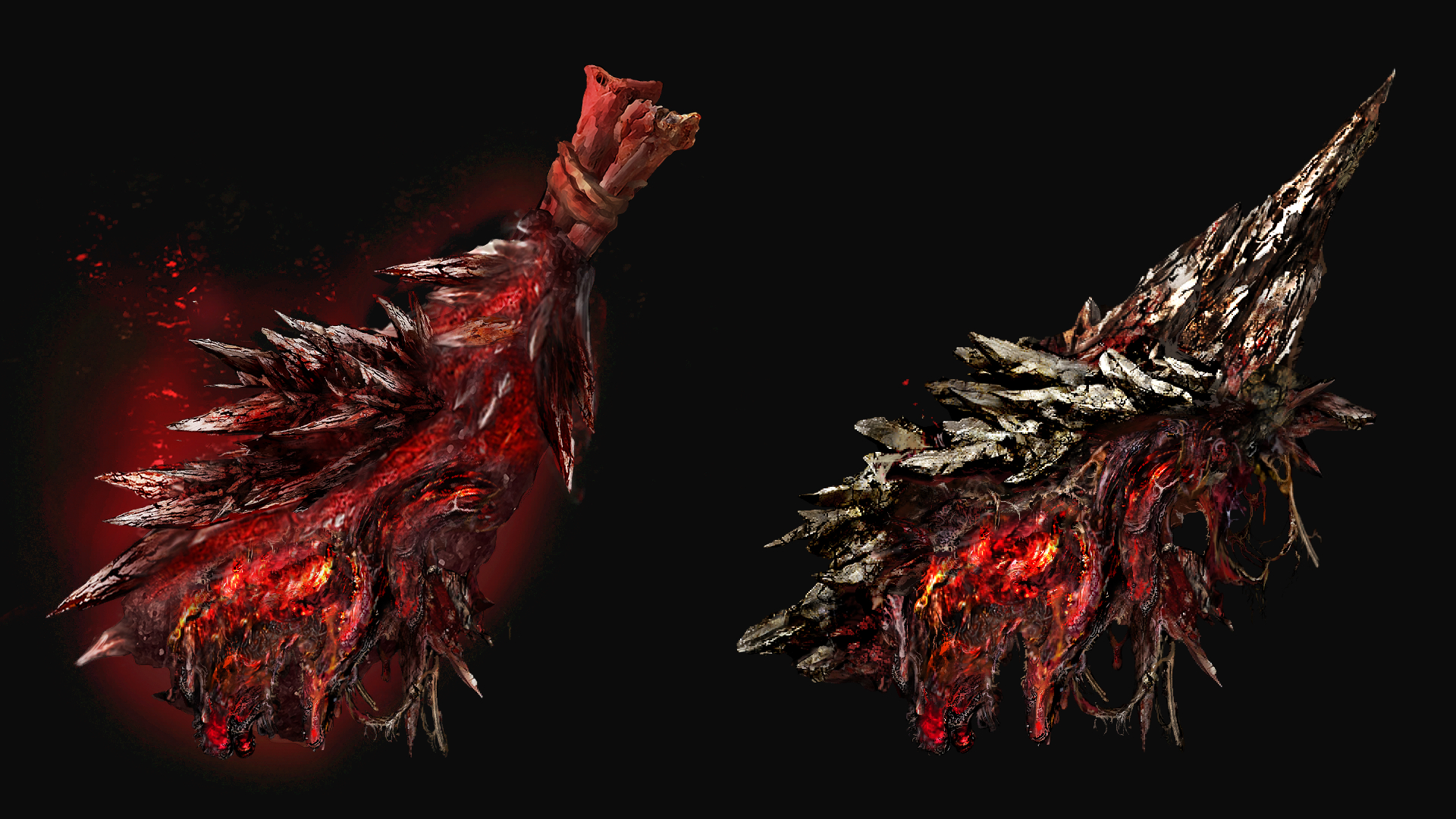
Flesh mass tinged with heat of the root section of inverted scales considered to generate on the bodies of the old dragons.
Eating as is, raises vigor, endurance, strength, and dexterity, but HP decreases little by little.
Dragon heat is the greatest liquor for dragon warriors.
Mass of beast flesh tinged with uncooling heat. One of the craftable items.
Raises vigor, endurance, strength, and dexterity, but HP decreases little by little.
Flesh mass of inverted scales reproduced with human hands. It satiates the dragon warrior’s hunger only temporarily.
Perhaps it is necessary for a creature with such bizarre physiology, stone requiring that much warmth of life to remain animated. If living organic matter tends to be warm, then nonliving inorganic matter tends to be cold — and what could be colder than a rock floating in the cold vacuum of space? To bring chunks from that ball of rock to life would theoretically require tremendous amount of heat to counterbalance its natural inertia. Turning to solid stone from inactivity would thereby be the consequence of losing the countervailing force inside them over time. The fire serves as proof of being living rock. In short, the ancient dragons are a delicate balance between two powers, which begs how they first came about. The answer, of course, is the source of all life on earth: the Elden Ring.
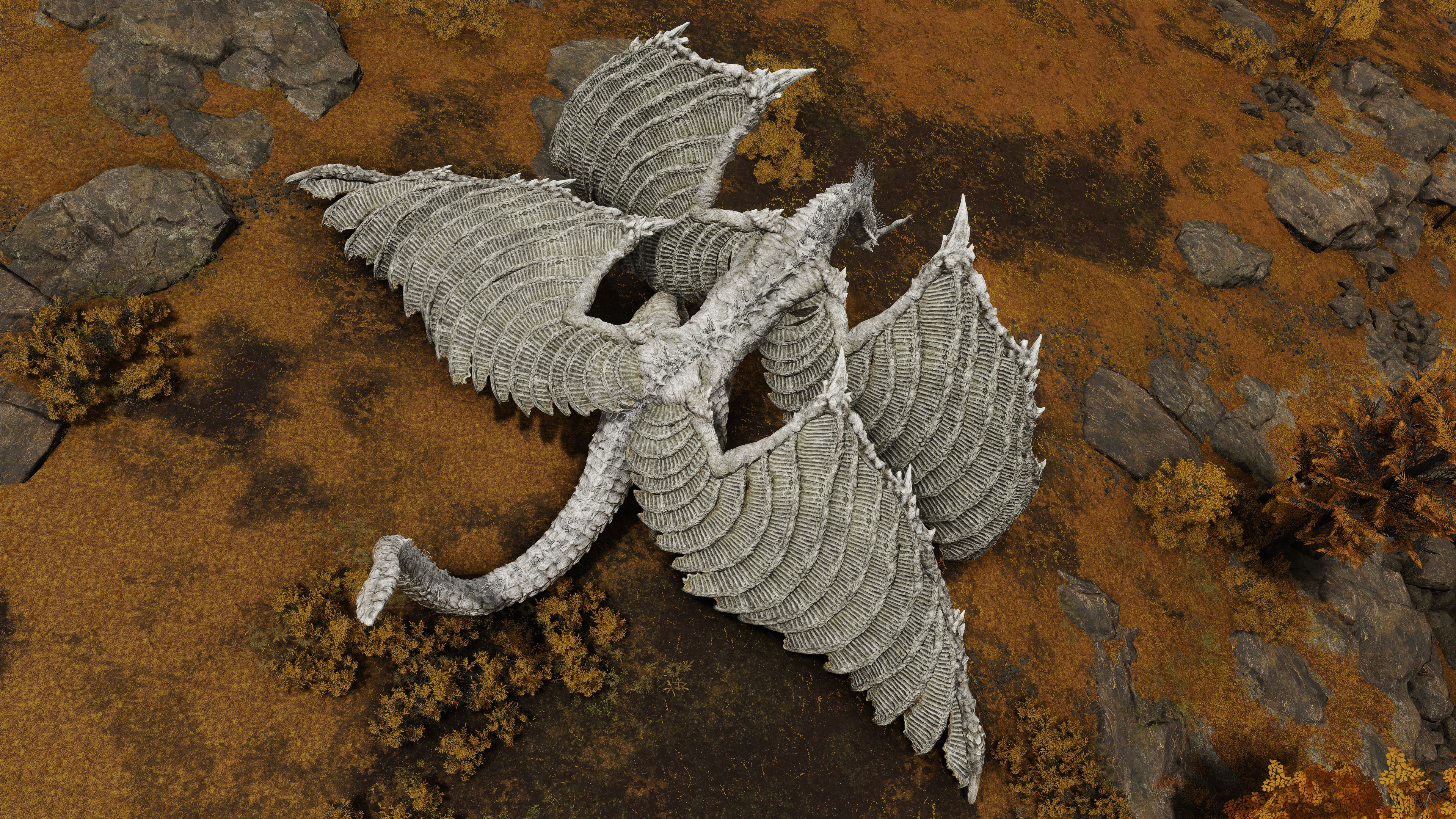
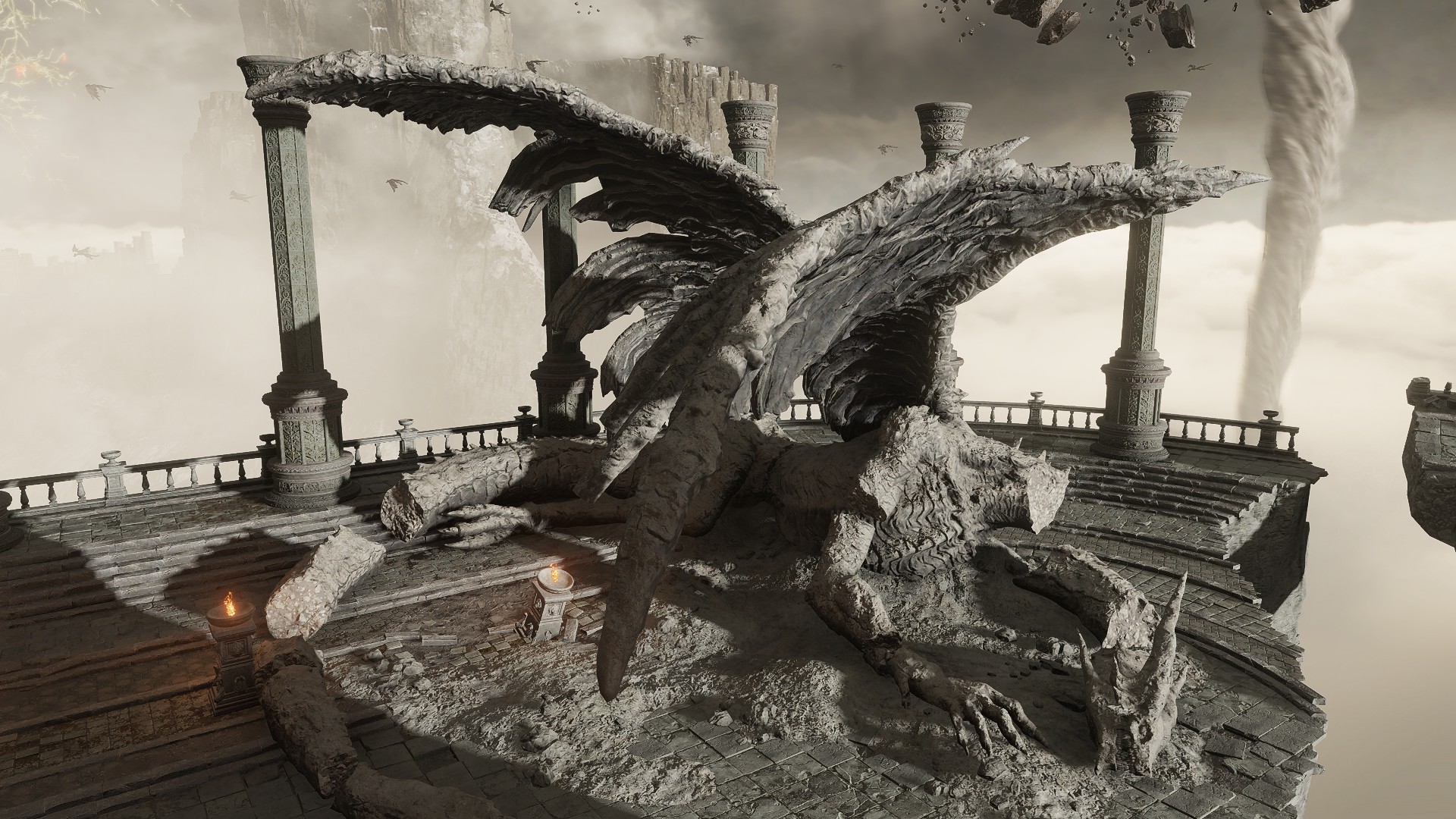
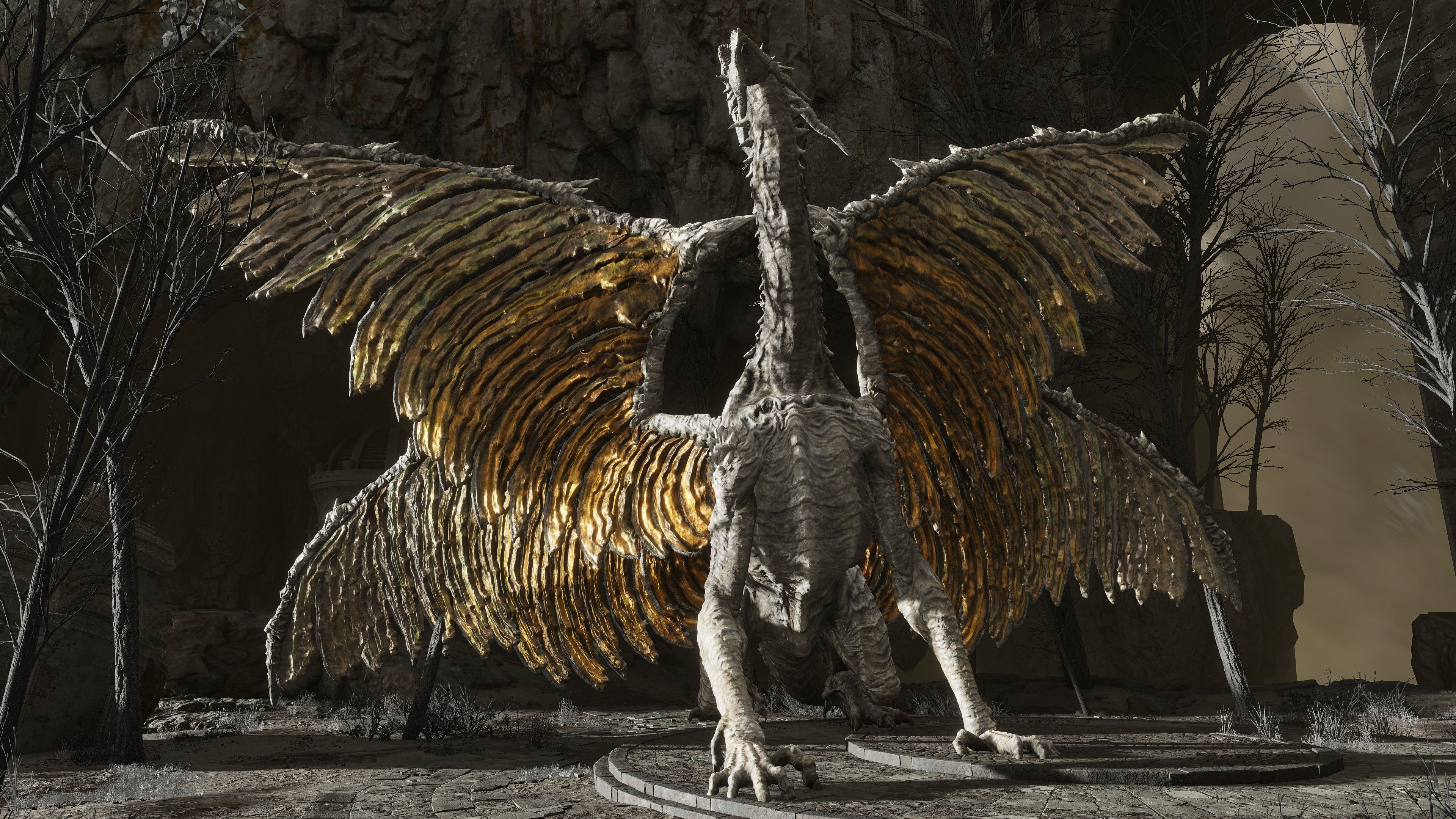
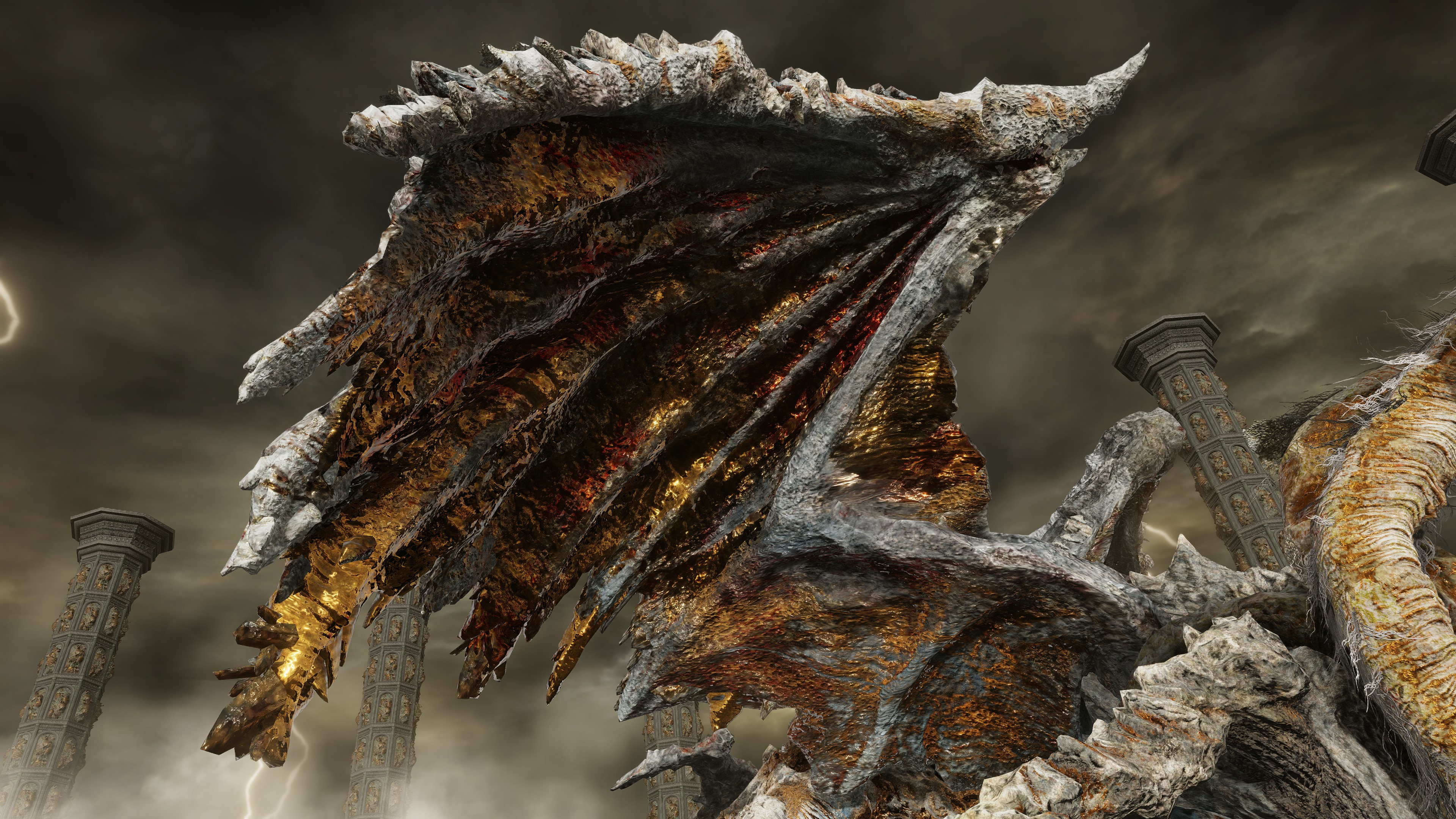
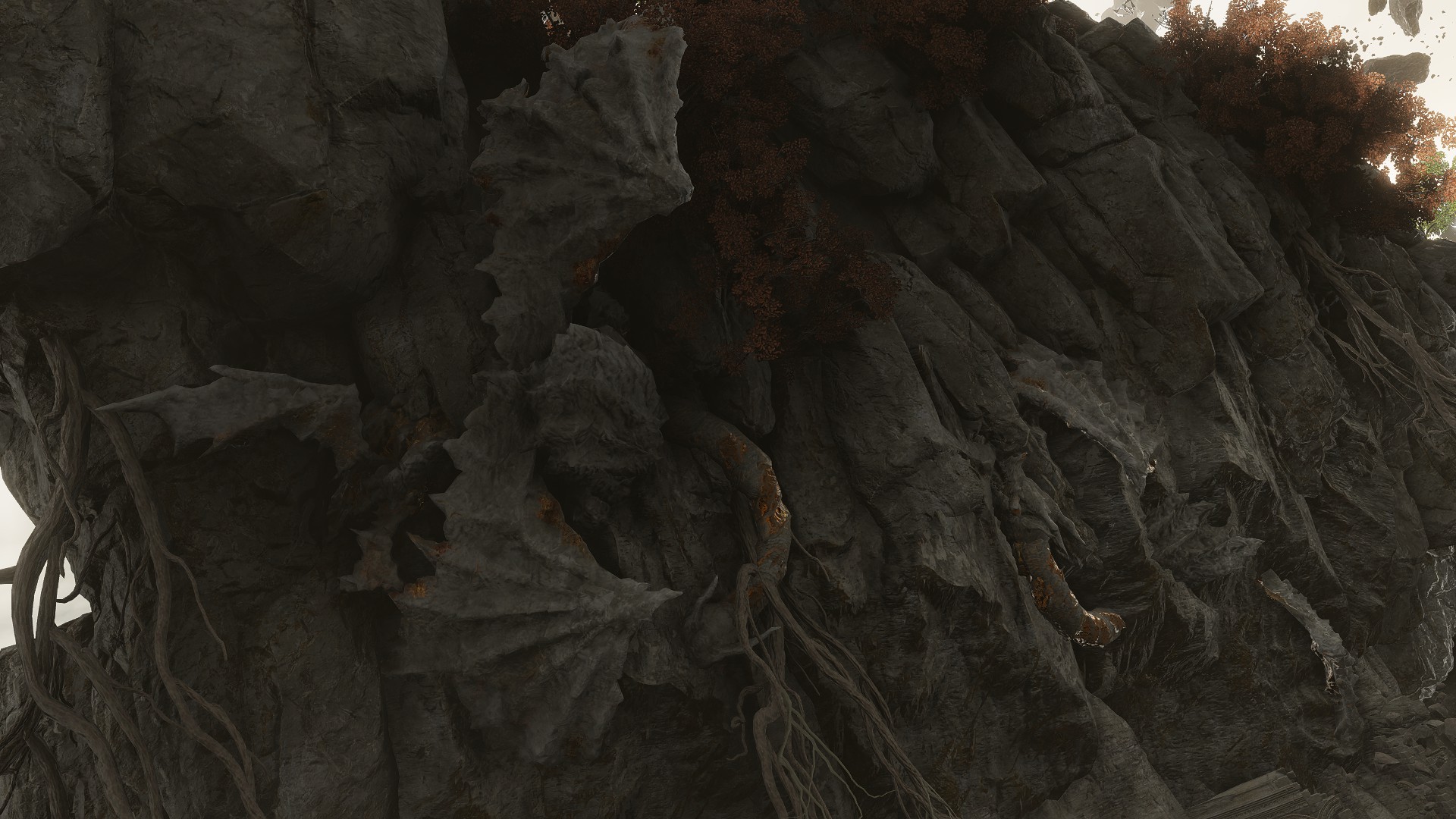
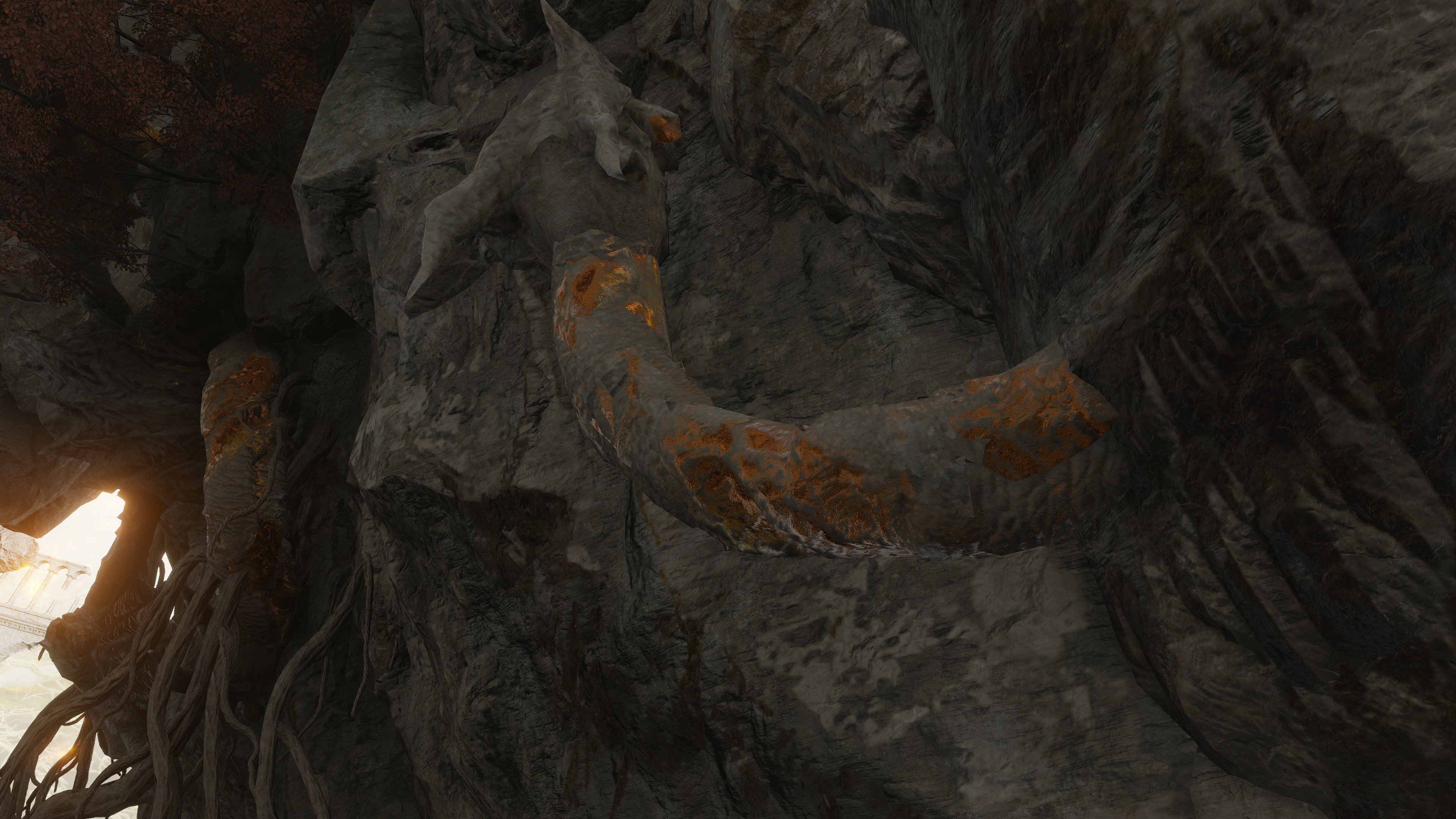
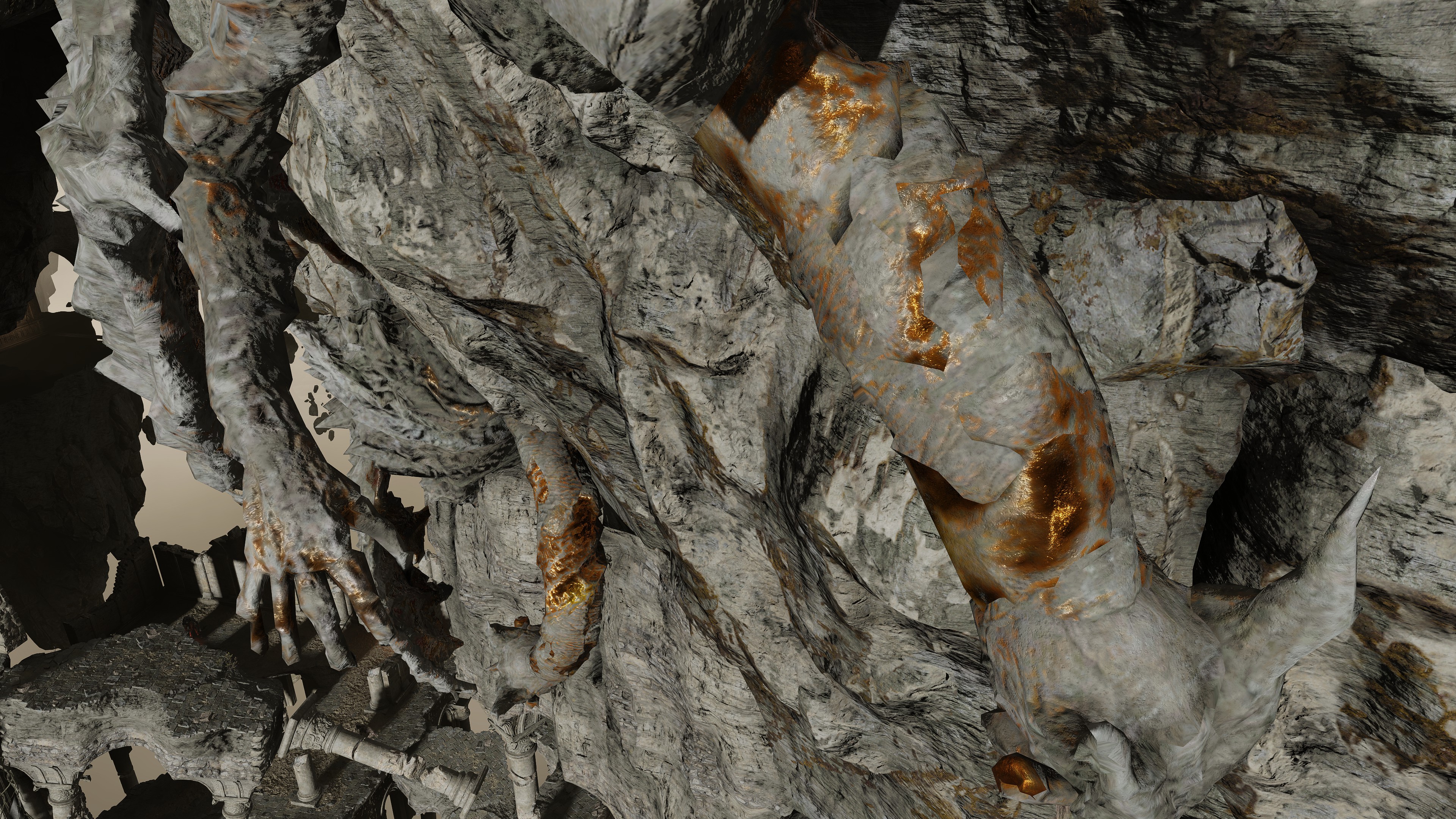
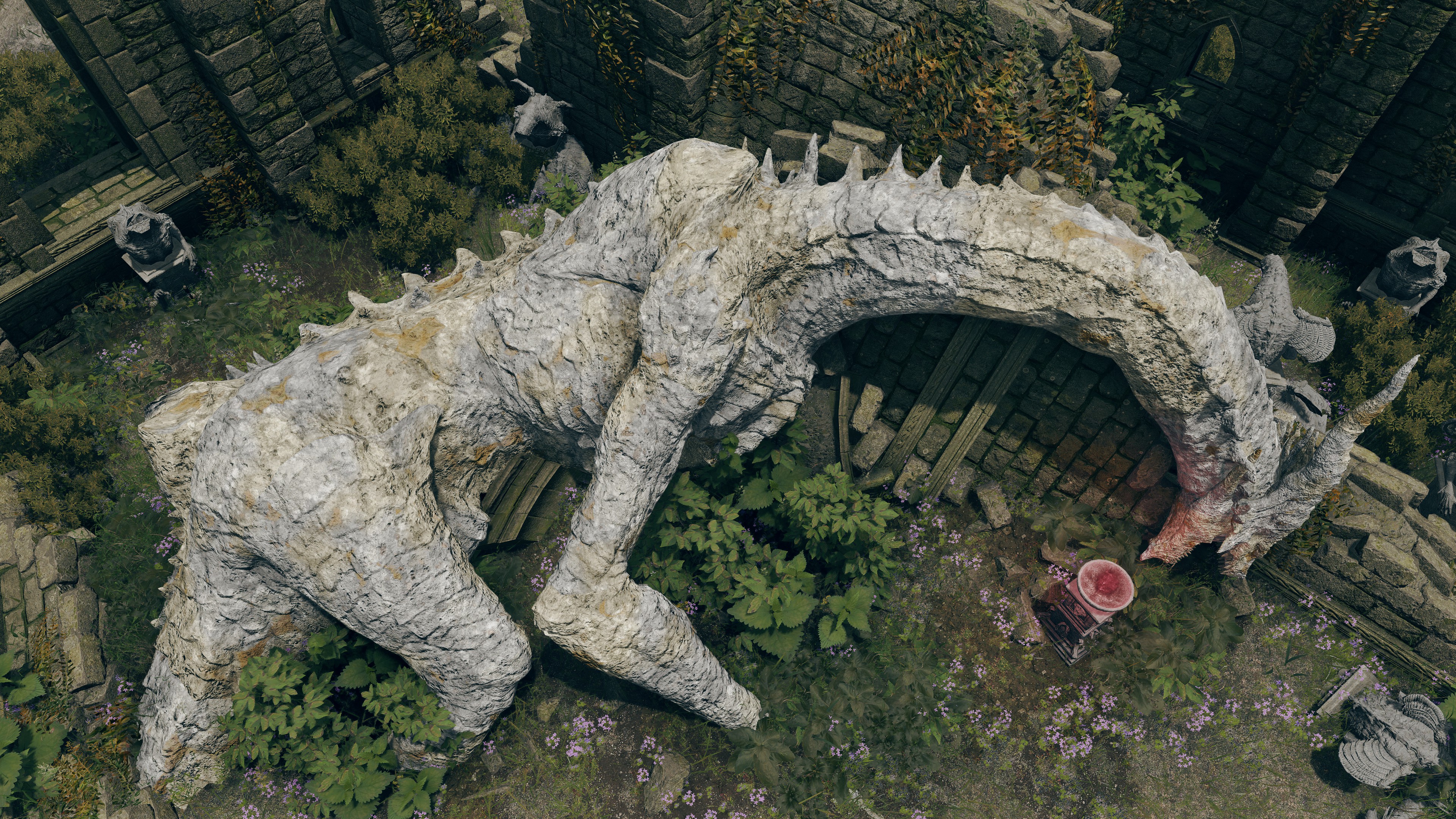
Looking at the wings of ancient dragons, the underside to the stone webbing has a clear golden sheen which disappears when their corpses petrify. In the case of Placidusax or dragons buried in the ground beneath Farum Azula, we can additionally spy gold exposed by injuries all across the body. Even modern ancient dragons have patches of gold across their stone corpses in certain cases. The power of life the dragons possess definitely appears to be the golden life originating from the Elden Ring, not the standard astral life from the cosmos. The Gravel Stone Seal confirms the implication, turning an ancient dragon scale partially revealing the gold underneath into a catalyst for lightning arts — arts which the description acknowledges are the same gold as both the “holy” seal and the Erdtree. The half-living, half-stone dragons possess golden power which they wield as lightning, so much power, in fact, that it radiates from the body when invoked. It is not just heat of life but genuine gold infused into stone, building up to the roots of their scaly skin.
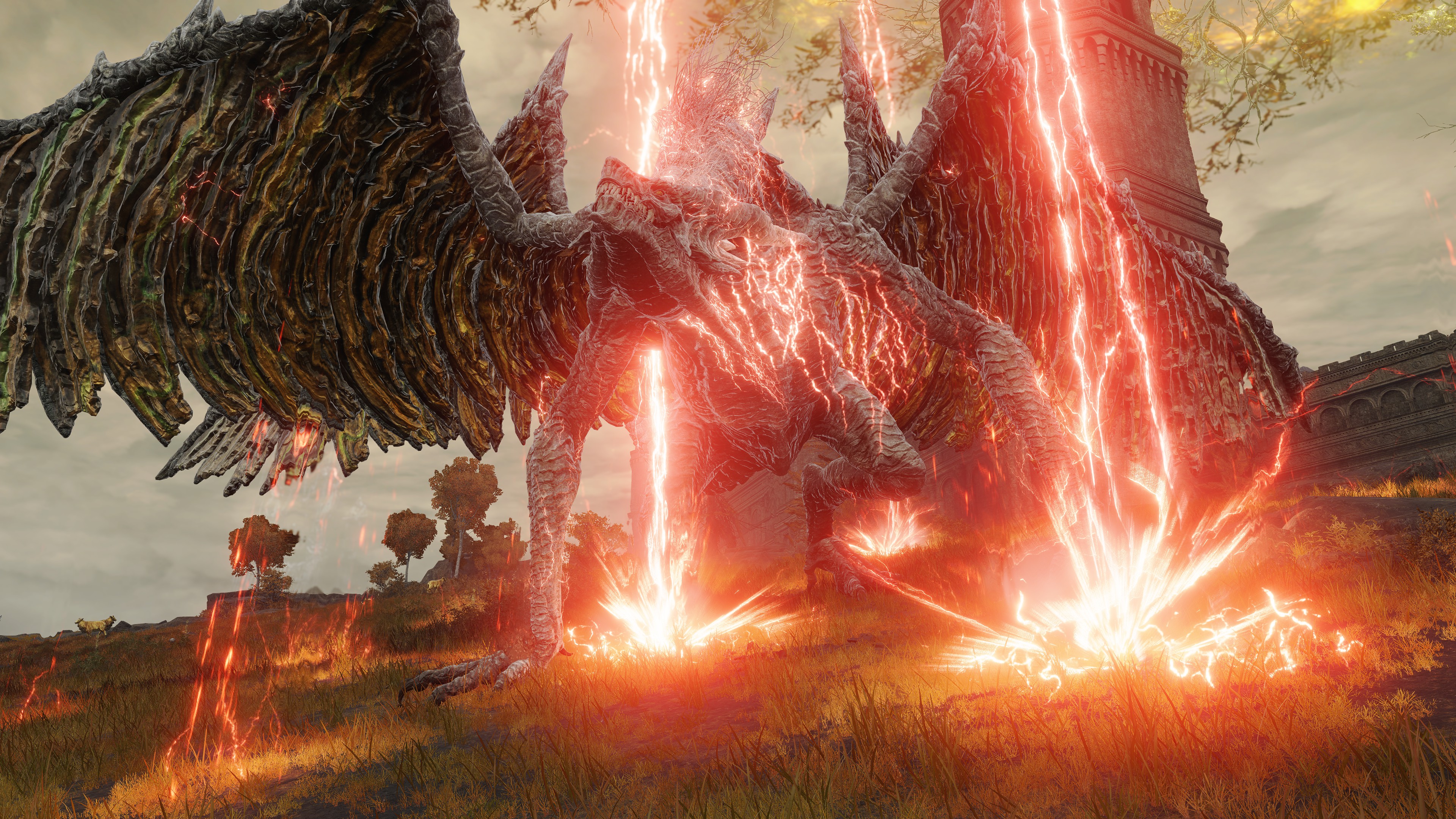
If lightning is just another form of holiness, then the ancient dragons have it in abundance. Rather than the typical gold-colored lightning manifest in nature, the ancients make red lightning their weapon. The Dragon King’s Cragblade identifies this as the primeval, or “original”, (原初) lightning in its description, essentially claiming the red kind to be the starting point from which gold lightning derives. This is the same terminology used for “primordial” gold, which also bears a reddish coloration. And if red gold is original holiness, then beasts born of red gold could manifest original lightning. That lines up with gold equating to “old” life, the original dragons first to receive that power — in its densest and most vigorous form. This golden life doubtless contributes to their immortality. After all, beast blood harboring just a glint of gold never rots. With so much more flowing through an ancient dragon’s blood, each should own a life capable of keeping up with their imperishable stone frame. It likewise betrays exceptional age among creatures emerging after the golden shooting star landed on earth.
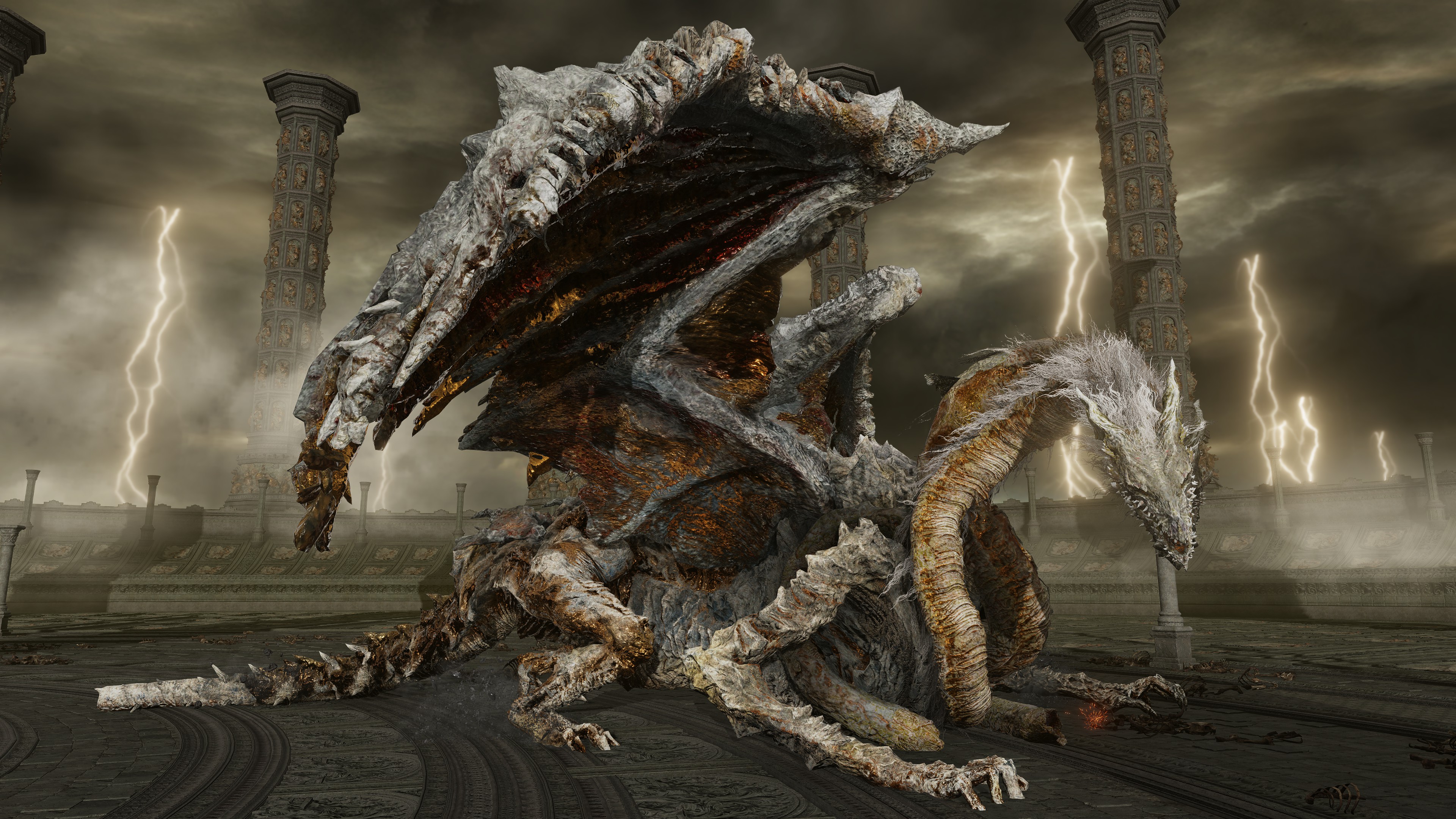
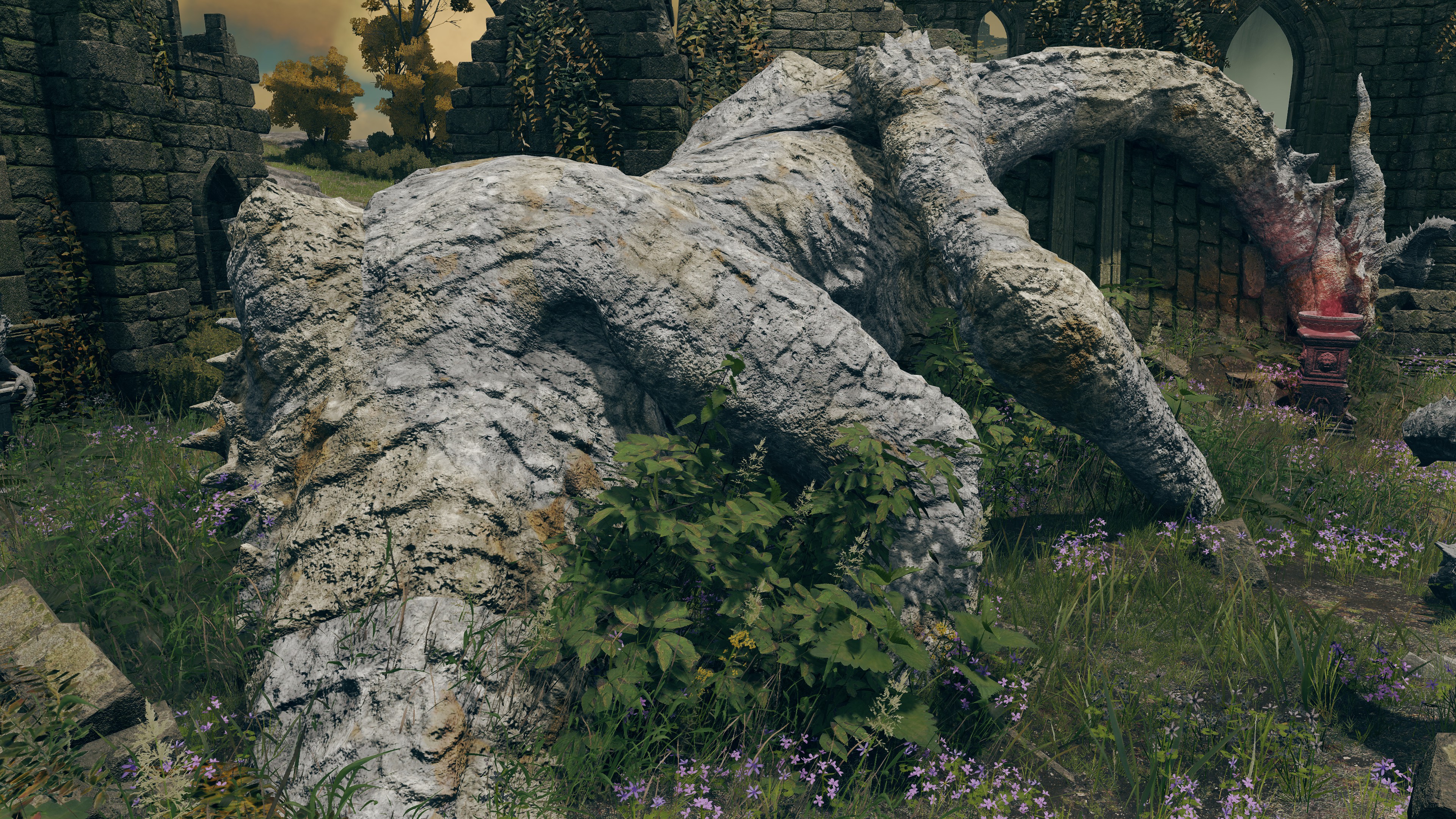
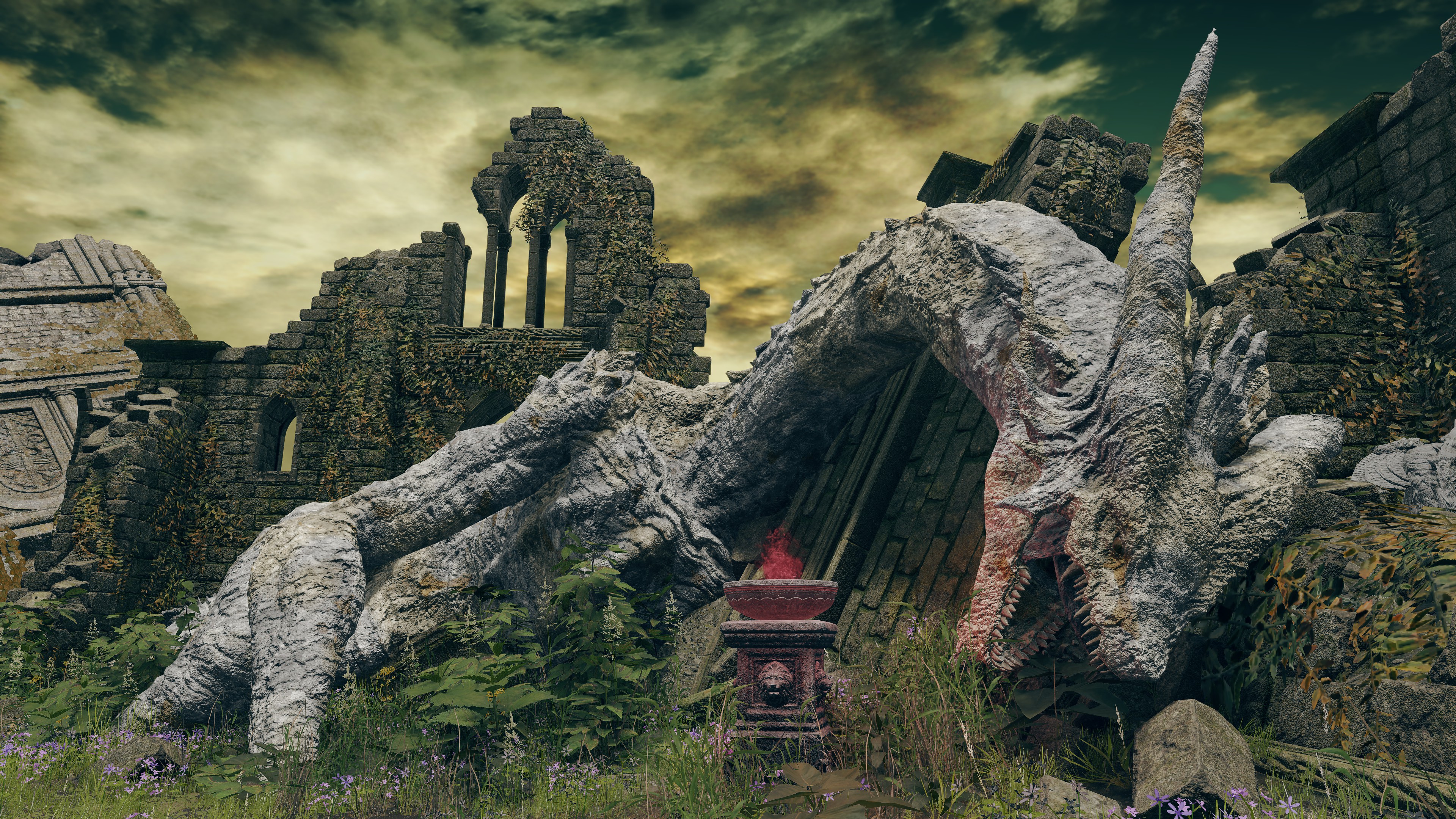
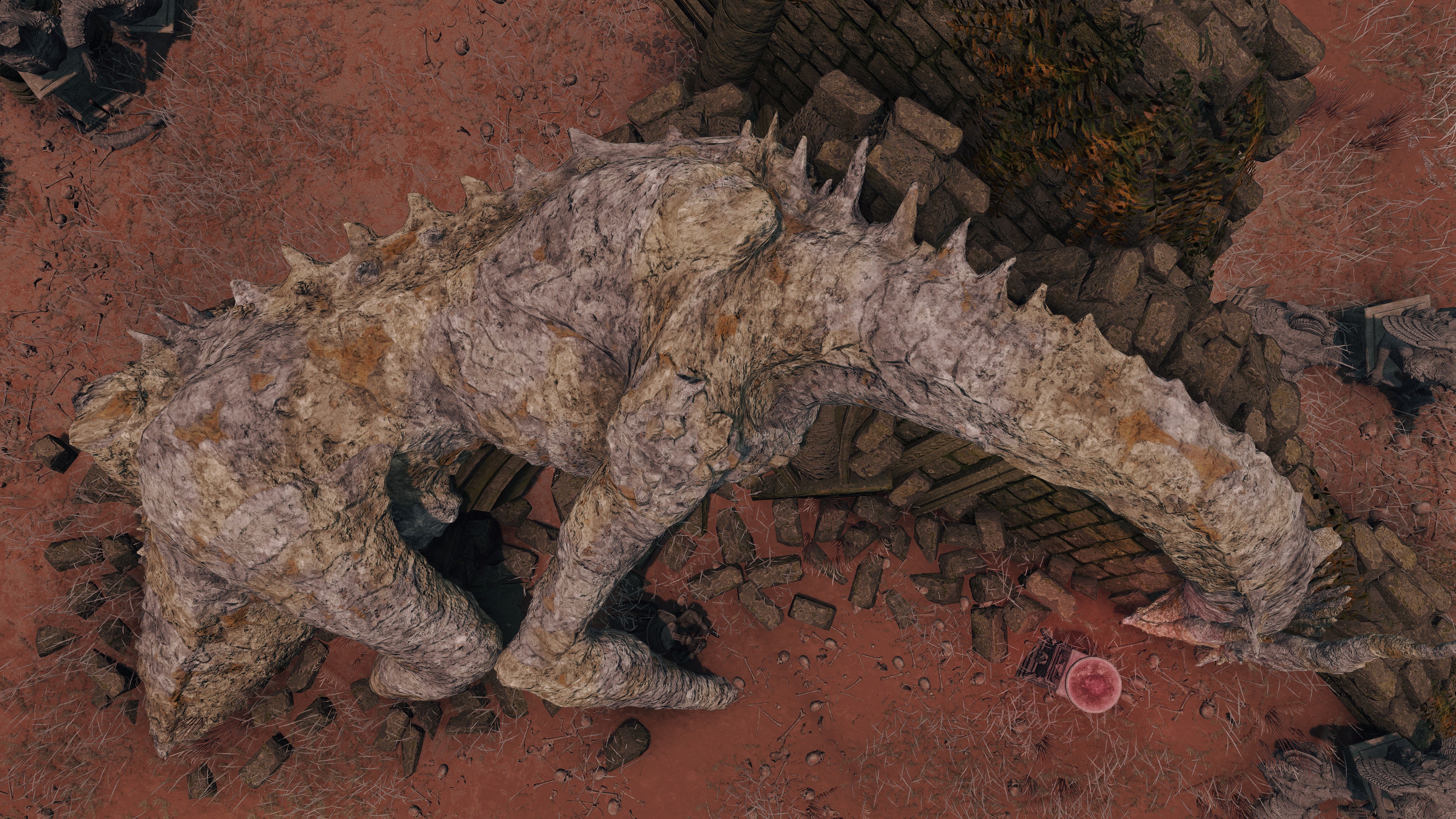
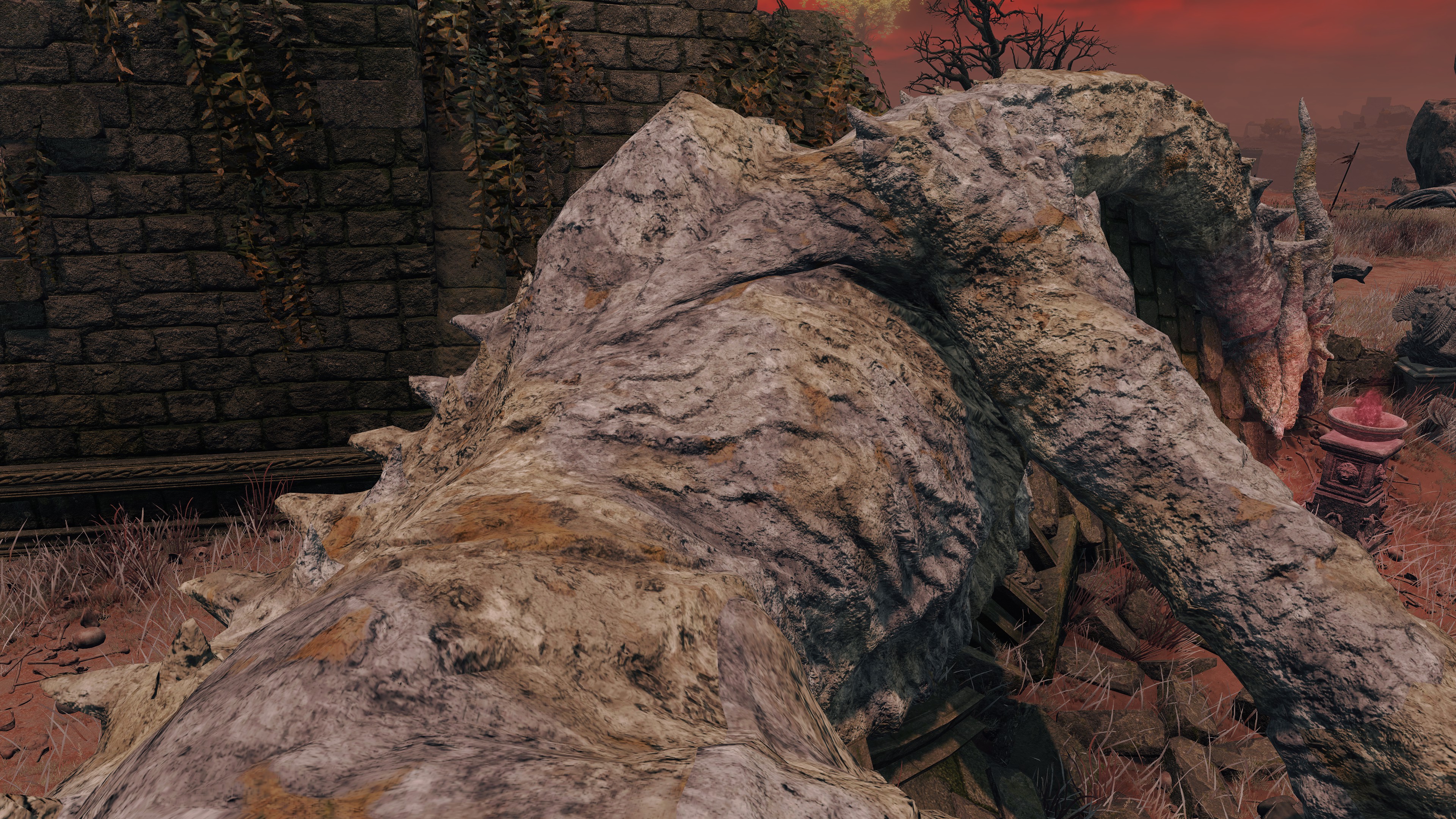
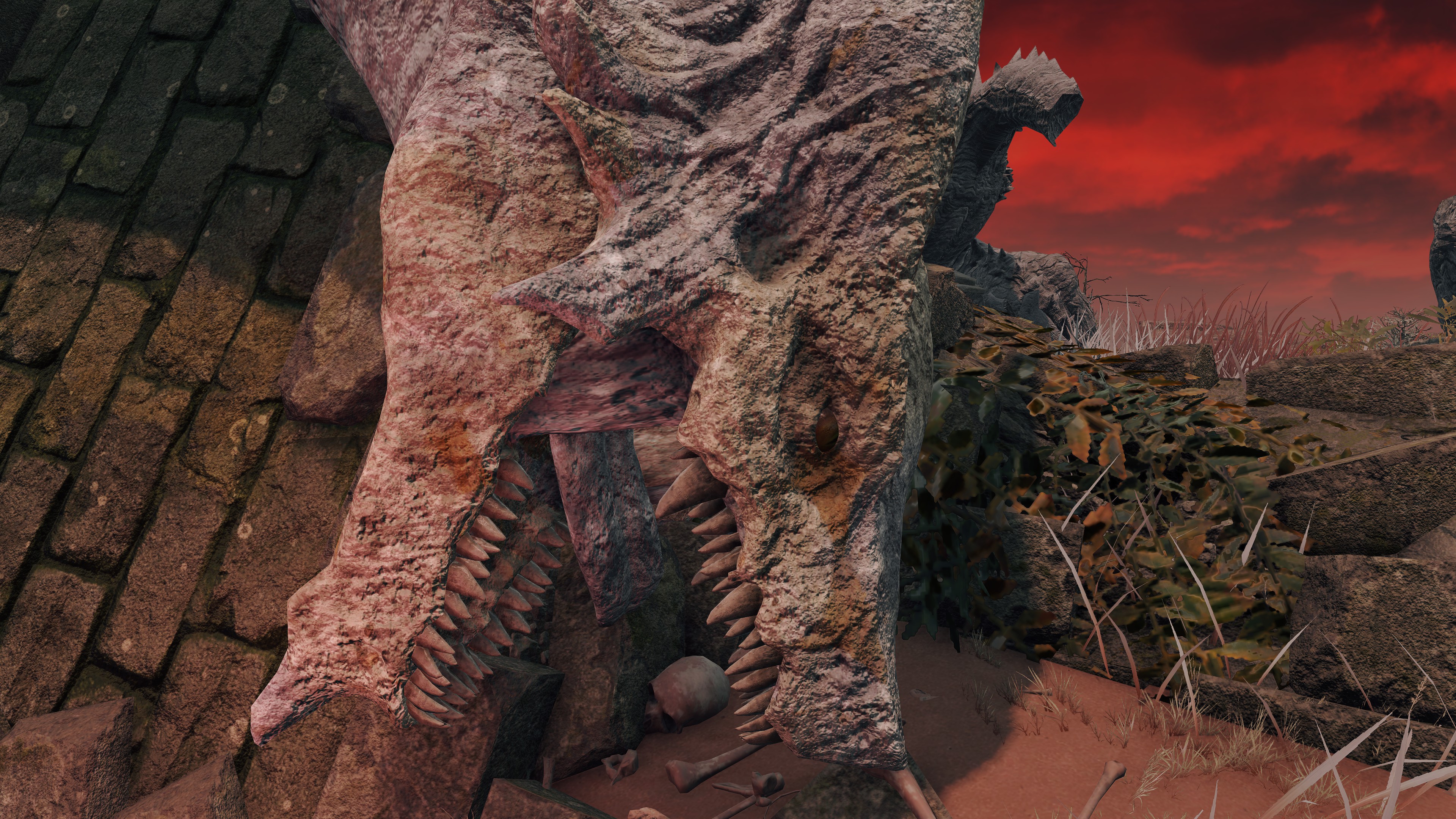
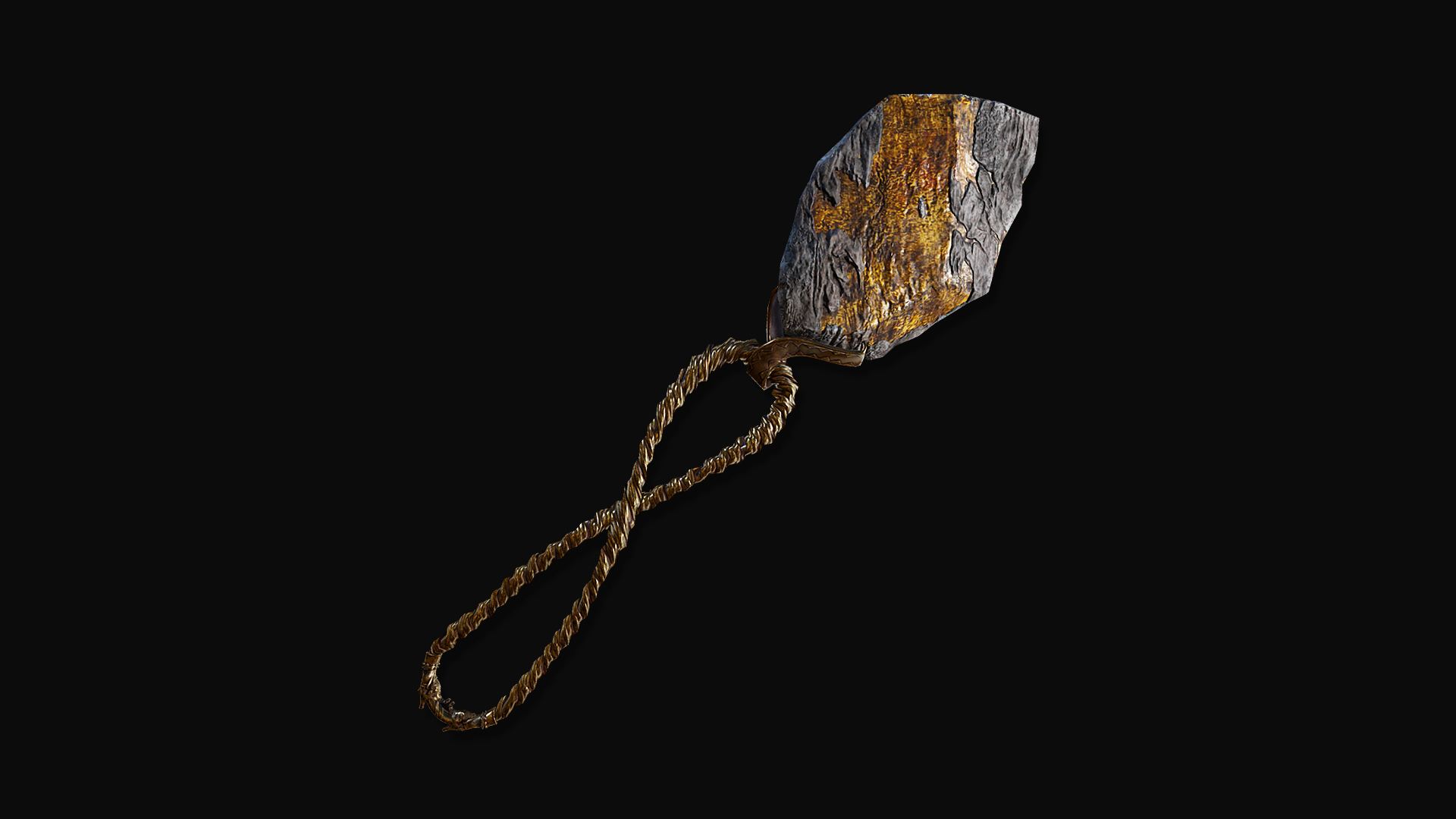
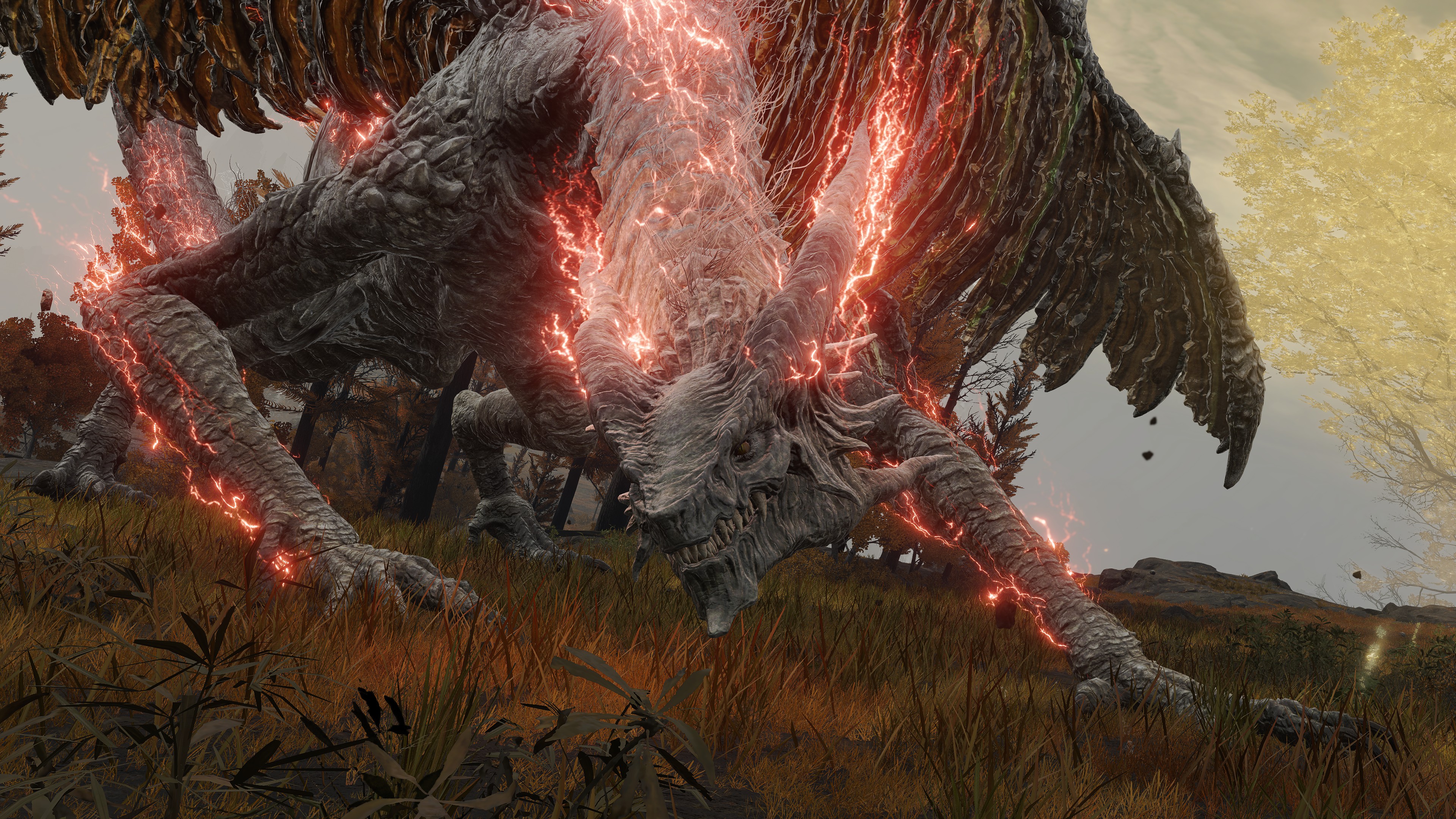
Unknown royal capital ancient dragon faith prayer.
Calls red lightning strike and runs it across surroundings. Greatens the lightning strike’s area of effect with charging.
The red lightning recited in legend is the very thing ancient dragons made their weapon.
Beast blood harboring a golden glint. One of the materials used in item crafting. Acquired by hunting carnivorous beasts.
It never rots.
Indeed, the dragons have a long history predating actual known history in the setting. Judging by various item descriptions, written history at present is defined by Erdtree civilization. For the world at large, the historical record begins with the birth of the Erdtree, making everything before the tree part of a prehistoric age. It was during this Erdtree prehistory that the dragons dominated, and so the ancient species must have emerged as a consequence of the Elden Beast first falling to earth and crystallizing into the Ring at the dawn of said age. Farum Azula was also familiar with a very different kind of Order. The Elden Ring depicted in the city’s grand temple is unique in both the number and structure of its Runes as well as in the root-like tendrils stretching out underneath it. This suggests a much more proactive Ring, the Elden Beast actively attempting to spread its power directly into its surroundings. And what would those surroundings below be except the earth it landed upon?
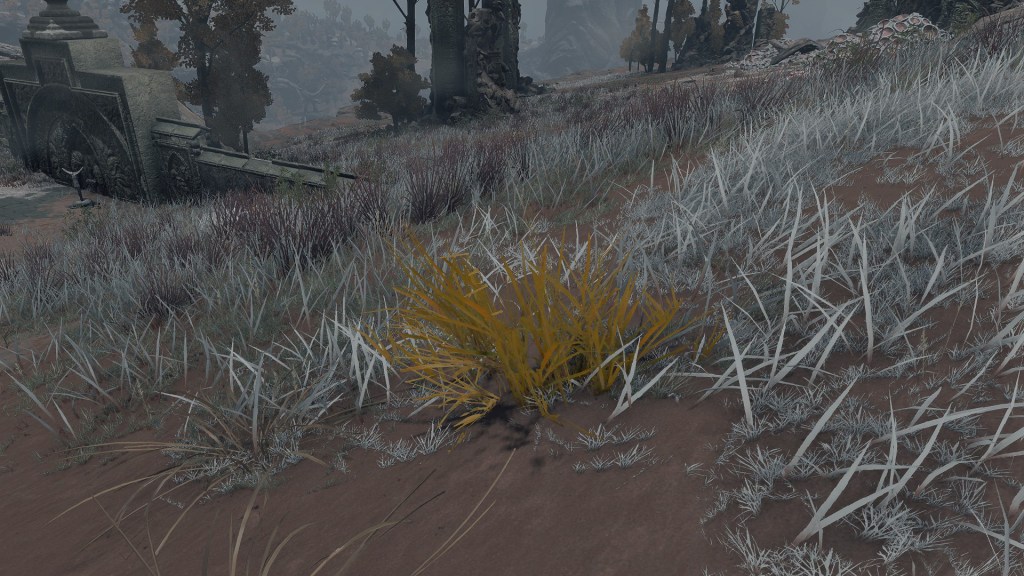
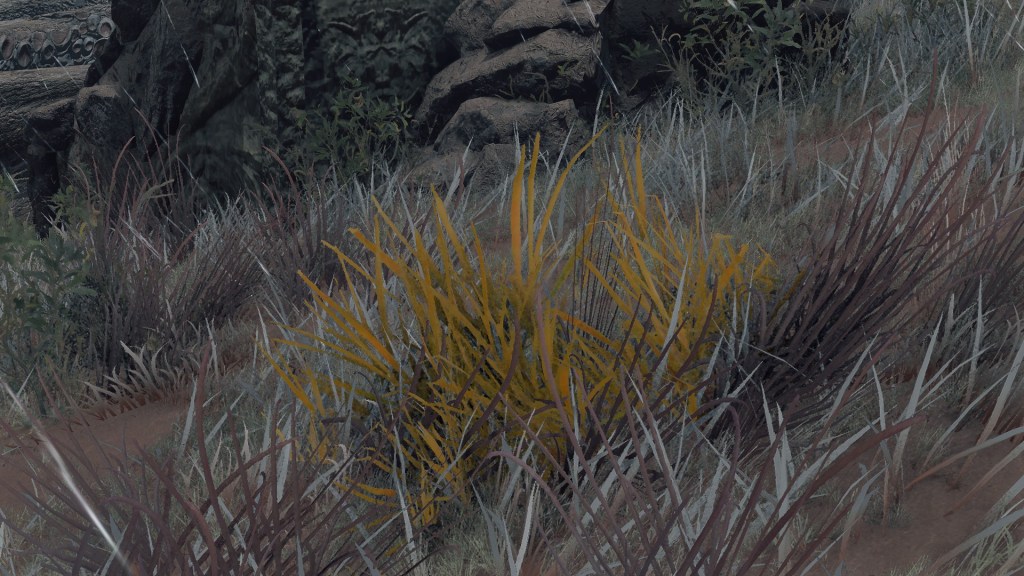
Certainly, Farum Azula appears to be the epicenter of such a hypothetical goldening to the land. We see concentrations of gold interspersed amongst the exposed earth of the city’s underground, with fainter signs on the region’s southern outskirt. A handful of gold smithing stone can be acquired in northern Caelid, from the Forsaken Ruins in the west to the ruined statue in the east. A somber variant is even among the stones looted from the Fallingstar Beast that manifested in the Sellia Crystal Tunnel, which digs deep beneath the Dragonbarrow. Add to that random patches of yellow grass in the rotted fields preceding the Bestial Sanctum, lingering pockets of gold strong enough to resist the Scarlet Rot of the land. That gold demonstrates its influence upon the grounds closest to Farum Azula can hardly be accidental. And these effects extend to the building exteriors in Farum Azula itself. Overall, there is plenty to indicate that the ancient dragons’ territory, once upon a time, was infested with the power of gold, which naturally stemmed from the Elden Ring.
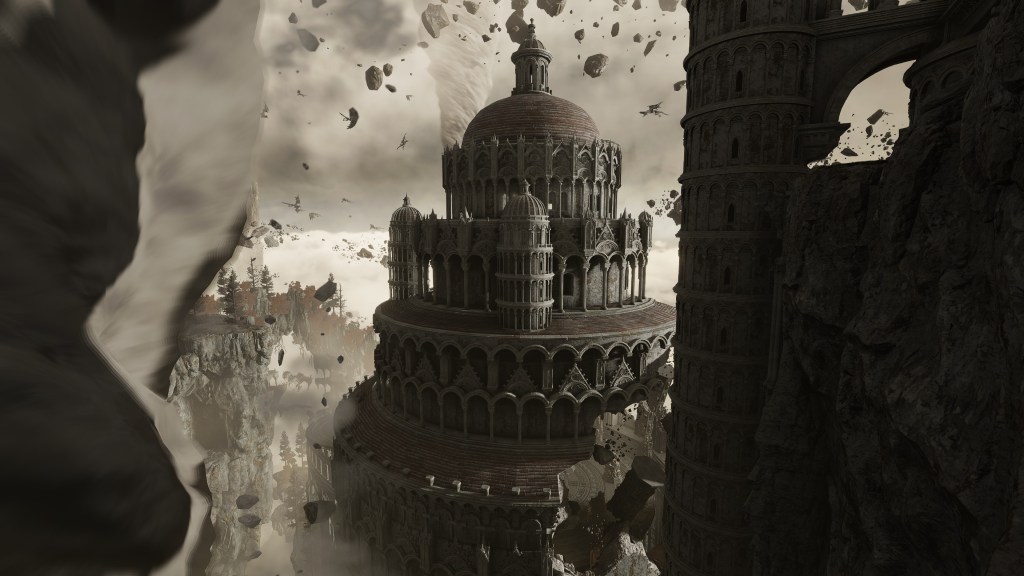
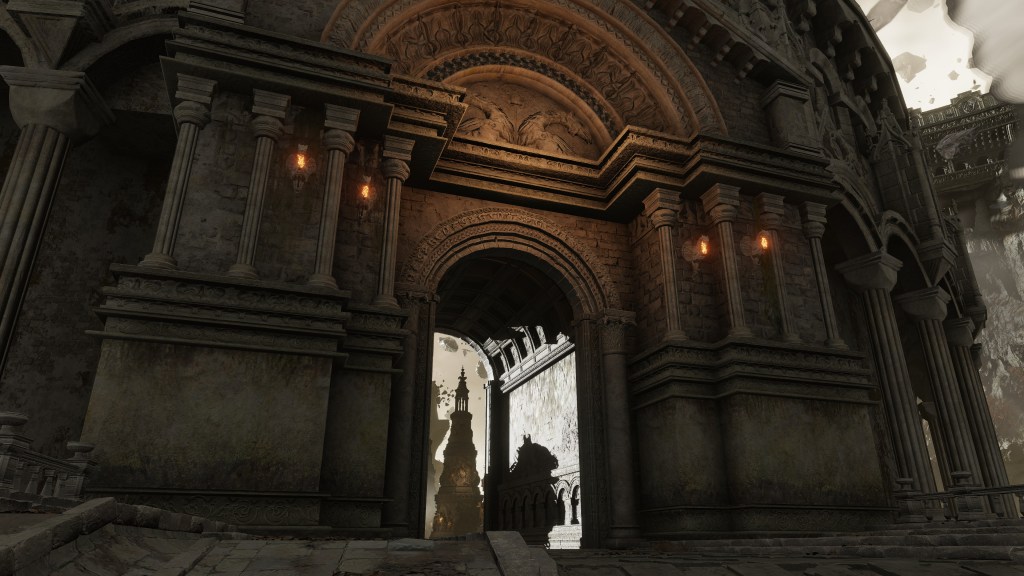
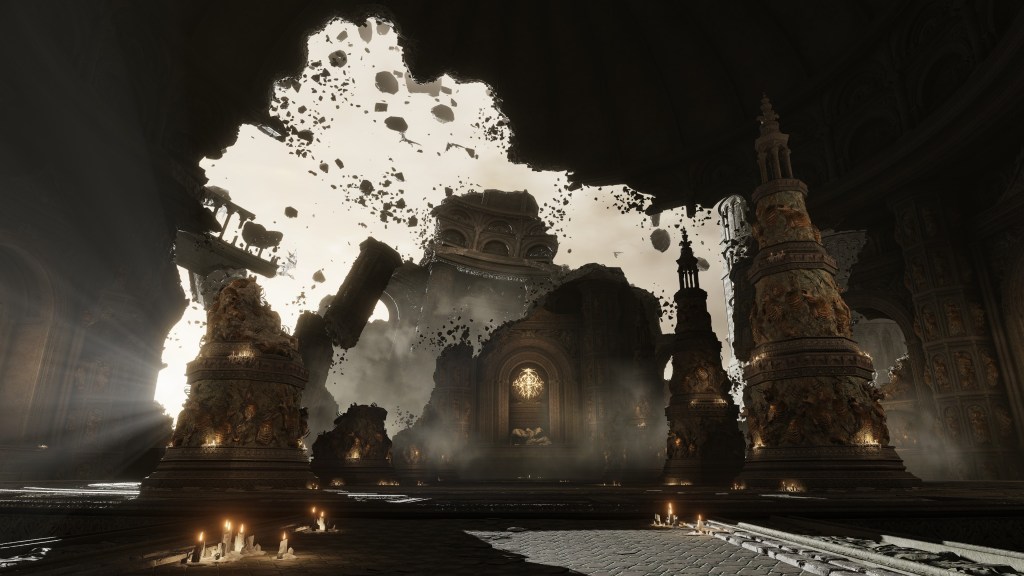
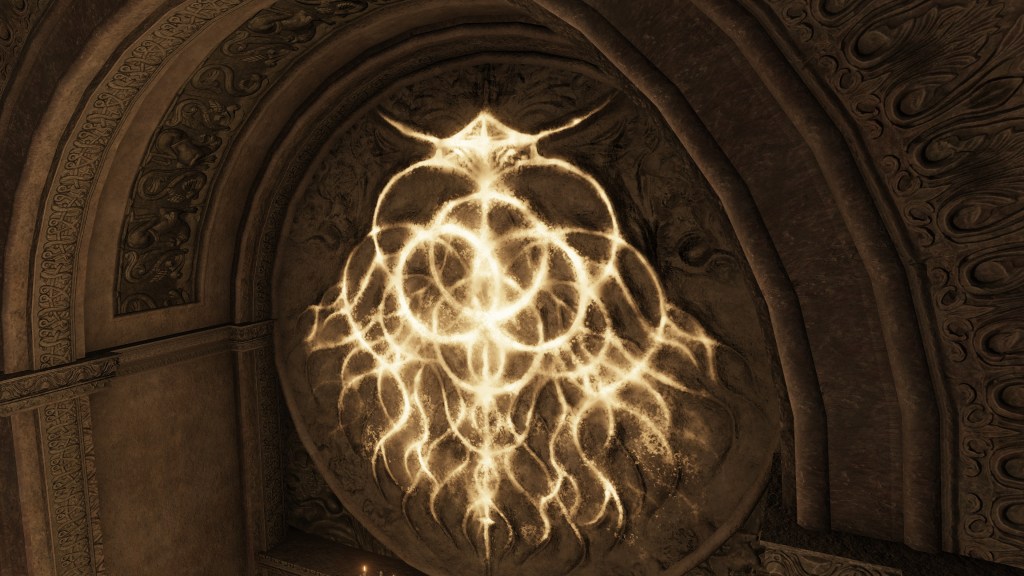
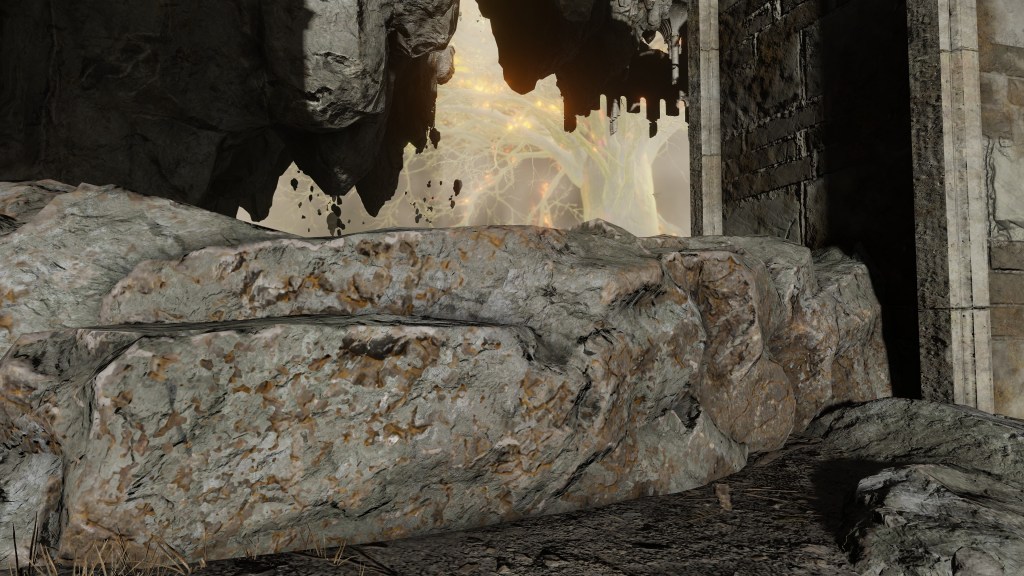
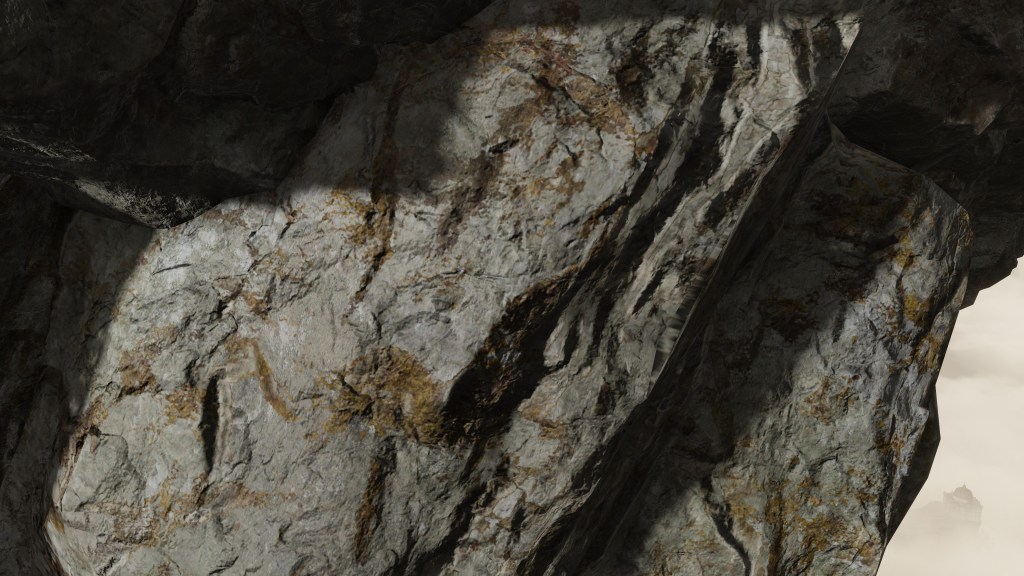
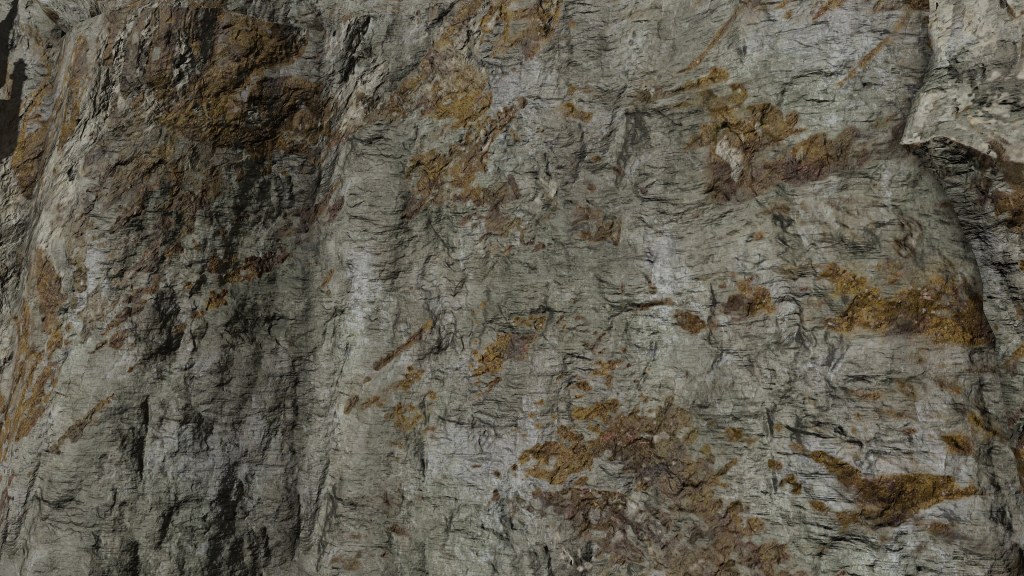
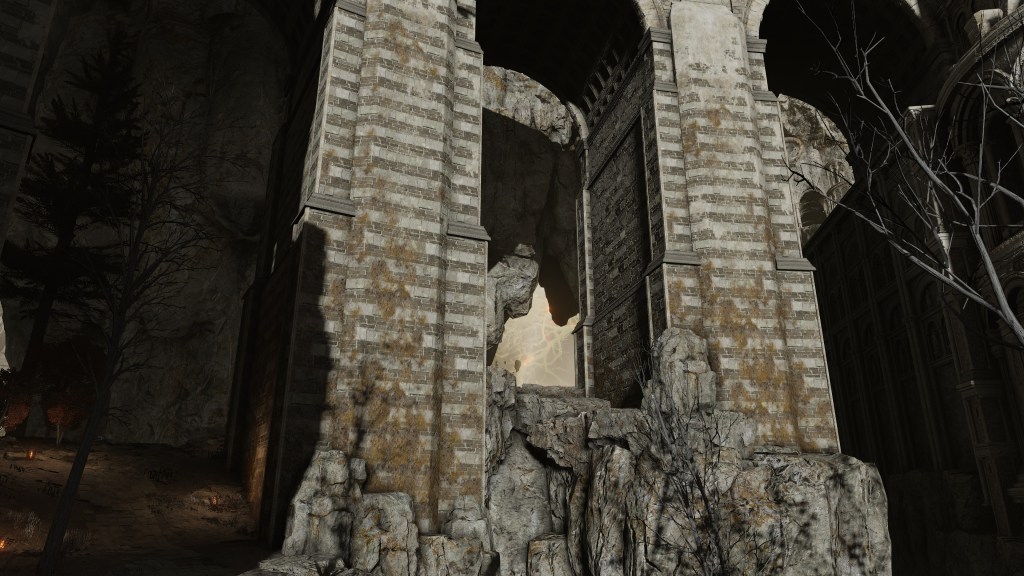
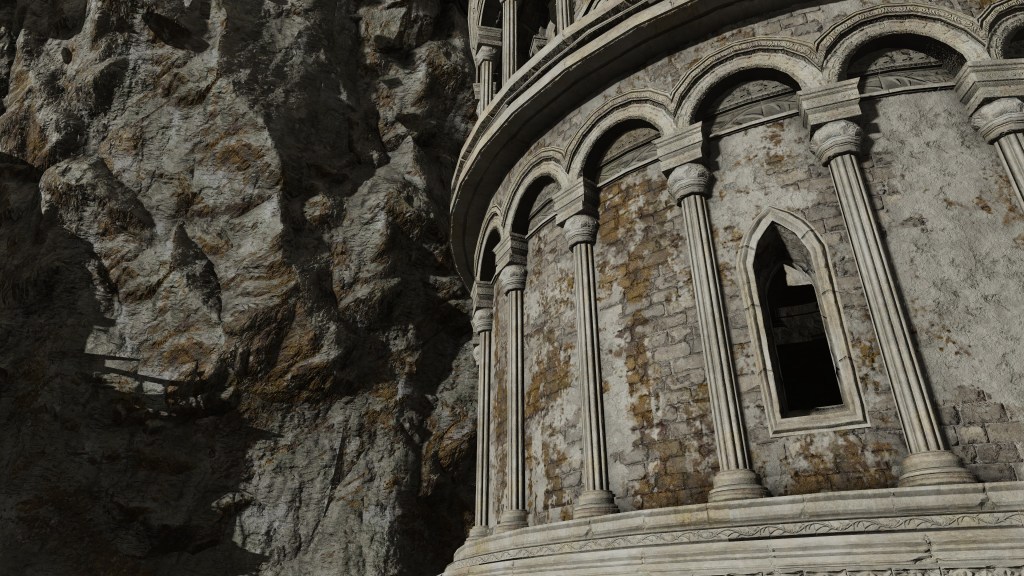
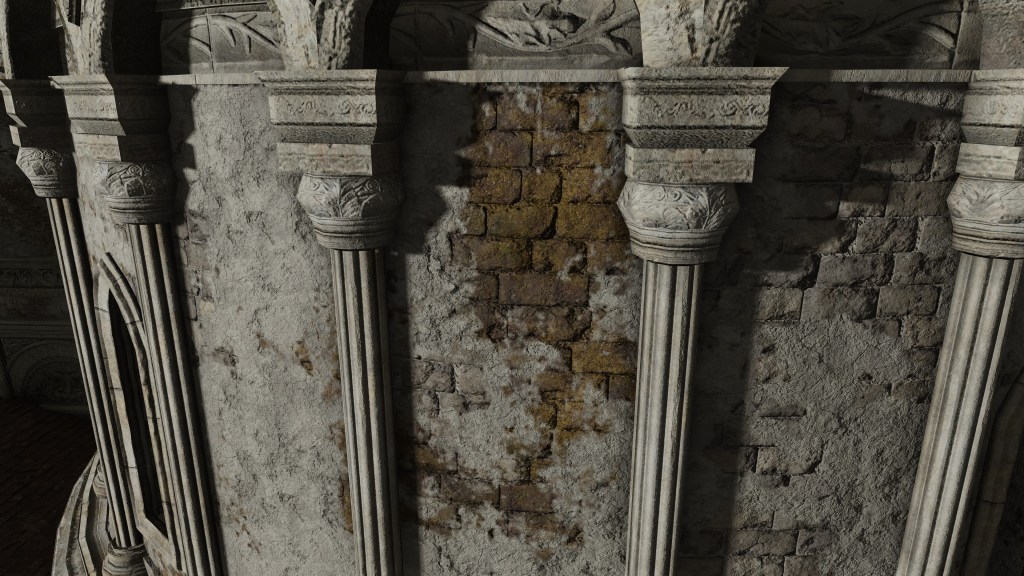
If the Ring depicted in the dragon capital was the earliest form of Order, then the ancient dragons were probably the byproduct of this Order’s incursion into the earth. The rock world became the proverbial clay with which gold shaped a new lifeform. This would clarify why the ancient species bears a strong resemblance to the Elden Beast with their long necks and tails, dactylous arms and legs, and multitude of wings; its internal name even identifies it as a “nebula dragon”. (星雲竜) Because the Beast only had itself for reference, the Runes could only mold a similar beast. The Order incarnate even mirrors the dragons in its ability to breathe golden flames, hued such only because they derive directly from the holy source rather than the indirect heat produced by the golden life. It follows then that when dragon communion has us obtain their powers, they are wielded through our sensitivity to the arcane — mysteries, the “secrets of god” (神秘) more literally. Just as the Greater Will transformed the One Great with Disparity, its golden familiar broke up static rock. From the eternal dust came a dragon, the first animal born of gold beneath the stars — the ancients were truly blessed. From that perspective, the stone scales were inevitable.
This origin might explain why the power of gold manifests uniquely as lightning for them alone. Bioelectricity is fundamental to living things. Electric currents are produced for the function of muscles, the nervous system, brain activity, and even the heartbeat, making miniature electrical discharges inevitable for any complex organism. “Lightning” is simply these discharges on a larger scale. And if gold is the root of life, then holiness produces not just heat in living things but also lightning. Rock tends to be a poor conductor for electricity, however; even storm lightning dissipating across just the surface layer of earth, not penetrating deep. For gold to give stone a heart and other necessary internal organs to become life, it needs to produce a tremendous amount of electrical currents to surmount the natural resistance of inanimate mineral. The result are beasts with a higher generation of lightning than standard animals of flesh and blood, powered by the incredibly hot energies from red gold.
The ancient dragons can therefore credit their nonstandard physiology for their innate affinity for red lightning, which they quickly master just like their fire breath; at the start of battle, ancient dragon bosses clad their stone-scaled bodies in electricity before calling down a flurry of lightning strikes in a function similar to Electrify Armament. The lightning is probably the reason their rock element specifically takes the form of gravel stone — if solid rock is too difficult to influence, break it up into smaller gravel. The power of gold likely grounds down the mineral into smaller, pebble-like stones more loosely held together, allowing for “veins” of life to exist through it, hence the gravel pattern even covering internal organs like the heart. It isn’t just the scales, but the entire body which is stone coursing with life, creating a web of flesh and gravel which lightning can more easily animate. This explains why their self-electrification flows primarily from the spine, which have also produced hairs. The super highway for nerves and blood vessels spreads this life energy through the entire body.
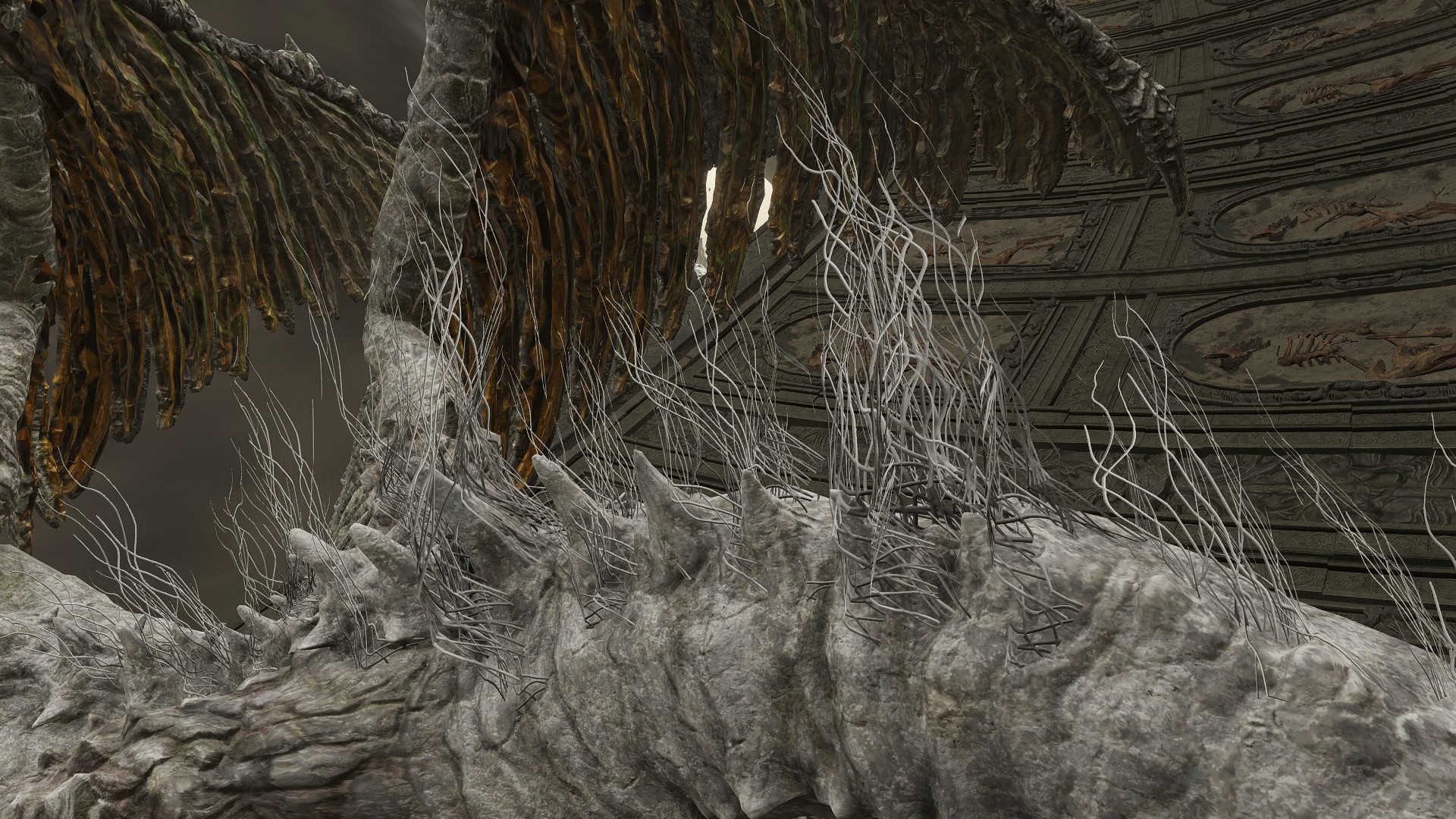
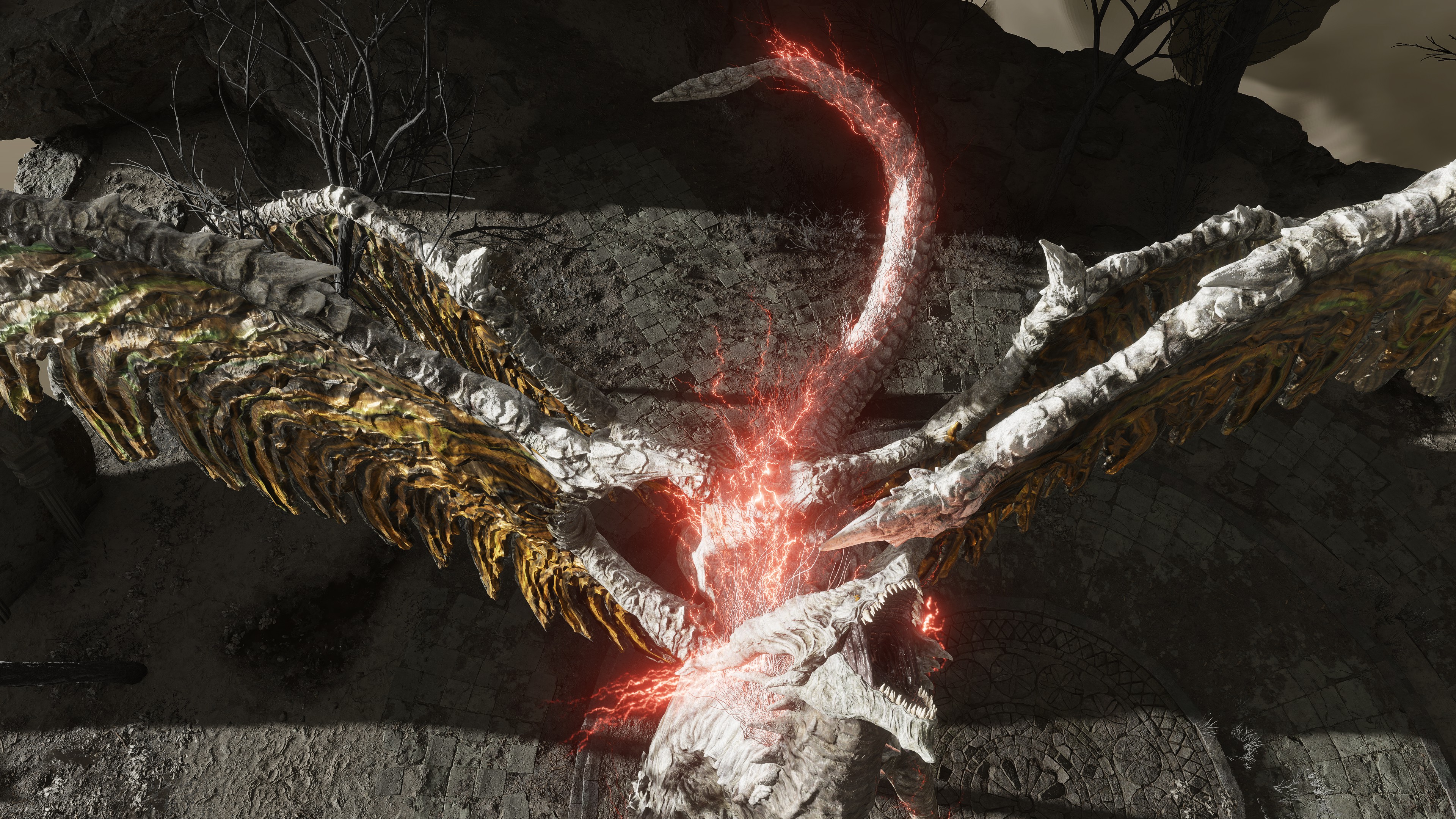
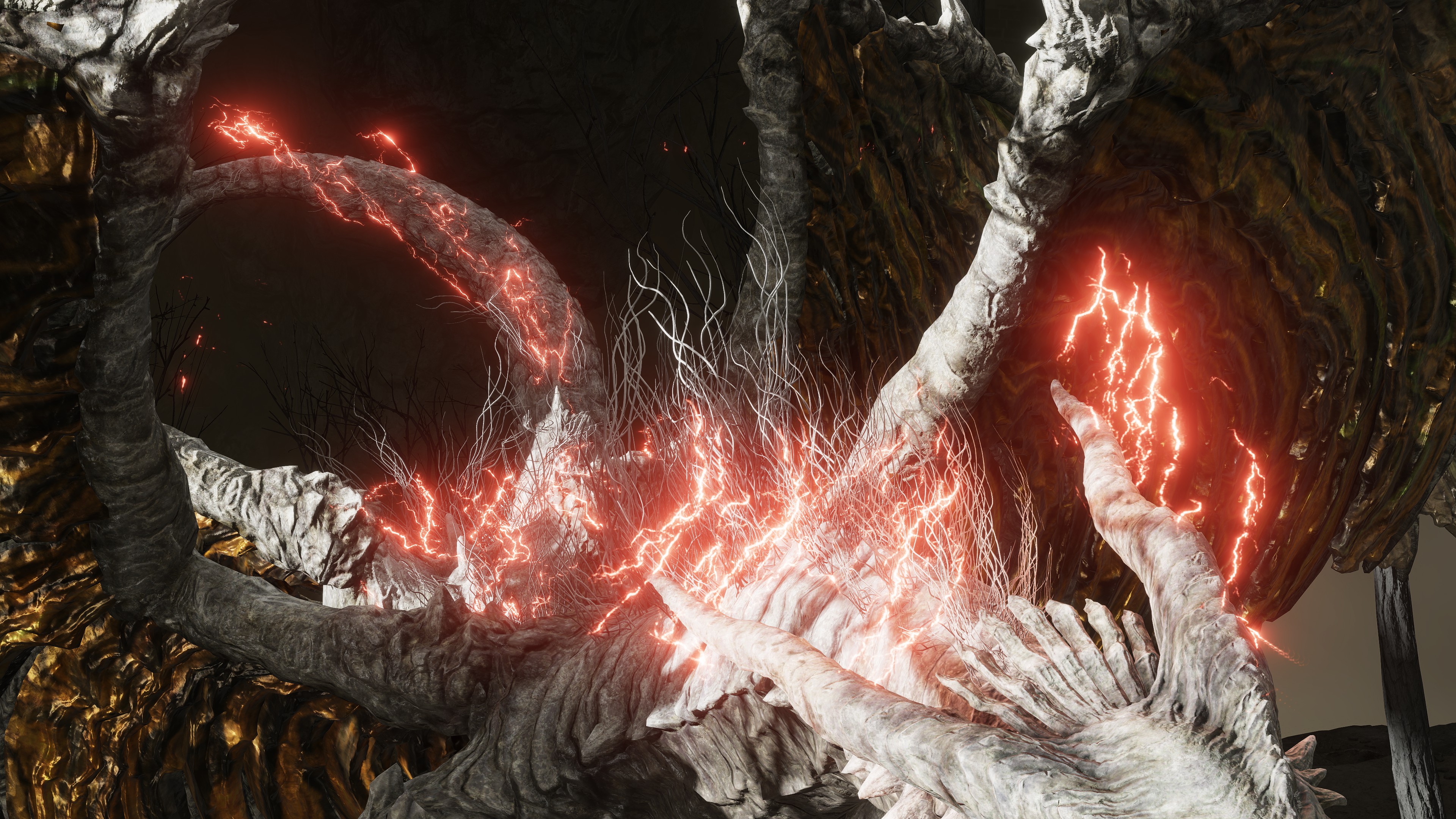
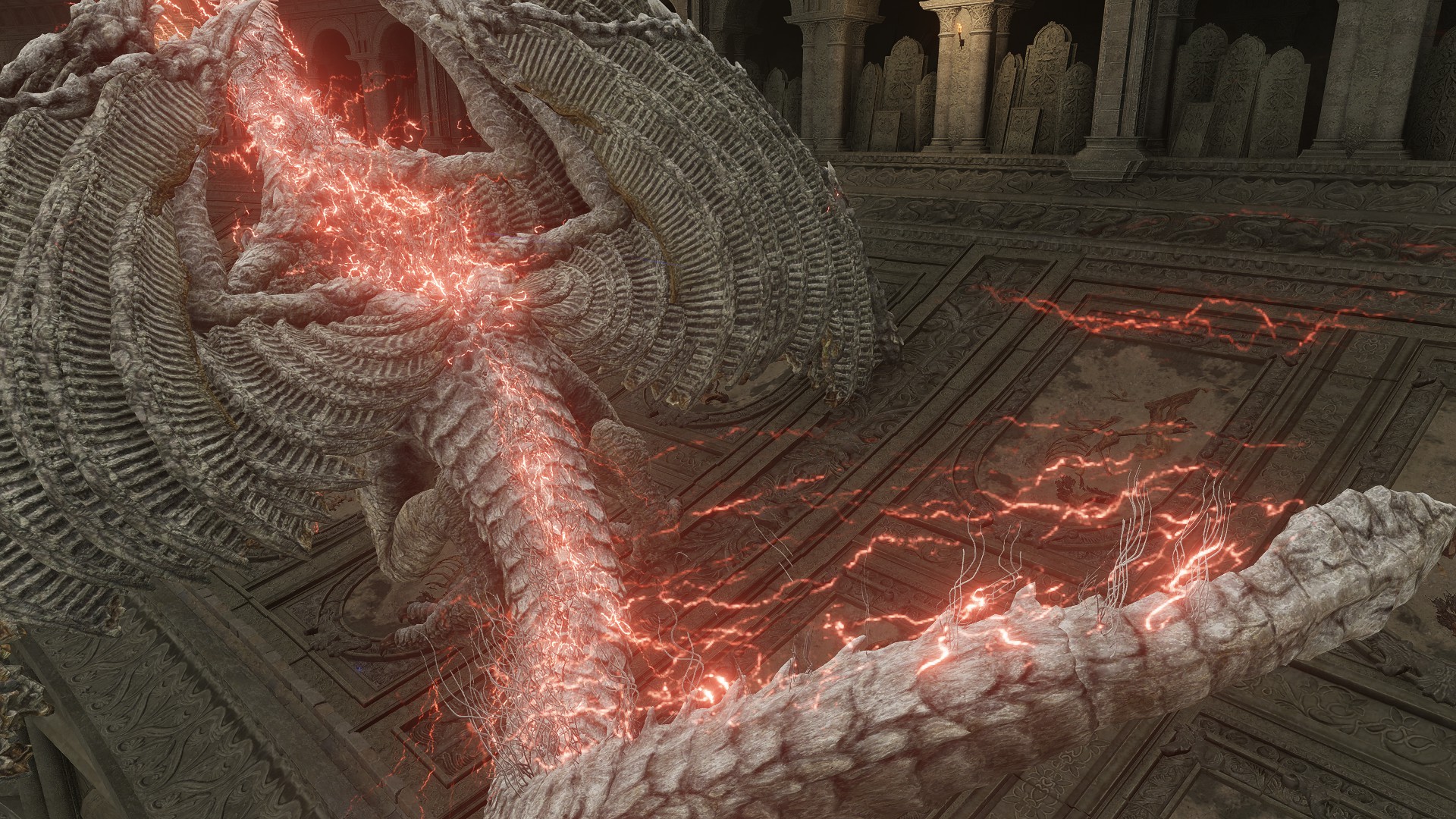
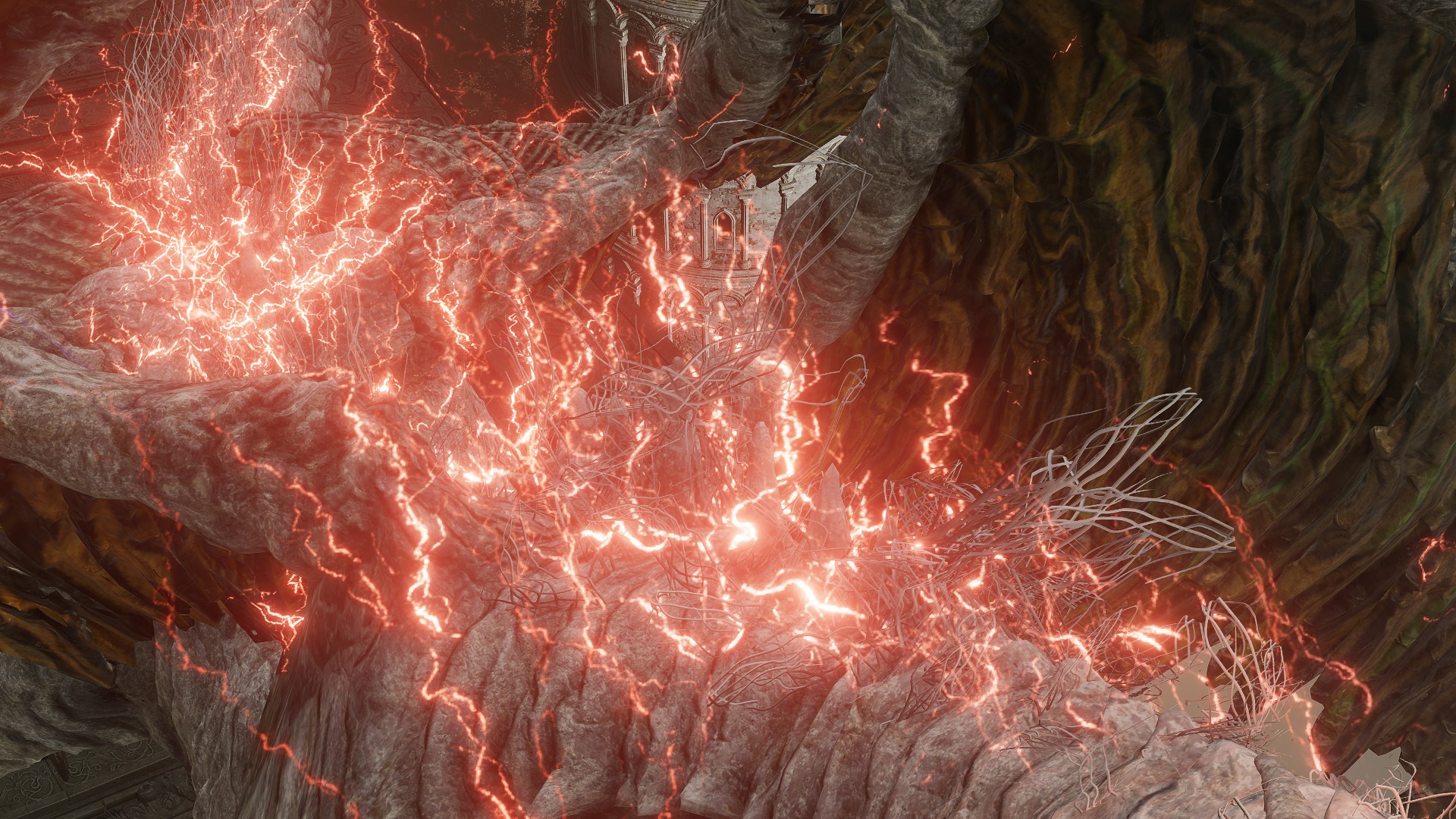
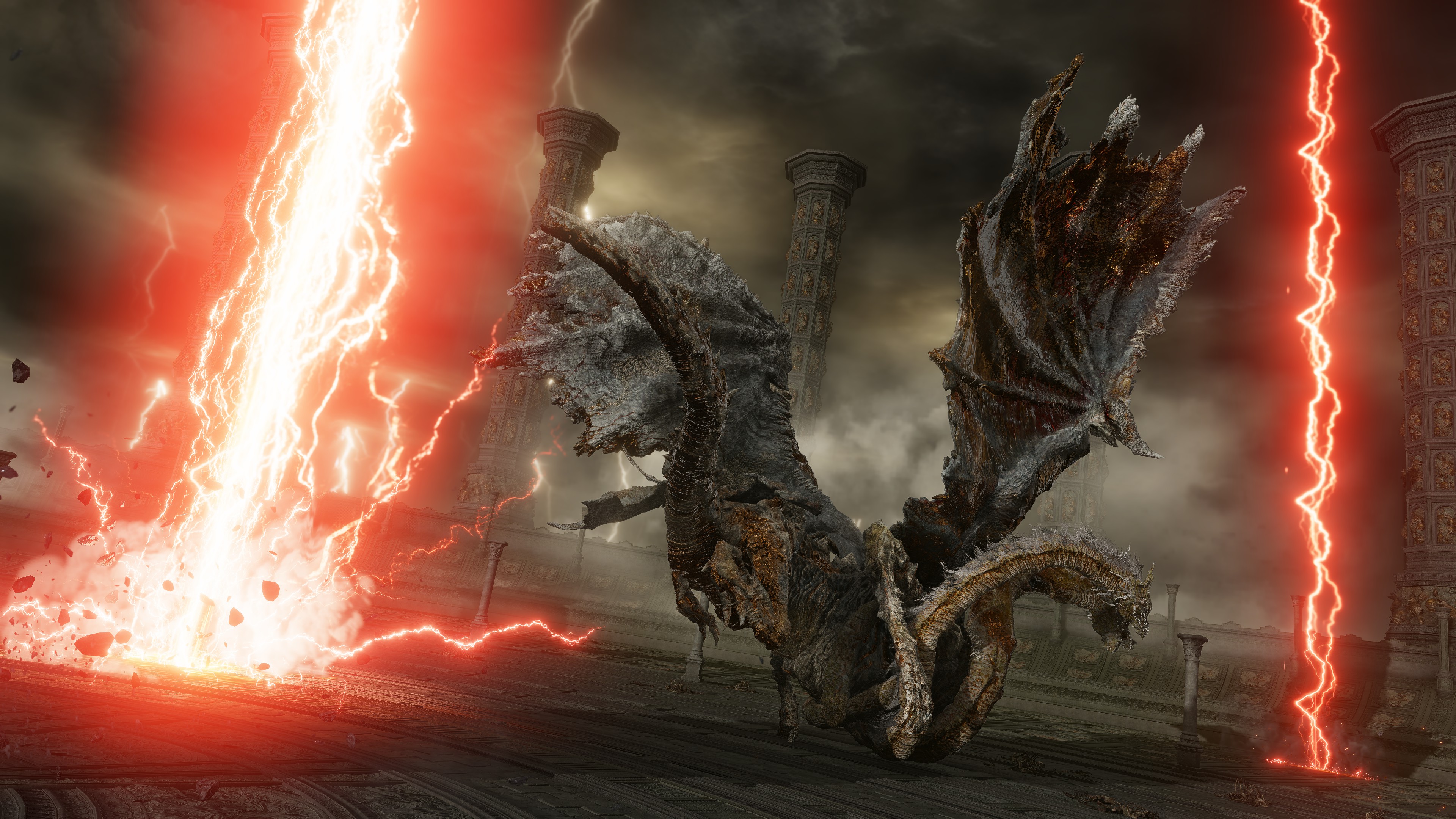
The power of reddish gold also embodies chaos, however, and the creature born was no statue. Life is drawn to procreation as a matter of course, so the ancient dragons were certain to multiply with each other. And as they added new life to the world, the gold inside these progeny eventually created change. Most draconic descendants differ significantly from their forebears, with only one set of wings fused with their arms, and so are treated as a separate species, without the “ancient” modifier. This general species of “dragons” — otherwise regarded as “flying dragons”, (飛竜) or wyverns— demonstrates the evolution among dragon-kind since the progenitor species’ inception. Lost in the process was much of their mineral nature. Although gravel still covers their hearts, wyverns lack stone scales or seemingly any rock element outside the bodily core. Without their power, such “petty” dragons lack eternity, though they appear to be long-lived all the same.
Root resin mixed with gravel. One of the craftable items.
Coats the weapon and adds special attack against dragons.
Dragons lost their rock scales when born from the ancient dragons. It is said that it for sure deals fatal wounds to dragons.
Gravel thrusting sword harboring original lightning. Fragment of the Dragon King’s power, acquired from a recollection.
Demonstrates high might against the petty dragon descendants lacking eternity.
Greyoll is an “old” wyvern in terms of being physically aged, not just ancient like her primordial forebears. This is reflected in her name, (グレイオール) which clearly references the idea that she is “grey” (グレイ) and “old” (オールド) as captured by her long, grey beard. We can thus assess her to be the oldest wyvern we encounter. While this doesn’t clarify the length of her twilight years, her life must go back far in prehistoric times, as she is actually the mother of wyverns. We can already see her surrounded by her brood in the Dragonbarrow. These dragons, while the same size as other wyverns, possess much redder hides and are incapable of breathing fire, except for the stray Greyll, whose name affirms that the boss is nonetheless her kin. These are undoubtedly the mother’s children, mere pups still maturing. The reason that they are the same size as other adult wyverns may be because Greyoll herself is a mountain, her head alone equaling their entire body in scale. Her latest brood may one day grow to surpass her in size, in fact; a wyvern corpse at Jagged Peak more than doubles it.
Superior one of the dragon-dining prayers. Skill brandishing the power of the great old dragon Greyoll.
Transforms self into a dragon and bellows a great roar, reducing attack and defense power of surrounding enemies.
Greyoll, the great mother of dragons, was a horrifying mountain.
If the mother responsible for wyverns as a species has survived to the present day, then the others who show no such signs of aging are sure to live for countless years more. Nevertheless, the lack of “eternity” makes these particular descendants deemed lesser than even similar generations of ancient dragons. Potential size and strength isn’t a factor, as the largest known ancient dragon Gransax pales in comparison to the largest wyvern. Even Greyoll at half of Gransax’s immensity is known to be horrifying, the living mountain’s roar intimidating enemies to the point of hindering offense and defense. The only issues seems to be the missing immortality, which coincides with a general loss in power. Beyond a fiery breath, the typical wyvern lacks much in way of special abilities, not even lightning. Clearly, both the power of rock and gold has been reduced. It is possible that this is generational, as there is only so much power that can be passed onto ever-multiplying progeny before the share thins out below the minimal threshold. Put another way, there might not have been enough rock and gold to go around.
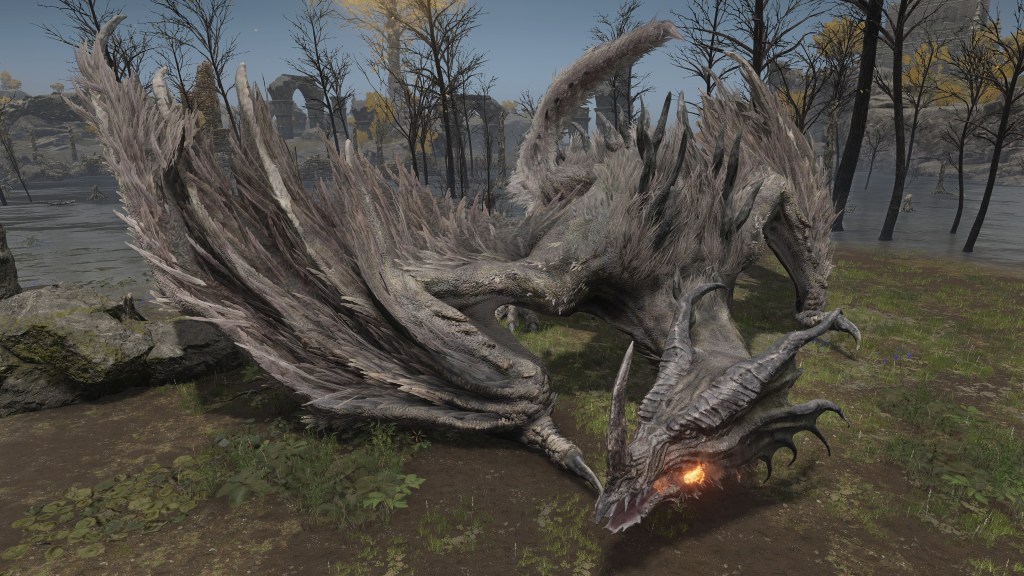
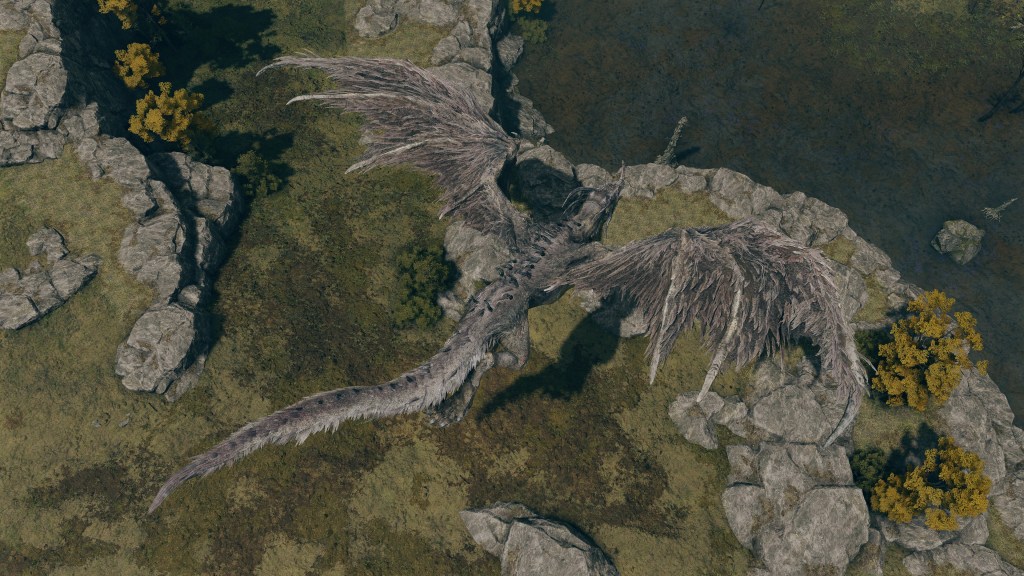
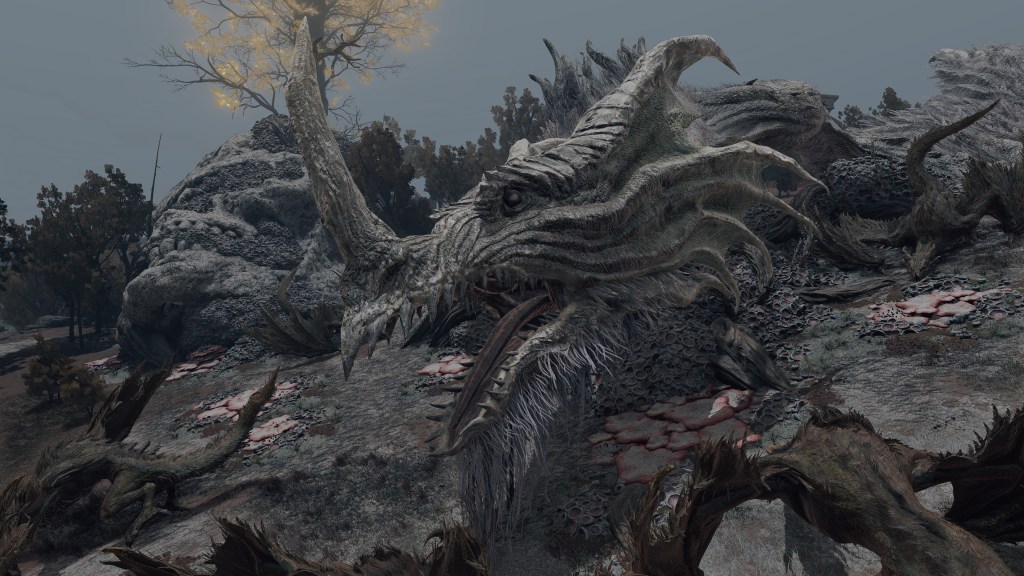
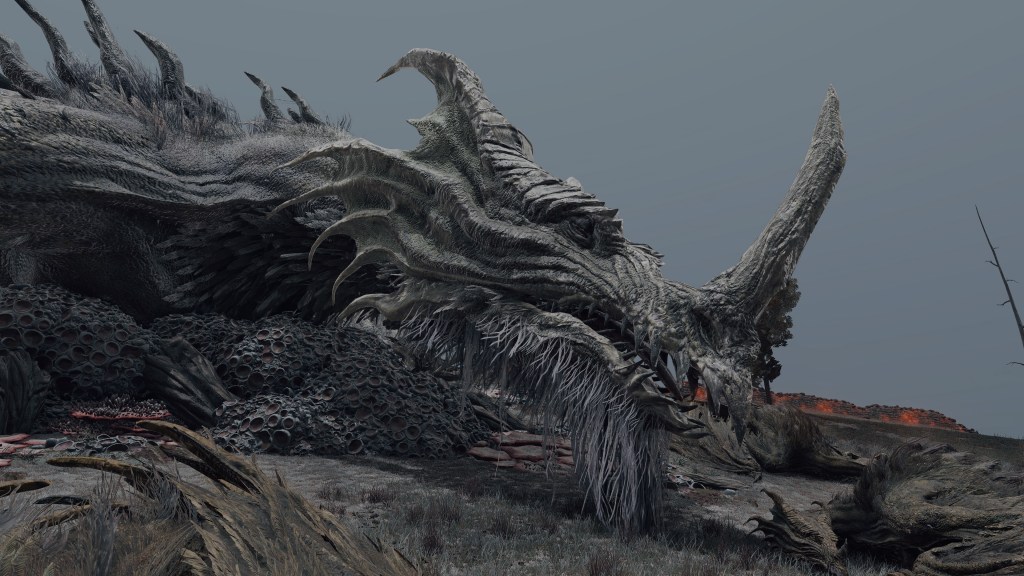
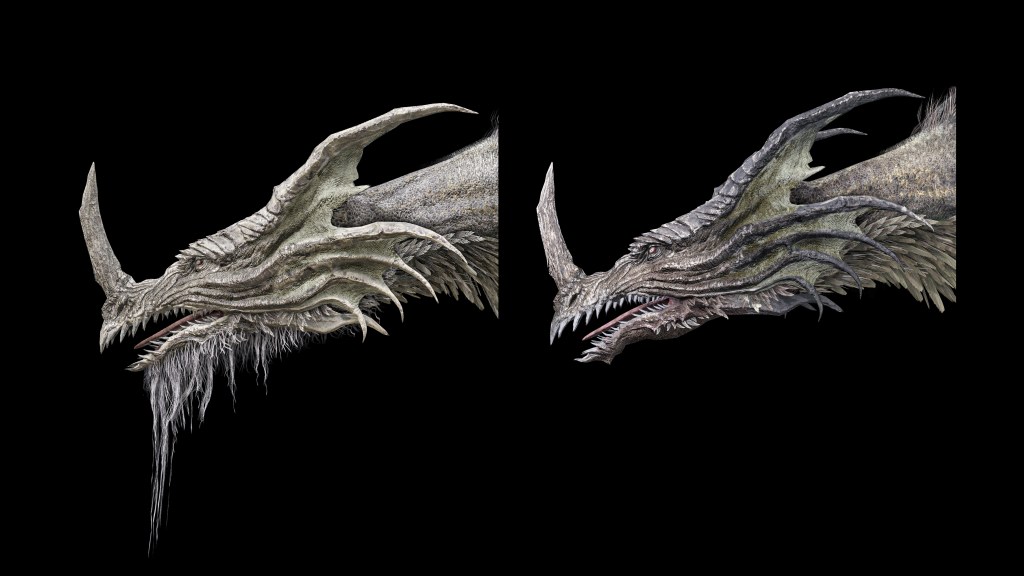
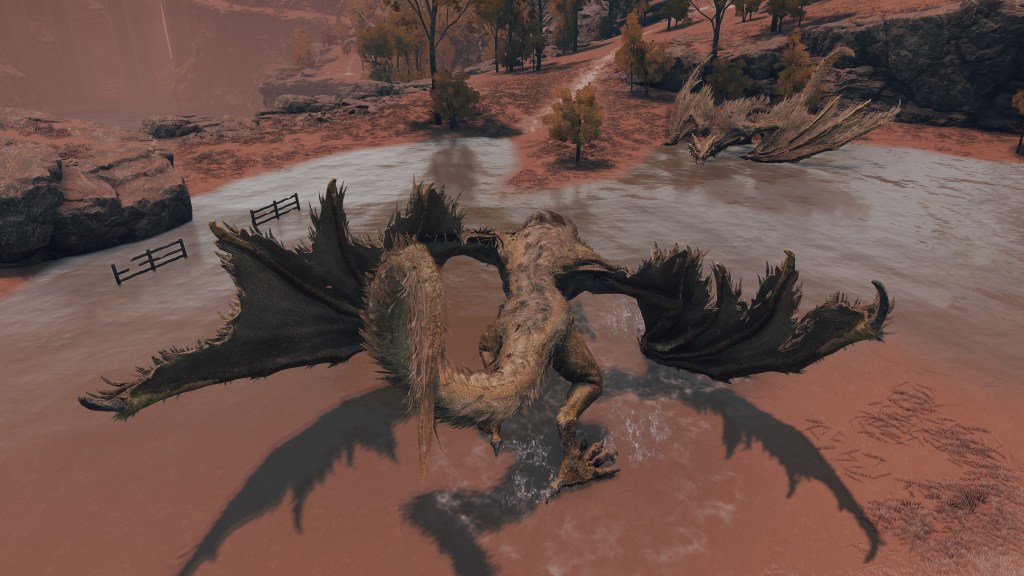
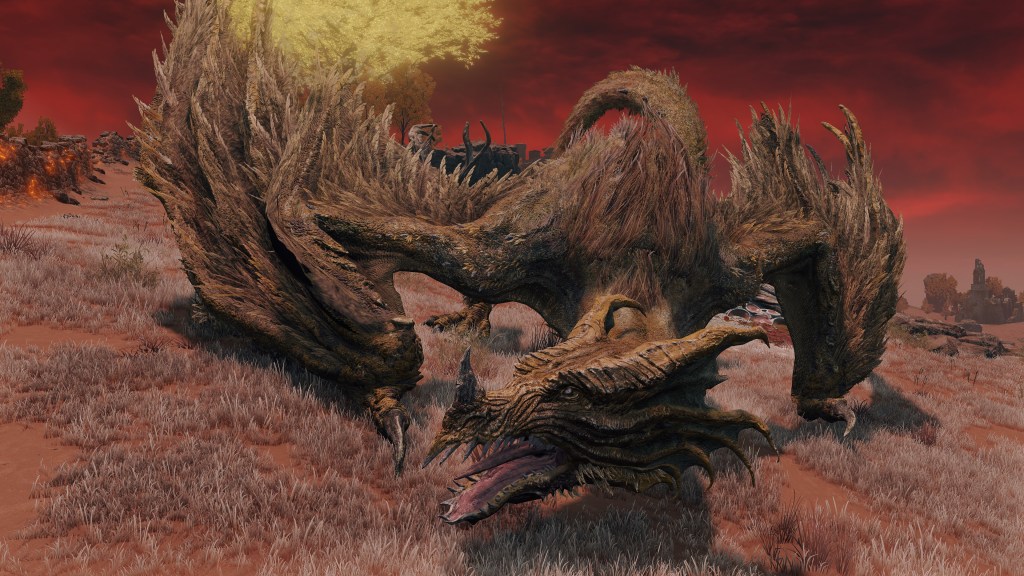
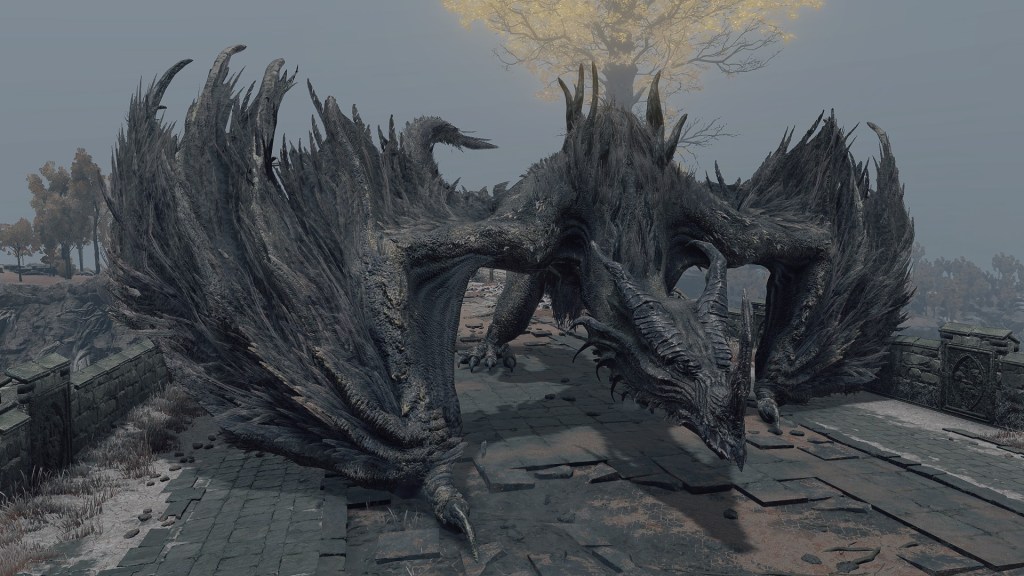
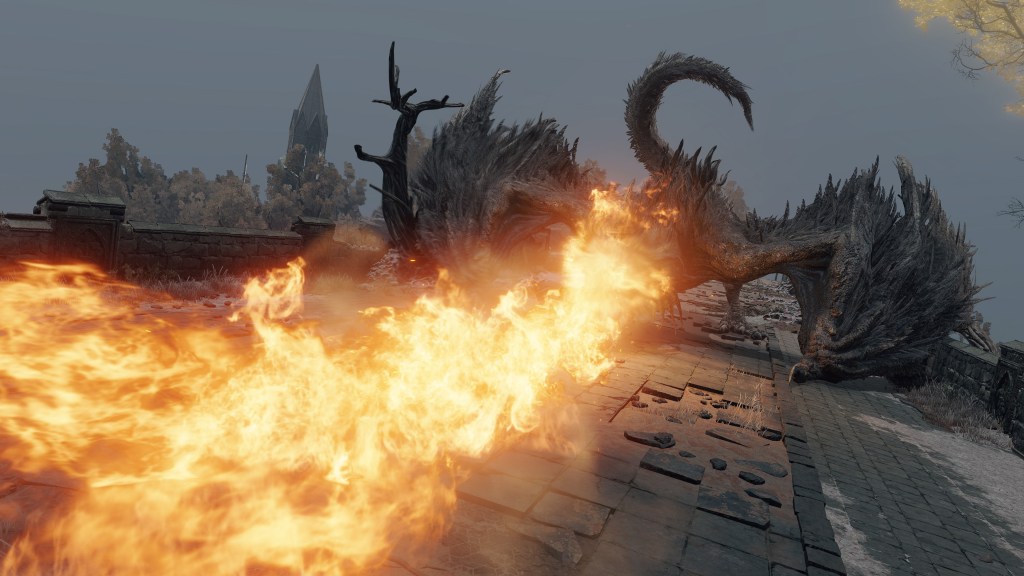
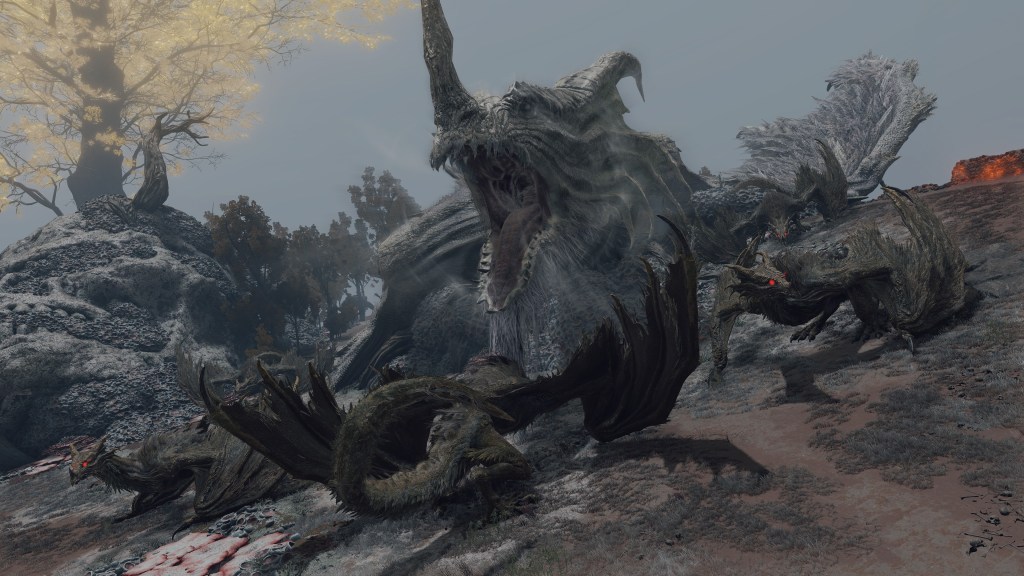
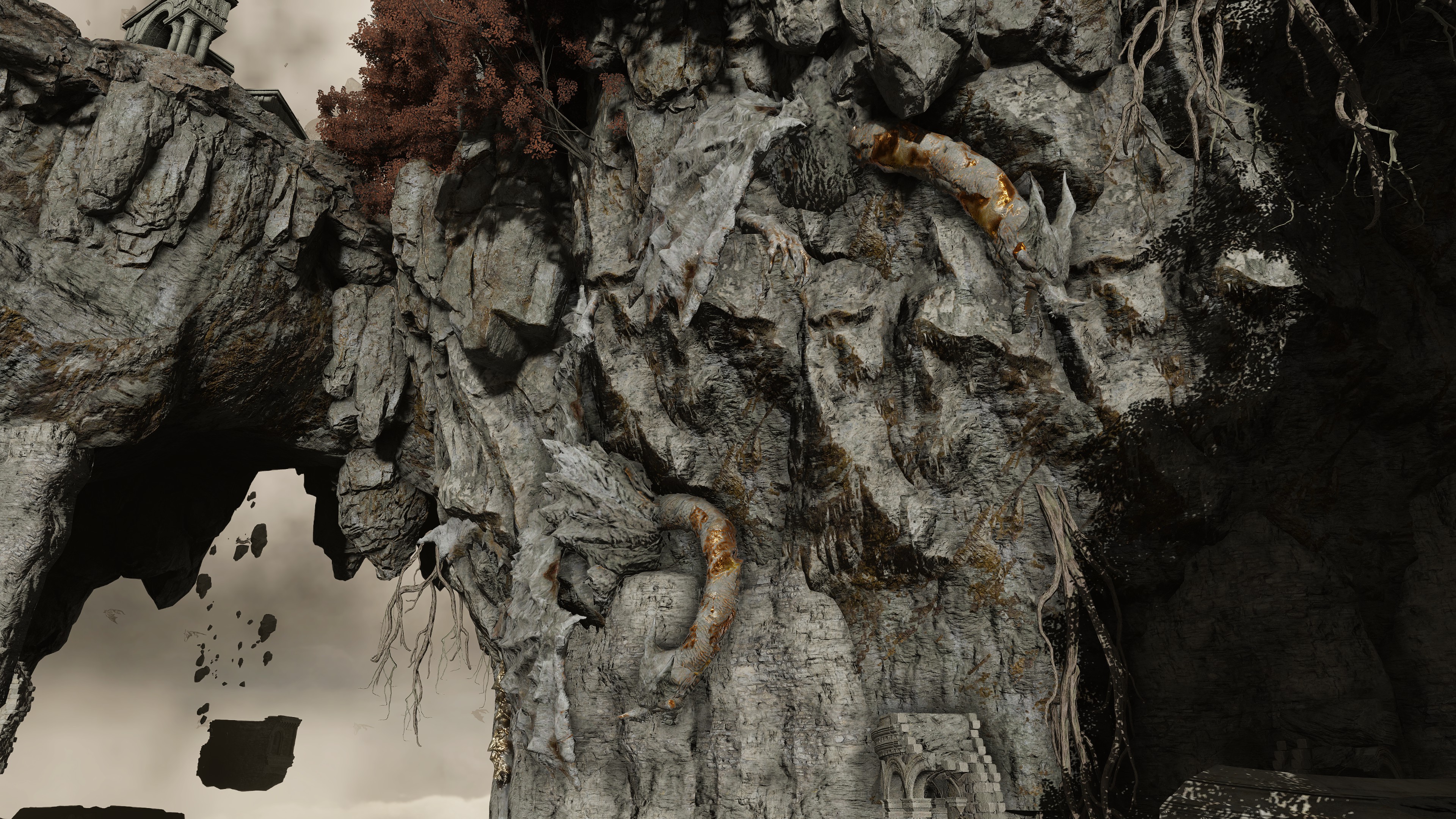
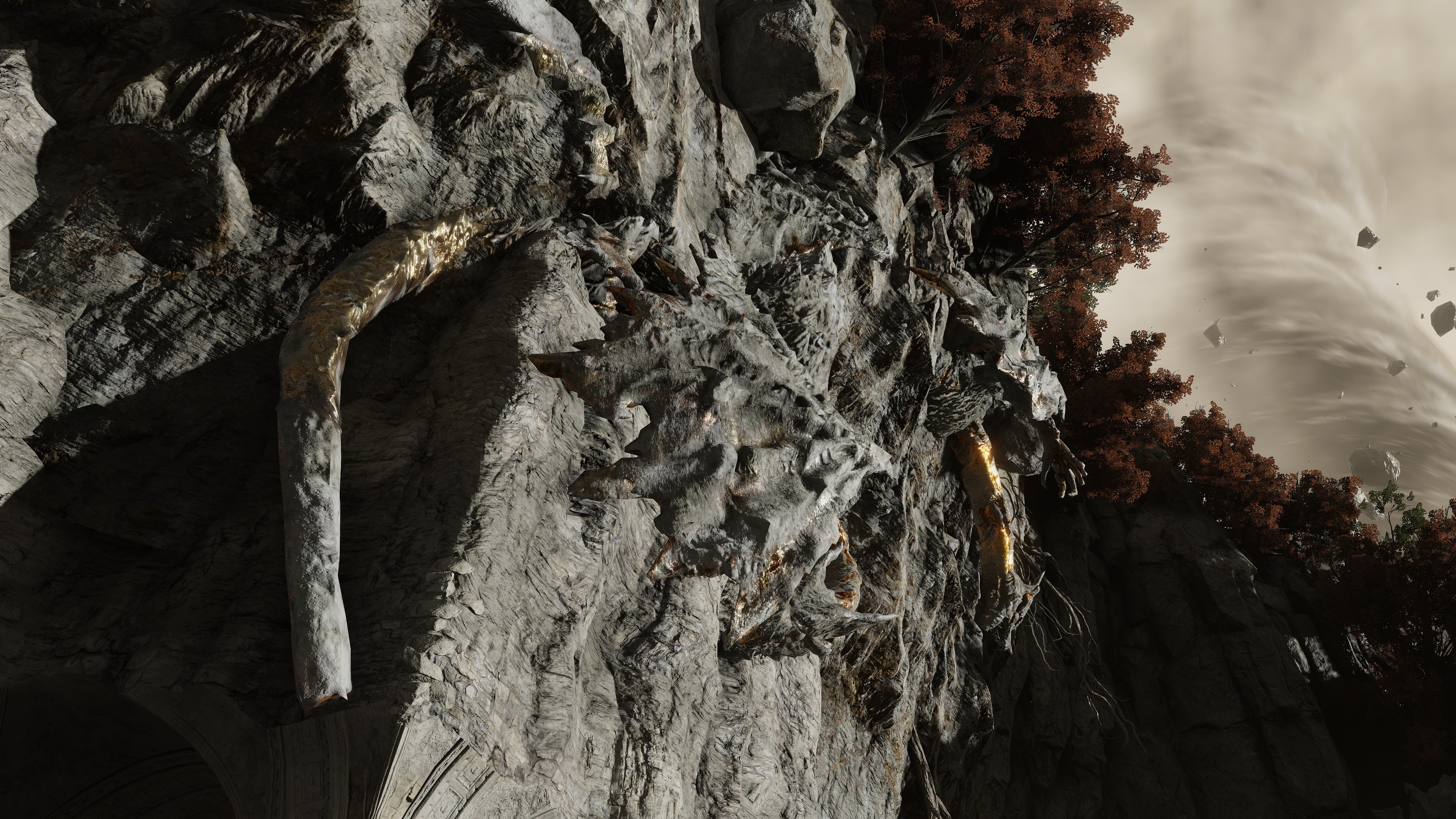
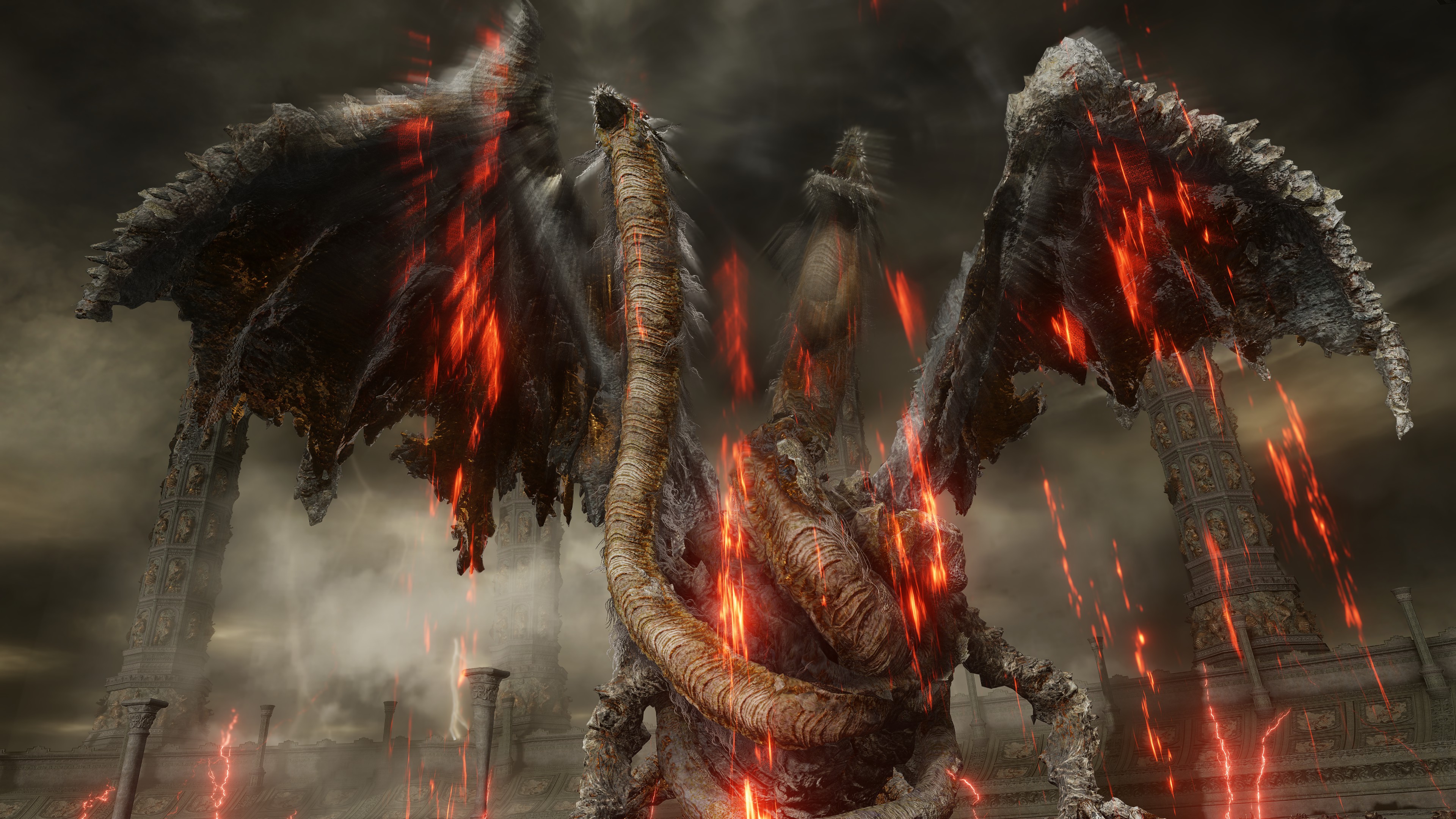
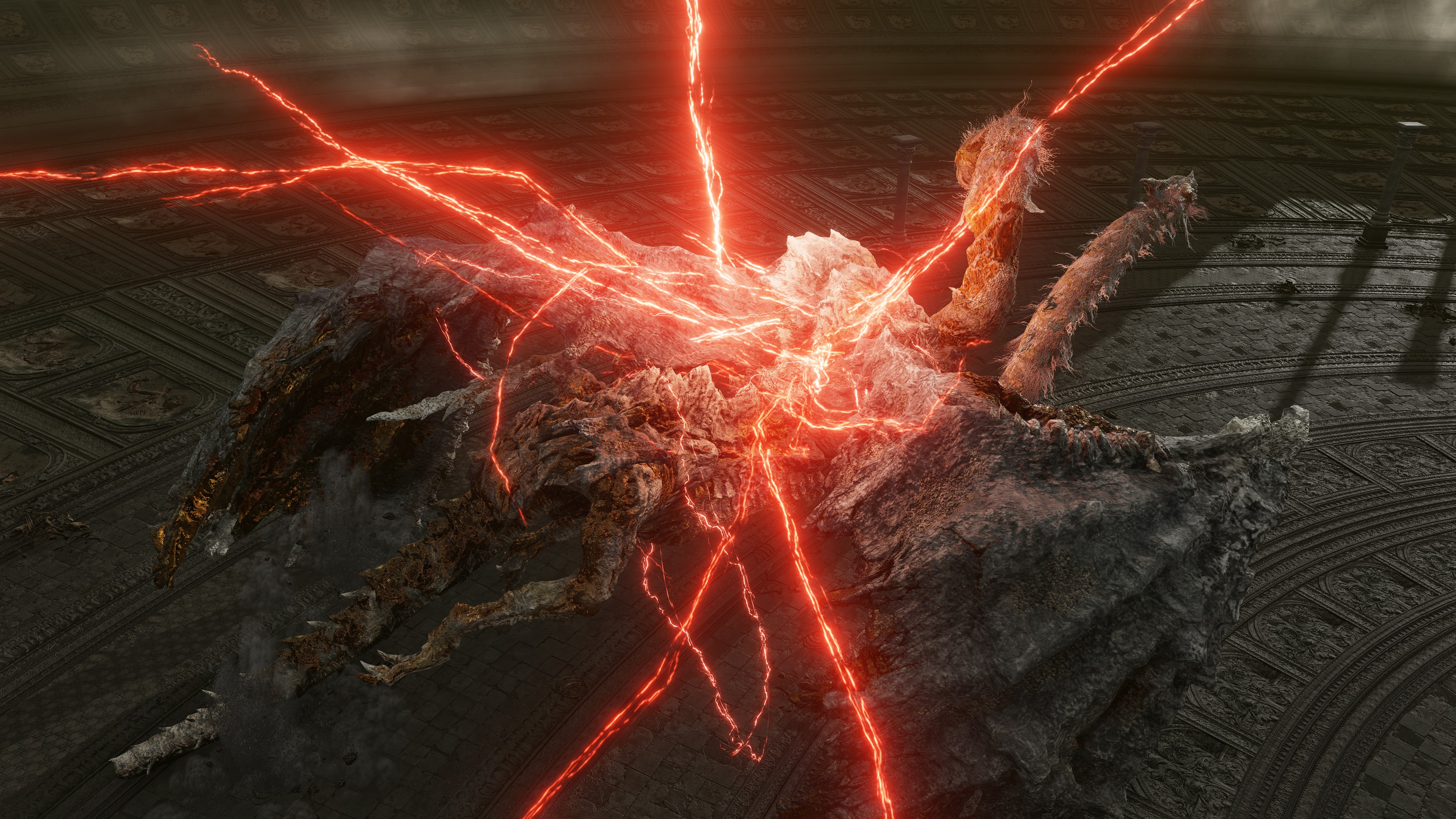
However, the divisibility of limited if abundant power alone cannot explain the physiological changes in the dragons. Even if Greyoll was born to ancient dragon parents, she herself is the template for all the wyverns she subsequently mothered. How does a lack of holiness or gravel stone cause the next generation to change into a new species with radical differences in physiology? In truth, it was because the parents possessed so much chaotic power from the Elden Ring that this occurred. Close inspection of the dragons buried beneath Farum Azula reveal wildly different heads from the living ancient dragons we encounter. The one exception is the Dragon King Placidusax, who possesses two heads with that same shape. The Old Lord’s Talisman depicts him with two more heads, and close inspection of the boss model reveals three missing from its neck total. Evidently, the king is an anomaly, but his hydra form still acknowledges differences even amongst the original species.
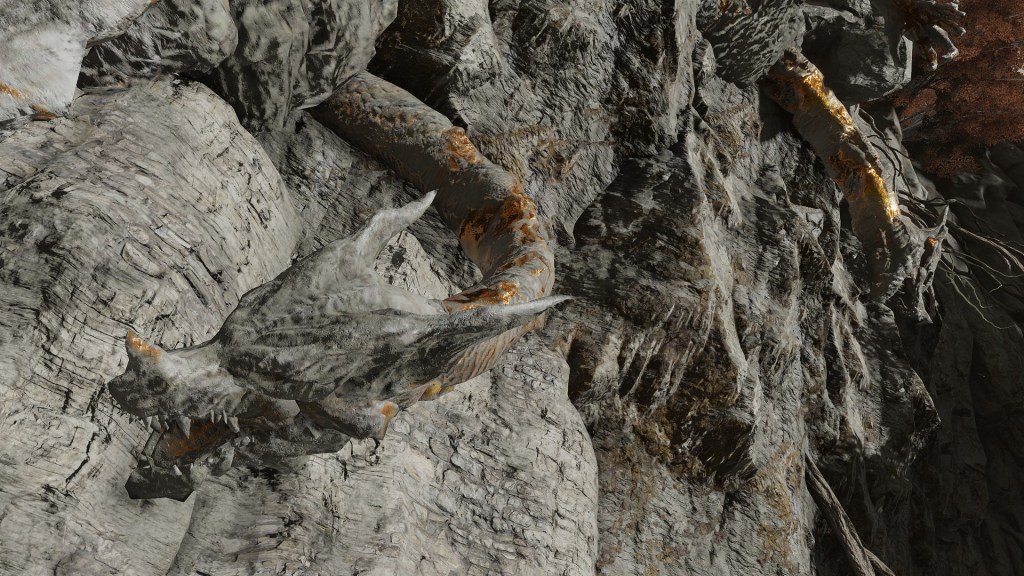
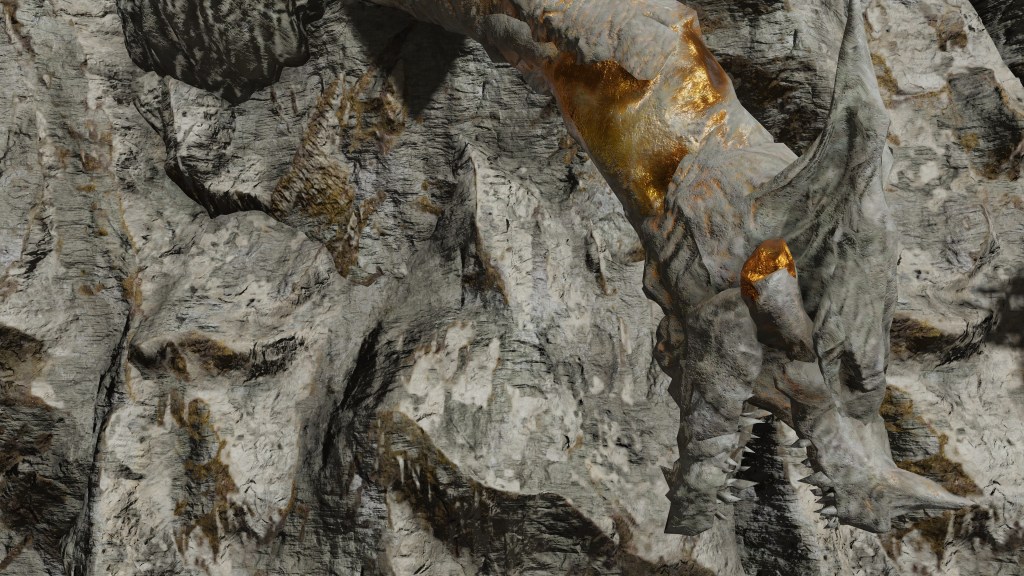
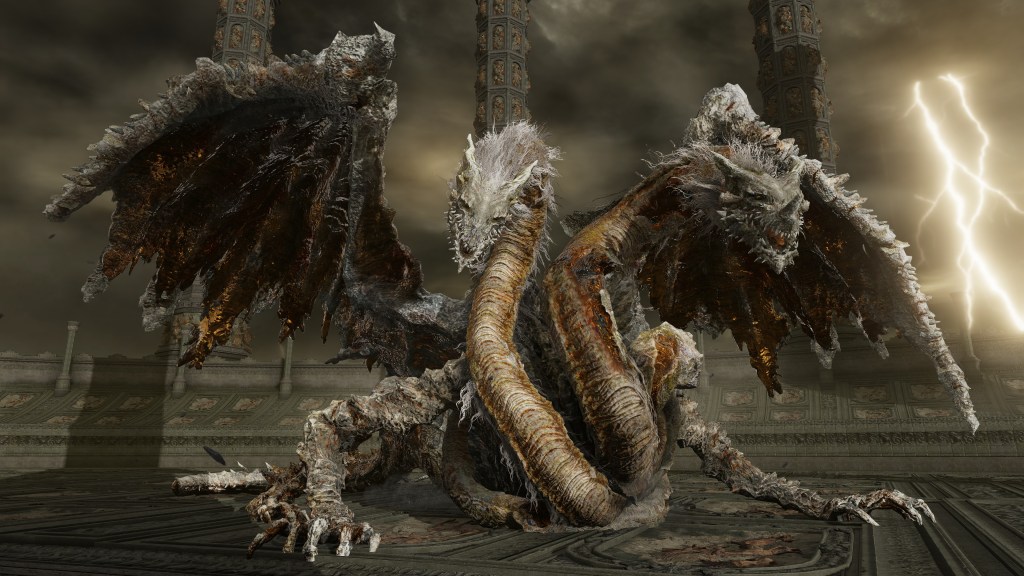
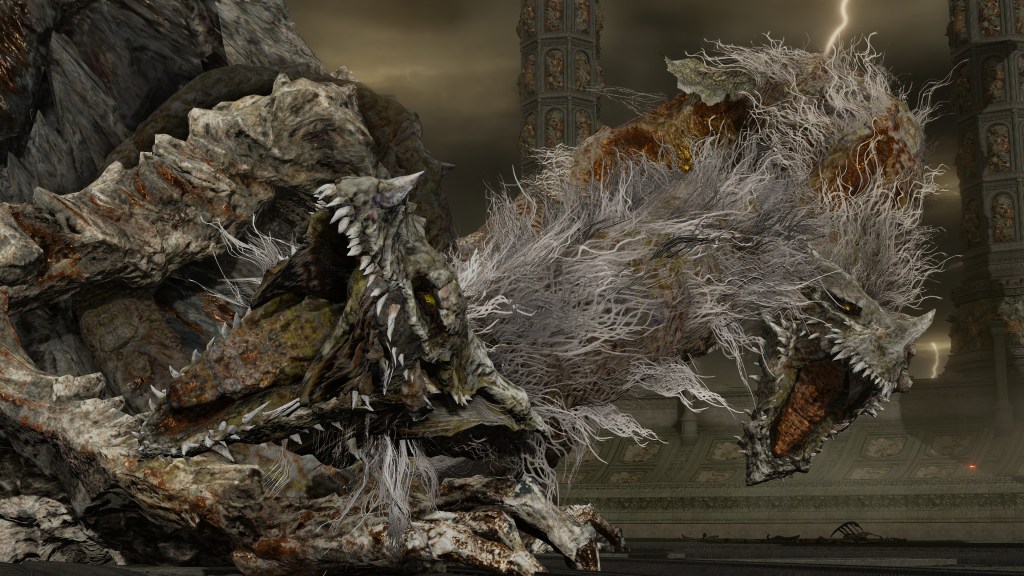
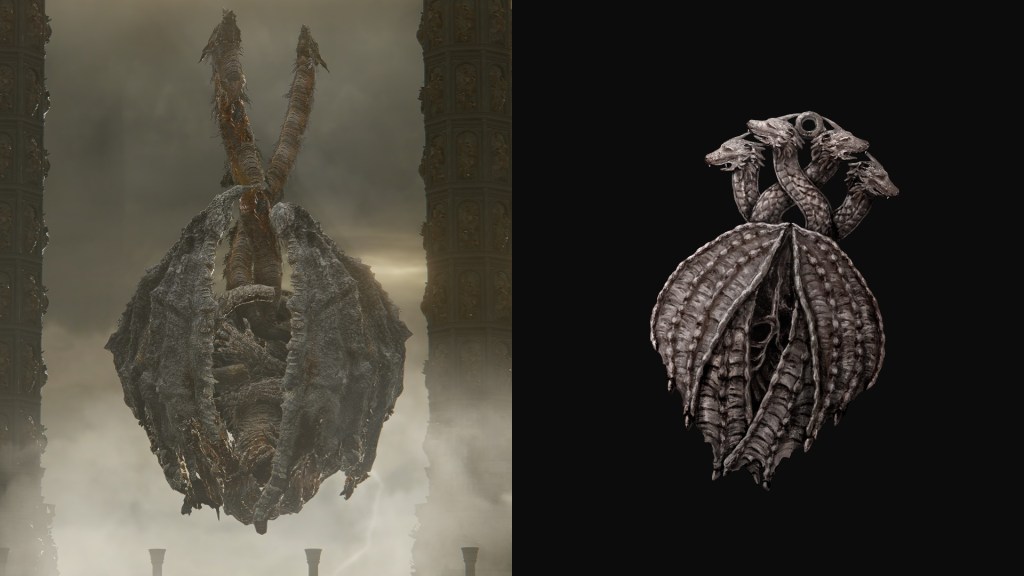
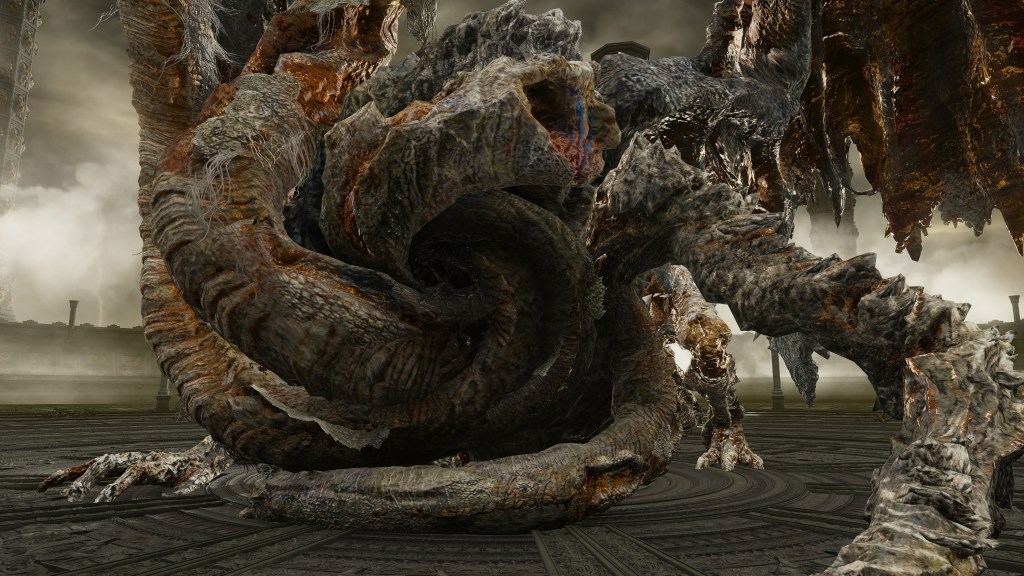
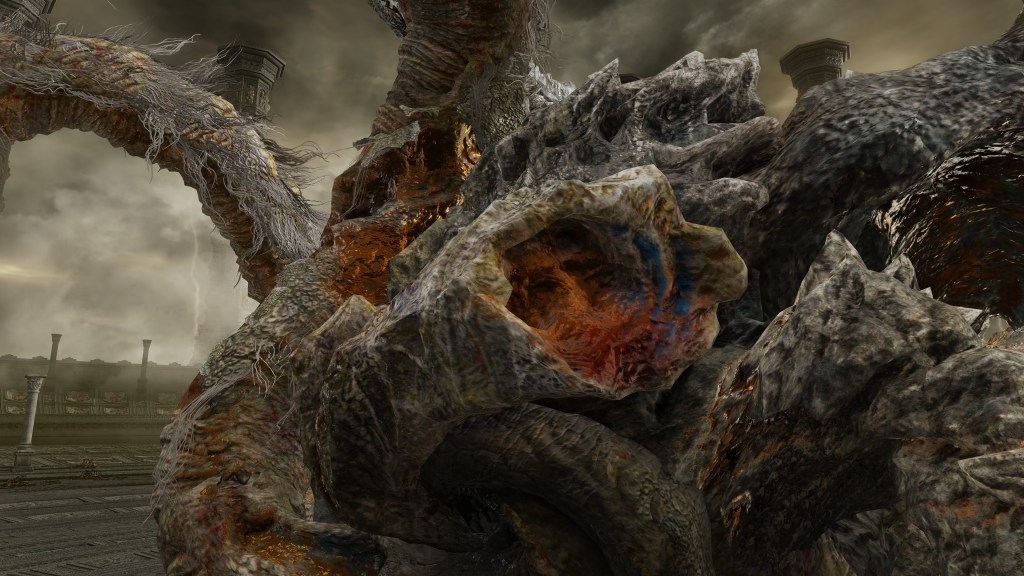
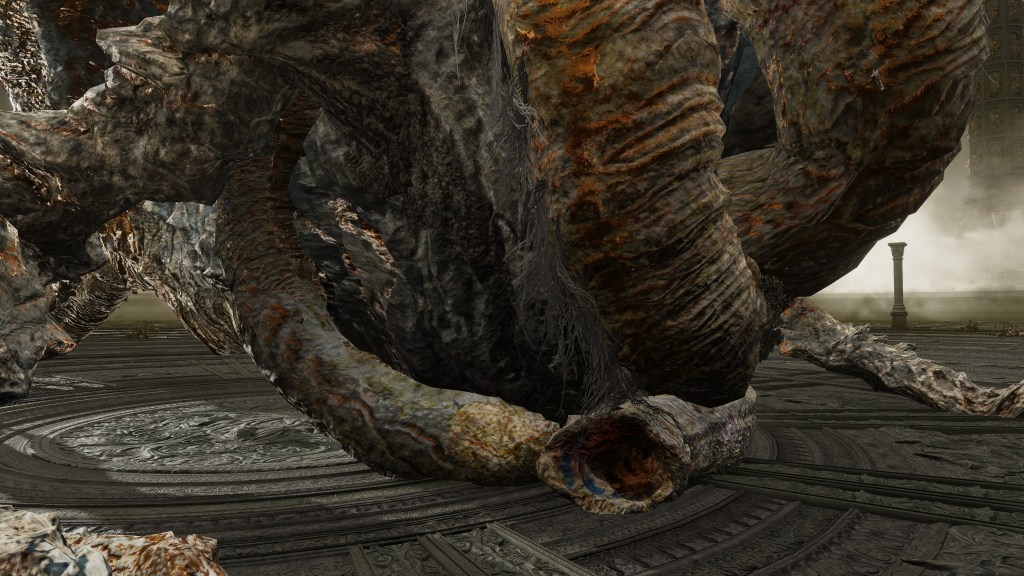
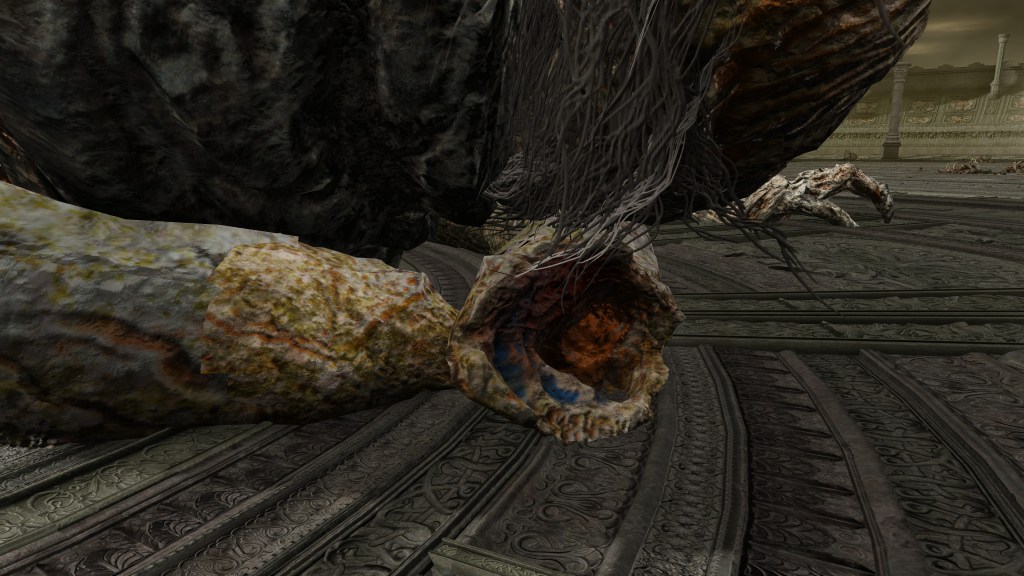
Truth be told, the ancient dragons were changing from the start. Those born from the rocky earth came with their own variations, Placidusax showing the most extreme case for direct contact with chaos. Despite this, they still followed broadly the same rubric and strictly the same building blocks, allowing for some consistency. Subsequent generations evolved with slight mutations in the head and body shape, until eventually the last spurts of red gold made the next jump to wyverns. This organized randomness falls in line with the principles of Order and Disparity, a kind of controlled chaos. The wyverns just happened to be on the receiving end as that power was beginning to thin, though the potential for variation is still there. Adding to that impression, it should be gold that causes the ratio of gold and stone within dragons to tip toward the former. In losing their scales, the mineral beasts become more biological, demonstrating the relatively greater influence of gold on them. It is primal golden life’s propensity for change that is the impetus behind draconic evolution.
One can imagine the disorder as the Elden Ring created its first batch of living things, the entities emerging from the rock like newborns, unfamiliar with the world “they” had always existed in. As creatures of stone, the ancients might not even require food or drink to persist, relying solely on their abundant reserves of life energy; the Dragon King has managed to hibernate through the end of the prehistoric age, to say nothing of other ancient dragons who remain similarly isolated within their crumbling capital. Life initially may not have been dire for the mineral beasts, a lack of competition breeding more inertia. That would be consistent with the species largely remaining in place at their homeland, few adventurous enough to venture beyond it without good reason. It is only the fluid nature of a will — the Disparity of emotions — which could move these living boulders, leading to intimate relations. But while feeling have brought rock back together, it could have just as quickly tore them apart.
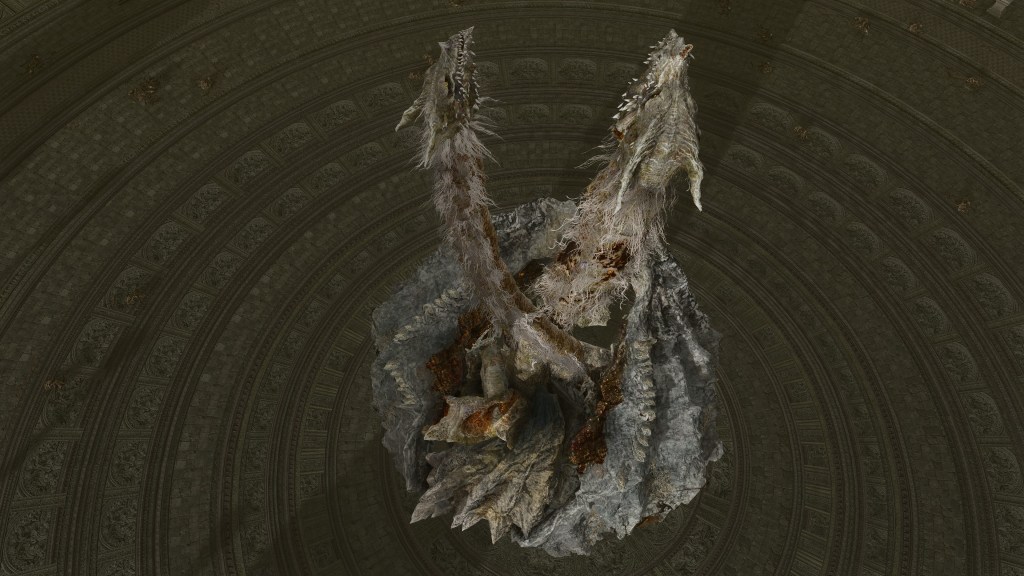
As seen for ourselves, none save Placidusax look to have survived from that original generation. It may be that, without purpose, the ancient dragons began battling each other to pass the time or even prove supremacy. After all, life also tends toward hierarchy, with differences between them, both big and small, demanding comparison. It is because they are different lifeforms that they have individual identities, ancient dragons and their wyvern descendants possessing their own names. Despite the localization’s rendering of Lannseax, all the ancients follow the same pattern, adding the Latin sax, meaning stone or boulder, as a naming suffix. They are all rock, yet different kinds of rock. If this was how the ancient dragons thought of themselves from inception, then difference was baked into their emergent society. Add the potential for personal animus, and the species may have spent as much time fighting as copulating with each other — if Placidusax did own a fifth head, this could explain its absence. In the end, the Dragon King reigned supreme, evidently the last boulder standing.
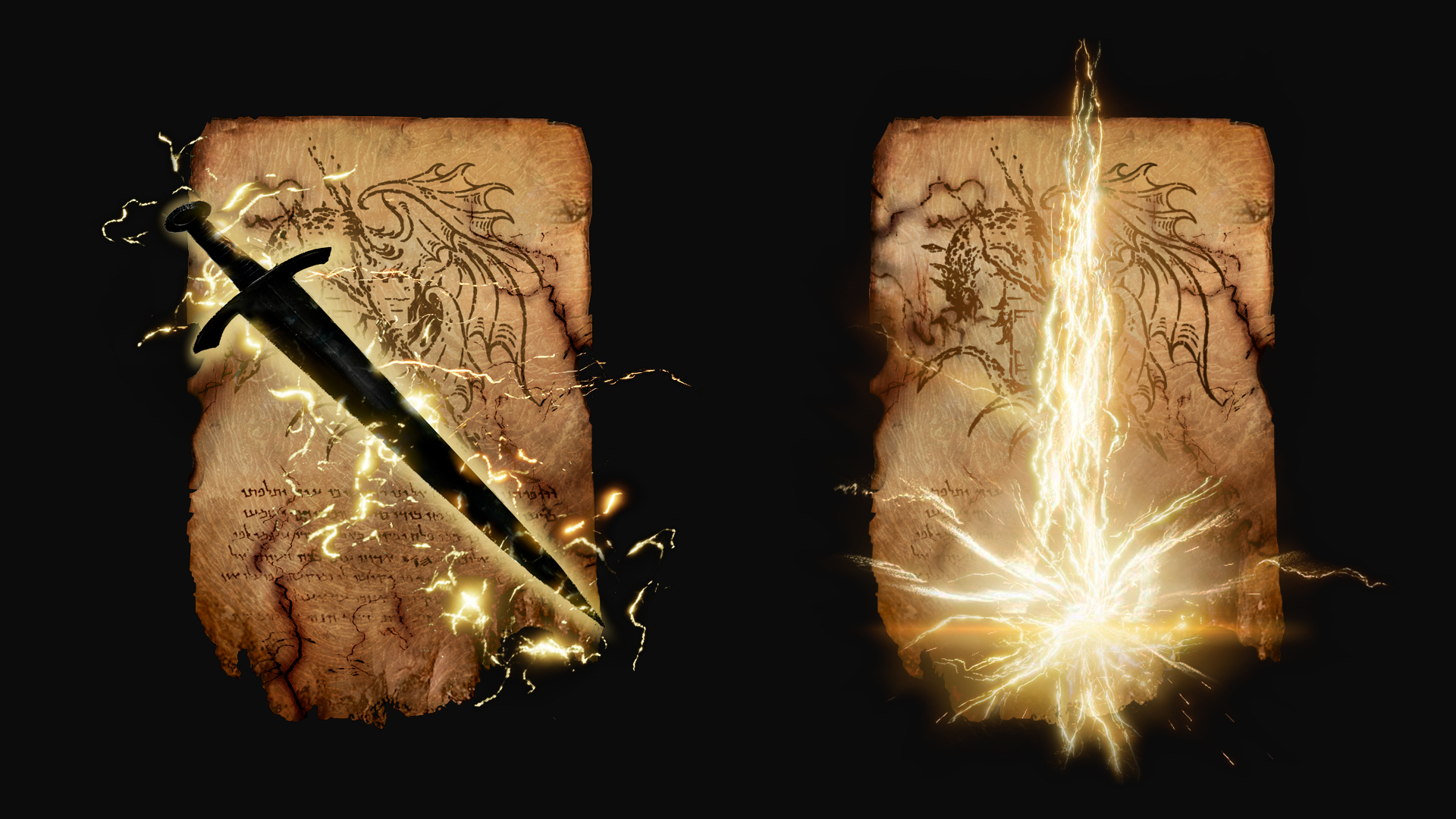
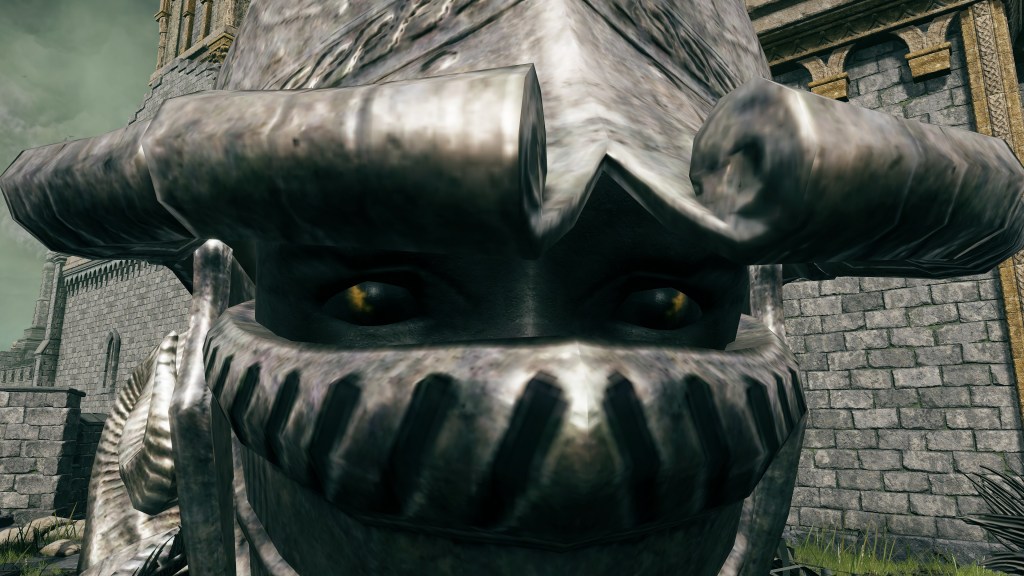
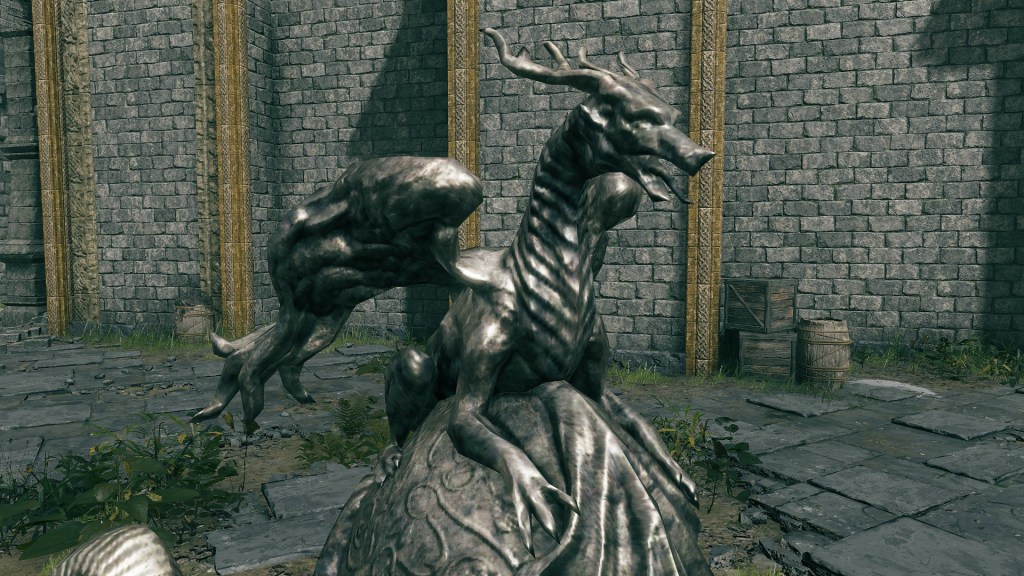
Meanwhile, new generations were undergoing their own changes as gold slowly eroded that rock element, producing Greyoll and the wyverns along the way. Whatever the fate of their forerunners, none from the ancient dragons appear to have taken issue with accepting Placidusax as their king. The ancient dragons have become a symbol of universal protection precisely because they, the Saxes, acted as a “boulder” (巌) wall for the well-being of their king, as captured by various shield-shaped talismans and even the Dragon Towershield. This image of a dragon blocking the way, right claw raised in defense, naturally originated in Farum Azula, where we find the Towershield and a number of Dragoncrest Talismans. The variation holding up a lightning spear especially has become the basis for lightning incantations’ magic sigil, which we see utilized by even ancient dragons like Florissax. It shows just how deeply ingrained loyalty to the king has become for the species. But why? For what reason did they cling to their king? It wasn’t just because he was the strongest of their kind. For them, he is more.
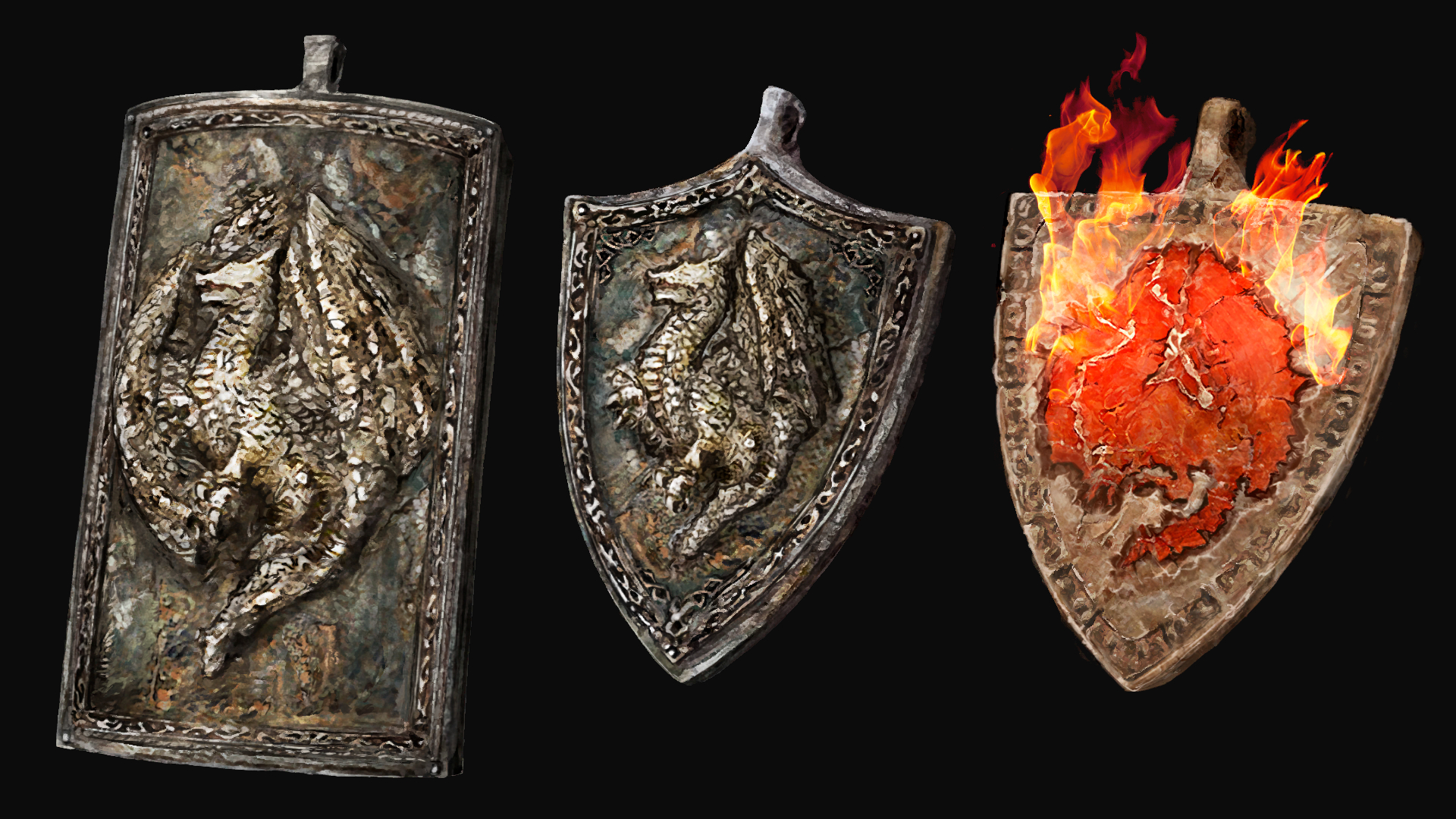
Wrought iron talisman embossed with an ancient dragon. Boosts physical cut rate.
It is said that the ancient dragons, who were masters of the Golden Tree-less prehistoric age, were a boulder wall who protected their king.
Thus, the dragon form is a symbol of every protection.
Creation of Haya
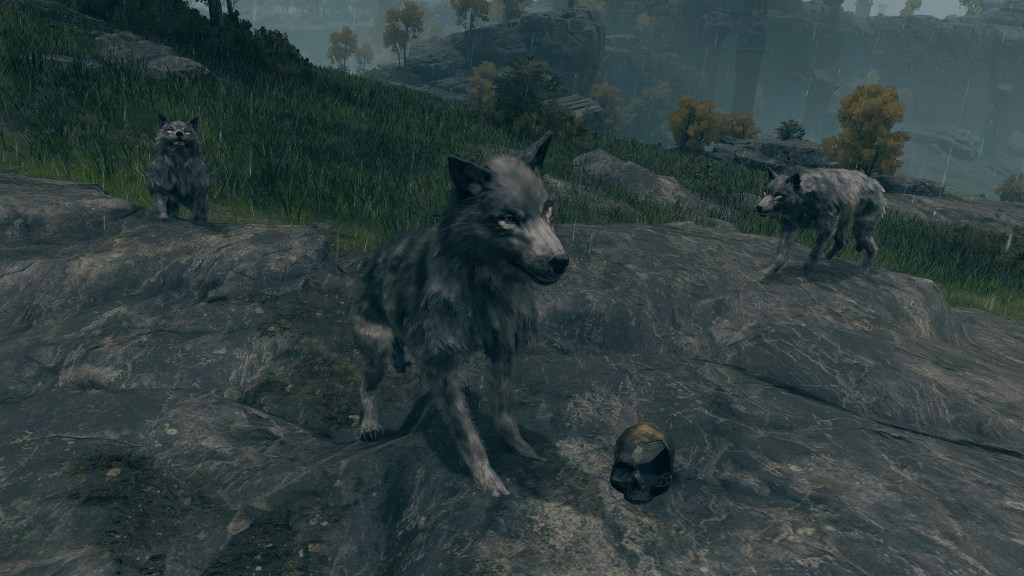
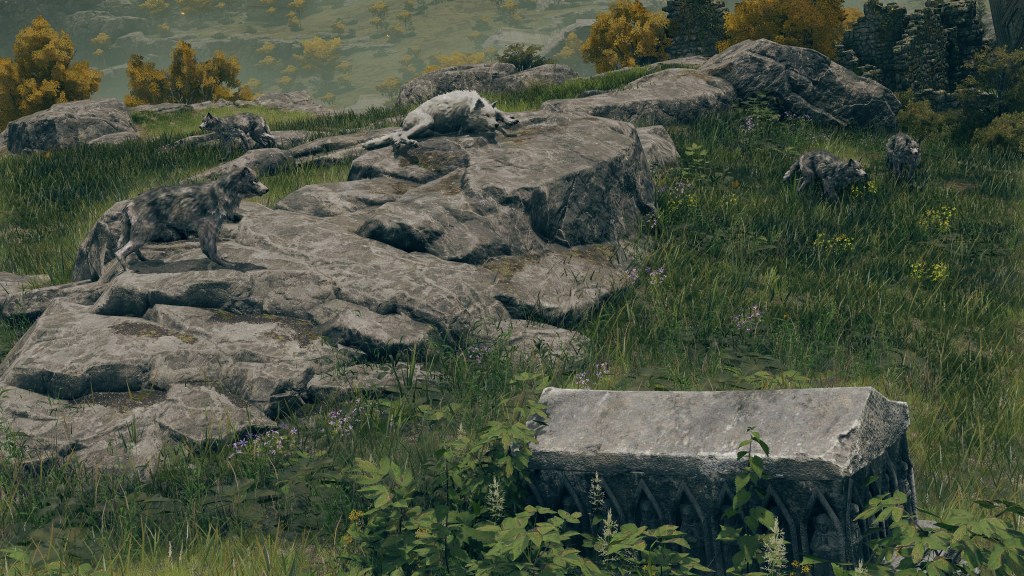
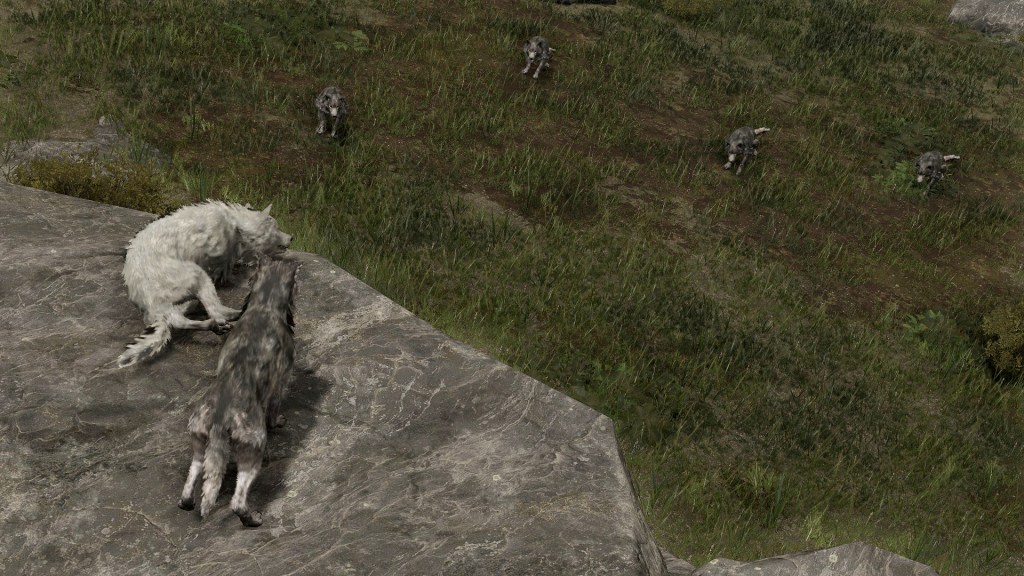
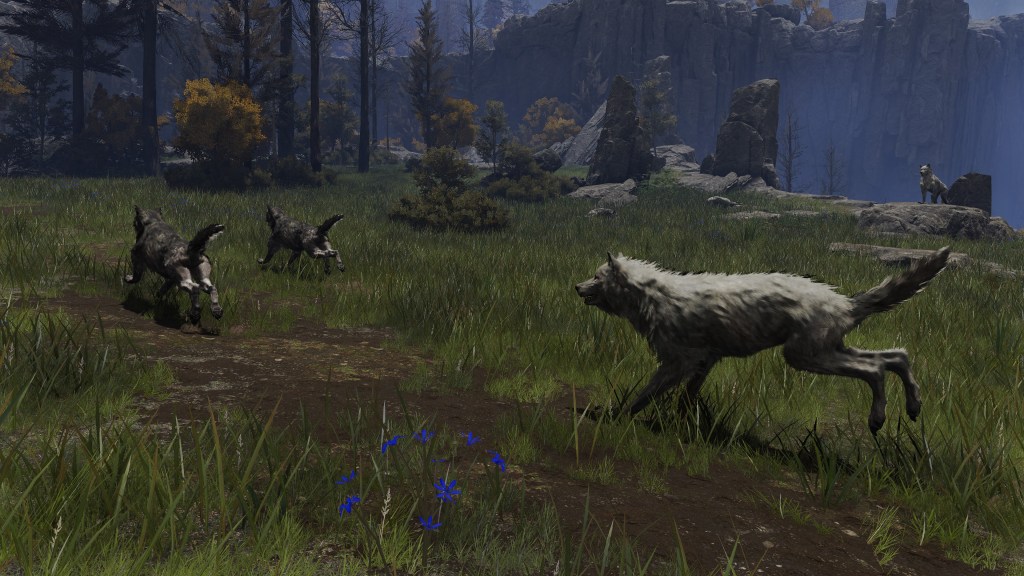
While the Order’s incarnation and dragons are undeniably beasts of a sort, the term is generally reserved for the furry kind of animals, such as wolves. Grey wolves exist widespread across the Lands Between, commonly led by slightly larger white wolves — at least when that breed isn’t forming its own packs. Despite their ubiquity, modern wolves appear to descend from an earlier species of lupine from the prehistoric age, reason being that beastmen of Farum Azula weren’t always “men”. Rather, the Cinquedea’s description notes how five fingers are the symbol of intelligence, both of which were “bestowed” upon beasts at some point. From appearance, the beastmen were originally a kind of black wolf, likely the same we see domesticated into their pet canines. Evidently, not every beast received this gift of opposable thumbs, many species continuing to evolve as lowly wildlife; apparently including members of the same kind. But for the subgroup who did possess five fingers, they gained a new way to interact with the world.
Dagger granted to high-rank priests in Farum Azula.
Boost might of beast prayers.
It is modeled on five fingers, which are the symbol of the intelligence bestowed upon the beasts once.
The advent of thumbs cannot be understated. Suddenly, beasts could pick up objects in their surroundings, manipulate them with more granular precision, and compare the differences. This was where true “intelligence” could emerge, causing these beasts to develop into beastmen with all the sophistication that implies. We already see this with the ancient dragons, who possess the level of intelligence for names and naming patterns amongst themselves. Like the beastmen, they too possess five fingers at the end of each arm, and that sophistication was subsequently passed through the generations so that their lesser descendants retain it despite losing those arms for wing talons. Ancient dragons like Lannseax or Florissax further demonstrate their ability to communicate civilly with humans. Their oldest survivor showcases the time this took to develop, Placidusax performing a lightning version of the Beast Claw incantation. The dragons, too, learned to become more than claw-swiping animals, and key to cultivating that intelligence was the mechanics of five fingers owed to another intelligent beast.
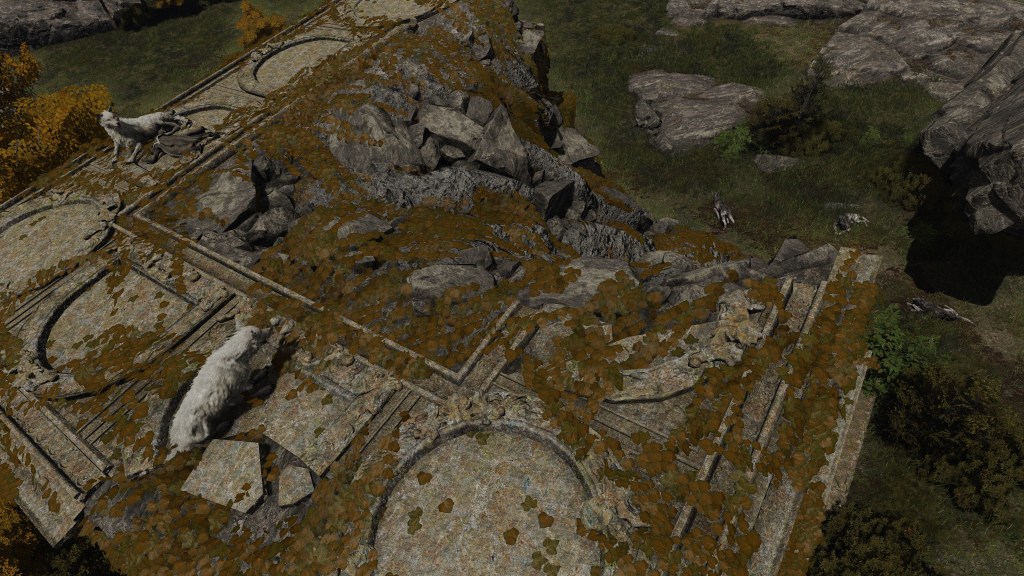
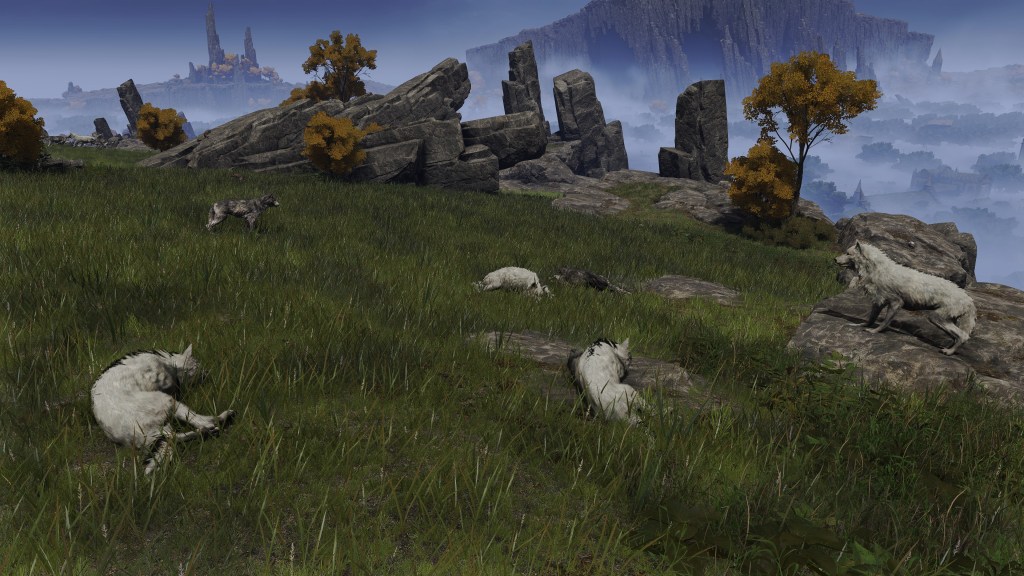
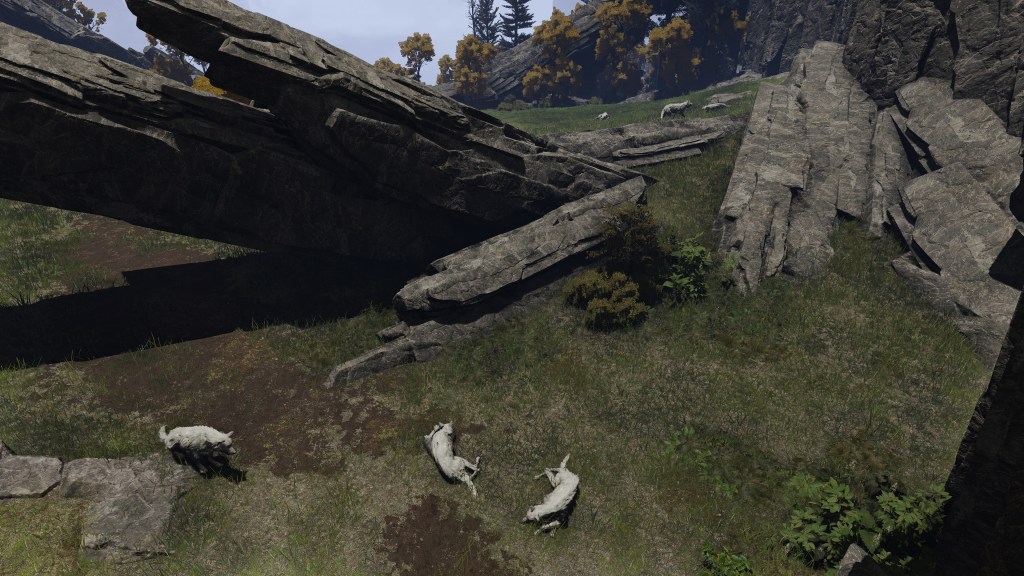
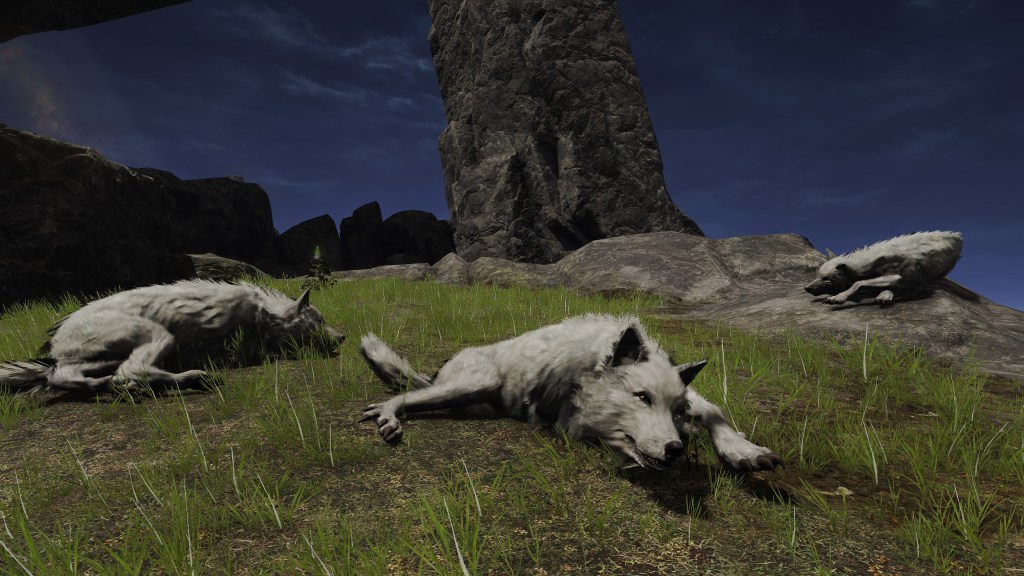
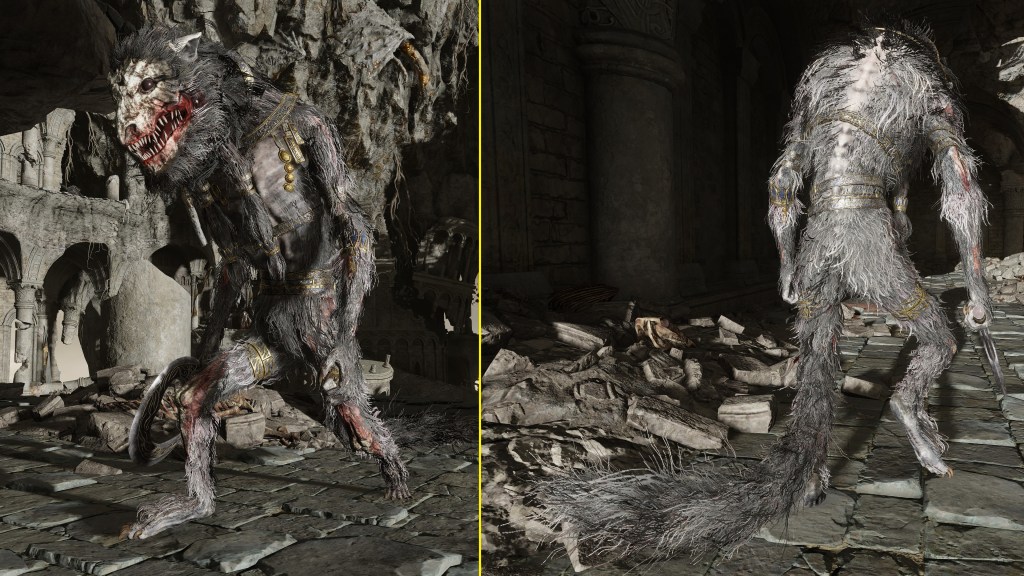
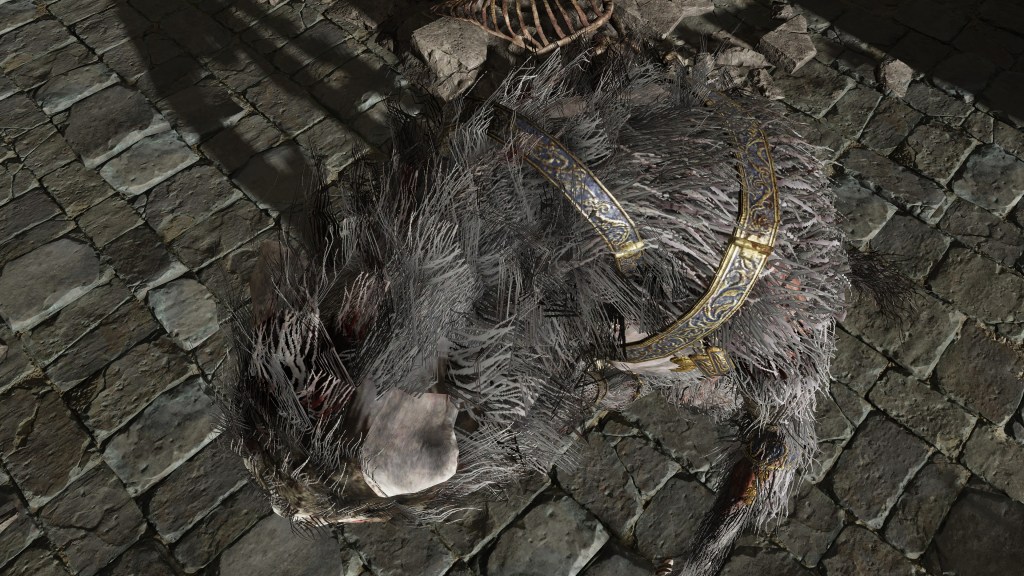
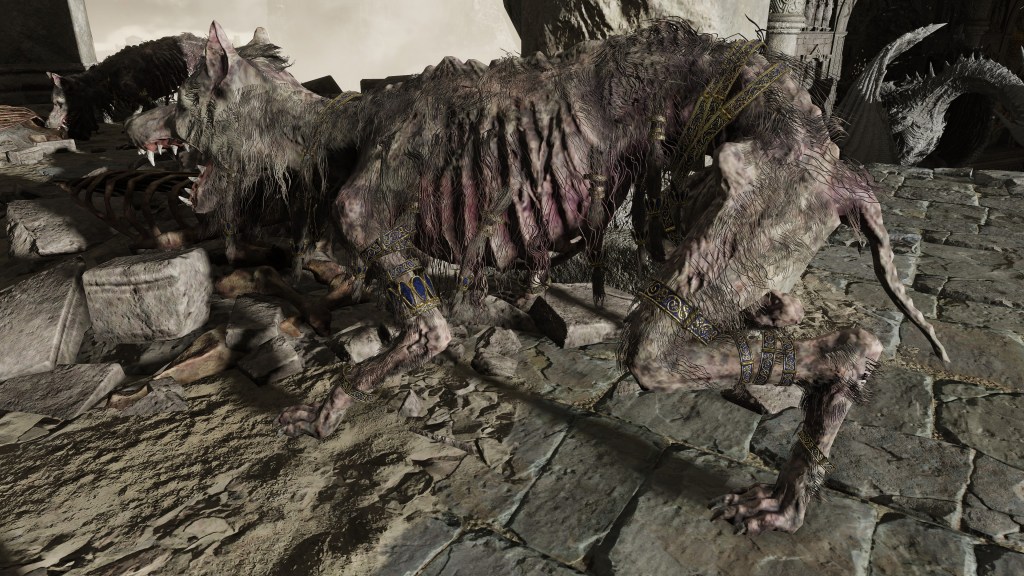
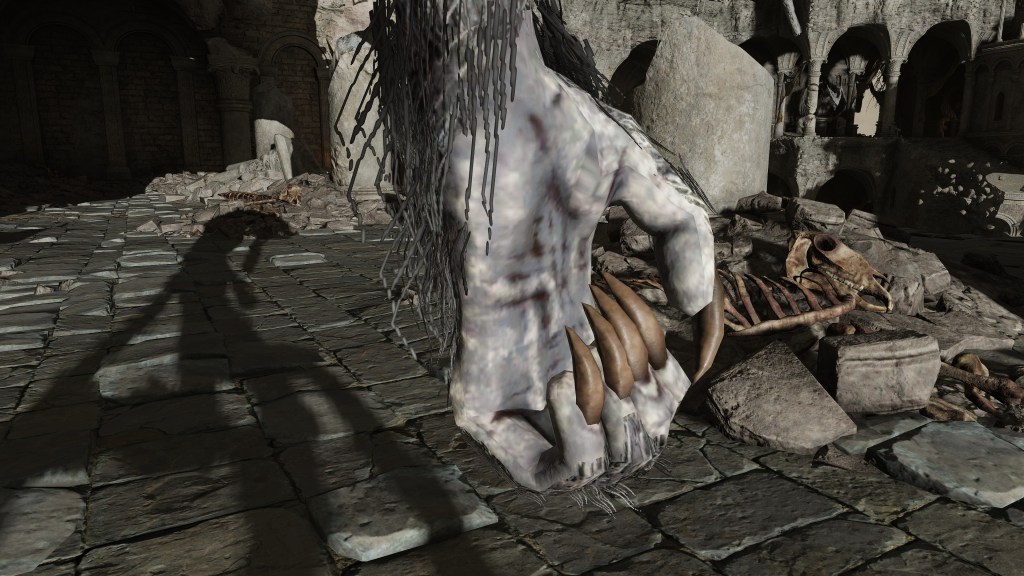
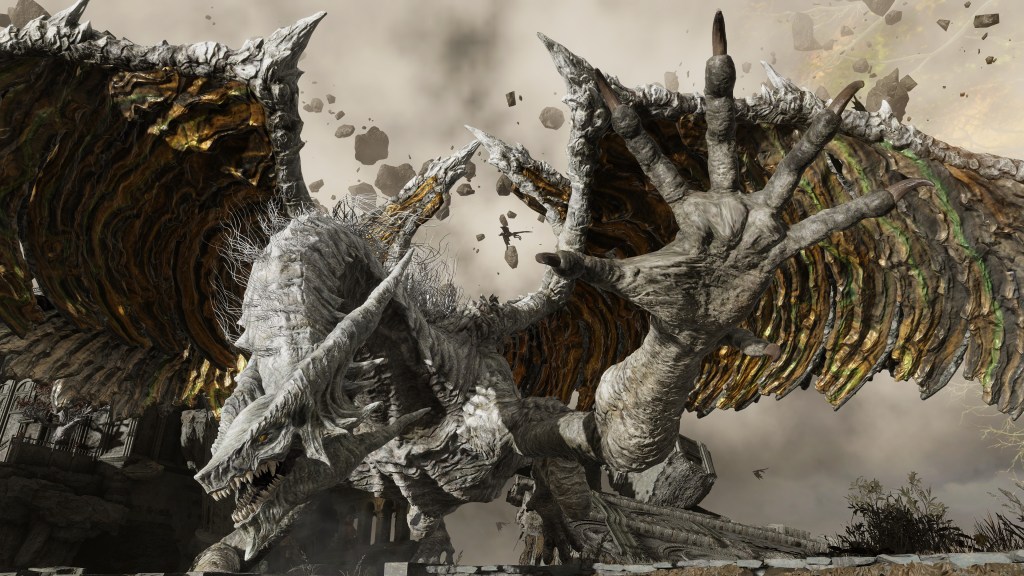
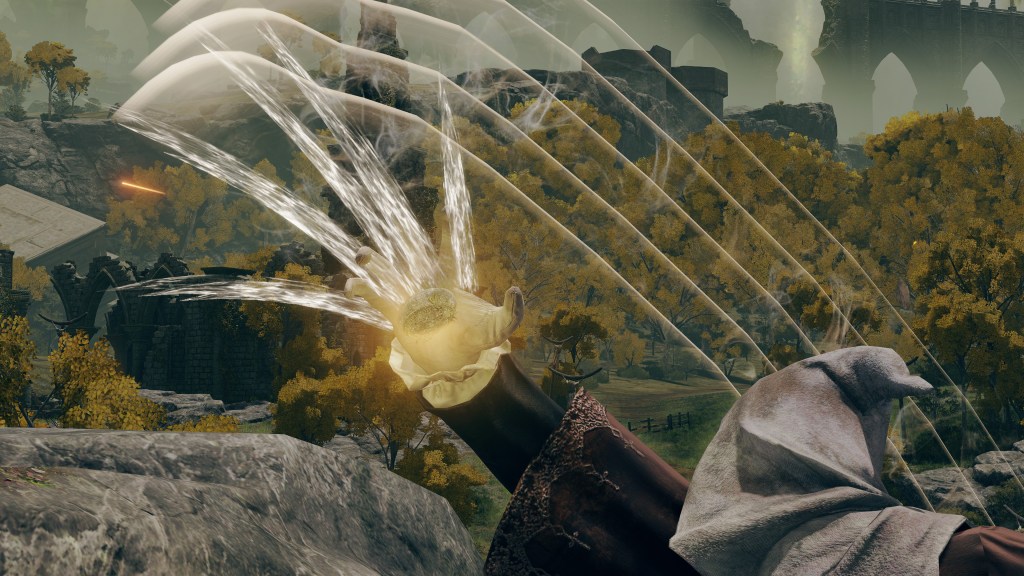
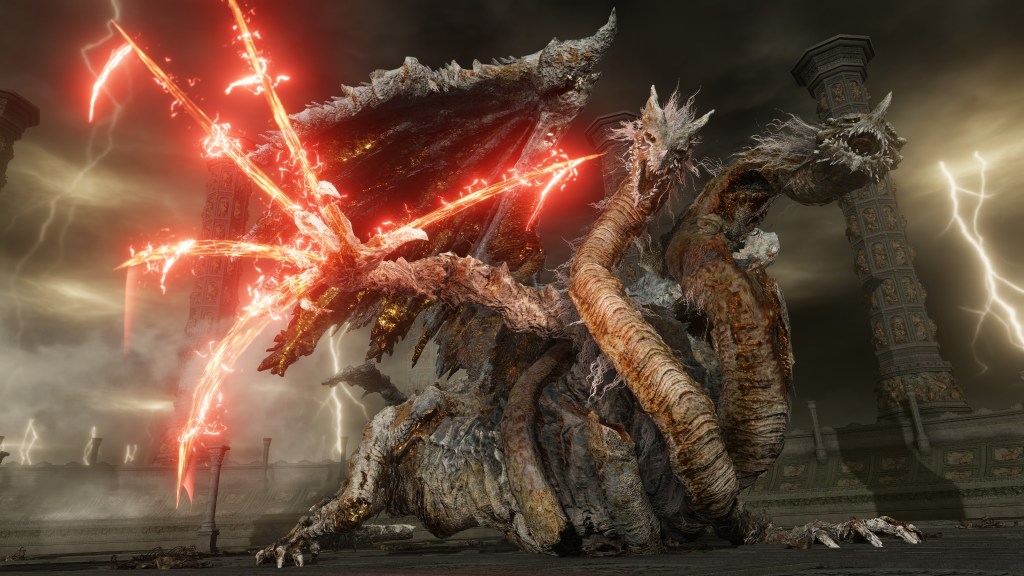
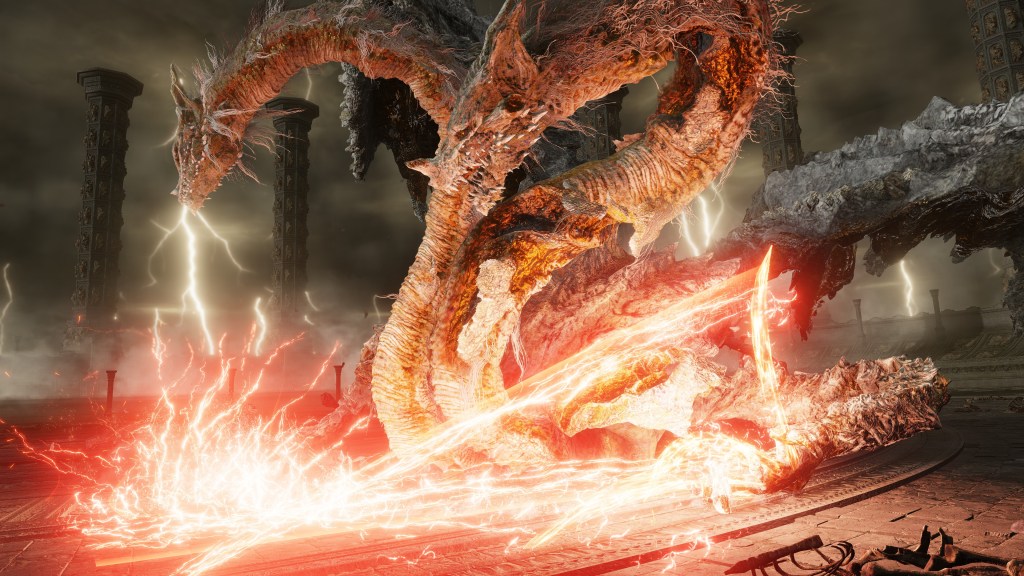
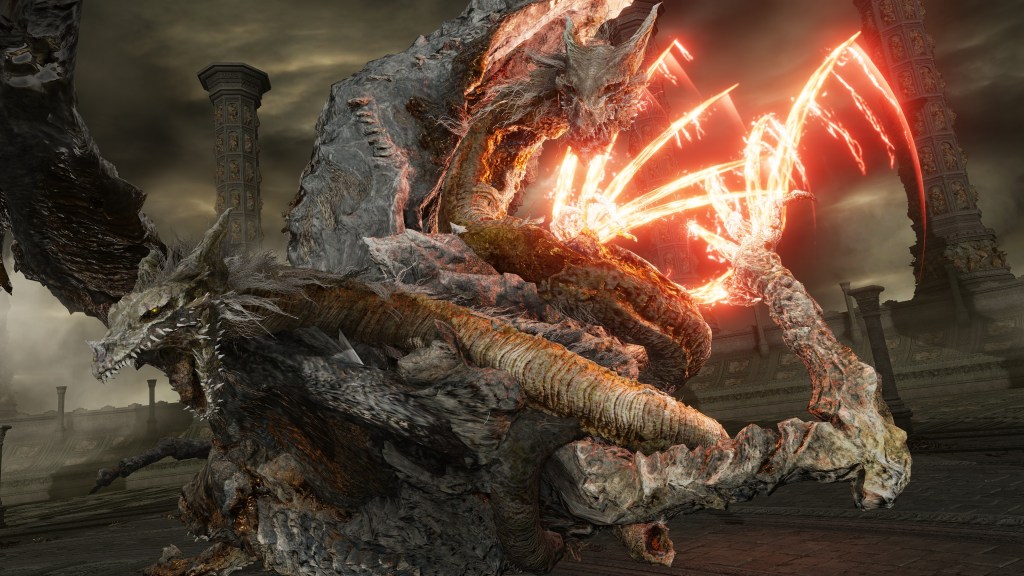
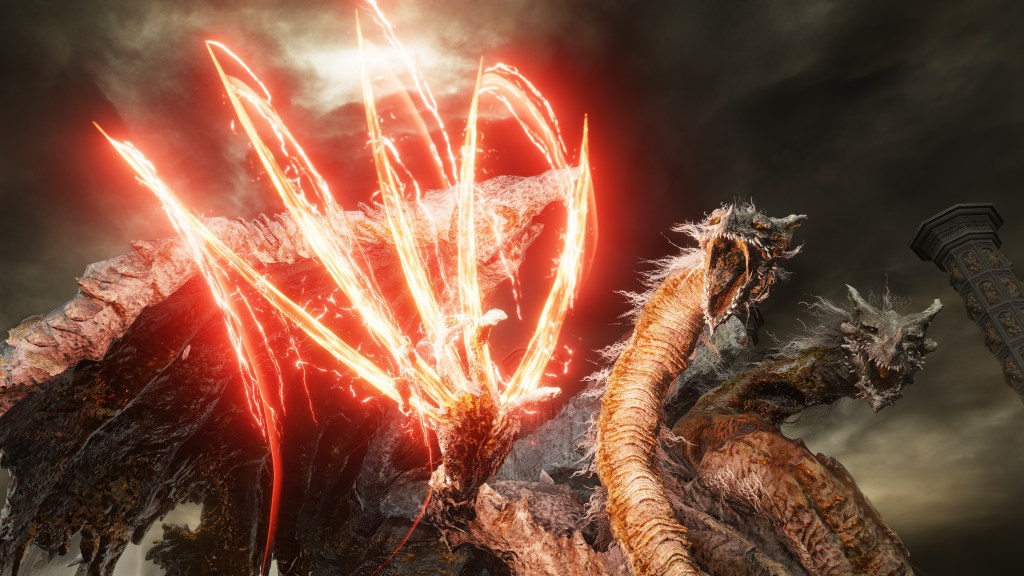
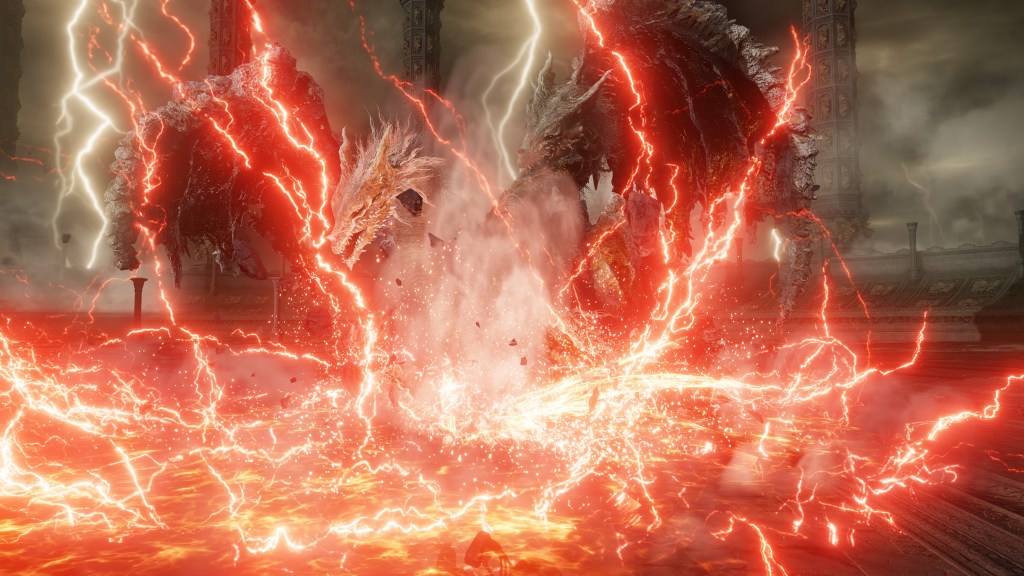
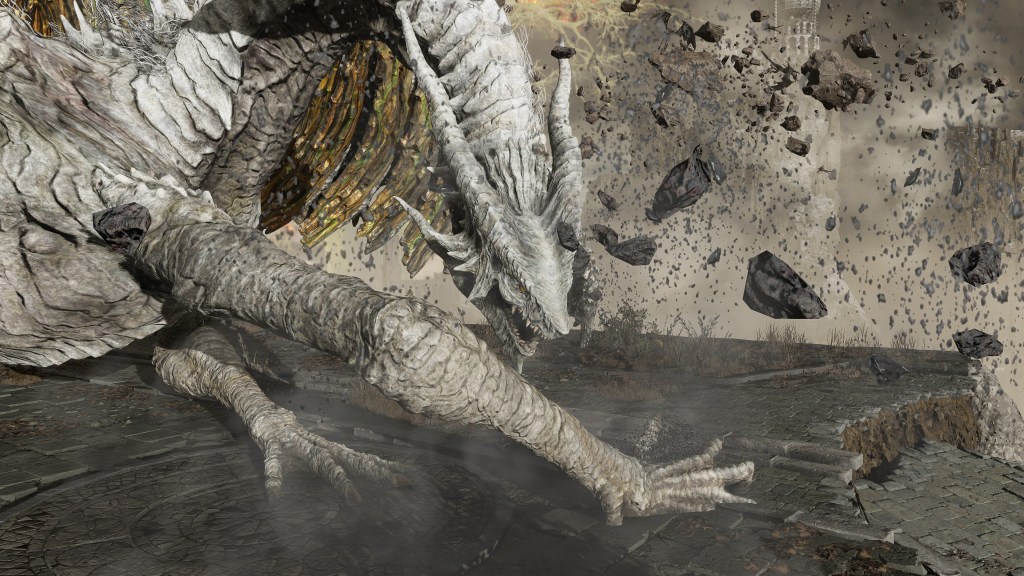
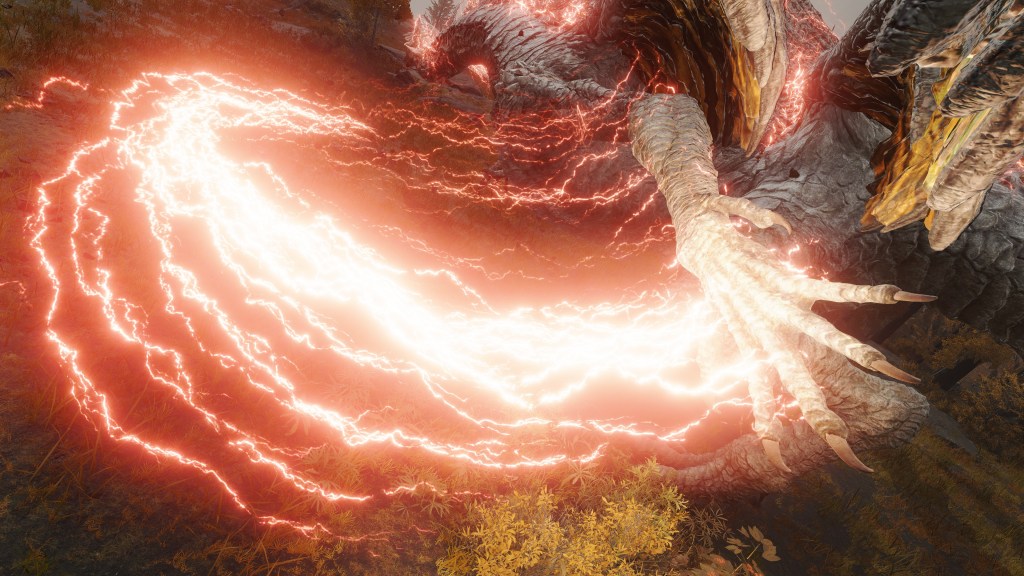
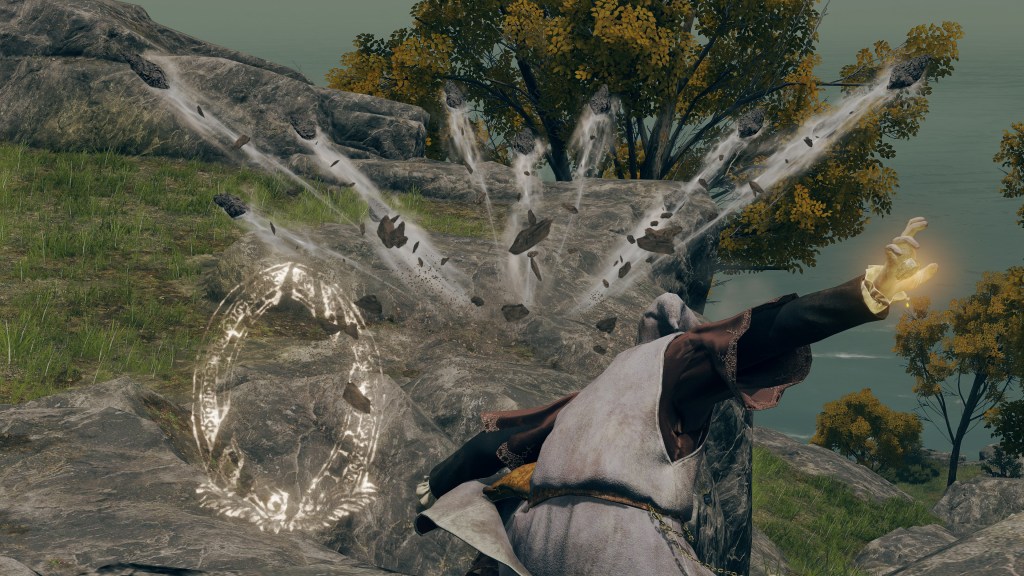
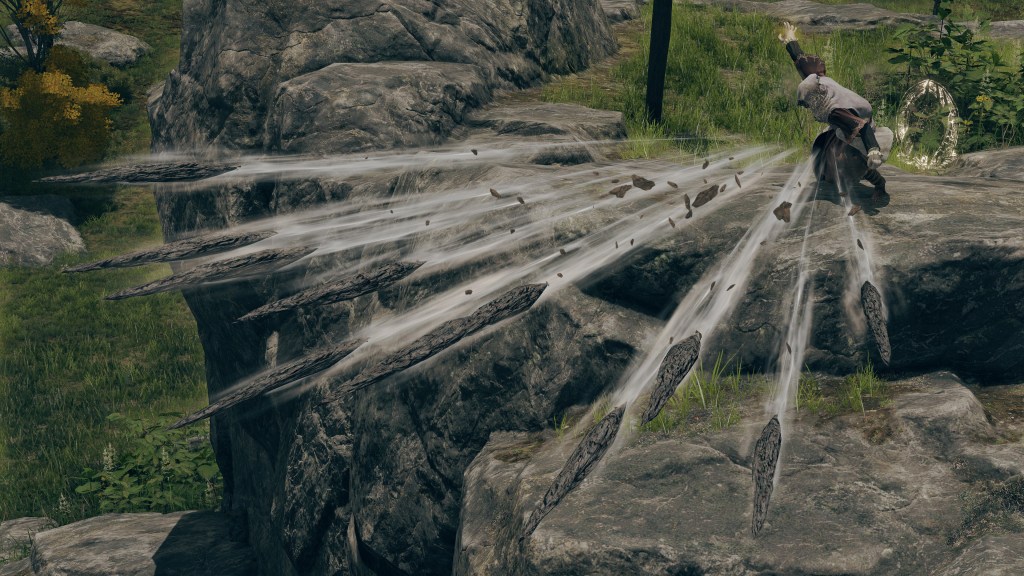
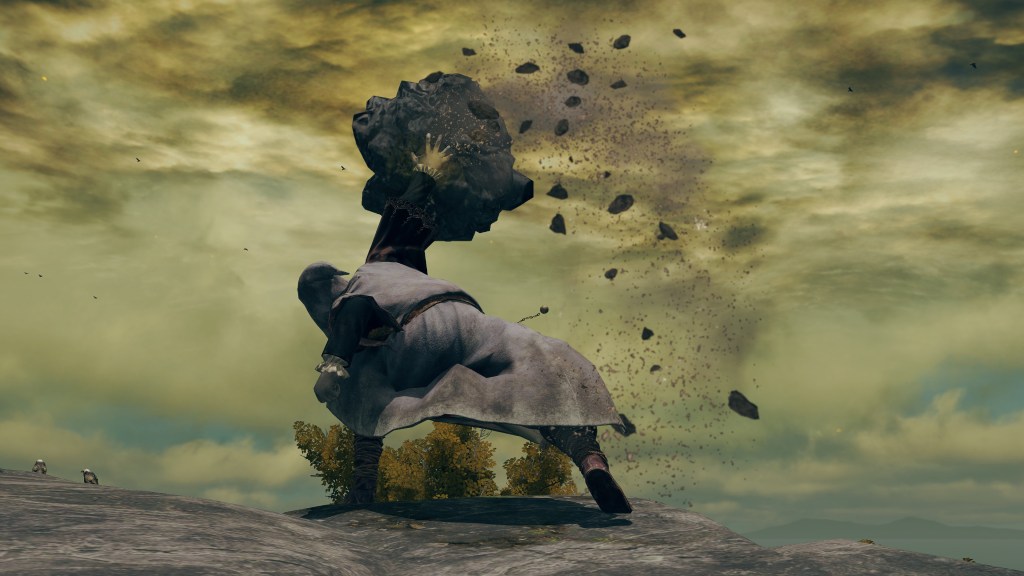
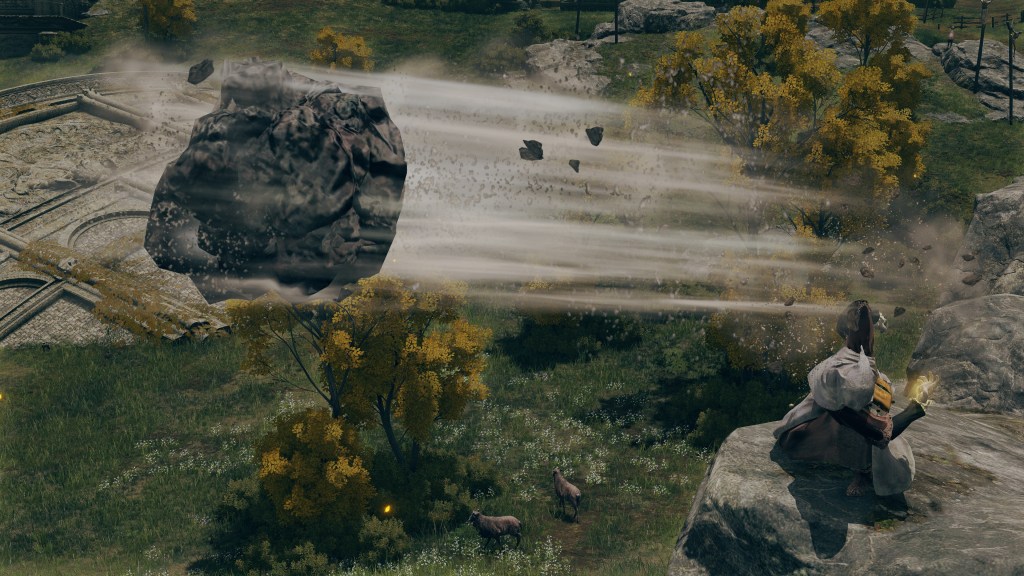
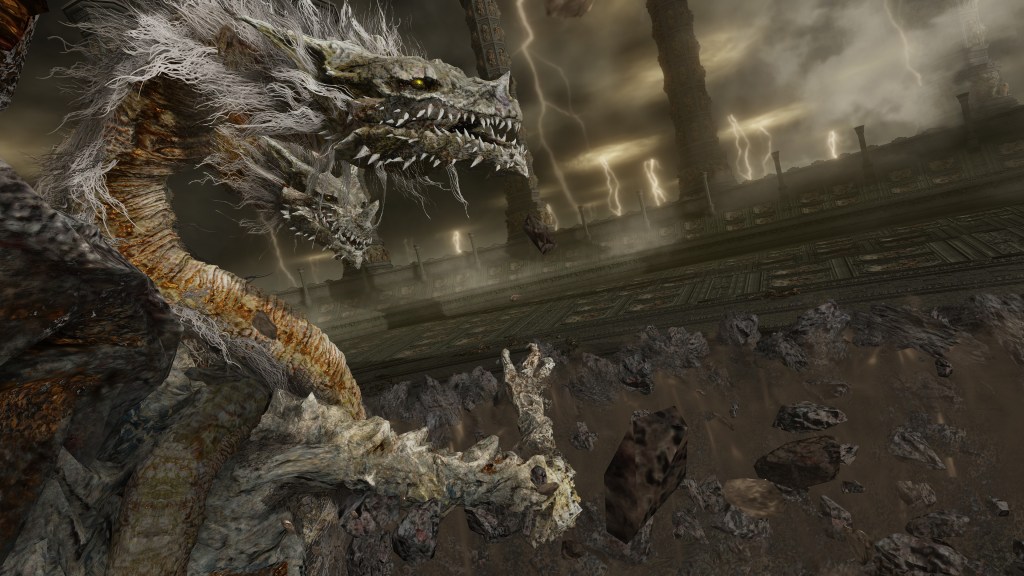
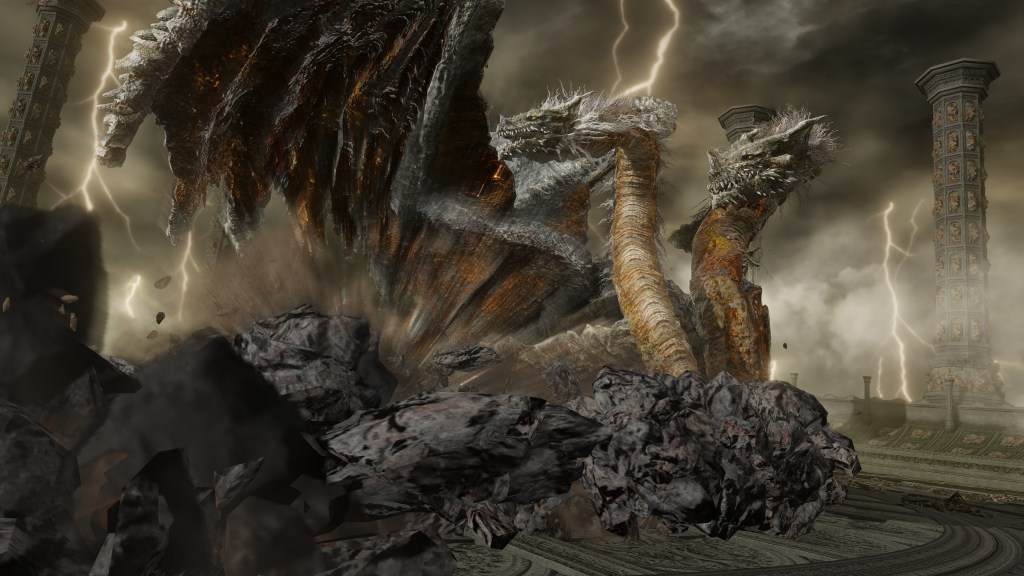
Just one example is the invention of tools. Something as simple as picking up a rock and throwing it was revolutionary for the beasts, and it was the natural byproduct of manipulating their additional digits. Bestial Sling highlights this fact, confirming that the beasts of prehistory made stone their first weapons in the incantation’s description. Placidusax likewise upturns the ground to hurl stones in another show of old habits. But dactyl hands allow you to reach for more than a bunch of rocks on the ground to sling — there is also what is dangling overhead. With fingers, beasts began evolving to stand on their hind legs to better reach for things above them, completely changing their perspective on the world in the process. No longer so low to the ground, a creature can see more, farther, and often. And in looking up to grab with those five fingers, they regularly glance at the sky, sometimes gaze into the cosmos, and eventually begin to wonder their place in it. The beasts then invent more tools to facilitate their interest in these things, having finally developed a sense of self.
Prayer that the beast priest Grang bestows.
Swiftly fires multiple sharp stone fragments. Can be used without delay even after other actions.
It is said that, before the Golden Tree, the beasts who acquired intelligence made the first weapons with stone.
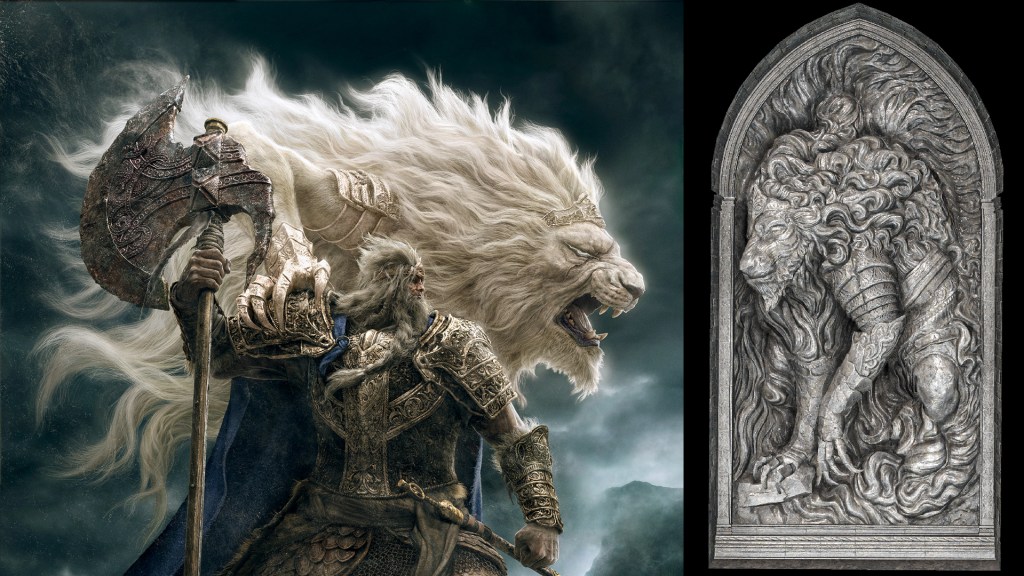
Much as homo sapiens on planet Earth, the lupine beastmen followed this course to sentient life, and not alone. Certain beastmen corpses look more feline than canine. The Beastclaw Greathammer reinforces this impression, revealing the existence of a Beast King named Serosh in its description. Befitting a king of the beasts, Serosh is a lion with golden fur, especially his luscious mane. And like those leonine corpses, his statue in Stormveil Castle portrays him on hind legs with his five claws, no different from other beastmen. The Golden Beast Crest Shield further recognizes Serosh’s wisdom in its description, with his hammer utilizing the symbol of five fingers covered in his golden mane to represent him. Its Regal Beast Claw skill reveals the might of those digits, but in all likelihood, Serosh is king because he is the most intelligent beast, not just the strongest. In a contest of strength between beasts, it was his cunning use of it that put the lion-man ahead. This engenders the wolf head on the pommel. And since we obtain the hammer from the priest Gurranq at Bestial Sanctum, we can be certain that he wasn’t king of just any beasts.
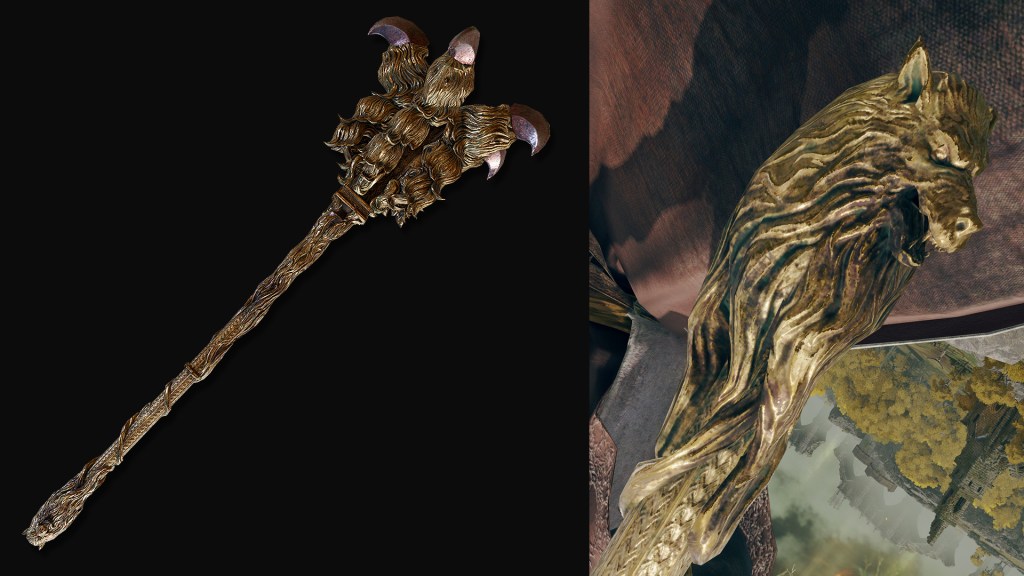
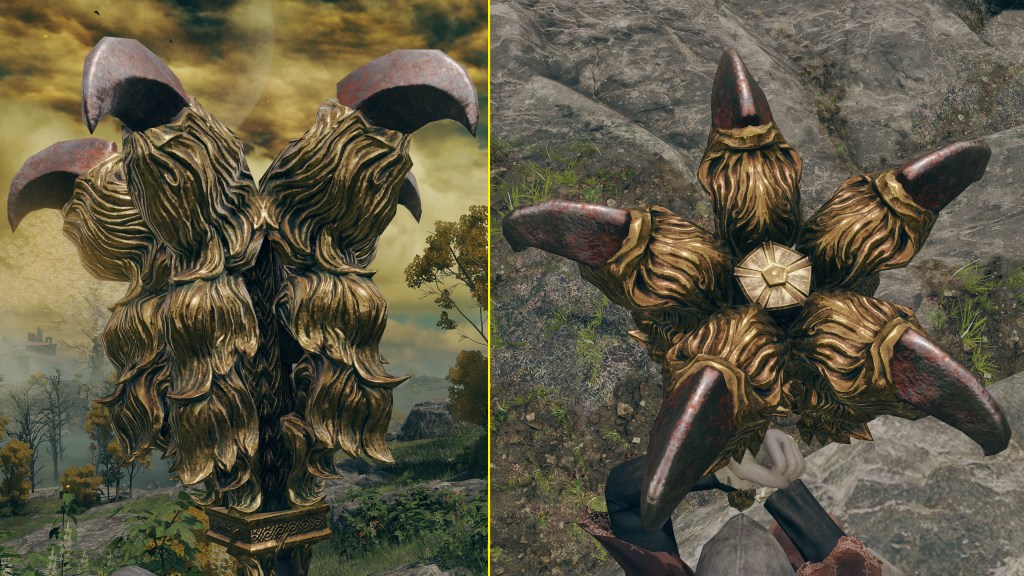
Great hammer with five beast claws on the pommel.
It is said that the black claws clad in a golden mane is the symbol of the Beast King Serosh, who later became King Godfrey’s chancellor.
Whether because of close relation or some other factor, both wolves and lions were granted the gift of intelligence through a fifth claw. Those who evolved sapience naturally found more in common with each other than their own kind, bringing together cats and dogs under one umbrella. Leading them came to be wise Serosh — the white wolf of their pack — but he wasn’t the impetus for their intelligence. Something else caused certain beasts to develop five fingers over others, setting them on the path to civilization. The idea that it was “bestowed” implies how it wasn’t a natural phenomenon either — rather, a deliberate will. The obvious suspect would be the Greater Will, who is explicitly credited for the gift of intelligence in an earlier iteration of the Cinquedea’s description. But even if the cosmos did wish for this, it was accomplished through proxies. After all, Metyr was first sent down in anticipation of communicating the Greater Will to sentient beings. Now that life was flourishing in the lands, it is only appropriate that the mother of fingers be the means of giving the chosen beasts additional digits.
Dagger granted to high-rank priests in Farum Azula.
Boost might of beast prayers.
It is modeled on five fingers, which are the symbol of the intelligence bestowed from the Greater Will.
If the Greater Will did use Metyr as an agent for change amongst the evolving life, then the formation of Farum Azula was probably by design. Just as the beasts came together due to shared intelligence, beasts and dragons would invariably congregate for similar reasons. Giving the beasts intellect therefore seems to have been intended to bring more races into the ancient dragons’ fold. And just as the beasts and dragons each crowned themselves a king, the new coalition would crown a king to rule them all. Placidusax’s remembrance reveals him to be Elden Lord of the prehistoric age in its description, making Farum Azula the kingdom of a former Order. The Greater Will had thereby been orchestrating the progression of civilization amongst fauna to establish the Elden Ring’s stewards. In this instance, the clear stronger of the two rulers would be the Lord, albeit the choice was likely left to another.
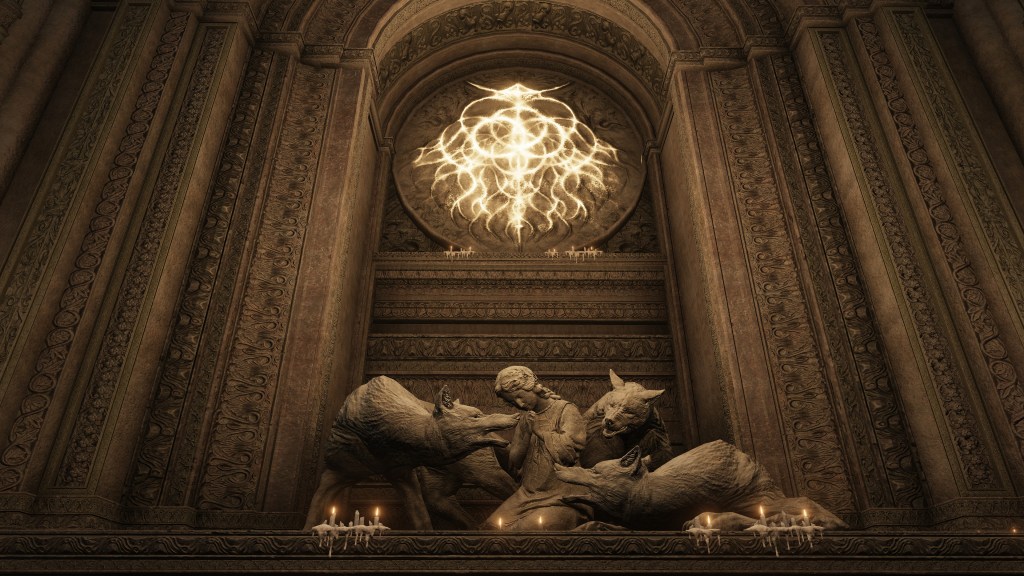
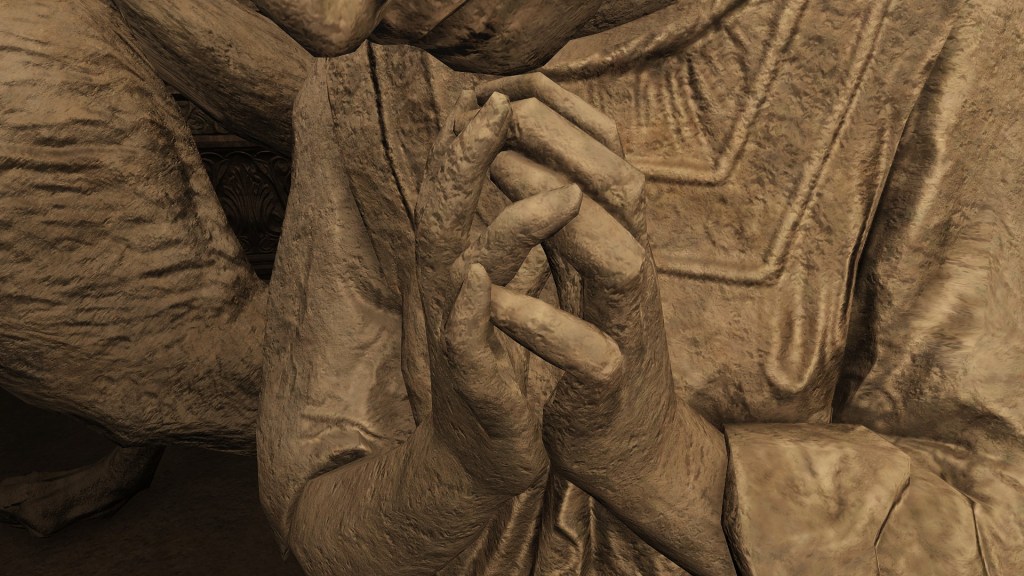
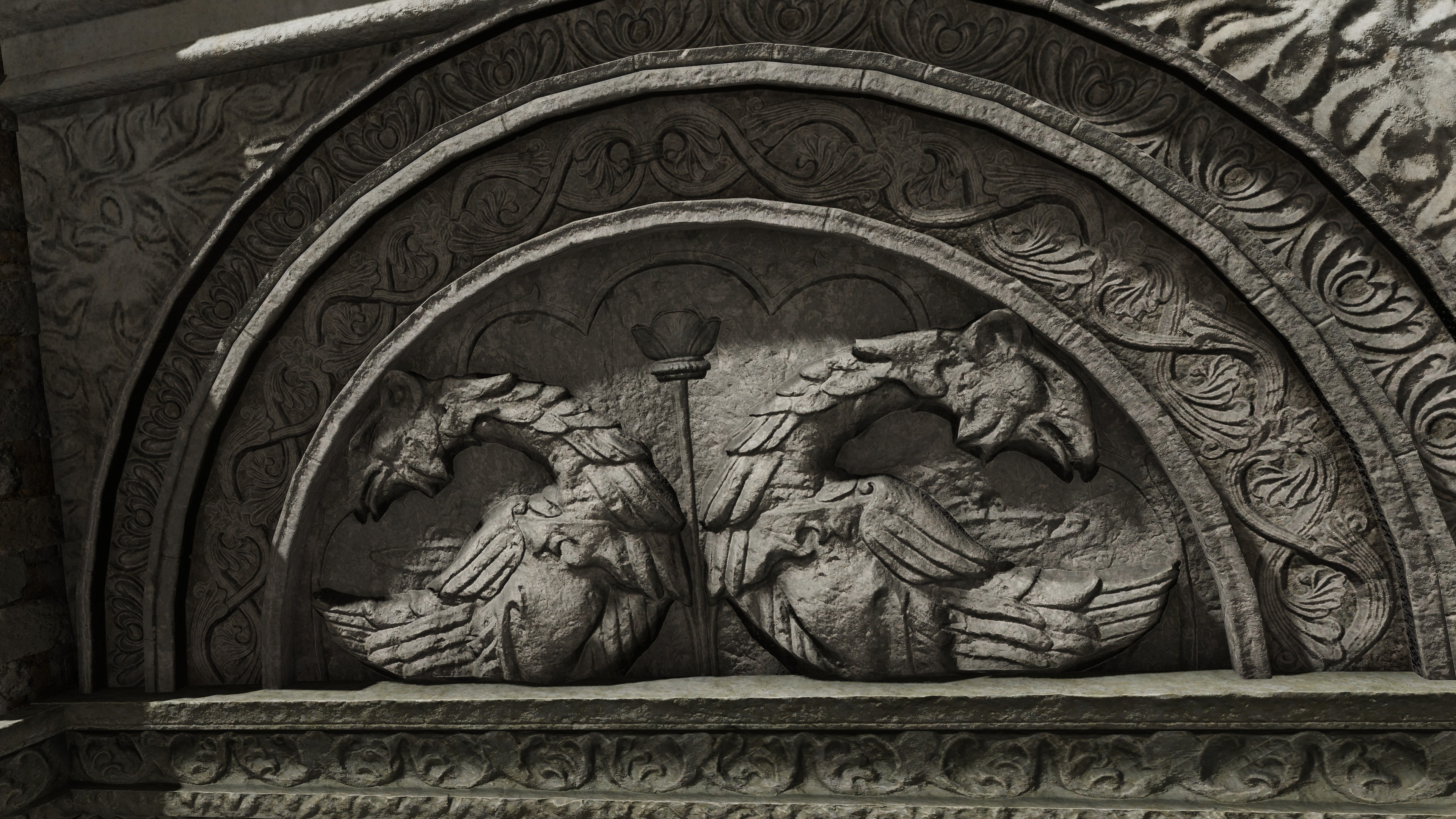
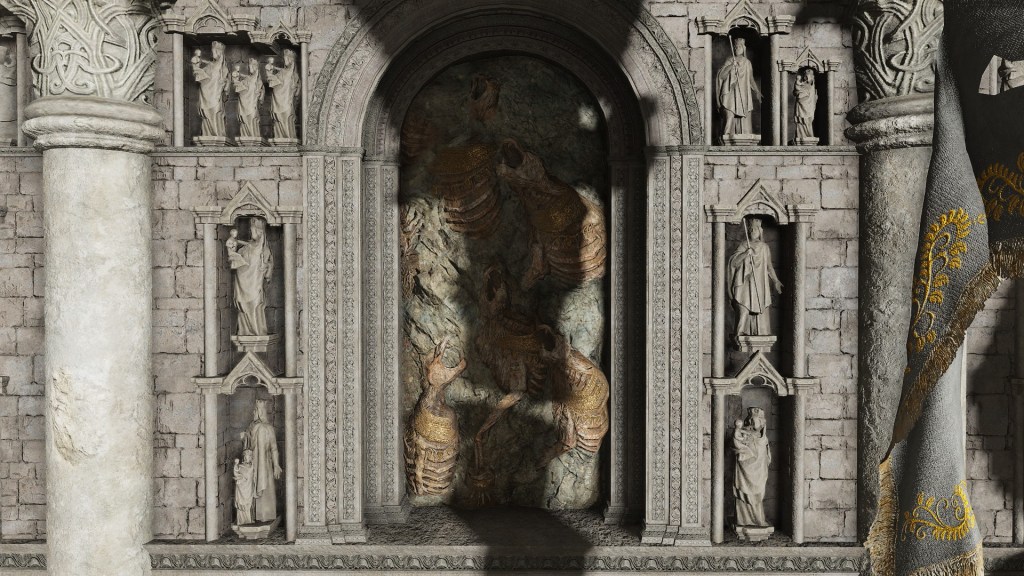
To be Elden Lord means to be consort to the Elden Ring’s god. Indeed, beneath the Ring depicted on the walls of Farum Azula’s grand temple sits a collection of statues: three wolves surrounding a woman knelt in prayer. The woman’s serene expression combined with the way the wolves bear her no fangs suggest that they are friends rather than foes, and her overall demeanor conveys a saintly figure. In that light, the wolves look curious, attentive, protective of her, even; what kind of holy woman would beasts look to for guidance in Farum Azula? The god of the Elden Ring, of course. She is the only figure who would be enshrined beneath the Runes’ image as its vessel. If Farum Azula had an Elden Lord as its king, then she was its sole and rightful queen, the justification for Placidusax’s claim over the Order. It was thanks to her appearance that beasts and dragons came together under one banner, acting as the heavenly mother to civilize them for the coming era.
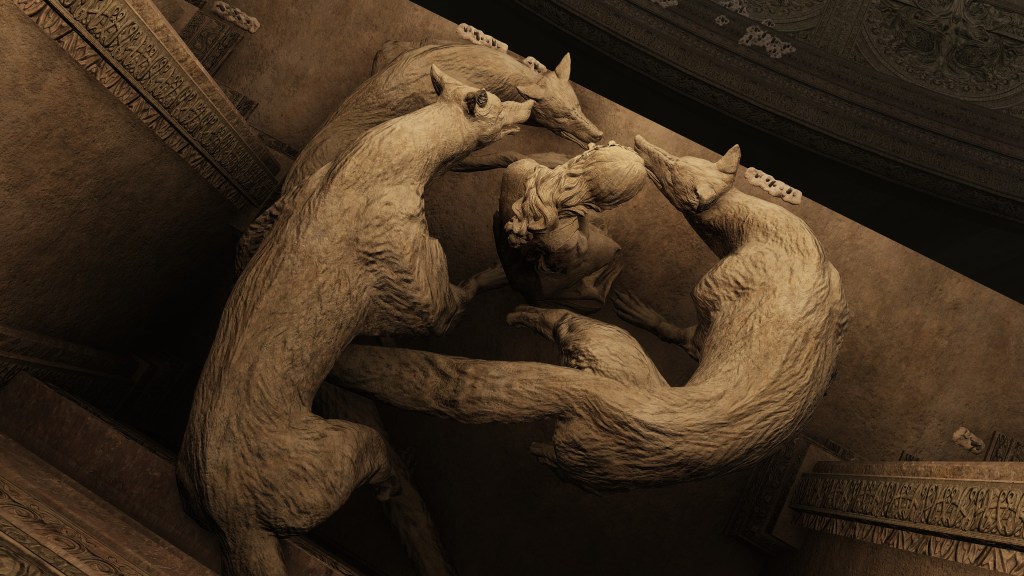
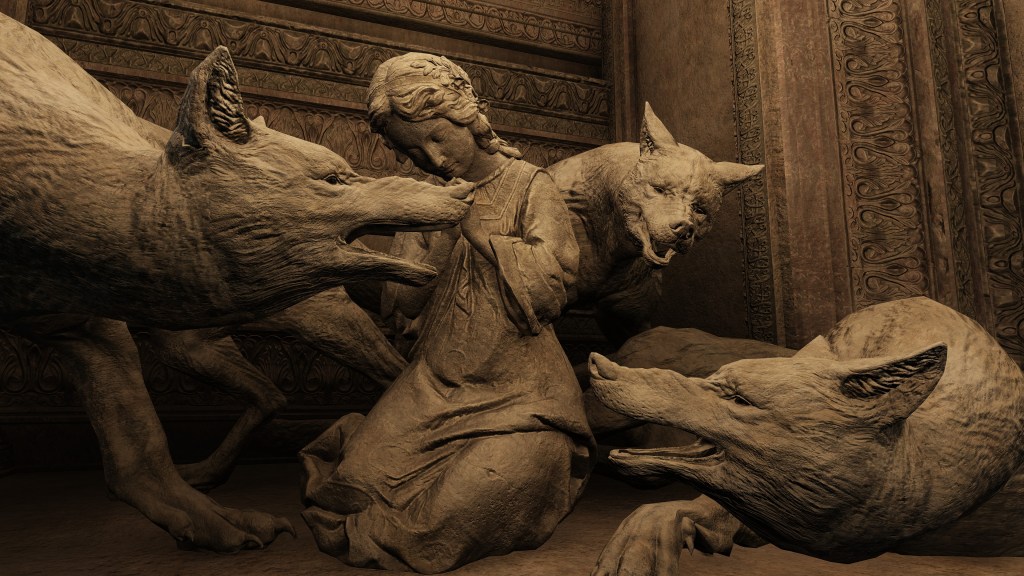
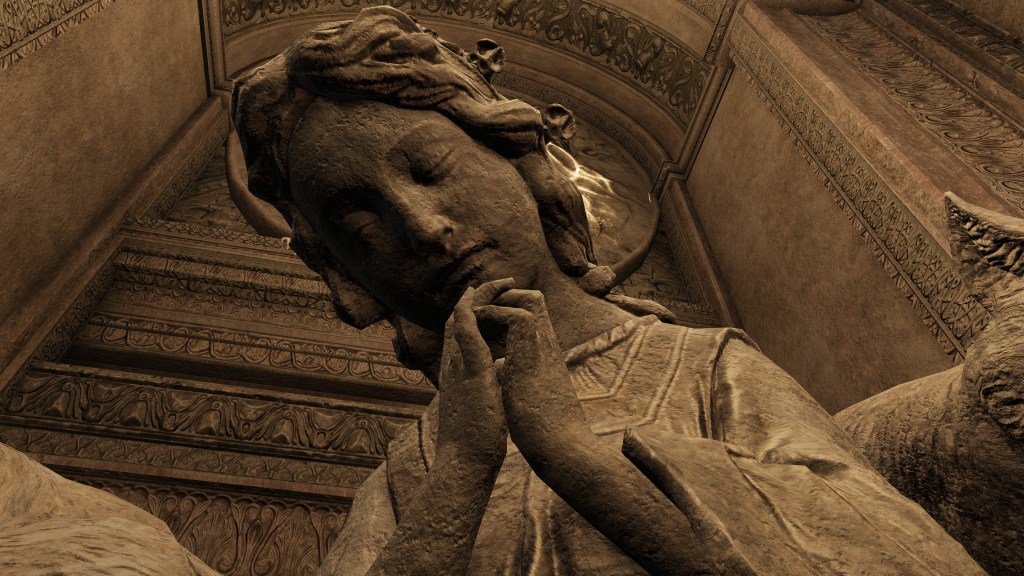
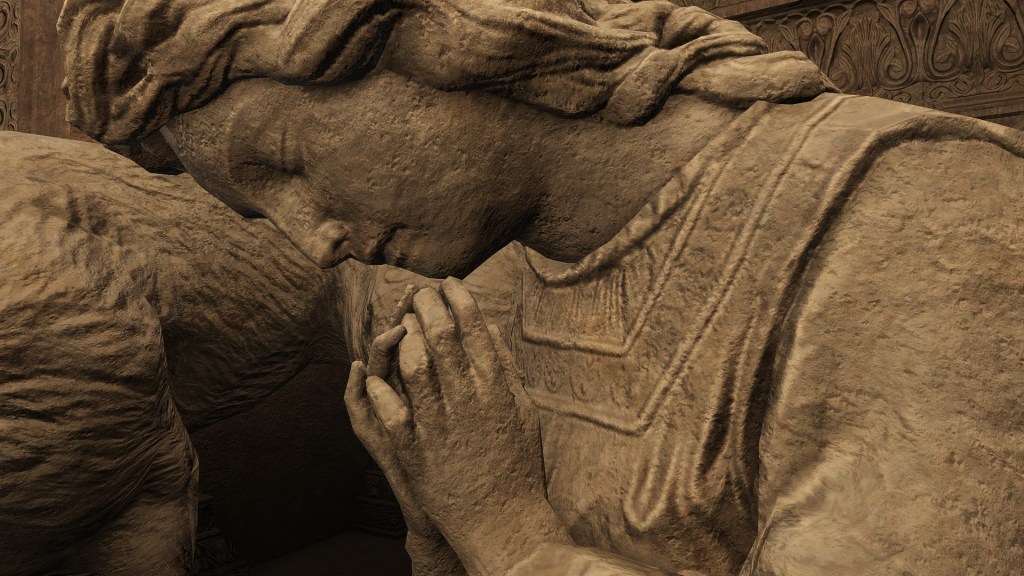
“Appearance” is the apt term, as she visited from afar. The god depicted is no beast, so must come from a tribe of human. And when considering how Queen Marika descends from the Numen tribe, it is possible that this earlier god-queen shares the same tribe. It would explain the oddities of Marika’s Hammer. According to its description, this stone tool wasn’t made in the Lands Between but the land of the Numen in another world. Evidently, the race brought the hammer with them when visiting this one. What makes this odd is that the hammer’s only function seems to be manipulating the Elden Ring, breaking or repairing the runes. The Ring’s threads of gold seem drawn to the stone hammerhead in the game’s announcement trailer, Radagon almost weaving with the way he pulls up thread with the tool before smashing it back down for the mend. Why create such a thing unless that was the goal? And if it was, then the Numen departing for this world with it probably betrays their reasons. In short, they touched down on the earth in order to take charge of the Elden Ring.
After settling down on the Lands Between, it was likely the Empyrean among the Numen who chose Placidusax as her consort, the Elden Lord to defend her godhood. His strength as the Dragon King was, of course, a key criteria to his selection, being the means by which she could impose Order upon their subjects. His incentive, in turn, should have been the promise of power unlocked solely through her. Ancient Dragon Smithing Stone is polished gravel stone belonging to Placidusax. Unlike the normal gravel scales, his are completely gold, granting them unique properties. Given the Dragonlord’s generally stony appearance, their existence isn’t immediately obvious. But even assuming that this only applies to a portion of his scales, like in the Dragon King’s Cragblade, it still speaks to him possessing significantly more gold than other dragons. Was this just the power he was born with, resulting in multiple heads, or something he acquired by associating with the Numen? Any more gold granted to Placidusax as Elden Lord may well have been expressed in his scales. If the ancient dragon wished to dominate, her power helped secure his place at the top.
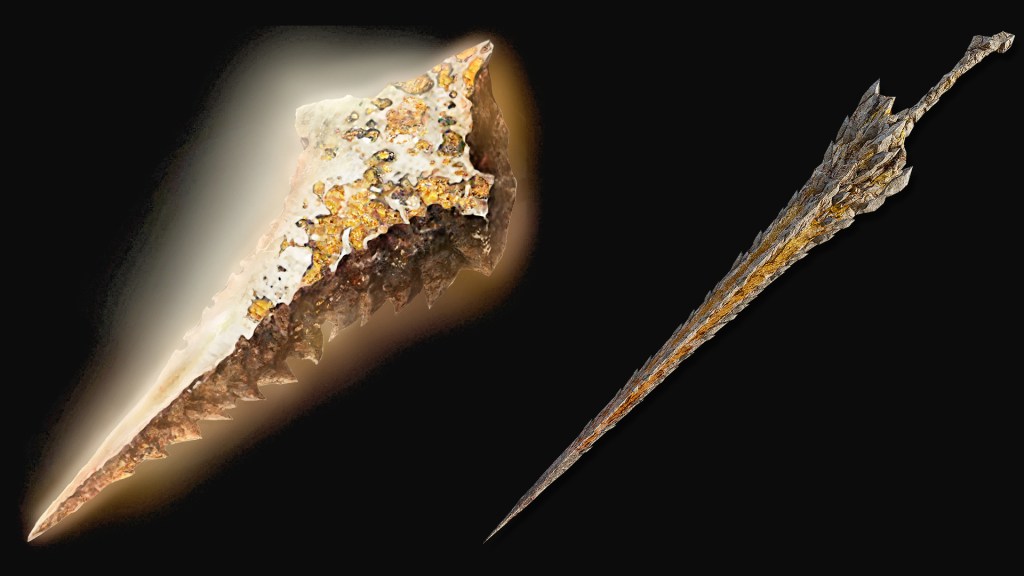
Smithing stone made by polishing golden gravel. It is the scale of the king of the ancient dragons and a hidden treasure of Farum Azula.
Can enhance weapons to +25.
It is said that the king of the ancient dragons sits between time. This stone also slightly warps time, and that is precisely why it forges godslayer weapons.
At the same time, their marriage might not have been so cynical. When the god later left him, Placidusax persists with waiting for her return to this day. That reaction suggests a deeper relationship than partners of convenience, at least on his end. It is possible that the dragon was legitimately attracted to the goddess beyond that. The Numen was wildly different from him and, in many ways, weaker, yet that exoticness is what would make her so fascinating. It is easy to see how a creature of stone might be charmed by a wingless, hairless being with the wisdom of another world. Personal feelings aside, it was still logical to join hands with the one to be god, so a more loving bond may have developed as a consequence of the two’s time together. Whether or not the god in question ever reciprocated, she was still the chosen host of the Elden Ring and needed the supreme creature on earth to secure the path ahead for her Order.
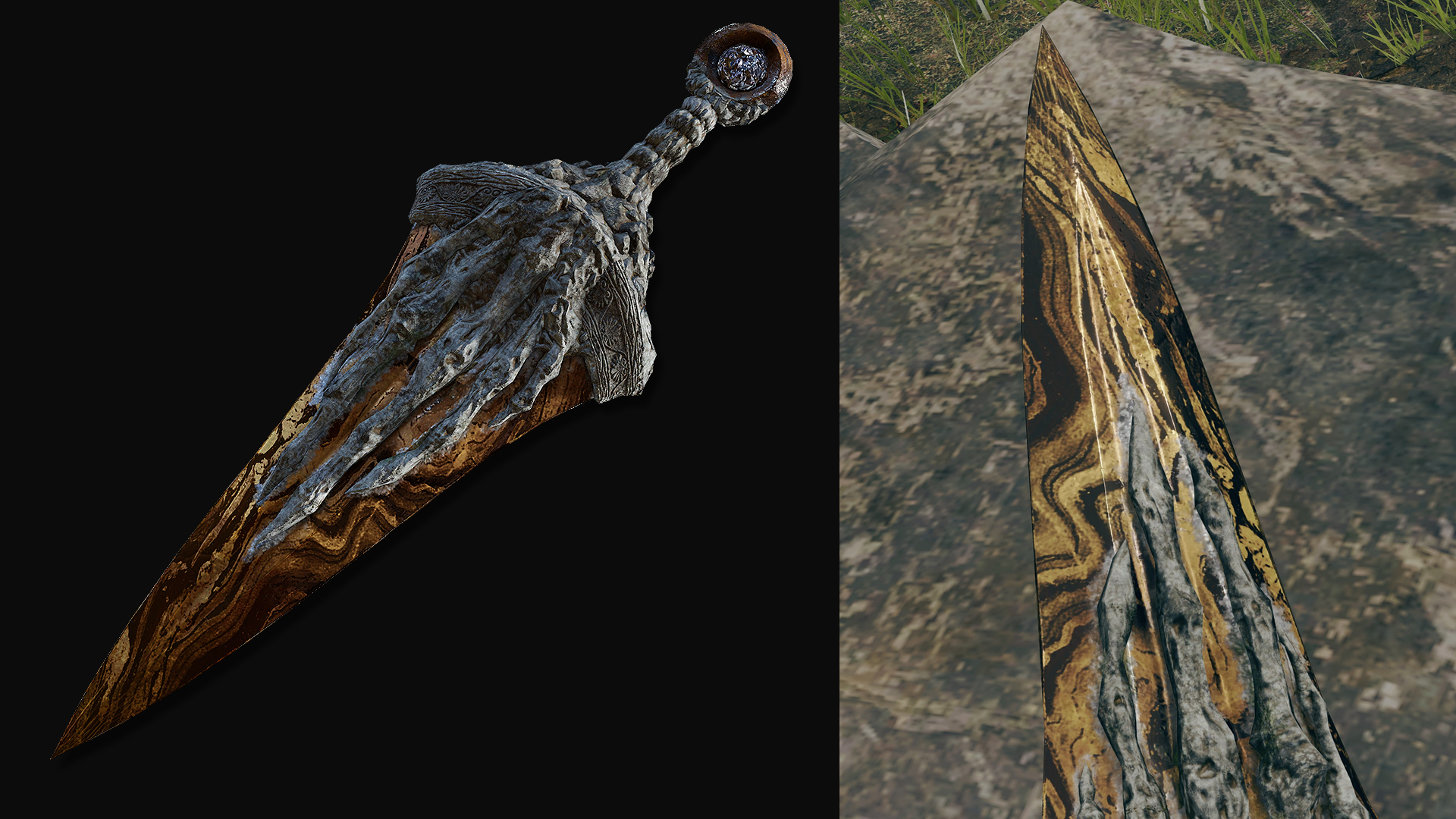
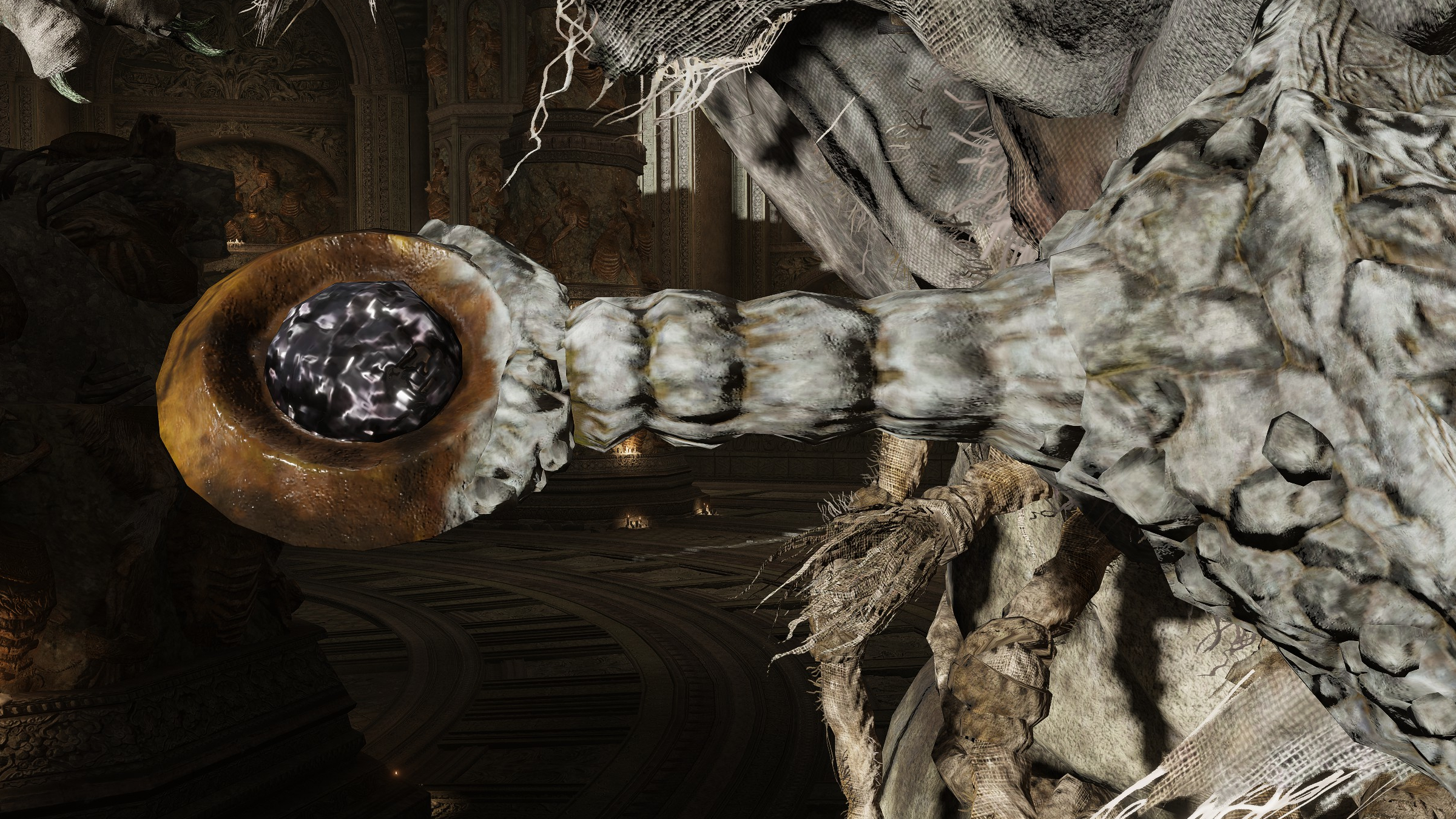
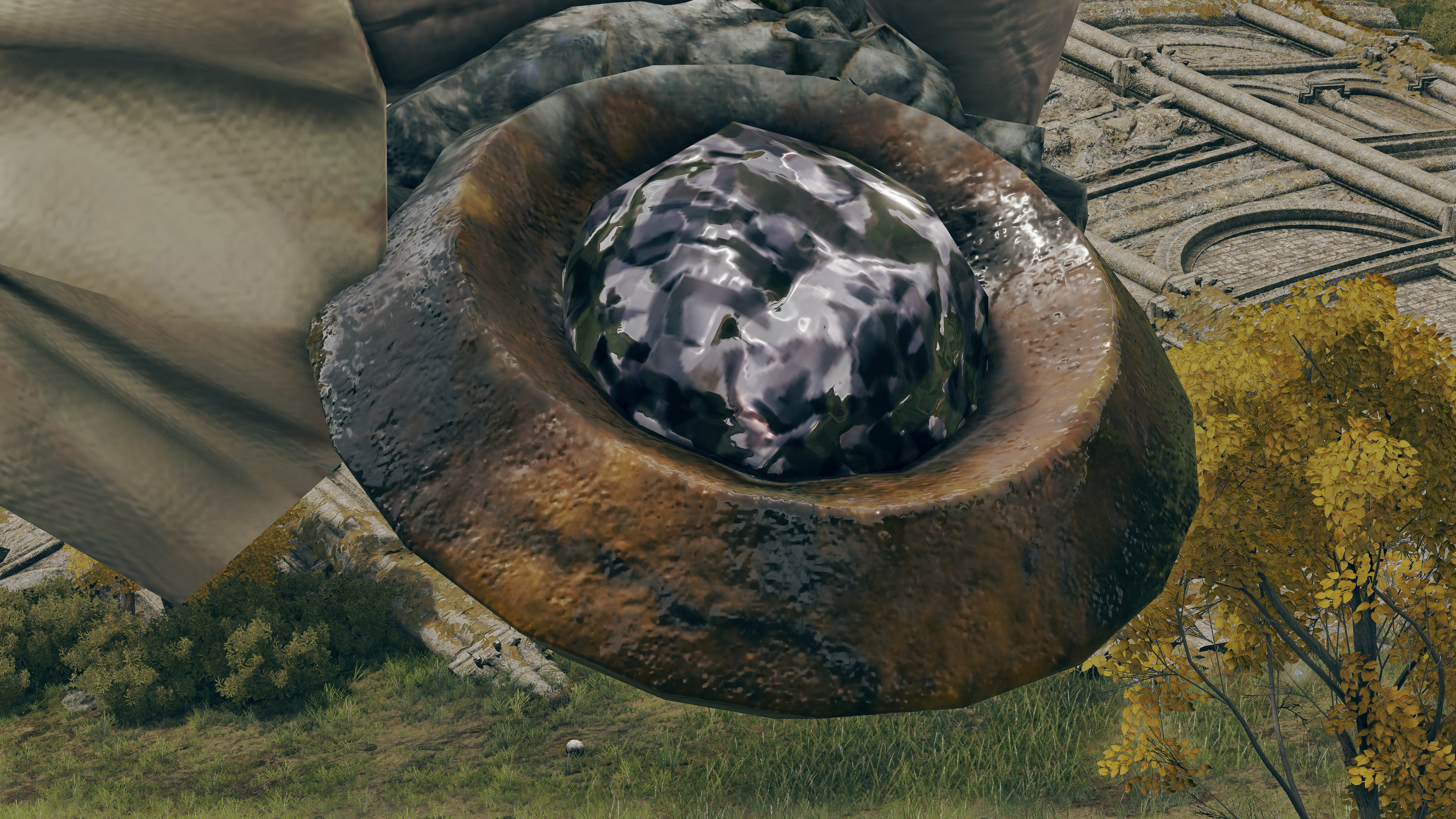
To be sure, with their union, the entire collection of races, man and beast, formed a nation. Based on the statues, the exact sequence of events involve the Numen aligning themselves with the ancient dragons, the largest and strongest of the fauna, and then leveraging divinity to attract the rest. Farum Azula’s beast priests receive the Cinquedea upon achieving high rank, the dagger proving both their enlightened sentience and skill with incantations. Its boost to their prayers especially seems due to the blade clawed at by the “five fingers” — living up to its Italian name — on the gold-speckled stone hilt, which is also colored gold but with an iridescent sheen like certain aged minerals. This includes meteoric glass, and the pommel just so happens to have the unpolished glass at the center of a golden ring. In other words, the rock may well be taken from the Elden Ring’s crash site. Perhaps then it was the clergy’s god who first revealed the connection between the golden shooting star and intelligent life on earth, her earliest worshipers becoming the leading priests fashioning daggers to spread the truth to other beastmen.
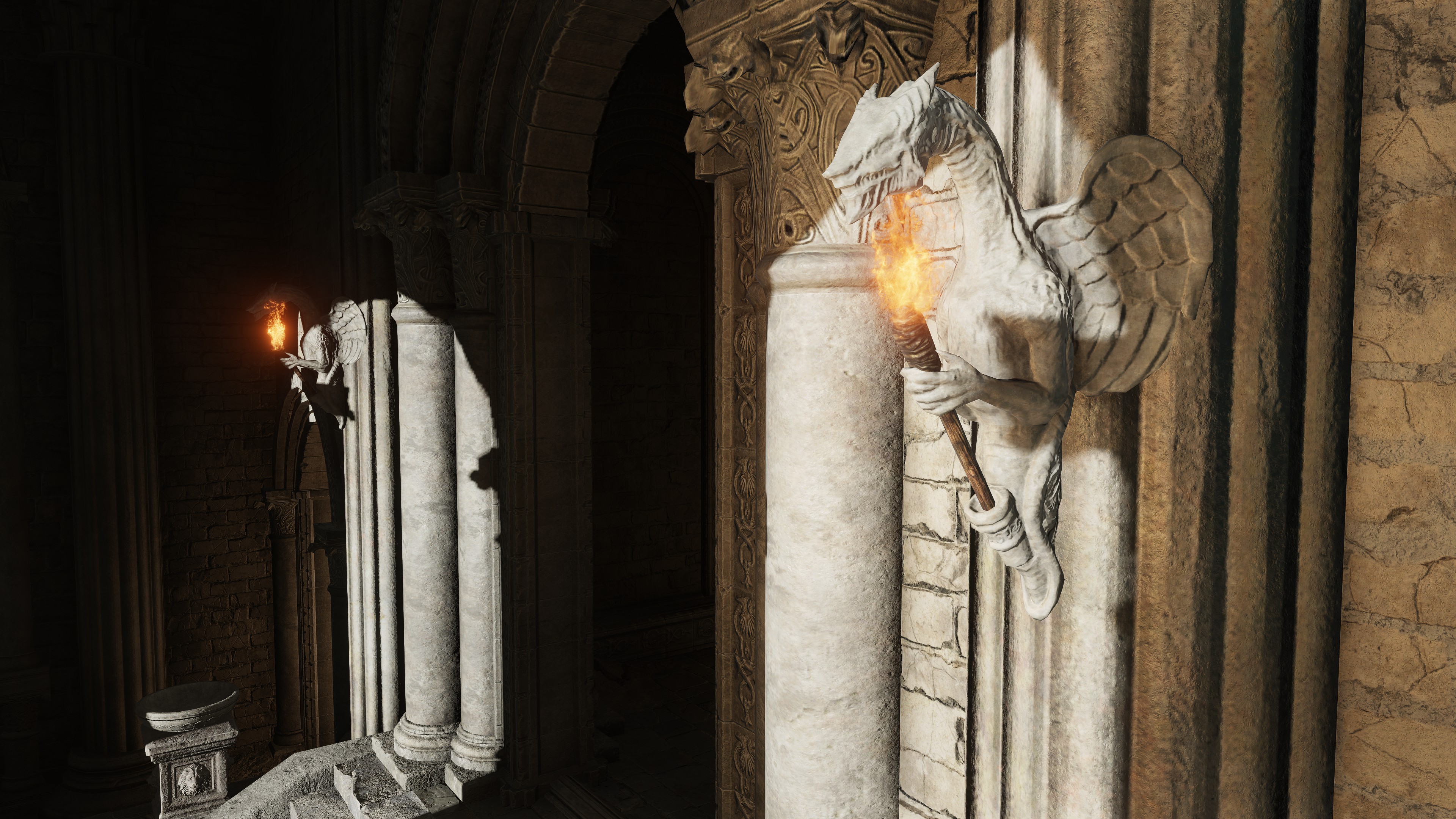
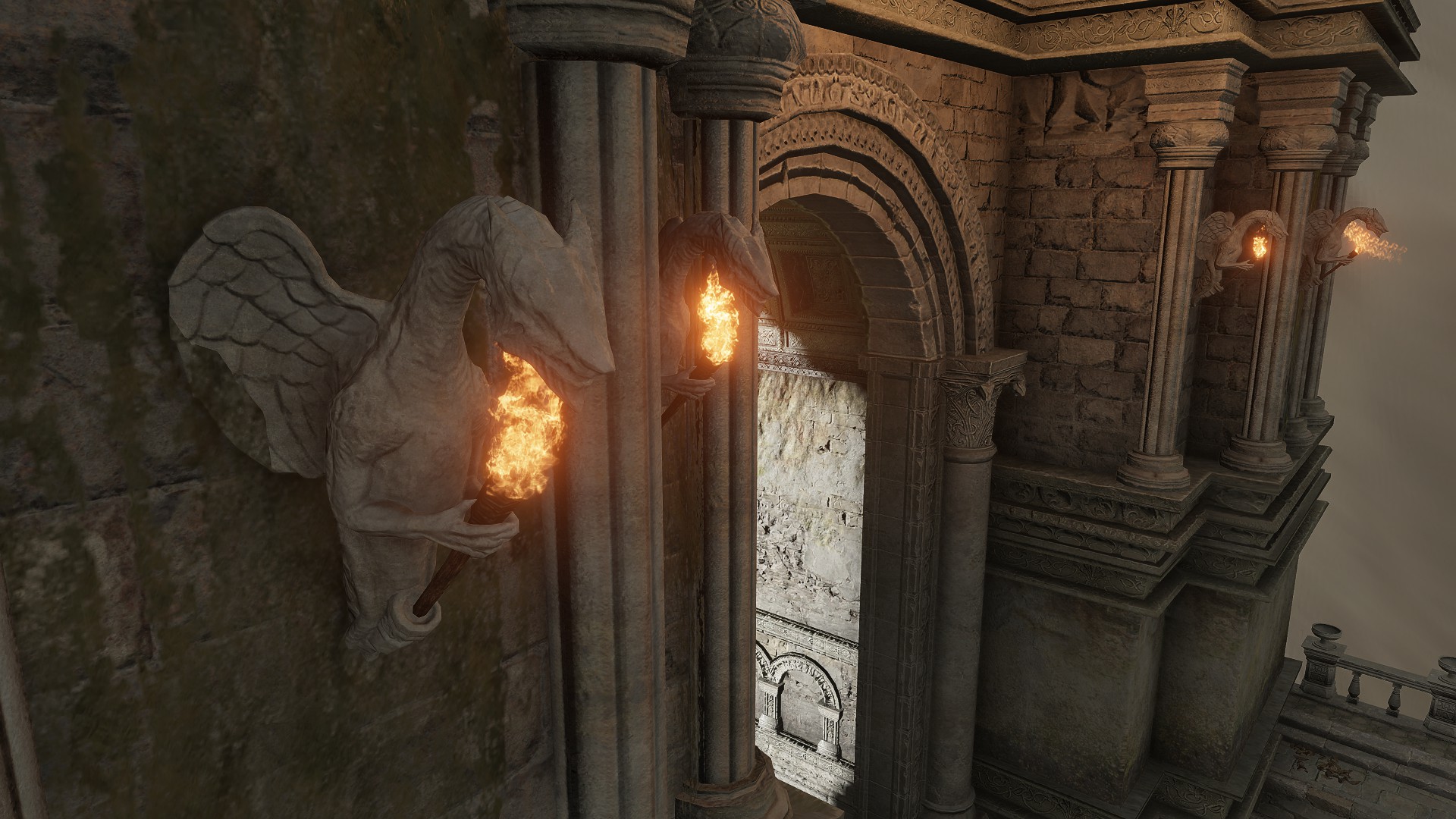
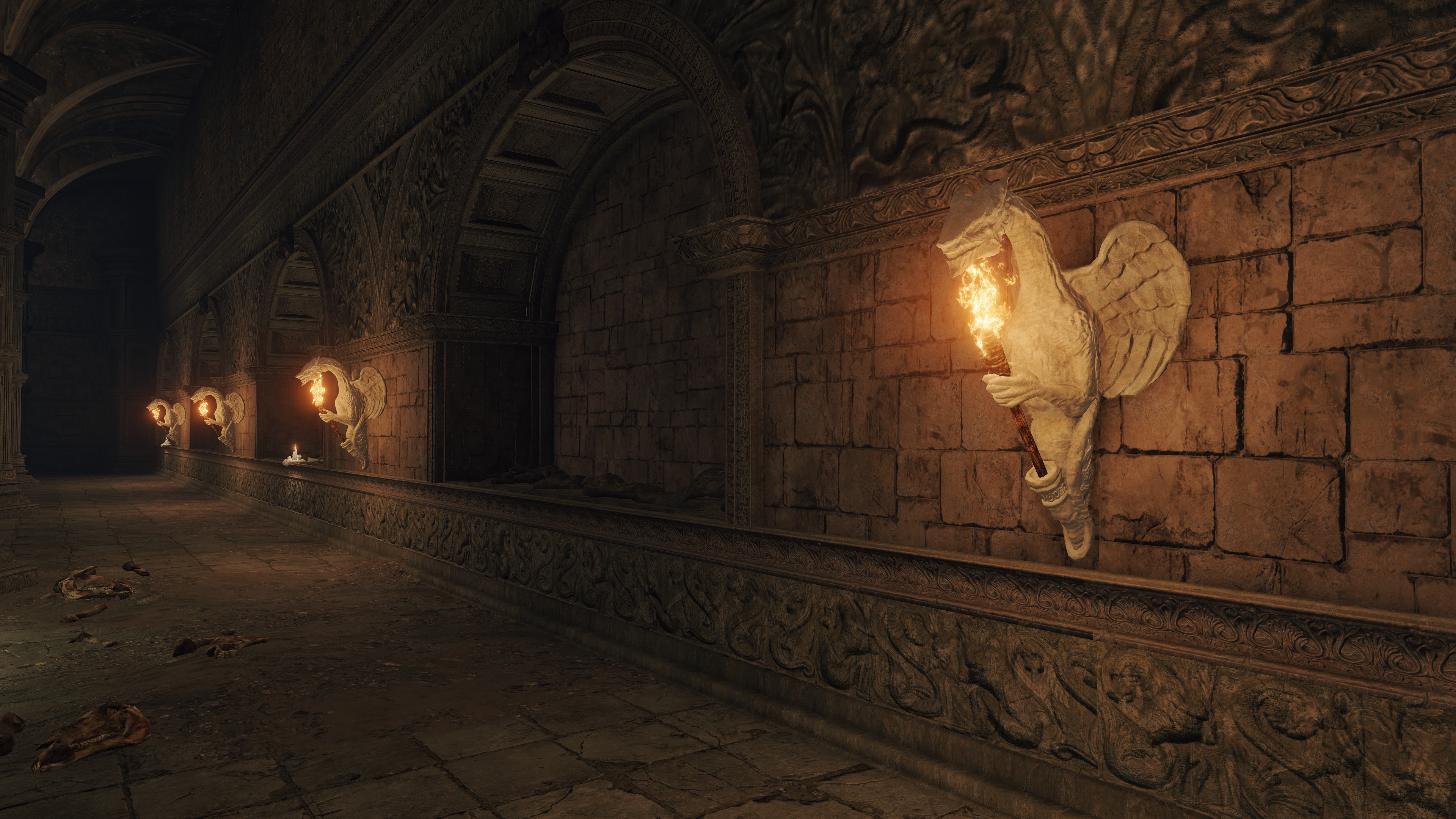
The Numen were effectively aliens from the stars, far more advanced than the beasts still ambling through the Stone Age. The goddess and her people were thus the perfect guiding lights to fast-track their evolution of civilization. And alongside their wisdom came the strength of boulders. Wall torches in the shape of ancient dragons depict them with angelic wings instead of the strips of stone replacing feathers. Angels are divine messengers, “servants of heaven” (天使) expressing the will of God. And in this case, the race which acted as the intermediary between god and man, or beastman, were kin of god’s consort. They awed lesser beasts with their might and inspired them with their humility. Through dragons, every intelligent beast came to revere the god of the Numen. And with Serosh as their own king, they were ready to work with Placidusax to reach new heights.
Our Memory Will Endure
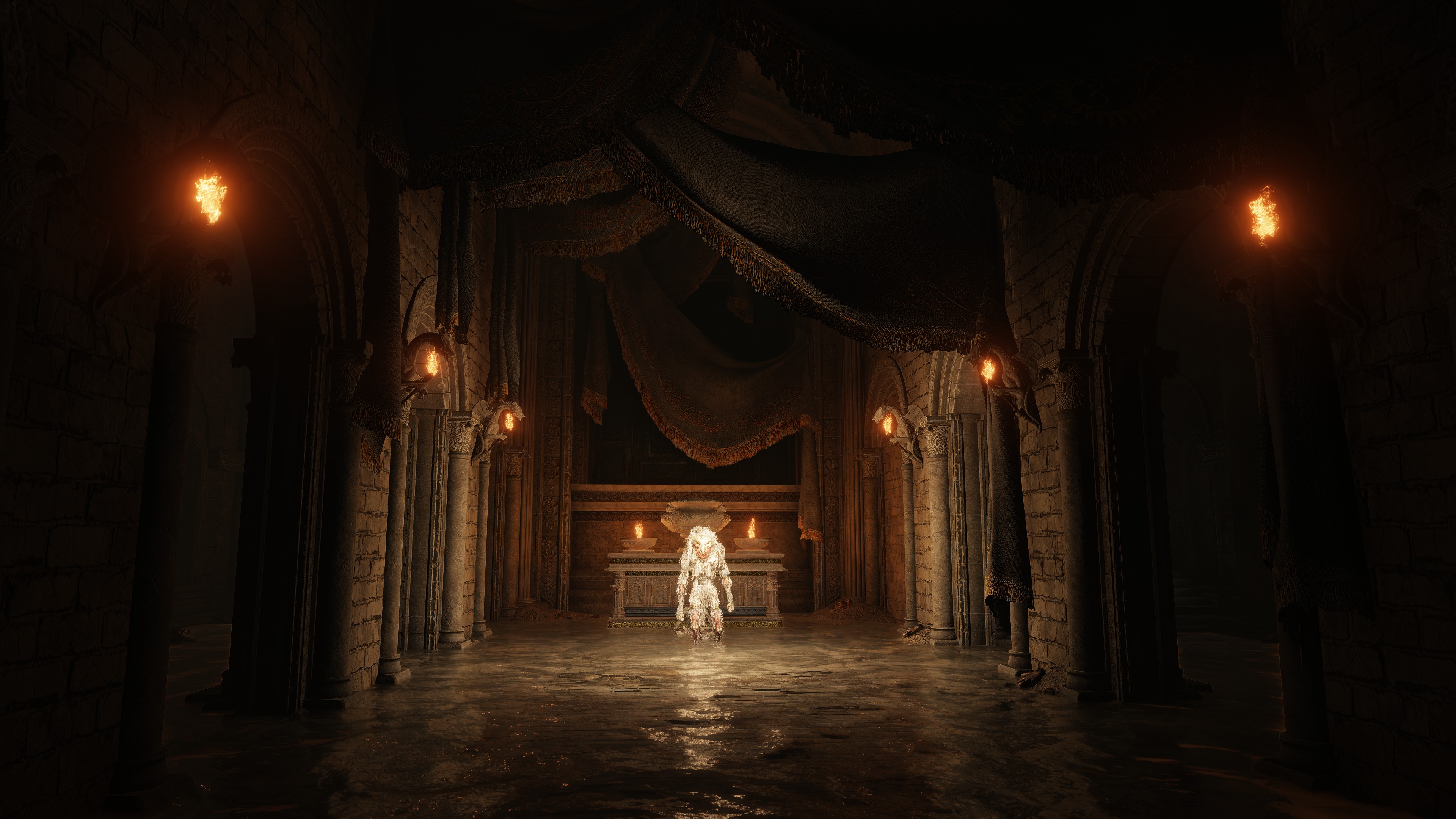
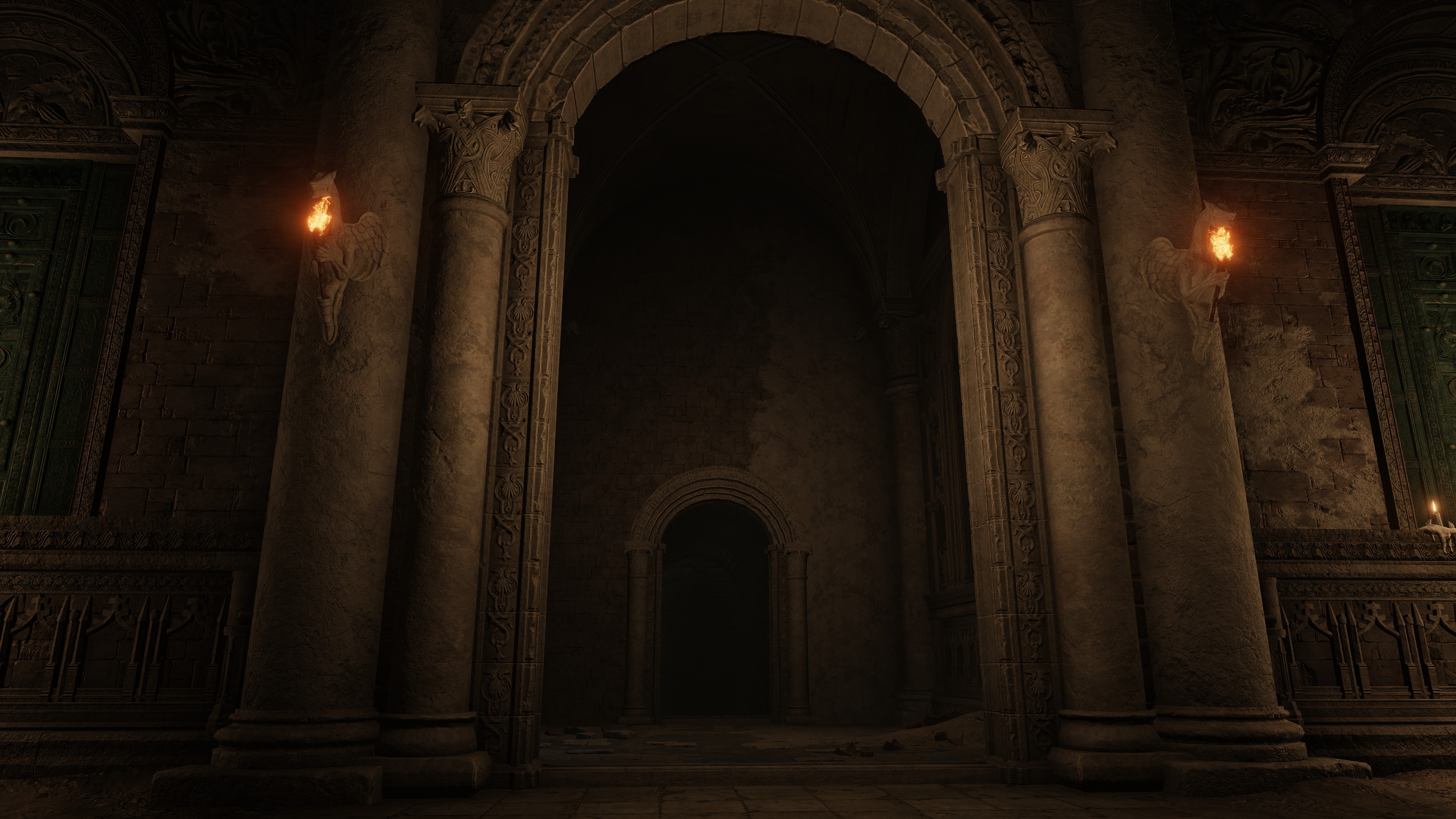
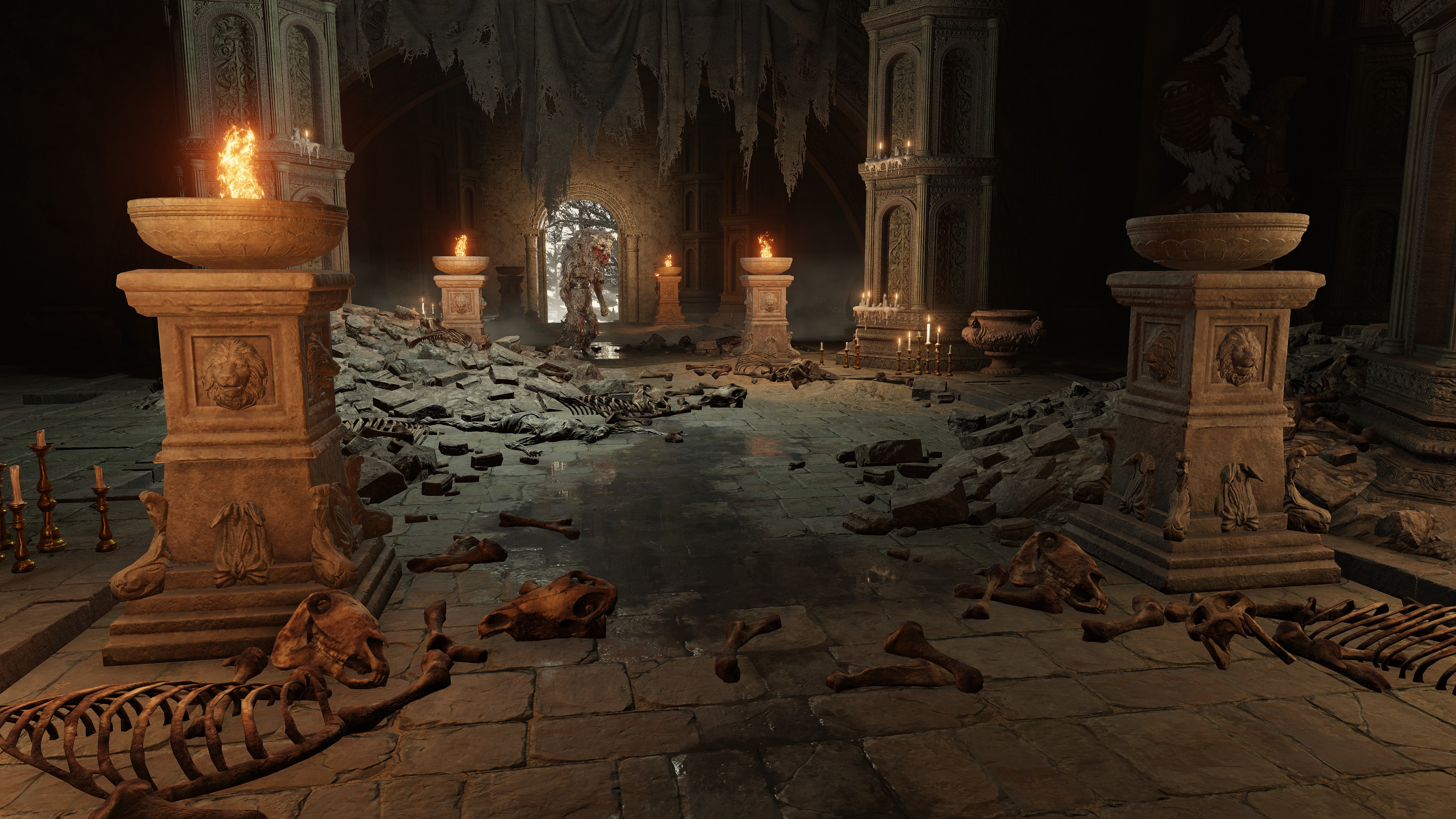
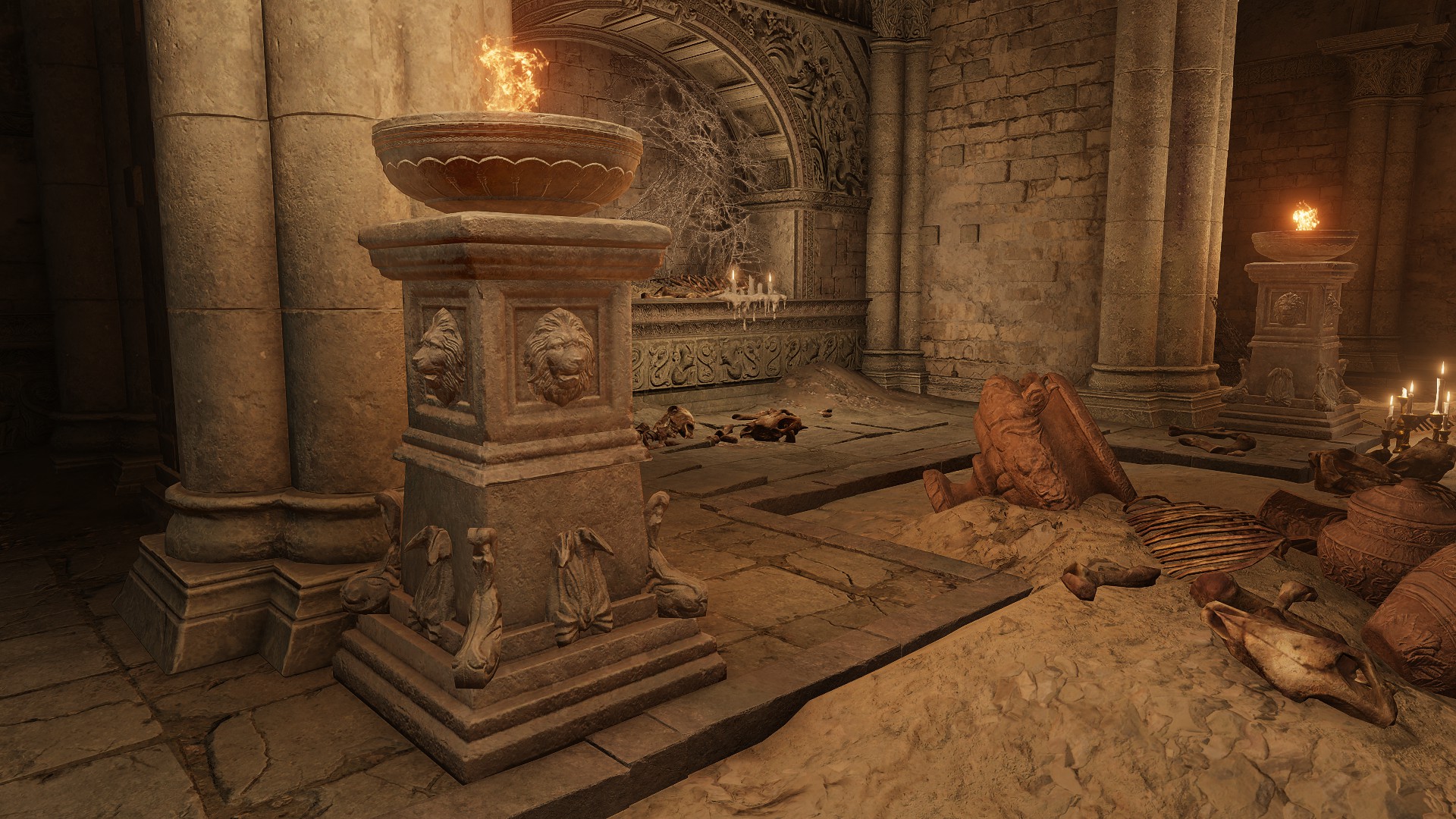
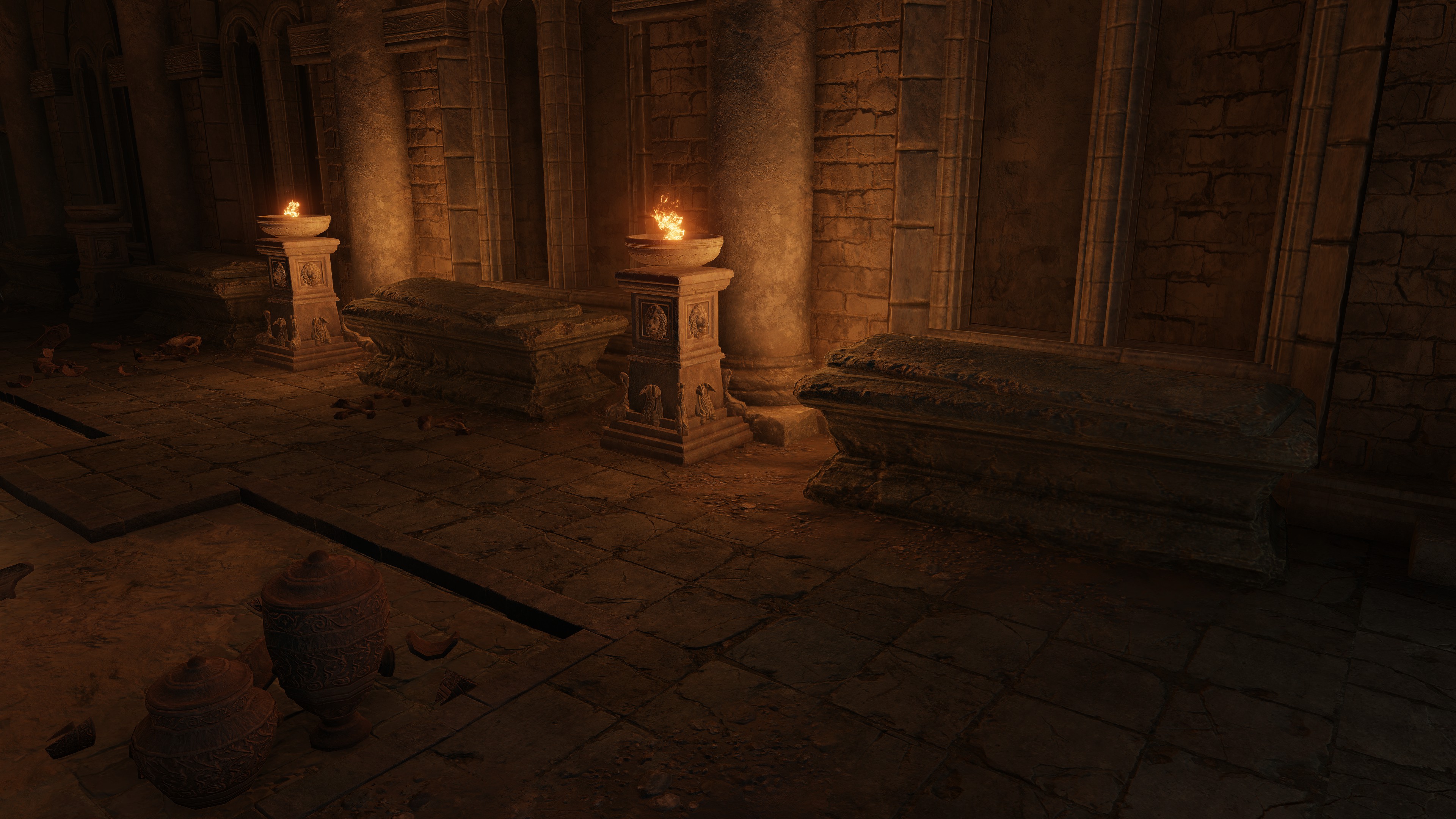
It was after becoming Elden Lord that Farum Azula was finally constructed for Placidusax. From their behavior, dragons have no use for housing. Still, the Old Lord’s Talisman affirms how the capital belongs to the Dragon King, insinuating that it followed his ascension. Moreover, from the enemies we encounter and the scale of the facilities, the stone buildings primarily served beastmen. Much of the city’s decorative icons are faunal in nature, including braziers with clear-cut lion iconography — King Serosh perfect to represent beasts. Therefore, the Stone Age beasts probably built the city in honor of the Elden Lord and his queen as their faithful subjects. While impressive in scope, such a project should have been well within their capabilities, especially if they gradually built up the infrastructure over the generations. As witness for ourselves, the majority of Farum Azula is dedicated to burial, making it as much a giant mausoleum as a capital city. None of that is required for a brand new kingdom, so the city likely started small and grew as both the culture developed and more dead needed to be buried.
Talisman modeled on the old king said to sit at the heart of the storm, between time. One of the “legendary talismans”.
Extends sorcery and prayer effect duration.
It is said that Farum Azula, the old king’s capital, has been slowly crumbling apart since long ago.
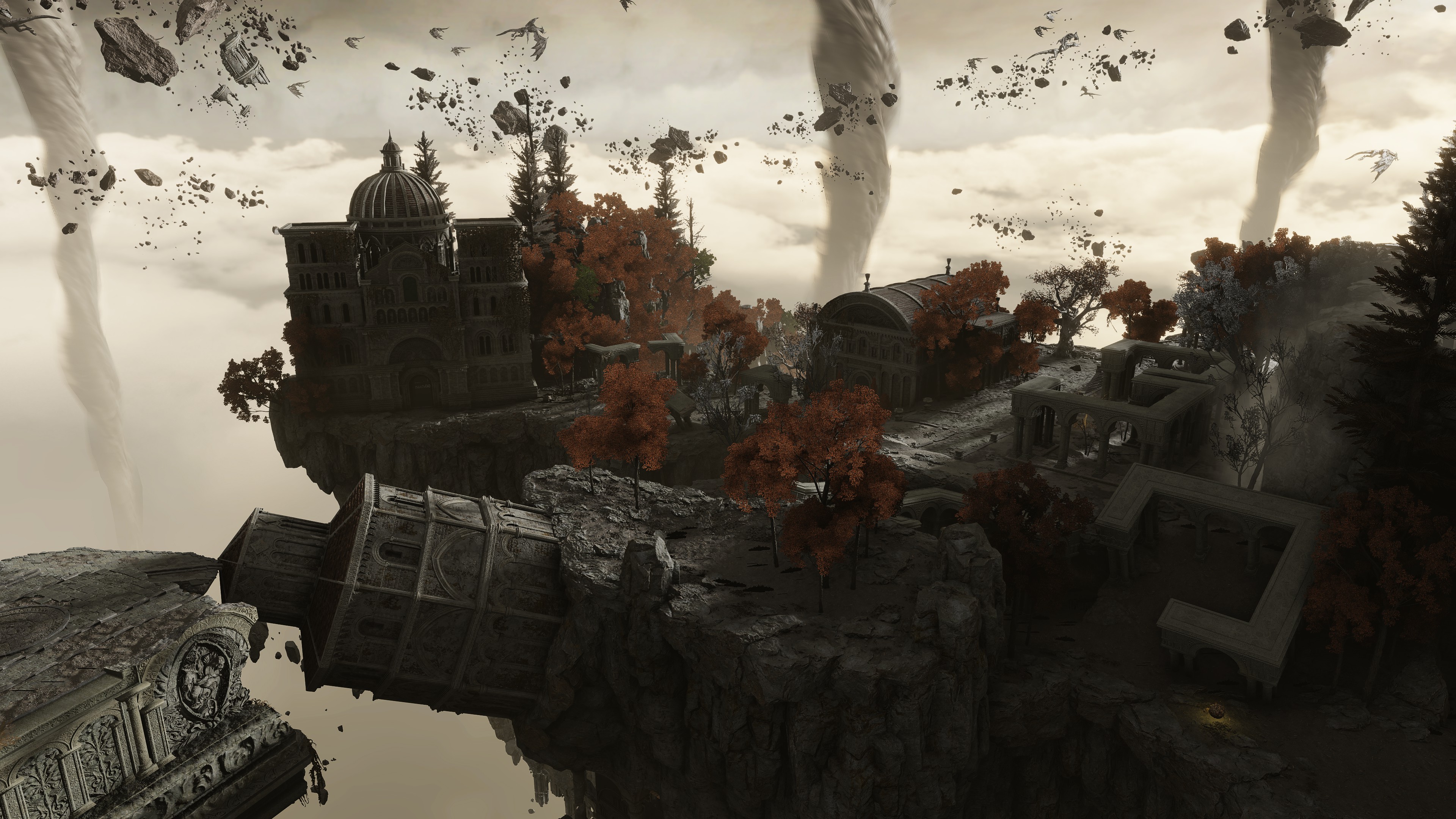
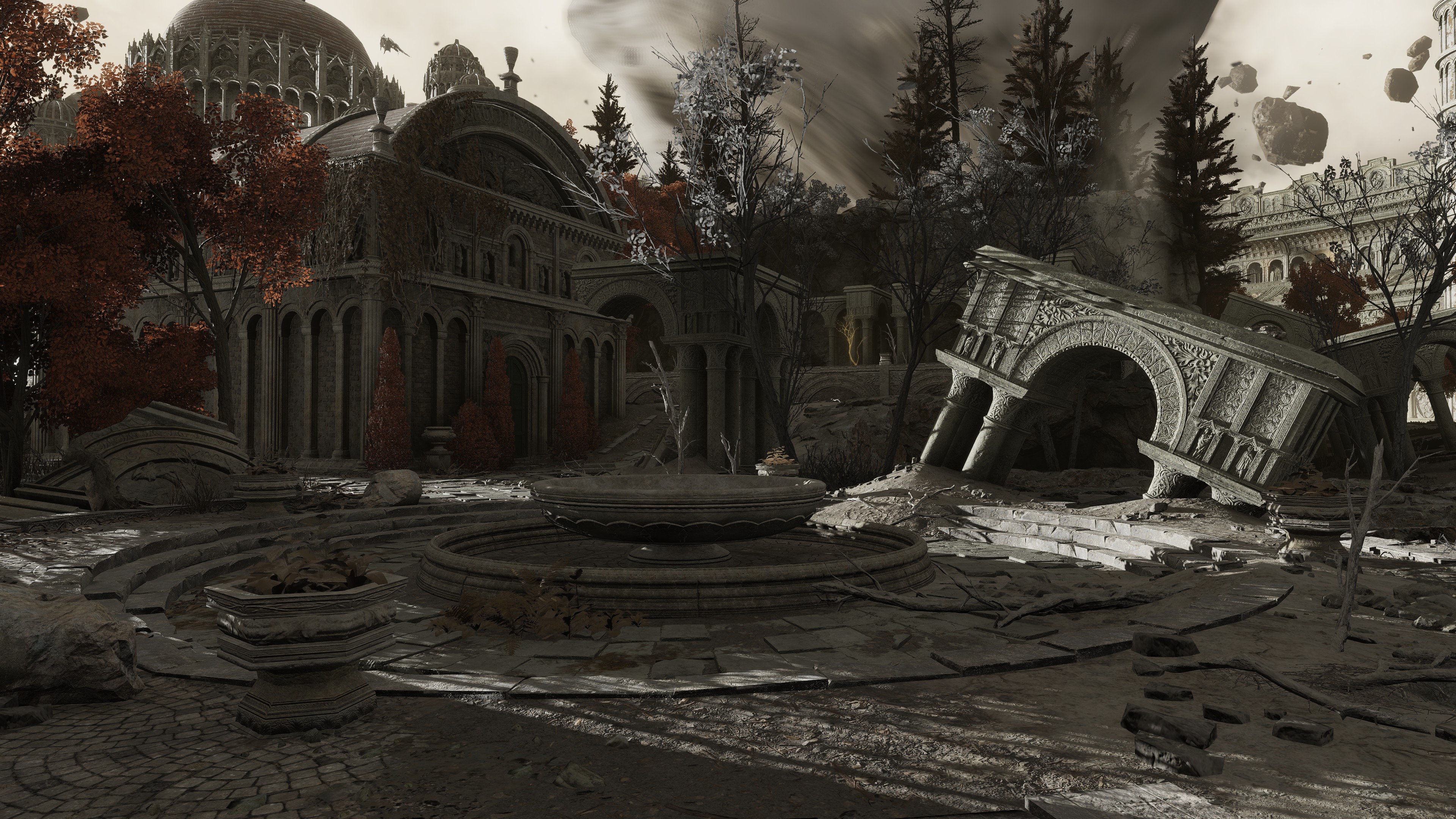
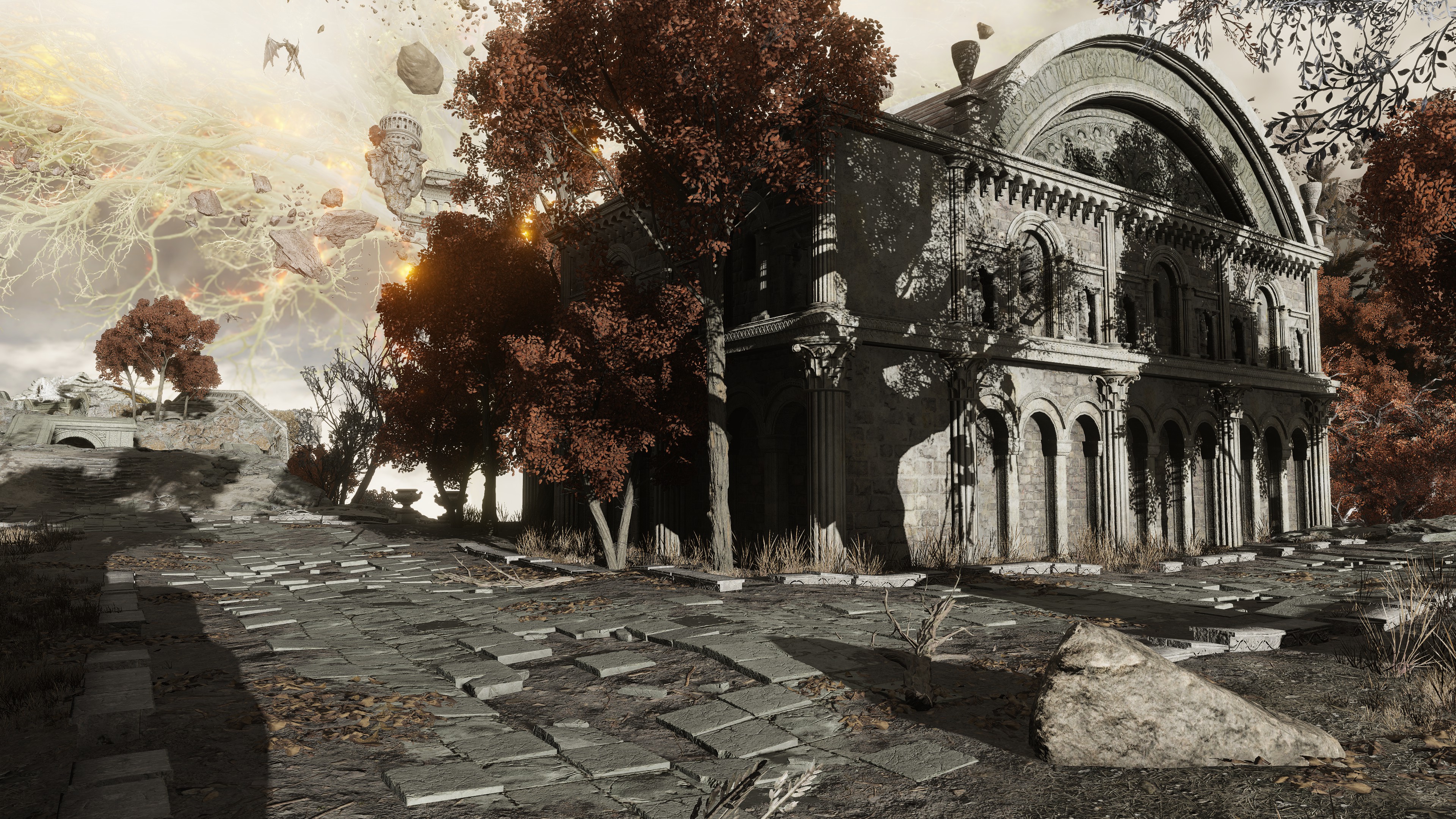
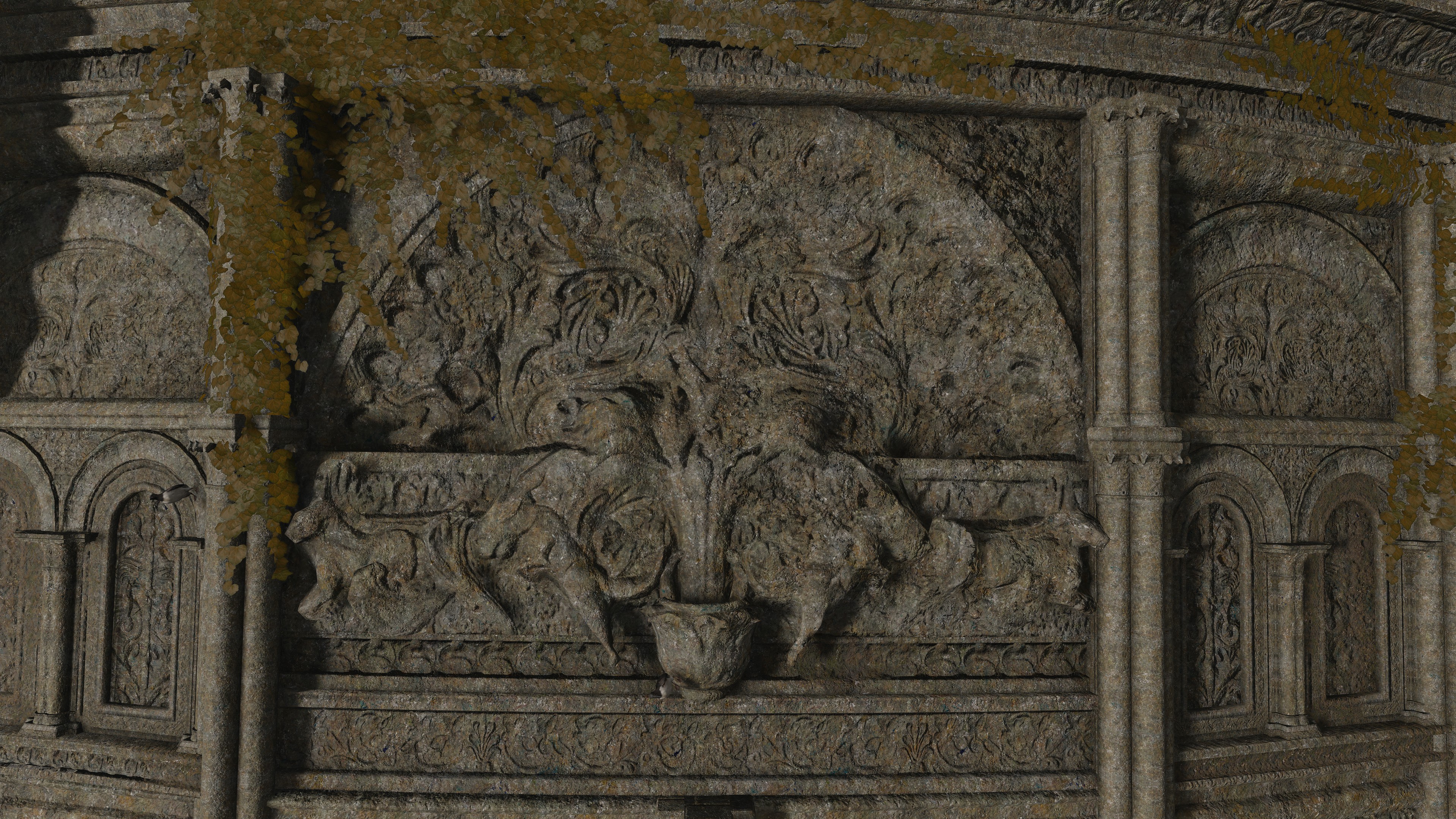
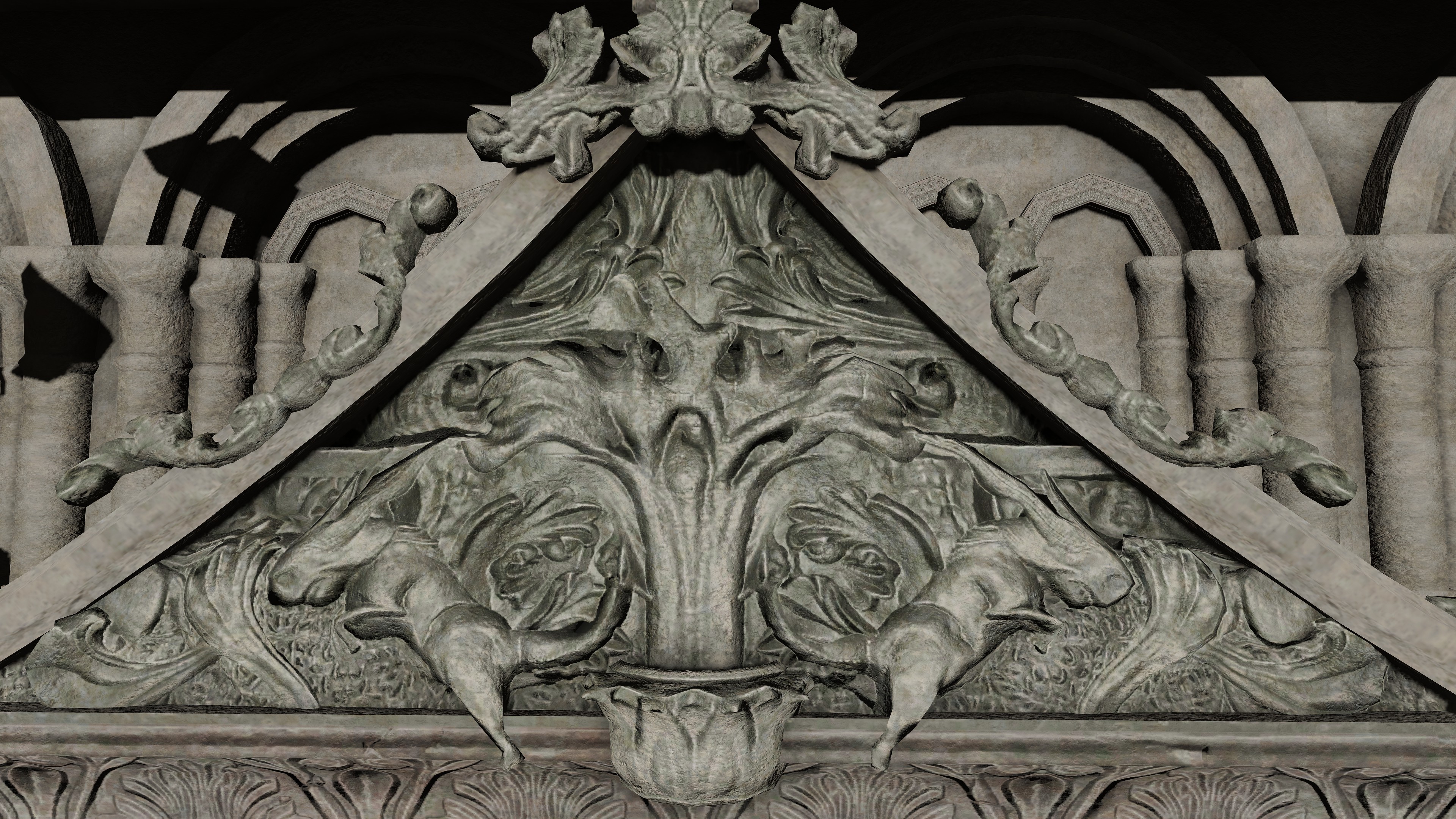
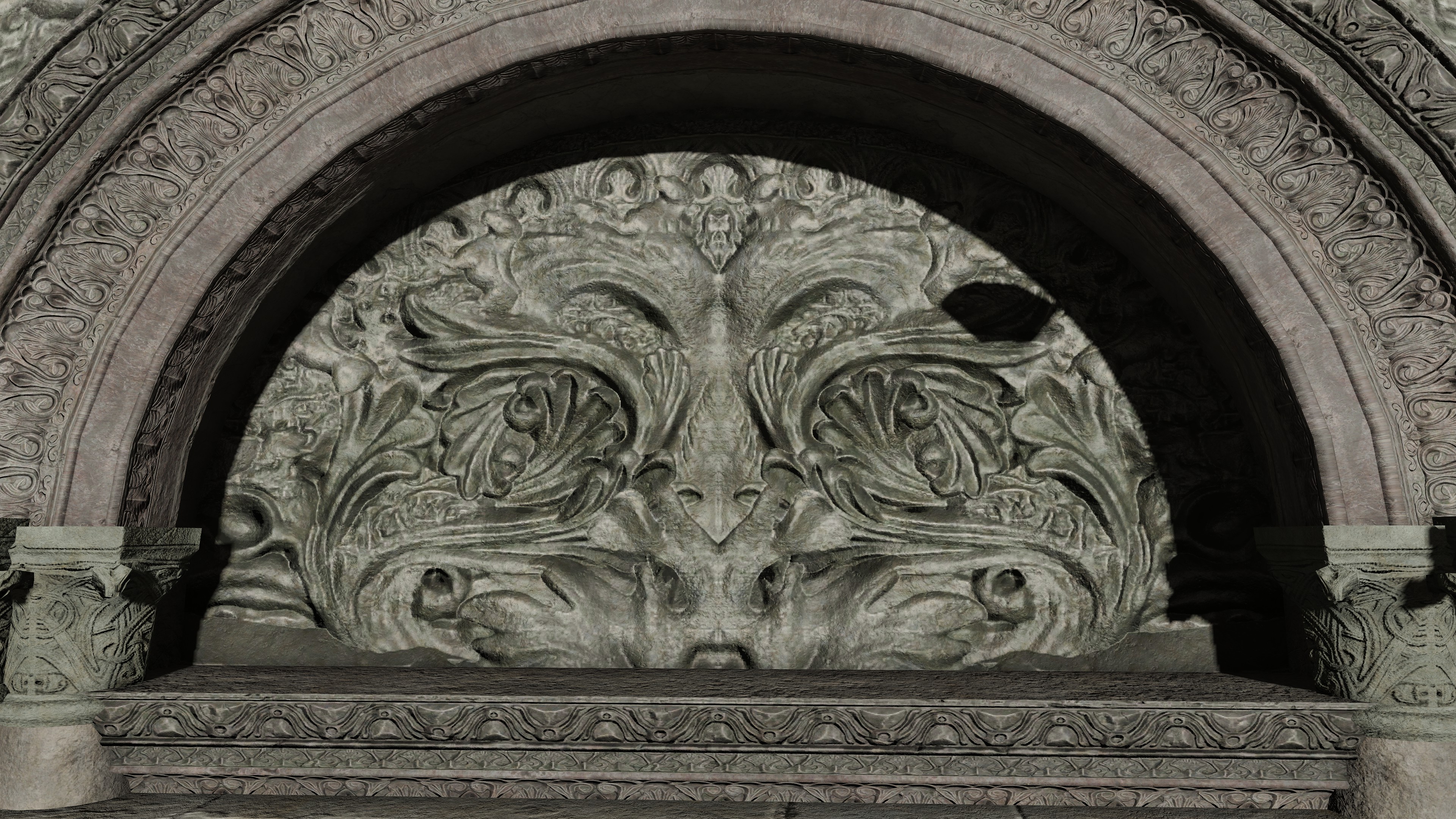
Some of the first facilities beyond residential were houses of worship. During our journey, we can loot small fragments of a ruined temple from the sky, the Farum architecture leaving no room to doubt the ruins’ origin. Although the localization claims that the “ruin stones” (遺跡石) already glow with light, the original description clarifies that it is just the potential with their properties, with no sign of actual light from the menu graphic. Even so, the stones do contain latent power — with simple processing, we can craft the fragments into rainbow stones, glowing one of the seven colors. It is the “temple stones” (神殿石) which actually glow from the start, possessing so much more light within them. This makes them especially conducive to blessings and so suggests that underlying both stones is a weak kind of holy power. We already see the Elden Ring’s image engraved into a Farum temple with glowing light, similar defined lines present in the sanctuary stone’s menu graphic. The greatsword derived from these ruins likes even shows gold engravings. Comparable carvings of light must have been made in this other temple.
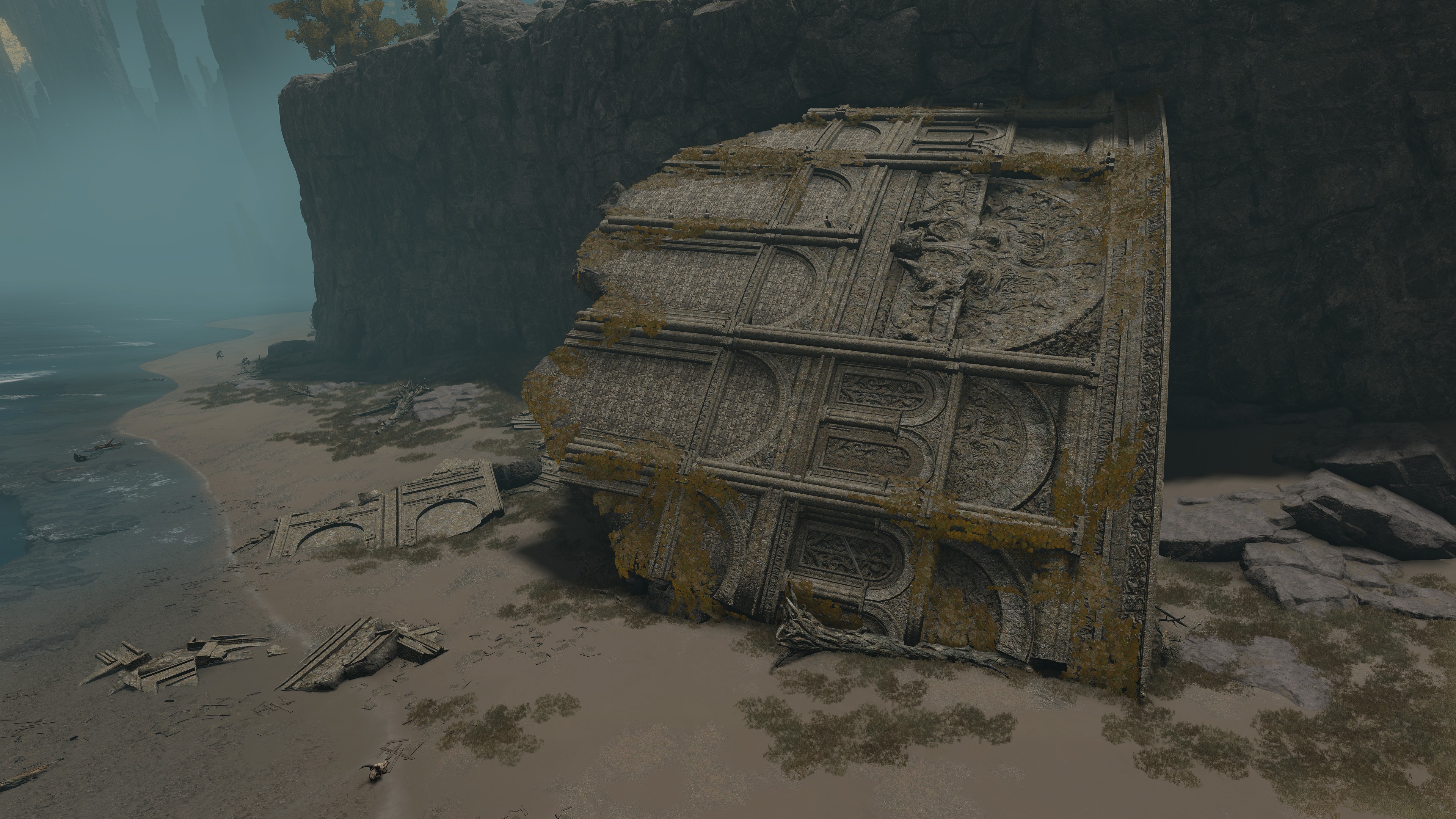
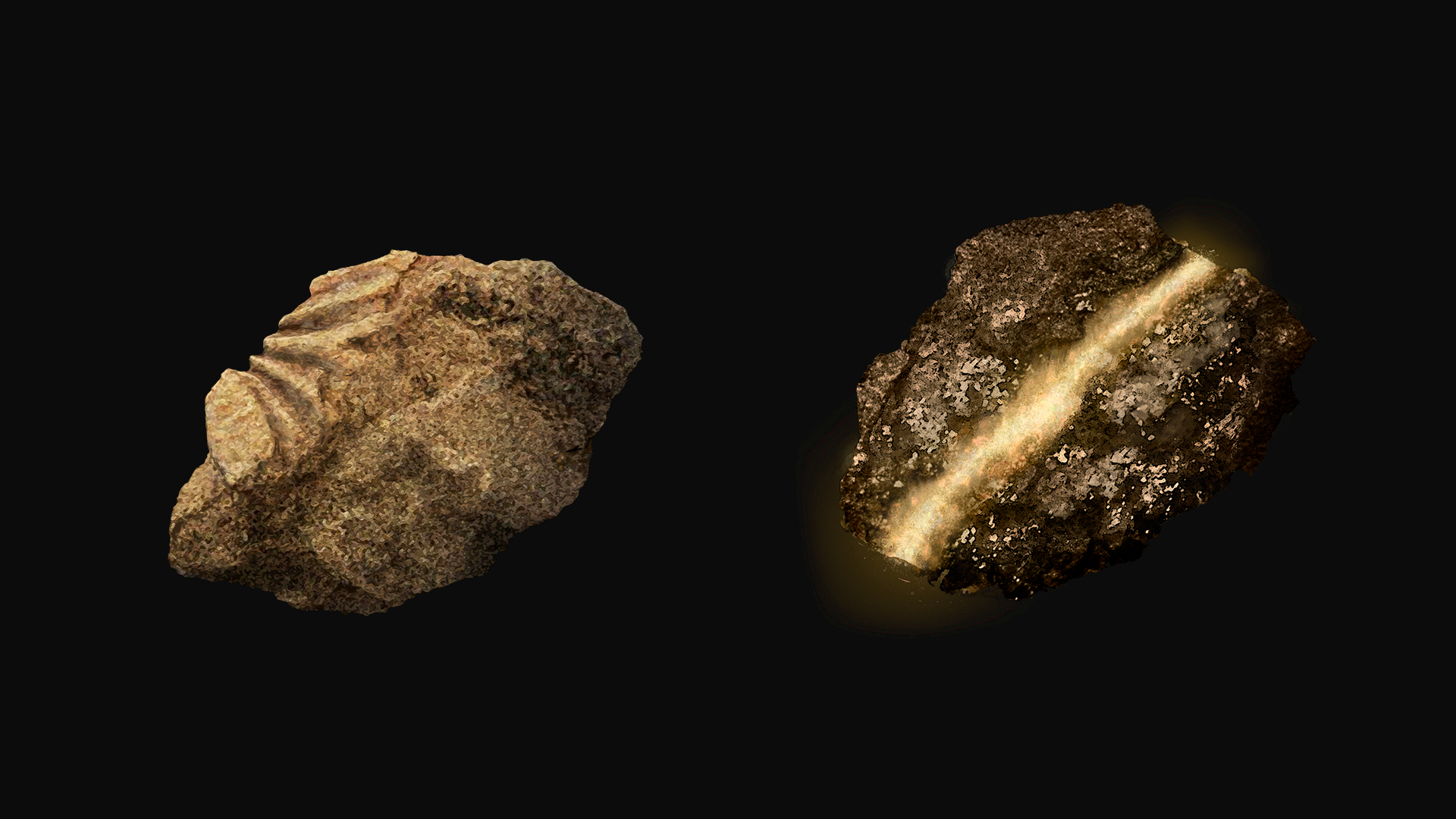
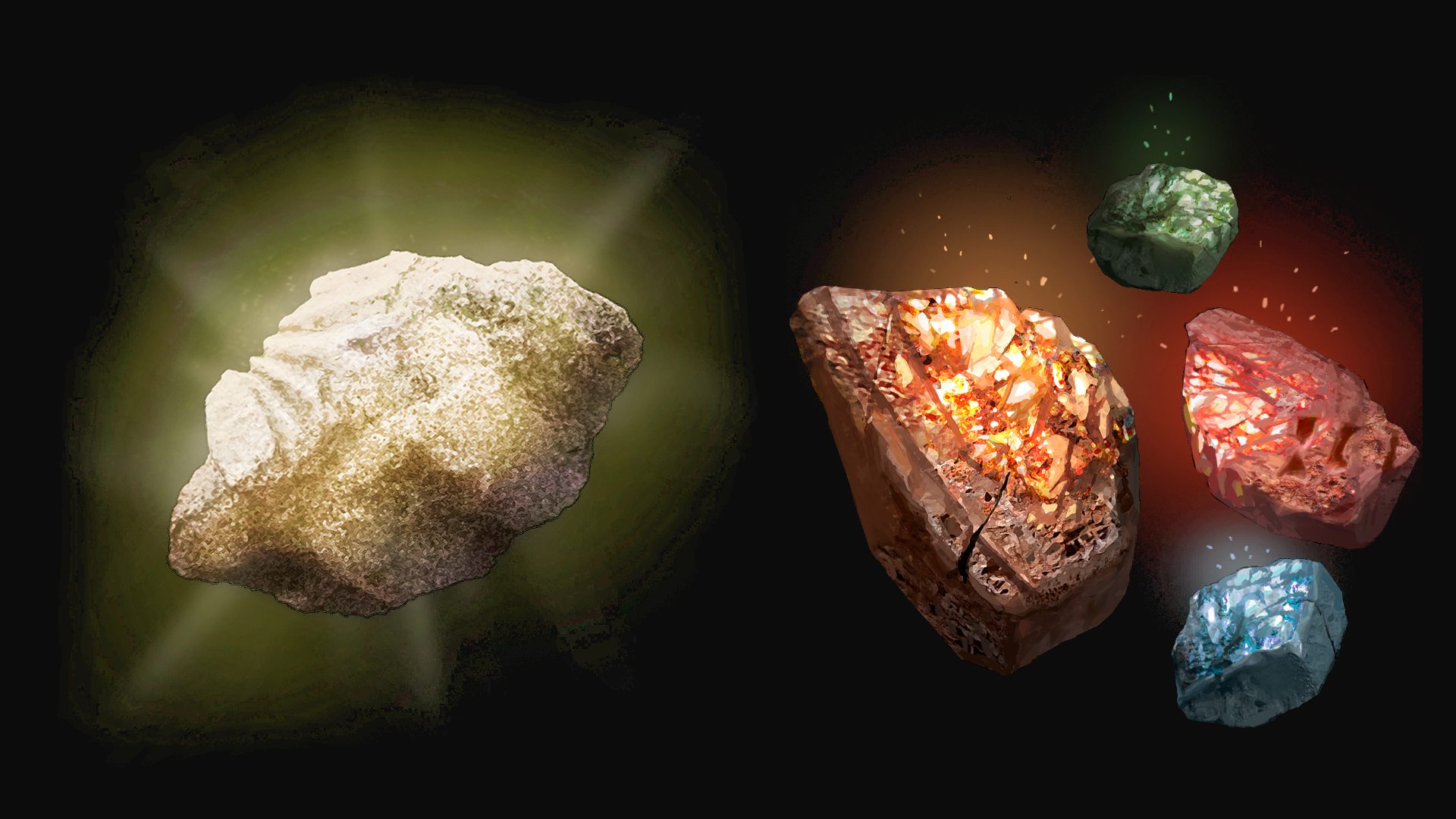
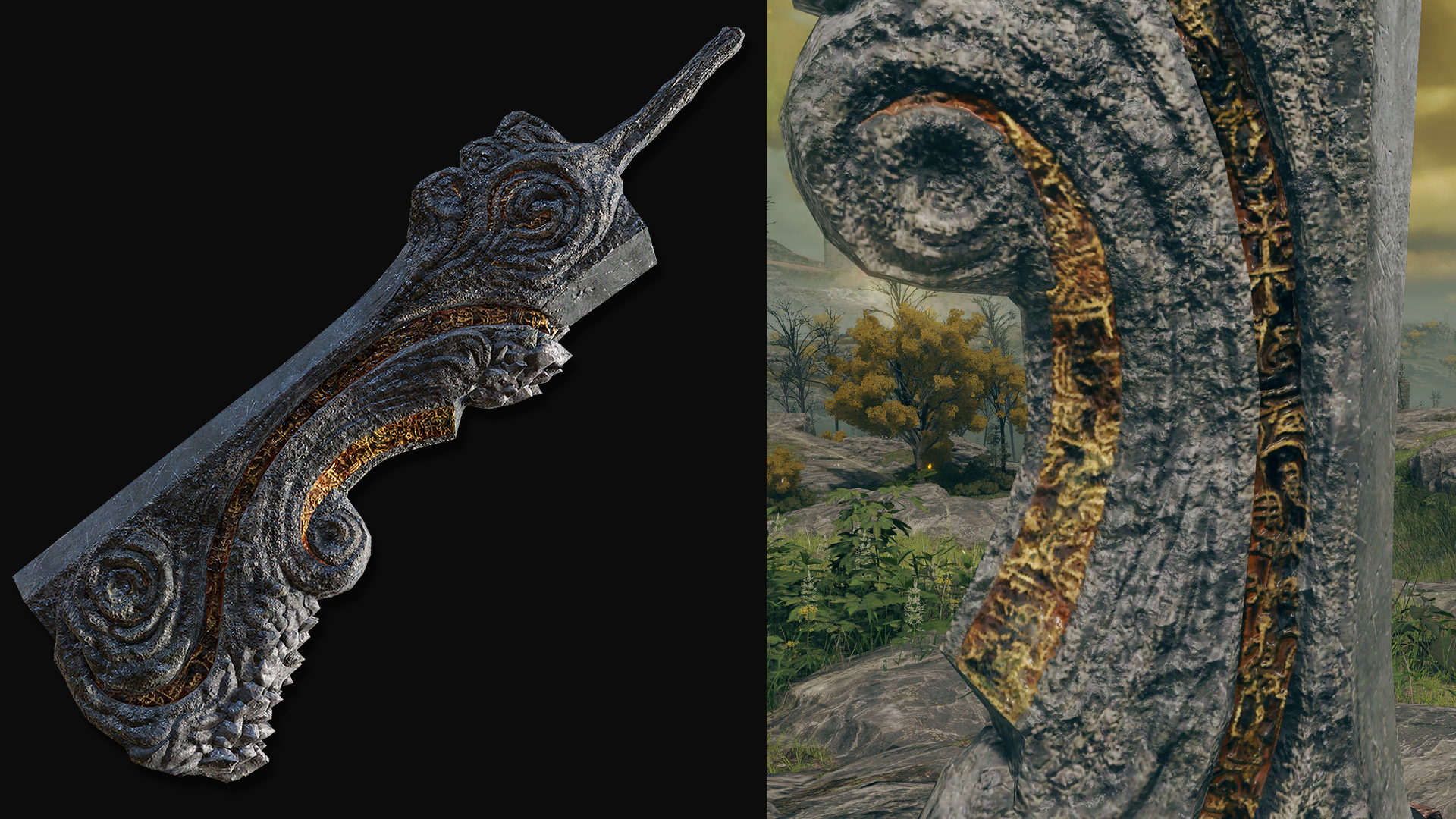
Small fragment discovered in lands where the ruins fell. One of the materials used in item crafting and can be thrown as is.
It is said to be part of a temple existing in the sky, so possesses properties where it is easily tinged with light.
Small fragment discovered in lands where the ruins fell. Rare thing particularly tinged with light even among them. One of the materials used in item crafting.
This is tinged with light and also gives power to that light.
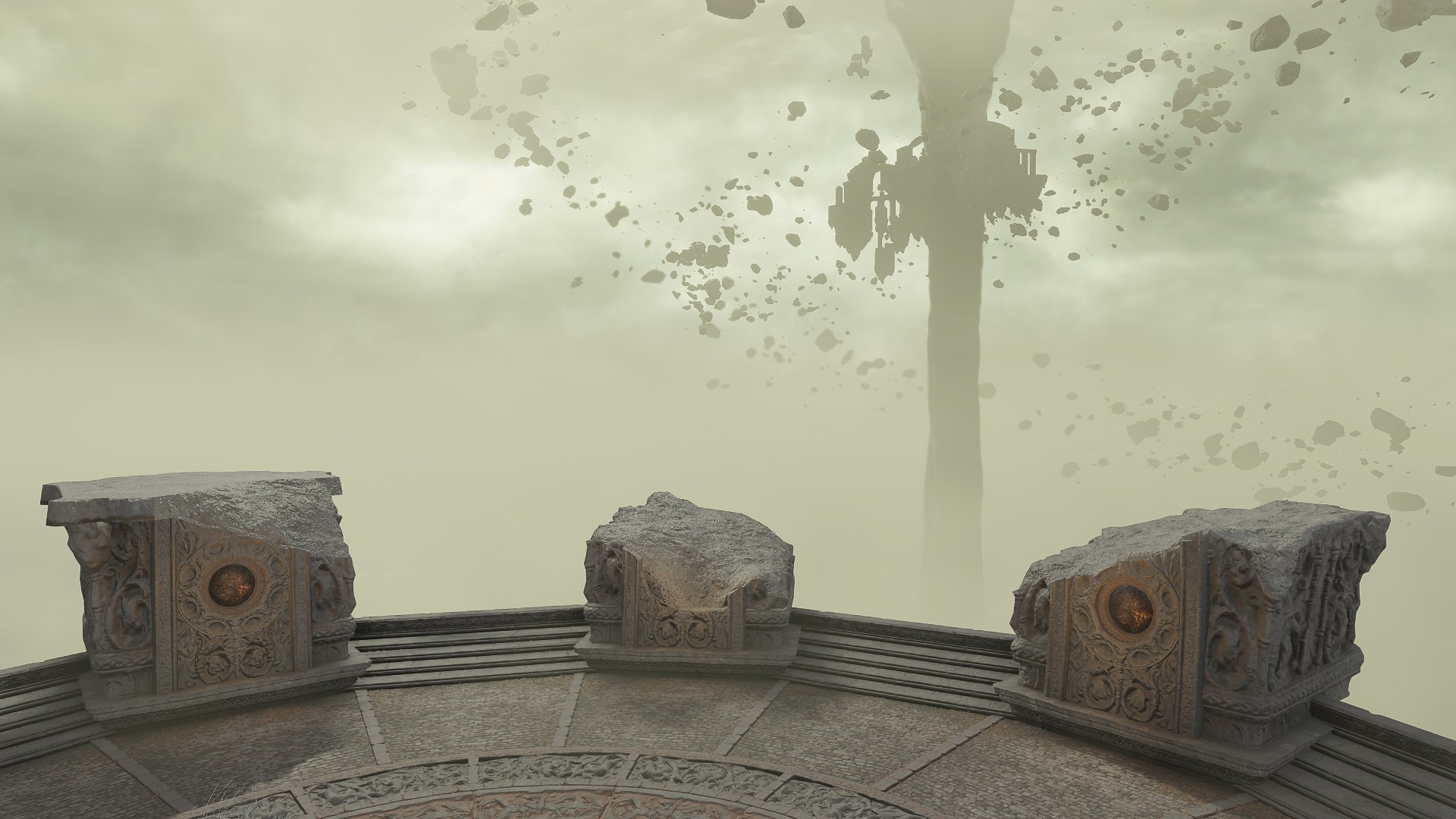
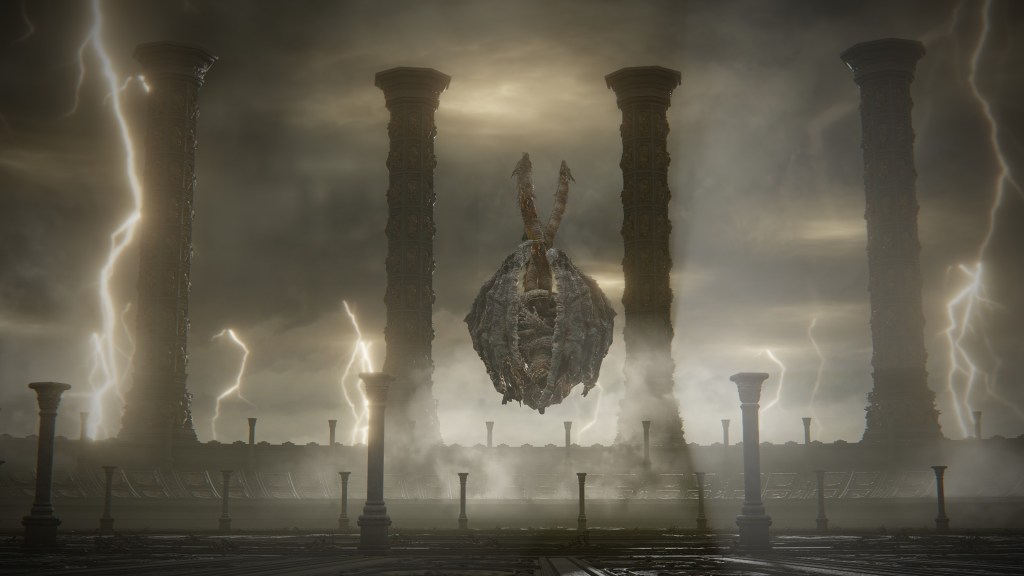
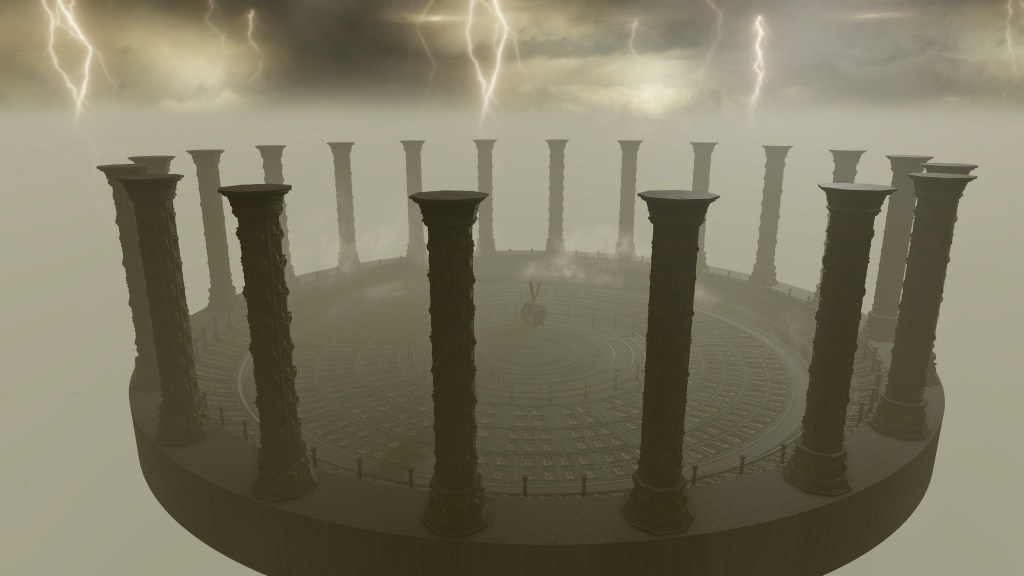
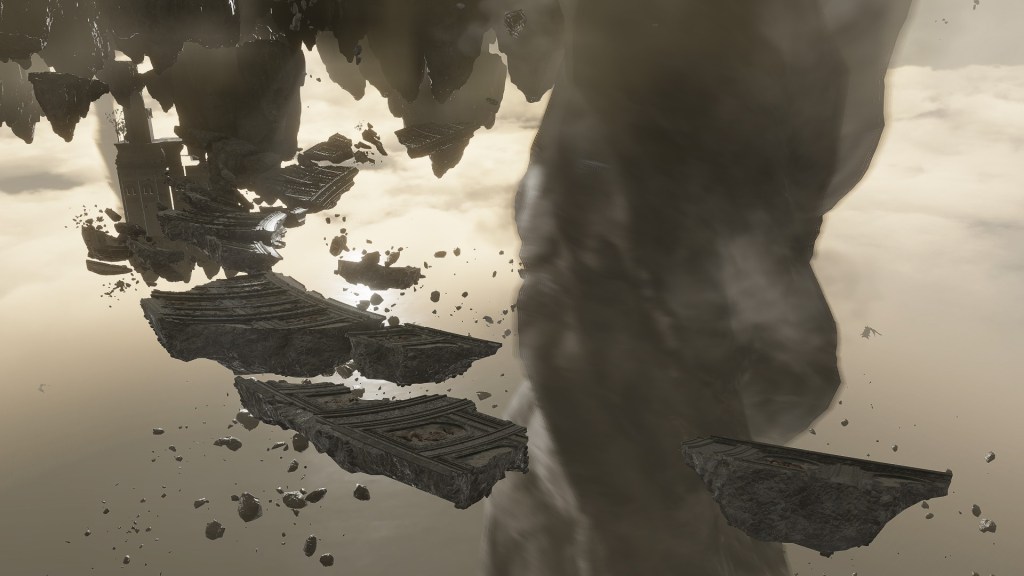
With so many ruins producing these fragments for us, the temple in the sky must have been gargantuan, comparable in scale to the extant shrine with the god’s effigy. Judging by how extensive is the use of light, it might have even been larger or more important than that shrine to god. Shinden (神殿) does specifically invoke a house of god, a palace or mansion in particular, so it was possibly an even larger religious center for the king and queen to live or at least work. If so, then we may see where this palace temple still exists. We meet Placidusax on a reconstructed circular platform, larger than any other part of the crumbling ruins. On its own, the platform doesn’t connect to the land in any obvious way. But if it was part of an even larger building, then it may be a remnant of that very temple in the sky — the audience chamber to the Dragon King’s palace. The ruins of it surround the giant tornado at the center of Farum Azula, where Placidusax resides. Even if the building wasn’t demolished by the twister, it may still stand in the place of the whole facility, now scattered to pieces.
The only other point of reference is the “Beast Temple” (獣の神殿) in Dragonbarrow, which relies on mundane torchlight leading up to nothing — no altar or idol at hall’s end. Gurranq projects his form in its place, so it may be that the pagan shrine was simply removed. Regardless, it leaves the possibility that this temple once housed some kind of god, real or proxy. The “god” there need not even be the queen, as the king also is considered divine to some degree. His scales are the country’s hidden treasure, and an earlier iteration of the smithing stone’s description indicates that it was polished by sentient beasts as a holy relic. Clearly, by virtue of his marital relation and the power acquired therein, the prehistoric Elden Lord was considered a measure of divinity; much like how Godfrey, first Elden Lord to the god Marika, is considered a demigod like her children. It may well have been Placidusax’s idol enshrined at the Bestial Sanctum once upon a time.
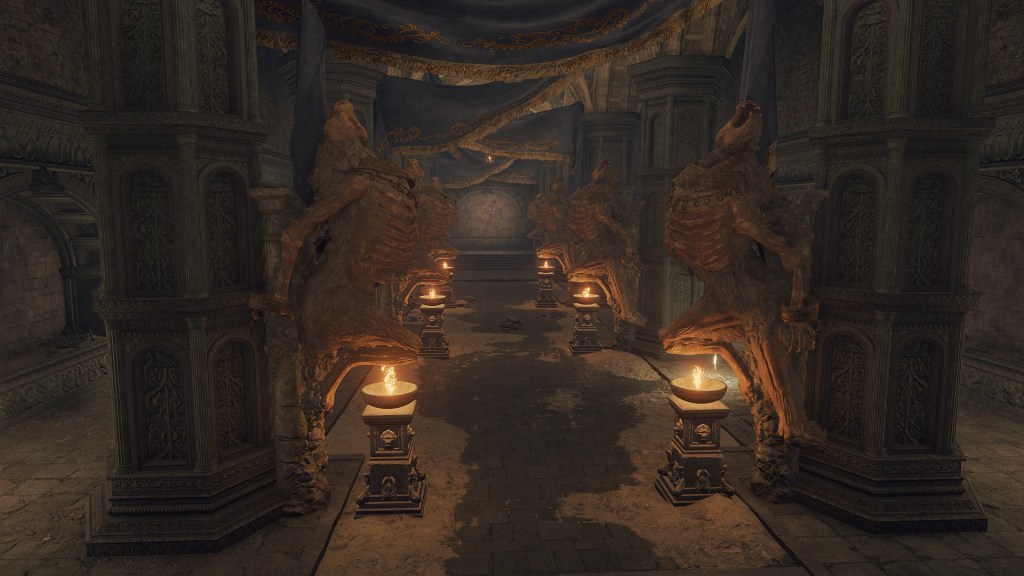
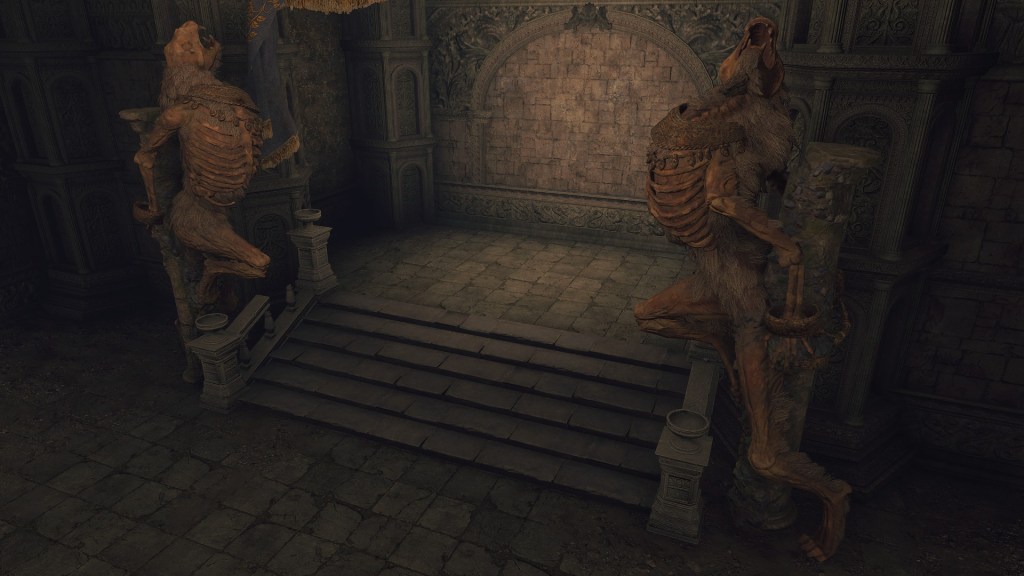
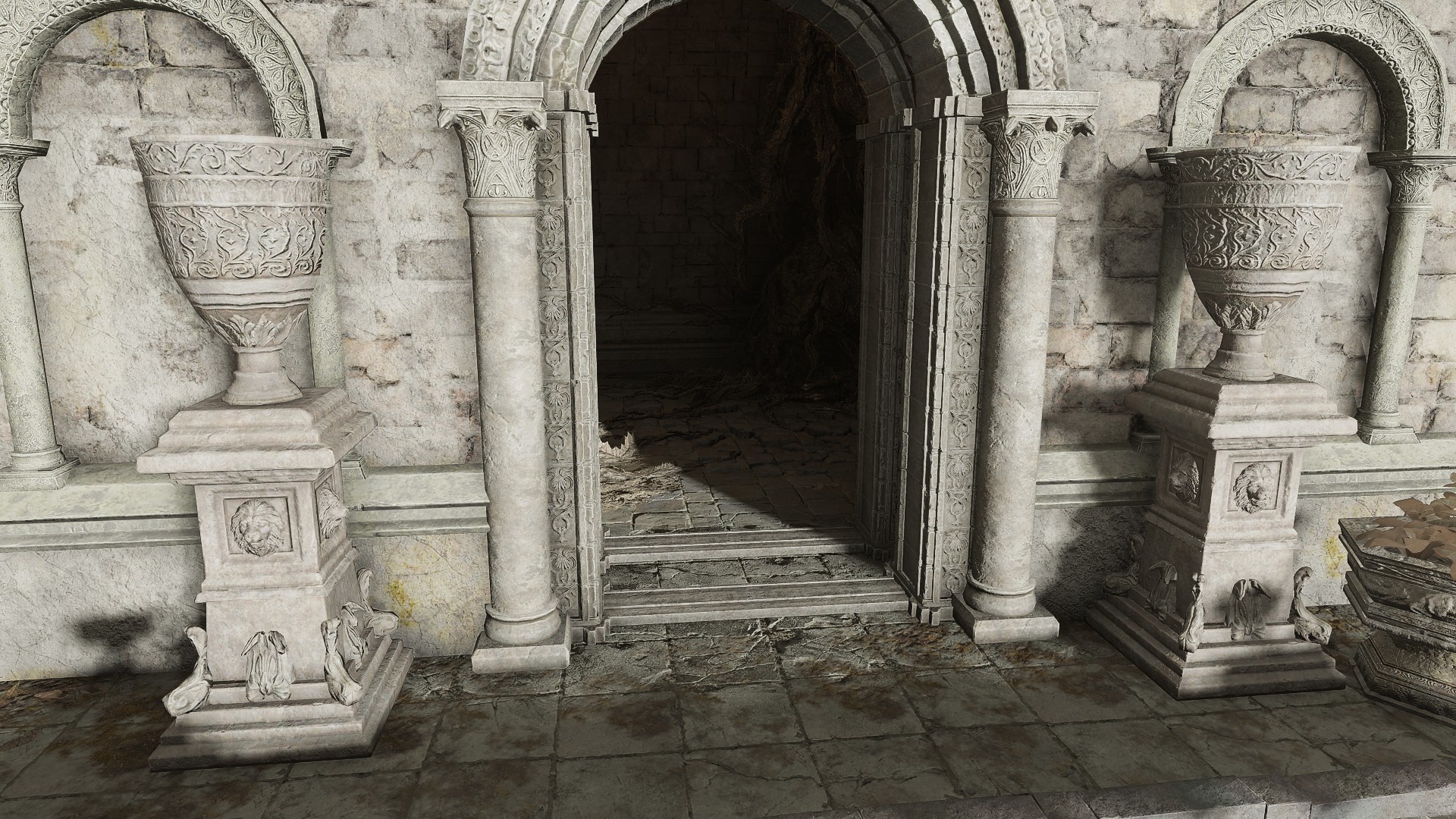
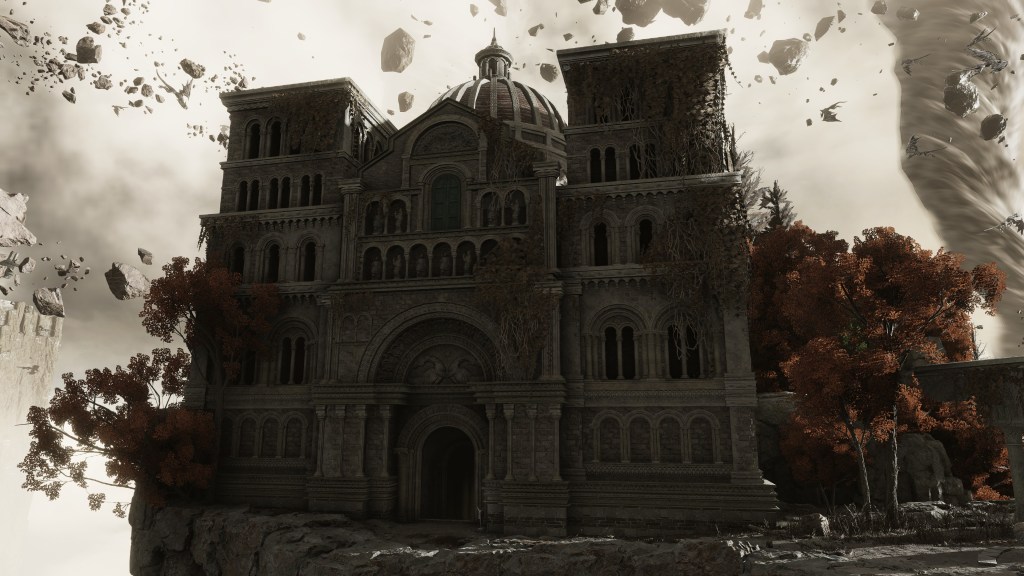
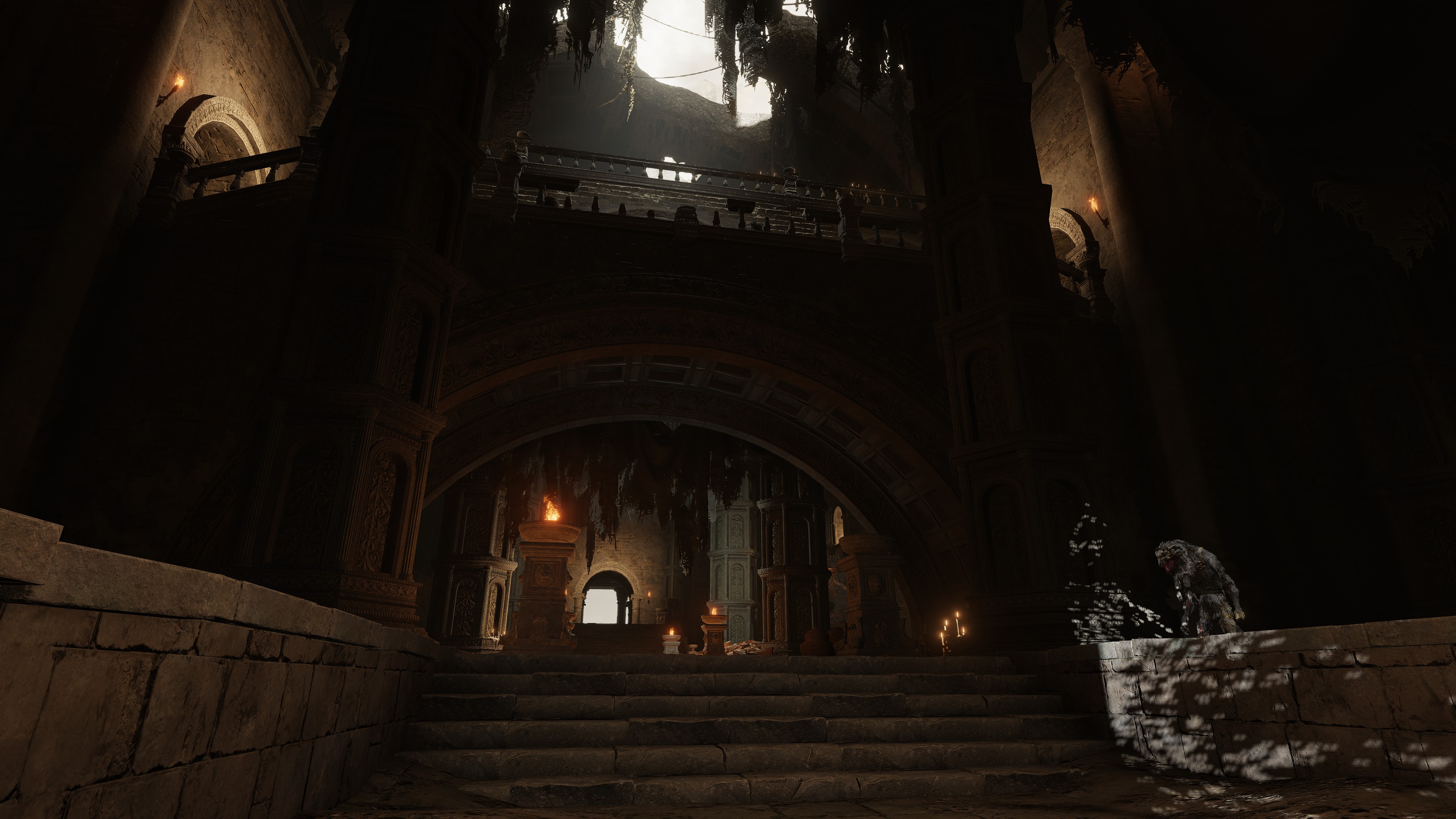
Whether or not that is the case, the number of shrines and temples highlight the priorities in Farum Azula’s construction. Even as it crumbles, beastmen collect glowing fragments from their temple, otherwise only picked up with the mundane stones by the stray dogs. Piety was at the forefront for beastmen, and the two divinities weren’t the only subjects of worship. As the description to the Azula Beastman Ashes acknowledge, the city’s mausoleum aspect enshrines the ancient dragons in general. Although this might permeate the entire area from the wording, we find specific facilities for this in the urban zone. Besides the entrance lift in the city and exterior facilities built into the cliffside, the place lies mostly underground, with a large chamber dedicated as an altar in the middle of the mausoleum complex. This “Dragon Temple” (竜の聖堂) carries itself as a holy hall instead of a house of god, so Placidusax’s relatives weren’t placed on the same level as the divine. Nevertheless, the beasts revered the dragons as sacred, including their most ancient forebears.
Ashen remains inhabited by spirits. Summons two Azula Beastman spirits.
Spirits of the beast-men of Farum Azula, ruins slowly crumbling in the sky. It is a giant mausoleum enshrining the ancient dragon, so a chosen beast-man’s weapon is tinged with lightning.
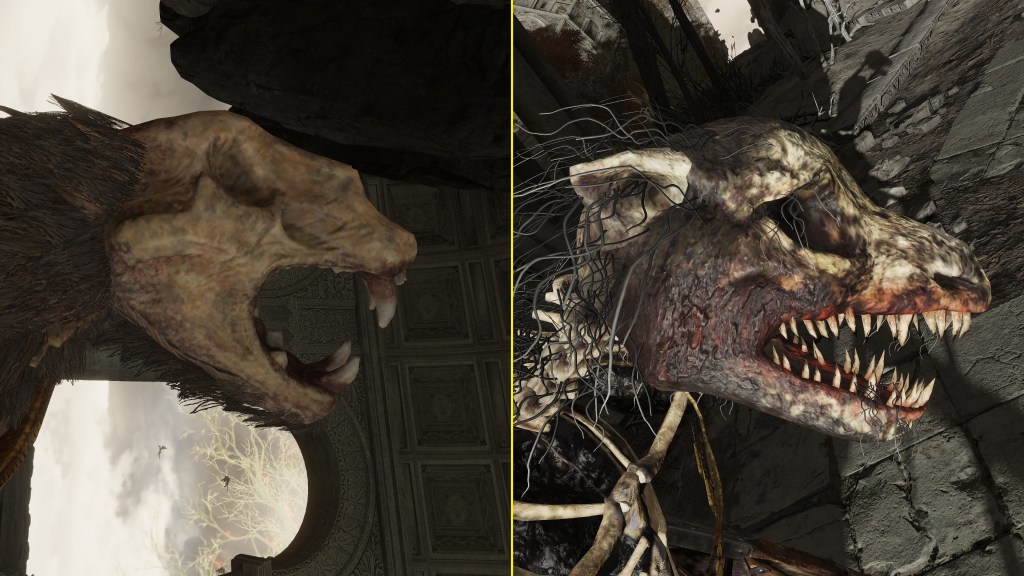
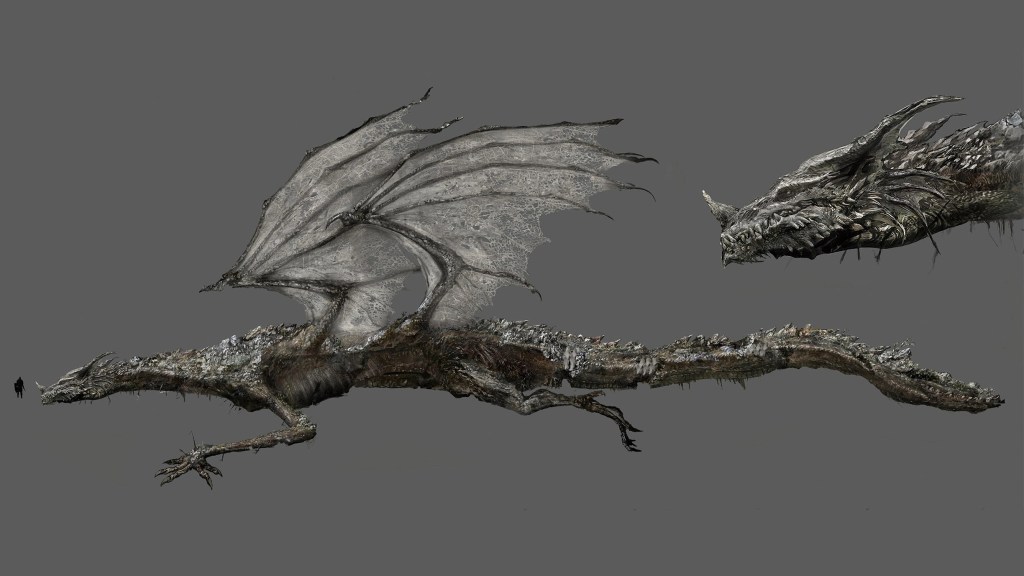
Enshrined on a ruined platform serving as the altar overhead sits a giant, petrified dragon head. While the species greatly resembles a wyvern, it isn’t exact and serves no purpose in a place enshrining the ancient dragons. We also witness wyverns rot like other organic life, their reanimated corpses breathing ghostflame from the raw spirit instead. Losing the stone scales of eternity makes dubious a giant wyvern turning to stone with its eyes and tongue intact, no such dragon corpse showing signs of petrifying. And so, the giant head may have been excavated during construction and subsequently enshrined underground for honor. This mirrors concept art, which showcases a different design for the ancient dragons with similar heads and bat-like wings like the oldest generation; this design even featured for that generation’s bodies exposed on temple ground. Clearly, there were discrepancies throughout the development process.
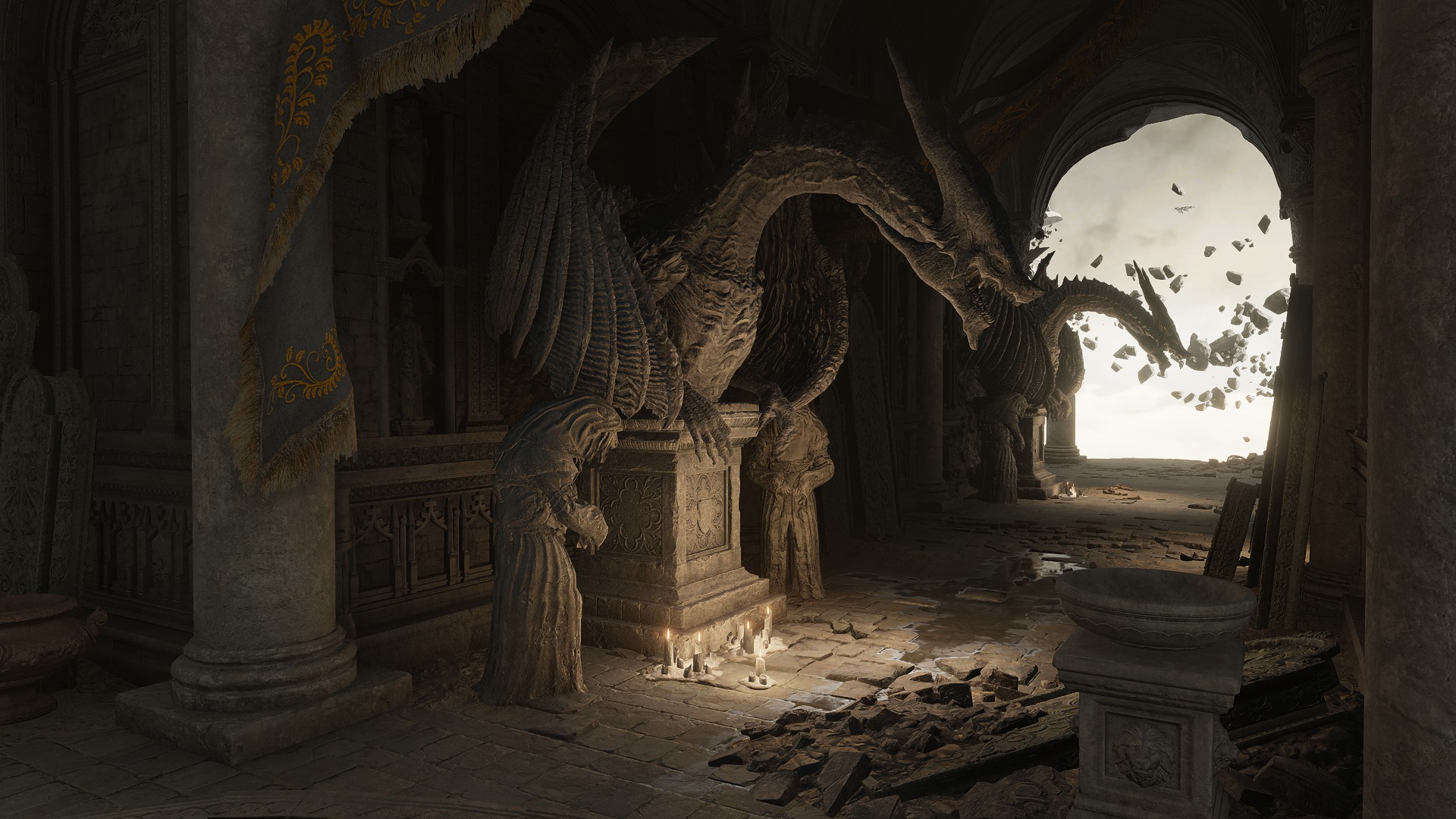
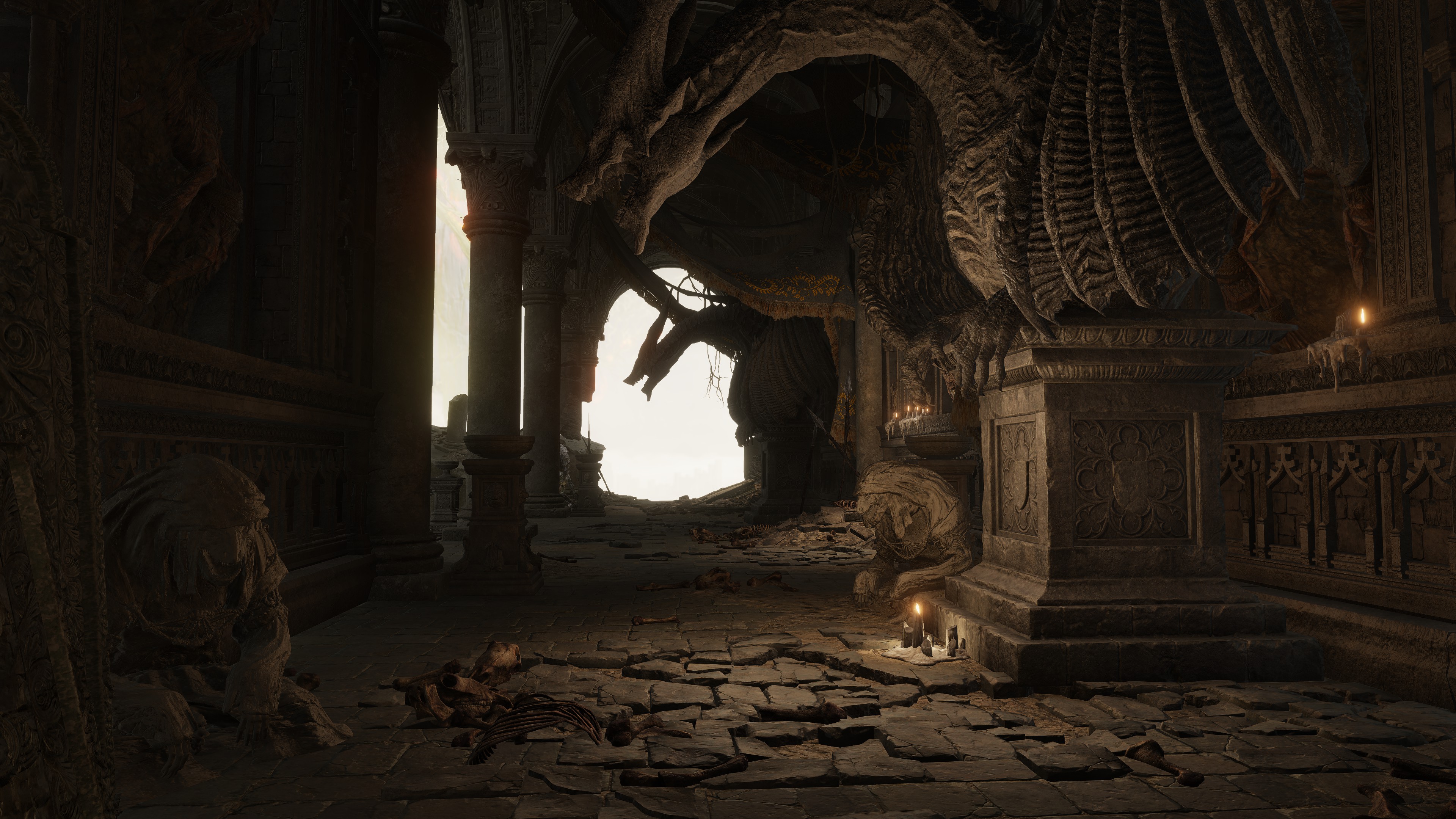
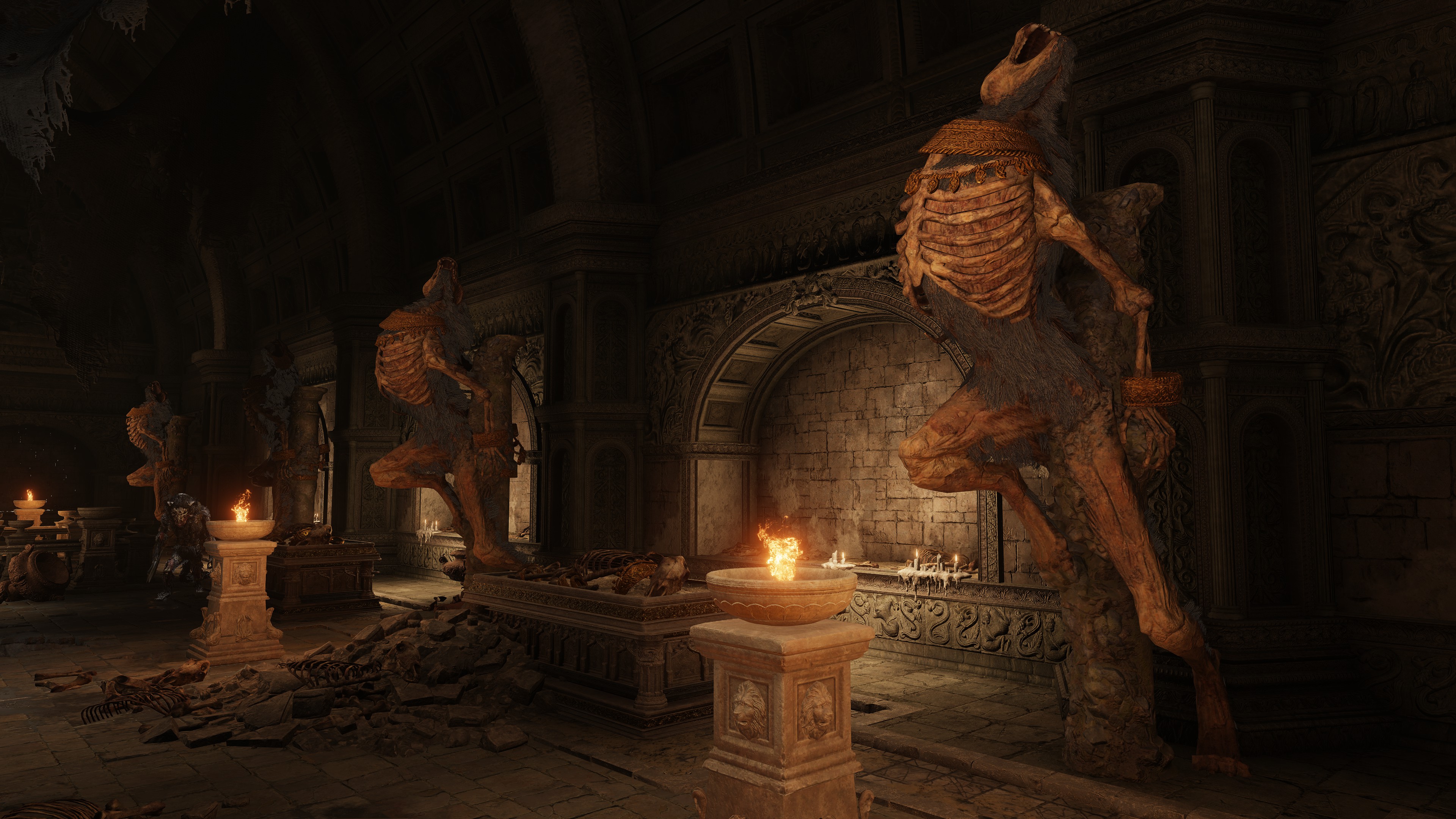
We can still glean the original idea from the final game. Another notable section of the mausoleum has statues of ancient dragons erected in its hallowed halls, conveniently located directly below the buried dragons of Placidusax’s generation. Concept art even depicts these statues not with modern ancient dragon heads, but the Placidusax variant. Since these petrified specimens shouldn’t have been visible in the rock at the time, the beastman most likely identified the grounds where the original generation were buried and decided to consecrate the halls to show reverence as they built around them — disturbing a grave would be disrespectful as is. The giant head was presumably how they identified the burial ground, hence receiving a giant “altar” as restitution for their unintended desecration. Just as the beasts were digging graves for themselves, they wished to honor the dragons buried before, so took care to show them respect. It is obvious that the beastmen considered themselves subordinate to the ancient dragons in this new kingdom. If anything, they wished to be the dragons.
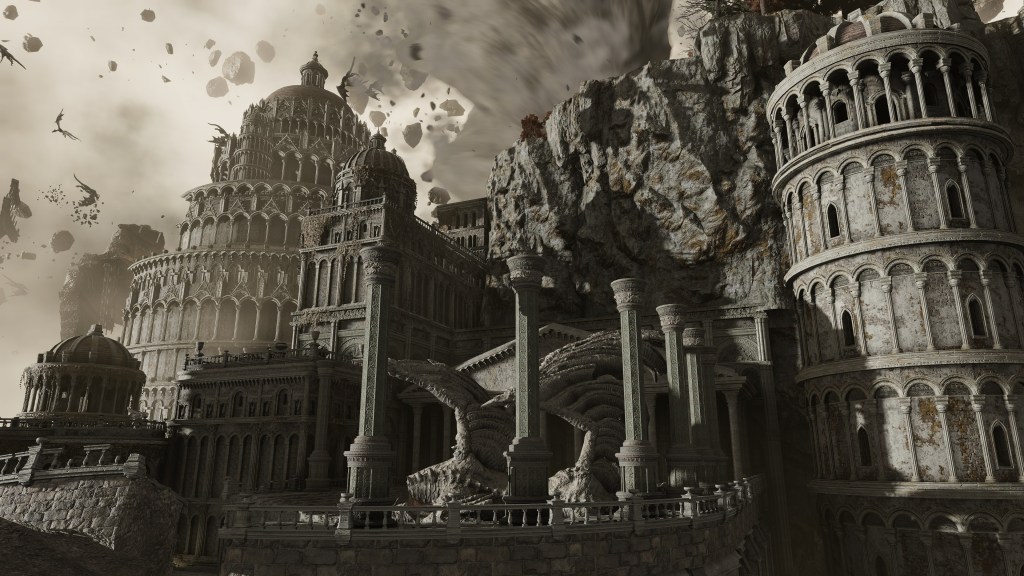
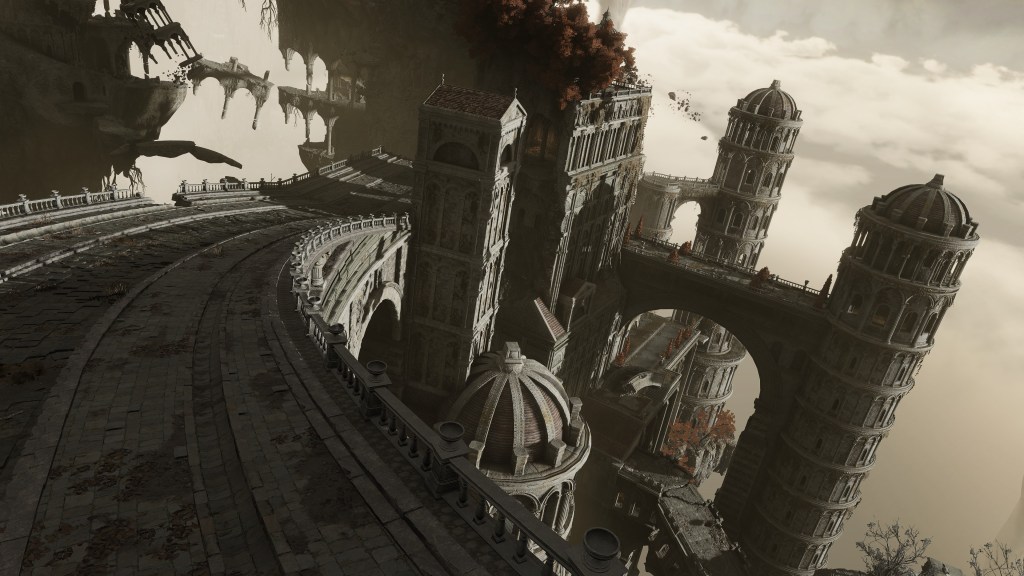
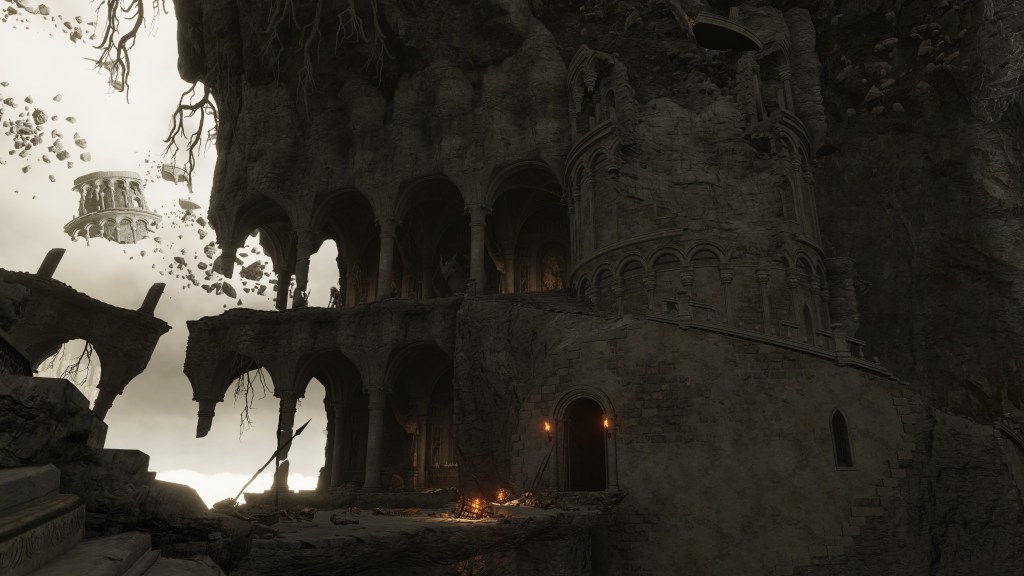
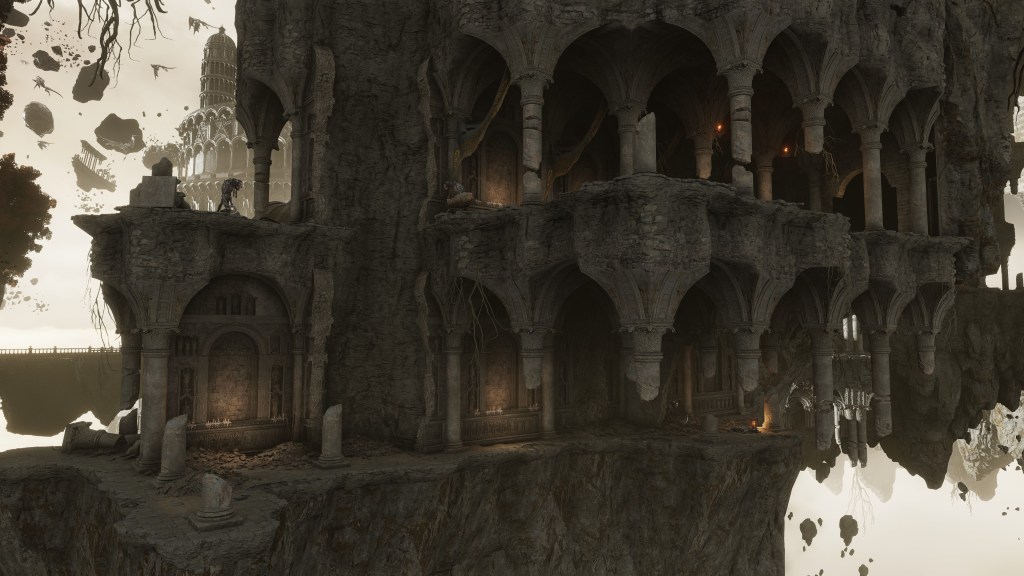
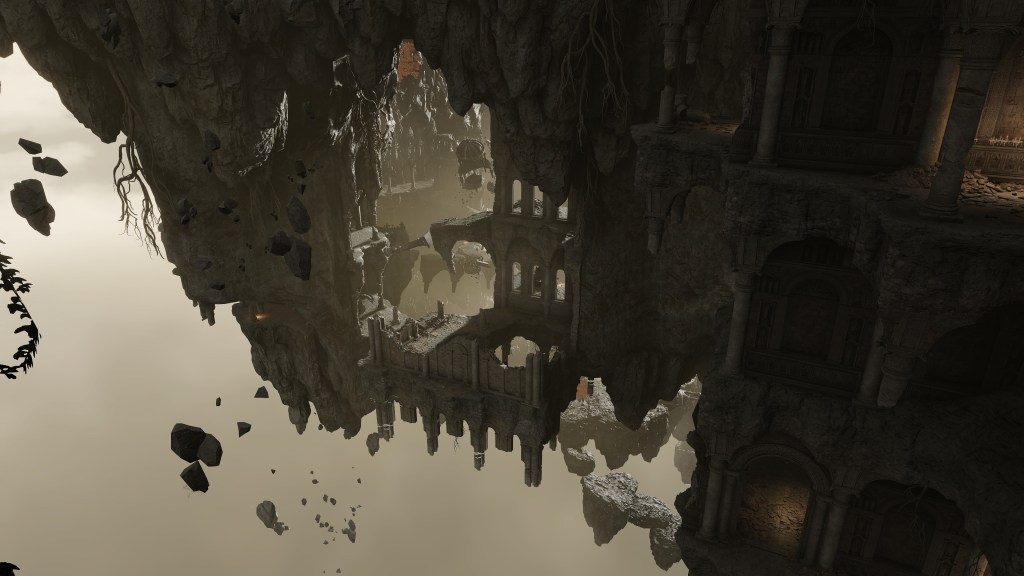
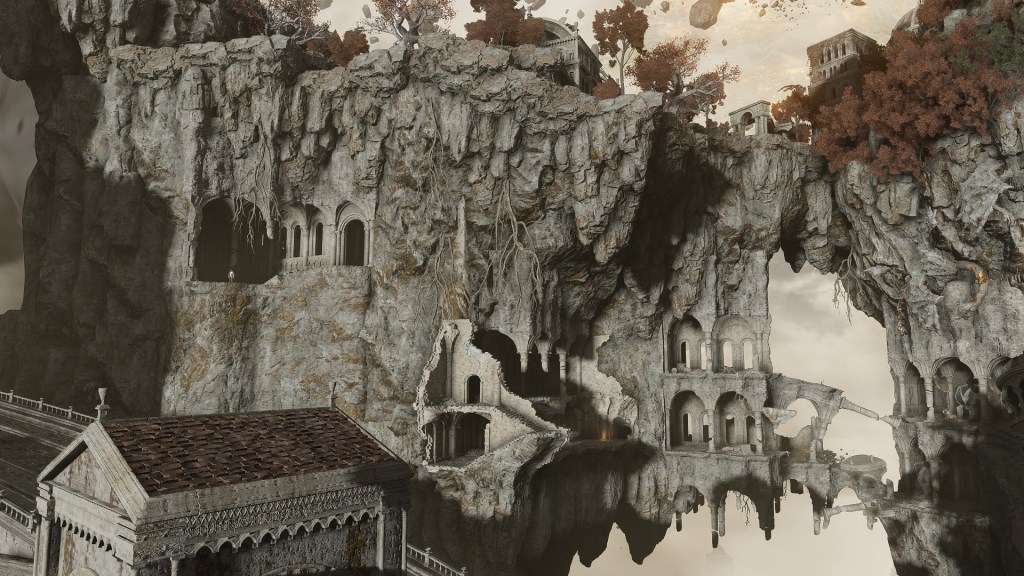
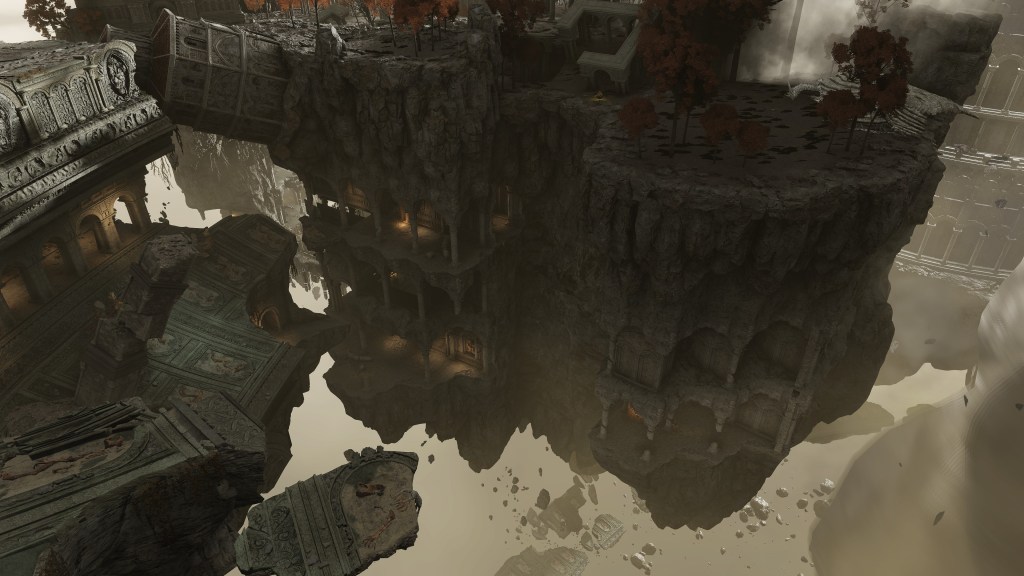
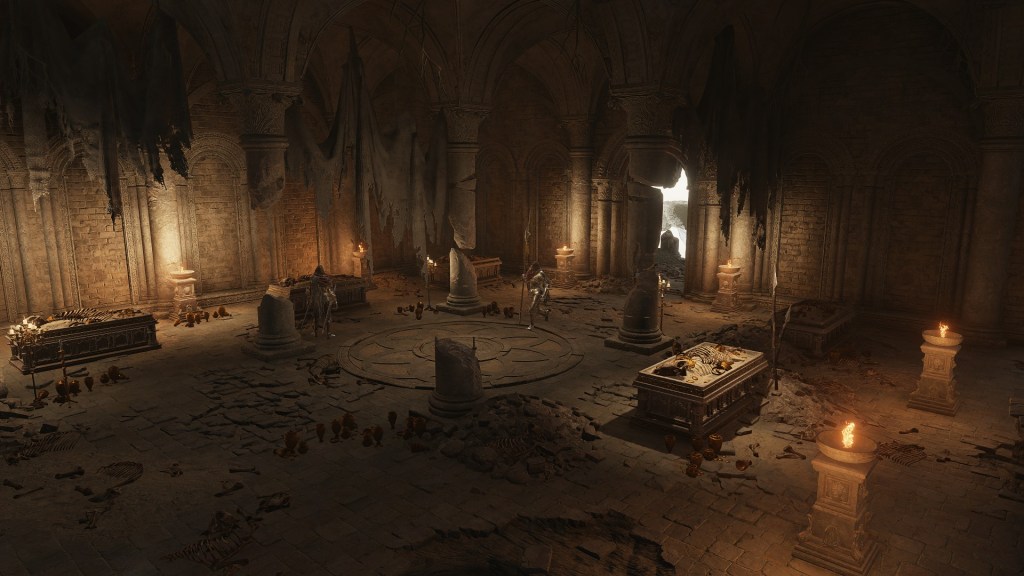
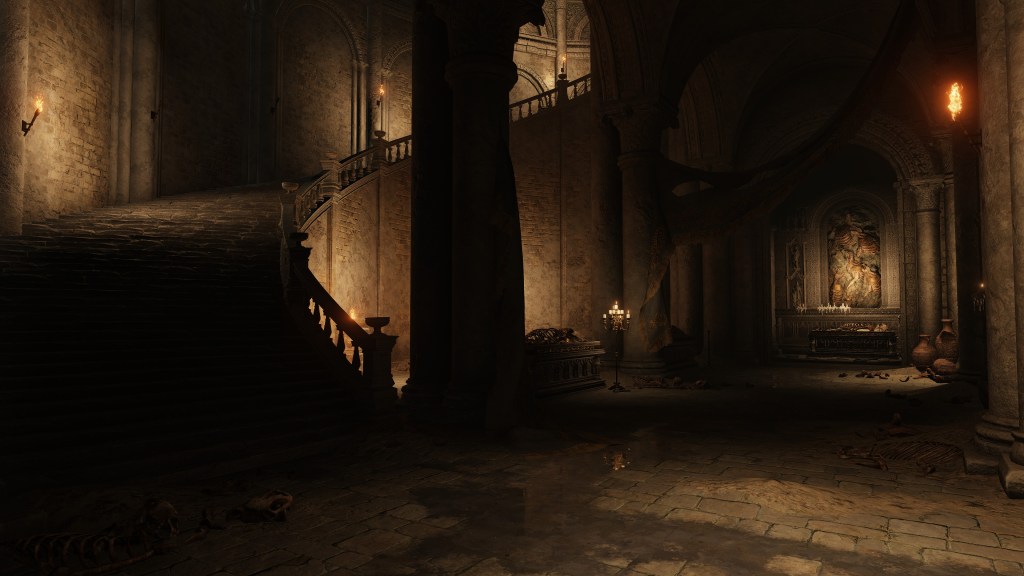
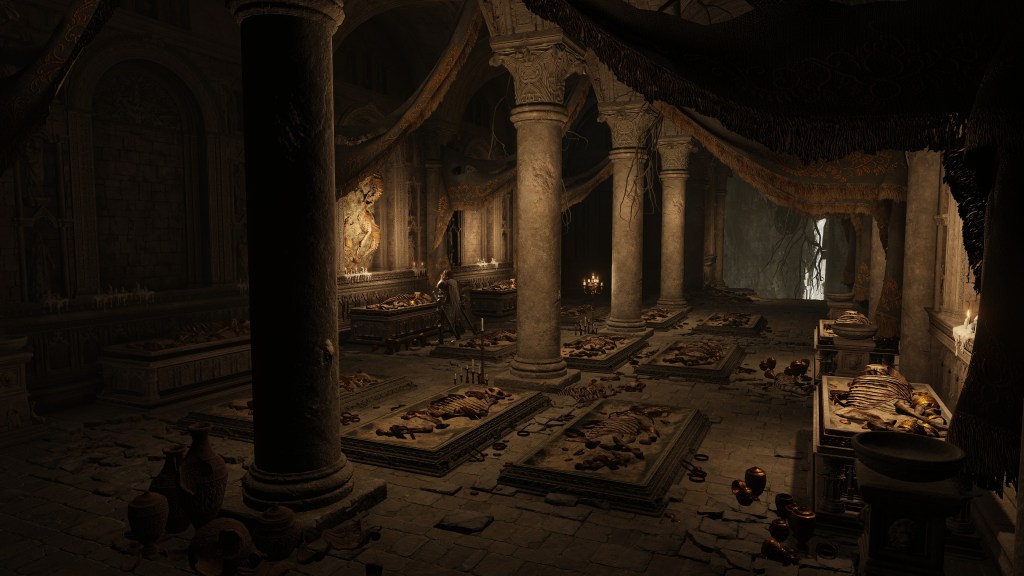
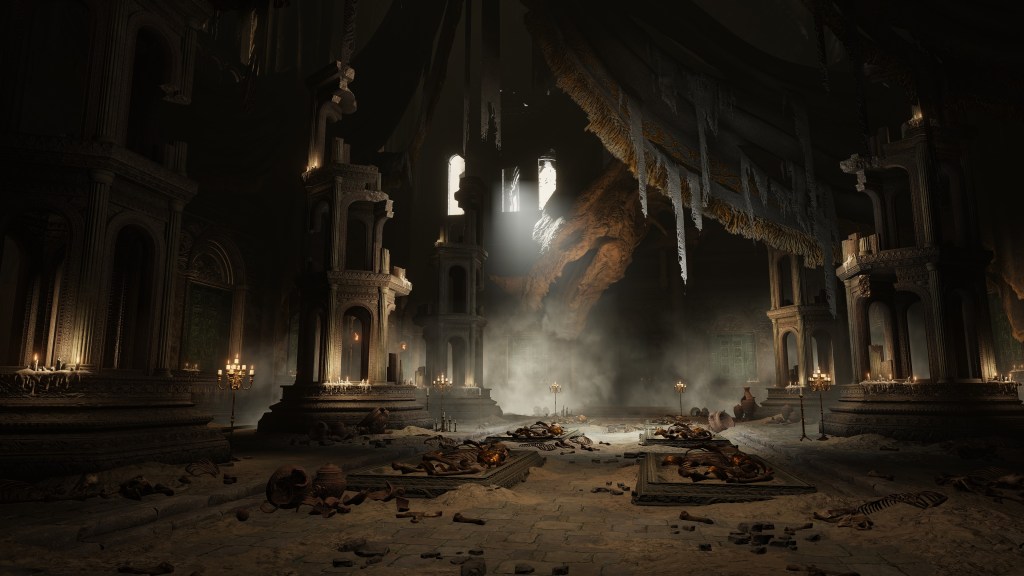
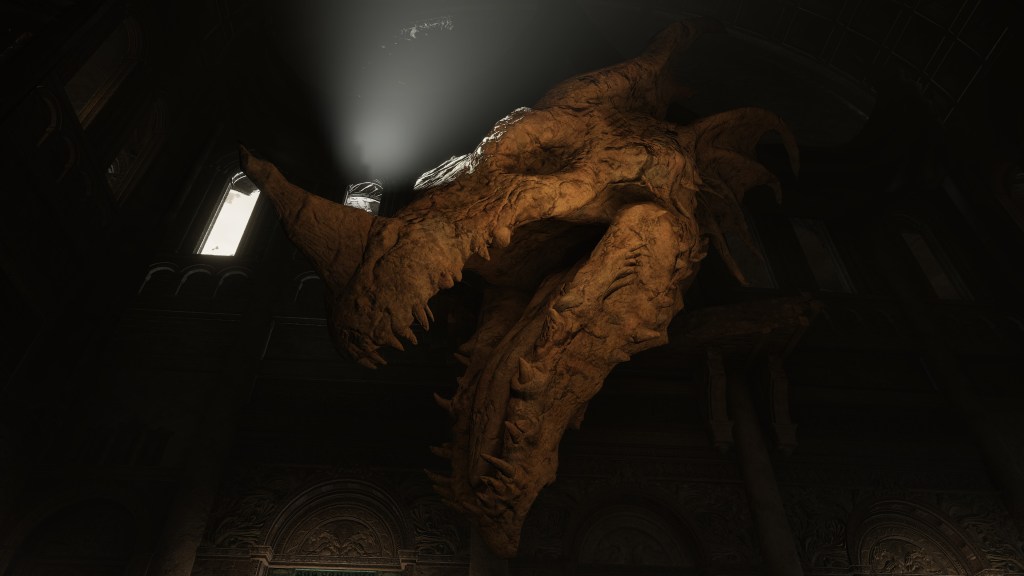
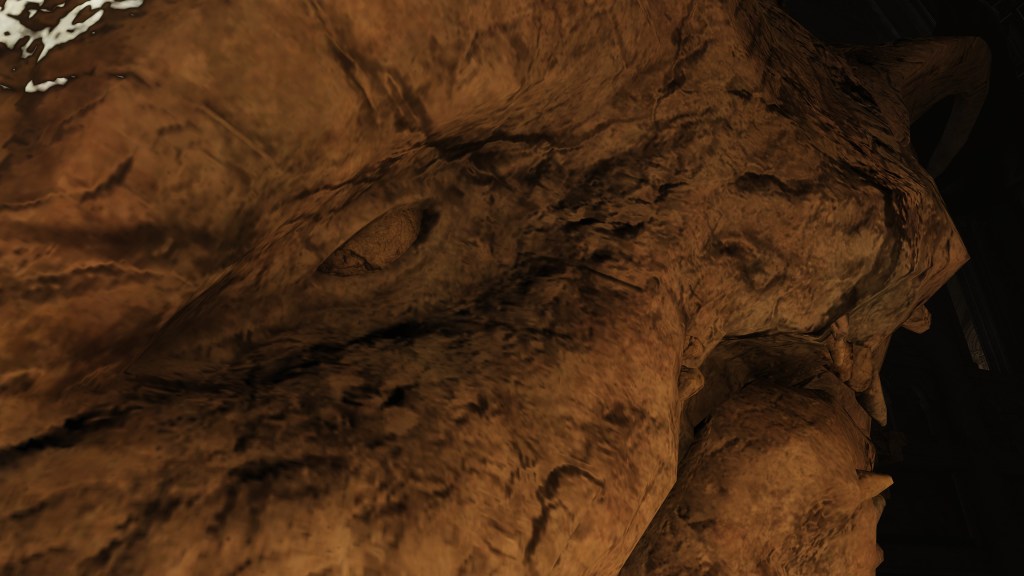
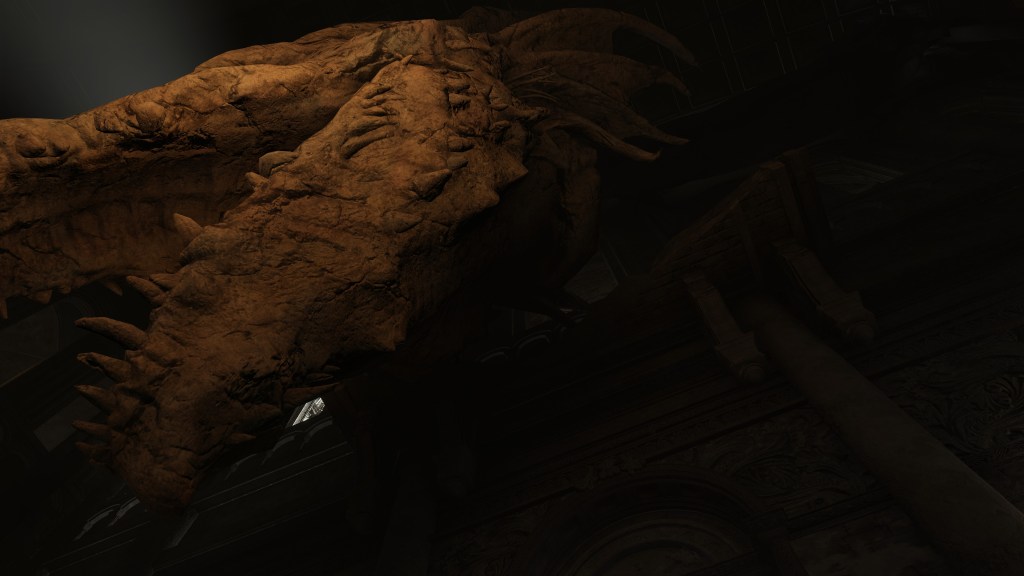
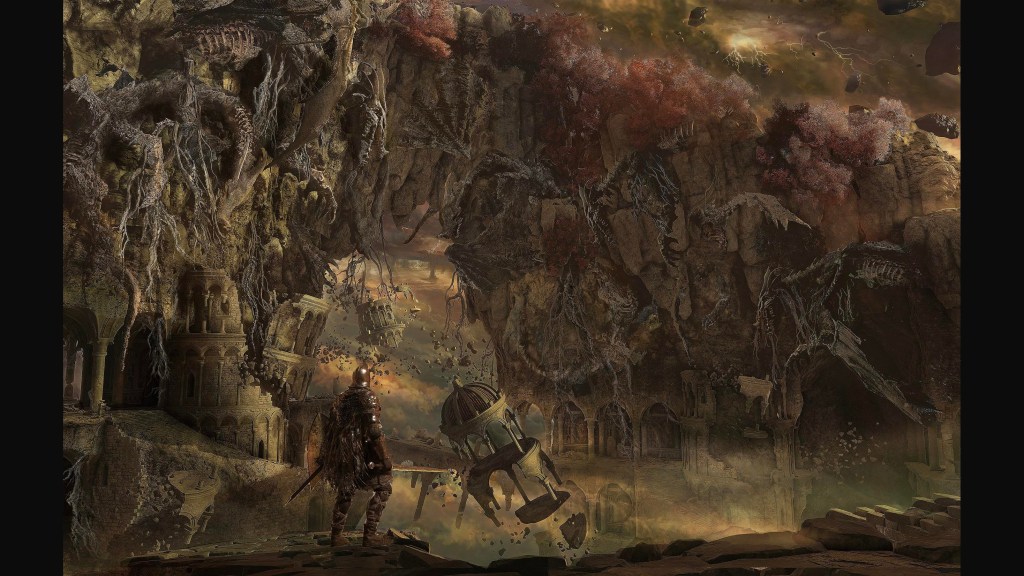
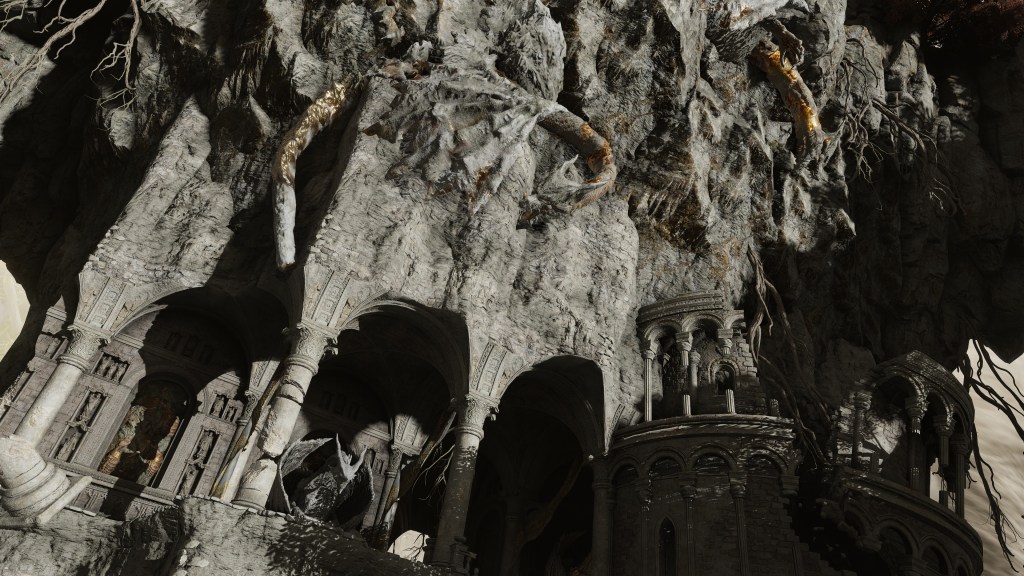
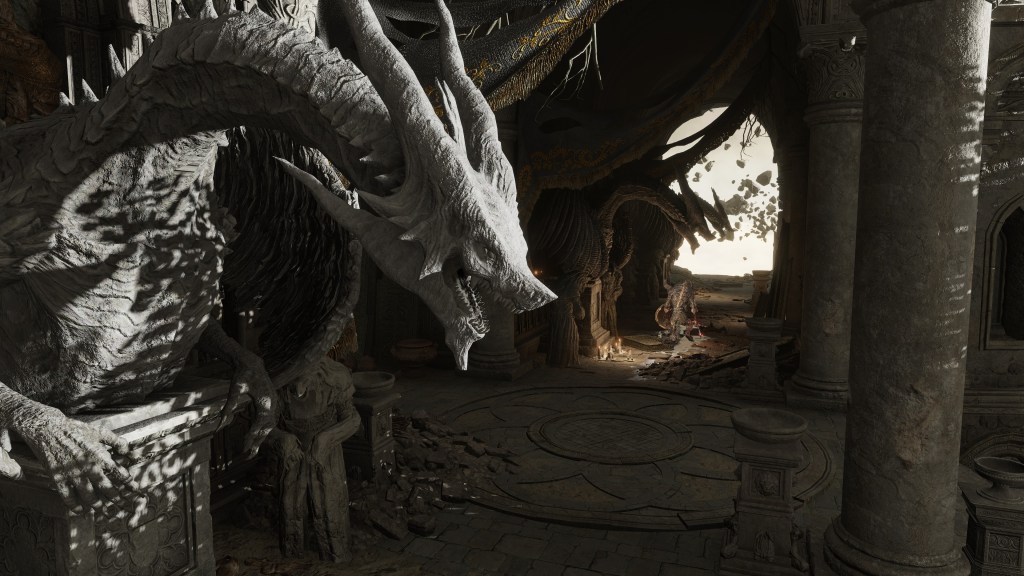
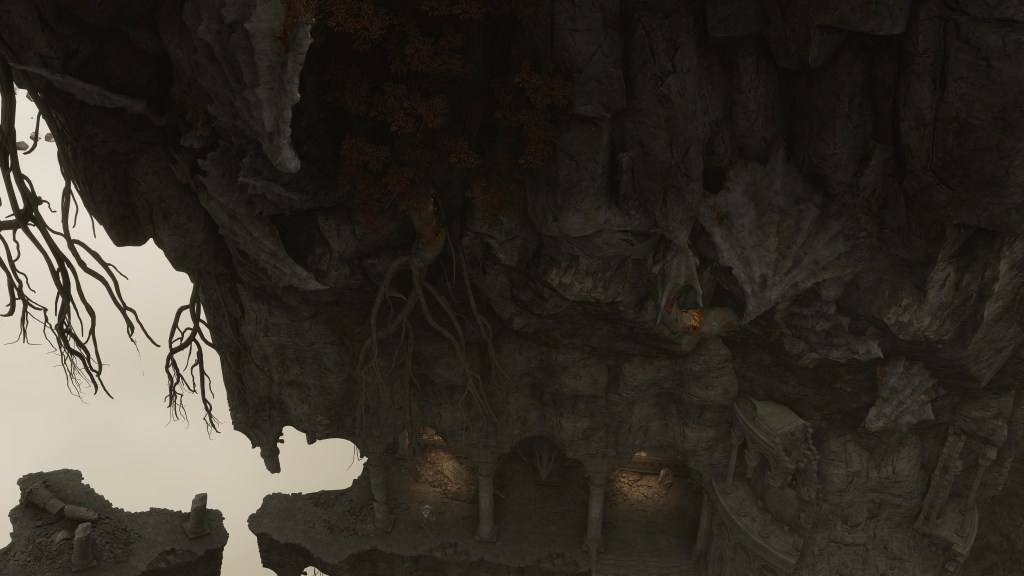
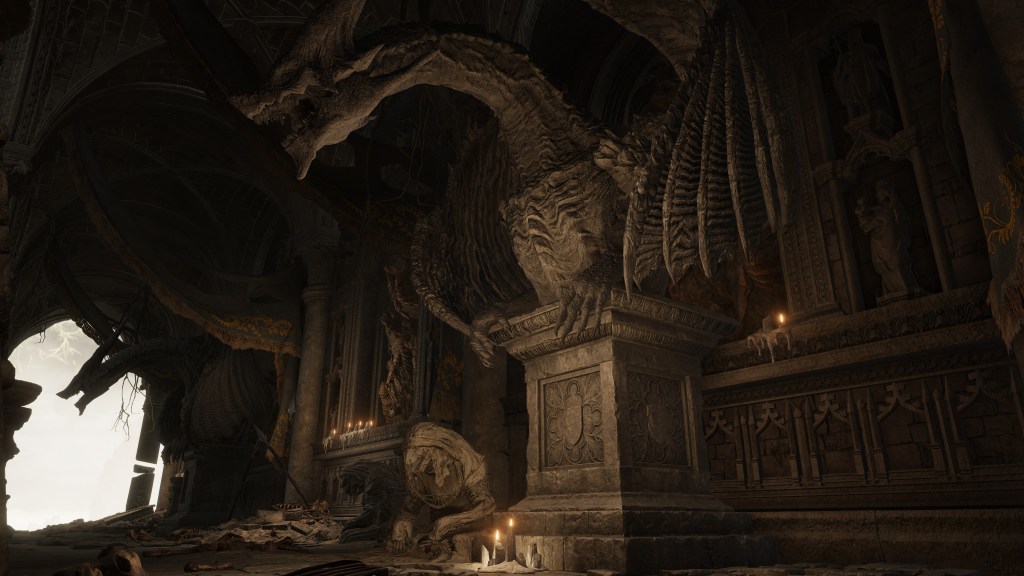
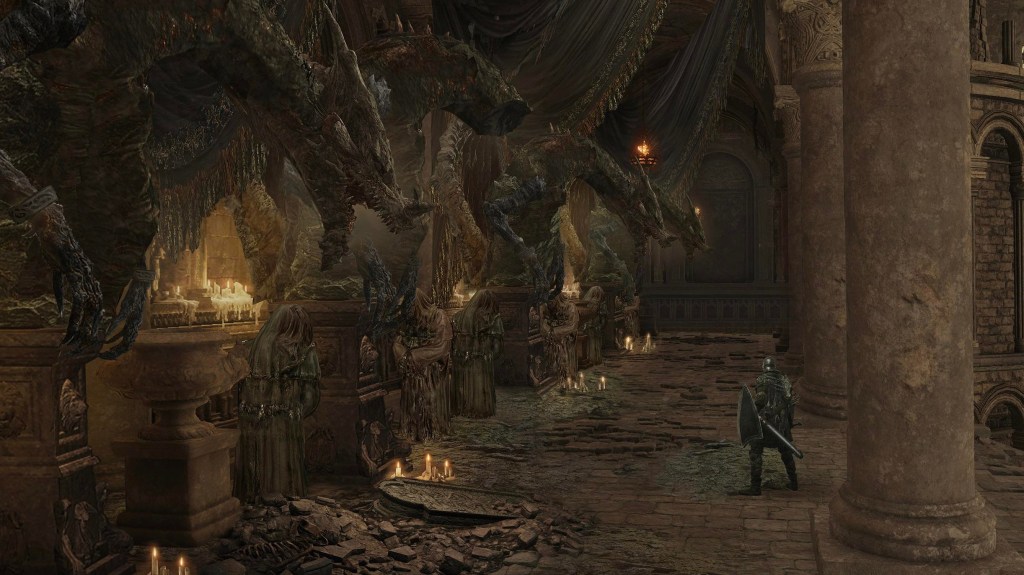
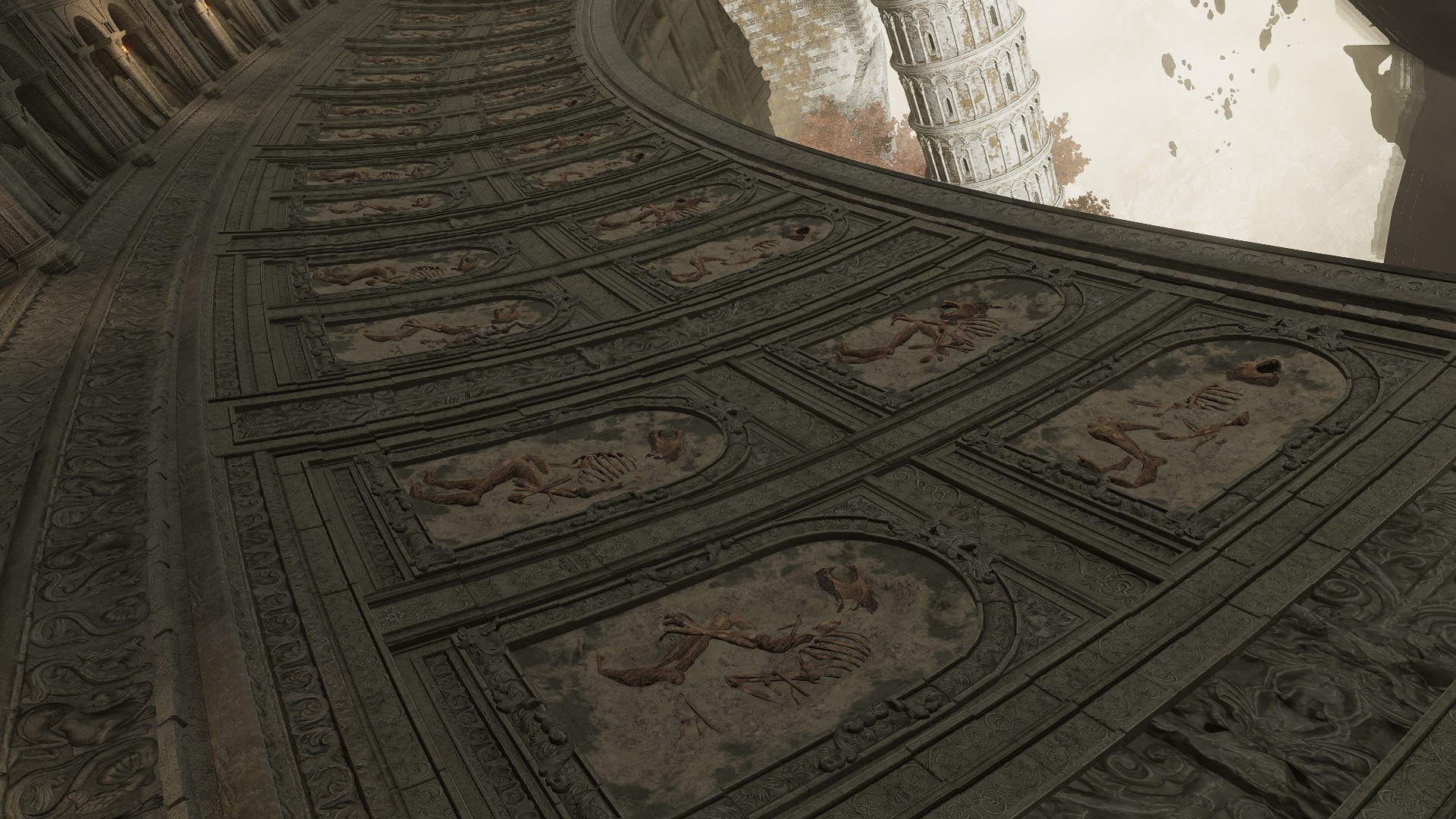
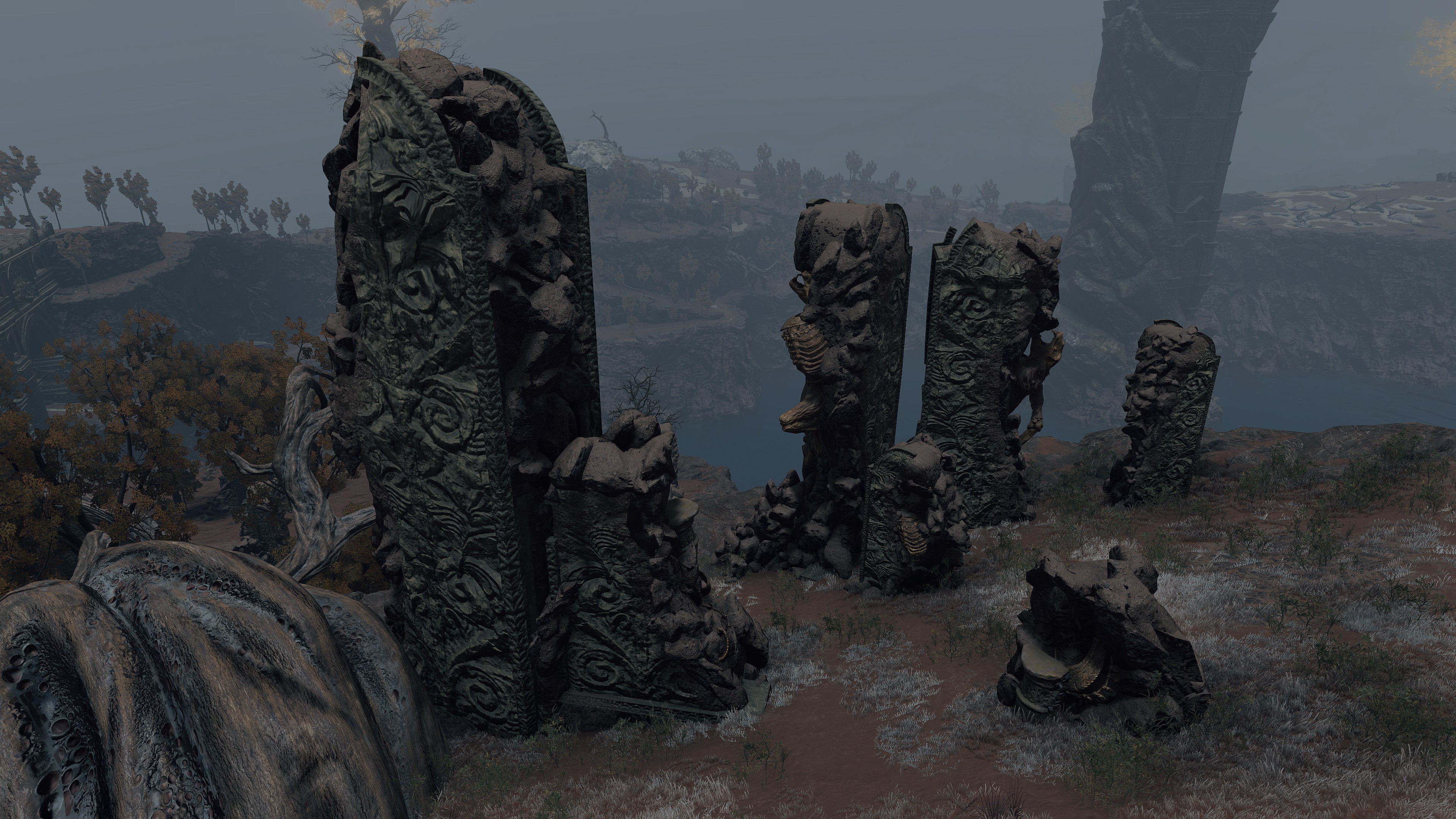
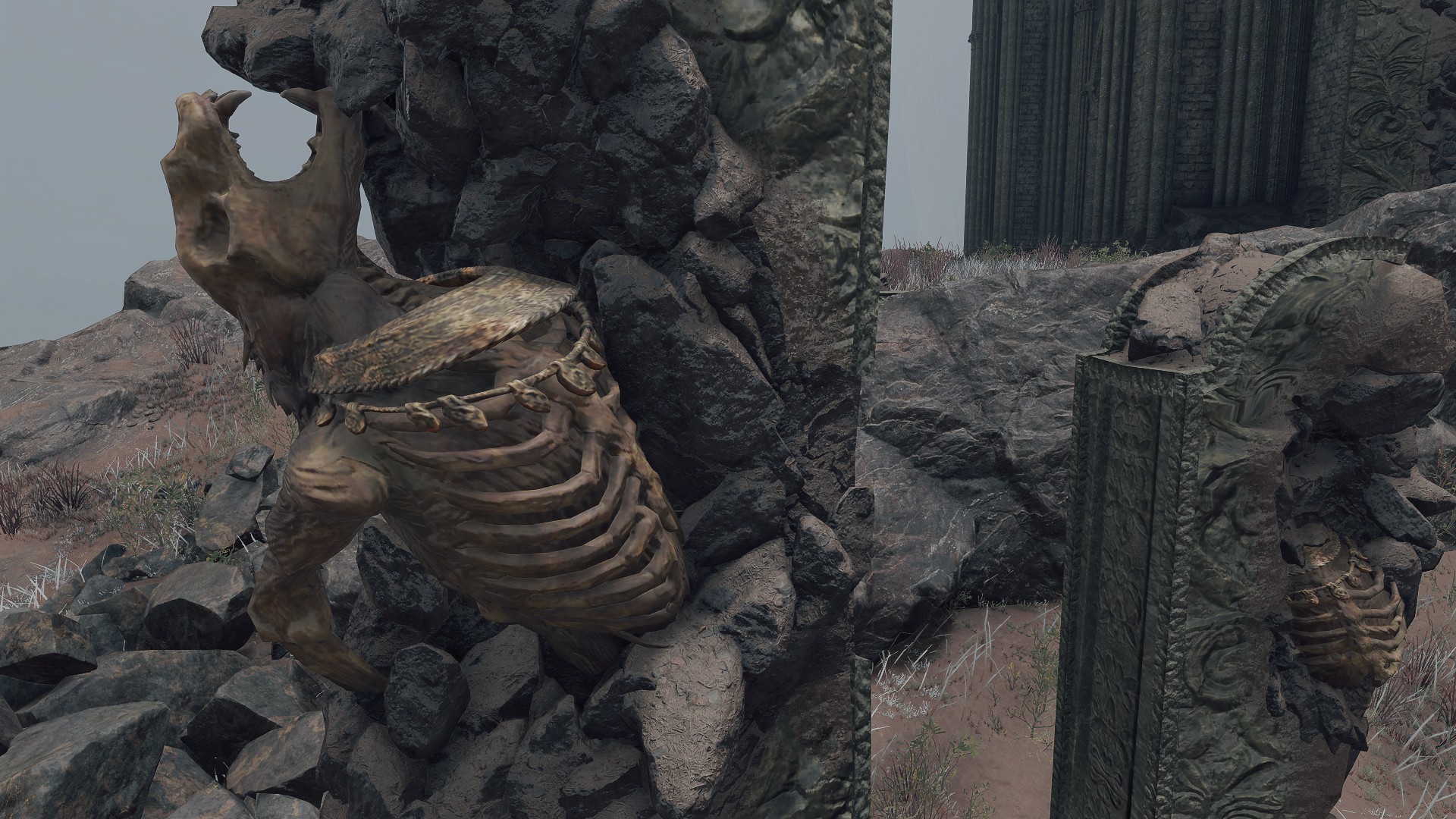
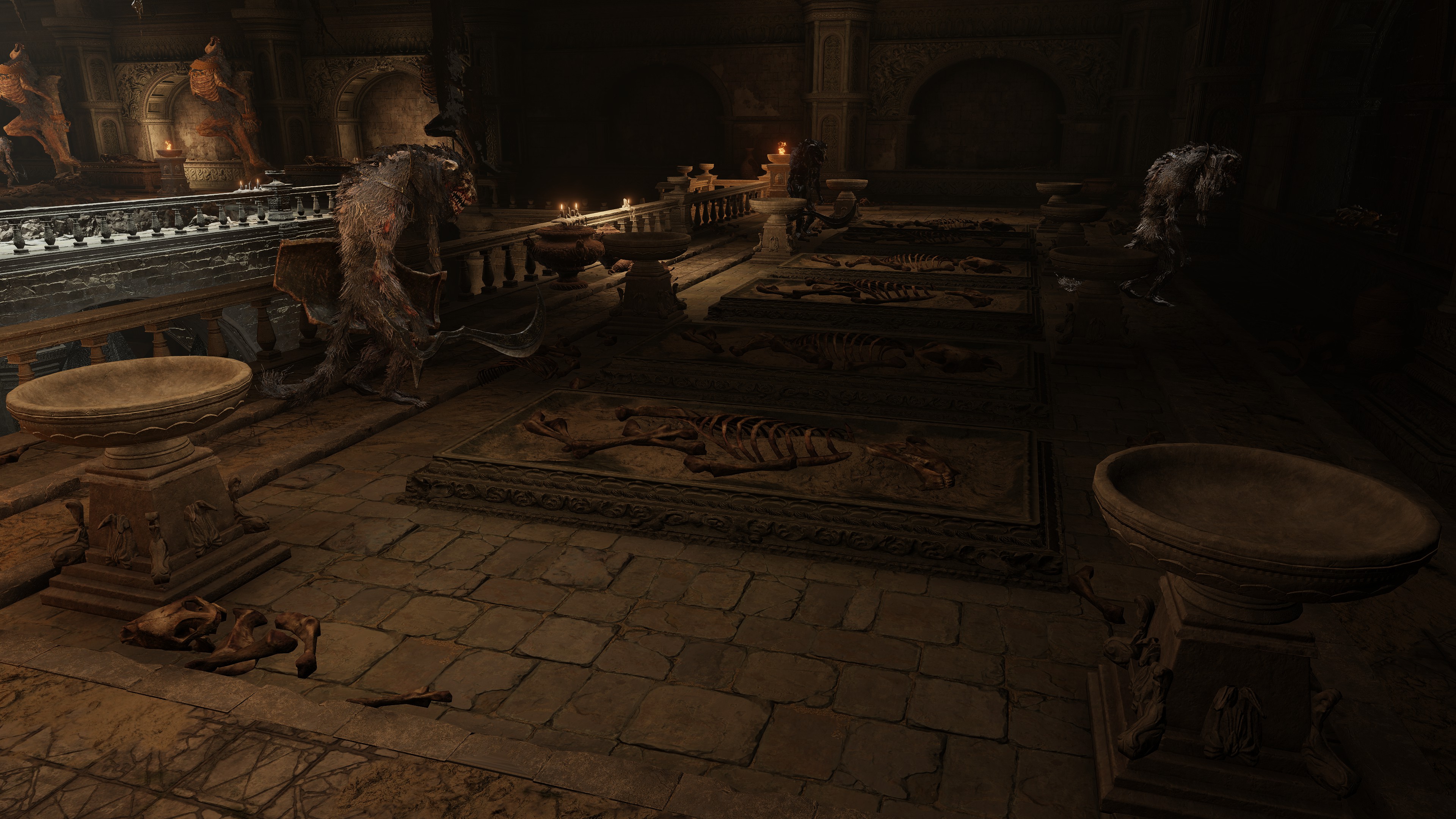
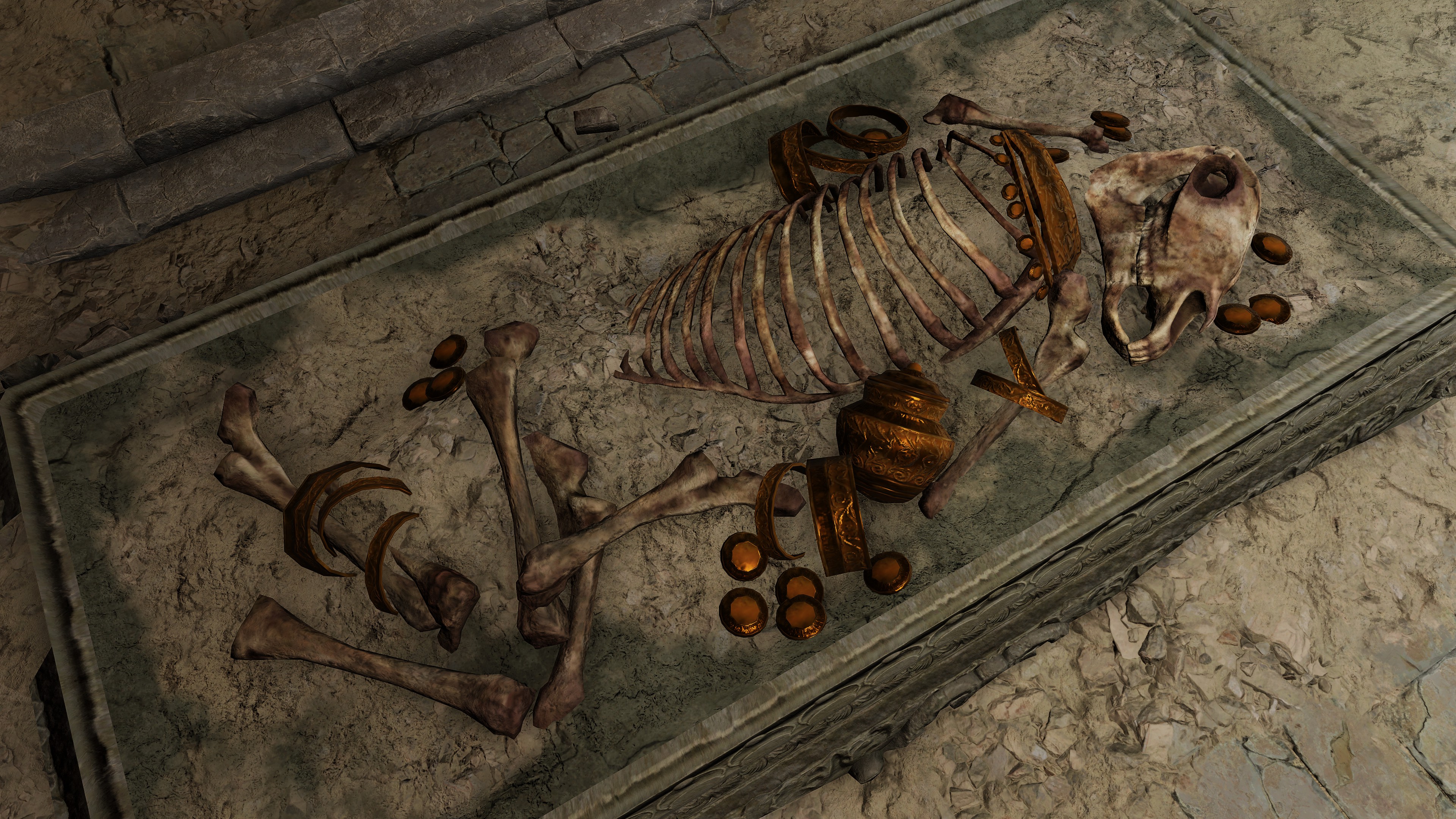
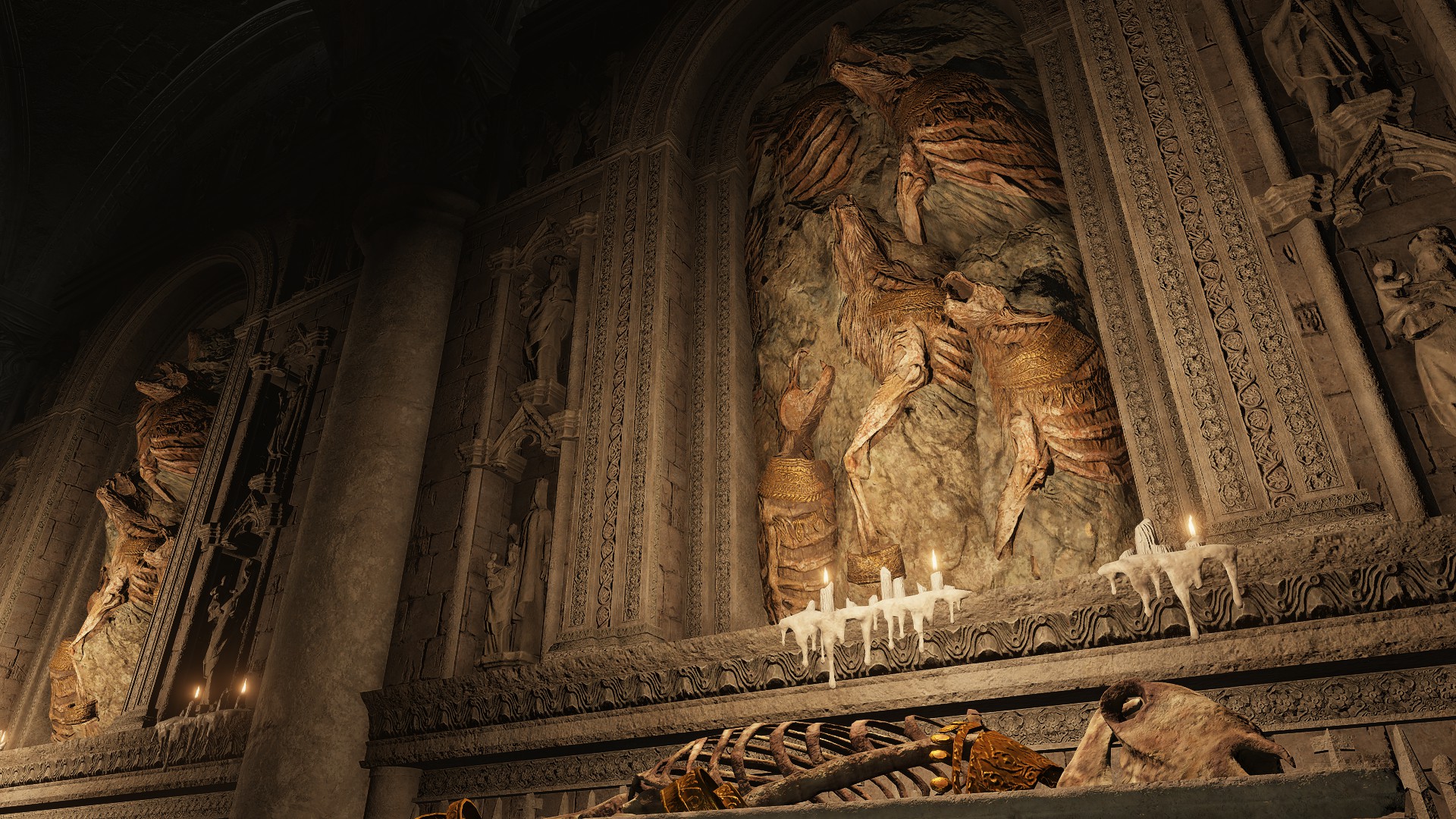
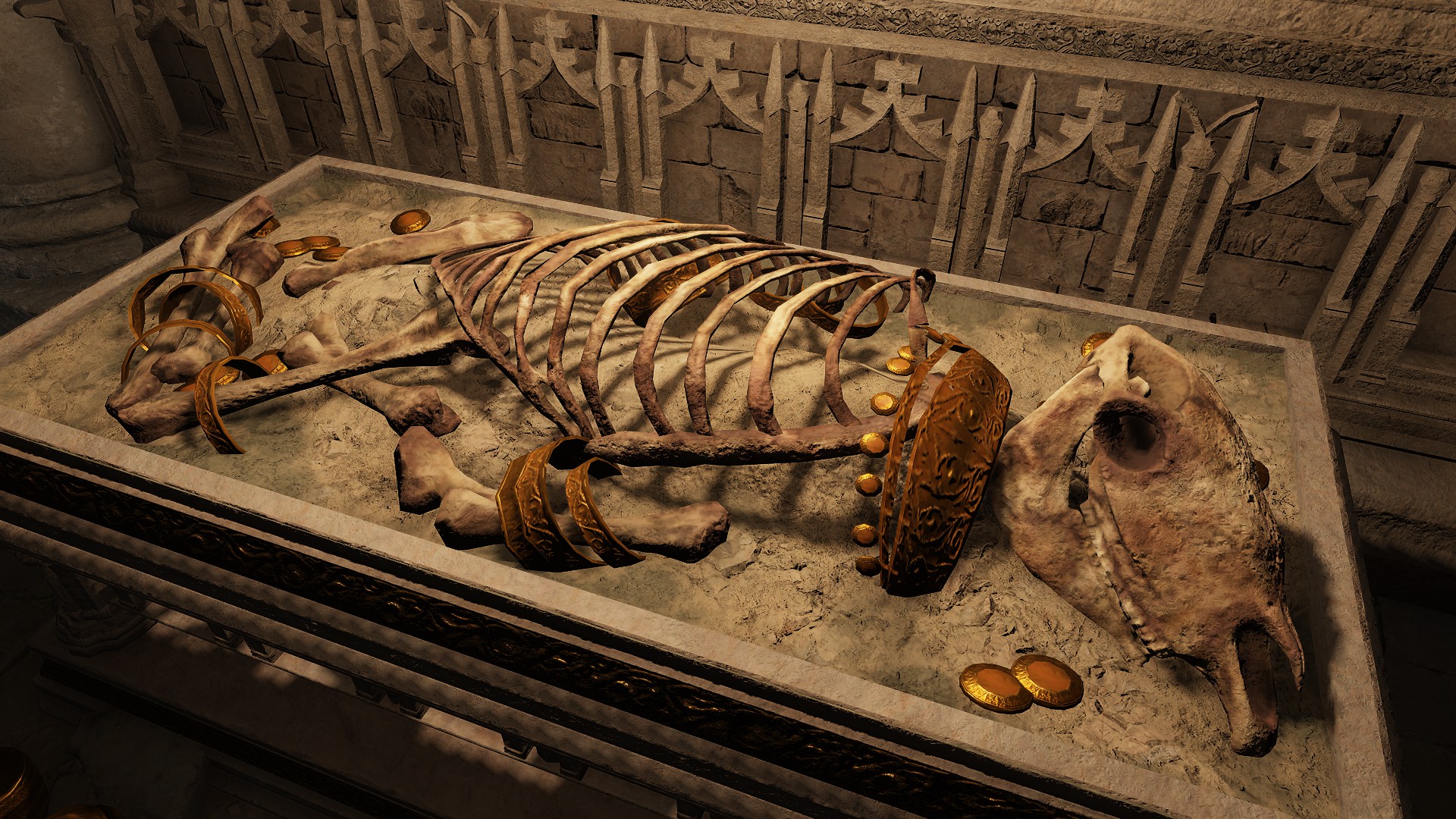
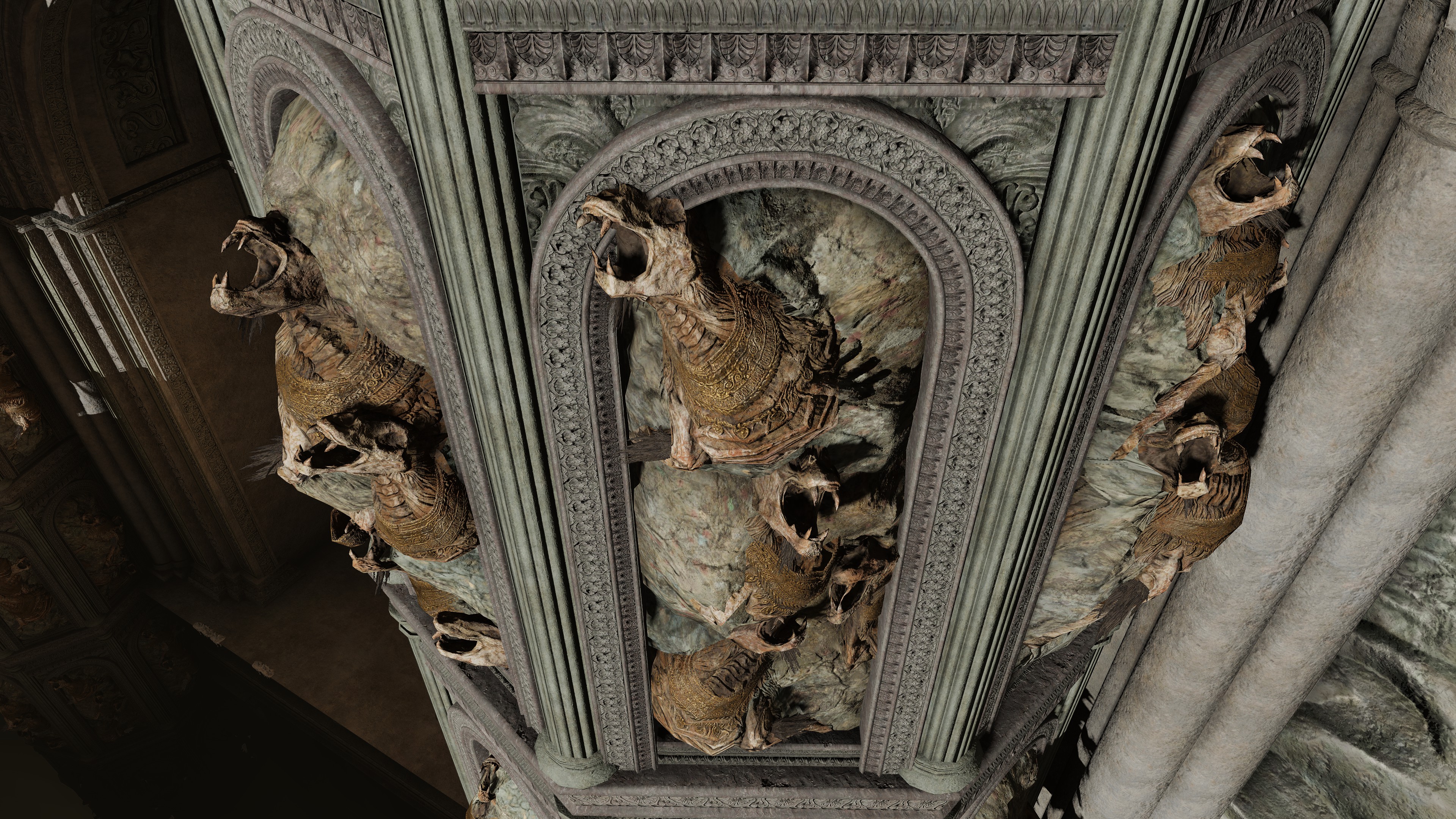
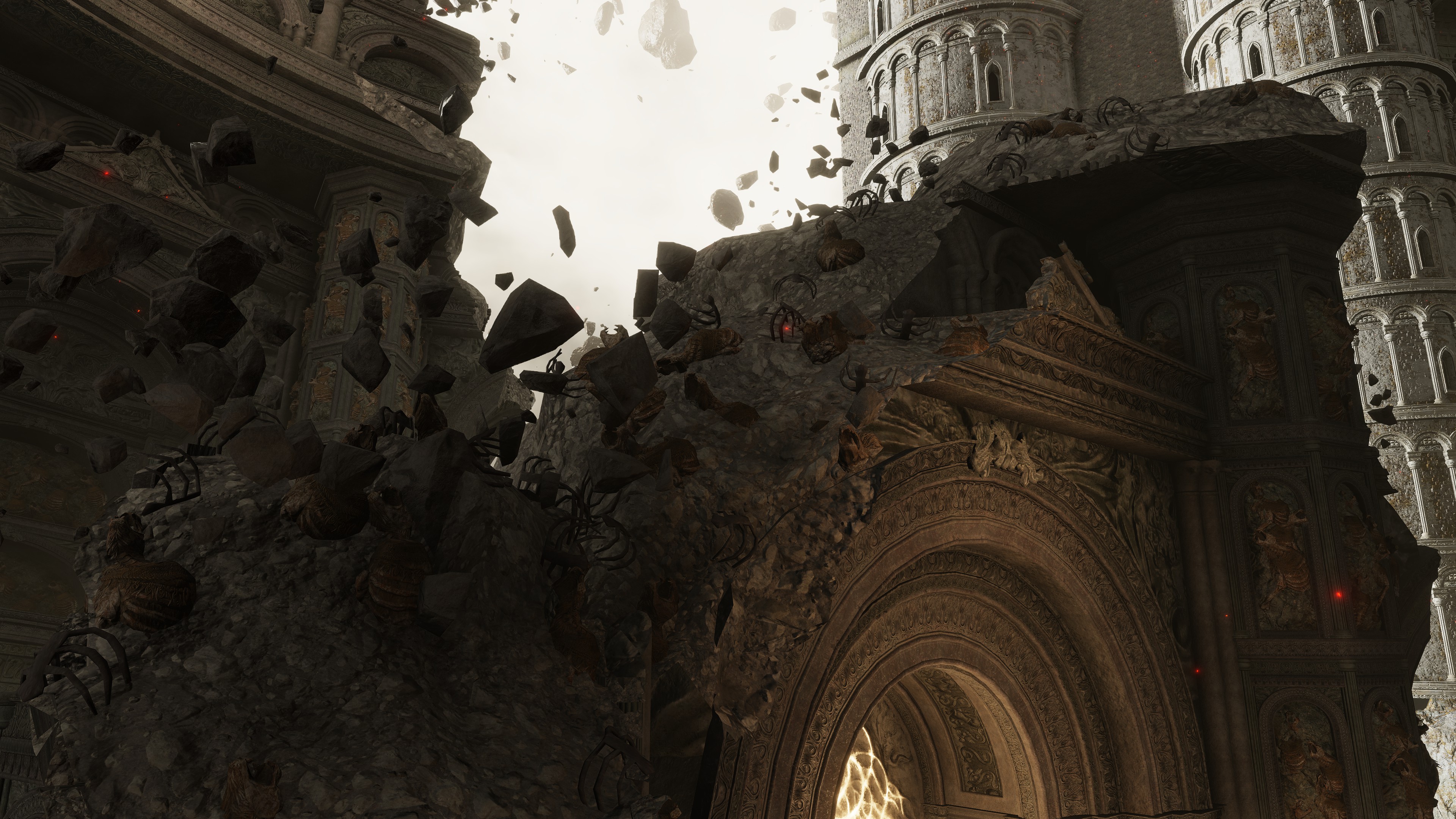
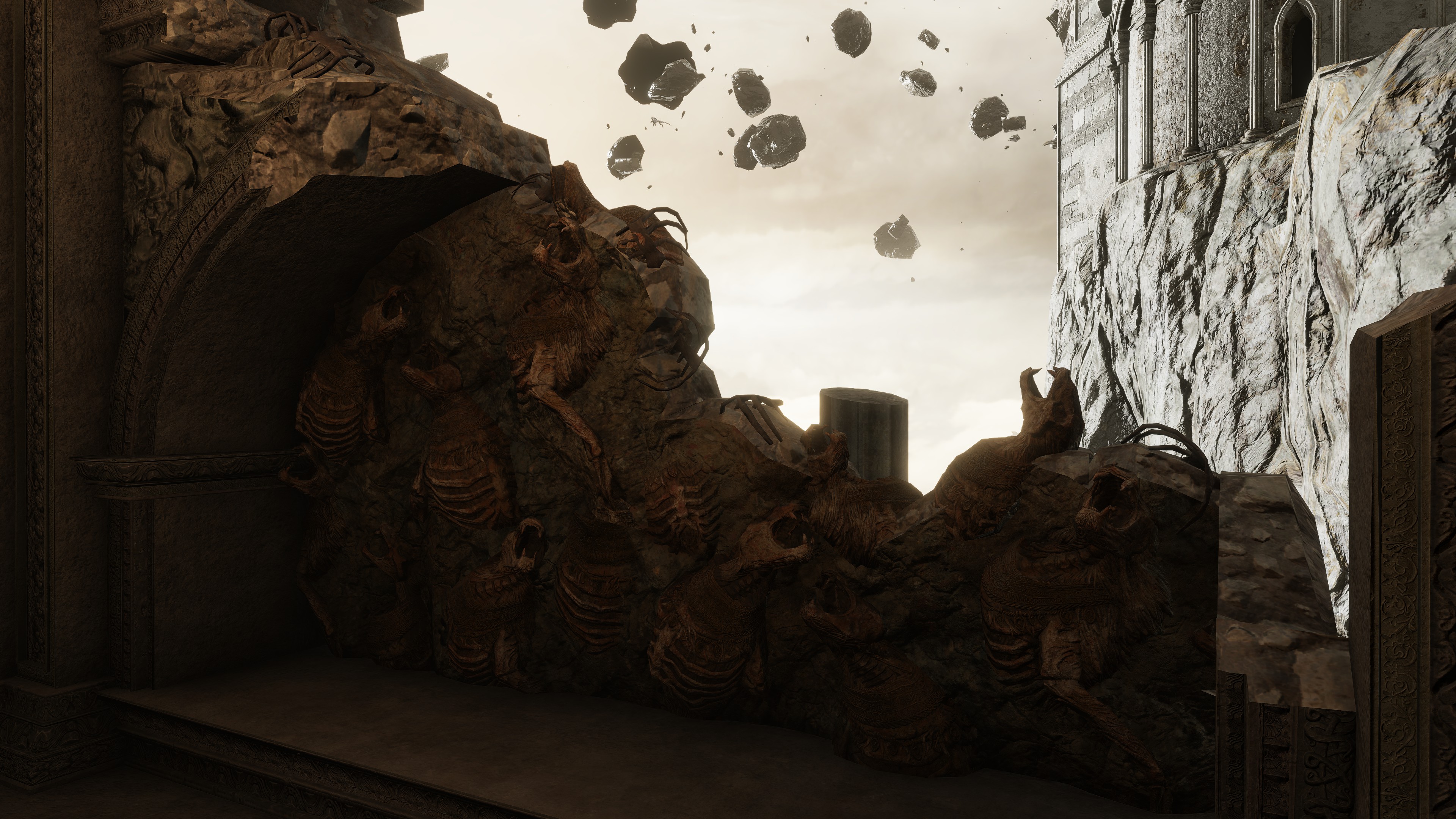
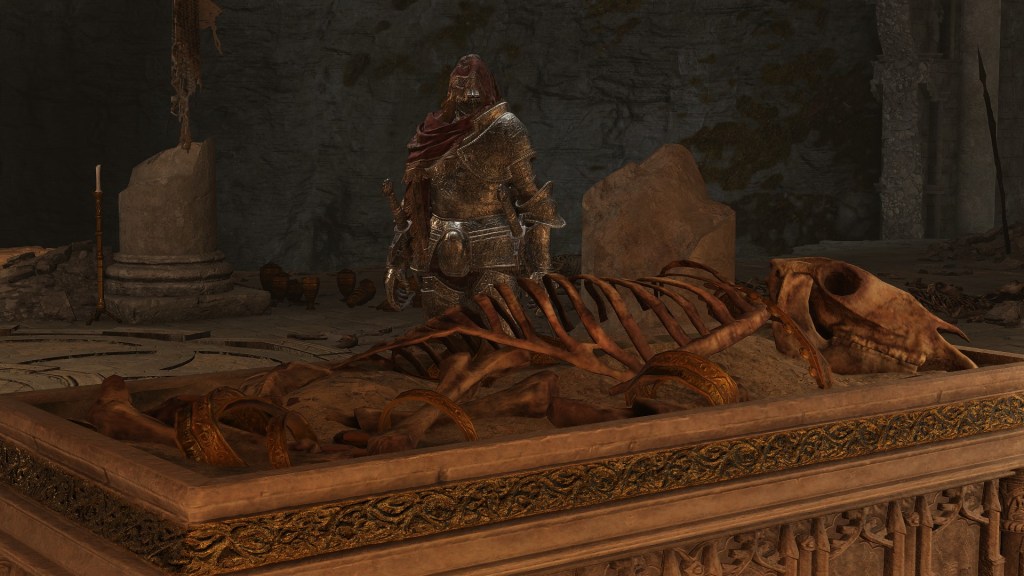
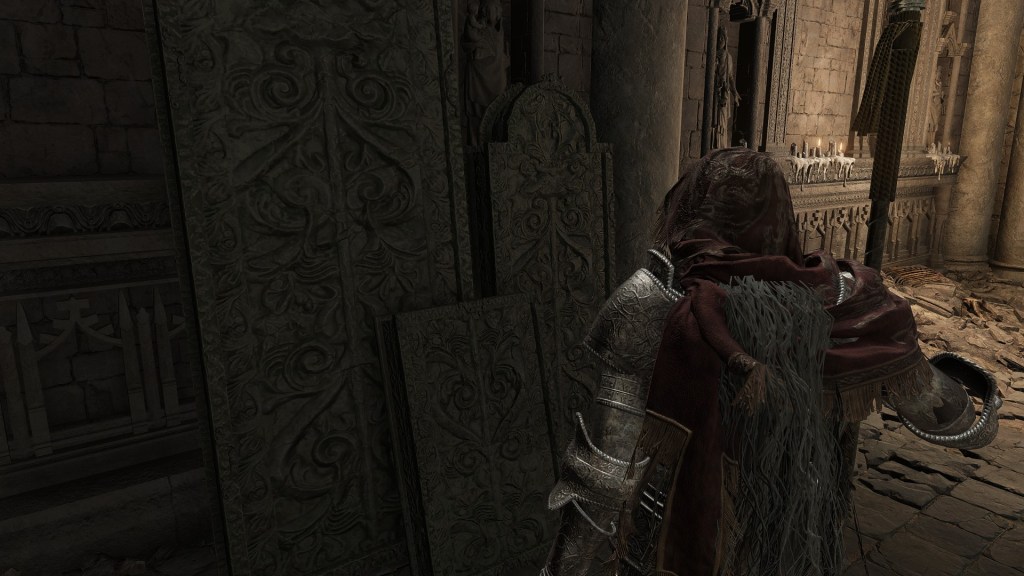
Unique to Farum Azula’s mausoleums and temples are how the rotted bodies are embedded into the rock. While there are more traditional gravestones, even these seem to be used to embed corpses, as seen in the Dragonbarrow. Ideally, however, the remains are placed directly into the hard ground. Perhaps this was for the purpose of visitation, as we see risen beastman skeletons pay respects to the deceased buried in this way. Whichever the motive, it is the standard in Farum culture for all kinds of beastman; we even see models for horse skeletons, but one of these graves is where we loot the beastman spirit ashes, so these are probably intended to be more of the lupine or leoline species burials. The gold jewelry buried with the corpses takes obvious inspiration from the Varna Necropolis, highlighting the age of this practice. However, it also draws comparison to the ancient dragons’ own nature as beings combing rock and gold, almost as if the beasts wish to emulate the subjects they worship in death. Indeed, in one case, the body is laid to rest with a fair amount of genuine gravel stone. Such burial goods can hardly be coincidence.
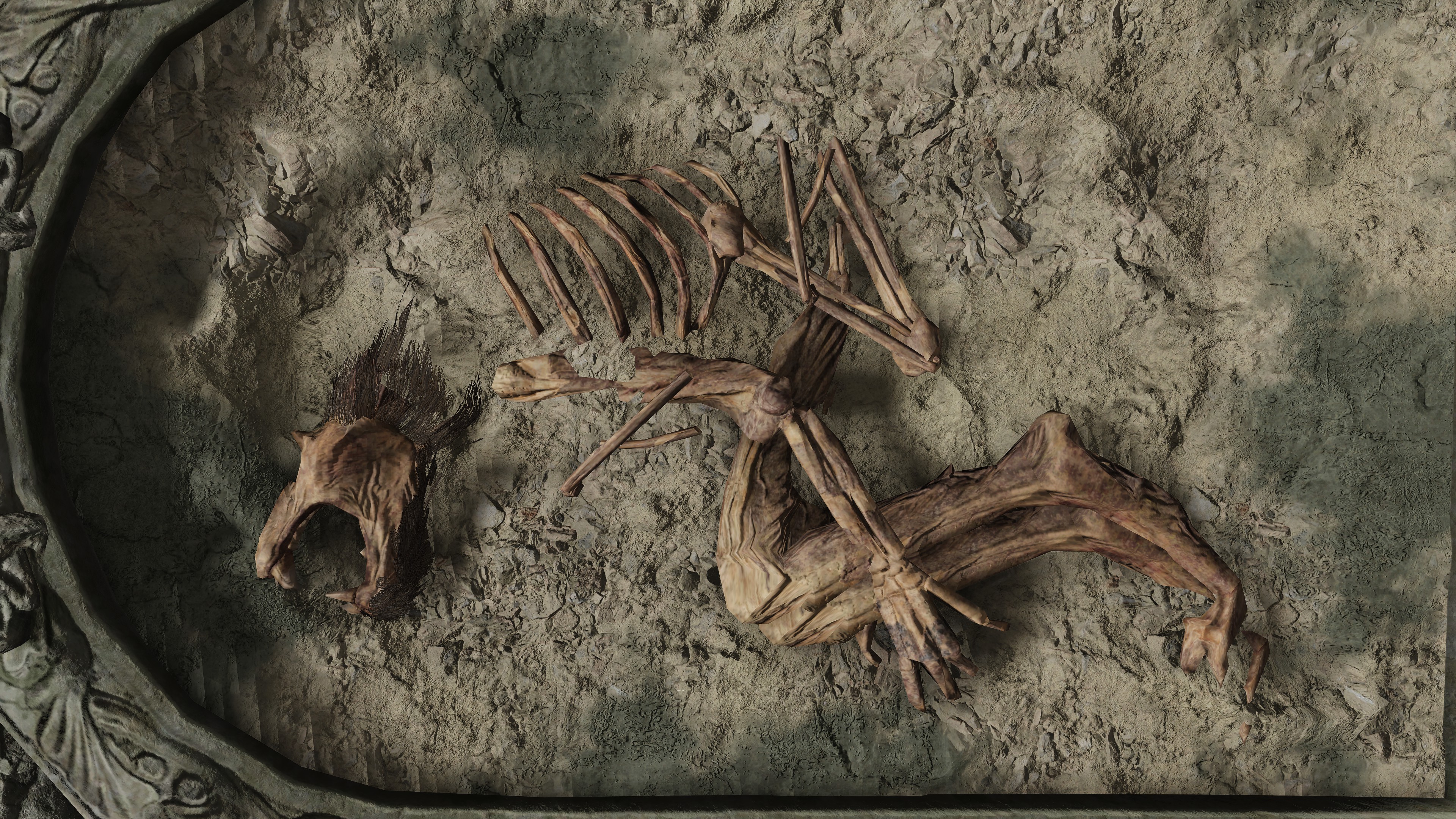
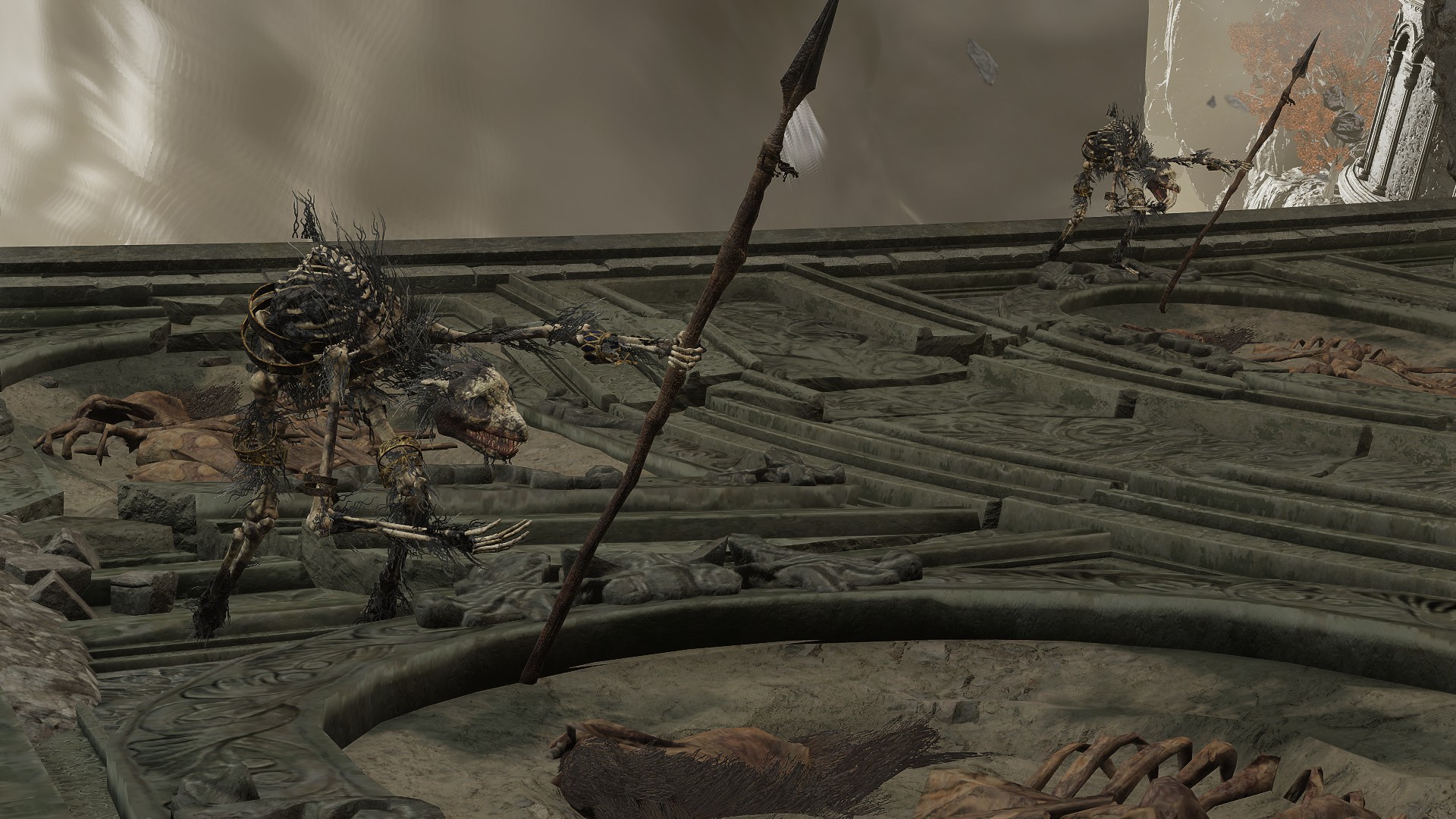
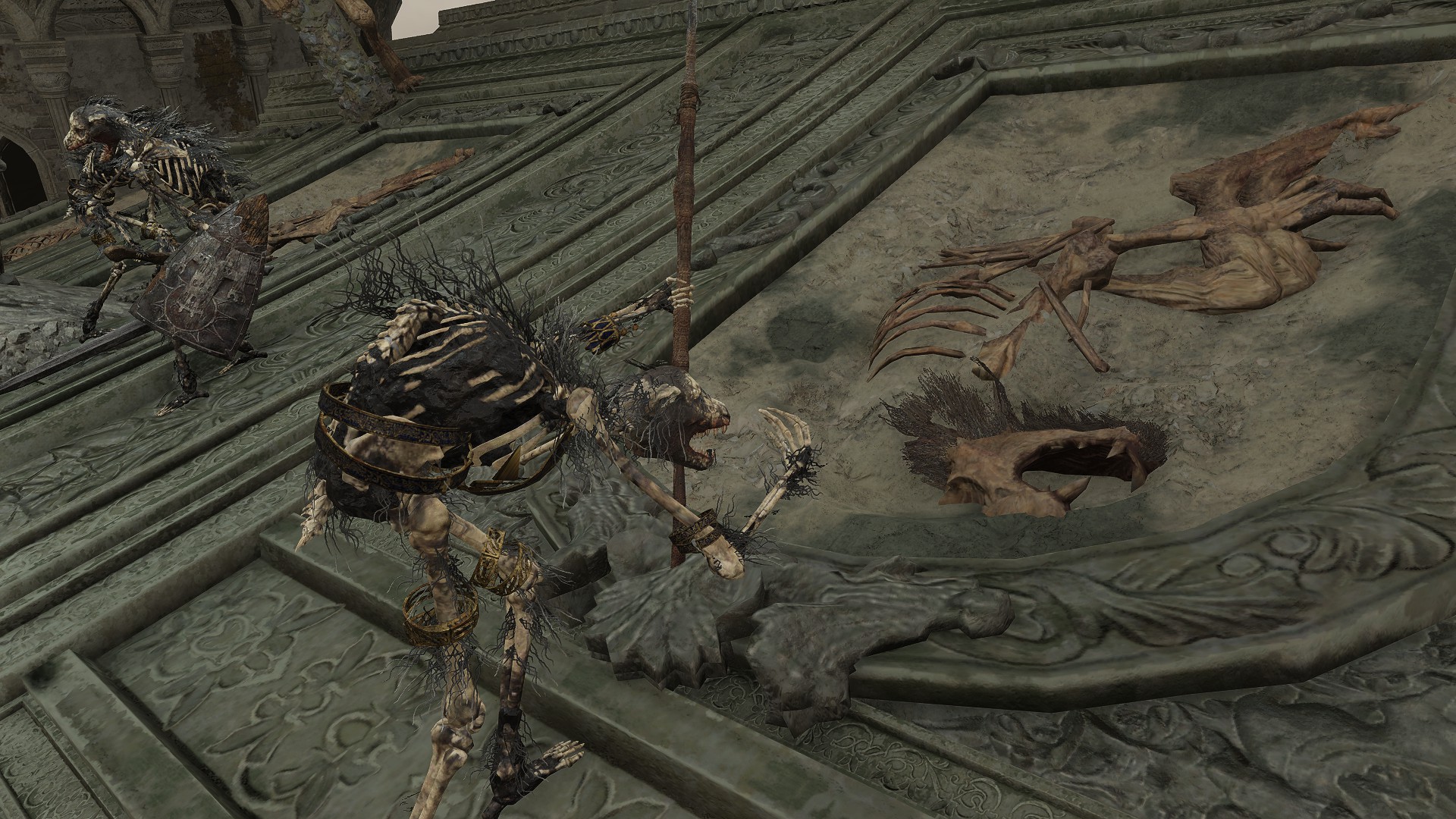
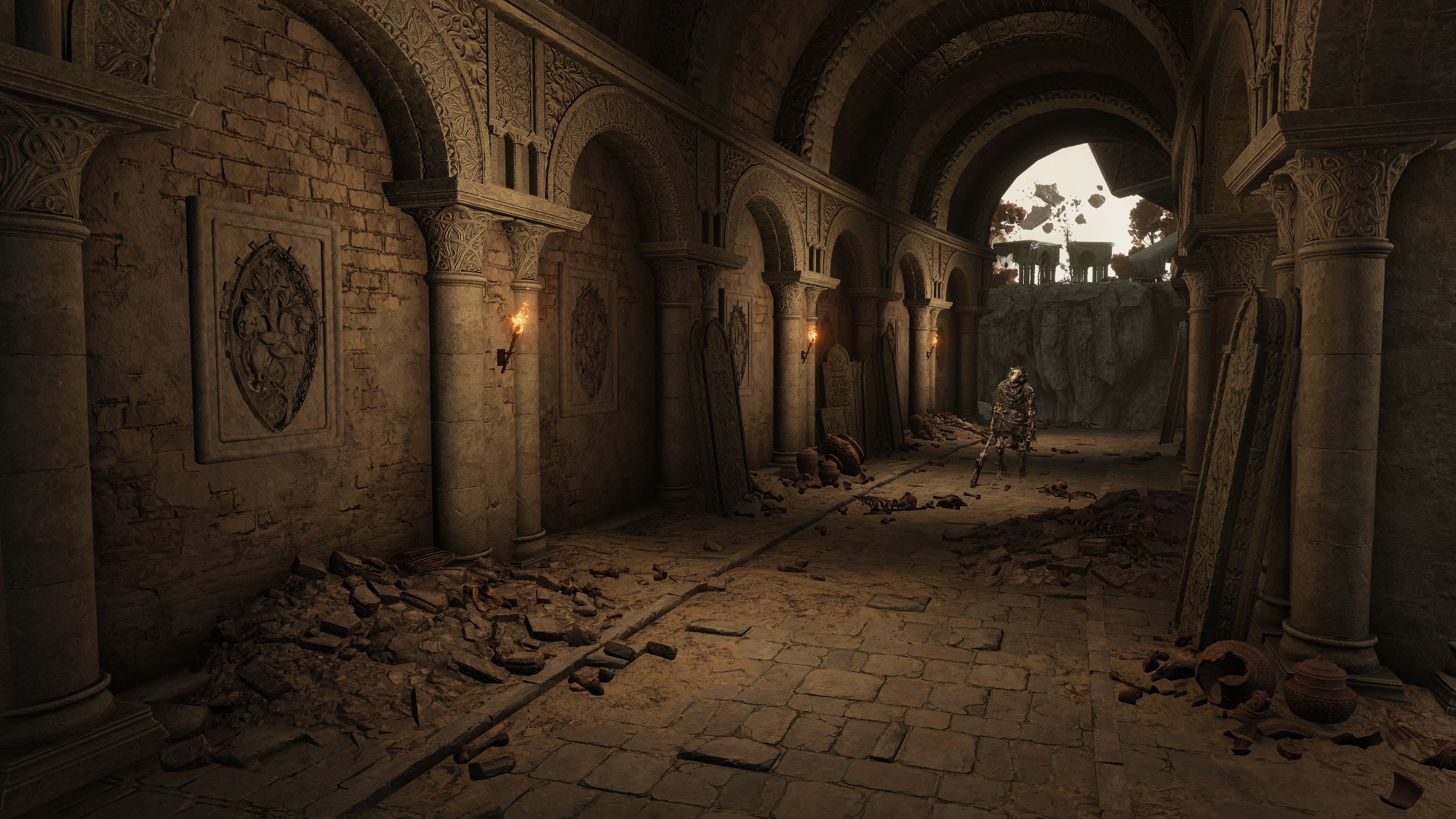
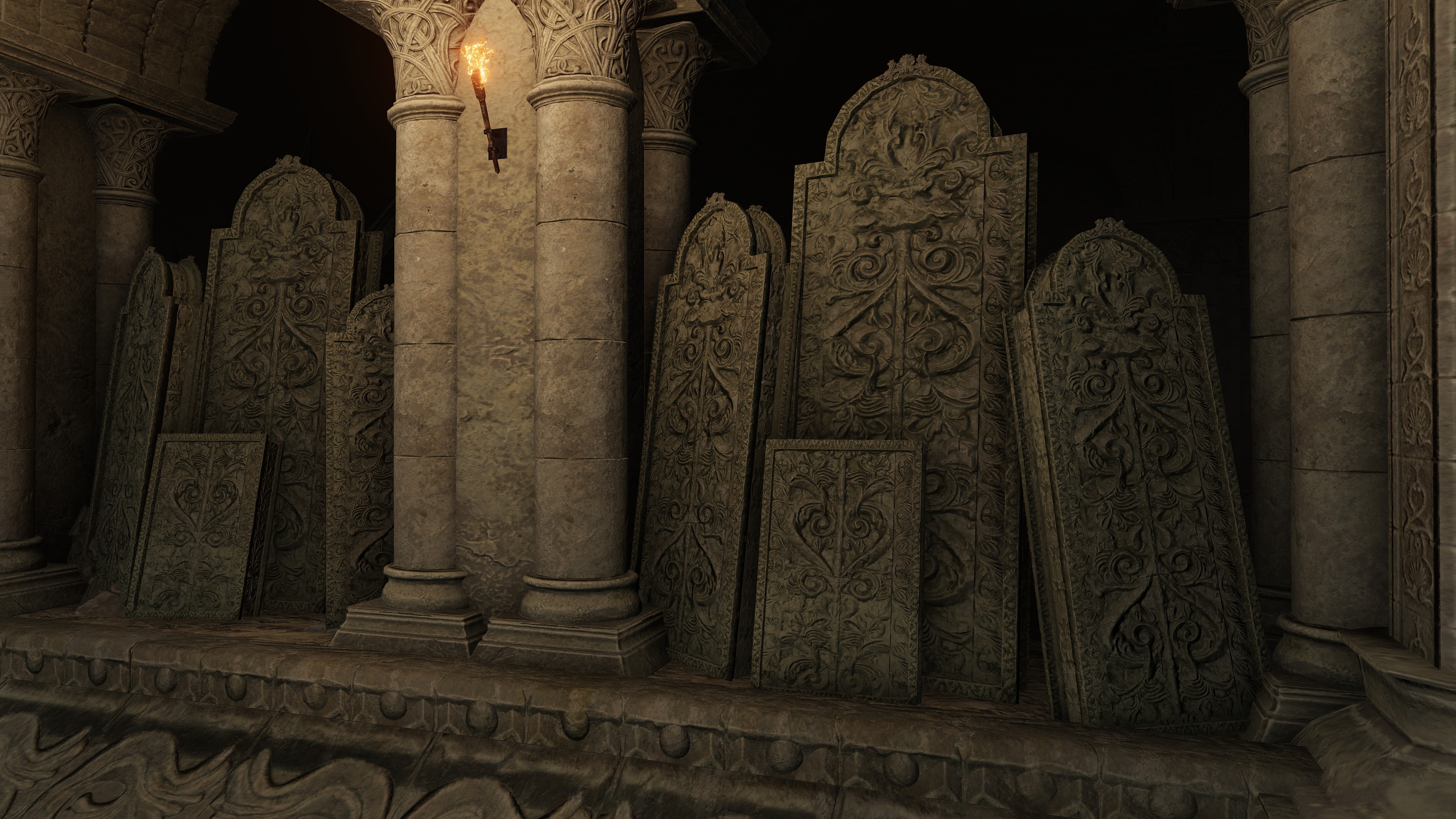
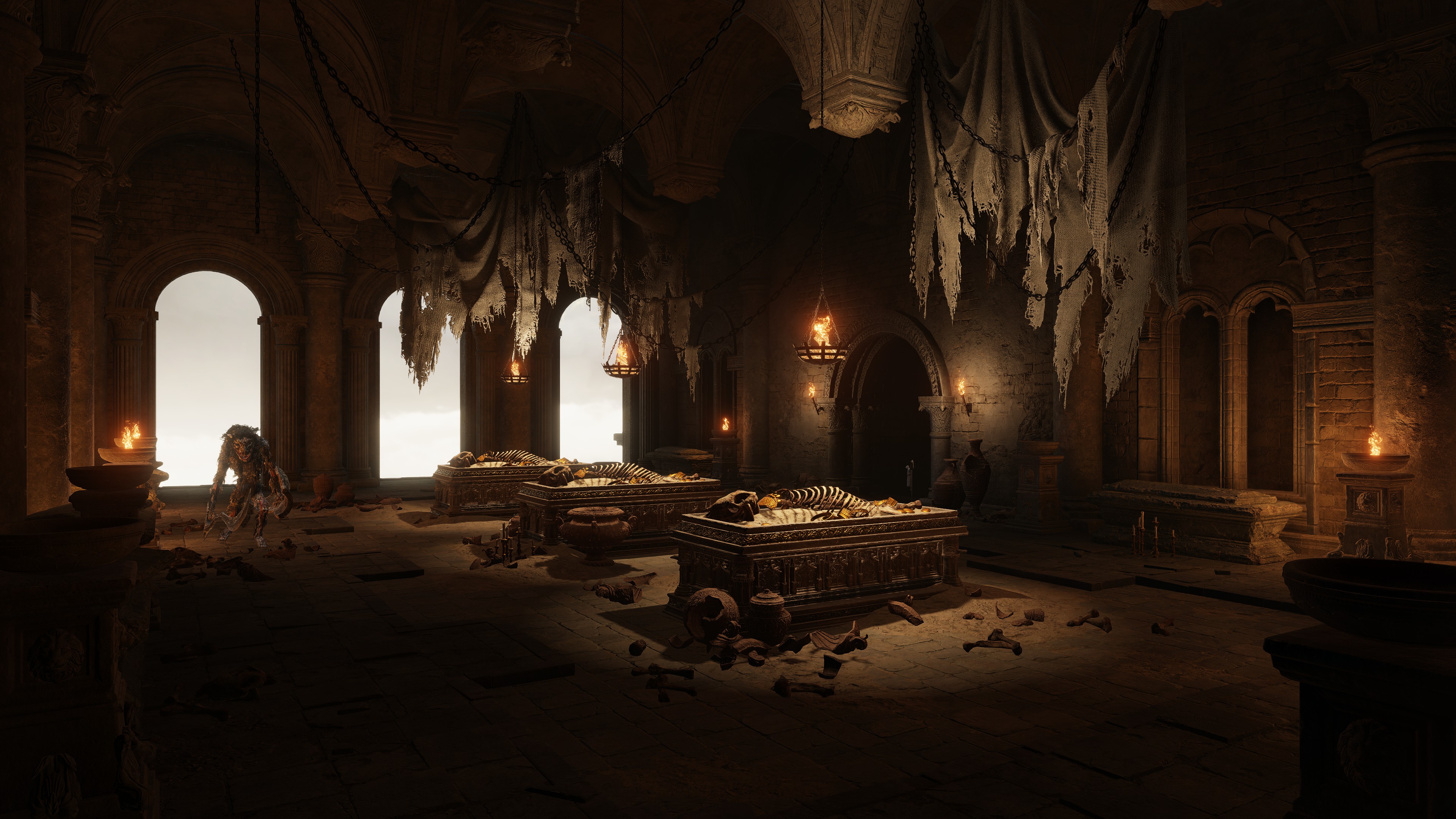
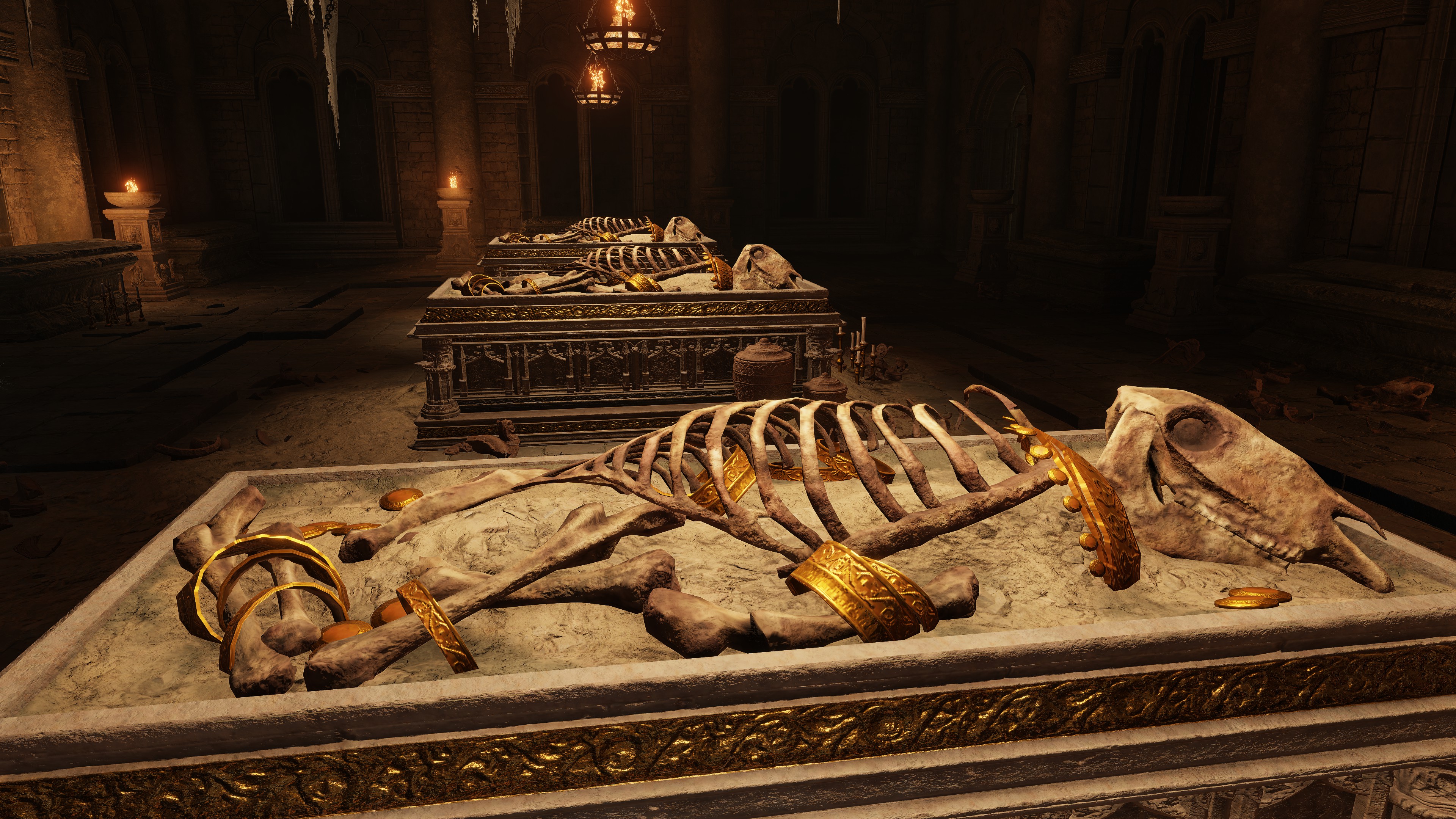
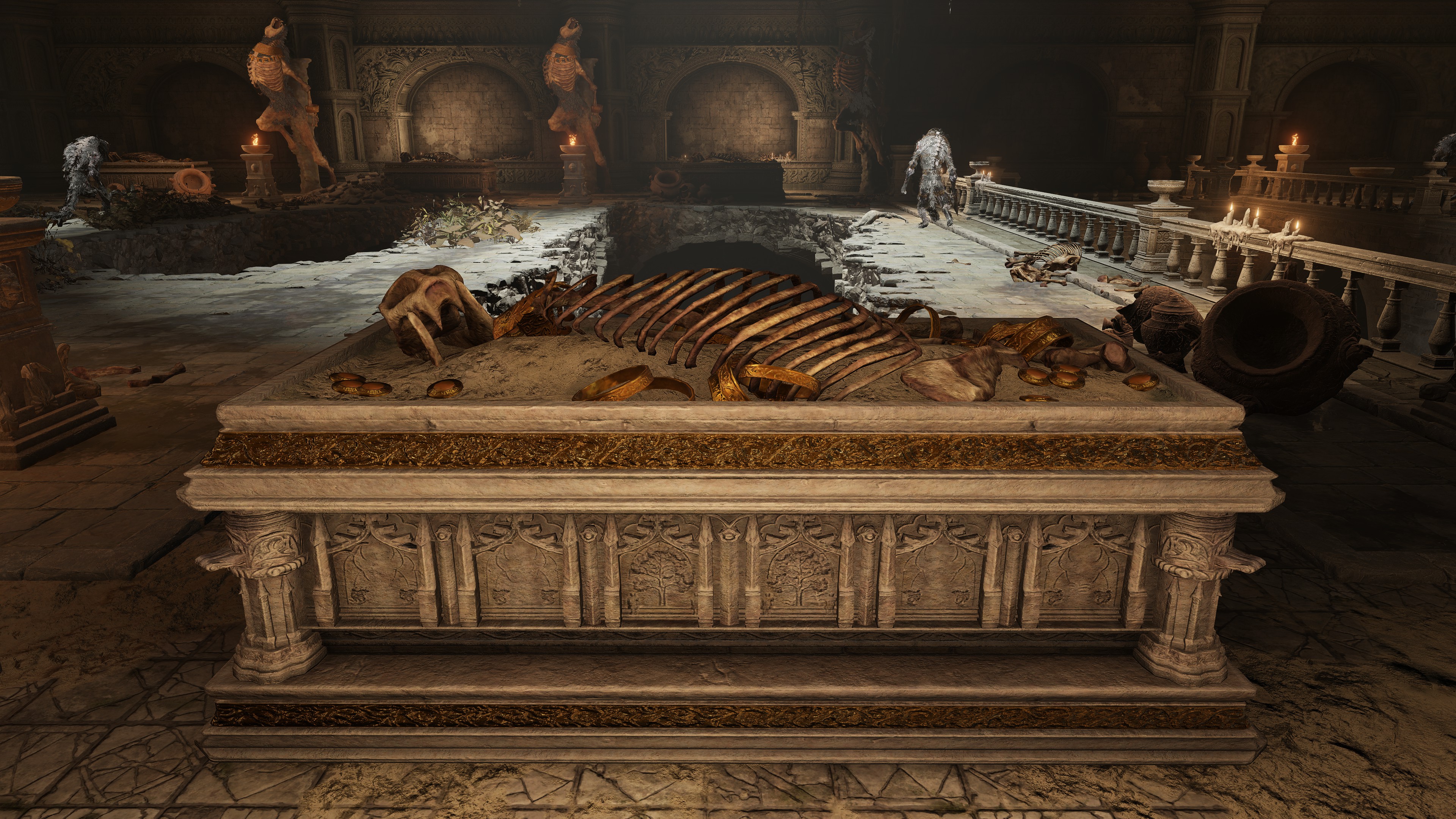
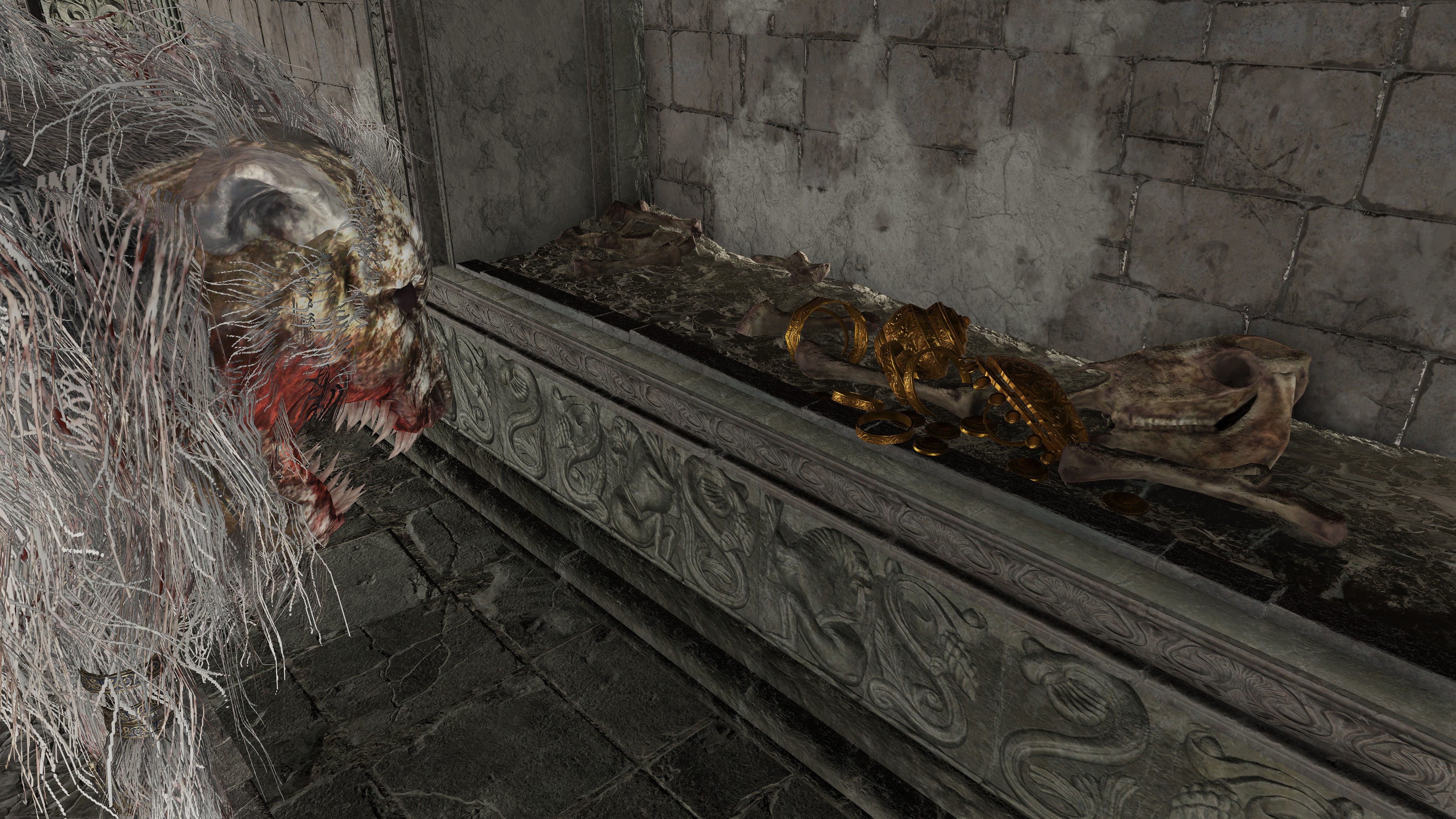
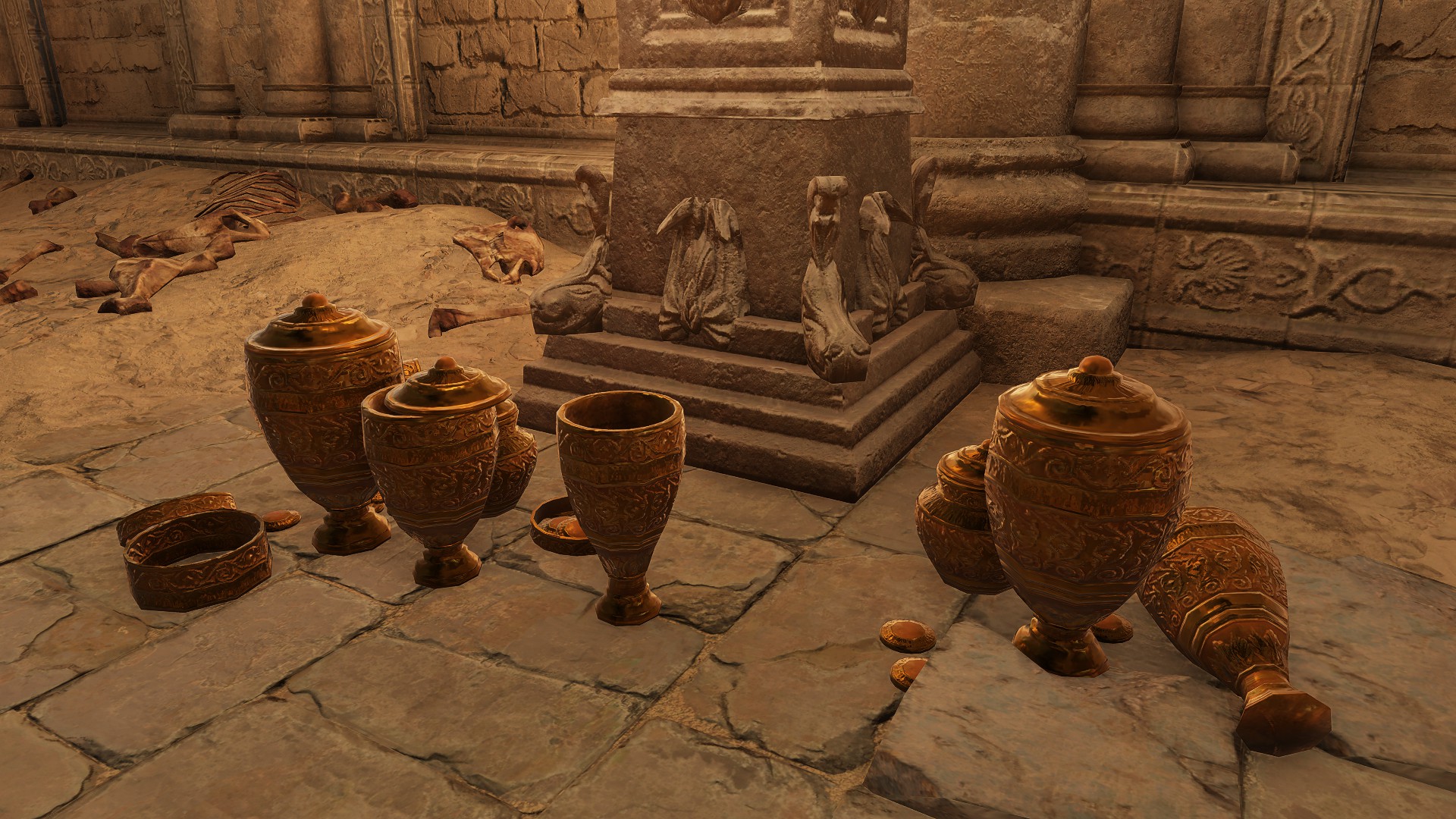
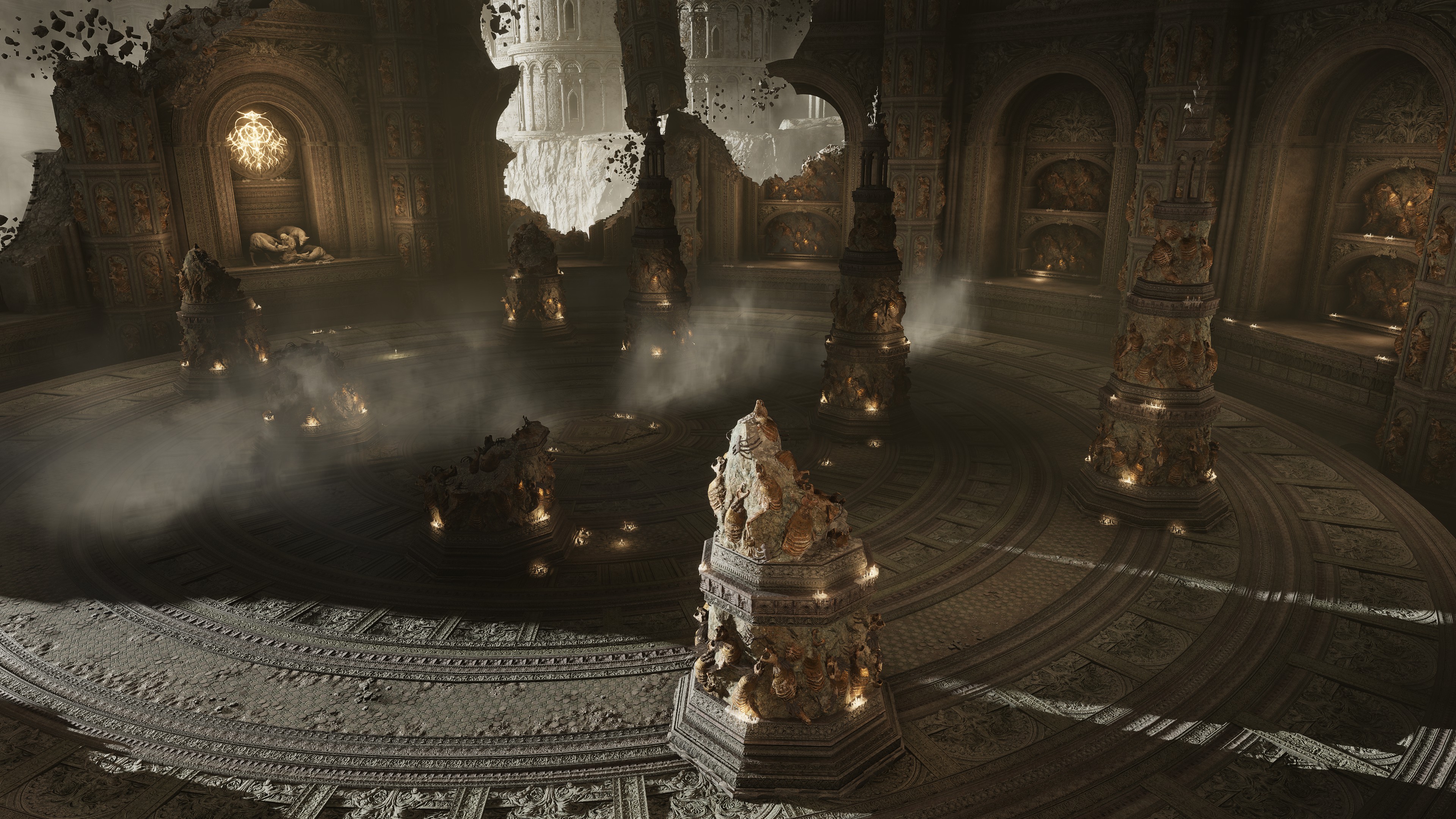
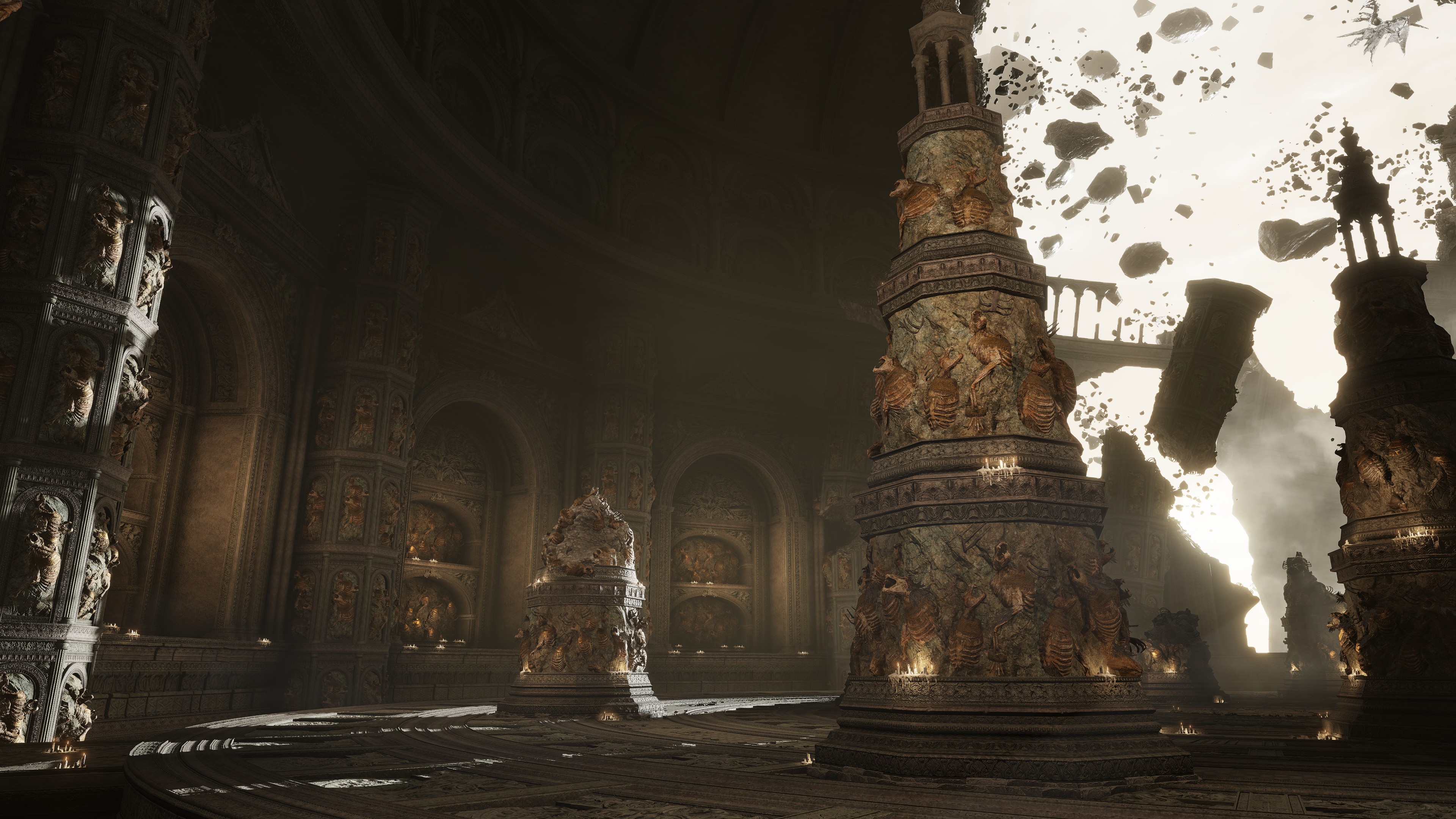
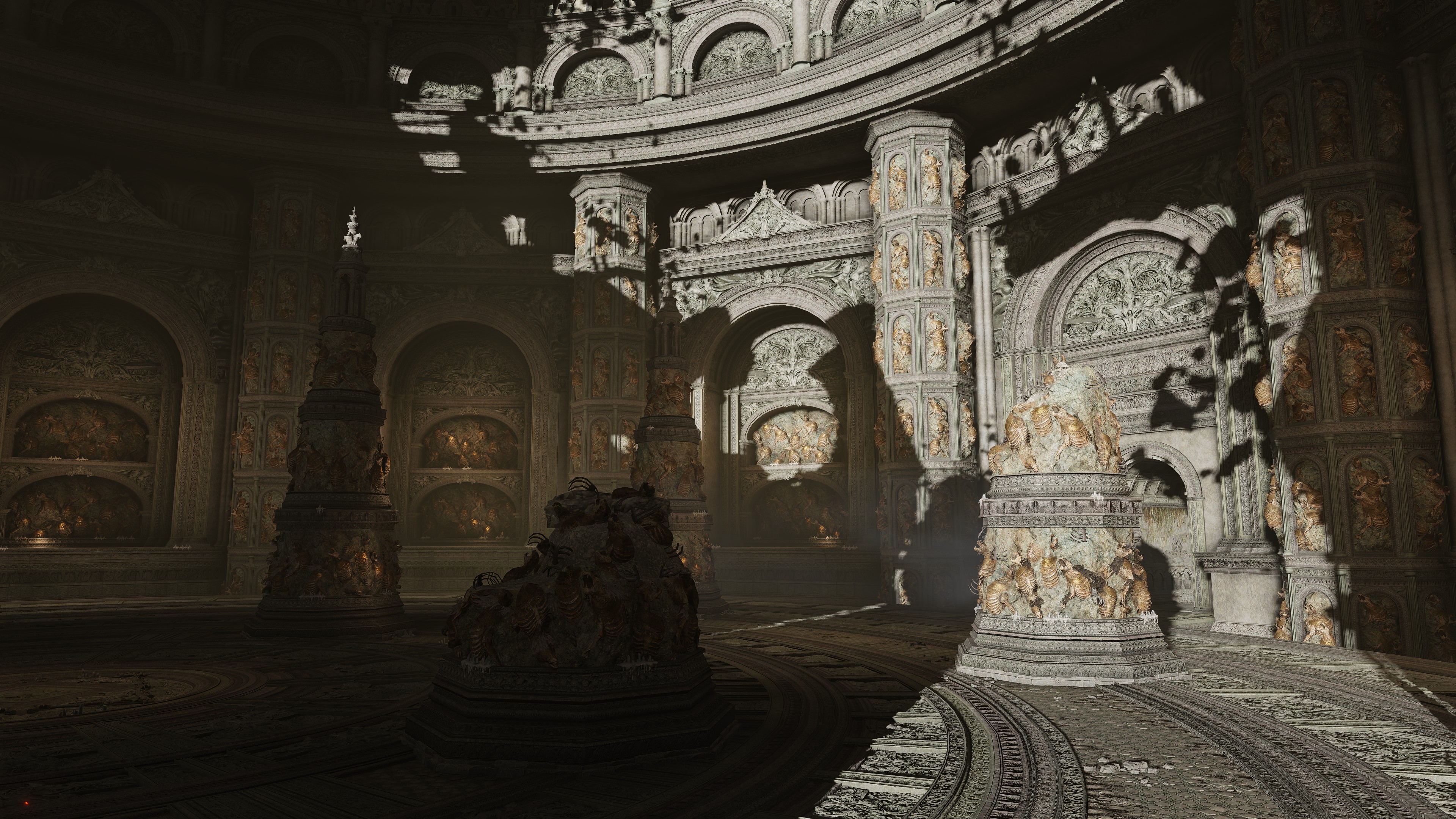
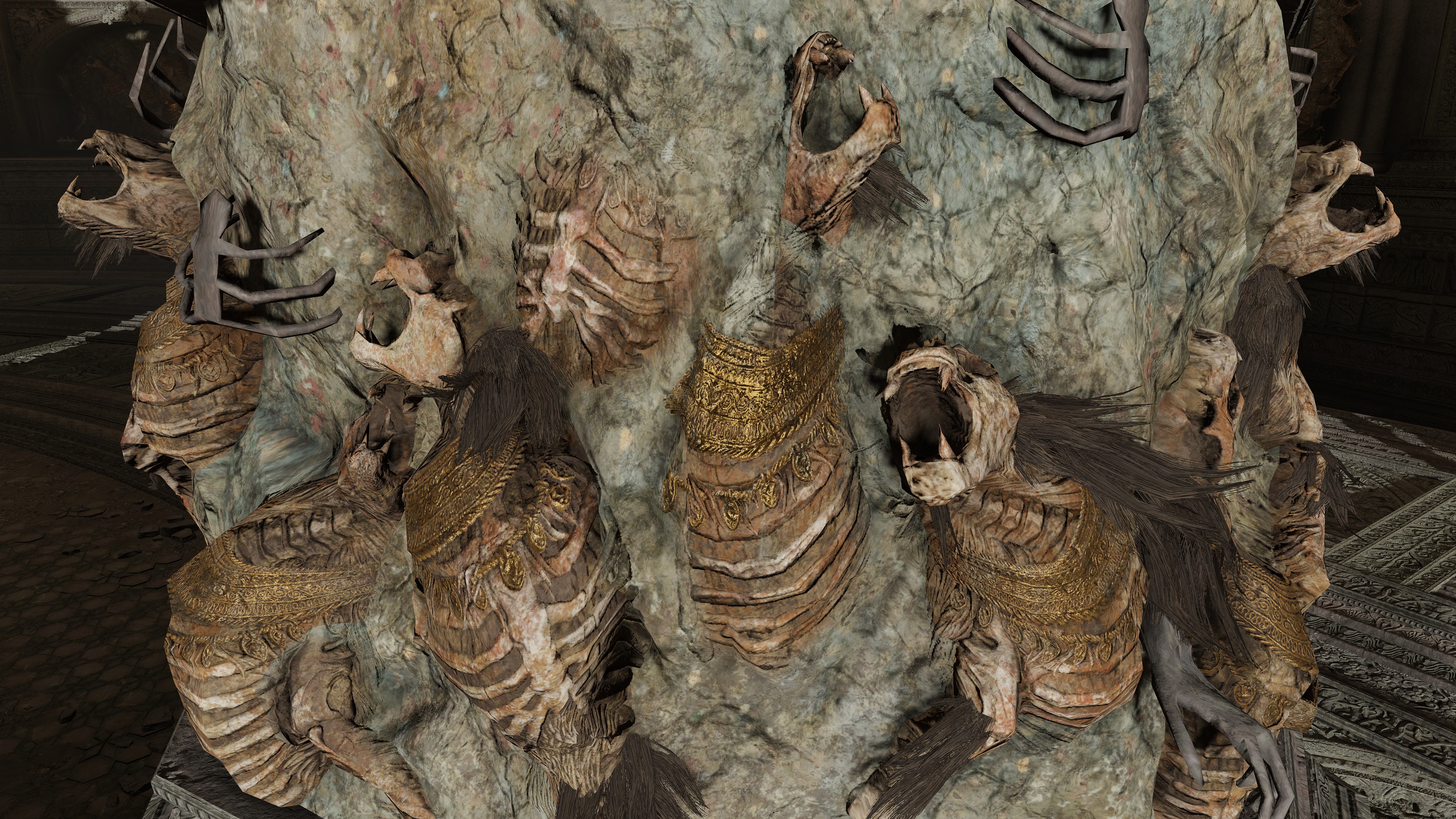
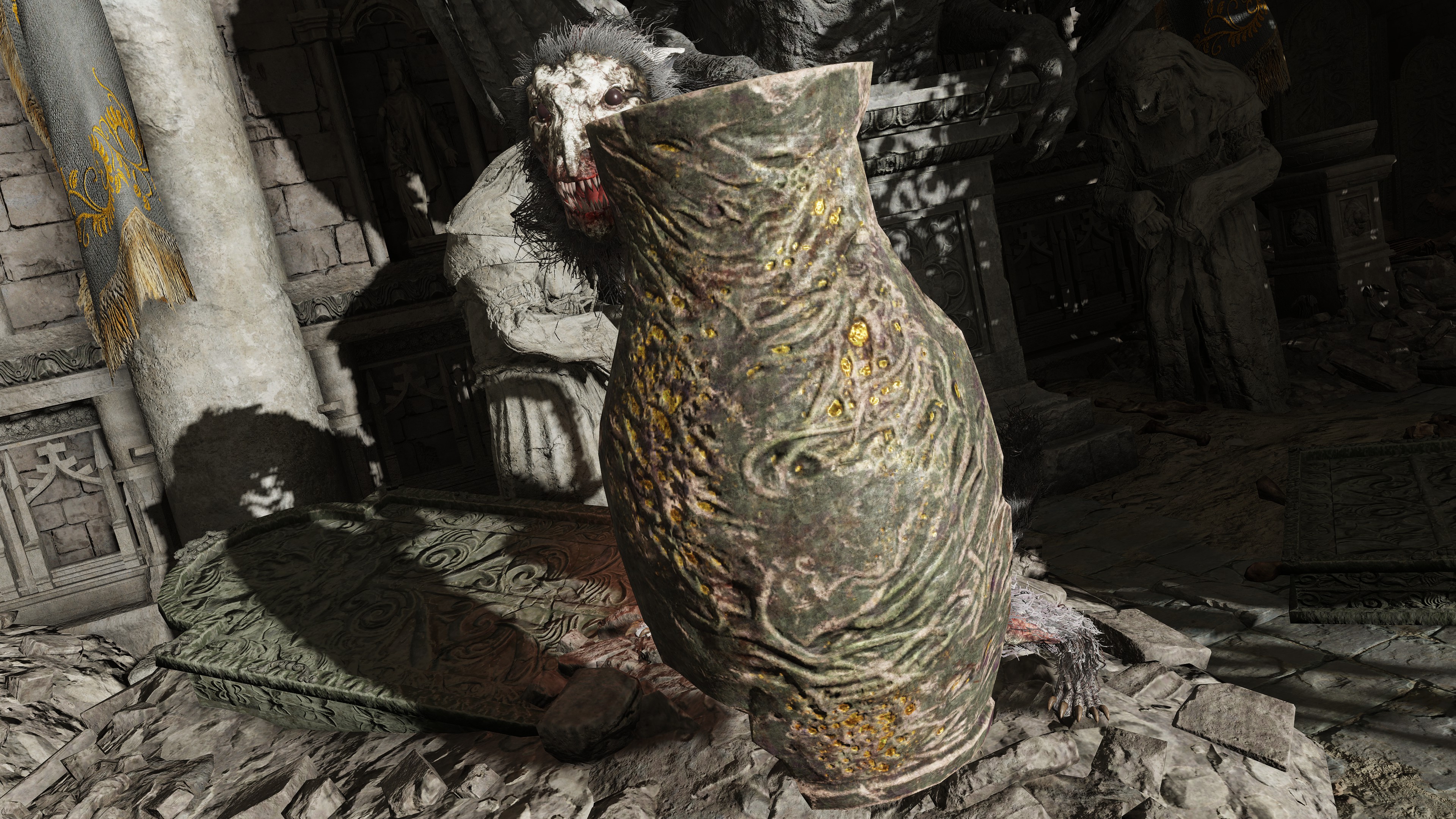
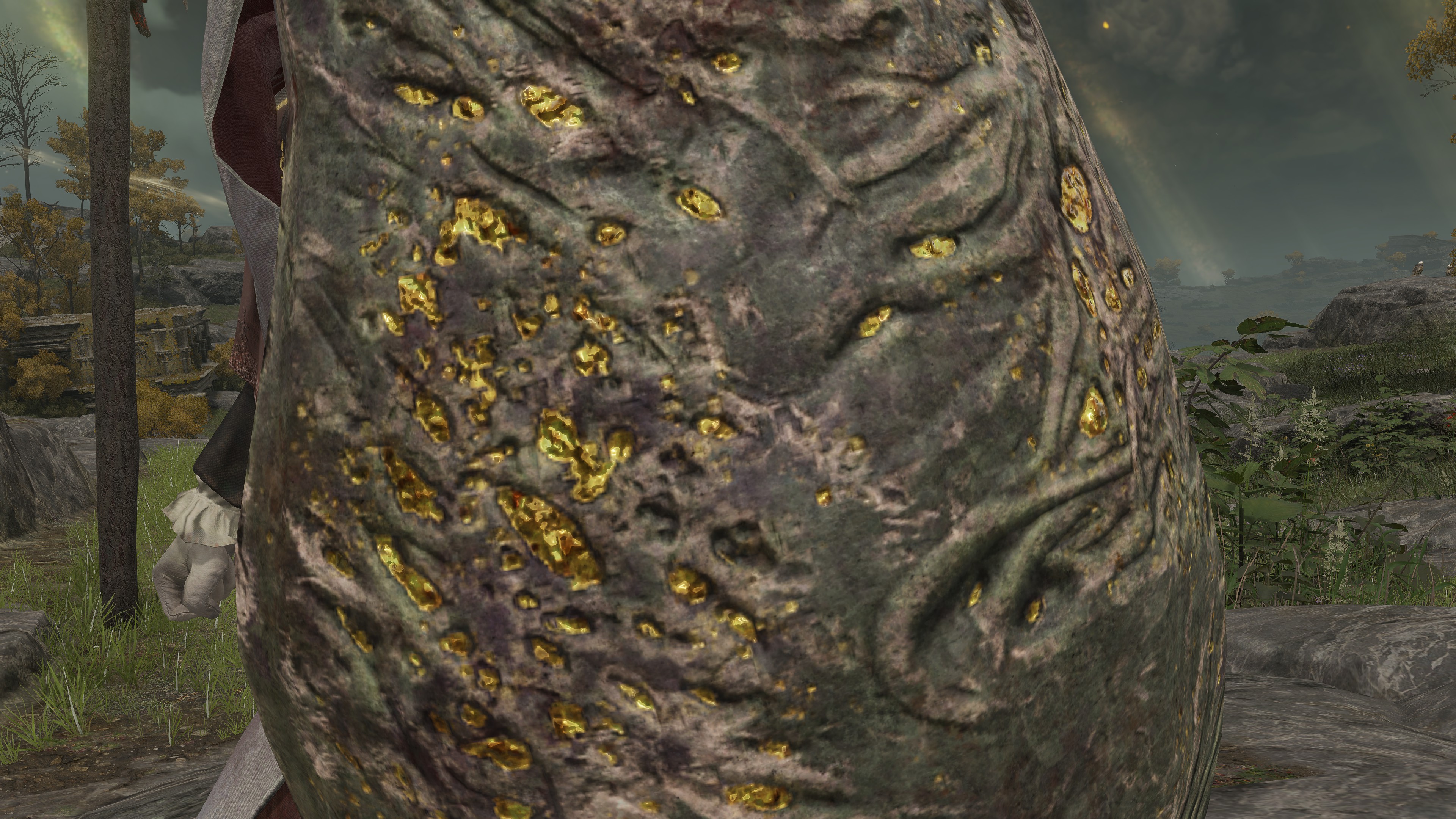
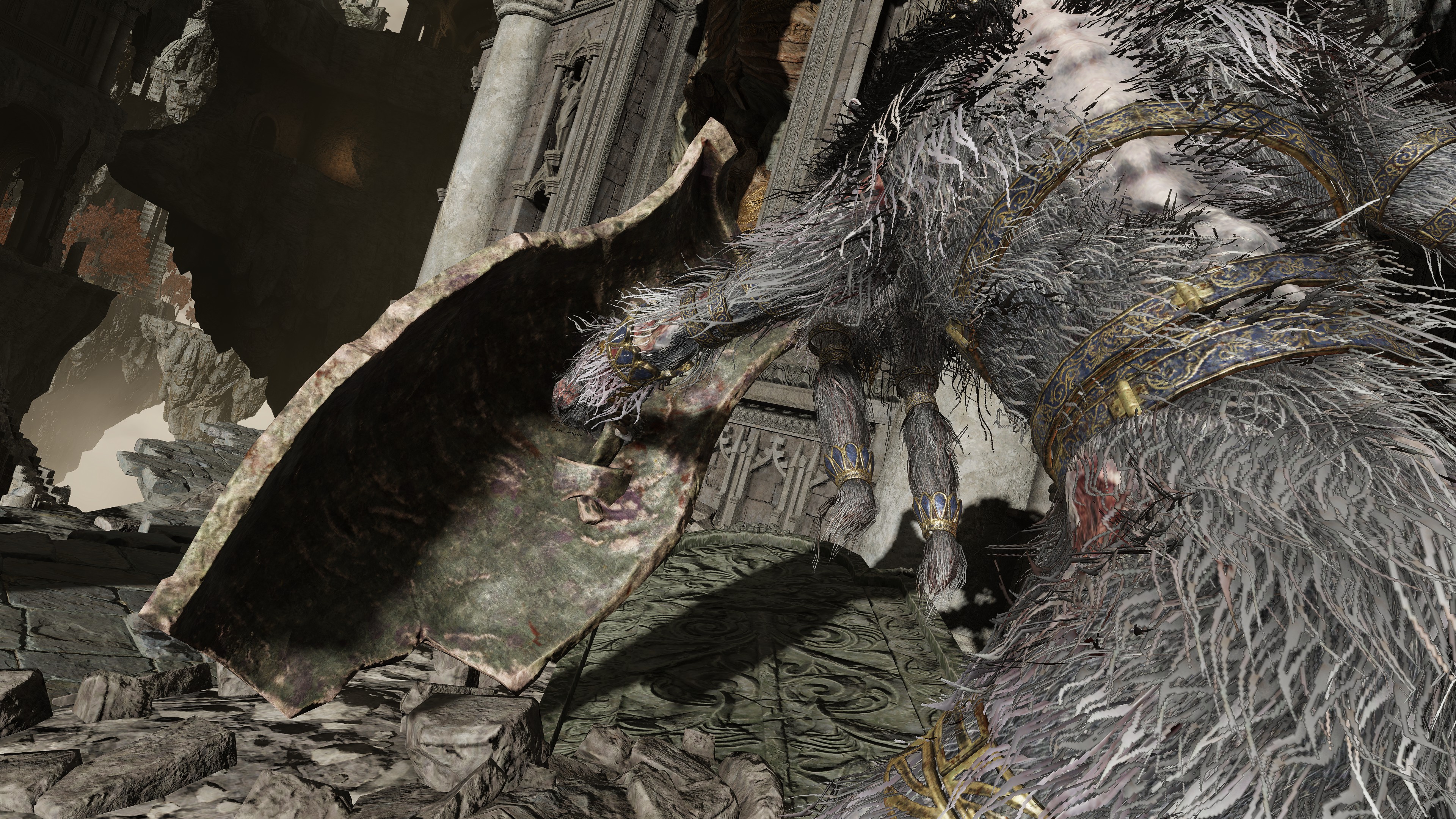
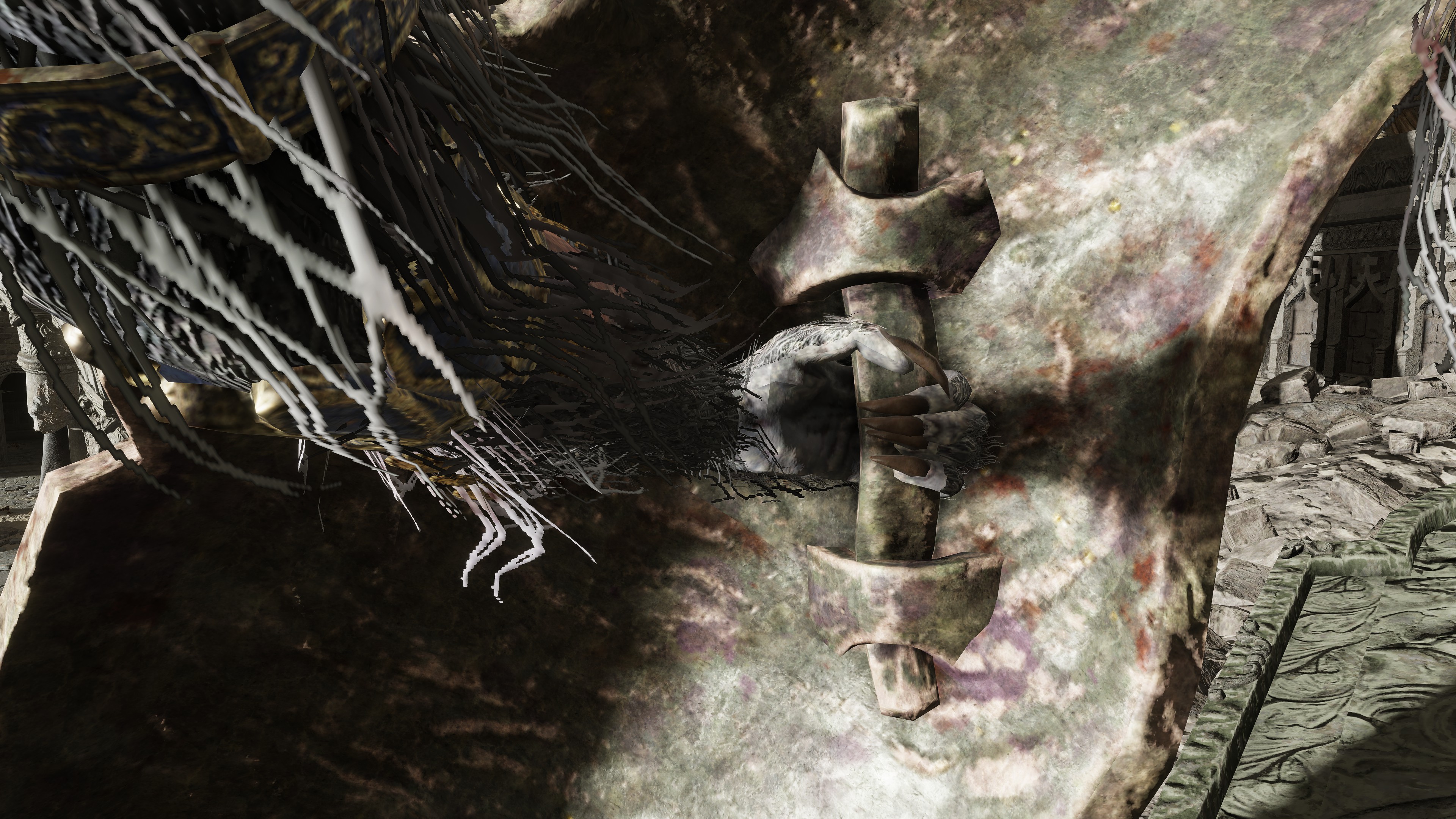
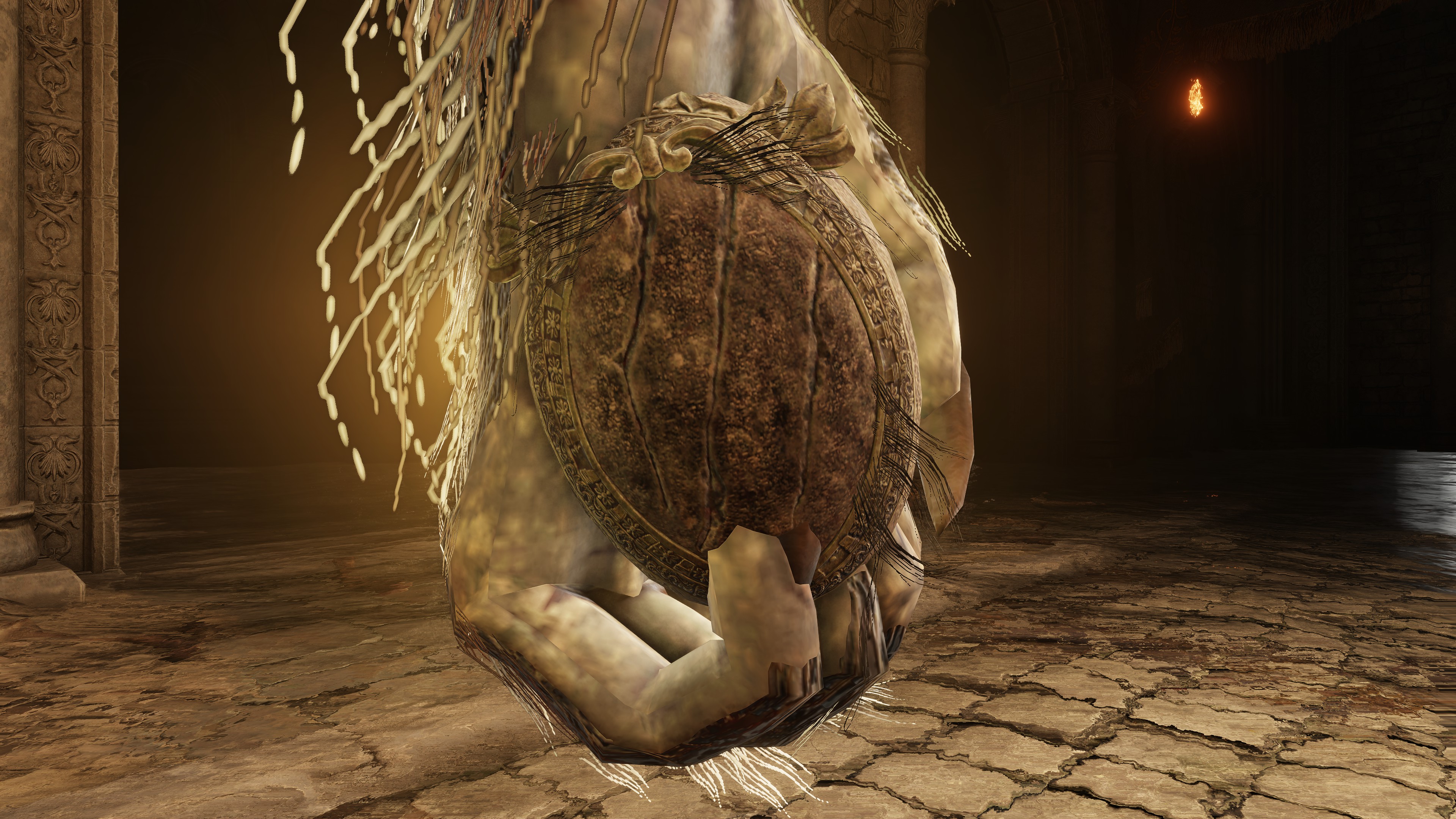
One of the beasts’ more peculiar practices is firing earthenware pots, just to split the products in half and use the vertical slices as shields. Despite the superficial oddity, the logic is conducive to their burial practices. They take clay from the earth, mixed with specks of gold as seen in the final product, and make into a means to defend themselves and Farum Azula as a whole. Just as the ancient dragons act as a boulder wall for their king, the beastman arm themselves like a proxy dragon, a combination of mineral and gold to block enemies’ way — beastmen bosses even carry Flamedrake Talismans for us to claim. Therefore, in life and death, the beastman are trying to act like dragons despite lacking the innate gold and stone scales to justify it. This would explain the prevalence of these burials even in the Dragon Temple. The mineral life is the ideal which they strive for, significant enough to bend their entire culture around it. Such was the reverence to the species of their shared Elden Lord, the divine guardian of their hairless god.
Shield made by splitting a vertically-long earthen pot in half. Choice weapon of the beast-men of Farum Azula. Peculiar and difficult to handle.
The beast-men burn earthen pots in order to make shields. It is strange, but that is their way.
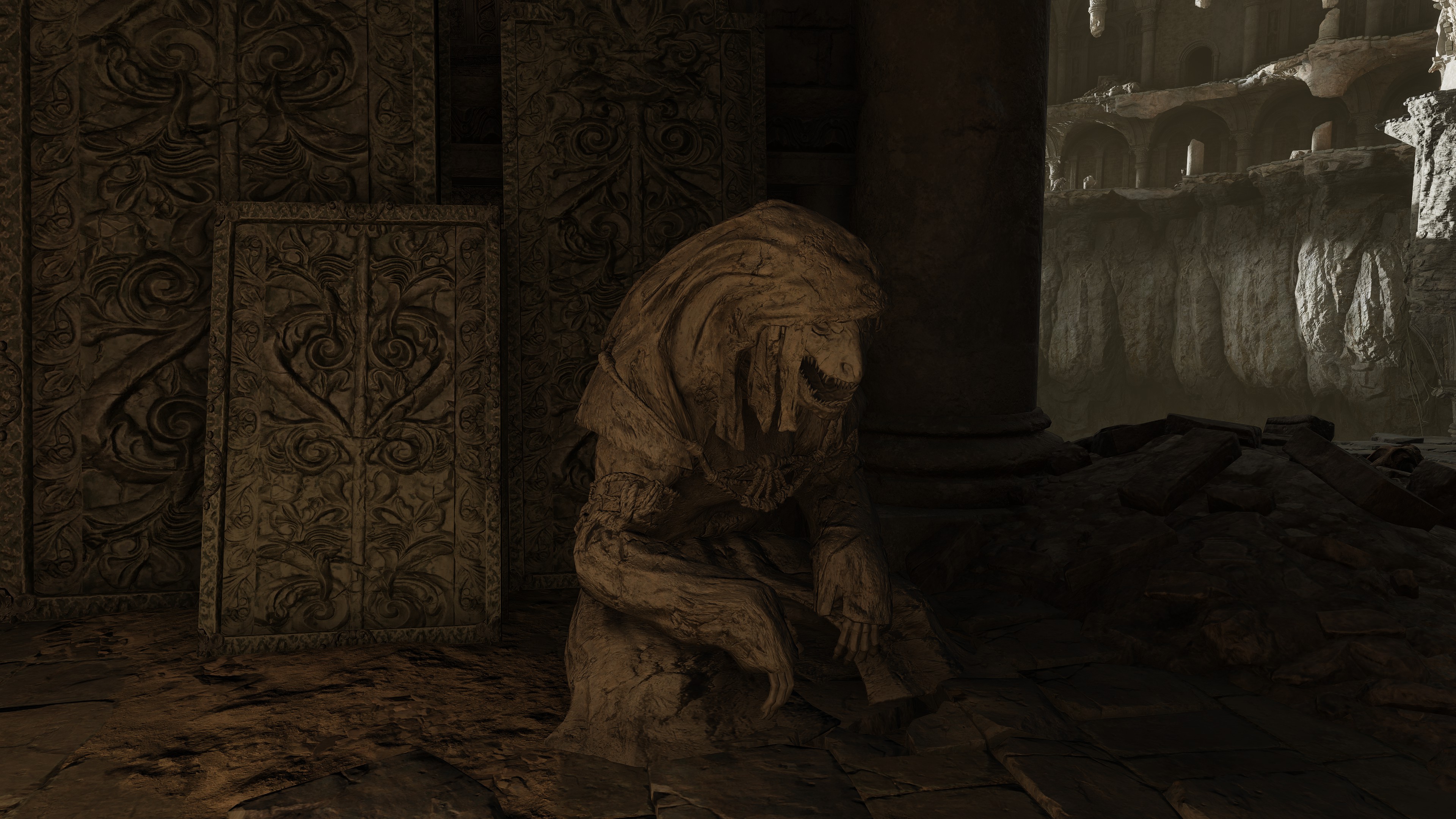
The final affirmation comes from the clerics. We find statues of several beastman dressed as beast priests, either standing at the ancient dragon statues’ flanks or meditating in their vicinity. The eclectic positions and poses of these statues suggests that they aren’t actually statues but former individuals, which is reinforced in concept art where their clothes clearly aren’t stone. The priests have apparently turned themselves, through meditation or similar methods of spiritual concentration, into stone like the dead ancient dragons. Such a practice draws parallels to self-mummification in Buddhism. Much like how some Buddhist monks’ attempts to become living Buddhas and serve as an example for other seeking the road to enlightenment, a number of the beasts own mentors in spiritual matters turn themselves to stone as proof that they can become draconic. This was the perfection of their higher calling, showing others the way to become enlightened stone.
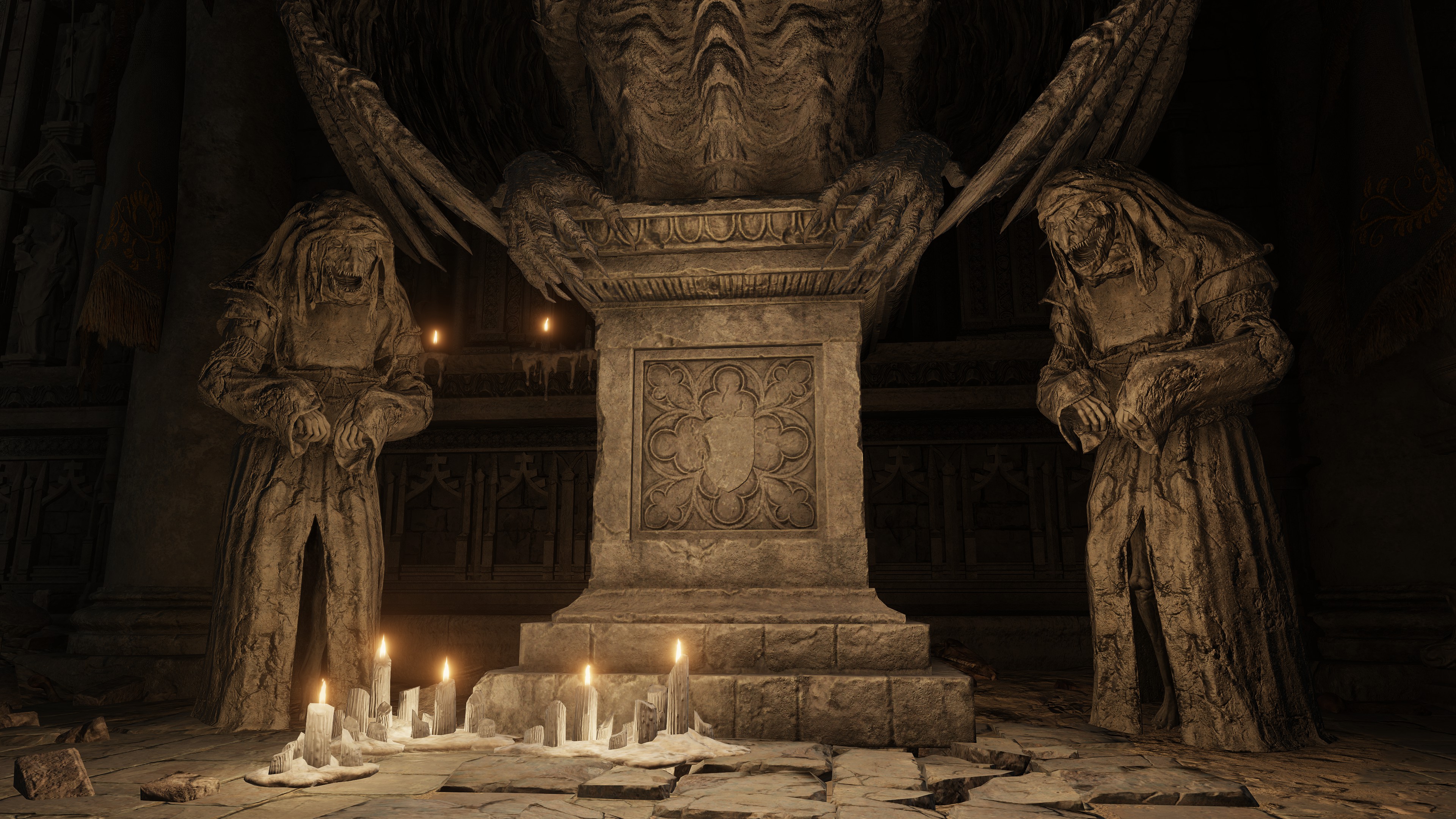
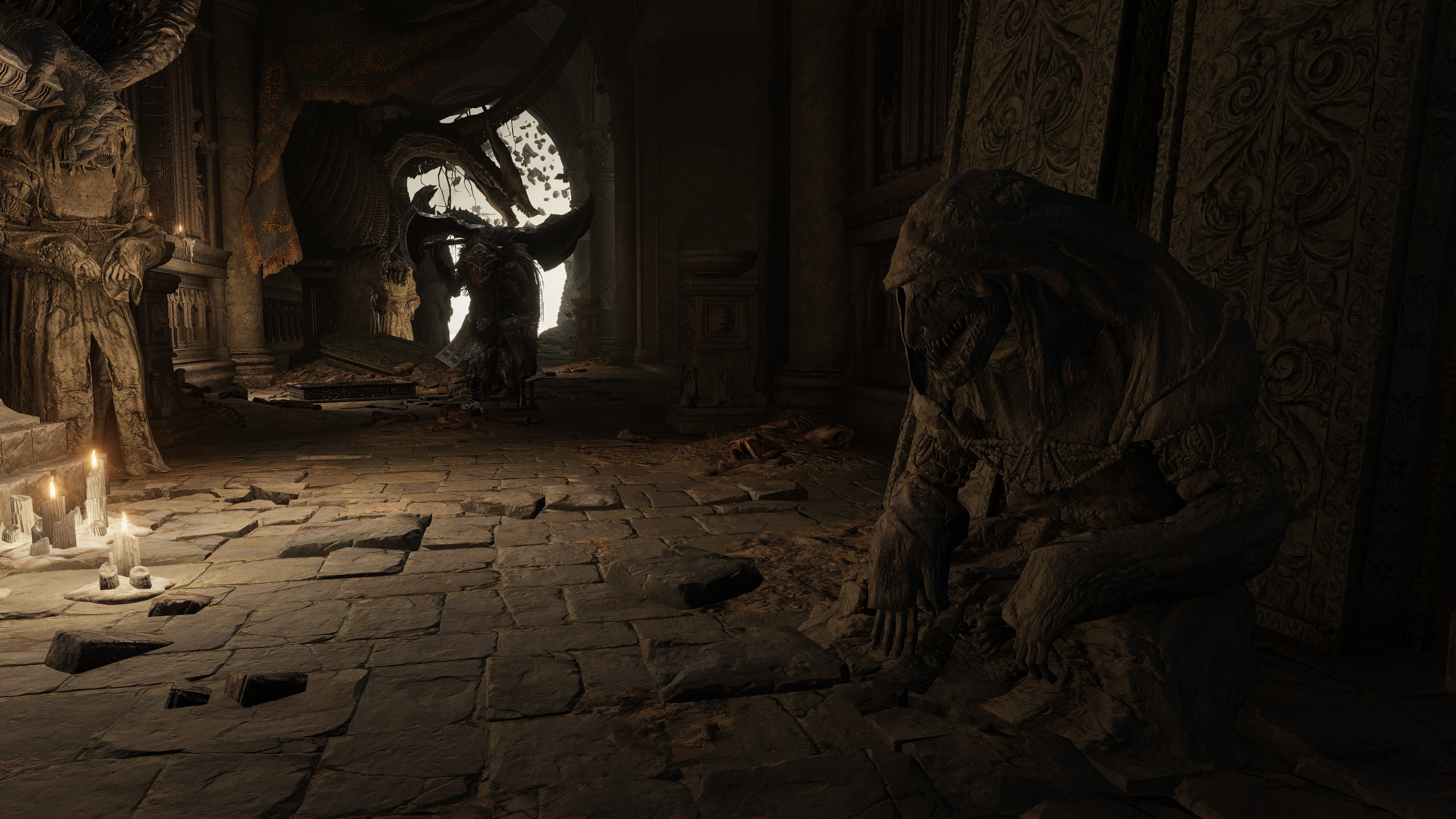
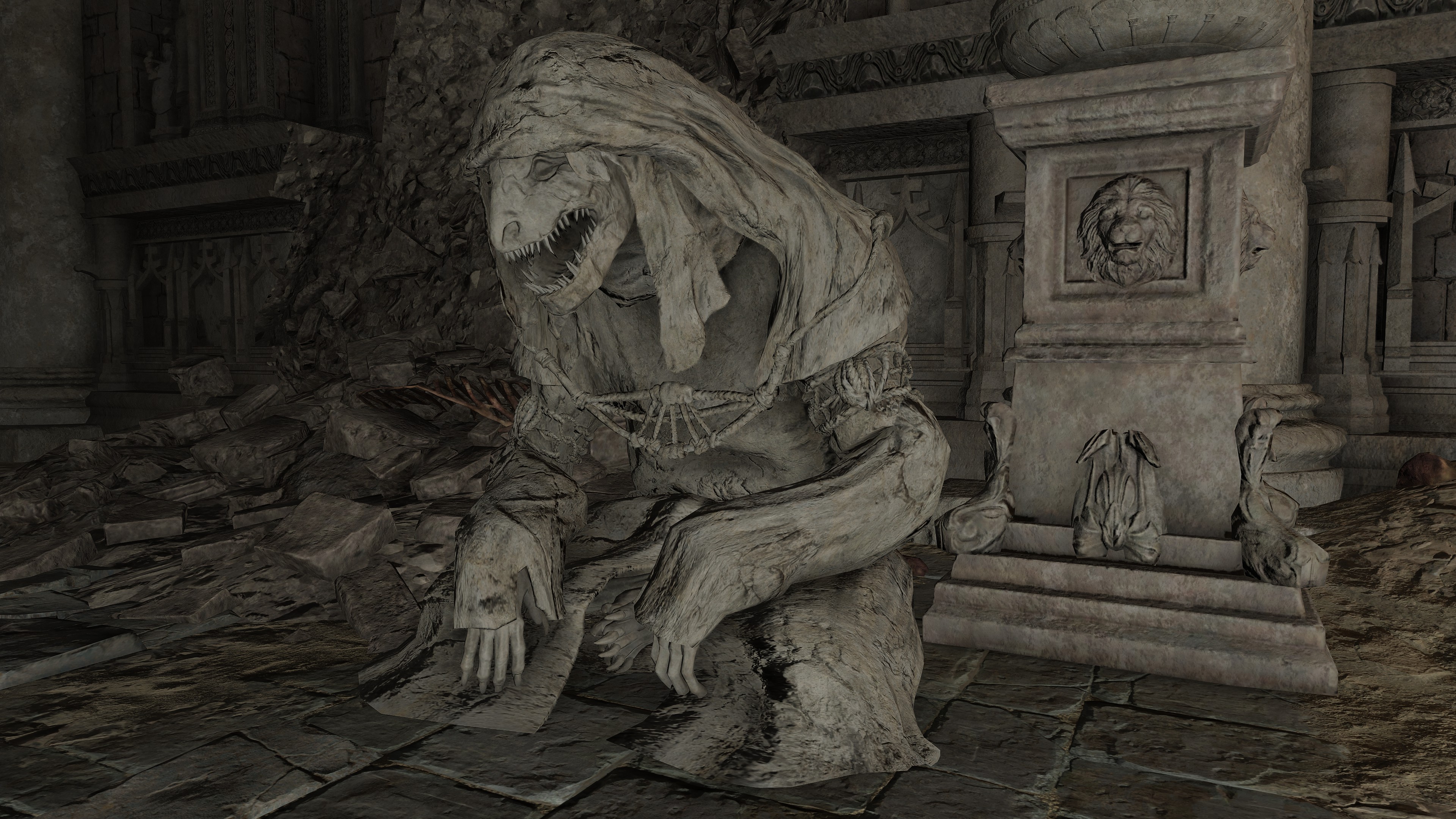
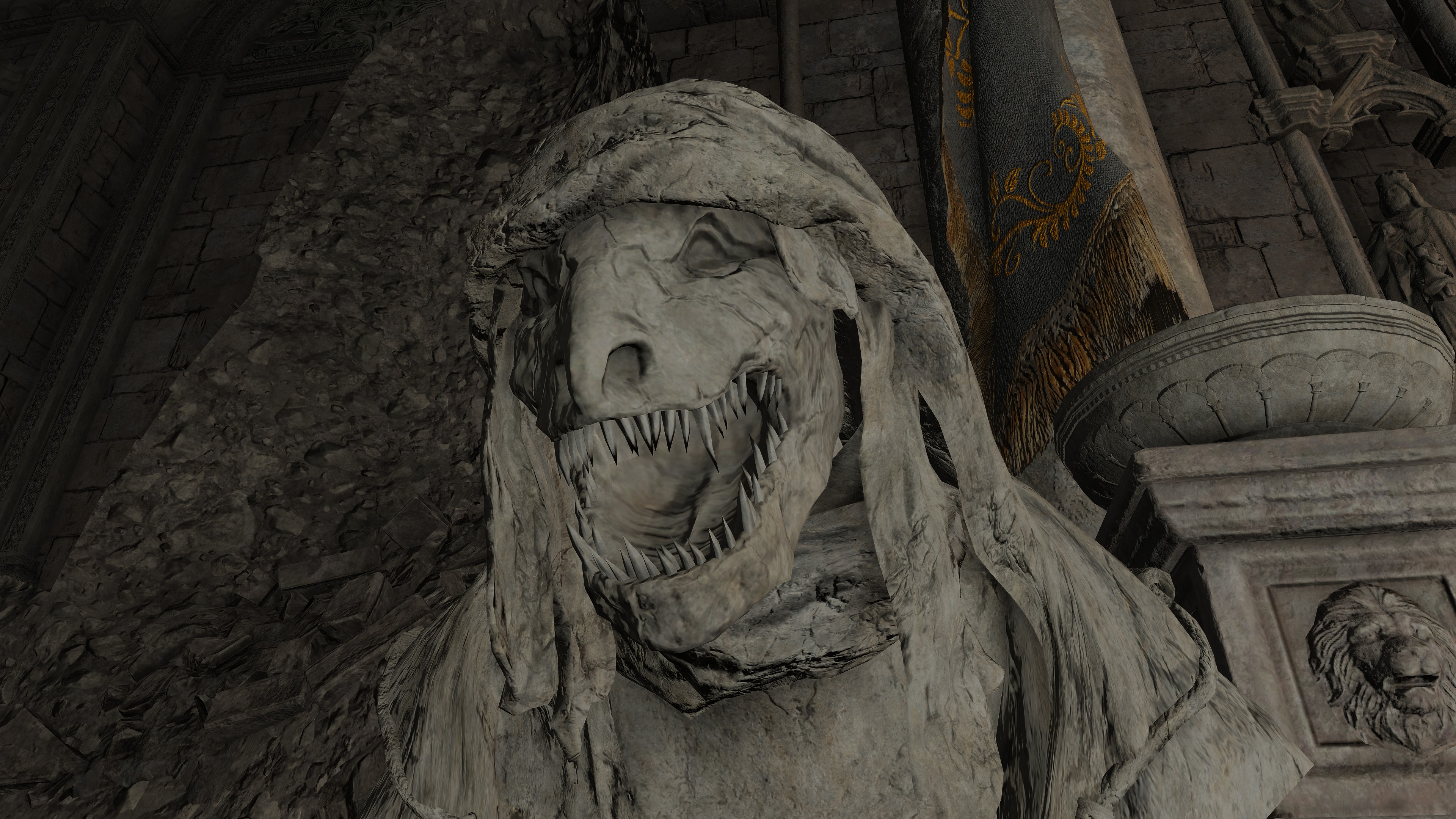
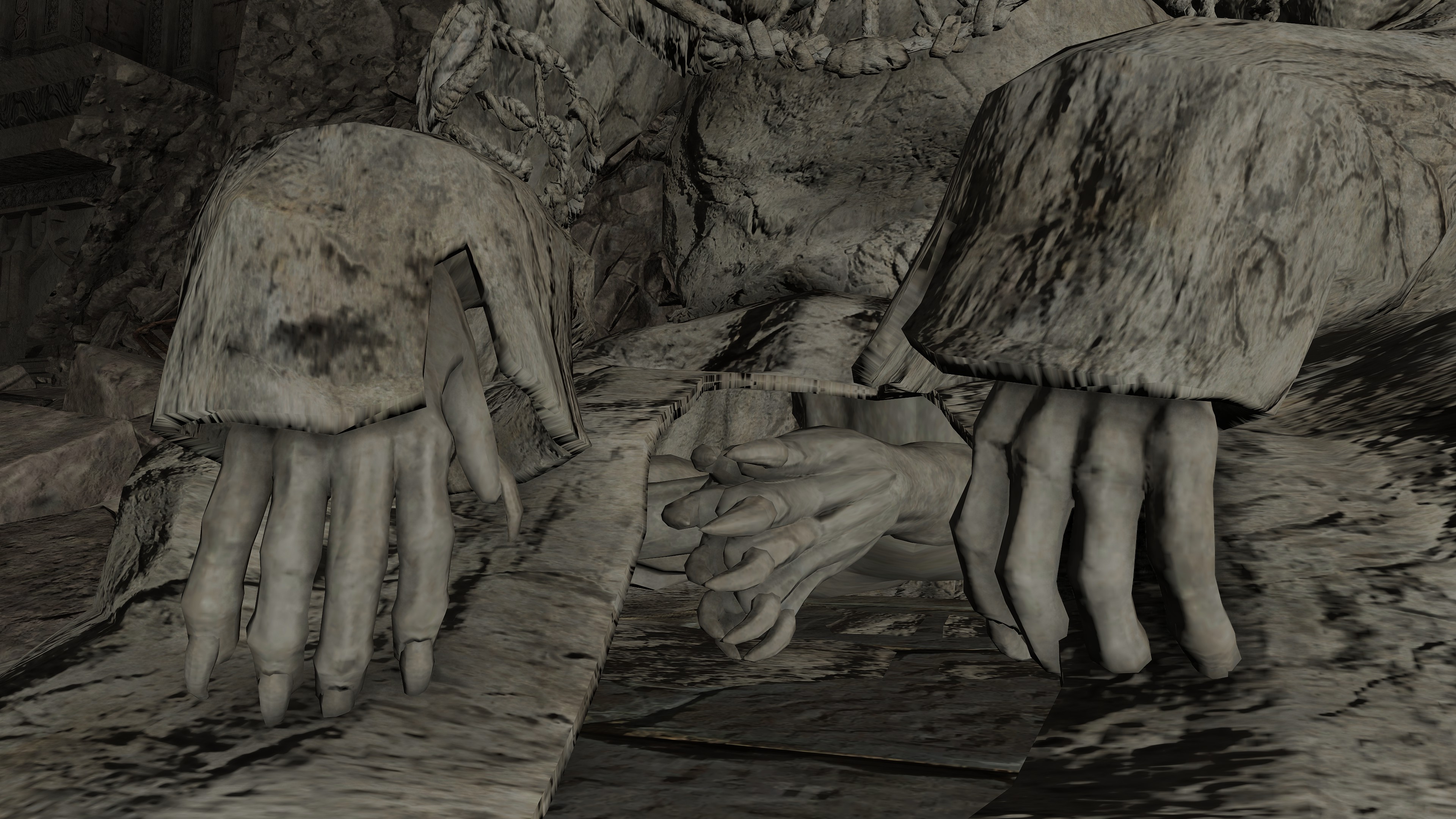
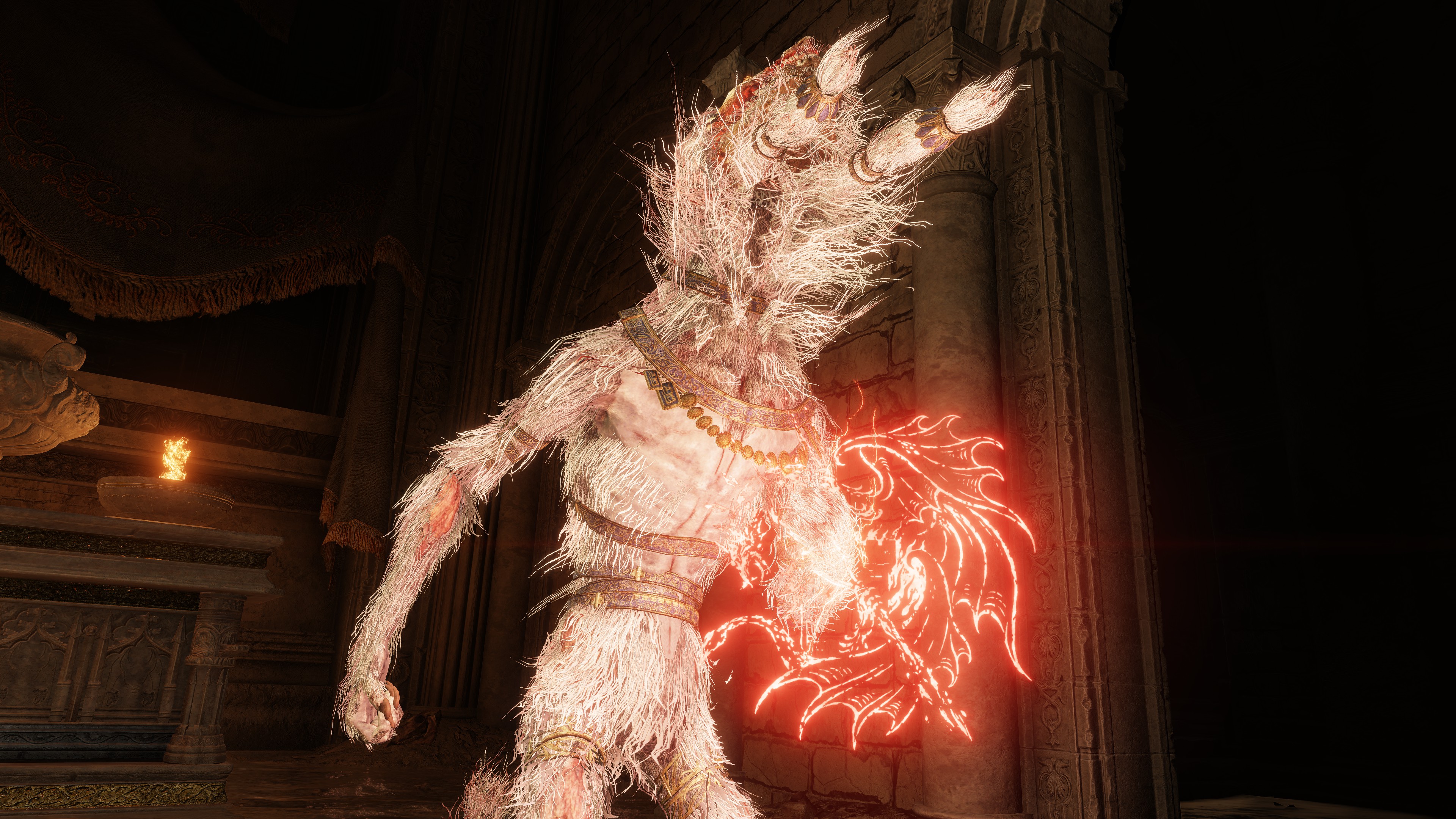
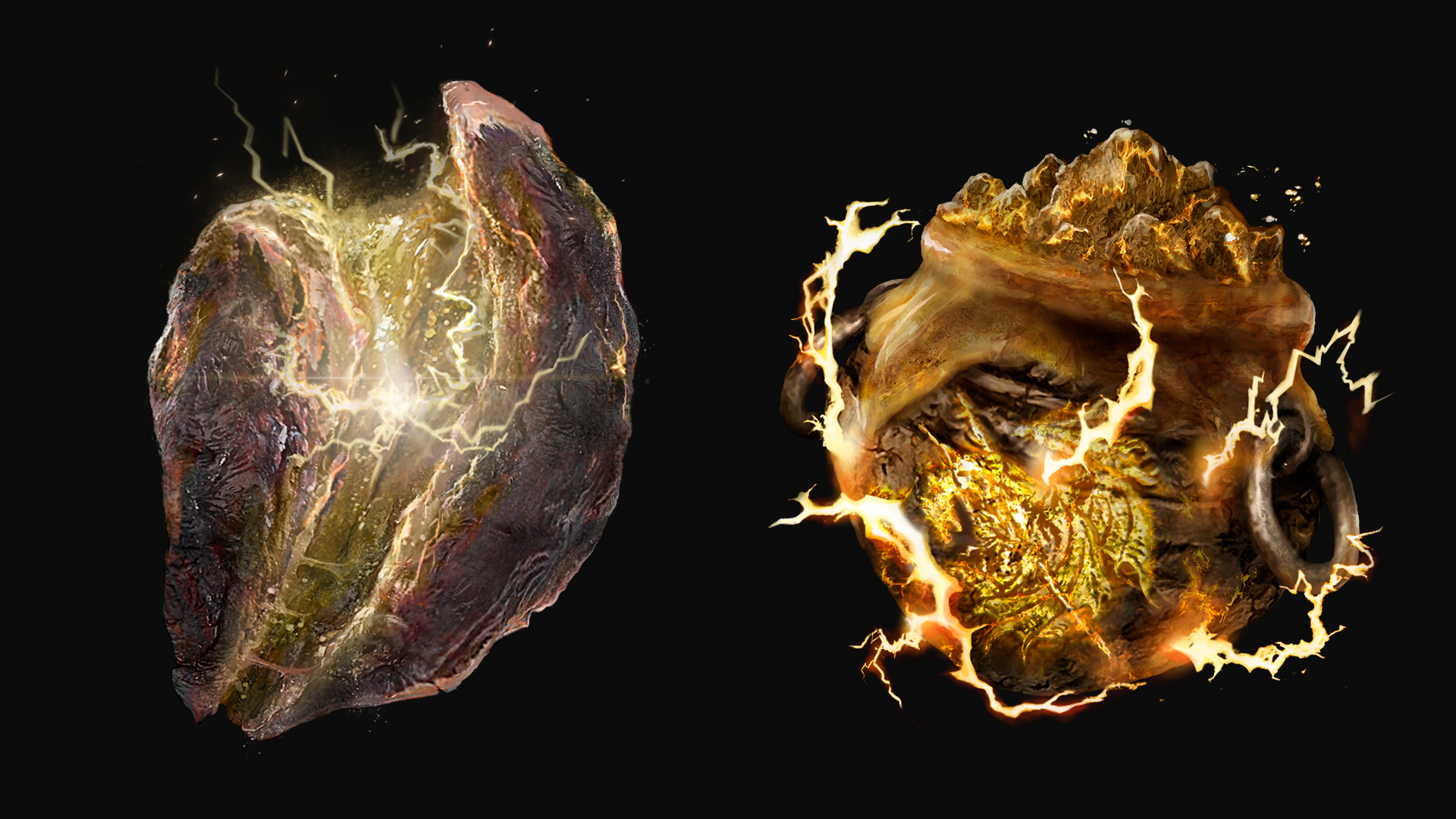
If beast religion taught that the goal was to be dragons, then lightning prayers were just another aspect of this. The oldest, greyest beastmen employ incantations invoking red lightning, with “select” warriors defending the giant mausoleum receiving that power in their weapons. Clearly, the dragons were willing to share some of their secrets with the beasts, presumably through the priests as intermediaries. Those who proved their devotion by becoming gravekeepers for the Dragon Temple were the main beneficiaries. How they were taught may have involved more hands-on experience than theoretical practice — a cut animation has a warrior electrifying his blade by coating it in coughed-up blood. Regardless, lightning seeped into the wider culture in other ways, namely tools. “Phenomenon” don’t demand faith to wield, making advanced lightning pots a viable alternative. Other beasts may desiccate an herbivore’s liver in rowa fruit juices like when crafting other dried livers, only combining it with fulgurblooms to give it that electric charge specifically.
One of the crafting items using a ritual pot. Lightning pot engraved with ancient dragon crest.
Throw at enemies to deal large lightning damage.
One of the arts to wield the ancient dragons’ lightning whatever the faith. The power dwelling in relics, it is simply phenomenon.
Even the way they cast these lightning arts appear tie back into this want to become dragons. Every casters holds onto the Clawmark Seal, a polished stone decorated in the shape of a nested egg, with a beast’s claw mark running straight down it. This “damaged” holy seal serves as the image for the magic sigil of beast prayers, so it may be intended to represent the beasts in the form of a dragon egg, dragons-in-potential who need to claw their way into hatching — or maybe claw in resentment of not already hatching. True enough, beast religion was obsessed with their bodily form, the holy seal empowering incantations not through spiritual faith but physical strength. Their ability to grab and manipulate stones, even larger and heavier than their palms, was a point of pride. Combined with spells like Bestial Vitality and Constitution, and you would think that they wished to become more beast-like, not less. In fact, the descriptions acknowledge how civilization was causing them to lose their wildness, implying that they wanted not just to add the power of dragons but retain powers they used to possess.
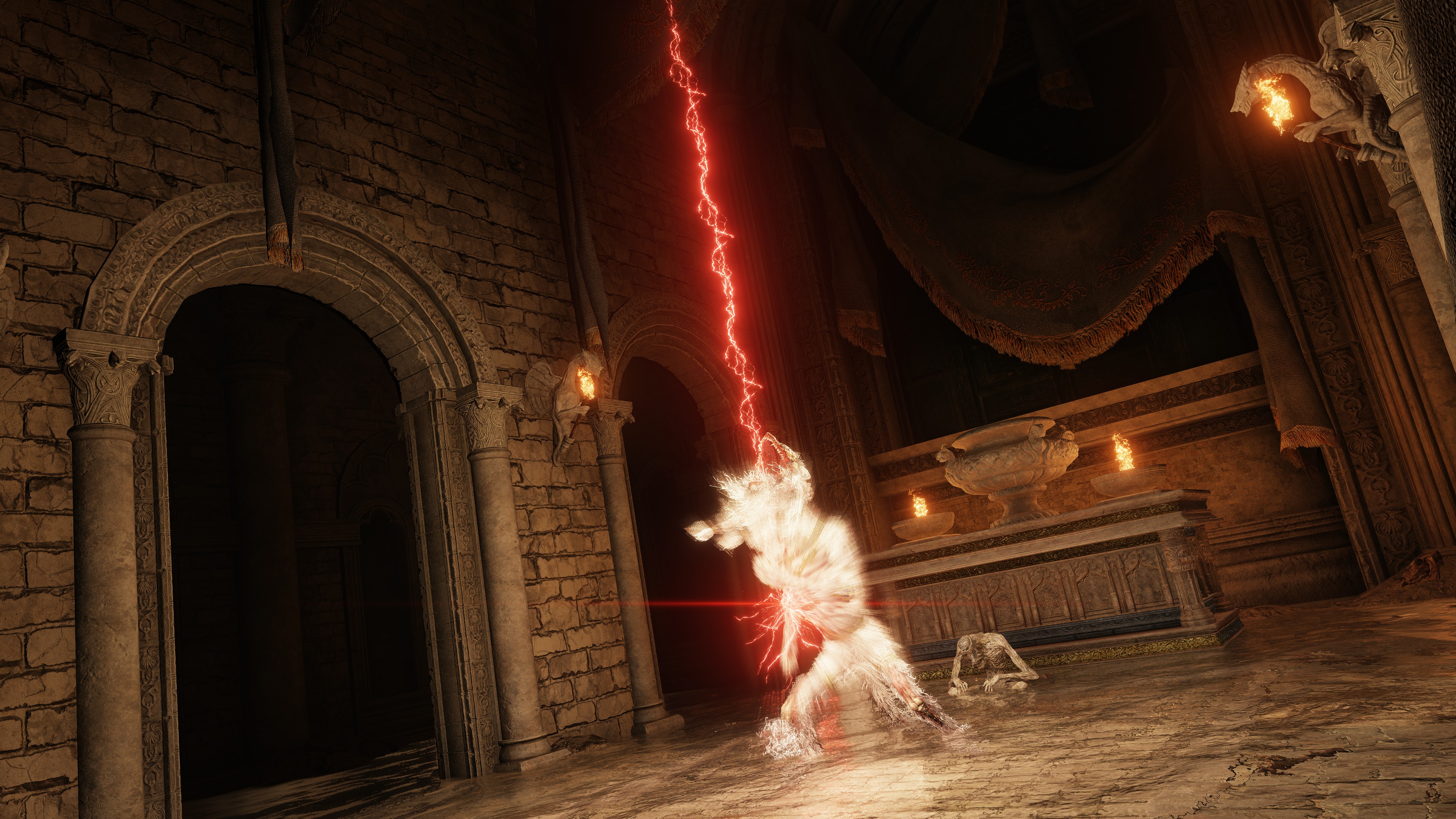
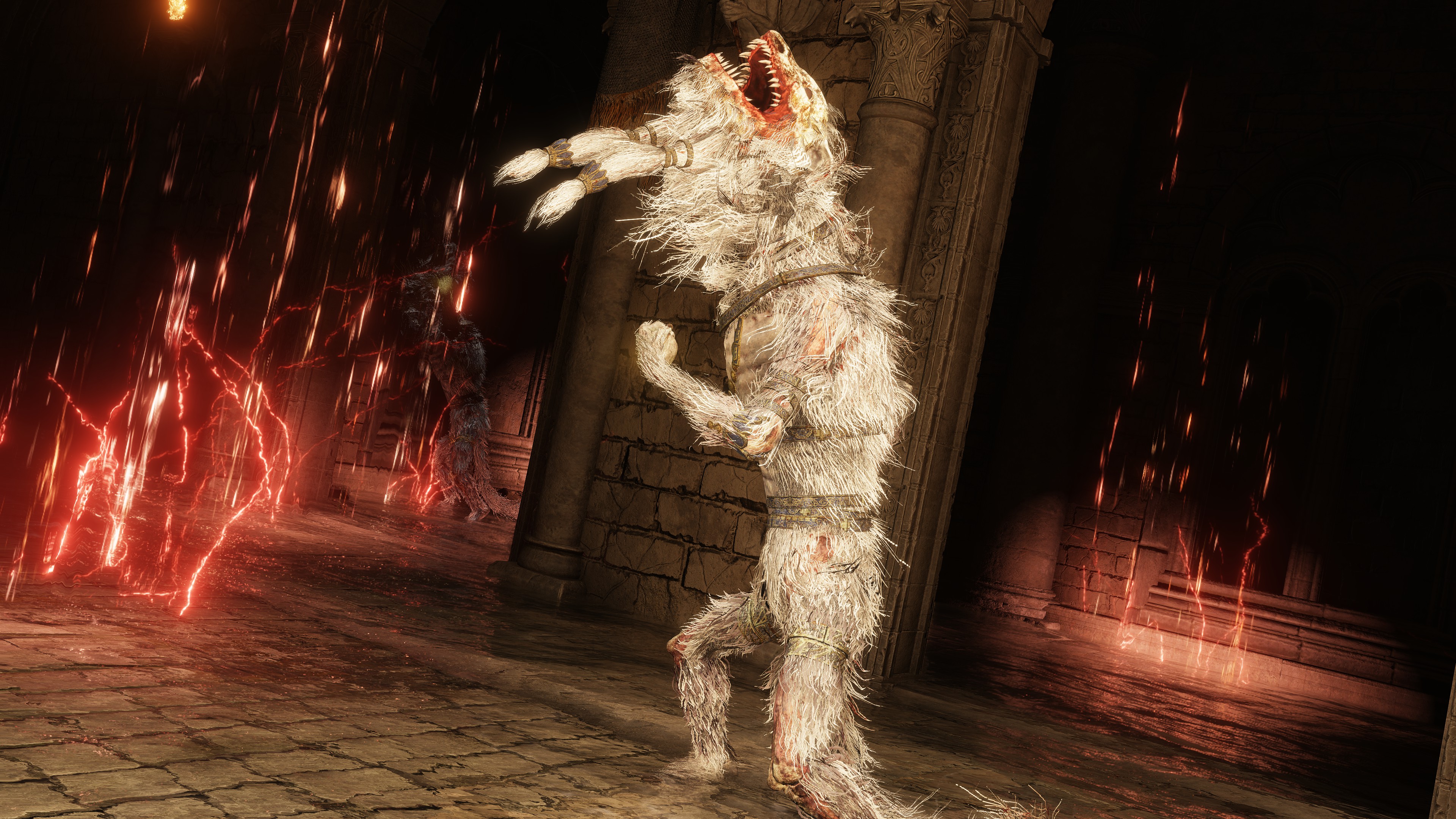
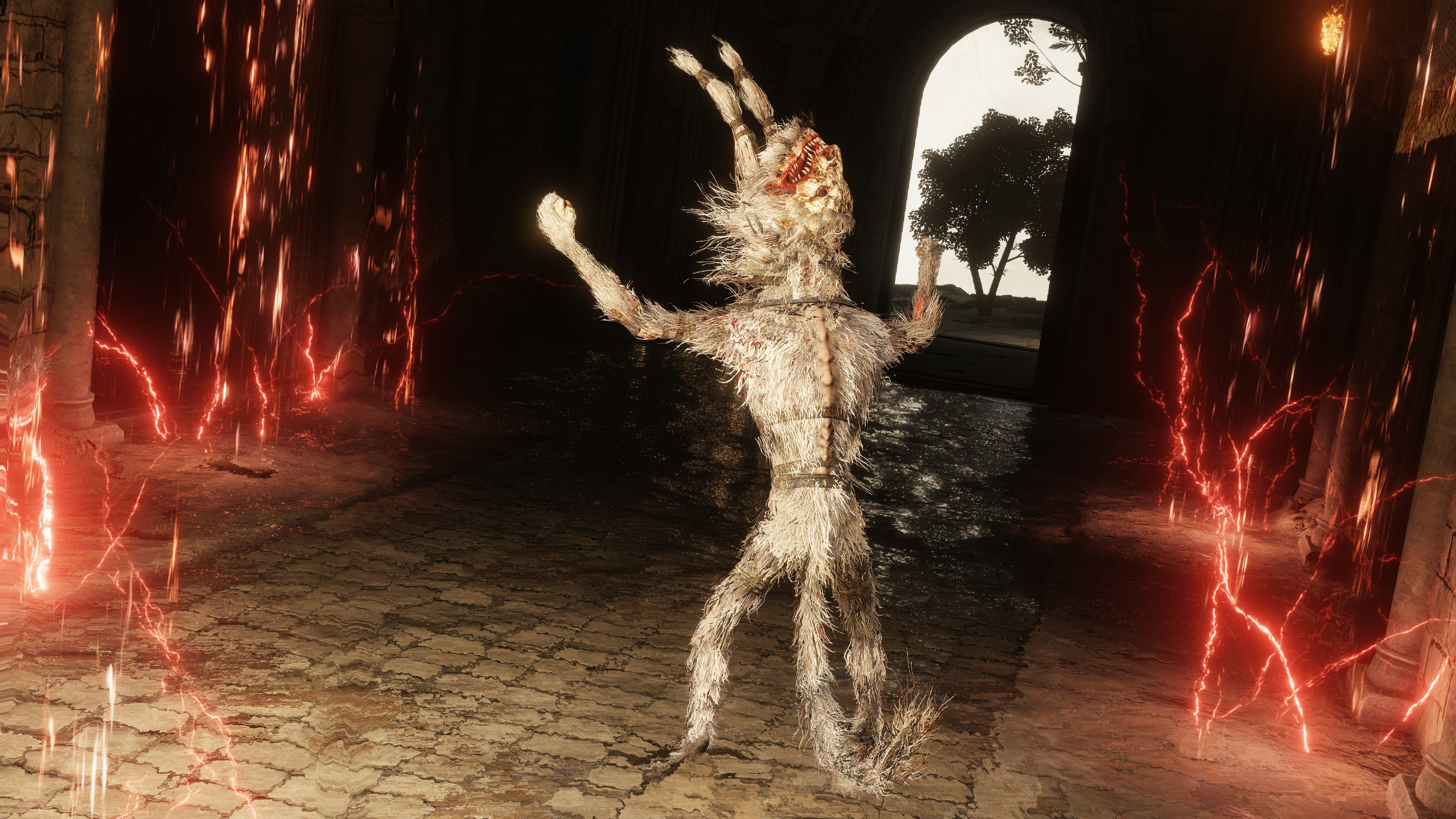
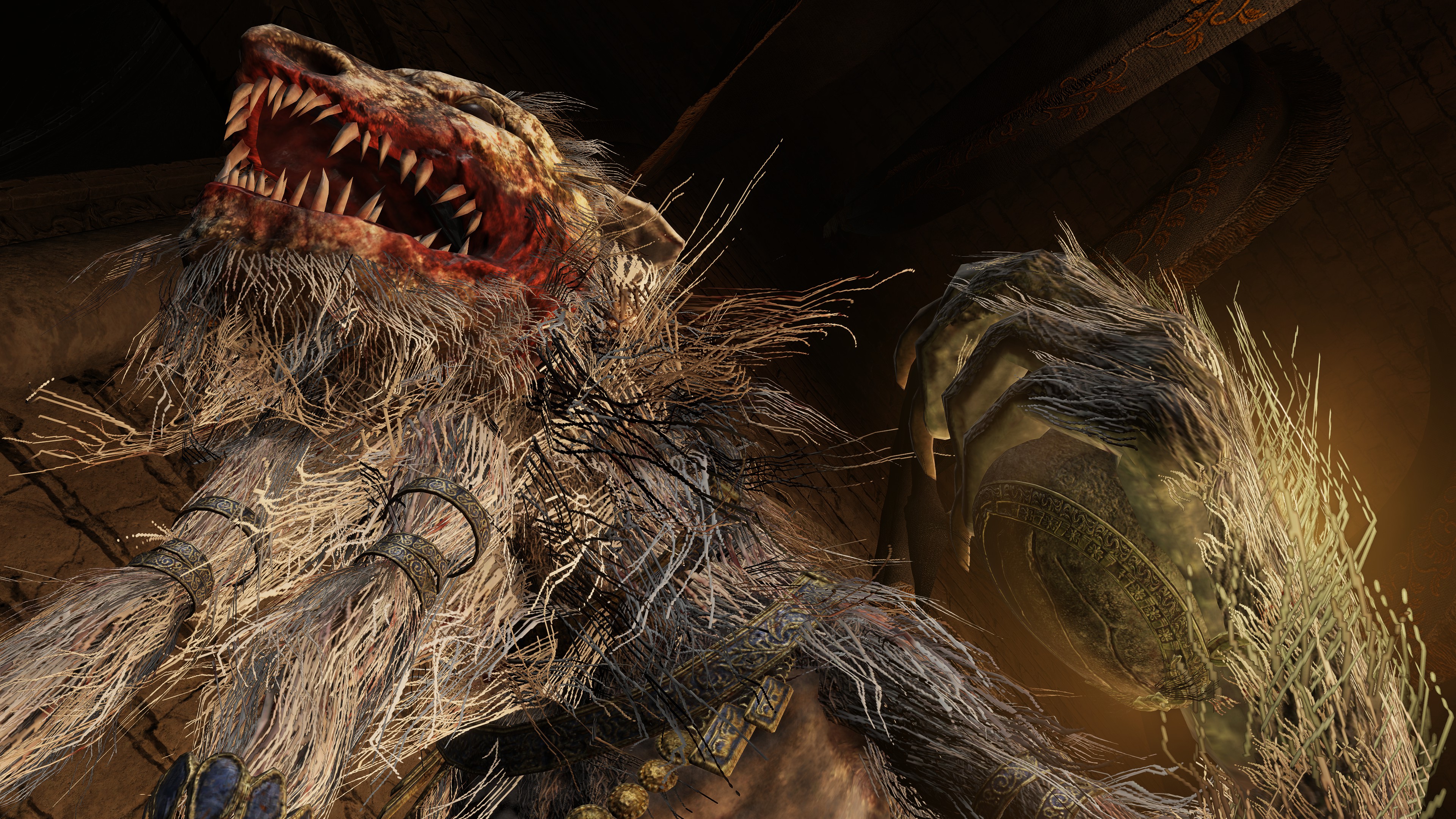
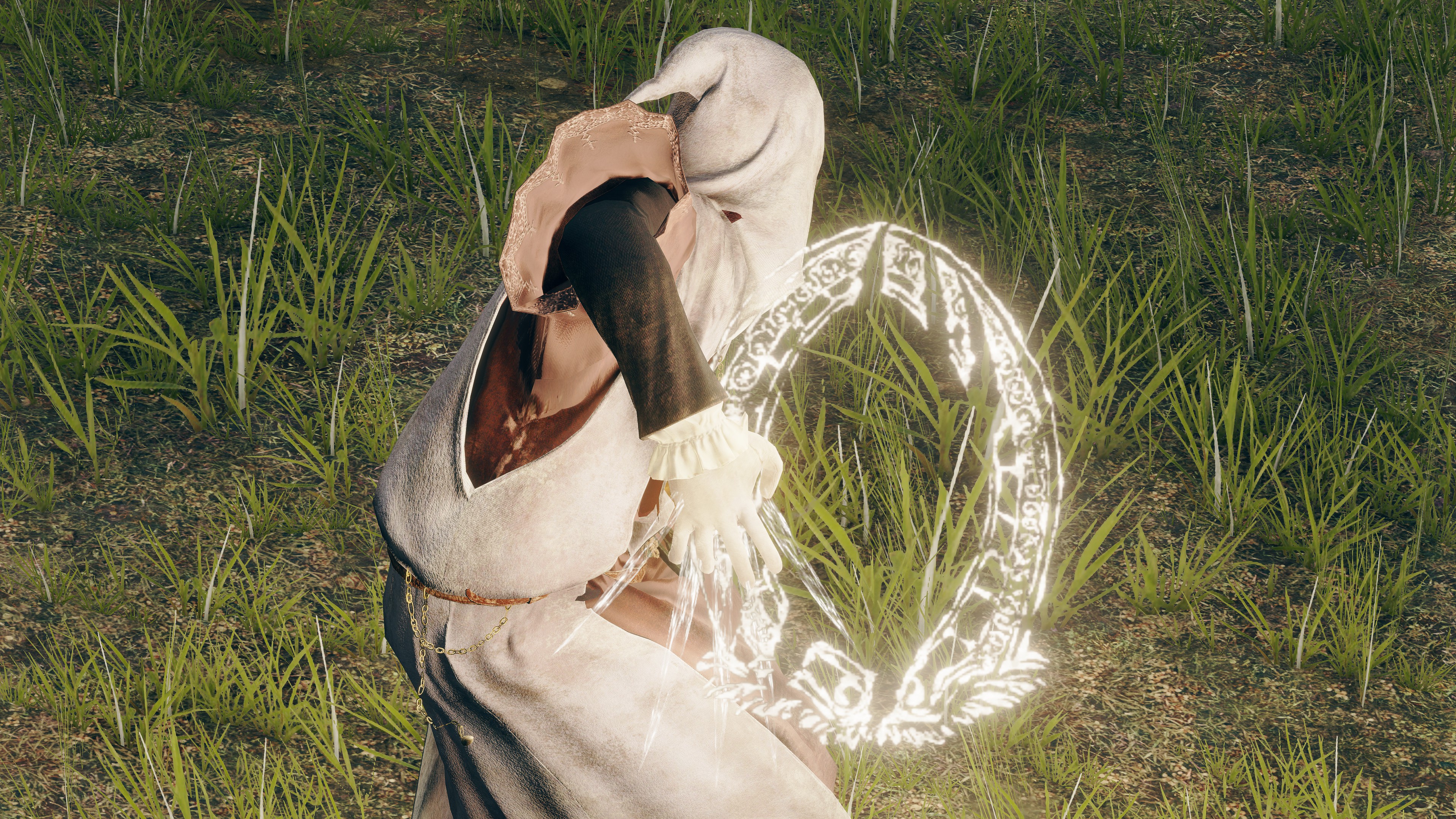
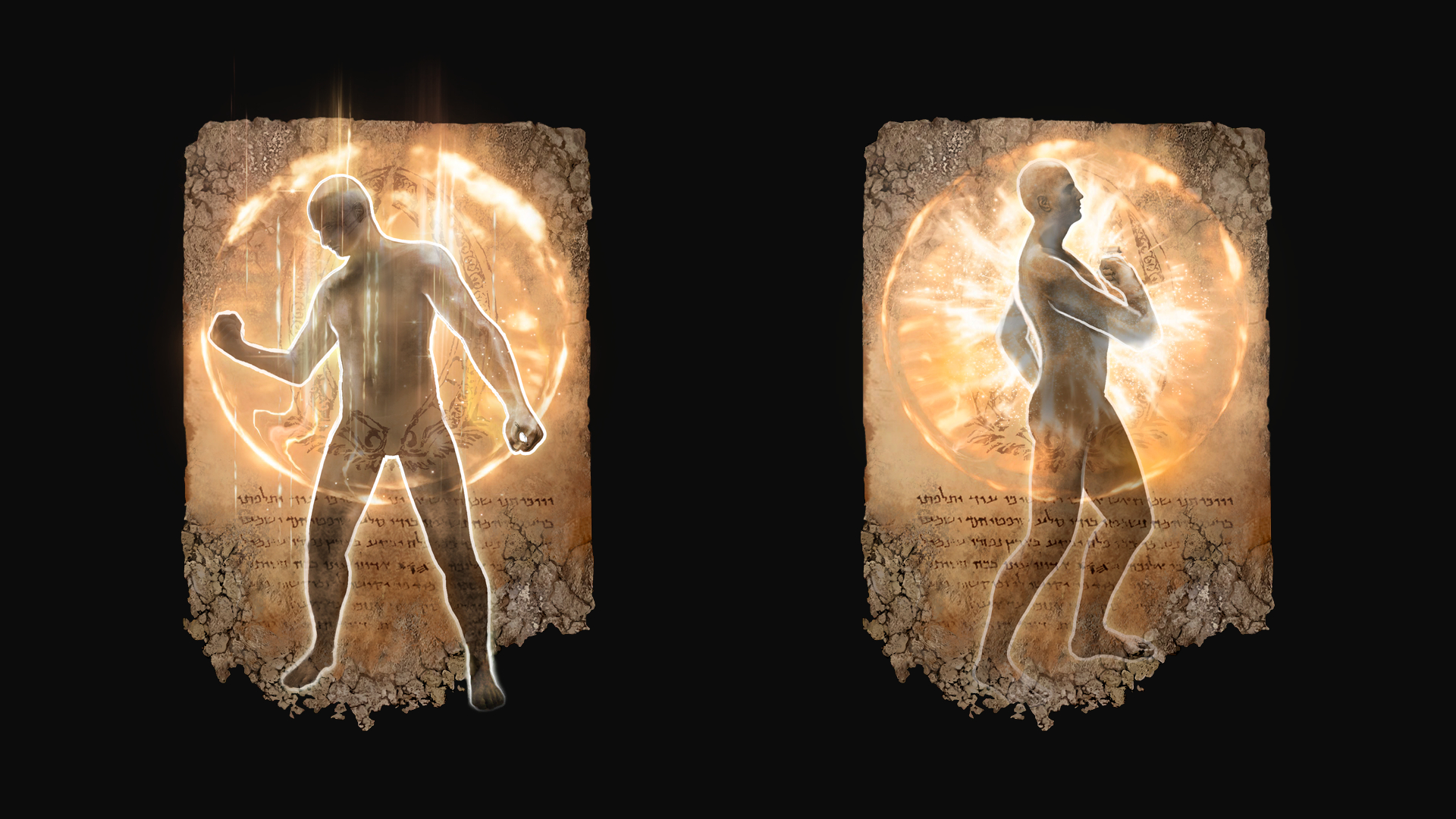
Holy sign that Grang, the beast priest, bestows. Unusual thing which scales prayers with strength.
Its claw mark is the wrath of Grang and enhances the beast prayers that he bestows.
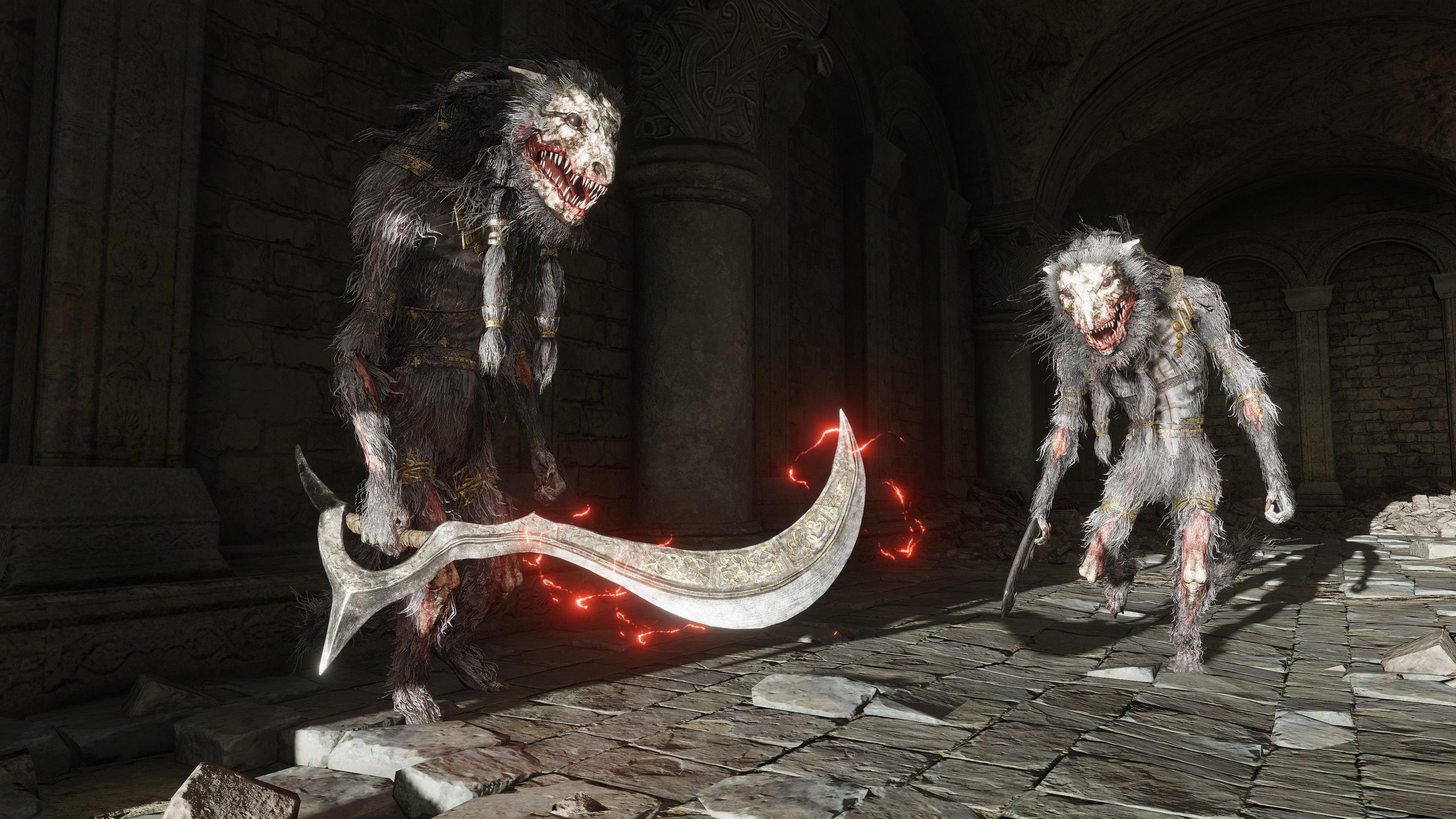
Their conundrum was natural. When forced to rely on no one but yourself in the wild, the body naturally develops a vigor to take care of itself, more quickly healing from hemorrhaging wounds or powering through chilling cold. But when the body can rely on advanced inventions like medical treatment, using drugs and tools, it gets lax and loses some of that robustness over time. This is true for humans when compared to apes in our own evolutionary history, and holds true for the beastmen compared to their ancestors. Their unconventional yet surprisingly practical weapons, from bizarrely curved swords to boomerang throwing knives, highlight this fact. The beastman’s longer cultural history since prehistoric times has allowed them to cultivate knowledge which surpasses certainly modern man. They used that knowledge to replace their claws with blades and thick muscles with armor. As a consequence, civilization was making them weaker than before they discovered tools. Noticing this, religion became their way to cling onto that beastly life and robustness.
Giant curved sword thoroughly forged with dull iron. Choice weapon of the beast-men of Farum Azula.
Its blade is awfully heavy but excels in balance, so it is easy to handle relative to its might. The beast-men probably have knowledge beyond man.
What this shows is that what the beastmen truly fear is a loss of something. Their wildness came with it great power, which is slowly lost as they continue to evolve. It is not that they want to return to being beasts. Many of the city’s leonines have been chained to stone poles, their corpses contorted as if crying out like wild animals. We see as much with some of the lupine beastmen, munching on bones on all fours like their starved pets. These are not the behaviors of a civilized people, yet it appears to be a recurring problem. Common to all beastmen we encounter are bloodied jaws and scraped knees, exposing the bone. Understandably, the upright race is not used to moving low to the ground, yet that seems to still occur. Despite all these years building intelligence and culture, there is still a base, bestial instinct which the species tries to resist, pulling them toward the primitiveness they long abandoned. This isn’t concerning when it is just mixing bites into their martial arts, like the dragons. Some, however, apparently become so consumed by wildness, they are chained down like madmen until they either return to reason or perish, an ignoble fate.
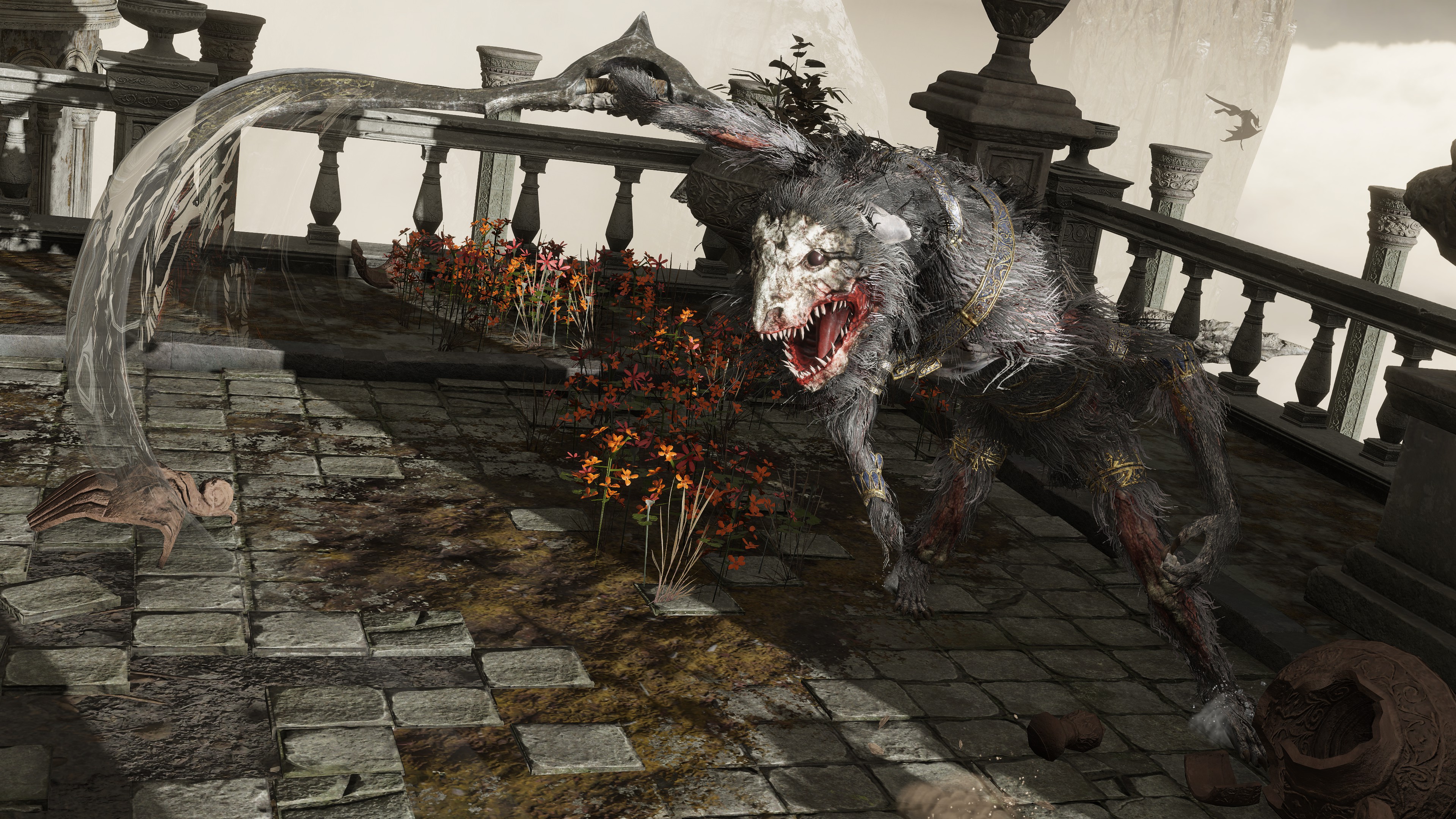
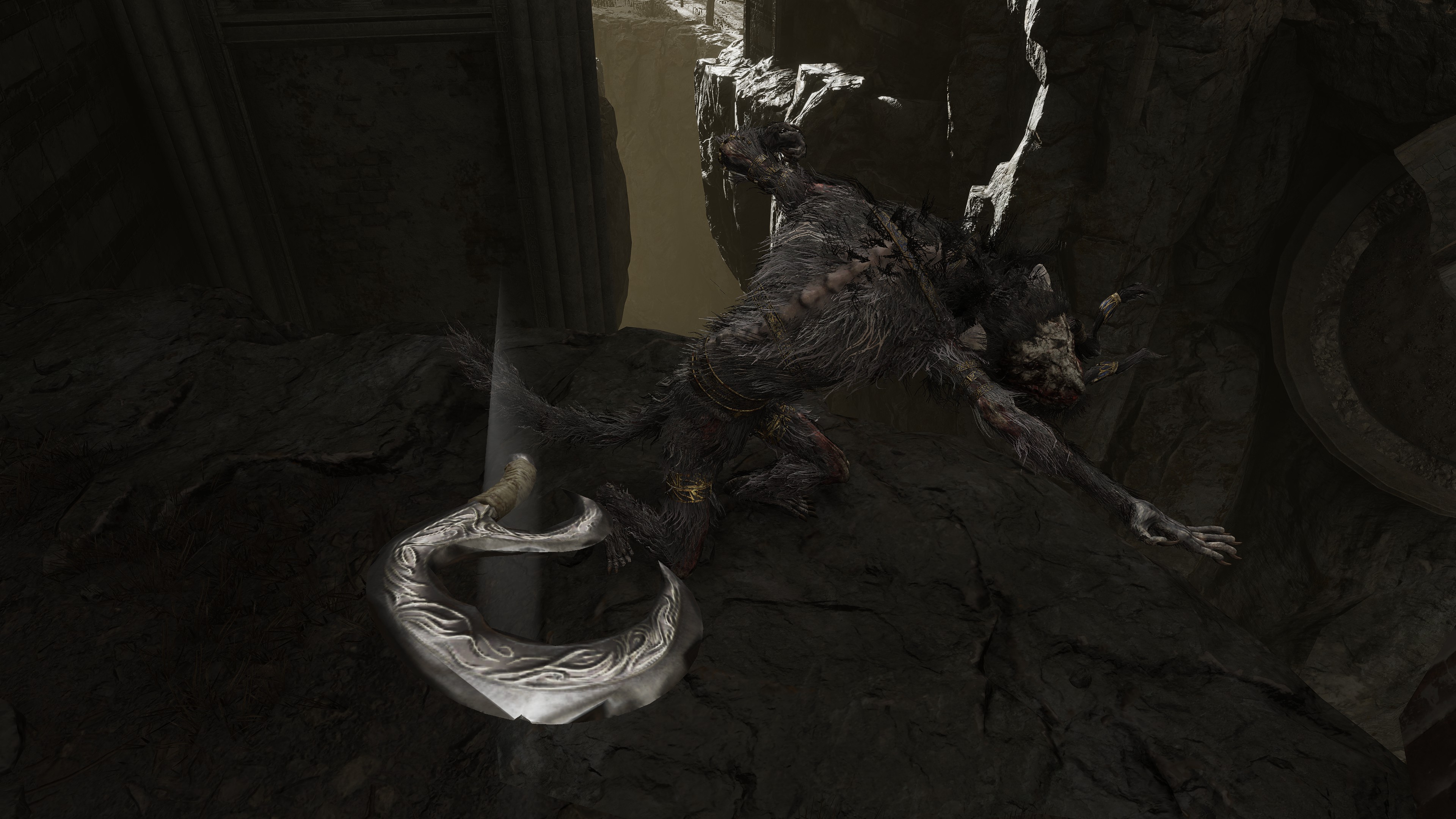
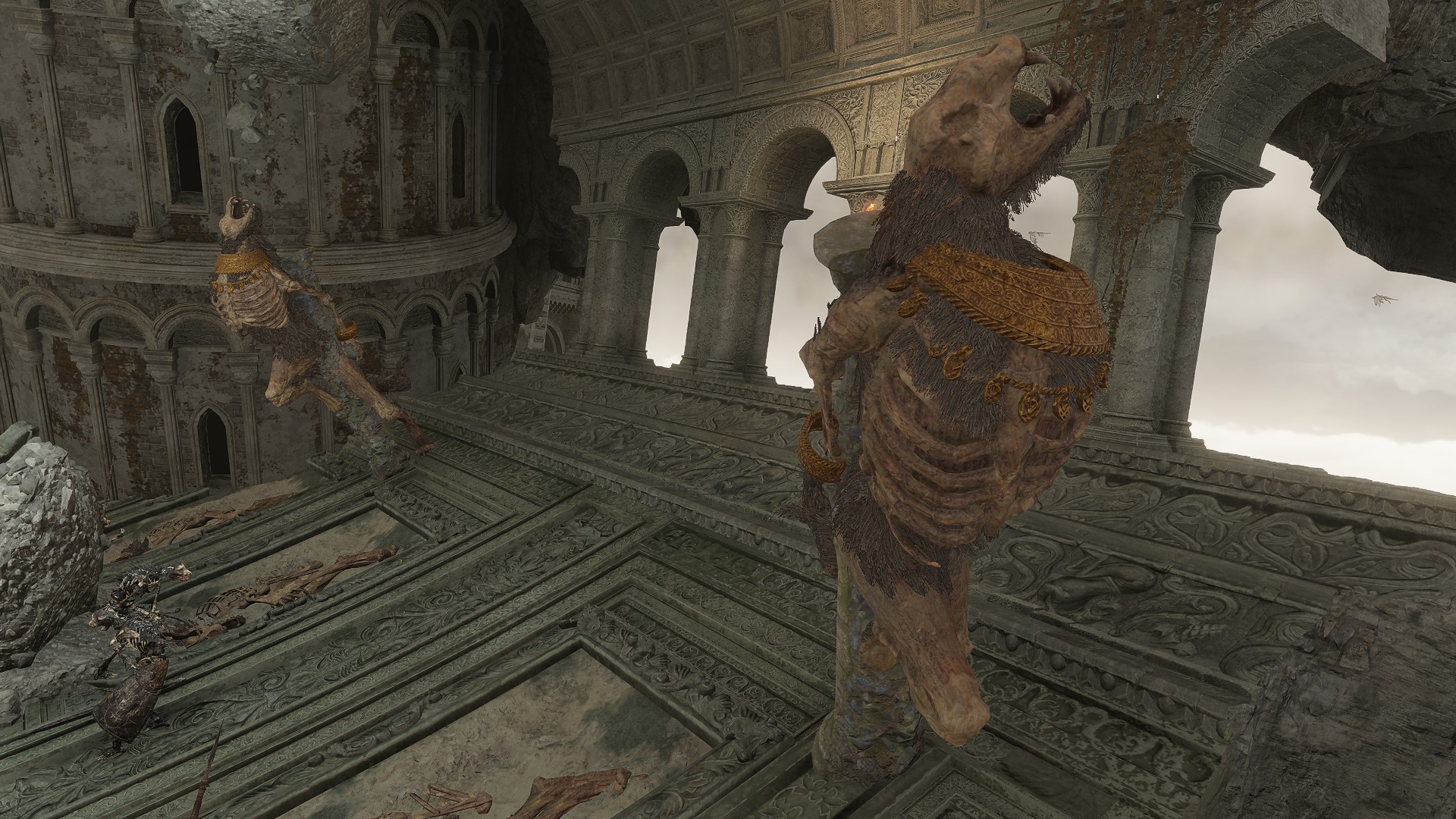
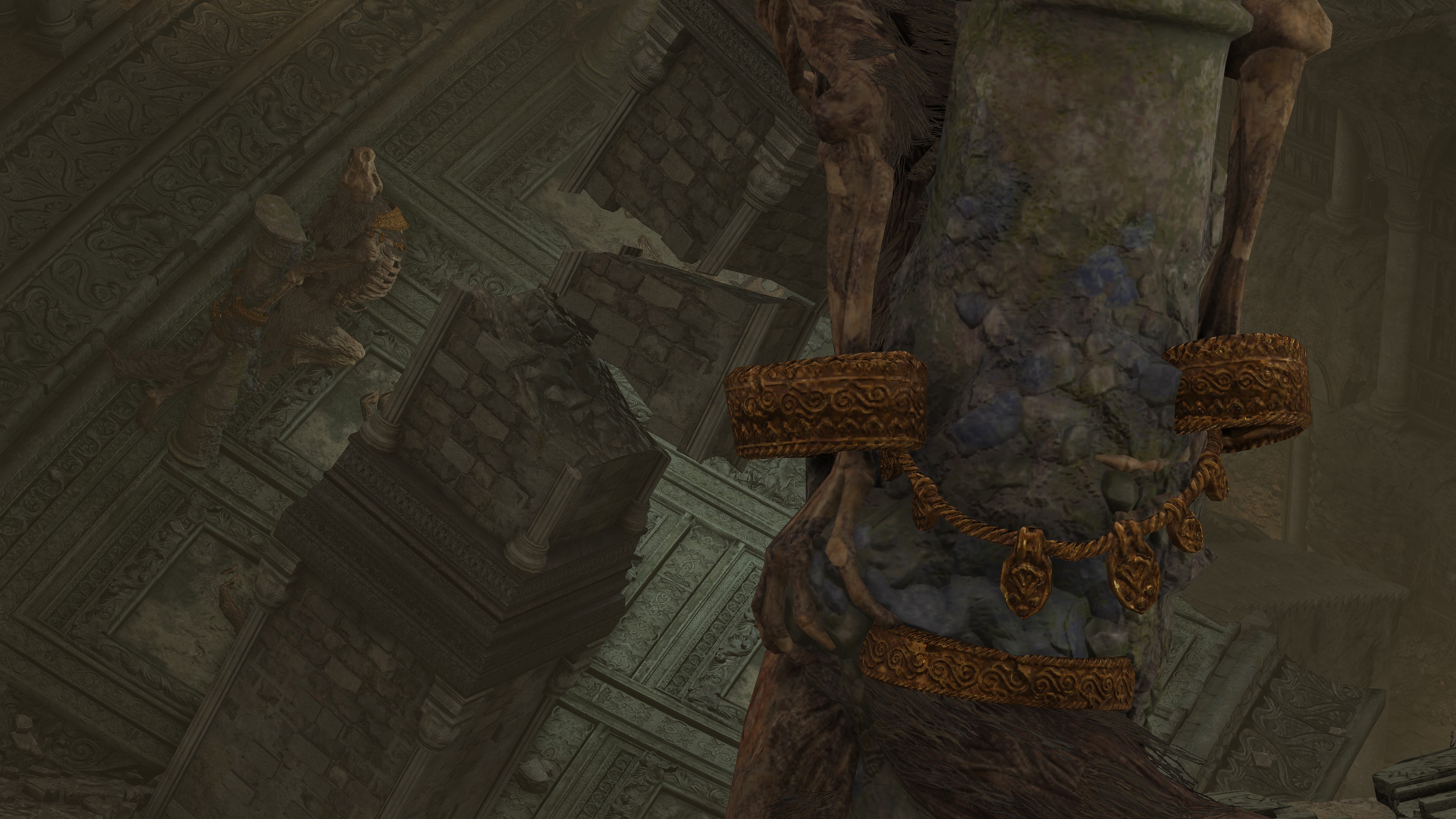
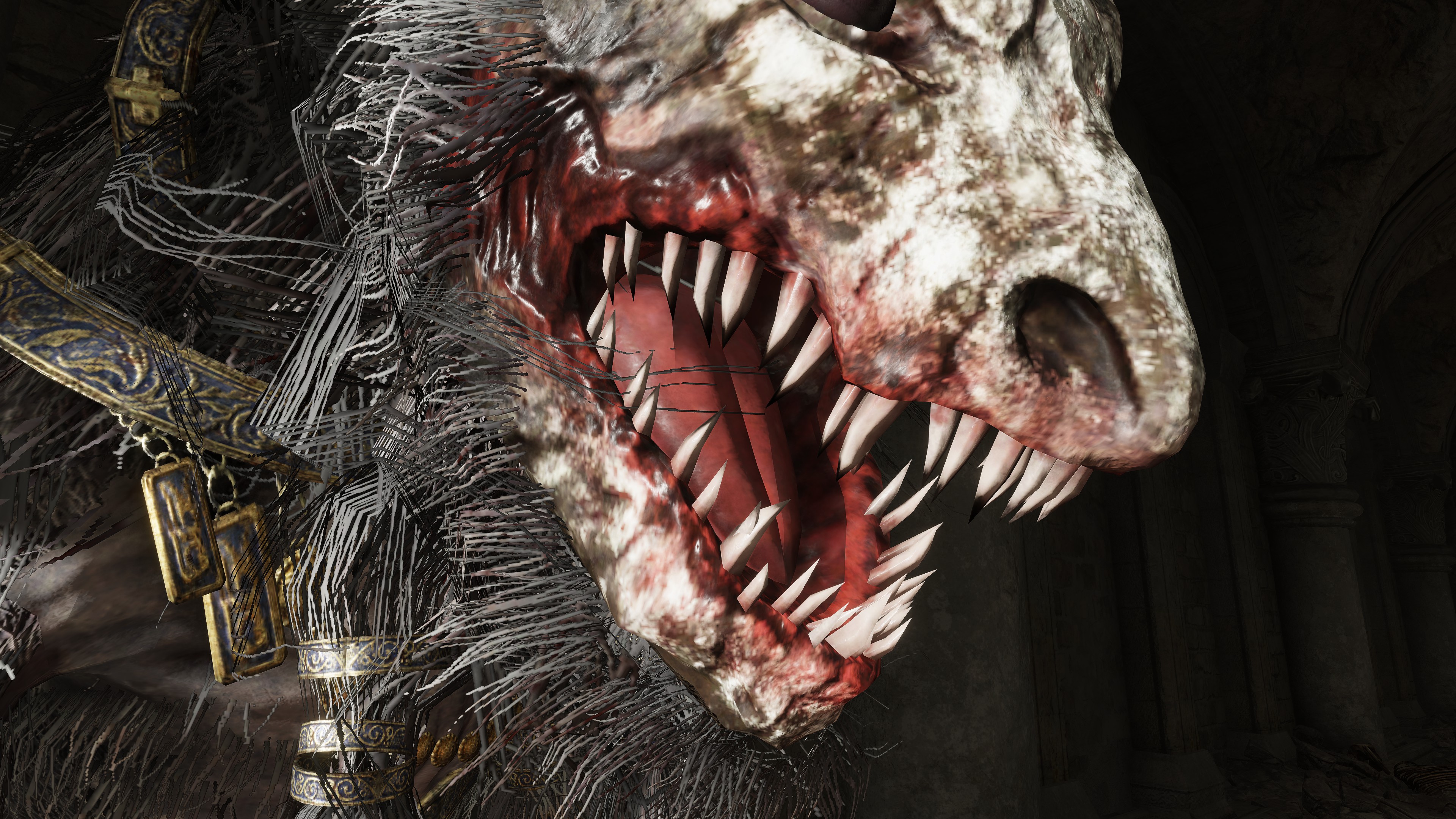
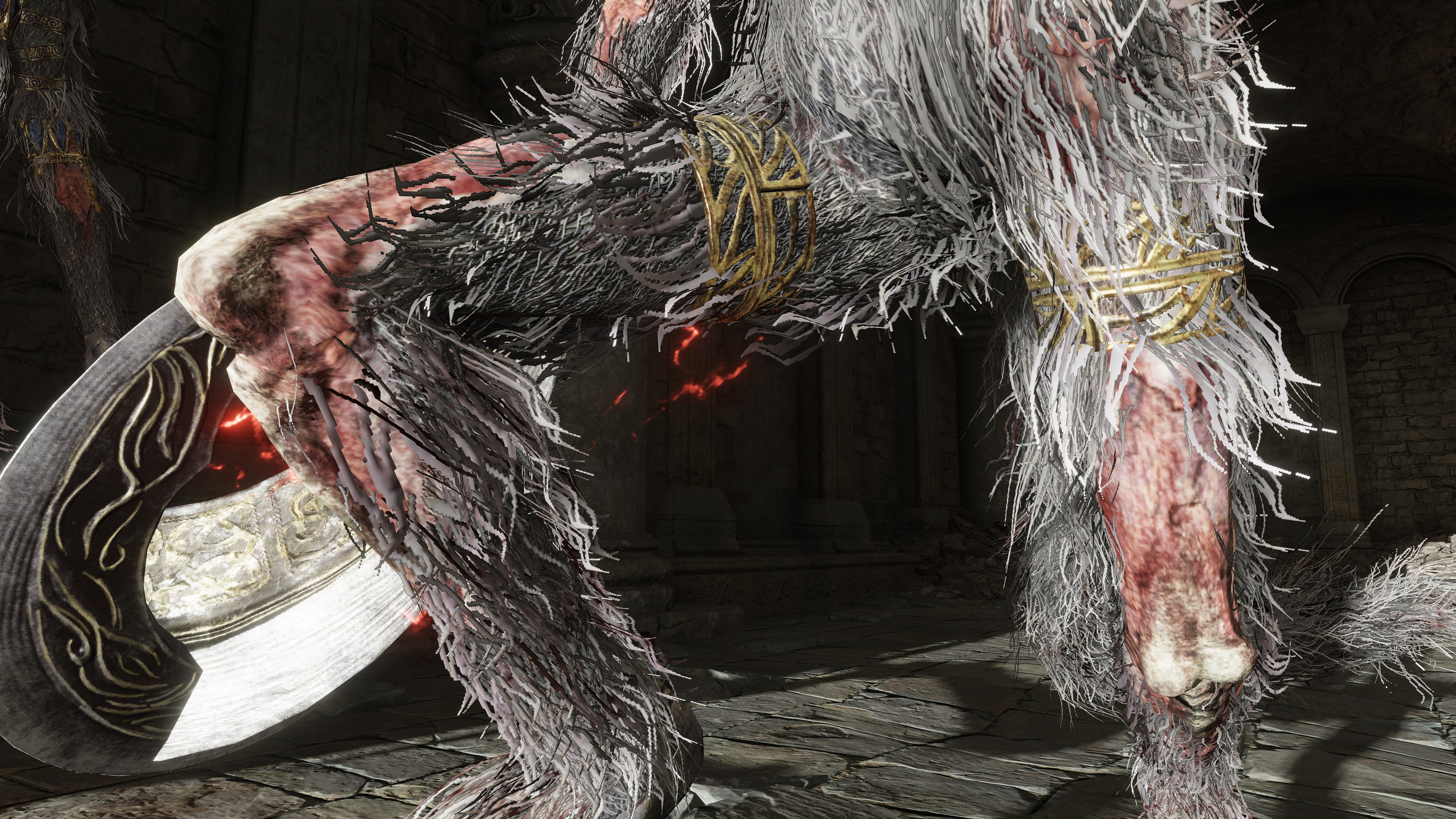
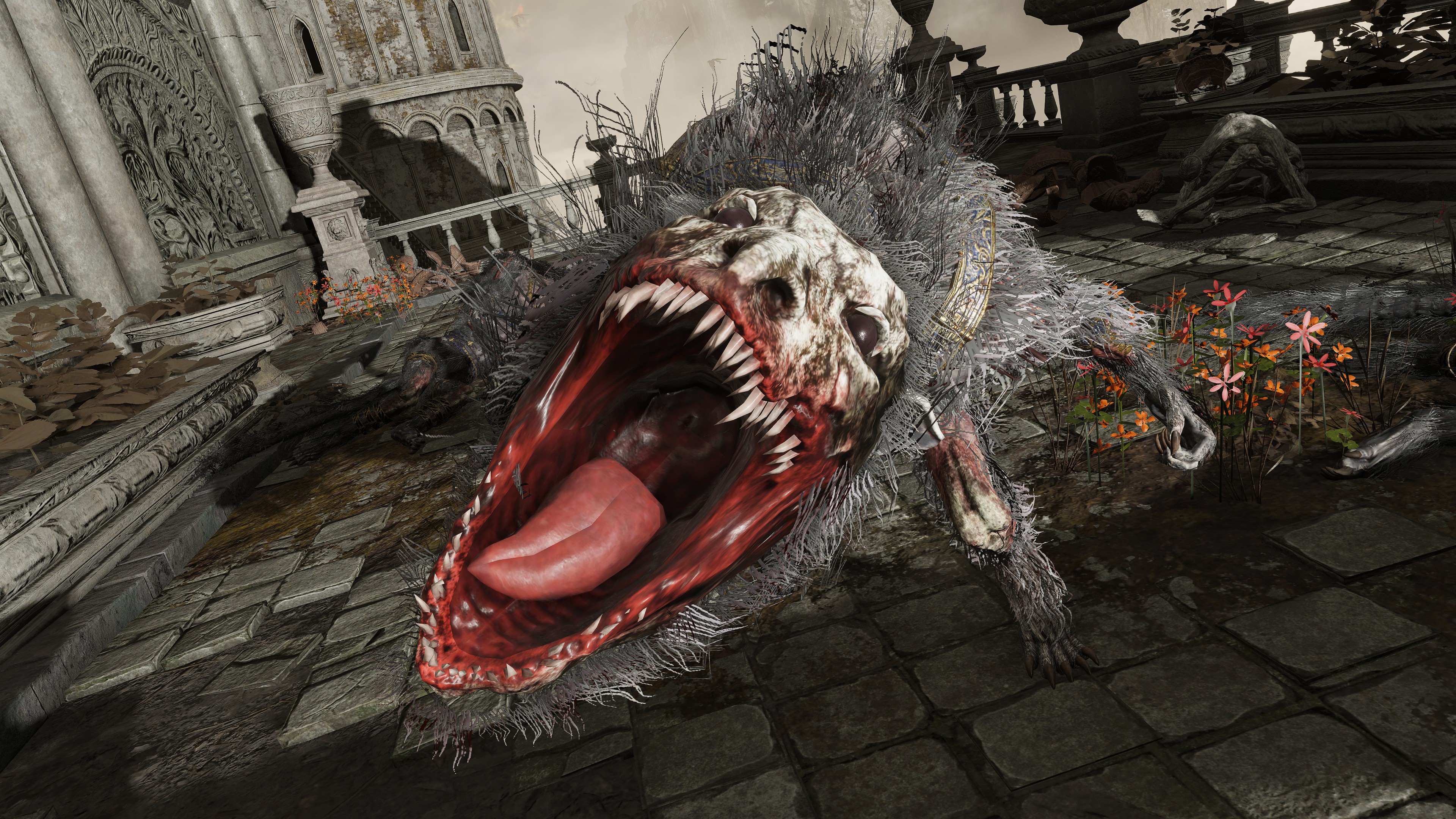
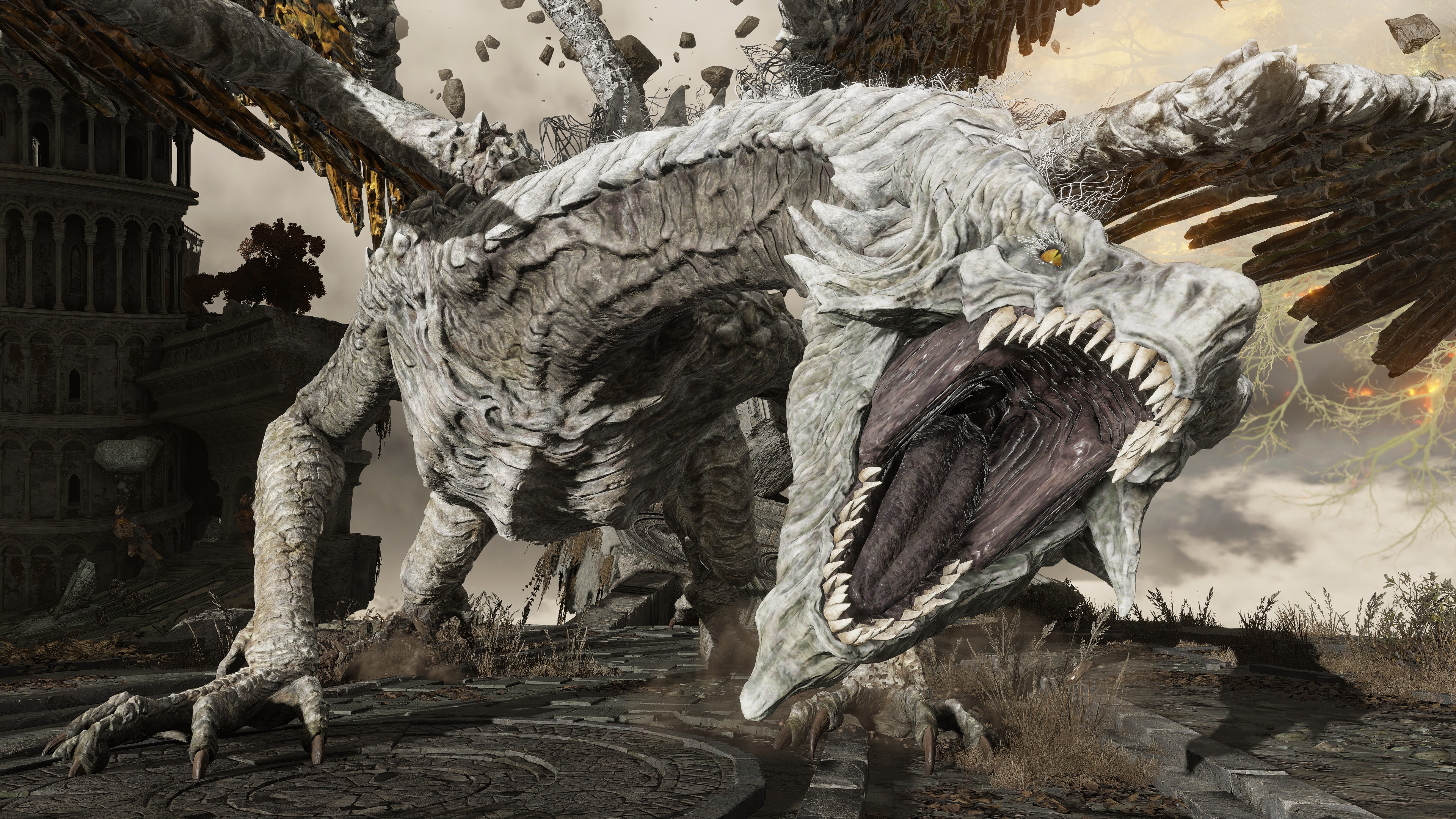
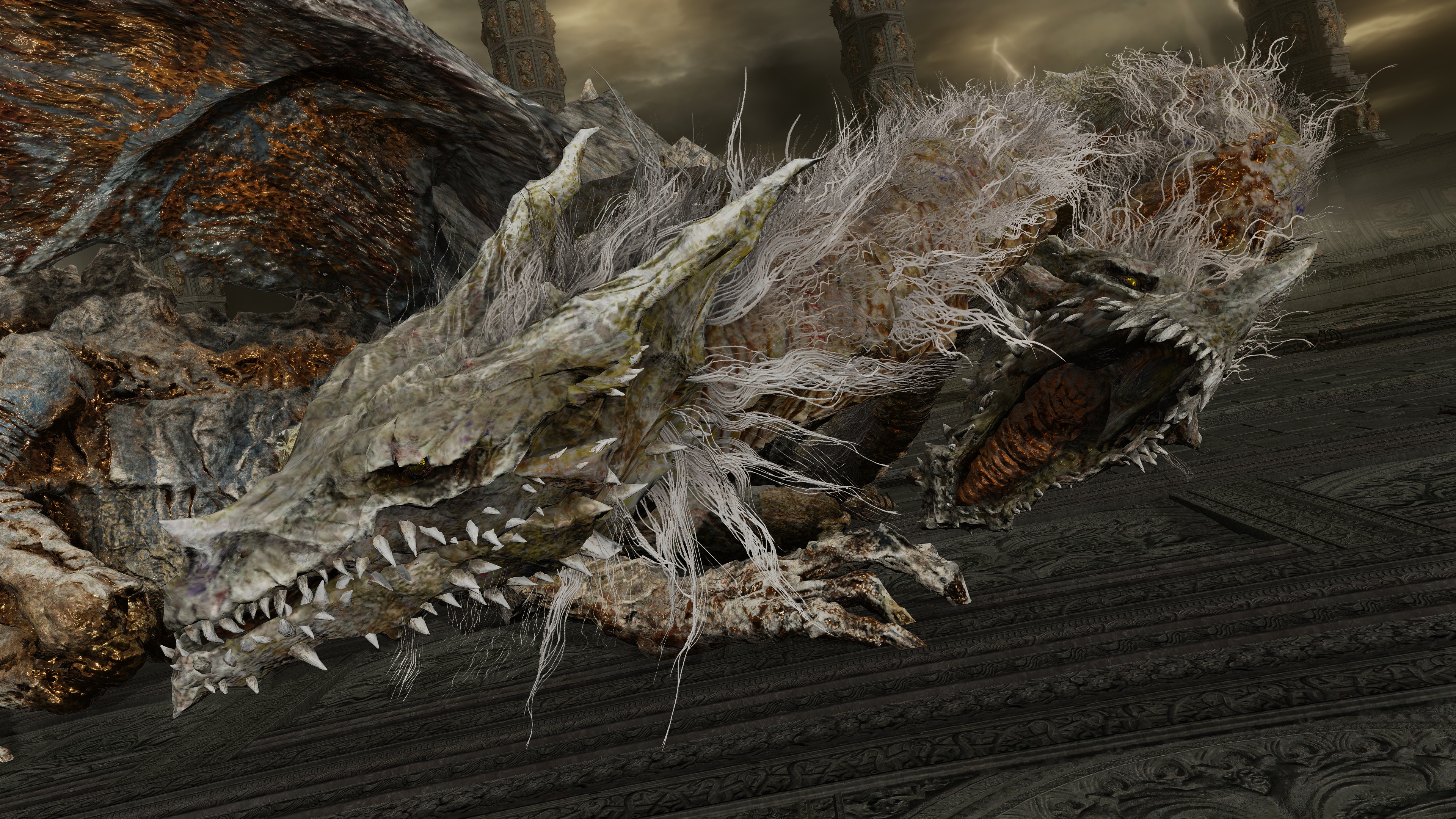
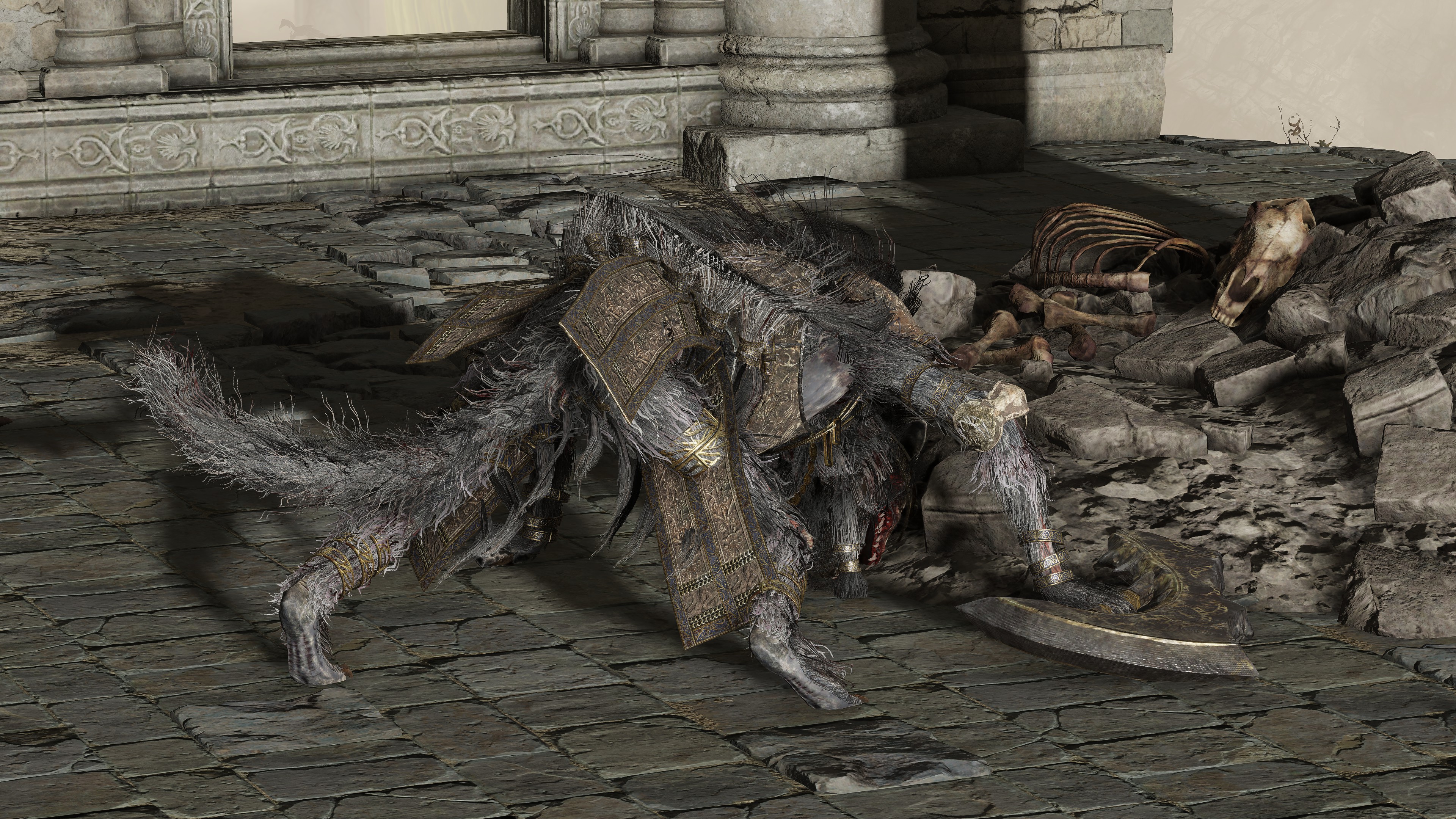
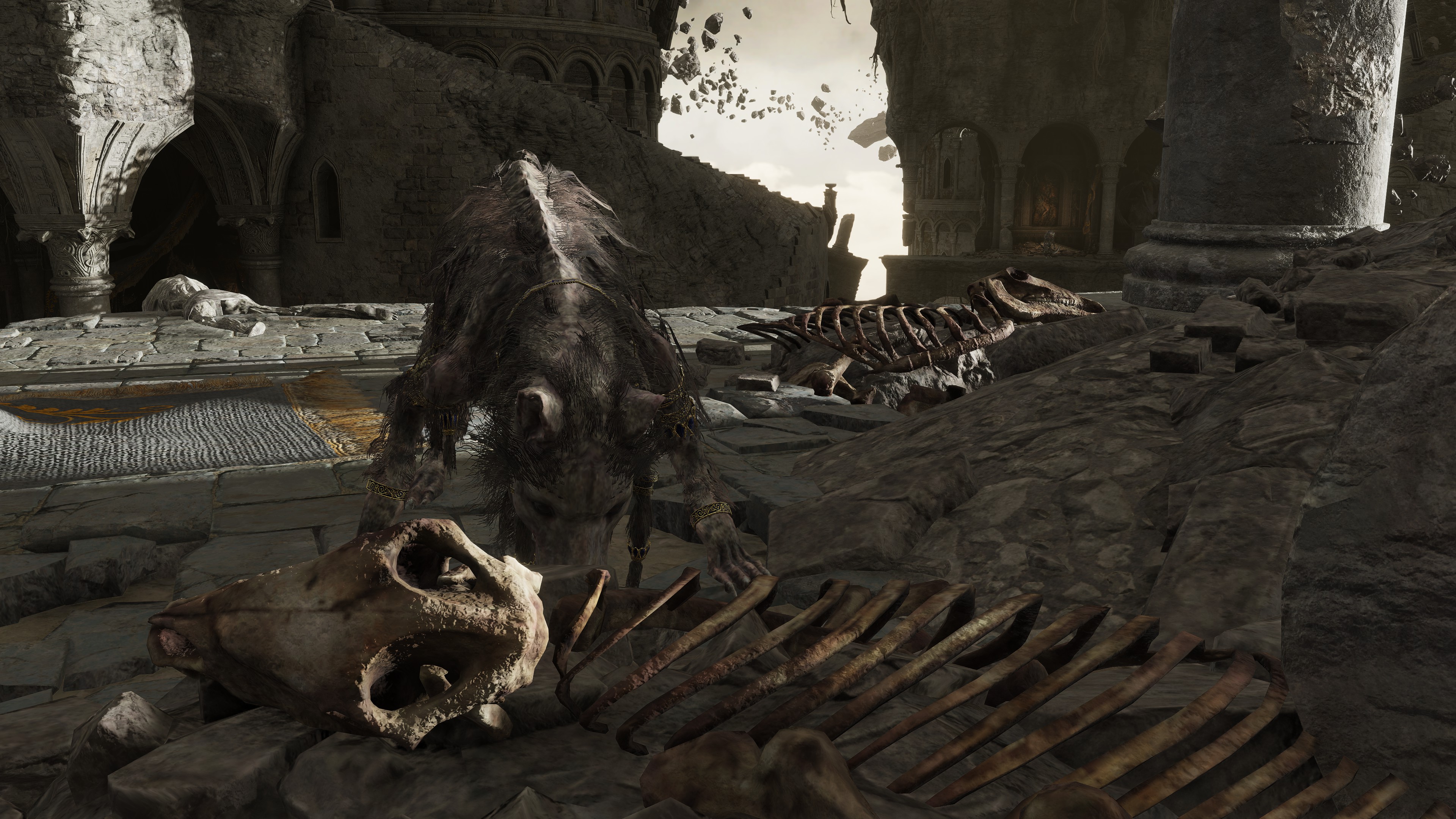
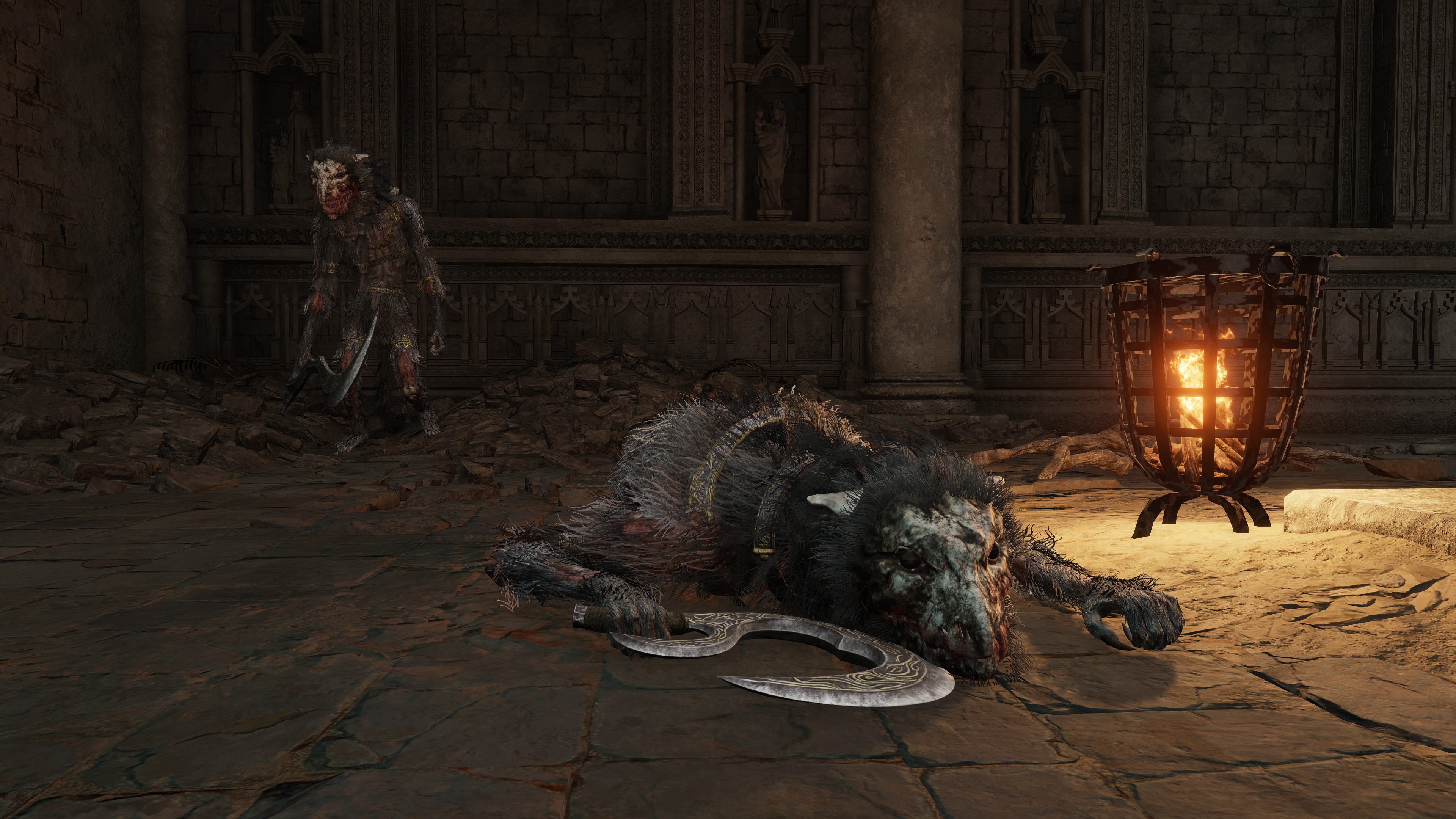
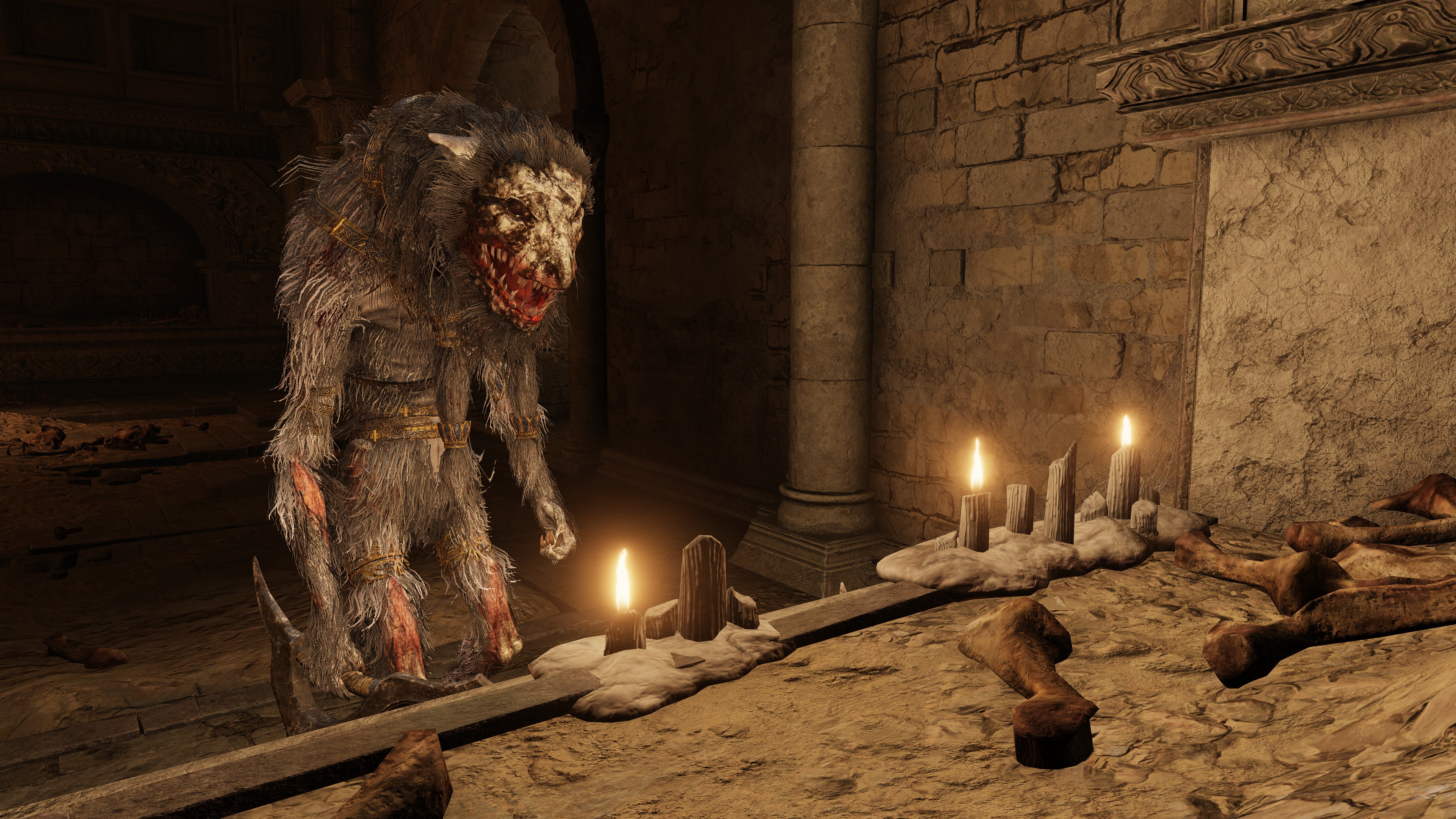
Taken as a whole, they fear losing themselves to the wild animal inside them, yet also fear losing the perks afforded solely to wild animals. While this might initially seem like a contradiction, it is more indicative of the beastmen’s greed. They aren’t fully ashamed or proud of their bestial past. Rather, they seem to seek the best of both worlds, intellect combined with robust physicality — like the dragons. As noted earlier, Placidusax retains some of that primitiveness as part of the original generation, the eminent Dragon King’s more bestial behaviors serving as chief example of the potential for intelligent life to have both. The ancient dragons are the apex beast of the animal kingdom, so the beasts desire all the qualities that bring them to their level; if they could conceive of a means, they would probably even try ways to fly. And undergirding that is a deeper implication: it isn’t about going to the dragon, but returning to it.
To Me, From You
At the heart of the Elden Ring’s landing on the Lands Between is the question of life. Sellen affirms that gold reserves the power of old life, which is consistent with the ancient dragons’ origin. However, all living things have golden runes for us to collect, and clearly there were beasts walking the earth since before a golden tree began towering over the lands. So, where did the beasts come from? If the dragons emerged as a result of the Ring invading the earth, then did the Elden Beast do the same for other species of life? But we don’t see any signs of mineral life besides dragons, and it is only dragons who have a clear lineage becoming less stone through the generations. If red gold was making mineral life more biological over time, then what stopped it from eventually transforming everything inorganic organic? Add in the controlled chaos of evolution, and dragons might become something completely undragon-like.
Wyverns especially have come to resemble another genus: birds. Not only have their arms and wings converged to an avian silhouette, they also begin sprouting feathers as well as hairs. Farum Azula definitely holds a close connection to birds, given the stormhawk presence. Such migratory behavior predates the city’s ascent into ruin, as its iconography includes birds with the beasts. In short, the dragon kingdom welcomed more than just terrestrial creatures into the fold — the hawks also held a place in society. We do see Banished Knights and the exile soldiers under them perform storm skills. Although associated with just the latter, the skills still open the possibility of humans learning to whip up tempests from the raptors. Indeed, the knights are regarded as “matchless” (一騎当千) men of valor, one able to take on a thousand fighters. However, mosa (猛者) uses the same kanji as birds of prey, (猛禽) defining “fierce ones” versus “fierce” birds. In other words, these tough and fearless warriors behave more like the predatory avians. The stormhawks may thus have taught the knights their technique.
Even if this makes them a valued part of the community, why would the hawks of Farum Azula do this? Perhaps because of the storm currently engulfing the crumbling land, an ideal habitat for their kind. Nepheli does indicate similar hawks existing in her homeland outside the Lands Between, so the species has spread to other regions. But that assumes the giant twister and its satellite tornadoes are the norm when this shattered land is already flying in the sky. If not, then the reason should be much more fundamental. Perhaps, then, it is because these birds, intelligent enough to have names and even their own king, recognize blood ties to this land, before they became birds. Much as how modern birds on Earth are the distant descendants of dinosaurs, the stormhawks and similar feathered raptors may also be related to the prehistoric lizards of the Lands Between. And if the ancient dragons eventually evolved into birds, then what stops them from evolving into all manner of creature roaming the globe?
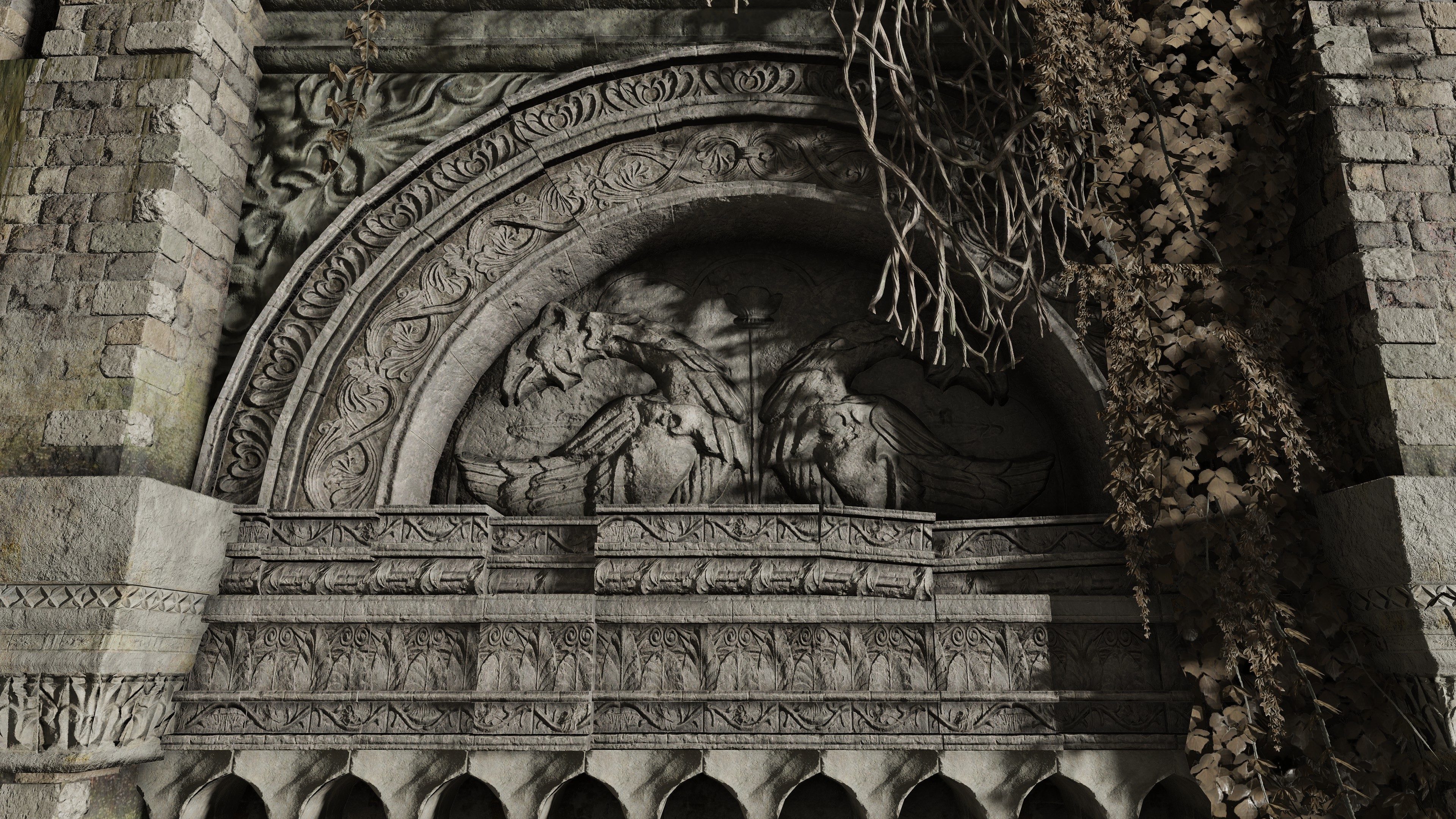
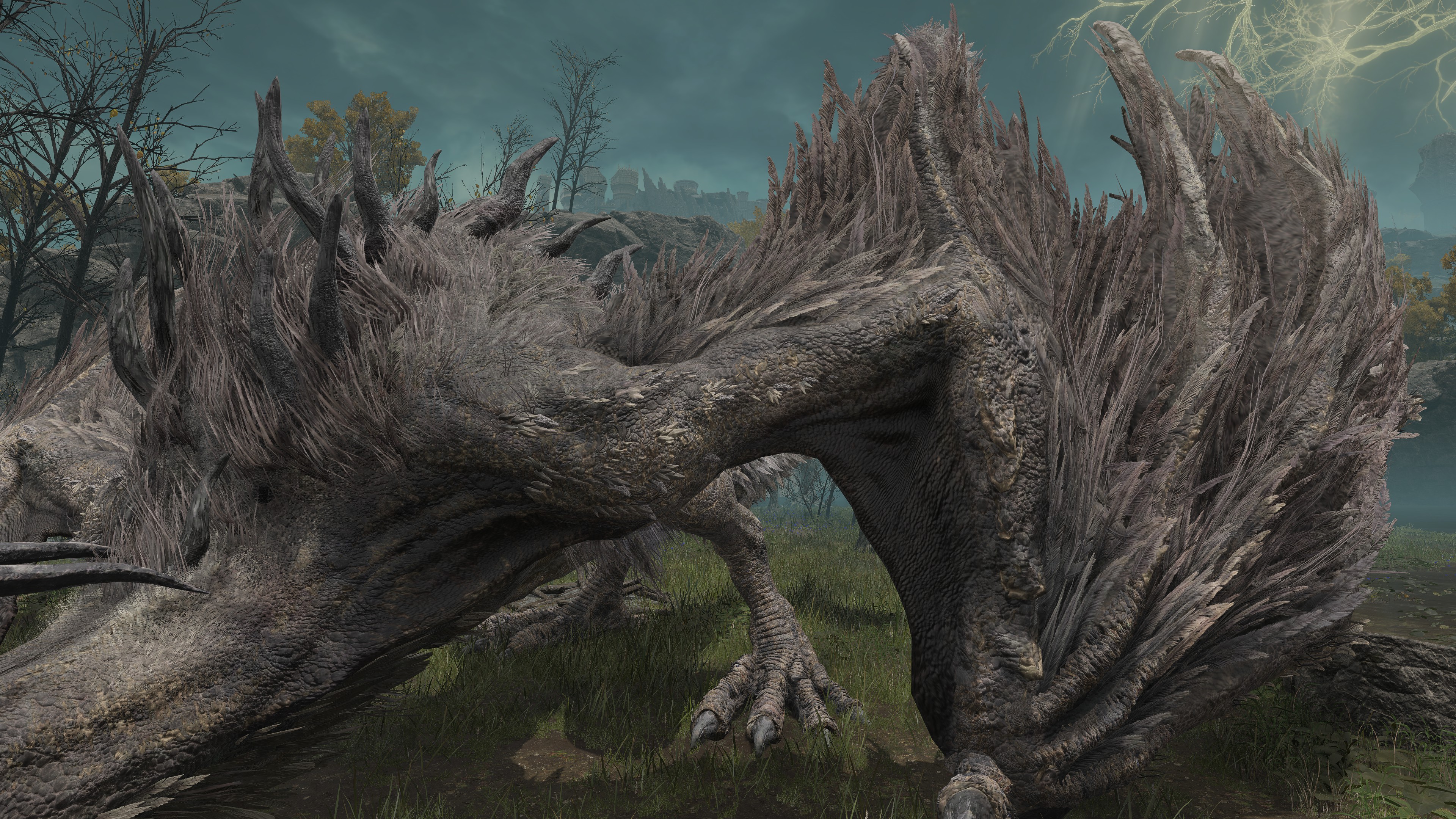
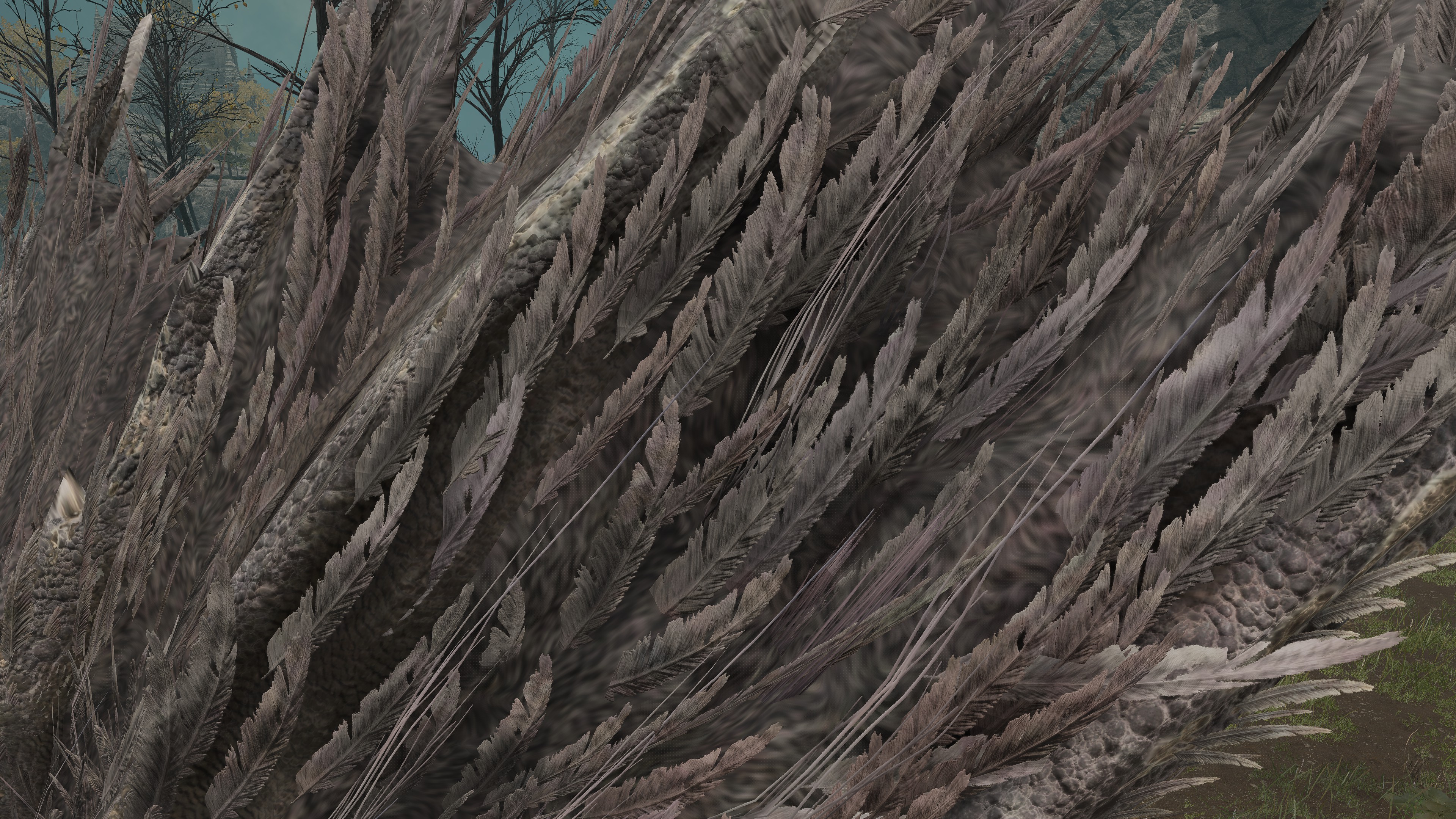
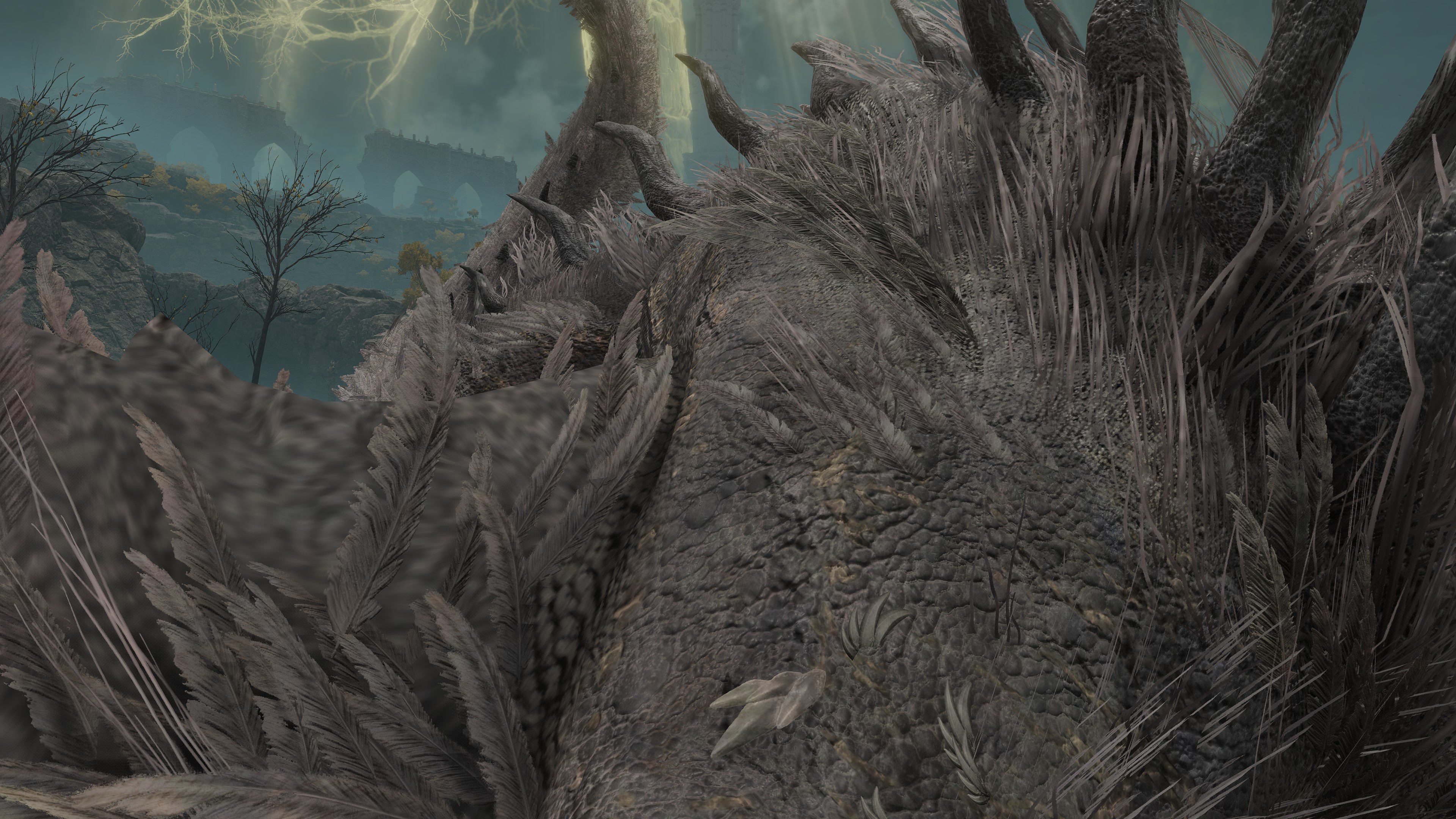
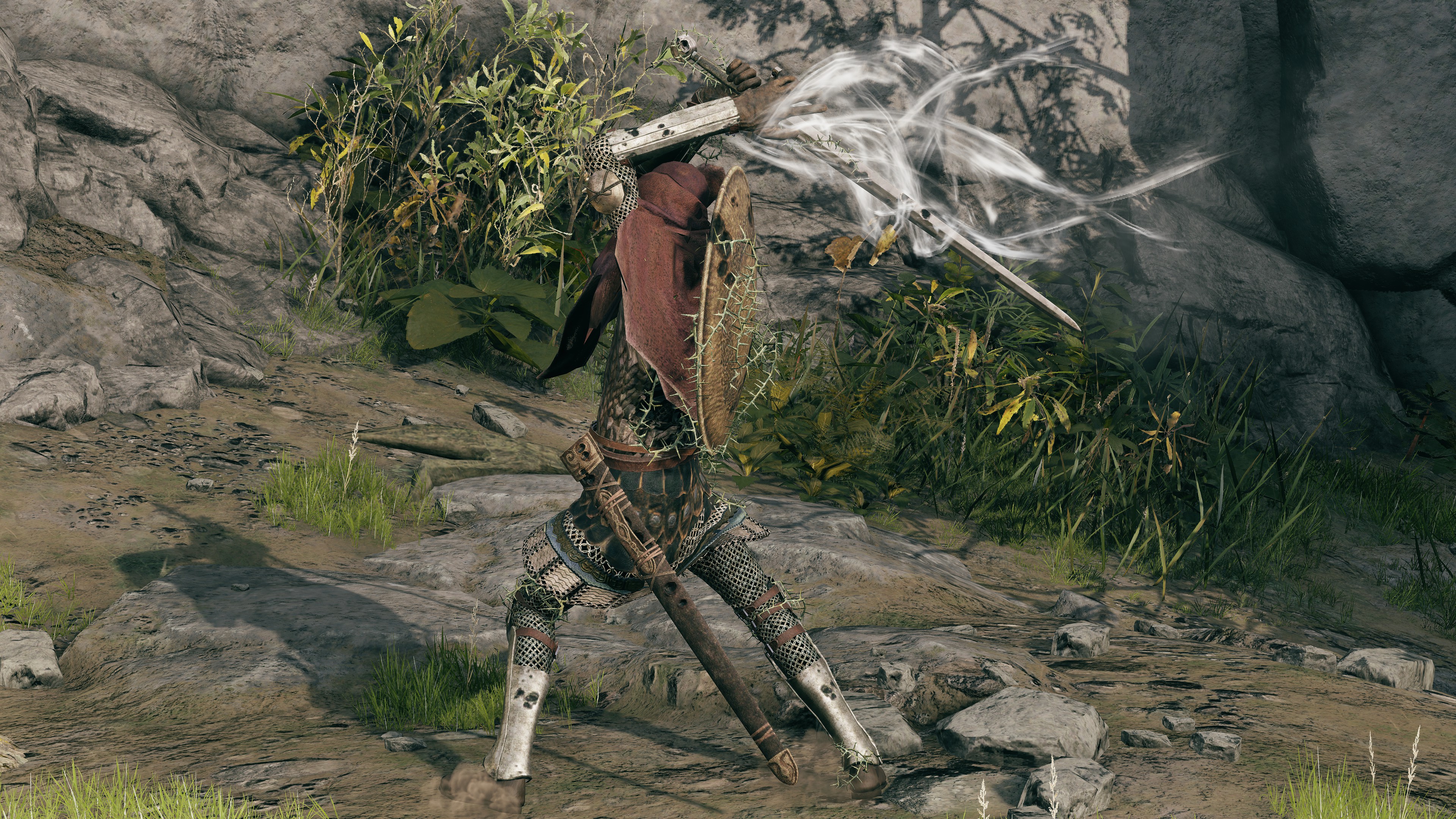
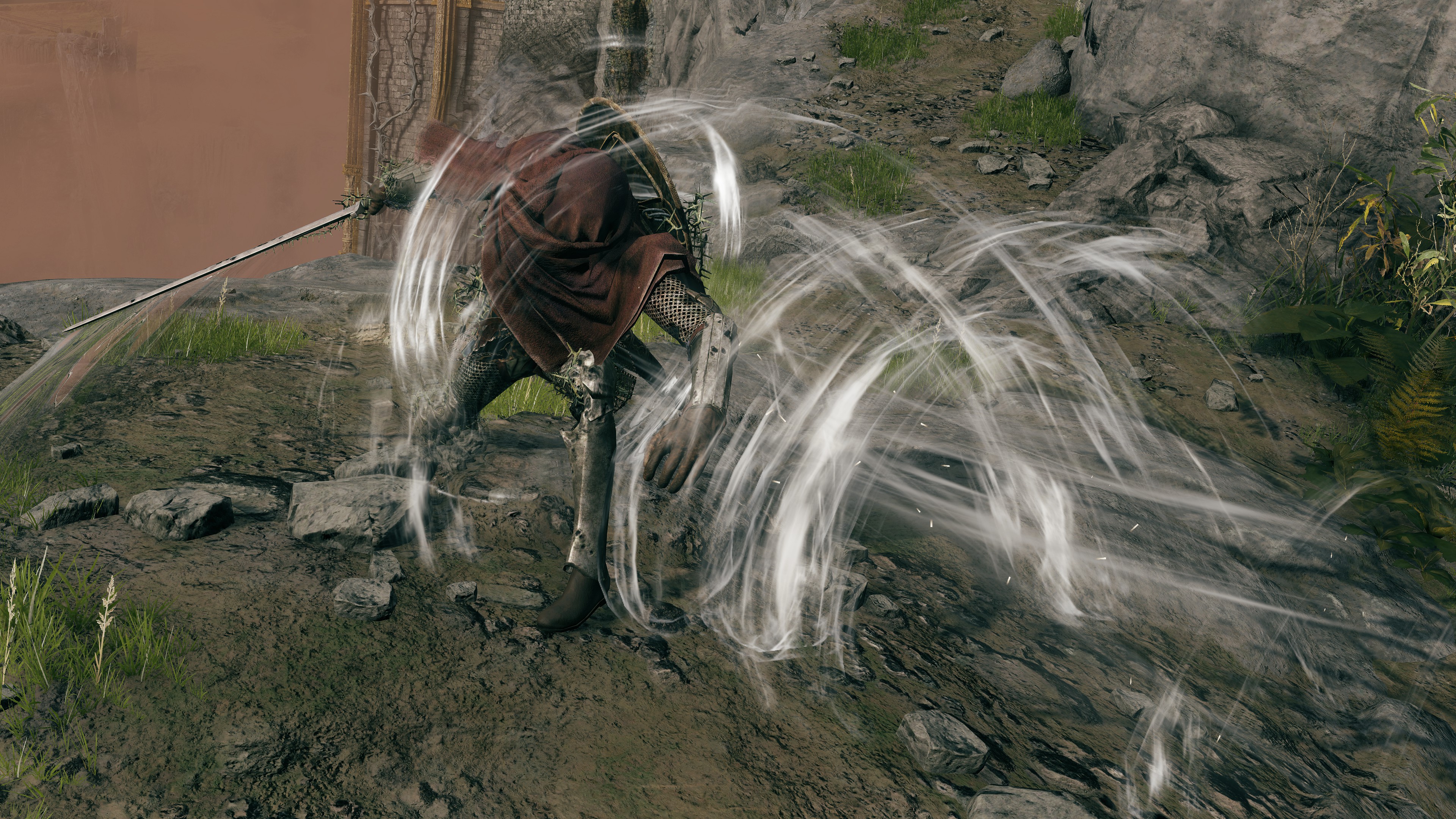
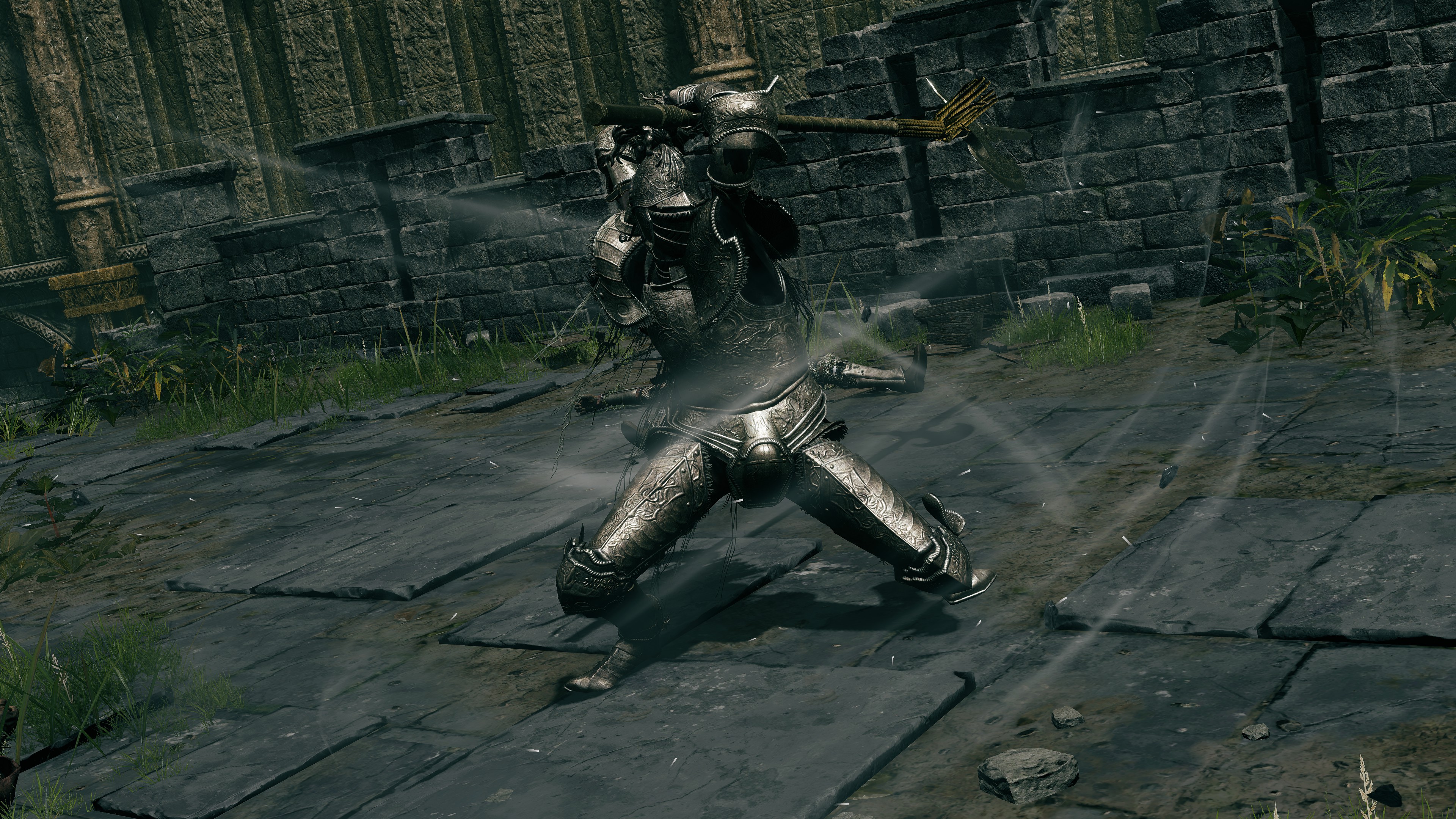
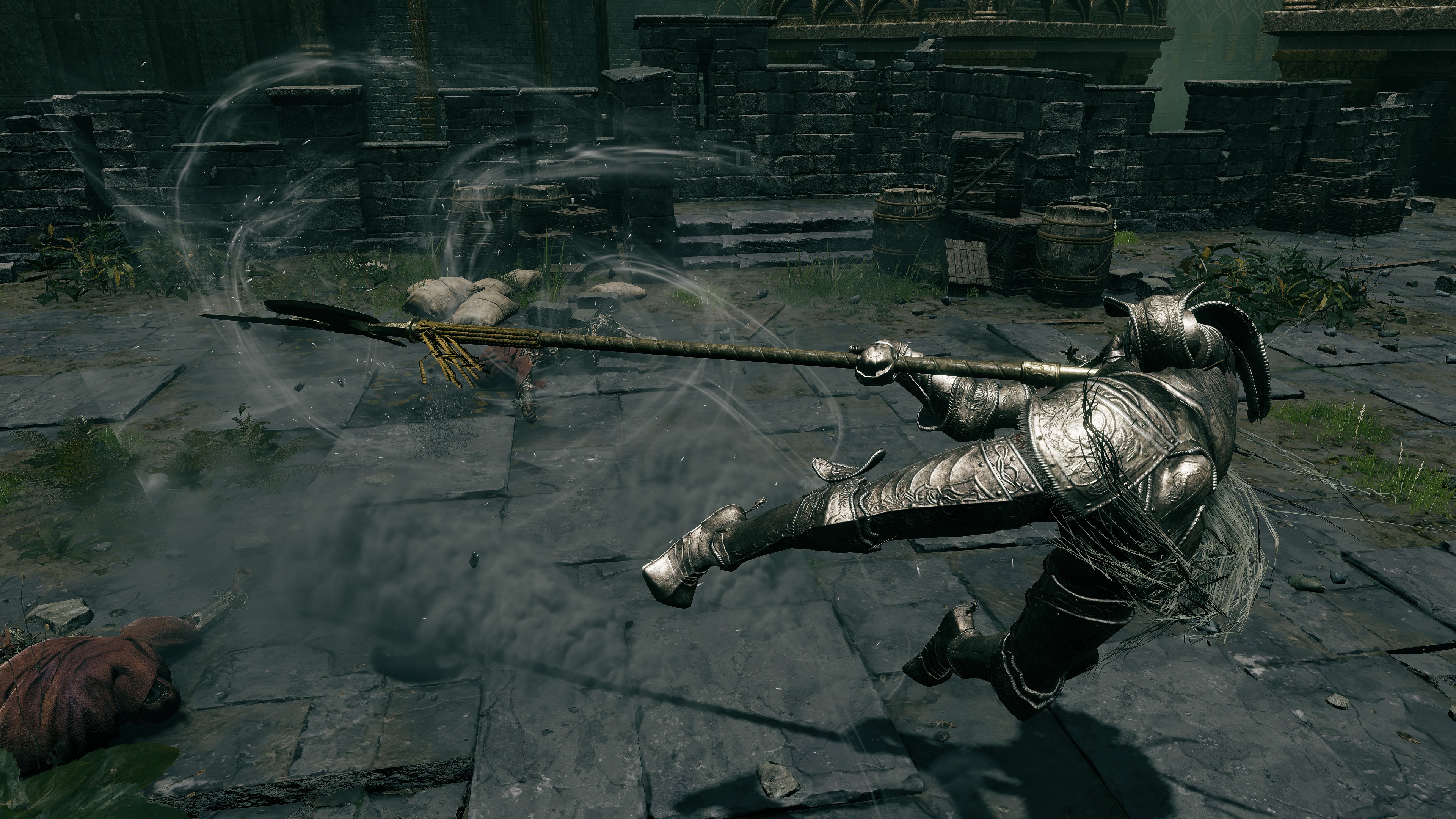
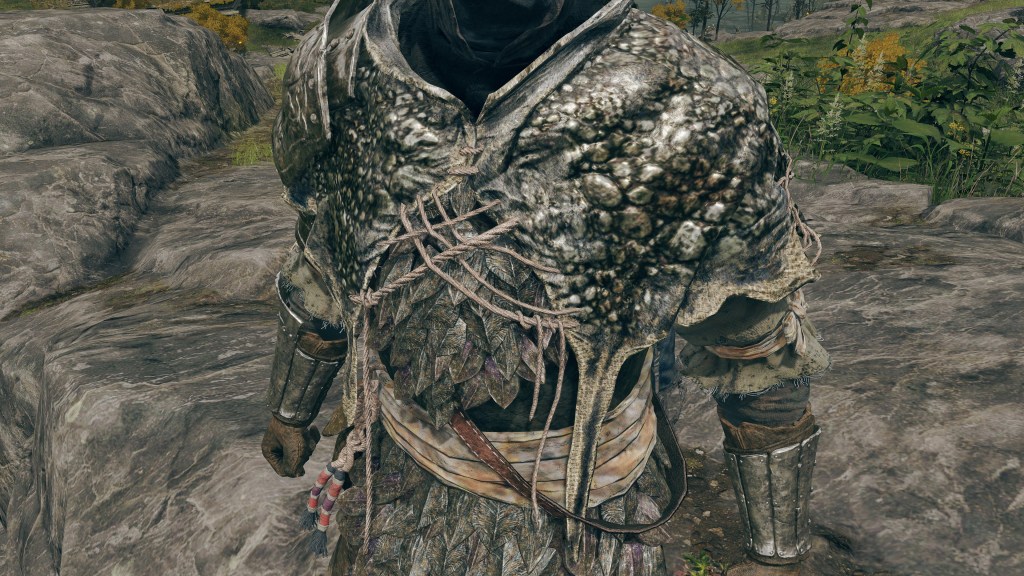
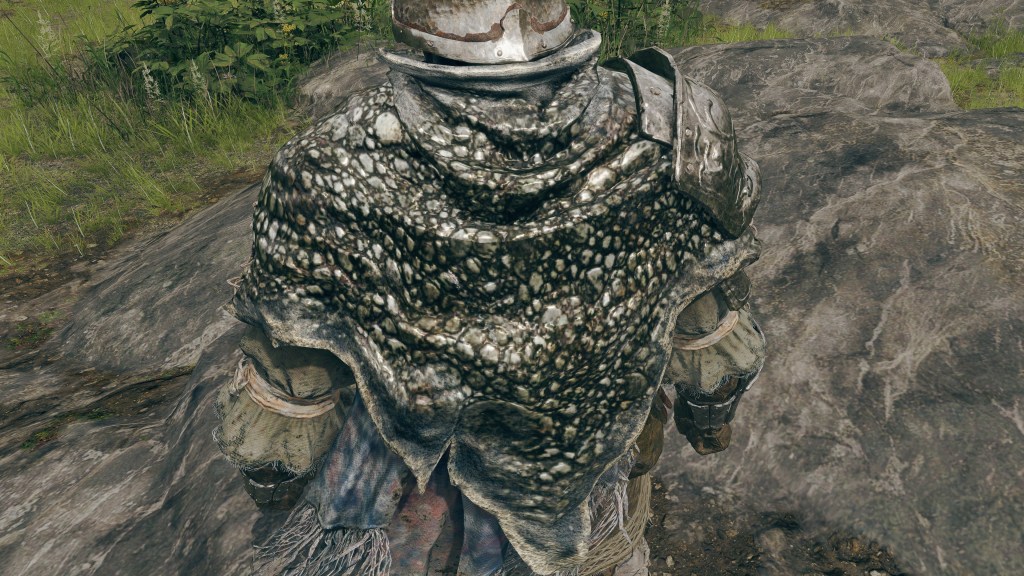
Aspects of the Crucible incantations demonstrate the wide variety of animal traits that can be produced with the power of red gold. If controlled randomness influenced the ancient dragons to become wyverns and then birds, then it could also influence them to become ordinary lizards, boars, rabbits, even insects. A perfect example is the rock lizard, which apparently retains a fire-resistant mineral hide that scale-armored explorers may skin and tan for additional protection. If later generations of dragons began losing the stone element, then some might evolve into even smaller reptiles to concentrate the remaining rock to cover their whole body in such scales again. The only question is time, but none is defined for the prehistoric age, leaving thousands if not millions of years for these various lifeforms to develop before the Greater Will decided to gift intelligence to certain beasts which had long lost it with their thumbs. The beast priests can petrify themselves because the beasts recognize stone to be in their lineage, the dragonhood hidden within the blood just waiting to be unlocked by an enlightened sage.
Armor layering small bits of metal for armoring.
It has leather tanned from a rock lizard clad the shoulders, so boosts resistance against fire.
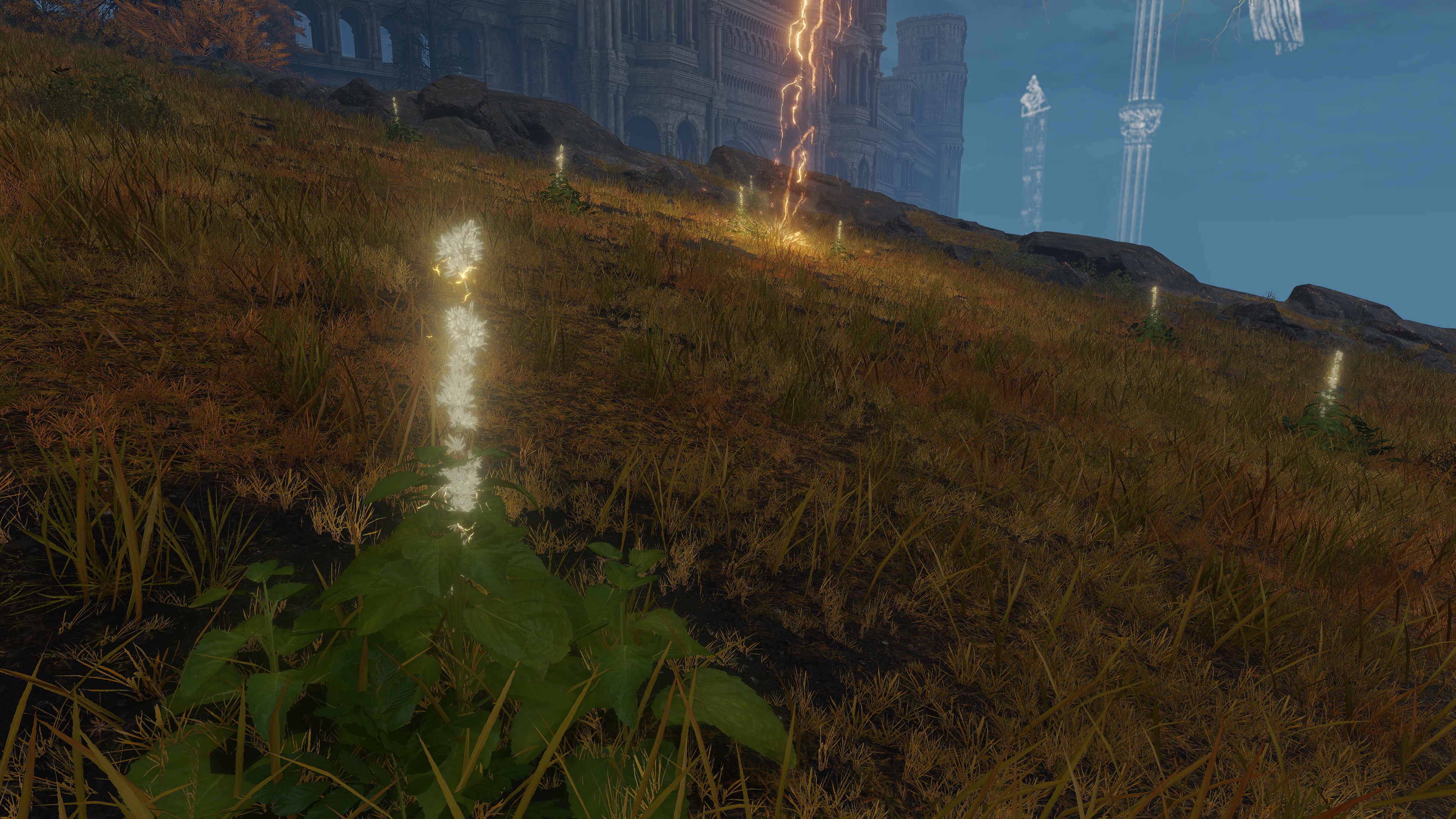
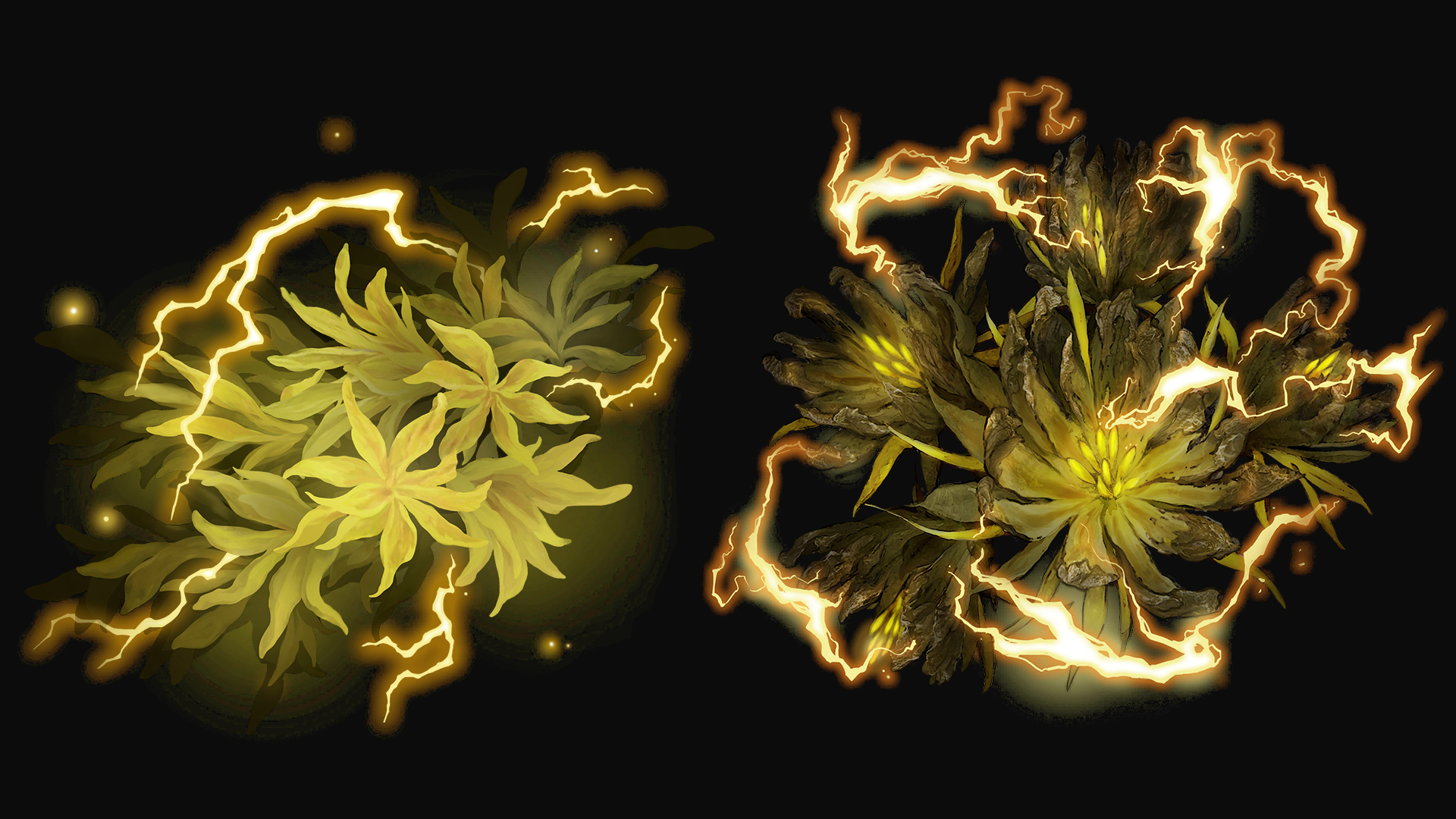
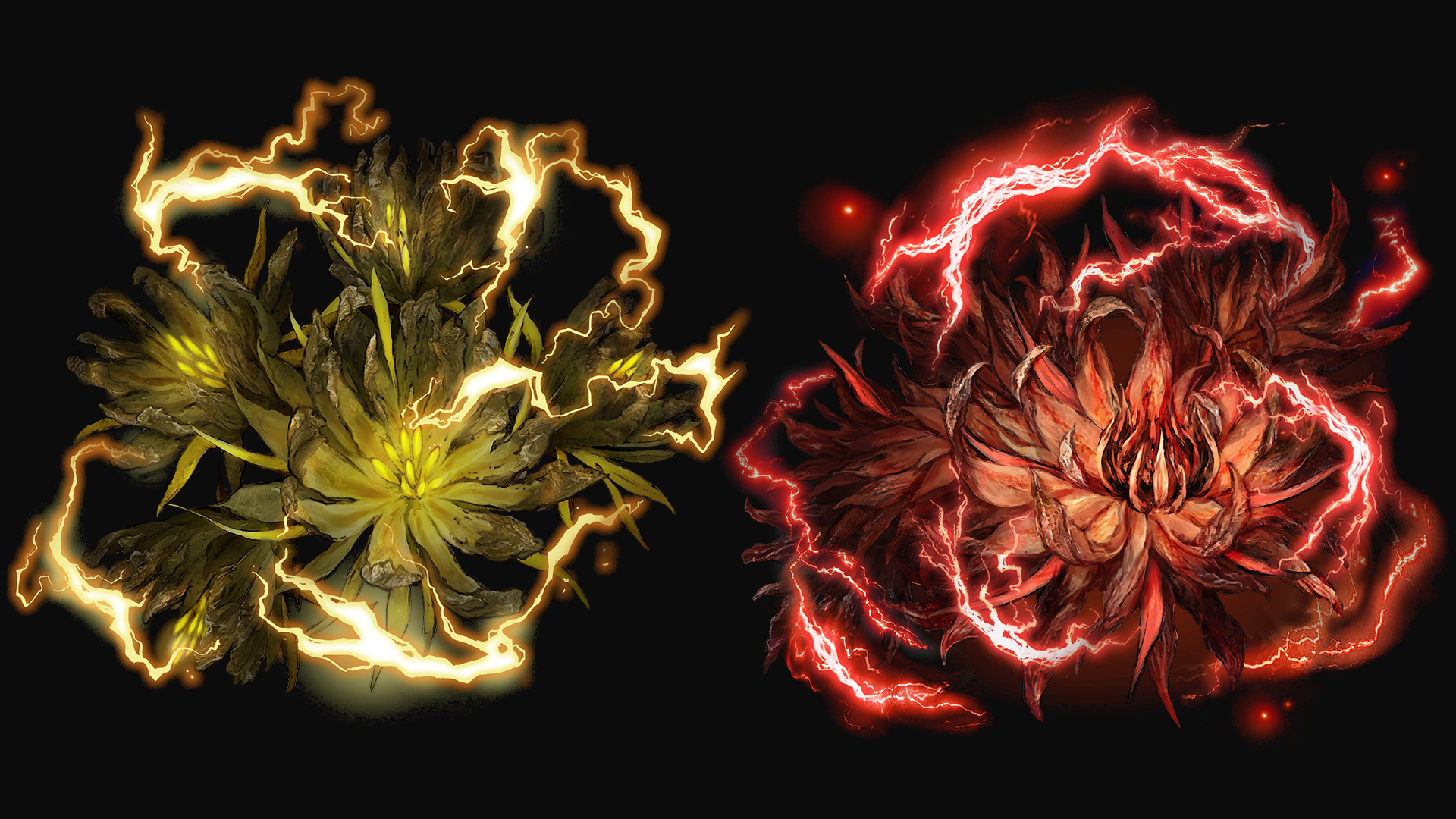
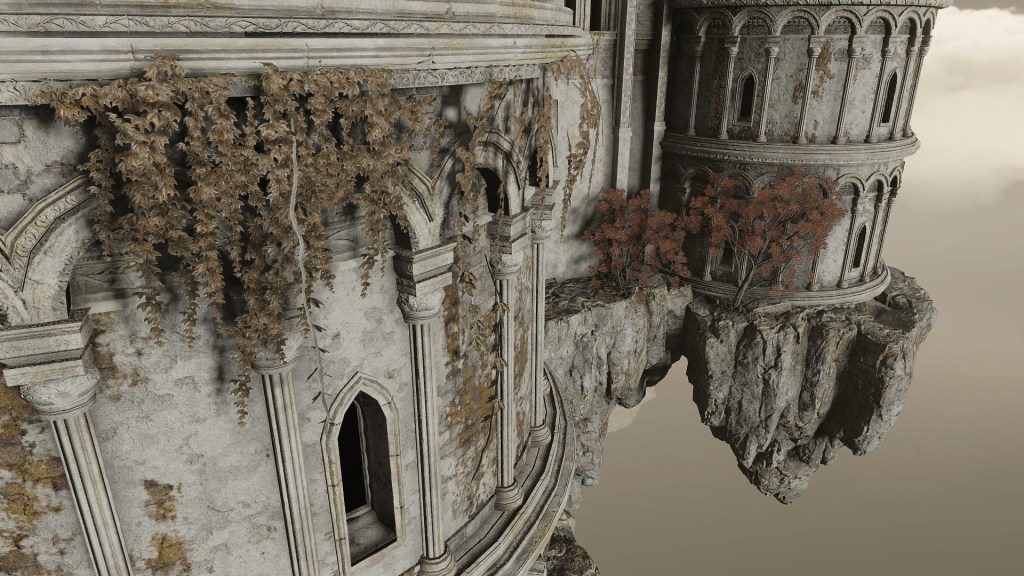
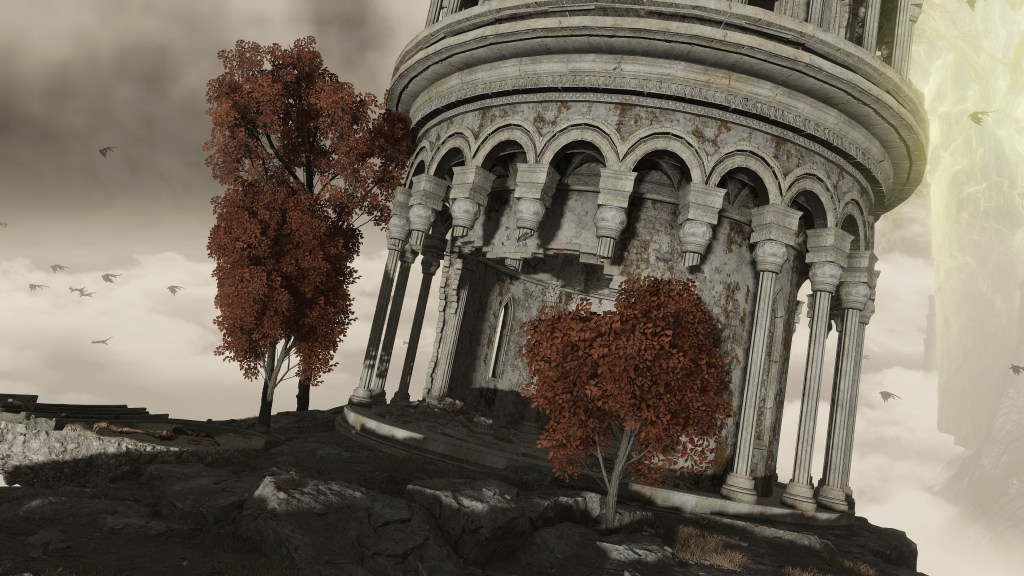
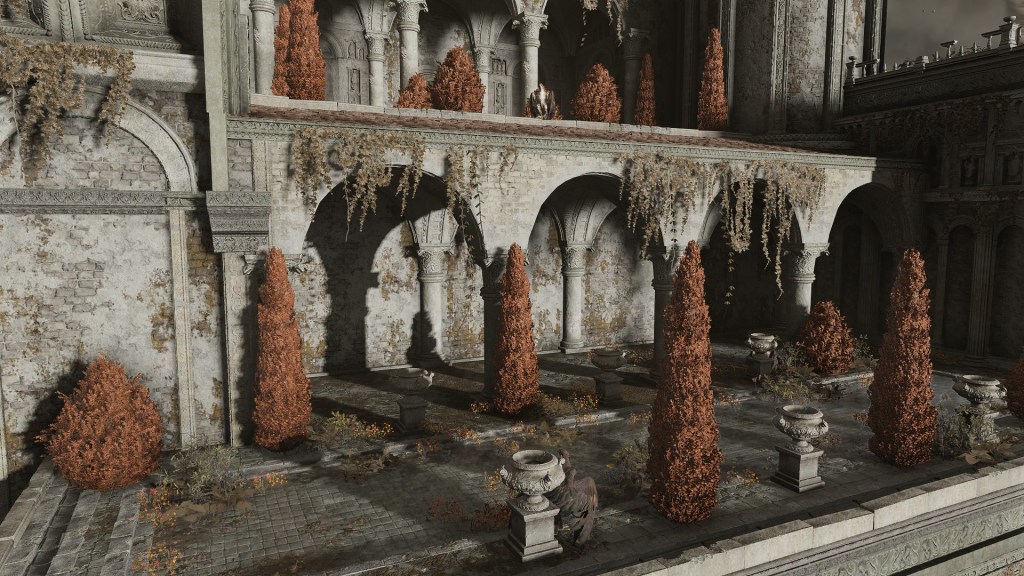
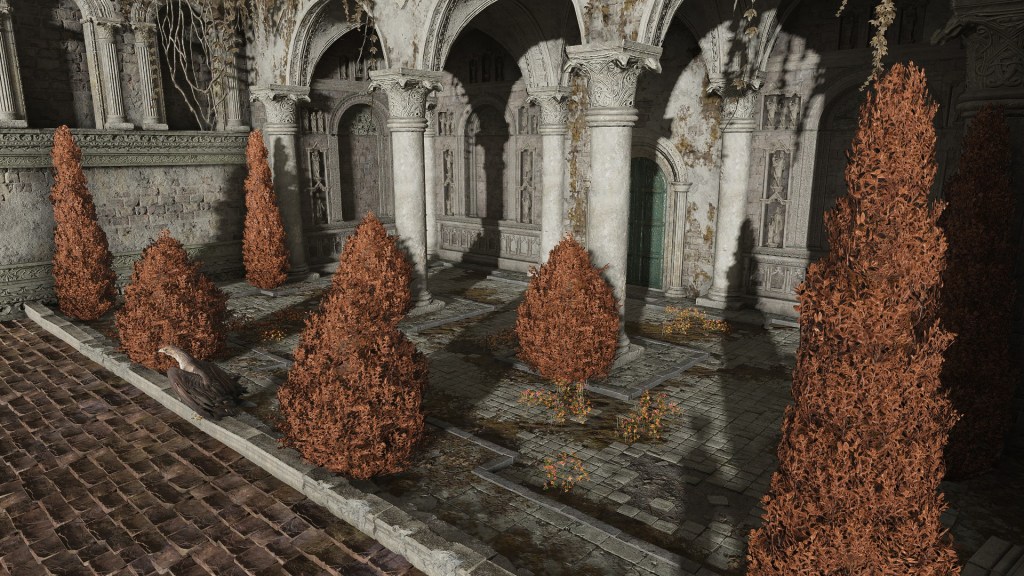
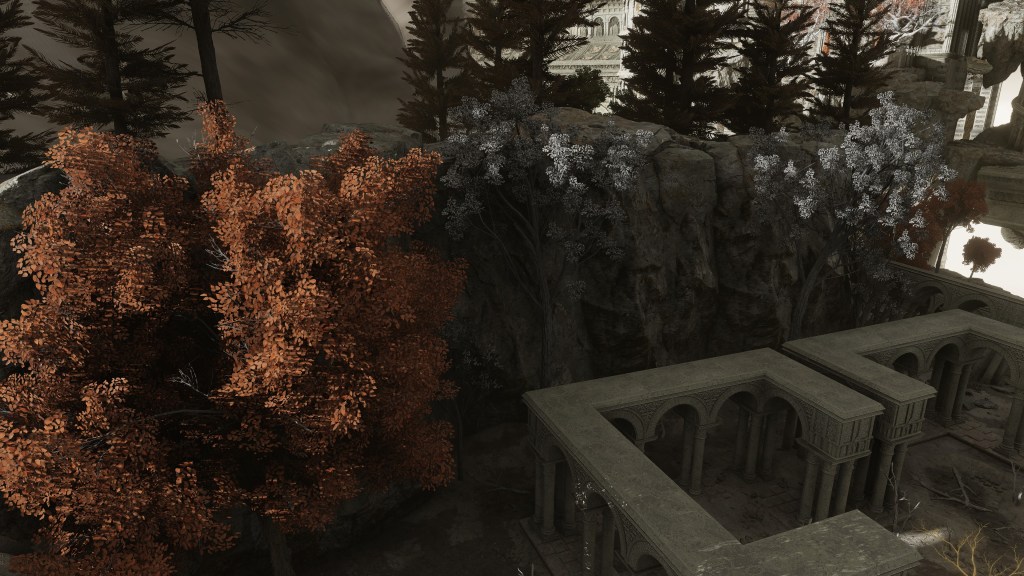
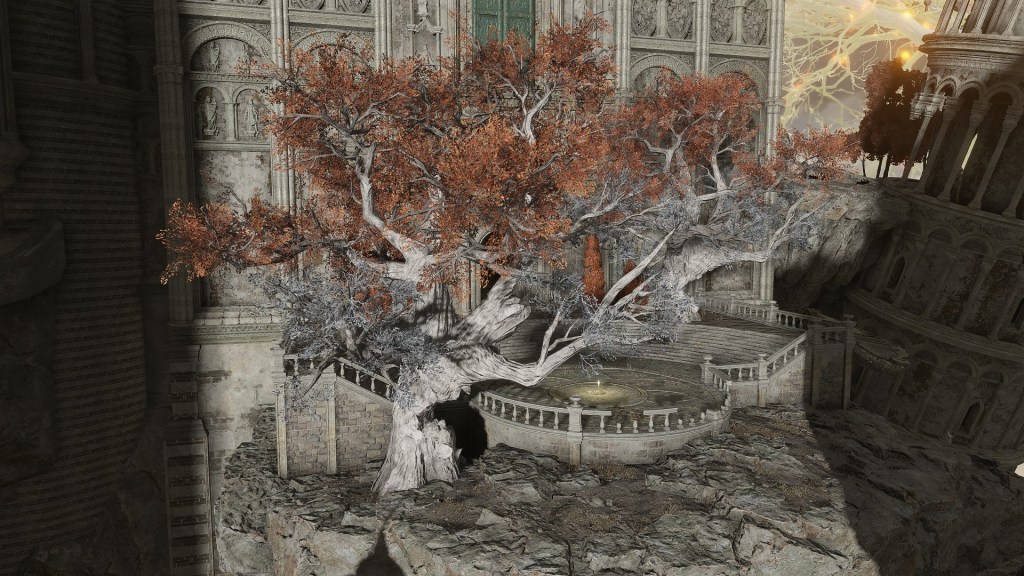
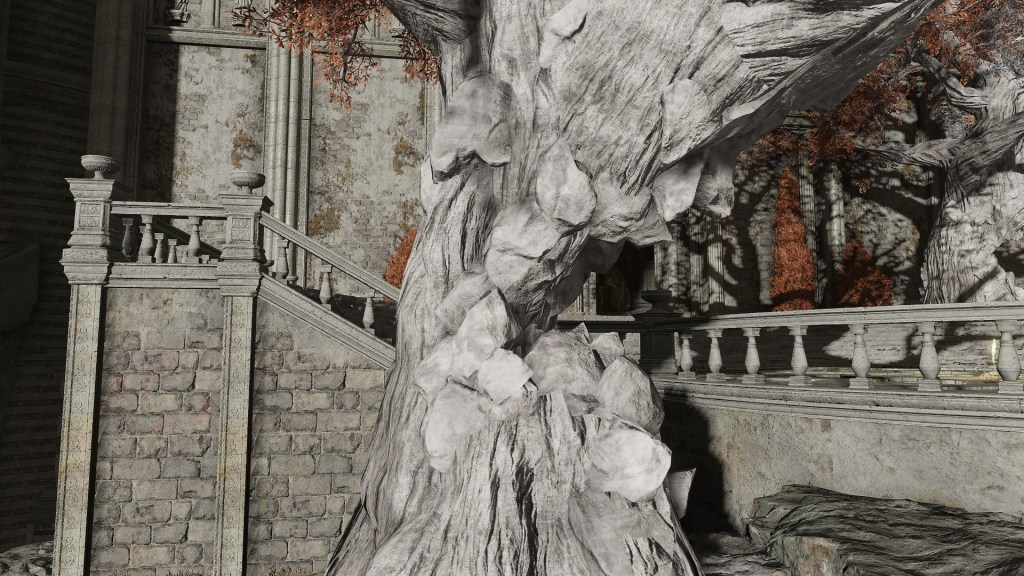
Lineage from a single mineral lifeform may not have been limited to fauna. For flora, we see that Farum Azula is rife with red-leaved bushes and trees, perfect for a country where red lightning is so iconic. In fact, the vibrant color is likely a result of containing the actual power of red gold. Like the dragons, losing that gold of life seems to cause the leaves to become an ash grey color, the trees in particular collapsing into rock. This suggests that they too revert to a base stone element as the life of gold finally ebbs away. In that case, then this flora in Farum Azula must also be products of combining gold with rock. The power can unquestionably produce flora. Fulgurblooms are “lightning flowers” (雷花) because they appear in lands where lightning strikes. This includes the red lightning of the ancient dragons, which naturally sprouts red flowers. The flowers, with their electric charge, continue to attract similar bolts from the air, drawing in more strikes, but it is the initial strike from this derivative of holiness that first begets the living lightning rod.
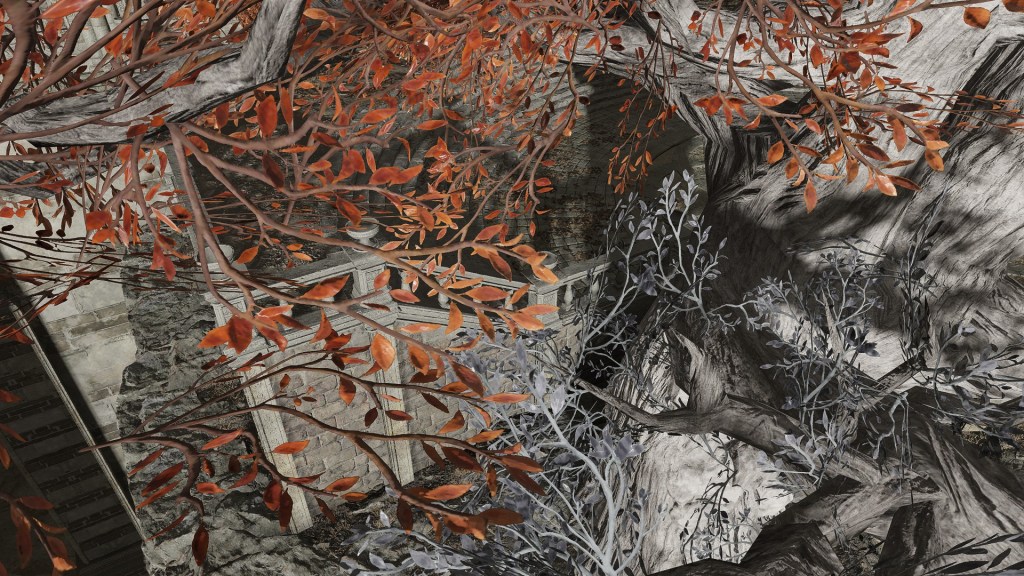
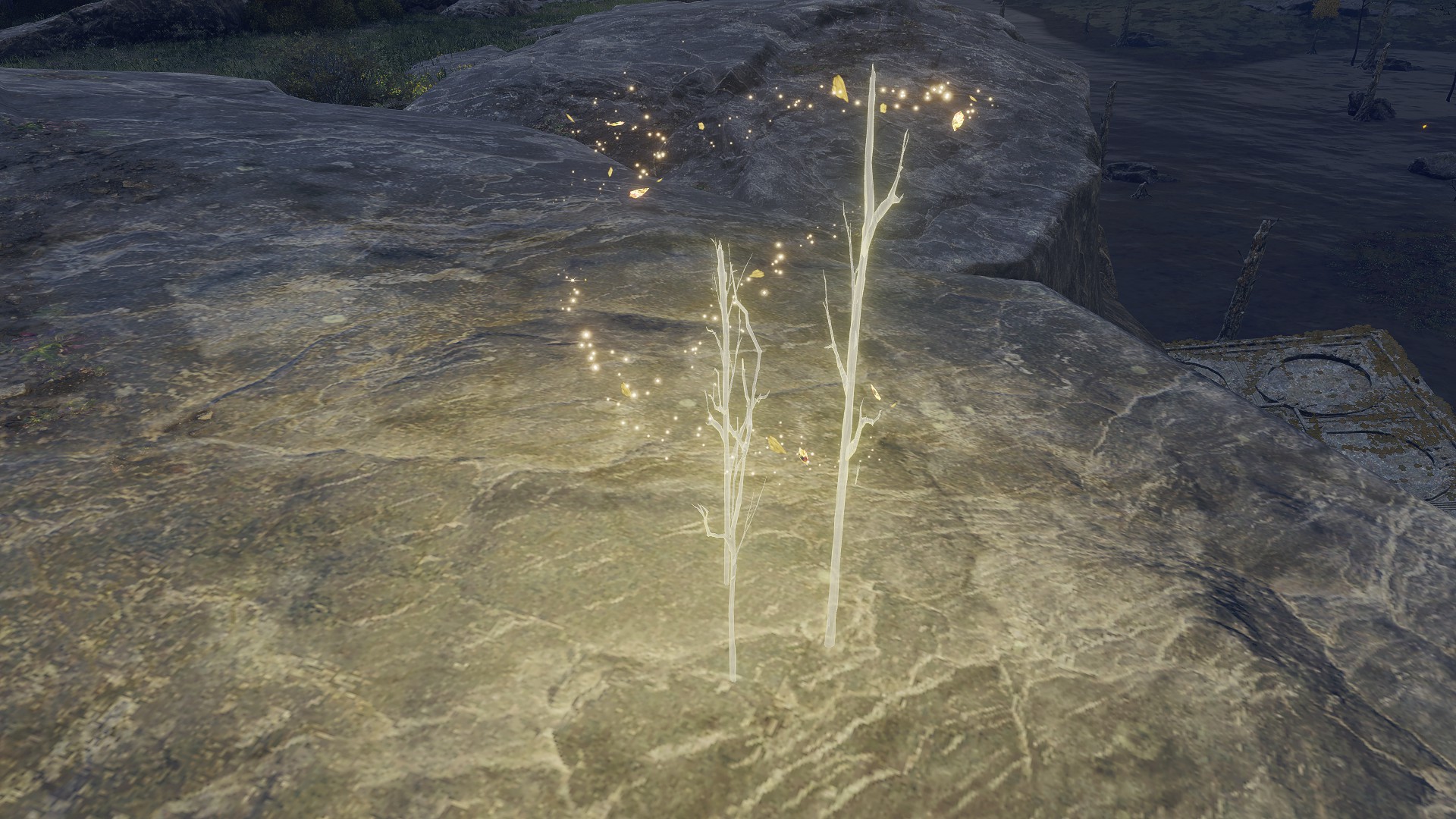
Flower tinged with red lightning. One of the materials used in item crafting. Obtained in the Jagged Mountain that lies on the Southern Seashore.
It is said that it blooms in lightning strikes of the ancient dragons’ red lightning.
Golden life encompasses both fauna and flora. This might be considered a low bar considering the ubiquity of flowers corresponding to certain elements — wherever there is a longstanding pool or pond, there is almost invariably blue flowers growing on the water bank. Still, spawning trees is perfectly within the Elden Ring’s capabilities. When we come to recollect our runes left behind after death, we see that they have sprouted a phantom seedling, soon to become a full tree if left alone. If a collection of runes can form a tree when left to their own devices, then what about a collection of Great Runes? A great tree, or perhaps a great forest of trees? In short, the Elden Ring’s invasion of the earth may have formed not just a bunch of beasts but also trees, which evolved into bushes and other plants of a similar nature. What then, once again, stops those plants from continuing to evolve, becoming the diverse plant kingdom we see today, no longer reliant on a heavy dose of red gold to maintain form?
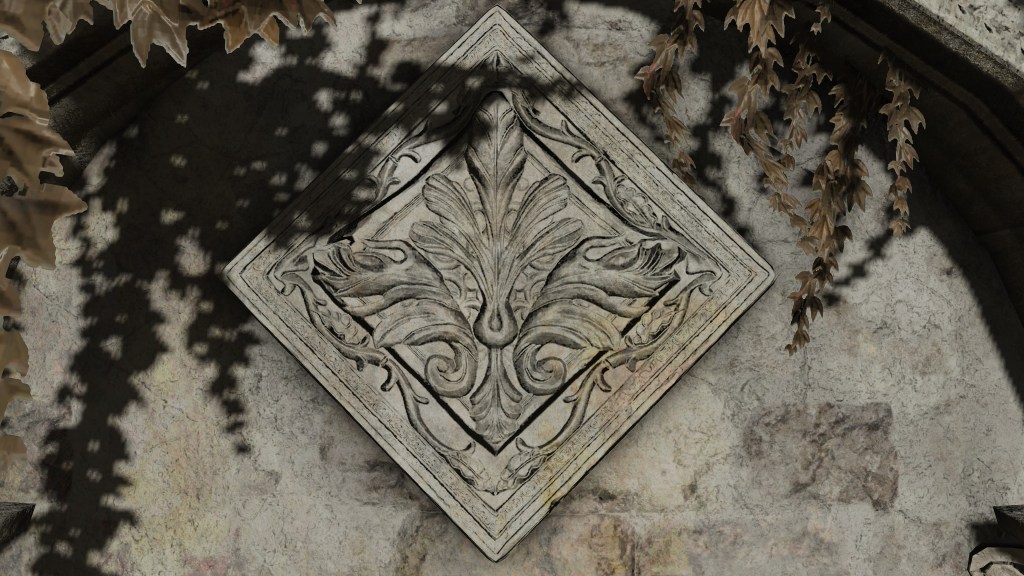
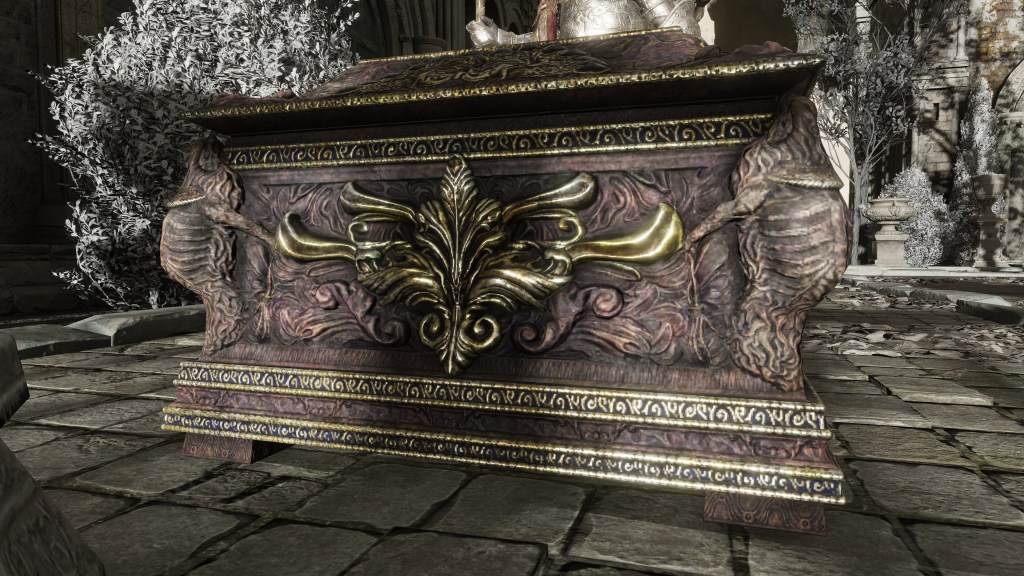
Farum Azula did recognize the floral association to their Holy of Holies. A common motif to Farum architecture is the image of a blossoming flower at the center of a circle of flowers in a complex mosaic. While this design is lifted directly from Dark Souls III‘s Archdragon Peak, the symbol is likely more than just a callback to FromSoftware’s previous dragon temple. As we can witness on our journey, the same motif appears prominently in Marika’s Erdtree kingdom alongside other Elden Ring symbols and iconography. Both countries utilize matching imagery despite their separate gods, presumably because it represents the shared element between both cultures: the Ring. Just as the blossoming flower was a symbol for holy flame in Dark Souls, the same image signifies holy gold. That being so, the fact that a floral icon exists in the culture predating the Erdtree highlights the ancient association.
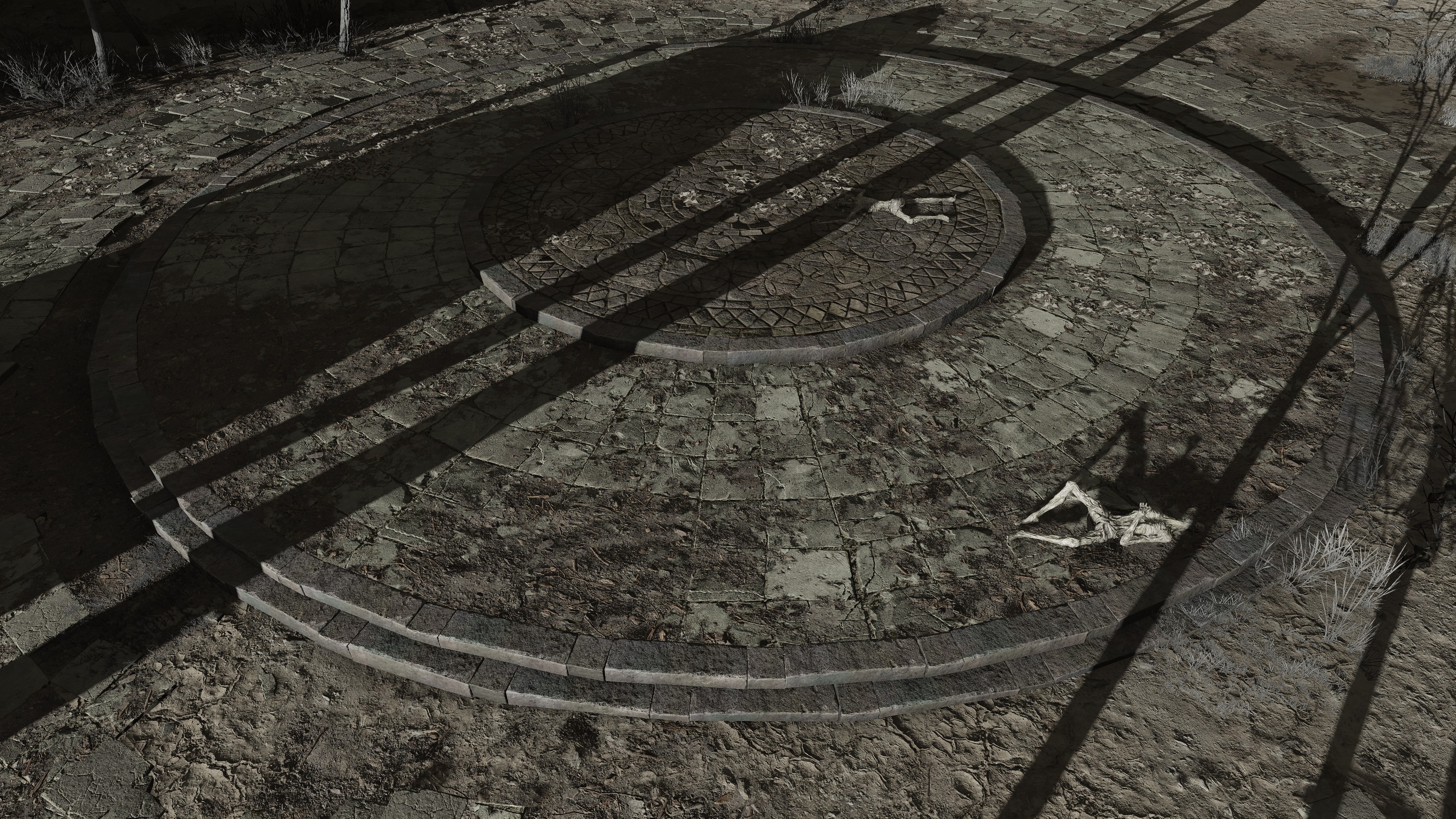
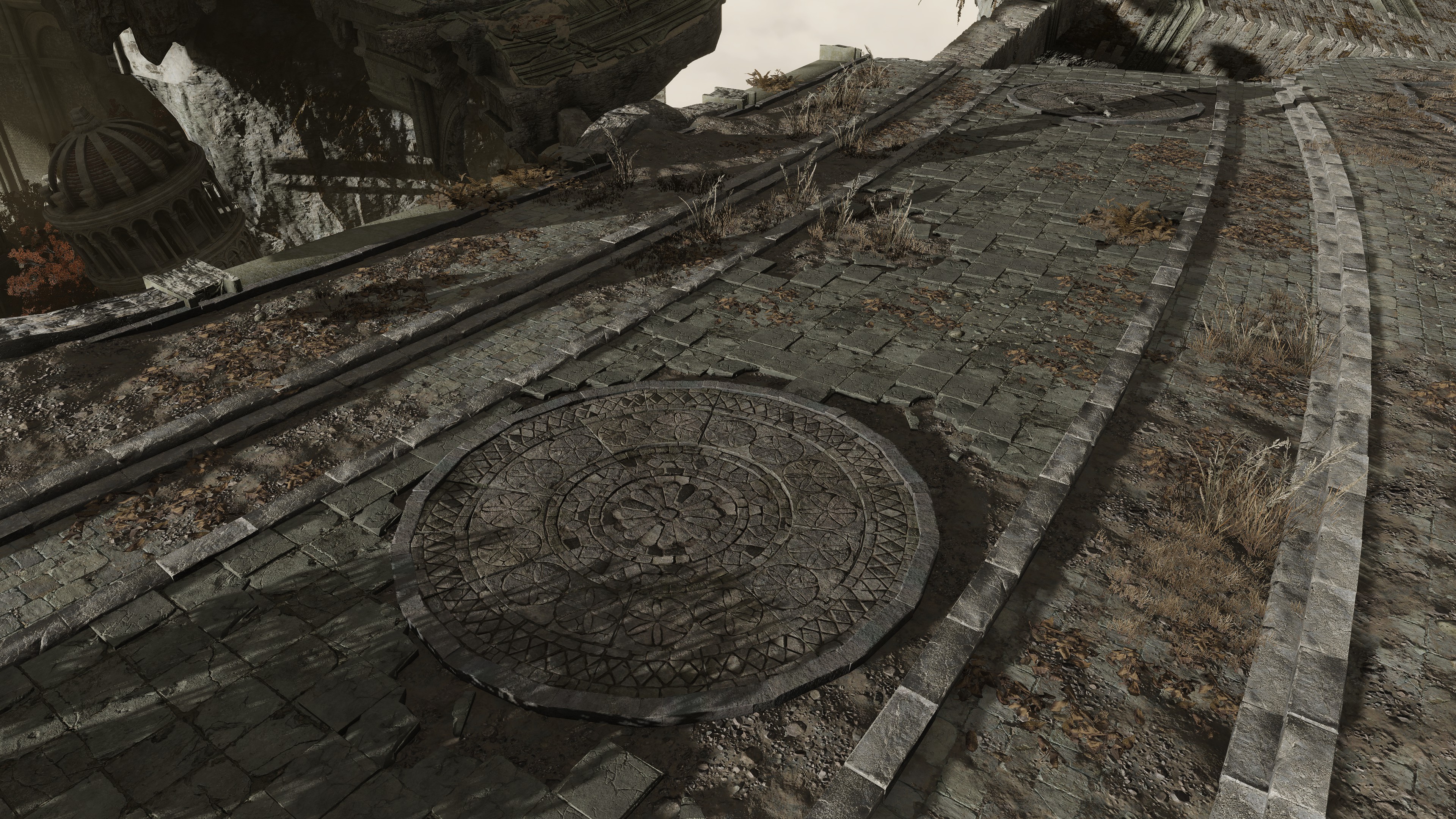
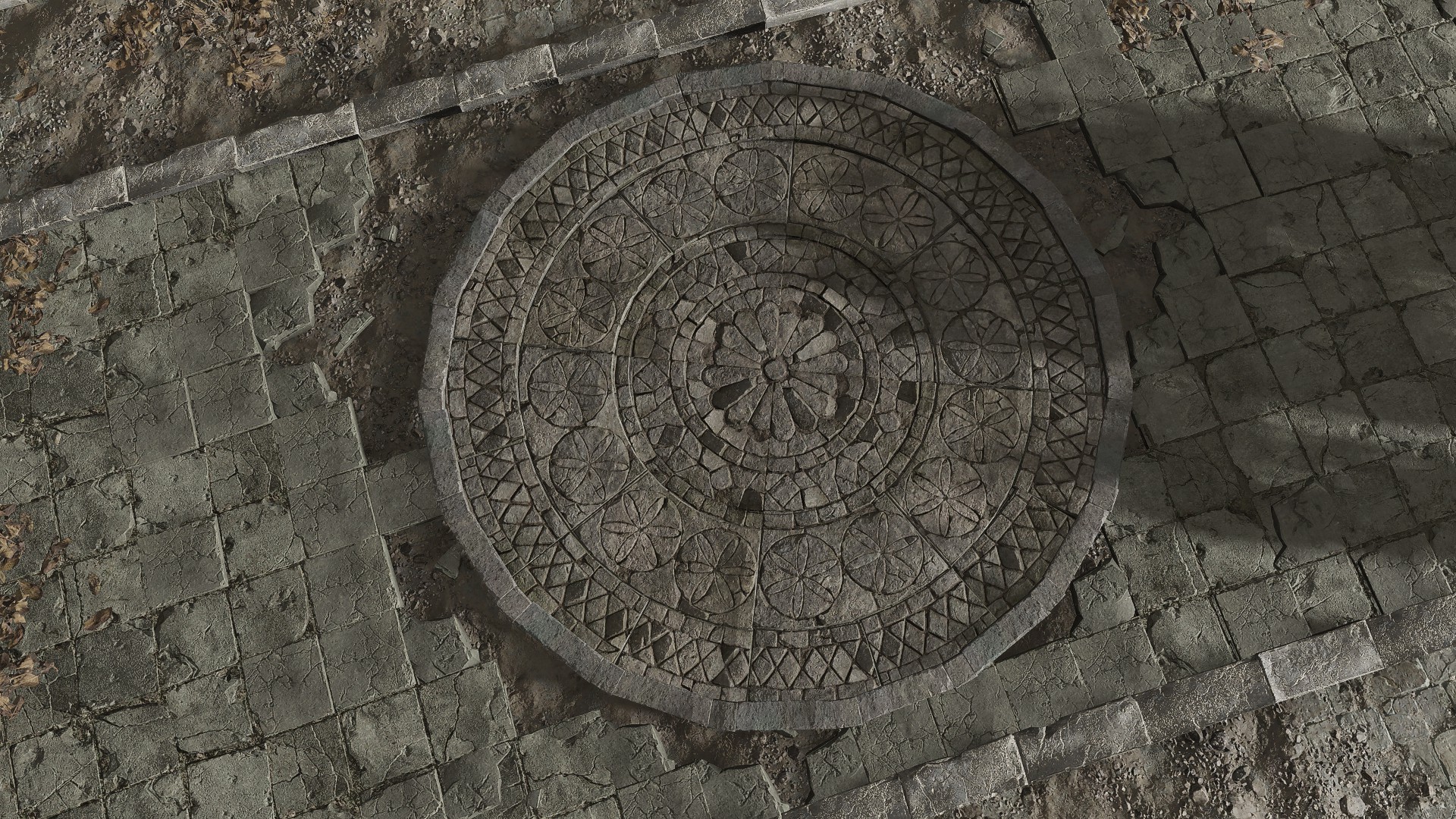
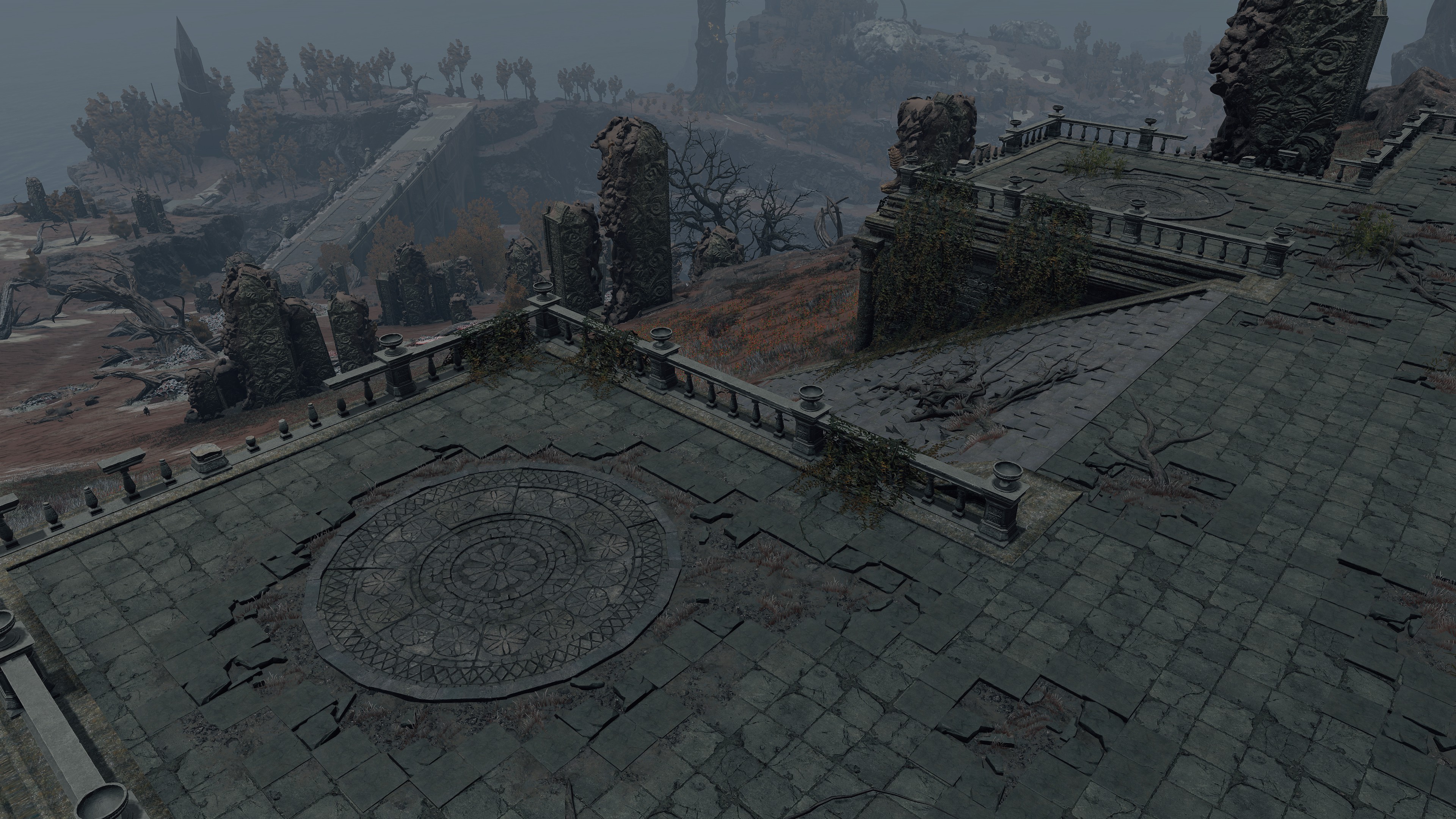
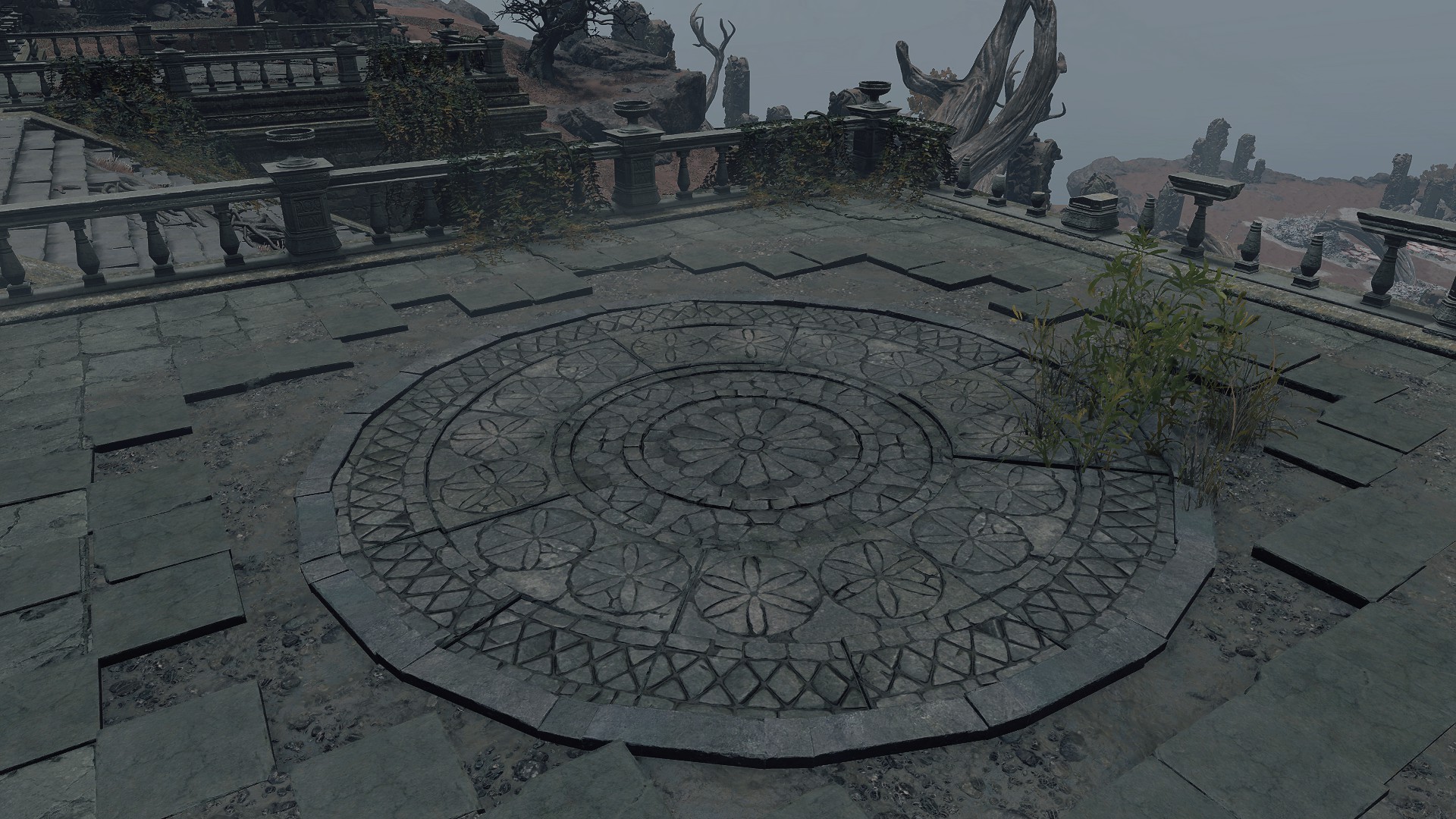
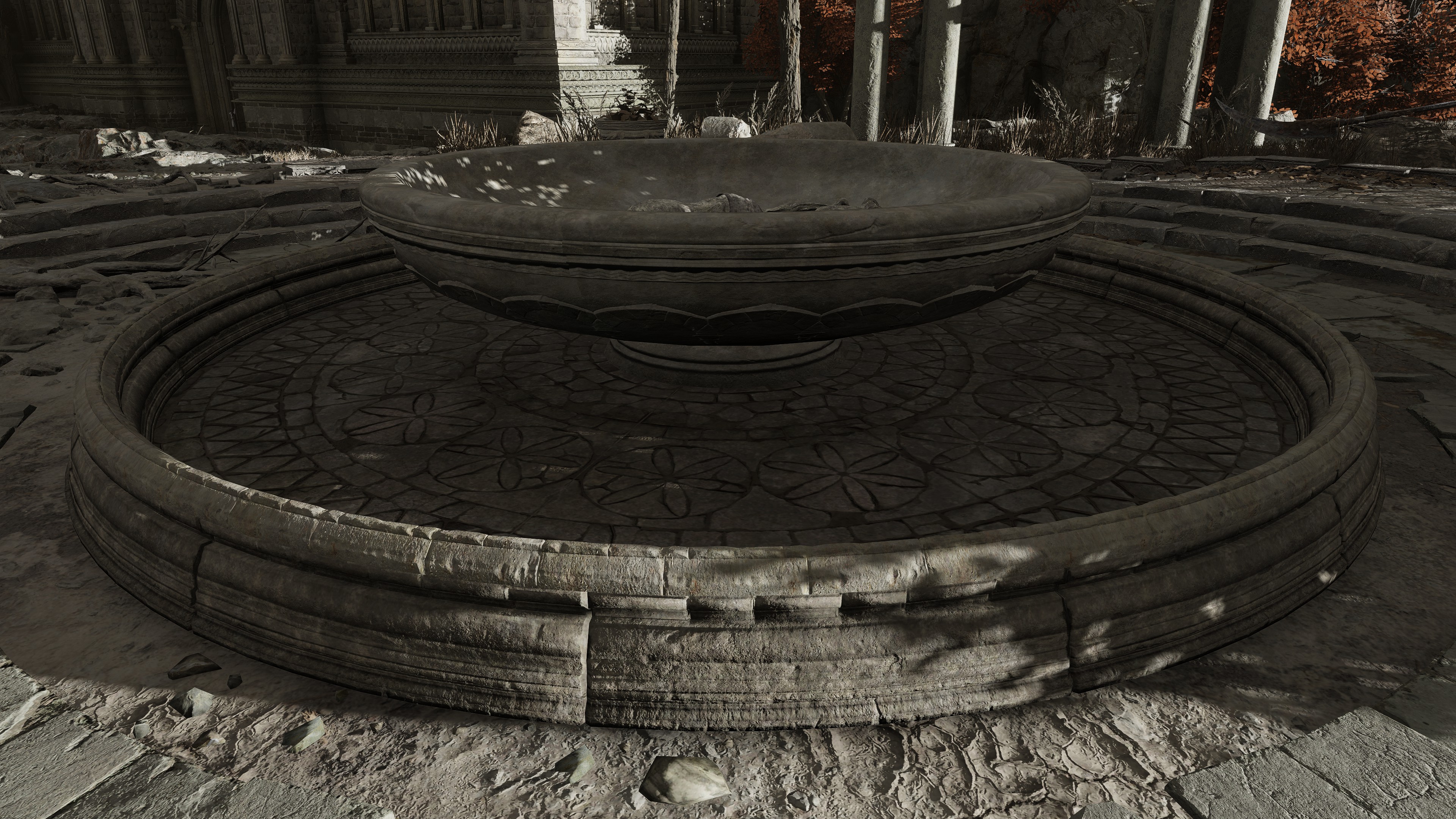
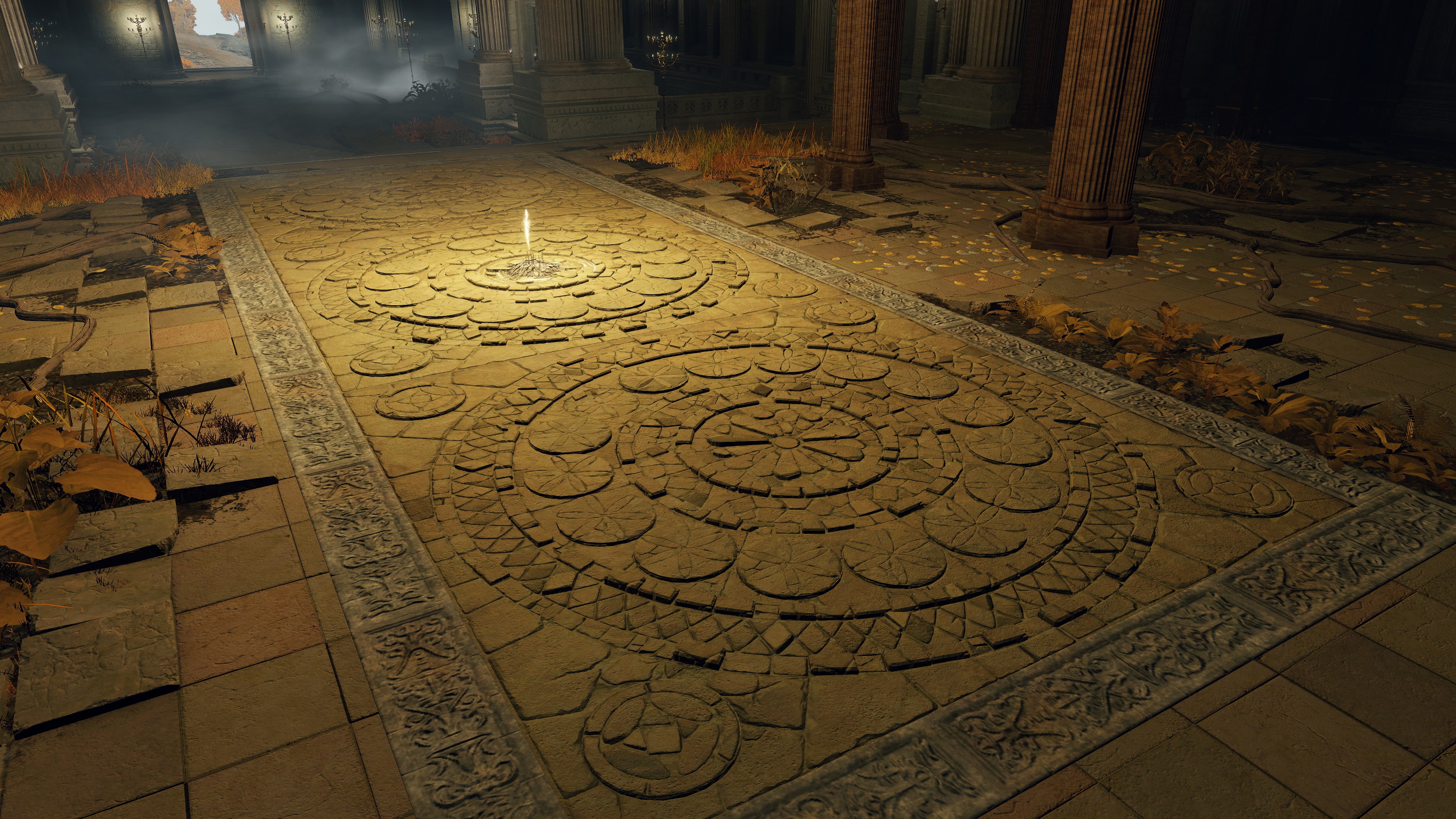
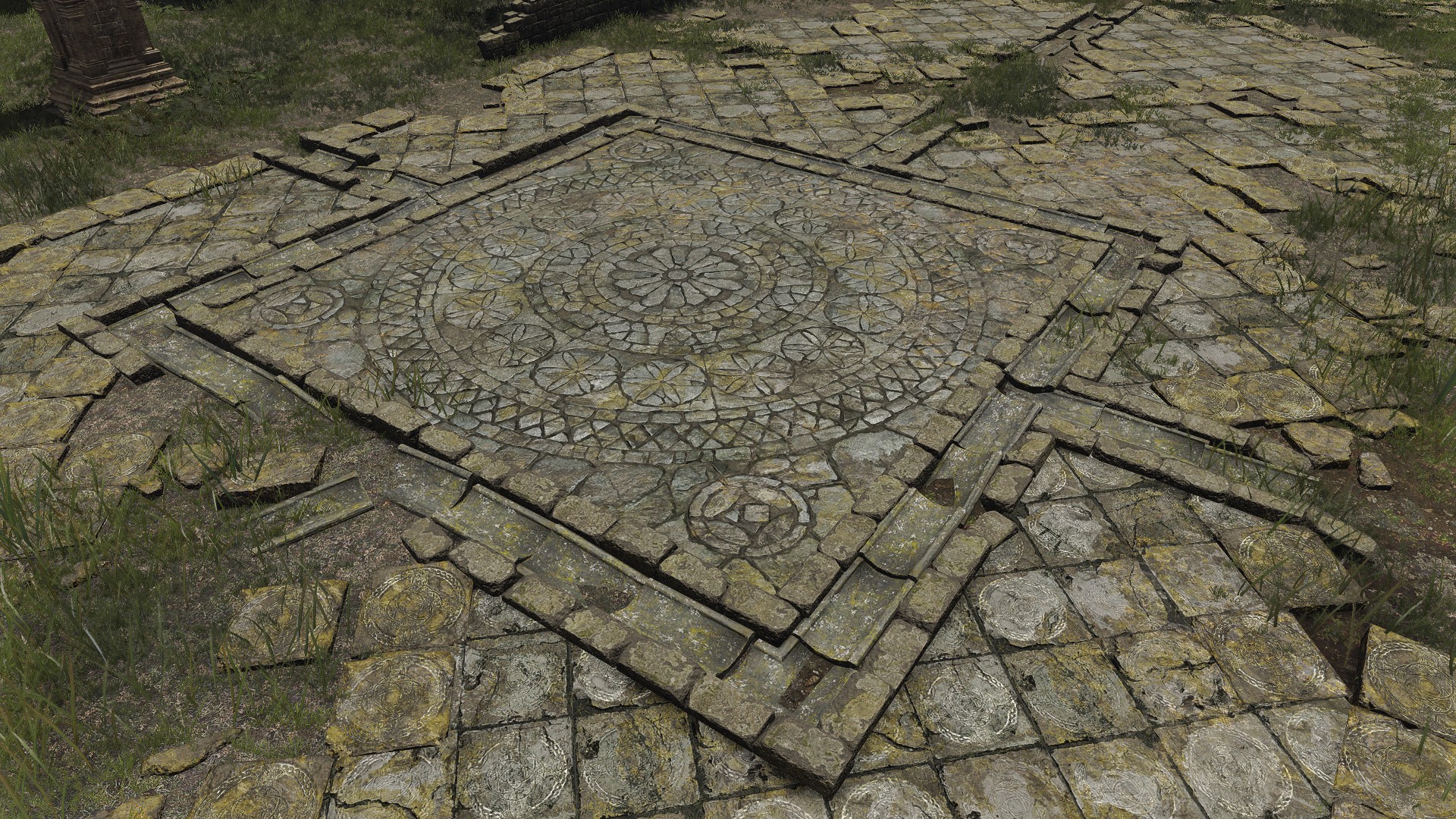
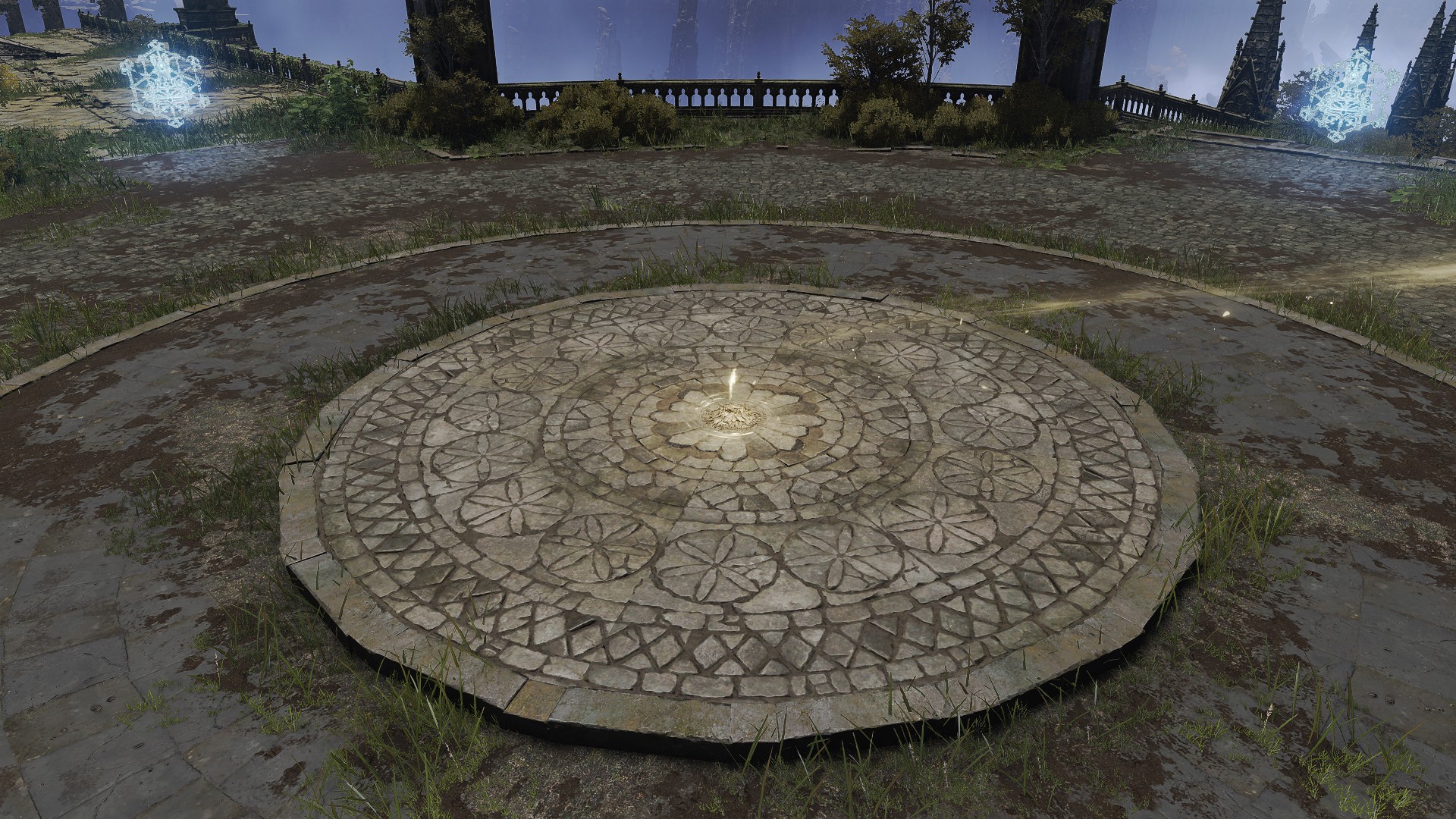
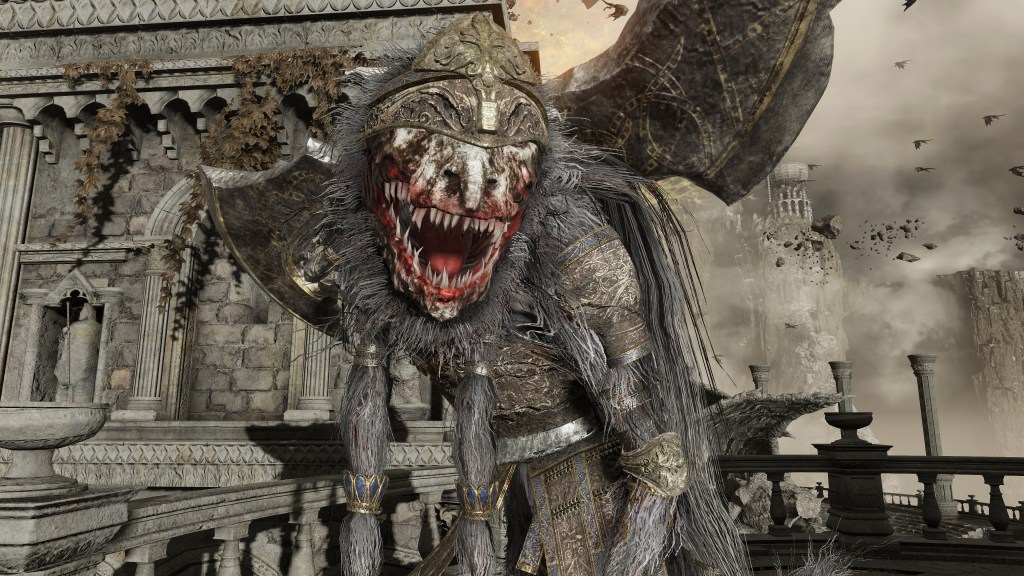
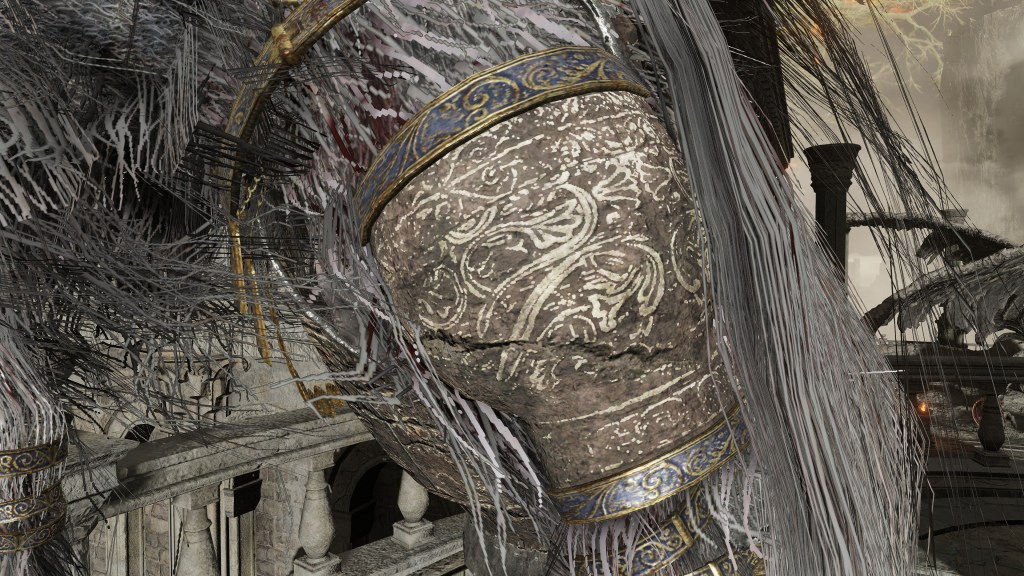
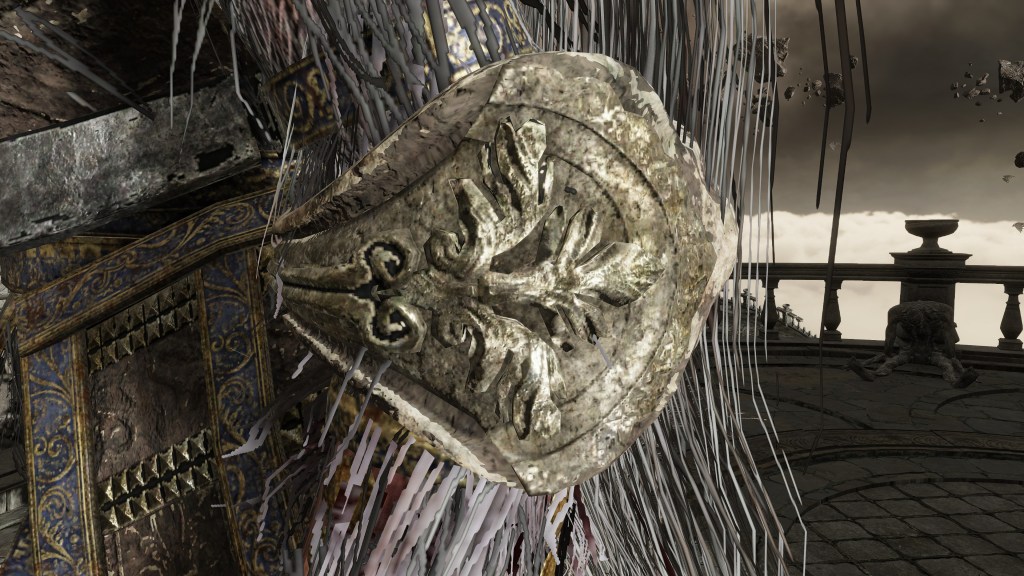
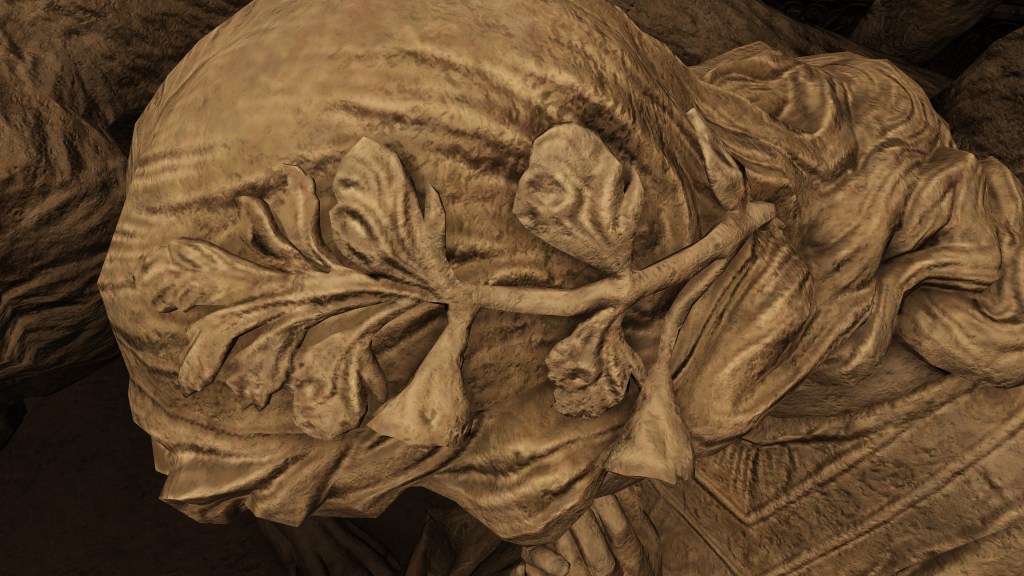
This isn’t the only example, even if it is the most notable. While common to just about any opulent building in the Lands Between, the floral motifs in Farum Azula specifically must serve as more than just generic detail. There is plenty of floral imagery juxtaposed with all the faunal figures in reliefs; beasts under a tree, beasts alongside plants, even sometimes just variations on the fleur-de-lis. They feature on walls, bridges, even gravestones. Some of the more iconic symbols have likewise been incorporated into the beastmen’s armor, especially the helmet. It isn’t fauna that beasts primarily carry to represent their homeland on the battlefield, it is flora. The images simply can’t be written off as accidental. Even Azula’s god wears a flower branch in her statue’s hair, common shorthand for some kind of nature association; especially for deities. Taken together, the country’s queen was a mother to general wildlife, a goddess to all the earth — a true Gaia.
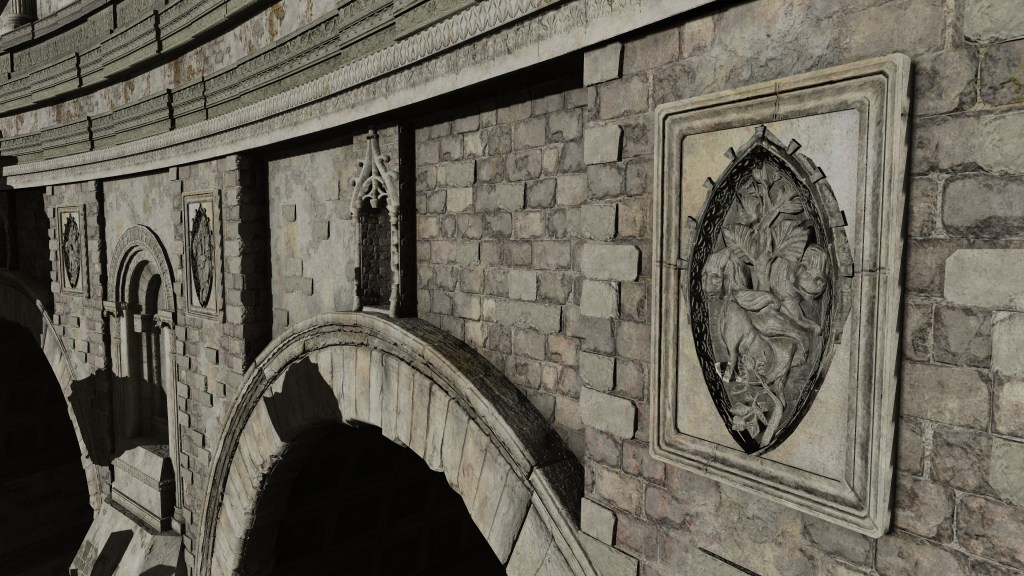
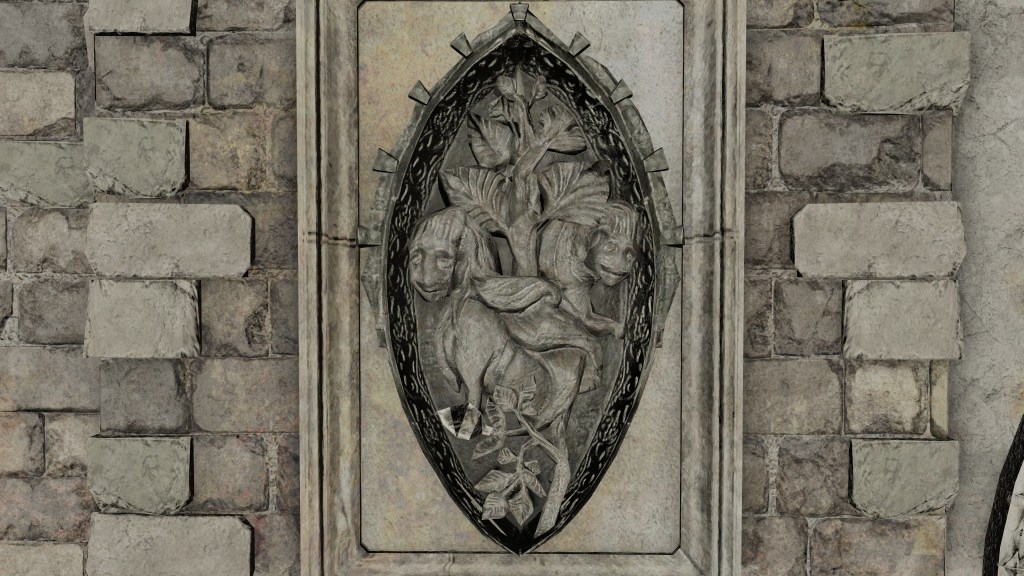
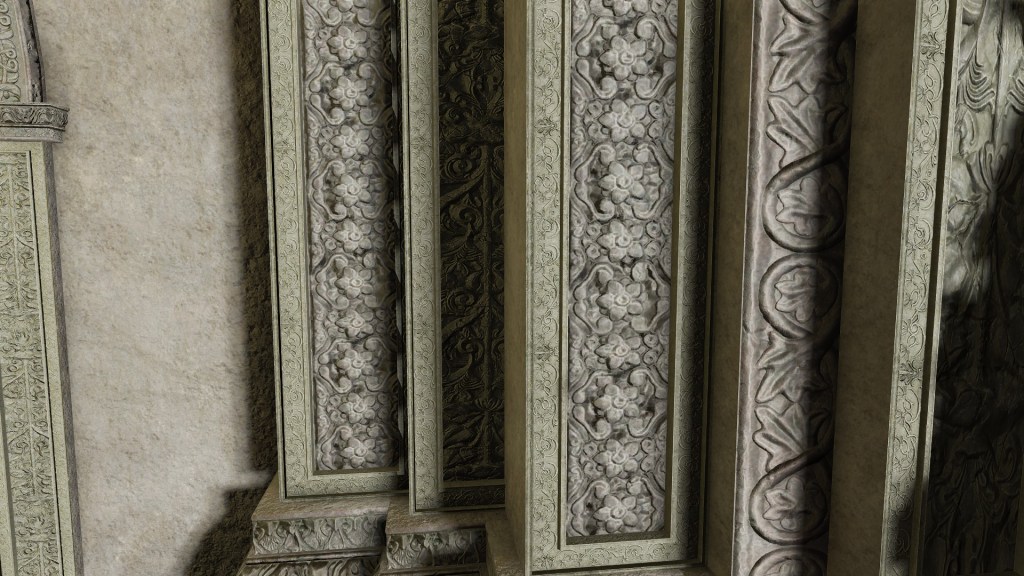
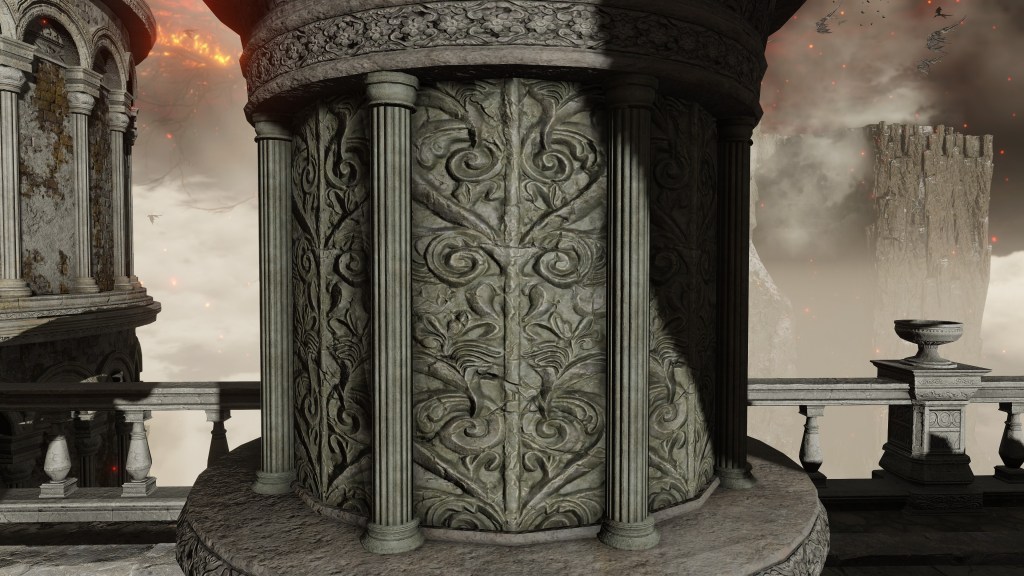
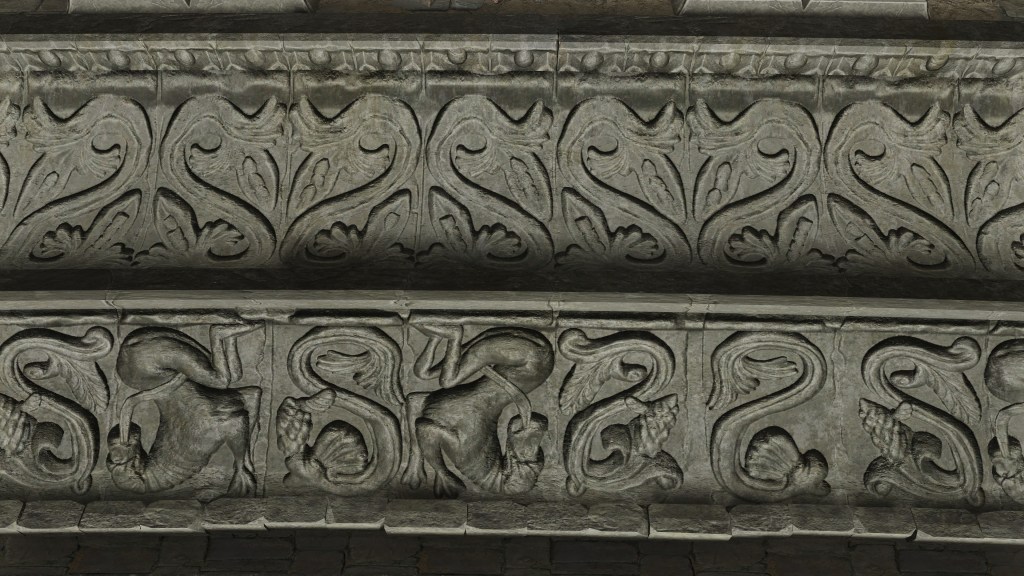
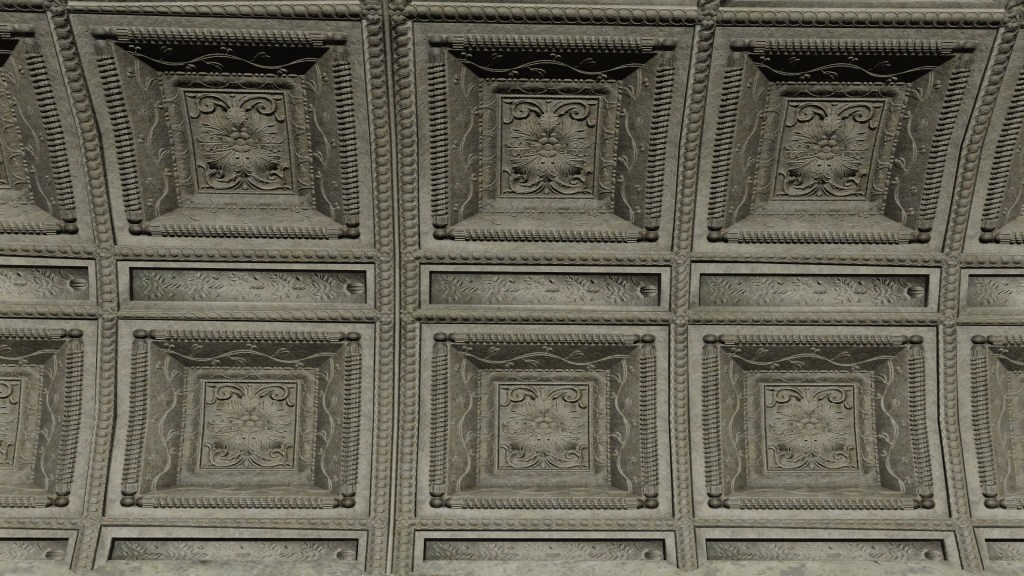
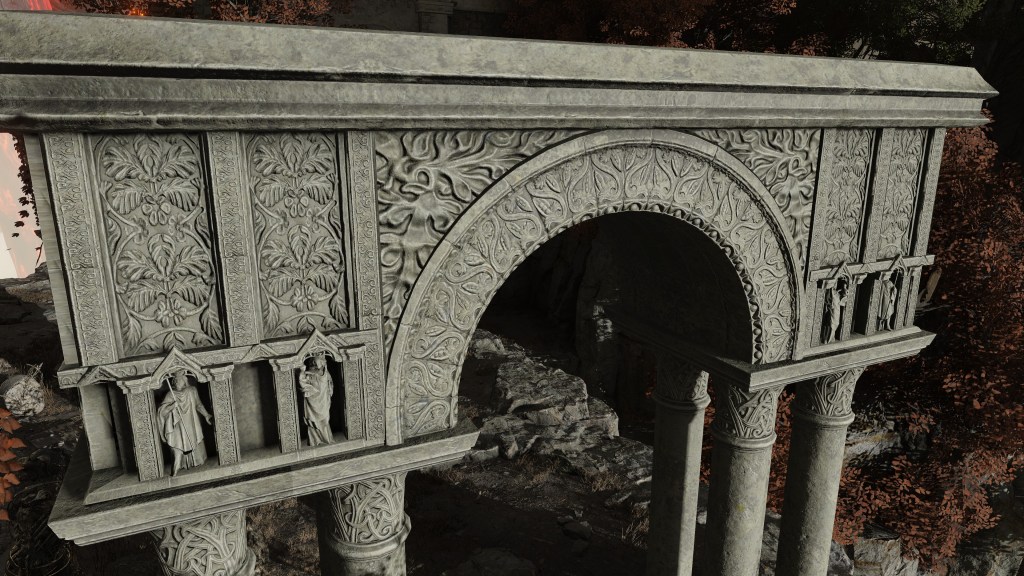
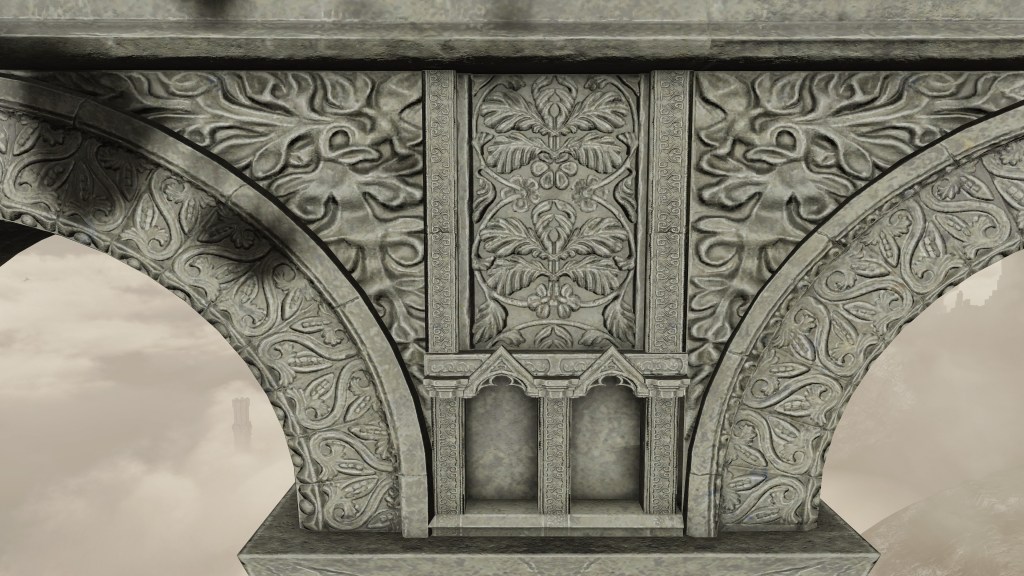
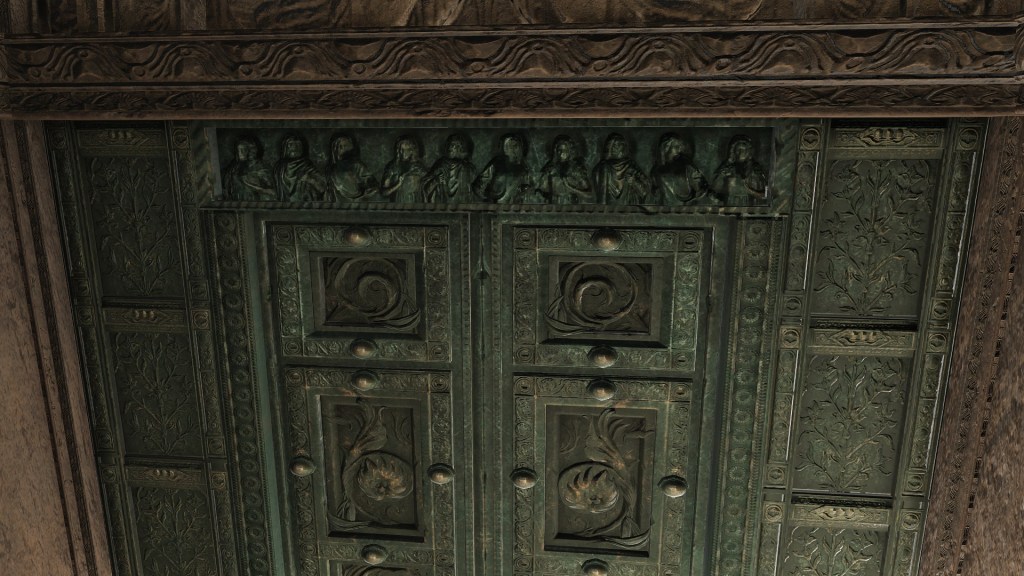
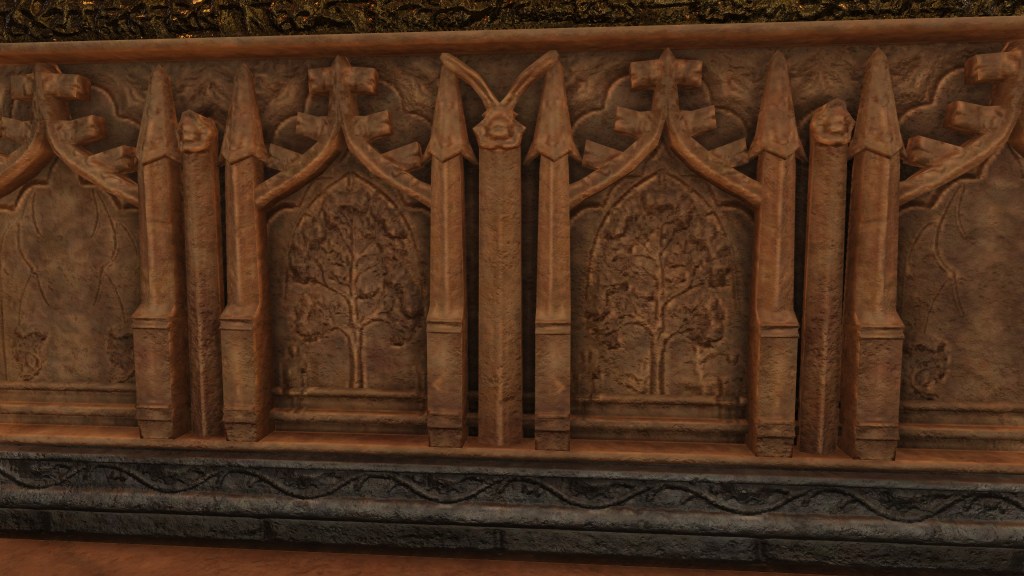
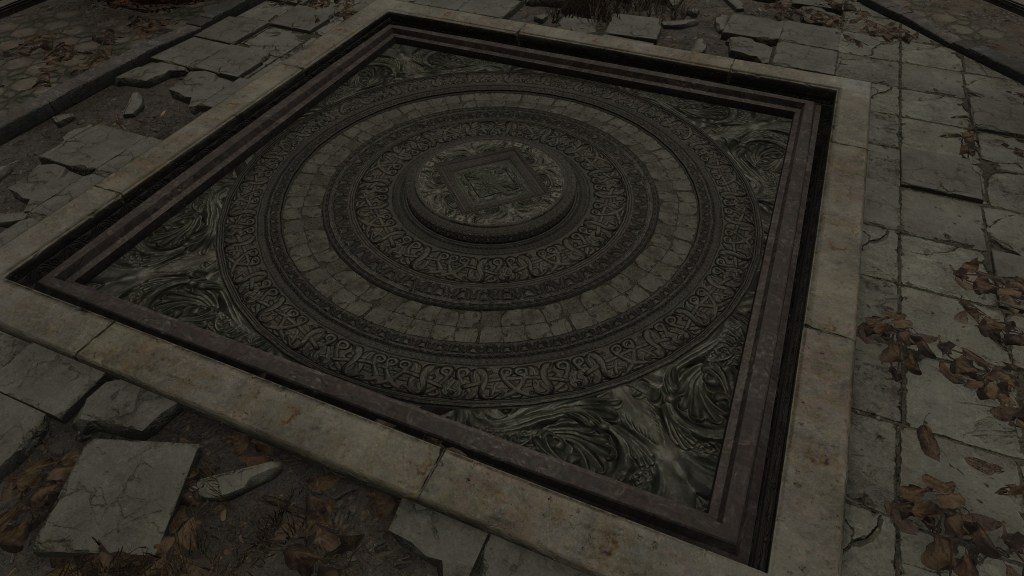
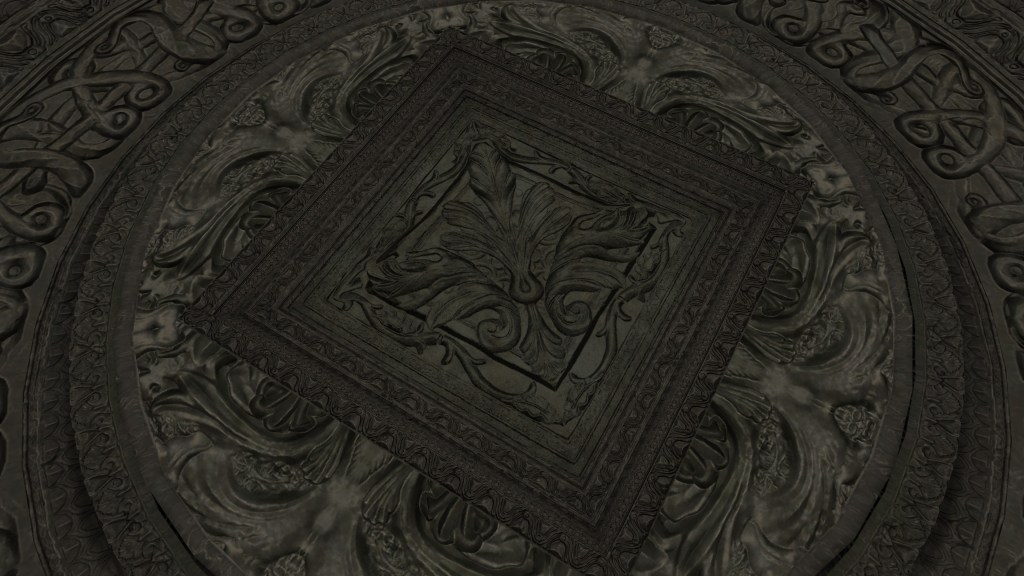
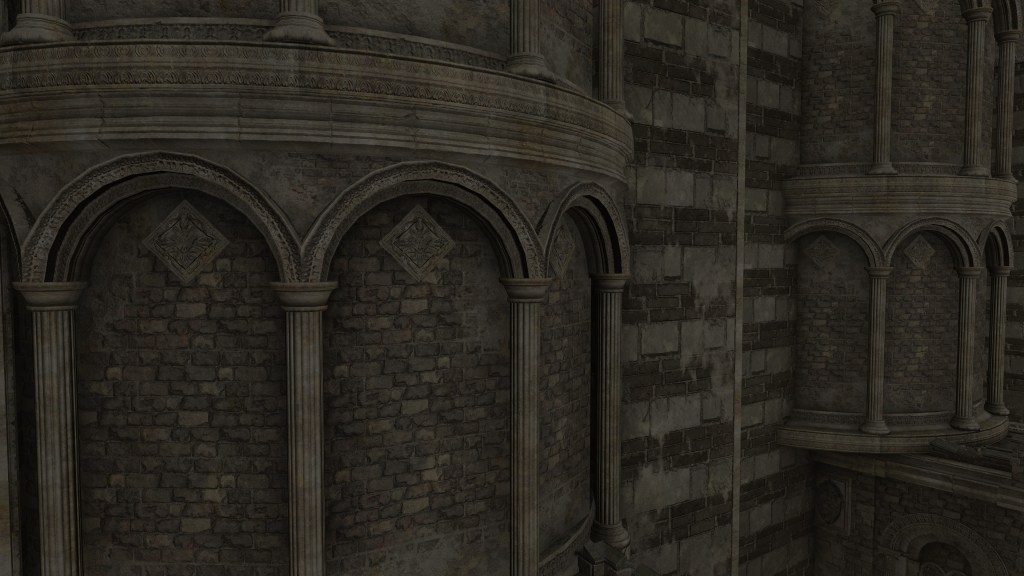
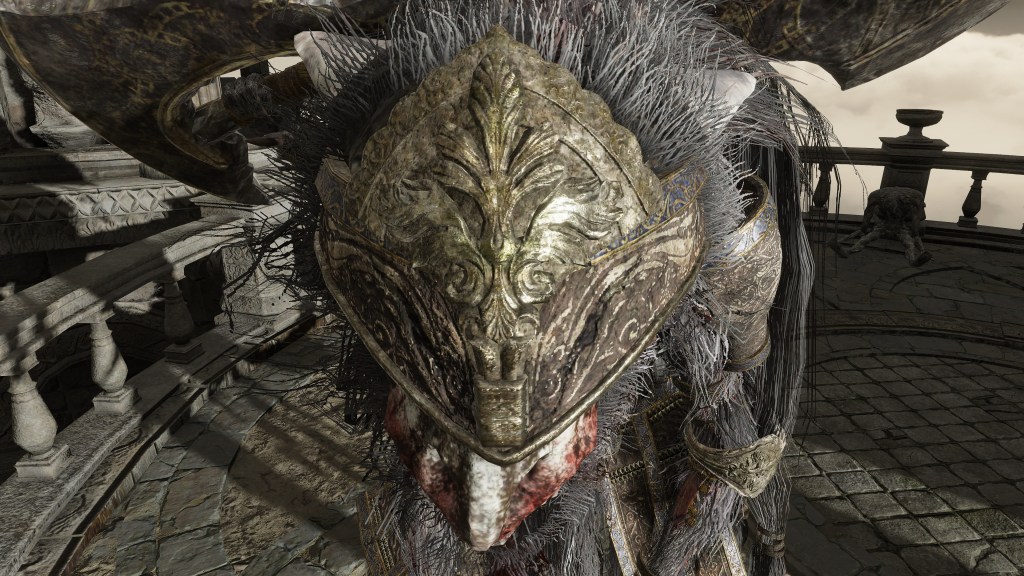
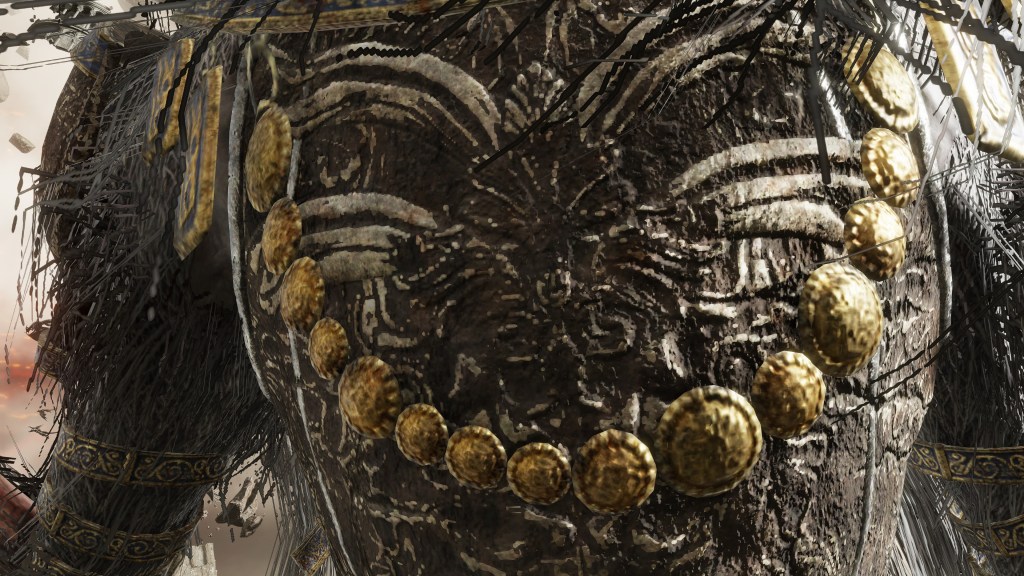
If the Elden Ring’s goal was to create life on earth, then introducing both flora and fauna to stone and then letting them freely evolve into complex ecosystems would accomplish that on its own. We do see that the wyverns spread out, unlike the ancient dragons. The flying dragons can be encountered in almost every region of the Lands Between, some adapting to their environment like the ice dragons — examples like Borealis mastering the freezing cold to channel the chills like flame for the standard type. Nothing would have prevented these dragons from continuing to sire descendants which then gradually evolve into different creatures, and this migration and evolution need not even be limited to the Lands Between. It is possible that the wyverns flew to the places beyond Between before adapting to those habitats. (Elden Ring: Nightreign introduces Adel, a wyvern who evolved bizarre physiology in its isolation on an island) Plants, meanwhile, naturally grow and spread, with seeds able to cross oceans to reach land on the other size as we see with one of our potential keepsakes.
Whether this process took hundreds, thousands, or even millions of years like on planet Earth, it provides a clear point of connection between beasts and the ancient dragons. The common ancestor seems to have stayed put in the Farum Azula area, perhaps in keeping with their nature of unchanging stone. It was their descendants, lacking eternity, who felt the urge to set out into uncharted lands and pursue the chaos to its logical conclusion. If any of the ancients joined them, they were apparently the exception. (Nightreign presents us with Caligo, a “prehistoric” dragon who used fog to hide on snowy mountain peaks and observe the world from on high) The rest fought amongst themselves for dominion of the territory, establishing the Dragon King who would become Elden Lord with the arrival of the Numen. By this point, enough beasts possessed the intelligence to recognize an evolutionary link between themselves and the ancient dragons, creating the foundation for their veneration in Farum Azula. Bridging the gap in the generations may have been divine revelation, in fact.
Of course, even if the god’s mission was to bring the dragons and beasts together into her kingdom, she also must concern herself with her own generations. More common than any other icon in Azula architecture, we see figures of a human king and queen. While these statues are assets reused from Bloodborne and served as placeholders for Dark Souls III, they are still the most prominent symbol throughout the entire area, far too numerous and large to be overlooked. Who then do they represent? The obvious identity to the queen is the Numen goddess, arguably the most important figure in Farum religion. It then logically follows that the king be her consort, Placidusax. At first glance, this might seem only justifiable on purely symbolic grounds, a way to capture both of the royal couple as more similar despite being different species. However, the idea of a “human” king in the beast capital isn’t so absurd.
Ancient Dragons demonstrate the ability to polymorph into human form. It is “human” by the loosest definition, Florissax confirming that their appearance still very much resembles a dragon. If we are to be more precise, the draconic form looks to have simply been condensed into human size and proportions, with apparently changes to minor elements like vocal cords so they can properly speak human language; no dragon speaks otherwise. Nonetheless, organs like the heart do become fleshier. This normally isn’t a permanent change either, as we encounter Lansseax as a dragon despite the description to her Glaive incantation affirming that she has previously adopted human shape. That being the case, this too might be thanks to the ancient dragons’ immense red gold power. Aspects of the Crucible incantations allow for momentary generation or transformation of body parts into other animal traits, so a full-body morphing into human shape is feasible. The ancient dragons might be in the unique position to become something humanesque, Placidusax included.
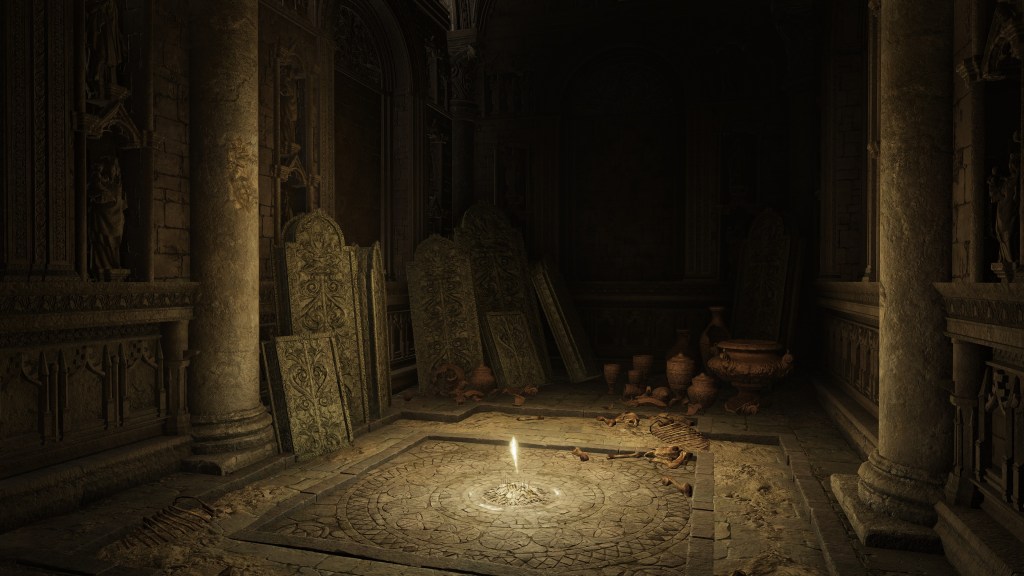
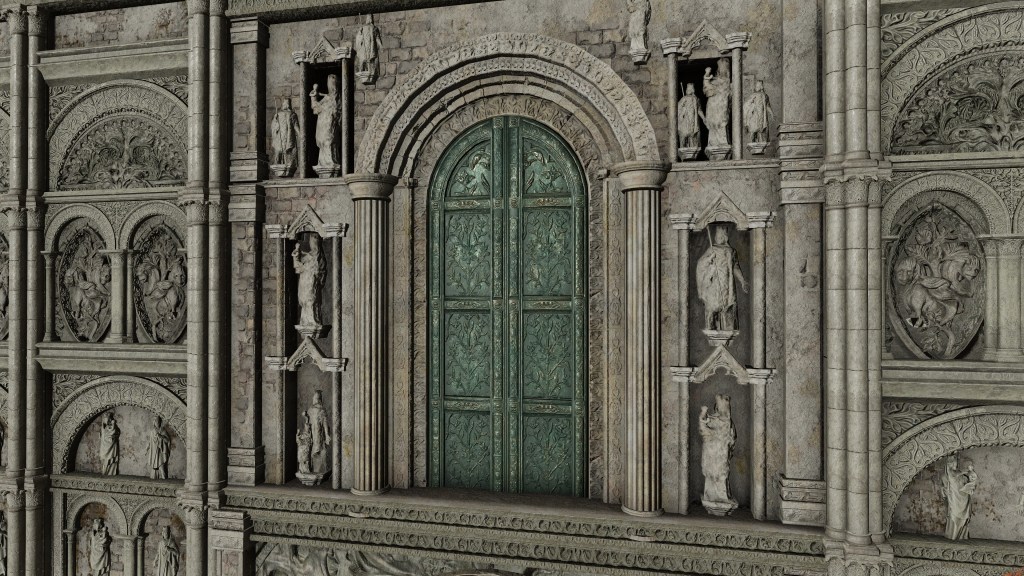
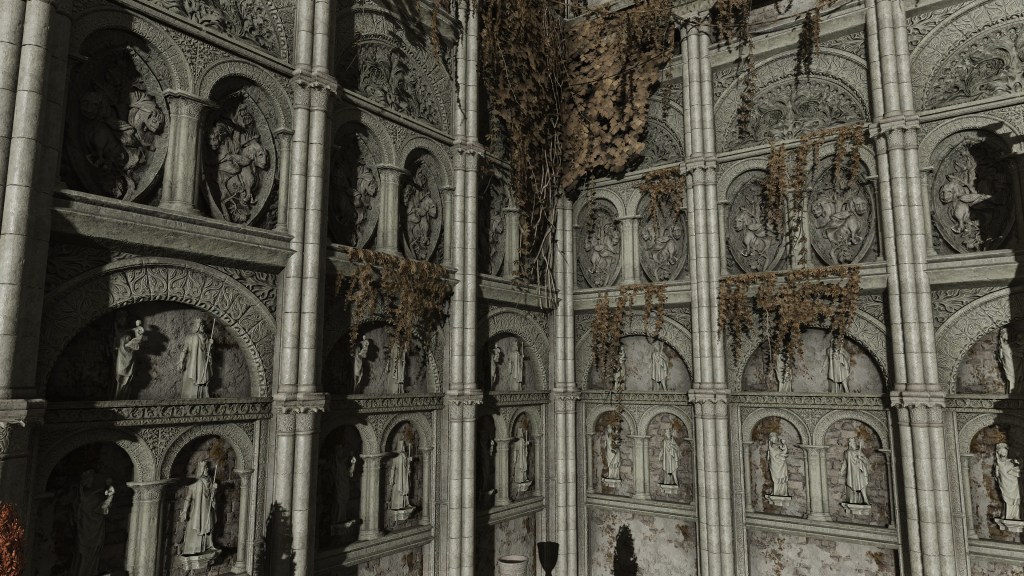
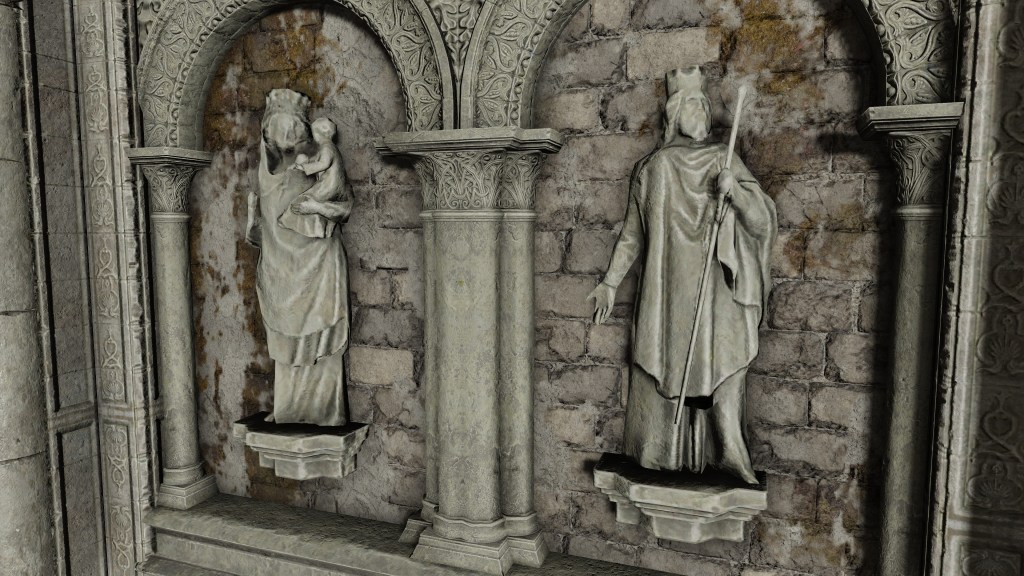
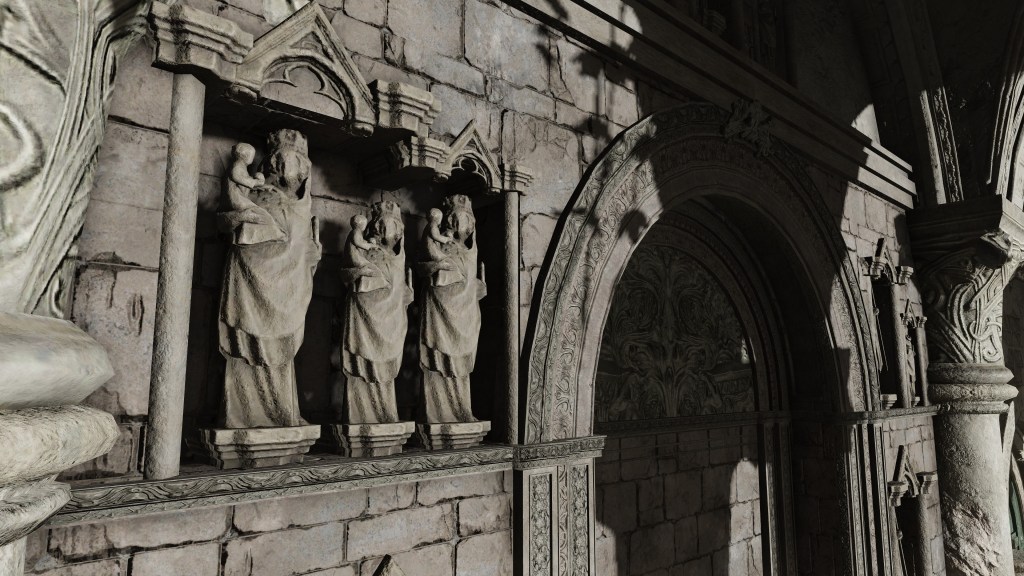
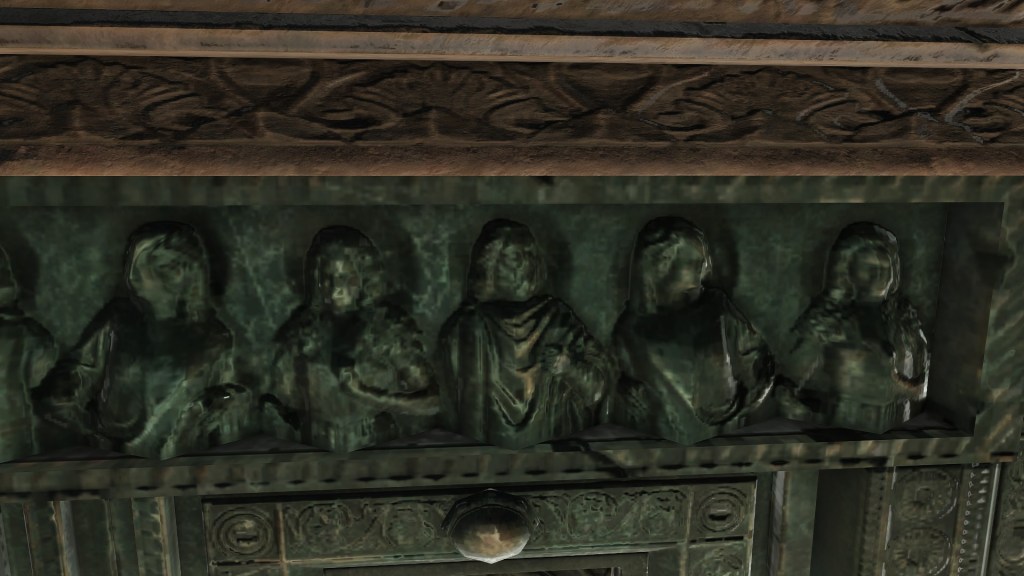
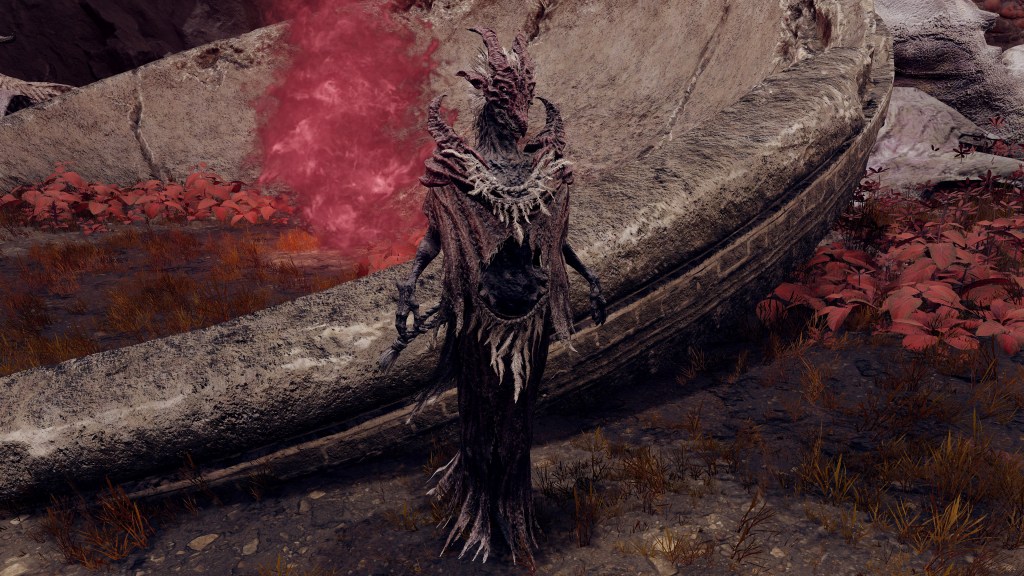
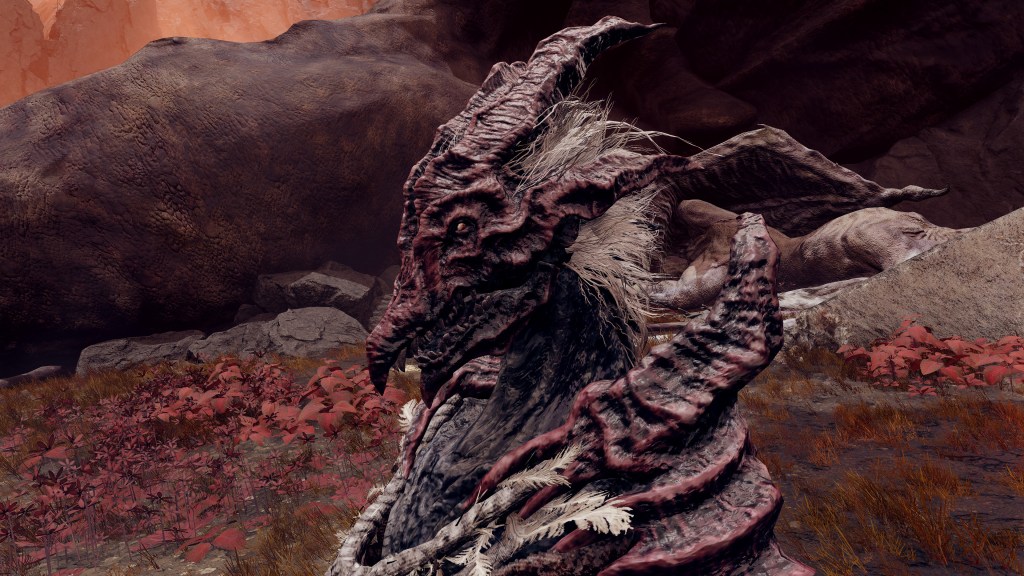
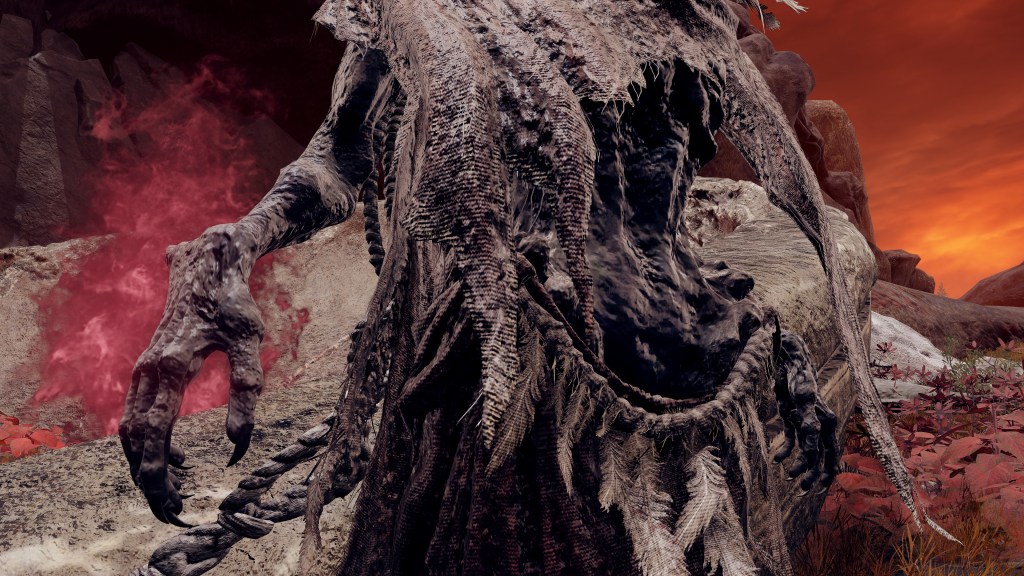
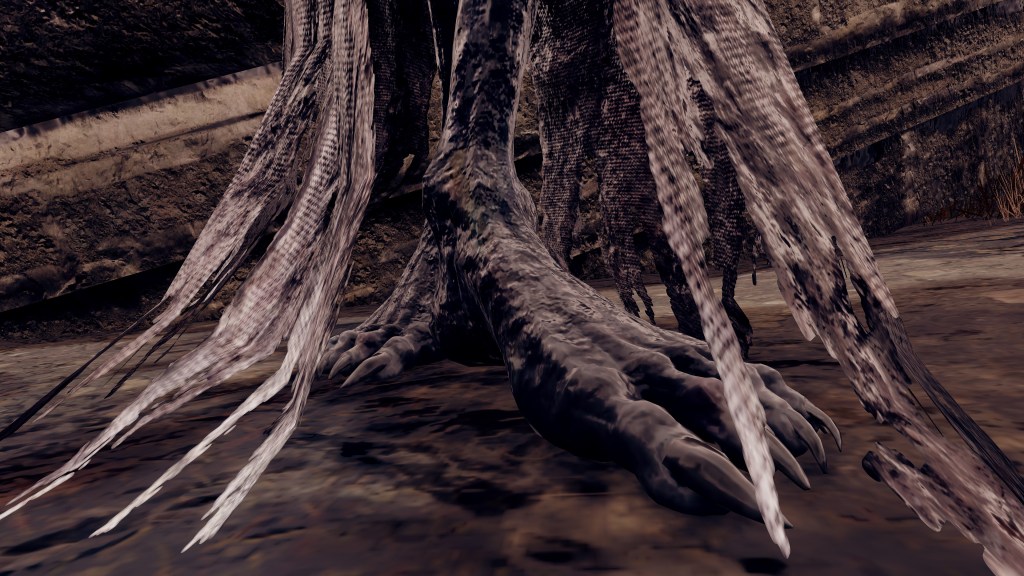
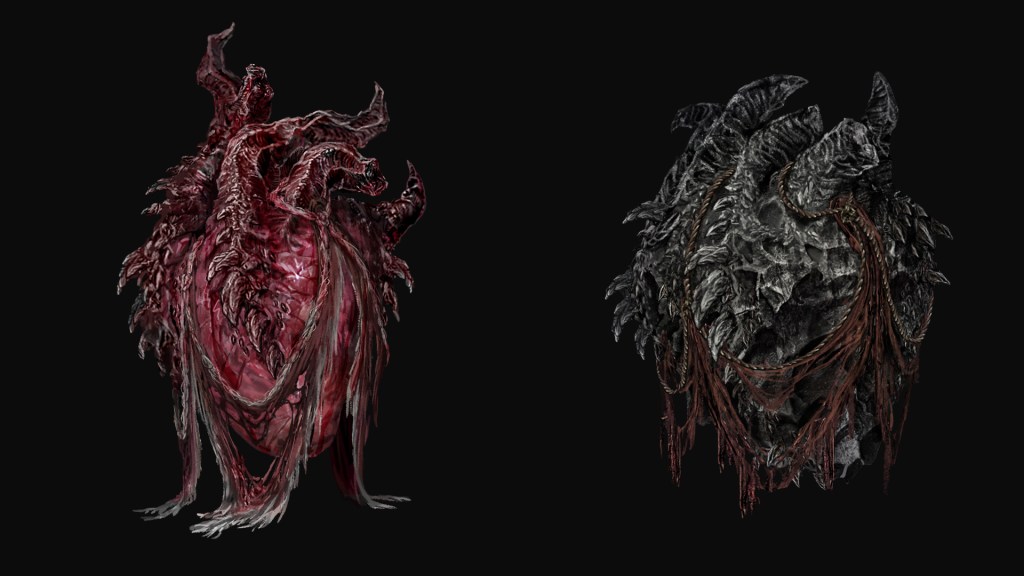
The fact that the Dragon King could adopt a human guise for better interacting with his queen set the stage for deeper relations. Divinity or no, a king and queen are still man and woman. While Placidusax’s statue is based on the marble figure of the warrior king Charlemagne in Versailles, the queen’s statue is based on the Virgin of Paris, holding the infant Christ. At minimum, this image of a queen with her child, the Son of God, conveys Azula’s goddess as rearing children in the kingdom. Assuming that there was even a modicum of affection between the two of them, this doesn’t come as a surprise. In fact, one of our appearance options is draconian, the “dragon face” (竜顔) alluding to our rock skin as a people related to ancient dragons. This bloodline is very much skin deep, as draconians are mostly short-lived — nowhere near the same eternity as those covered in stone scales. Still, the existence ancient dragon folk is telling. Either there are a number of ancients in the wider world having relations with humans, or certain lineages have preserved ancestral traits going back to prehistoric times.
Put simply, the Elden Lord and his god may be responsible for the first draconians, something celebrated in Farum Azula from the iconography. This would promote more relations between their fellow dragons and Numen, leading to a litter of more draconians. This may well mark the birth of the human race as a whole. The “Numen face” (稀人顔) is another option for character creation, this appearance’s description noting their universal long lives yet very rare births. This can’t be referencing infertility, since Numen like Marika have sired many children, with several cases of entire Numen communities. Therefore, Numen being rarely born must be in the context of the entire human population outside the Lands Between, where we originate. An infinitesimal amount in this world of man will manifest Numen characteristics. And yet, the fact that they can manifest at all, from seemingly anywhere, suggests that every tribe has a small amount of Numen blood in their lineage, making Numen mankind’s common ancestor. “Humans” then most likely began with Farum Azula’s god and her people.
Visitor Face
Visage of Visitors who are considered Other World people. Long-lived, but very few are born.
This scenario is consistent with Ymir’s testimony labeling humans as children of the Greater Will. Glintstone sorcerers like him study the life of the stars, and he concludes both man and glintstone to be stardust — more literally “star debris” (星屑) — resulting from a cosmic explosion. If Numen are the original humans and themselves originate from the cosmos, then they too would likely be born from this explosion along with all stars stemming from the Greater Will. Any progeny that follow possessing less and less Numen blood would thereby become smaller and smaller “debris” of the original star. While not exactly the same as the Onyx and Alabaster Lords, mankind “fell” to earth and multiplied. What started as their alien race became a myriad of different humans with surprisingly shorter lifespans, far and away from their ancestral “home” in the Lands Between.
I am a brightstone sorcerer. I pursue the stars and their life. Do you know? Man is all stardust once born from an explosion of beyond. We are also children of the Greater Will. Isn’t it so poetic? Isn’t it so wonderful?… But sadly, not a one understands that.
Like with the wyverns, it is easy to see how the various races of man spread across the globe. The first offspring of Numen and ancient dragons might have been more dragon-like, potentially even just dragons. But eventually, some children would skew more Numen, traits which would be reinforced as subsequent generations shared relations with each other. Eventually, most would lose that draconian appearance as the species multiplied, though their Numen blood was also beginning to thin over time on earth. Not every human hankered to remain in Farum Azula, so they set off for new lands, where they continued to change in adapting to their specific environment and other factors. Isolated tribes like our possible loner clan bearing a “solitary face” (孤高顔) is just one example, reclusion allowing them to preserve ancient traditions and arts which are now considered heresy. Insular lineages can consequently be incredibly old, allowing Numen blood to be buried under generations of idiosyncratic traits boosted by endogamy. The result is a wide variety of man, most probably forgetting their Numen origin.
Solitary Face
Appearance of a solitary clan that doesn’t fraternize. Well-versed in old legends and heresies.
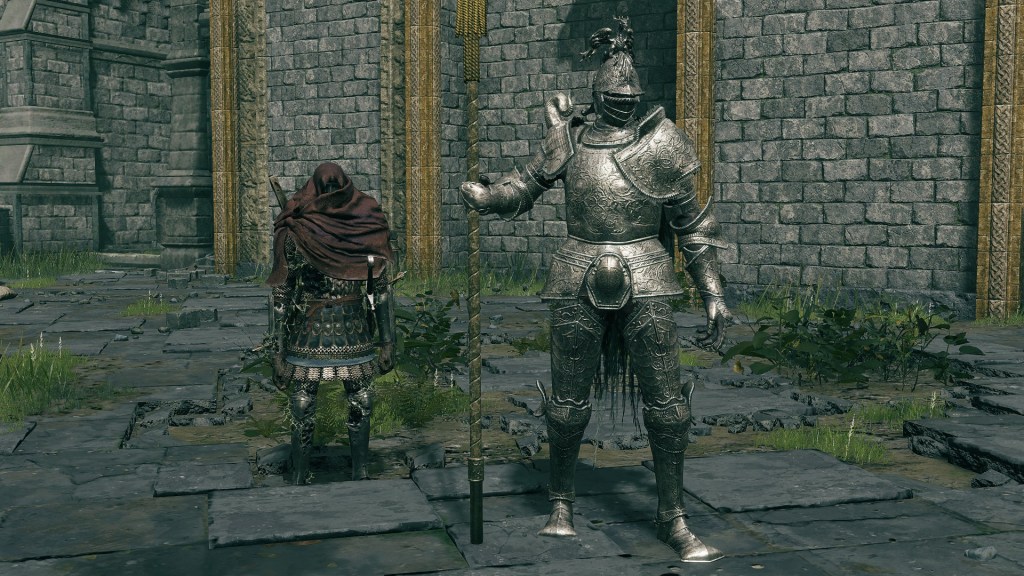
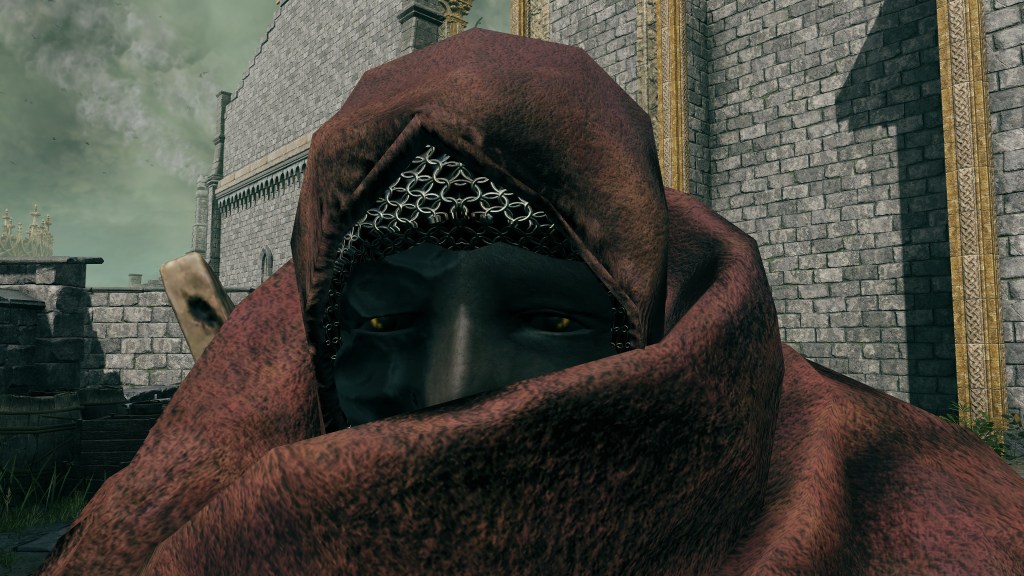
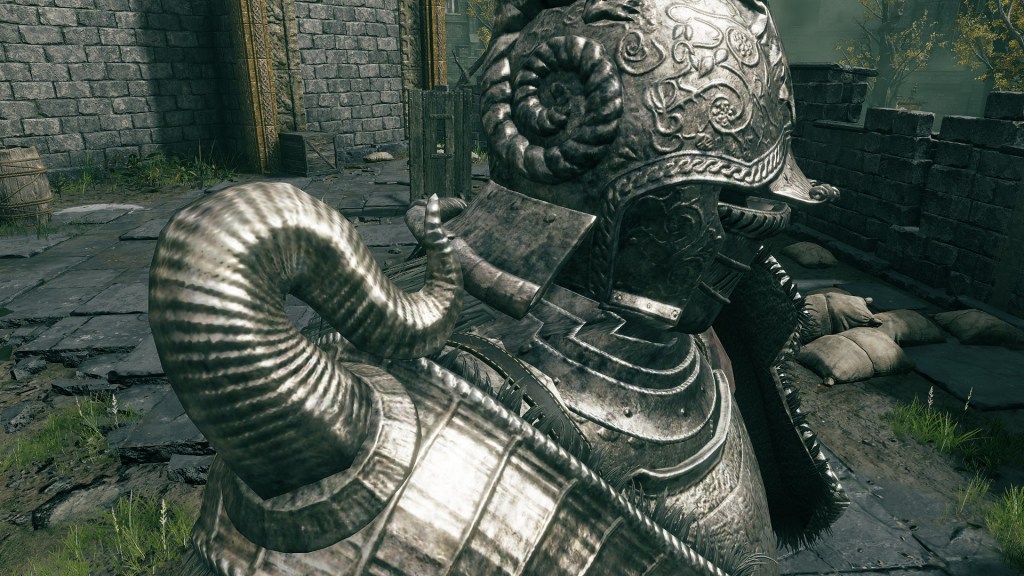
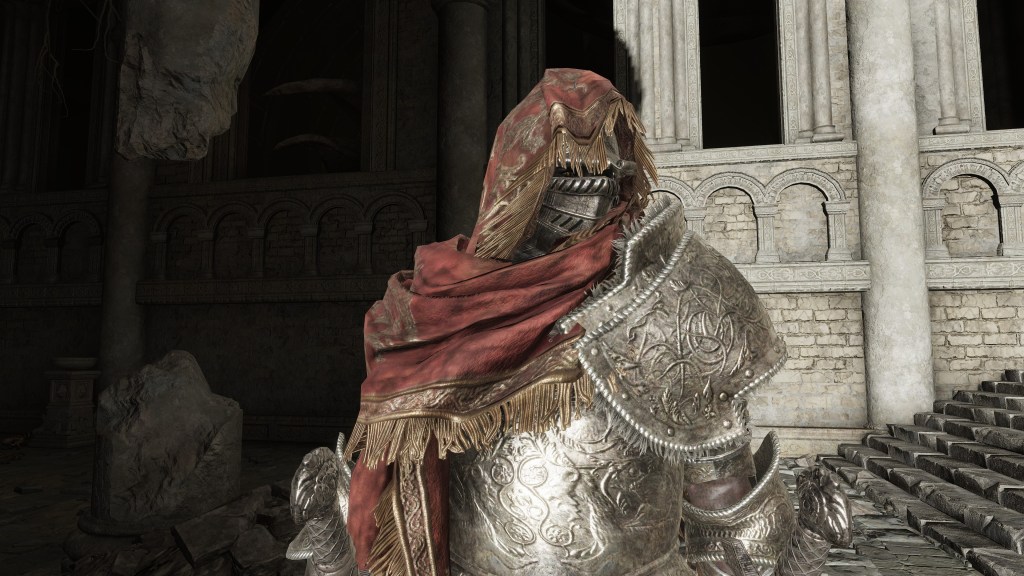
Not every man chose to leave, however. We see that to this day, humans patrol the halls of the Dragon Temple on Farum Azula’s behalf, namely the Banished Knights. Both they and the exile soldiers exhibit dark skin similar to draconians, though this may be just to appear shadowy under the helm or hood. What is certain is that they stand in solidarity with the ancient dragons and beasts. The draconic form often crowns the Banished Knight Helm as a head crest, and they decorate their right pauldron with a similarly draconic horn — the knights in Farum Azula are only missing theirs because they wrap their entire heads and shoulder in scarves for the biting winds. Weaved into those dark red stoles are the image of a beast, the same depicted on their shields. While a more flamboyant design, the pose and overall form resemble the beast crest symbolizing Serosh, adding an association with the beastmen. In all likelihood, humans and beasts have been living side-by-side in the capital from the start. Whether any still retain the dragon or Numen traits of yesteryear, a prehistoric lineage has sustained its population.
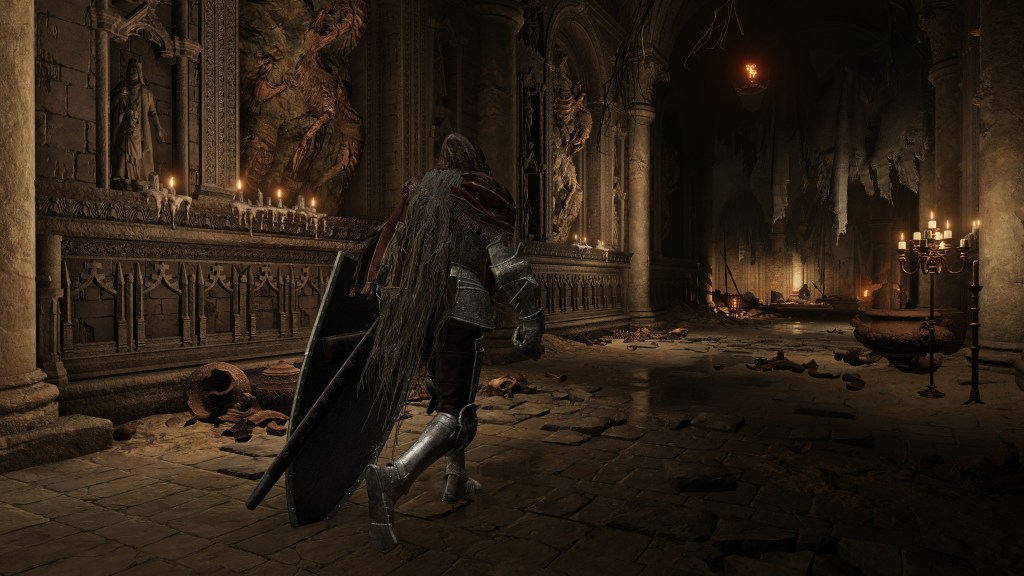
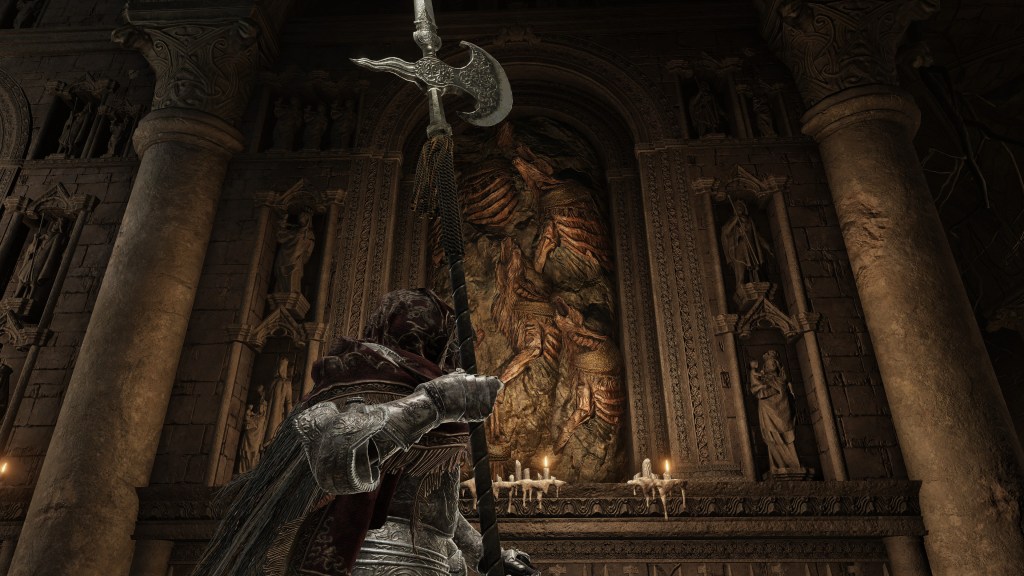
In summation, the Elden Ring is responsible for spreading all life on earth. The Elden Runes back in Farum Azula’s heyday were arranged to maximize the creation and extent of organisms derived from the rock world. Afterward, more conventional astral life descended to add to the existing web of ecosystems. Combined with the shooting star which preceded them both, they developed a world with both wild and civilized beings living in concert. This was the beginnings of the world as we are familiar with it. But while the globe’s course might have been maintained by the guidance of the Greater Will through Metyr, it was still a god hosting the Elden Ring and ultimately deciding on this direction. Every god of the Elden Runes establishes the shape of their regulation, and Placidusax’s god should have been no different. Even if the Ring itself went untouched, this biodiversity was nonetheless part of the first god’s established Order, and it encompassed something far grander than just life.
Beacon From the Blue
Time plays a major role in Farum Azula’s use of gold. We see this from the main beneficiary, Placidusax. The consort’s golden scales have a peculiar ability to warp time. With them, the Dragon King currently sits “between” time inside of a tornado, the weather phenomenon rendered as a “winding dragon” (竜巻) in kanji and historically perceived as the untamed power of dragons and other divine figures. For sure, the Lord reverses the time of the crumbling ruins around the tornado along with its spin. This occurs as the whirlwinds grow to encompass the wreckage, becoming a platform for our battle with the boss. During said battle, Placidusax will occasionally evaporate into a cloud of air and teleport, reappearing with a new attack prepared; in a few cases, from a full thundercloud, like the skill of his Cragblade. Since time and space are inexorably linked, the former Elden Lord thus appears to use the turbulent air to control time. His talisman likewise extends the duration of spell effects, effectively slowing time for the wearer. Altogether, lordship granted him more than golden eyes and similar flame.
Battle art that temporarily transforms own form into red thundercloud, dashes through the sky, and pierces with lightning-enveloped blade. Hold to extend distance dashing through the sky.
This emphasis on time isn’t limited to the Elden Lord, of course. A common motif to Farum Azula’s stone reliefs are birds and mammals biting their own tails. Although not a snake, it is still evocative of an ouroboros, symbol of cyclical eternity — including the march of time and life. Farum culture was premised upon this idea of progression, the advancement of change along a linear dimension we measure as time. It was the genesis of their civilization and their ultimate expression of gold’s power in the form of wind. After all, storm winds bring lightning, but the direction of air also marks the change in seasons, the world’s natural clock. And what causes air to flow? A differential in heat. Normally, it is the sun which brings about this difference in atmospheric conditions, pushing warm air up while cold air runs to take its place in the vacuum. But as Placidusax demonstrates, this mastery of winds can come from a different source of heat, the power of golden light which transforms his flames into concentrated beams of explosive energy at maximum power when in his dying throes.
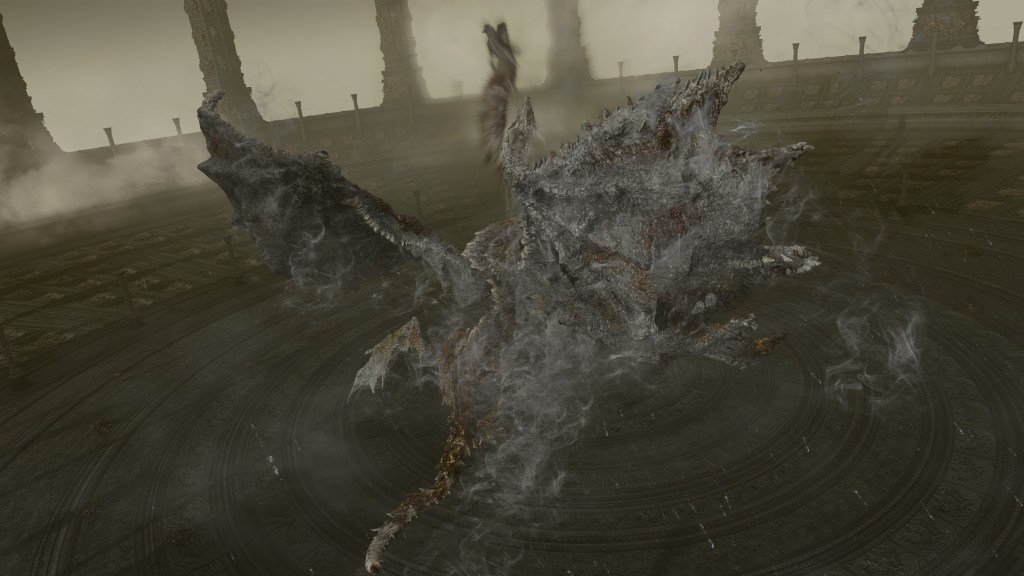
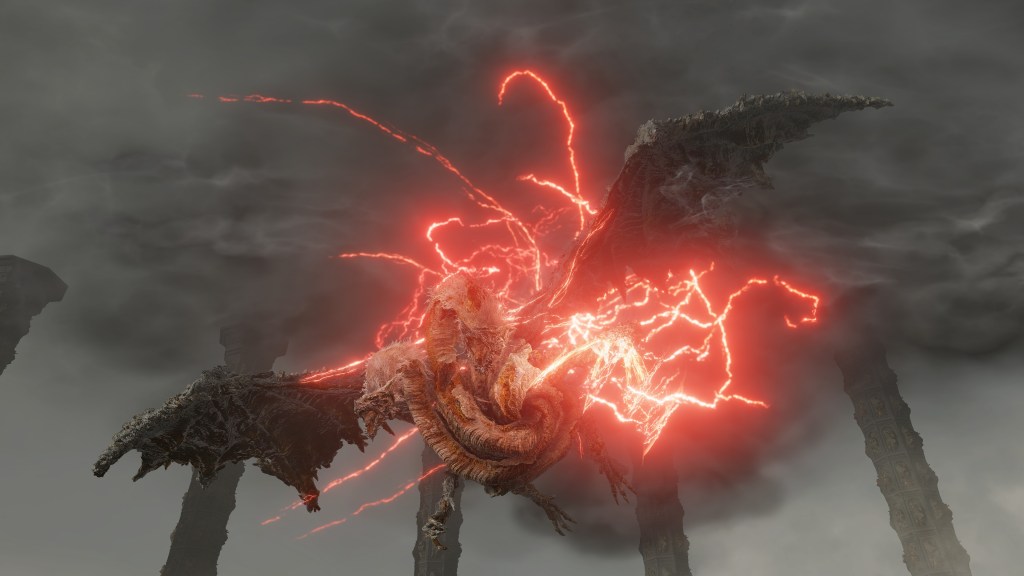
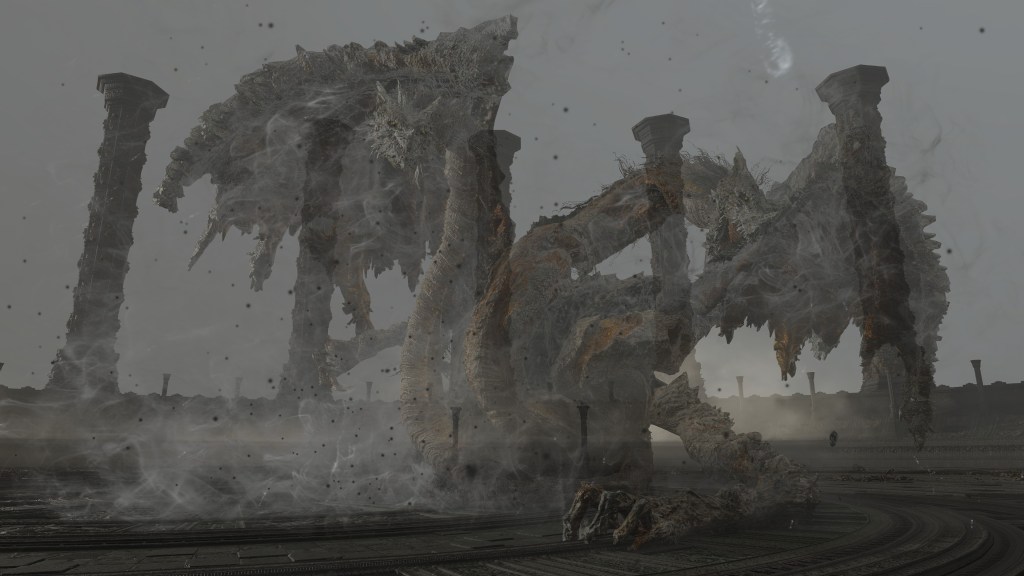
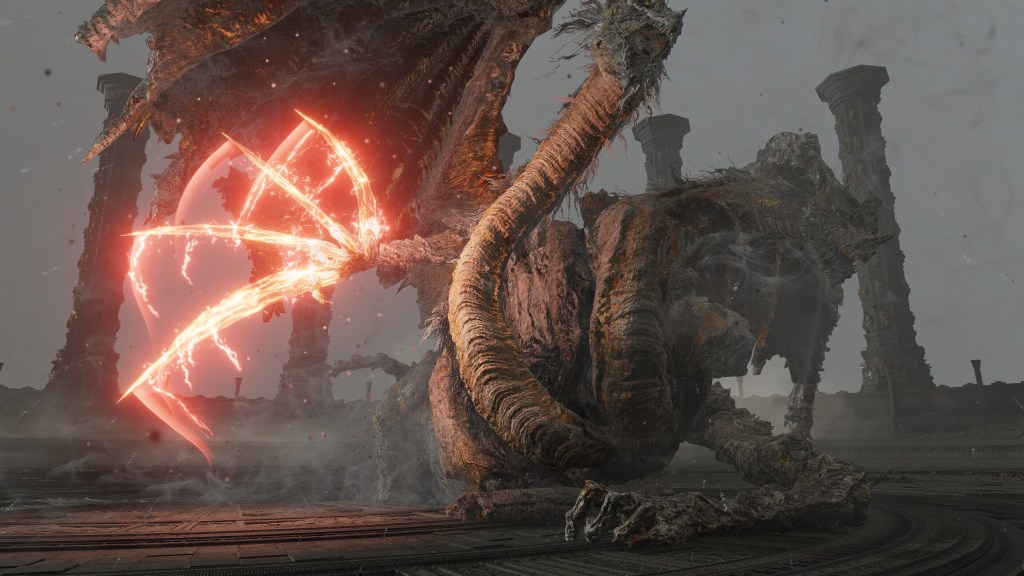
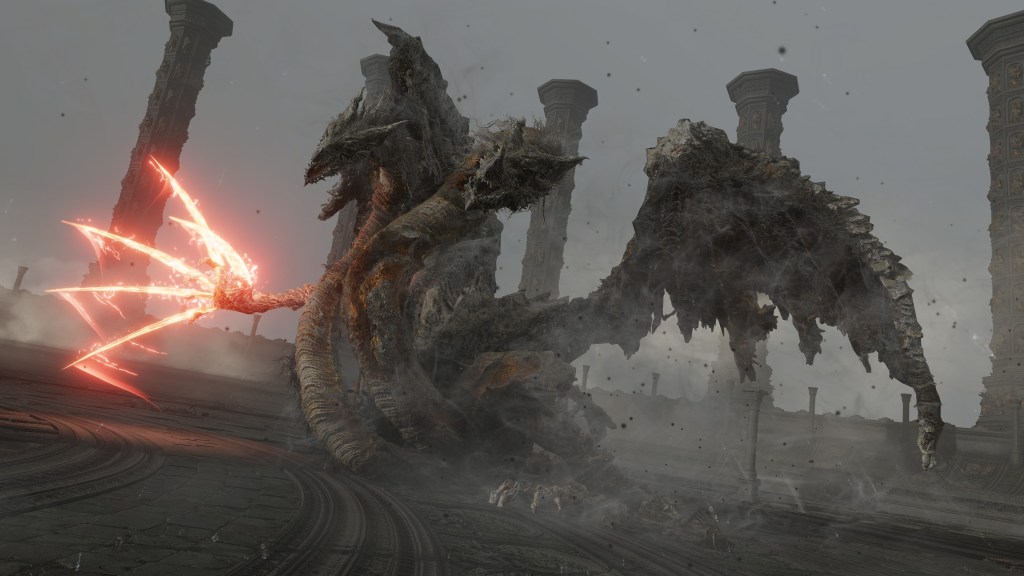
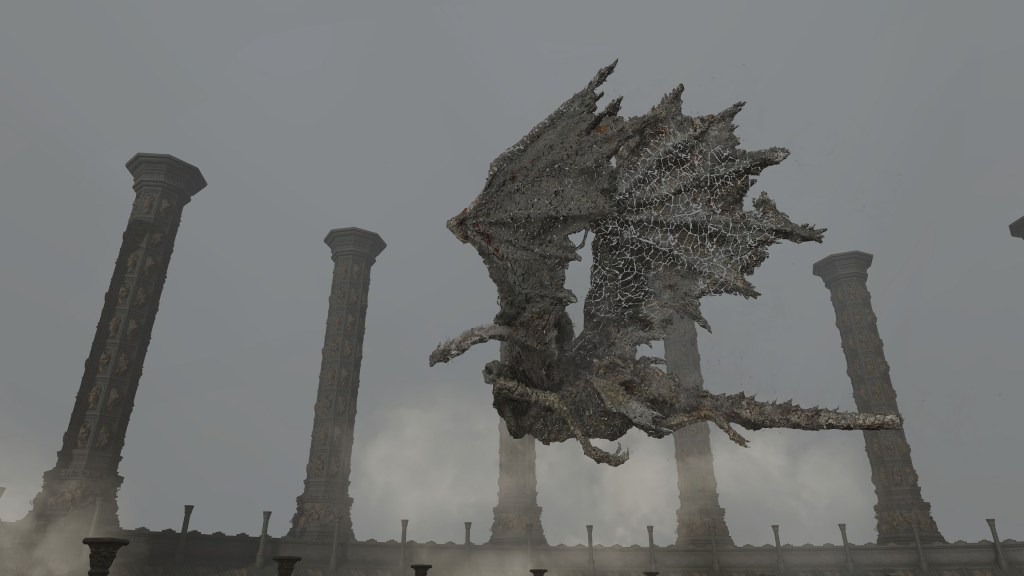
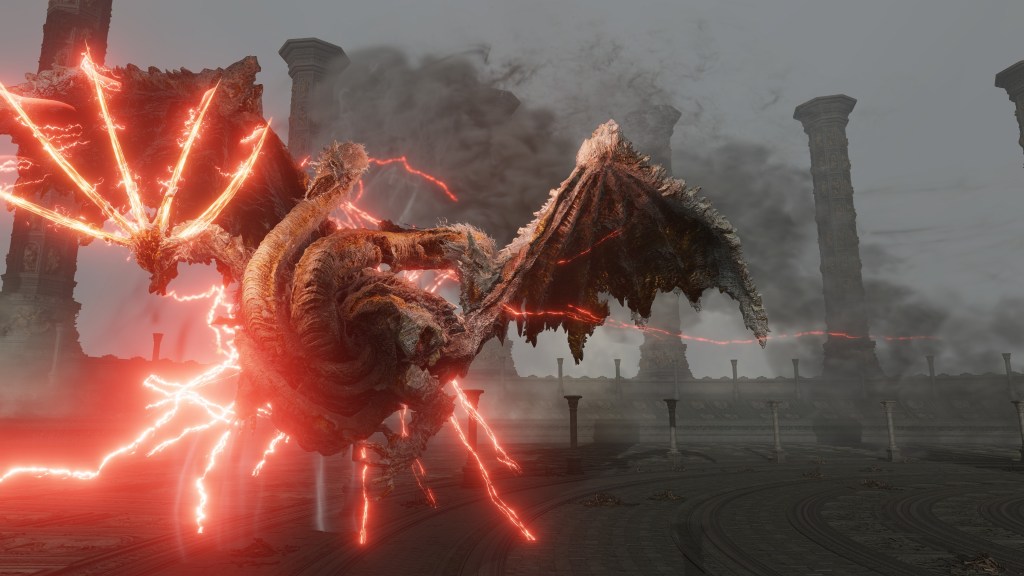
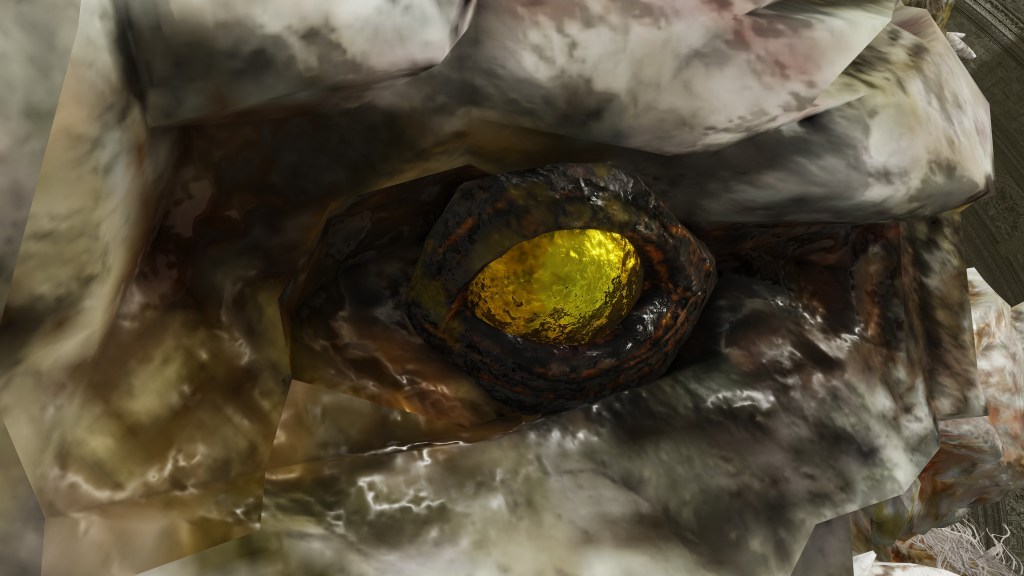
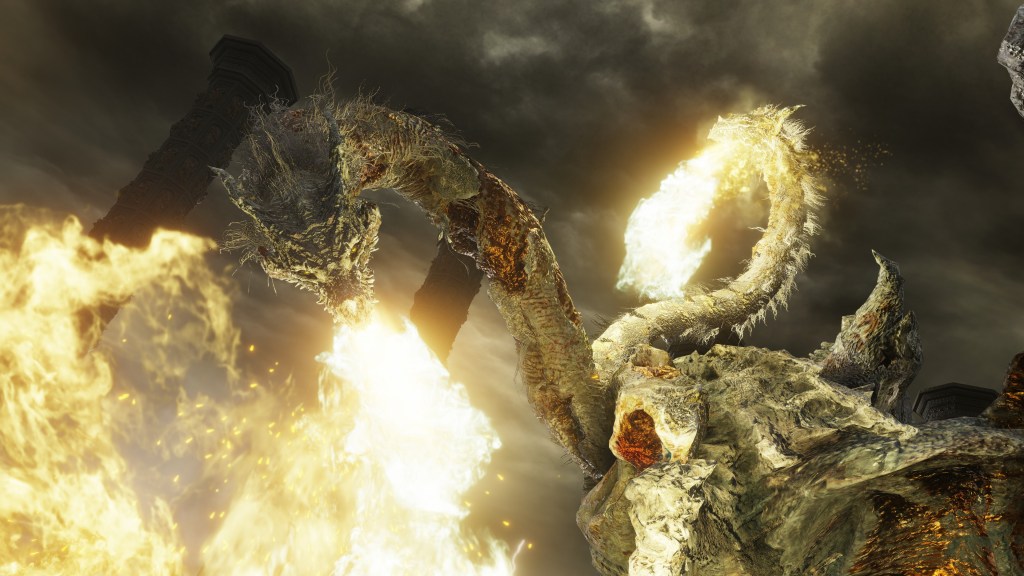
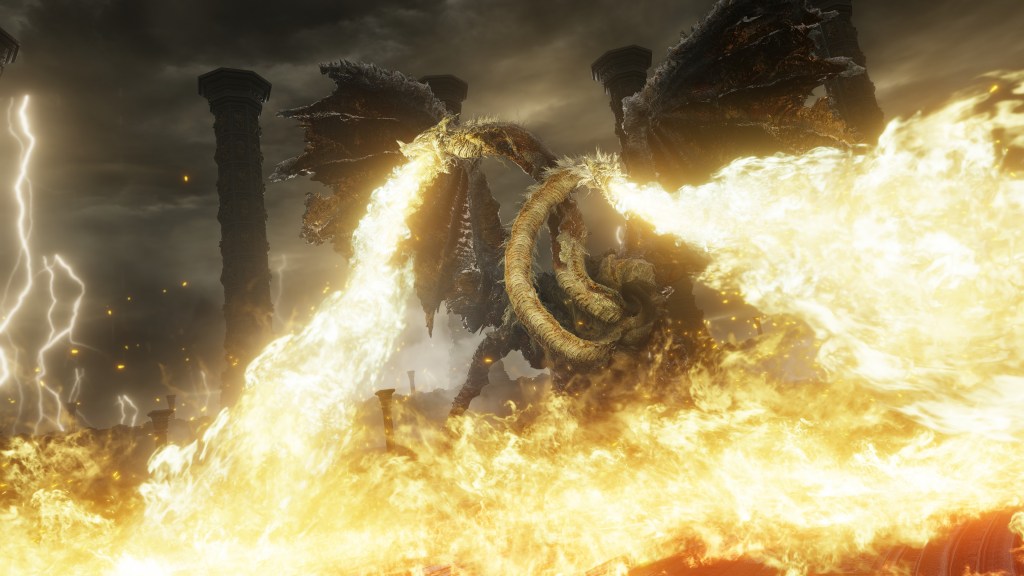
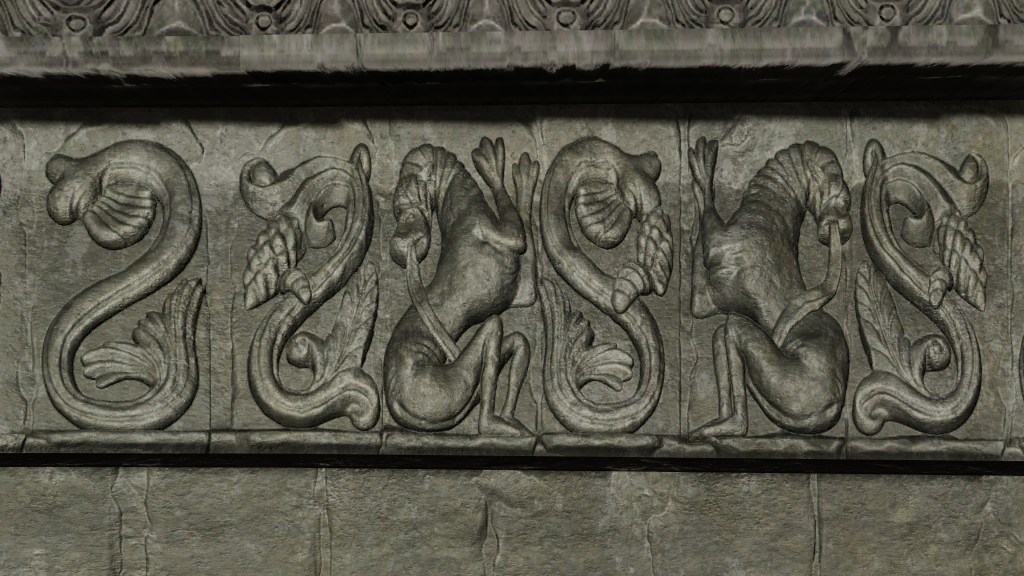
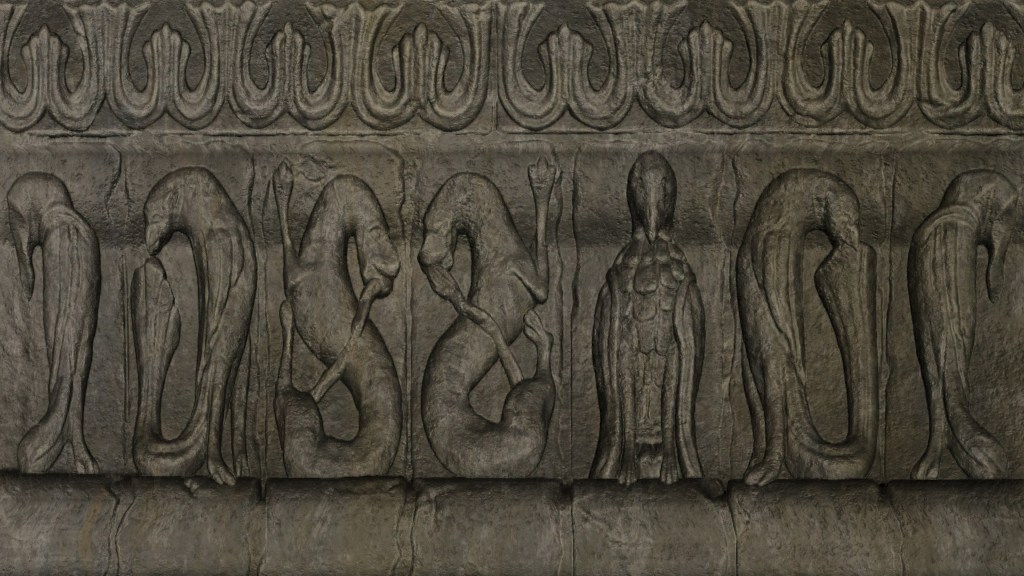
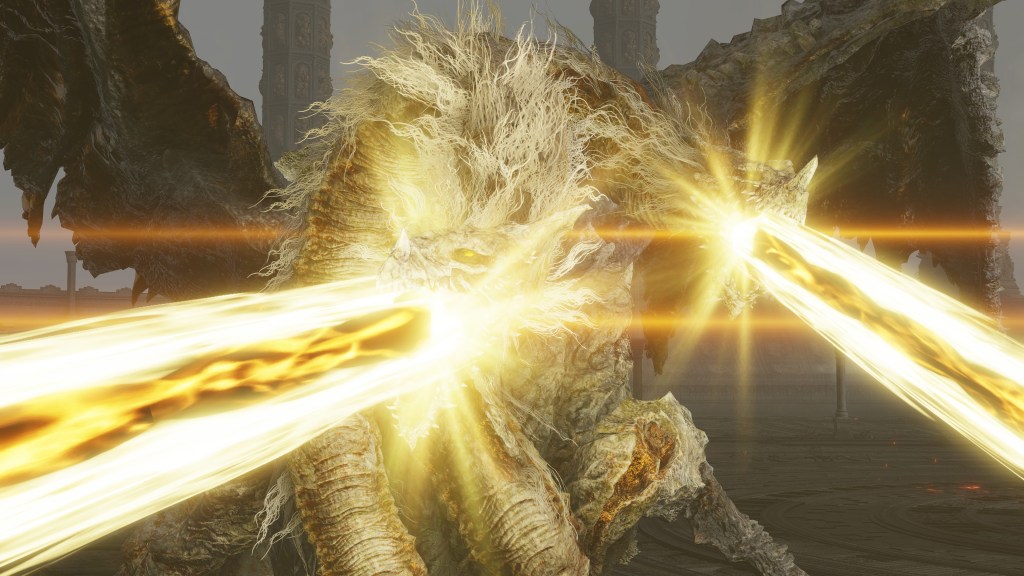
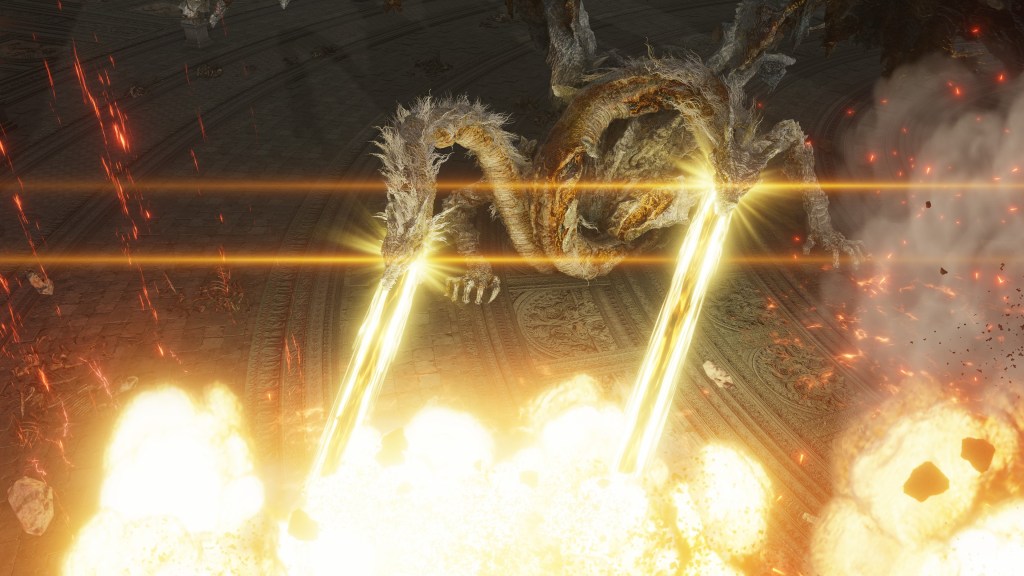
Basically, Farum Azula saw gold as more than just a source of power and life. It was a means with which to define the passage of time for themselves and their burgeoning civilization. The specific connection between the Dragon King and gold also explains why we don’t see the same exhibited from any stormhawk or their human learners — they learned to manipulate existing winds, whereas Placidusax creates them all his own utilizing gold. The tornado “storm” we see, complete with rain and lightning internally, is just an expression of that cyclical power over time, in this case applied over the entire land now crumbling in the sky. Just like the ruins around Placidusax, the rest of the city seems to be presently floating in pieces because the very first Elden Lord has harnessed its time to keep it in relative stasis as it continues moving through space. The dragon’s whirlwind may theoretically reassemble all the pieces by reversing their time. And for what motive would the Greater Will handpick an Empyrean from among the visitors to earth? To decide the course of these winds, steward the chaos of gold following the natural trajectory since landfall.
Put simply, the god’s Order was already set in motion when Creation came underway, and the Numen were tasked with managing the Elden Ring so as to maintain the path the Greater Will sought, with dragons as instruments to this end. With the help of their stone angels, the “gods” united the beastfolk and built a fortress with which to secure almighty gold. Under her banner, the beasts’ goddess established a kind of “Chronos” Order, where the progression of life from the ancient dragons to modern creatures was celebrated in honoring the ancestors. But just as causality begets progression, there is also an equal demand for regression to the mean. Time need not flow in just one direction, as Placidusax demonstrates. The beasts themselves wish to revert to their forebears. And due to that, this world ironically never falls into a constant, Farum Azula undeniably included.

