
Preface
Up until this point, my analysis of Marika and Godfrey has been rather bullish. Even when fate wasn’t necessarily on their side, the pair still came out on top in the end, with relatively meager impediments. Whatever their personal drama, history had looked kindly on their efforts to build and maintain a kingdom. Not even the Gloam-Eyed Queen could put a damper on that narrative at play — if anything, she solidified the trajectory. The royal couple’s lives have been firmly a story where they are the heroes. But what comes up must come down, so it is perhaps inevitable that our heroes would experience hard times. One could say that the Gloam-Eyed Queen was just an omen for what’s to come; the entire world around them was changing. In that respect, I find the two’s journey gets much more interesting.
Hoist By Her Own Ring
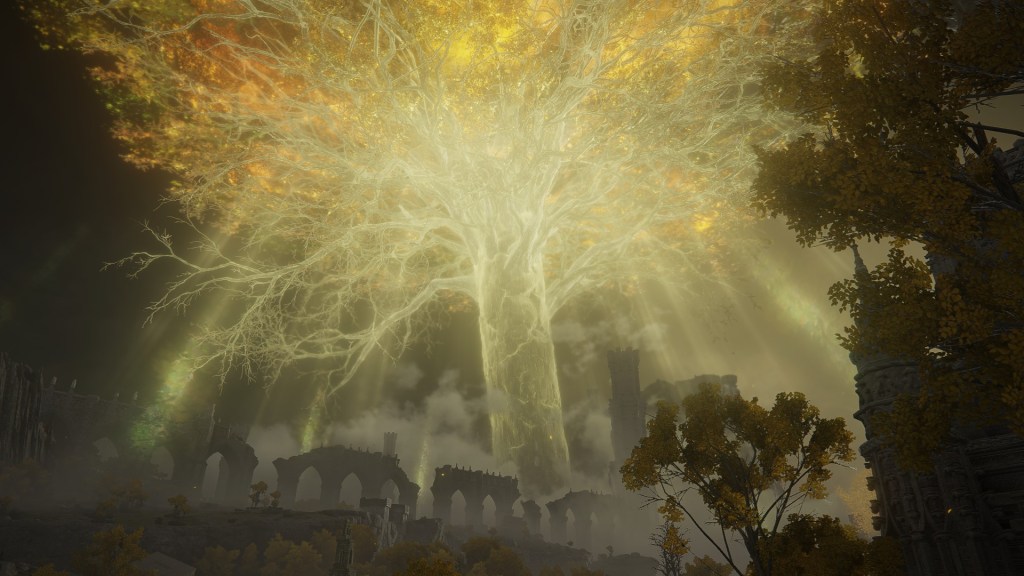
Although the days of the Crucible were incredibly prosperous, they were equally short-lived. Both the Blessed Dew Talisman and Erdtree Heal incantation allude to the brevity of this period in their descriptions. Of course, the latter example compares this to the nature of all life, whose span can vary depending on the individual creature — in some cases, surpassing centuries. The allusion hence doesn’t clarify if “short” is in terms of decades or millennia. Regardless, the underlying sentiment is obvious from other descriptions of the tree as formerly eternal; no matter how long the Crucible did last, it fell dramatically short of that bar. Thus, in the ever-expanding history of the universe, the Age of Plenty was but a blip. At minimum, the era only covered the decades it took Marika to raise the Golden Lineage to maturity, with her Demigod husband’s hair turning grey along the way. The Eternal Queen might forever reign, but it wouldn’t be with her precious tree unchanged. The red tinting the gold had faded away.
Chiefly, this meant an end to the inexhaustible drops of grace. The image of receiving that blessing captured in the aforesaid talisman is now simply a mark of faith. The blessings we loot from churches don’t even fill their corresponding golden chalices to the brim, based on their menu graphic. Grace has become a commodity with an ever-dwindling supply. Many simply pray to someday receive more, even if the chance is futile. That isn’t to say their behavior is without merit. The oldest Erdtree incantations, manifest by faith, are still effective. The Erdtree itself, however, is no longer a reliable source of blessings for Marika’s people. Its powers are limited to those who have always wielded them with immense conviction, like the Crucible Knights or their queen. And since a known prayer associated with its sigil was Maliketh’s Black Blade, we can verify that the Crucible hadn’t lost potency until after Marika sealed Destined Death and thwarted the godskin apostles.
With that established, how convenient that sealing away the red Rune of Death is followed by the loss of red from the golden tree. The cycle of life and death does require both to keep going; without death, new life cannot flourish. In that case, deleting the “code” for scripted death from the Elden Ring might have unforeseen consequences for the Erdtree it sustains — namely, the end to the unending fountain of life’s golden amber. This is different from saying that death itself disappears. As we experience throughout our journey, dying is still very much possible for everyone in the Lands Between. The practice of Erdtree Burial has also continued, especially for accomplished individuals. But without regular wars culling the populations or a collective agreement on when every soul must return to the Erdtree, the amount of death likely won’t be enough to feed into the cycle. That remaining so, abundance simply drained itself dry after Marika had unknowingly turned off the spigot.
If so, then the demise of the Crucible was likely a slow-moving catastrophe happening in plain sight. Even in their fragmented state, Mohg and Morgott’s shackles bear a sigil in their menu graphics, which manifests in full when invoking their holy power against their respective Omen. The sigil in question resembles the existing Crucible symbol, except simultaneously overgrown and defoliated. This makes it clear that the Erdtree kingdom was noticing a change and had the time to fashion magic reflecting it. This was, if only briefly, an era of visible decline. When the Erdtree should have been bursting most with life, it was instead dramatically petering out. Moreover, the withering Erdtree sigil confirms that the Crucible’s final end occurred in the wake of the two Omens’ births. The Crucible was the perfect, eternal golden tree, but Marika making herself unending ironically brought it to an end.
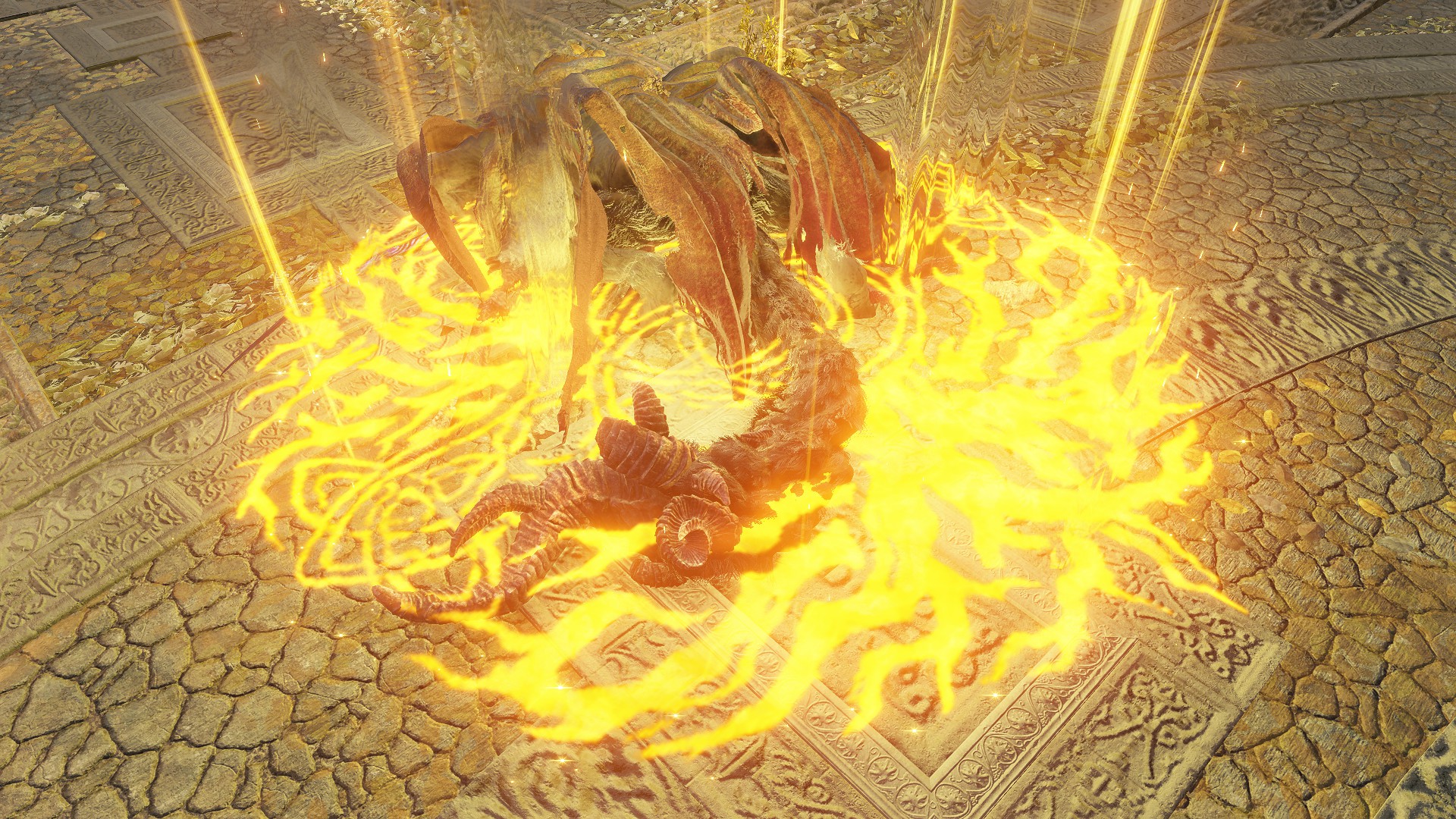
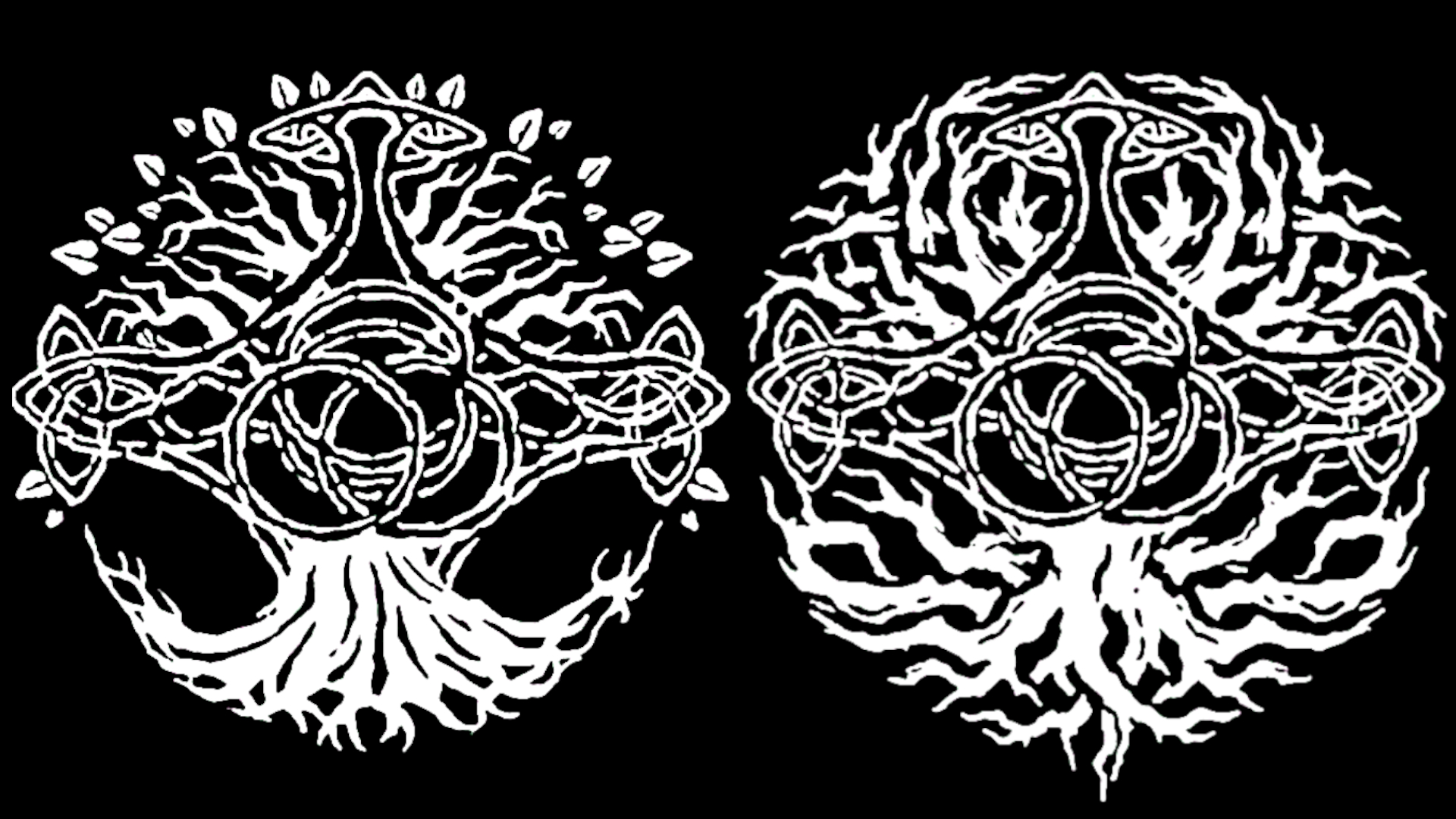
First Saving Throw
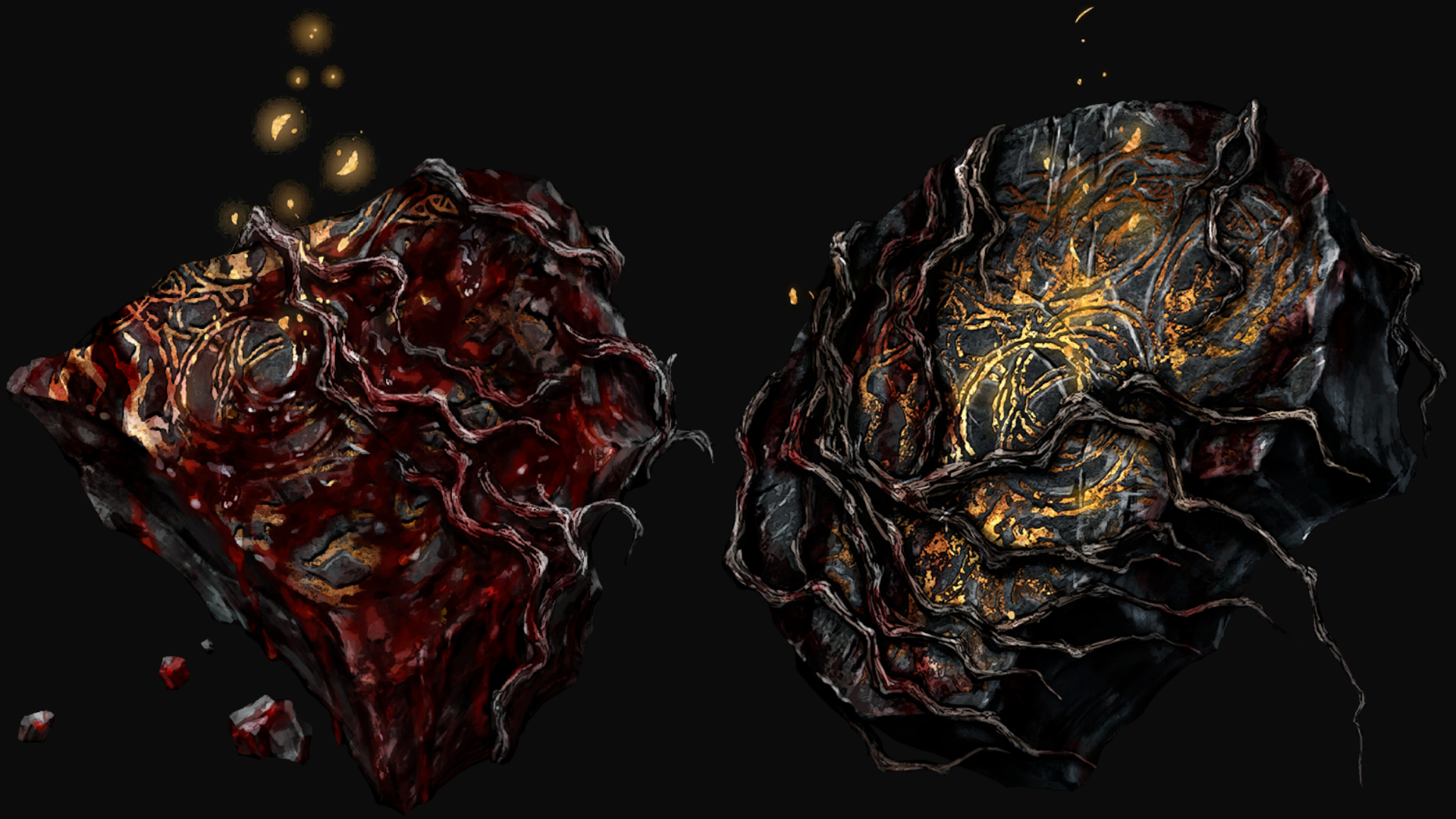
The bumpy end to the Crucible left just as much of an impression on the Erdtree. Crimson and Cerulean Seed Talismans mention how the golden tree shouldn’t have seeds in their descriptions, reason being that it had been perfect and eternal — when you are forever complete, you have no need for progeny to replace you or supplement your shortcomings. This is odd, however, given that the text for the Golden Seeds associates their appearance with the Elden Ring’s shattering. The short-lived reign of the Crucible is proof that the Erdtree wasn’t eternally perfect, so why would seeds be unexpected? Because the seed talismans are referring to an earlier sowing of seeds, back when the Crucible faltered. Seeds during the Shattering have sprouted phantom trees in various lands, but we see some used in garden centerpieces along the Capital Outskirts highway. Planting such trees in the middle of a war is highly unlikely, and they certainly don’t predate the road’s construction. Therefore, the trees must come from seeds released with the Crucible’s loss, replanted and pruned for decoration.
Crimson-colored talisman modeled on the Golden Tree’s seed. Boosts recovery amount of Crimson Drop Holy Grail Bottle.
Once, the Golden Tree was eternal and perfect. Thus, its seed was considered not to exist.
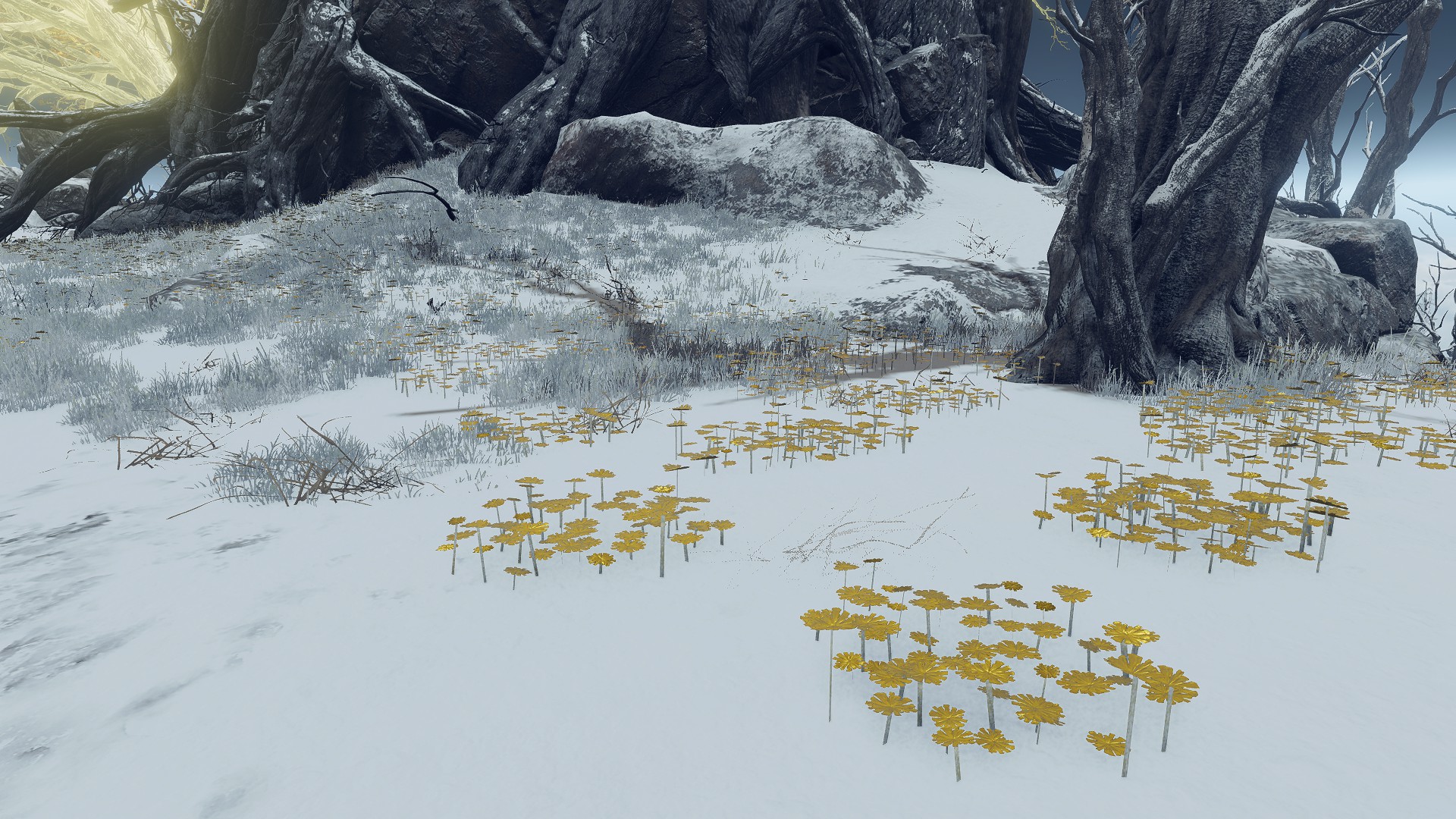
The power contained within these seeds is obvious. Wherever the phantom trees sprout, so too do the golden flowers surrounding Sacred Tears — though only the larger species can apparently survive most environments, the smaller type sprouting on the fringes at merely Altus, Gelmir, and Limgrave. From this, we can infer a simple truth: the seeds are designed to be receptacles for a high concentration of golden drops. This is why we can use them to increase the number of swigs with our flasks; the body of each flask resembles a seed, so incorporating more seeds improves the container’s ability retain the power of liquid grace, thereby reducing the amount of each swig needed for the same restorative effect. Put another way, each seed carries a significant portion of the Erdtree’s strength, which is used to grow new Erdtrees. In fact, these physical trees have a phantom bark likely because that power is being expressed as part of their growth cycle, which can be perpetuated with proper pruning.


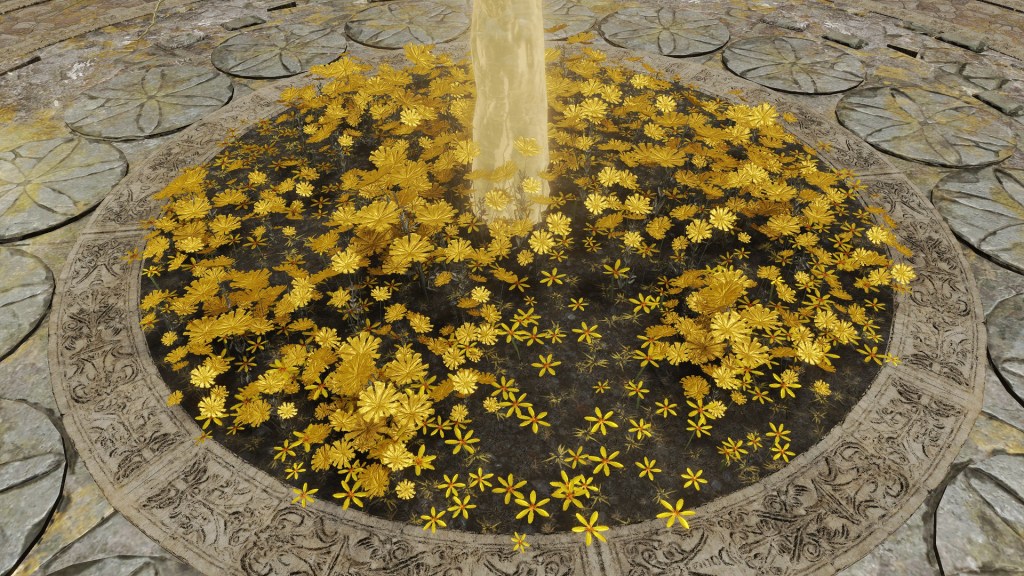
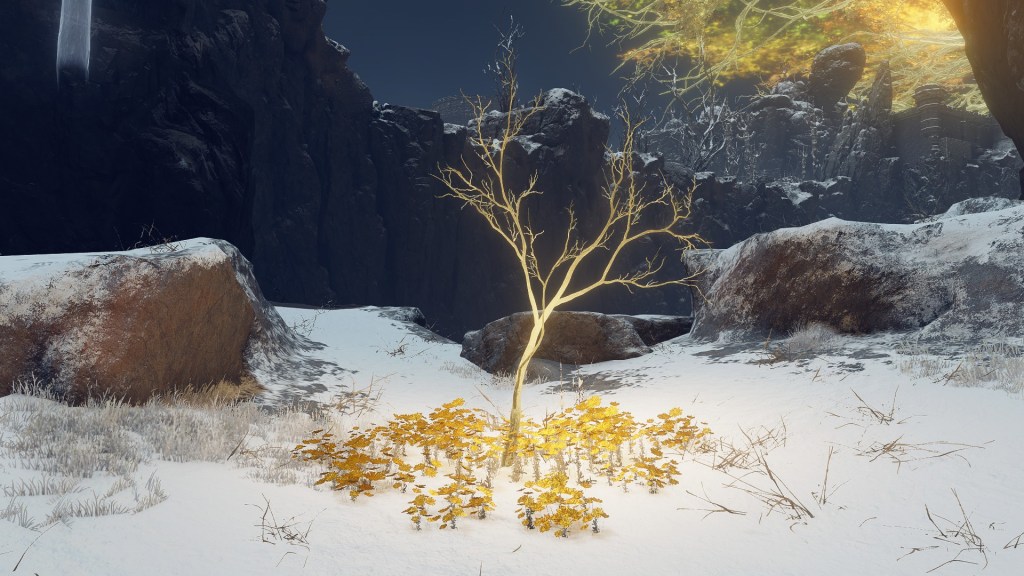


For an unpruned example, we need only look at the Minor Erdtrees. Like the phantom trees, these “small” golden trees exist all around the Lands Between. However, they have reached maturity, and well before the Shattering. They were already major landmarks during the Radagon’s reign as Elden Lord, given the Church of Pilgrimage erecting his statue maintains a dirt road leading straight to the Weeping Peninsula’s giant tree. Consequently, they must be the products of the first seeds sown come Crucible’s end. We see this demonstrated in the effects upon their immediate vicinity. Growing around the Minor Erdtrees are the same golden flowers, the small species appearing in most areas while the larger variant is exclusive to the snowy Mountaintops. Perhaps the trees are just desperate to express their nature, but the phenomenon nonetheless reinforces a connection between the grown trees and their smaller counterparts. Left to their own devices, the phantom trees will mature into mini-Erdtrees.
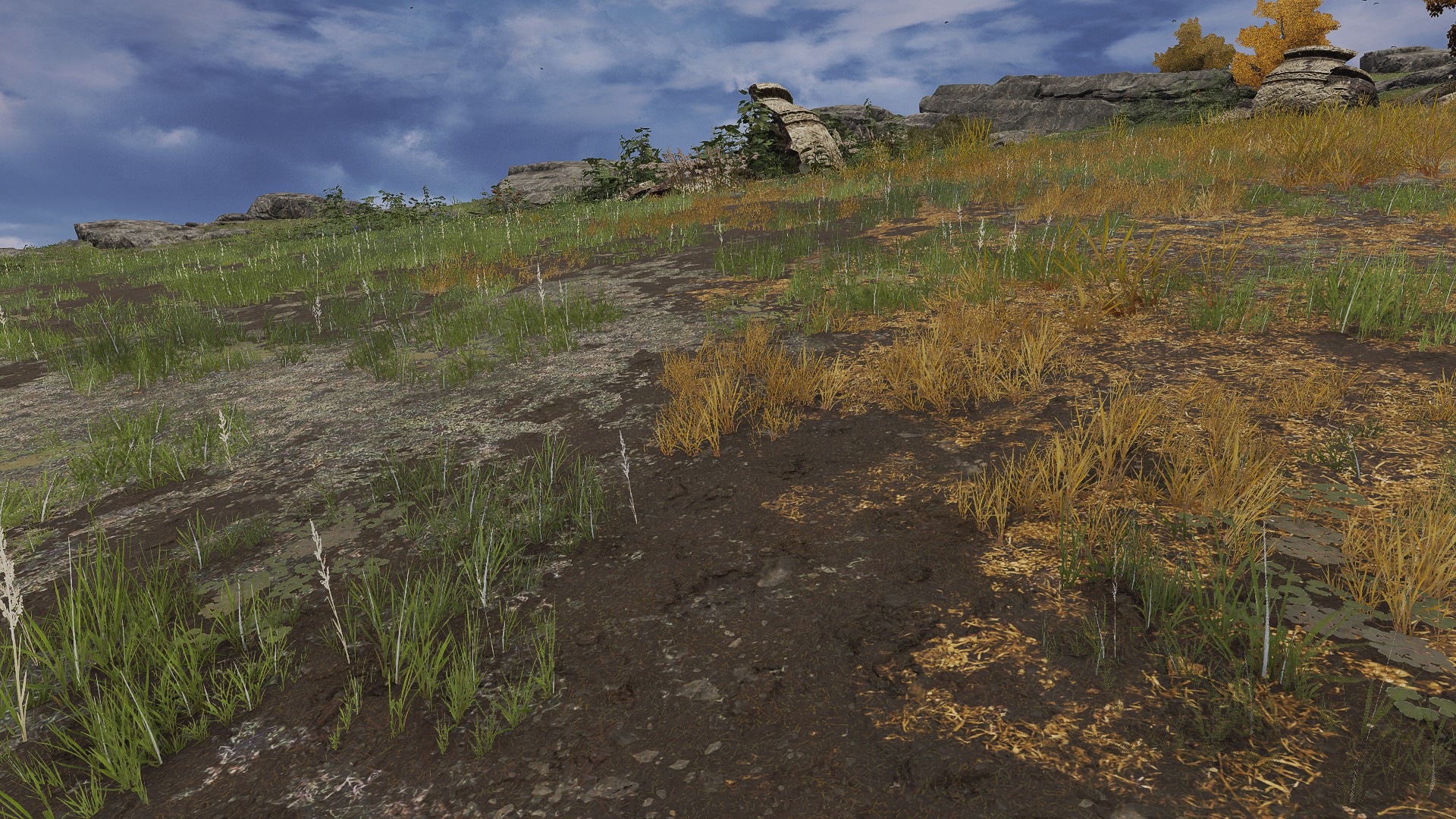
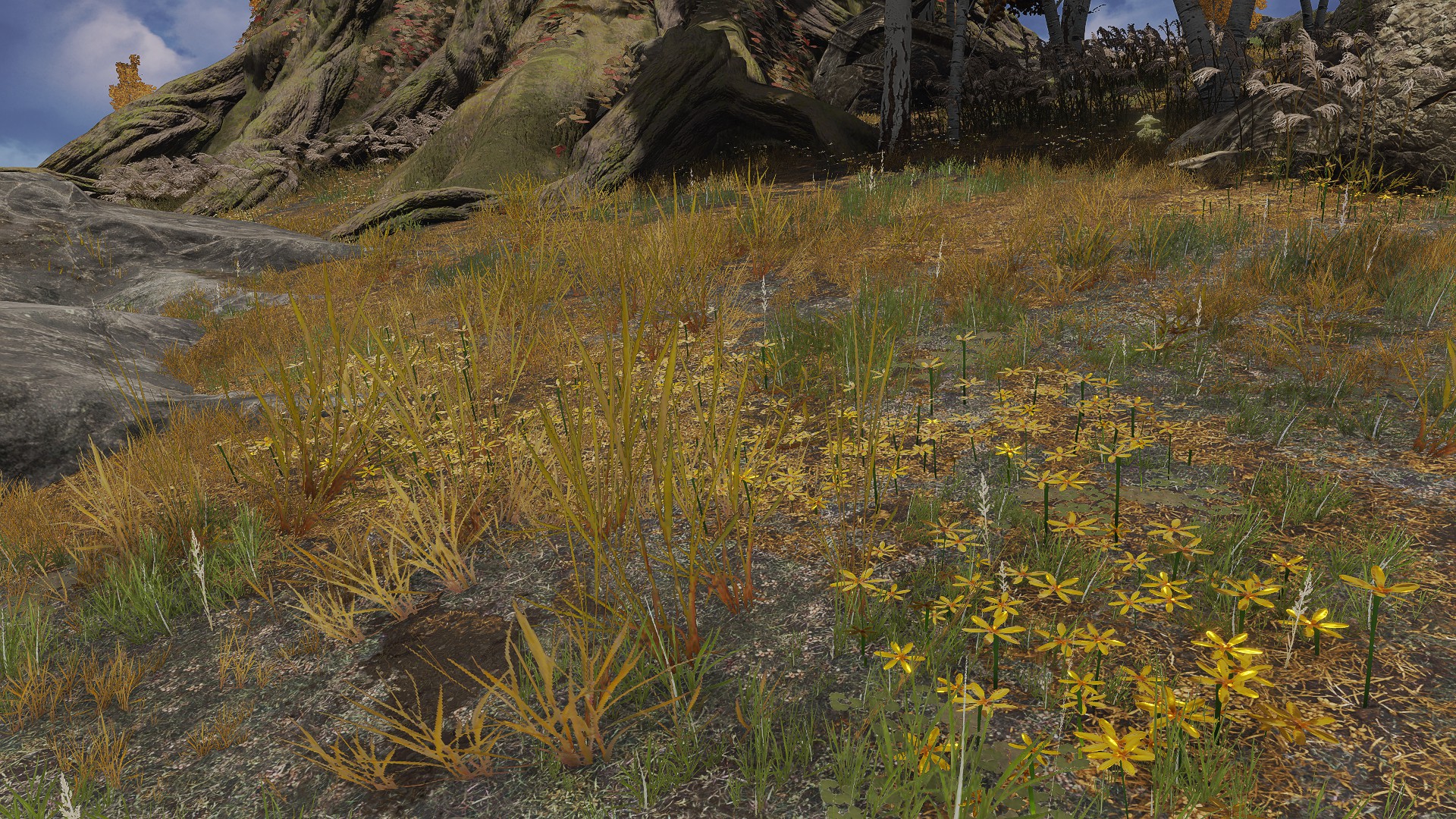
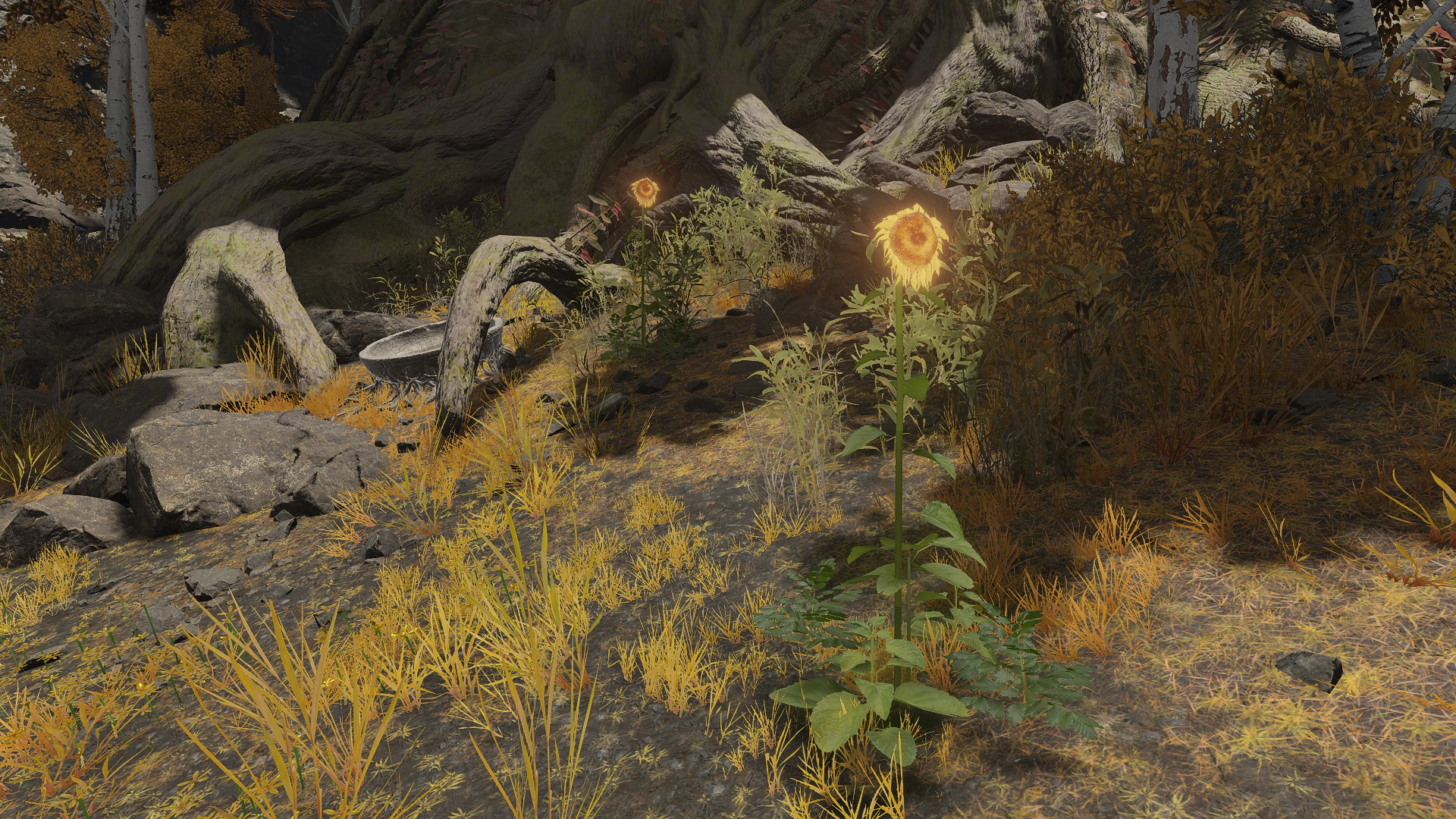
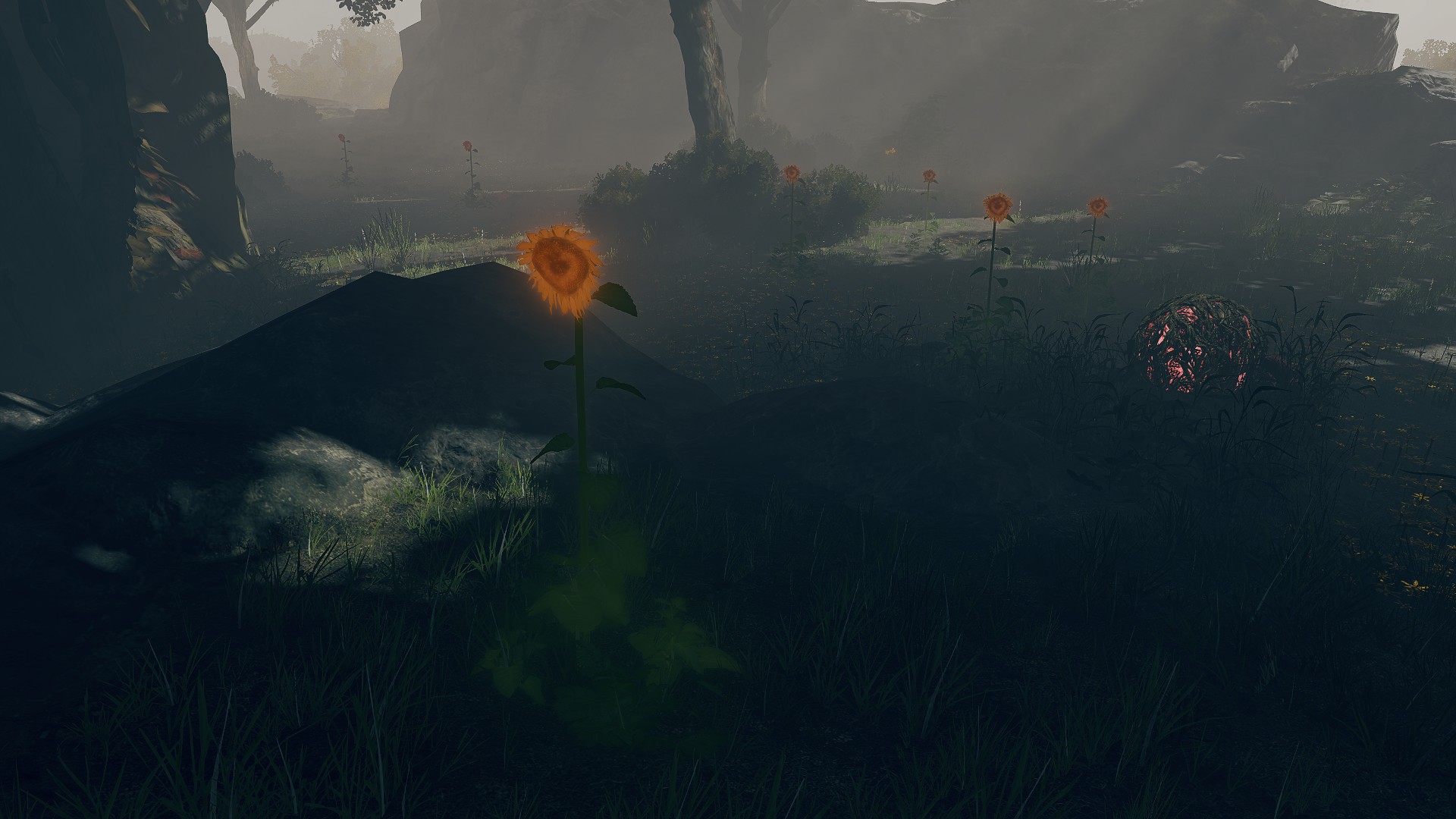
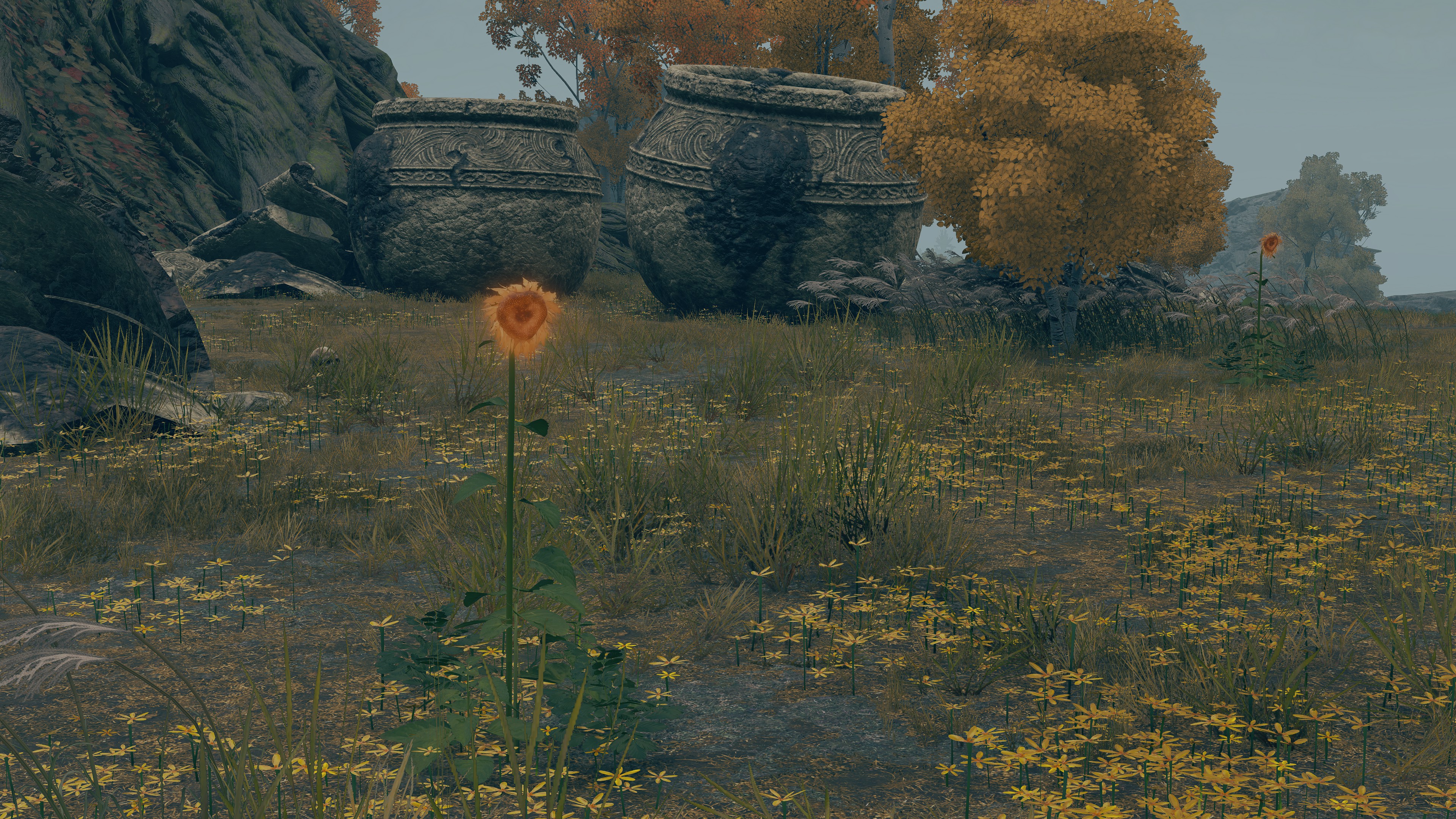
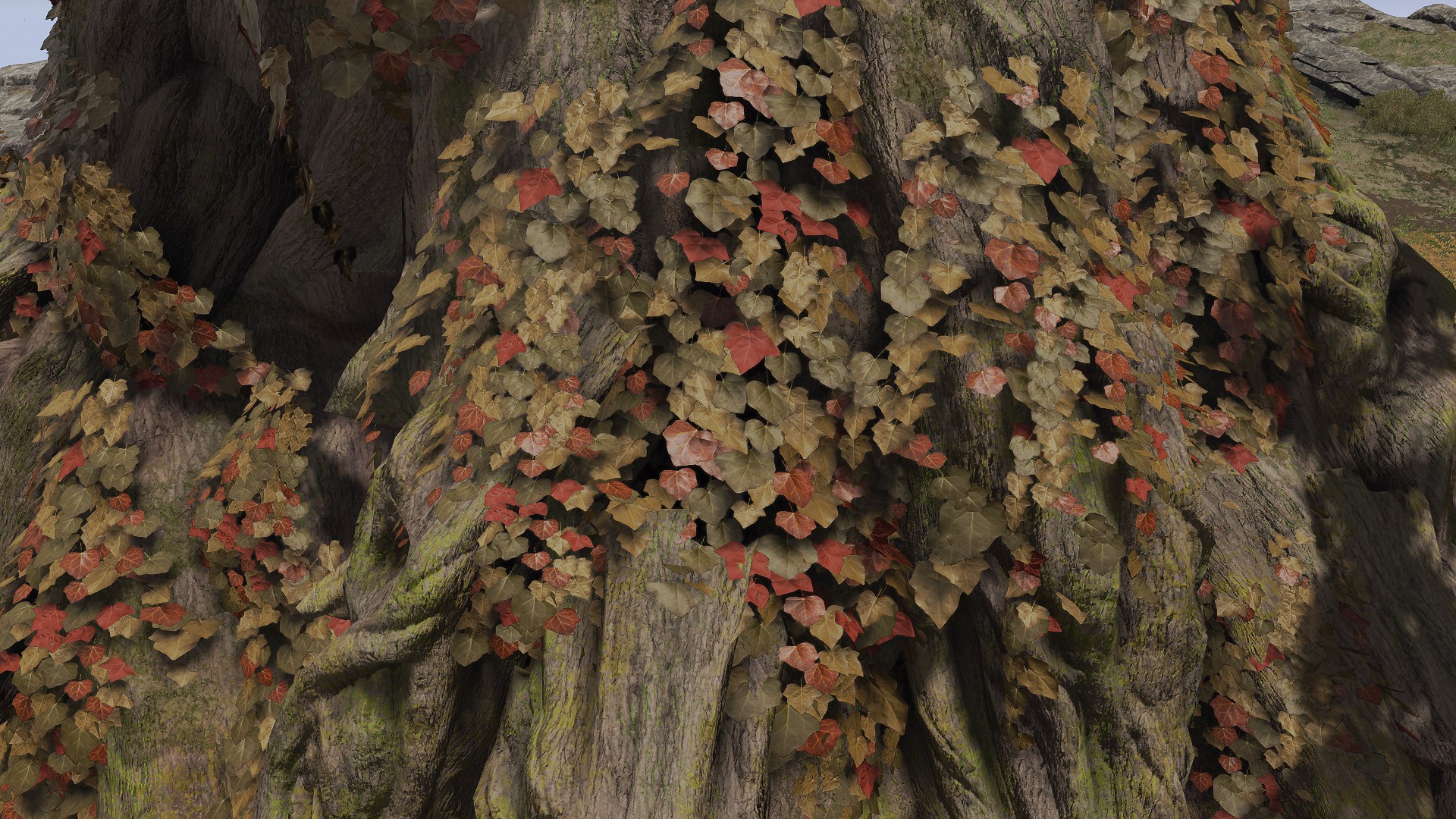
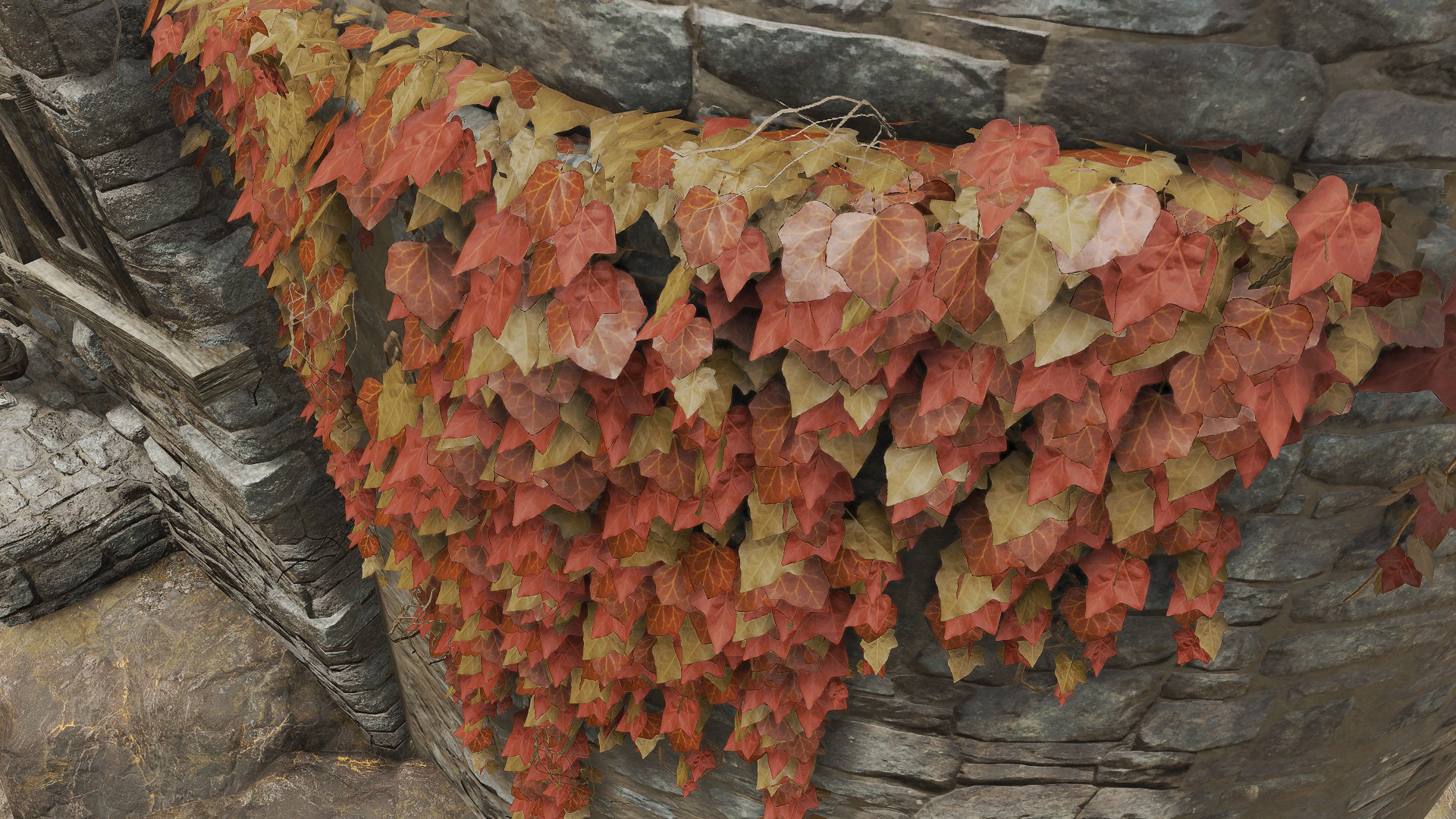
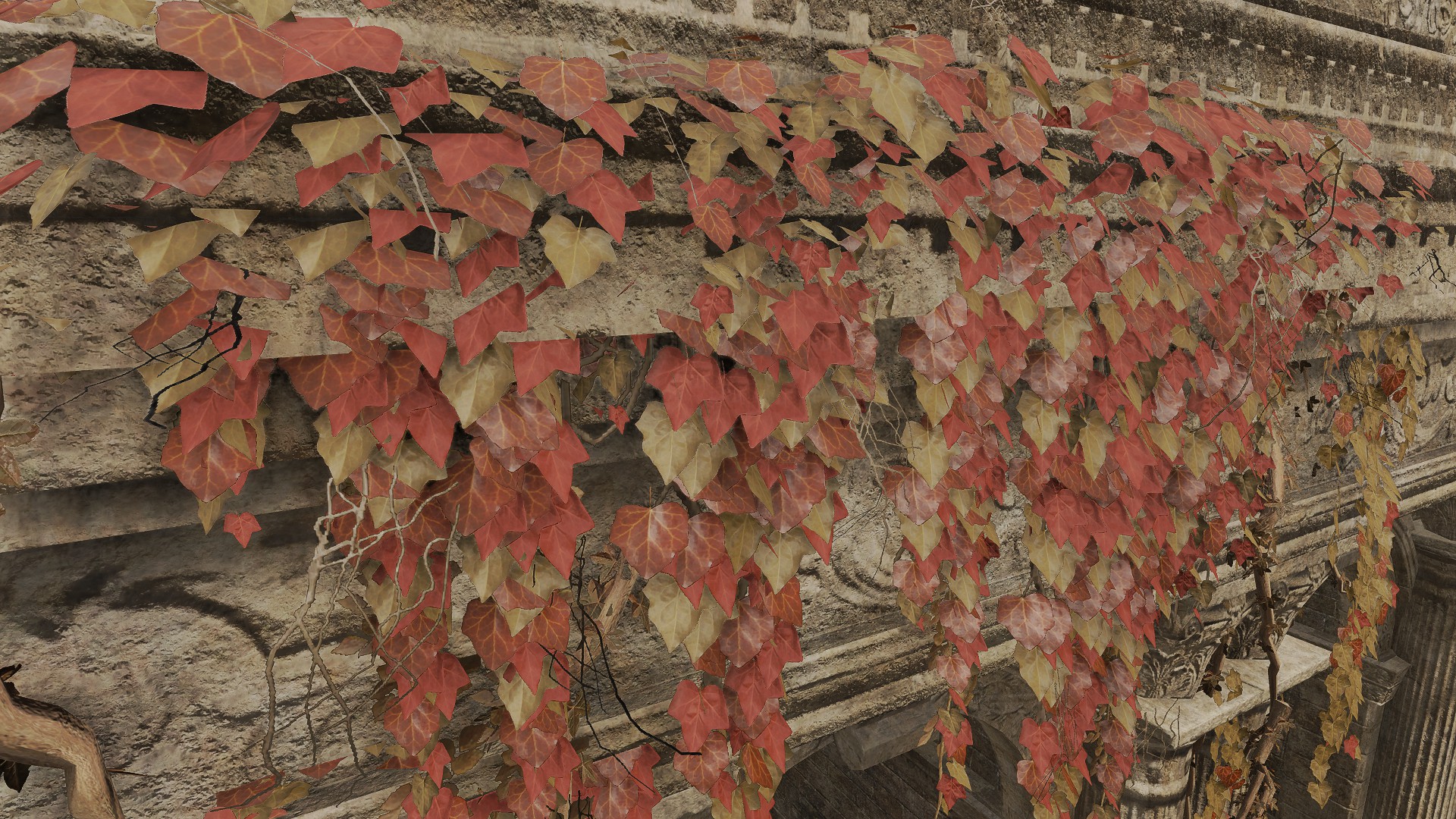
These lesser golden trees are more than just facsimiles. Whether or not their own glowing yellow leaves can produce Erdleaf flowers, the oversized offspring do exhibit similar effects upon their immediate vicinity. Wherever there isn’t snow, rot, or fog, the land surrounding Minor Erdtrees sprouts yellow grass like at Altus. Trees upon that golden grassland will also be the same variety growing on the plateau, with their more vibrant leaves and whiter bark. At their feet grow not just the conventional golden flowers but even golden sunflowers, albeit solely the tarnished kind outside Altus. The Minor Erdtrees are likewise covered in the same red and yellow-leaf vines as human structures on the highland. Taken together, the mini-golden trees have converted their area into a mini-Altus, the power of gold radiating from a given tree replicating the peculiar evolutionary processes. The lesser trees’ reach is far shorter, but the convergent evolution still highlights identical abilities to the original. It may even be possible to reproduce some of the more idiosyncratic instances.
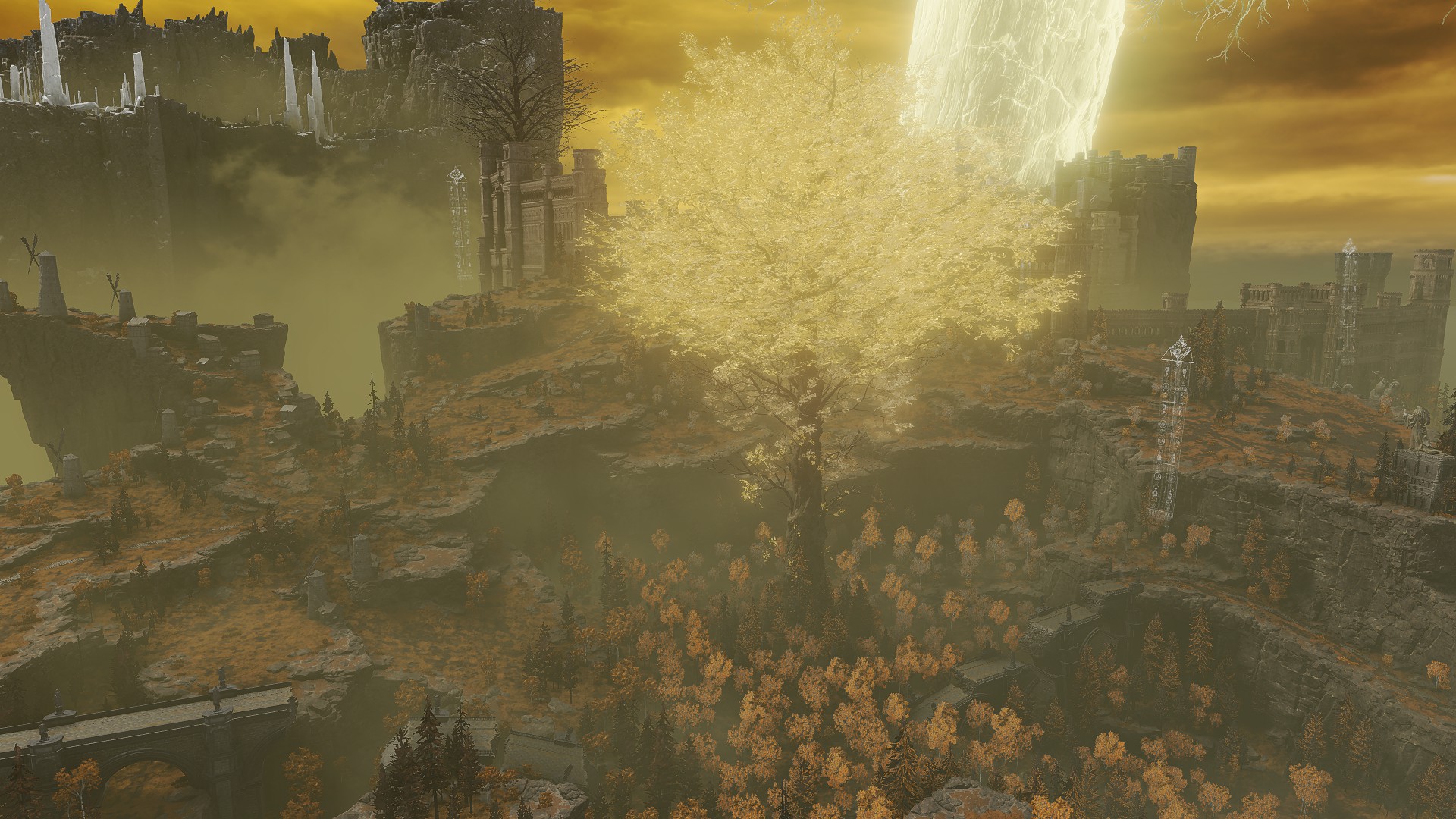
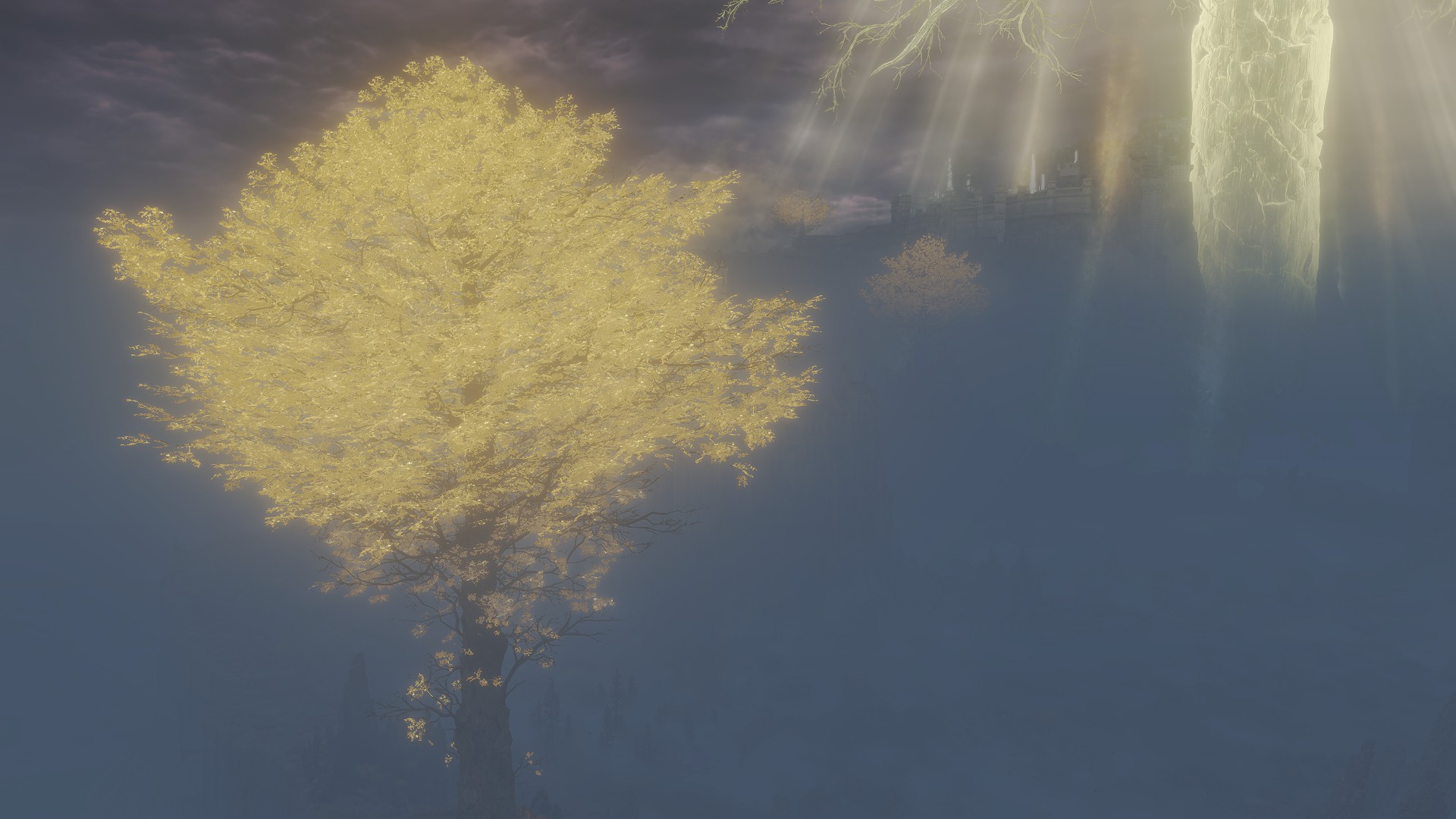
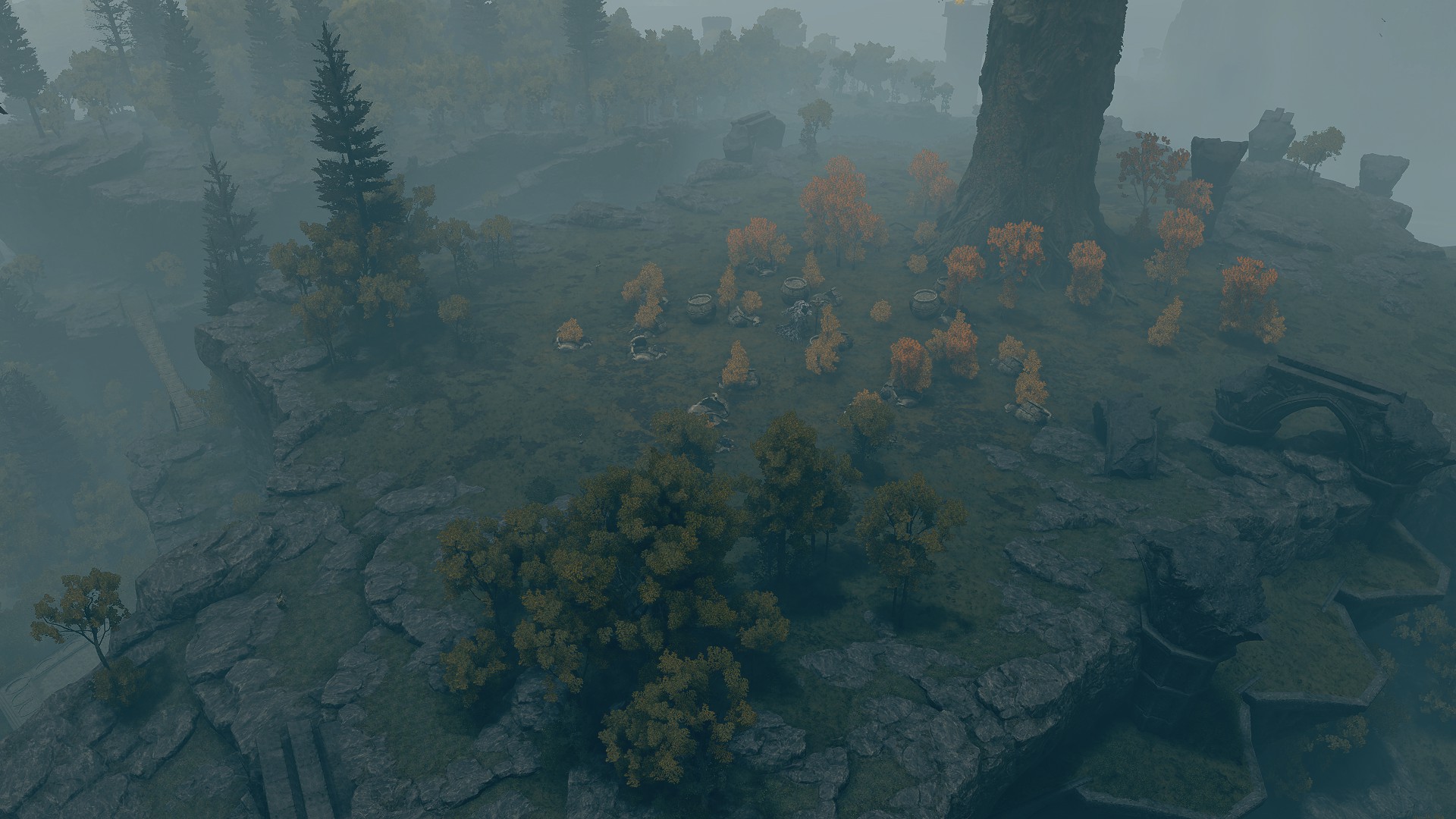
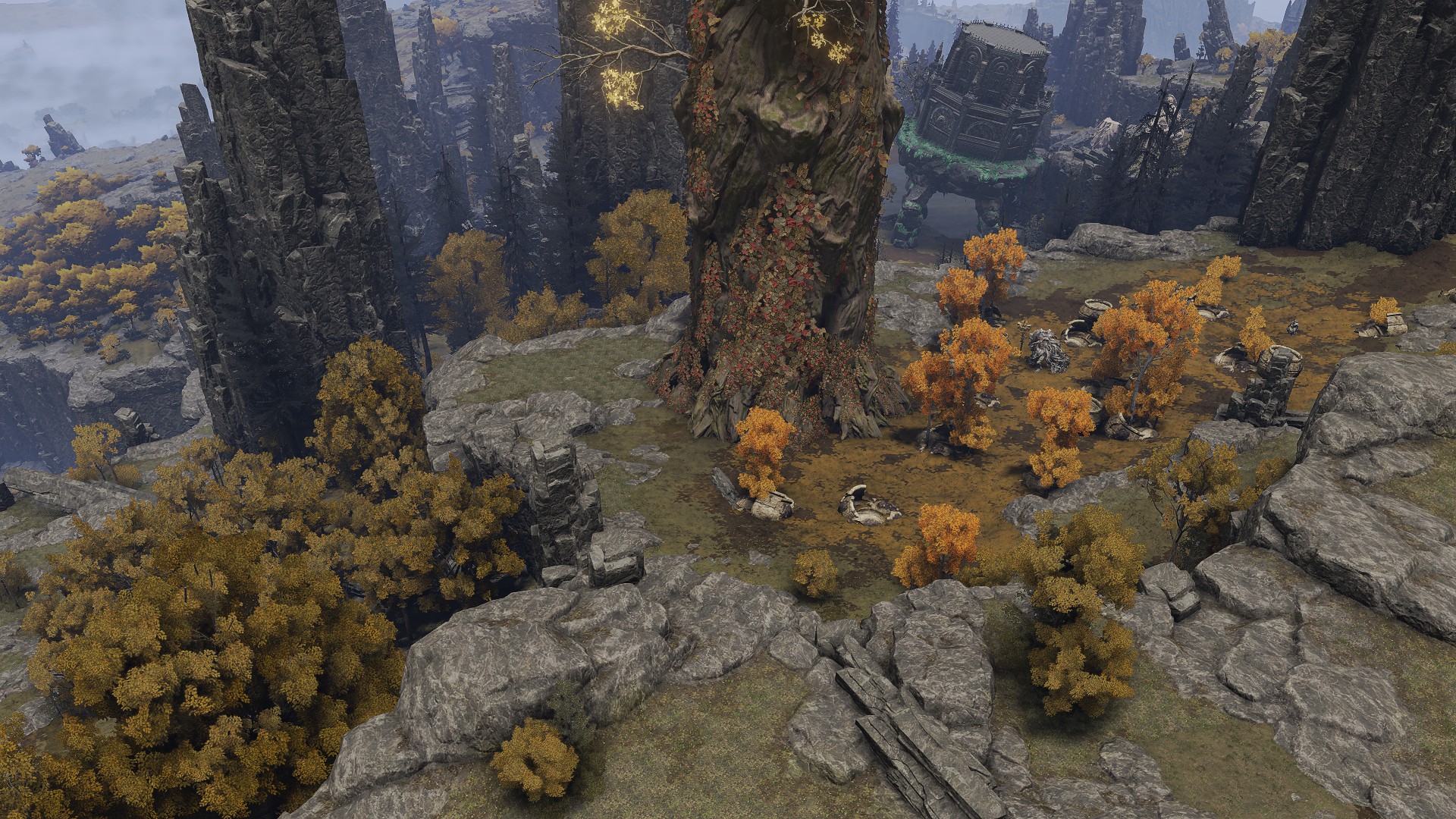
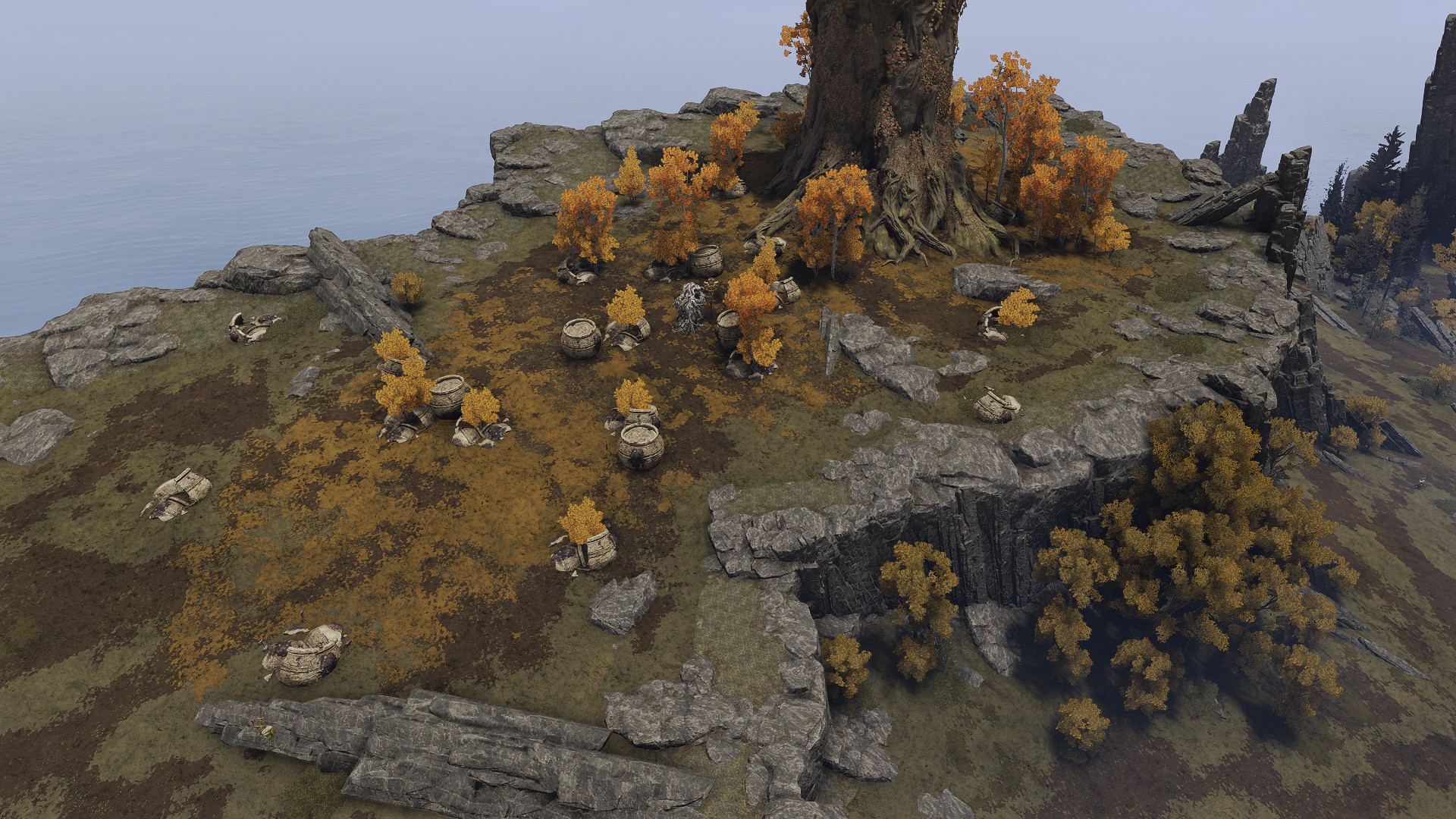
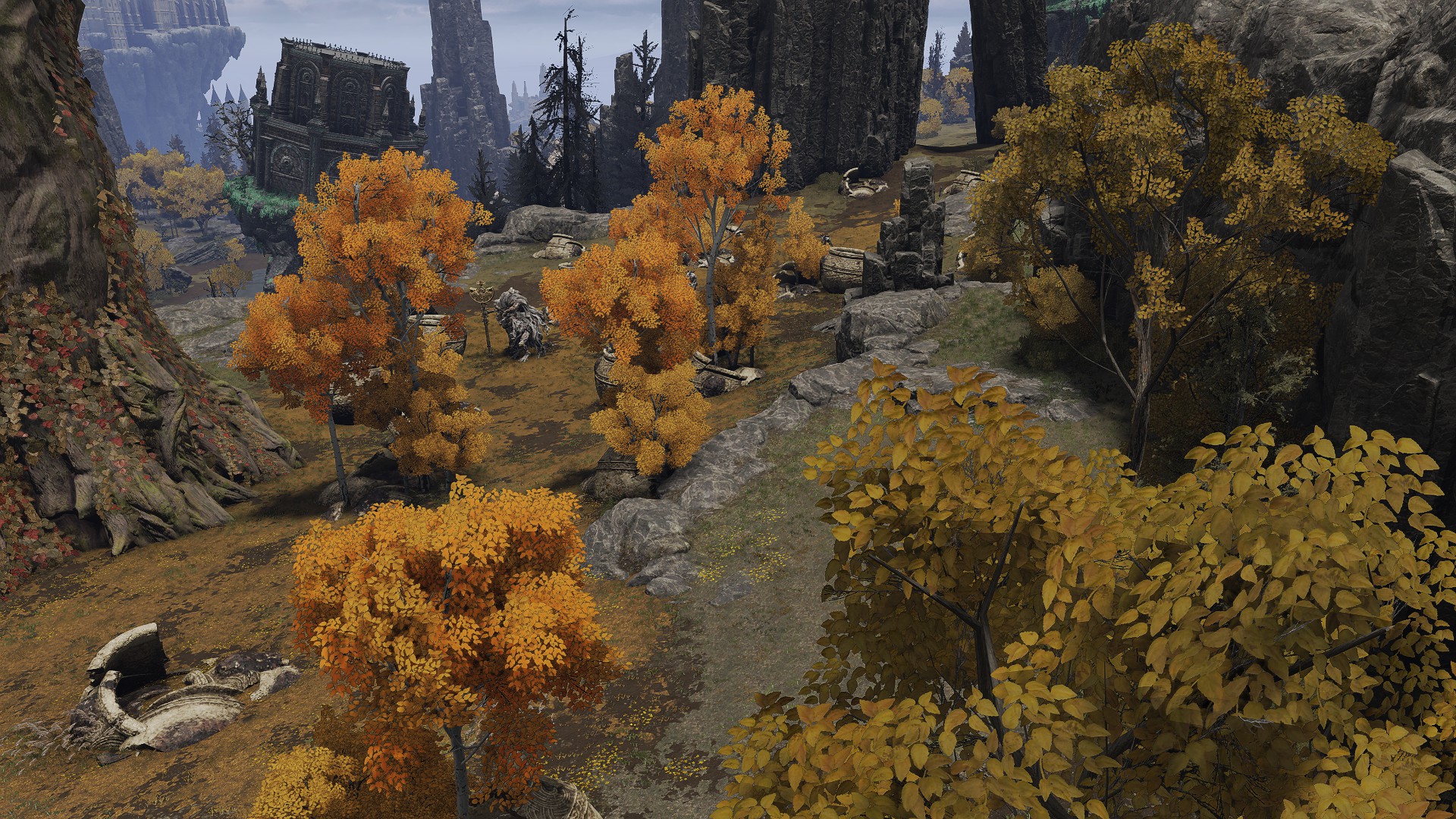
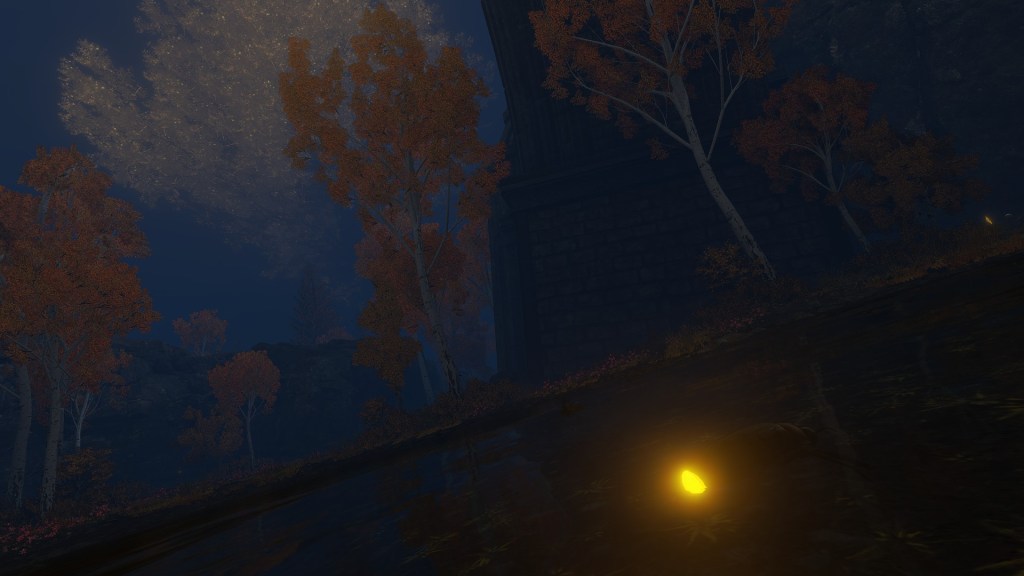
Take, for example, the gold fireflies. Although rarer than their silver counterpart, this species of insect can also be found in pools of water. In case of the Lands Between, it is always ponds within vicinity of a Minor Erdtree. The indication, of course, is that the bugs have adapted to absorb and channel the power of gold emitted from the trees; the closer the plant, the stronger the energy emitted, the more viable the adaptation. This is consistent with their one pond by the Scadutree. But if so, then the same should logically hold true for fireflies by the proper Erdtree, or on the plateau in general. And while gold fireflies at Altus are rare in the wild, they aren’t the only source. Besides a single pond near one of the Minor Erdtrees, we can collect more from corpses at both the Shaded Castle and Leyndell. Neither location lies in particular easy reach of the aforementioned pond. And so, it is possible for gold fireflies to manifest anywhere in Altus, similar to the golden sunflowers — randomly if rarely. In essence, the Erdtree is, again, just as capable of producing them as its lesser kin.
These parallels between the parent tree and its children may be because they are linked in a physical sense. Certainly, the Erdtree’s great roots are likely entwined with the Minor Erdtrees’ own, as the offspring are common sites of Erdtree Burial. A most recurrent example are the numerous jars for storing flesh left beneath the progeny’s canopies, seemingly as offerings for burial. We also have multiple instances of catacombs constructed at the locations of the smaller trees. In other words, the distance between their roots and the great roots are at least negligible; those buried under the Minor Erdtrees would still return to the Erdtree proper. The offspring are effectively an extension of the parent tree rather than wholly independent entities, acting more like relay stations in the larger great root network.


Both the origin in the Crucible’s era and integration with the parent body is demonstrated best by the Erdtree Avatars. These guardians of almost every Minor Erdtree are humanoid in shape but lack a proper head, being arboreal in nature. However, they aren’t offshoots of the golden trees in a physical sense; we see them descend from on high while they manifest, shrouded in an aura of gold already fully formed. Therefore, it is more accurate to say that they are the brainchild, a somatic entity of magical construct — not unlike the Erdtree itself. Factoring in their name, and the avatars function as the will of the Erdtree made manifest. Their lives exist independent of the Minor Erdtree and vice versa, but they are nonetheless aspects of the tree in question. They also all began to appear at around the same time, specifically after the Elden Ring was shattered. Put simply, just as the “dying” Erdtree released a second round of seeds, the first generation of progeny were producing safeguards for themselves. Moreover, the description of their weapon claims this to be the parent tree’s will to protect its offspring.
Ceremonial staff enshrining the shining Golden Tree of old. Choice weapon of the avatars that protect Minor Golden Trees.
It is said that the avatars that appeared after the Elden Ring was broken are the dying Golden Tree’s will to protect its progeny.
Indeed, Erdtree Avatars don’t just protect the lesser trees. One manifests beneath the Erdtree’s canopy as we traverse the streets of Leyndell; another meanders near the base of its trunk in the Deeproot Depths — probably not the first, if the nearby scarab rolling up ashes of a related skill are any indication. In both cases, there is no progeny to protect, only the parent. We can thereby surmise that the ailing golden tree did and continues to produce guardians for its own protection. This means that the Minor Erdtrees must possess some sense of the parent tree’s state to react accordingly, all at the same time. Put another way, the Erdtree sent a signal for the others all across the Lands Between to create similar avatars, to which they collectively responded. Without eyes or physical connection above ground, that signal would be best facilitated by the great roots underground. Through them are souls returned to the main tree, and through them can it coordinate its will with its progeny.
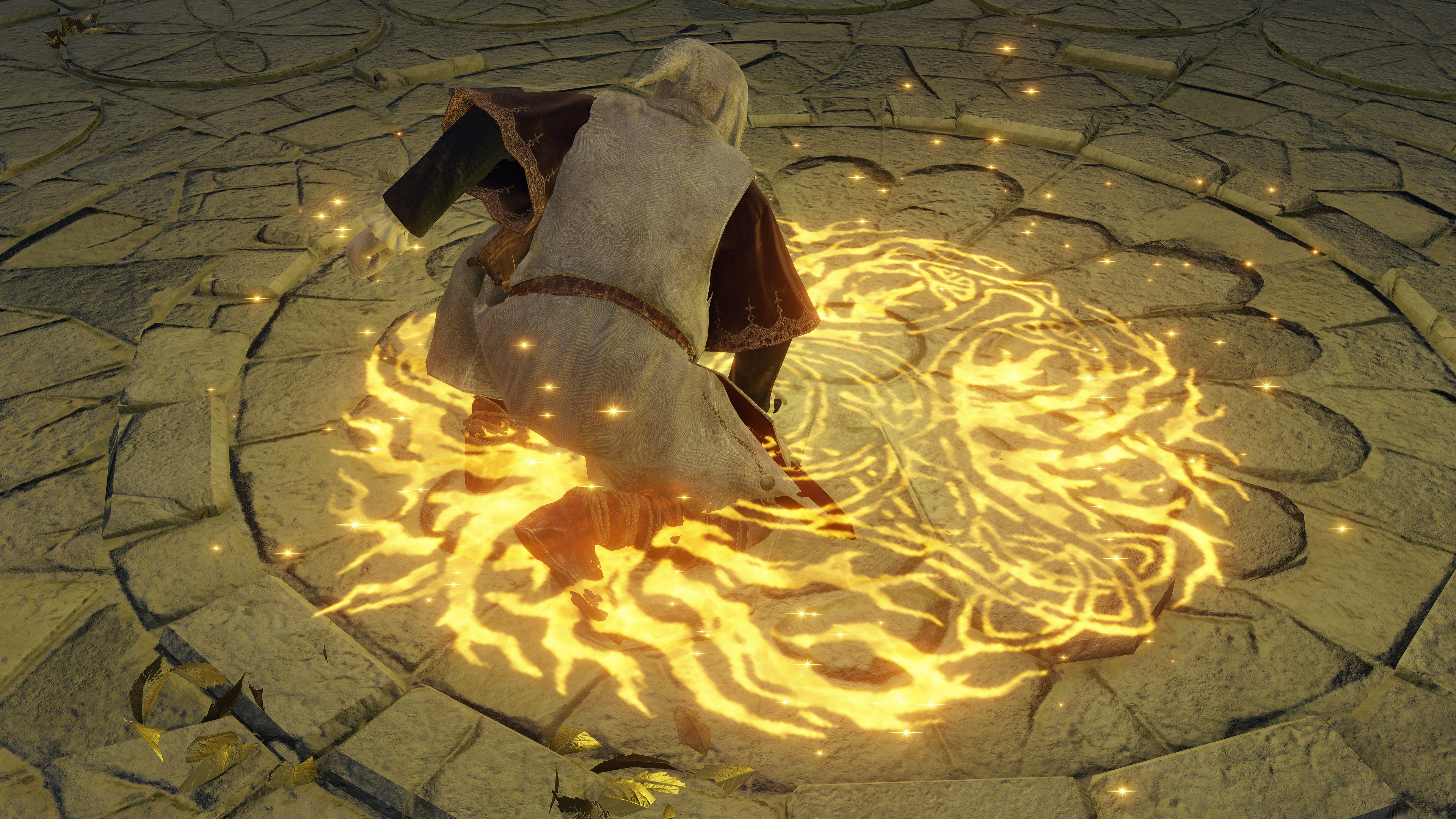
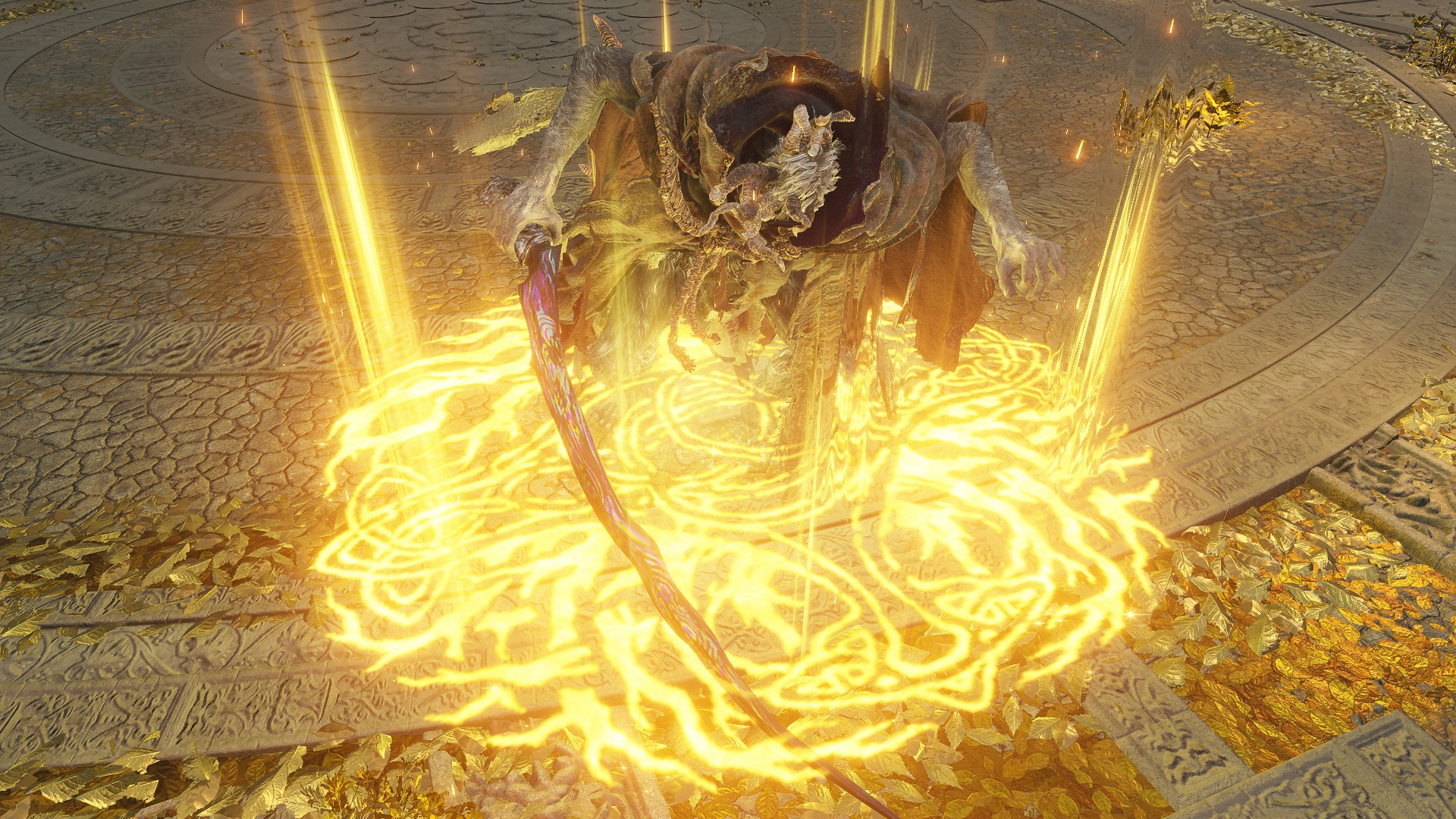
Onto the Crucible question: as incarnations of the local tree, the avatars sprout yellow leaves and possess the same golden power, which they channel with their staves. Naturally, the ceremonies performed with those magical conduits, such as Golden Slam, function like holy incantations and draw upon faith. Likewise, although the Erdtree Avatars don’t arise from the Minor Erdtrees until the Shattering, their staves are modeled on the Erdtree “of old” and used to also cast Golden Land. This affirms that the power well predates the modern avatars. In fact, the weapon skill suggests that the ground these lesser trees have taken root upon has been infused with reddish gold specifically. And where would that power originate? From the seeds the Erdtree had sown. Despite the avatars appearing long after the Crucible was defunct, both the Erdtree and its offspring possess reserves of the old tree’s power, evidently only used for emergencies.


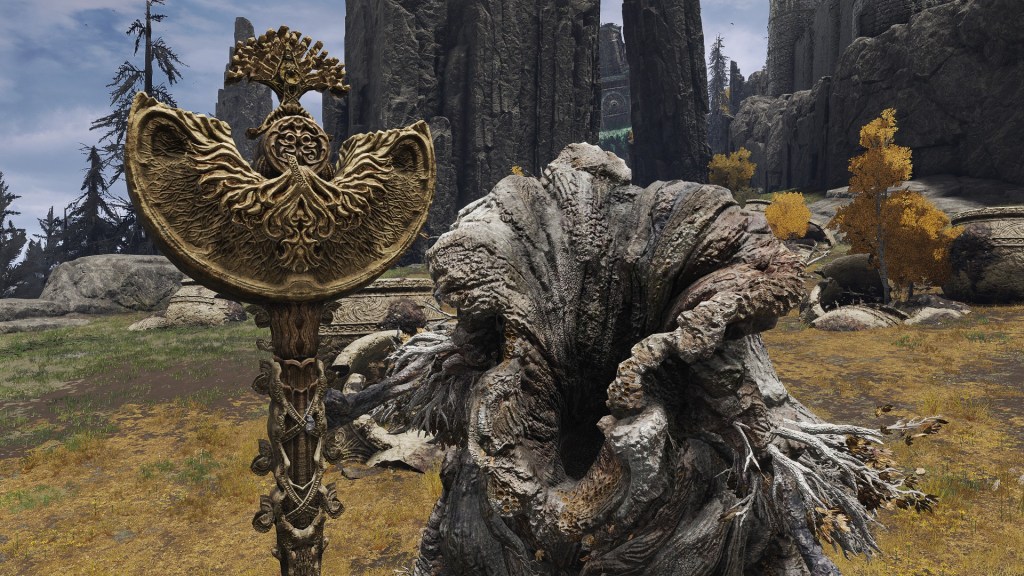

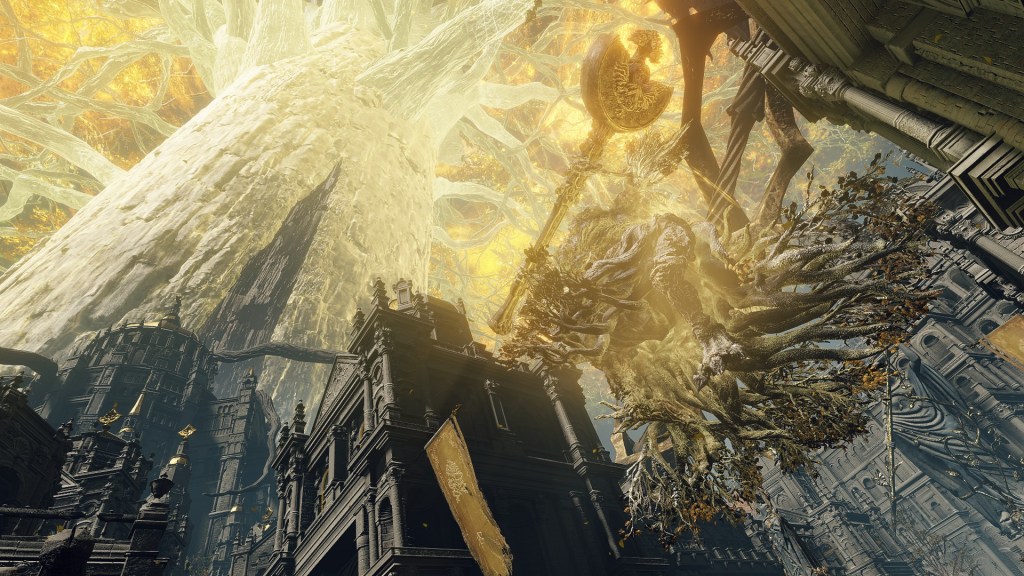


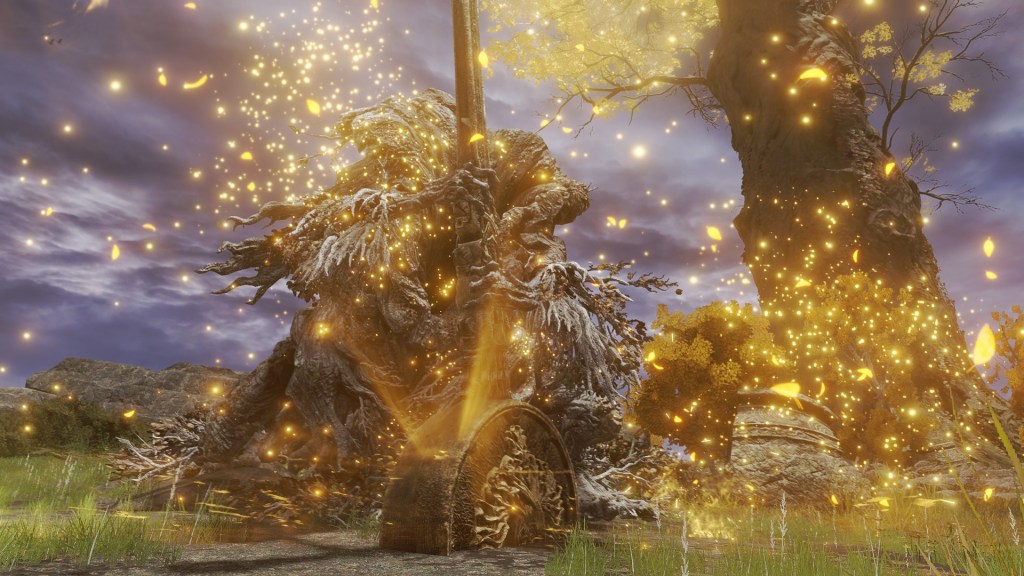
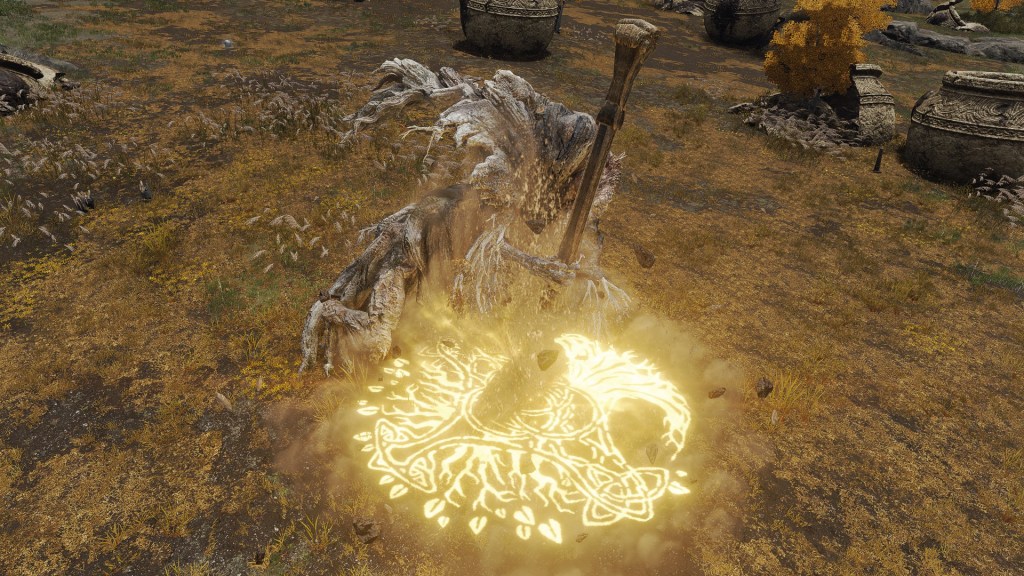
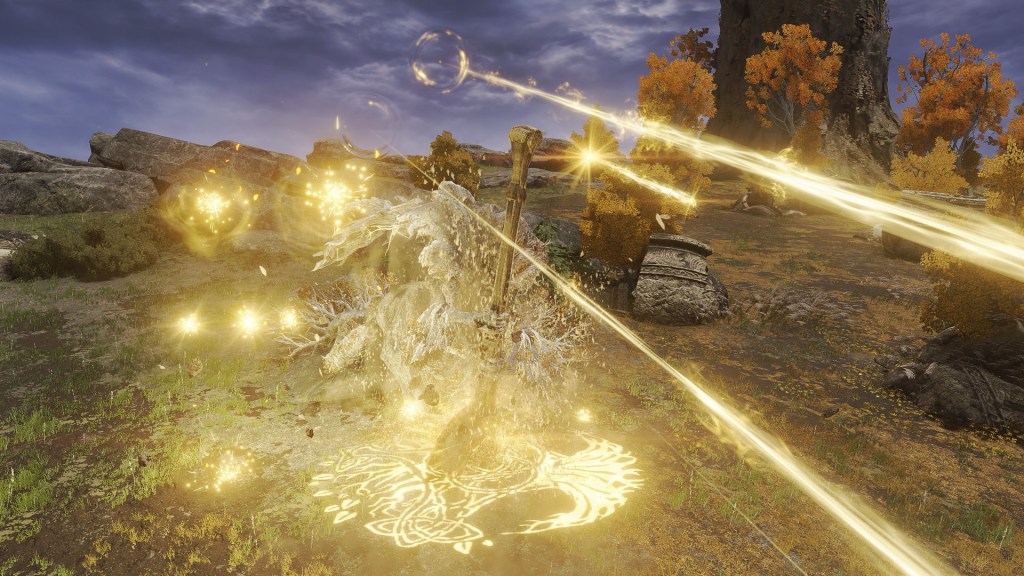
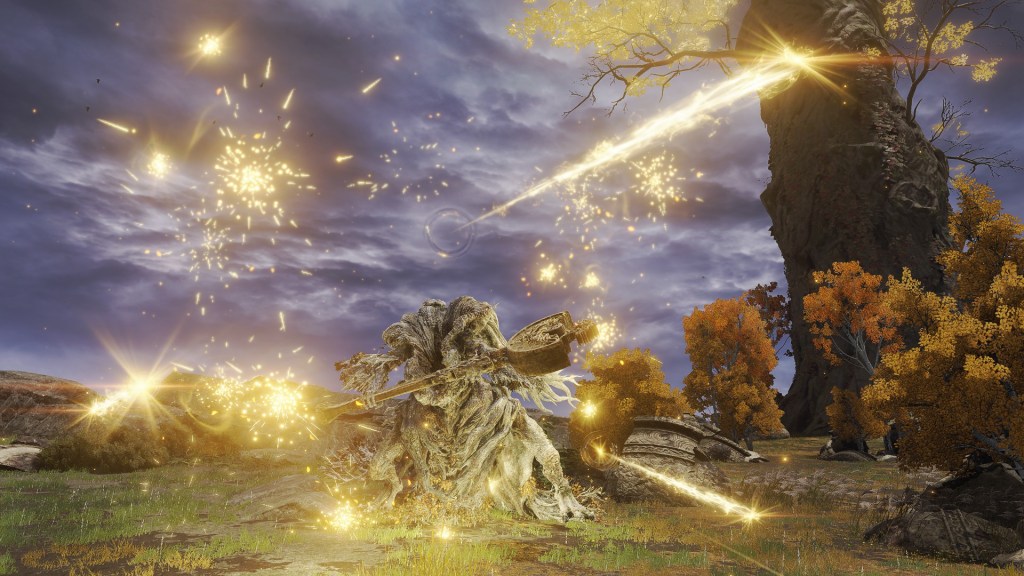

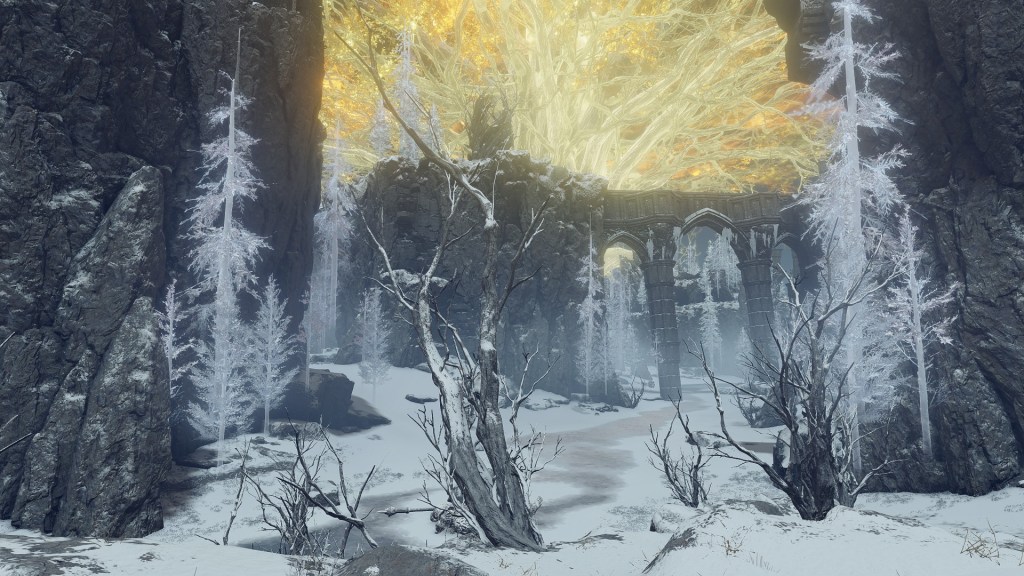
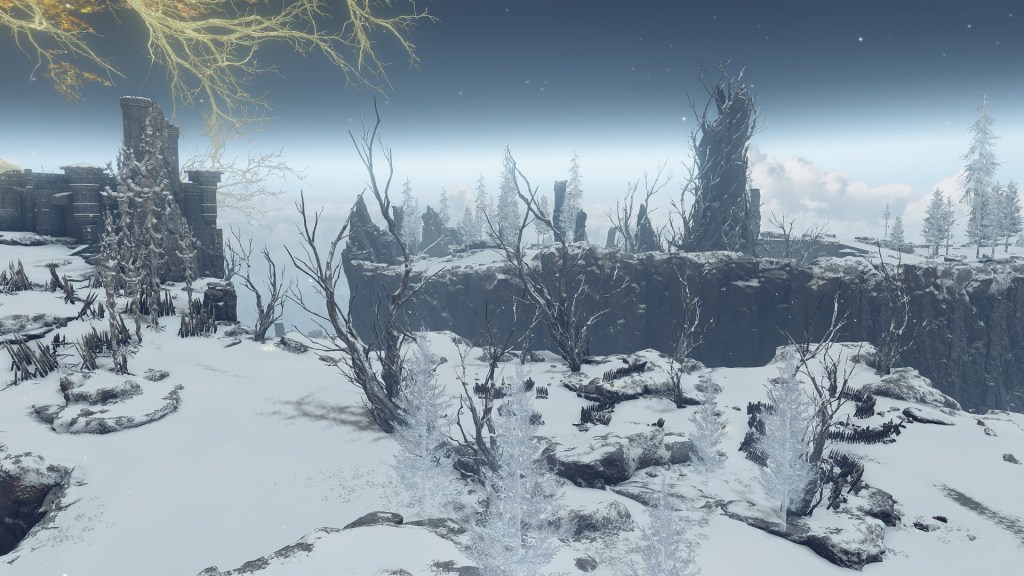
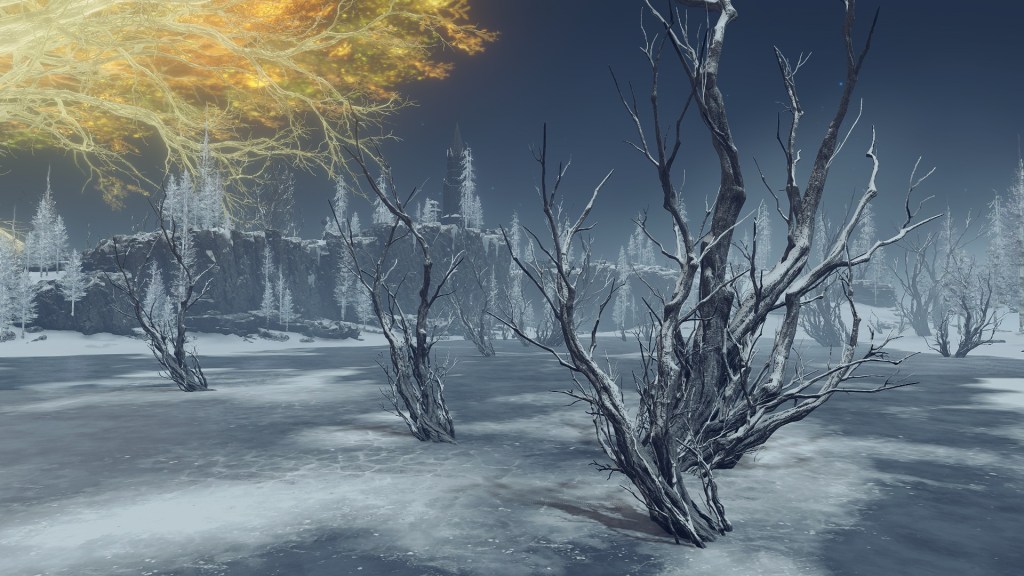
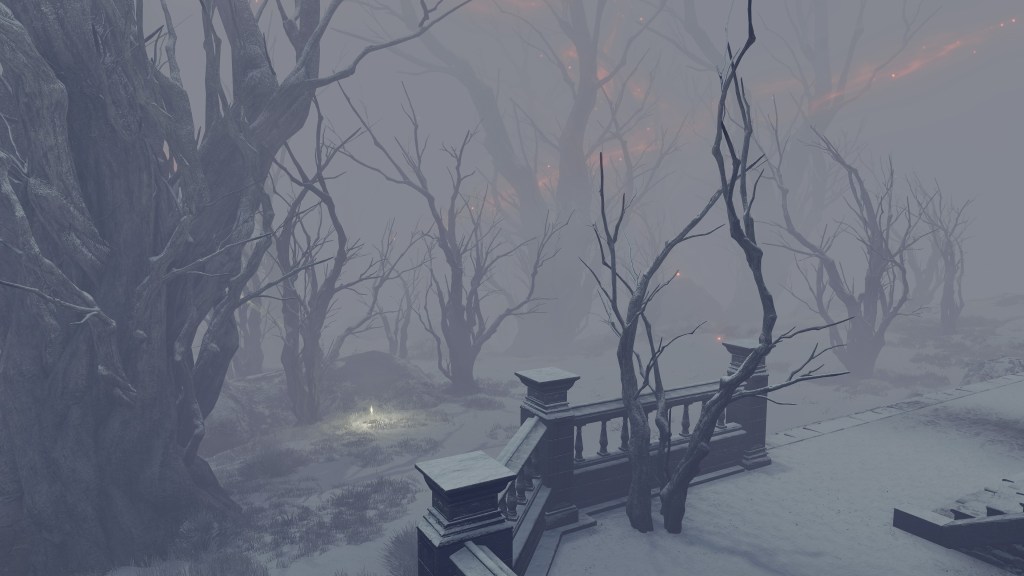
This isn’t to say that the Minor Erdtrees always act at the direction of their parent. For the tree situated upon the Mountaintops of the Giants, a guardian avatar only spawns when we approach. This appears to be in reaction to more recent events, as the tree is clearly dying — and has been for some time. The avatar isn’t even the tree’s first reaction; roots grow wildly out of the ground in its immediate vicinity, simultaneously stretching far and wide in multiple directions. One trail abruptly, and wisely, stops at the valley-top graveyard now overrun with Deathroot to the north. Another reaches beyond the other valley to the east, permeating the Freezing Lake. To the south, the roots run rampant, extending all the way from the Giants’ Summit to even the Zamor Ruins, Grand Lift of Rold, and Forbidden Lands below. Whatever caused its dilemma, the injured Erdtree desperately reached out for any kind of support, especially from its parent down on Altus. If this tree summoned a prior avatar after the Elden Ring was shattered, it failed its duty. Now alone and dying, it can still conjure up a new guardian to deal with any further threats.
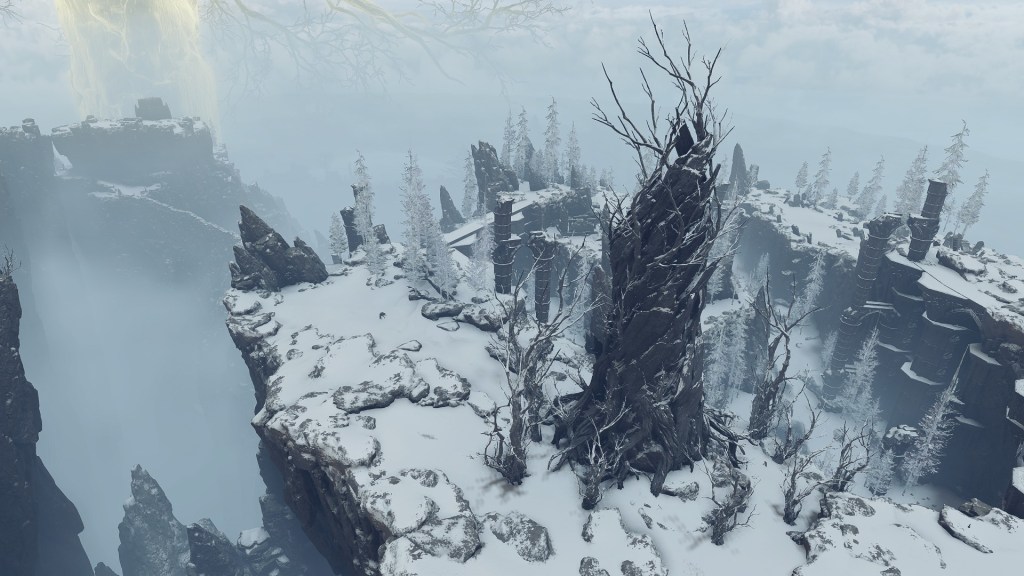





Therefore, the Minor Erdtrees haven’t simply become an extension of the main body seated on Altus. They always possess some degree of independence, especially when they find themselves disconnected from the great root network for one reason or another. Their reserves of Crucible power are still their own to use as they see fit — they are simply predisposed to follow directions from the greater Erdtree as derivatives. This makes them just as if not more responsive to local stimuli. For example, most crystal tears we acquire from Minor Erdtrees, collection basin occasionally even left at their foot. This means that they too rain drops of amber which then take on qualities from their environment, as a spirit kneeling to the one in Mistwood fervently anticipates. Whether as reward for defeating the guardian or loot from an abandoned vessel, these crystallized drops are shaped by the land their tree has rooted itself in. If so, why wouldn’t this extend to the tree as well? We undoubtedly see it apply in the negative sense.
… Child tree. Ahh, great golden child tree. Have the crystal drops filled already?
The Ulcerated Tree Spirits are a localized phenomenon, appearing merely in places where the tree in question is immediately threatened. As the name implies, they are another aspect of its will like the avatars, only “ulcerated” (爛れた) in the sense that the so-called spirit’s arboreal body festers with some kind of viscous inflammation. In other words, the enemy is a reflexive reaction to an ongoing danger, no different from how our immune systems respond to harms. In this case, those dangerous stimuli chiefly concern flame, Deathblight, or Scarlet Rot, the spirit often violently emerging out of the ground where the great roots are plagued; in the few other circumstances, the spirit’s body still manifests from a golden miasma hanging in front of the tree. This explains why the spirit, with its holy powers, has a more chaotic, bestial form and behavior compared to the avatar — no time to formulate a “measured” solution in a panic. The enemy is a rapid outgrowth of desperation in a specific area, completely decentralized.
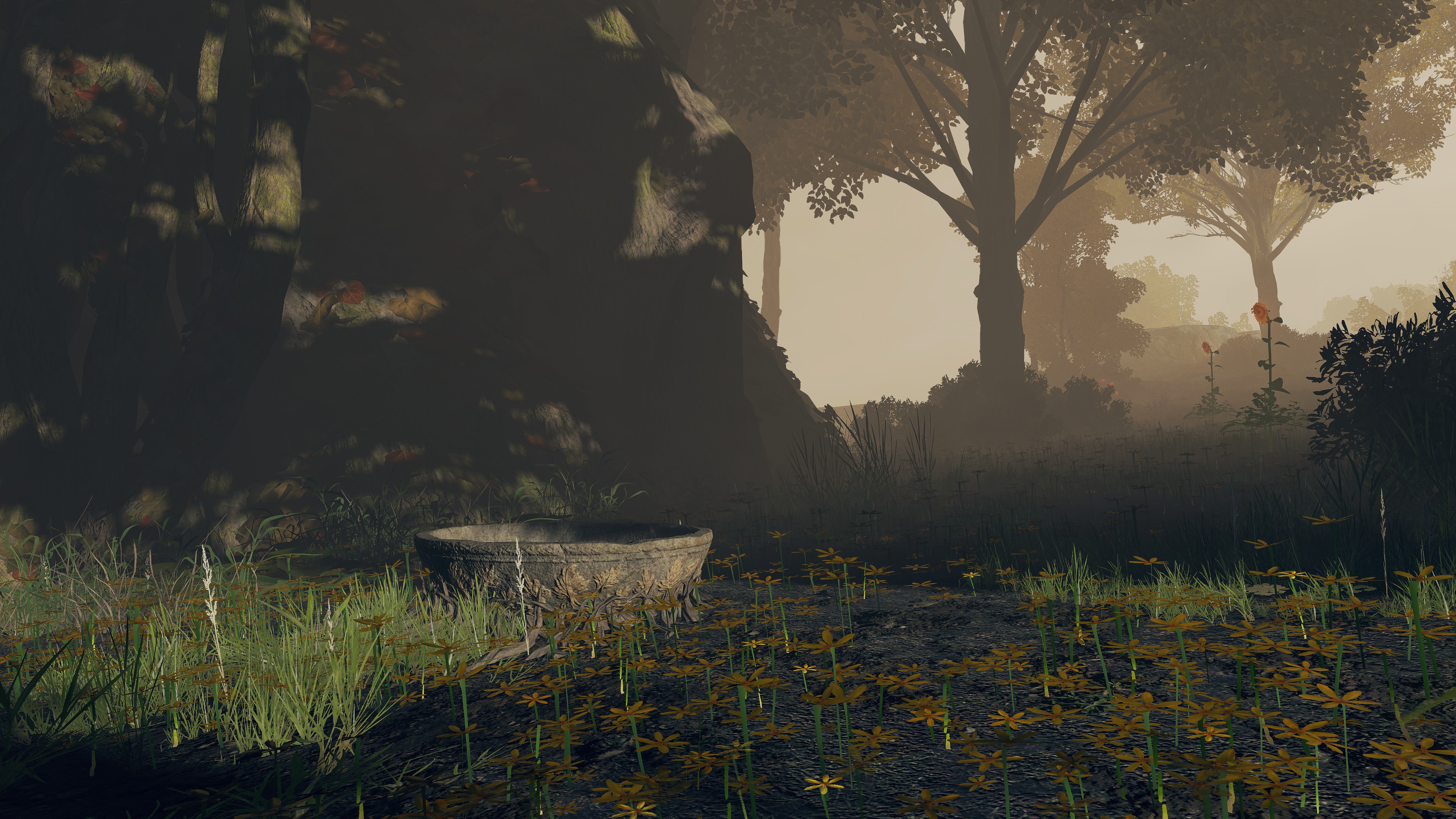
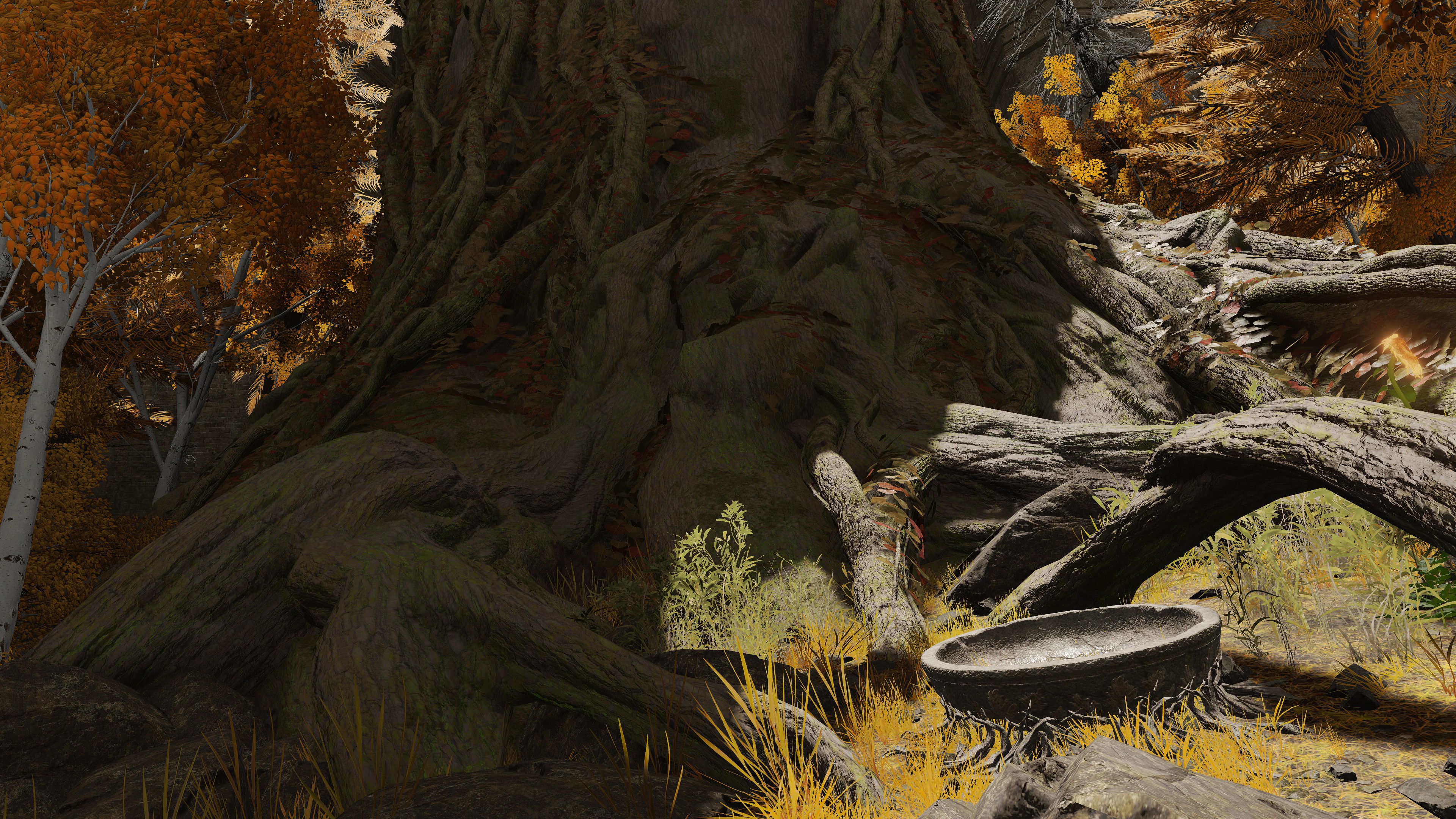
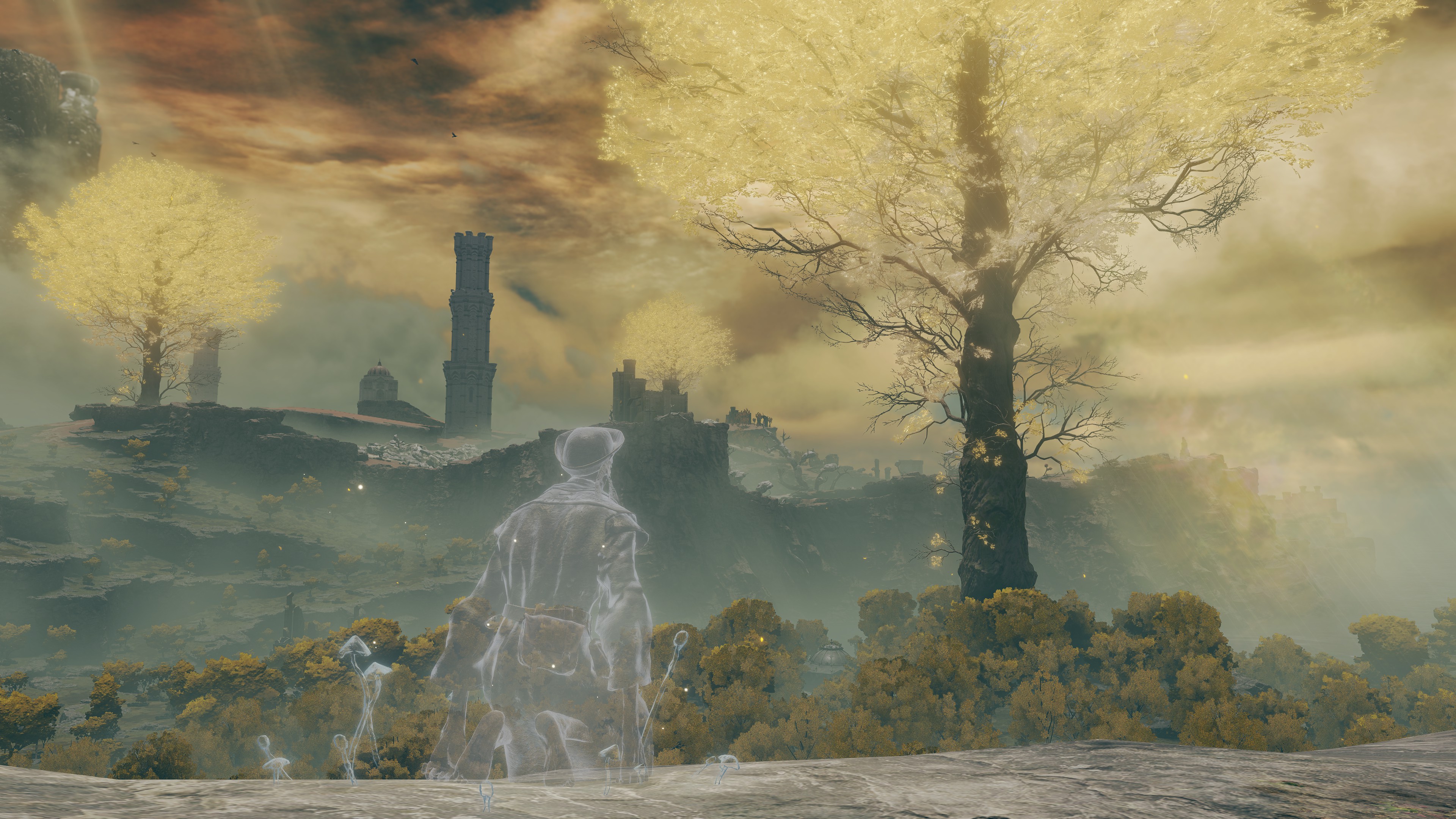
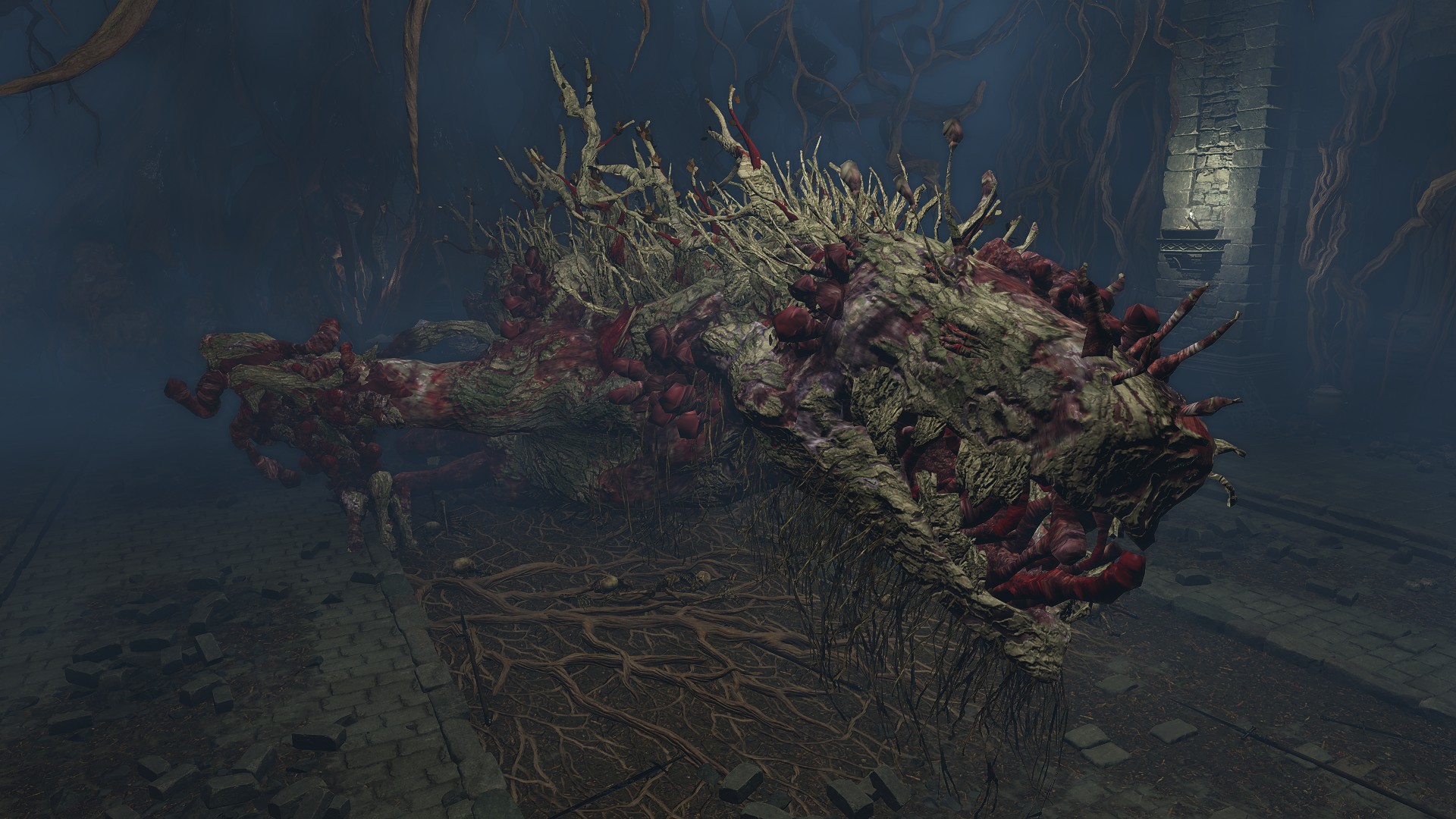
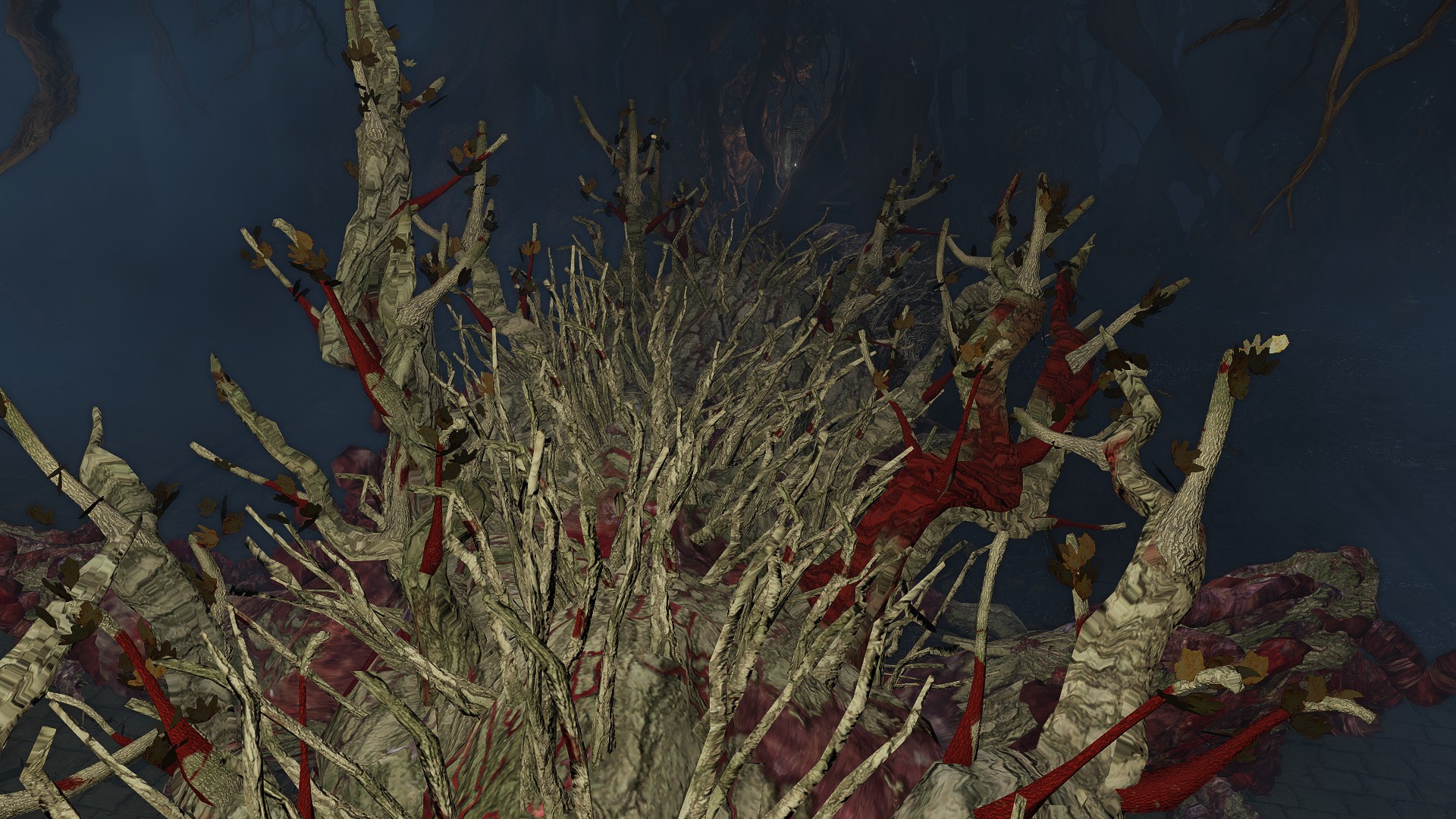
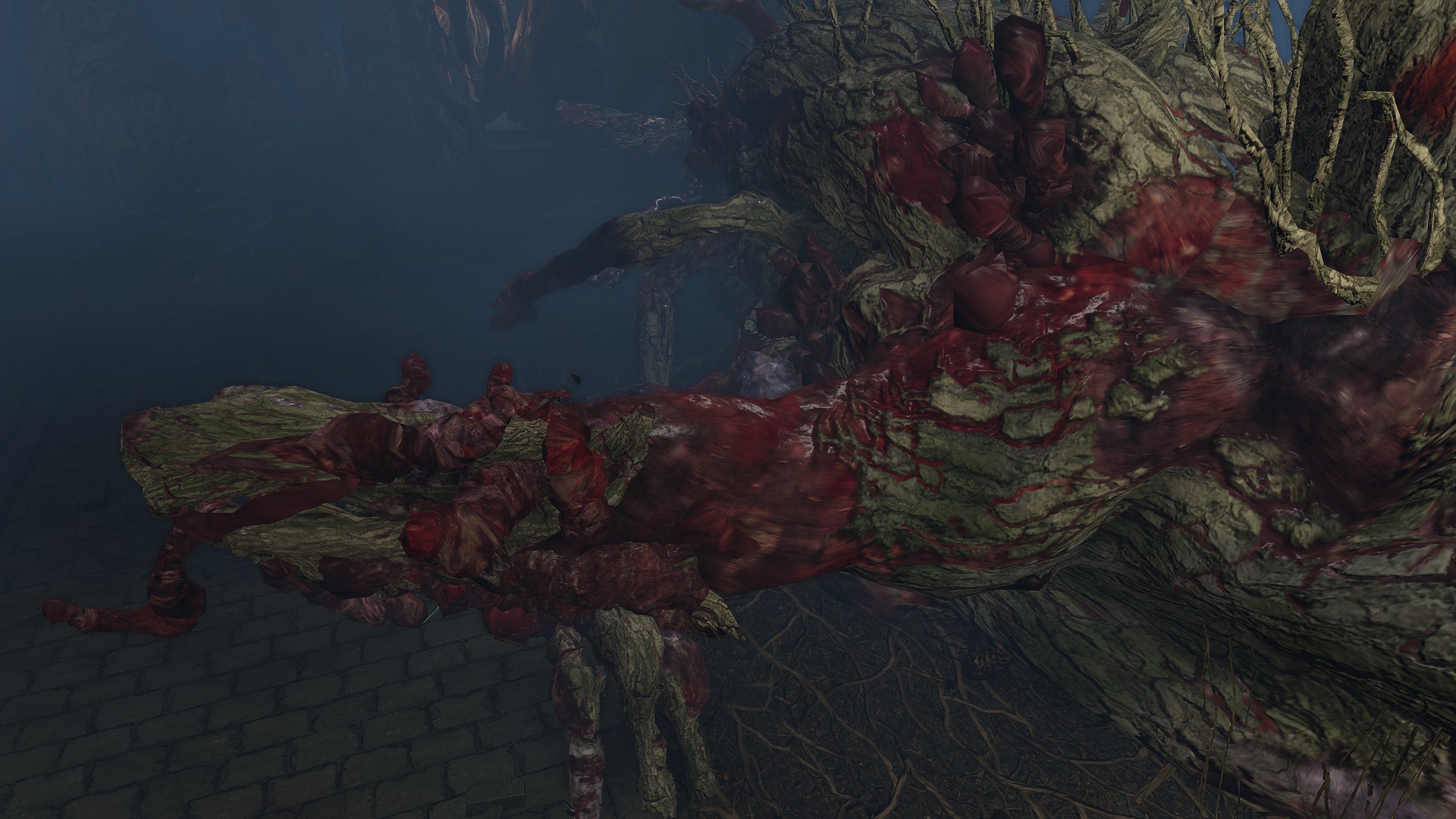
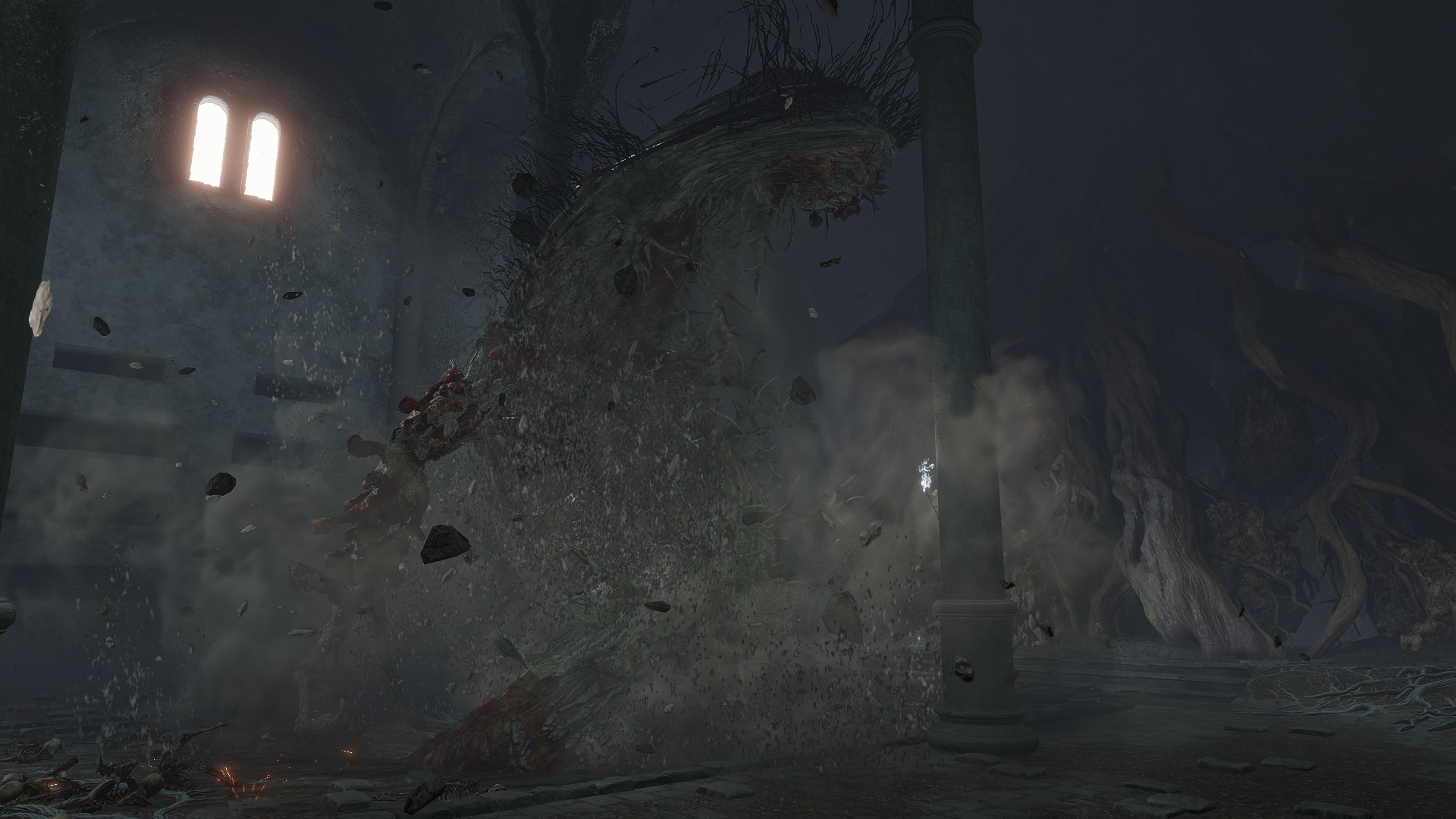
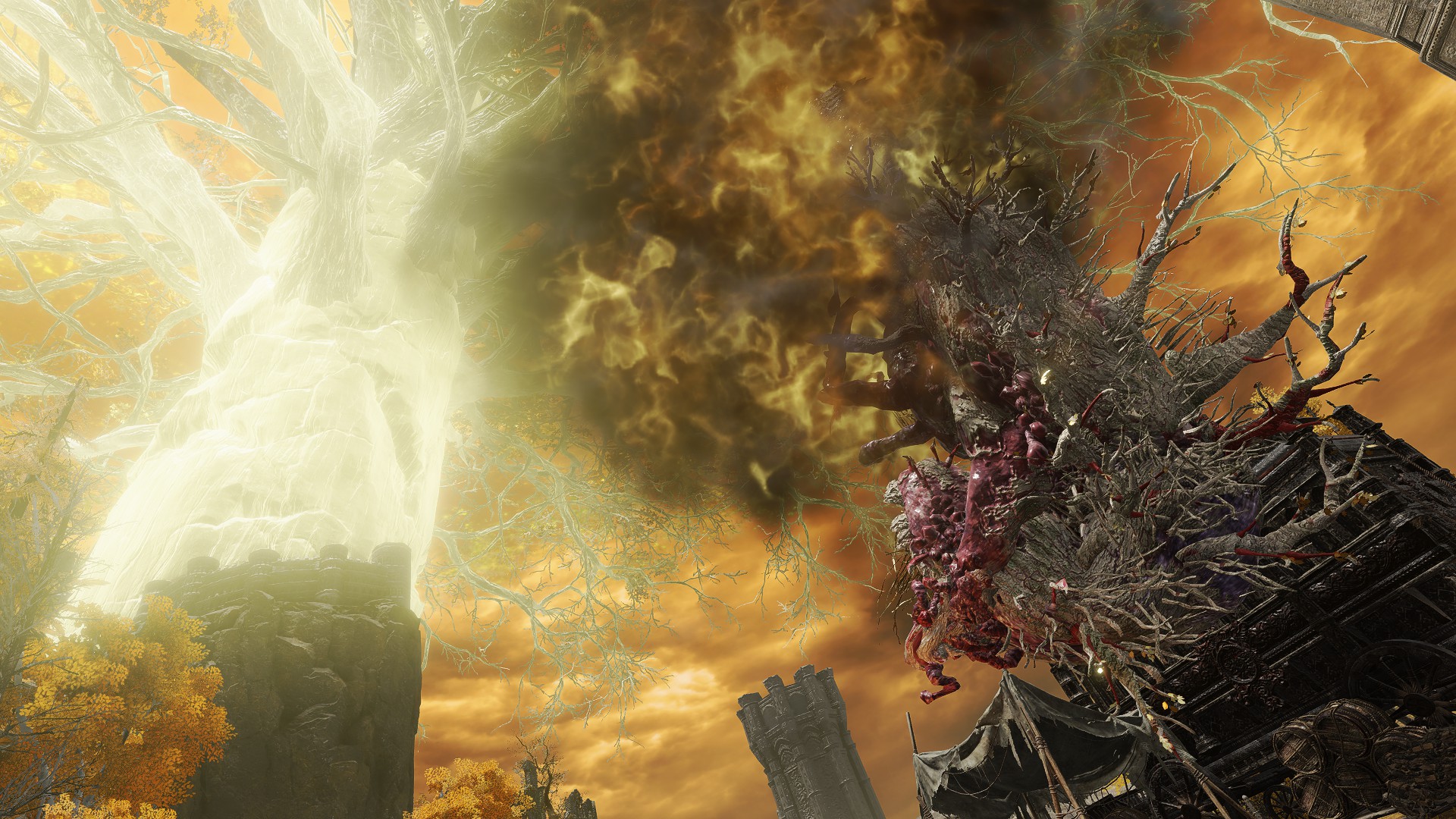
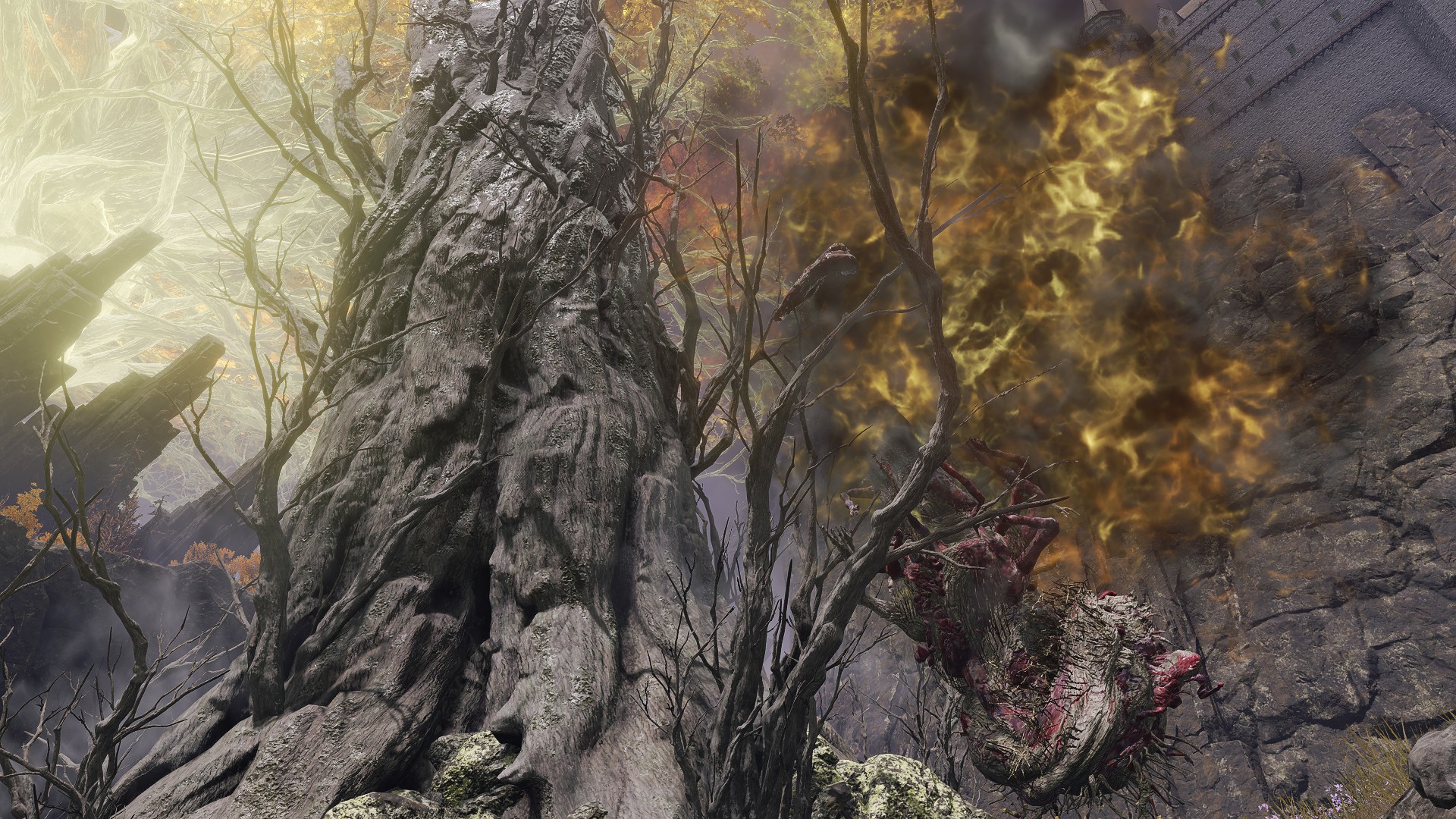
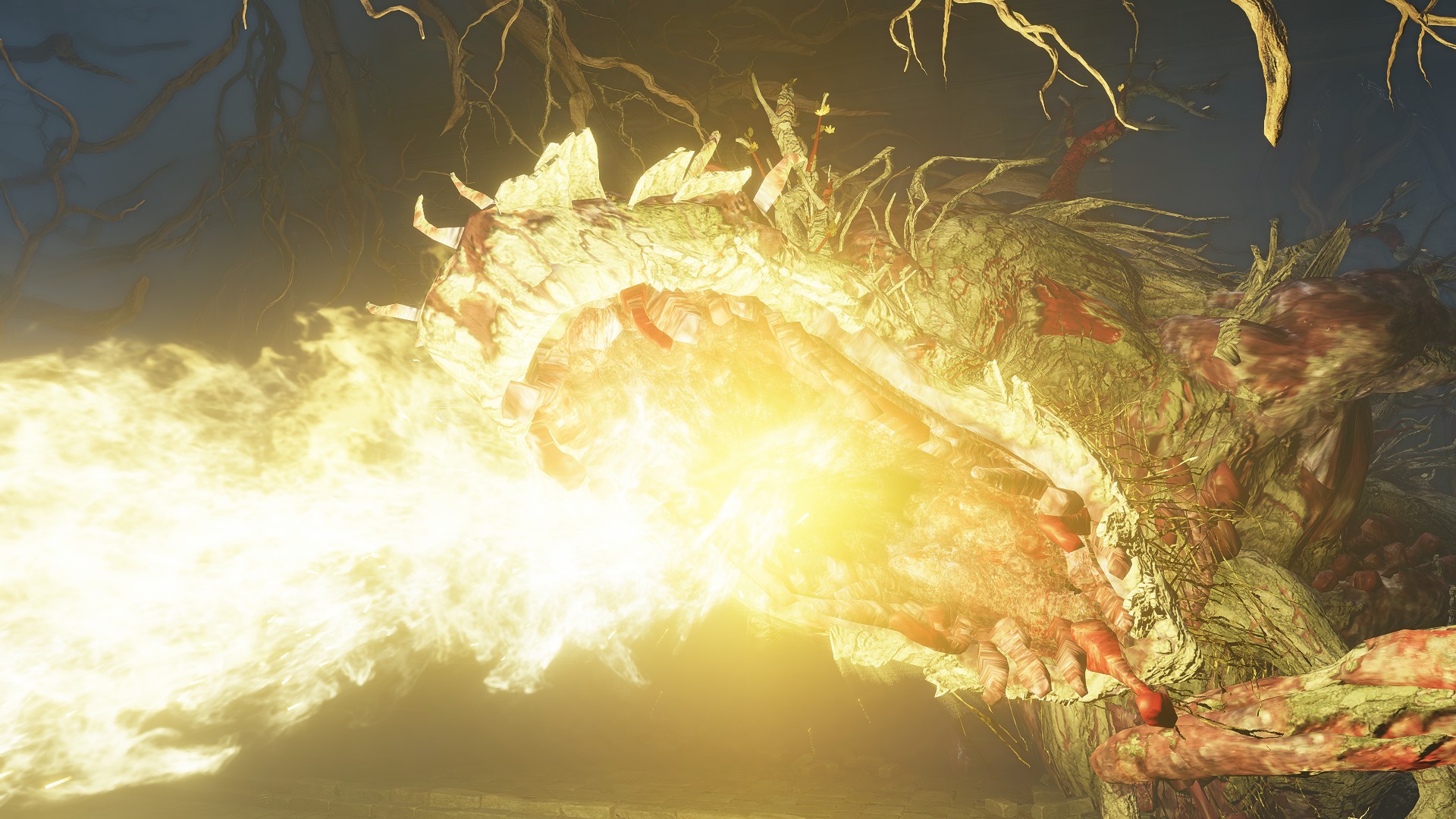
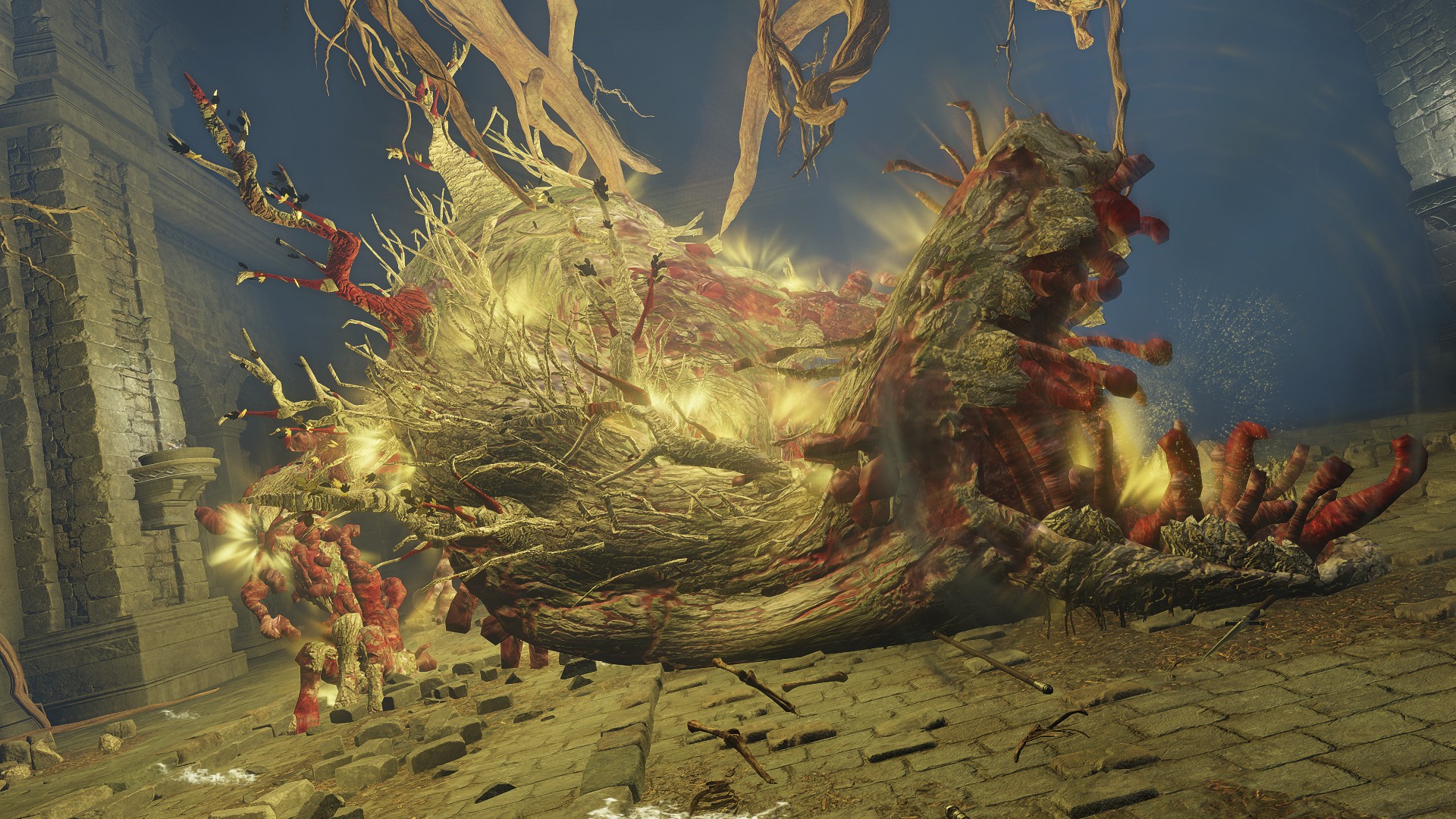
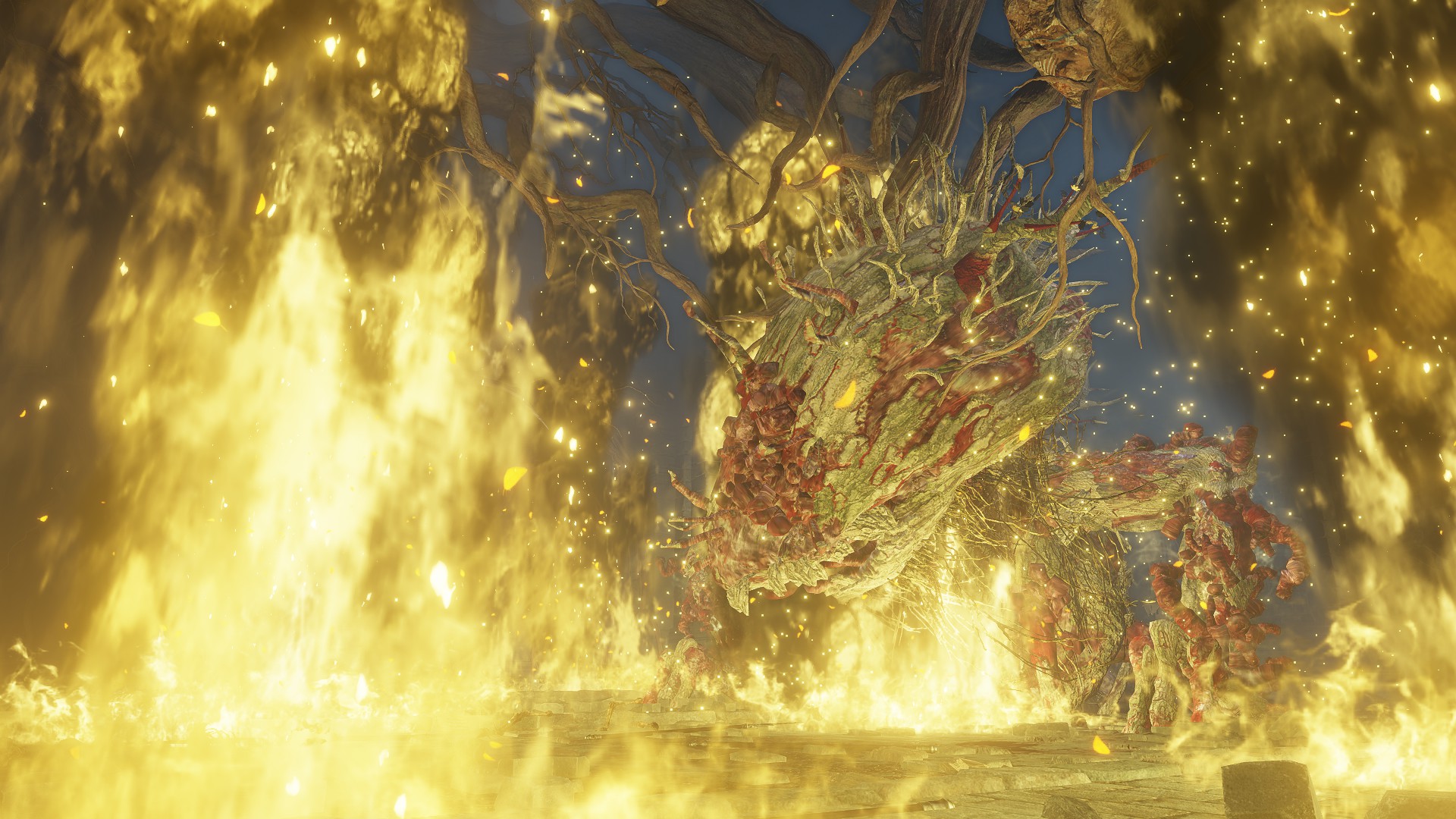
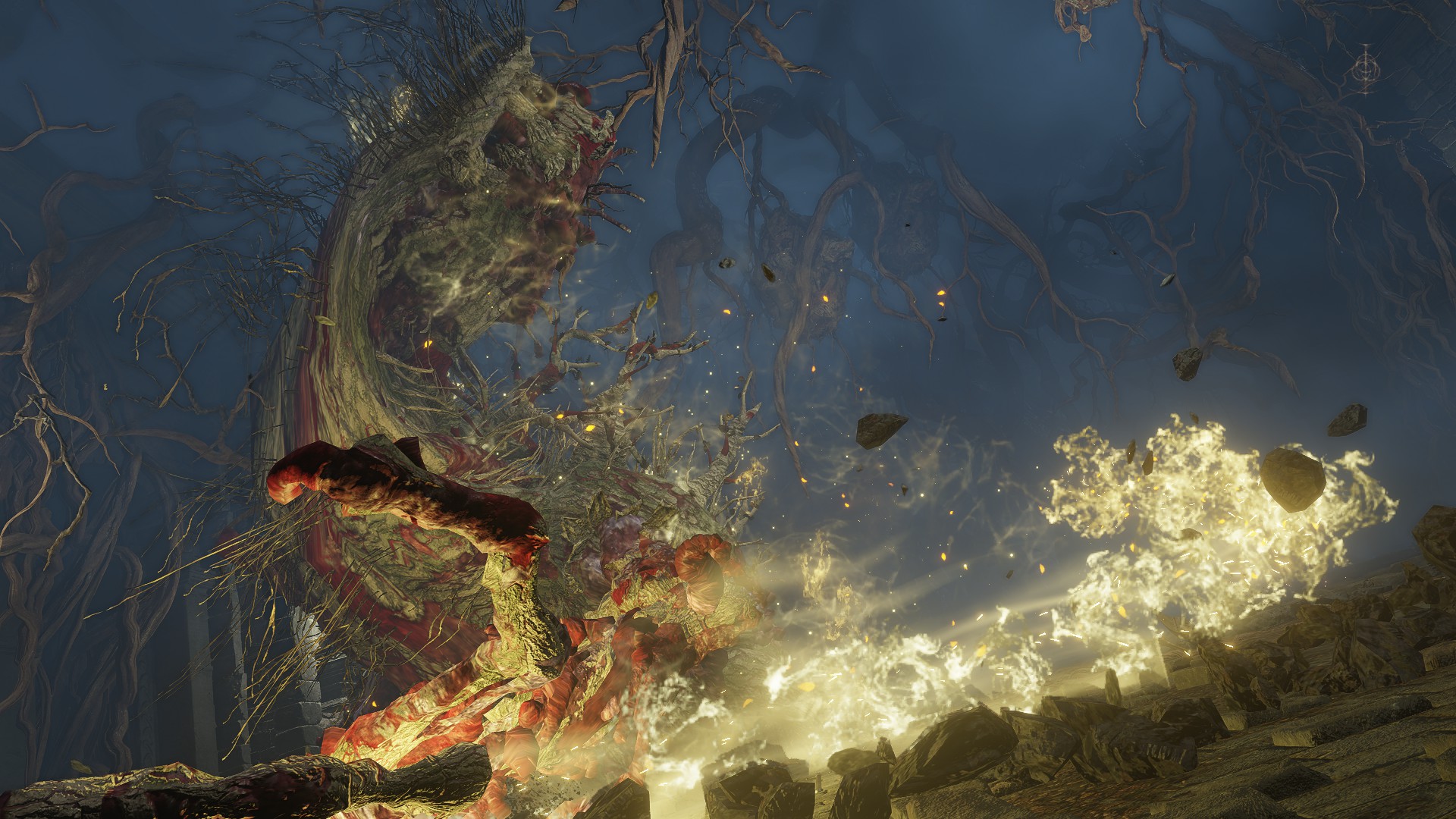
With this in mind, we witness the Minor Erdtree dying on Gelmir manifest its own spirit; defeating the enemy rewards us with the appropriate crystal tears. The association affirms that the spirit, like the tears, are byproducts of the tree reacting to its environment, whether that influence be benign or malignant. This example also proves how the lesser trees’ independence is different from self-sustainment. The Gelmir tree spirit stands in stark contrast from the others stemming from some part of the parent tree, each harboring a new seed — save for those encountered as part of the game’s final gauntlet. Only the Erdtree can continue propagating; its progeny fail to release new spawn even in emergencies. They are ultimately just derivatives of the parent, with incomplete powers afforded to them. The lesser kin can influence and be influenced by their surroundings, but never will they add to their own number. Perhaps if one were implanted with the Elden Ring, this dynamic would change. But as is, trees born of the seeds simply serve to preserve some measure of the Crucible’s gold.
And with that, everything points to the Minor Trees emerging at Age of Plenty’s conclusion, facilitated by the spread of golden seeds. As its Crucible state began to break down, the Erdtree recognized its own mortality and released them as a safeguard. Even the parent wasn’t entirely sure what was going on with its arboreal body, and uncertainty demands one assume the worst — this could have been an imminent threat to the tree’s very existence, after all. In the end, the incident wasn’t fatal, but it is the natural reaction for life. And as is so often the case with knee-jerk reactions, they aren’t a perfect solution. While the Erdtree and its progeny both still possess some of that reddish gold of yore, it is nowhere near enough to restore the Crucible to glory. This reddish Erdtree’s disappearance would forever change the landscape of the Lands Between, and its residents would have to react accordingly.
Man Meets Tree
With everything now established about the Minor Erdtrees, it is important to consider how they indirectly influenced the populations living around them. Based on the later example with the Elden Ring’s shattering, the seeds were likely sown well before the Crucible’s absolute end. Therefore, it is possible that people across the Lands Between first noticed the curious “phantoms” taking root in their area during the Age of Plenty’s final days. Whatever the case, however, it would be impossible for people to ignore the eventual golden trees towering over the rest. By the time the Crucible was no more, people around the lands undoubtedly began taking notice of the suspicious copycats emerging in its wake. And whether or not they fully recognized the connection, these parties inevitably started to interact with the Minor Erdtrees.
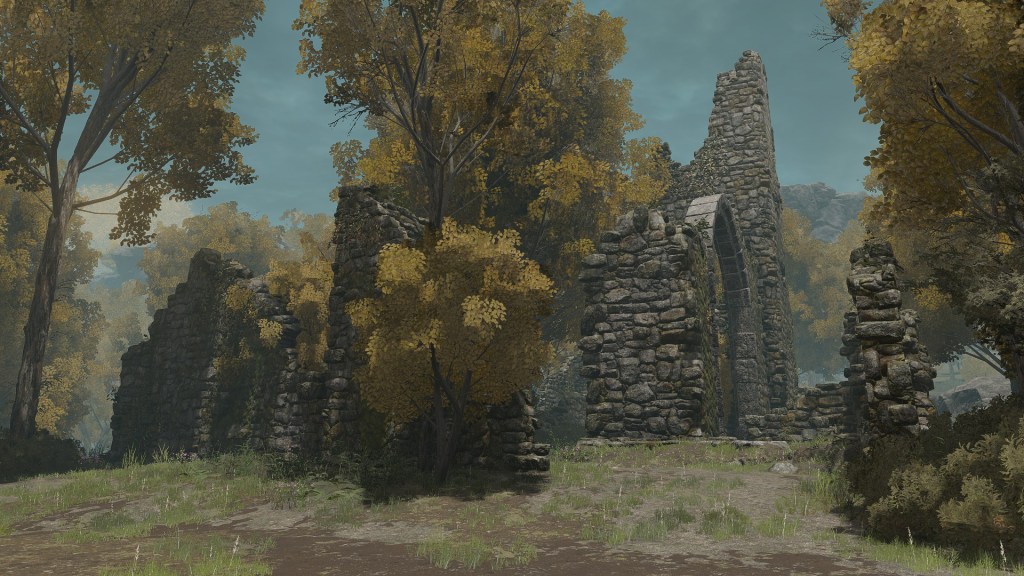
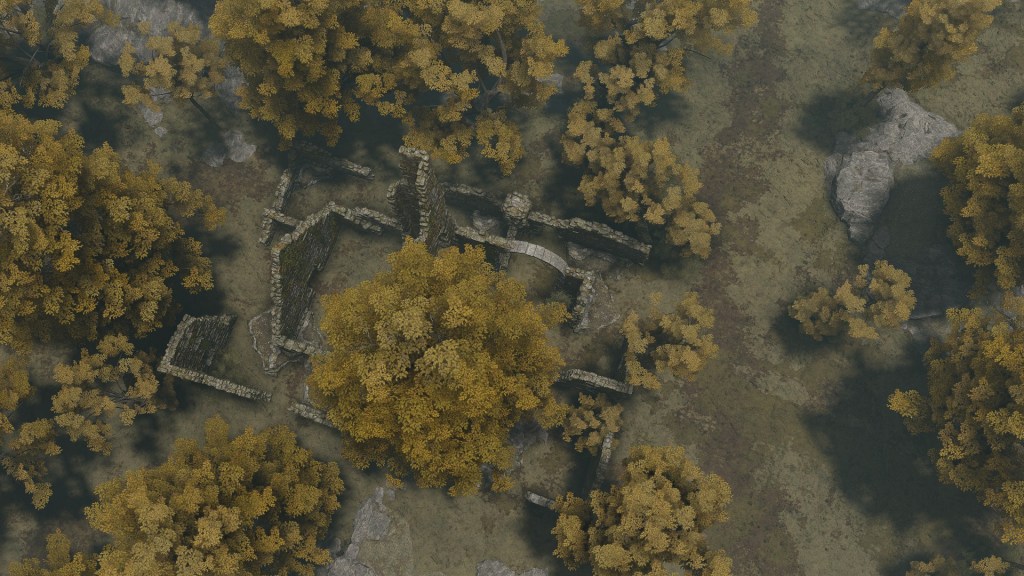
Eochaid is described as a “small country” (小国) the same as the feudal domains ruled over by the Erdtree kingdom’s various lords like Kenneth Haight. In Kenneth’s case, he rules over part of Eastern Limgrave from Fort Haight, mainly the Mistwood and ruined settlement hiding therein. But before Leyndell and House Haight laid claim to the land, this out-of-the-way settlement most likely already existed as a foreign nation, namely Eochaid. That destroyed microstate was home to proudly solitary ascetics, which the foggy forest filled with rune bears greatly helps. Moreover, the Regalia of Eochaid lays against one of three simple graves on a beachside cliff facing the Mistwood, insinuating that those buried and the forest they were buried in sight of both belonged to the mysterious small country.
Indeed, on the opposite side of road from the Mistwood Ruins is a Minor Erdtree next to Siofra River Well, giving the locals access to remnants of the Crucible as well as the claymen and ancestral followers. This is notable because Eochaid ascetics perfected the art of manipulating objects through only the mind’s will, allowing them to dance through the sky. This was achieved through sensitivity to the cosmos, hence the solitary life dedicated to meditation to tap their spirits into the cosmos. And helping this arcane practice along was the metal used to forge their treasured sword. Although the localization calls this copper, akagane (赤金) is a lesser used rendering of the term and more literally means “red gold”, which accurately describes the Regalia of Eochaid’s metal. Reddish gold, of course, is the hue of the Crucible whose power might be derived from a Minor Erdtree. In short, their crowning achievement is cracking divine mysteries seen in Siofra using the tree of the Greater Will as a conduit.
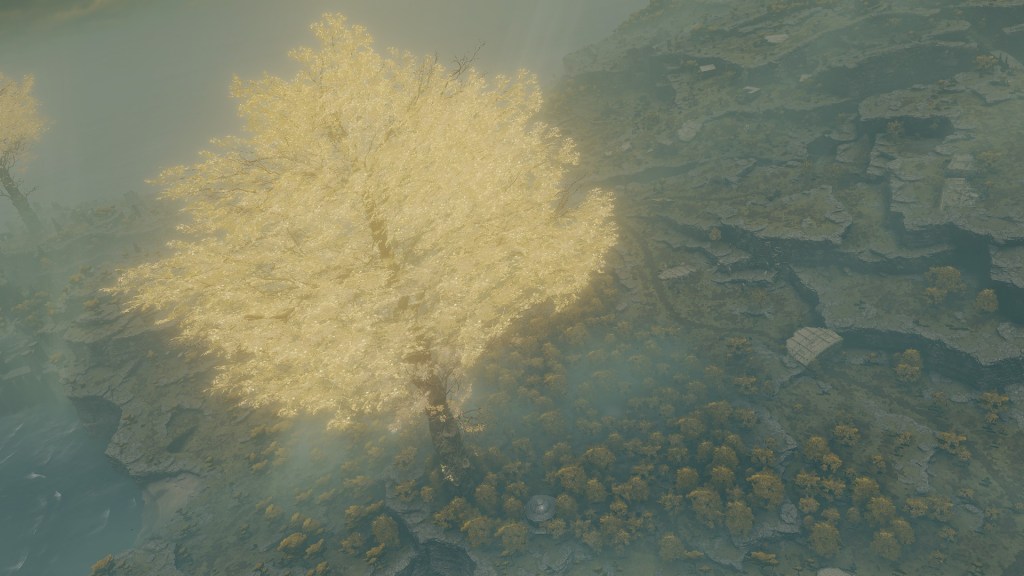


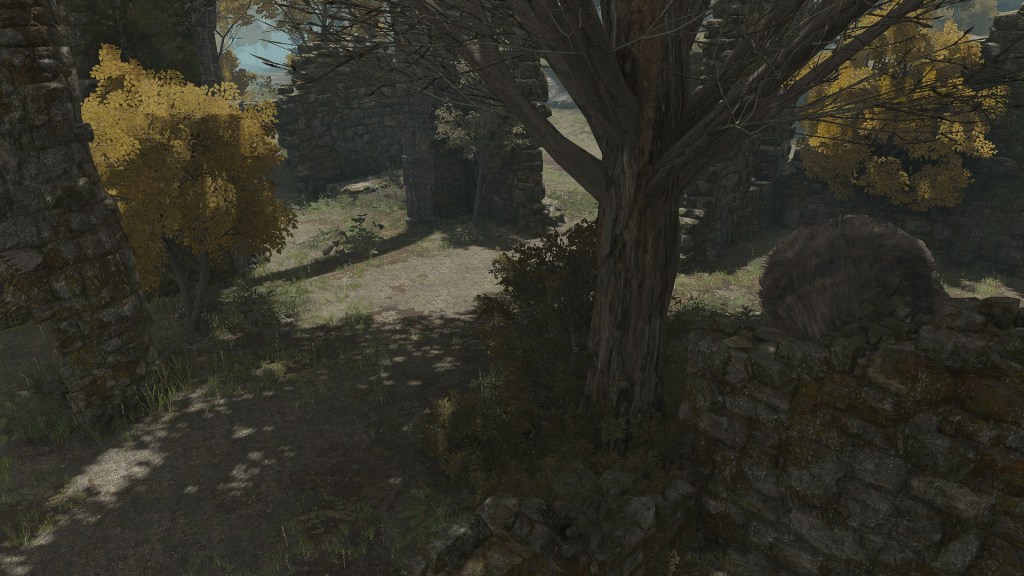
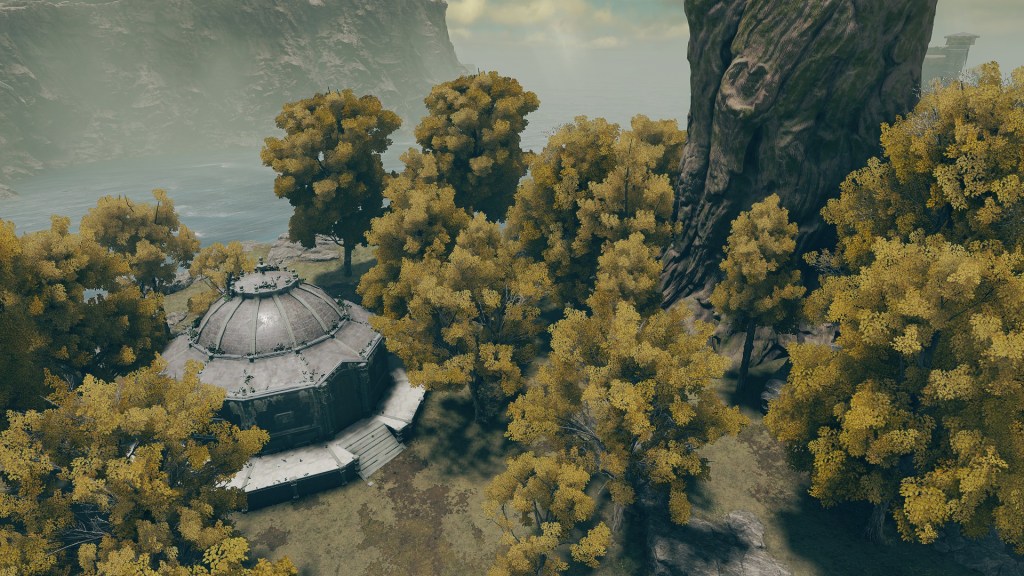
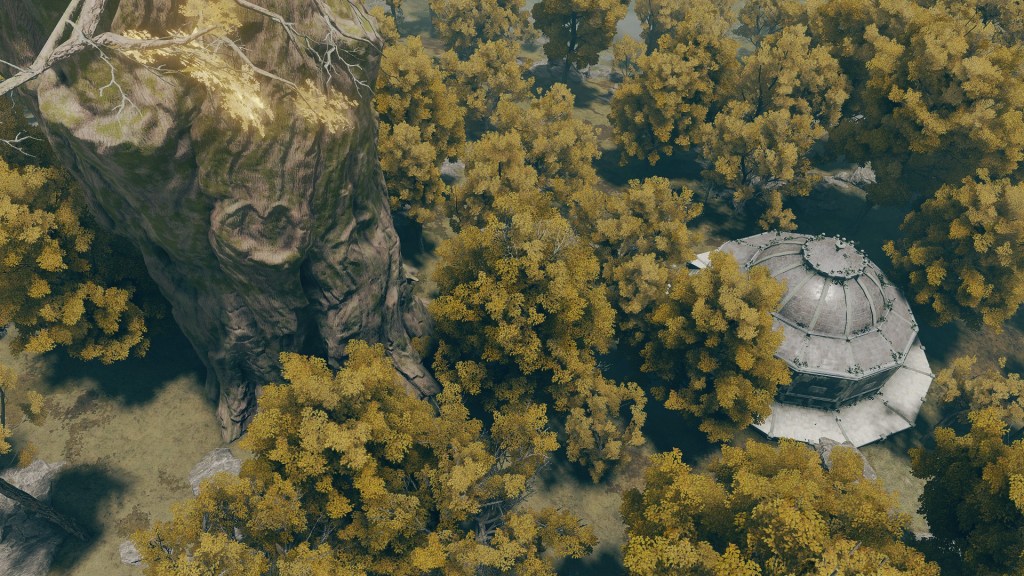
Treasured sword of Eochaid, a destroyed small country. Its red gold never perishes and freely moves at the wielder’s will.
For swords of Eochaid dance through the sky.
If the Mistwood is tiny Eochaid, then it is easy to see how it came to be established. Despite its remote location on the frontier, the Minor Erdtree nonetheless took root in Limgrave, situated directly between the Sellia and Laskyar populations. Sorcerers traveling to Liurnia or Caelid would inevitably pass by the forest, liable to see the phantom tree as its golden canopy began to poke above the forest. Might curiosity not tempt a few of these astrologers to risk the dangers lurking within that misty maze of trees and investigate this peculiar development? There they would stumble upon not just the Minor Erdtree, but also the hidden well to Siofra, presenting a treasure trove to research. The numbers staying to meditate upon these discoveries began to trickle in, and soon there were enough to form a whole settlement. From then on, the route frequented by astrologers gained a side road for some to walk the ascetic life, lonesome but sovereign. Thanks to where the Erdtree’s seed landed, an entire new culture was born.
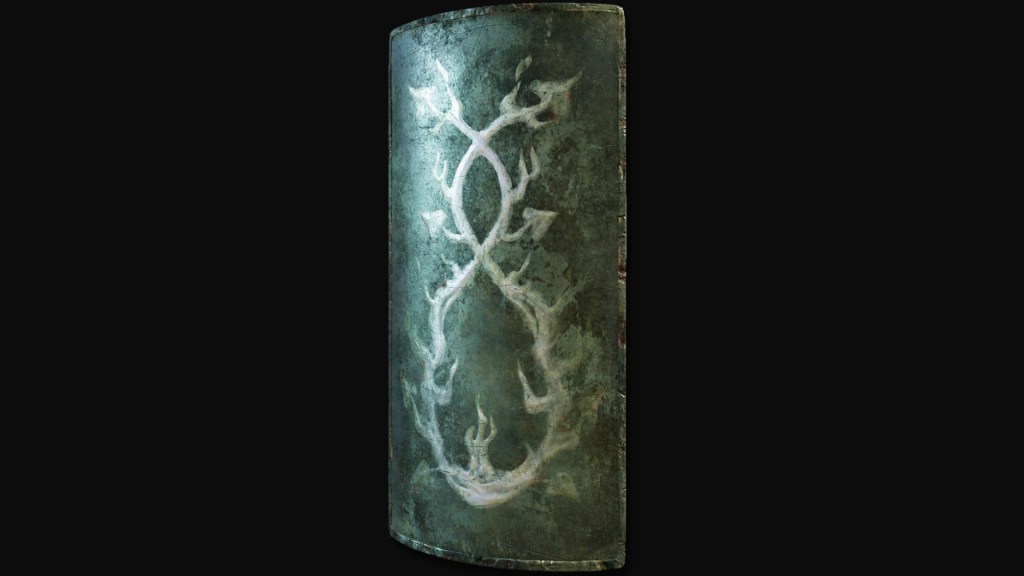
For a more domestic example, there are the Woodfolk Ruins (Site W) back at Altus, sandwiched between gorge cliffs and its Minor Erdtree. Like with Eochaid, the chances of a golden seed landing right next to a random village are infinitesimal, especially one in a remote part of the woods far from any highway. It is more probable that the village was built by the tree after it suddenly emerged. Adding to that impression, we can purchase the Crossed-Tree Towershield from the nomadic merchant south of Site W. Its description makes a point of the face depicting an old tree as its forked form intertwines, bringing to mind a budding plant burgeoning but ultimately coalescing into a singular support — like, say, a tree born of the Crucible. Altogether, we can infer that people were attracted there because of the Erdtree’s offspring growing in that sunken forest. The only difference from Eochaid is the motive behind the community’s captivation.
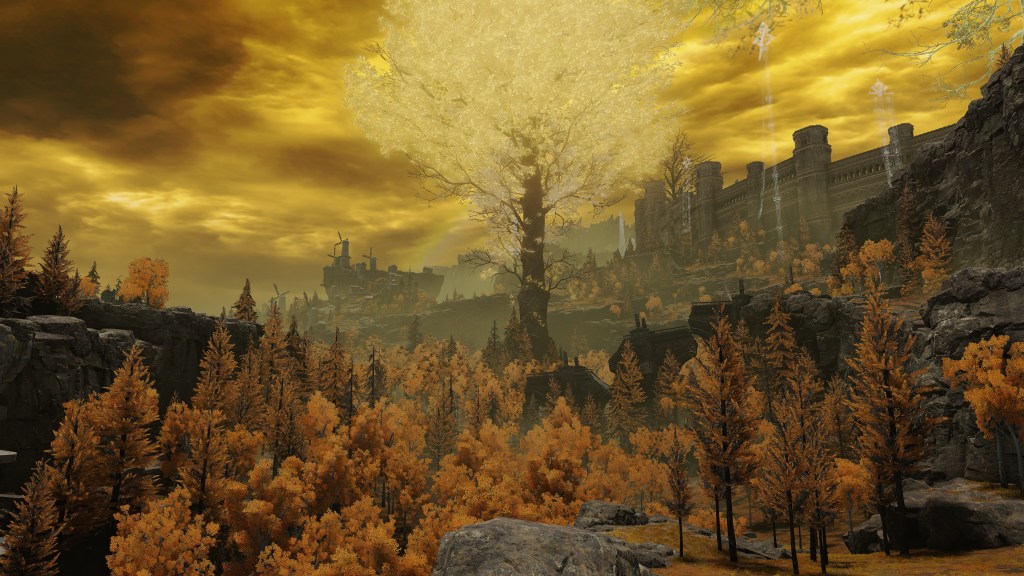


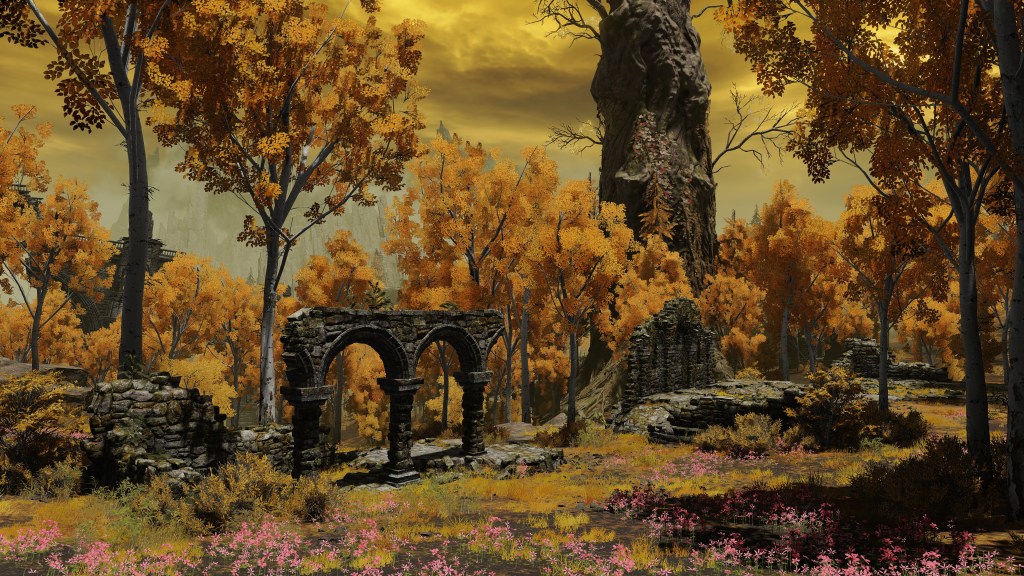

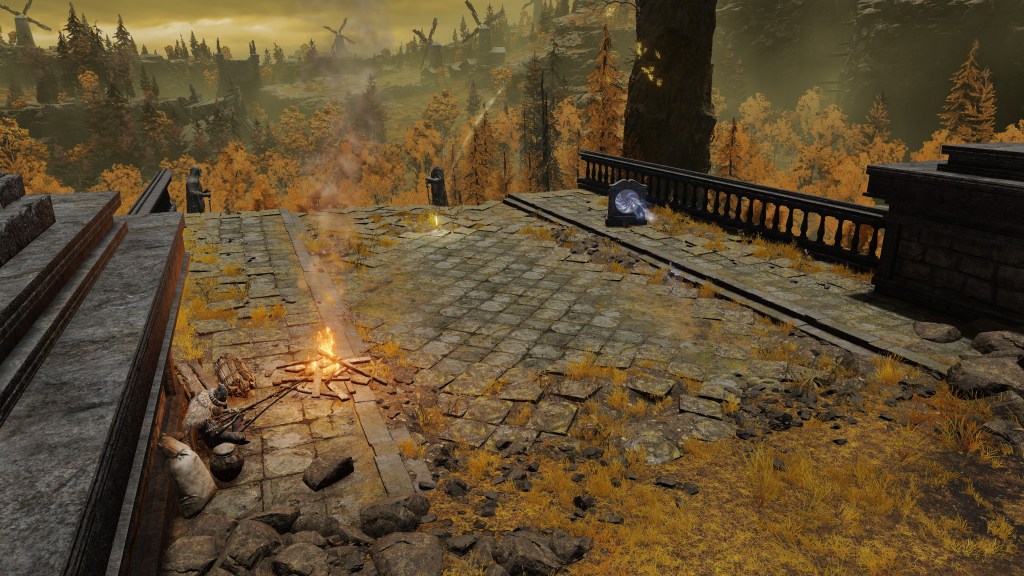
The local grace point labels the wood as the “Forest of Plenty”, (豊穣の森) suggesting a particular connection to the Crucible’s era. Cementing the association, we obtain the Icon Shield from a chest at Site W. The delicate painting of the Age of Plenty implies that the painters fervently wished to preserve memory of the Crucible’s abundance. The woodfolk are certainly faithful, given a nomadic warrior in the area wrote a cookbook detailing how to make warming stones; a cliffside graveyard likewise affirms their commitment to Erdtree Burial. And where better to chase that memory than at the surviving remnants of its existence? In short, the woodfolk are believers who founded their village beneath a vestige of the original Erdtree now lost to them. They wish for more than just an abstract object of worship, but an actual idol. This is the place where those most dedicated to the life of the Crucible come to live in harmony with nature under the lesser tree’s shining shade.
Large, iron-made great shield that covers the whole body. An old, cross-tree design is depicted.
Great shields have both high cut rates and guard strength and easily repel enemy attacks.
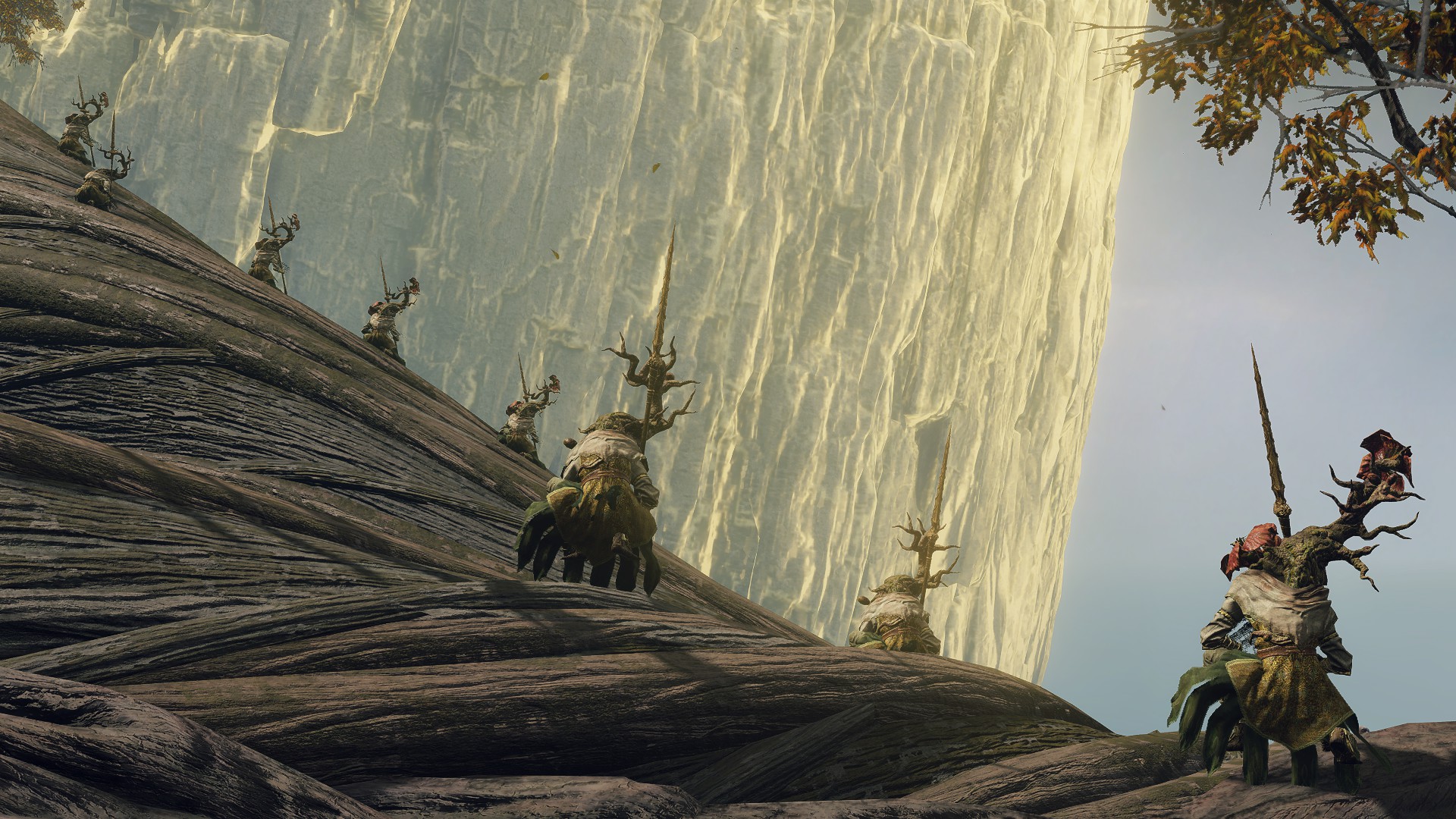
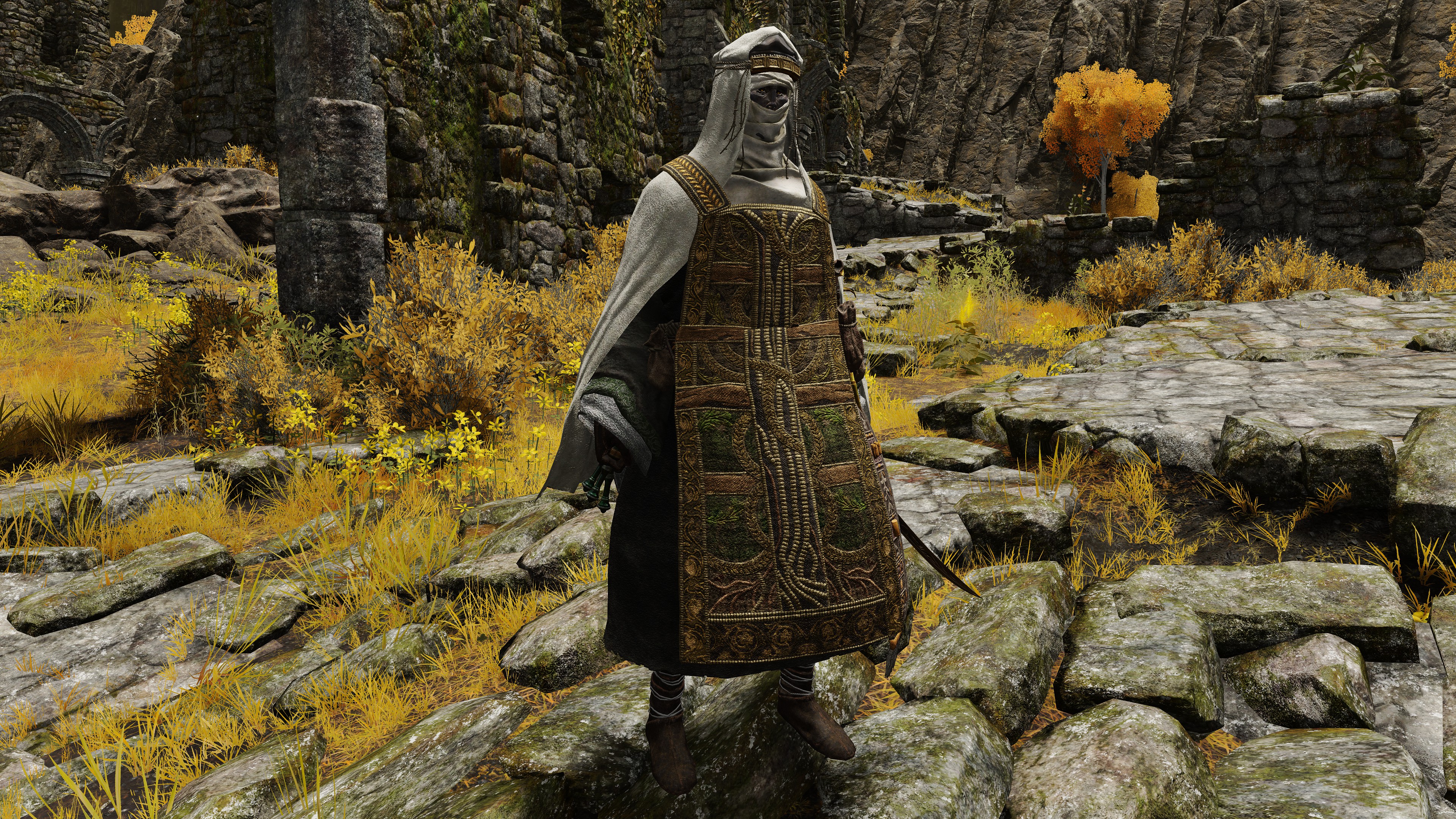
Site W may also be the birthplace of the guardians. These men are masters in martial arts dedicated to protecting both the Erdtree and its smaller counterparts, as emblemized by their fancy golden garb. This stands out as peculiar since such duties overlap with those of the Tree Sentinels. However, the inclusion of the Minor Erdtrees for protection does differentiate them slightly as well as open the possibility of a later starting point. At the same time, they aren’t relatively recent like the Erdtree Avatars. Each is party to an “old” pact with the Erdtree, fashioning swordspears that complement their agile abilities using wood from an “old” tree. Thus, the guardians probably arose after the Minor Erdtrees first appeared, still during the “old age” of Godfrey’s reign. In that case, from where? Perhaps the village established next to one such tree, looking to commune and receive a response from their object of worship like in days past. The woodfolk are most liable to work out a deal with the Erdtree turning some of their population into guardians.
We do see a lone guardian sitting gazing at the Minor Erdtree from Site W, next to a similarly seated corpse praying to said tree. This location is already weird. Although clearly part of the ruins from a bird’s eye view, this collection of two buildings sits upon the cliff far above the rest of the village. But why would a guardian be there? While his kind can be found some ways away from the Minor Erdtree they are guarding, it is typically to block the road leading to it. But these ruins are nowhere near the main path to the village below. The guardian is simply idling at an abandoned, isolated building, without compatriots. Why? Maybe because he is the martial arts instructor. The guardians must have learned their unique fighting style from somewhere, so why not from the first, born among the woodfolk? The two clifftop buildings are perfect for a dojo and dormitory, students coming to focus on training combat and spirituality needed to make the pact. And once they mastered the arts, they left their master to serve their Erdtree of choice, leaving him to await his next pupil.
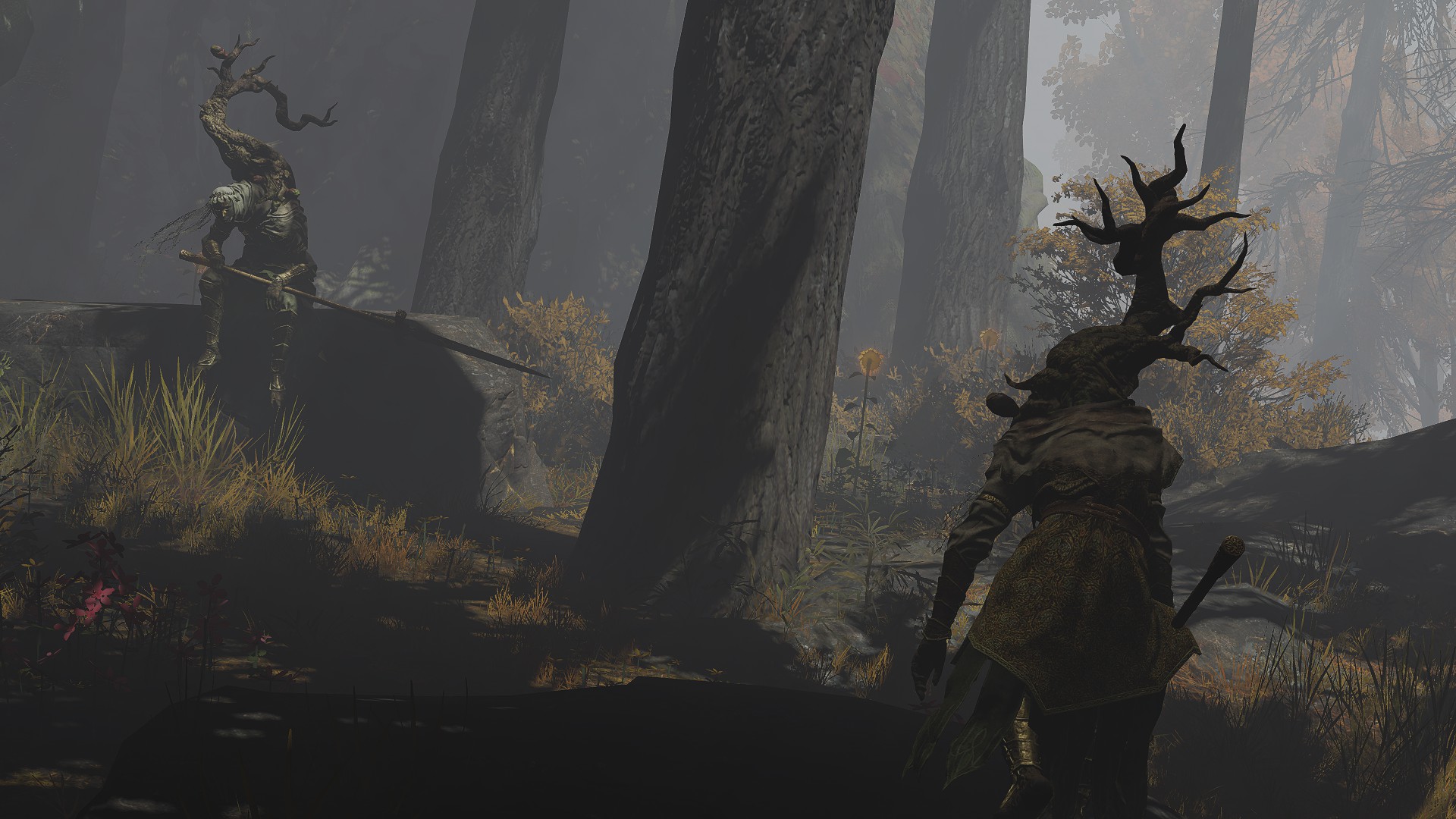
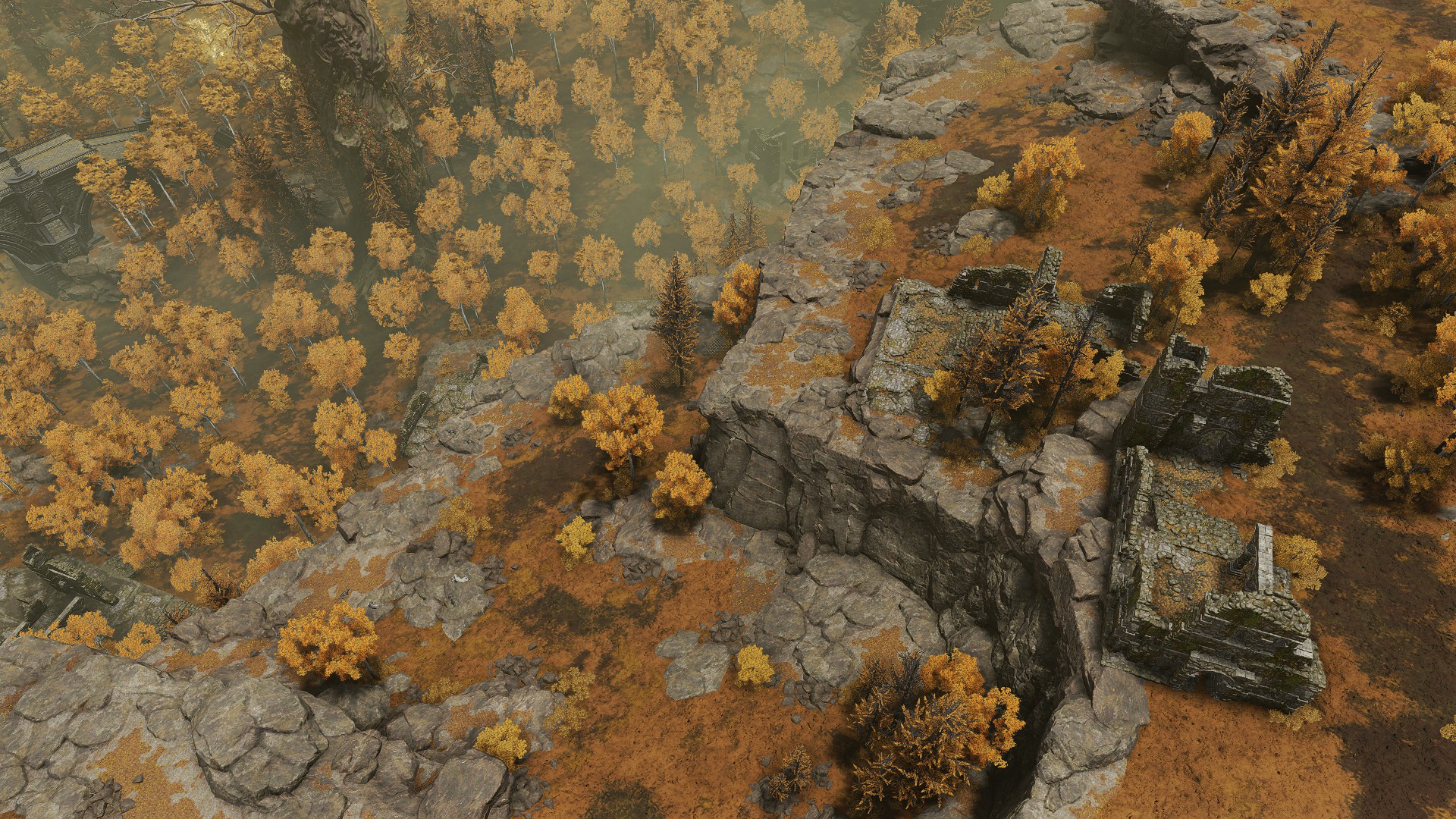
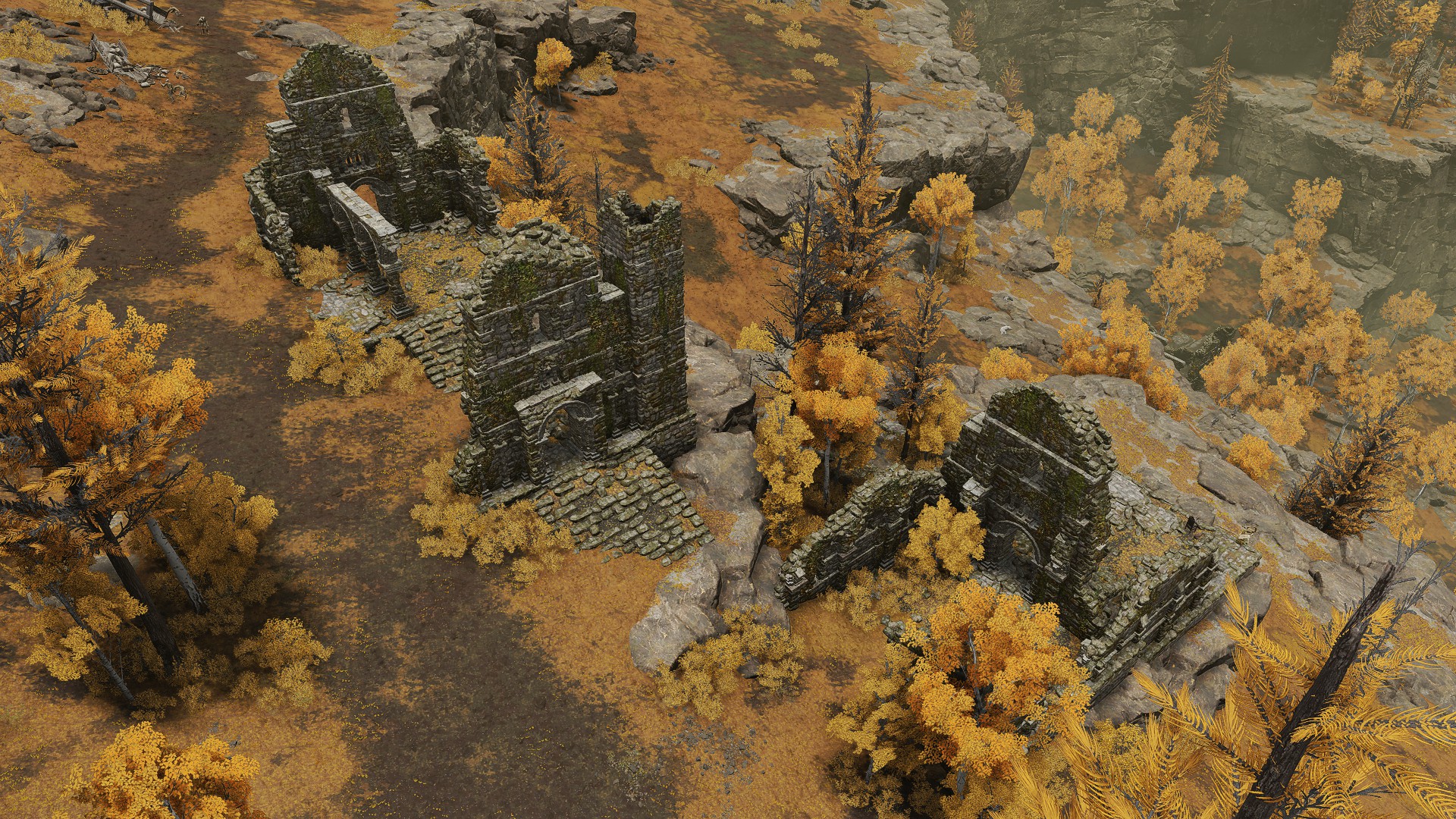
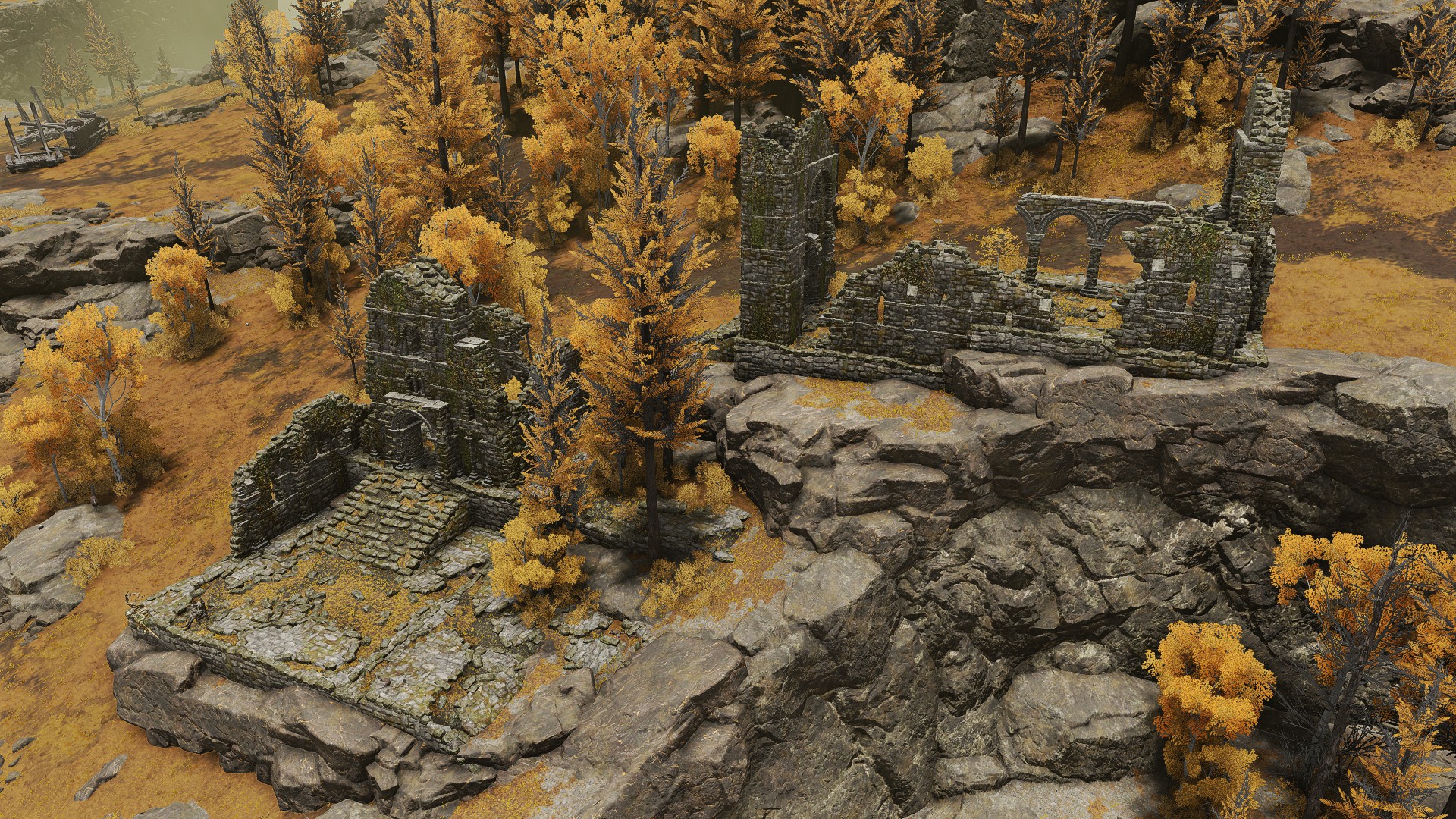
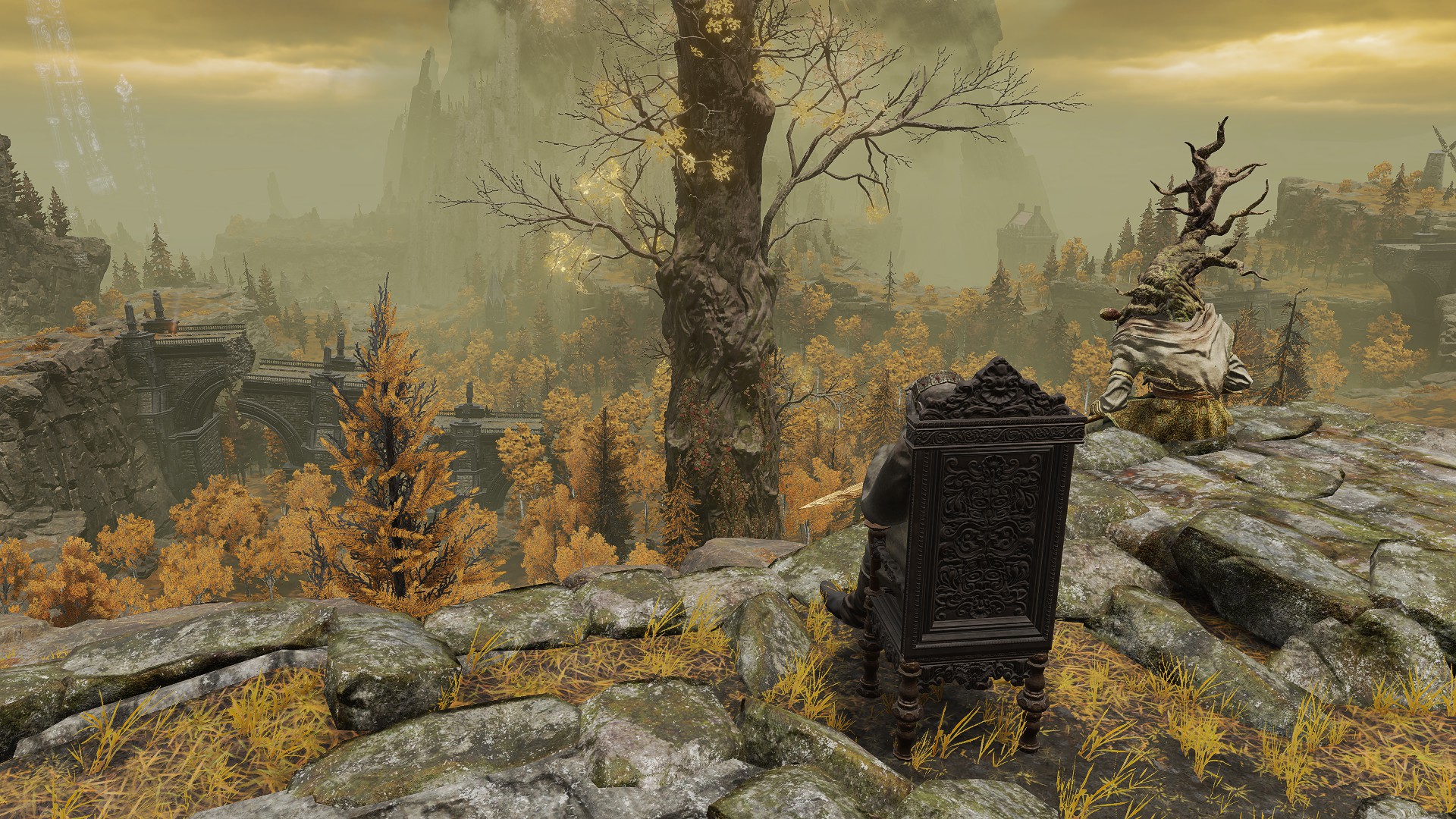

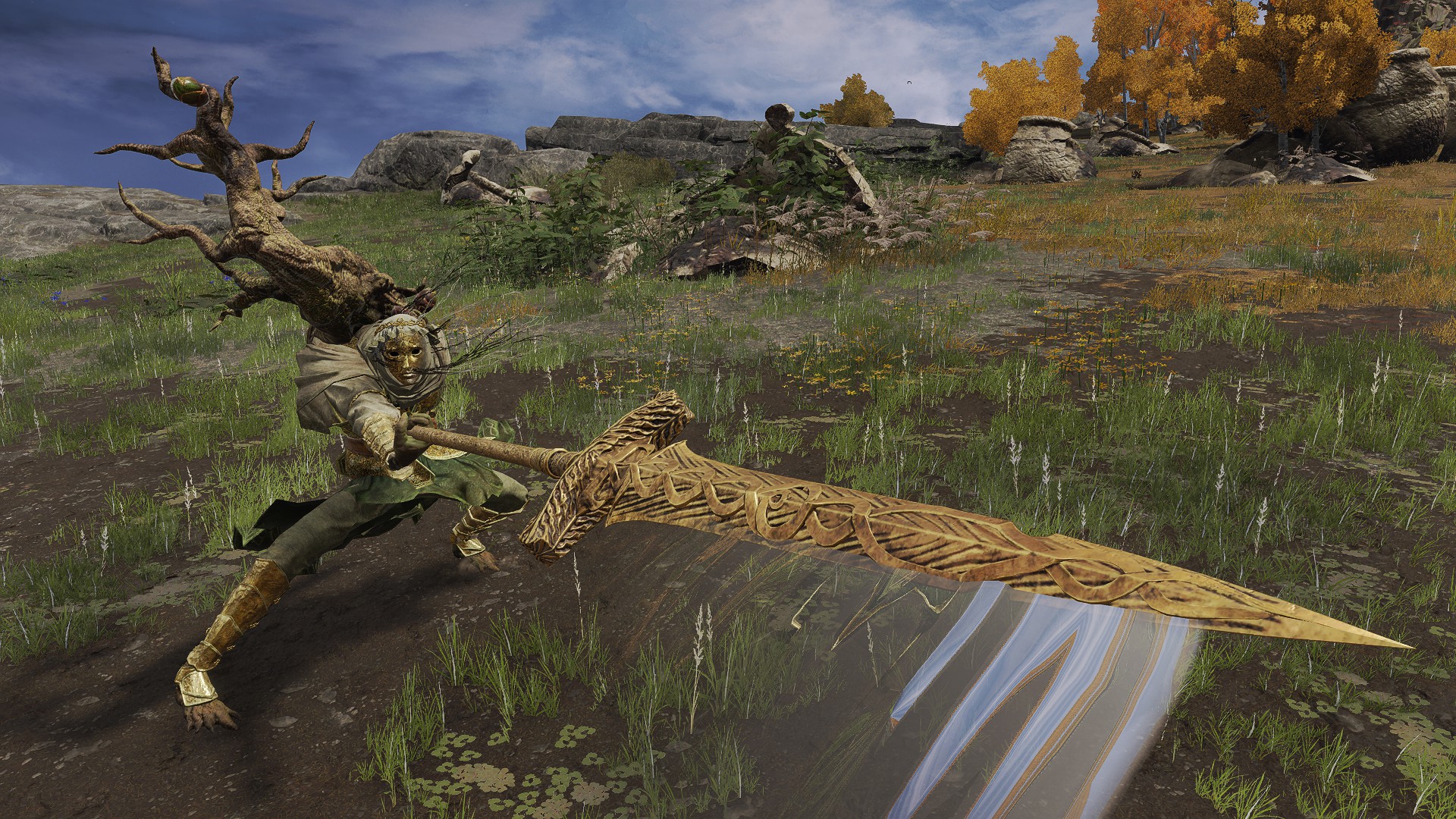
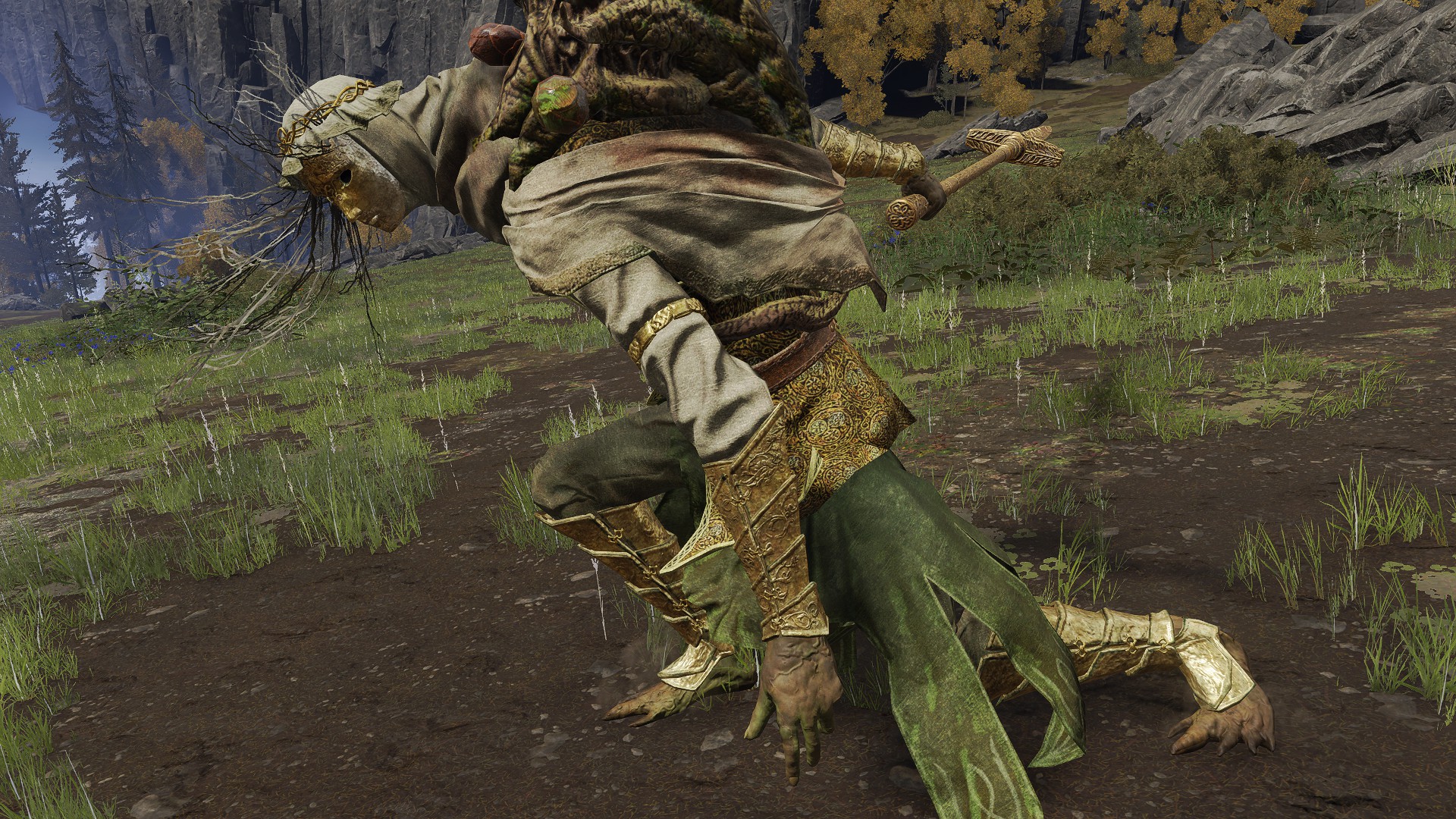


Golden clothes engraved with patterns. Equipment of the protectors of minor Golden Trees.
It is said that they became eternal protectors who didn’t perish even in death due to an old pact with the Golden Tree.
Weapon that honed hard old wood. It attaches a wide sword blade to the tip of a long handle.
Choice weapon of the Minor Golden Trees’ protectors, known as masters of martial arts. Its might increases with dexterity in particular.
If this lonesome guardian is the first and the others’ instructor, his devotion to the Erdtree is incredible. Like the Eochaid ascetics, he established an entire new spiritual order under the umbrella of Erdtree faiths, for seemingly no other reason than to protect what was left of the Crucible he and so many others cherished. And ultimately, this is due to the Erdtree recognizing his efforts. After all, the Erdtree is now aware of its own mortality, thereby could do to have agents protecting its offspring. All it needs is to bestow a blessing. Based on the guardian sets’ description, the first managed to negotiate a pact promising him eternal life in exchange for eternal service as the particular tree’s bodyguard, which was ultimately observed through proxies he trained. This immortality somehow differs from the norm in a destined deathless era. Though we can kill the guardians like any other enemy, they apparently don’t expire in death, meaning that rejuvenation by the grace of the Erdtree is inevitable. It sustains their needs with its power so they can continue standing as its constant sentries.
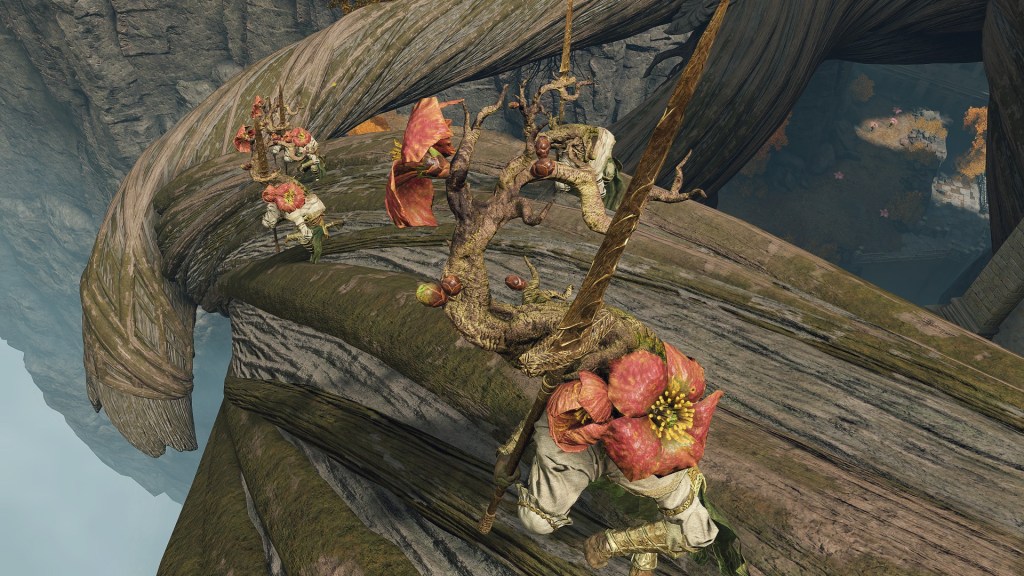
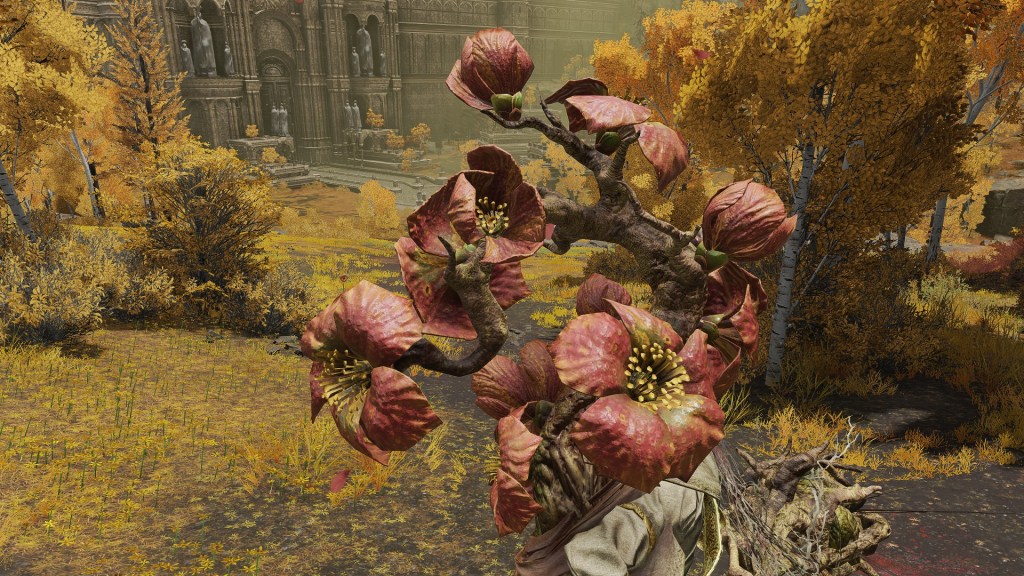
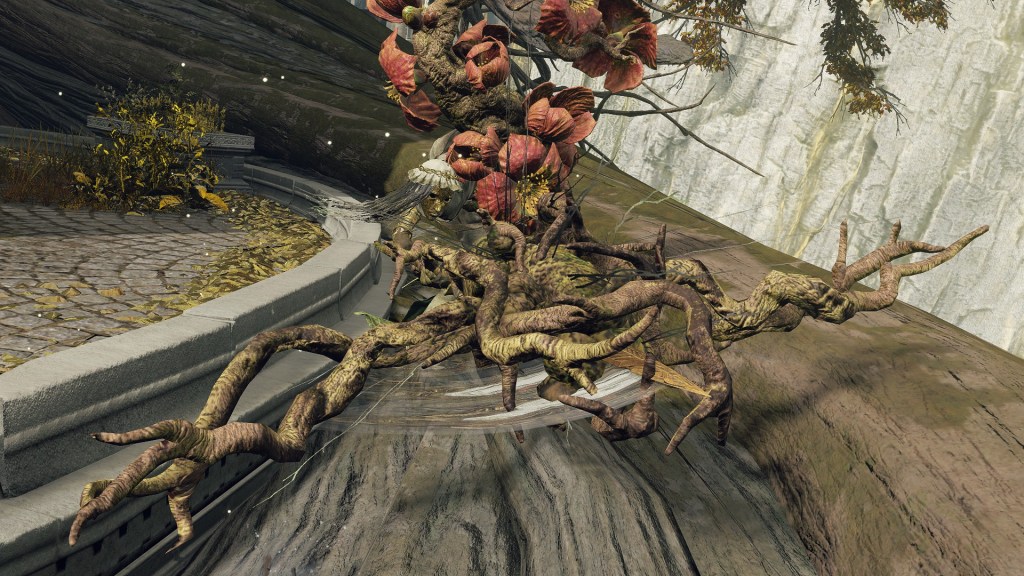
Failure to fulfill the pact comes at a price. We see that all the guardians have trees growing out of their backs. Those closest to the original Erdtree have advanced the most, blossoming blood-red flowers; additionally, damaging them results in the tree growing with even more blooms, their swordspear turned into a heavy club from all the overgrowth. This indicates that the pact does involve their bodies harboring some piece of the Erdtree, but the actual growths aren’t part of the exchange. Rather, the flowers are proof of the guardians breaking the deal. This “breaking” (綻び) refers to something coming apart, like a ripped contract, as well as something opening up, like a blooming flower — the wordplay in full effect with the guardians. They did fail to protect the Erdtree from Marika when she shattered its heart, the Elden Ring, so this fate is their punishment, affecting the ones immediately at fault first before slowly spreading outward to the others across the Lands Between. What makes this a punishment? The gradual destruction of their human existence.
Golden clothes engraved with patterns. Equipment of the Minor Golden Trees’ protectors.
Raises recovery amount of Crimson Drop Holy Grail Bottle, but fire cut rate is drastically reduced.
It is said that the blood-colored flowers blooming on the back are the breaking of the old pact. They might already be half-tree.
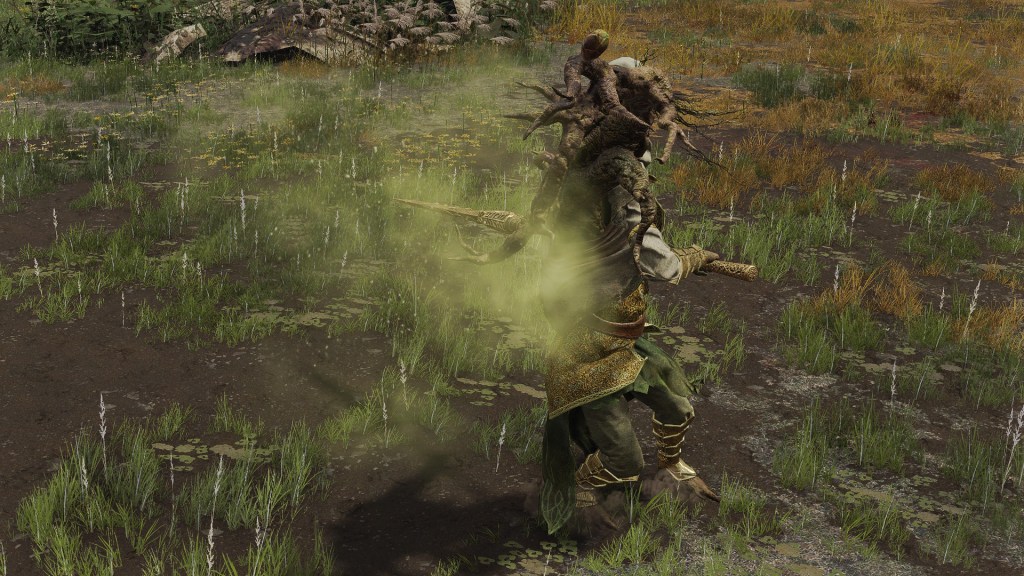
All the tree growths have a green sickliness creeping up from the base, holes further up occasionally expelling a poisonous gas. Something in their bodies is being processed as a hazard to remove — what is made obvious by the resulting blooms. Logically, the flowers are the color of blood because they are derived from blood. In short, it is the biological material which makes the guardians humans that is being broken down and excised, leaving only the plant elements. They are, as the blooming garb’s description insinuates, halfway through the process of becoming another Erdtree, hence wearing this attire empowers our healing flask while leaving us more vulnerable to fire. The guardians essentially agreed to become seedbeds, a bomb ready to go off the moment a tree was harmed in any way. If not for them kneeling to the Erdtree even now, this eternal watch might be considered a curse. Either way, they are still suffering the consequences of their choice to protect the golden tree’s future.




Back to the Fundamentals
Of course, Marika was perhaps the one most affected by these developments. After becoming intimately aware of her precarious position in relation to the Two Fingers and the Greater Will, all the Queen had to rely on was the Erdtree, which she naturally assumed to be a rock solid foundation; her entire kingdom was built around the Crucible, after all. She believed it would remain perfect, as eternal as her reign. But now even that rug was pulled right from under her. One can only imagine the stress and confusion these recent chain of events brought, shaking the faith she had taken for granted right to its core. Her Crucible was now all faith, no substance. There was truly nothing sacred in her world, not a single thing from the Greater Will she could depend on unsuspecting. In that case, it behooved her to have a deeper understanding of the powers she played with, both to understand her own role in past events and respond to future happenings accordingly. And so, Marika began researching her own Order.
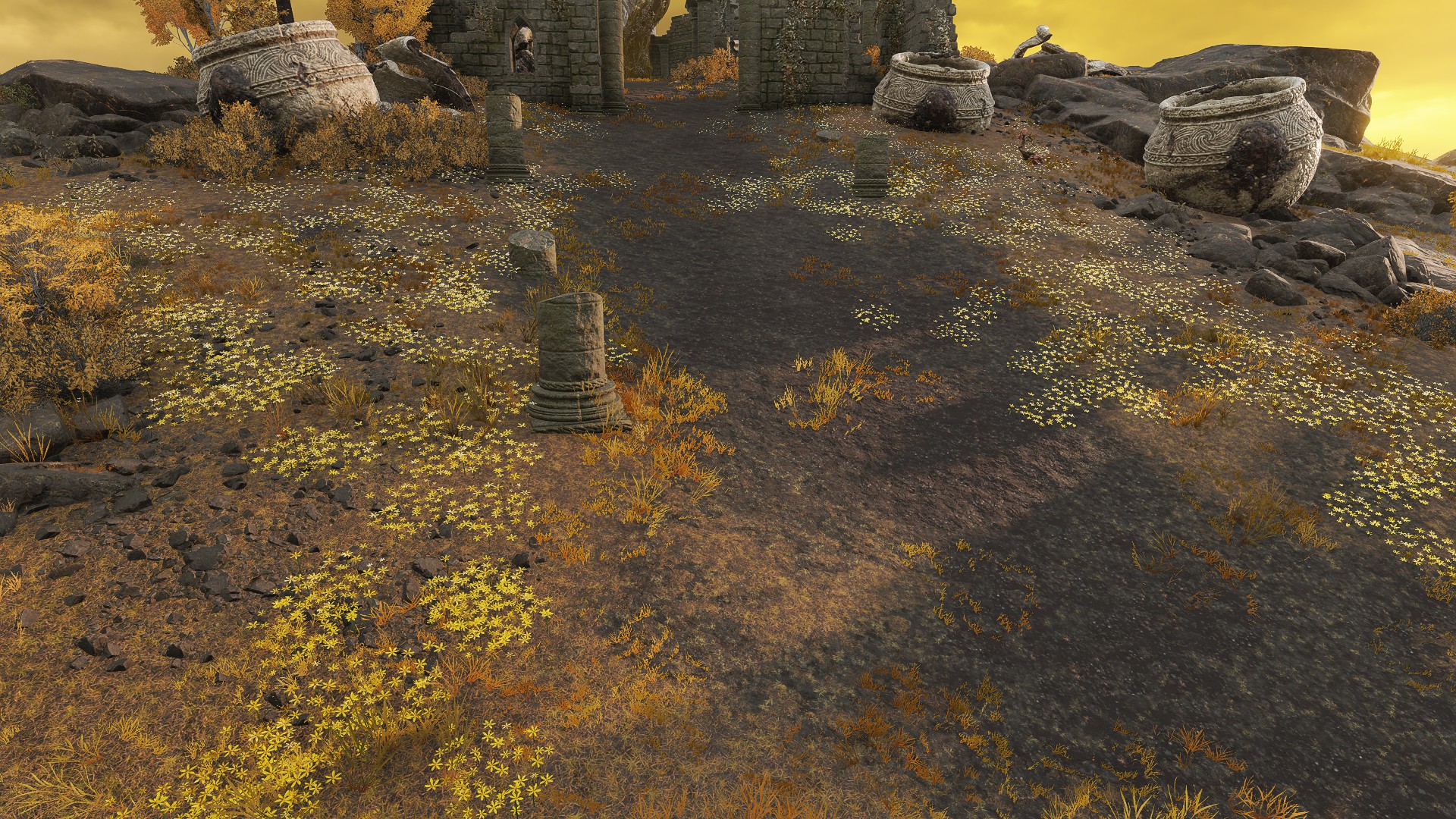
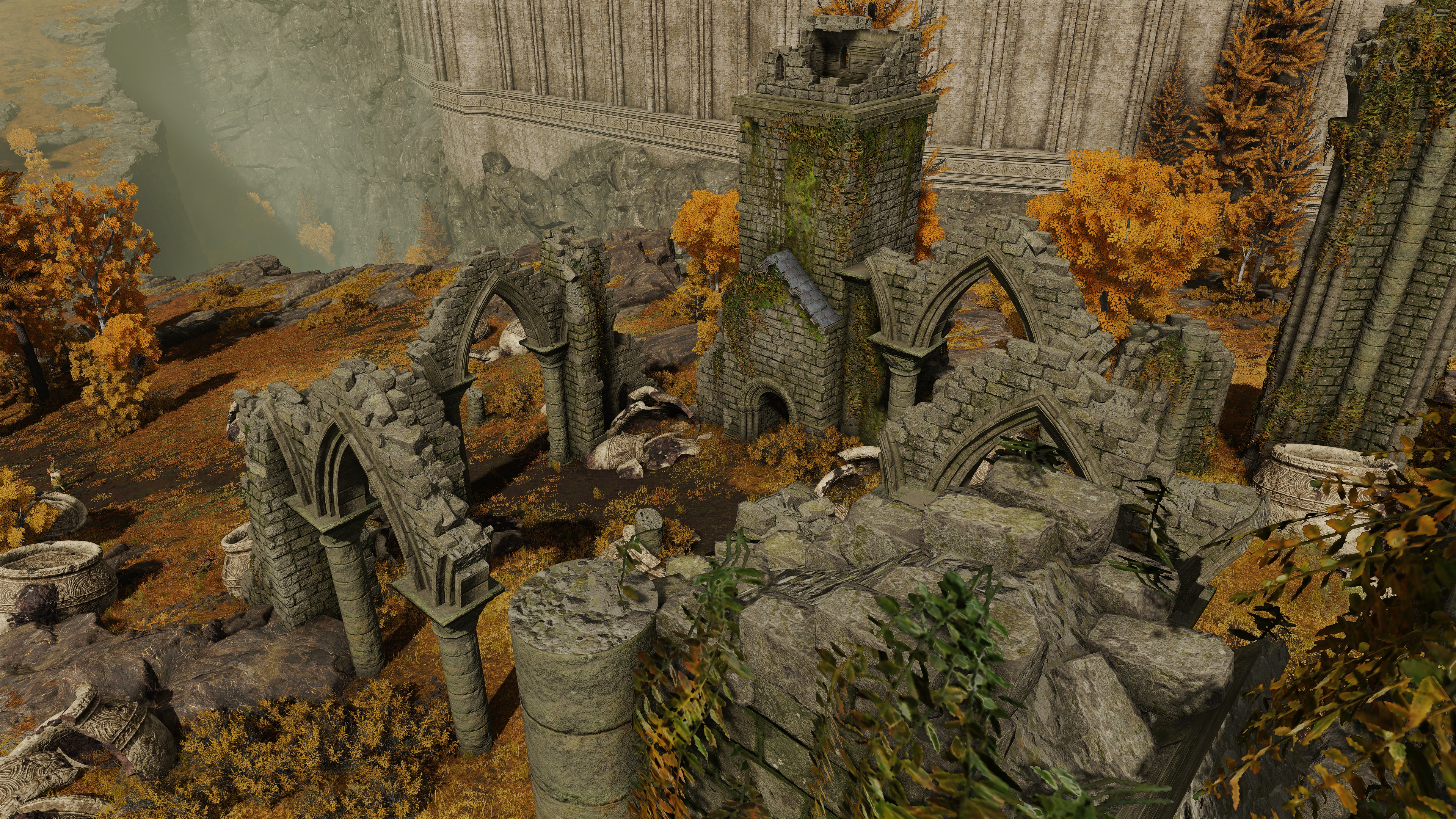
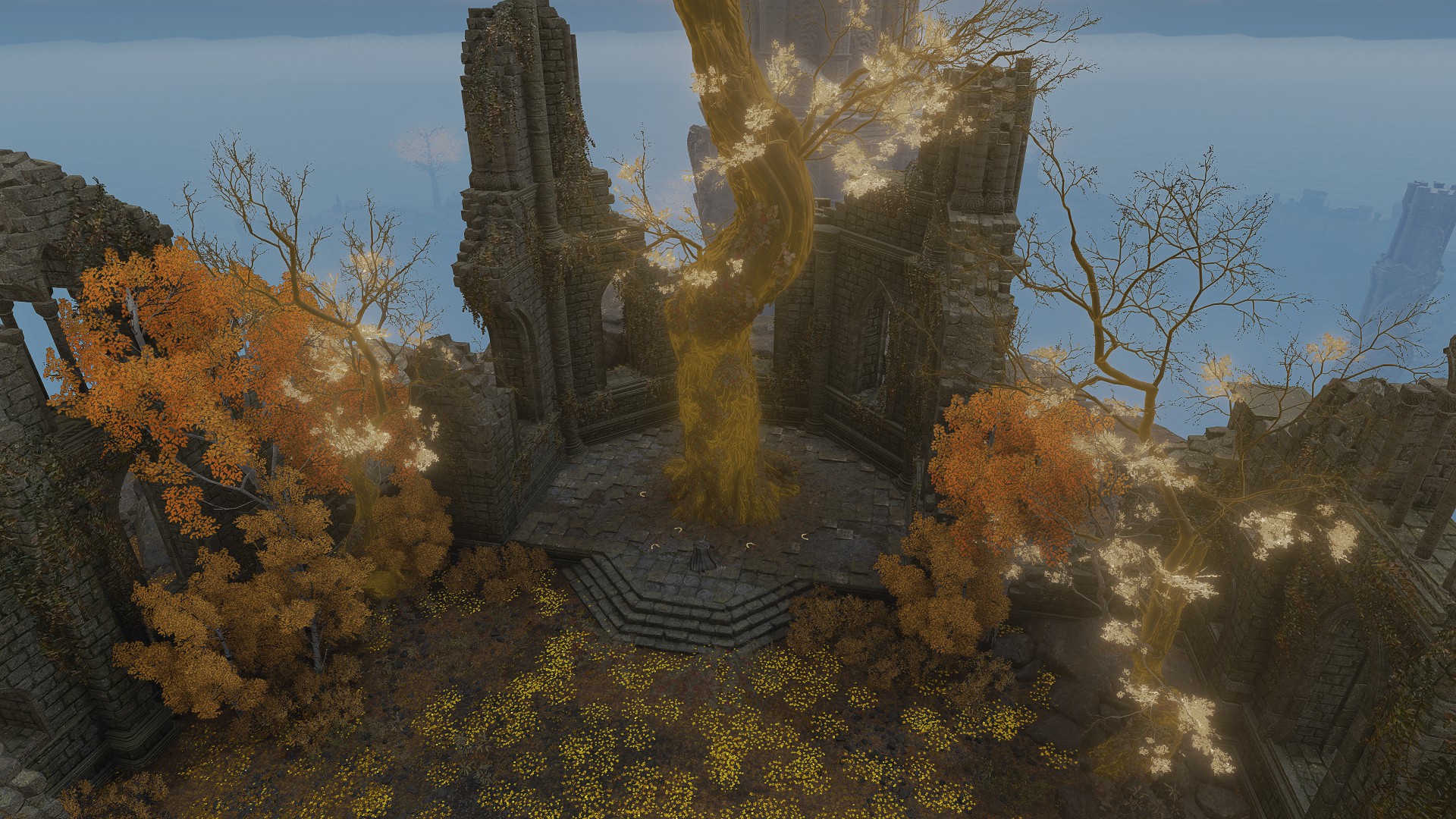
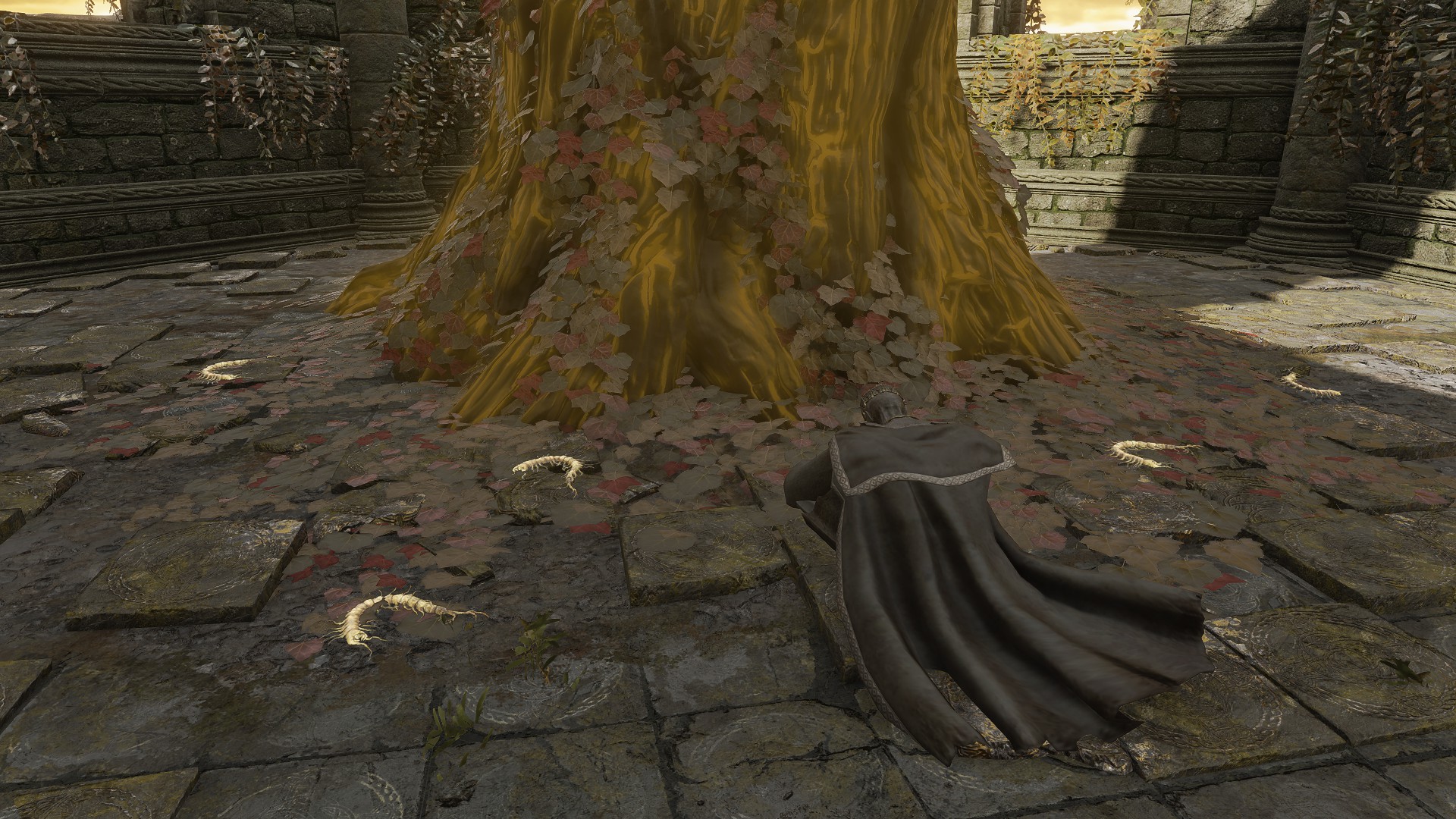
Melina recites Marika’s declaration of her intent at the Minor Erdtree Church, located in a secluded corner of the Capital Outskirts. While laid with the smaller golden flowers all the way down the road, it is so named for the small golden tree enshrined, with two more at its flanks. While they have been allowed to grow uninhibited since the church fell to ruins, these trees are still smaller than others of their ilk, implying that they initially received a controlled growth. The obvious reason for this is to observe their growth cycle as part of the queen’s study into the Order, the church serving to facilitate her personal experiments. We already see something similar from a missionary, who likely used the golden sunflowers produced by the trees to invent his recipes for crafting haligbone arrows and bolts plus holy greases recorded in the present ruins. The man is now dead, but his god could just as easily have toyed with the trees or their byproducts. This places Marika’s declaration and the building’s construction to around the discovery of the Erdtree’s progeny, which fits with the speech’s content.
The Eternal Queen heralds the end of blind faith, equating it to a happy childhood. Recent hardships have forced her kingdom to “grow up” and comprehend the nature of the world they live in. Marika herself certainly felt that mugging by reality. The quiet grave to Melina is left a short ways from where the church was built, with the building featuring an atypical side exit leading straight to the gravesite. Doubtless, Marika oft spent her breaks from researching the seeds visiting that memorial to her traitorous daughter, likely where all her questions truly began. The Eternal Queen had been naive, and that false sense of security cost her a dear child — no more. The god was determined to become a mature adult worthy of her position at the center of Order forevermore. For that, her confidence needed to be rooted on knowledge. As she puts it, having a proper understanding will only strengthen their faith and the Erdtree’s grace, leaving no reason to hesitate stepping out of their comfort zone.
I declare here research of the Golden Regulation. Knowing what should be proper strengthens our faith and grace. The age of happy childhood days and blind faith are over. My comrades, what need is there to hesitate!
We see the queen’s subjects follow suit with Site W, but the god wasn’t interested in the people developing their spirituality but their logic. The noble sitting cross-legged before the church’s Minor Erdtree holds the Golden Order Seal representing Fundamentalism later touted by Radagon as Elden Lord. Hearing Marika’s speech from Melina likewise awards us with Outer Order, counterpart to the Inner Order gesture performed with some fundamentalist prayers. Put another way, Marika’s research there is the beginnings of what ultimately produced Golden Order Fundamentalism. One key facet of the concept is that it involves both prayer and scholarship, requiring faith and intelligence to perform all of its incantations. Such theology is precisely opposite the “blind faith” Marika describes, a desire to comprehend the deeper workings of the Order she has so thoughtlessly tinkered with up until now. If she didn’t want to be blindsided by the Greater Will again, the god needed to expand her understanding of the universe she governed through the Elden Ring. And on that front, she had much catching up to do.





Fortunate for the god, help arrived with clergy becoming apothecaries. Perfuming was originally a secret art of the capital, clerics mixing different scented materials in specialized bottles to formulate new aromatics. Such “mixed aromas” (調香) might sound odd to equate with medicines, but perfumes are ultimately a kind of chemical substance which demonstrate physiological effects on the body introduced to it — in other words, a drug. Therefore, it is accurate to call these perfumer priests apothecaries, or “drug experts”, (薬師) for the “aromatic drugs” (香薬) they create. At first, these drugs consisted strictly of medicines, and the religious association is appropriate given that the kanji for apothecary double as shorthand for Bhaisajyaguru, the Healing Buddha; the Indian subcontinent where Buddhism originated also has a history of using perfumes for both medical treatment and religious ritual. For a priesthood that always offered blessed sap for healing, offering conventional cures was the natural next step.
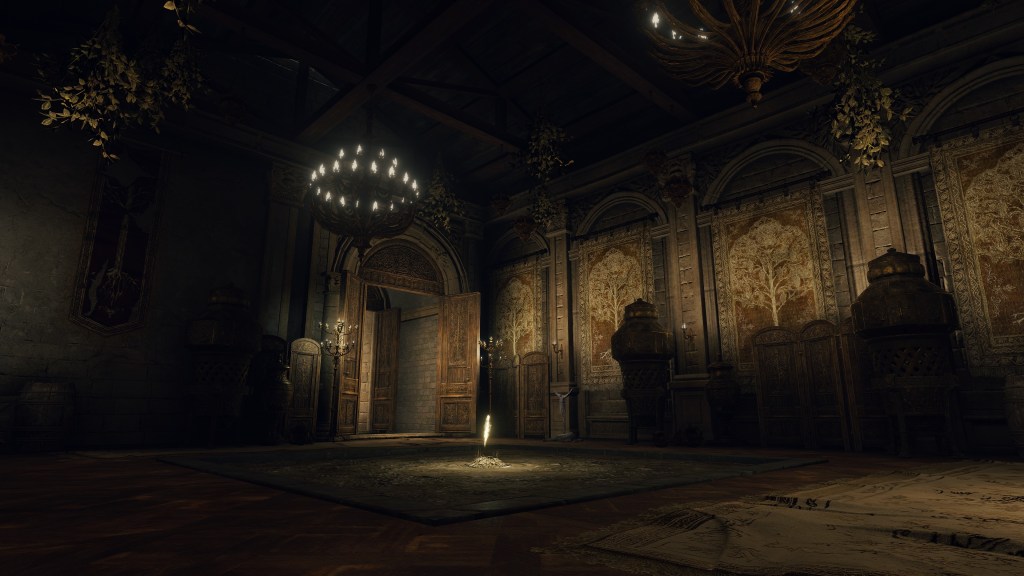
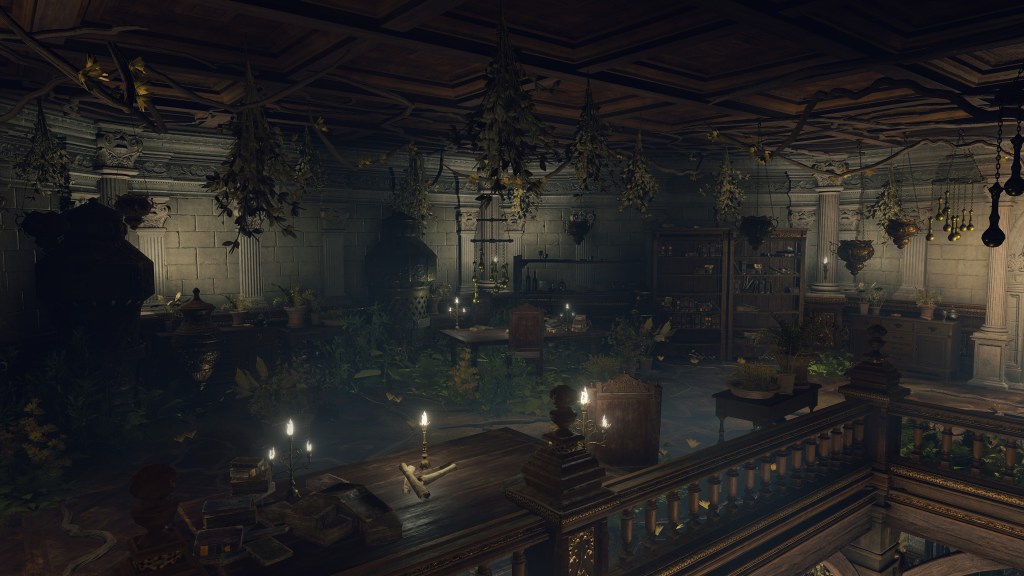
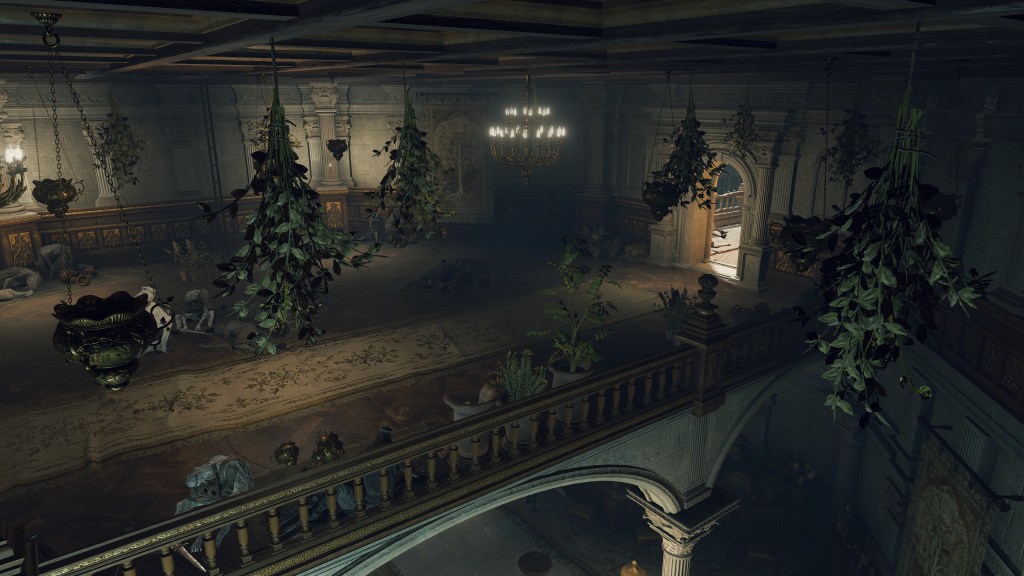
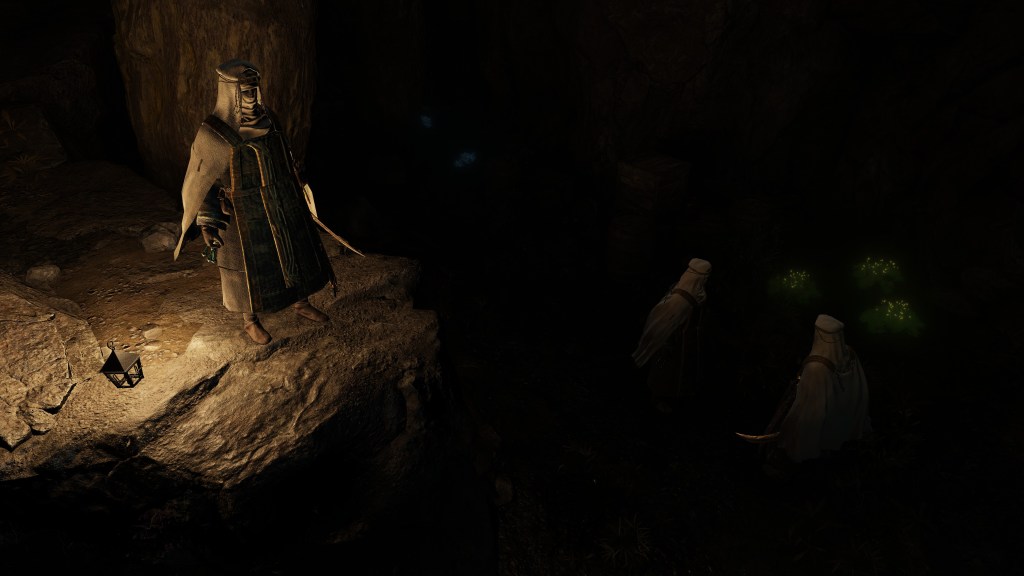
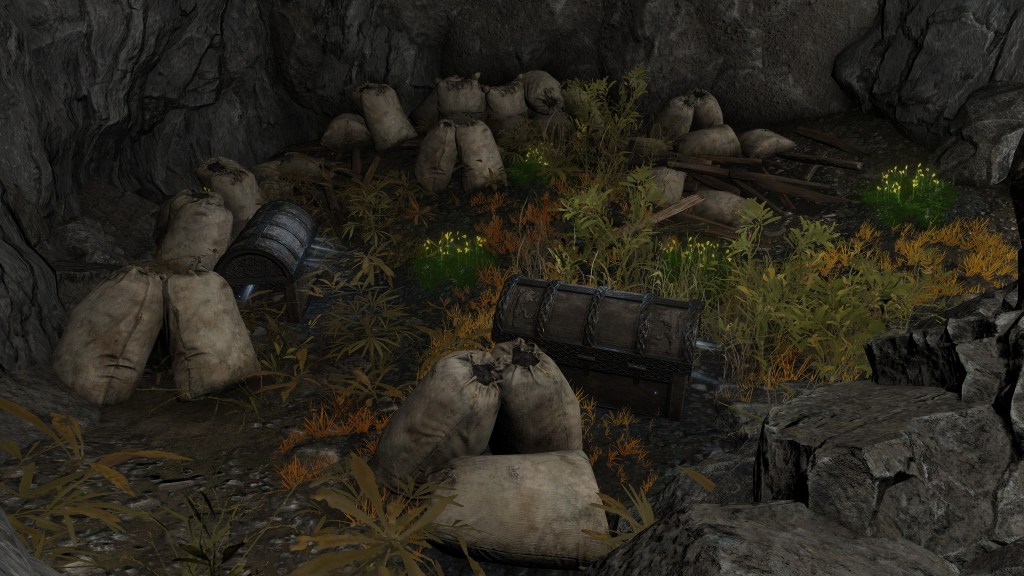
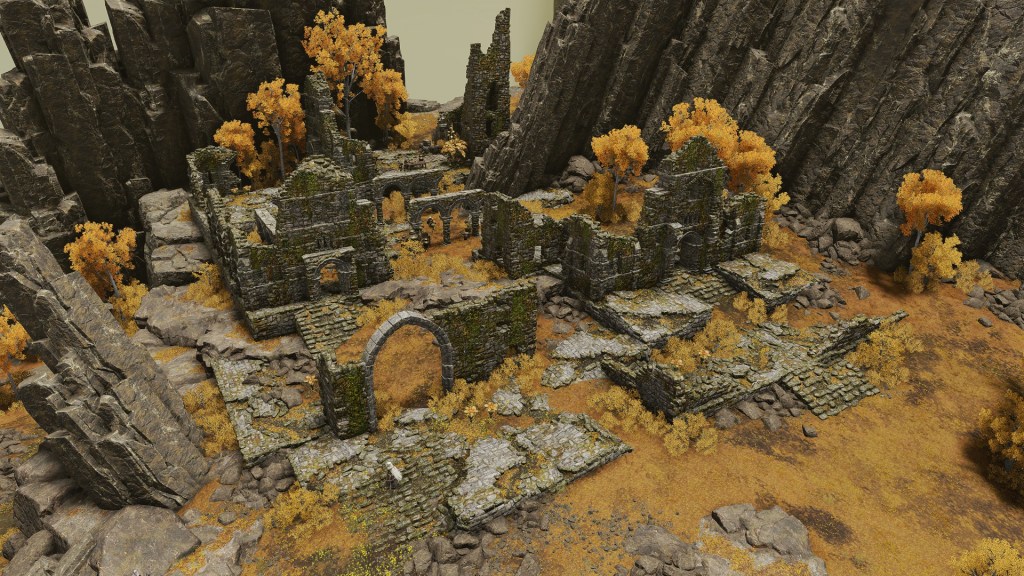
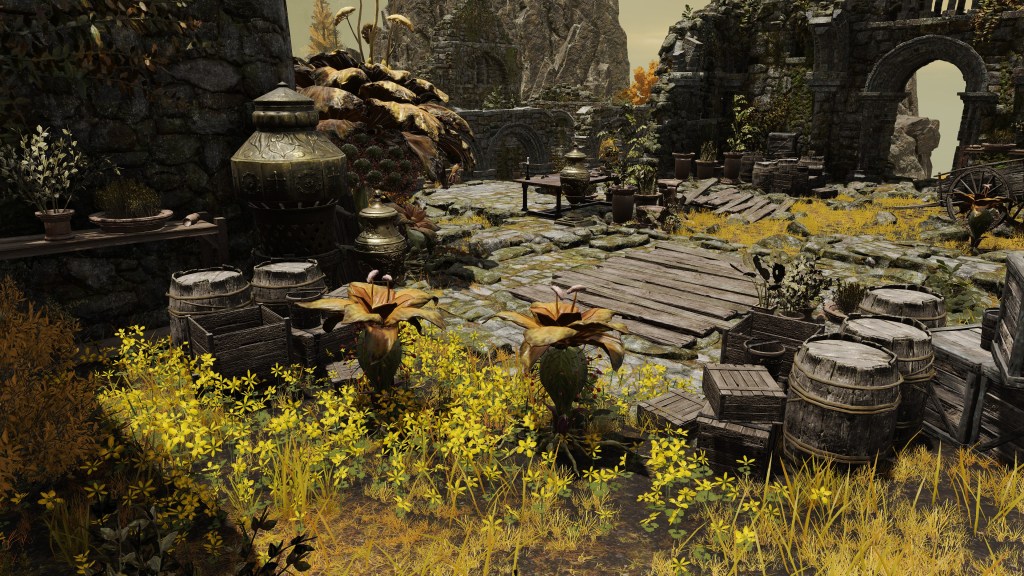
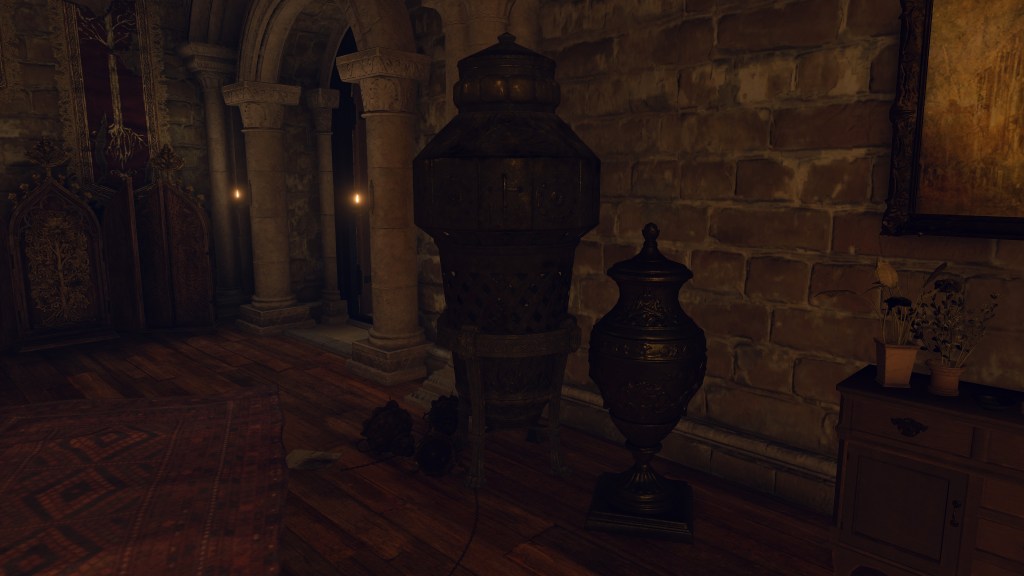
In the context of Erdtree religion, of course, their remedies, as is traditionally the case with perfumes, were plant-based. Perfumers commonly drop materials like Altus blooms and budding cave moss. We can likewise find their perfume bottles hanging alongside herbs and incense burners in their laboratories, books scattered about off their shelves and plants growing wild outside their pots. With a thin haze wafting through each chamber, it is obvious that the clerics constantly experiment with all manner of plants on hand to produce new drugs. They weren’t limited by their place at the royal capital either, as they operate two flower gardens in wider Altus. These hidden gardens, one in a cave obscured by the first capital rampart’s grand architecture and another in ruins tucked away on the fringe, allowed them to grow and experiment upon plants with perfuming potential out in the field; some like their moss requiring the natural environment. What they brought back was then later used to craft herbal remedies and similar aromatic medicines, tailored to the needs of Leyndell’s citizenry.



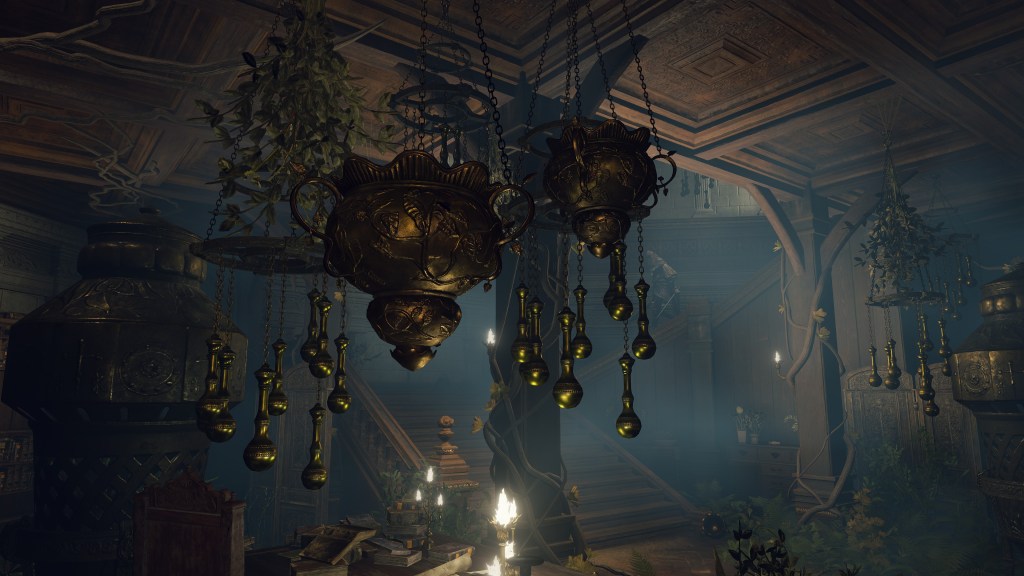








Talisman modeled on perfume bottles. Boosts might of perfume items.
The perfumers have flower gardens known only to them. There, on the remote edge of the plateau or in a hidden cave, flowers bloom simply to be fragrant.
Such surreptitious movements limited to the heartland explain why perfuming was kept within the priesthood for so long. The clergy presumably employed some sort of apprenticeship to pass on their secrets. Under another’s tutelage as an assistant, those who mastered the apothecary arts were eventually handed their own thick aprons to wear, the weight coming to signify their pride in the heavy responsibility of their remedial duties. The prestige must have contributed to the perfumers being so highly protective of that knowledge. Indeed, their peripheral facility is likely in ruins for fear that calling in people for regular maintenance so far and away from the capital would cause its existence to be leaked out. The single conscripted citizen standing lookout at the fringes of the property is similarly a clear attempt to avoid drawing attention — heavy security would also risk leaks. Nothing was to jeopardize the small elite chosen to serve god in reading, testing, and recording the powers of flora for the Erdtree.
Robe of perfumers of the Golden Tree royal capital.
The thick apron embroidered with the Golden Tree is proof of mastering the secret arts of an apothecary, and its weight signified pride and responsibility.
Thanks to this system, the priests have cultivated a deep knowledge along with numerous plants. Among all their specimens, Miranda flowers are especially critical. Besides Altus blooms, Miranda powder is the most common ingredients to their aromatics, their pollen — the “flower powder” (花粉) — serving as an excellent medium for disseminating scented material while possessing a strong aroma of its own when harvested from the source. Its longtime use in perfuming is reflected in the secret gardens. One flower grows new bulbs in the Perfumer’s Ruins alongside yellow flowers and Altus blooms, while more are nurtured at their grotto, one even blocking to hide the cave entrance. The latter are unique breeds with purple spots signaling their deadlier poison, no doubt the product of the priests’ experiments. The numerous living jar shards inside this Perfumer’s Grotto affirms that they raise the man-eating plants on human flesh, whether the jars containing it were taken from catacombs or other sources. Either way, it was a sacrifice for science, paving the way to more and more sophisticated arts.



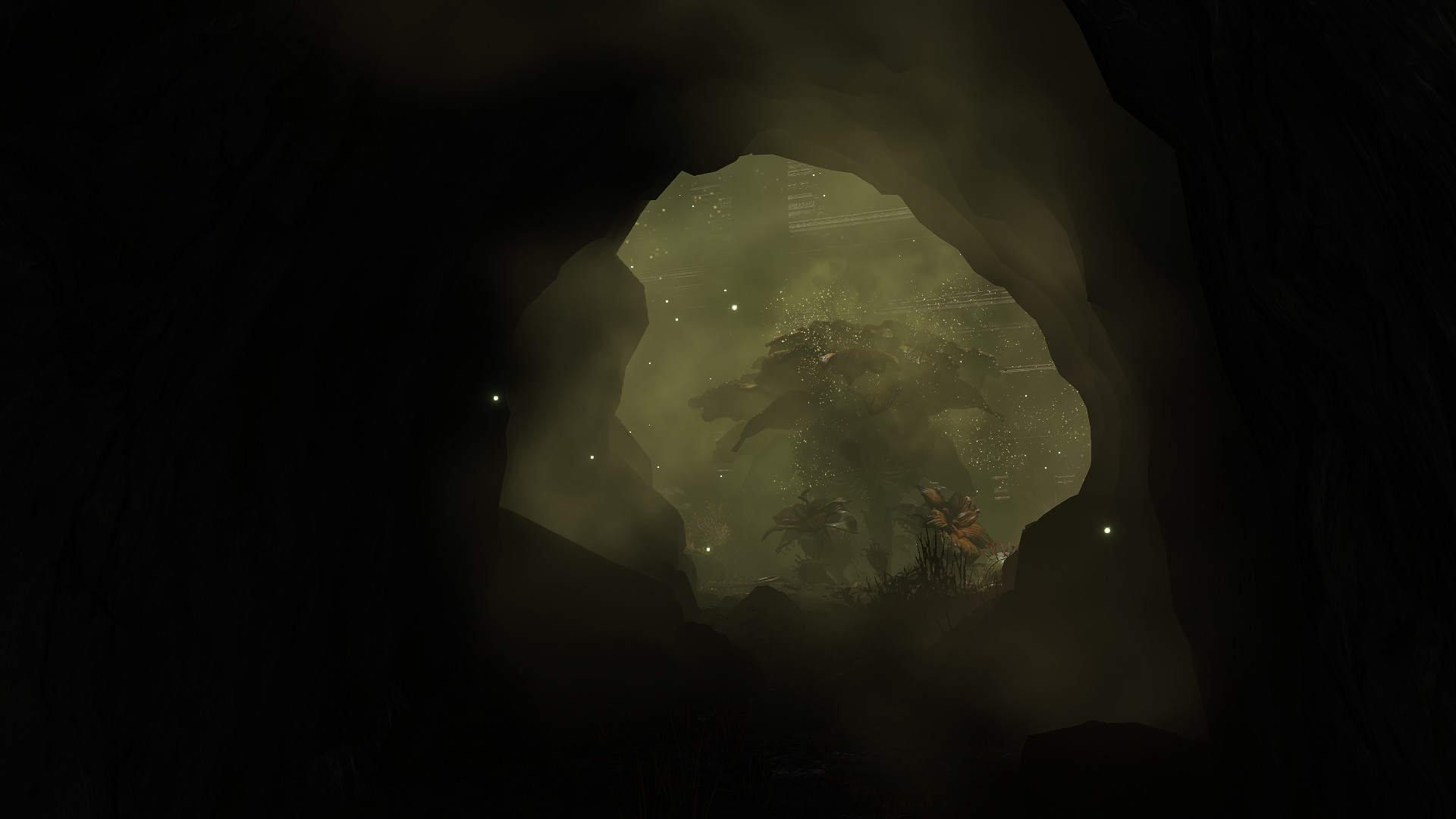


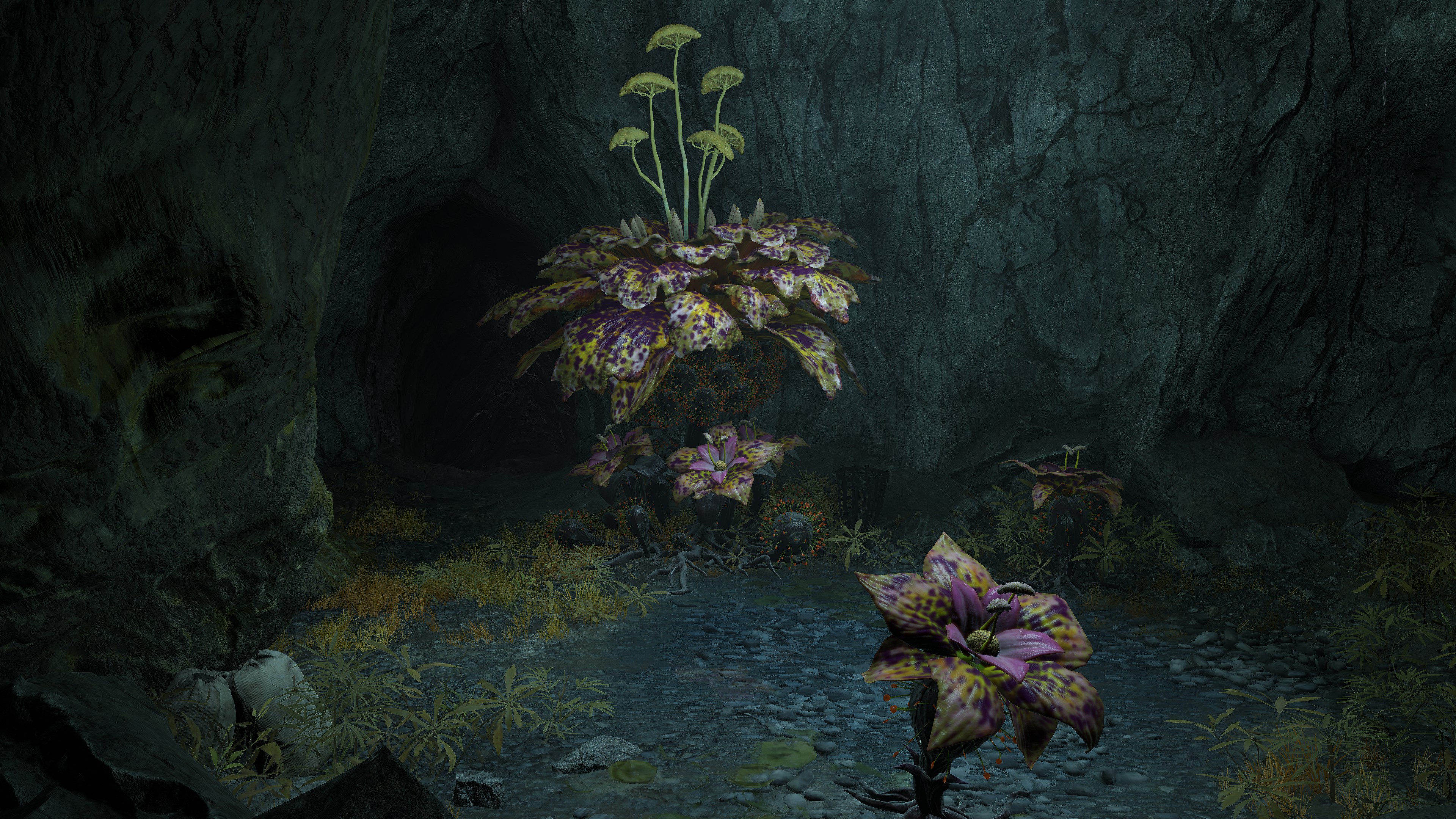
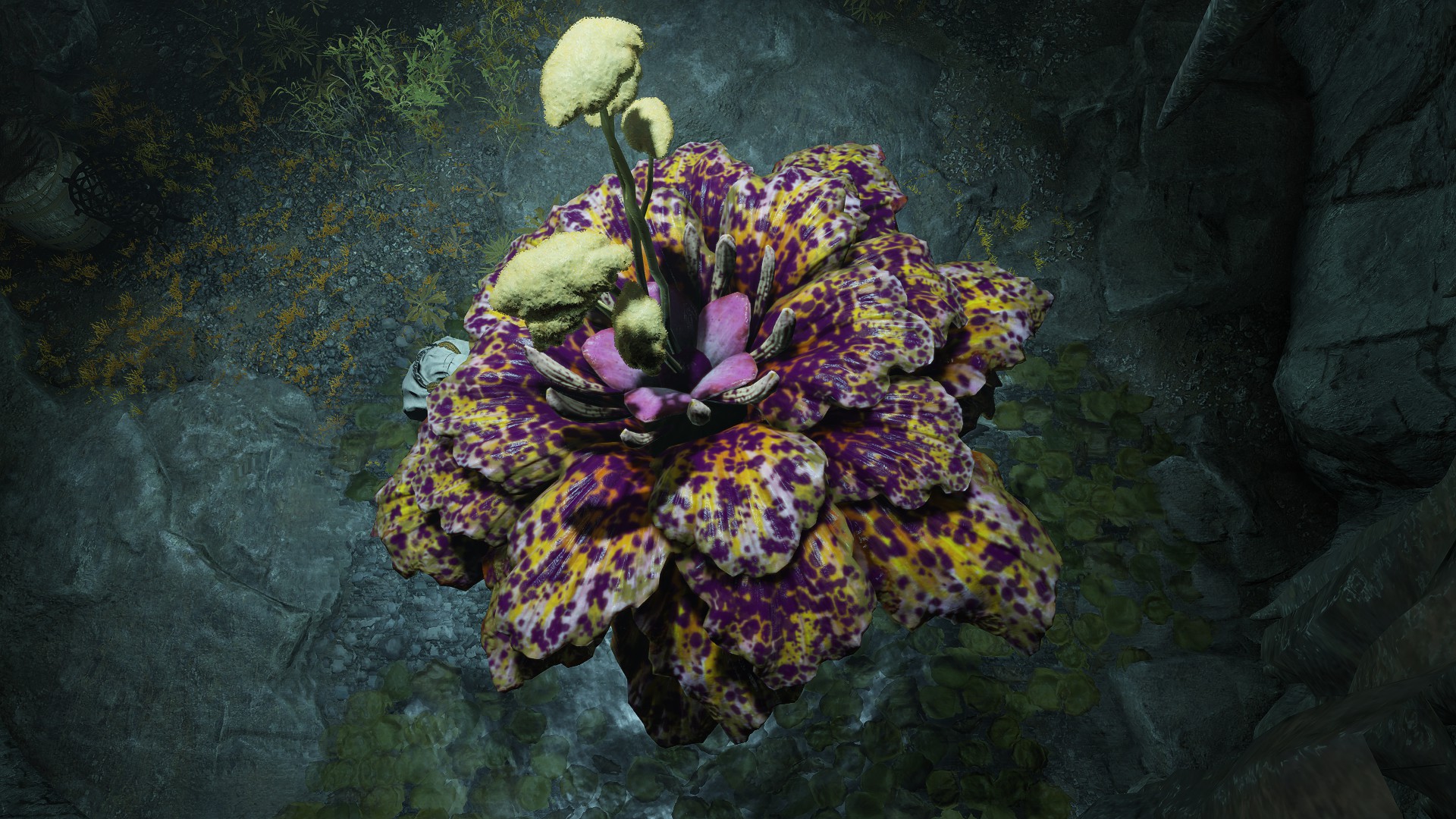
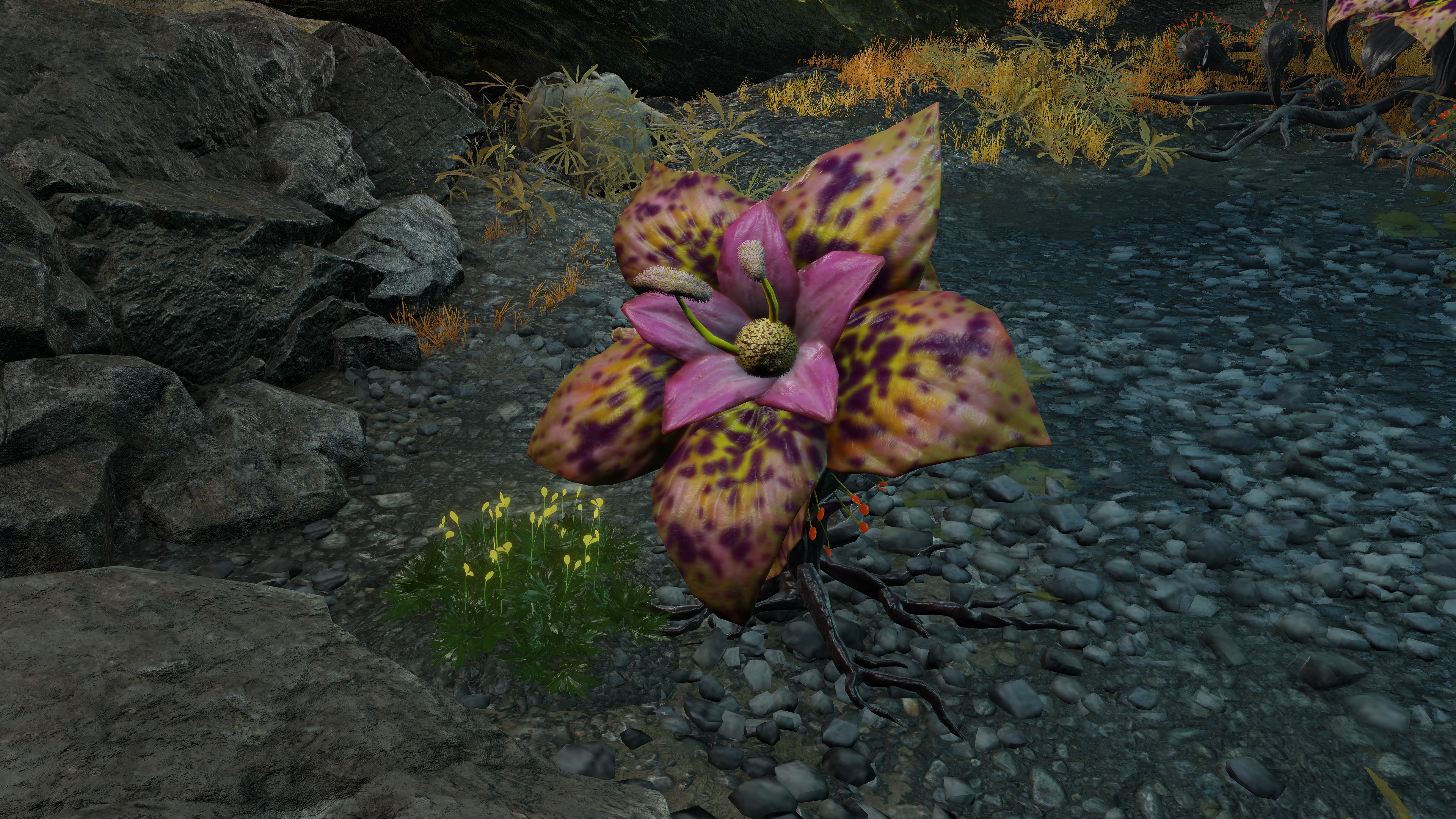
Pollen of the Miranda Flower, a flower that attacks people. One of the materials used in item crafting.
The pollen pre-dissemination has a strong aroma and has been used in perfuming since long ago.
Despite the localization of the name, the physick “chemists” refer to apothecaries just like perfumers. They too are Erdtree priests, mixing substances derived from plants in a specialized bottle to create miraculous drugs; perfume bottles even vaguely resemble that Flask of Wondrous Physick. According to the description, the priests used this bottle to create “wonder drugs”, more literally “spirit drugs”, (霊薬) by mixing crystal tears. Unlike the golden grace in our standard flasks, the crystallized blessings stirred in this container shakes the imbiber to the core, causing body or mind to exhibit extraordinary effects matching the nature of the drop. The flask thereby allows the owner to experiment with a wide variety of combinations, which must have been the intention of the priests-turned-apothecaries. These “wonder drug experts” are thus a specialized subset of the existing “drug experts” from Leyndell. We do see clergy of the capital perform a perfume art with effect similar to a wonder drug bottle filled with the Opaline Bubble Tear, making the connection between the two undeniable.
Relic of the wonder apothecaries, who are priests of the Golden Tree. It draws out the power of the crystal drops that arise at the end of a long period.
It is said that there is a water basin accumulating crystal drops at the base of the minor Golden Trees in various Lands Between.
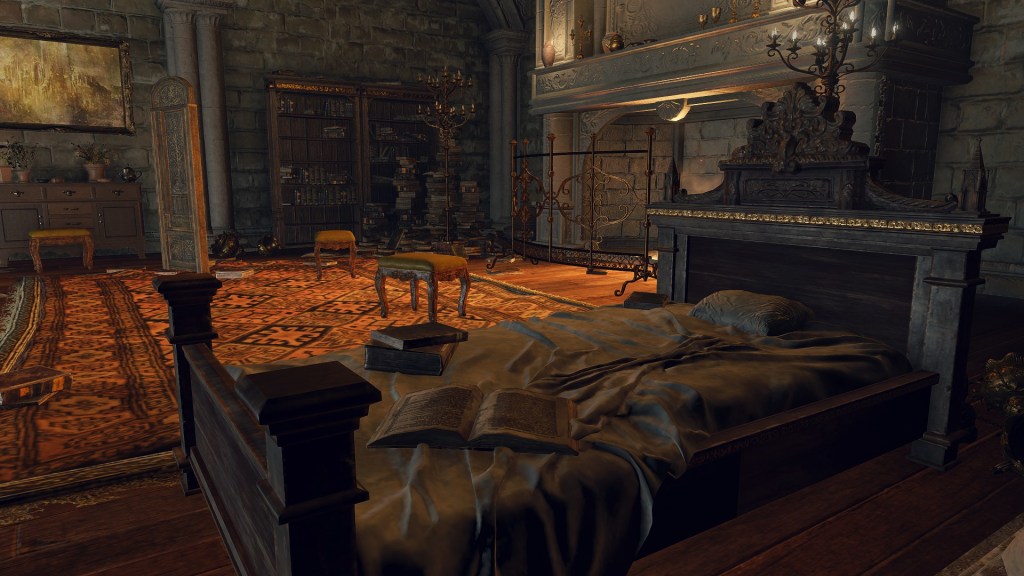
Focus of materials aside, the wonder drug hints to all the apothecaries’ particular interest in the Erdtree and especially its offspring. The intellectual rigor to this priestly discipline similarly insinuates a connection to Fundamentalism. This suggests together that perfuming only emerged in the dying days of Plenty. In fact, the priests’ practice appears to stem from their god. On top of studying Minor Erdtrees, Marika certainly dabbled in perfuming. Besides the potted plants, her room at the Fortified Manor houses the same incense burners seen in the perfumers’ labs; her copious bedside reading has similarly left an embarrassing research pile which the god haphazardly hid from entrants. The queen also provided her son Messmer with special “wonder drugs” she personally blessed with golden grace. These blessing of Marika were never again formulated. Nonetheless, it proves the god’s own expertise with the medicinal chemistry of her priests. And so, she is the one to have introduced the clergy to the fragrant arts.
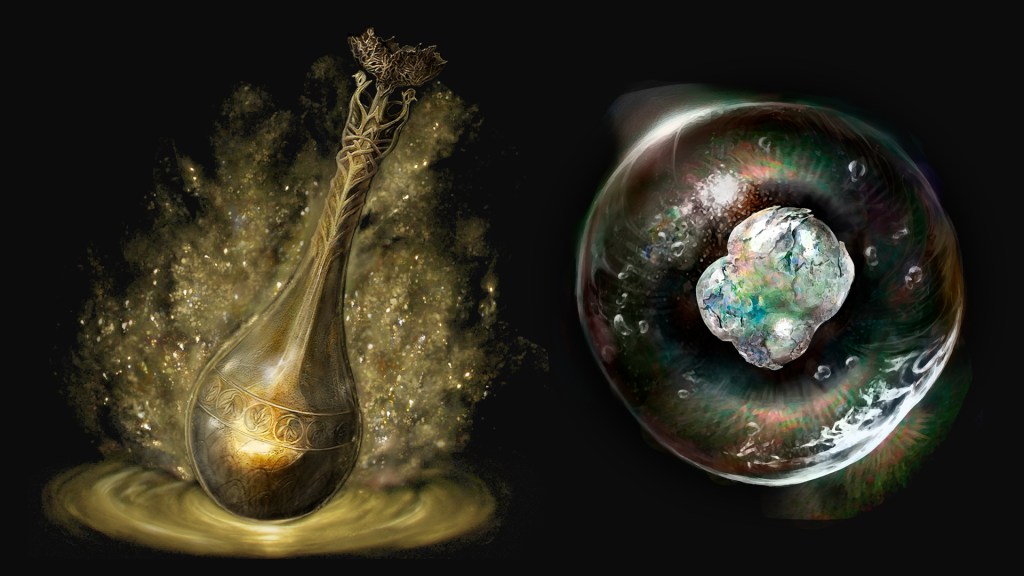




Special wonder drug that Marika, who is queen of the Golden Tree, herself is considered to have graced.
Completely recovers HP and cures all abnormalities.
She made several of these wonder drugs for Messmer. After that, she never did so again.
Given that context, Marika’s declaration at the Minor Erdtree Church was likely to a clerical audience, inviting priests first and foremost to join in this study of plants for a deeper faith. This simple scholarship expanded into a wider discipline, and perfuming was born. Along with it came the first hazy inklings of Fundamentalism. The first to probably take shape was a new definition for corruption. The hybrids in Leyndell’s Pagan Quarter are slaves despite no connection to the penal colony. Descriptions to the various Crucible talismans note how showing partial atavism went from holy to corruption in the wake of civilization. When Marika’s kingdom was still developing organization, writing, and architecture, vestiges of the old tree were easy to laud. But with the Crucible on the decline, her maturing society could no longer call them a necessity. It was thus at this juncture that the misbegotten, even those submitting to the Erdtree kingdom, likely began to be enslaved by nature of being “corrupted” in the eyes of Marika. As the tree changed, so too did their station in life. That was clearly the Order.
This viewpoint was naturally passed onto the priesthood. The best among them, like Tricia, are called “Soothing Hand”, (癒し手) a common term for a doctor or healer. In Tricia’s case, she earned the name aspiring to remedy “corruption” like hybrids. This gives the Soothing Hand a “noble” gravitas befitting her Latin name “Trisha”, (トリシャ) helping the less fortunate find a way back in line with the Order. But in truth, the gentle touch of this noble soul brings only the peace of death. The unsightly corrupted she tries to remedy are “broken” and ultimately buried beneath the Perfumer’s Ruins, where we find her alongside the leader to a pack of misbegotten. There in those Unsightly Catacombs, the healer remains to comfort them as their companion, making her failed test subjects’ final days painless at least. The implicit cruelty to such sympathy is clear as day. The perfumers might primarily exist to remedy, but that won’t always be the result, especially when their patients were abominations to the faith.
Ashen remains harboring spirits. Summons spirit of Trisha, perfumer.
Trisha was once called the Soothing Hand and aspired to a remedy for hybrids, omen children, all corruption. And then, after they were broken, she became their companion in death. So that their last days at least are painless comfort.
That also resembles the Deathbed’s beginning.
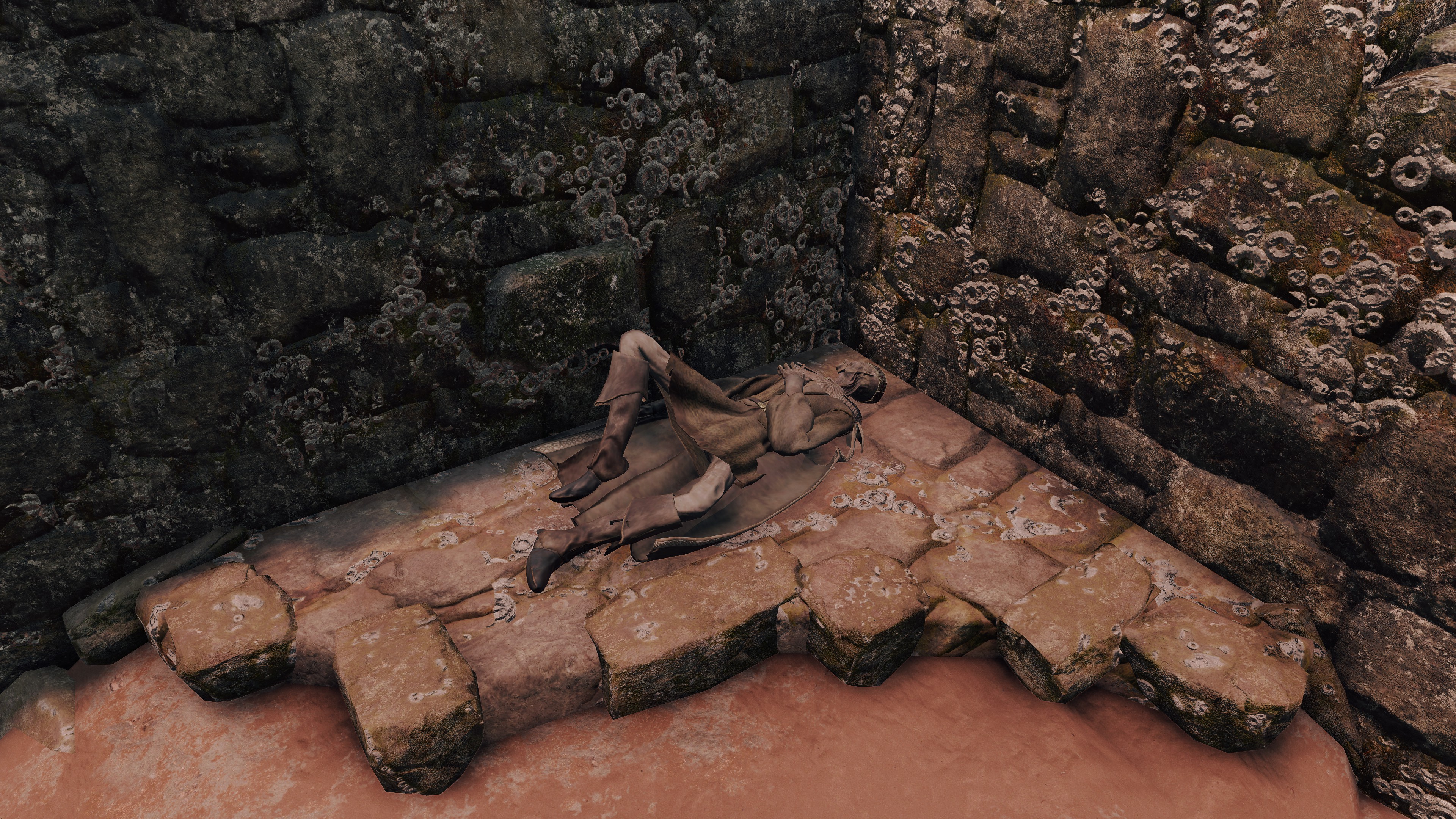
This new understanding of the Golden Order pioneered a more cosmopolitan mindset. Those of the same mind as Tricia apparently just up and leave the plateau, searching for their remedy to corruption in other lands. These travels takes them as far as Caelid as the one perfumer found dead in the Street of Sages Ruins exemplifies. Despite the dangers, they still embark in the hopes of finding new drugs or gardens which cannot be found on Altus, anything with which to alleviate spiritual impurity. To that end, they trade in their thick aprons for softer leather with less ornate patterns, ready to trudge long distances through the elements. This has not earned them a name, like Tricia, but their cause is just as noble and a testament to their faith. The priests believed their Order was perfect, but they had merely clung to imperfections, excesses the sacred tree was destined to shed. Marika promised to show them the way to true enlightenment, and so they stepped outside the boxes which confined their faith. Under the queen’s guidance, the religion began looking at the bigger picture.
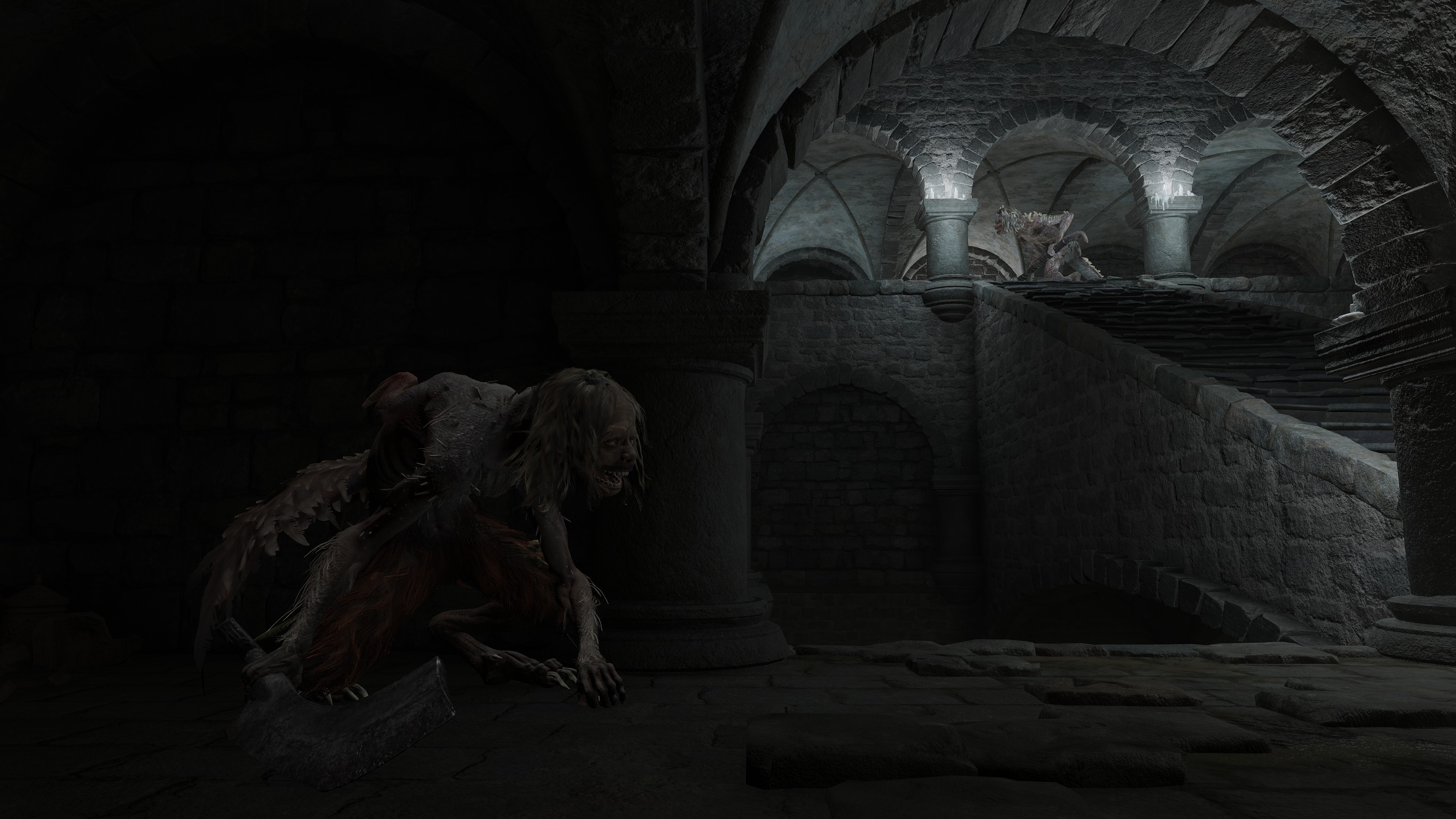
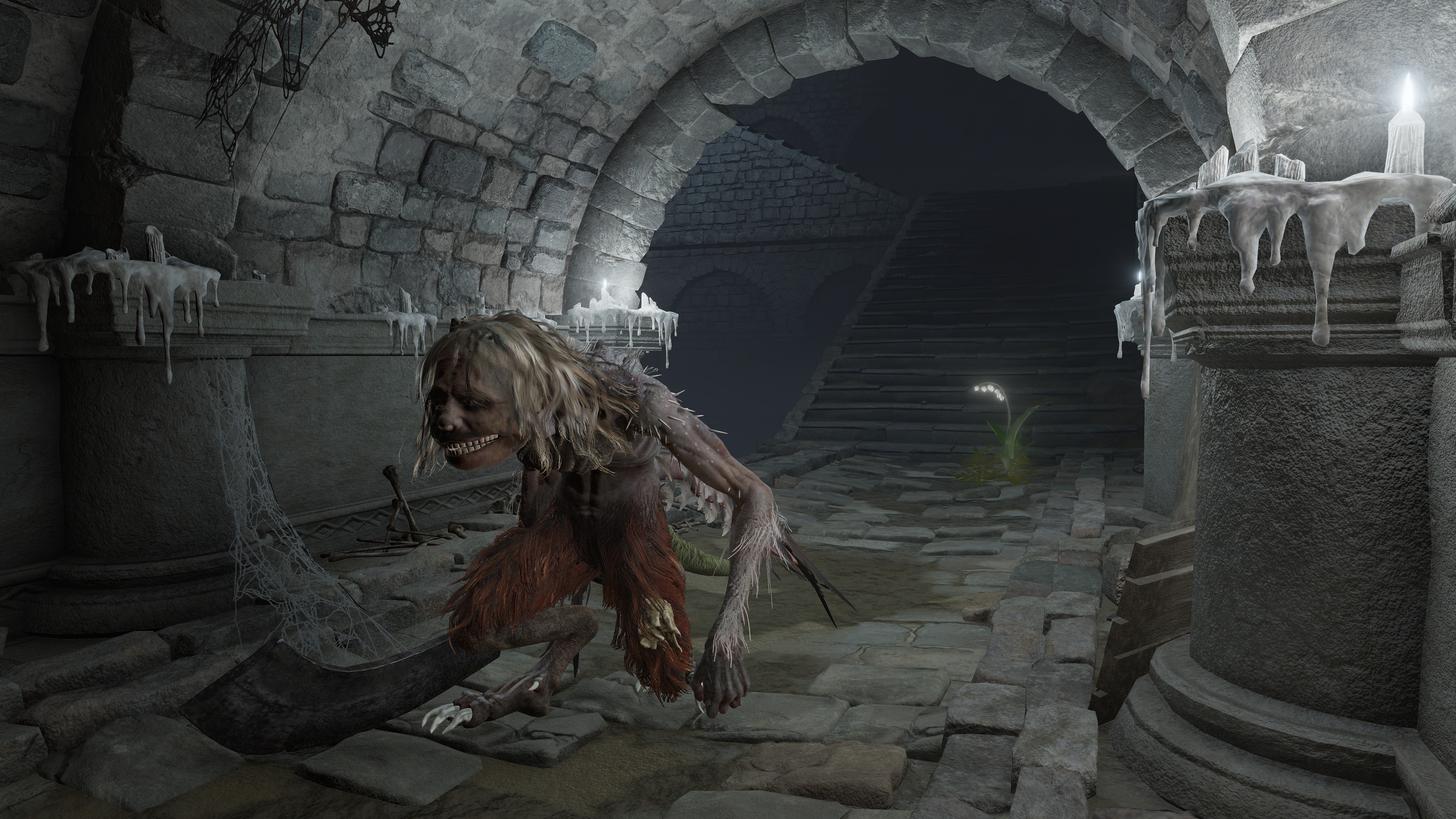
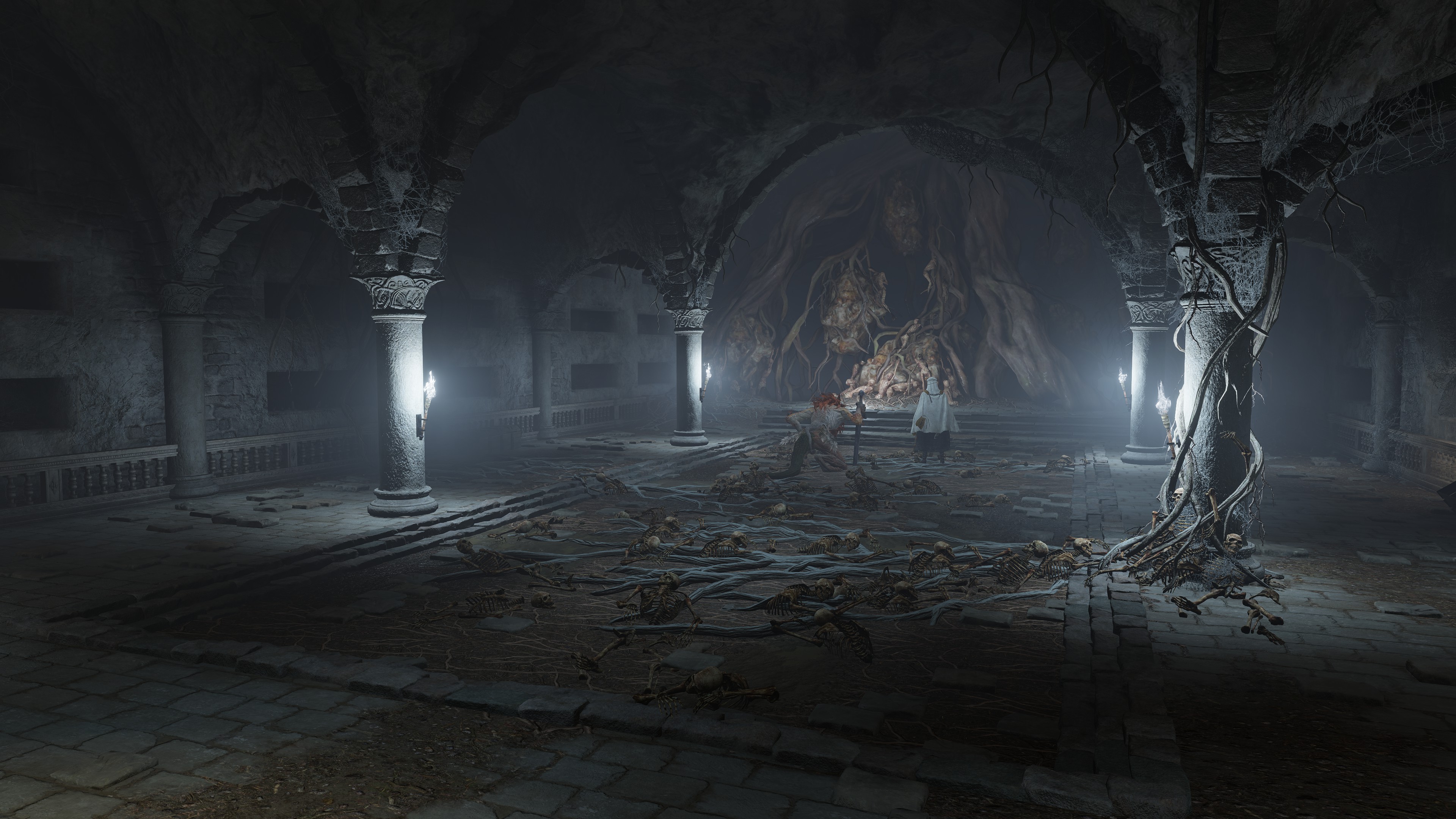
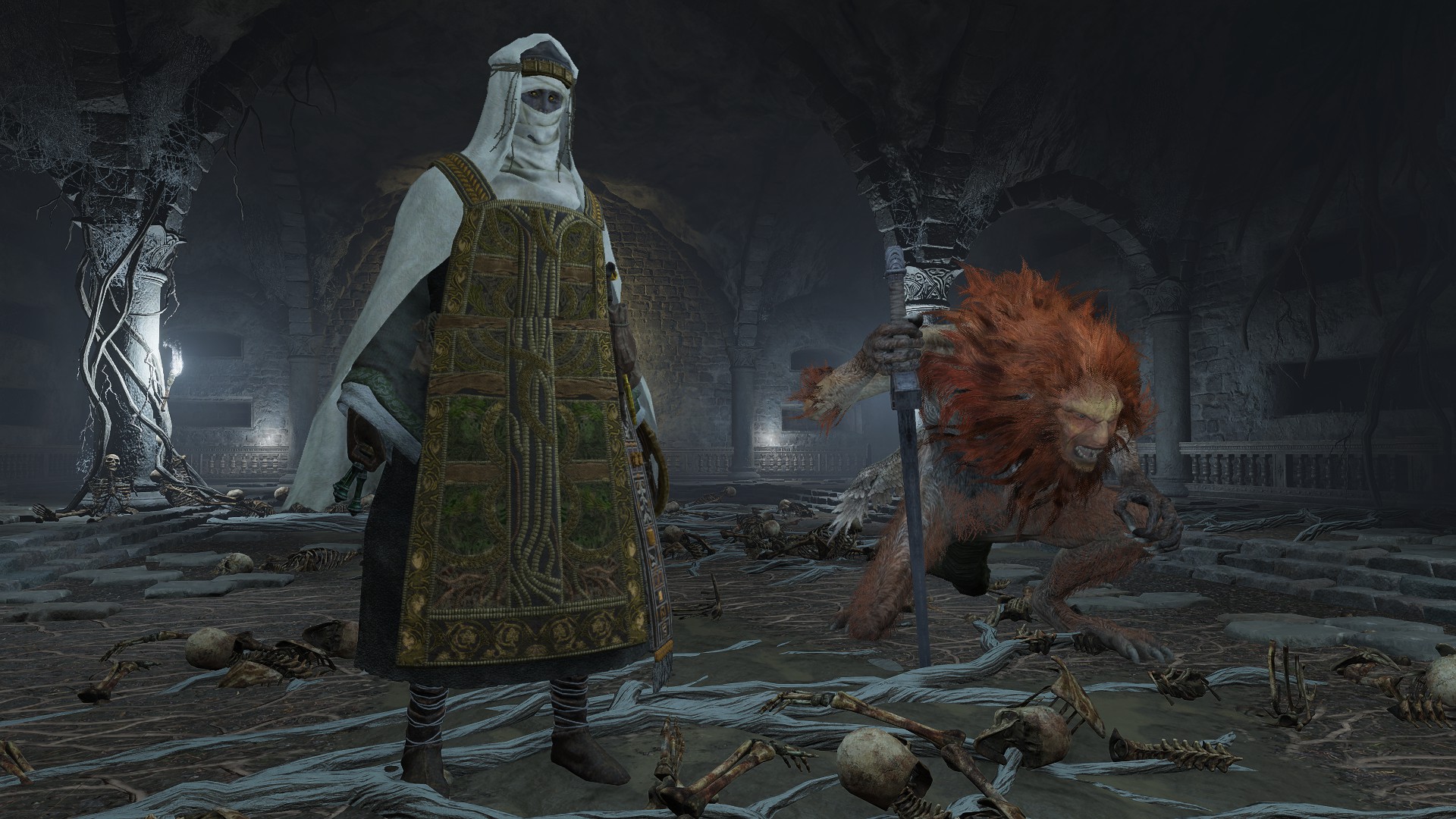
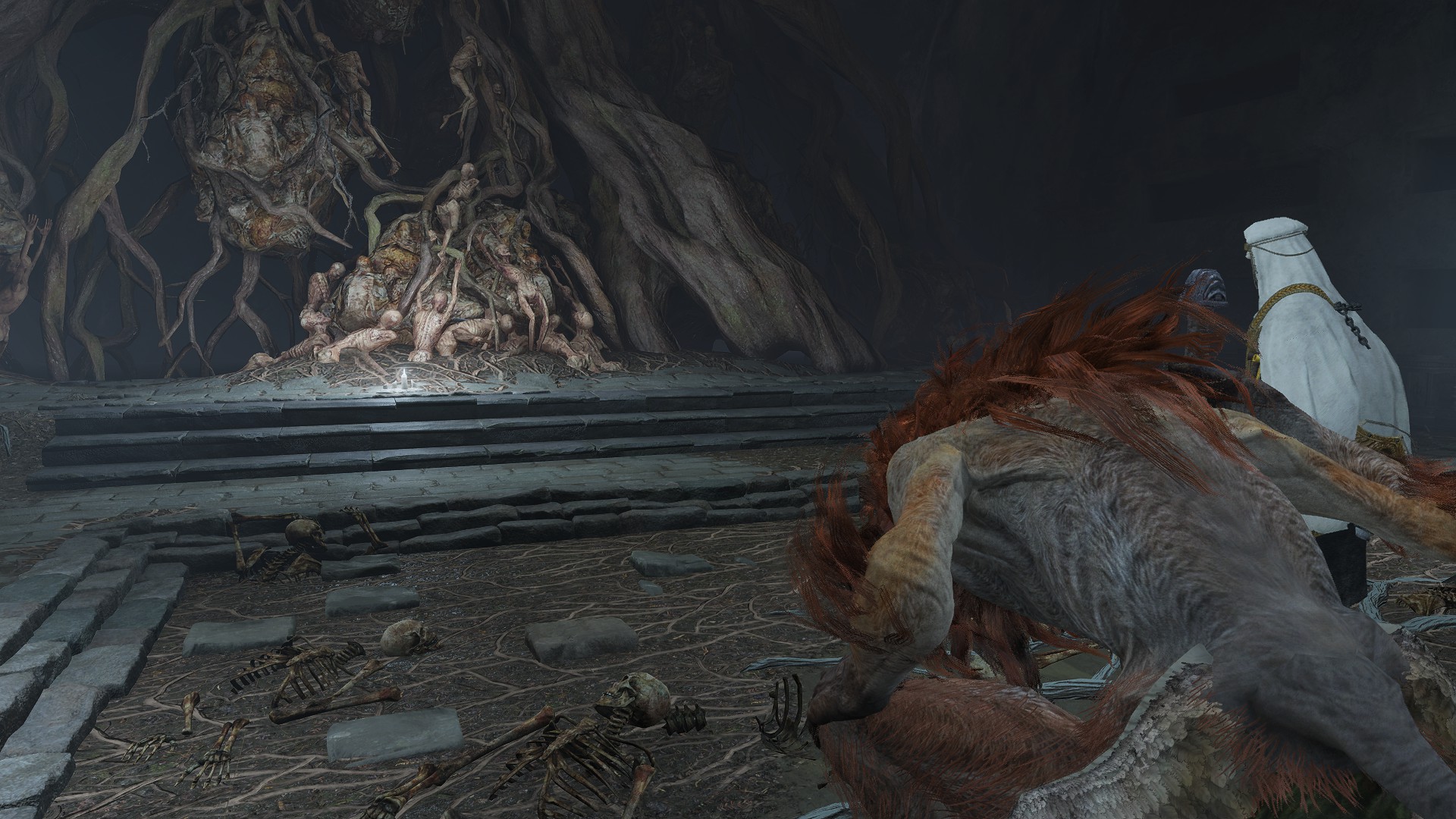
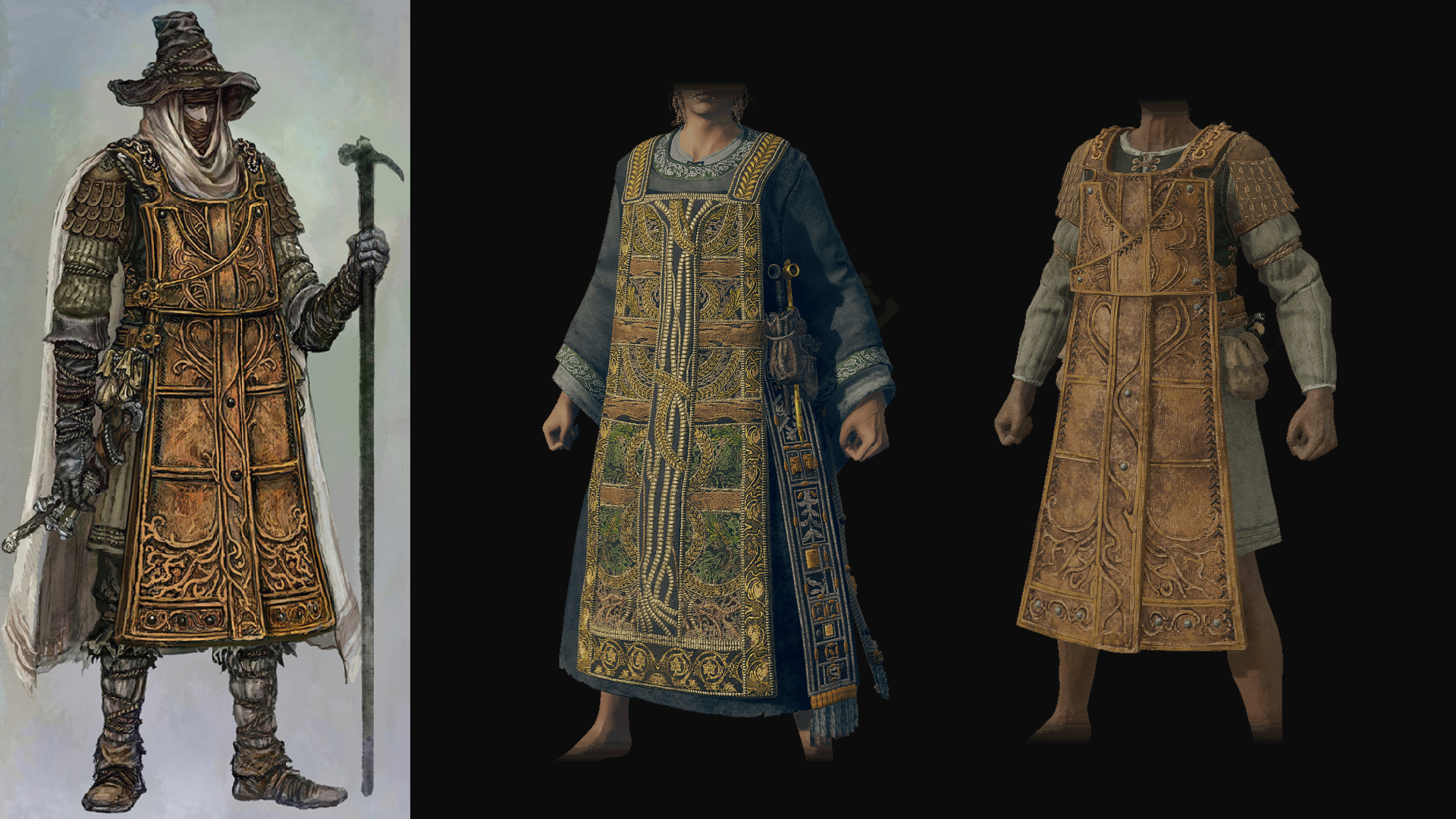
Hat of a nameless traveling perfumer.
That man is the Soothing Hand’s kindred spirit and is said to have sought new aromatic drugs and flower gardens. For the sake of a remedy for hybrids, omen children, all corruption.
Apparel of a nameless traveling perfumer.
The thick apron which is proof of a perfumer has been retailored into a simple thing with soft leather.
Granted, Marika’s efforts weren’t simply confined to the walls of a church. Even ignoring her room at the Fortified Manor, the queen’s inquiries persisted throughout daily life. The scrolls filling her bedchamber at the Erdtree Sanctuary are far outnumbered by stacks upon stacks of aged tablets, the same seen at Rauh. At every moment free from the day-to-day operations, the queen was sifting through records of the ancient past, hoping to glean even a glimmer more about the nature of Order. And thanks to the god and clergy’s research, Marika’s burgeoning revolution began to trickle down throughout her kingdom. Their herbology alone may well be responsible for introducing Erdtree society to herbal tea, teapots found both Marika and the perfumers’ labs as well as dining areas for the castles under her dominion. Still, that didn’t mean that all the fruits of the Eternal Queen’s labor were necessarily wanted.




The Ringed Finger possesses a curious detail in its description: the serpent god from whom it was severed is an “ancestor” to the Finger Creepers. This term for ancestor (祖) refers to any kind of founder or originator, meaning that the bizarre “finger bugs” (ユビムシ) in at least Gelmir somehow derive from the snake rather than Metyr. They certainly do share a resemblance, with the large variant of Creeper wearing similar rings with which it performs magic. The finger hammer’s description similarly highlights how it is still alive, hence being slightly “lukewarm” (生温かい) — which also happens to use the kanji for “life”. (生) With such vitality remaining so long after the fact, it is easy to imagine that finger of a dead god serving as the materials to the birth of a new, monstrous life form. This doesn’t necessarily implicate the severed finger buried with heroes on Gelmir in the Creepers’ creation, just some part remaining of the immortal deity. And given the great serpent’s return in the modern day, the existence of other fingers for cloning derivatives is possible.
Great finger hammer wearing many heavy rings. Considered to have been amputated from the ancestor of the finger bugs.
It is the legacy of an old blasphemy, so it yet remains alive and slightly lukewarm.
In that case, who or what could first cause the Creepers to spawn except Marika? We can find the enemies not just on Gelmir, but also in the sewers of Leyndell. Clearly, someone failed to dispose of a surplus made in the royal capital, the unnatural critters slipping into the nooks and crannies out of sight like rats. But why would anyone living there want to create such grotesqueries in the first place? For the resident queen, they might provide insight into the Two Fingers. With the god’s newfound interest in the nature of her divine powers, it is no surprise that she would look beyond just the tree and Great Runes from which it germinated. Fundamentally, she is trying to understand holiness itself, and that ultimately means defining the Greater Will from which all holiness stems. Yet one cannot simply study the Will directly, so the god is forced to look to the Fingers mediating for it. And considering the likely response, she couldn’t afford to study the arcane entity in any real depth. And so, she resorted to try and replicate it. Thus were the Finger Creepers born in her capital.
If these are the products of Marika’s experiments, then her disrespect for the dead — particularly heretics — is to be expected. We come across more Creepers upon the Giants’ Summit in the Mountaintops. These enemies are unique in that the larger variants wear no rings, magical or otherwise; we also encounter particularly ginormous ones among the bunch. From the location, these Creepers were likely sourced from the resident giants, specifically their frozen corpses — not like their crumbling figures would miss a few fingers. In short, it wasn’t just the great serpent used for finger experiments. This research is unlikely to be the work of the Fire Monks watching over the summit, given the mundane results doesn’t advance their incantations. But the only other party with free access to the Mountaintops, let alone the summit, would be the royalty who forbid them. Therefore, Marika is the liable culprit, conducting these and the other experiments at her capital in order to better understand the Two Fingers.


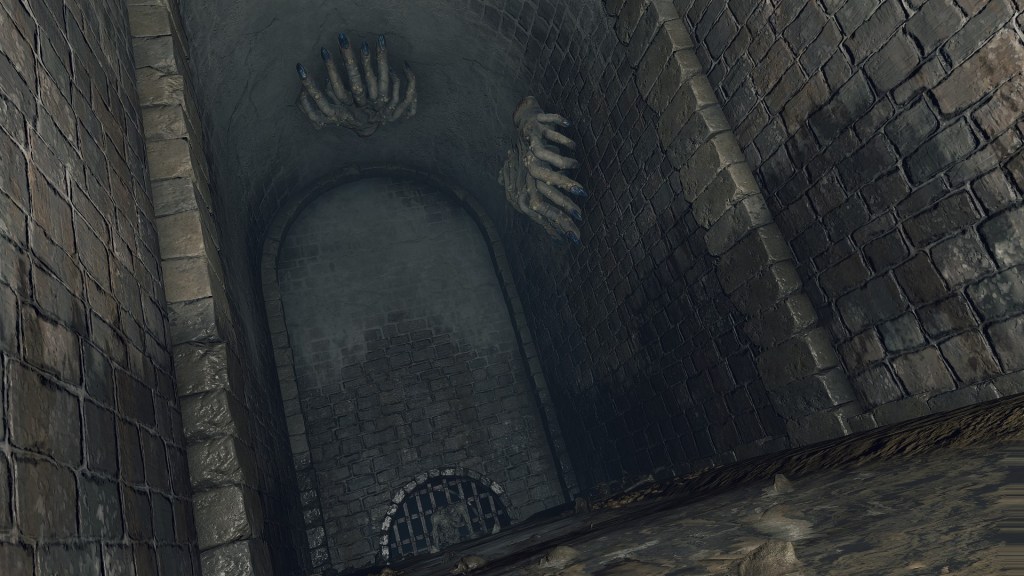
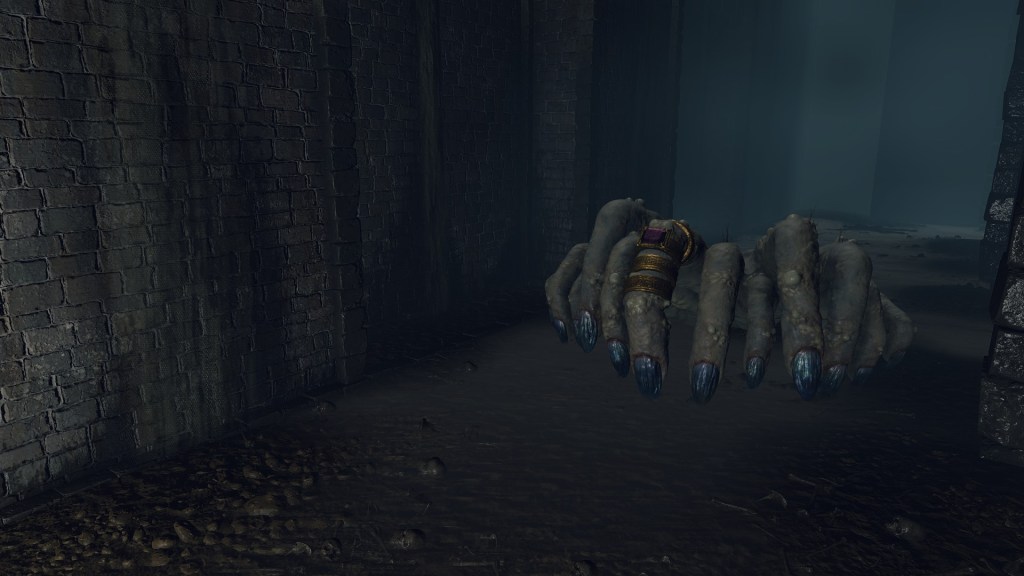
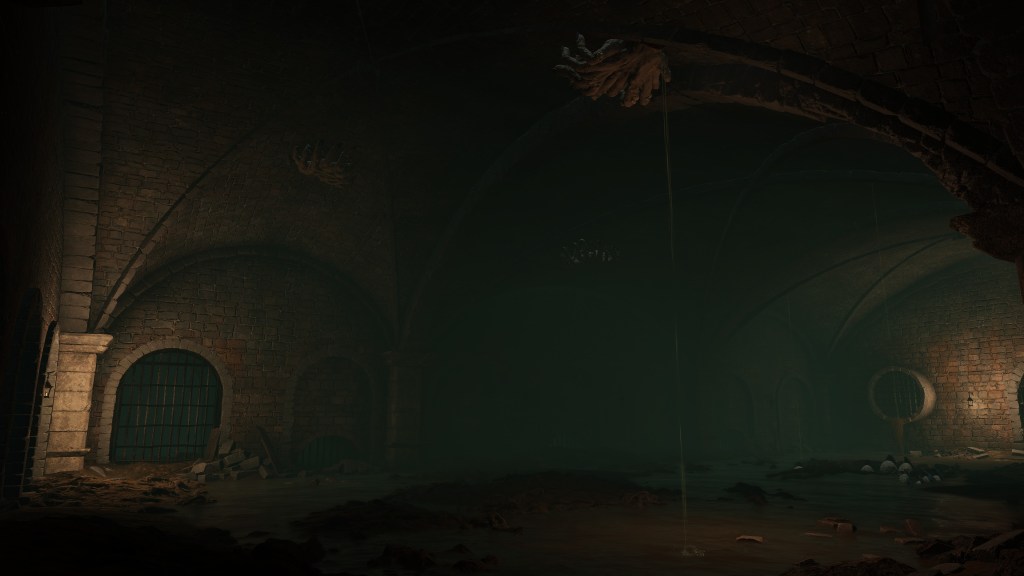

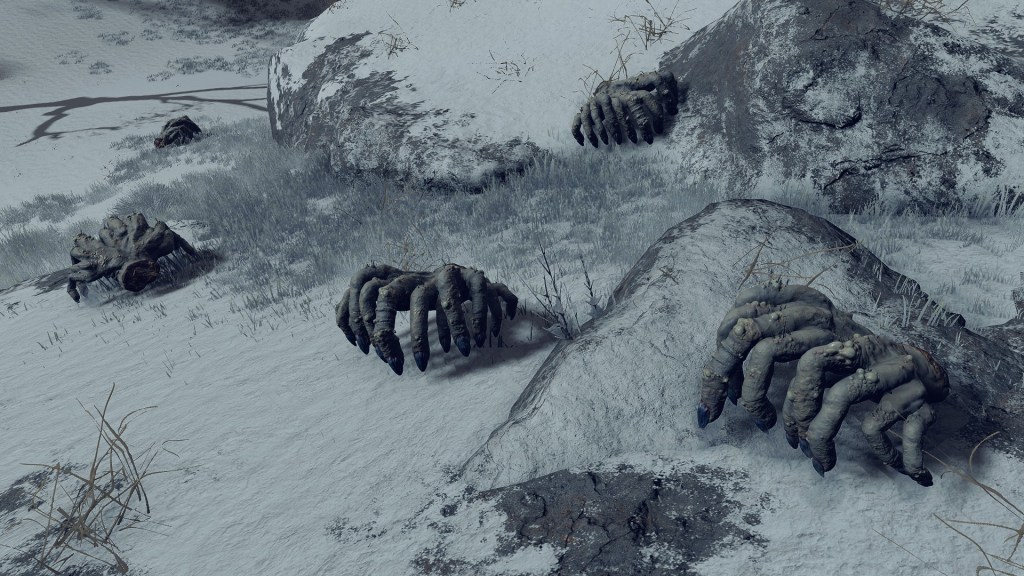

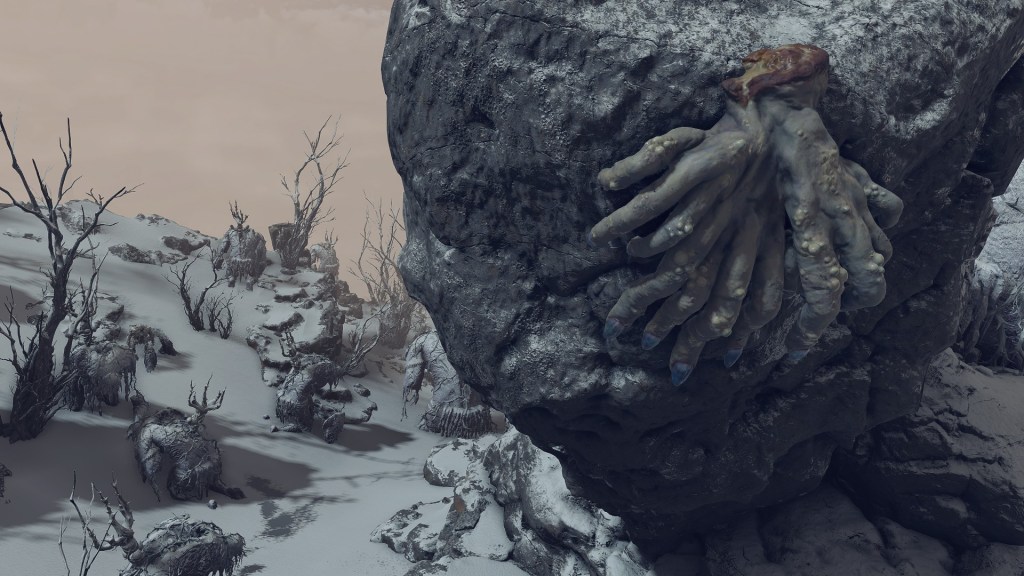

Although these experiments evidently all failed, each still contributed to the larger goal of comprehending the power which inspired the kingdom’s faith. With each failure, Marika must have felt she had come one step closer to finding the truth about Order. However, if the formal establishment of Golden Order Fundamentalism under her second husband’s reign is any indication, it was still a long process. Learning the full nature of gold and its larger place in the cosmos from scratch was hardly an easy task. Perhaps the Eternal Queen sought aid from her neighbors underfoot, but if the Eternal City below cooperated, the Nox’s contribution wasn’t too significant. Rather, Marika would look westward for answers, from the pinnacle of academic discourse.
 Lokey Lore