
Preface
While all the focus is rightfully placed on the demigods, Elden Ring has a rich history which began only after their epic had more or less concluded. Liurnia is unique in how it brings that part of the tale to the forefront, which goes a long way to justify the sheer scale of the land compared to the demigods’ territories. The narrator may close the book on the old heroes, but new epics were being written before we took the stage. To know that the world keeps on turning without the major players adds a splash of life to this otherwise static setting for the hero’s journey, and I appreciate FromSoftware‘s consideration for the “forgotten men and women” in this context.
Moonset
While the Academy of Raya Lucaria had long lost faith in their Full Moon Queen, Radagon’s rise as Elden Lord had buoyed Caria’s decline. And so, after Marika and he had disappeared in the wake of the Elden Ring’s shattering, the Carians lost another pillar to their credibility as royals. Liurnia’s royal family subsequently placed their hopes in Ranni to succeed her mother, but she instead threw her hat into the ring to become her father’s successor. Caria had no queen, and Liurnia had no ruler. The only force effectively keeping the status quo were the soldiers and knights invariably deployed to help maintain the Golden Order’s influence over the region. Item descriptions confirm that Raya Lucaria contracted the soldiers in service to them, implying that an army-for-hire already existed locally. And given how that army’s equipment follows the same model as the rest of the Erdtree forces, they must have been a peacekeeping garrison deployed to Liurnia before agreeing to any contract. It was their duty to safeguard the land for the Eternal Queen and her consort, whatever the political tensions occurring internally.
Robe that denotes being the highest-ranking sorcerer. Apparel of Rennala, Queen of the Full Moon.
Rennala, who was leader of the Sorcery Academy of Raya Lucaria and the Caria Royal Family, lost heart along with Radagon, who was her spouse.
And then the academy realized. That she is a hero no longer.
But who had been commanding these Liurnian forces? There were no forts or castles for members of Erdtree royalty or nobility to be stationed in, except Caria Manor, and neither party was going to accept placing a “handler” in the sorcerers’ midst. The troops therefore answered to no one but the king they all swore fealty to, and he was effectively deposed. In other words, the garrison could only stand by and wait for a successor to be chosen and hand down new orders. Doubtless this caused no concern, even as the transition period dragged on with needless debate over in the capital. Neither Caria nor Raya Lucaria apparently made any major moves at home, with their princes and princess too busy maneuvering for their own interests before the Elden Throne to give the parties direction. All was quiet on the western front.
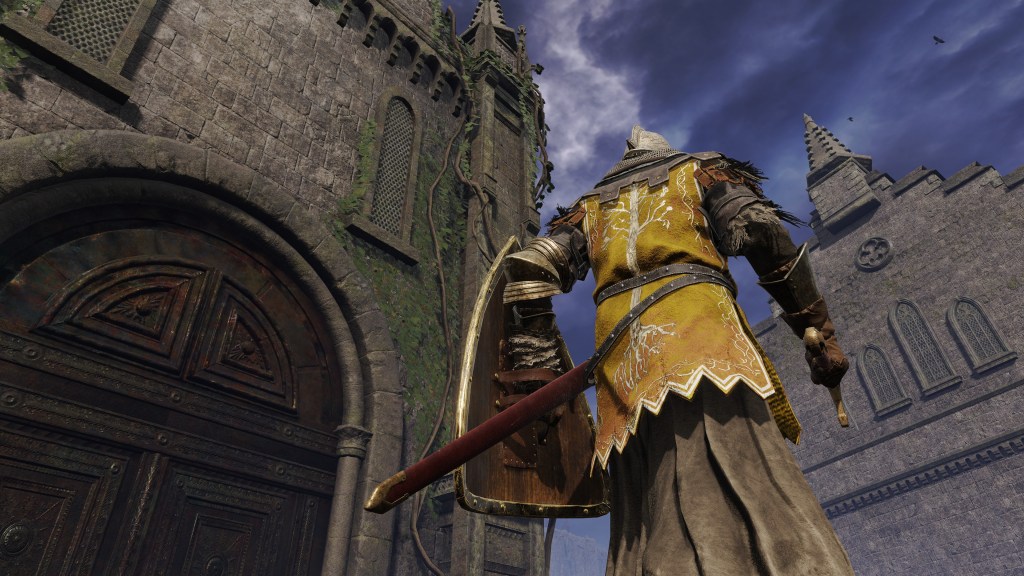
But then, the Shattering broke out. Time and again, the academy would see armies cross their highway as the Erdtree kingdom slowly fell apart. According to Thops, Raya Lucaria’s official position was noninterference in the war, seeing it as an internal matter for the royal capital to resolve and not relevant to them all the way out west. Perhaps a number of Erdtree nobles attending the academy or soldiers stationed in Liurnia left to join a faction’s cause as they were passing through, but the Liurnians themselves remained steadfast in their stance — at least, initially. Yet as it became clear to the sorcerers that this wasn’t just a minor dispute but full-blown civil war, they needed to ask themselves the question: what stopped one of these factions from remaining as an occupying force? With their valuable sorcery there for the taking, it was possible. If the academy wanted to retain autonomy and avoid getting caught in the crossfire, it needed a deterrent. But how would they accomplish that without an army? Feeble scholars like them couldn’t take on knights. The answer was, of course, bribery.
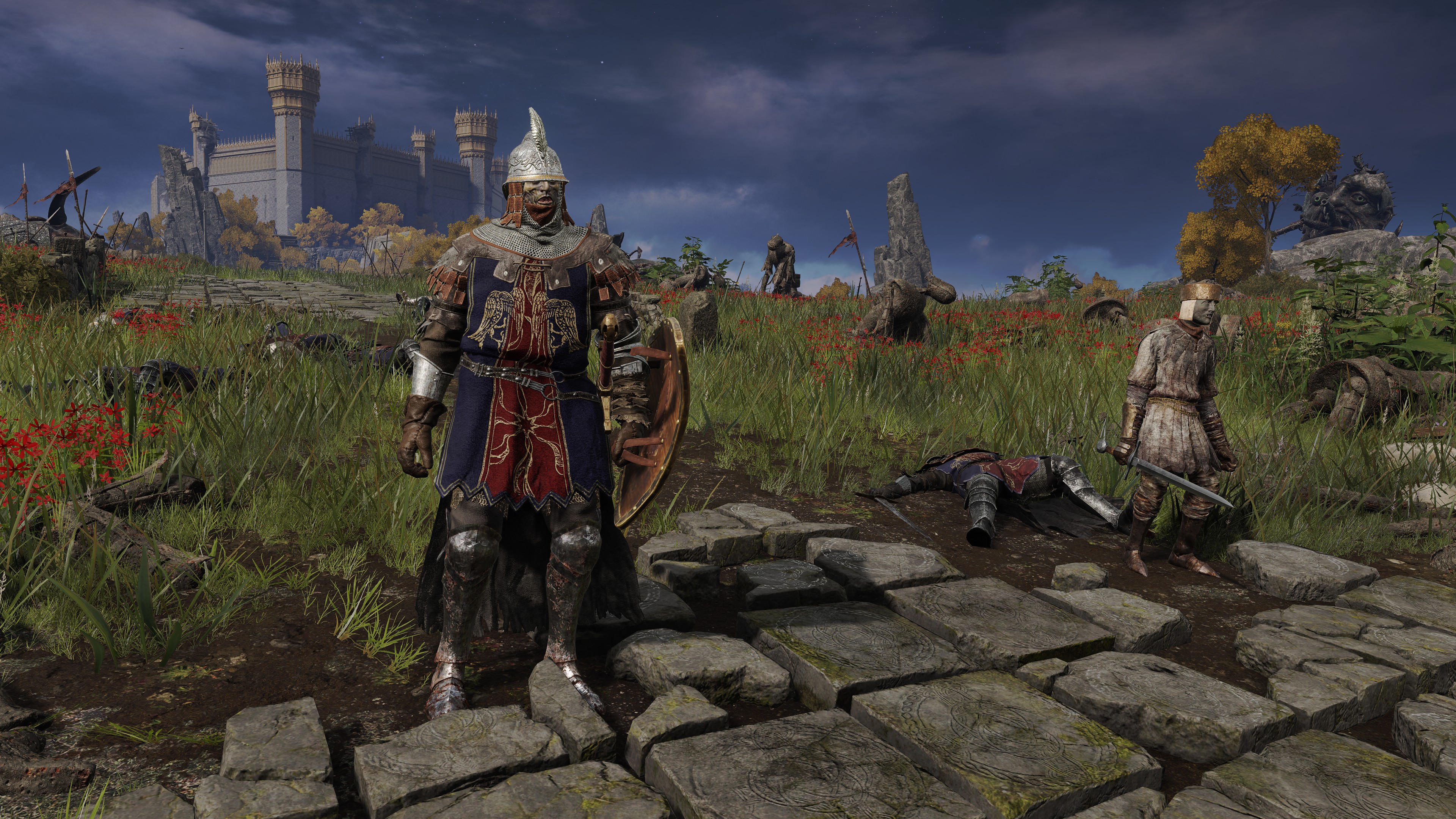
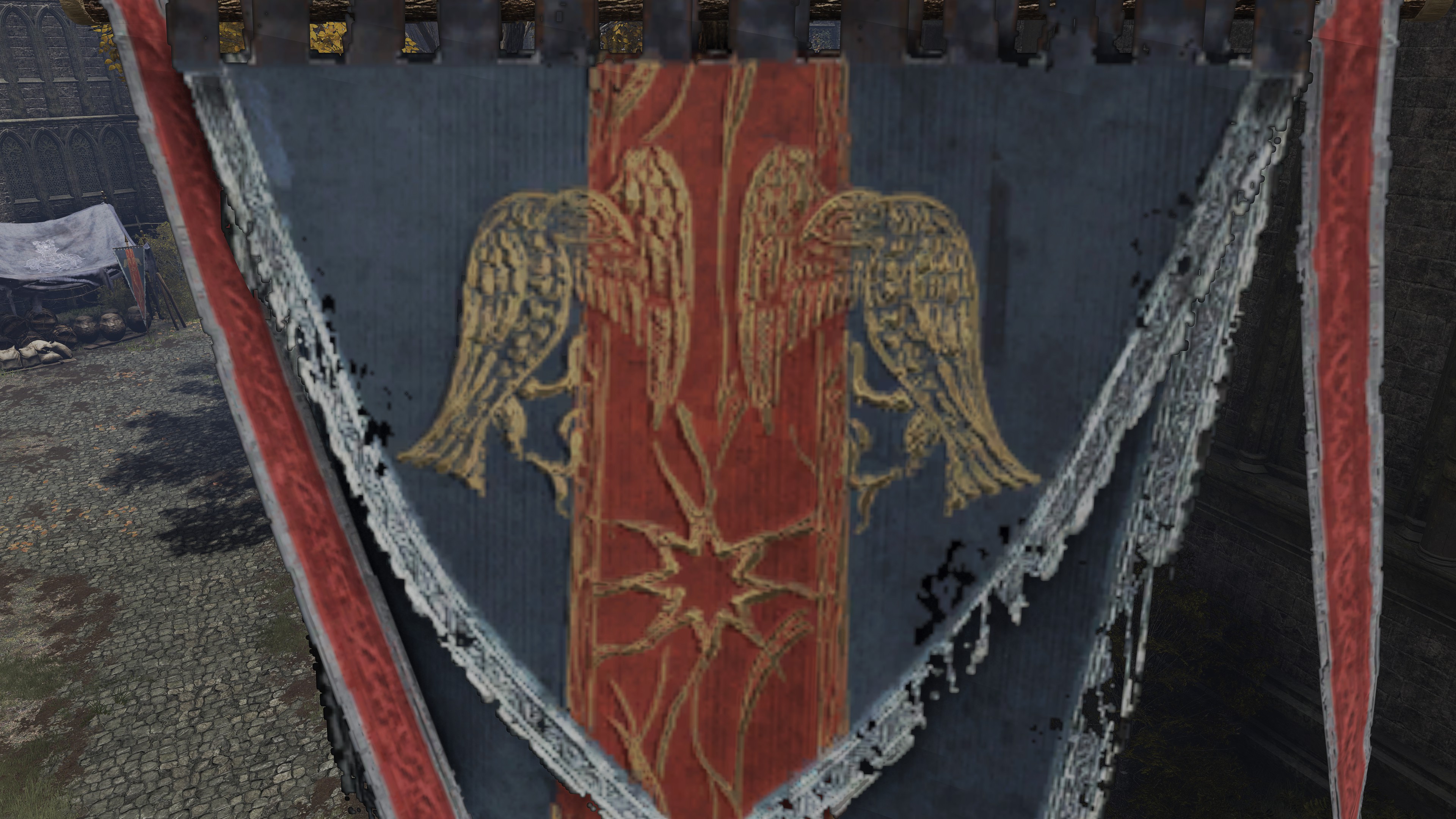
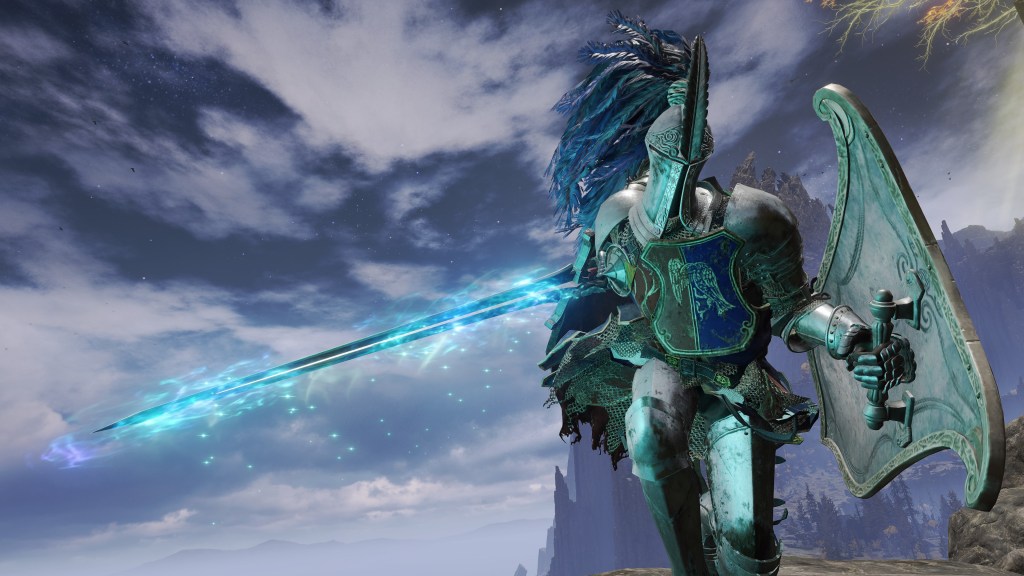
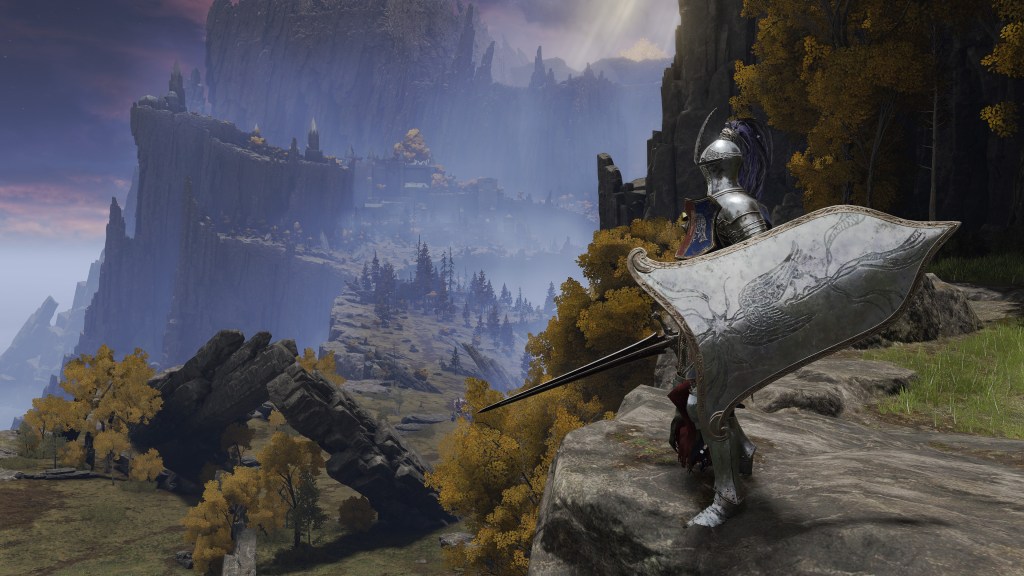
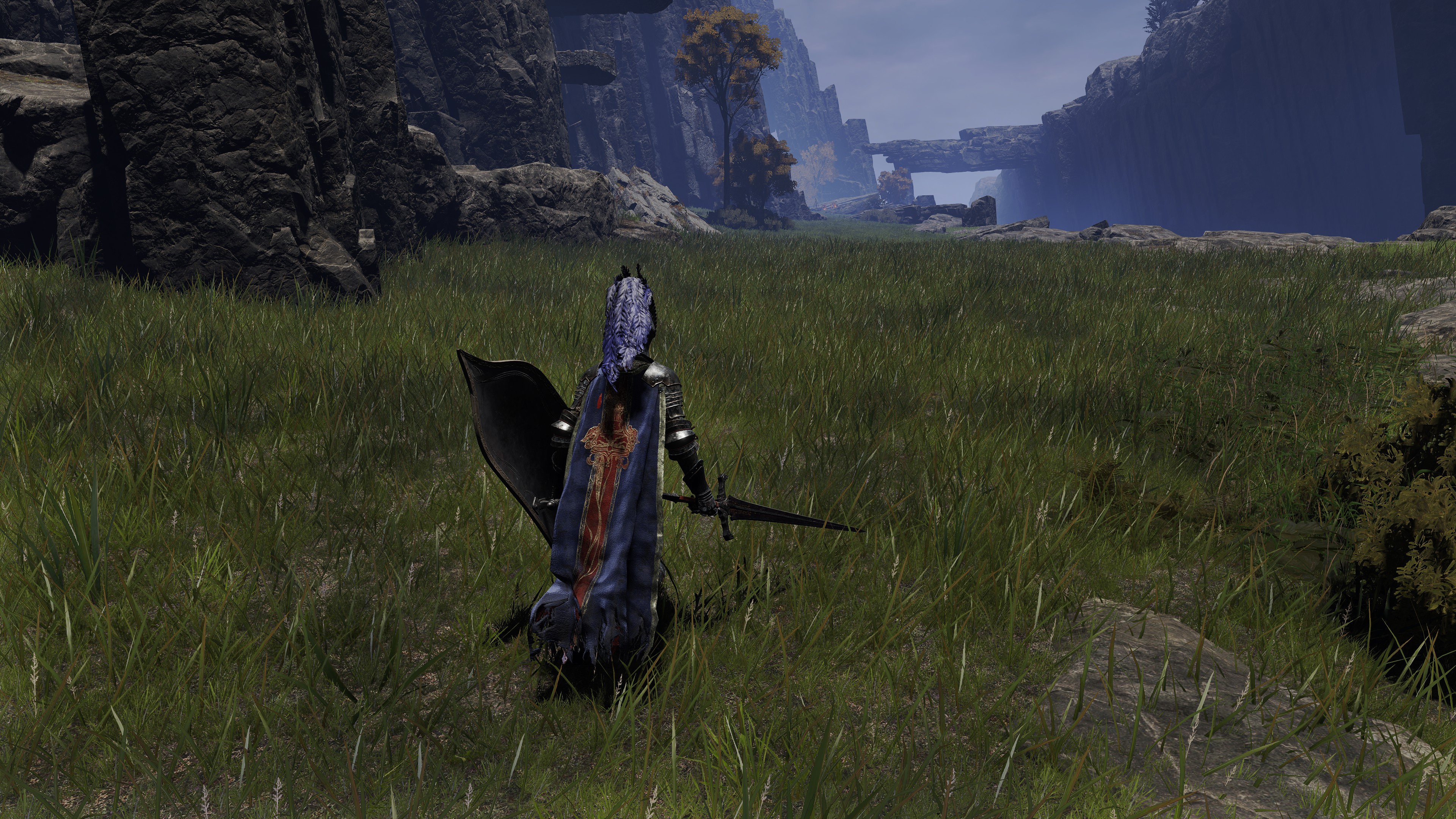
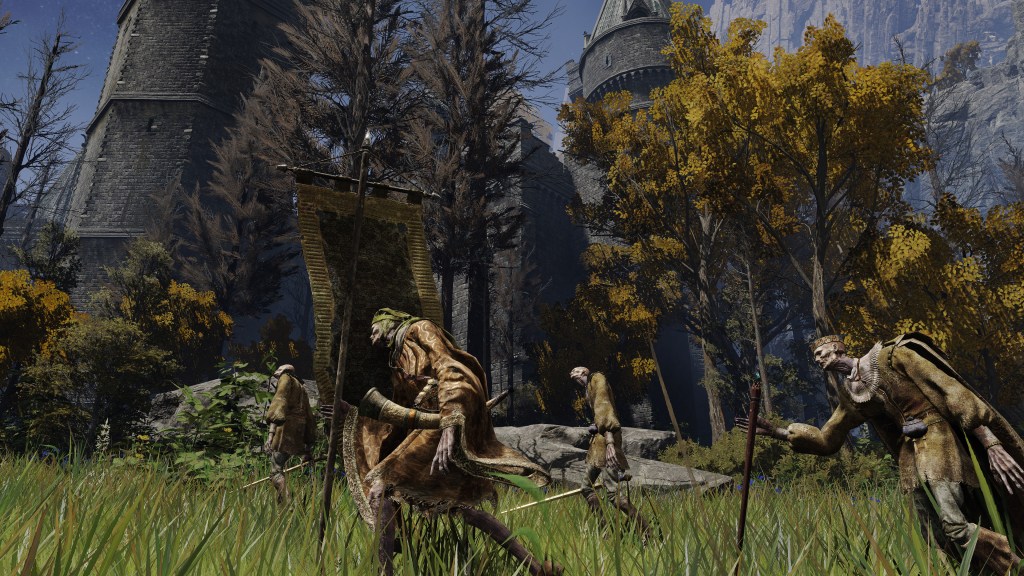
The academy’s forces don the colors of the sorcerers they serve, illustrated with their same iconography — the school’s crest, the pattern on the scholars’ stoles, the stars, and of course, the peering cuckoo. Indeed, their alias is the Cuckoos, a name they embraced for themselves. Not only is the bird emblazoned on the surcoats or breastplates, its feather ornaments their helmed brows; knights go even further with blue plumage for the back. Why identify with the bird specifically? Because as depicted on the knights’ greatshield and the soldiers’ surcoat, the cuckoo is peering at the “prosperity” of glintstone, a star overflowing with power. The surcoat’s description notes the transience of flesh for glintstone sorcerers, which only the Cuckoos know and watch over. This is true in the sense that the army recognizes the scholars’ frailty and so protect them. However, it also applies to the warriors themselves, eyes fixed on lasting power surpassing their mortal frames. That grabs the Cuckoos’ attention. When it comes to contracting them out as sellswords, Raya Lucaria had one thing to offer, and that was sorcery.
Chest armor of soldiers serving the Sorcery Academy.
Brightstone prosperity and the cuckoos peering at it are depicted on the surcoat. For the Cuckoos alone know that the flesh is no more than transient to a brightstone sorcerer and watch over it.
It is easy to imagine why when considering who these mercenaries were originally. The troops in Liurnia didn’t become part of the royal capital guard or a demigod’s unit. They were assigned an unremarkable post in the lowlands, overseeing traffic between more important provinces. That puts them far and away from consideration as one of the elite, no Cuckoo demonstrating knowledge of a single incantation. Put simply, they were the dregs of the army, nobodies lacking the skill or connections to aspire for anything greater. Liurnia was, for their career, a dead end — much like how cuckoos birds are popularly imagined as outcasts. The description to the Cuckoo Knight’s armor confirms their intention for aligning with sorcerers instead of the homeland. They aren’t blindly loyal to the academy on some principle or ideological grounds — they are purely in it to learn the secrets of glintstone. Having watched over countless others come to learn the arts cultivated in that land, fate finally presented the lowly soldiers a peek. The envious birds thus lift their wings and let their minds absorb a share of that power.
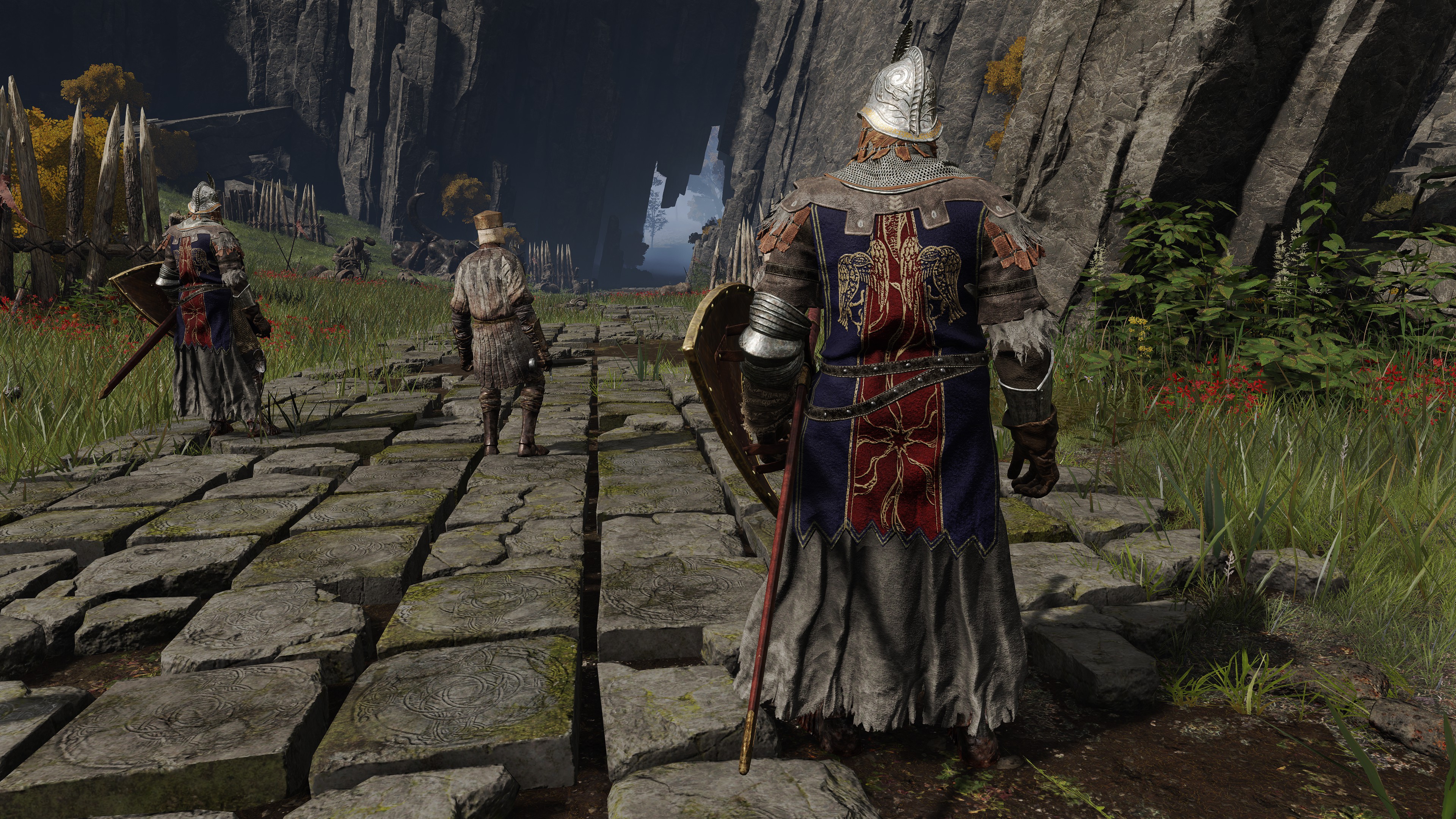


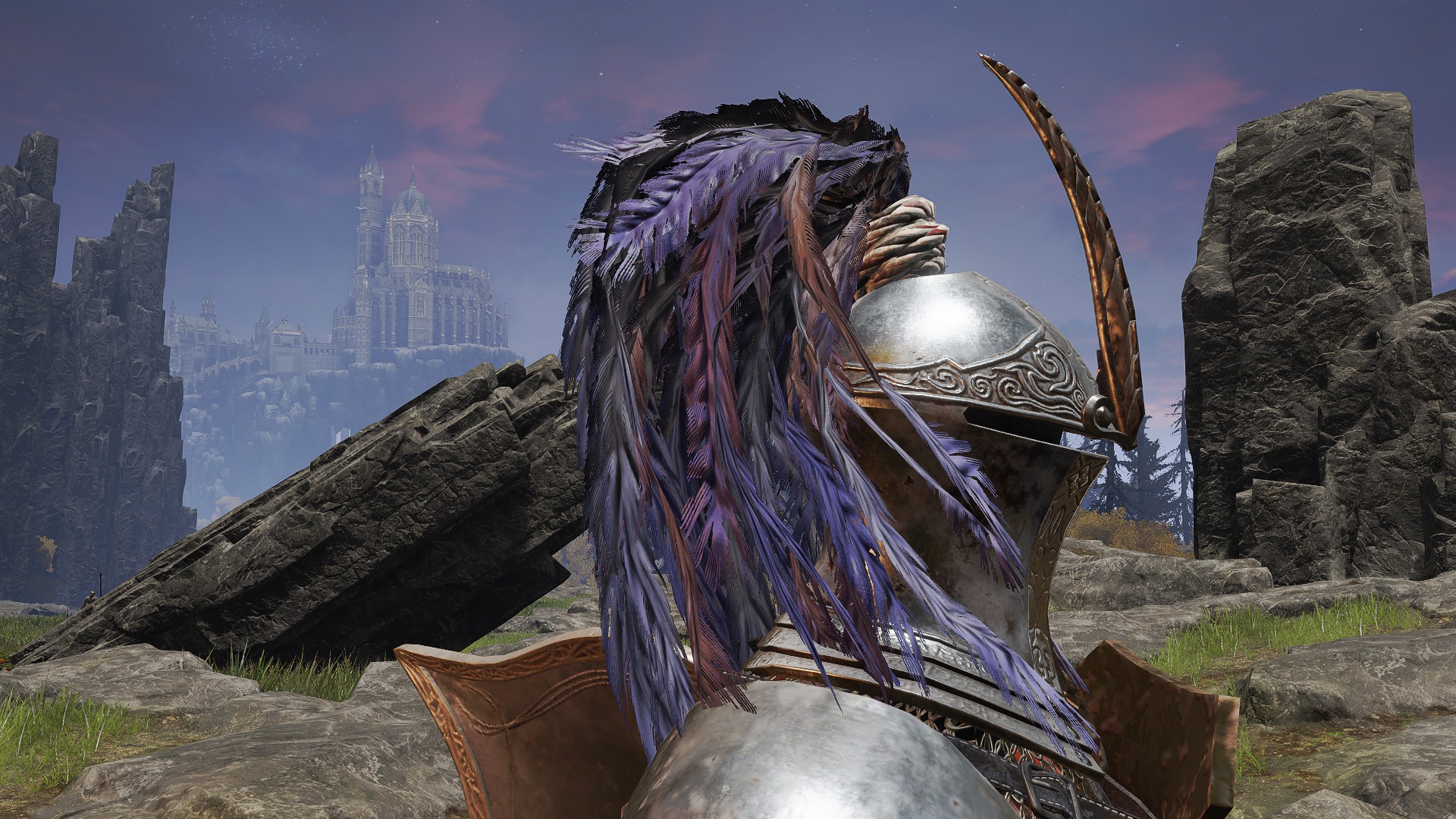

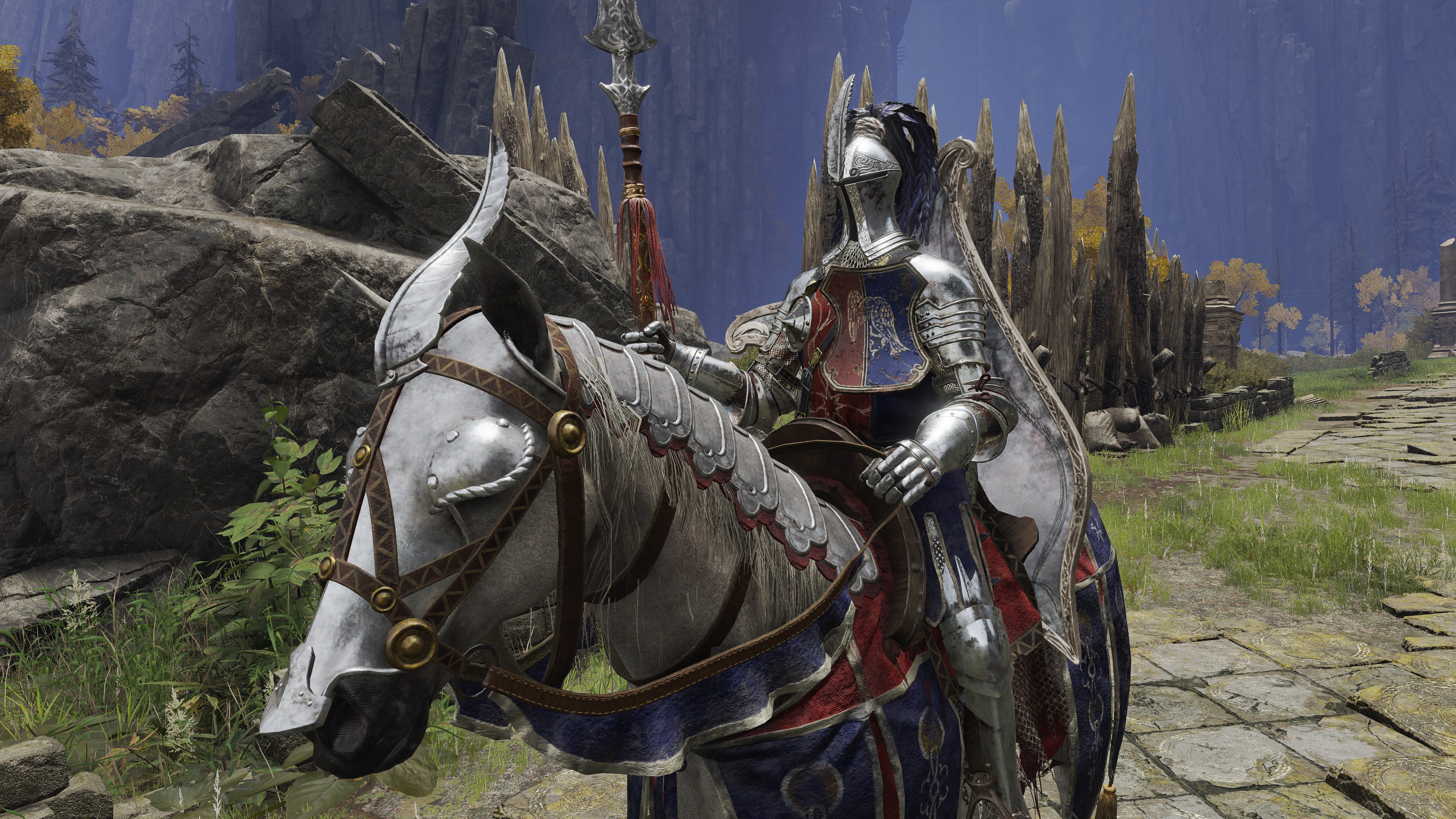
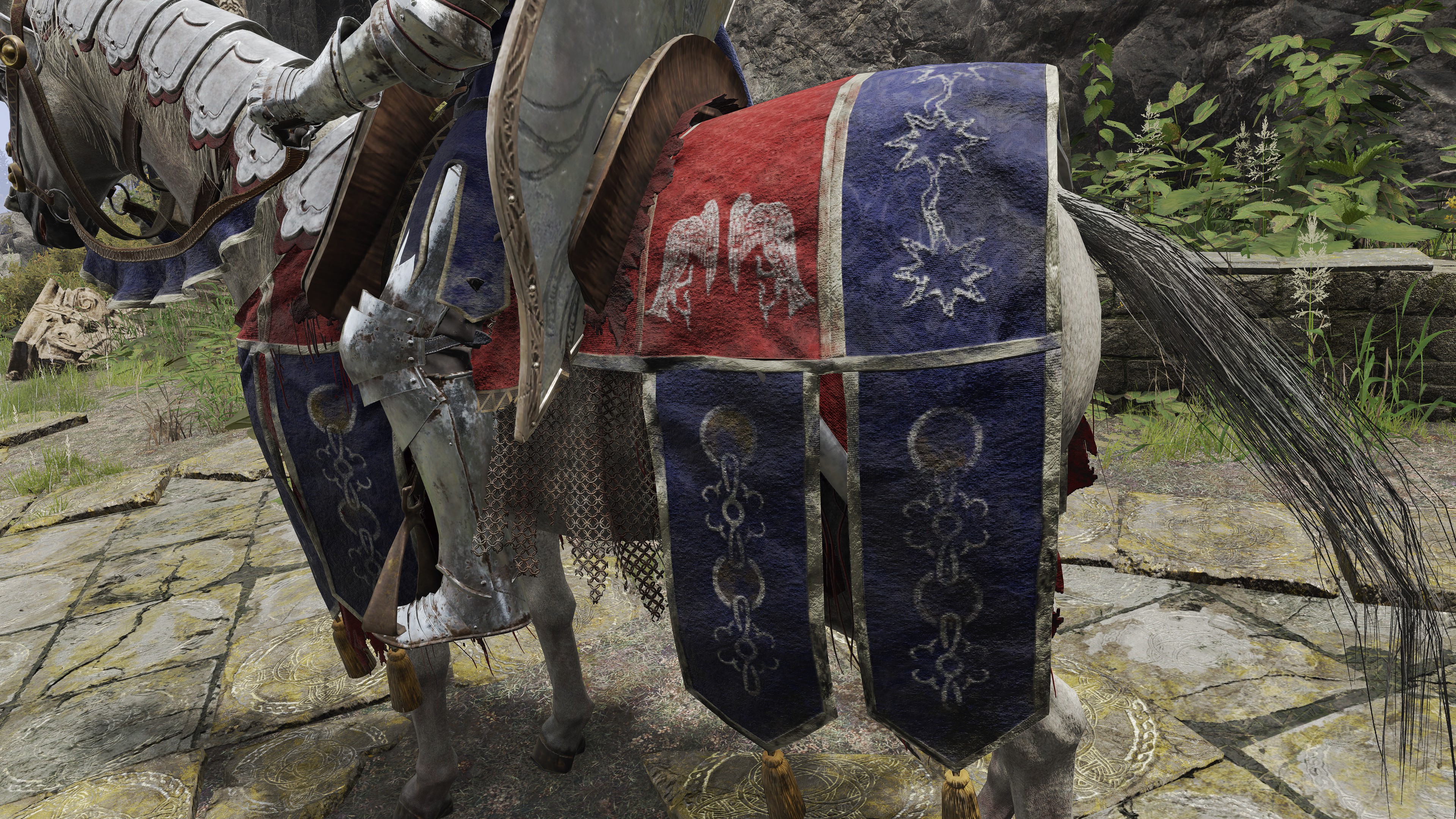


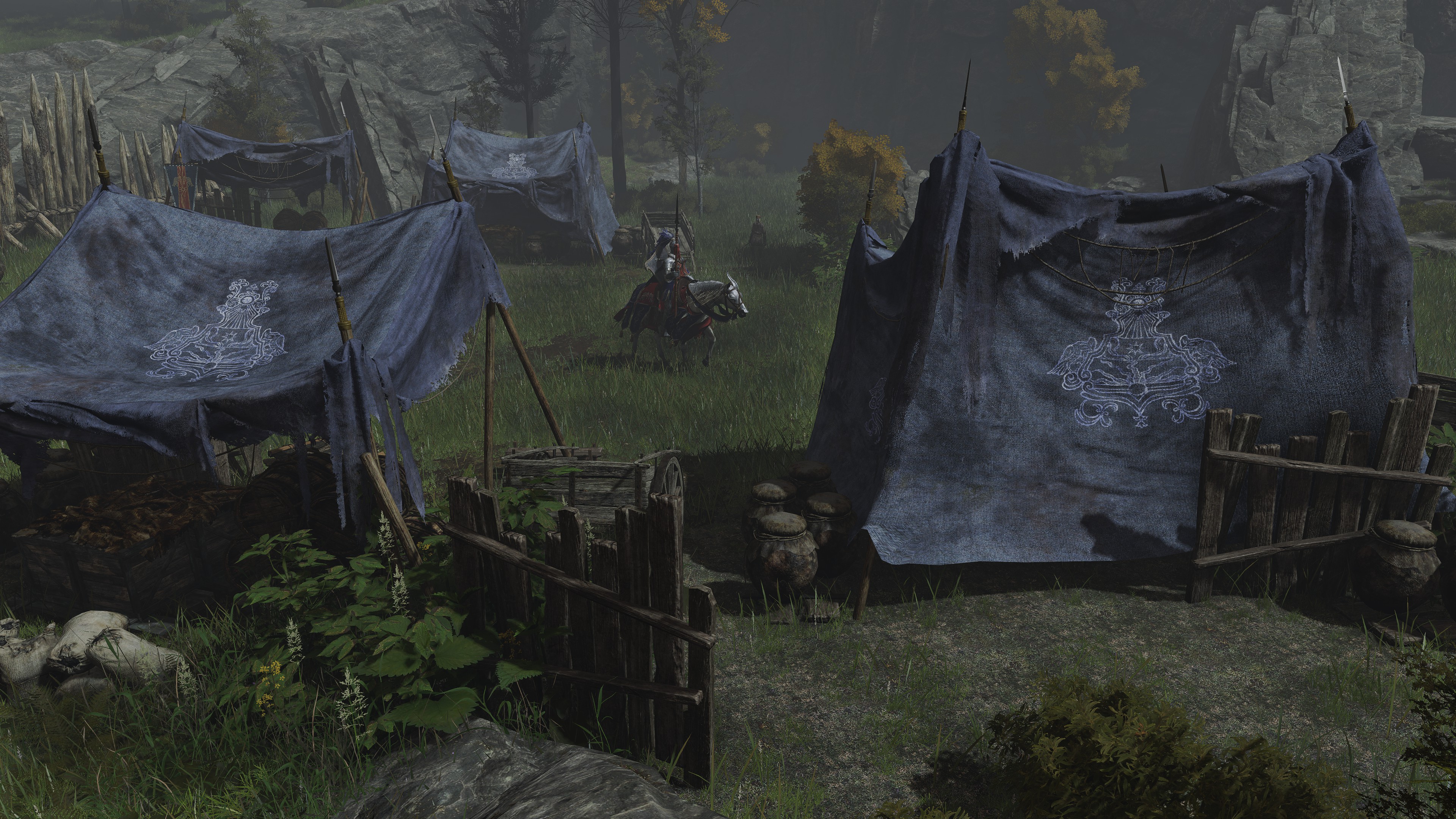
Chest armor of knights serving the Sorcery Academy.
A peering cuckoo, which serves as the origin of their alias, is depicted on the left breast. “We are in no way the academy’s faithful servants.” This is probably the intention it communicates.
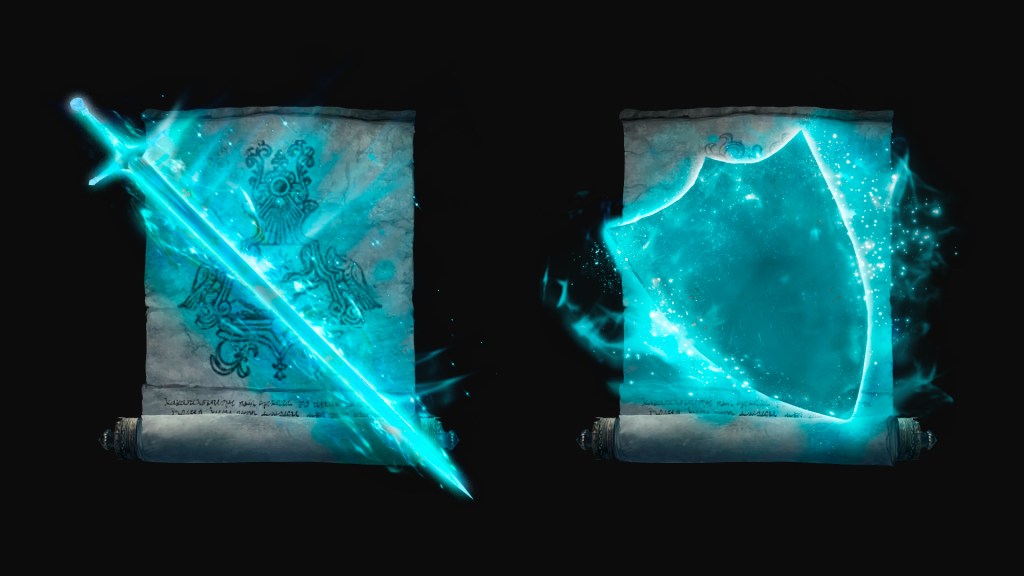
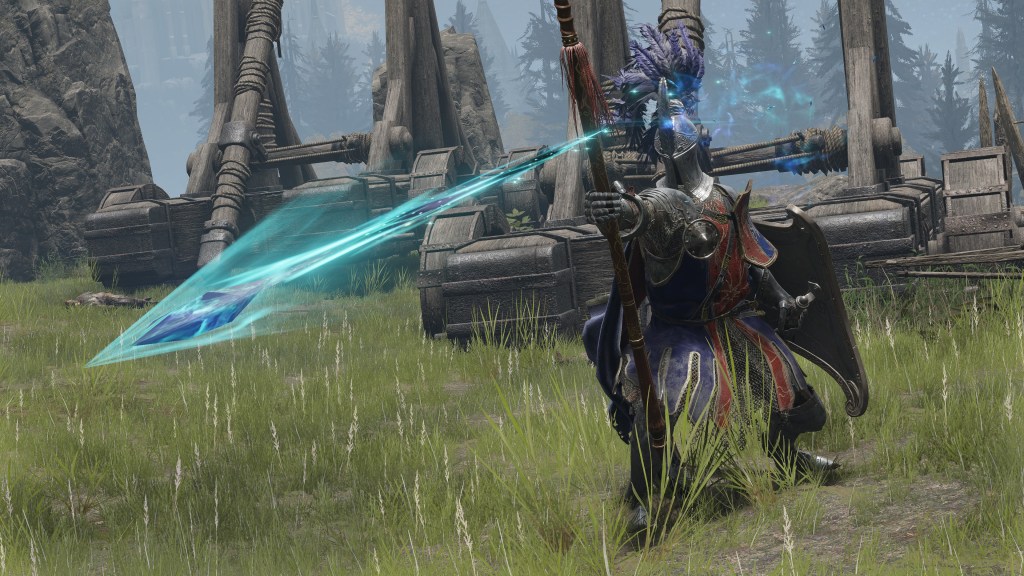
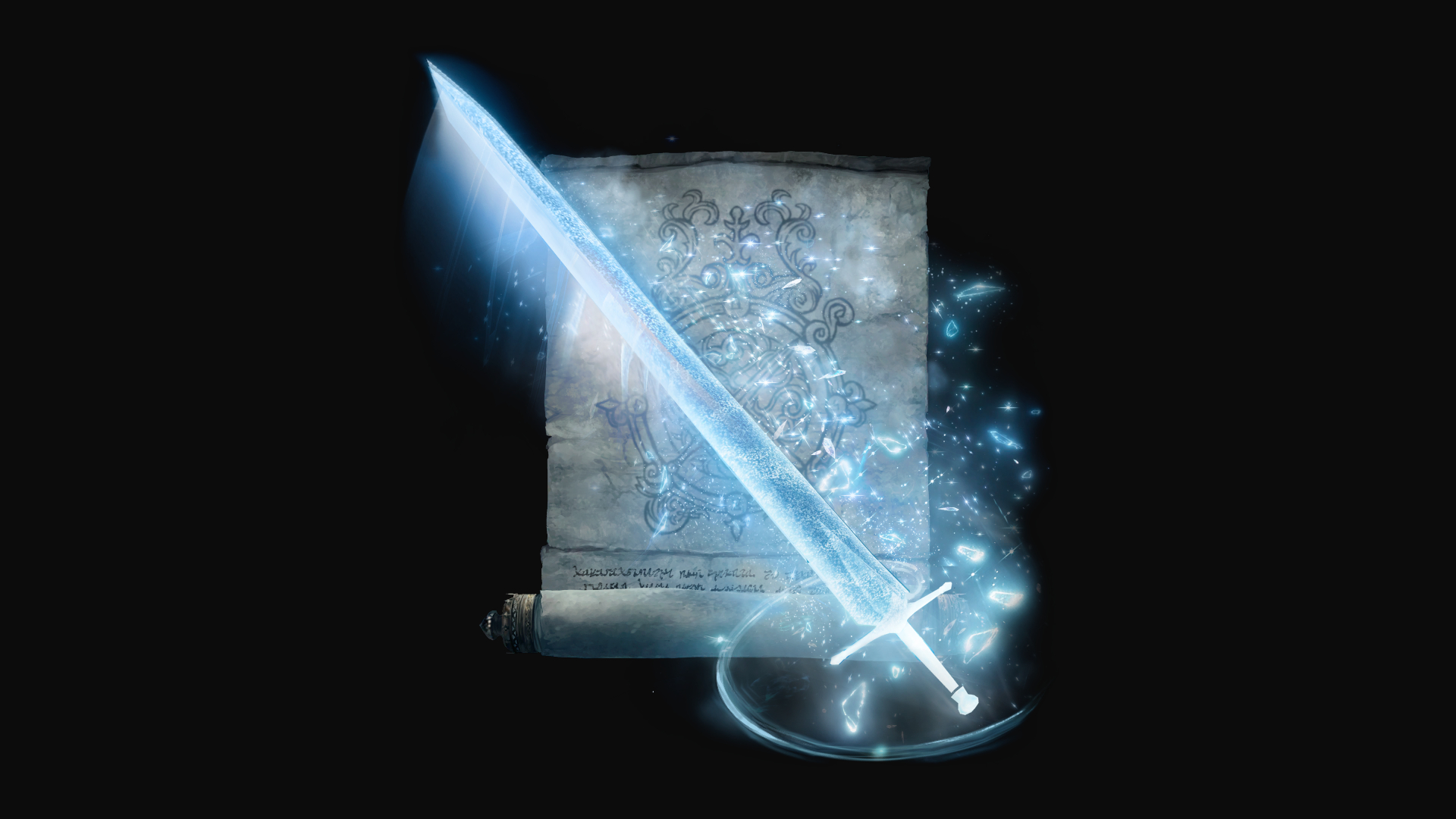
Raya Lucaria was more than happy to indulge the sorcerers’ desire. Although localized as Scholar’s Armament and Shield, these “Magic Weapon” (魔力の武器) and “Shield” (魔力の盾) sorceries can be utilized by anyone with moderate intelligence and the appropriate tool at their disposal. It doesn’t even require the level of education afforded to us as a possible noble prisoner or learned astrologer, which is why the academy taught it to ordinary knights as payment for their contract. Evidently, the sorcerers invented new spells conducive to swordsmen for this exact purpose. Such magic couldn’t compare to Carian arts, but the Cuckoos were satisfied with what the academy did provide. After all, these sorcery knights’ brief apprenticeship extended beyond just the one or two spells for their swords and shields. Their Partisan spears have similarly been enchanted with Glintstone Pebble as the skill, and those riding on horseback may cast a simplified version of Caria’s Glintstone Phalanx. The school was willing to teach whatever sorcery they had on hand to secure the Cuckoos’ loyalty.
One of the brightstone sorceries of the Sorcery Academy of Raya Lucaria.
Endows right-hand weapon with attack power of the magic attribute. Can be used without stopping.
The sorcery the academy taught the Knights of the Cuckoo as payment for their contract.
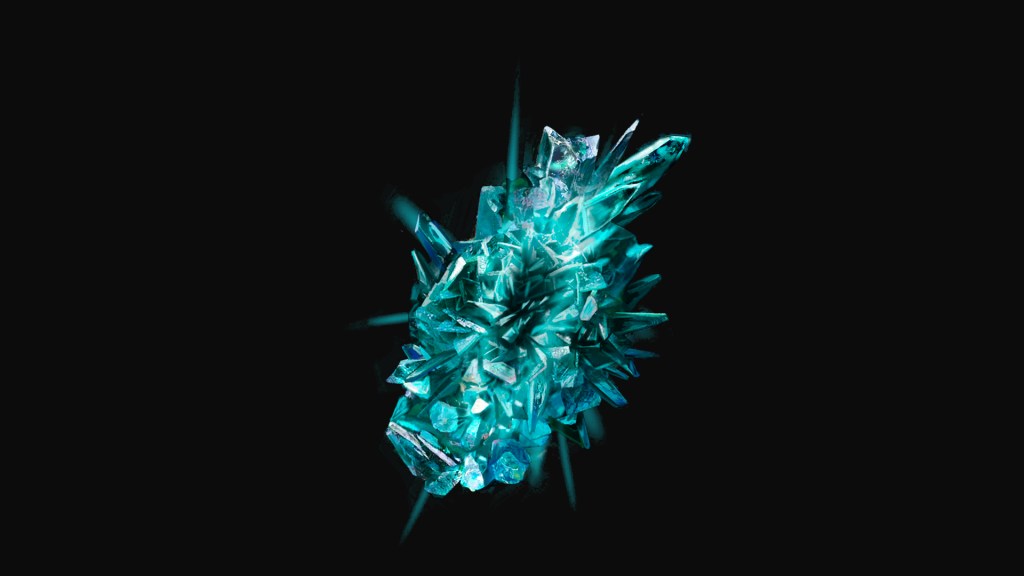
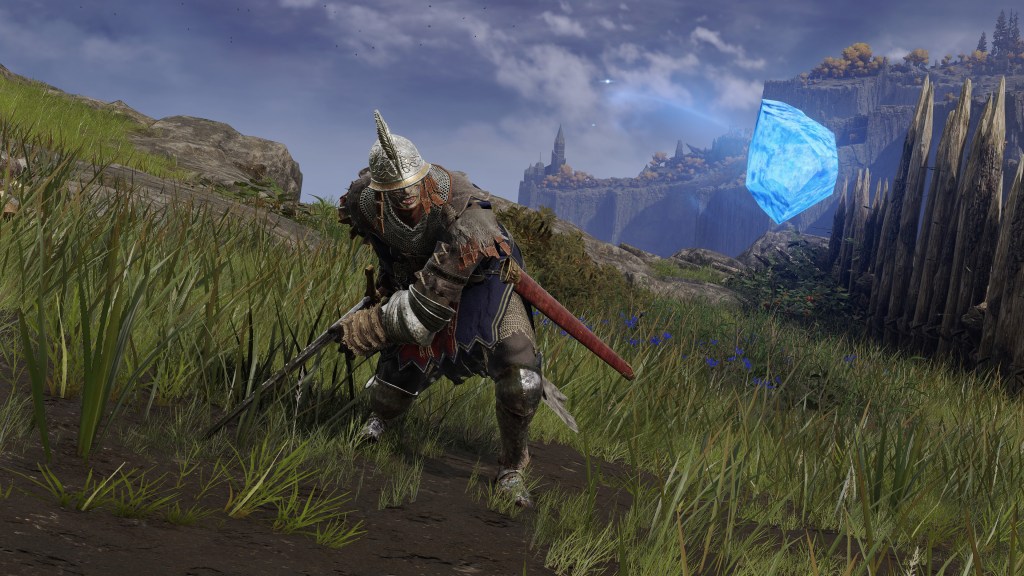
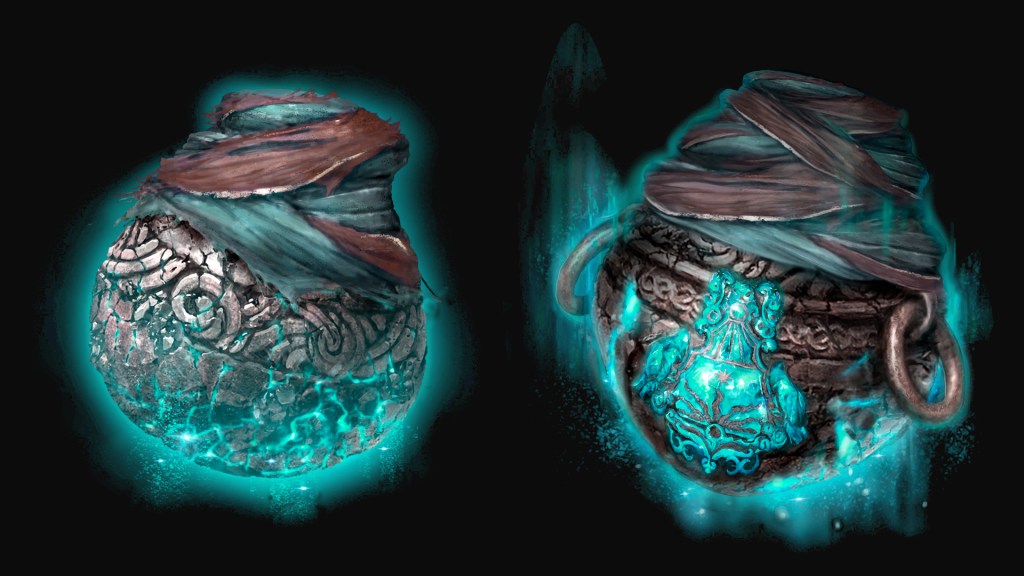
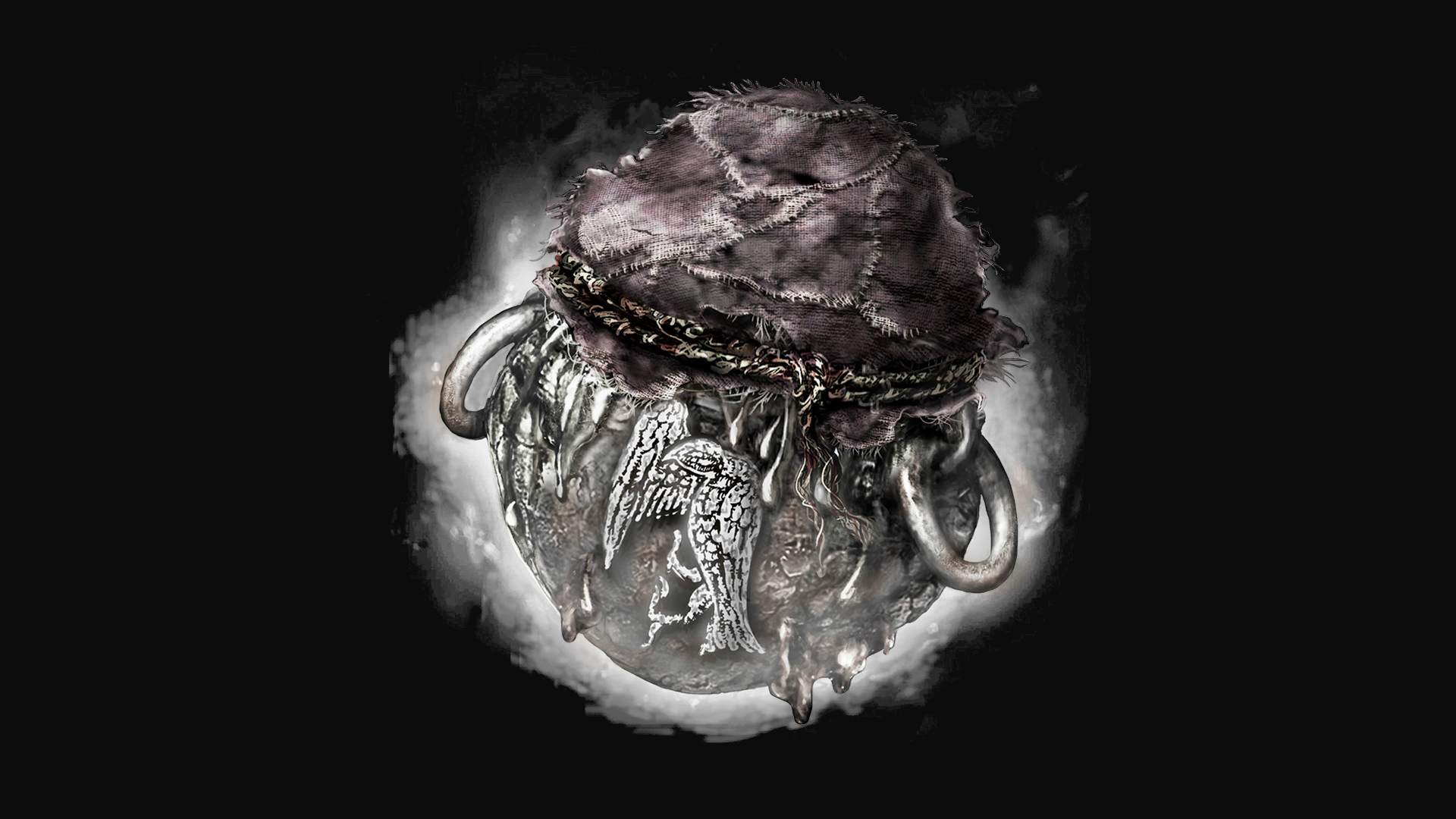
Once the knights in command were swayed to the scholars’ side, it was just a matter of ensuring the soldiers under them didn’t mutiny. Although the academy wouldn’t teach the underlings sorcery for fear of displeasing the knights, they were willing to offer them “faux” sorceries. While some scholars invented new glintstone spells, others became glintstone craftsmen, developing physical arts that didn’t rely on the person’s intelligence to use. The artisans then shared the recipes for these “pseudo-sorceries” (魔術擬き) with the lower-ranking Cuckoos. A favorite of theirs are the Cuckoo Glintstones, the masses generating magic bullets when shattered — making for excellent grenades to throw at enemies. They were further supplied with not just the basics to magic pots but also instructions on a new, more powerful version applied with the academy’s own sorcery as demonstrated by the sigil emblazoned on the vessel. With these tools at their disposal, the soldiers could feel empowered by sorcery without the knights feeling snubbed. Everything was in place to secure the whole military hierarchy.

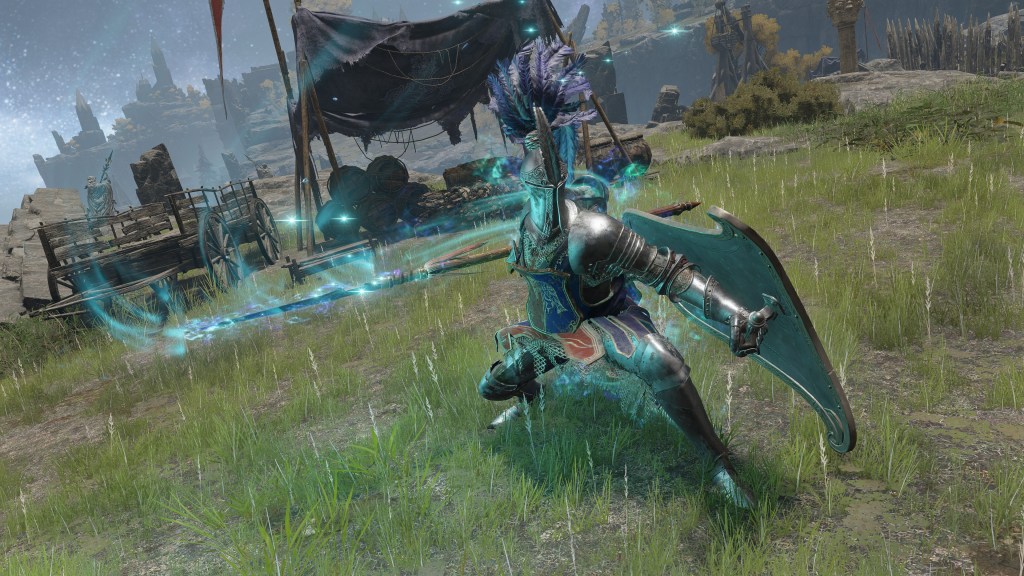



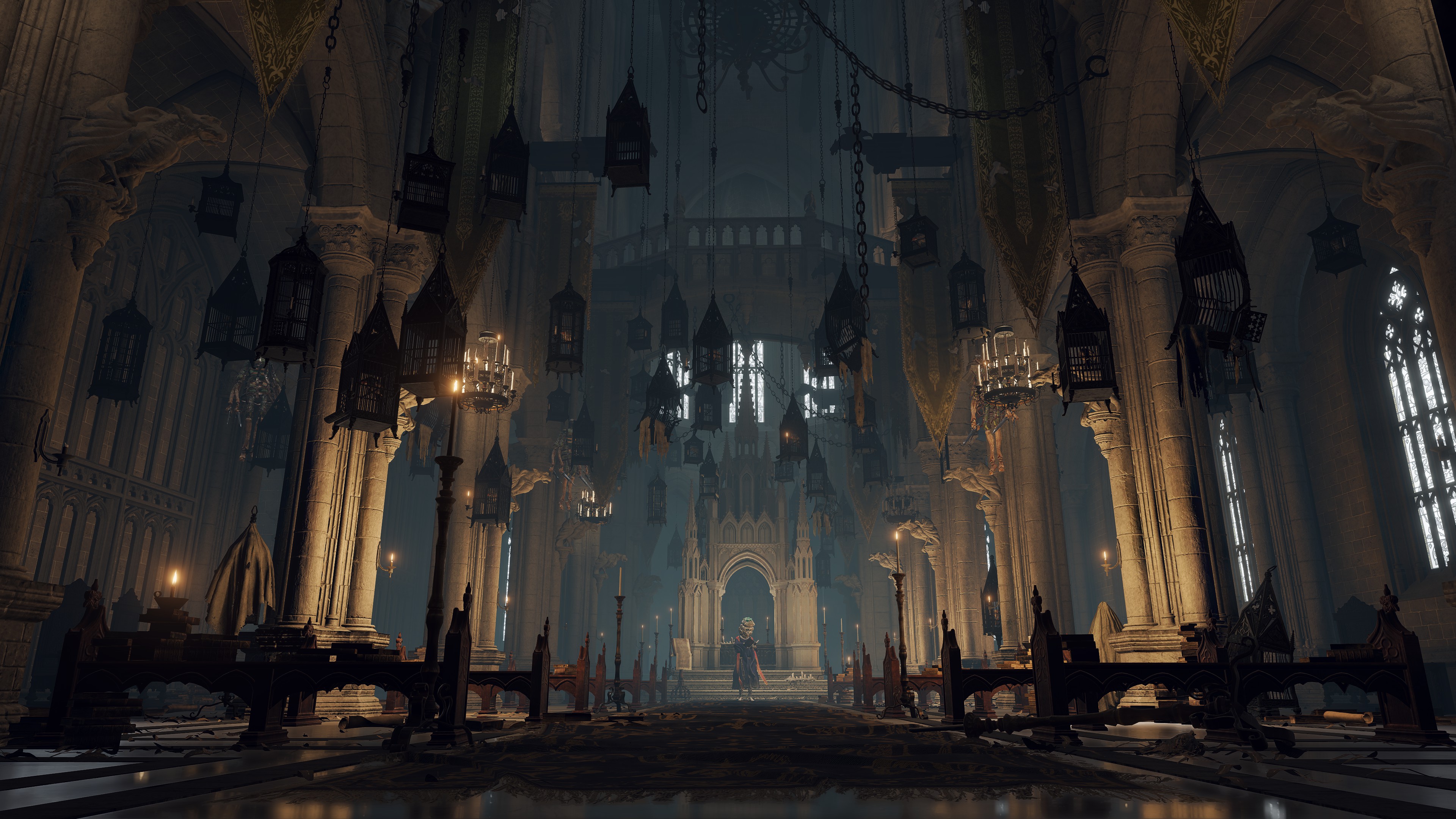
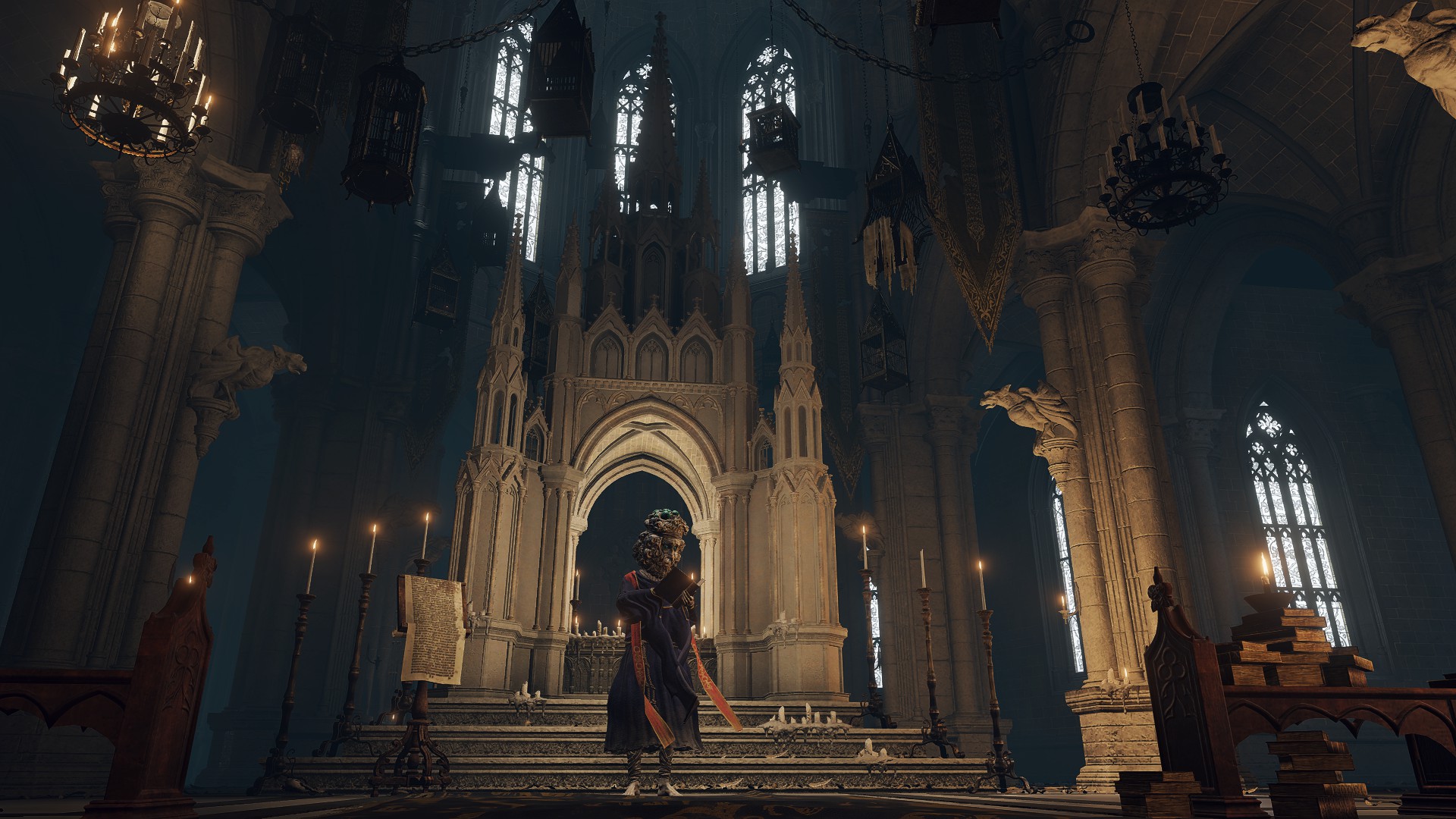
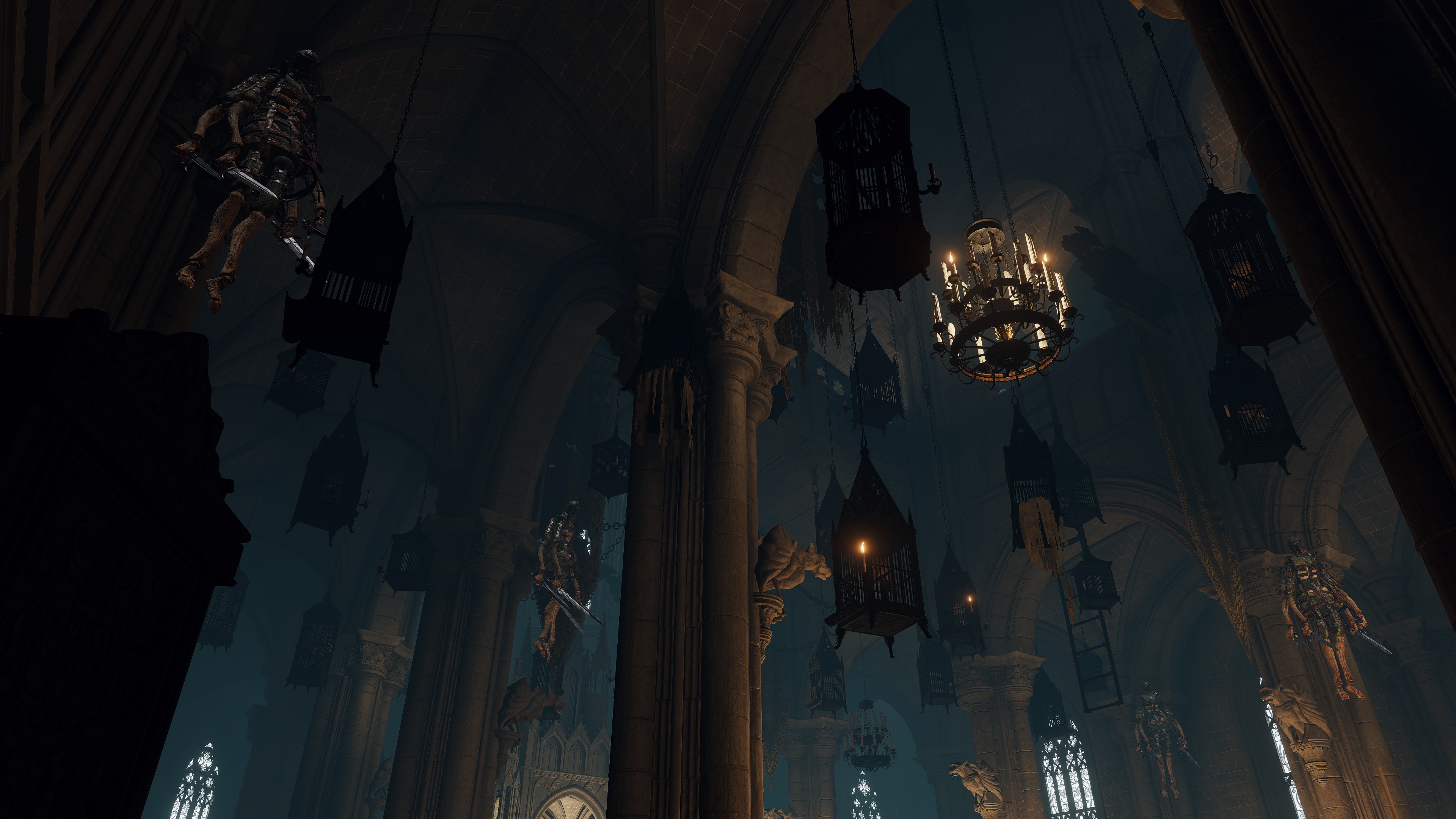
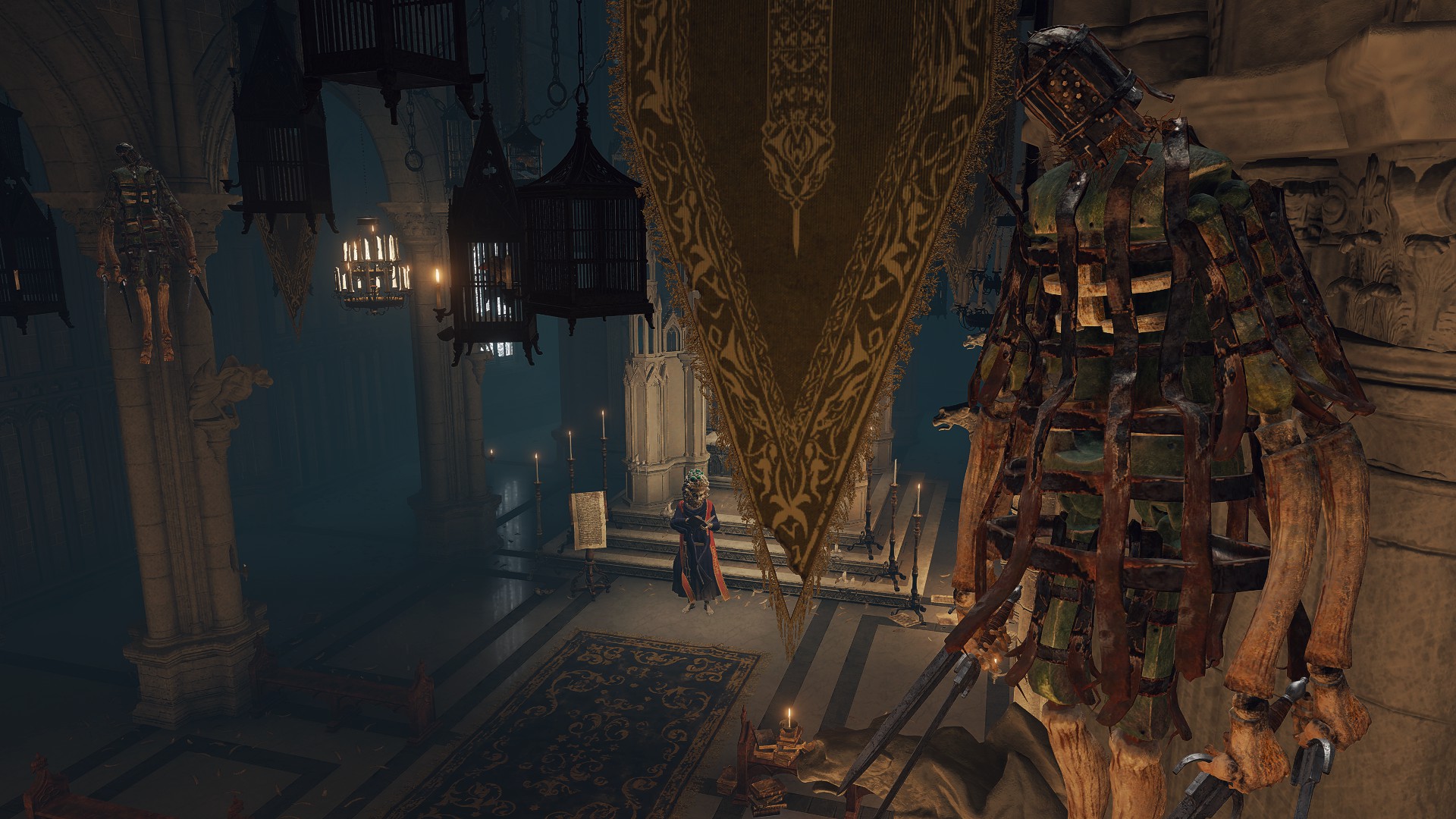
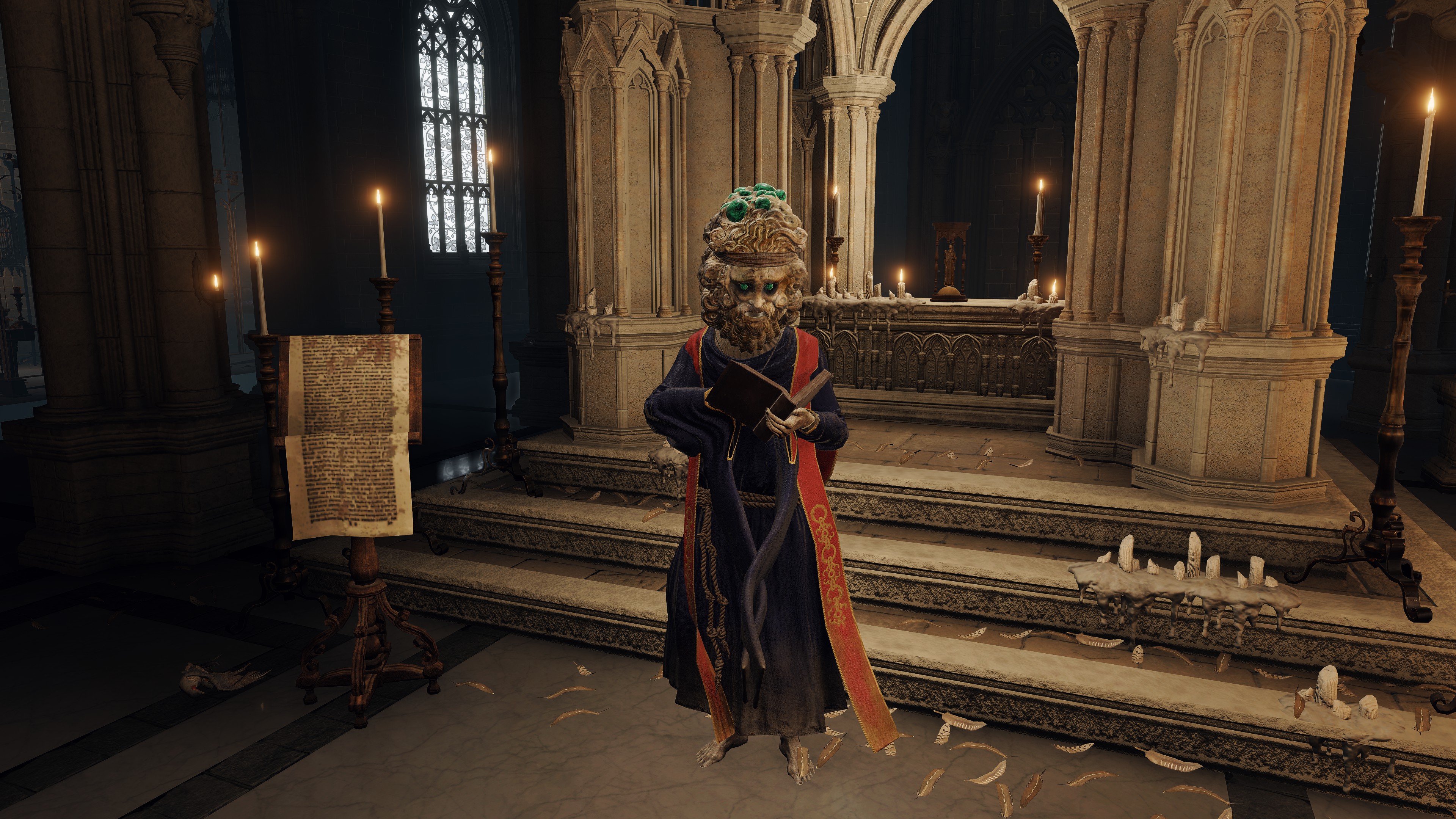
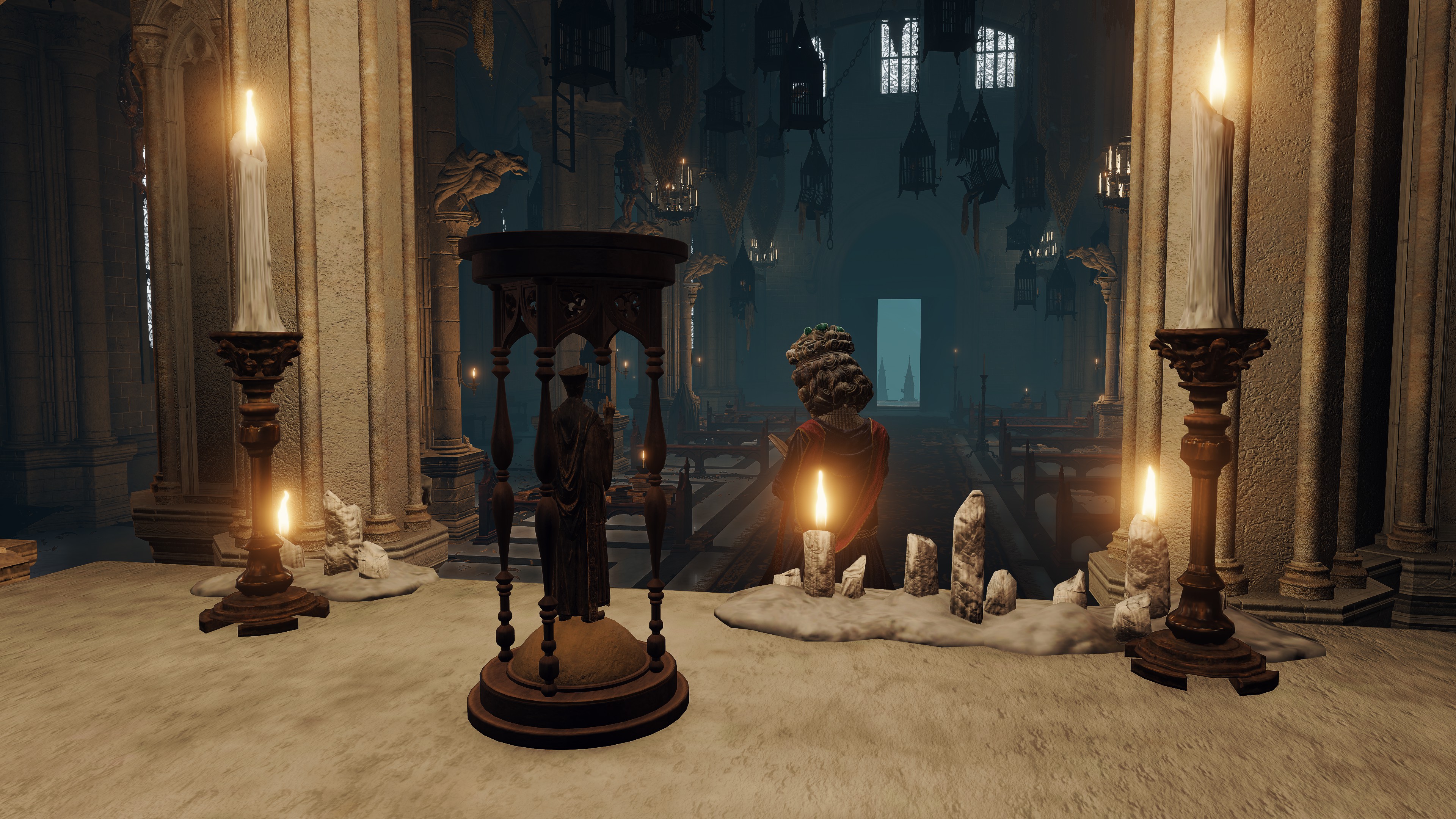
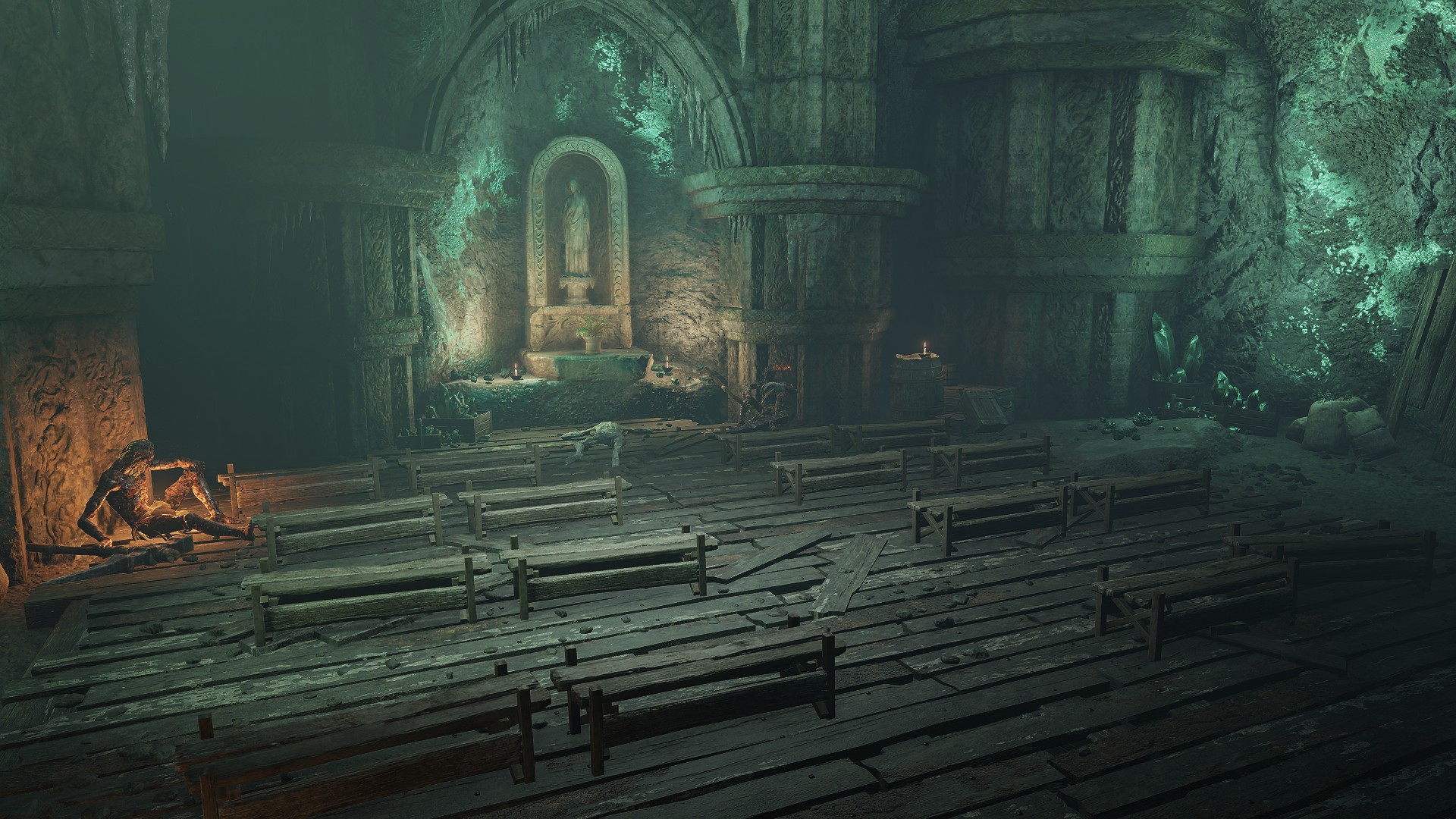
Not all of these pseudo-sorceries have been shared with the Cuckoos; one book for crafting magic greases and bone ammunition has been left in classroom storage. However, that speaks more to Raya Lucaria’s general distrust. The Church of the Cuckoos uses not the Japanese term for the bird written in kanji but the English term rendered in katakana, the same as the Cuckoo forces themselves. This insinuates that the church was last dedicated for the army, a space where soldiers and knights could learn sorcery or faux sorcery in mass after showing submission to the scholars enshrined on the altar. The choice to set up “class” where visitors first enter, marionettes hanging at the ready, speaks volumes to their relationship with the troops. The sorcerers didn’t want soldiers walking around, obviously concerned that the army might simply take over if they were allowed to embed too deeply into those hallowed halls. They hired them, but they didn’t trust them any more than the enemy to respect the academy’s independence.
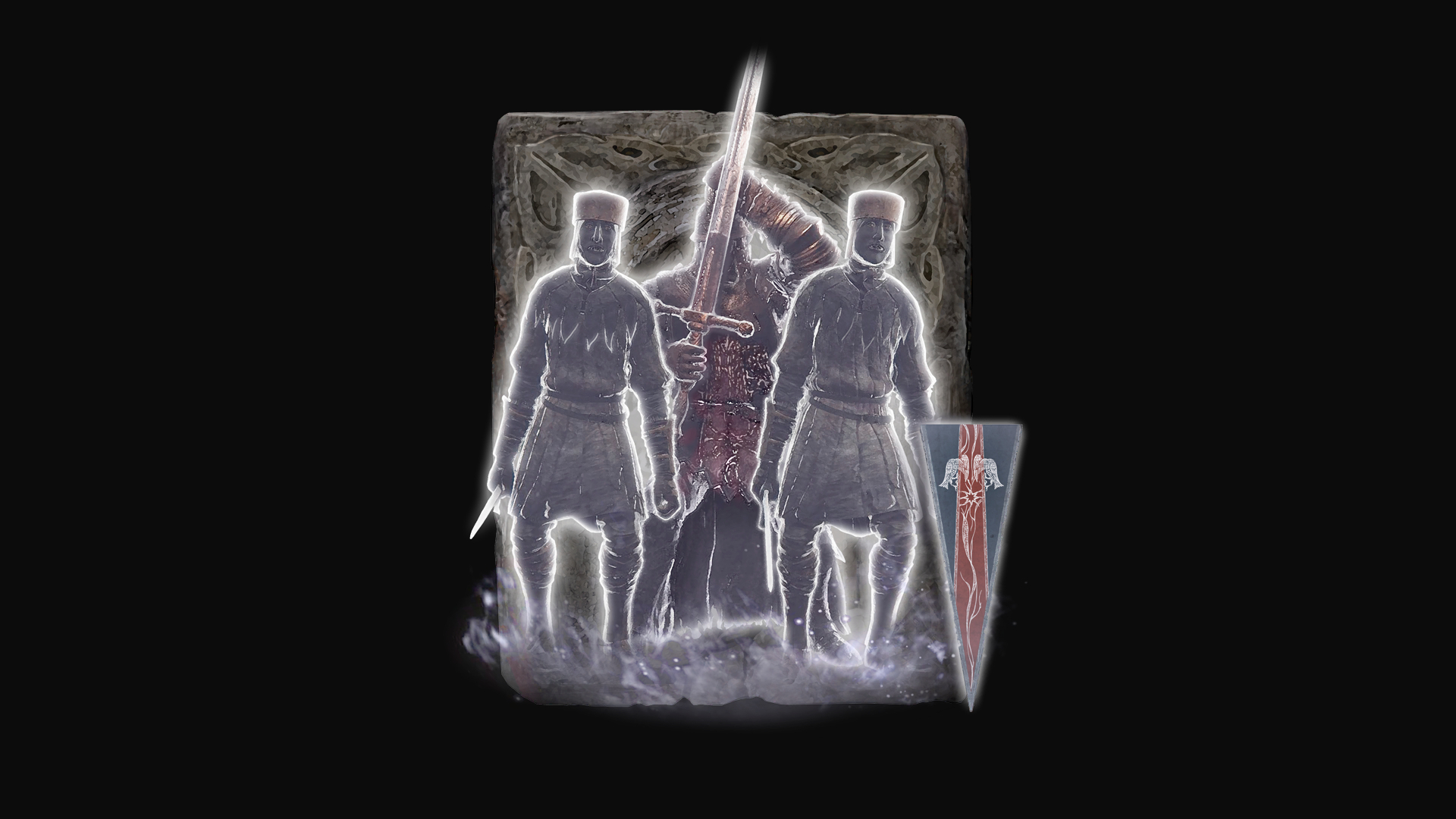
The extra caution should come as no surprise. The sword monument at Caria Manor describes the Cuckoos as contemptible, and the description to the Raya Lucaria Soldier Ashes makes it clear that these also-rans are willing to commit atrocities at will. Their selfishness extends to each other, even. Compared to most other soldier ashes for different factions, the Raya Lucaria type are unique. Instead of summoning the spirits of just two standard soldiers, the ash summons one soldier with two lesser foot soldiers for backup. The reason given is that the two infantry serve as “disposable pawns” to the trooper outranking them. Rather than fighting together as a cohesive unit for a shared cause, it is every soldier for himself, using the units under his command as fodder to save his own skin whenever possible. If these sellswords couldn’t be bothered to take care of their own, then there was no way for an employer to expect unqualified loyalty. There was no low they wouldn’t steep to for the right price, or opportunity. And so, the school kept the Cuckoos at an arm’s length.
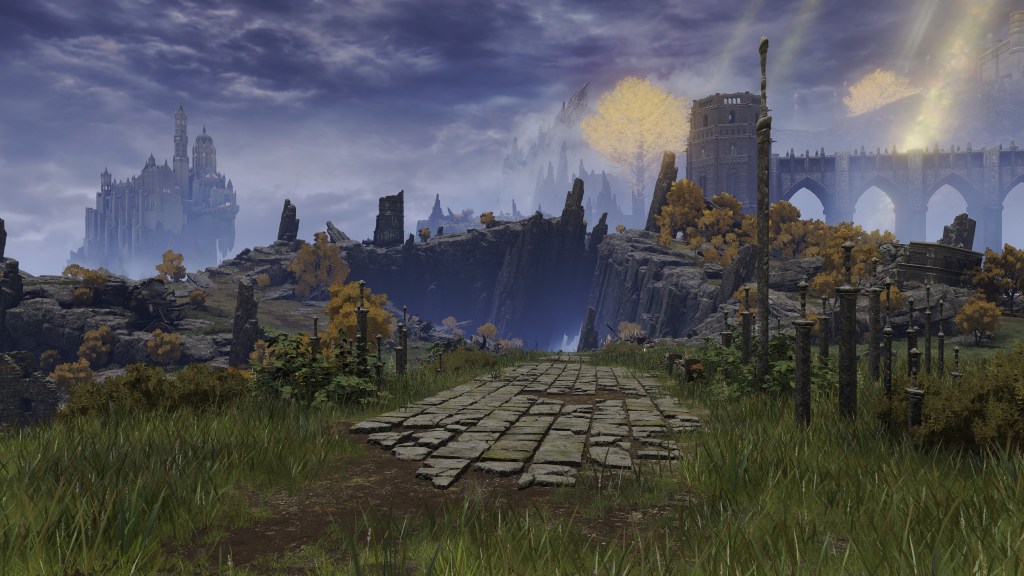
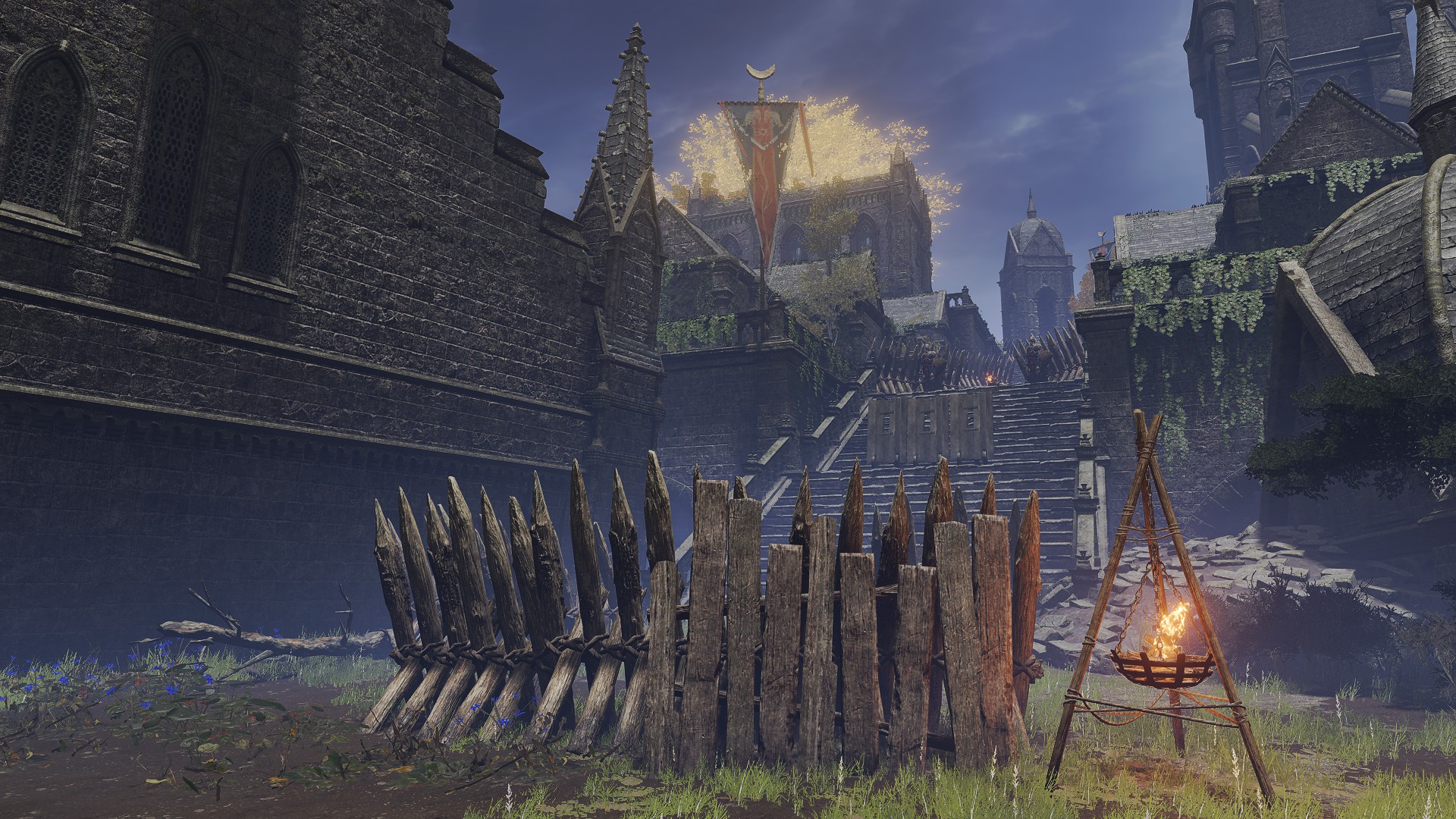
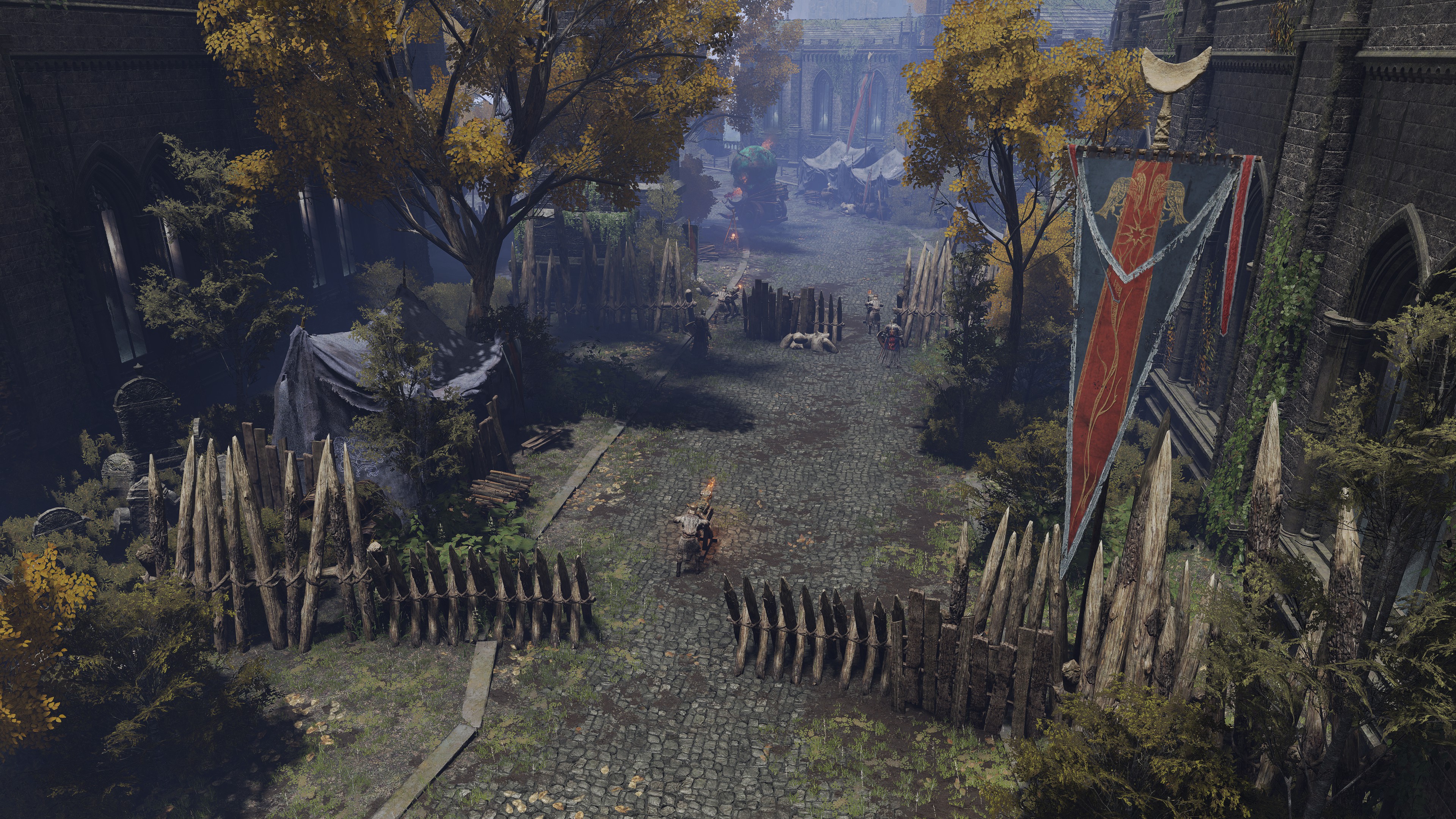
Because they couldn’t use Raya Lucaria as their headquarters, the Cuckoos appear to have instead set up base in the Academy Gate Town. The town center by the west gate harbors the most robust defenses, and a chest in the ruined portions stores the cookbook for magic pots and shield grease. Basing themselves in the settlement closest to the academy was the sensible decision to make, positioning them best to both fulfill their contract and receive payment. From the foot of Raya Lucaria, the Cuckoos would send out their members wherever needed to shore up defenses along the highways north and south. It may have taken time to get them battle ready, between equipping and training the army. But before the Shattering had concluded, the academy acquired the means to defend itself from would-be occupiers. The troops finally had their first test with the arrival of the next demigod.
The sword monument south of the Highway Lookout Tower in Liurnia memorializes Malenia and her knights marched south, suggesting that there were attempts to stop them along the way. Presumably, those trying to hinder her progress were the Cuckoos; any other scenario, and they wouldn’t be fulfilling their contract. Whether or not she intended to simply pass through like the demigods before her, Raya Lucaria’s army had a duty to make an example of the first “invader” they would come across. Since this is the only one to acknowledge that it is a “stele” for the events described, the monument may not be referring to a singular battle on that stretch of the highway but fighting which had occurred along the entire road leading as far back as the Grand Lift of Dectus. That would explain why the stele is situated south of the academy when Malenia, logically, should have faced resistance starting from the Bellum Highway — it commemorates everything that occurred up until this juncture. That, of course, betrays how the Cuckoos fared. The sorcery army failed its first test conclusively.
Stele of the Malenia southern march. Nothing will hinder the wings of the Blade of Miquella, and the Noblerot knights.
By the time that the so-called Blade of Miquella had torn her way past the Lookout Tower, it was obvious that she had no interest in an occupation. The Cuckoos evidently didn’t pursue her further, freeing the demigod to move onto Limgrave and eventually confront Radahn. Despite the army’s losses, Raya Lucaria was safe for the time being. Malenia’s carnage, however, clearly spooked the academy. Per Thops’ words, the school sealed its east and west gates in order to maintain their non-intervention in the war. Miquella’s twin proved that, with or without an army, sorcery wouldn’t be able to bully any of the demigods into submission — worst case scenario, other factions might think their self-defense was staking their own claim in this war, encouraging more incursions. If the scholars couldn’t engage the Erdtree royals on an equal playing field, then that left only one option: retreat into their citadel and discourage anyone from moving whole armies through Liurnia.
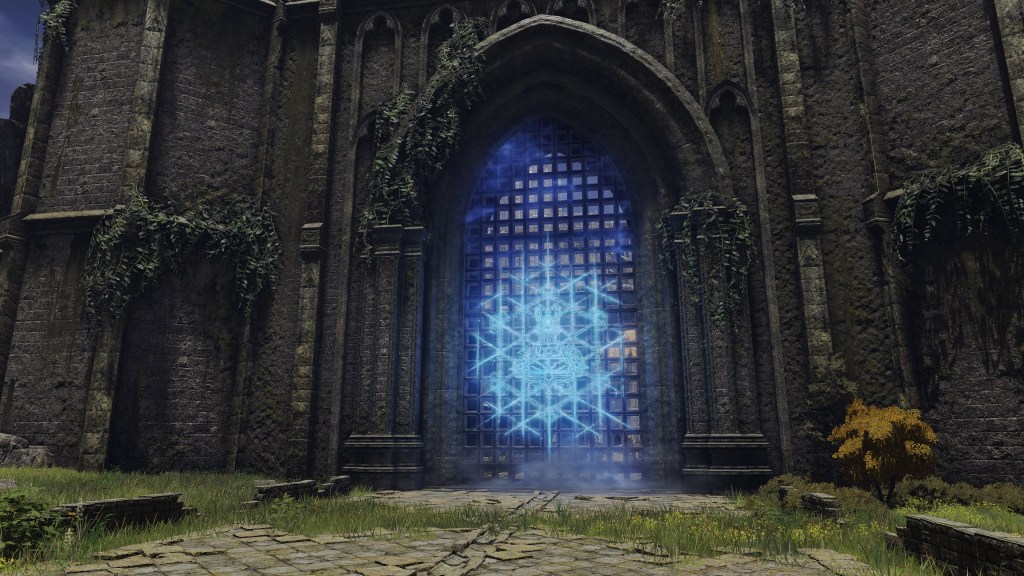
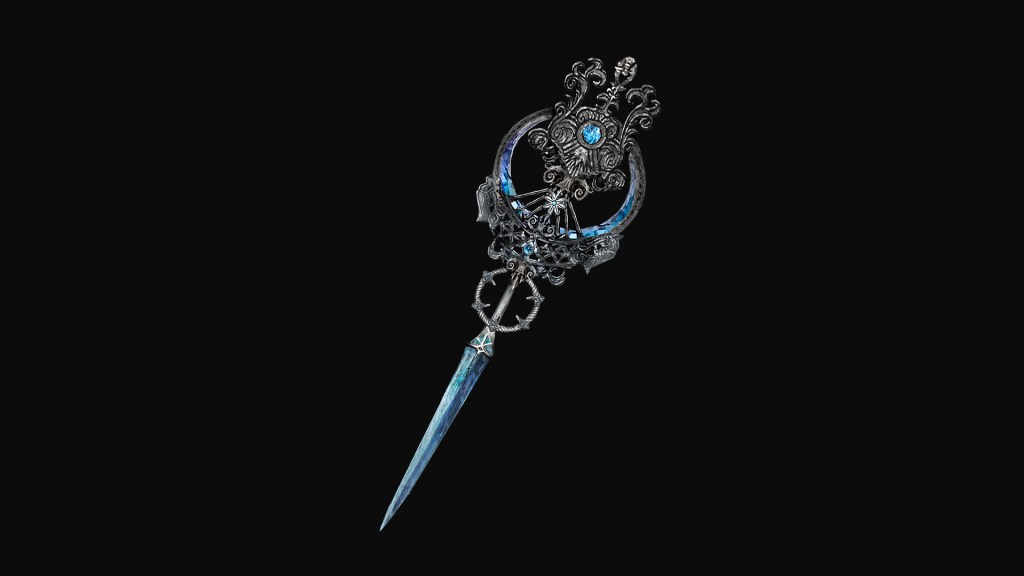
But, the academy has long since been shut. In order to maintain noninterference in the Shattering War, the academy sealed both the east gate heading to the royal capital and west gate leading to this land with magic… And that seal still remains even now. You cannot enter the academy unless you possess a brightstone key…
The magic barriers prevent anyone from passing through without a glintstone key, which were only supplied to the sorcerers in Raya Lucaria at the time. For this reason, key-bearers immediately arrive at the school’s entrance from the gate they enter and vice versa via warp, never needing to waste time crossing the bridges — heaven forbid the delicate scholars walk a little further. The key is also somehow bonded to the owner’s body upon first use, making it pointless to take one even from the dead. The Conspectuses essentially remain free to come and go as they please while everyone else is kept out. Thops admits to never receiving a key because he was outside the academy when the gates were sealed. This has made it impossible for the man to return to school before our encounter, and there may have been more students who suffered the same inconvenience. There were certainly nobles who were blindsided, one spirit collapsed before the south bridge aghast that he will never earn recognition as a proper sorcerer.


Ah, I am the same. A worthless, low-class sorcerer couldn’t hope for the likes of a brightstone key. Just because I happened to be away from the academy during the sealing, I can’t return to that school anymore…
… Raya Lucaria, pompous school of sorcery. Why shut your gate? Can I never wear a brightstone head?
However, that just speaks to the sudden urgency scholars at home felt about their situation. Regardless of collateral damage, Raya Lucaria needed to make a clear and public statement to everyone about their neutrality. With the highway cut off at both ends, no one could argue their stance: “Don’t bring the war to our doorstep.” And to their credit, no army has seemingly tried to break the seals since, leaving the academy’s universal blockade unchallenged. Part of that might be because of happenstance — the war formally ended with Malenia and Radahn’s battle in Caelid, with neither’s forces making a return trip to the capital en masse. One can argue that Raya Lucaria has only been spared further humiliation because of the circumstances. Still, if there is anyone in the highlands or on the frontier who can overcome the magic barriers, they haven’t tried. As far as the academy is concerned, they have removed themselves from the squabble among demigods and are free to pursue Liurnian matters.
Wish Upon a Moon
With the end of the Shattering and the arrival of the Tarnished, things were once again all quiet on the western front. Due to the academy remaining under seal, it was Caria Manor who took up welcoming these new arrivals. Rogier has learned various sorcery skills during his time in the Lands Between, including Glintstone Pebble, Carian Greatsword, and Spinning Weapon. Considering that the last is for a Carian princess’ self-defense, it is unlikely that he learned it without first ingratiating himself to the royal family. He has also stayed updated on rumors concerning the manor, which seems questionable if he wasn’t well-connected with staff there at minimum. Gideon Ofnir had likewise been working closely with Ranni’s sorcery professor Seluvis, the two only later parting ways over an incident with another Tarnished of the Roundtable. Clearly, Liurnia’s royal house had no qualms with curious Tarnished visiting their lands. In light of the family’s condition at the time, this is no surprise.

Ranni had disappeared during the war, and Rogier only hears rumors of her old retainers meeting up at the manor “in recent years”, meaning that she had remained absent during his time at the castle in years prior. In other words, there was no one in leadership to forbid entry for the initial postwar period, and the household no doubt wanted to pry about the happenings in Leyndell. With the Lands still fractured and the academy in lockdown, learning why the Tarnished were there and what Morgott was planning couldn’t have been more crucial. Eventually, the likes of Gideon and Rogier left for personal reasons, but the servants and knights weren’t reflexively hostile to their kind like they are currently — it was a more peaceful time. However, one can consider this peace to have been the calm before the storm. It is only natural that everything changed when the manor became embroiled in war.
… I have a small idea about Ranni’s whereabouts. There is a certain castle manor to the north of the Academy of Raya Lucaria. That place is the homeland of the Caria royal family, the home where Ranni was born, but there are rumors saying that old retainers of the royal family have been meeting up there in recent years. Ranni is said to have disappeared during the Shattering War, and no one has seen her since, but perhaps she might have returned to the castle manor which is her homeland.
After extricating themselves from the Shattering, new thinking began to emerge within the academy: why not take advantage of the chaos to overthrow Caria? It was a rational consideration, appealing to every sorcerer owing allegiance to his own research first and foremost. There had always been that resentment bubbling beneath the surface, and Rennala’s current state left them under no illusion about the royal family’s weakness. And once that sentiment got shared, the consensus was overwhelming, from every party; the Lazuli Conspectus in the academy stands side-by-side with the other classes in rebellion, despite being considered heretics. Even those who considered the moon and stars equal realized that this didn’t require obedience to Caria, especially under such weak leadership. Why were they continuing to entertain this farce? Everyone knew that the royal family was a hollowed-out puppet to the Golden Order by this point. With the Order itself in tatters, no one was going to stop them from reestablishing Liurnia’s independence.
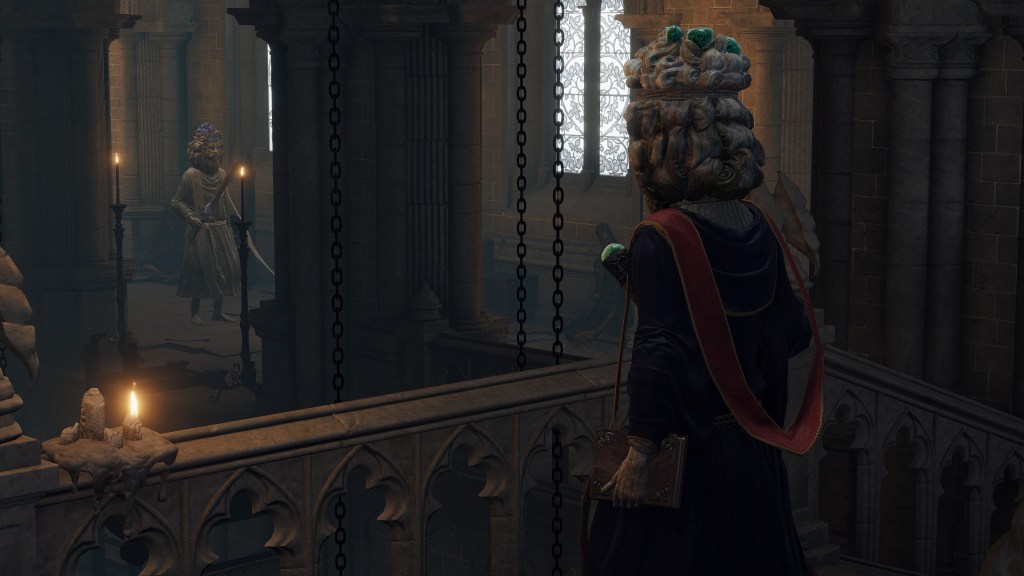
Whether or not their thinking was short-sighted, it was beneficial to Raya Lucaria either way. Even if a new Elden Lord emerged to bring the lowland back into line, the academy would at least no longer be under the yoke of two masters. Moreover, they already had an army at their disposal — why not use it? Although the Cuckoos are cut off from their church thanks to the seals, they have apparently never asked for further payment and continue to honor their contract, taking direction from the academy through sorcerers with the keys probably relaying the message. Besides the promise of future sorcery, their motive was the approval to war as they saw fit. Deposing the Carians meant taking over Liurnia, making the land their playground. What could feel more empowering for former dregs? And so, the knights infused their greatshields with magic resistance in anticipation of Caria as an enemy.
Metal-made greatshield depicting a peering cuckoo. Choice weapon of the sorcery knights who confirmed a contract with the academy.
Shield of sorcery hunters with high magic damage cut rate. Our enemy is Caria.
The first step in any rebellion, however, was deposing the queen. According to Miriel, Rennala became a prisoner in the Grand Library when Raya Lucaria finally revolted. However, her “imprisonment” seems to be little more than a formality. By all indications, the queen has remained in that archive of her own accord, busying herself with the amber egg as she has done since well before the Shattering. There are no barriers, magical or otherwise, preventing her from leaving. The fact that Moongrum stands idly by in the midst of this open rebellion shows that she has not expressed a single word to the contrary. He just continues to stand guard at the building’s entrance, cutting down anyone who might bring his monarch harm. Unless the Full Moon Witch has a change of heart, neither will test the academy’s ability to enforce any confinement. Conversely, the scholars need not do any more to keep her there. She was already isolated from the rest of her family, with the sealing preempting visitation even. And they knew the “hero” was no longer in a state to contest their treason.
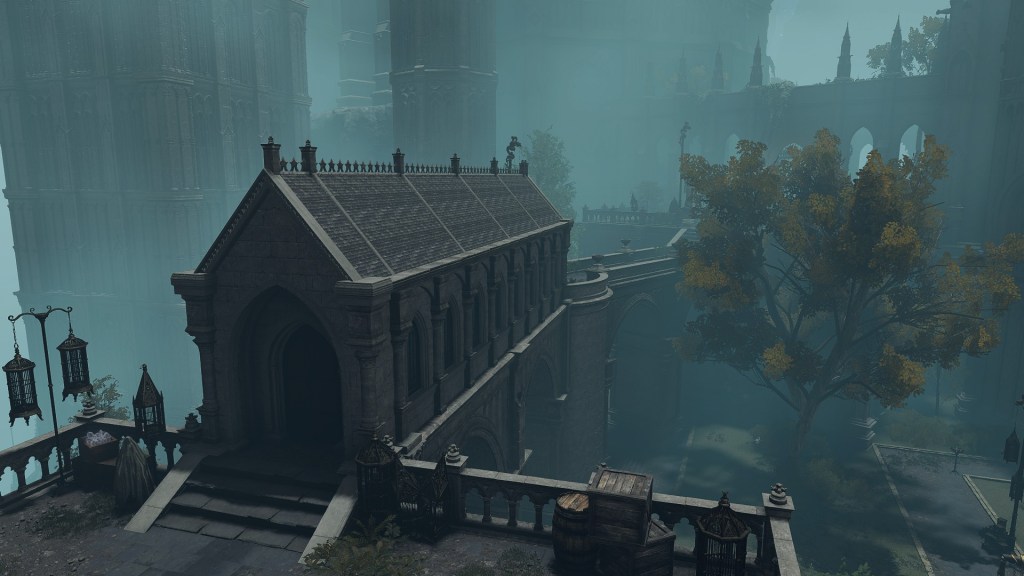
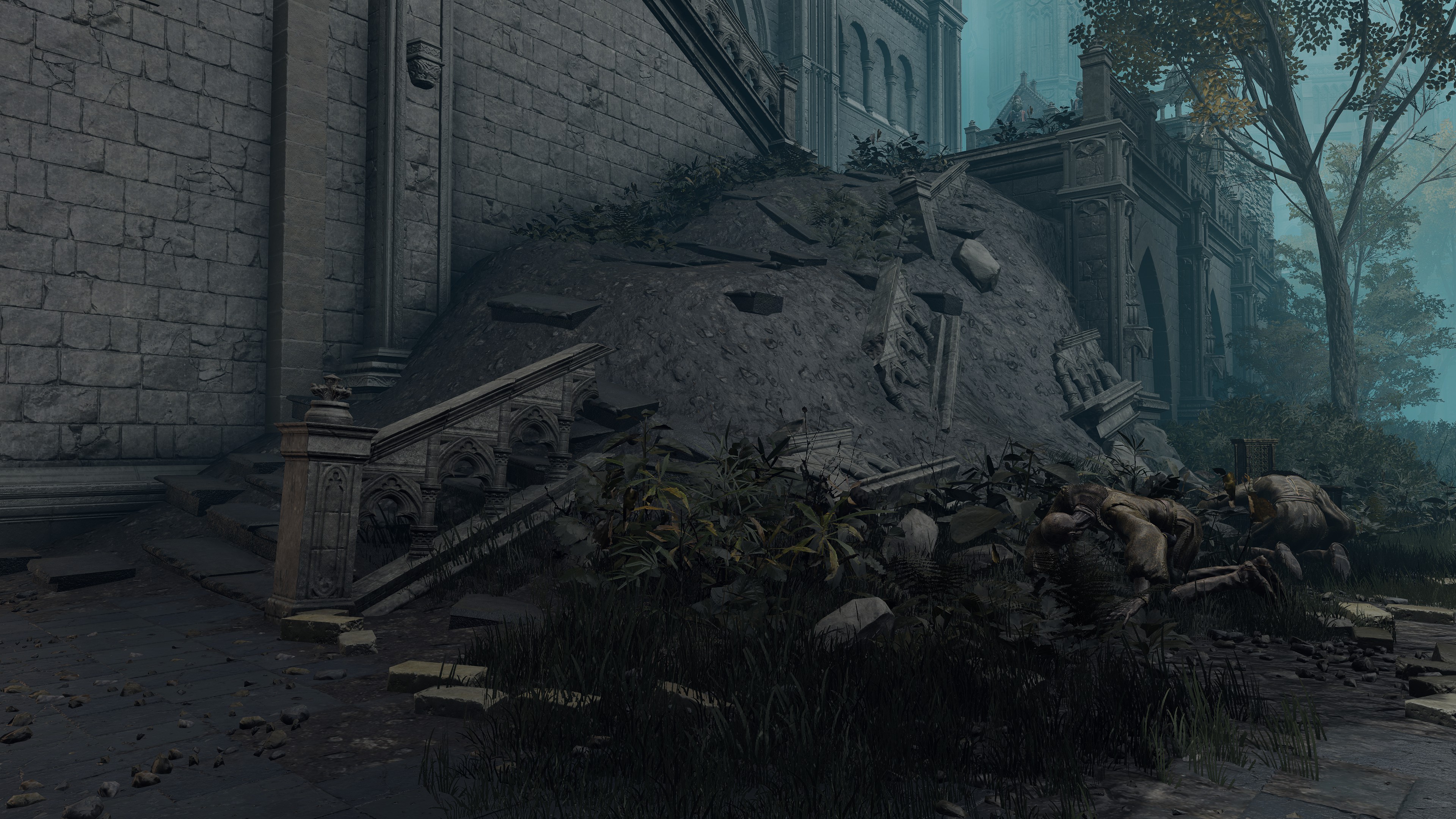
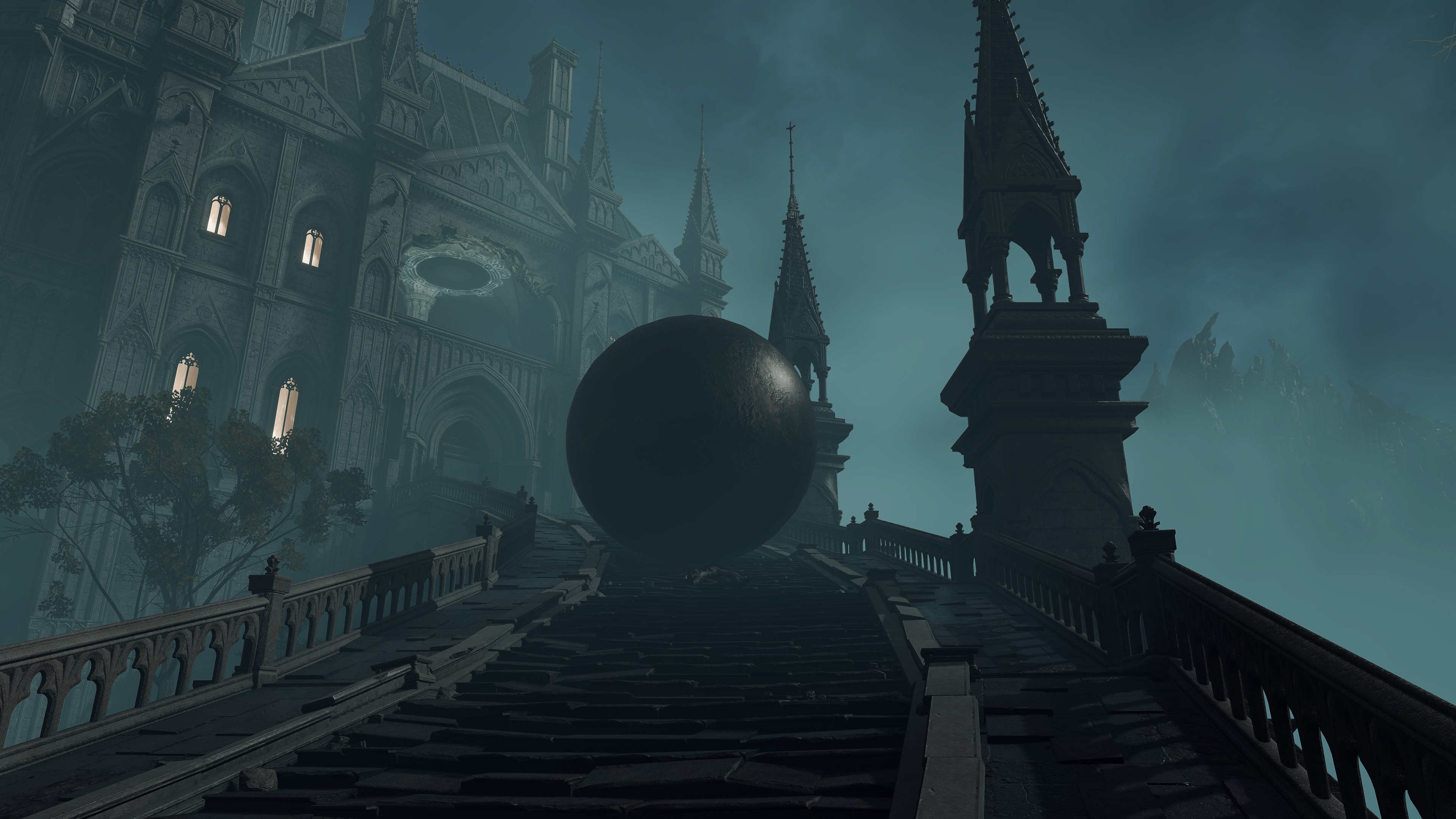
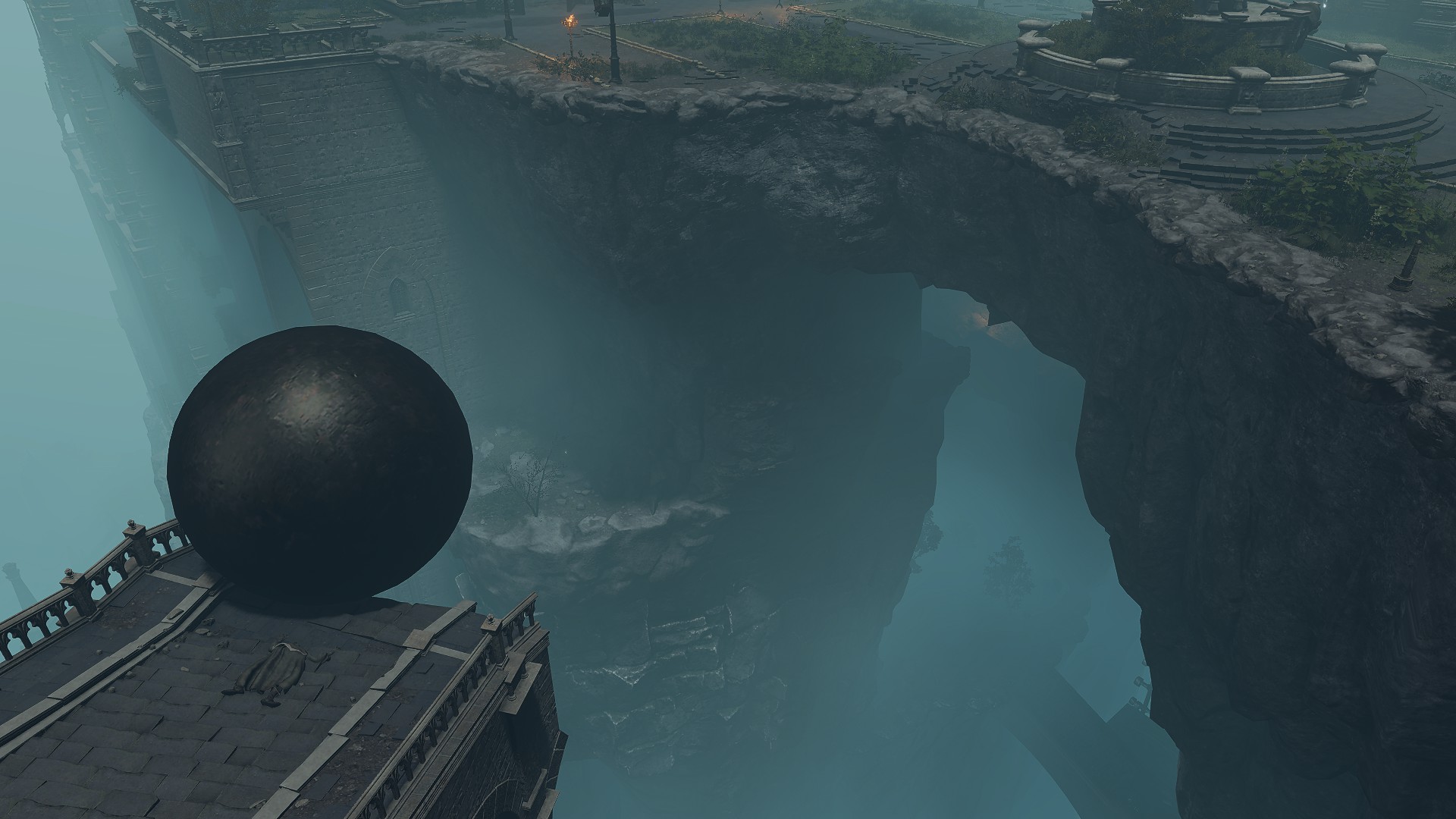
Nonetheless, the academy is inhibiting visitors from accessing the Grand Library, such as with the rolling ball trap set up over the main stairway leading to the archive. Actions like this were sure to annoy those loyal to Radagon and the Golden Order when Rennala was ostensibly doing important work on his behalf, and that would create friction. In fairness, plenty of sorcery hopefuls look to have betrayed their noble lineages to side with the academy, digging for power in their gardens. But the damage to the gardens implies that not everyone was willing to forsake Erdtree royalty. Indeed, one noble corpse with gold smithing stone lays at the destroyed end to the aforementioned stairway. Another with the rune of Altus citizens, closer to the library, looks to have tried hiding on the rooftops beneath a balcony, to no avail. And while there are no signs of bodies or wreckage on the ground far below the ruined staircase and gardens, there are bell ringers calling forth rancorous wraiths. Taken together, those still loyal to the Erdtree heartland tried to protest and were faced with overwhelming force in response.
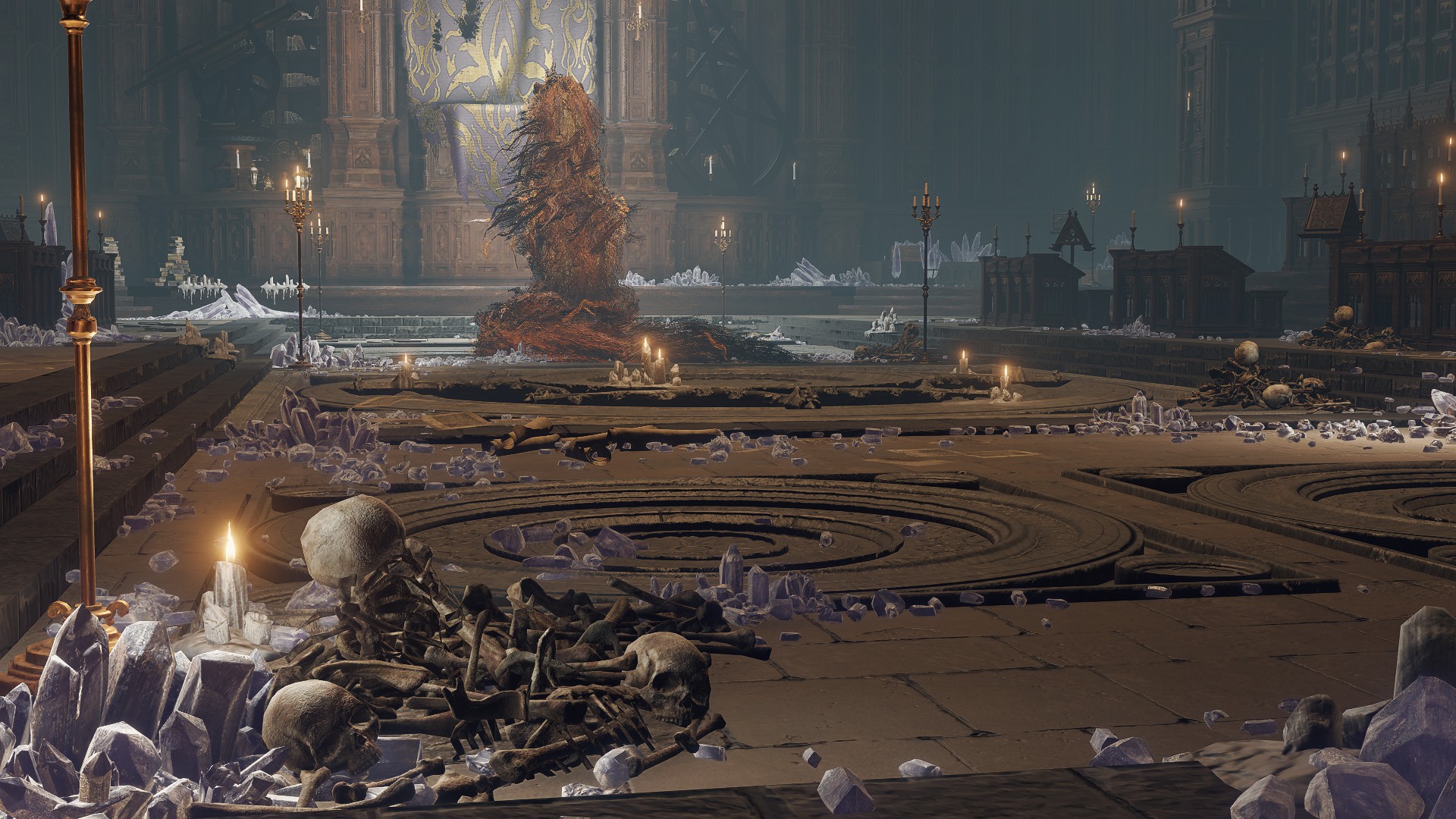
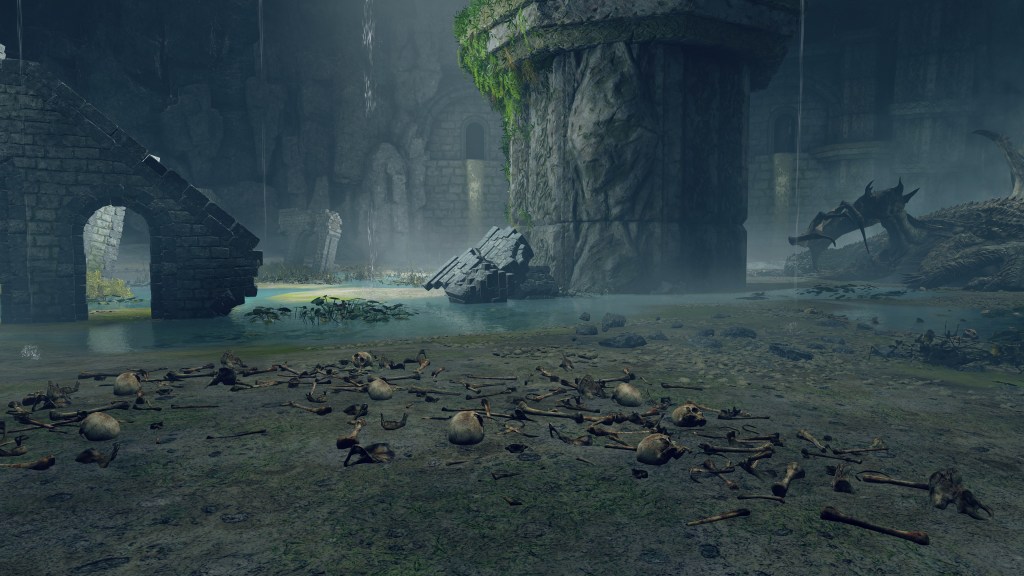
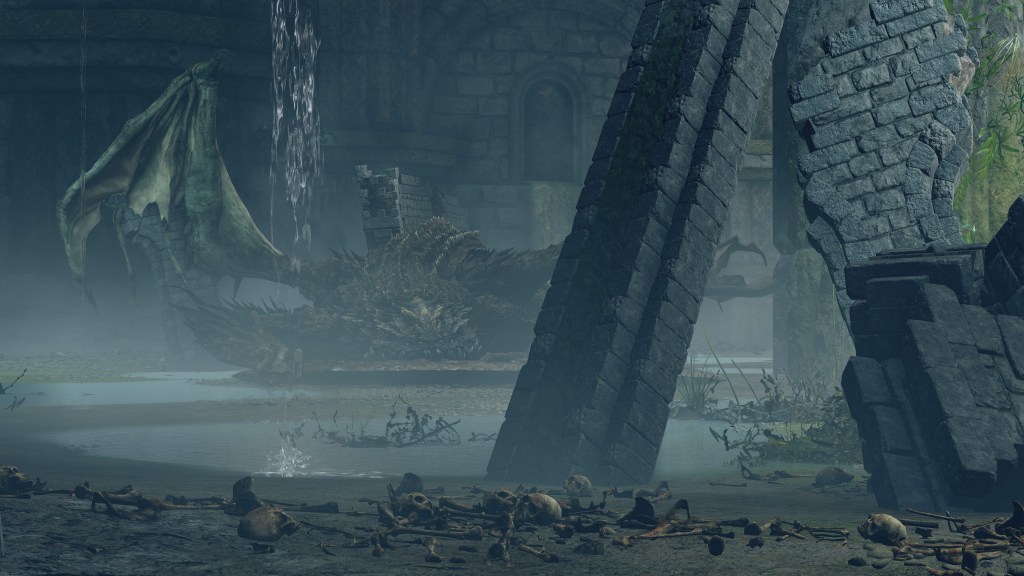
There was definitely a heated clash between the rebels and a mob of the Golden Order’s faithful, and the rebellion chose to escalate a civil matter to a violent purge. While the Altus citizens feel the injustice, it is impossible for an uprising to compromise on barring access to the enemy leader — what if someone were to try plotting something with the queen? This left the academy with no choice but to eradicate Radagon’s influence. Nowhere is this more obvious than with his pet, piles of human bones littering the Debate Parlor where the red wolf currently squats. The victims’ identities are easy to surmise, even without the memory received when the boss is defeated. The hostile beast evidently has never left its post, despite the sorcerers’ attempts to approach and presumably eliminate it. Although finishing the job has been unsuccessful, the message is clear: neither Queen Rennala nor King Radagon hold any sway anymore.

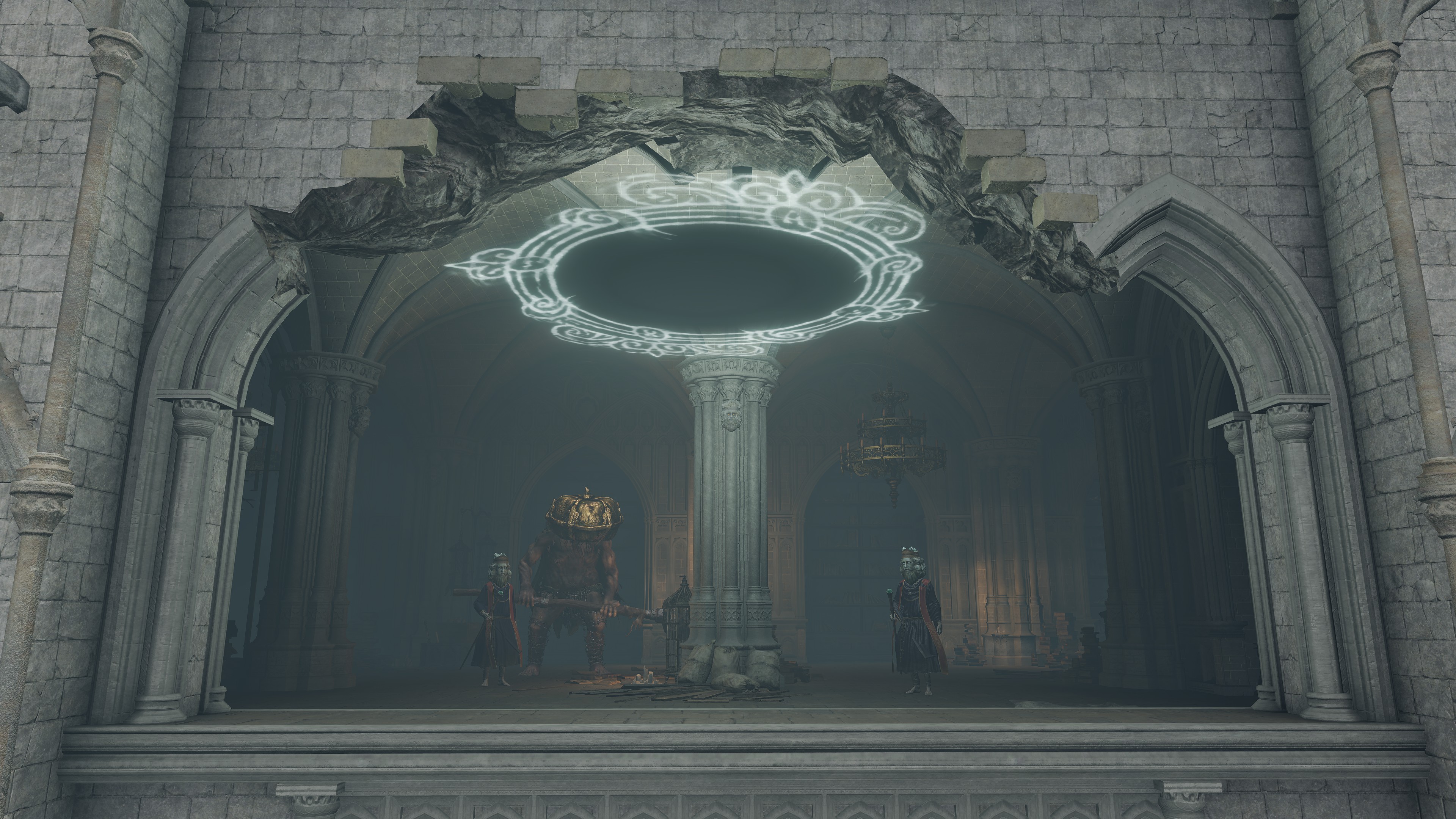
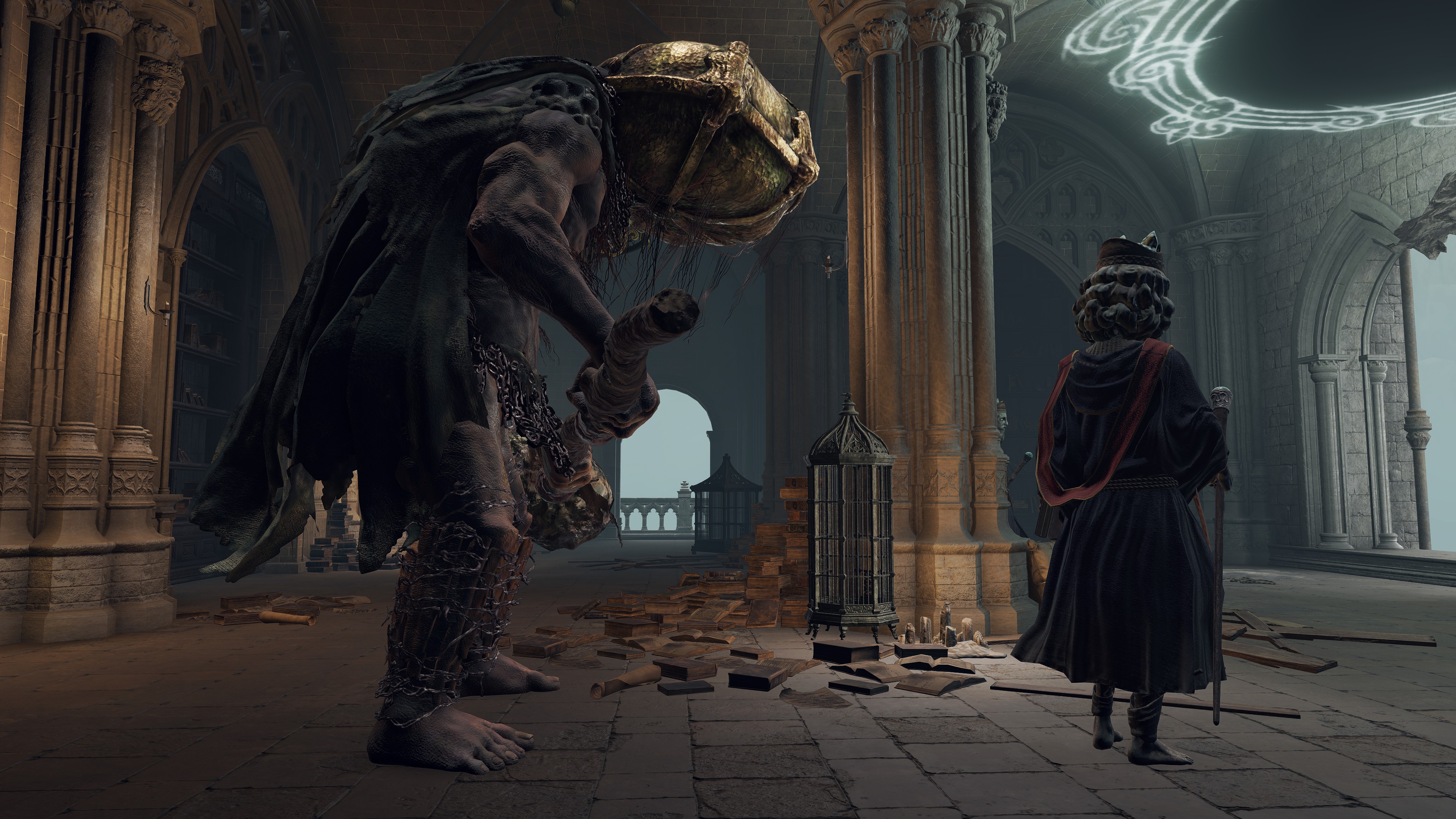


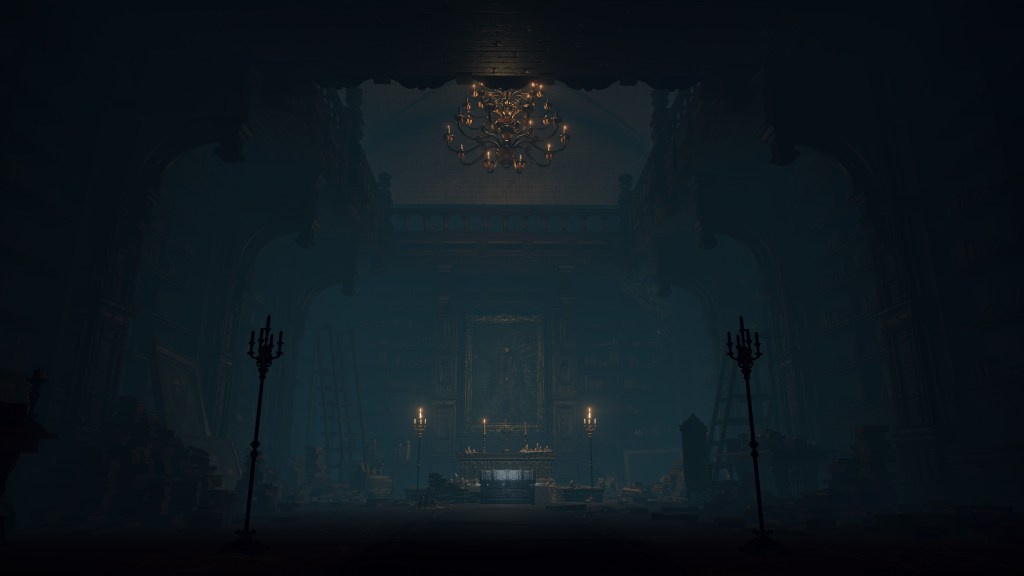
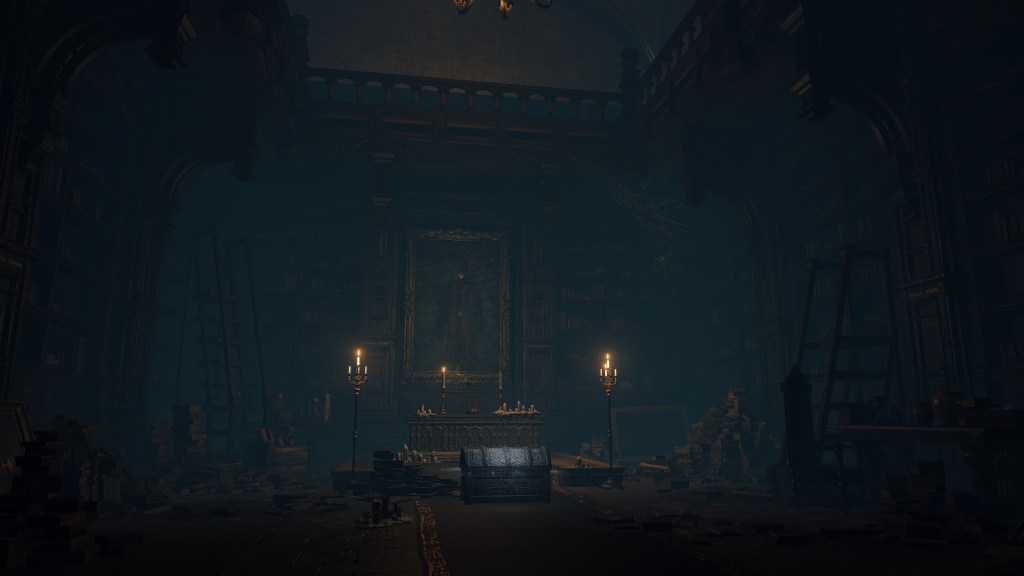
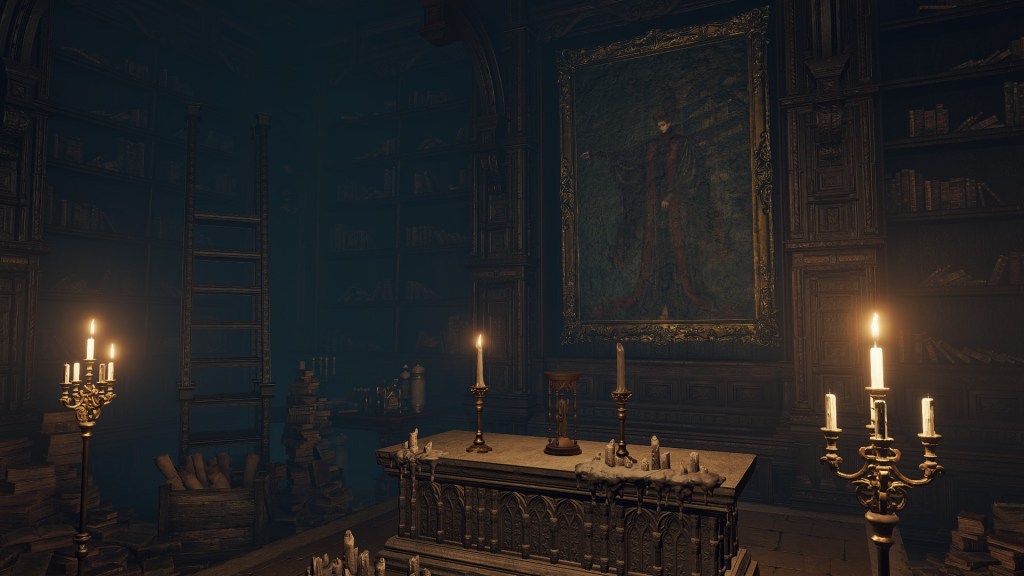
Such violence was likely employed against any academy member who remained a staunch advocate for the Carians as well. We know that they exist because of the secret shrine in Raya Lucaria. Said shrine looks like it was once just an obscure archive, used to store away spare portraits alongside excess books. Since then, however, it has been furnished with an altar for another small scholar statue; this time, facing the same full-length portrait of the Full Moon Queen hanging in the stairwell just outside the chamber. The preceding chest containing the text for Comet suggests the Karolos Conspectus’ participation in this Rennala worship. That comes as no surprise, since she is the sole person to showcase a spell equivalent to Comet Azur, which their founder only developed after she banished him. It is easy to see why some in Azur’s class might view her as the superior sorcerer. However, the shrine remains hidden behind an illusory wall, meaning that worshipers didn’t feel safe to practice openly at the time. We can therefore determine that this cultish practice only began following the rebellion.

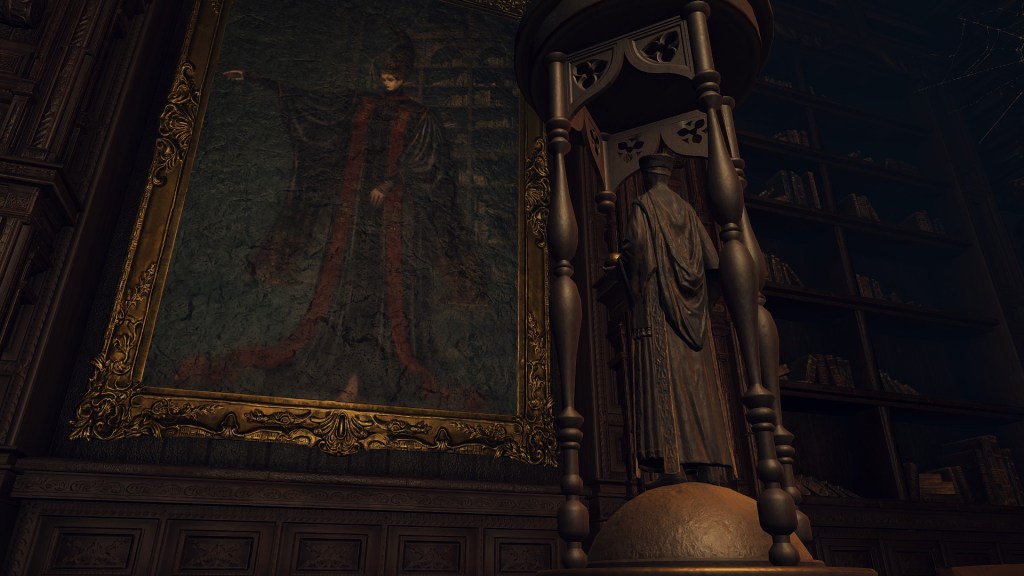
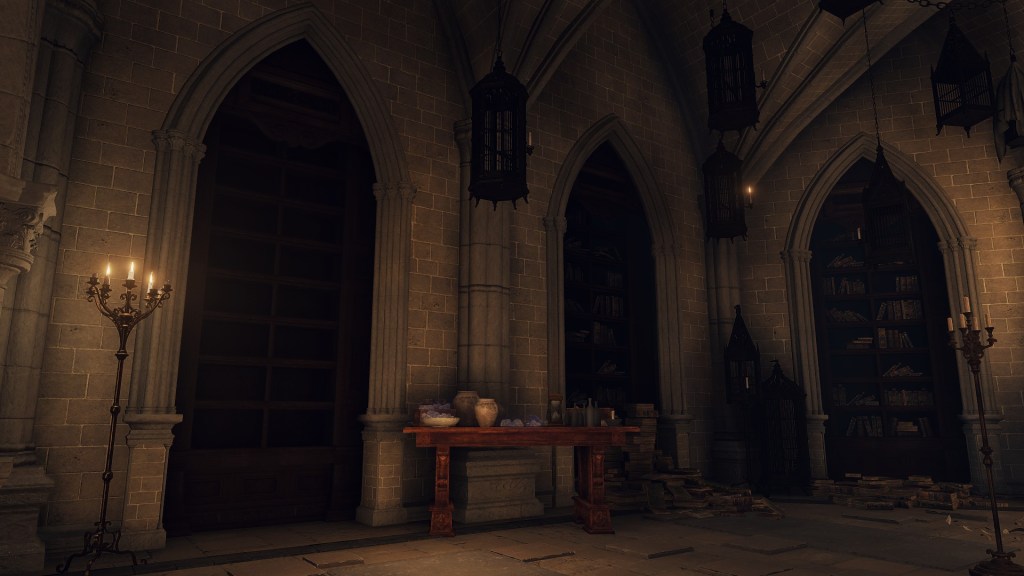
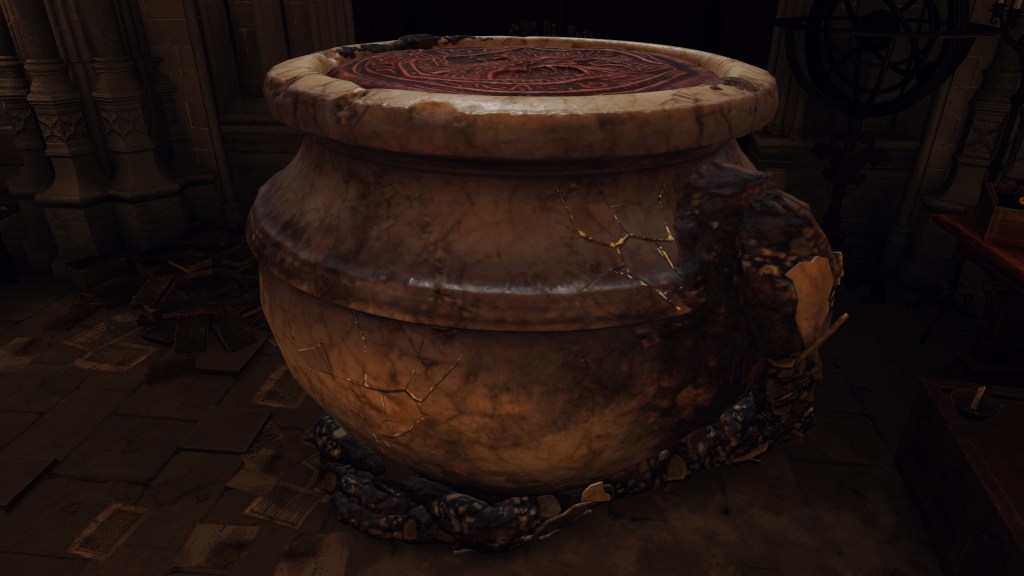
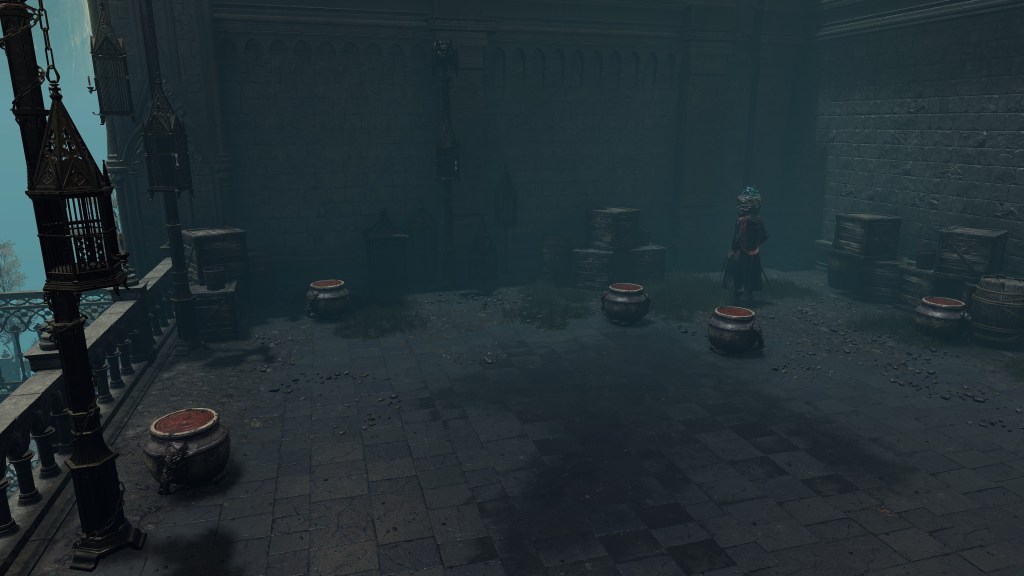
Without a doubt, anyone who wasn’t fully committed to debasing the Carians would be purged from the ranks, forcing heterodox views behind closed doors. This was also true for the other end of the extreme. Recall the shadowy classroom where certain academics are trying to recreate a graven school. Where was the flesh collected into living jars sourced from, and when? For the latter, it is worth noting how the academy’s jars are unique — they are missing handles, lack the intricate design, and show more cracks. This makes them appear more “homemade” than the standard jar supplied across the lands, which is fitting for an academy sealing itself off from the outside. Moreover, we see the empty pots are filled outside in the gardens, where the rebels and Altus citizens clashed. In short, these graven school researchers are positively taking full advantage of the junior sorcerers’ deaths. They don’t want to flaunt what they are using it for, naturally. But even if peers would find their research horrific, these rebels still feel empowered to carry out extra brutality, now free of Caria’s watch.

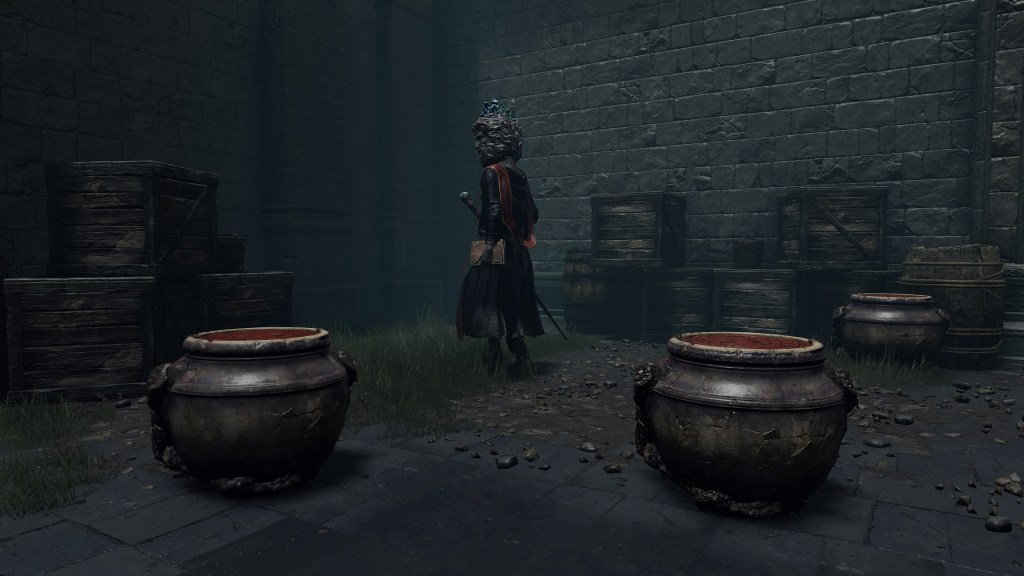
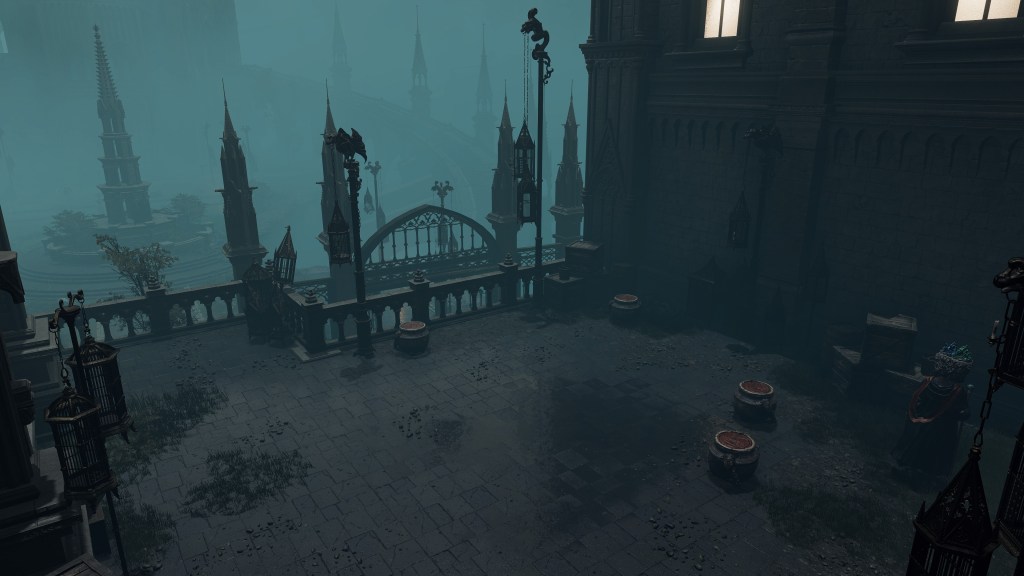
Overall, we can see how strangely fractured the student body became in the course of rebelling. Some were more deferential to Caria’s supporters, others more ruthless, and most somewhere in-between. In the end, the consensus was to leave Rennala formally imprisoned and overthrow her power base. That is the position of the overwhelming majority of sorcerers we encounter still alive in Liurnia. Whatever their differences, public or private, the fact remains: they had the army, and they had the will to carry out this plot. Dominating the factions of the Shattering may be beyond their reach, but they could at least throw off the sword of Caria, bearing down on their necks for so long. Let the madwoman playhouse with false children. At last, the true children of the stars may decide for themselves what is best for glintstone. This was but the first step in an assuredly bright future for the students of sorcery.
Gold Struck Silver
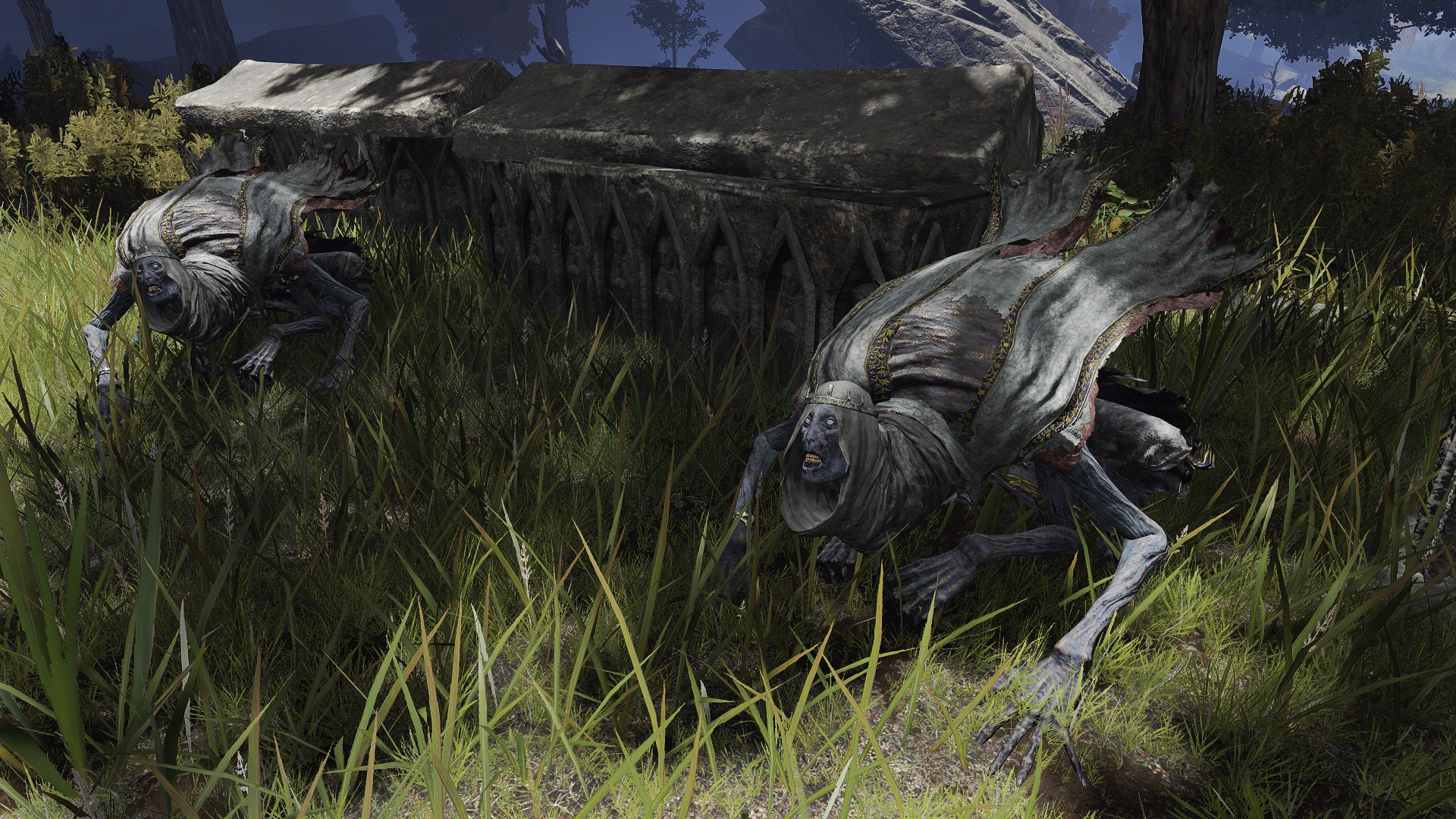
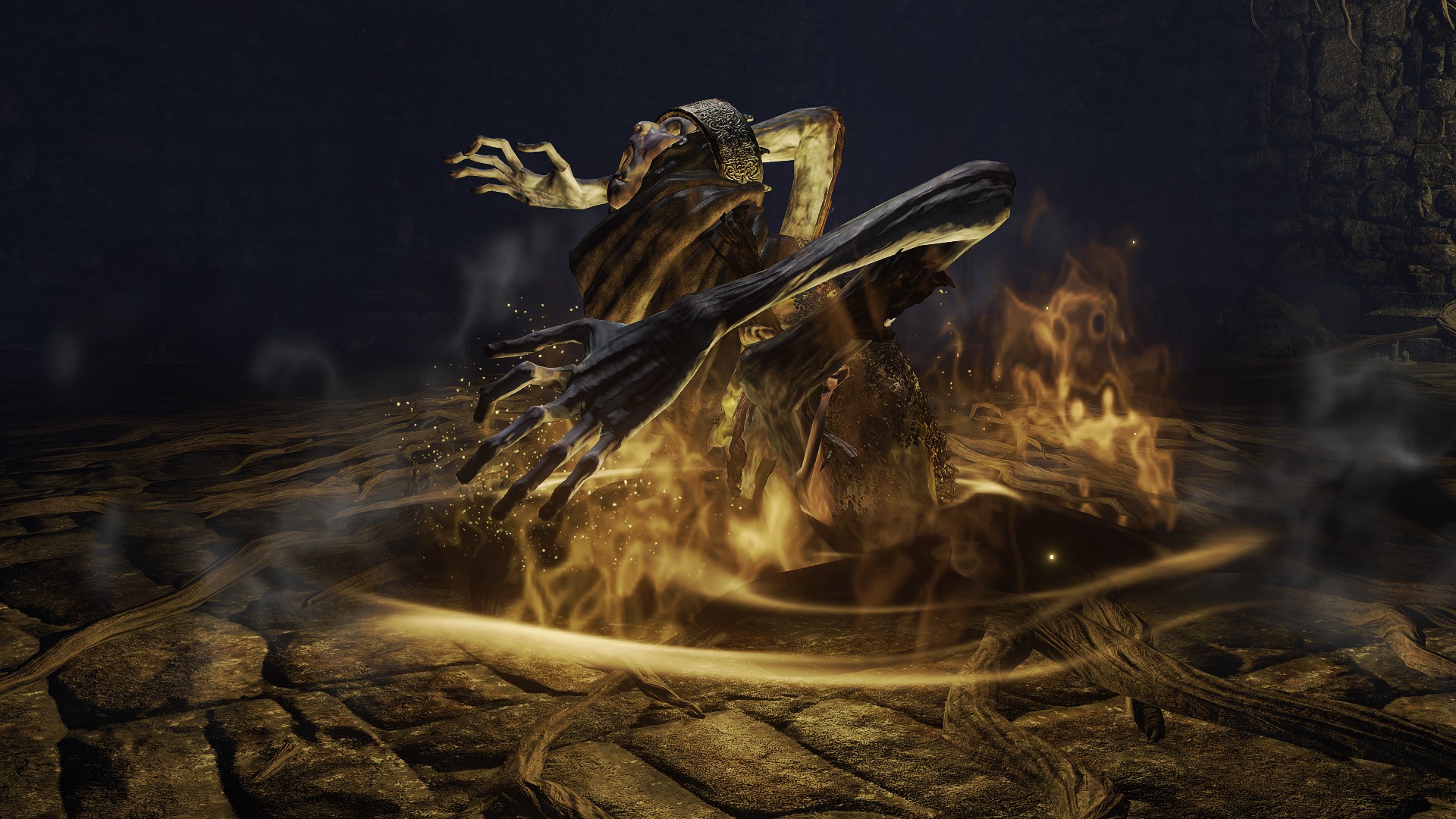
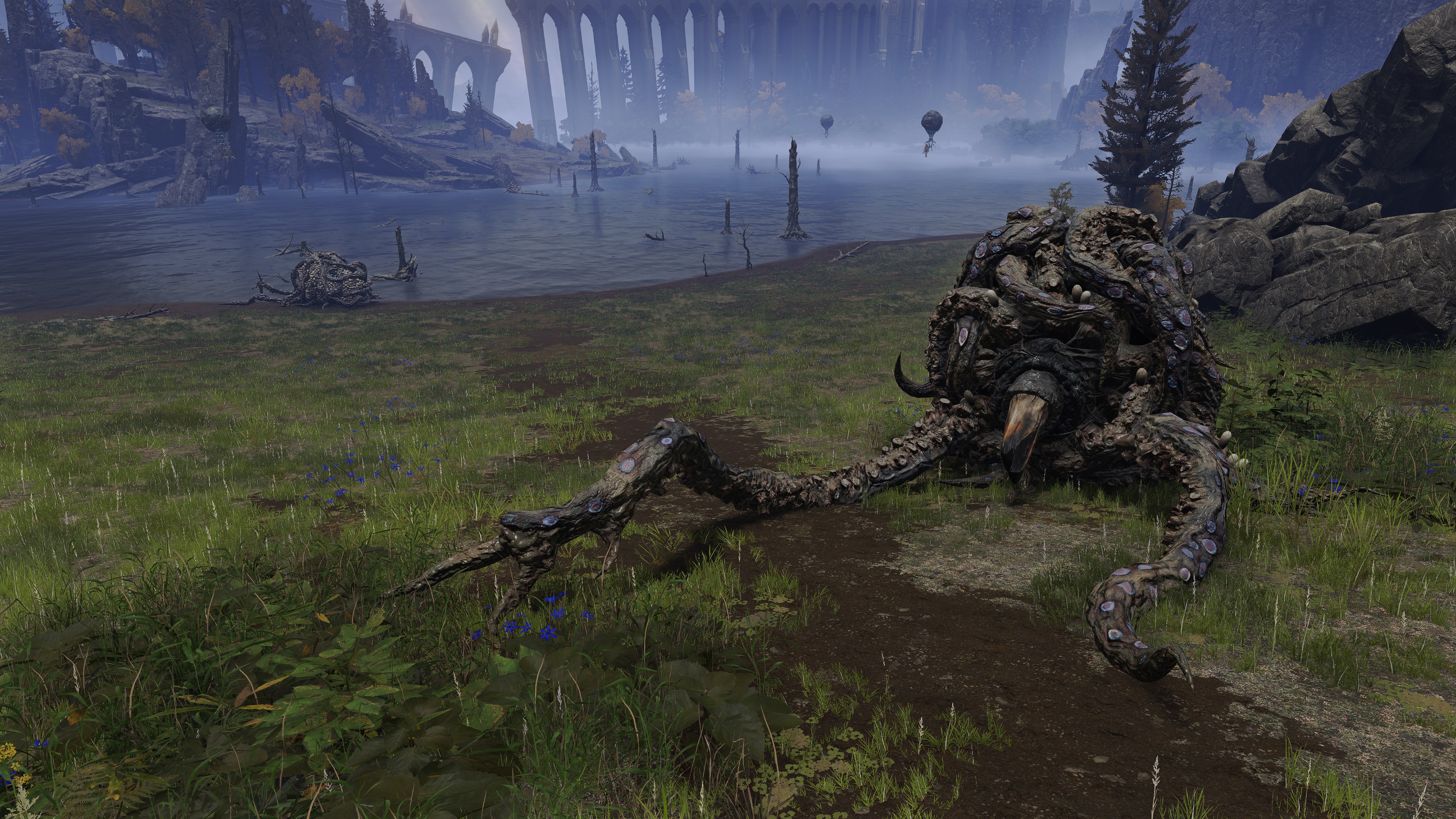
With Rennala secured, Raya Lucaria made its next move: capturing Caria Manor. This came as a surprise to the Carians. As Iji recounts, the Cuckoo knights simply invaded the royal family’s territory, destroying the checkpoint before pushing onto the manor without much issue. Evidence to the massacre extends all the way back to the Crystalline Woods between the Four Belfries and the academy, bloodroses dotted amongst the trees alongside wraith callers enthused to awaken the victims’ resentful spirits. More bell ringers lurk at the coffin cemetery located between the woods and the Kingsrealm Ruins, (Site K) with a royal revenant appearing in the checkpoint’s basement; there are even a handful of land octopuses skulking about the perimeter from the lake. It is obvious that those loyal to Caria were betrayed without warning, leading to much bloodshed before they could mount a proper defense against an army. Among the few surviving nobles still in the ruins, a defeated spirit apologizes to the troll knight for their utter failure. Nonetheless, it would be the royals who had the last laugh.

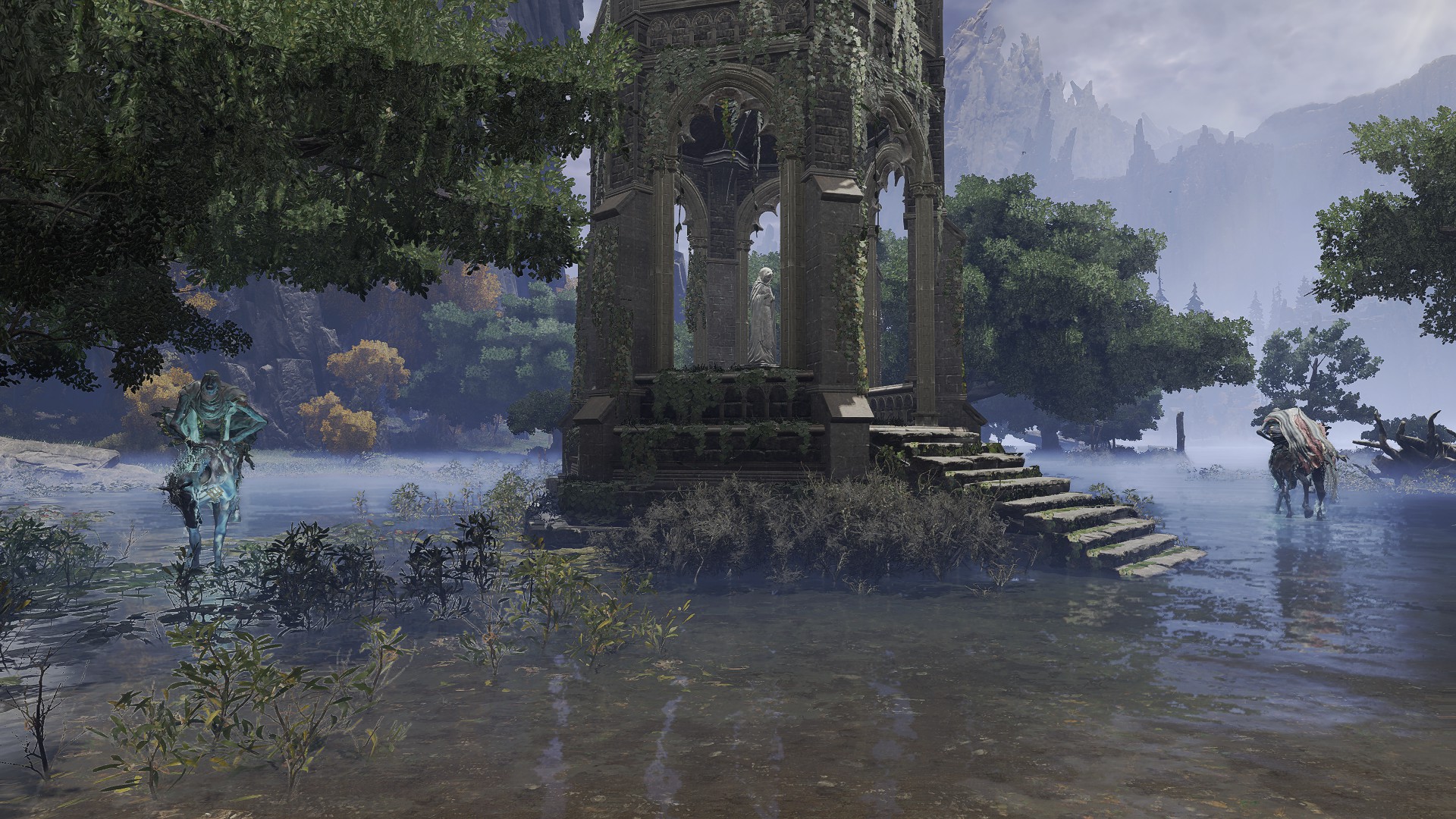

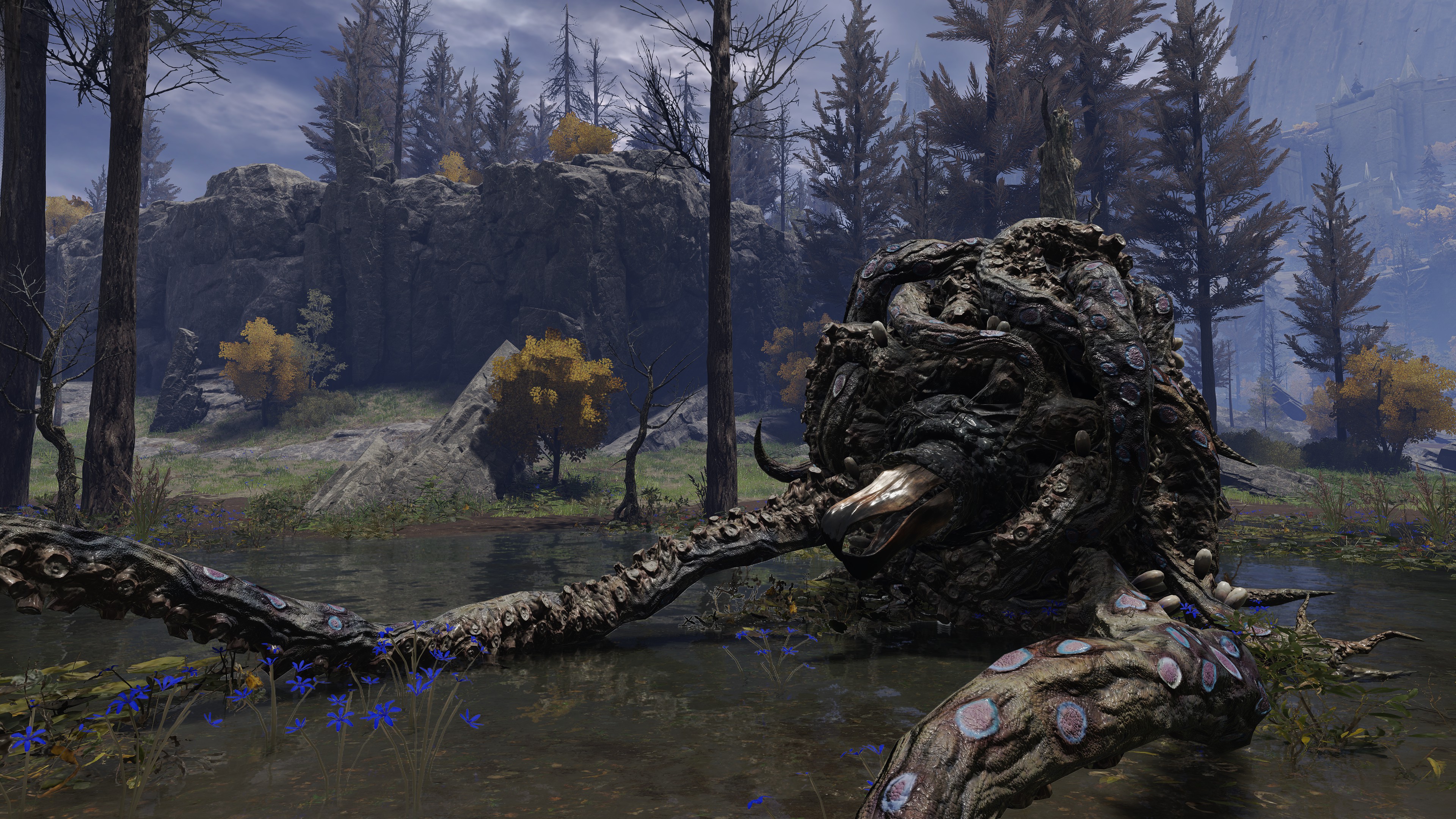
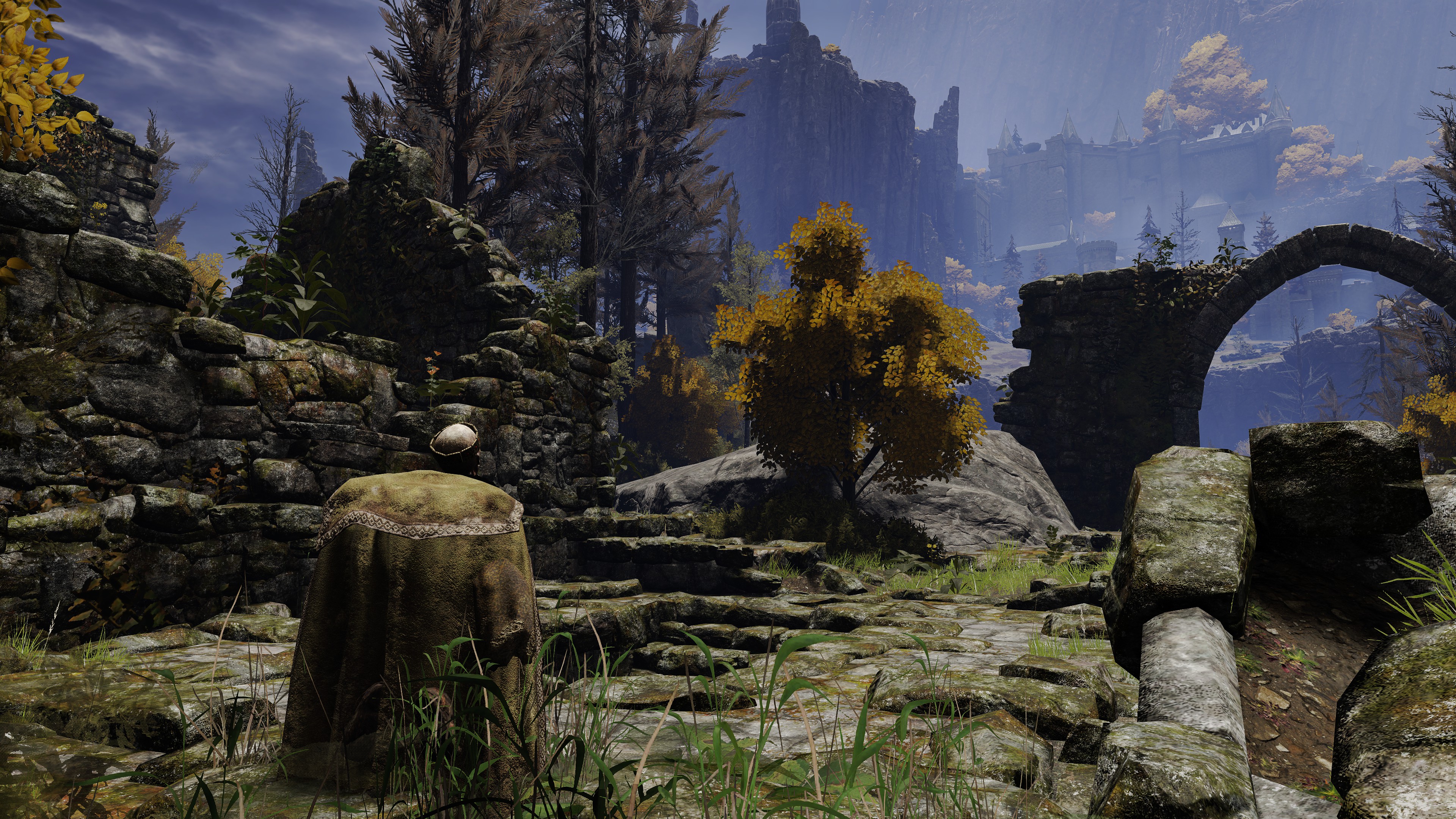
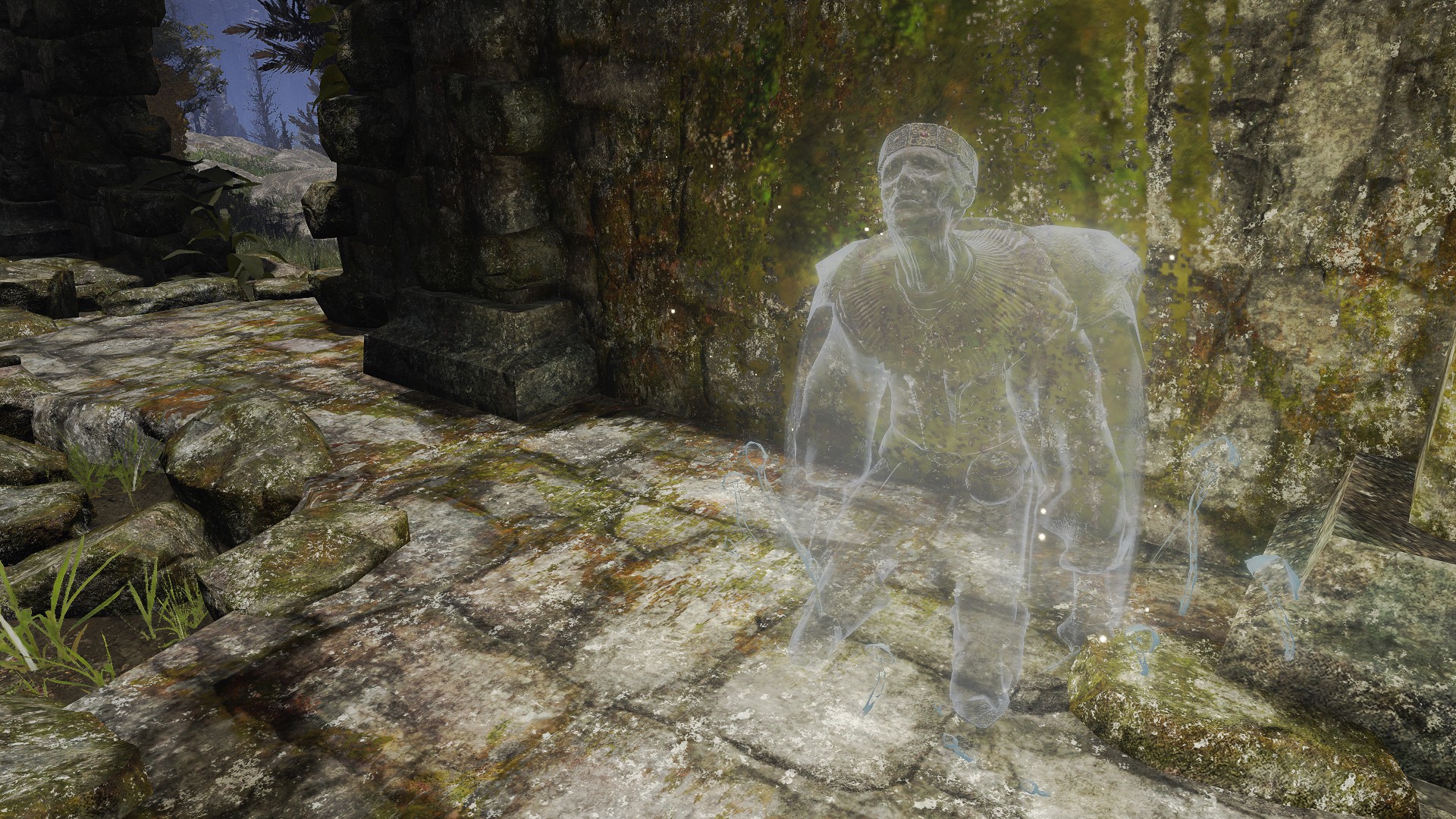
Tarnished one. Please allow me to give one piece of advice. This land was once territory of the Caria royal family. Beyond here is the castle manor where those of the royalty dwelt. When the Academy of Raya Lucaria betrayed the royal family, the knights of the Cuckoo assailed this land… and after destroying it, pushed toward the castle manor.
… Ahh, Lord Izzy, my dearest apologies. Even though you entrusted us with this land of the royalty, we couldn’t do anything…
As the Cuckoos made their way up the slope, the manor sprung the trap, a line of glintstone arrows raining down in constant bombardments. This snare persists until we defeat the phantom of Loretta at the Moongazing Grounds, so it is possible that this trap was originally developed by the bow-loving royal guard knight — a power she left for the moon sorcerers to conjure for protection even when she is not present in person. Whatever the details, it was still effective in safeguarding the manor from a siege. The sword monument before the castle gate describes the slope as a “corpse yard” for those contemptibly eager Cuckoos, Iji confirming that they were ultimately repelled. The cadavers were probably buried in the coffin cemetery easily overlooked in the remote western corner, left for rats to gnaw upon. As for the survivors who failed to join the retreat, they ended up captured, the soldiers becoming puppets for Pidia to operate as part of the castle’s internal defenses. Meanwhile, the sorcery trap has remained active to discourage any further assaults, lest the invaders join the previous Cuckoos.

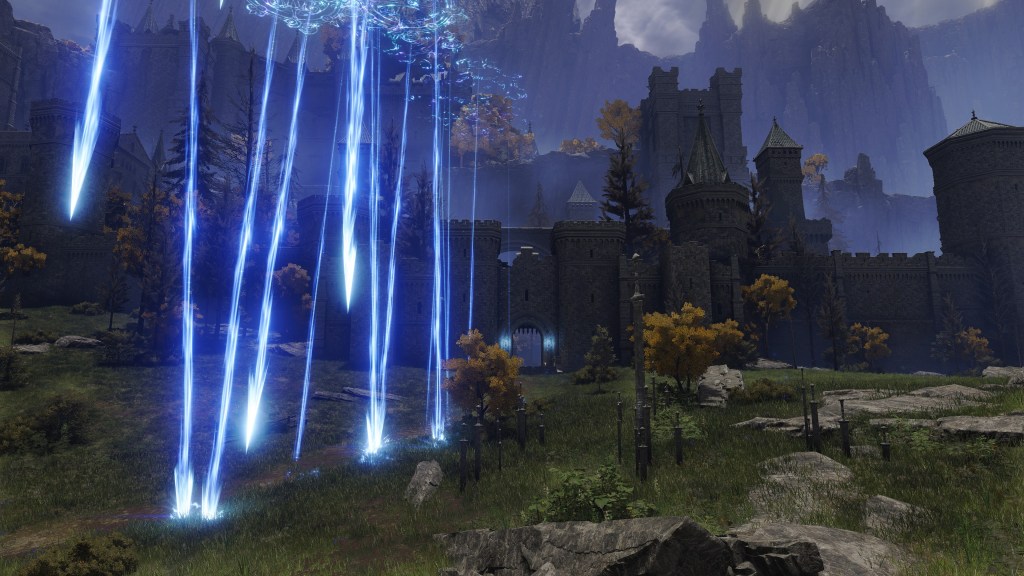
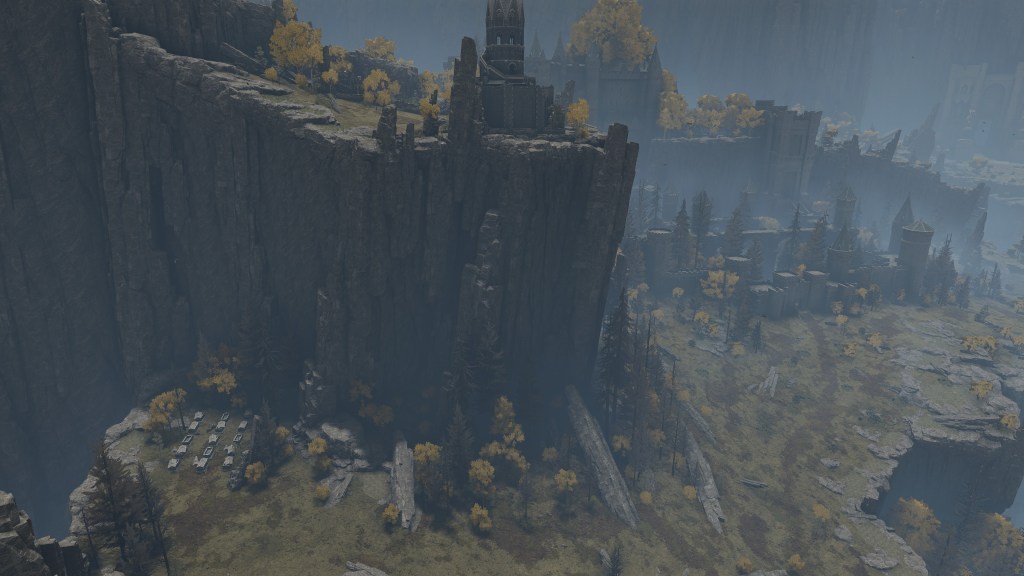

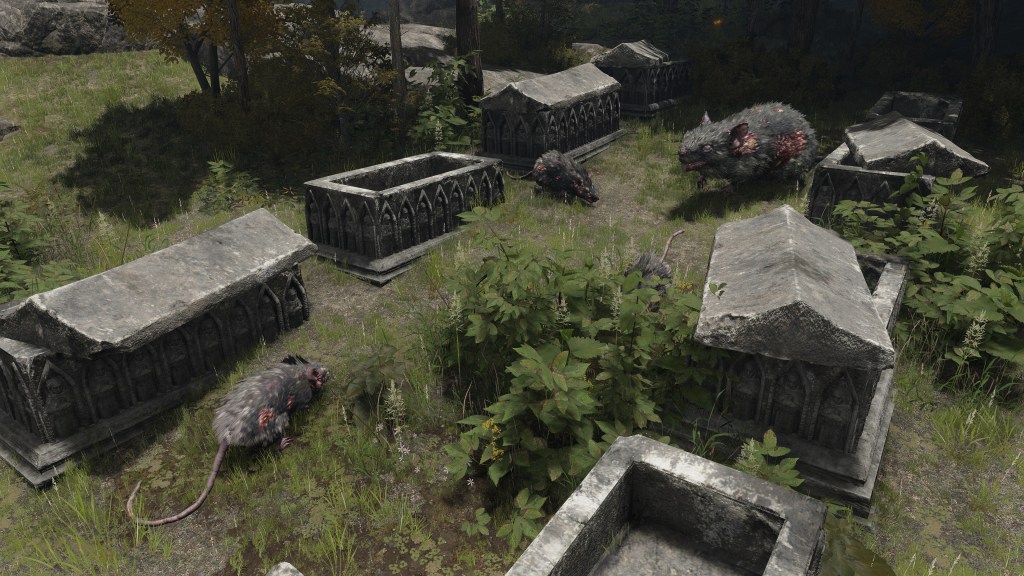
Corpse yard of the contemptible Cuckoos in the Defense of Caria Castle Manor.
Although caught off-guard, the Caria royal family’s power was alive and well, and the knights were repelled. However, the horrible sorcery trap used there has remained all this time. And so, Tarnished one. Stop approaching the castle manor. You probably don’t want your corpse lined up with the foolish Cuckoos.
All told, the Defense of Caria Manor was a triumph for the royal family and another humiliation for Raya Lucaria’s sorcery knights. However, the fire of rebellion had not been squelched. The academy refused to surrender with this setback, plunging Liurnia into its own civil war. If the manor was untouchable for now, then the solution was to change tactics. Instead of attacking Caria directly, Raya Lucaria aimed to slowly strangle the family by cutting off support. Chief target in the royals’ western territory would be the Moonlight Altar — and standing in their way was the Village of the Albinaurics. As former Erdtree militants, the Cuckoos had no love for the silver life created by man. One of the academy’s craftsmen recorded the recipe for the Albinauric Pot, the vessel nonetheless applied with Cuckoo sorcery as shown by their crest on it versus the school’s sigil when thrown. In other words, the knights invented the tool themselves, its utility to prevent healing with drops of grace proudly showcasing the corruption inherent to the unblessed race’s blood. Raya Lucaria’s army must have been enthused to bring war to this innocent village.
One of the crafting items using a ritual pot. Applied with Cuckoo sorcery.
Consumes FP to throw at enemy and prevent recovery via Holy Grail Bottle for a fixed period.
The Cuckoos probably boast: Look closely. At the corruption in your blood. Does something like this flow in decent life?
The royal family did make moves to protect the villagers. Aside from the few Carian servants remaining among their kind, a great many of the bodies piled throughout the settlement are conscripted commoners, the spirit of one praying for the safety of the village head Albus. Without question, the Carians acted swiftly to raise an army of their own after the manor’s defense, hoping to secure their territories in anticipation of the civil war. There were sure to be many still loyal to Caria among the populace, though they were little more than amateurs against the Cuckoos. In fairness, the village did survive until the recent massacre by Gideon during our journey, but that was thanks in large part to the second generation of Albinaurics stepping up to fight, the nimble warriors plainly pushing back against Raya Lucaria’s incursion upon their home. Maneuver as they might, the Carian royal family was simply stretched too thin, with not enough knights to cover the whole of west Liurnia.
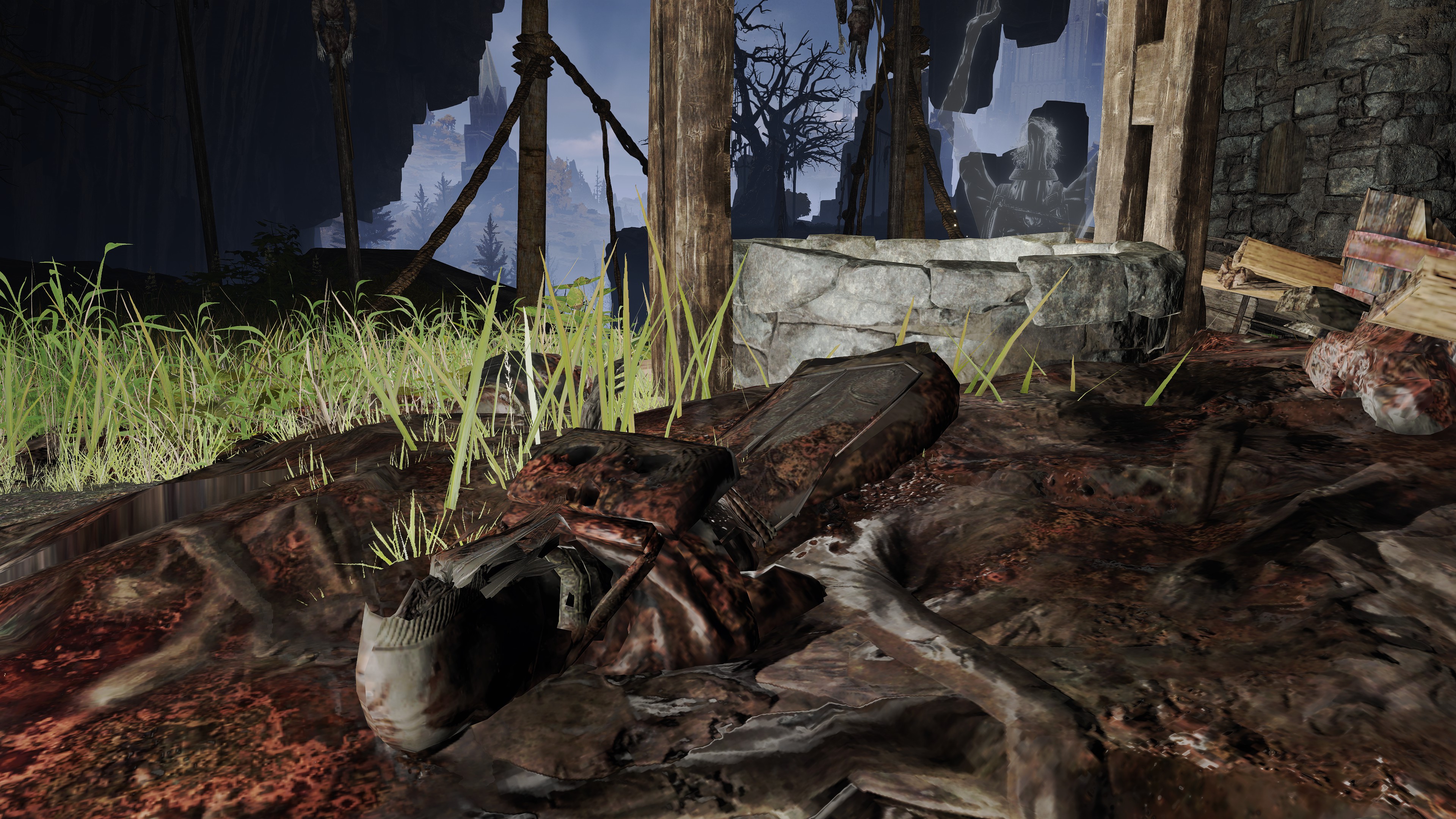

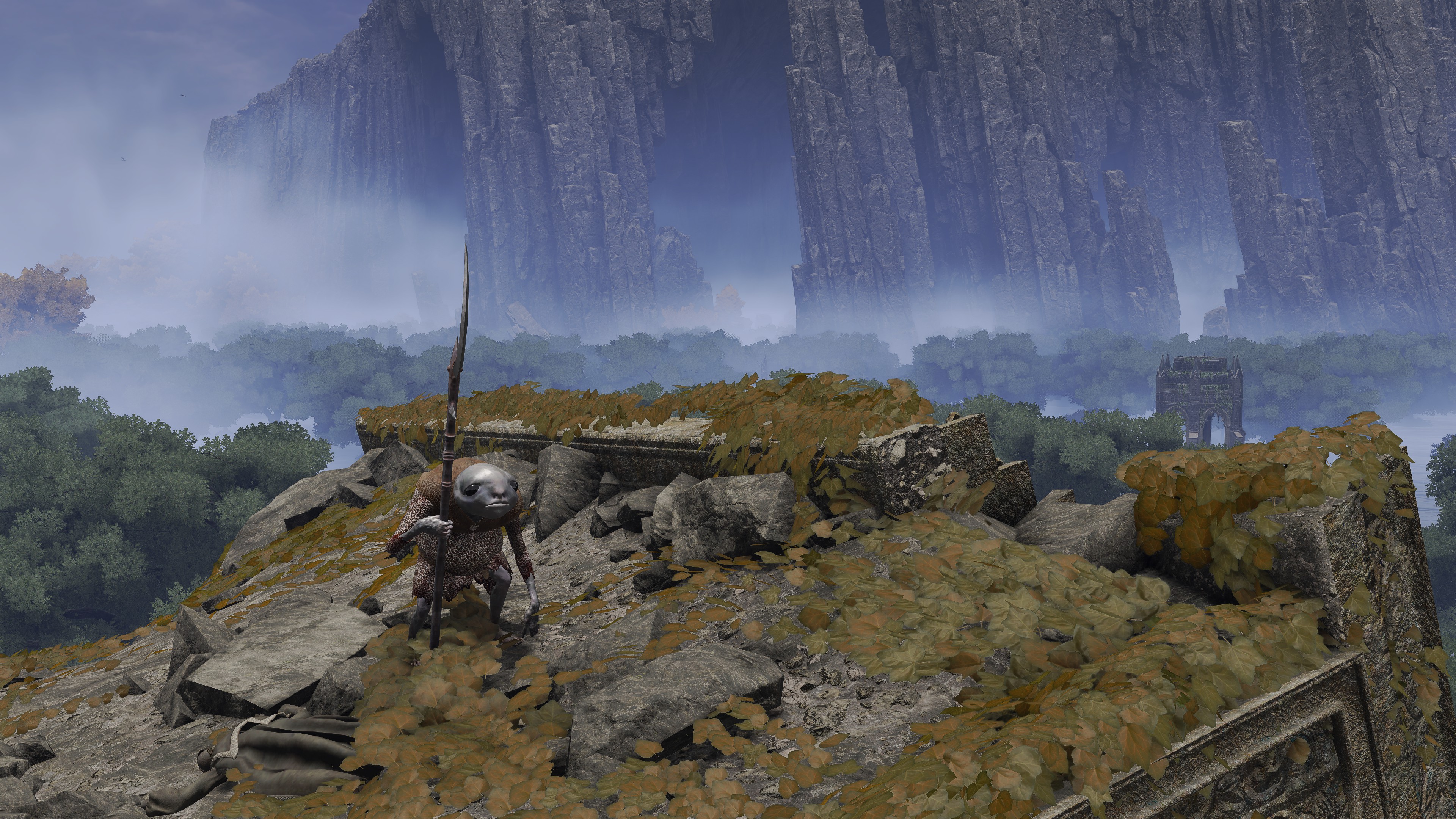
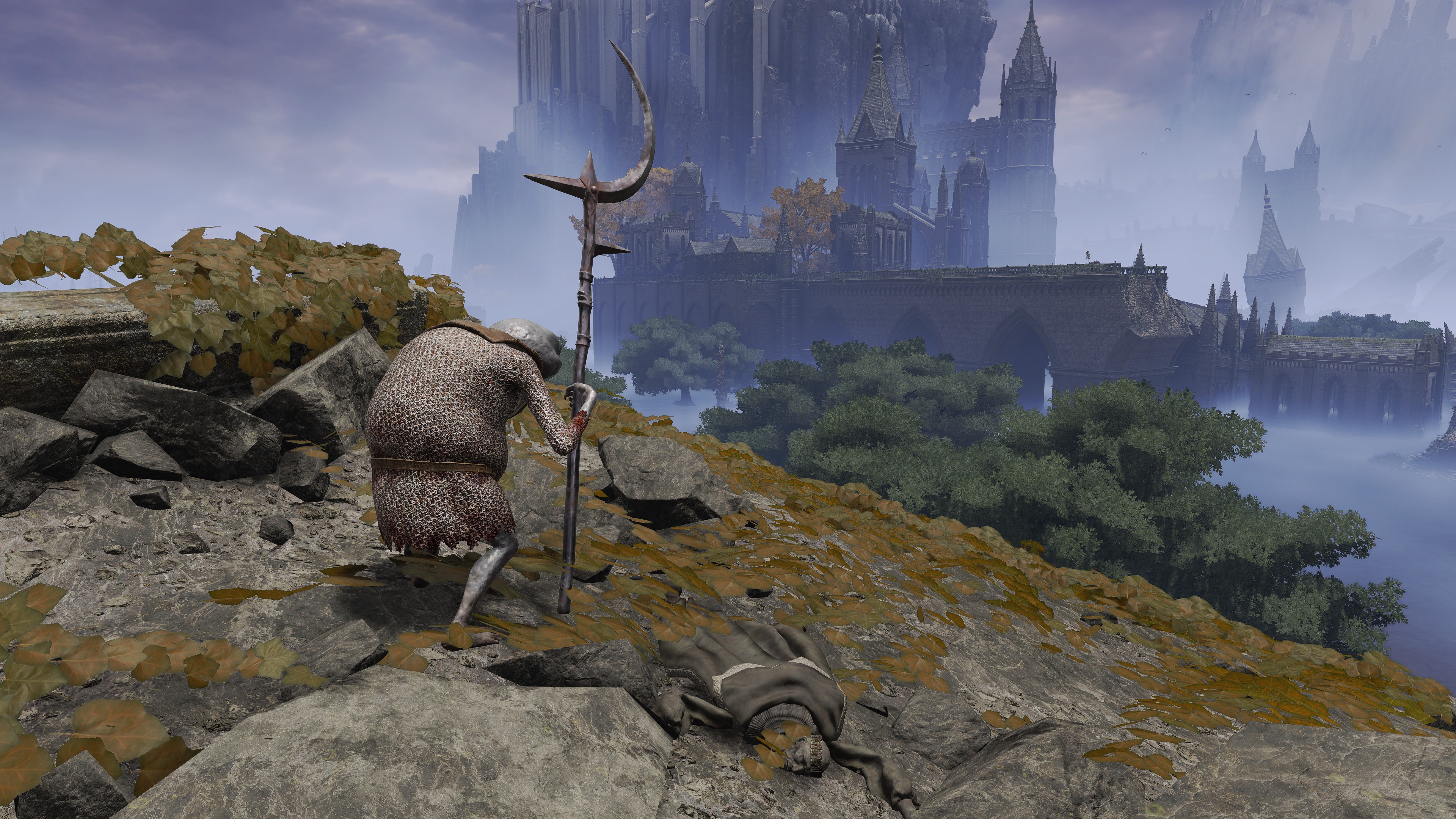
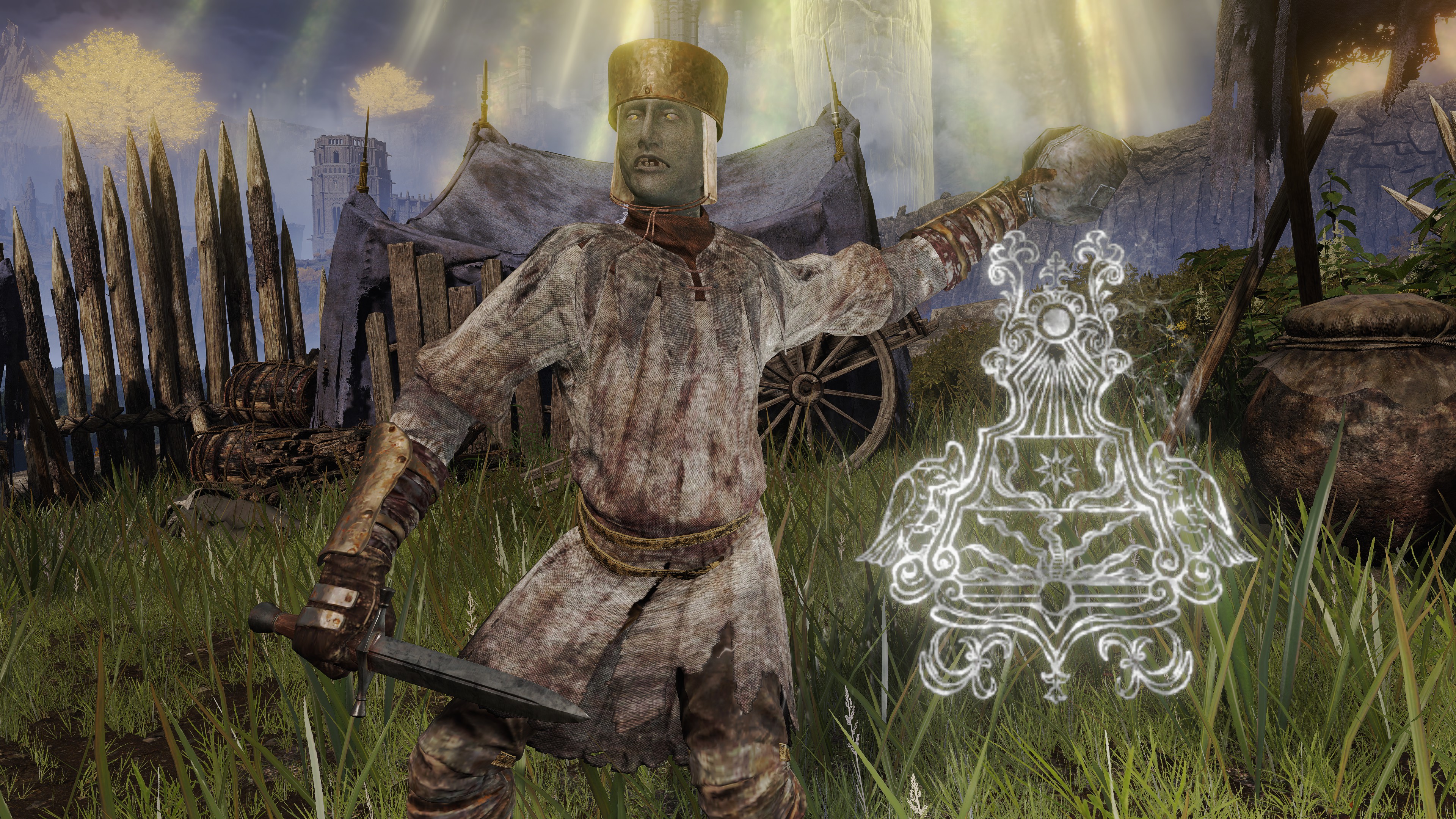
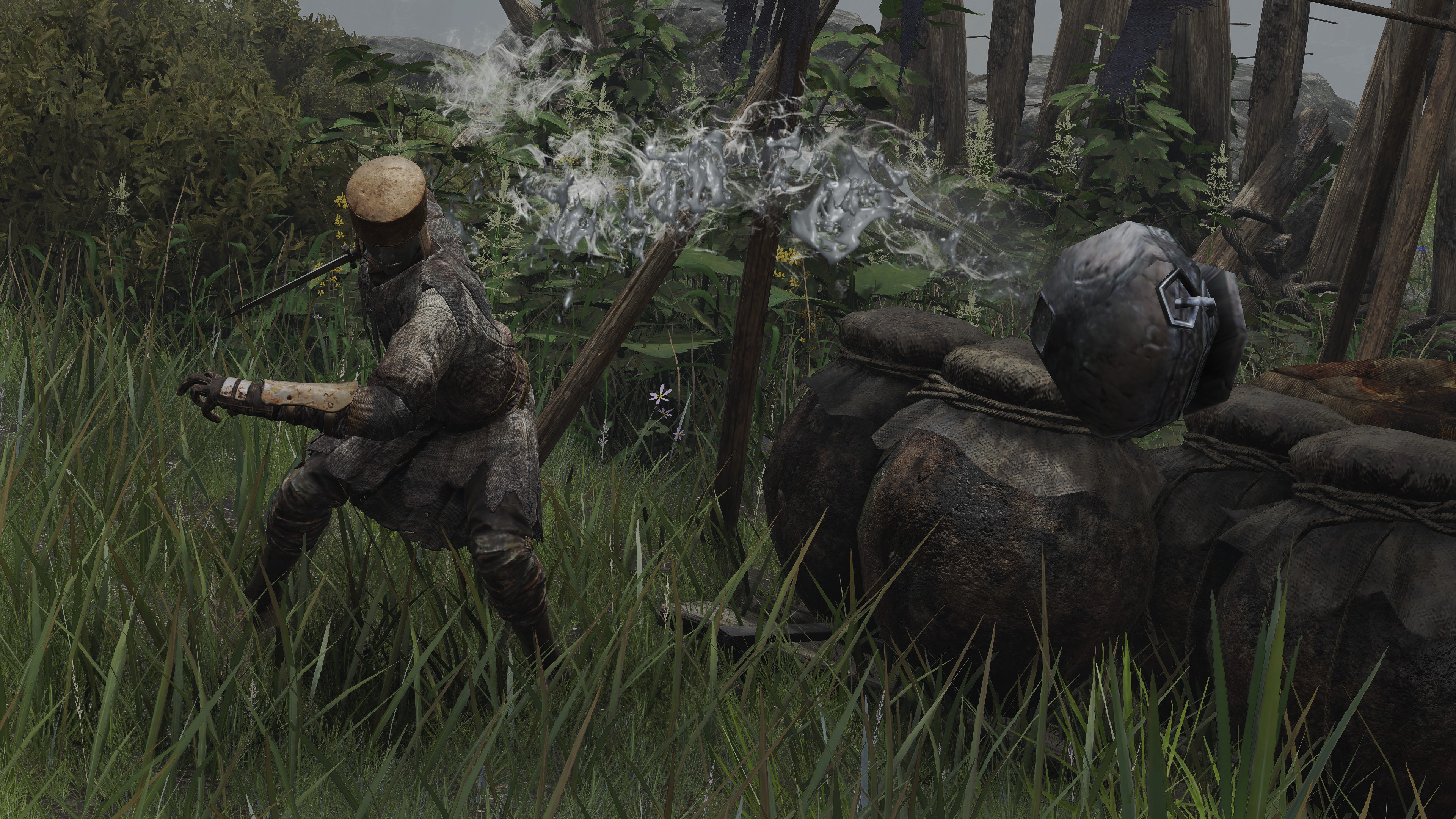
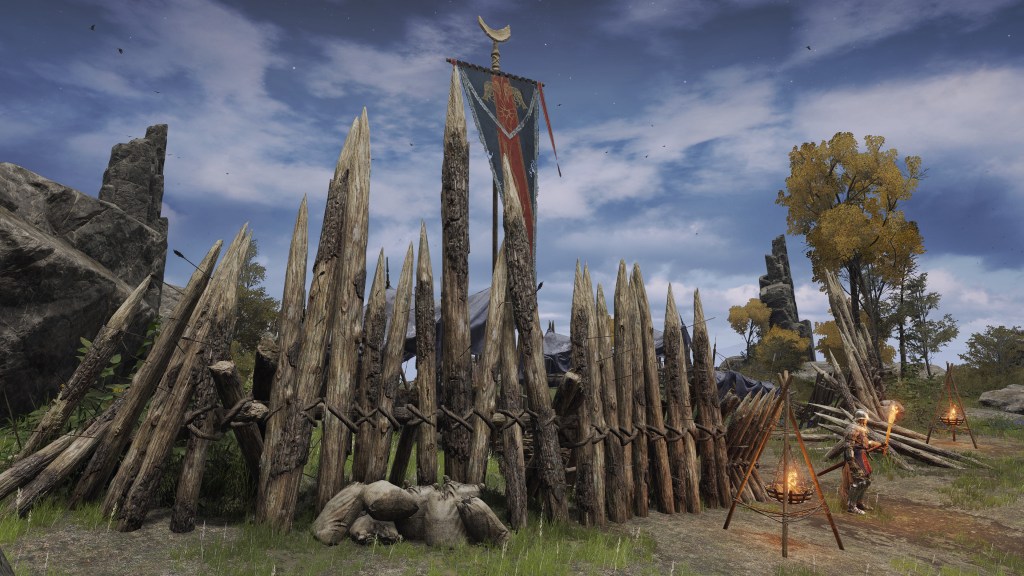
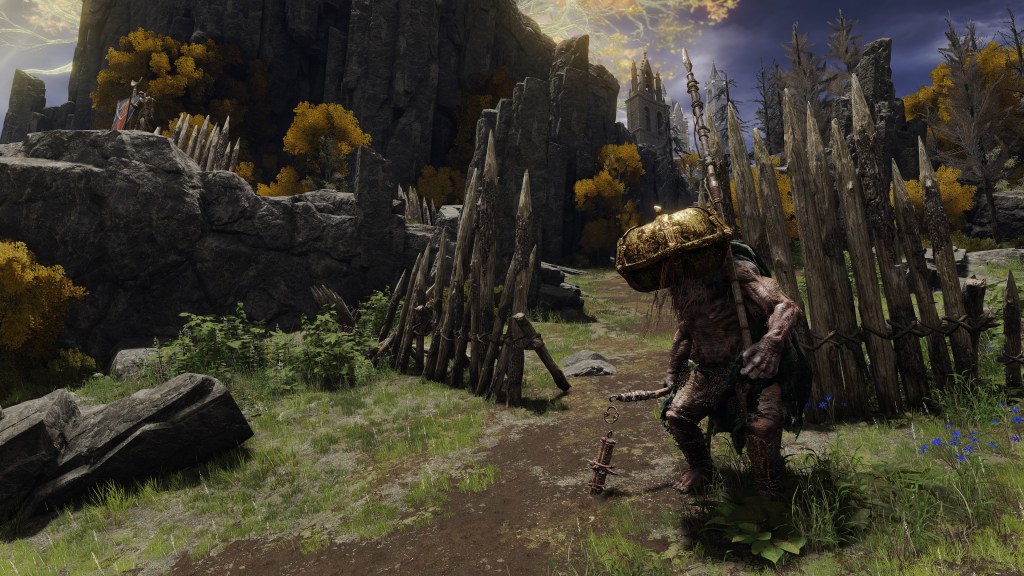
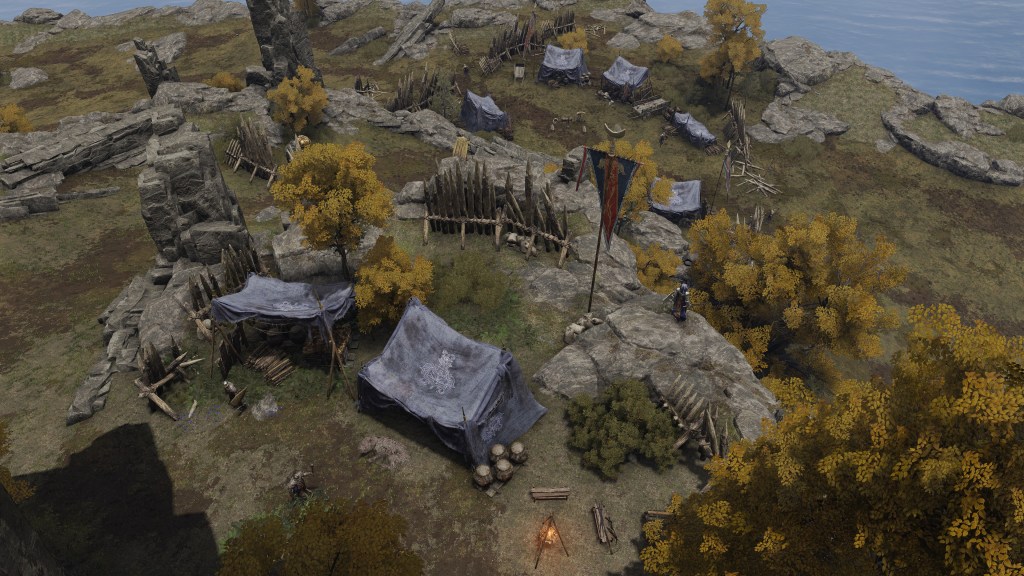
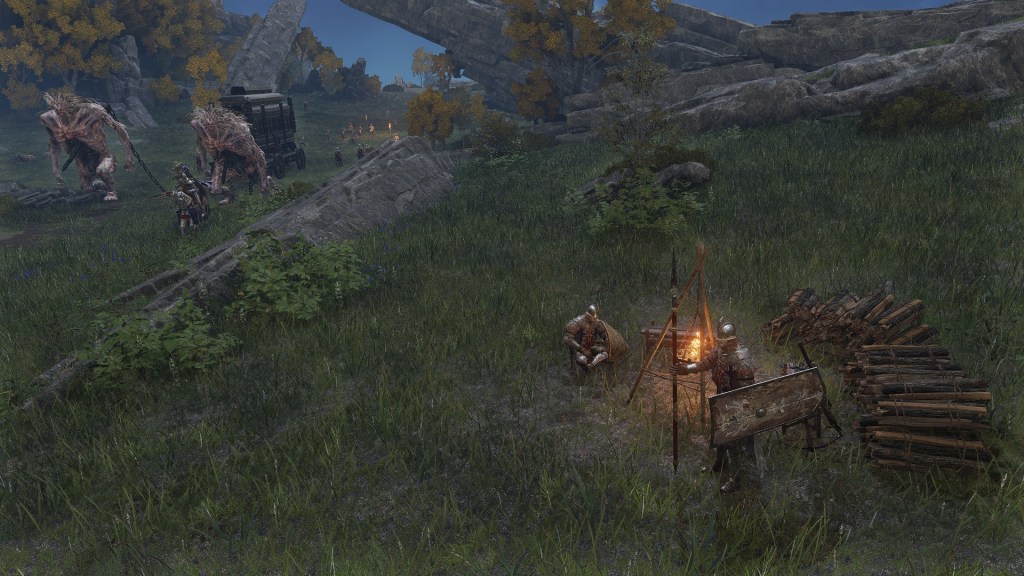
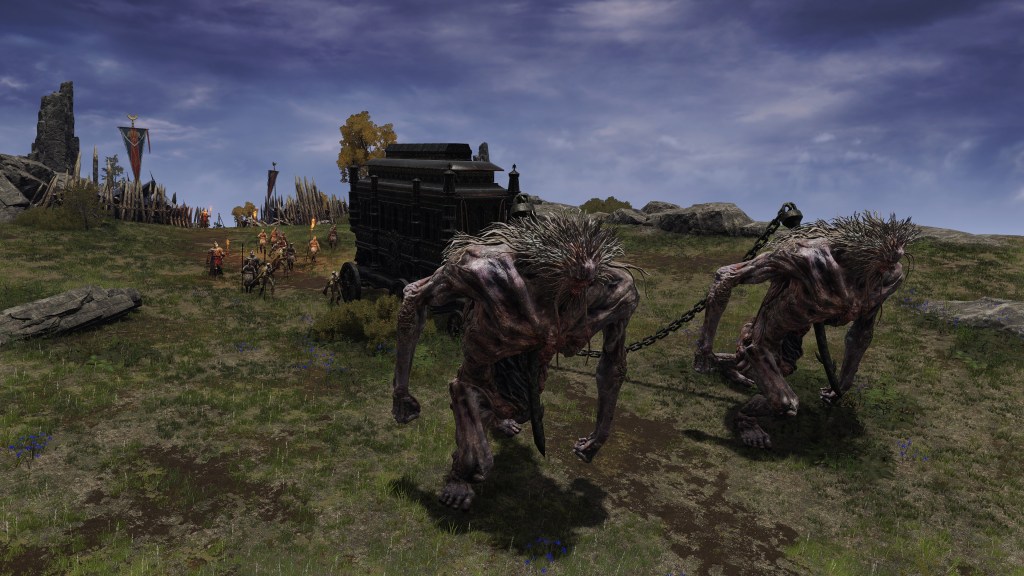
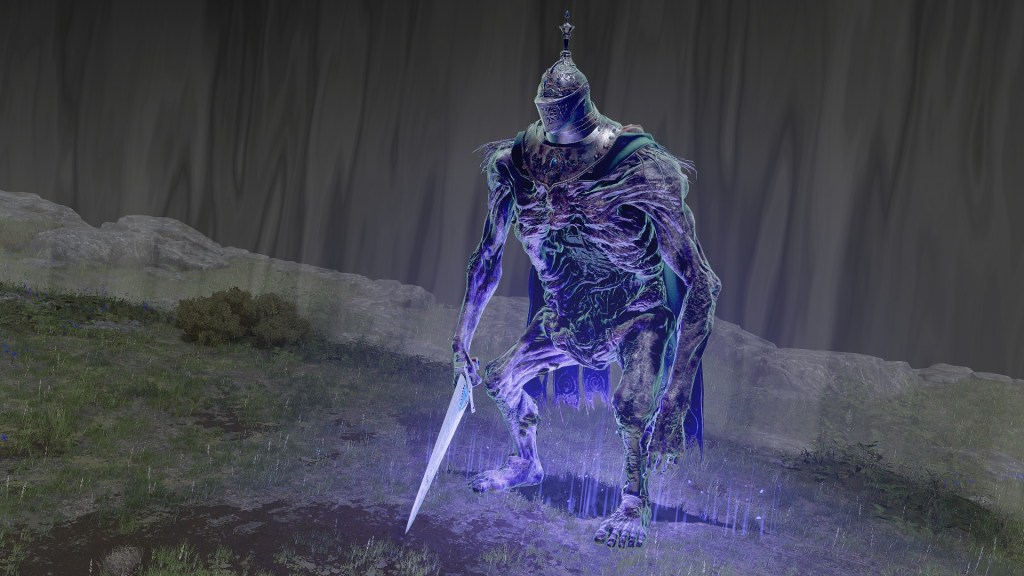
The Cuckoos soon seized upon this glaring weakness. The army has set up camp at the chokepoint west of the Four Belfries, halting transit between the manor and village over land. Proving their success, the war stores amass not just Cuckoo glintstones but also Albinauric bloodclots — Raya Lucaria severed the militia’s contact with headquarters. The castle has tried to break this blockade, but to no avail; Cuckoos escorts a coffin carriage from camp east toward the academy, harboring the sword of a glintstone knight who failed to lead Caria to victory. Taking the point doesn’t even appear to have been difficult. South of camp lies the Cuckoo’s Evergaol. Typically, the gaols are named for their occupants or location, yet the prisoner in this case is Bols, a troll knight. Either an anomalous giant has betrayed his oath to Caria, or he was captured due to the Cuckoos controlling the area. Most likely, Bols was tasked with securing the route, only to be overwhelmed by numbers and kept alive for military intelligence. That the faithful knight remains uncooperative is a small mercy for the Carians.

With Caria unable to break through the north, the Cuckoos were free to prey on the south. Left to fend for themselves, the village militia put up a valiant defense in spite of apparent losses. But making no progress only redirected the enemy’s ire onto easier targets. Laskyar is currently in ruins, wraith callers finding vengeful spirits all throughout the property. The Raya Lucaria soldier ashes mention how the Cuckoos are known to exploit the academy’s permission to war freely as an excuse to pillage in their description. There are only so many candidates for pillaging in Liurnia, Laskyar the largest among them. It is also the settlement closest to the Albinauric village, making it the liable recruitment center for the militia. This would not have been lost on the Cuckoos. So, what better way to demoralize the defenders and discourage civilians from joining the other side than to slaughter their friends and families? The plunder dangling as their reward proved too tempting to resist. And so, Laskyar was massacred, bloodroses growing in the ruins’ wake.
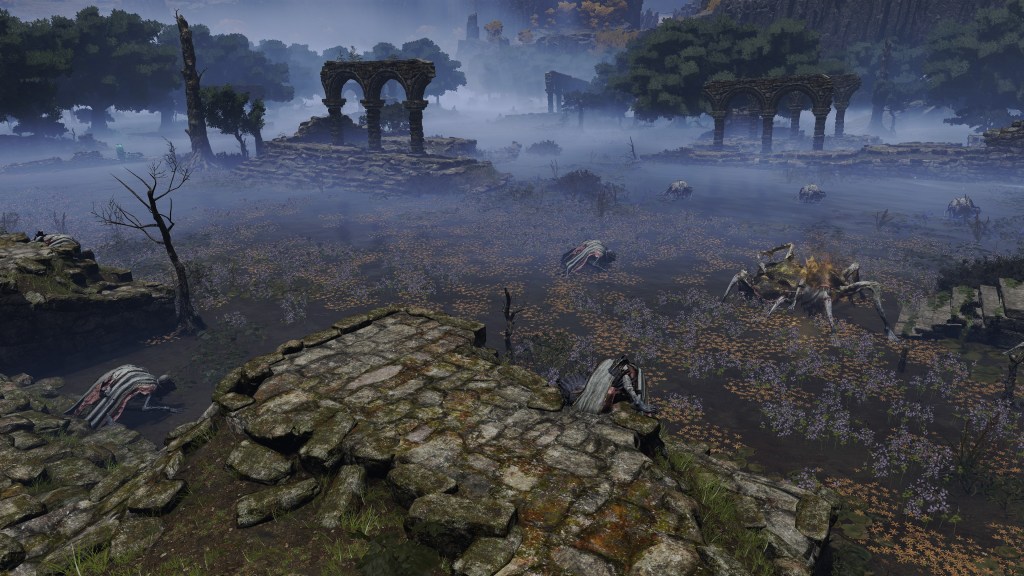

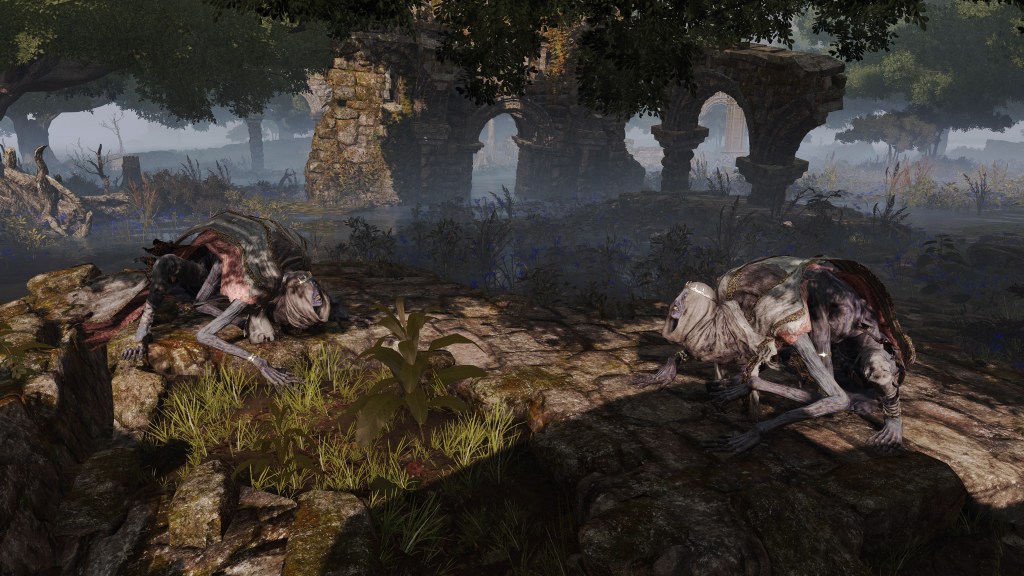


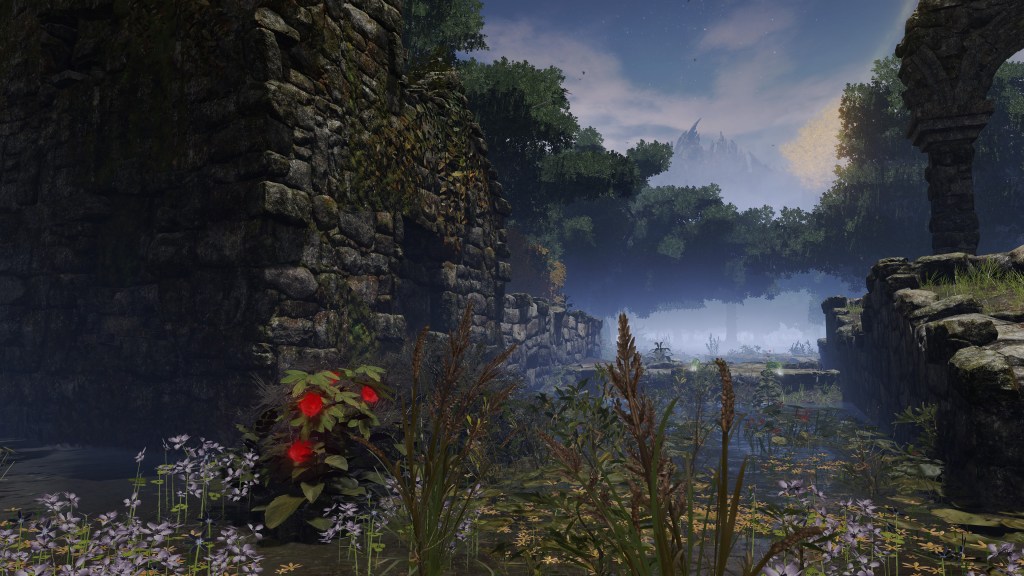
Turning on the innocent in such a way earned the Cuckoos notoriety, but it did have practical justifications if nothing else. Of course, some reasons are stronger than others. For instance, the Purified Ruins (Site P) next door have been turned into another Cuckoo camp, soldiers exhausted after no doubt pillaging the place in similar fashion. However, the name affirms that this more recent genocide was in order to cleanse the village of the Frenzied Flame. Despite the residents trying to keep their cult faith hidden from outsiders, word would have inevitably got out as the plague continued to fester there; the foliage alone was proof, as the nomadic merchant at Raya Lucaria selling a single eye of Yelough demonstrates. Now, following purification, not even a single frenzied leaf is left, just the spirit of an afflicted commoner and melted eyeball among the remains.
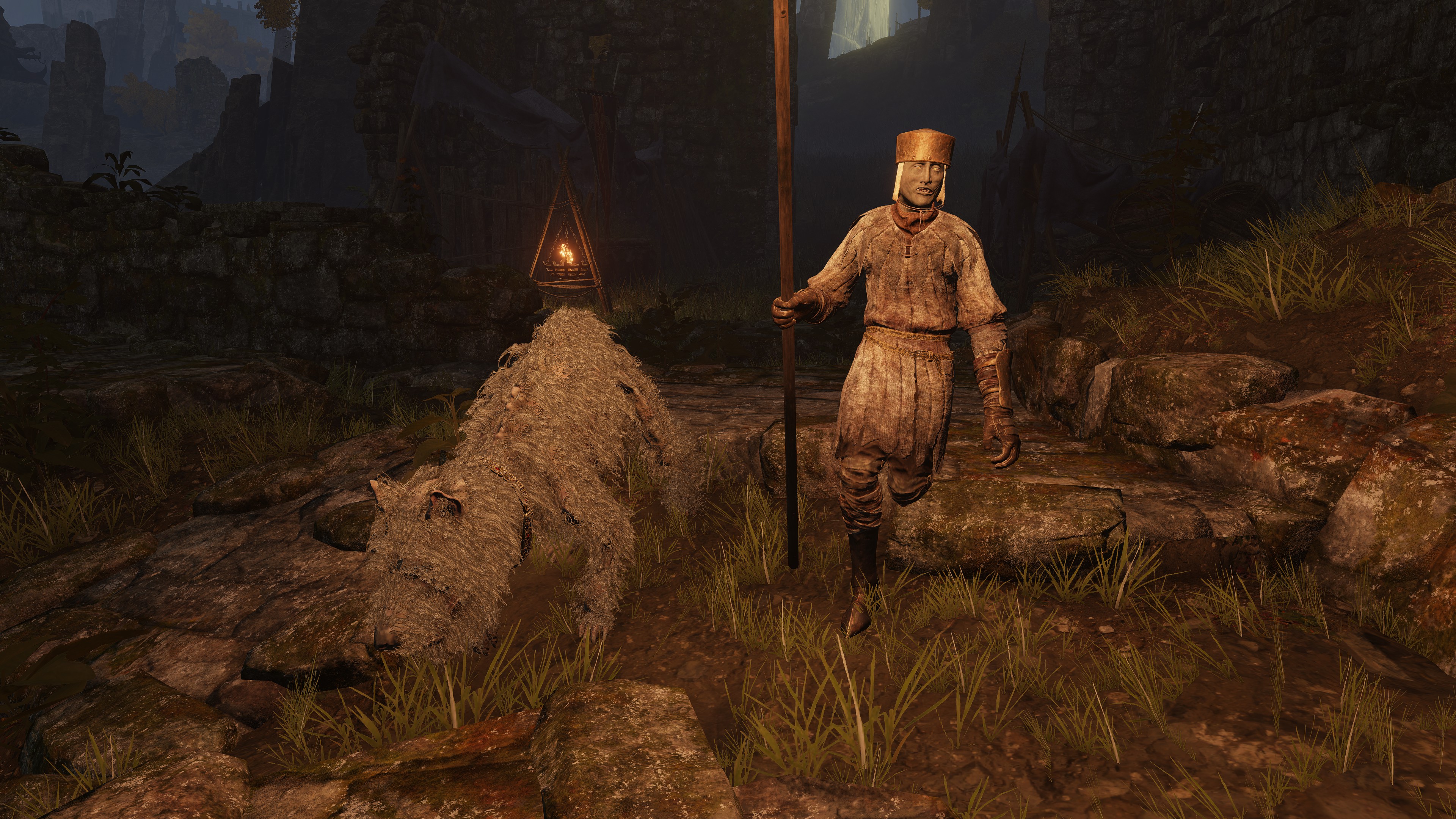
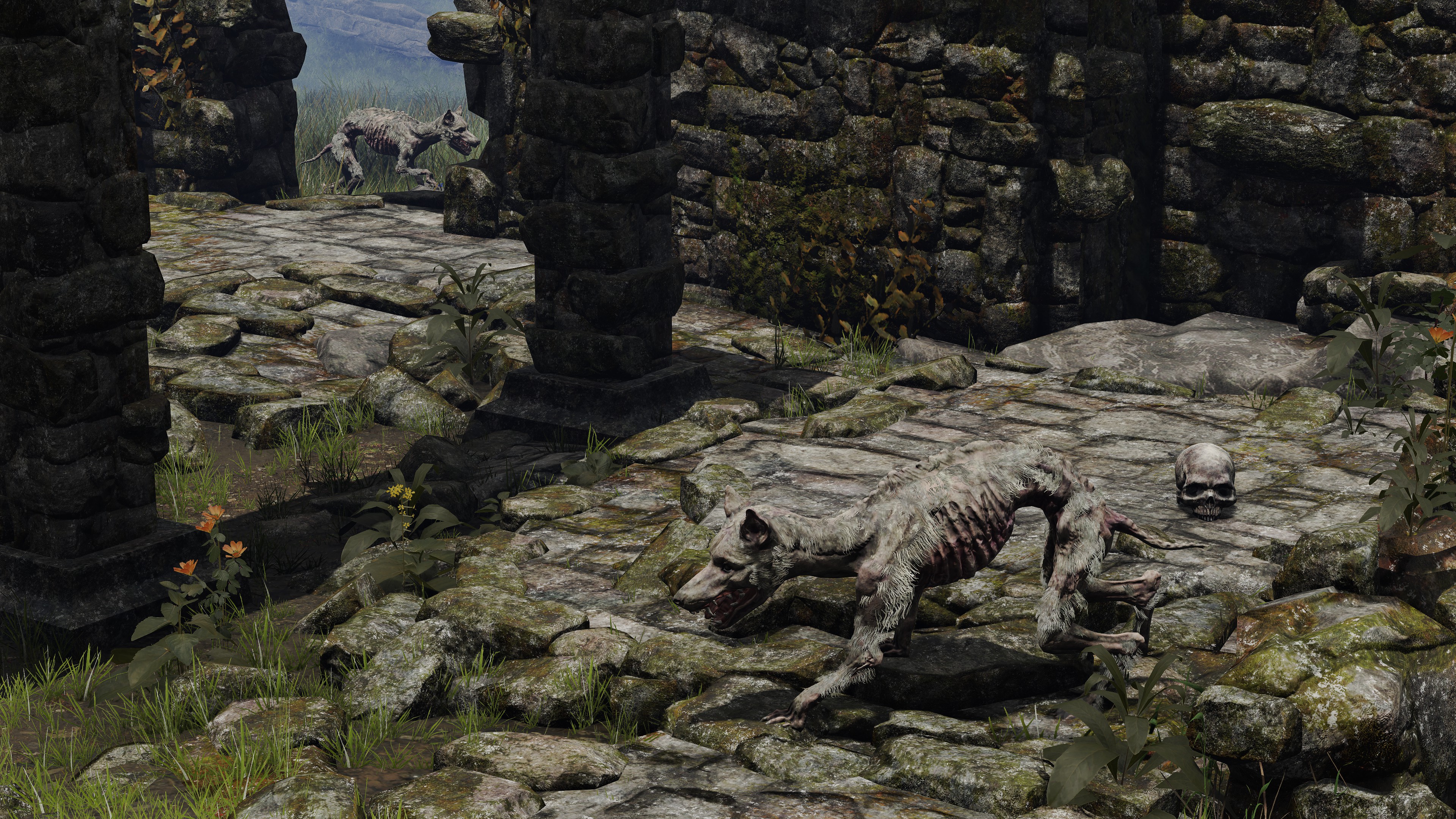
That commoner especially is a conscript, many of whom lay dead among the surviving Cuckoos along with the nobles — evidently, it wasn’t enough to kill just the civilians. The academy army came, pressed locals into service, confirmed the disease, then slaughtered everyone afflicted even within their own ranks. Try as Site P’s cult might to hide in their basement, they would be invariably discovered after a thorough search and exterminated like the rest, the dark oratory boarded up so none may continue their profane perversion of Finger worship. At the end of the purification, it is only the Cuckoos, the nobles’ orphaned pets seized to be war hounds, and the still stray muts left to scavenge the ruins. Had they not resorted to such measures, the disease might well have spread to the troops and across all of Liurnia, the Cuckoos could argue. But that was not the case with Laskyar, and their efforts at intimidation didn’t change the realities on the ground regardless.
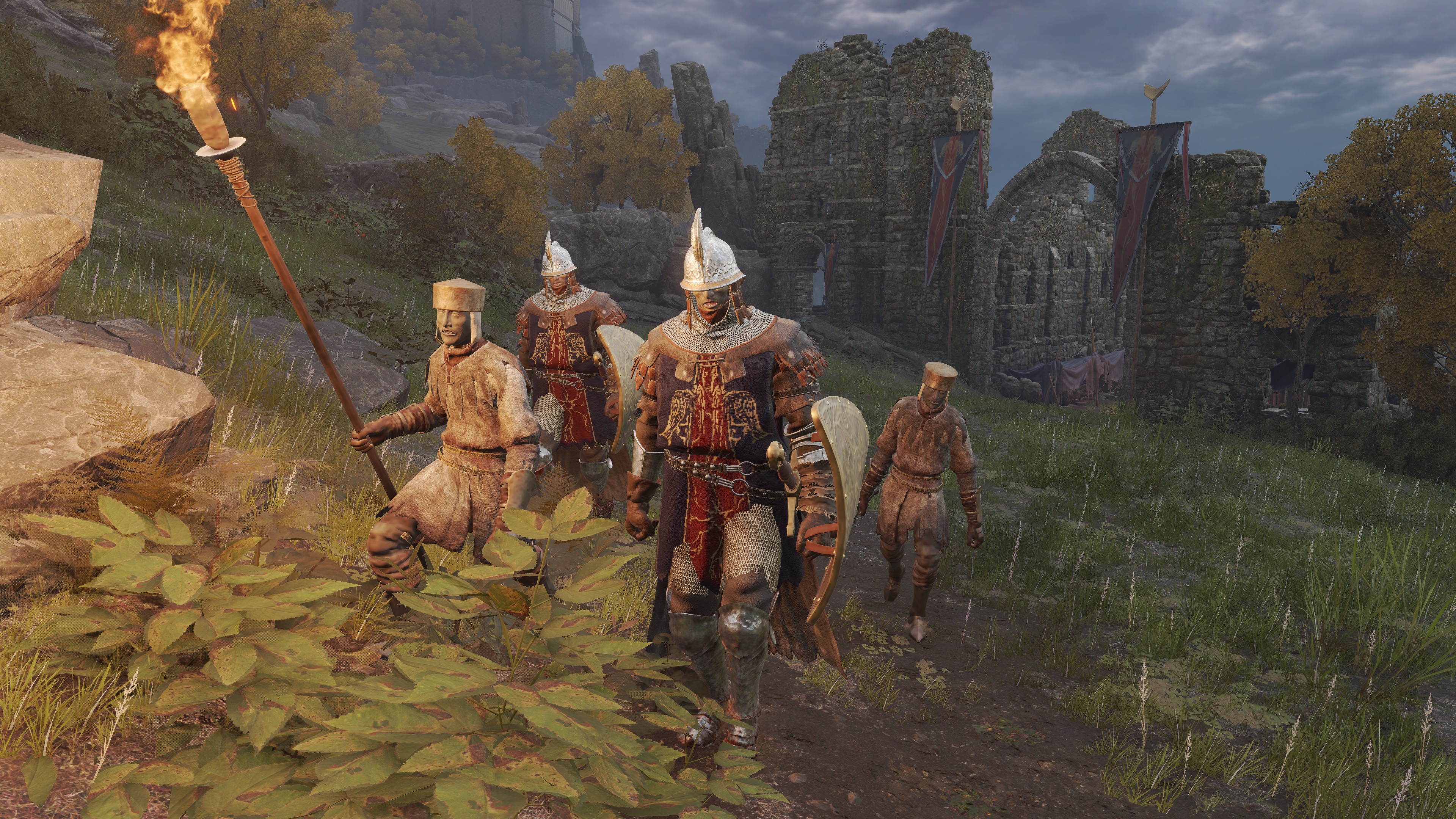
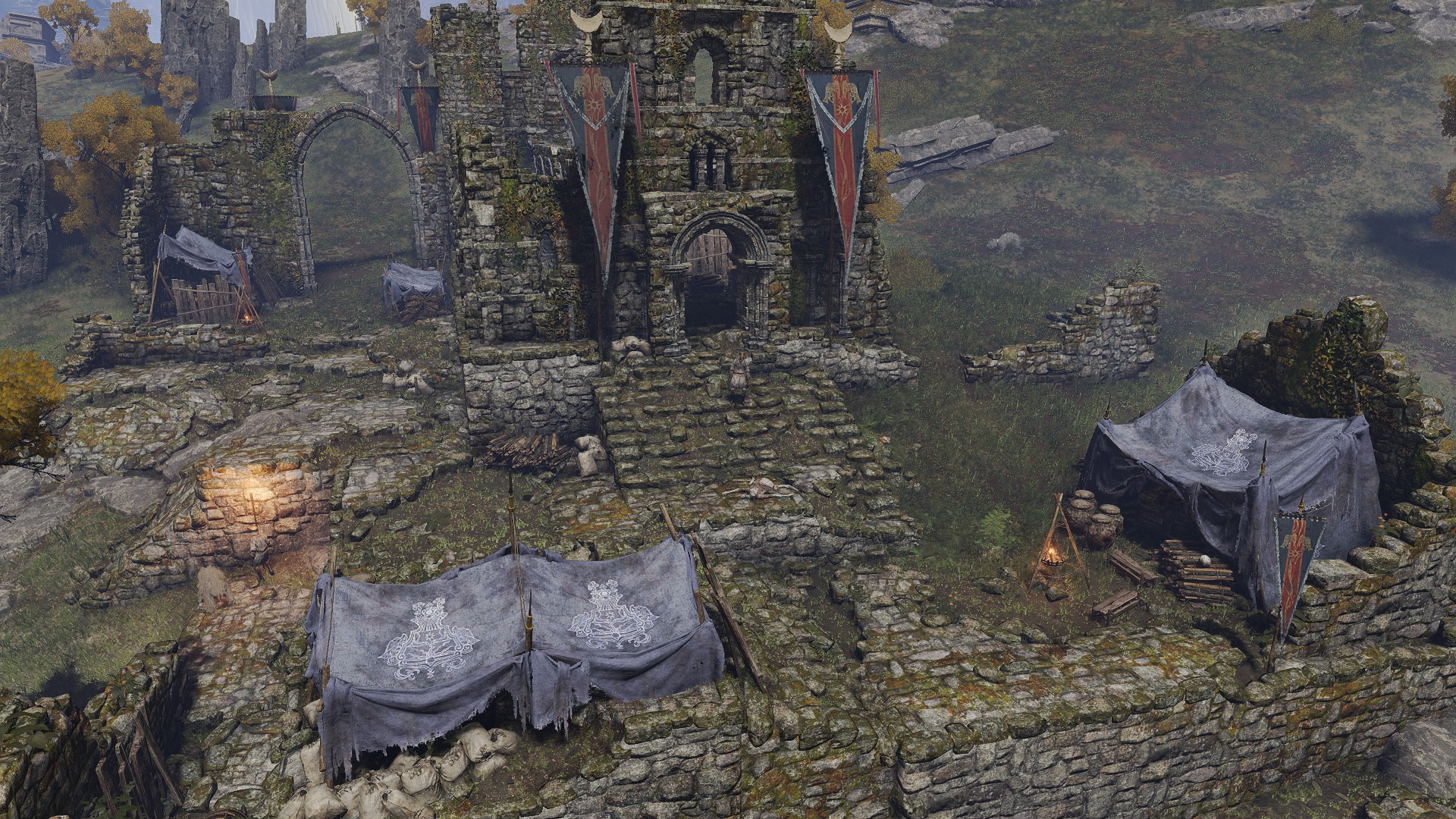
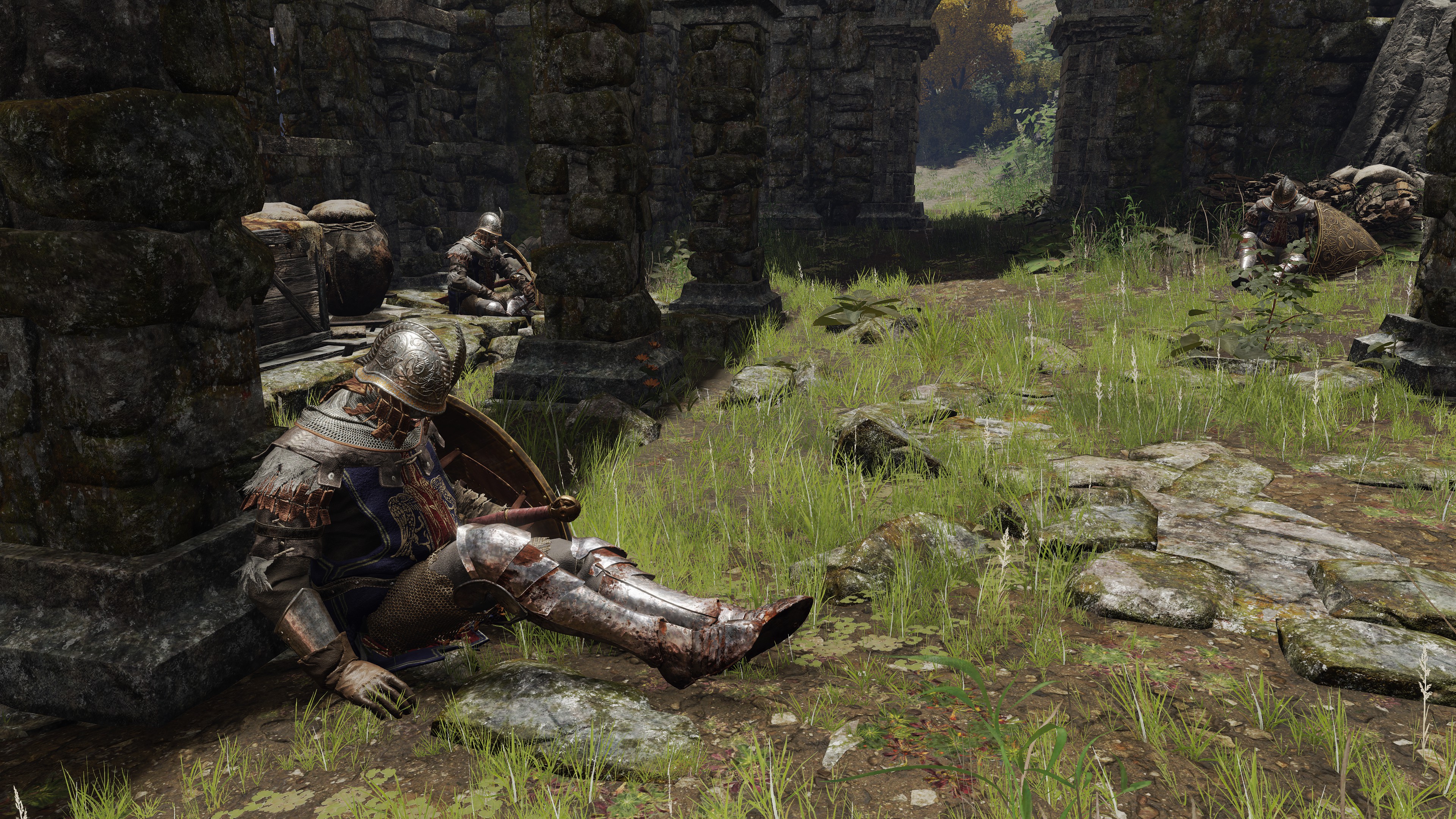
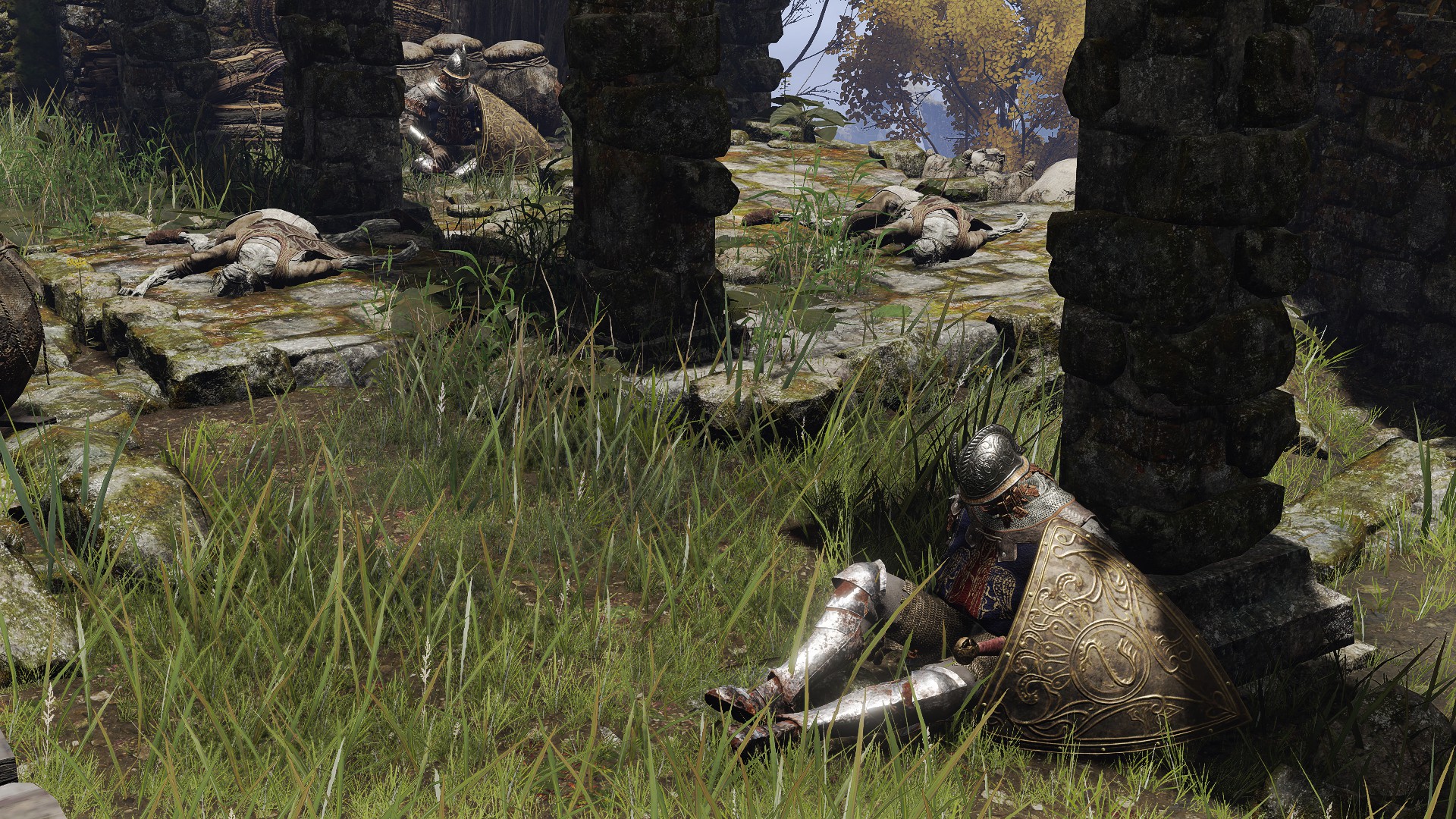
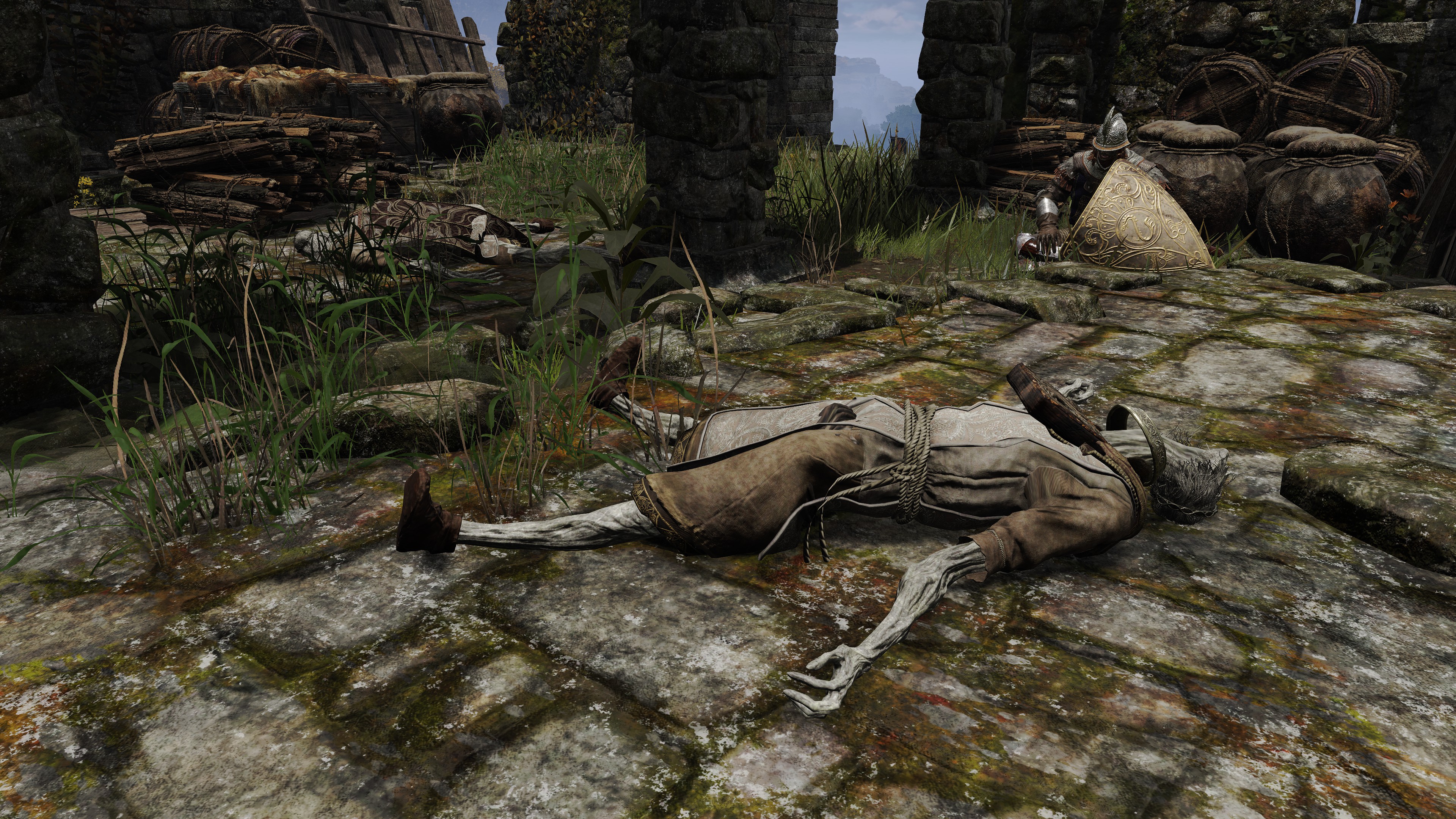
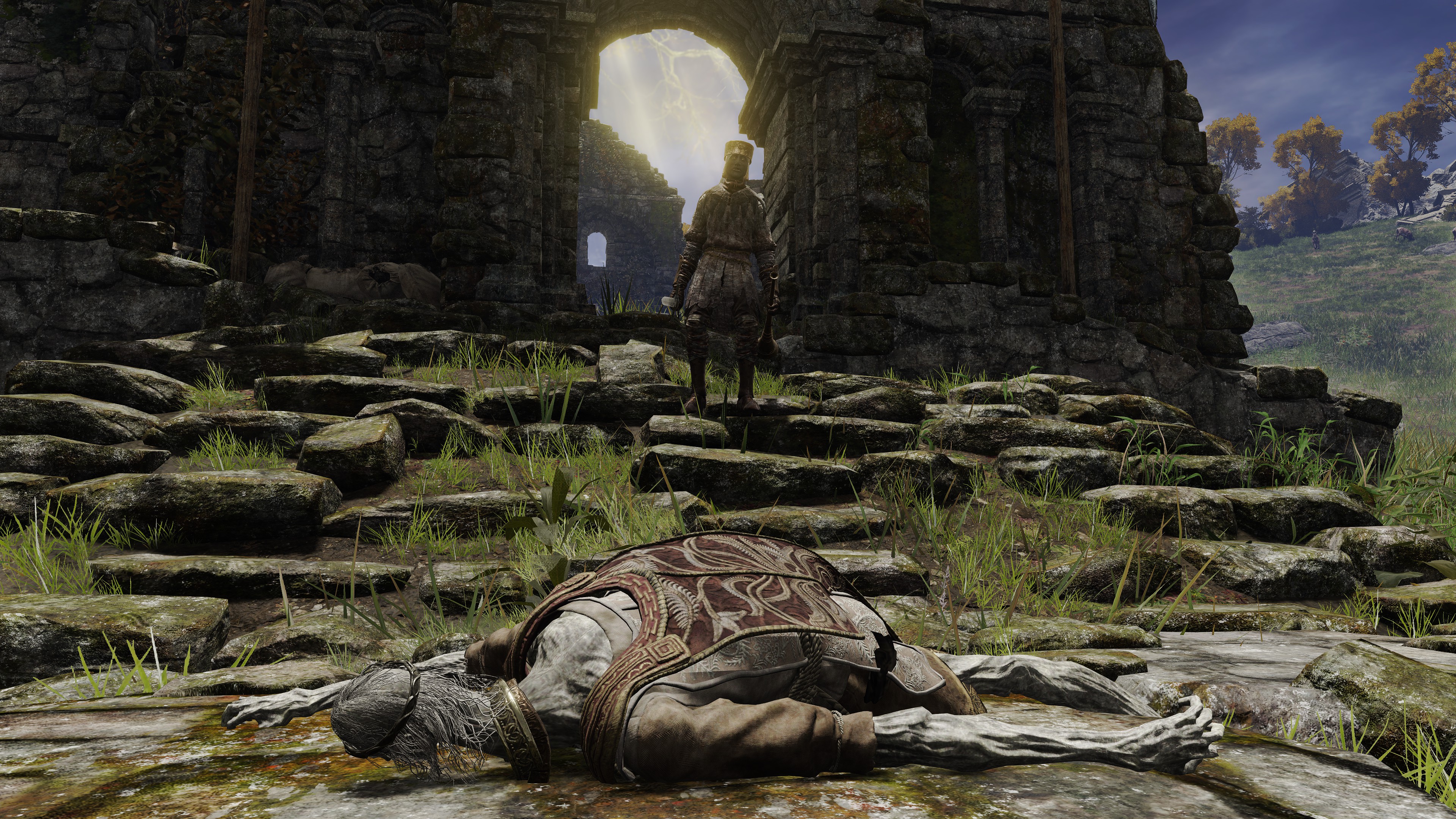
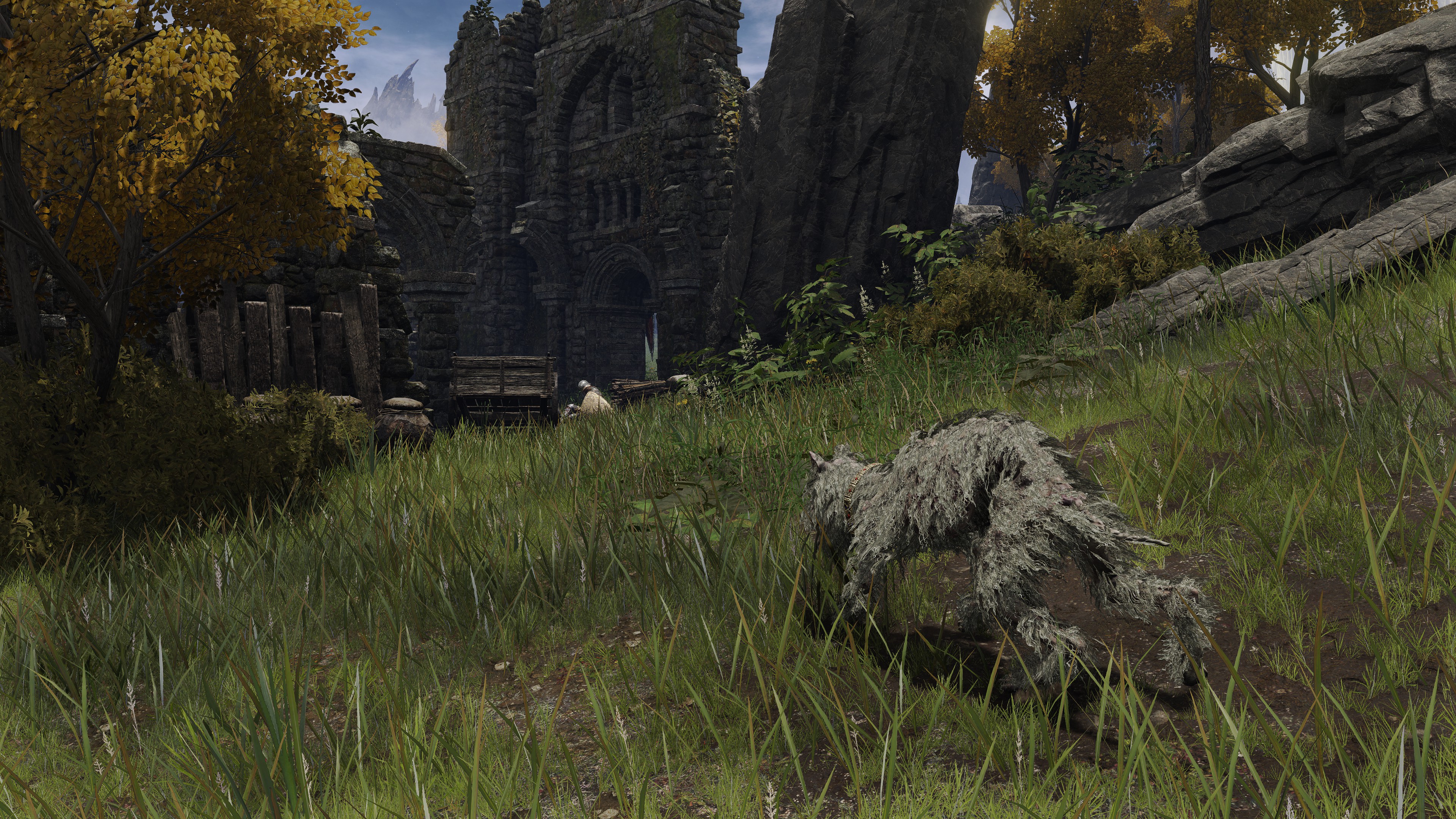
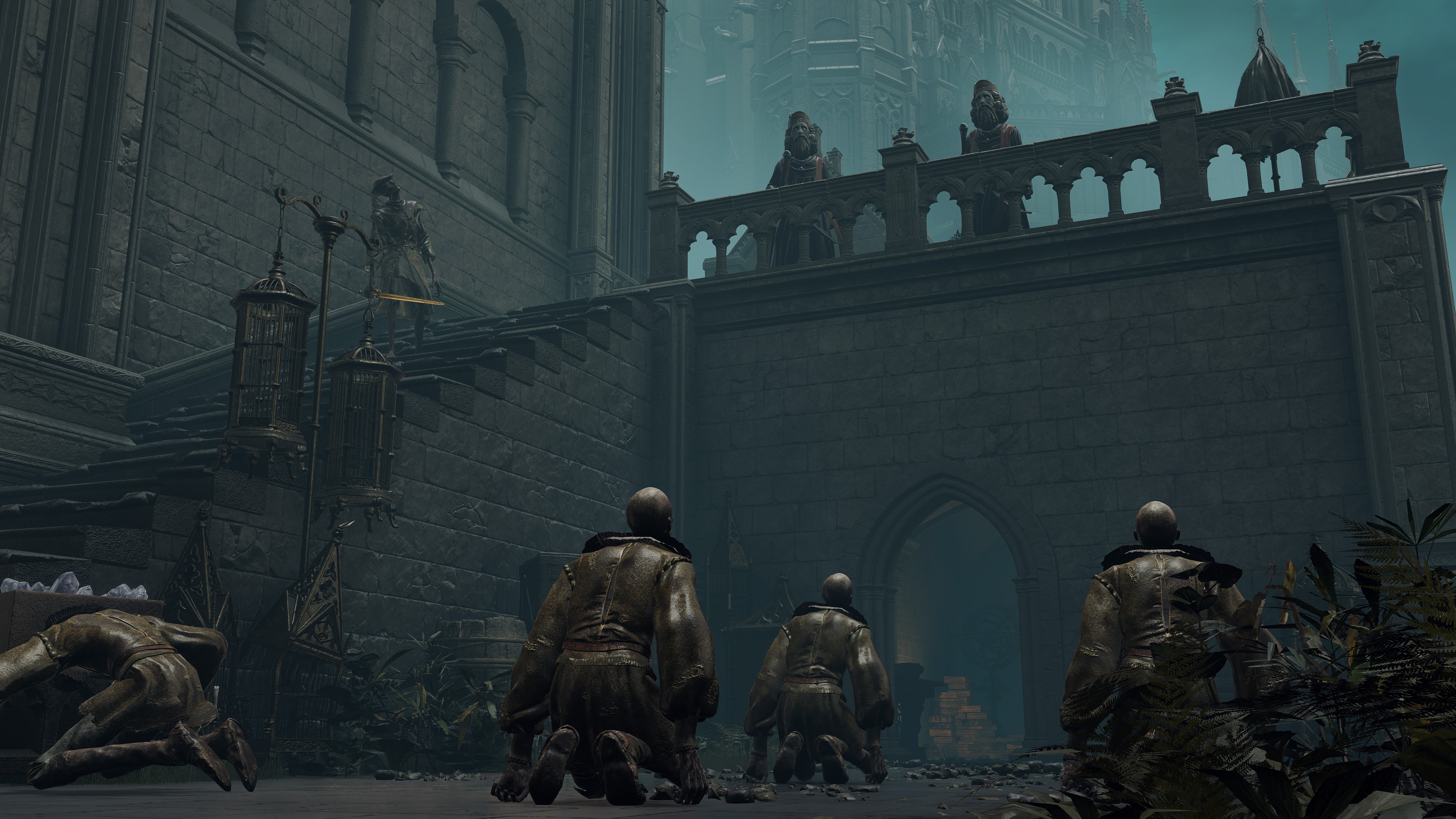
At present, the Albinaurics have pushed Raya Lucaria’s forces back all the way to the Academy Gate Town, forcing them to retreat to the west gate. From there, they have hunkered down, effectively entrenching themselves with help of the high ground. But while arguably kings of the hill, it doesn’t change that it is a losing position. So trapped are they now, the soldiers have begun burying their dead on the street side, tombstones crammed together in what little grass exists in the shade of the buildings. The Albinaurics have simply overrun the rest of the town, some taking over the neighboring Temple Quarter; the coffin cemetery between it and the fallback point betraying the casualties. Between the two parties in this war zone, it is no wonder that we don’t find any residents left alive, bloodroses scattered about in their place. And because of the chaos and death, the infrastructure itself has collapsed along with civilization.

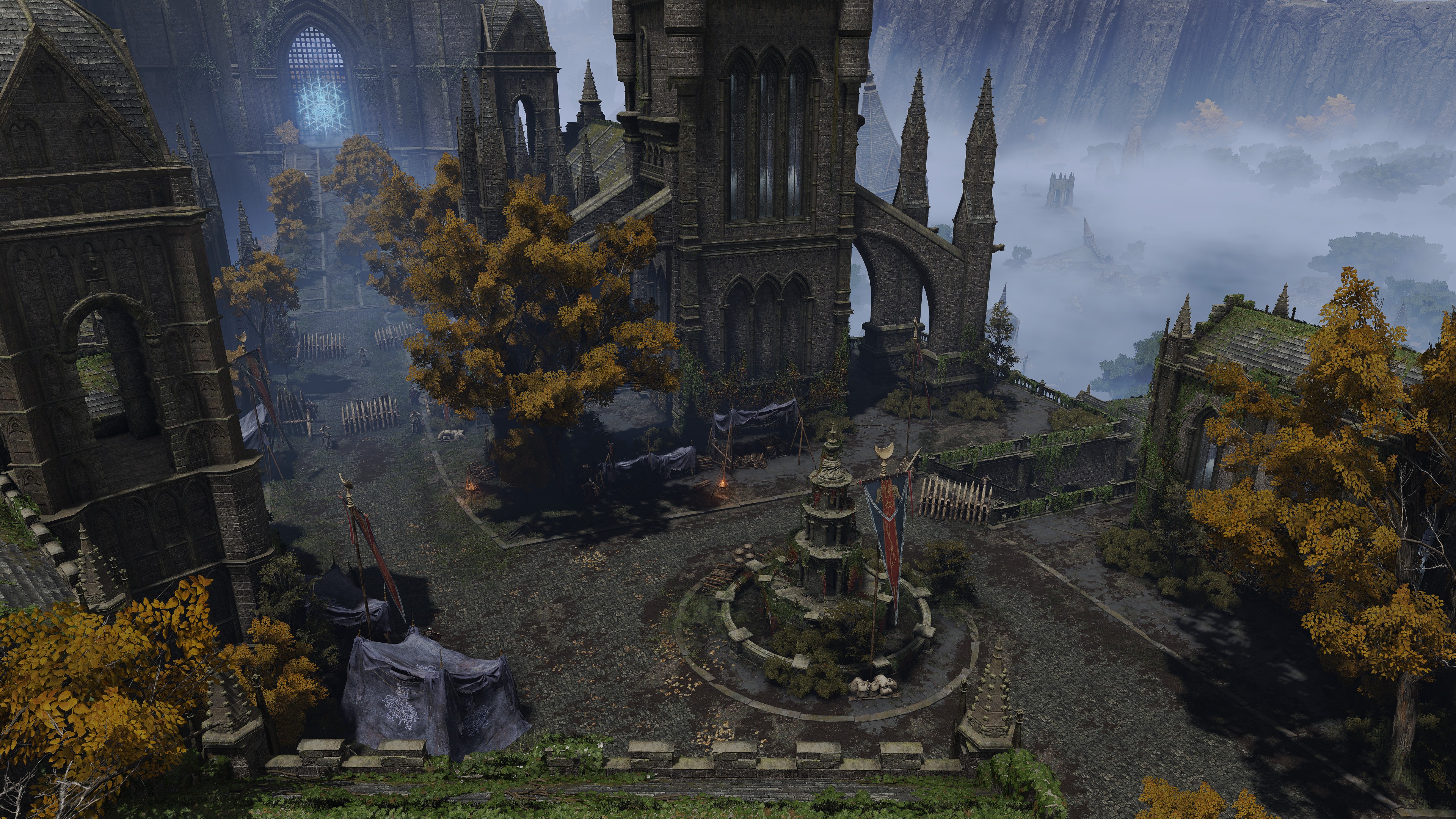

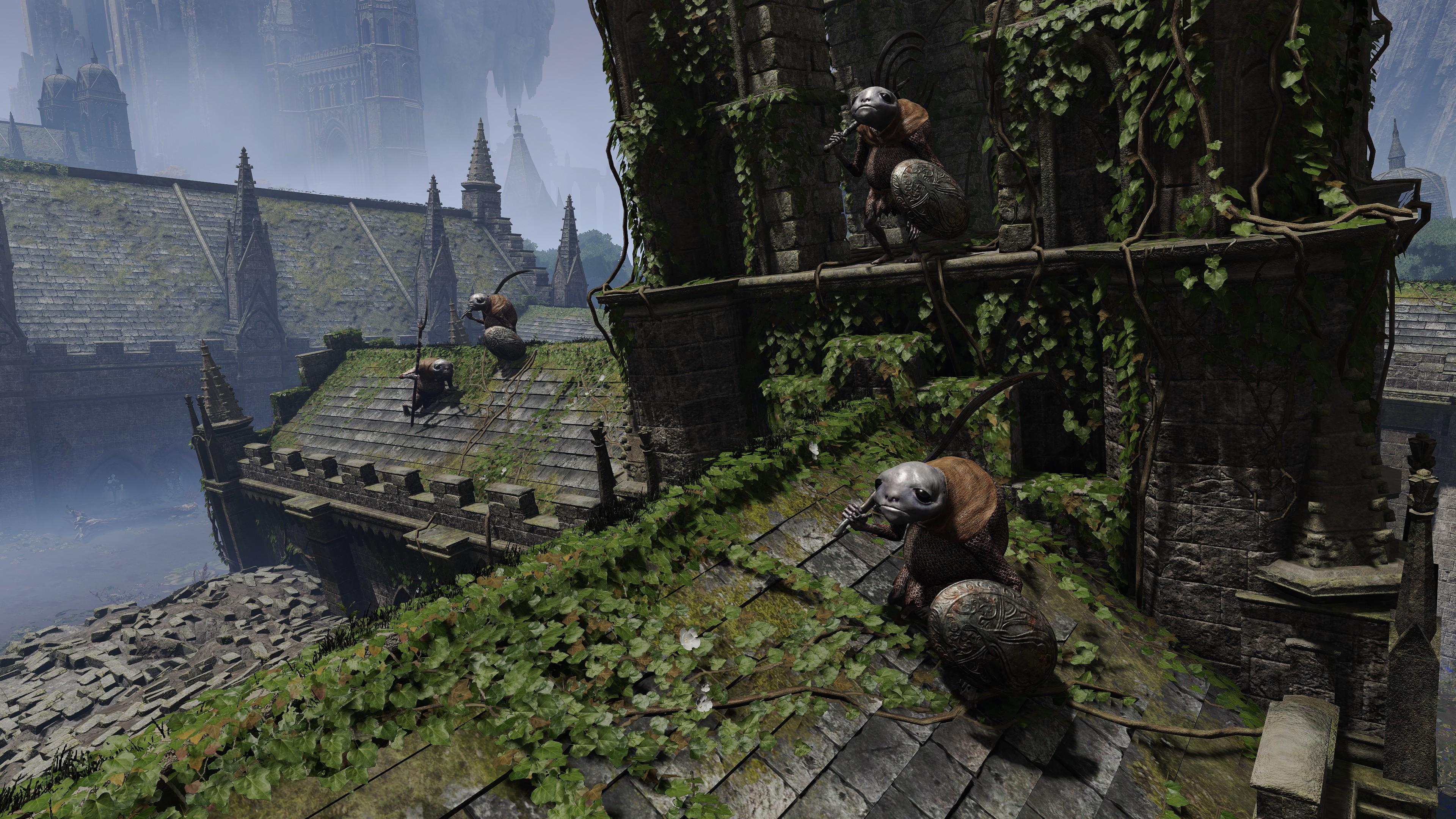
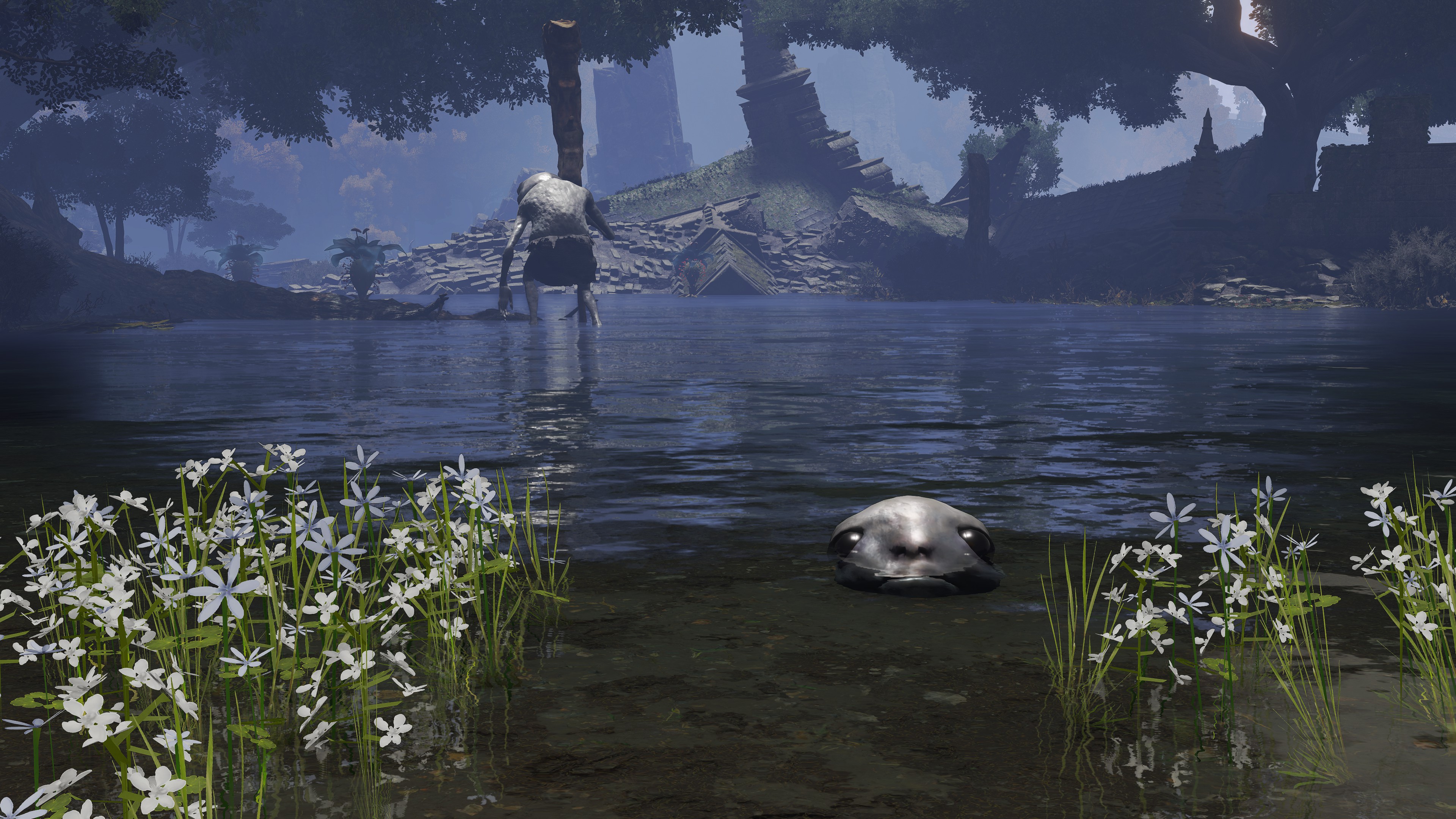


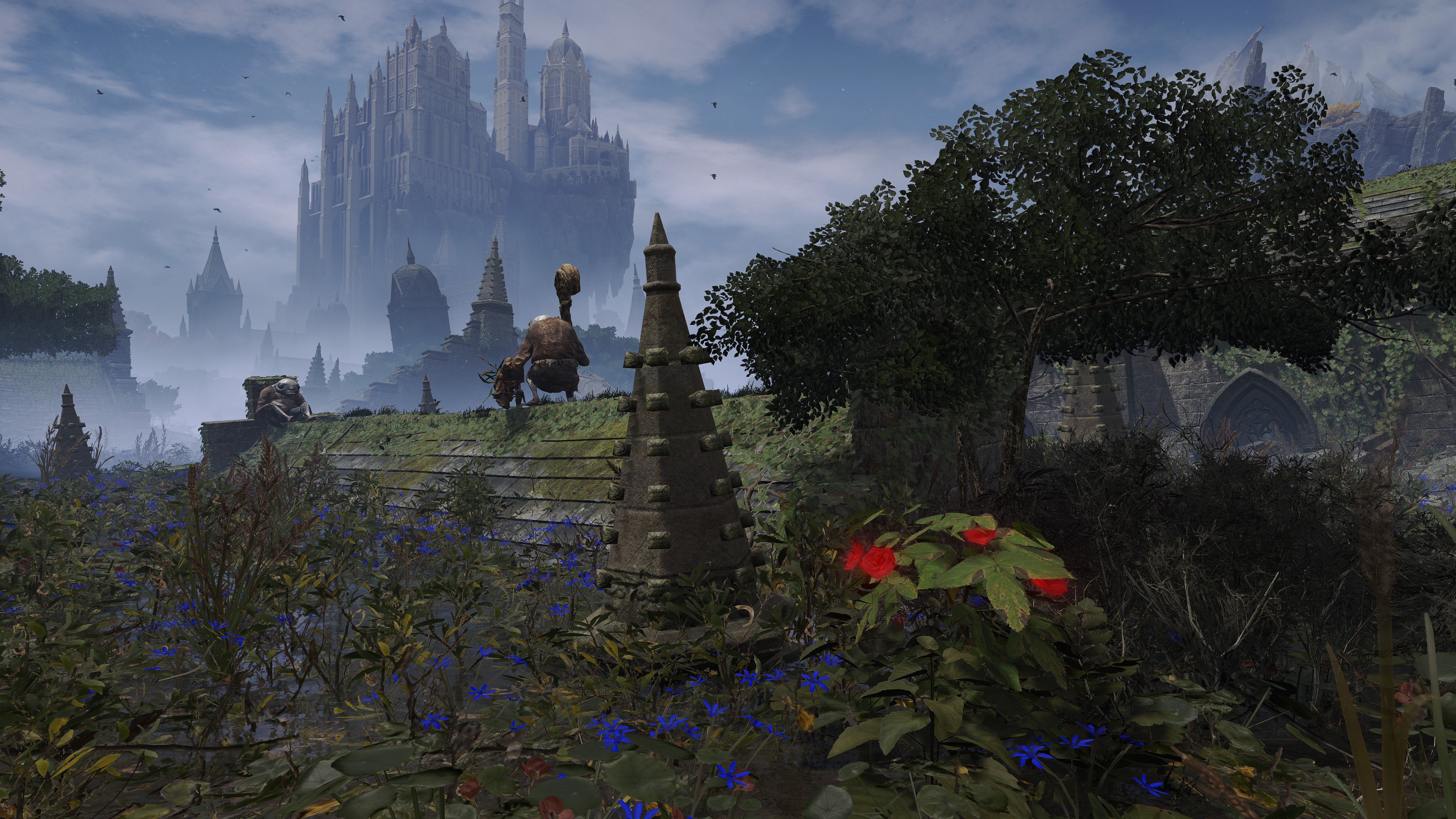
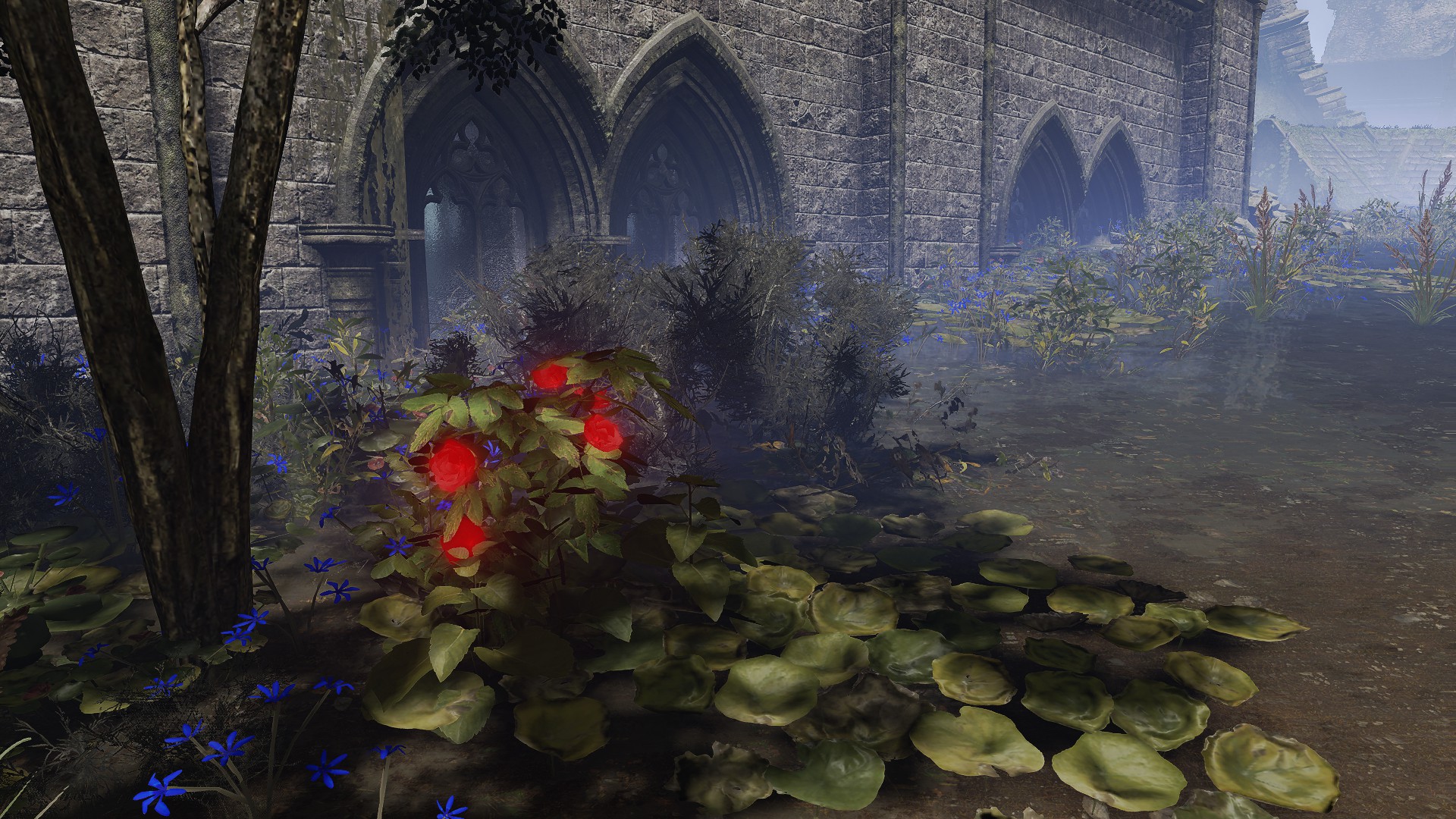
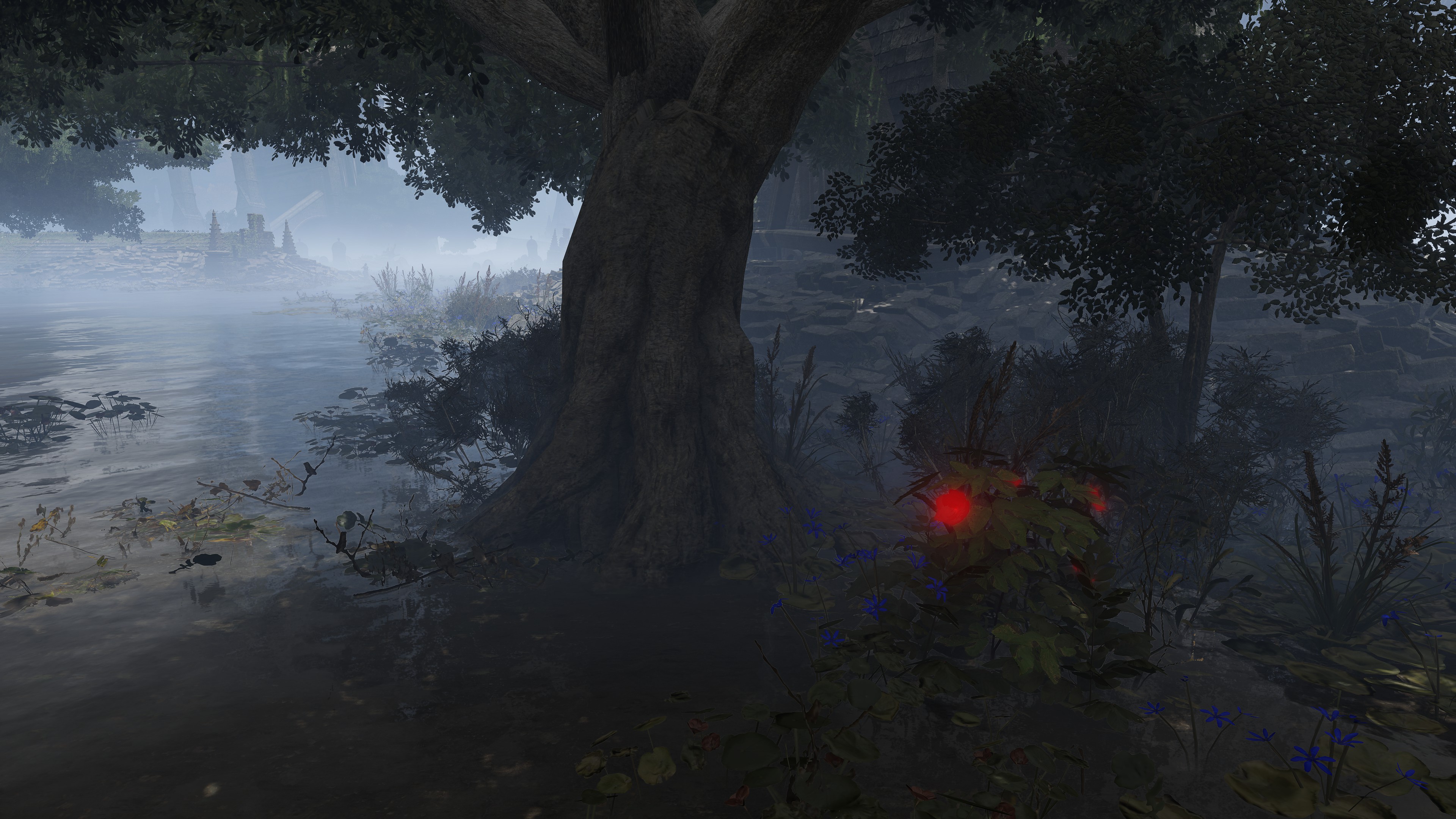
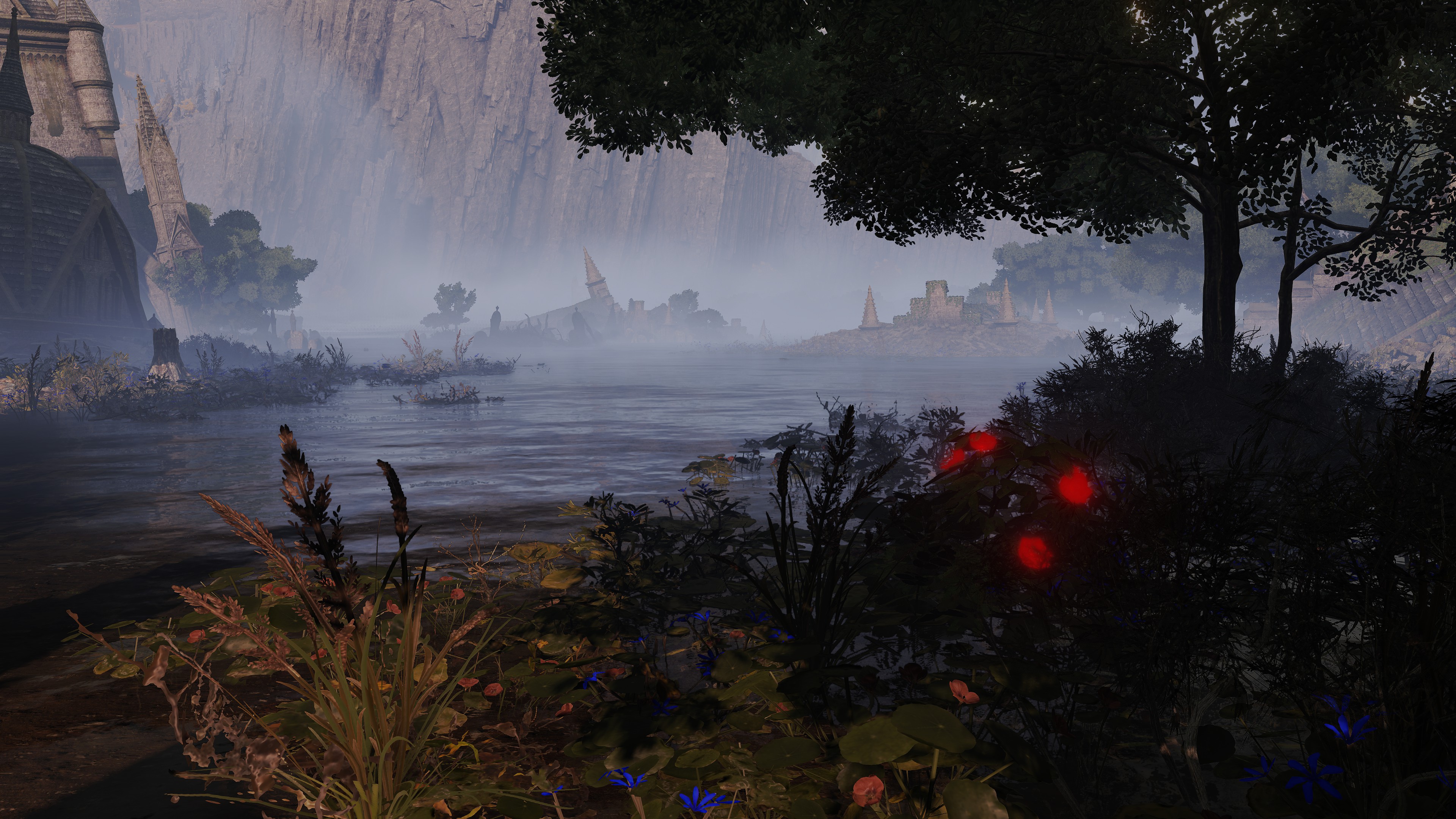
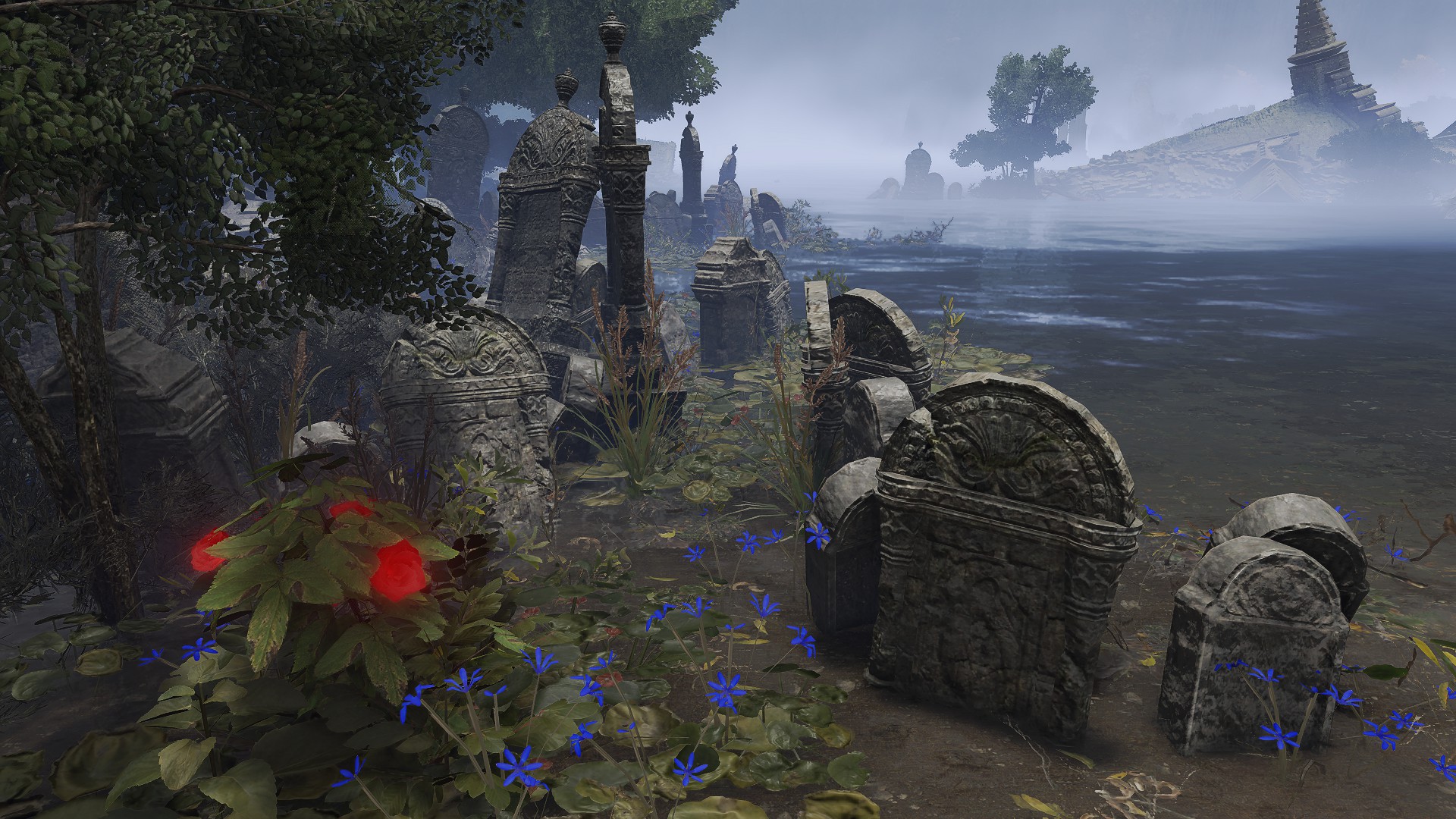
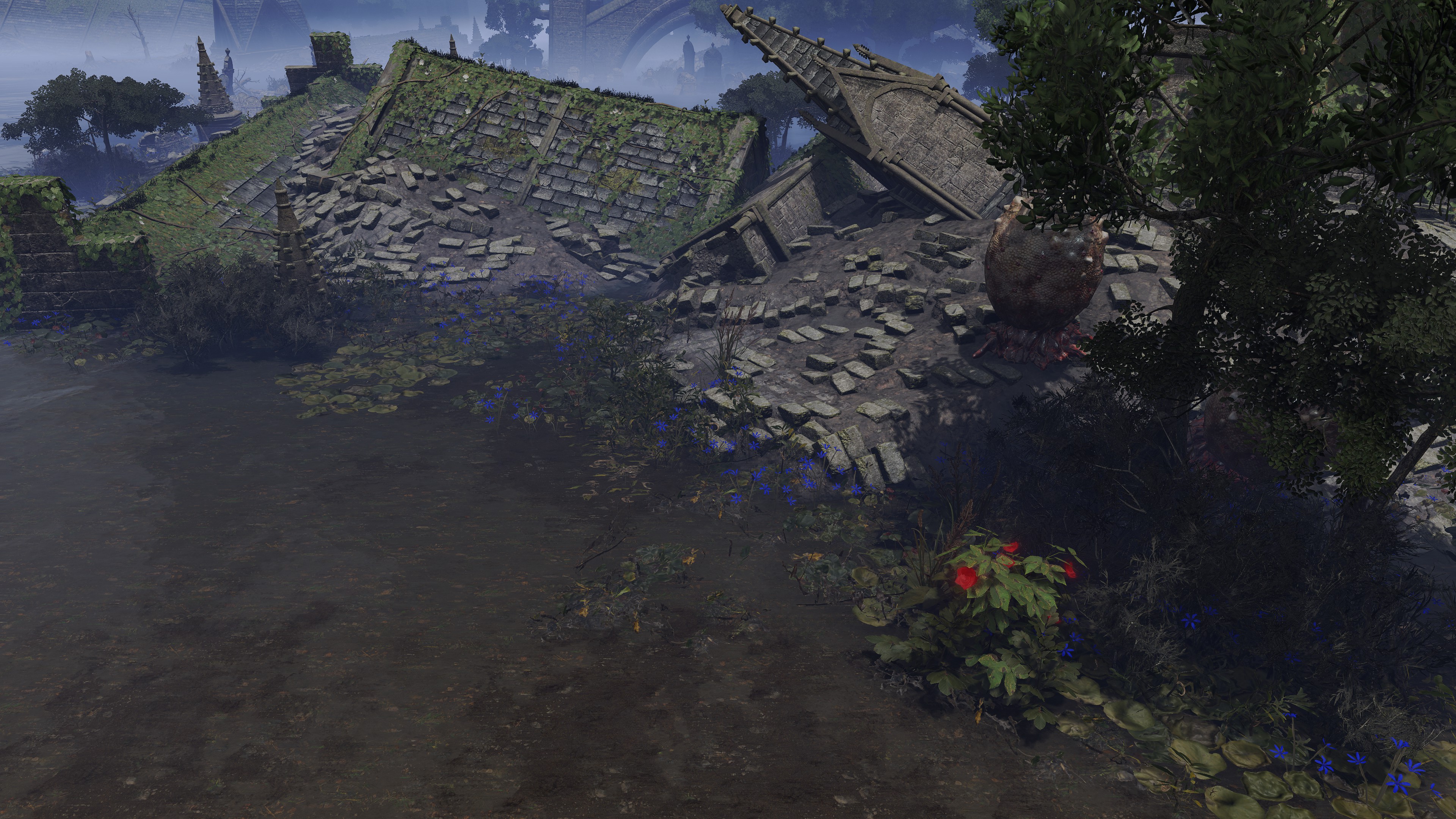
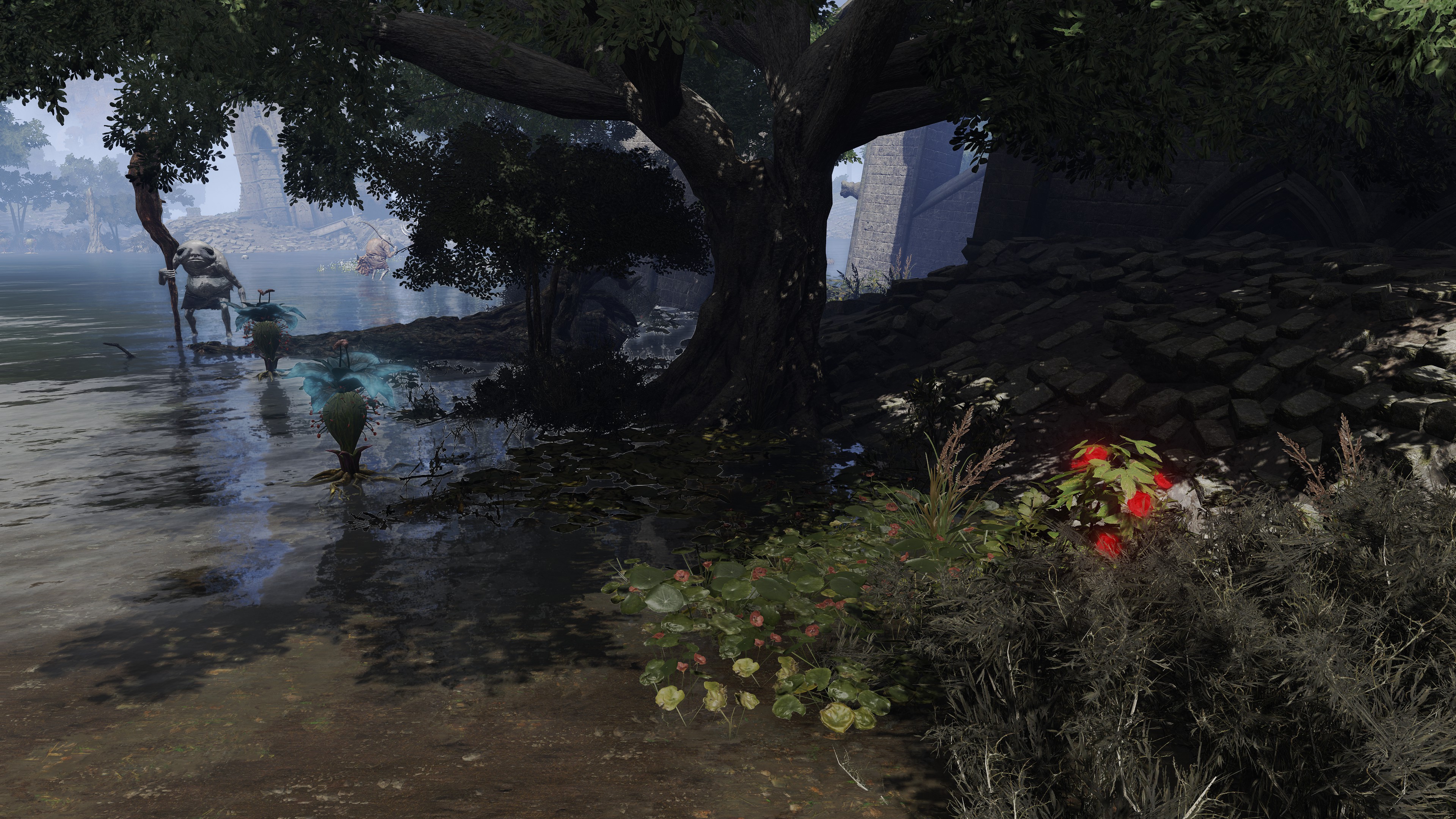
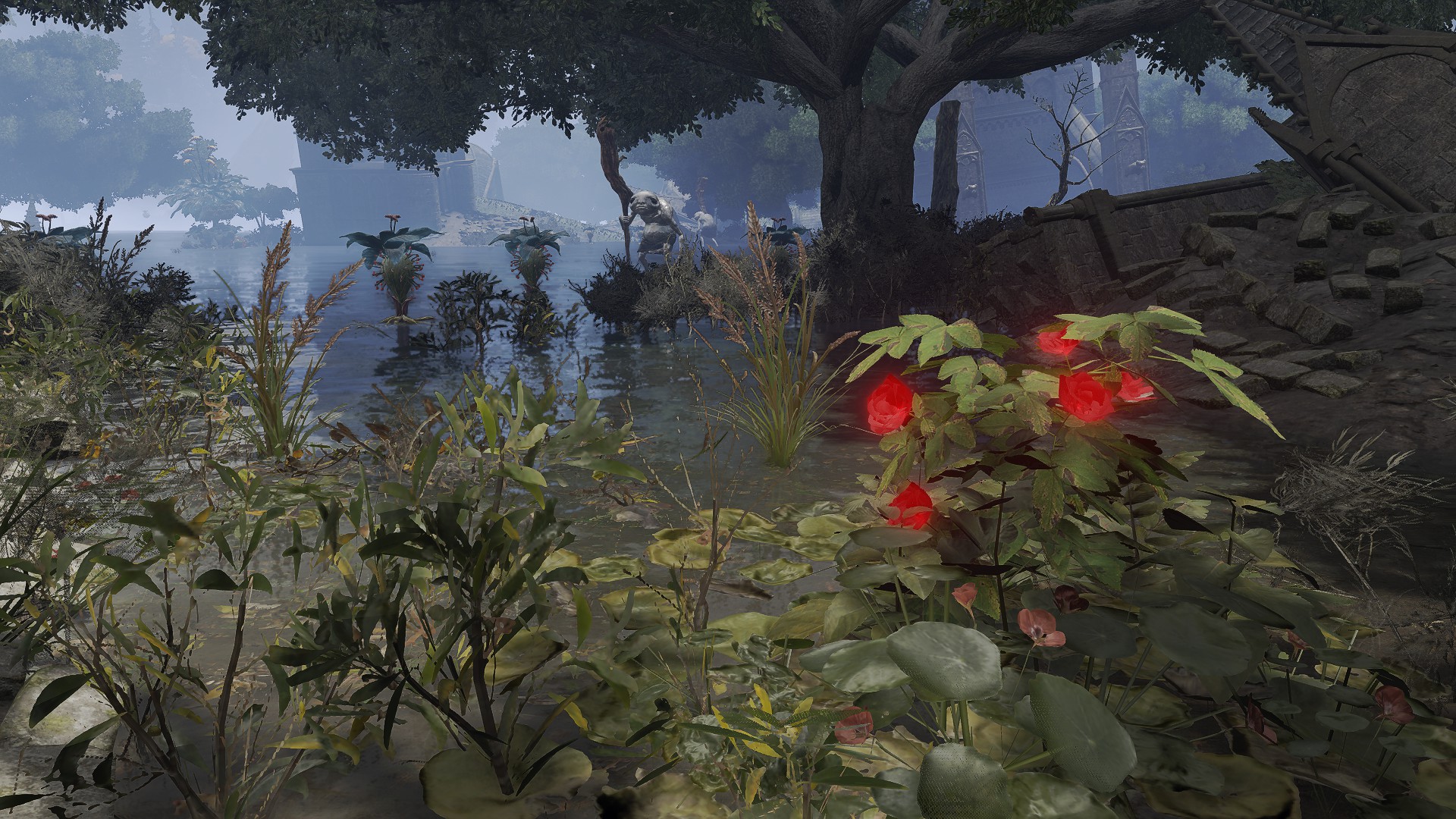
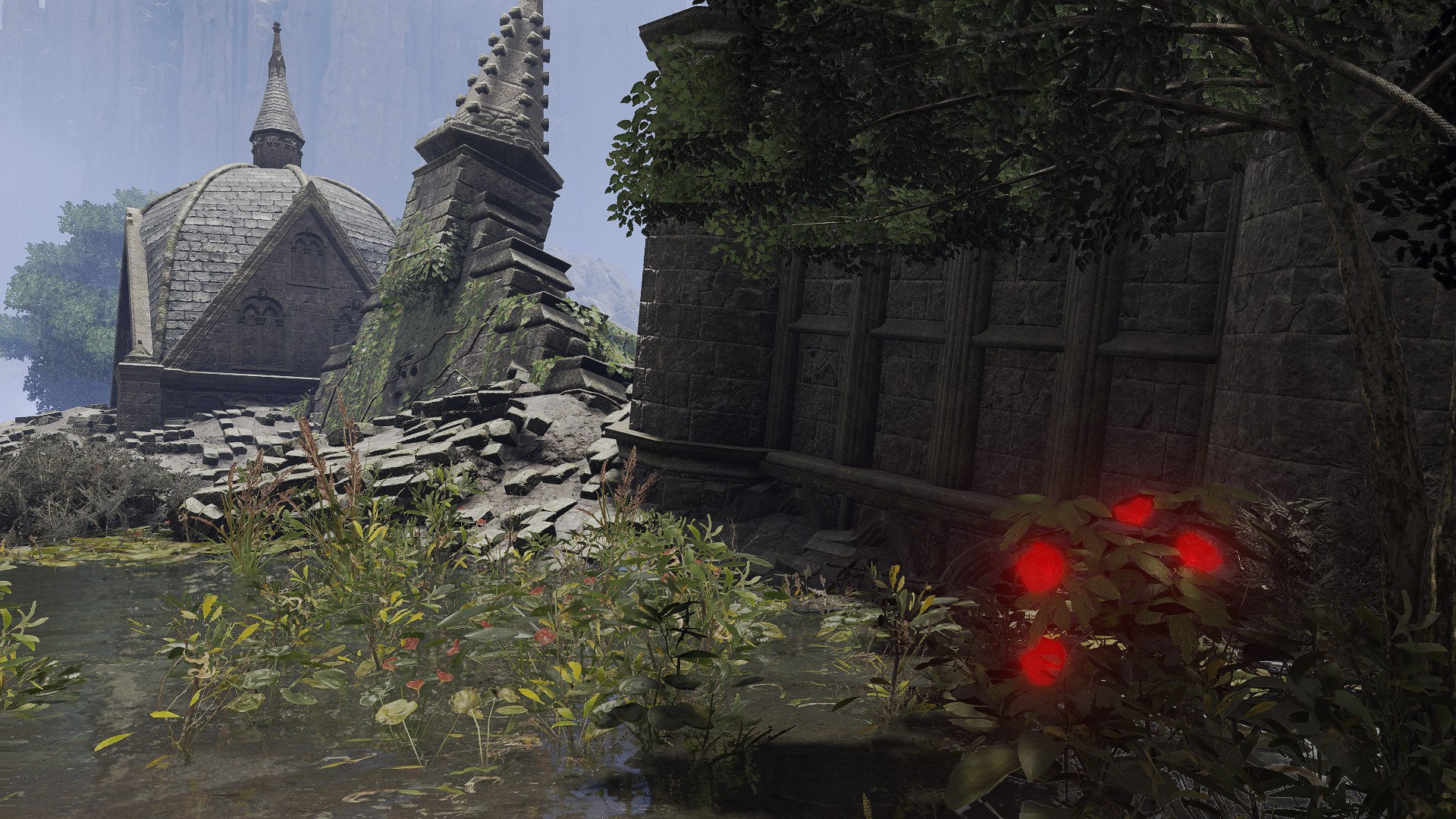
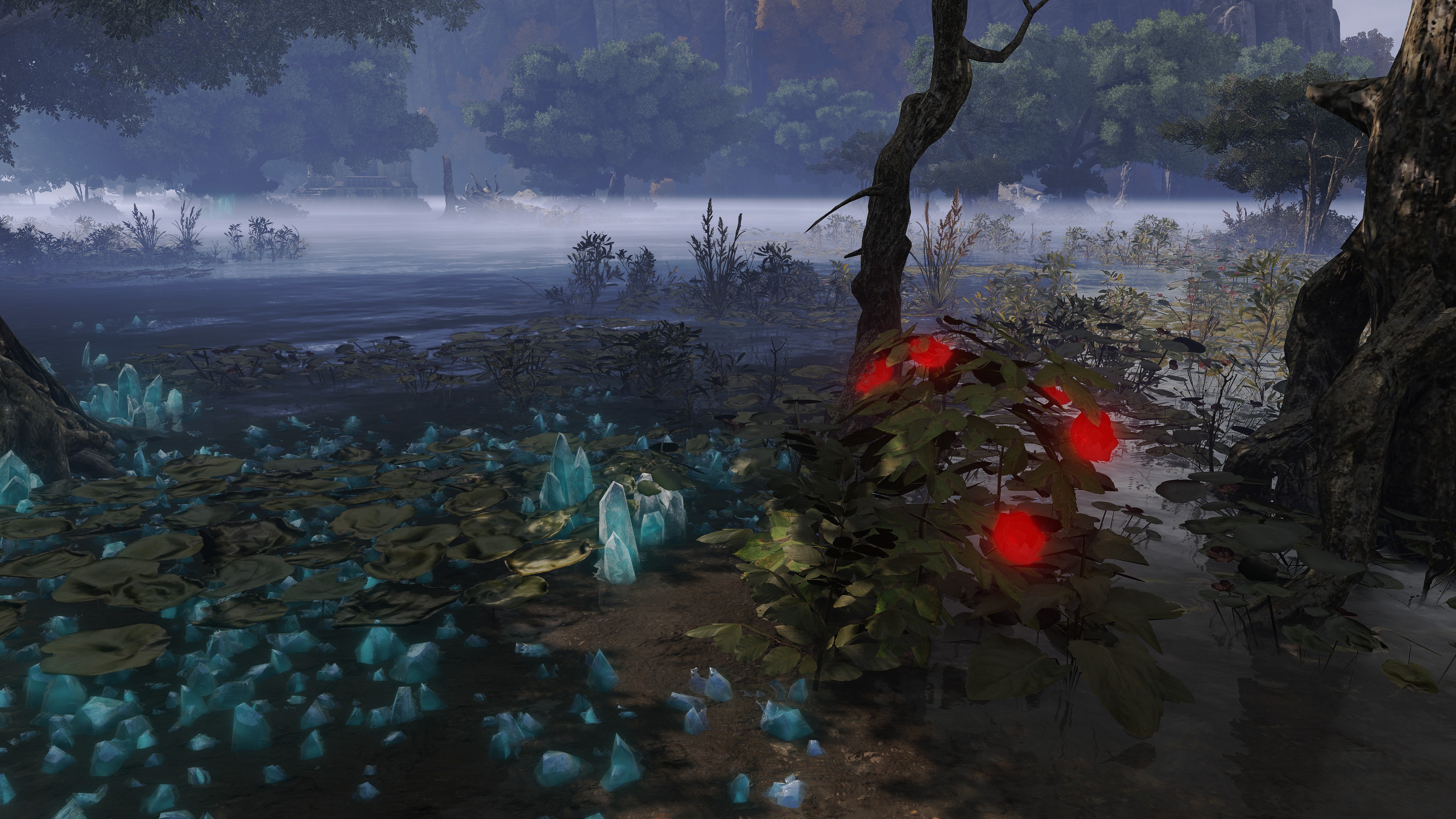
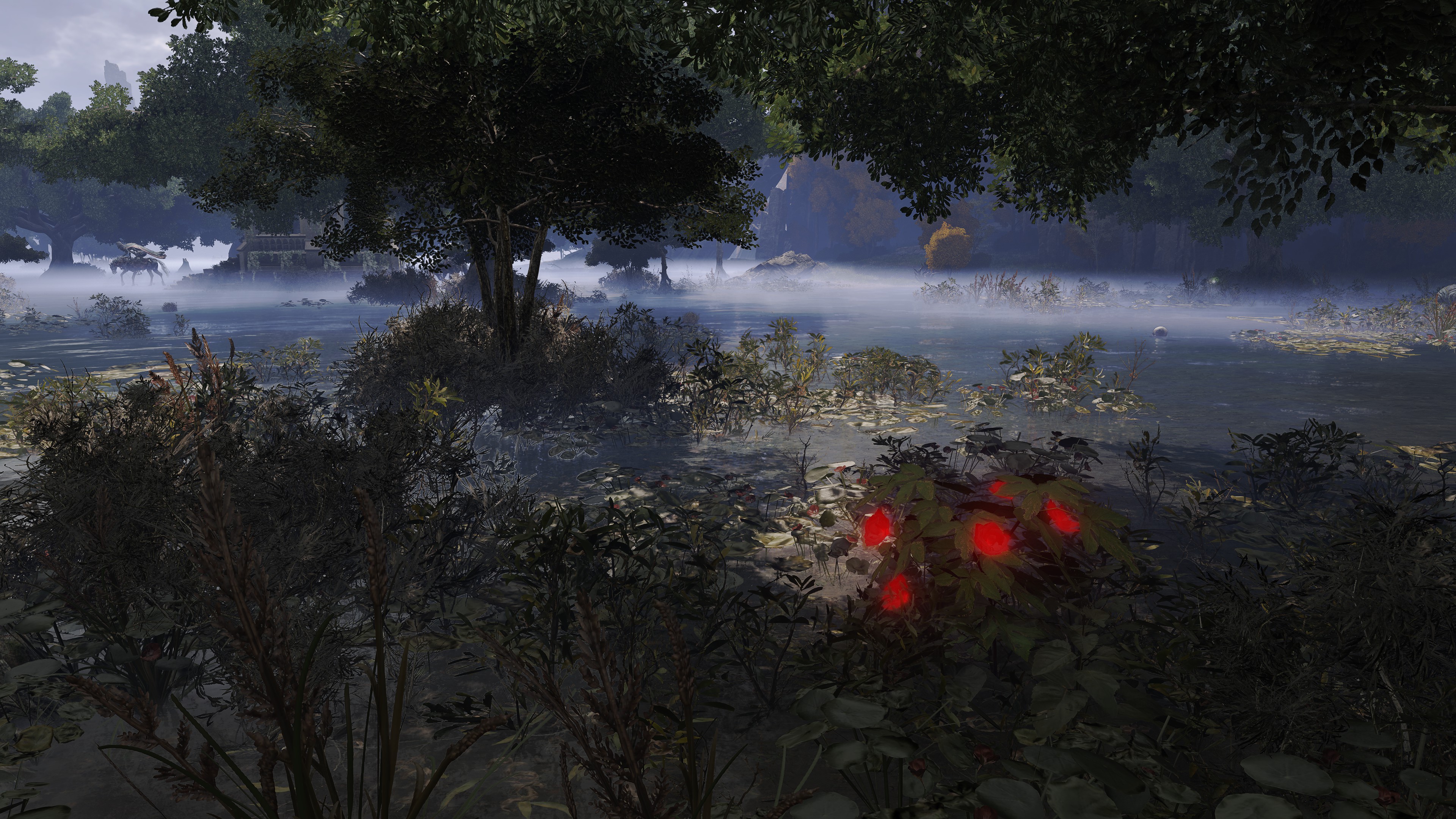
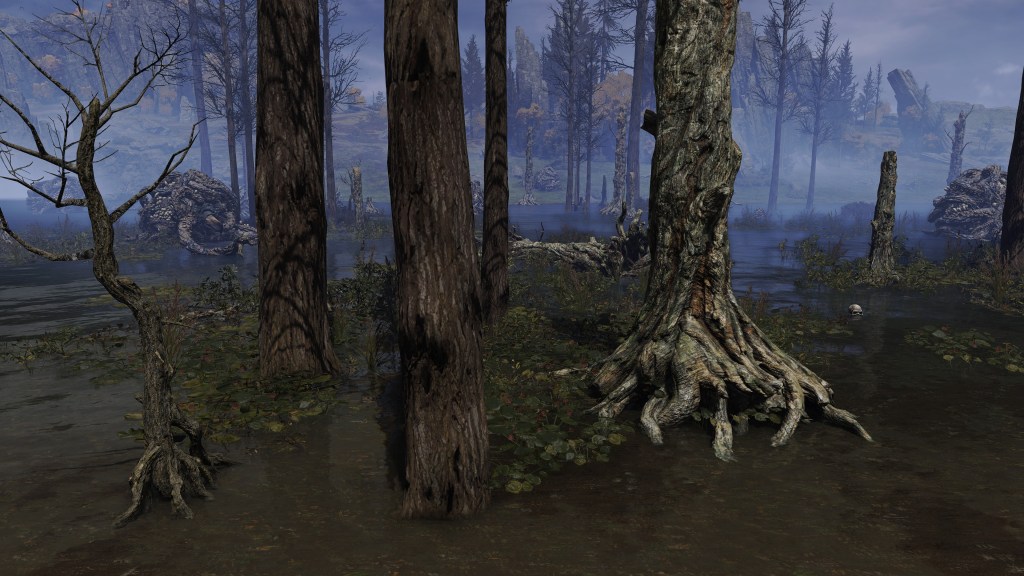
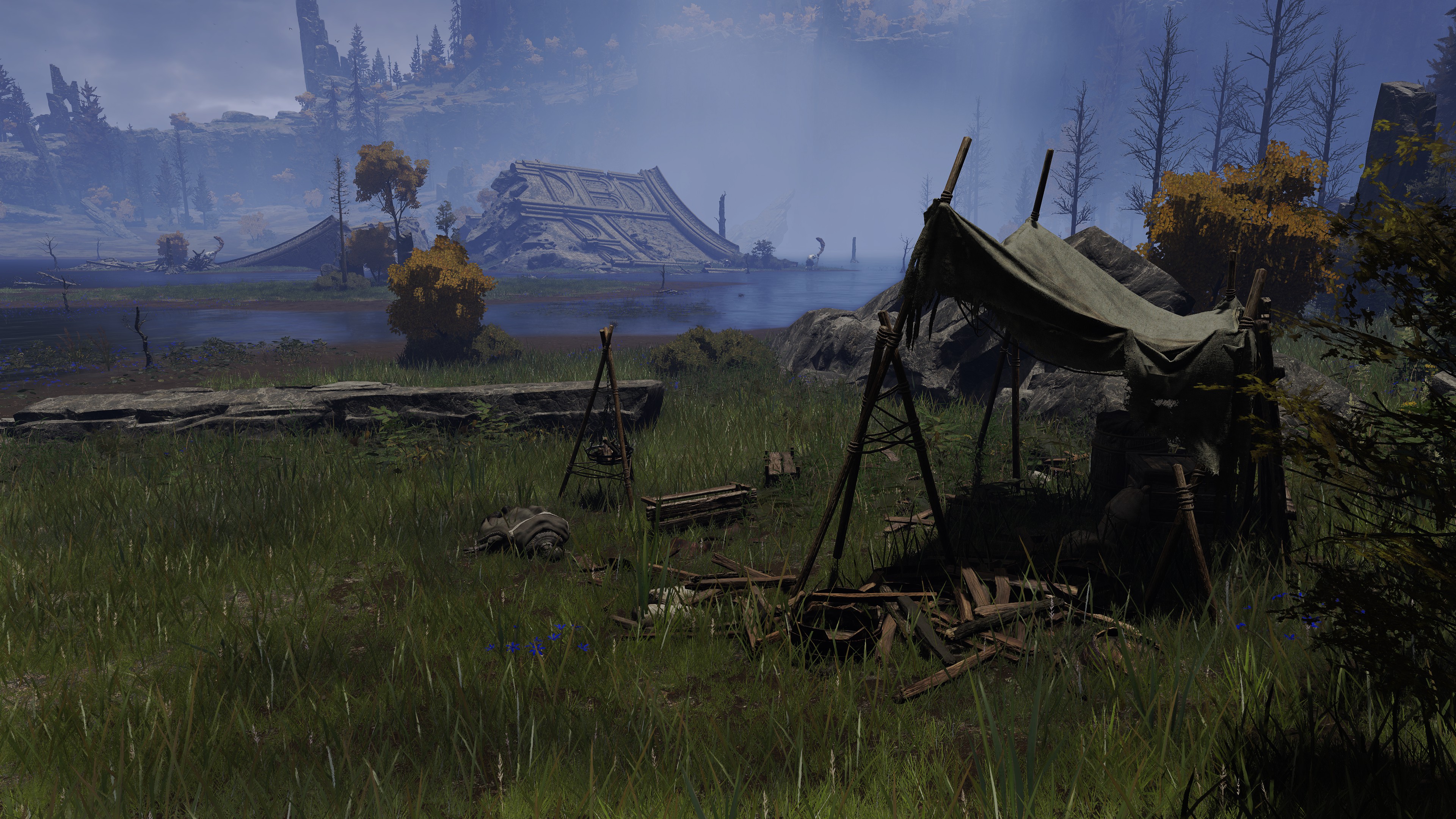
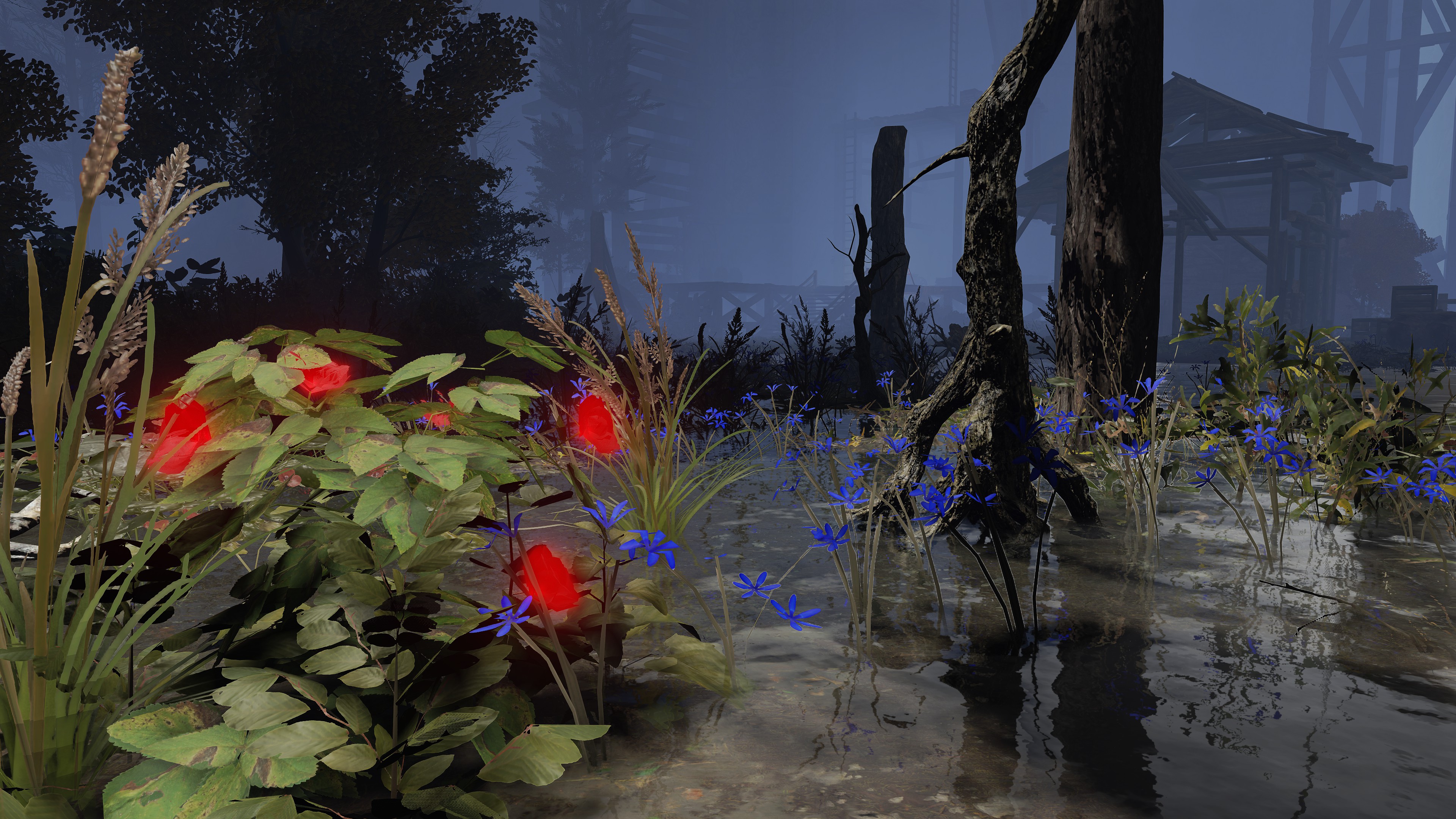
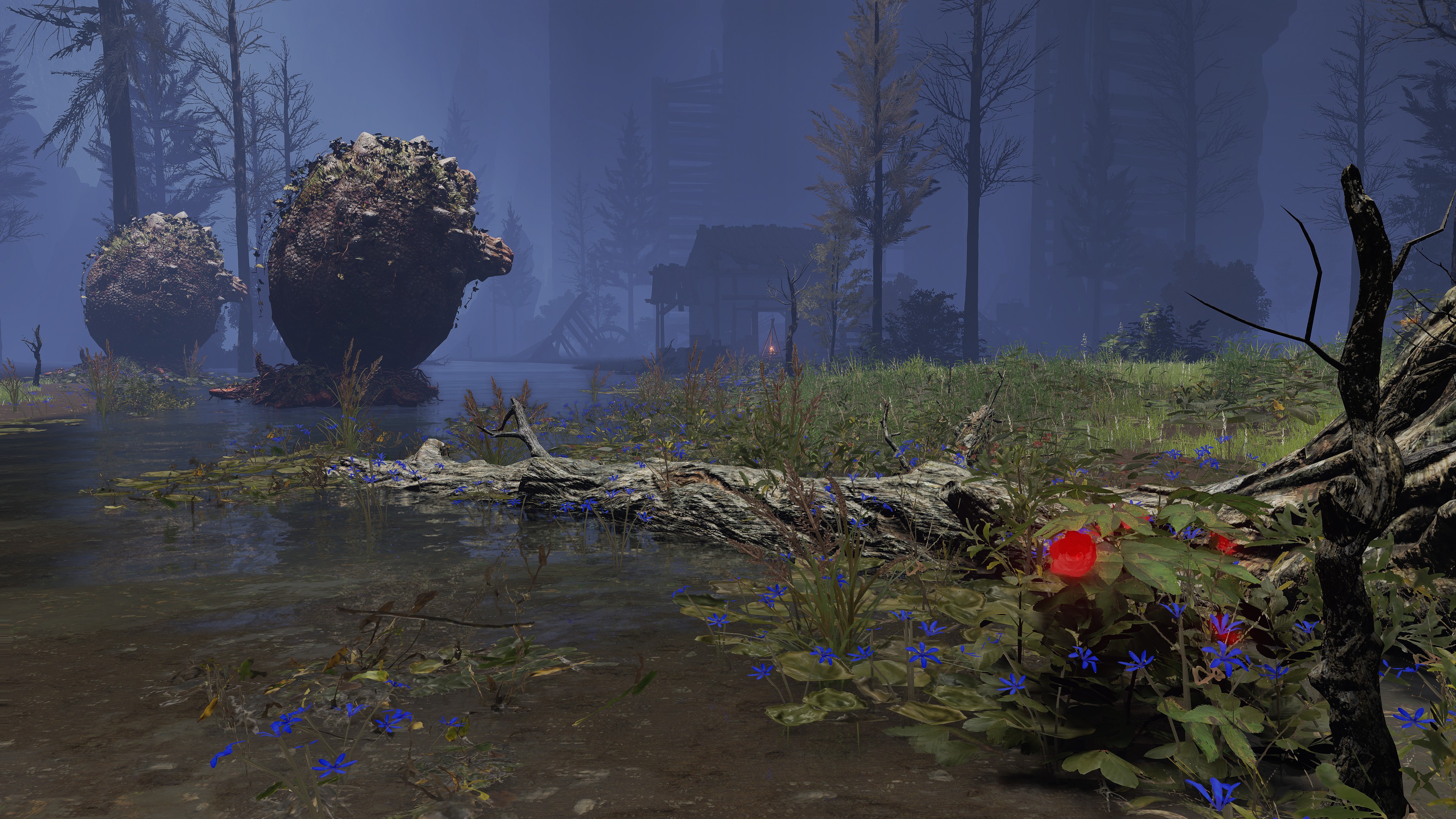
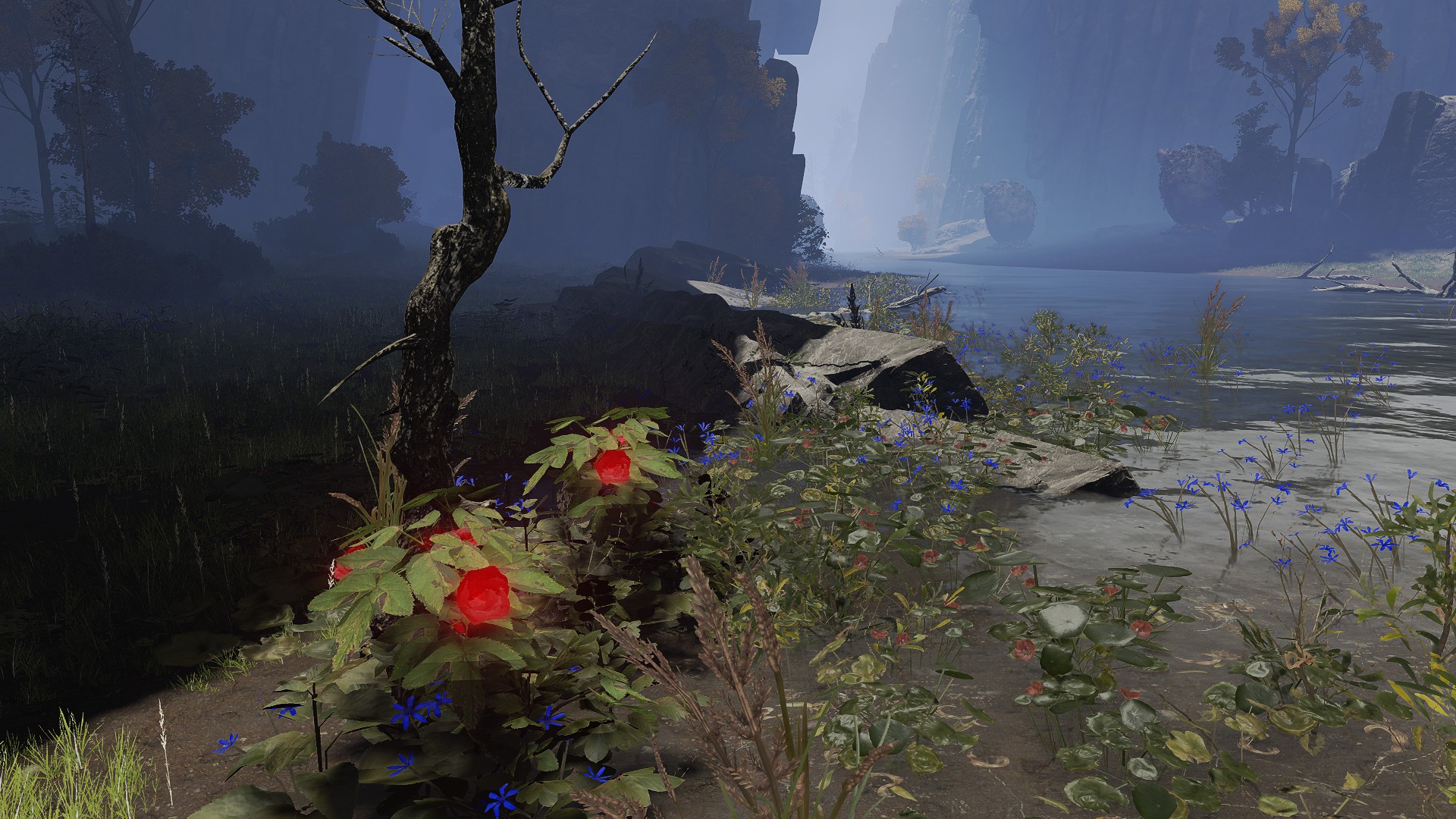
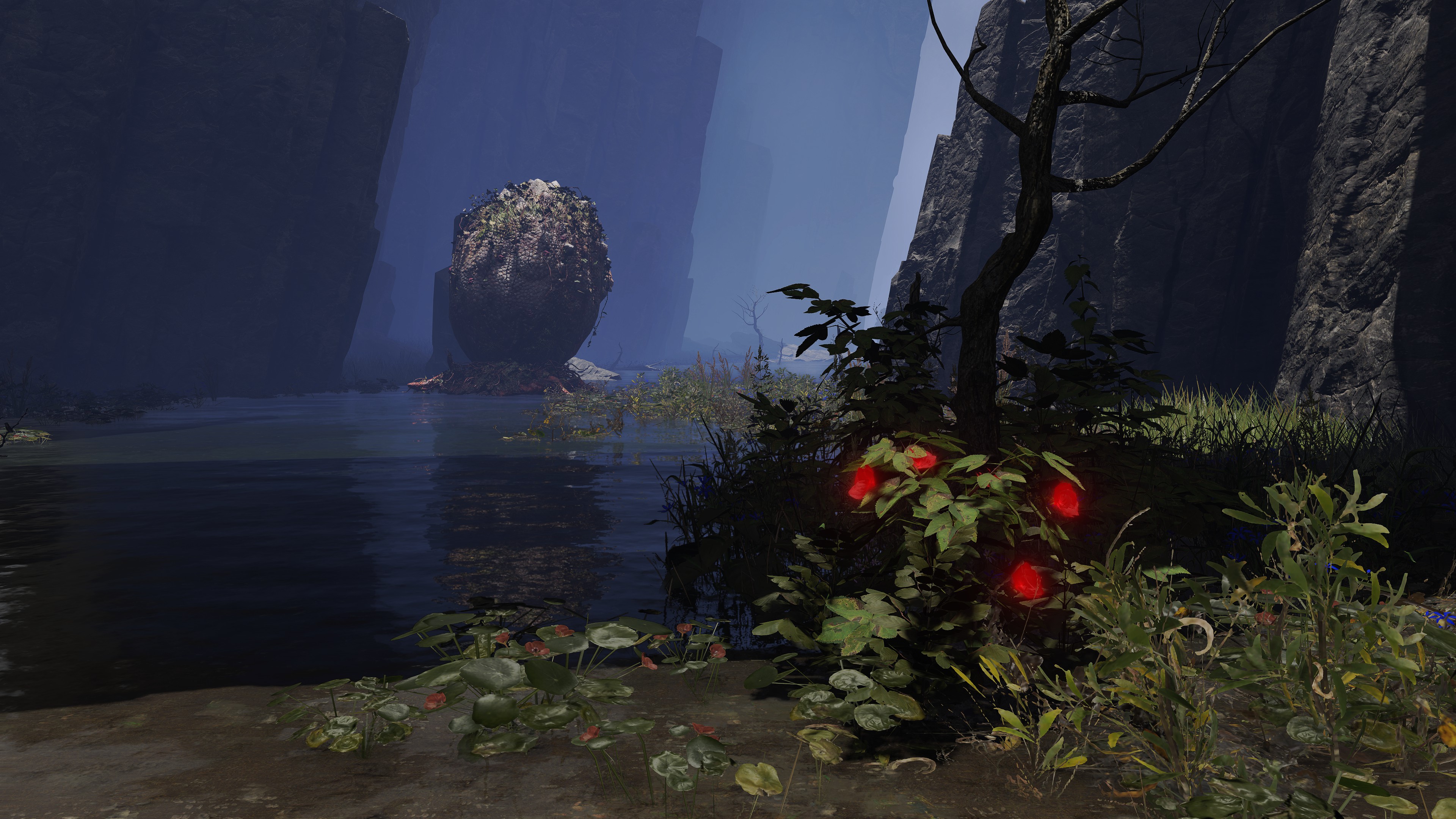
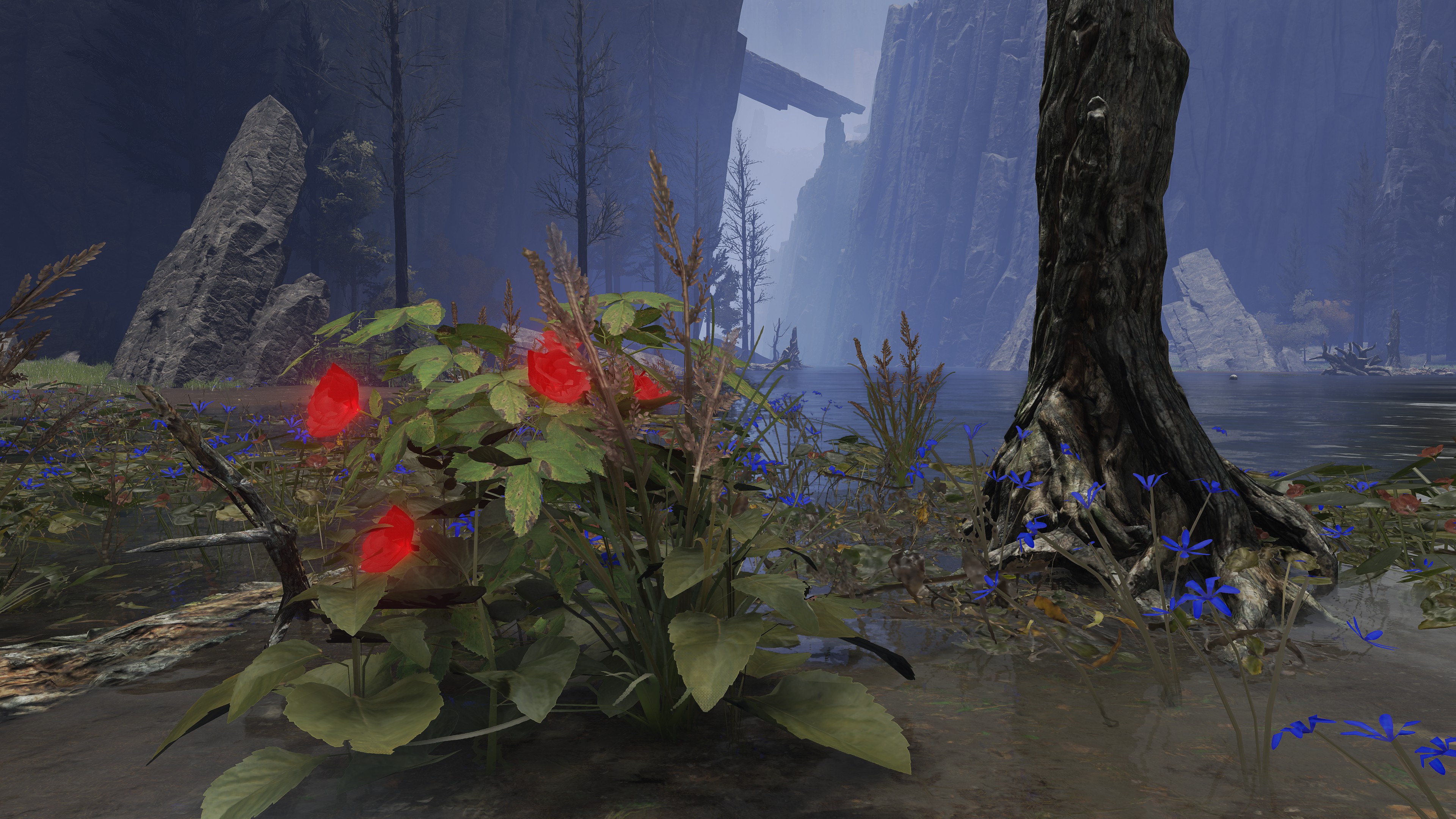
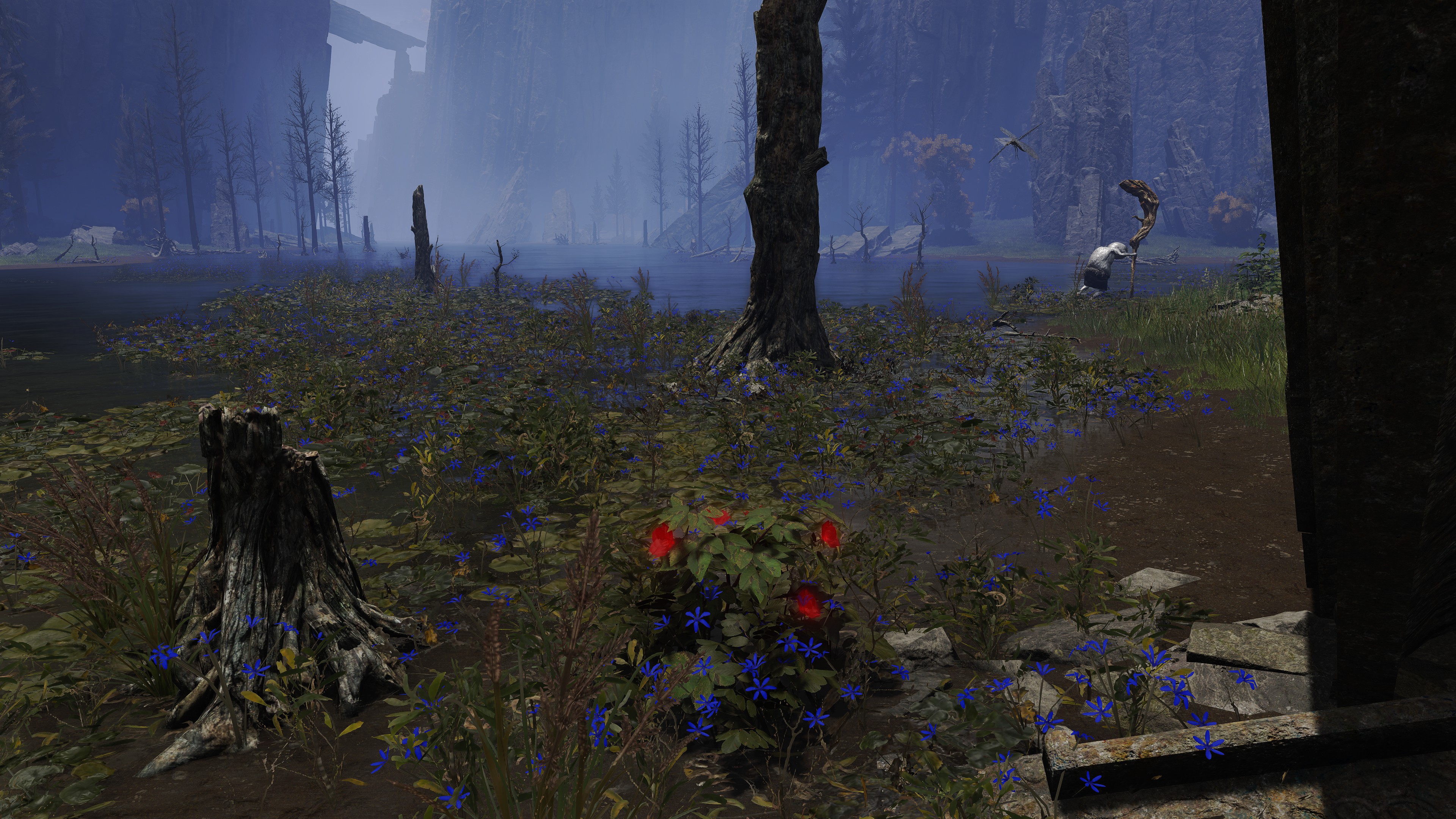
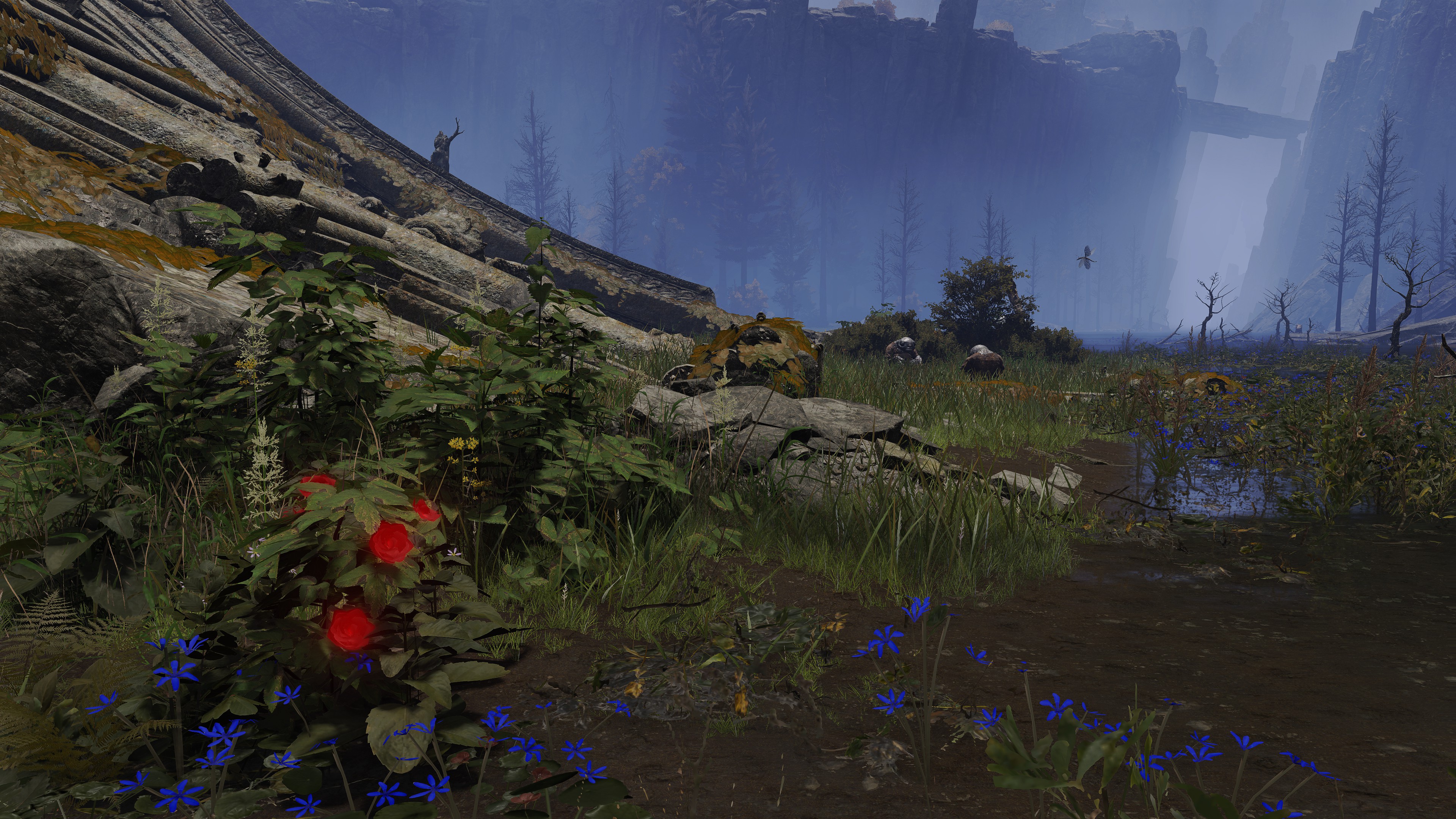
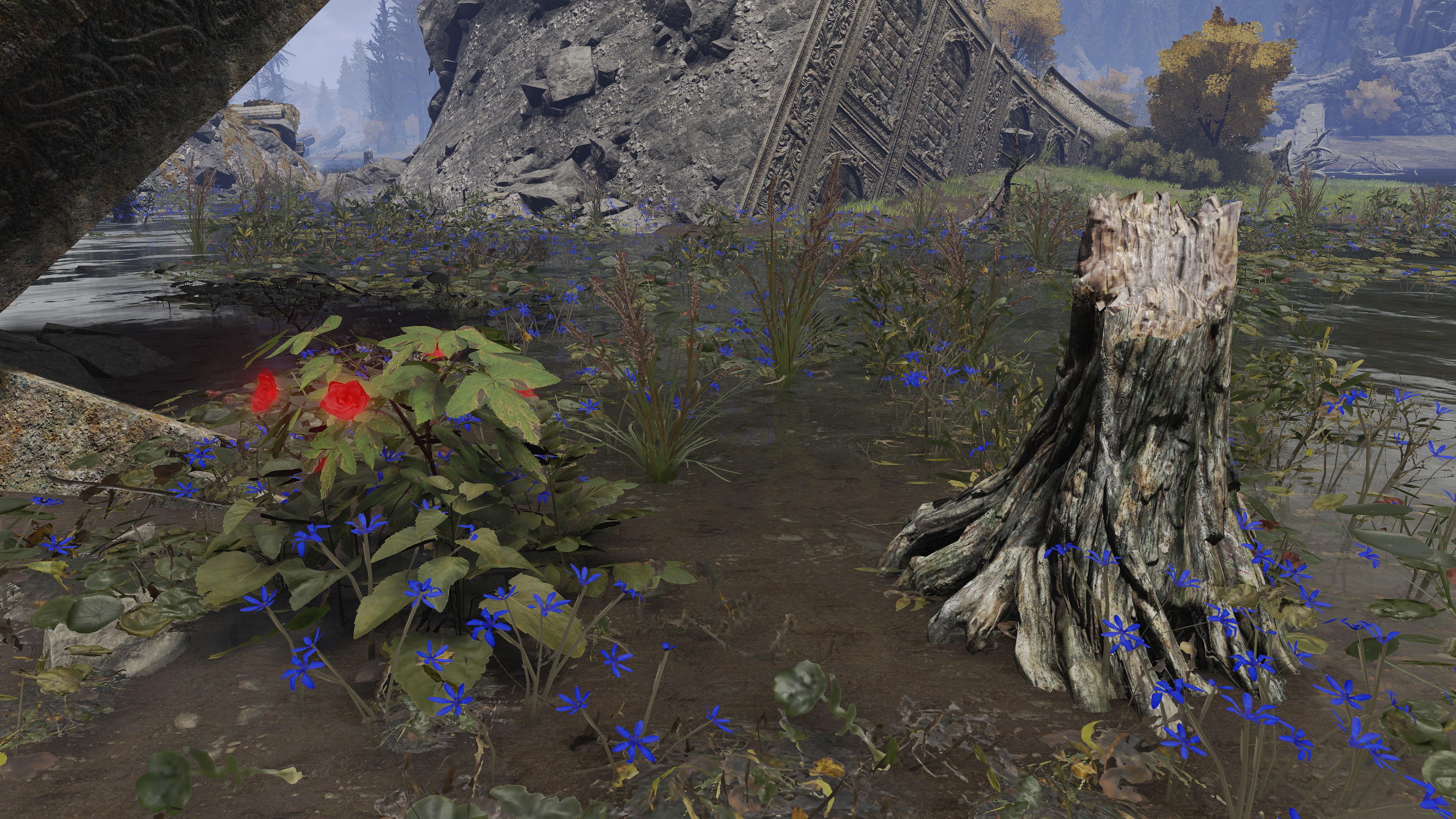
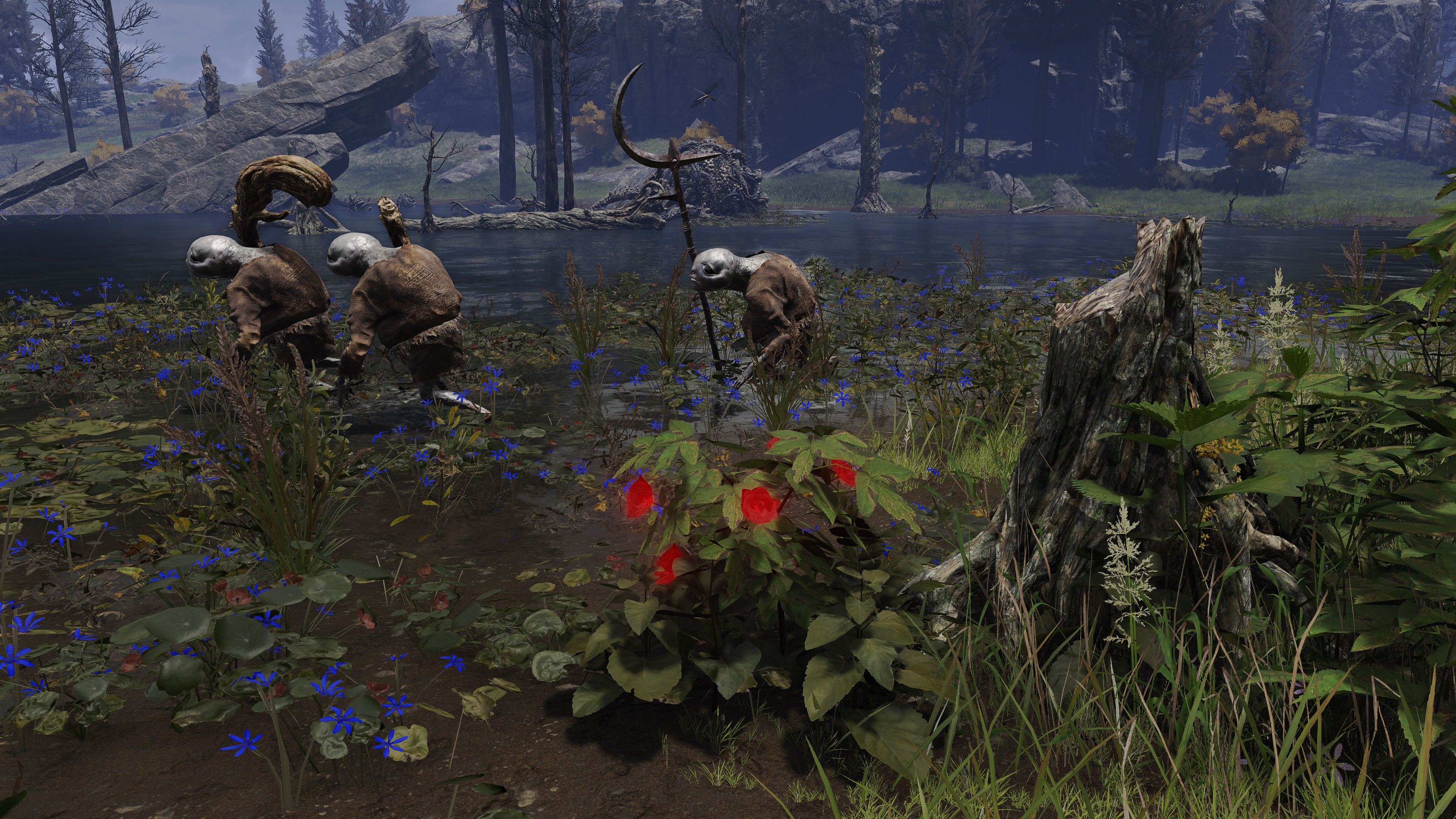
Without anyone to control the currents, water from the river valley up north has overflowed, submerging the Gate Town in a giant lake. Houses sank, many simply collapsing under their own weight atop soggy foundations. The two highway bridges similarly destabilized and broke apart, cutting off the Cuckoos’ only chance of escape from Gate Town. Beyond it, the Laskyar Ruins have fallen to a similar fate. And everywhere in between, most large trees have died to become driftwood while mangrove oaks and Miranda flowers flourish into new forests, to say nothing of the crystal formations. The years have not been kind to the soldiers embroiled in conflict with silver. But none of that matters to the Albinaurics, who enjoy their vantage upon the sinking ruins as they continue patrolling the wetlands below. Slowly but surely, the second generation have turned the tides of battle to their favor and are arguably on the cusp of total victory. But for all these years of no traffic, a forest with wildlife has emerged on the bridge behind the defenses. So long as the seal holds, this war is far from over.

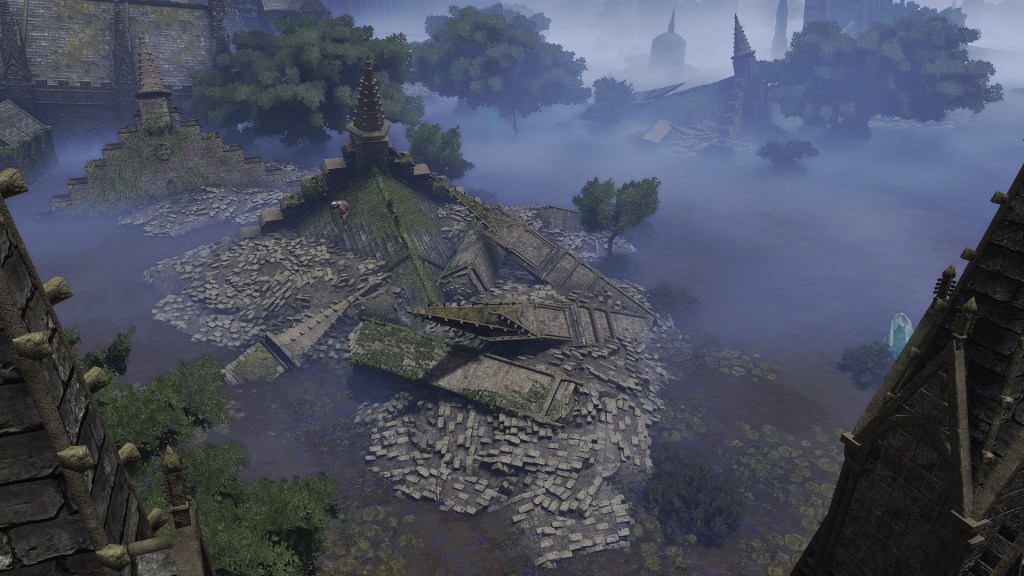

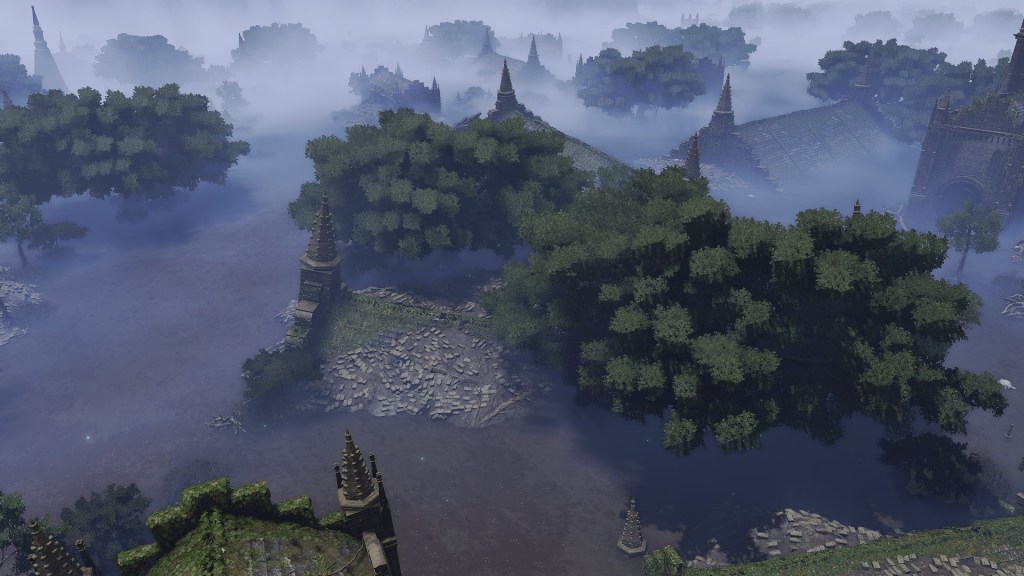
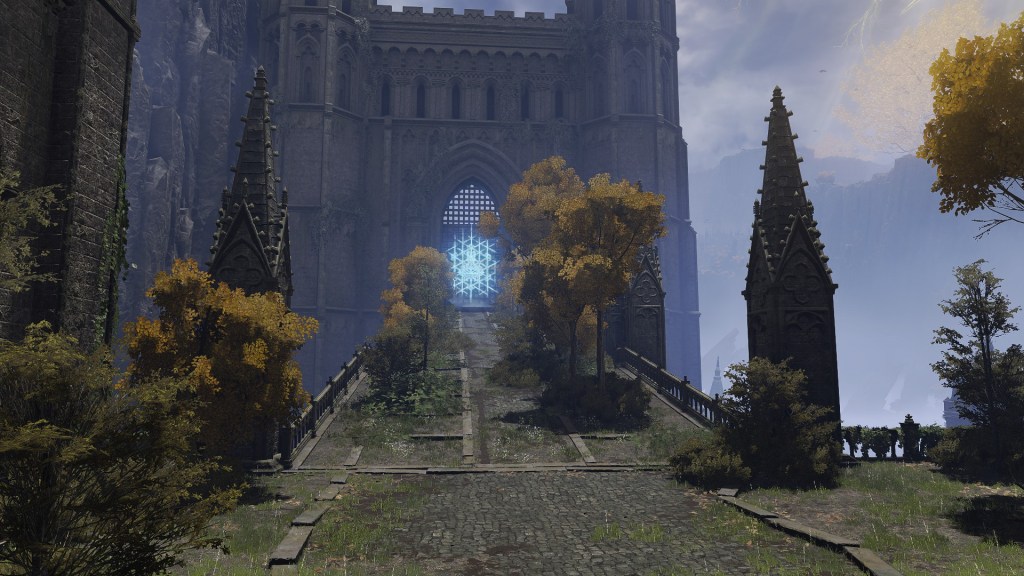

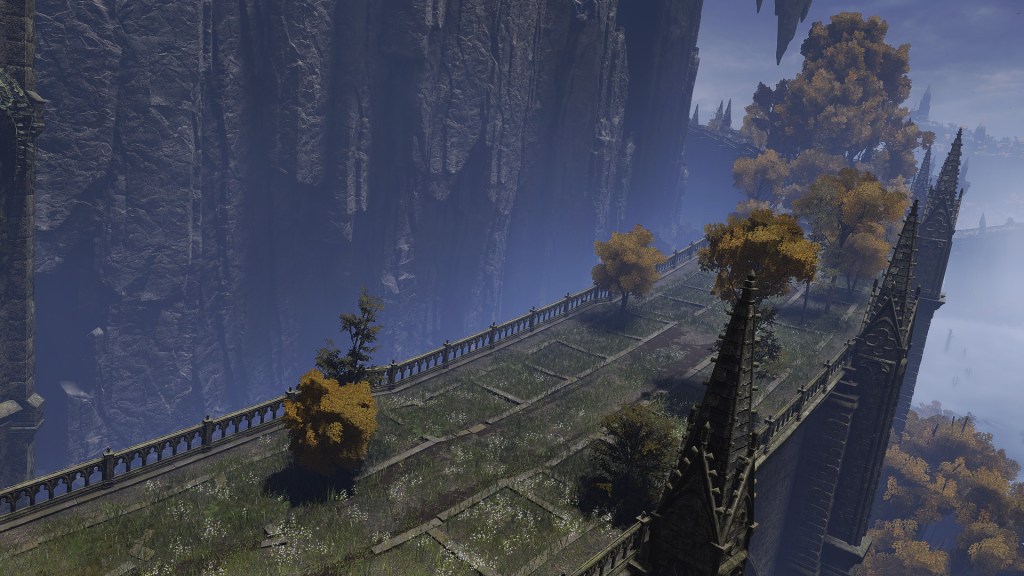
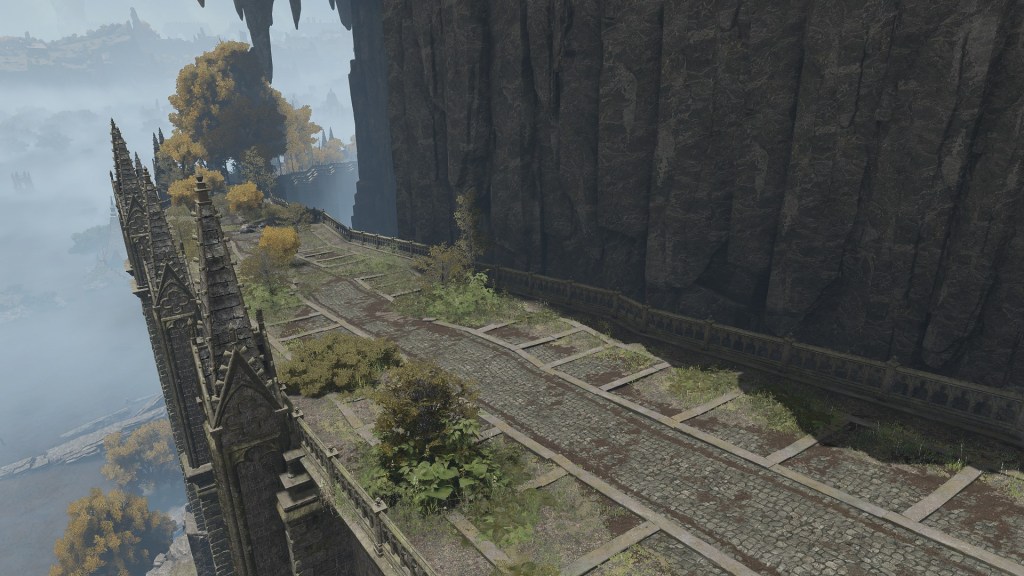
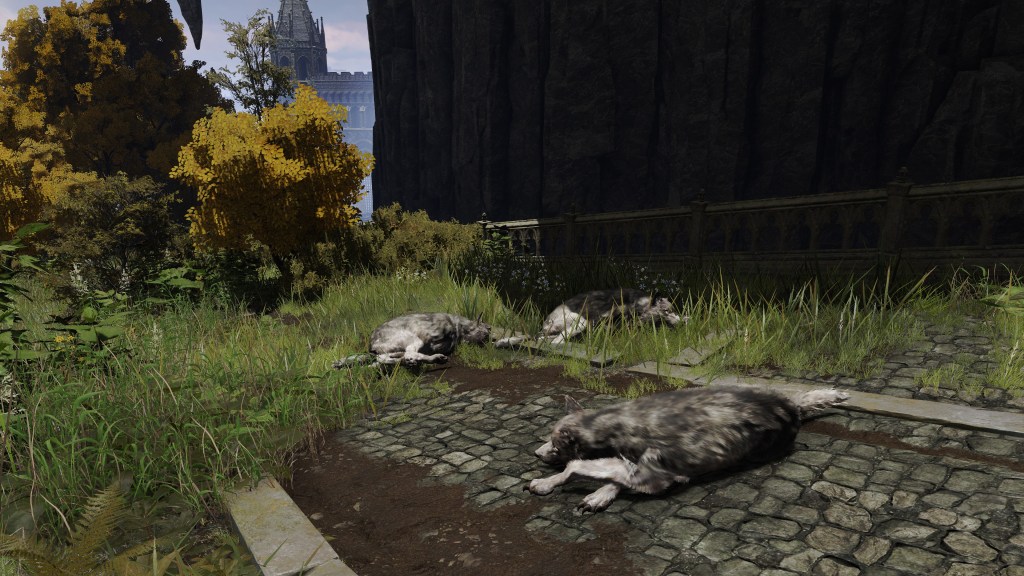

Map fragment of the northern part of the land of Liurnia.
In the northern part towers the Academy of Raya Lucaria and stretches the Pre-Gate Town submerged at its foot. Also, this place is a stopover for the two highways.
Eat Us Not Up
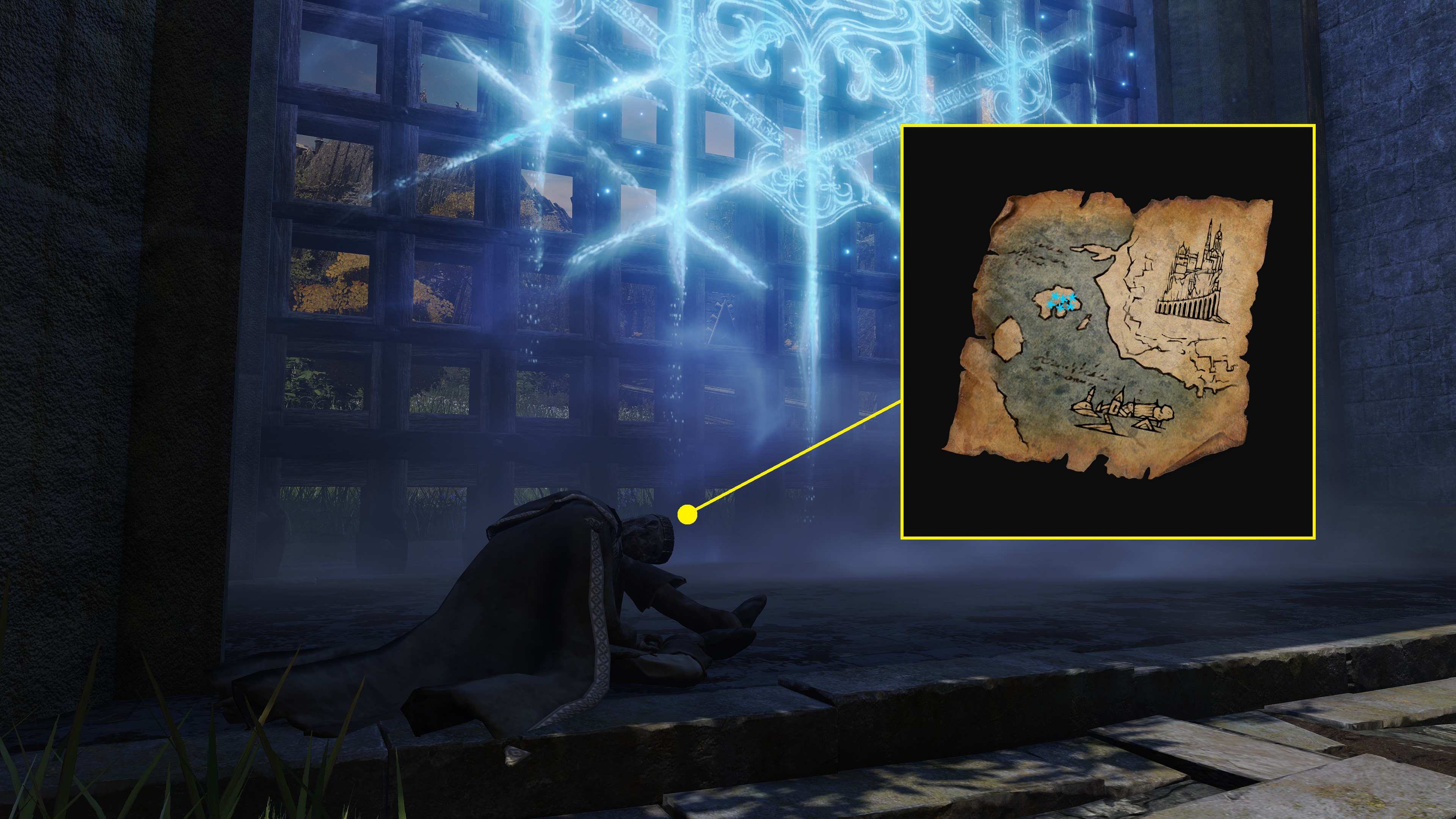
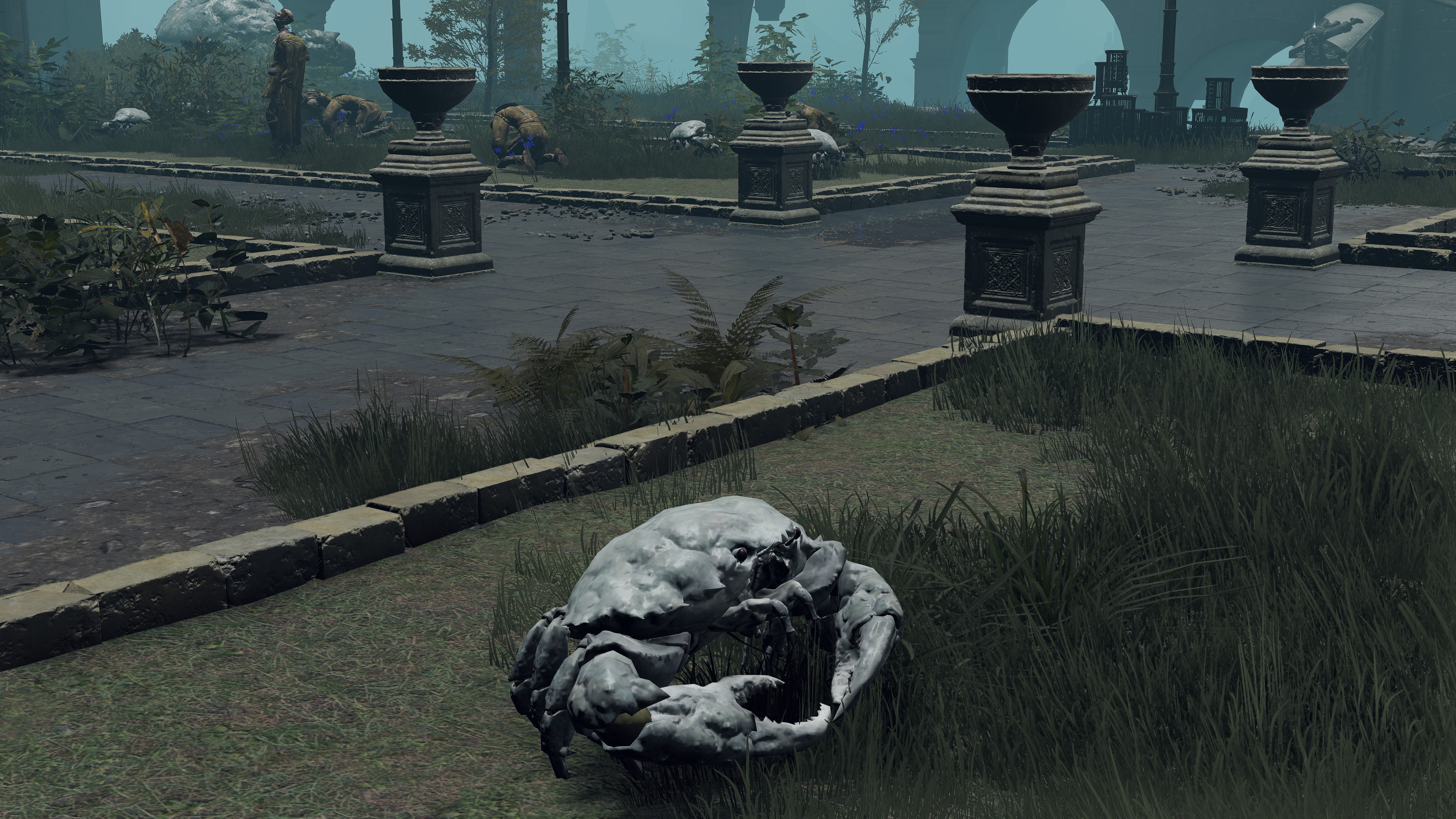
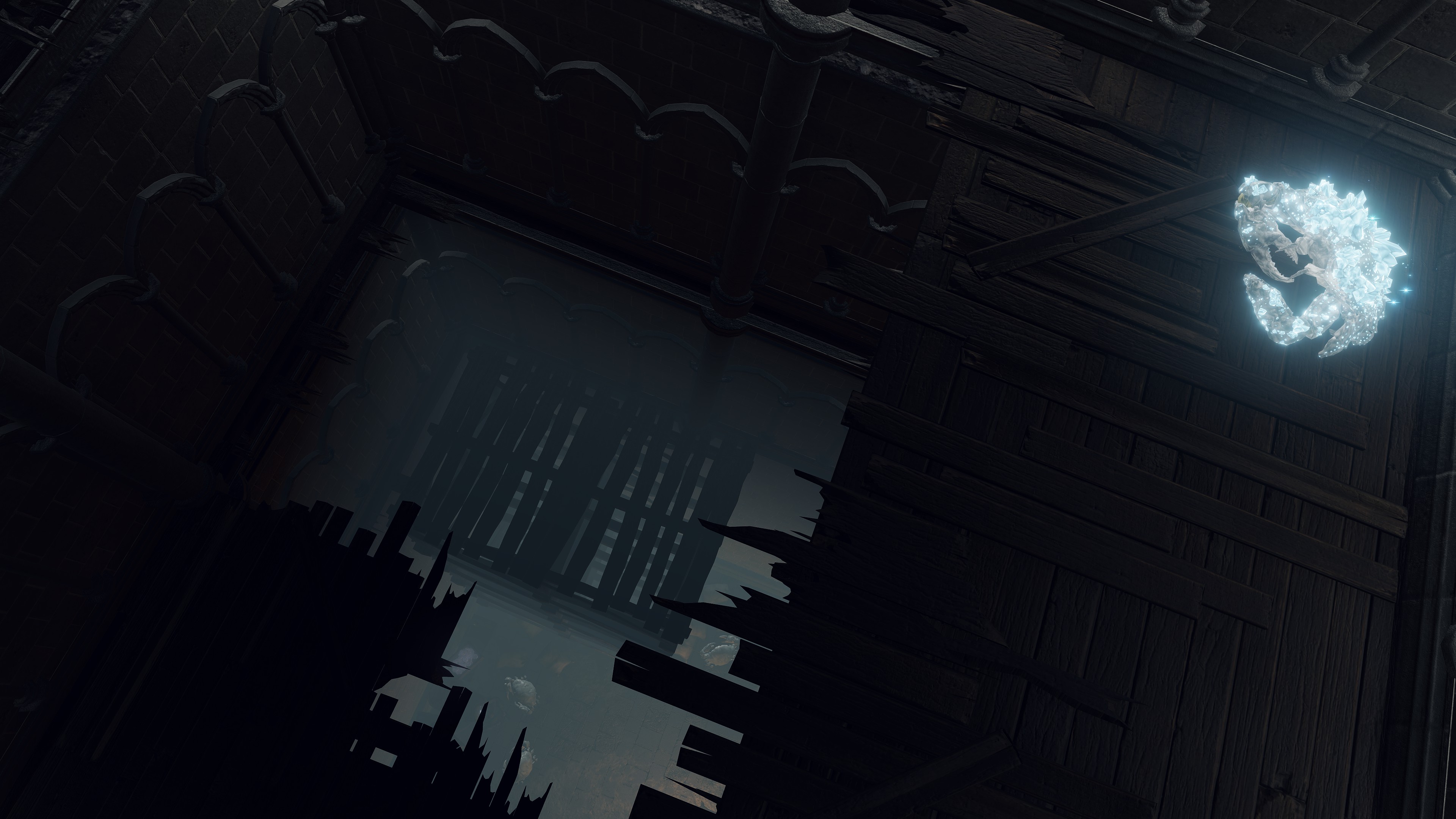
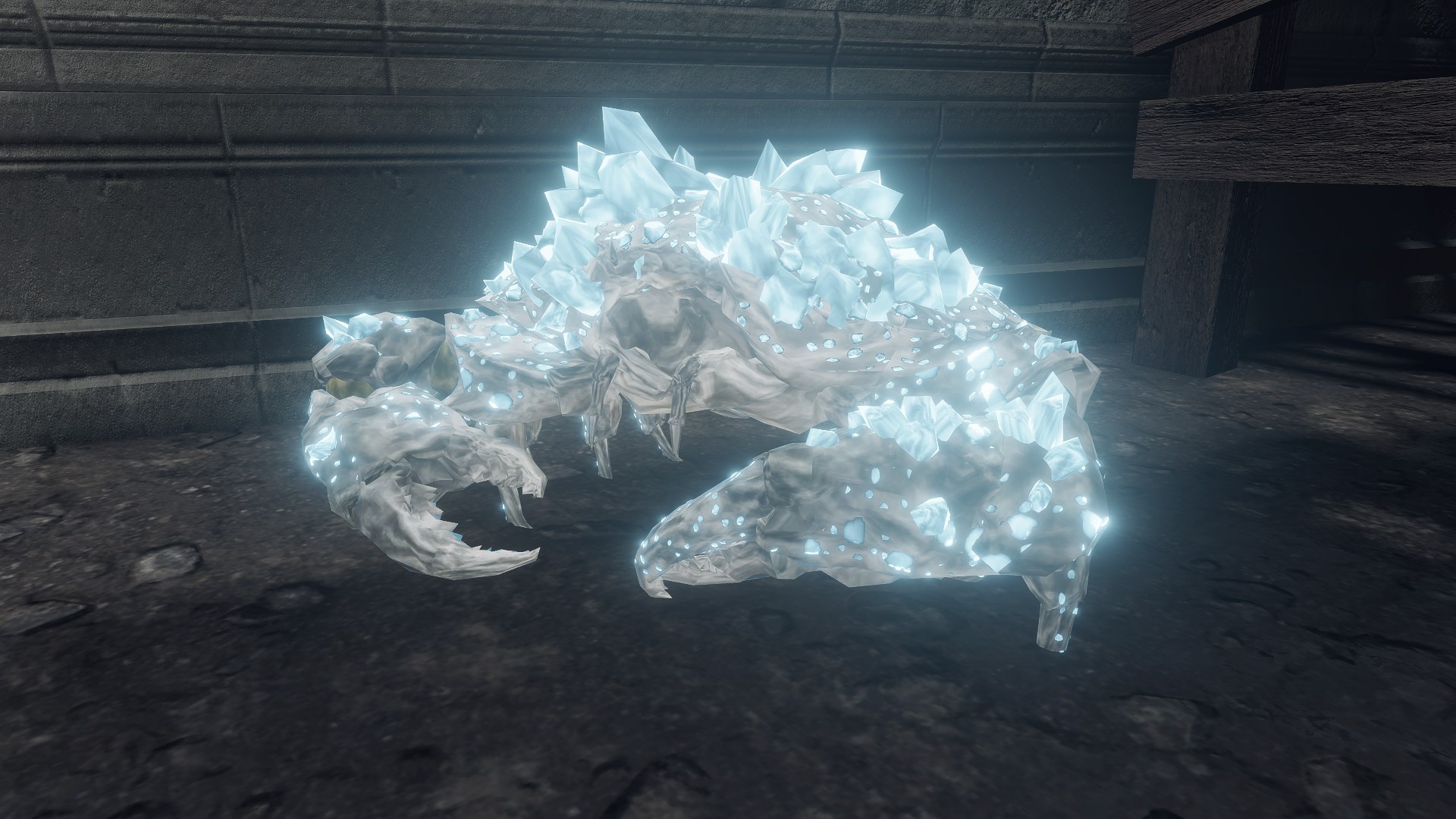
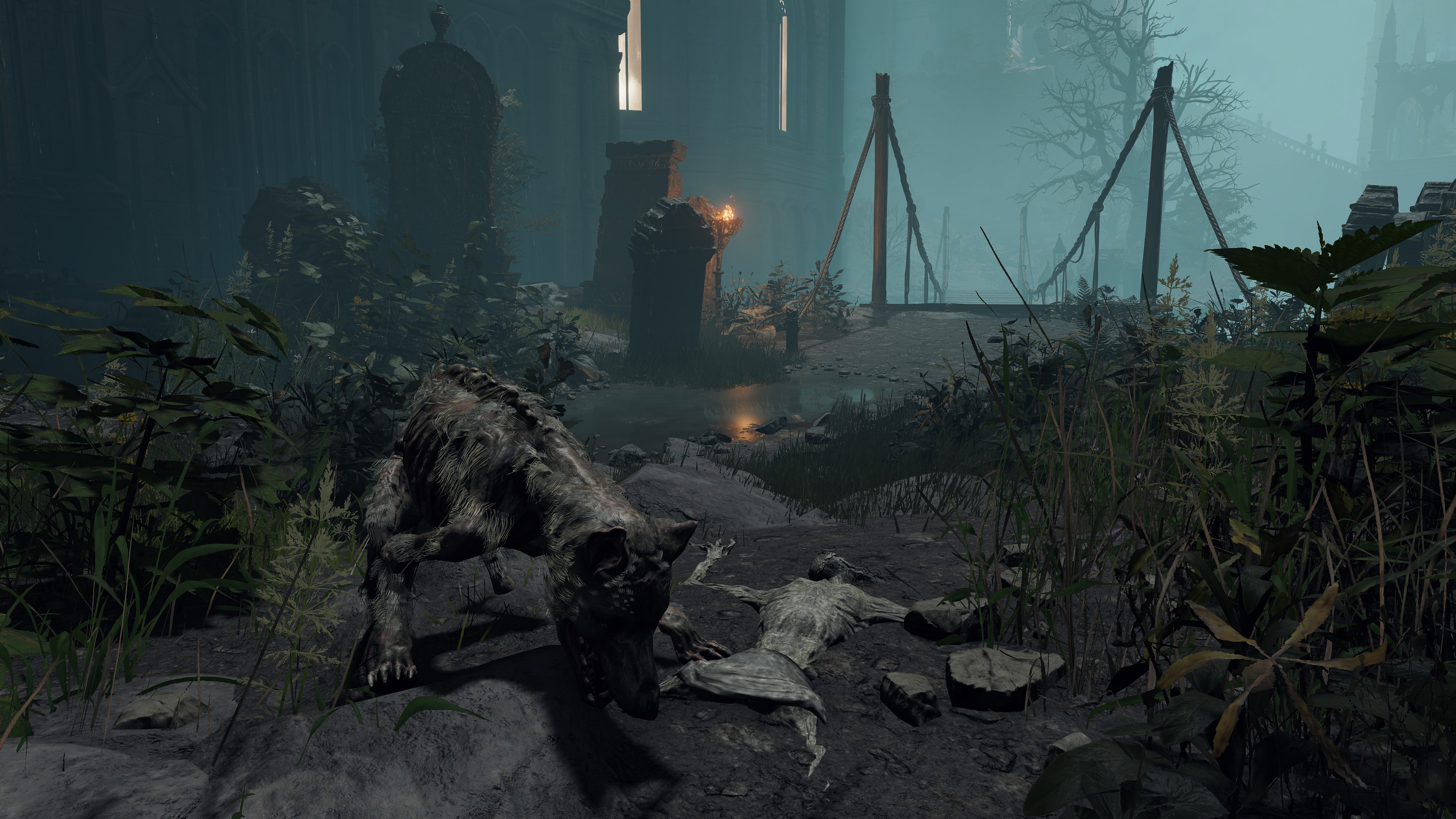
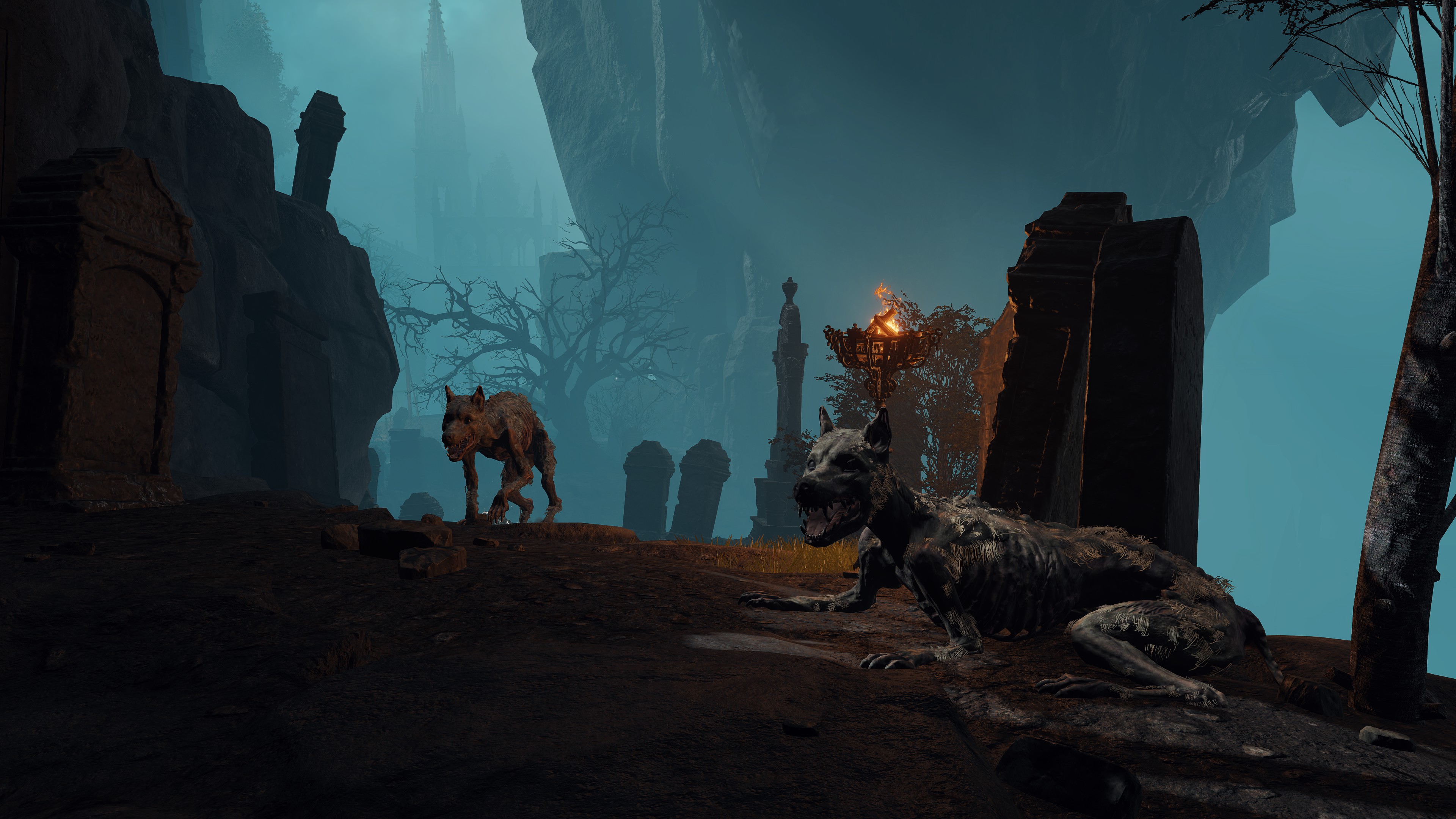
The Cuckoos are spread wider than the submerged town, and neither they nor the academy have sat idly by as they lost ground. While sorcerers like Thops were locked out by the seal, select scholars still come and go as they please. One Karolos sorcerer has started a black market trading glintstone keys on a lake island west of the academy — a yearning noble in front of the south gate even obtained a crude map of the meeting place. Information is getting around, opening access to higher learning if you know the right people. Some of those people’s only interest is collecting specimens to study, a handful of silver crabs emerging in the waters of Albinauric territory seen lurking around the academy’s garden and elsewhere; two have even been infused with glintstone, their mineral shells having the makings of Glintstone Crowns as looting their corpses indicate. Others with soft spots for dogs might be picking up the strays we see dwelling in the academy graveyard. Scholars are definitely leveraging the war for personal gain, but not everyone simply slinks back to their hole while refusing to help.
The Haima Conspectus refuse to hunker down, no member of the class encountered within Raya Lucaria — albeit, we do encounter one helping guard the Academy Crystal Cave underneath. Per their mandate to quell conflict, Haima sorcerers show little regard for this policy of shutting themselves away behind the safety of the school gates — for them, what their fellow classes are doing isn’t research, but escapism. This viewpoint may go as far back as the Liurnian Wars against Leyndell, but whether or not the adjudicators have stepped onto the battlefield before, their robes have definitely become worn from the current conflict. War might be hell, but it is necessary to confront the horrors head-on instead of drowning in blissful ignorance, their class alone argues. Haima believes that the academy needs to have skin in the game if they wish to truly understand the world and resolve things peacefully, and the Cuckoos’ struggles to hold their ground show the wisdom of that perspective.



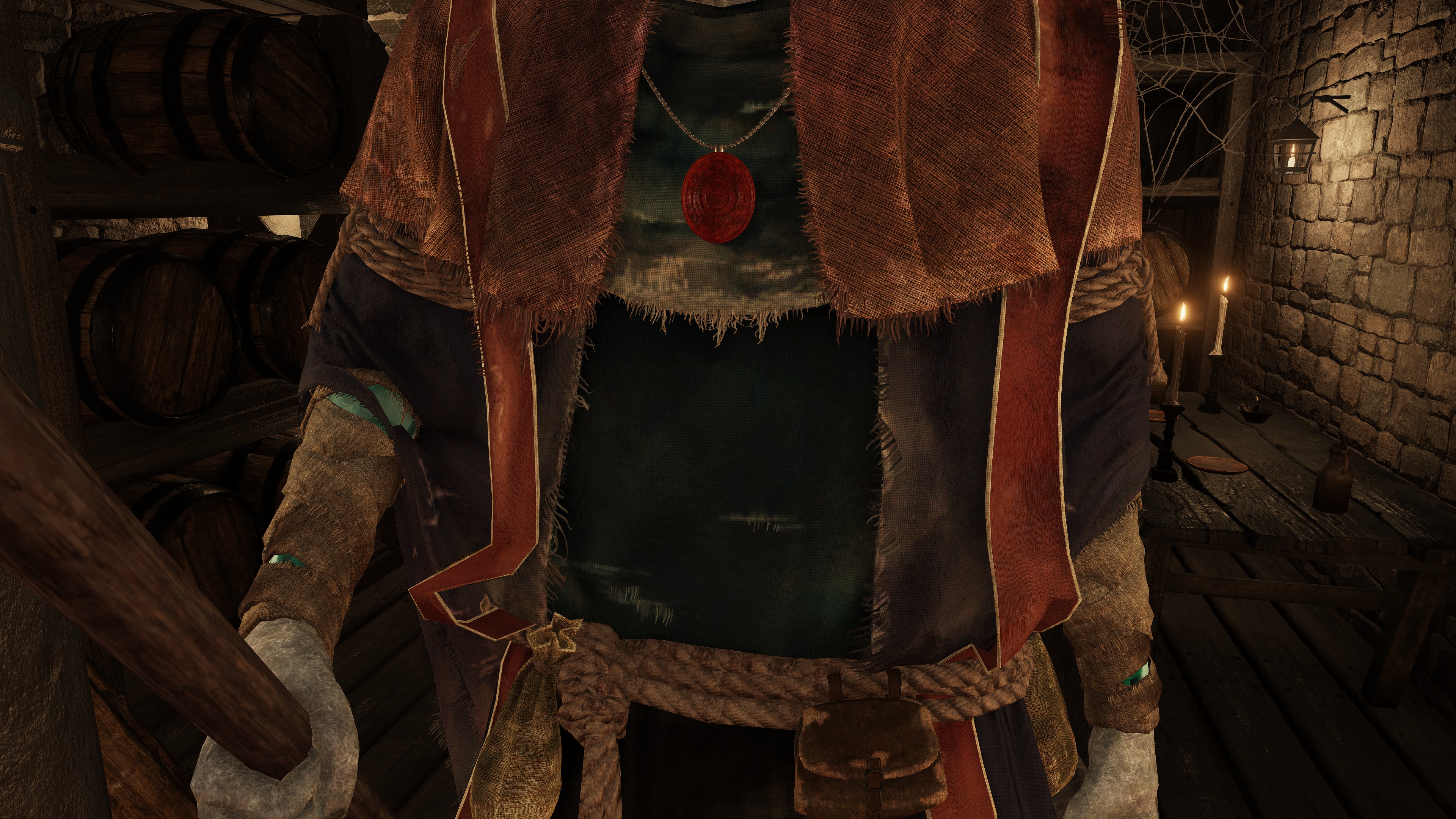
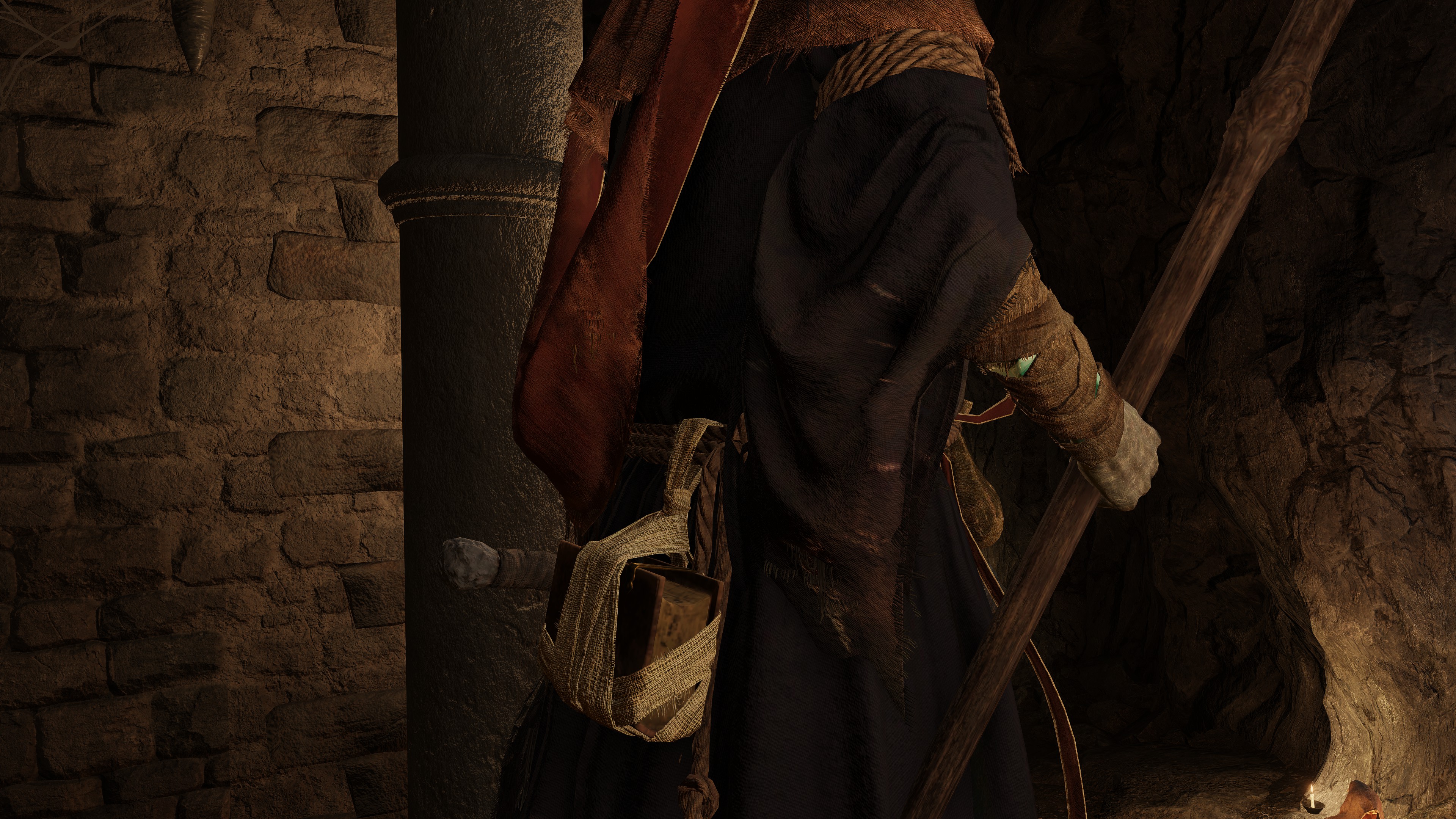
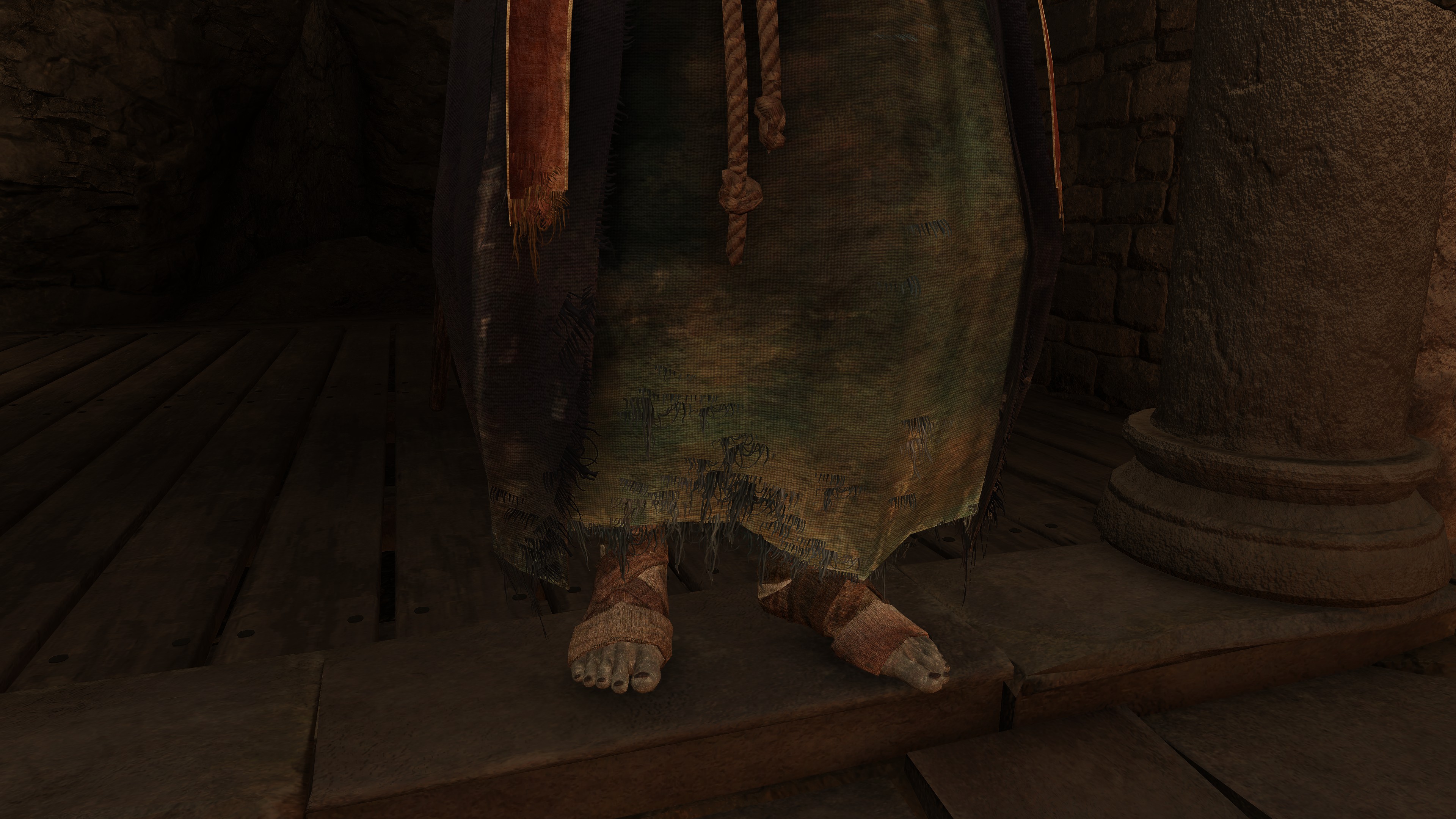
Robe that sorcery students of Raya Lucaria wear. It has become worn from their battlefields.
In the academy which closes its gates in times of war, the Haima class was the one exception.
Research is not shutting oneself away. That is nothing more than a pleasant form of escape.
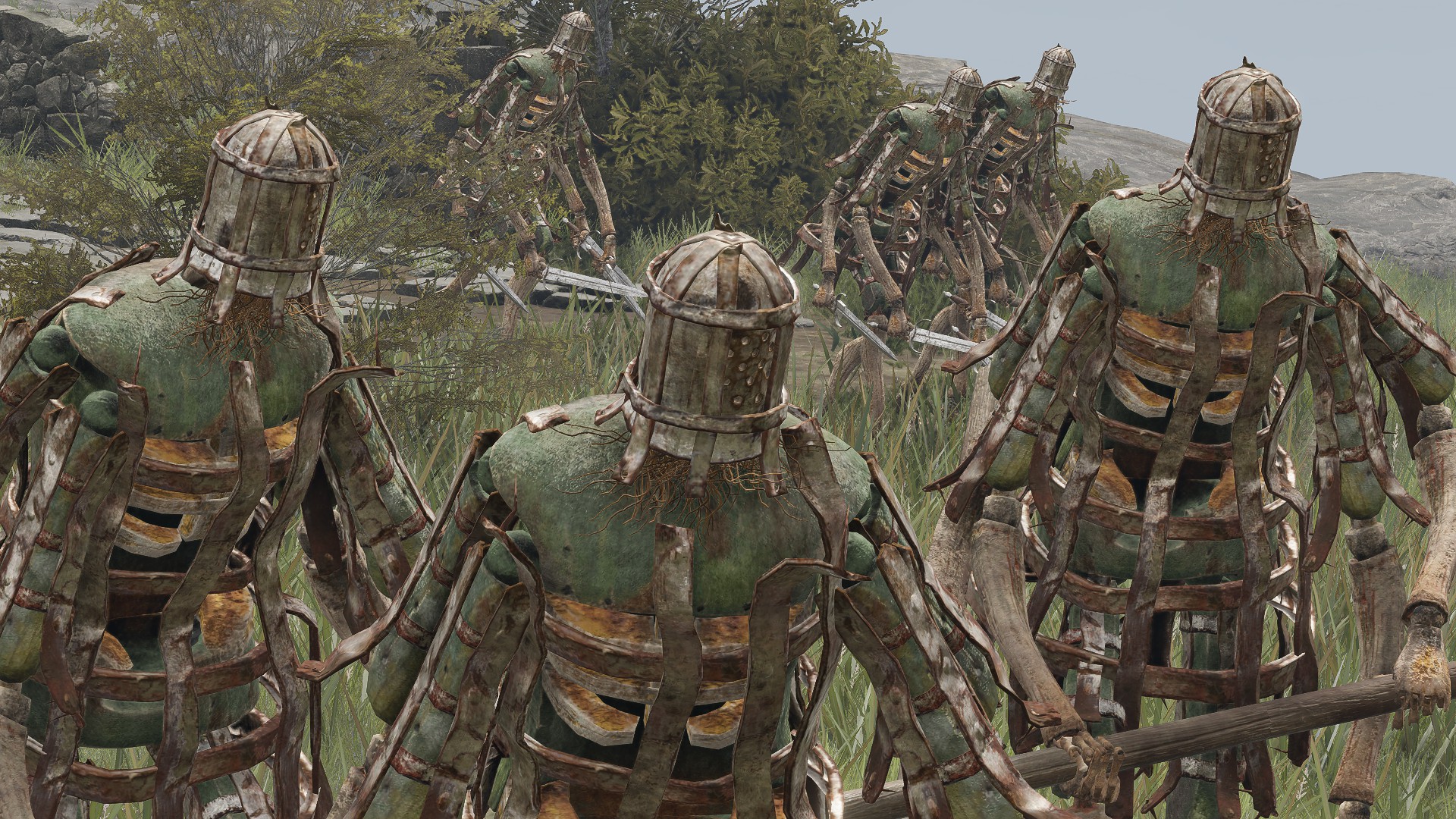
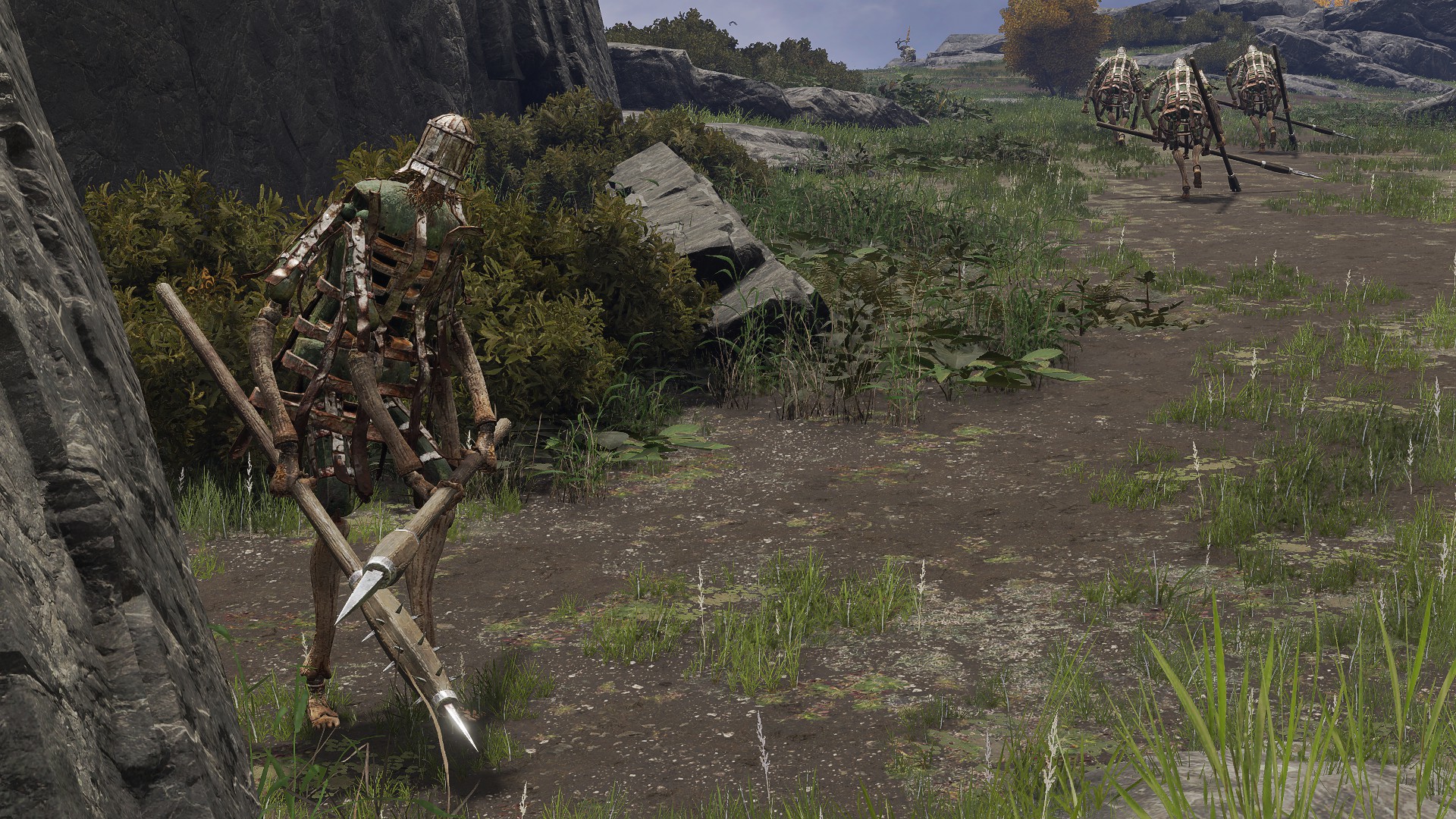
Naturally, the feebler scholars hold a different stance. These sorcerers have instead chosen to craft an army of marionettes to help secure the academy grounds as well as the various fronts; in cases of the latter, deployed from the safety of their schoolrooms via hot-air balloon. To name a few examples, we find a line of these deployment platforms set up south of Site K to stand between Raya Lucaria and Caria Manor. One more balloon hovers around the southern bridge’s approach outside Gate Town, clearly more concerned with foreign invasion than the internal threat — even as it rapidly encroaches. The inflatables are seemingly powered by the Altus citizens killed in the rebellion, their golden rune awarded with each platform destroyed. This leaves little doubt that the balloons belong to the academy, with possible exception of the one hovering in the Converted Tower’s vicinity. Granted, the marionettes patrolling the premises may not be there to protect the tower’s owner.
Among the crystals for study, the dedicated research tables on the tower’s bottom floor include at least one Cuckoo Glintstone for us to loot. The corpse hiding behind the tower likewise carries magic grease. Both are craftable with the academy artisans’ recipes, the glintstone requiring just crystal buds and cracked crystals while the grease needs only the buds and root resin. Perhaps Raya Lucaria caught word of a sorcerer who venerated both Rennala and Marika, reverse-engineering their work. If they felt threatened by the sorcerer spoiling their monopoly of faux sorcery to pay their mercenaries, then it would justify sending balloons with marionettes, the sorcerer popping all but one before trying, and failing, to hide. Learning about this convert is also feasible with what sorcerers step outside aside from Haima.
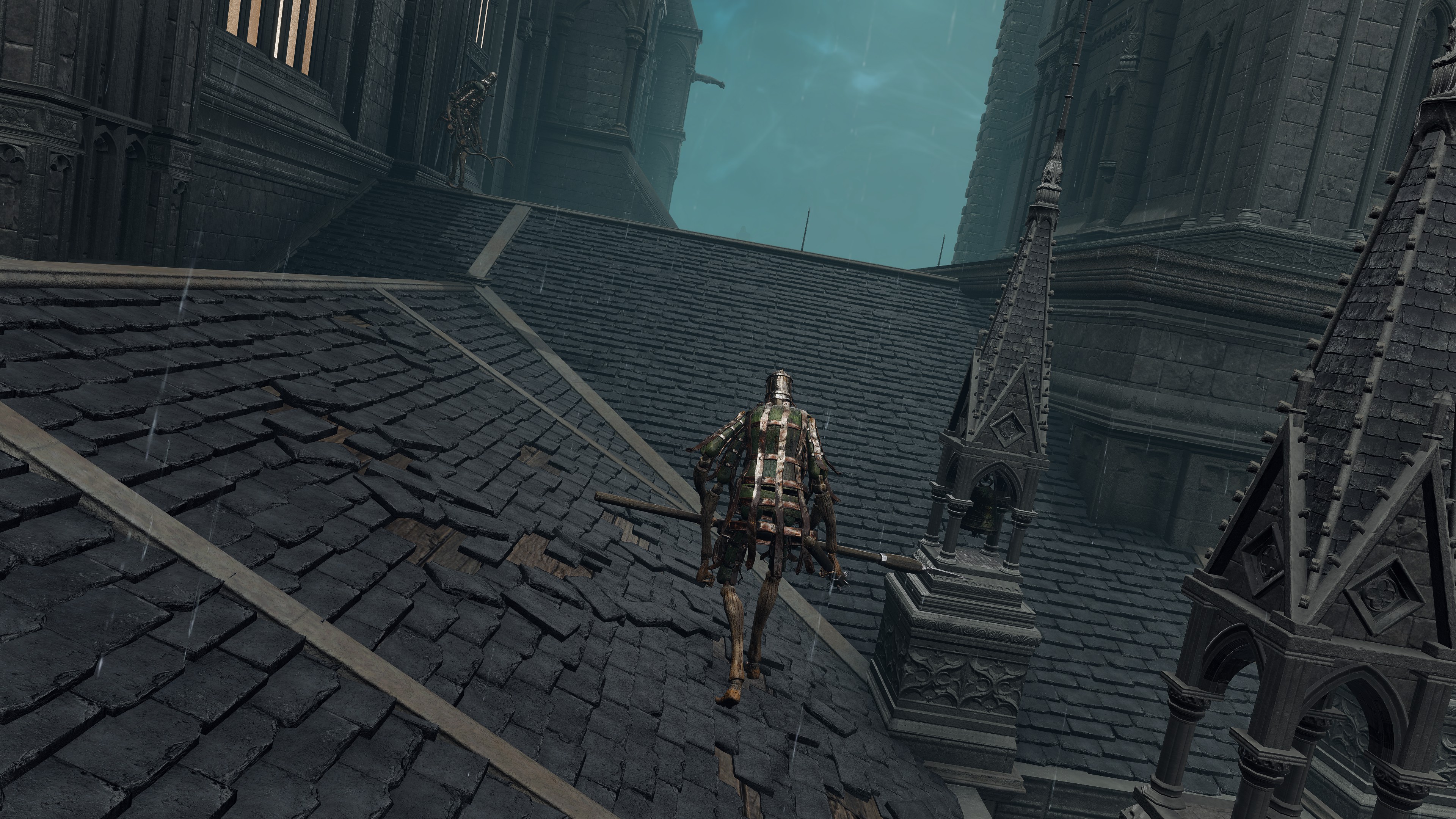
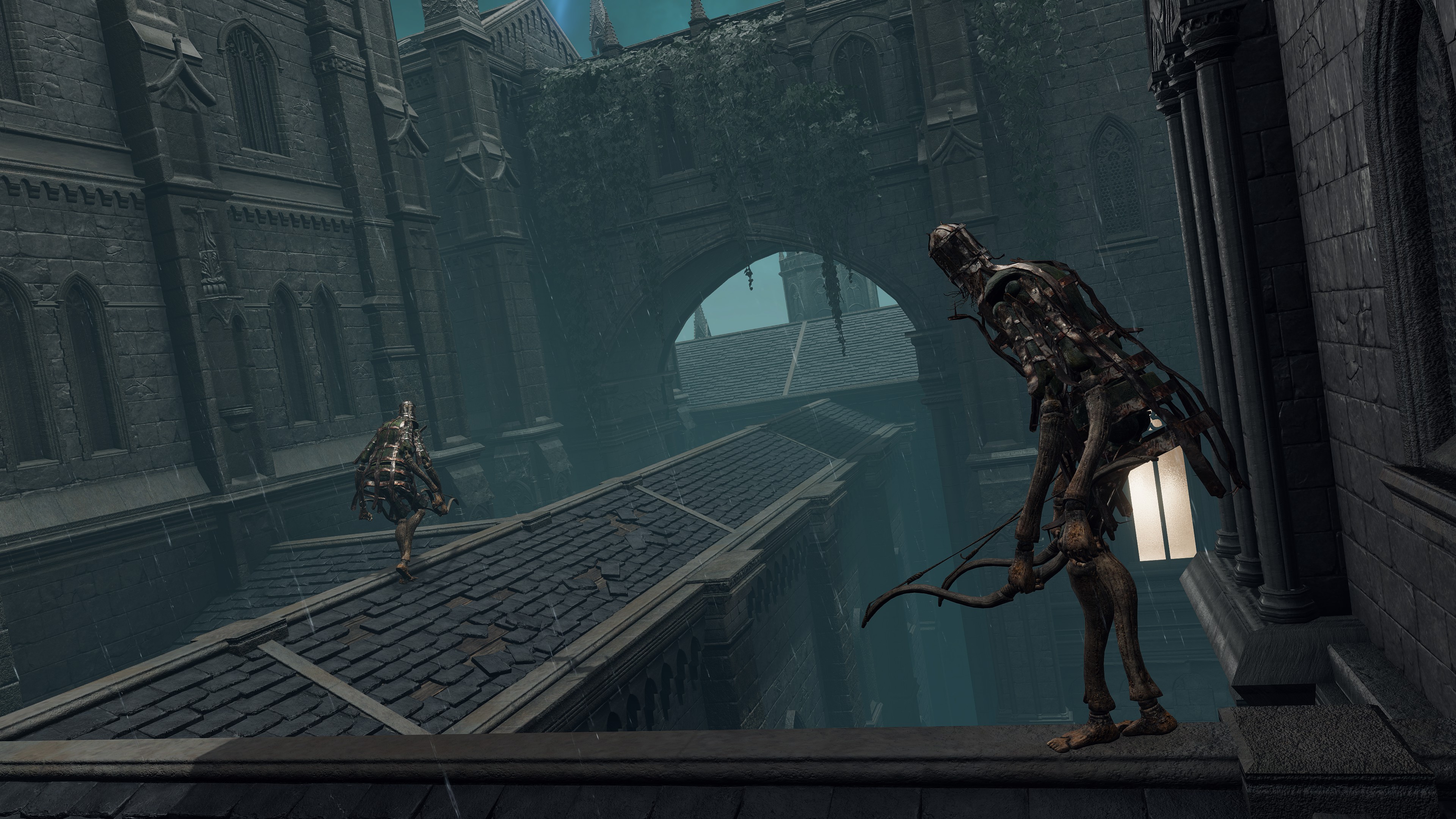
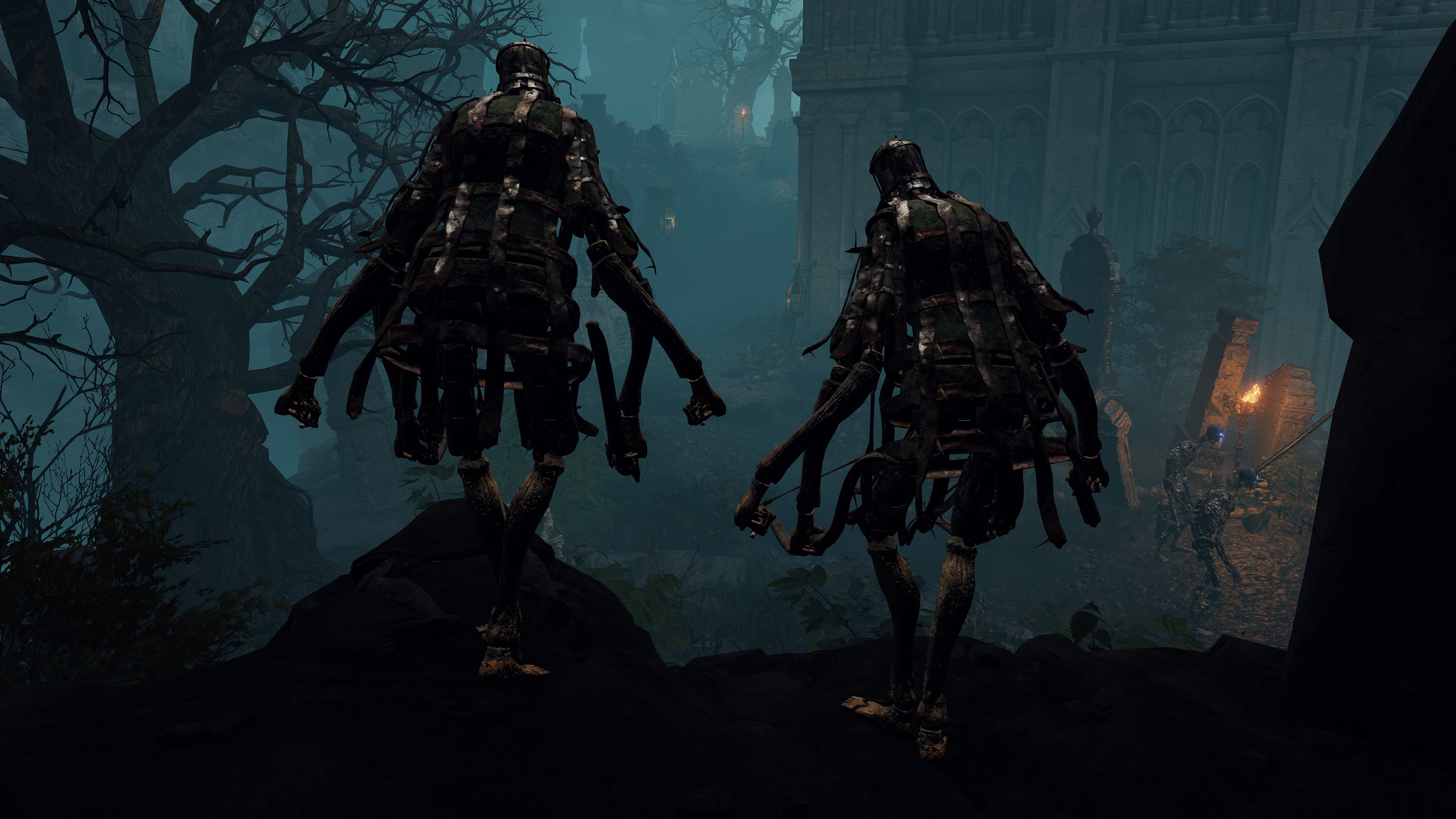
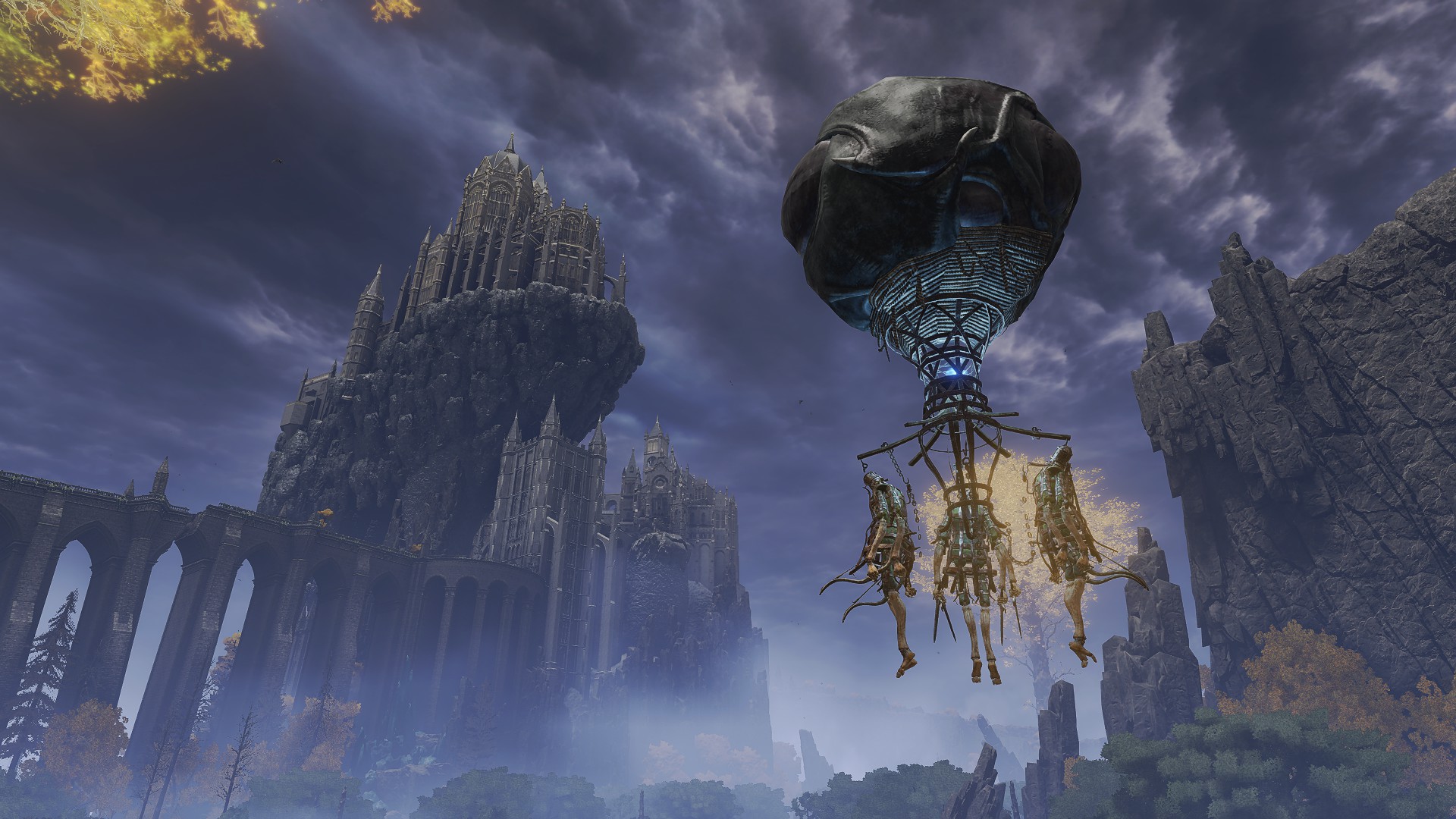

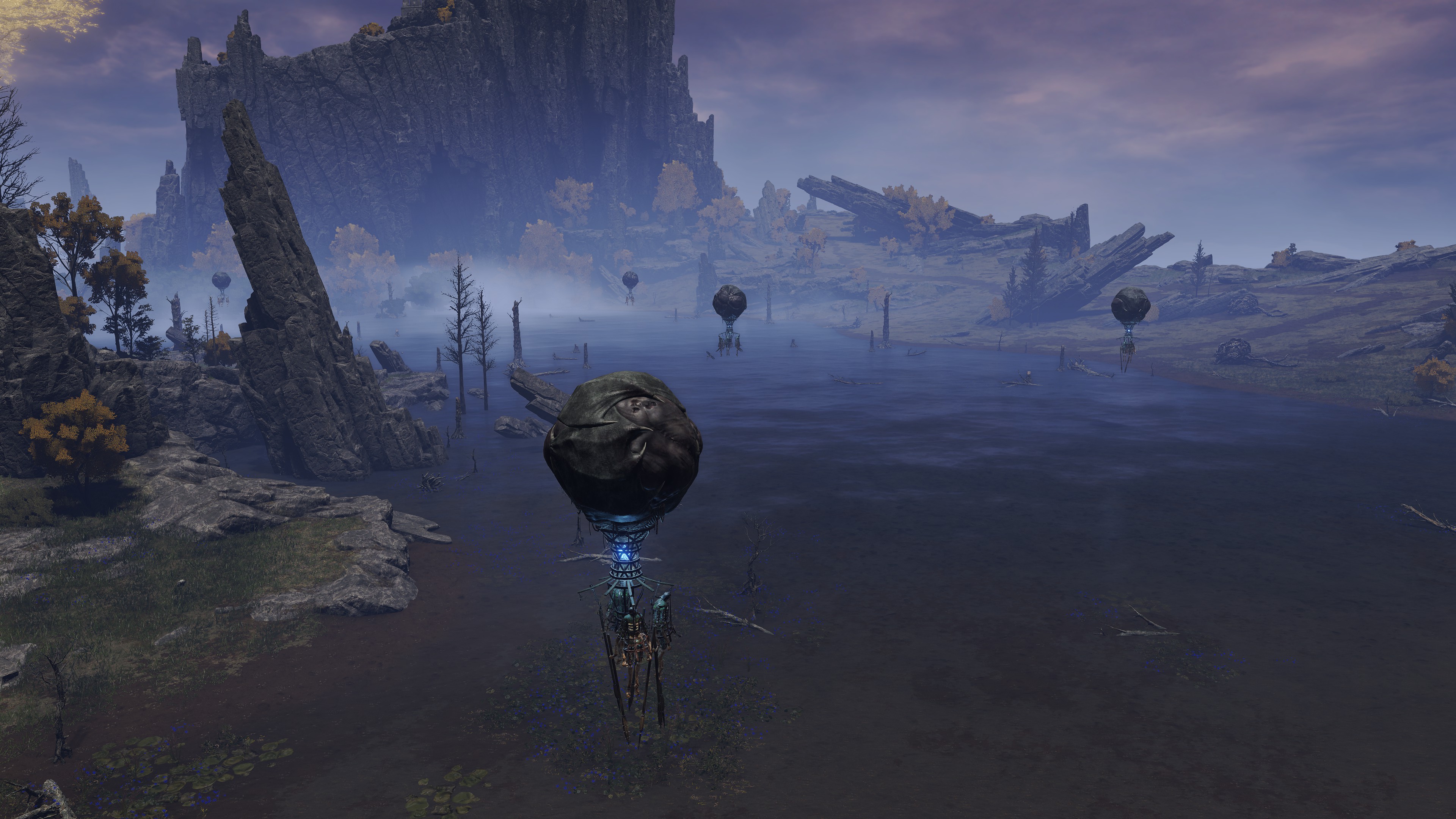
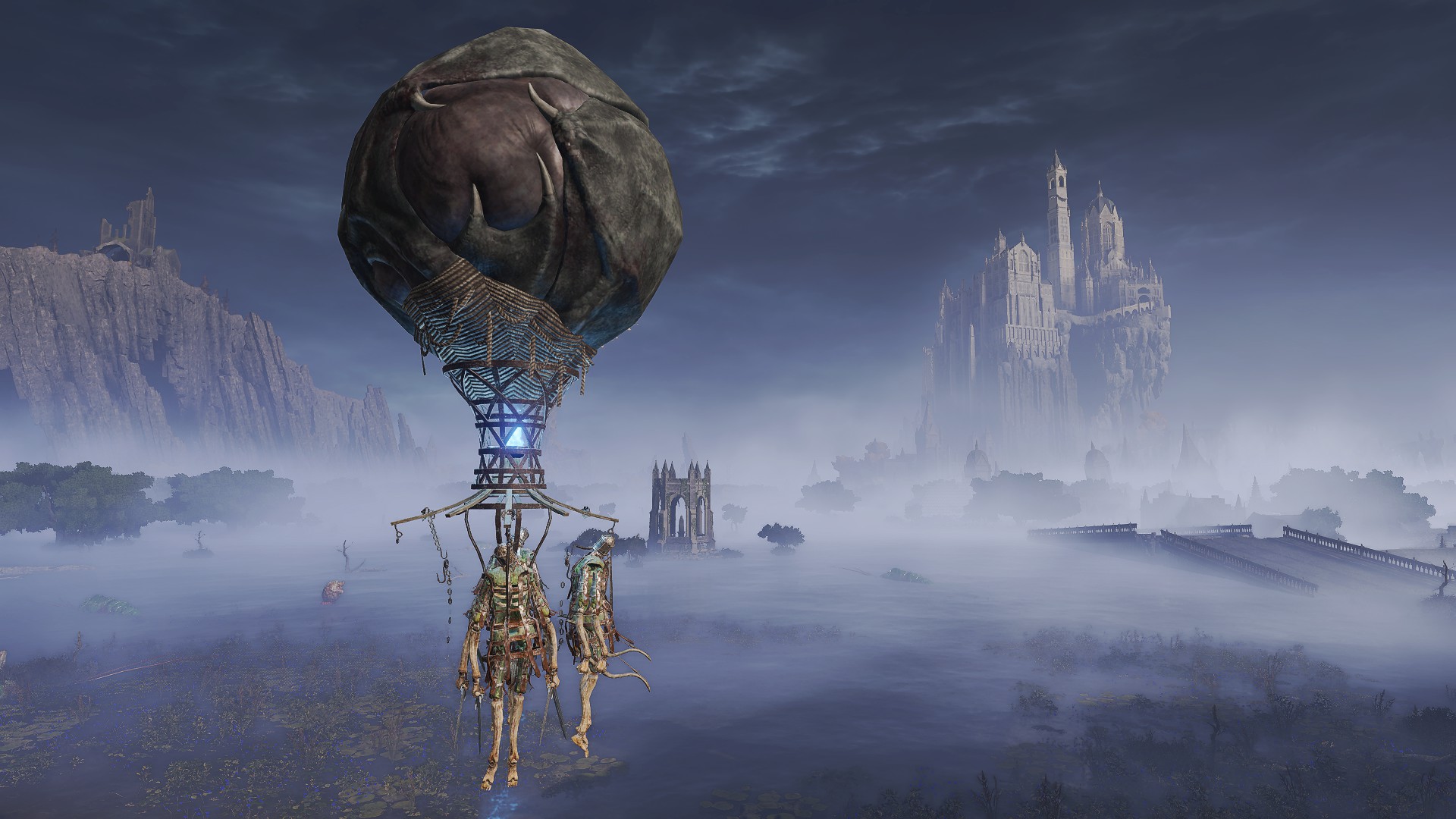
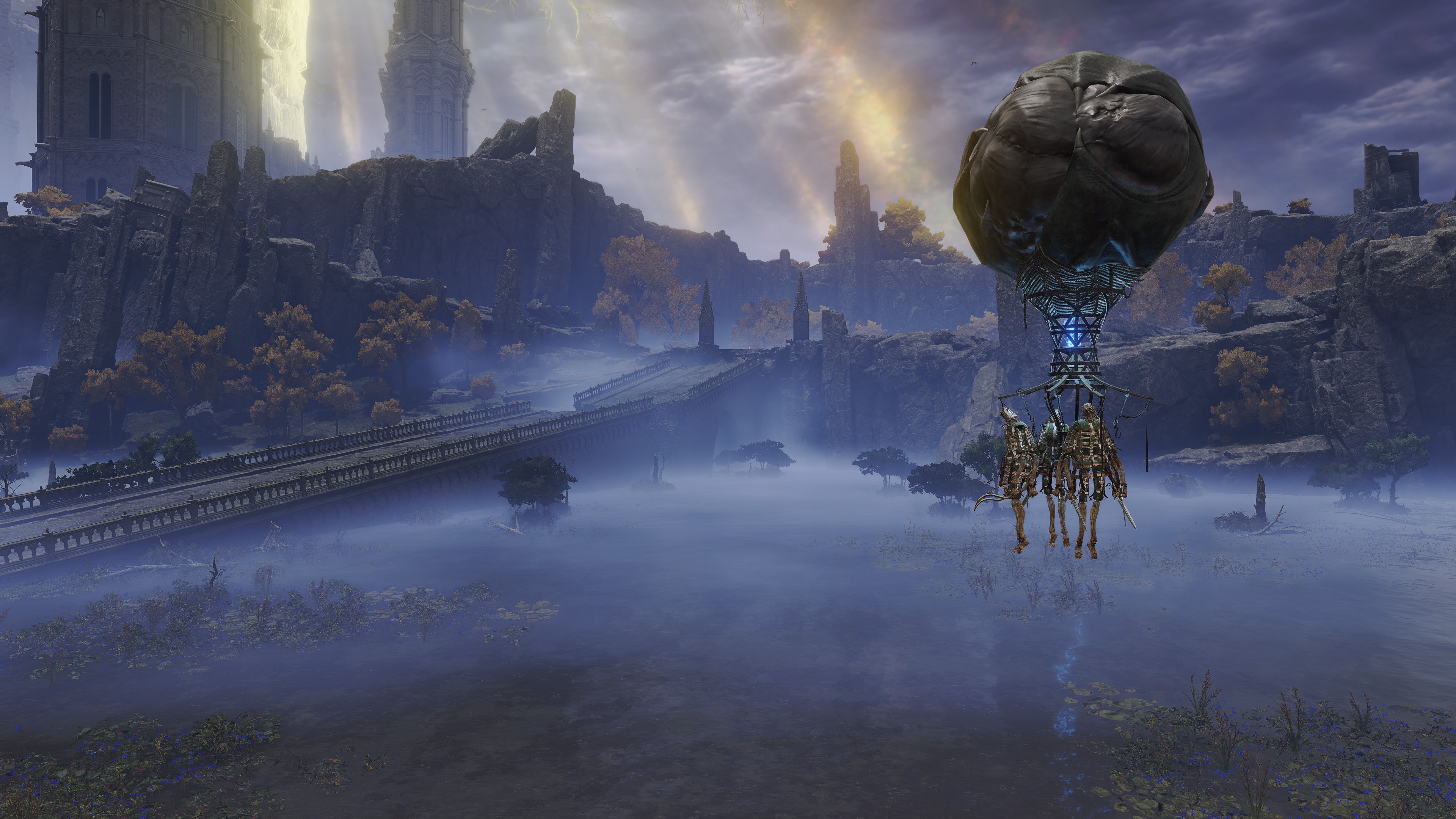
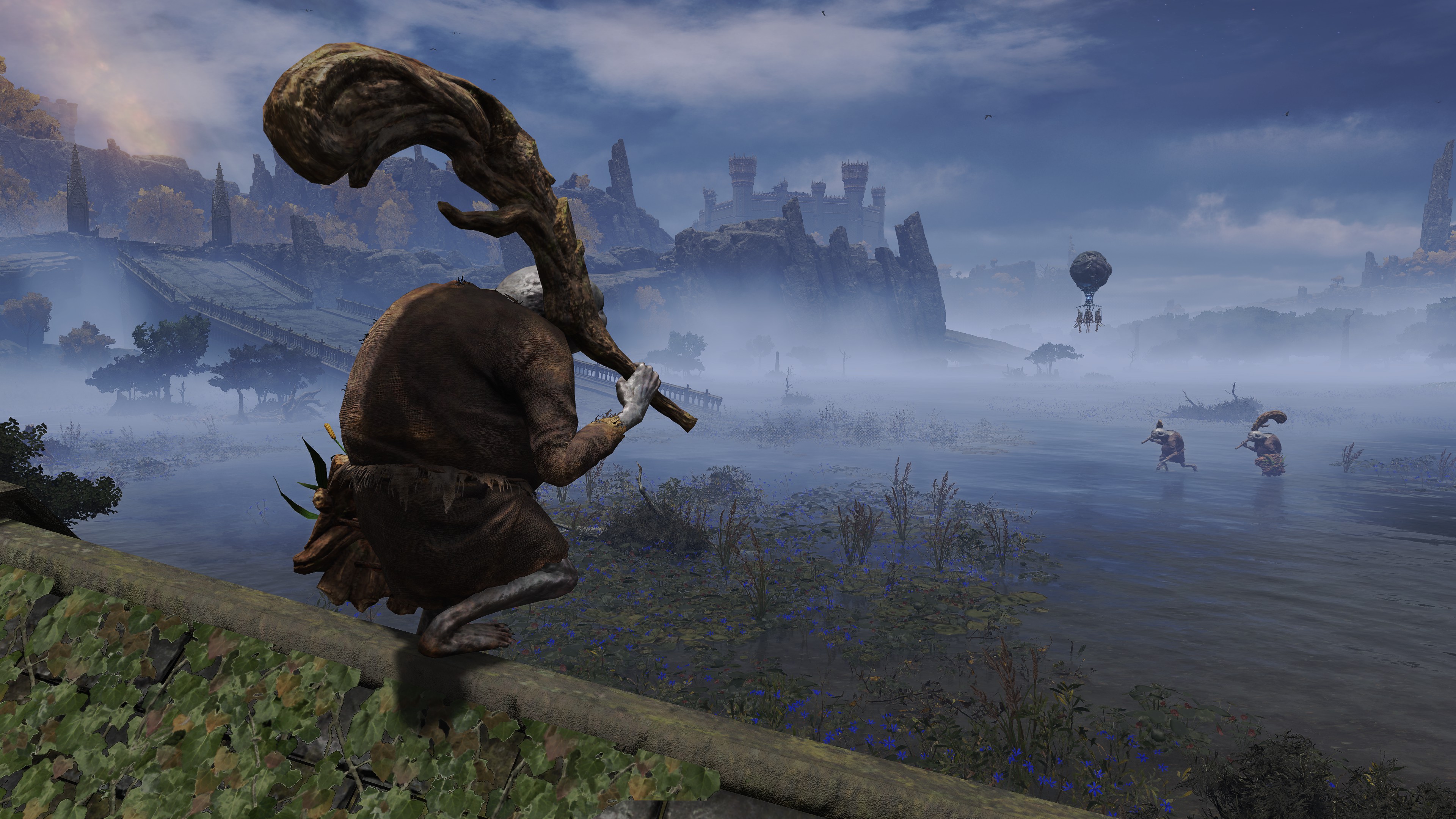
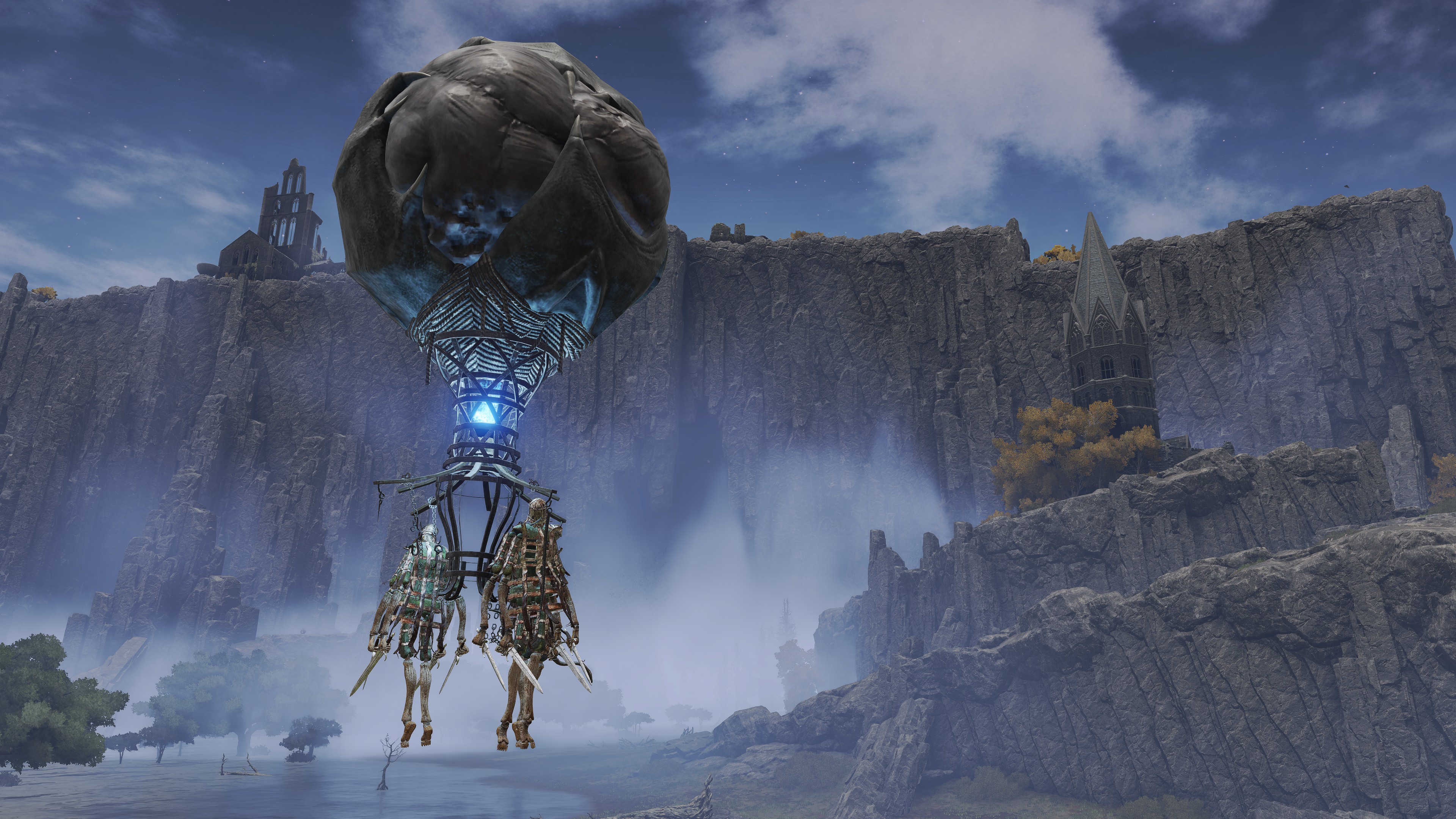
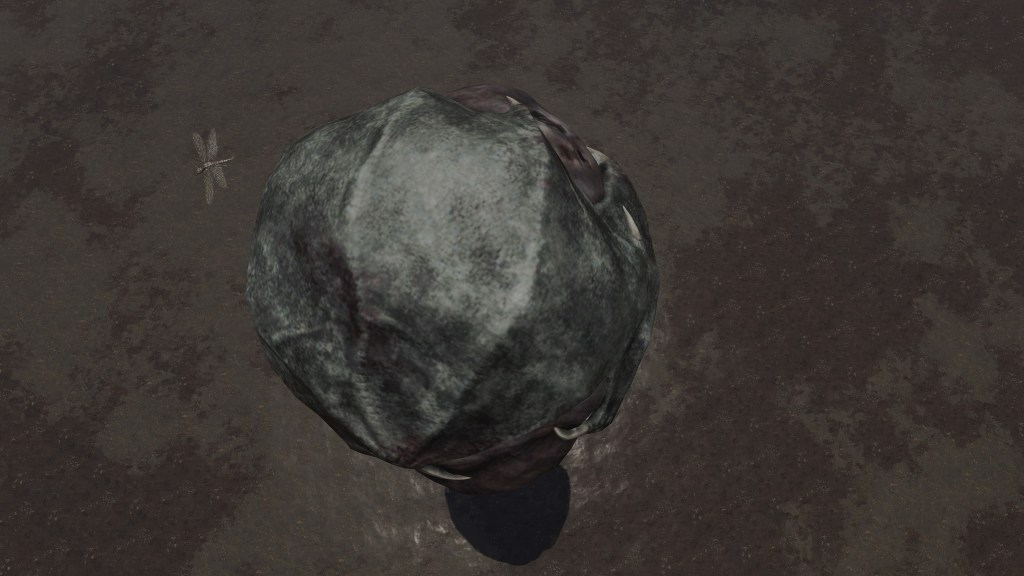
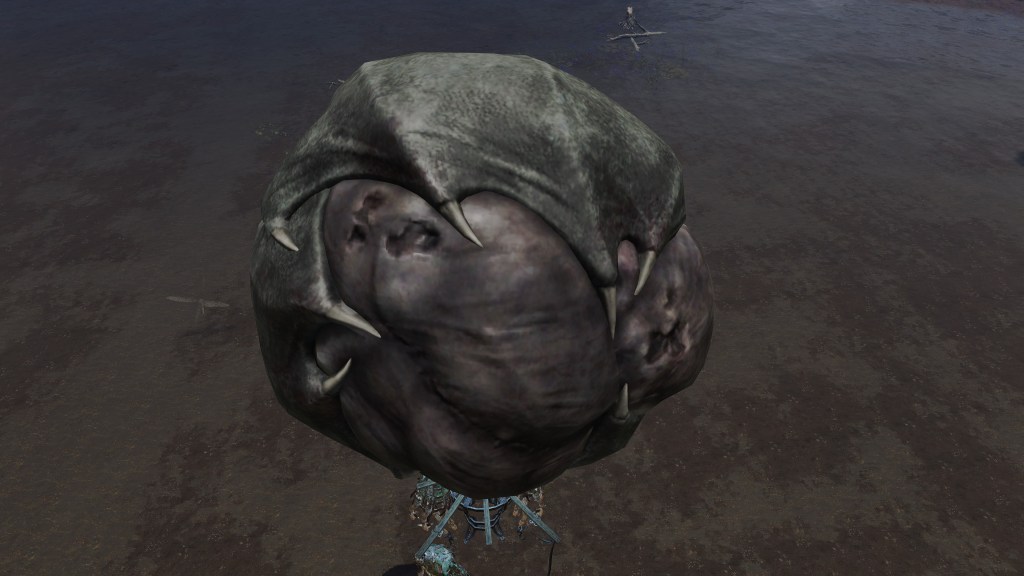
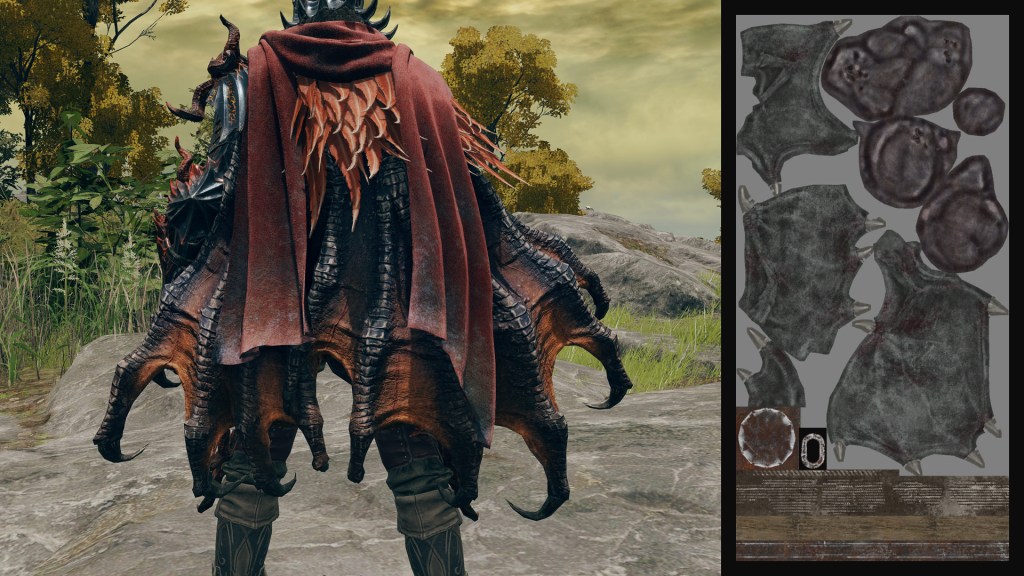
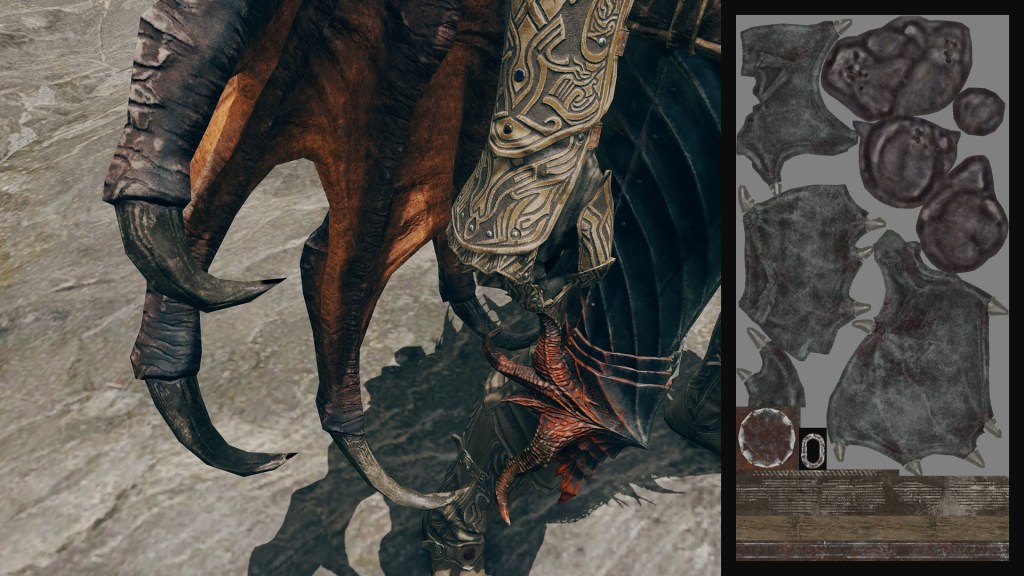
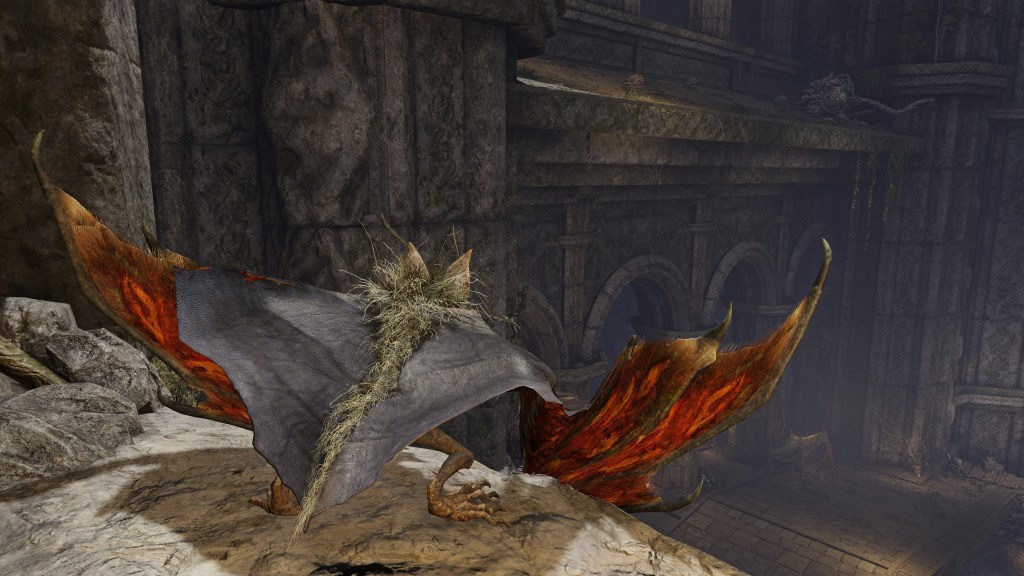
If these are all their balloons, then it might explain local dragons more recently devouring sorcerers. The balloon envelope sews together a bunch of dark grey wings, similar in color to the standard wyvern. These wings are smaller than those of the dragons we face, but also larger than any other creature with membrane wings, like the giant bats. And unlike said bat wings, these have thick bony talons at the tip of each finger. None of the typical wyverns possess this feature either, but we do see similar examples with Bayle and Drake Knight Armor. In all likelihood, the balloon was designed without referencing any specific enemy, in which case the concept is overall more evocative of the generic fantasy dragon. This would also be consistent with the Heretical Rise, the only other location to feature these balloons, over on the Mountaintops of the Giants where dragons like Borealis were being hunted down. It appears as if the academy has likewise been hunting lesser dragons for their war effort, a great many from the number of wings harvested. That would inevitably provoke a response.
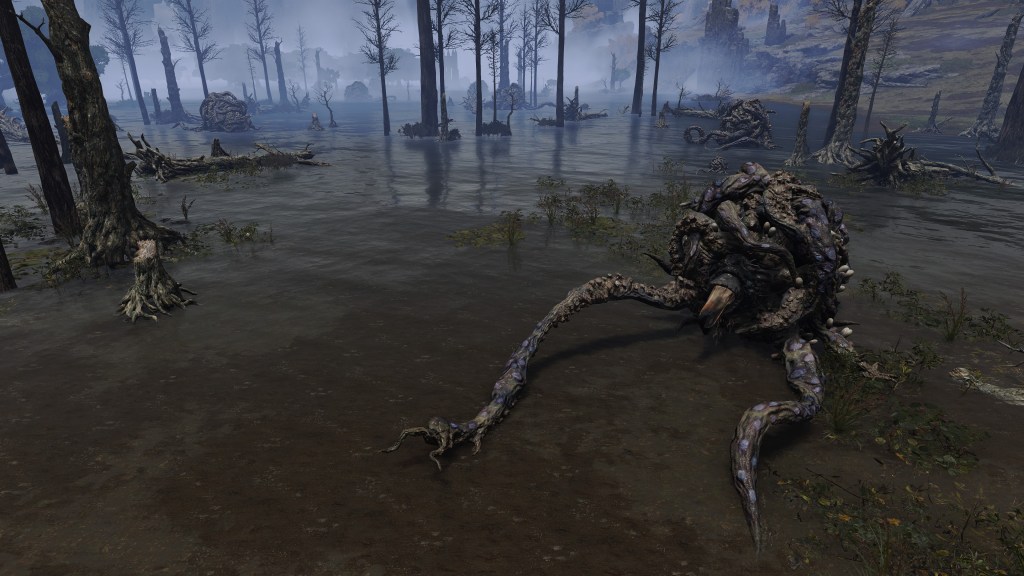
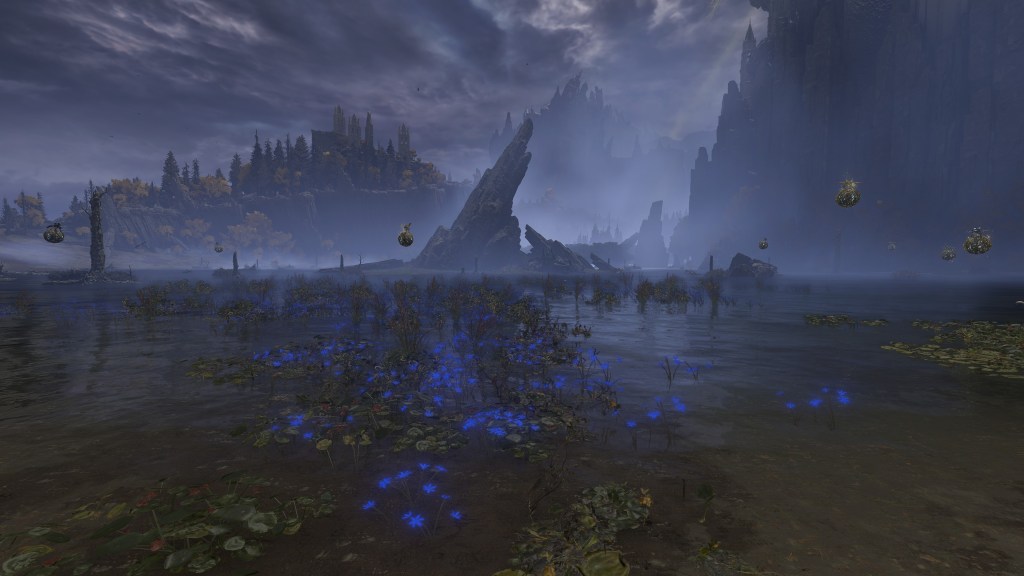
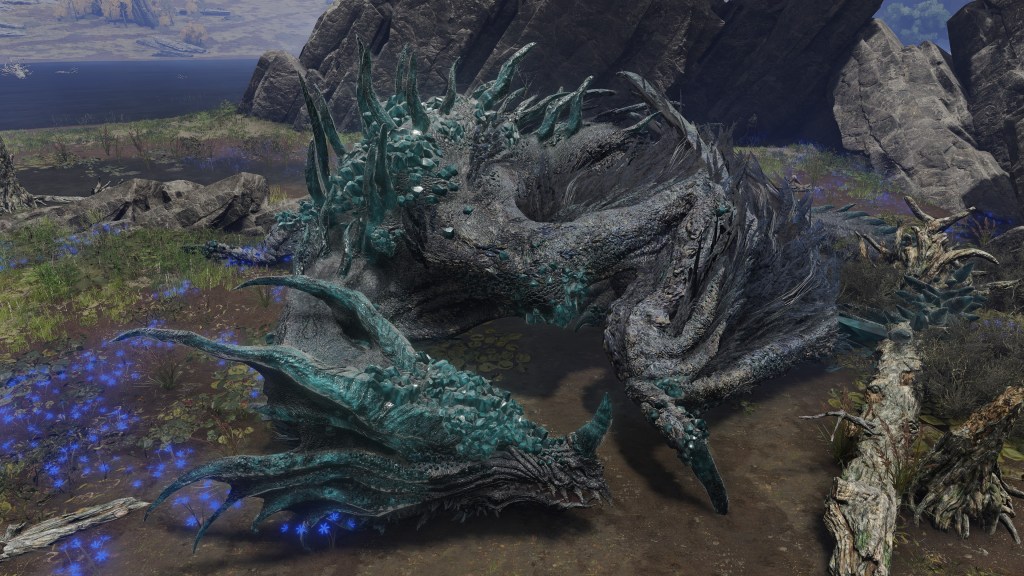
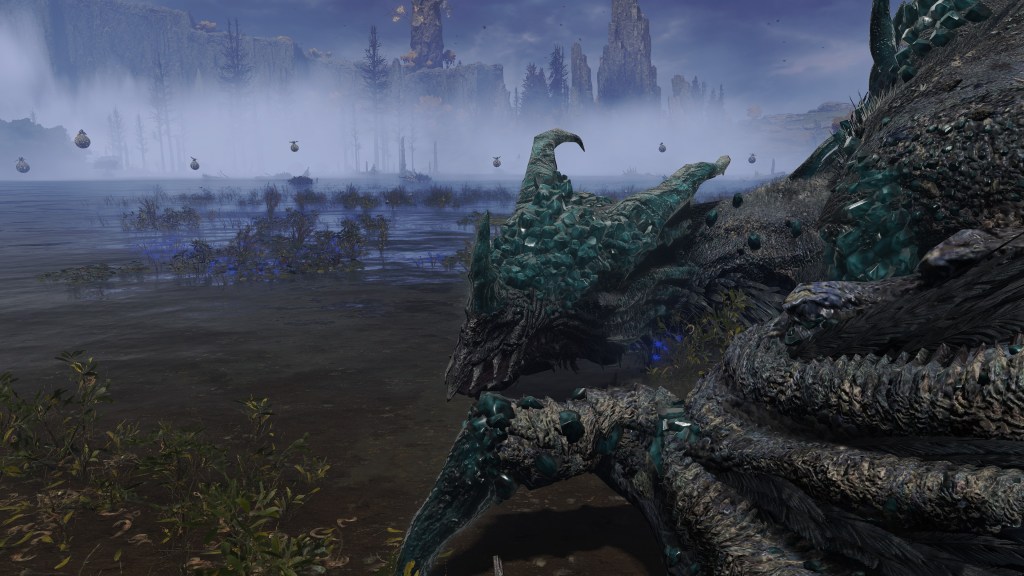
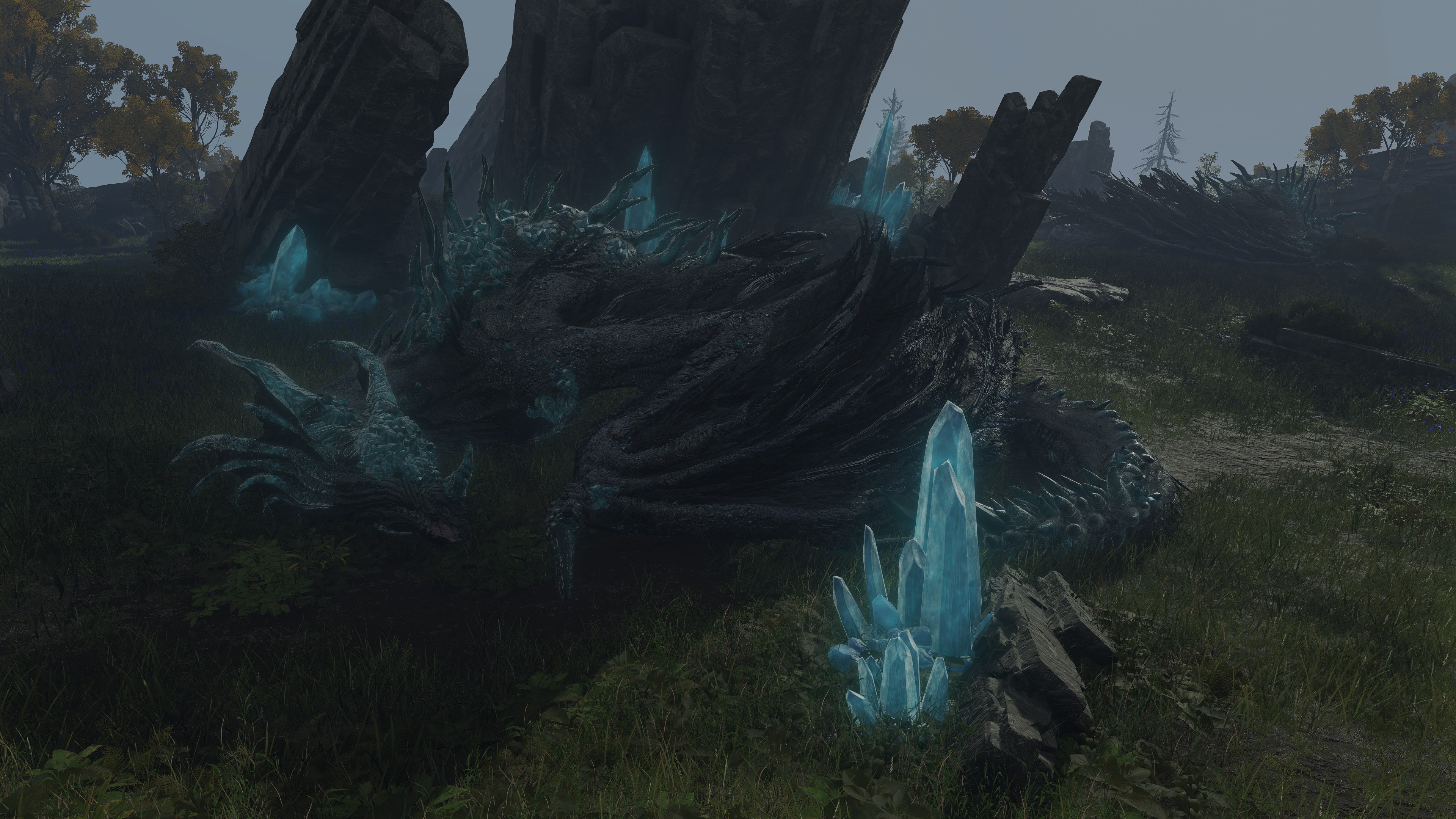
Smarag has taken the lead in retaliating. West of the Temple Quarter lies a forest of conifers. Unlike most other large trees in the lake, these look to be not just dead but burned, hence why they are still standing. The setup implies that, before the water washed in and drowned the land, someone set this small wood ablaze. Moreover, this incident looks to have killed a great many humans, attracting numerous land octopuses to lap up the bloodshed. Based on the location, it is possible that those who tried to escape the Albinaurics overrunning the Quarter were met with fiery death. And just a little further north, we see that Smarag has made the black-market trader’s island his roost, piling on bodies of would-be hunters — wise enough to bring dragonwound grease against a dragon, or foolish enough to throw hemorrhaging kukris at scale hide. Surrounded by glowing blue flowers and beetles rolling up grace, he rests on his “treasure” horde like Smaug, (スマウグ) the infamous dragon of The Hobbit who assuredly inspired his namesake. (スマラグ) It must thus be the sorcerer devourer plaguing this region.



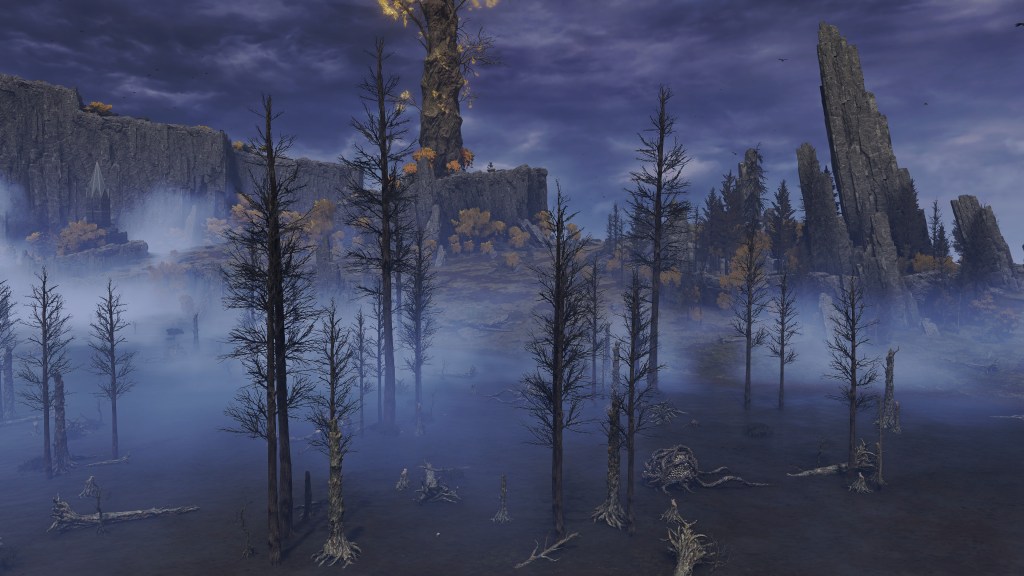
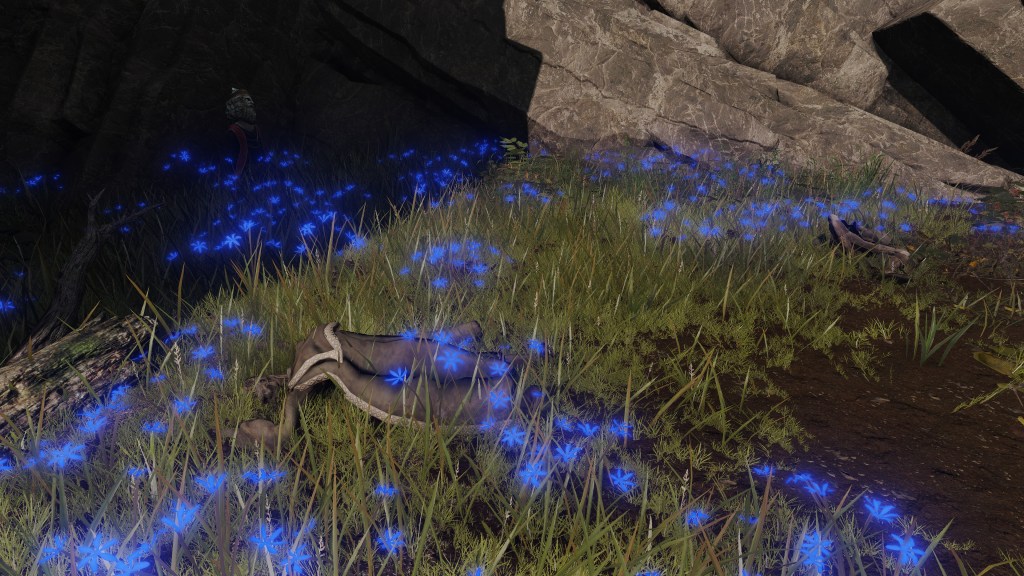
However, Smarag is alone in bringing the fight to the academics at the moment. Both the moon citizen and noble settlements have been reduced to rubble, the wraith callers since moving into the latter. This suggests sudden and awful deaths for the original residents, and the perpetrators are evident from the group of glintstone dragons loitering next to the ruin area. They were no doubt the sorcerers those dragons had been eating. Some were spared that fate, perhaps thanks to their invisibility spells. In the chaos, these surviving aristocrats seemingly fled their lunar estates for sanctuary amongst their menials, only to find them all already dead — now, those nobles lower themselves to hide in the common people’s derelict homes, setting up landmines in anticipation of another attack. Their presence has kept the bell ringers out, and the wyverns aren’t curious enough to check for stragglers. But without question, the glintstone dragons are responsible for destroying civilization on the Moonlight Altar.
Much of the ire therefore seems to not be directed at Raya Lucaria but rather the Carian hierarchy, which isn’t surprising if dragon wings are being harvested for war balloons. Part of the pact with Rennala was implicitly for the dragons’ continued protection. But the academy is no longer listening; dragon-kind is being butchered, and the Carian clan has done nothing to stop it. Those living on the Moonlight Altar have remained safe on their island high above the conflict, too cowardly to provide even token support to any of their allies. If Caria is too helpless or negligent to protect lesser dragons, then what reason do those beasts have to abide by their oath? The moon nobles may feel that this abrupt massacre came as a massive betrayal, but their devourers would argue that they betrayed their oath-bound friends first. Smarag continues to insert himself in this civil war, but most want nothing more to do with humans, preferring peace and quiet cultivating crystal patches on their mountain.

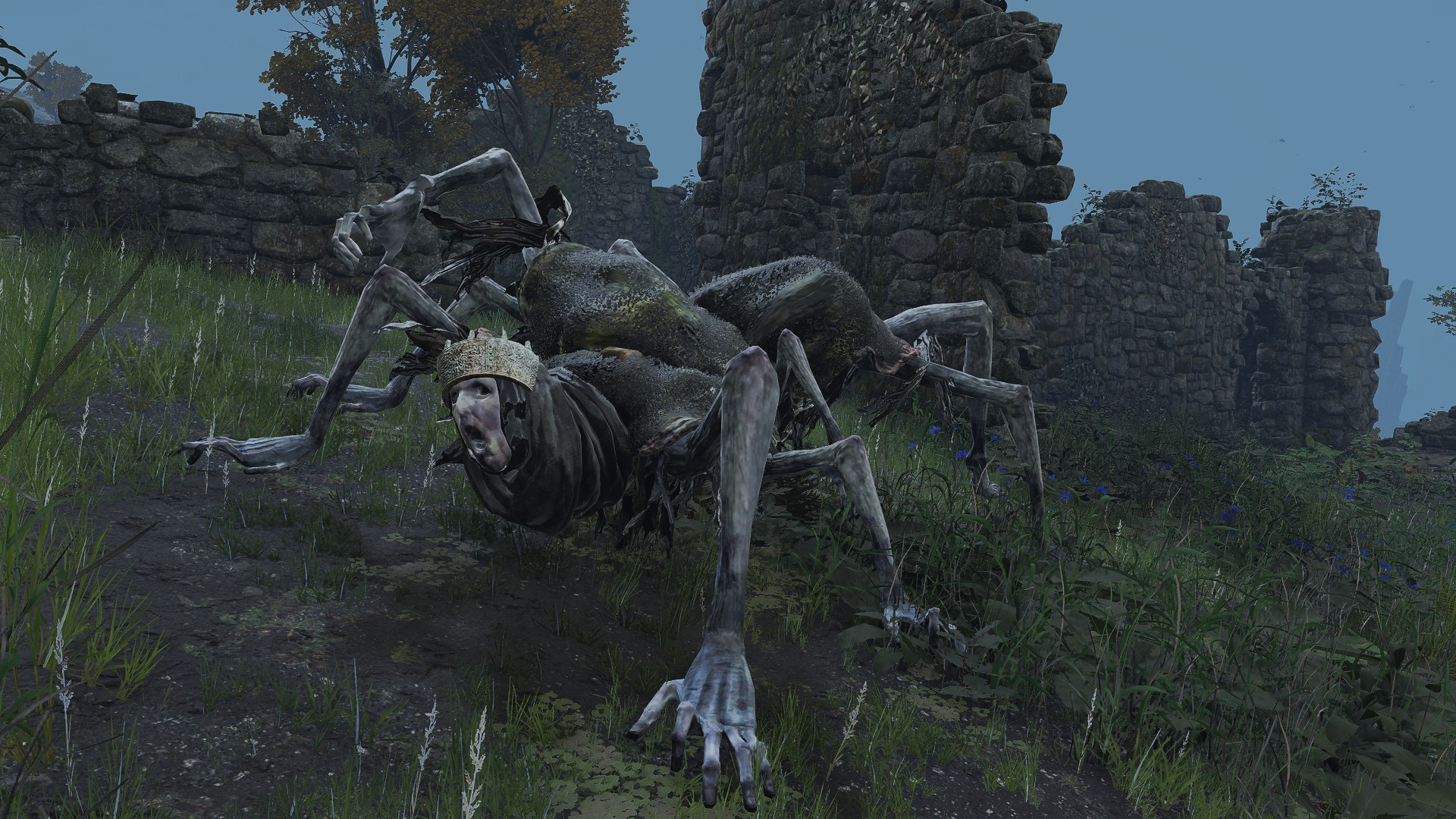

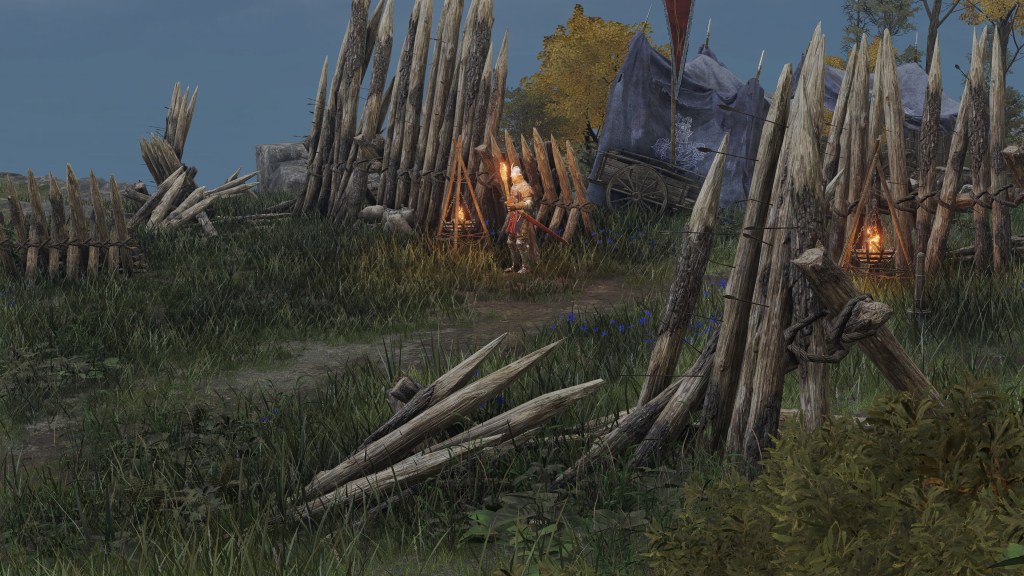
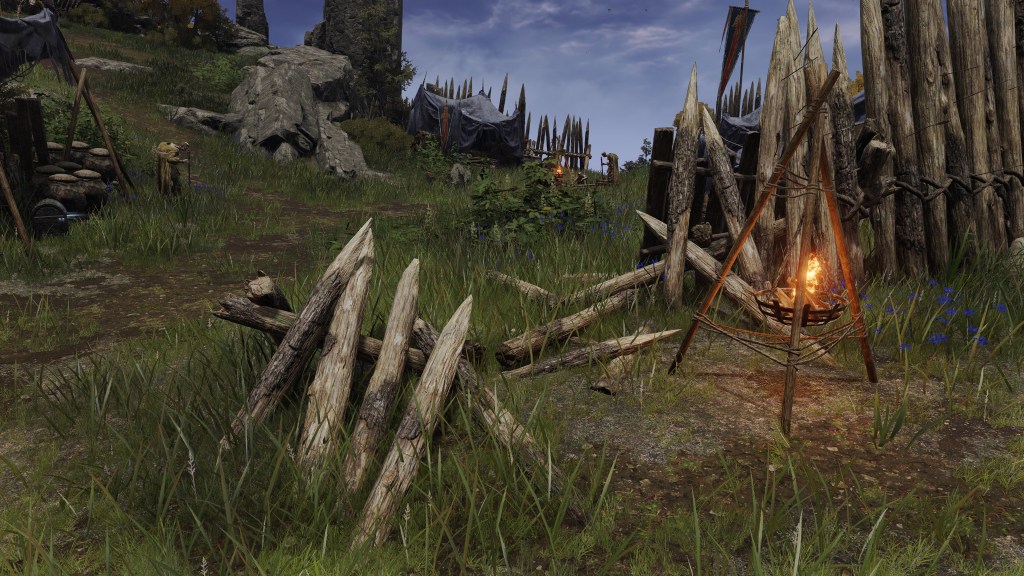
Suffice to say, the academy has done its part for the war effort. As for the actual army, the Cuckoos’ encampment between the Albinauric Village and Caria Manor stands strong. Despite sustaining damage from both sides, nobles feel safe to bring their dogs to this warzone, foot soldiers escorting a few of these aristocrats as they raid a passing cart nearby. Admittedly, maintaining one position is arguably the bare minimum, and the Cuckoos prove how easily circumstances can flip. Over on the east end, foot soldiers instead raid a noble’s camp and seize his dogs, one of them saddled with taking the two pedigrees for a walk. We can also see a group of nobles stare at Liurnia’s Divine Tower en route. Maybe they somehow got word of where to find Ranni’s body. Either way, attempts to claim the Carian Study Hall for Raya Lucaria have ended in failure. Miriam commands a myriad of nobles and Cuckoo soldiers as puppets. Even isolated from the royalty, the preceptor continues to do her job as the hall’s custodian, leaving the academy with another losing front. They are trying, but not always succeeding.


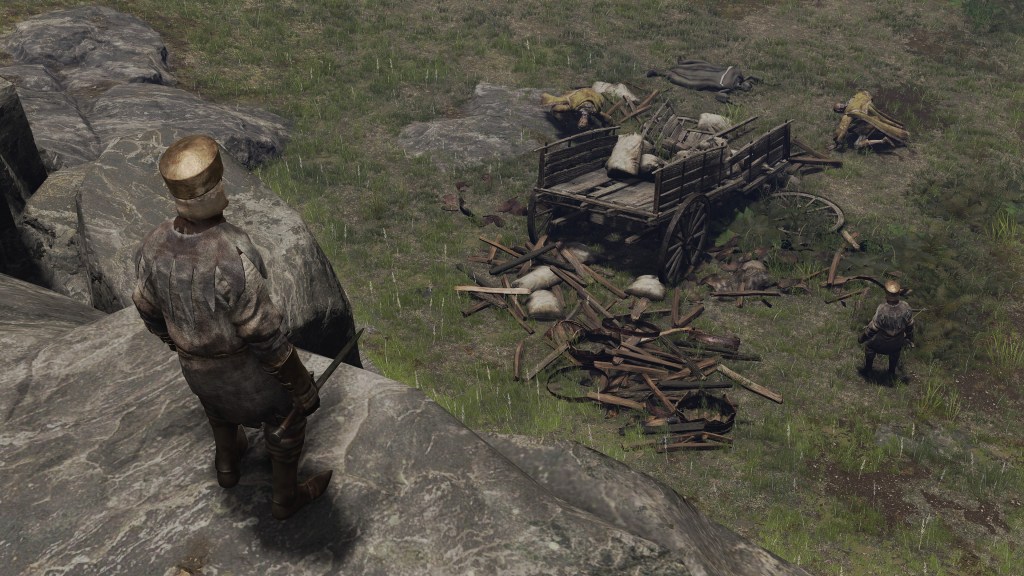
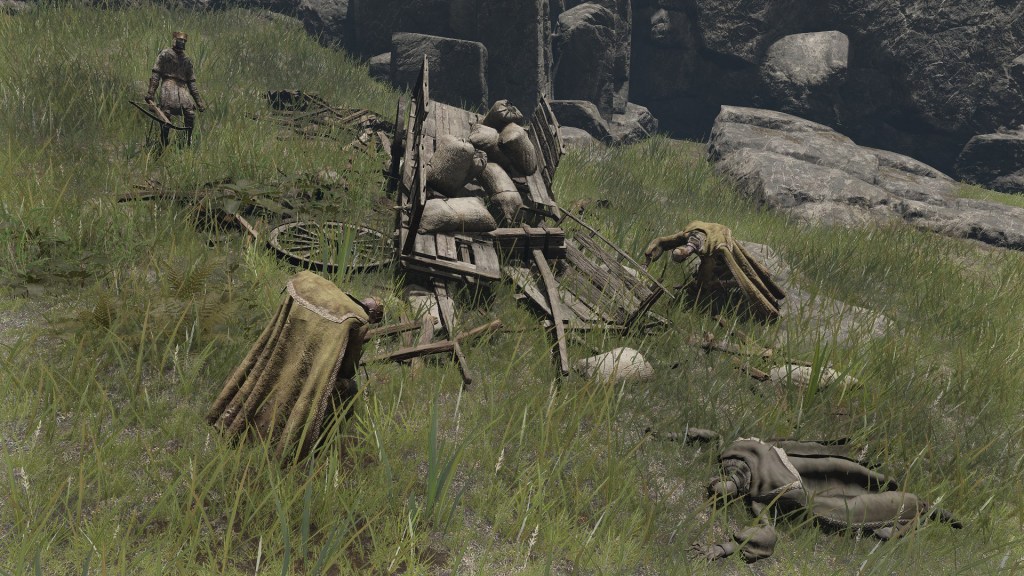
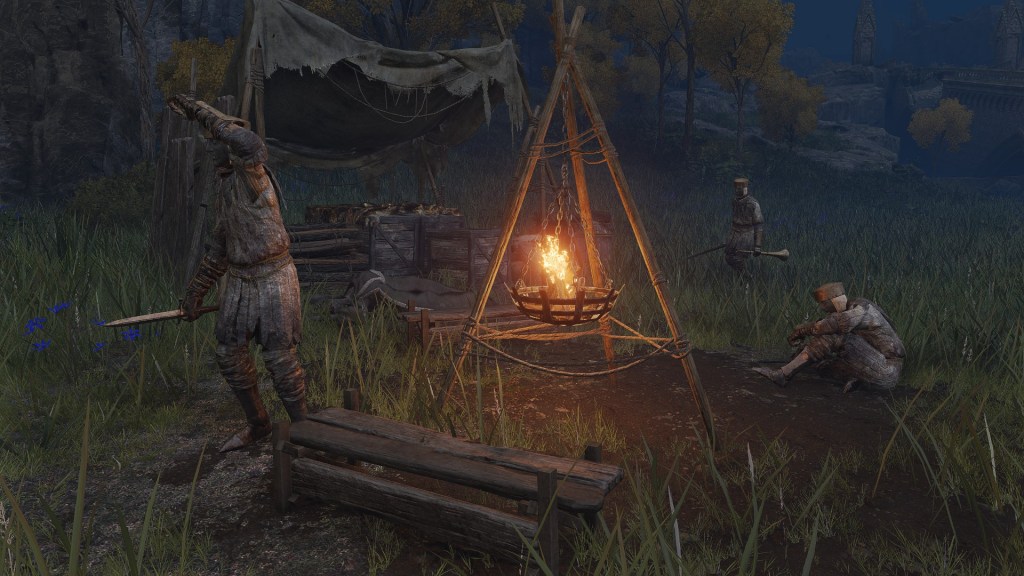
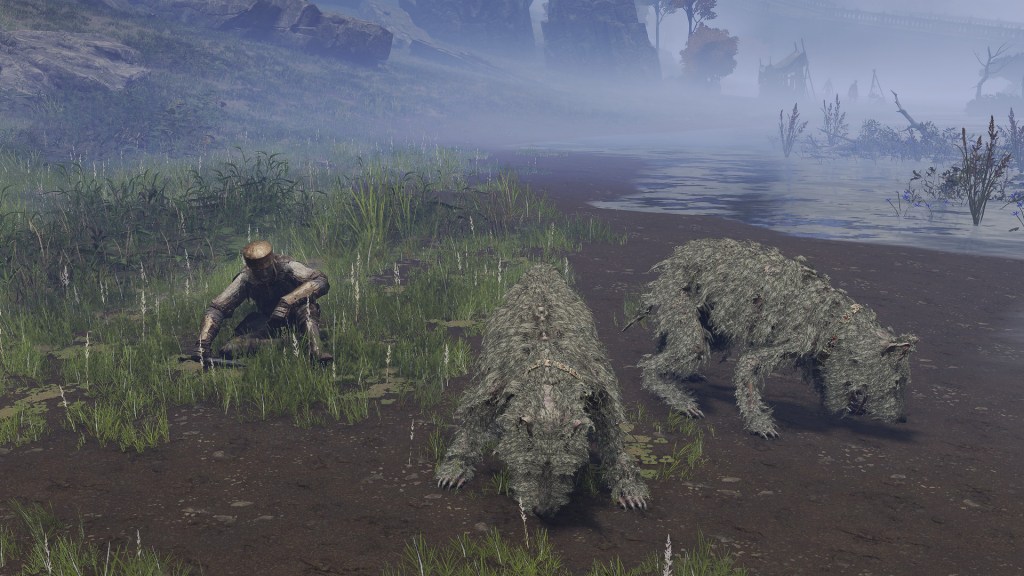
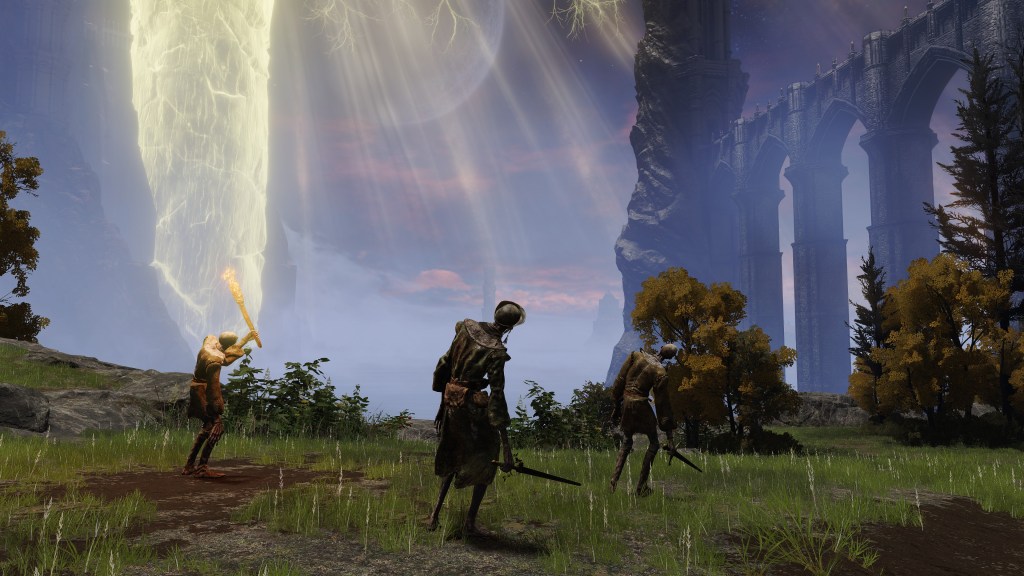
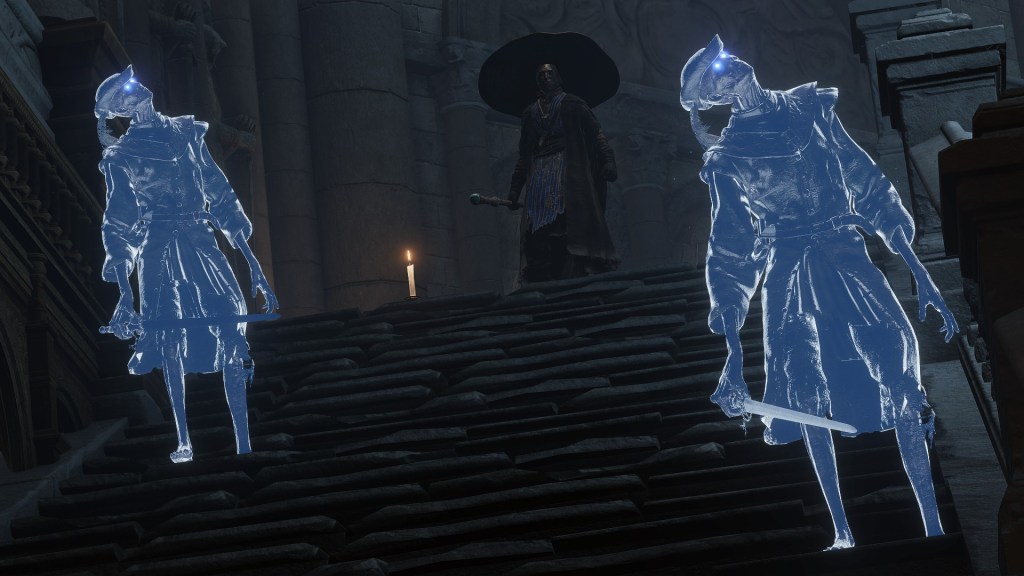
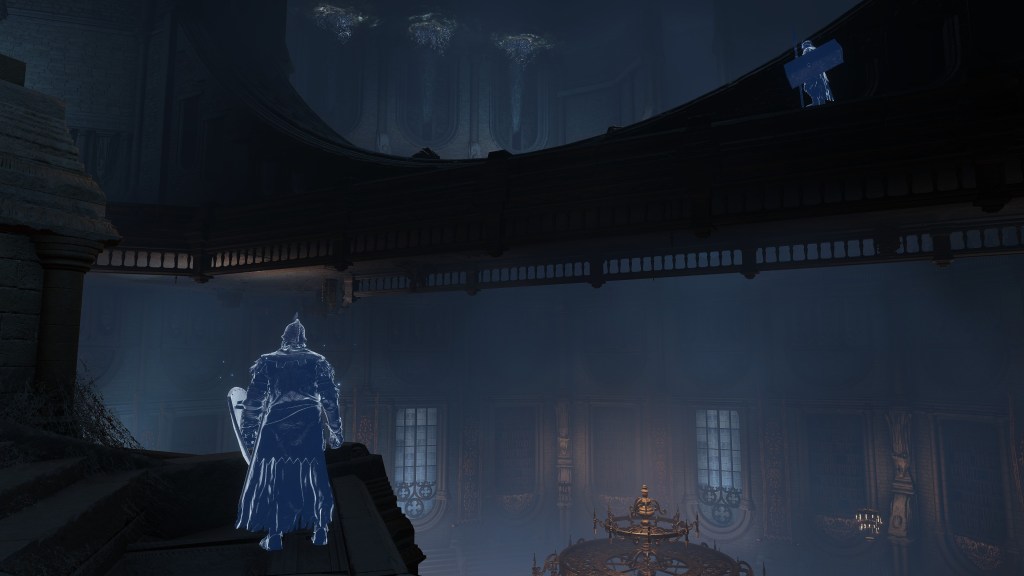
Part of the rebellion’s struggles come from self-sabotage. We find Cuckoos at war with an army of puppets beneath the Highway Lookout Tower, a noble’s spirit revealing how they were ambushed. Heading up to the tower, the army obviously made camp to secure the choke point. But all the Cuckoos in camp are dead, more puppets taking their place. And quietly watching the mayhem from atop the lookout is a Twinsage sorcerer. Apparently, someone from the academy joined this detachment. The puppets do consist of nobles and a troll knight, the former easy to procure at Raya Lucaria and the latter feasible to capture like Bols. The only question is why the sudden mutiny. But the fact that the sorcerer owns puppets insinuates a history with Caria Manor, and behind him lies a corpse holding a Carian Glintblade Staff — in other words, a manor associate. Perhaps this individual was a dear friend, killed when the Cuckoos moved in and discovered the enemy’s hideaway in the ruin. If so, that inadvertently created a turncoat in their ranks, ready to spring the trap once everything looked safe.
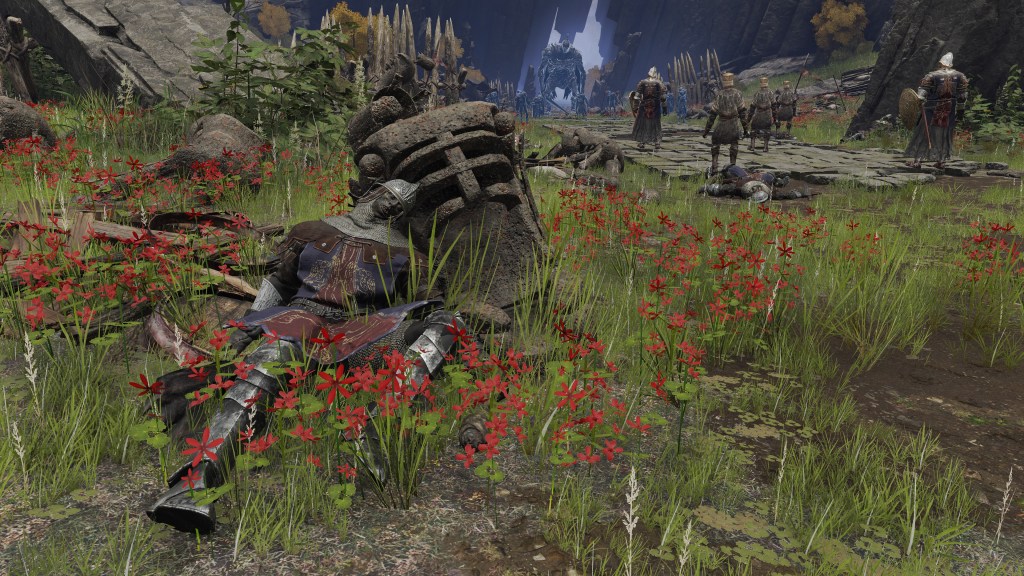
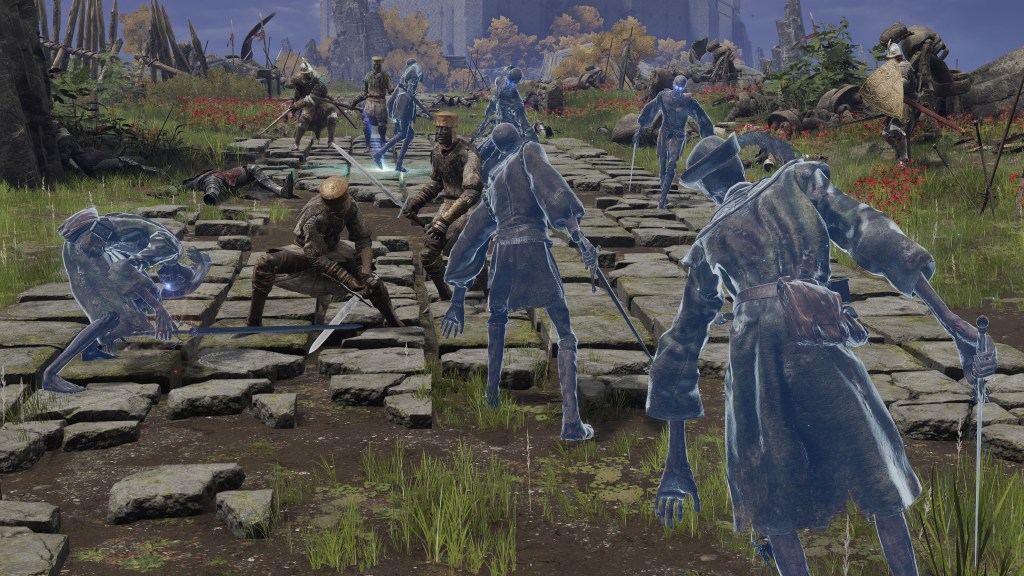
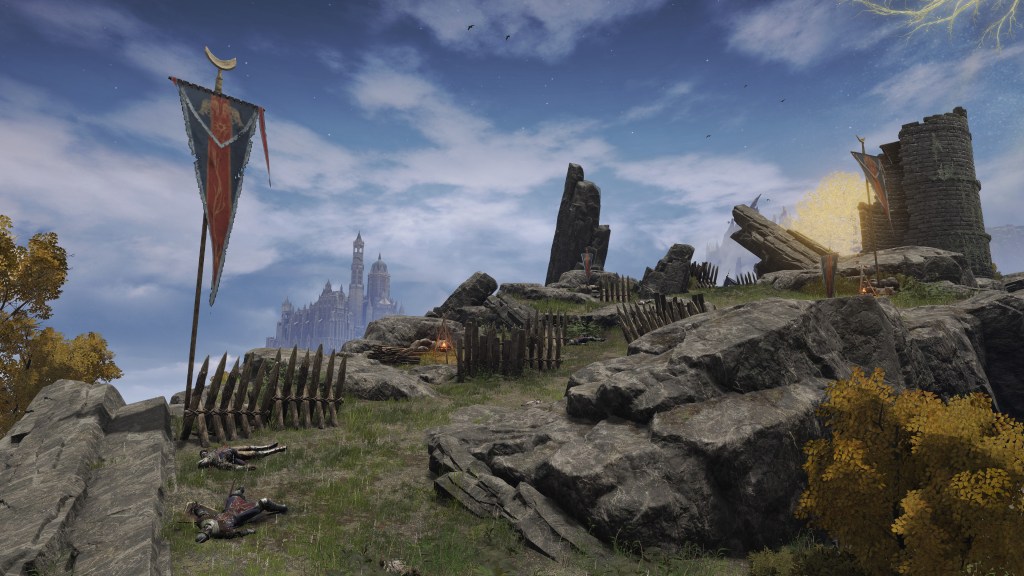
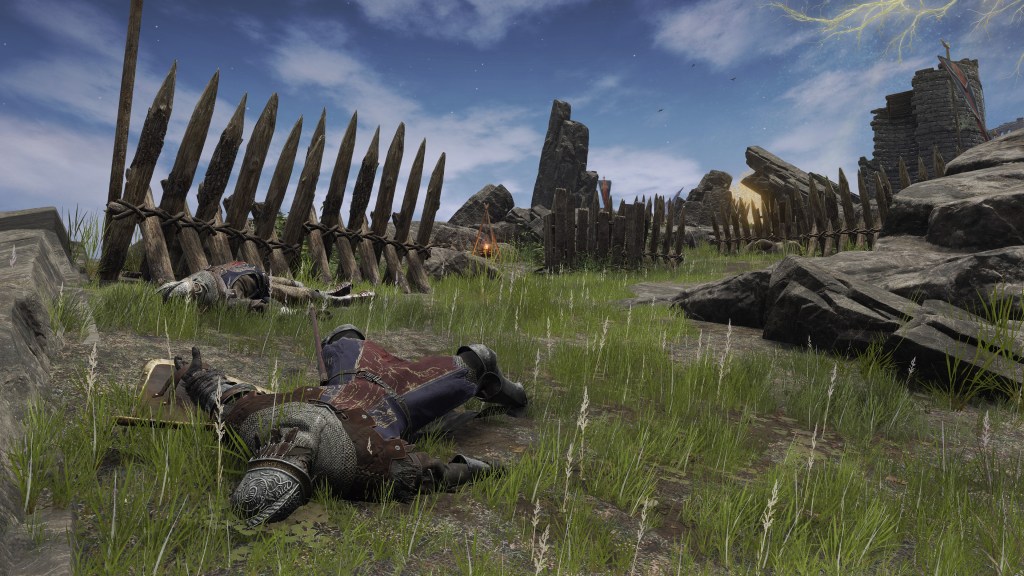
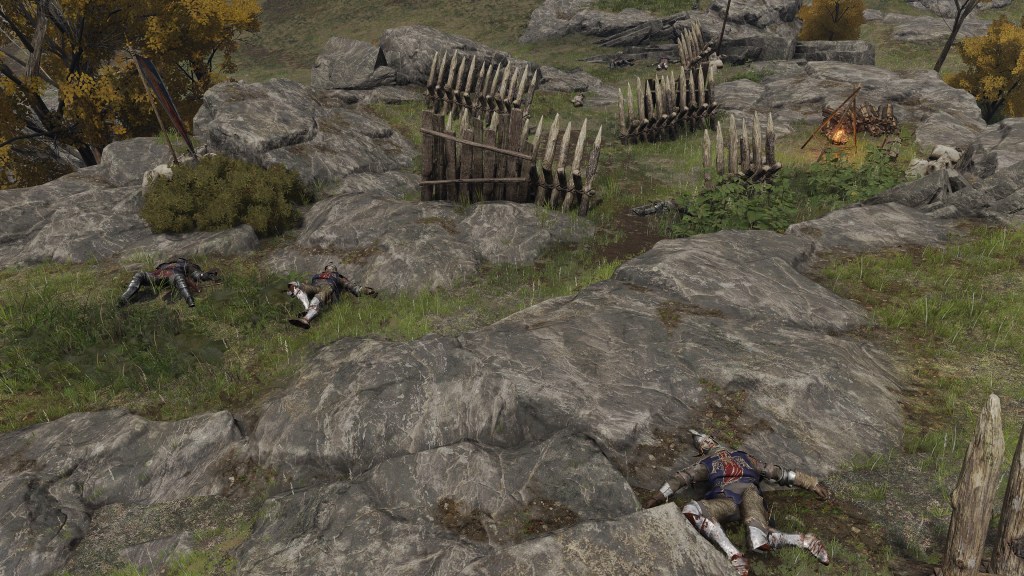
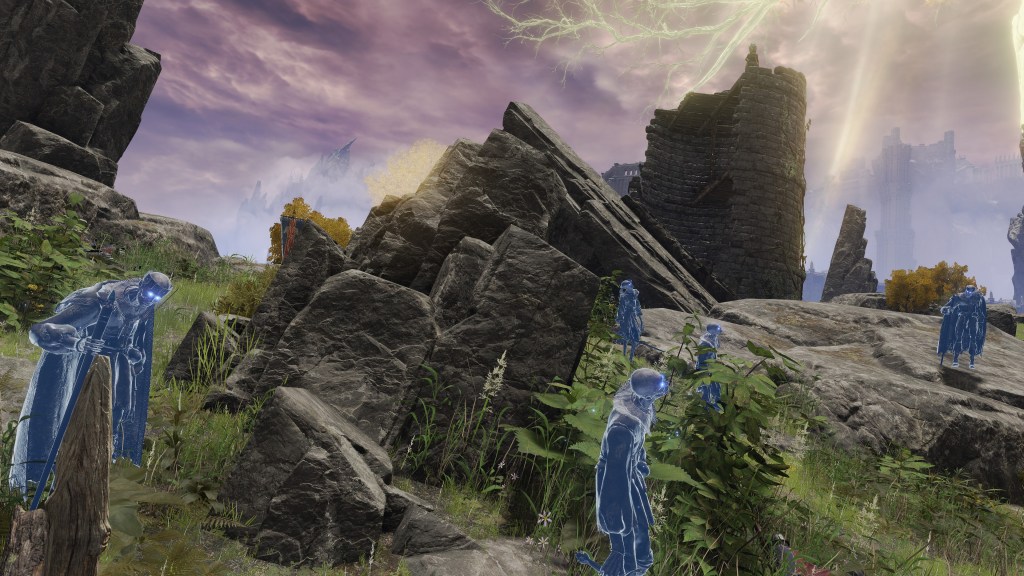
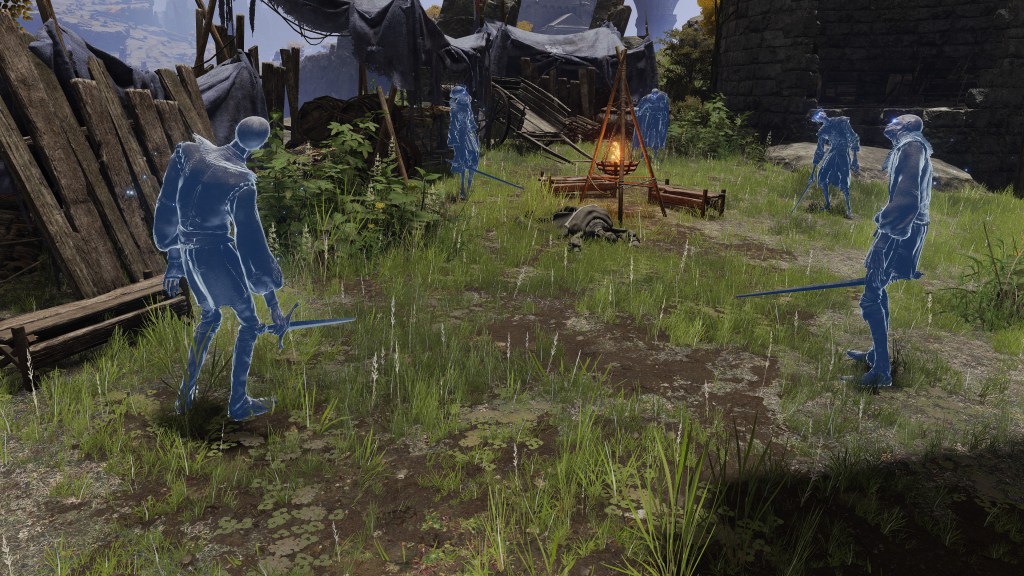
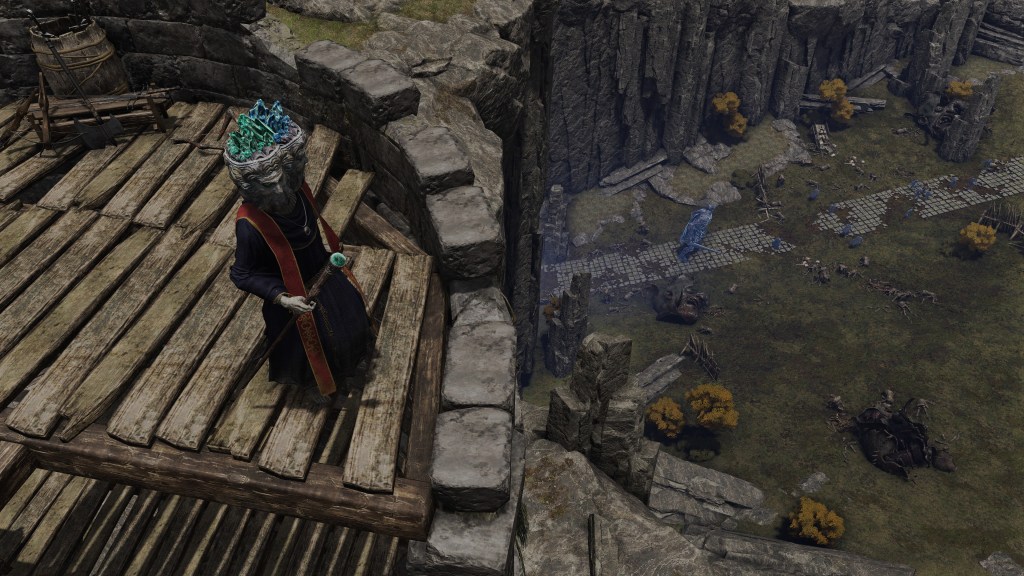

… Ahh, the puppets… The puppets have come to attack us…
But while incidents like this doesn’t help Raya Lucaria with the war effort, the underlying problem is the Cuckoos’ incompetence. Even allowing the flooding has worked more to the enemy’s advantage. A collection of Scenic Isles resulting from the lake, between the Albinauric Village and Laskyar, are a natural draw for anyone hoping to a establish a foothold in the area. But becoming kings of the hills brought only more death. In one case, it is to the Albinaurics. In most others, it is to the resident demi-human tribe competing for space or land octopuses looking for fresh blood. There is a reason that every one of these islands is lined with bloodroses. The one exception is, suitably, the isles where a land octopus roves already with a brood. Clearly, if the Cuckoos had plans to launch another assault on the silver village, this time from the east, it would face another layer of resistance. What strategy do they have which isn’t hampered by their gross mismanagement of the war?
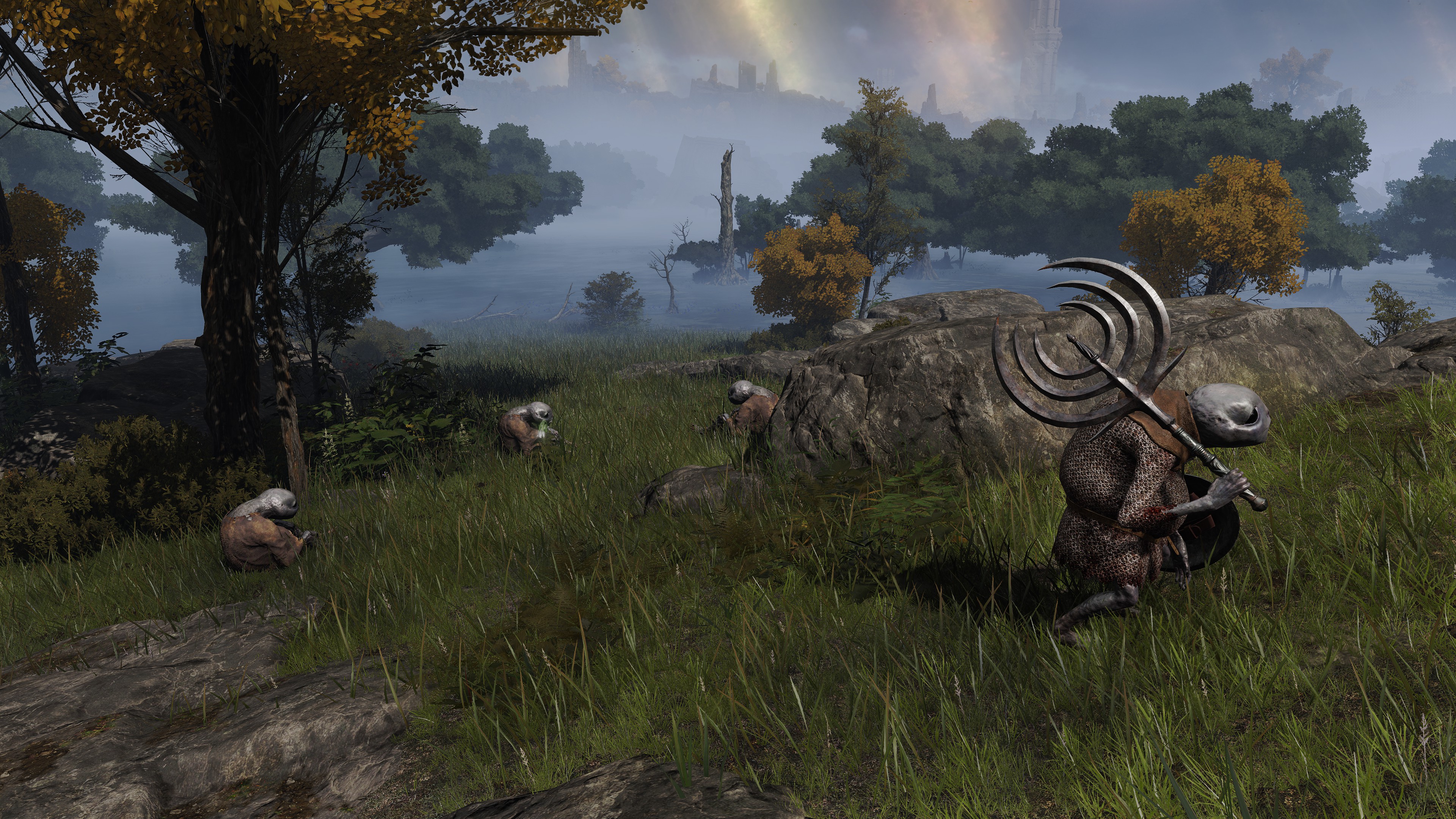
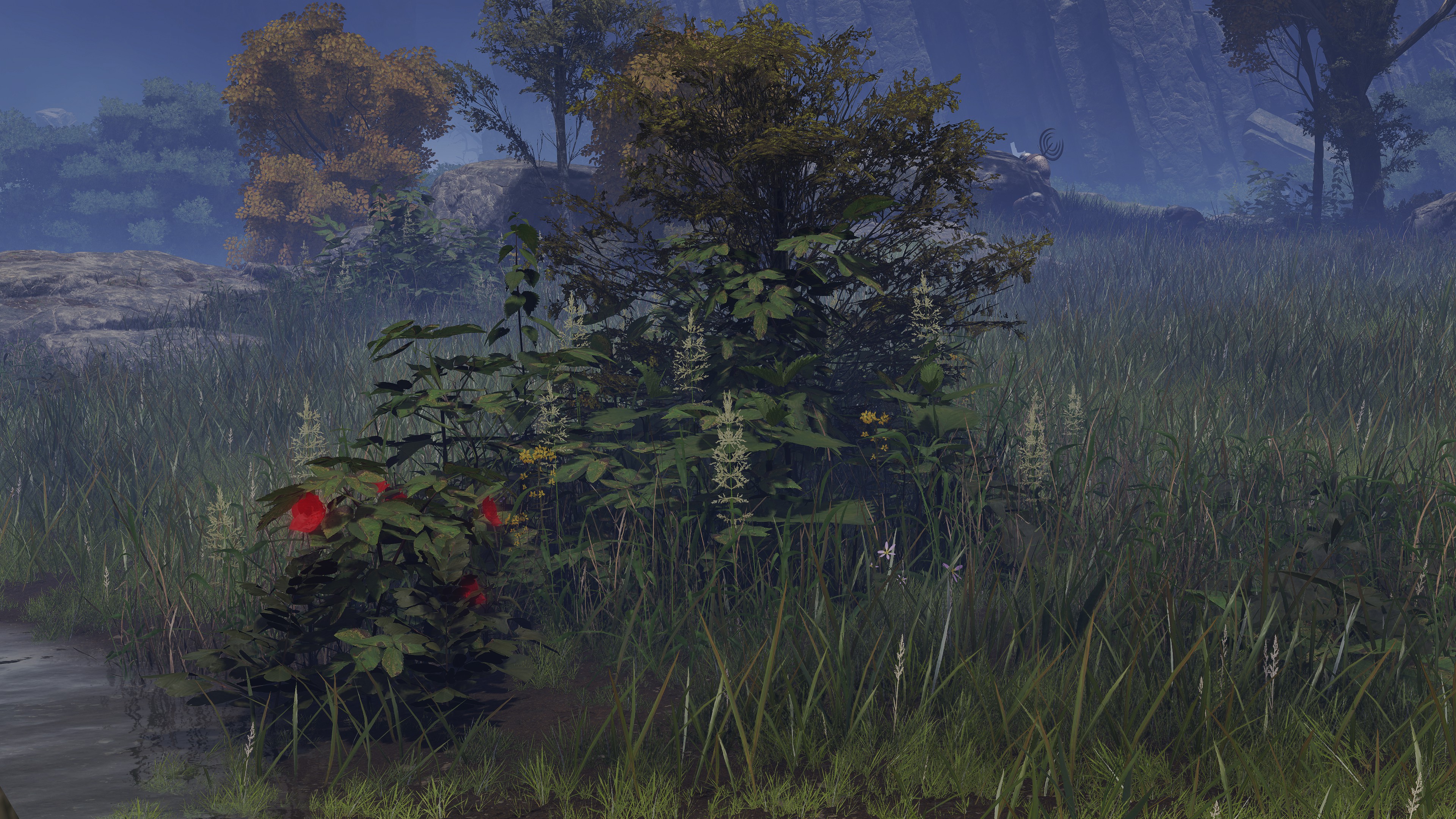
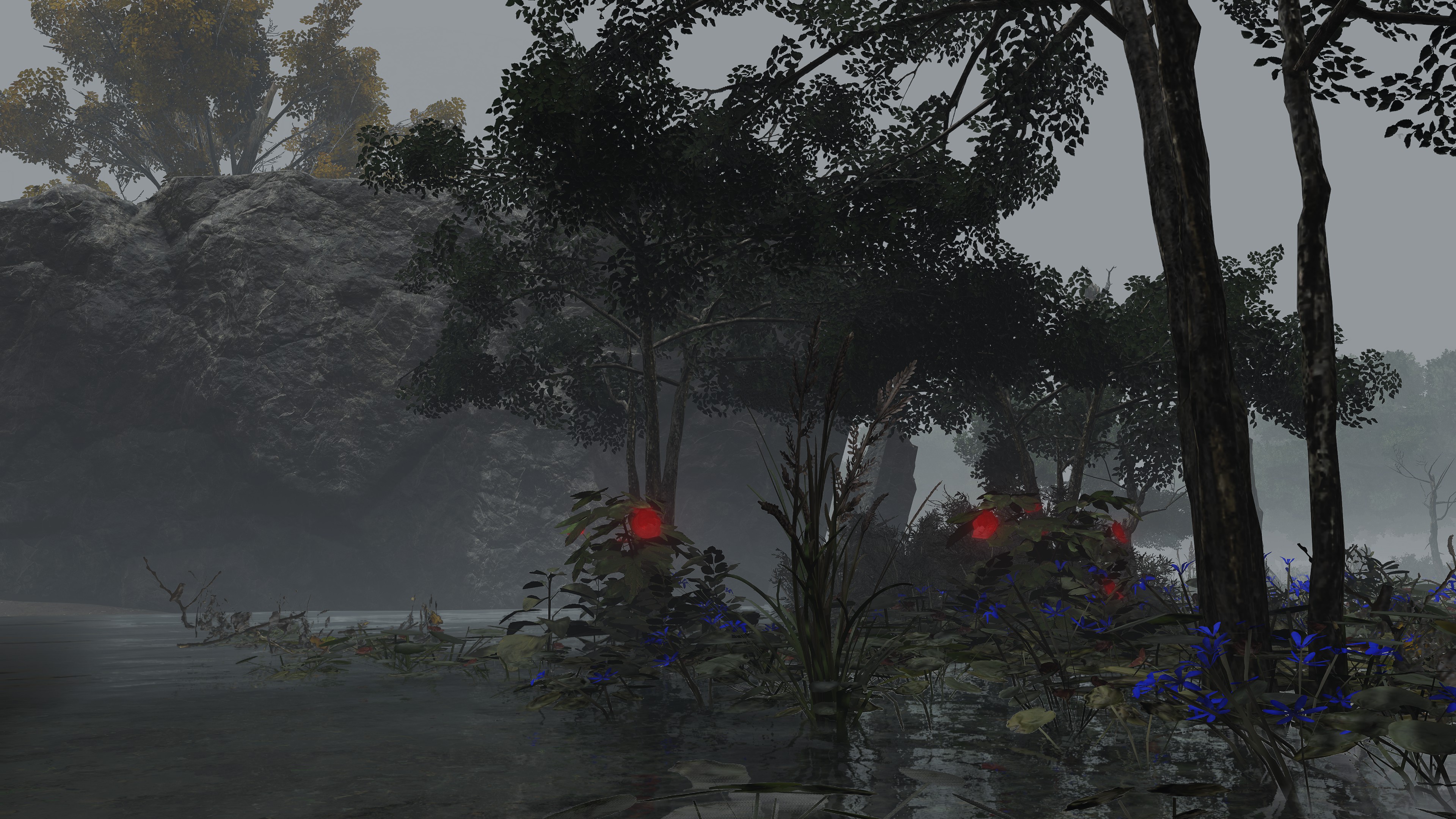
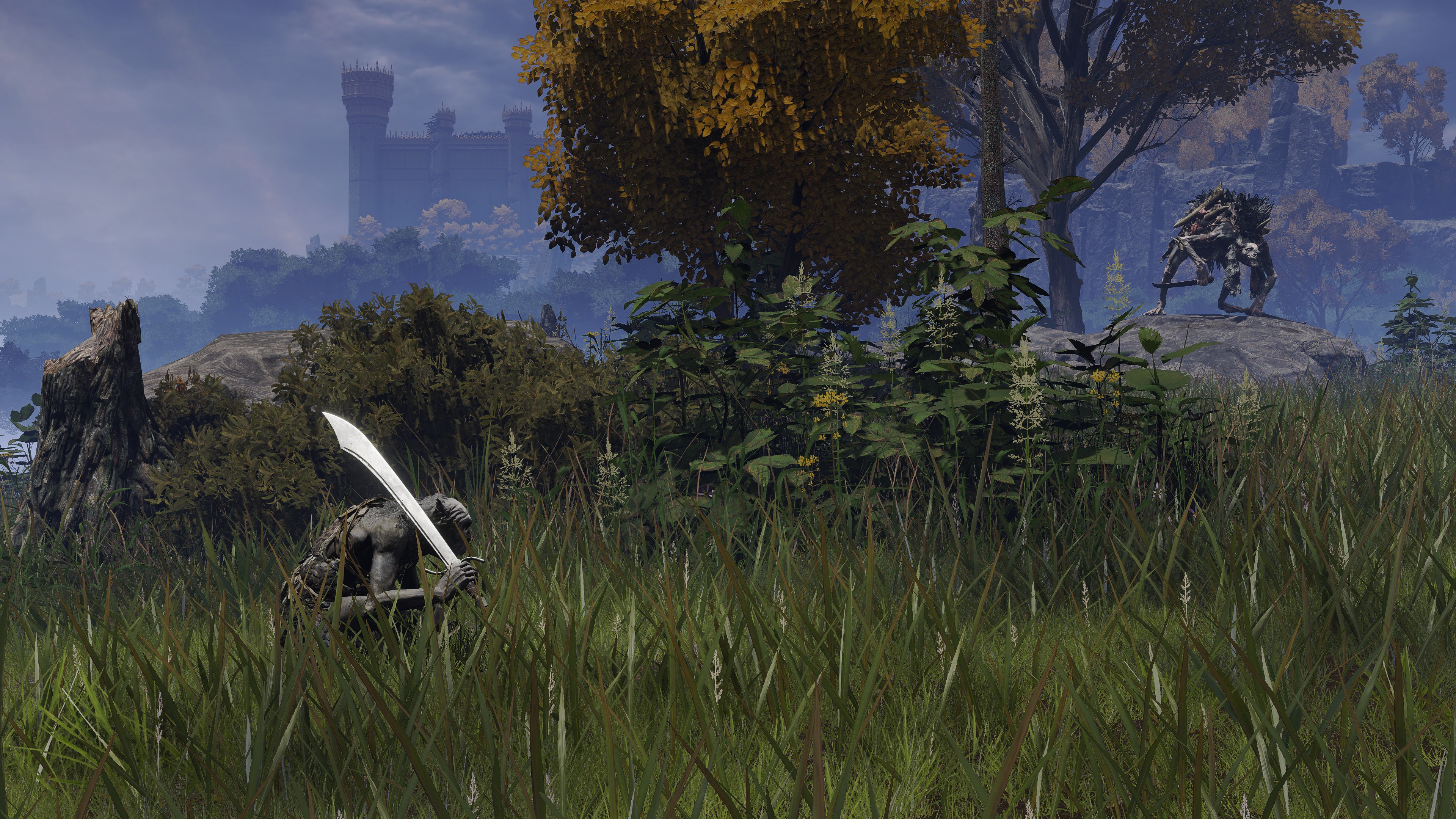

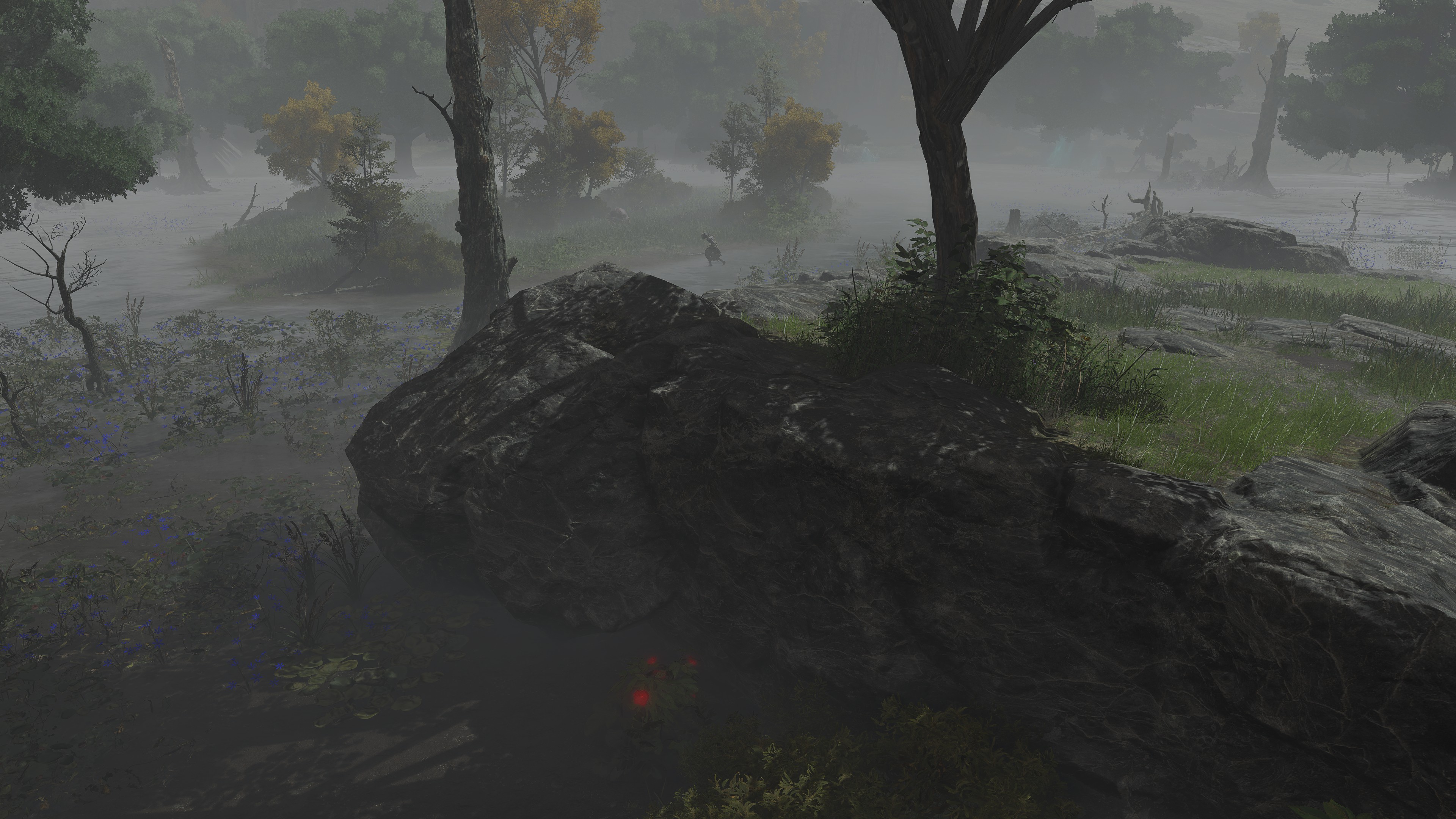
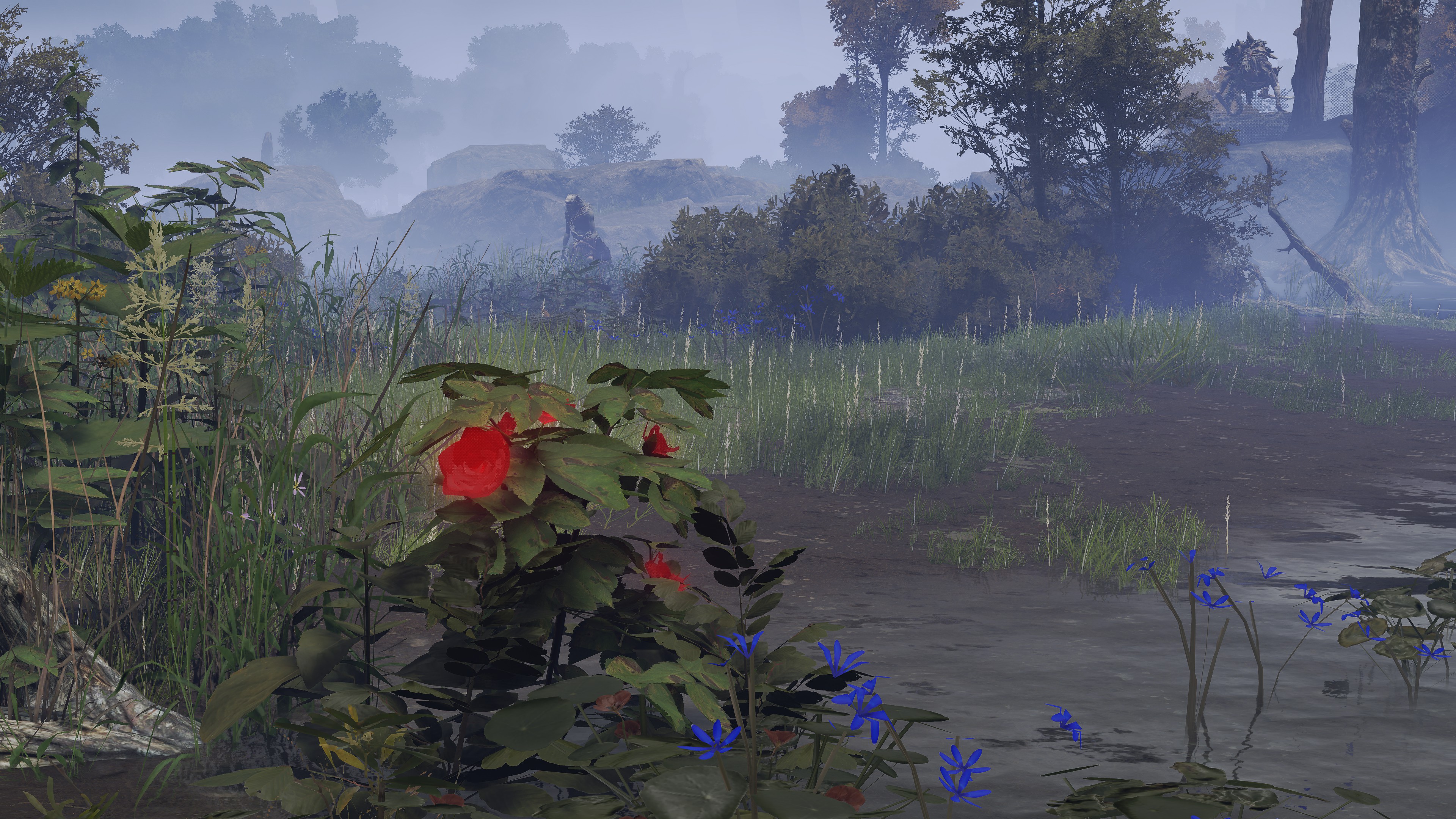
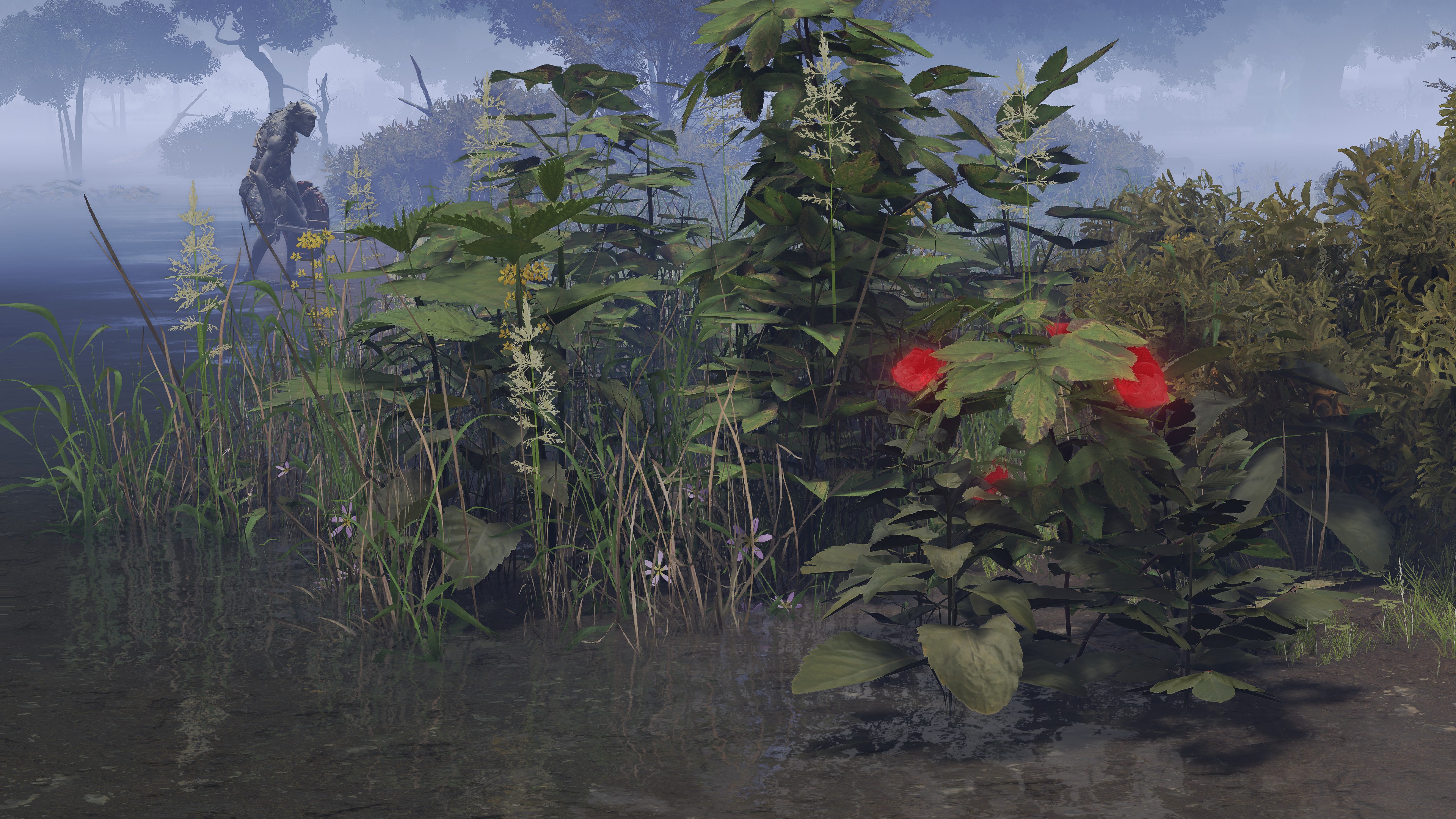
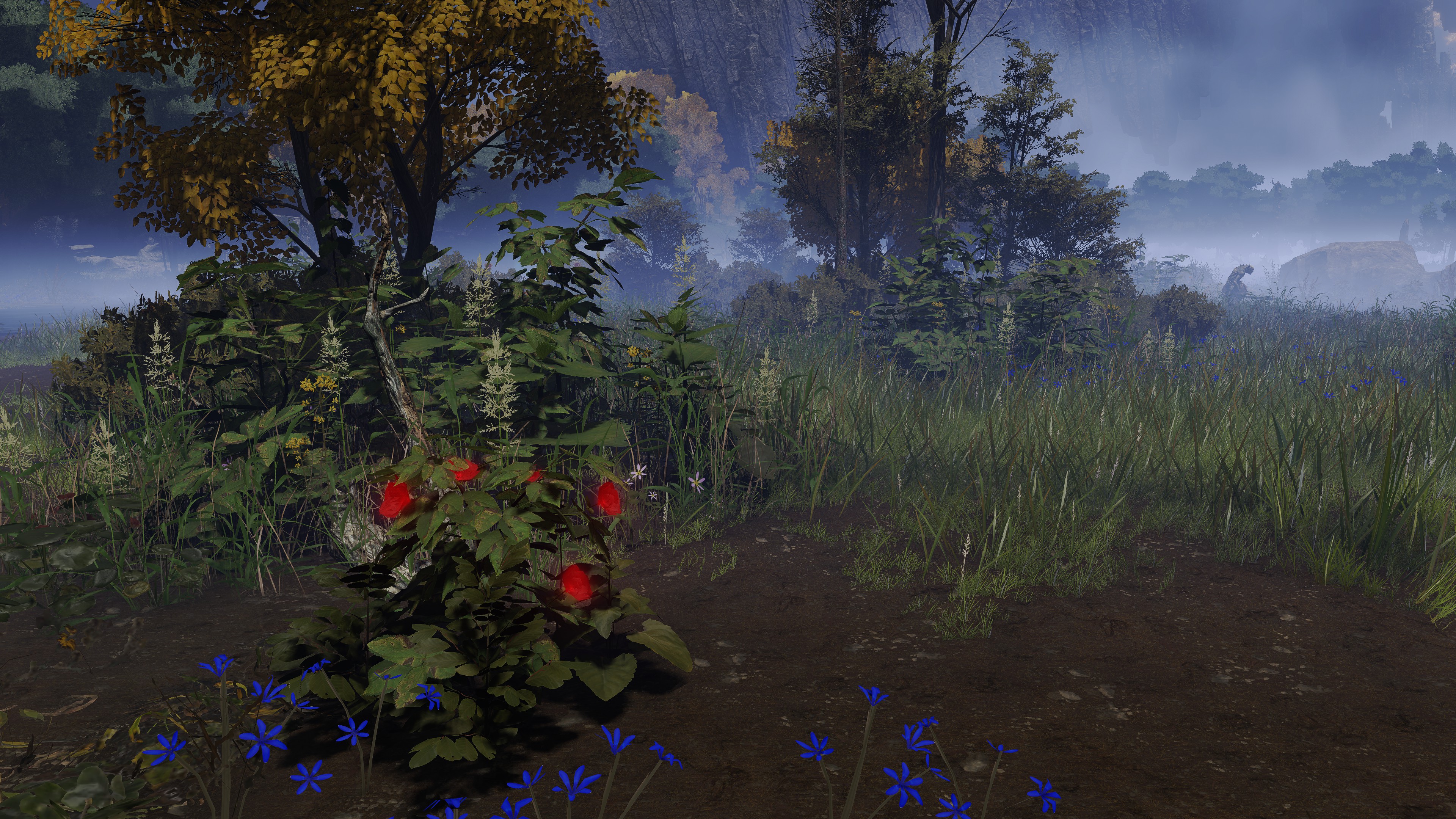
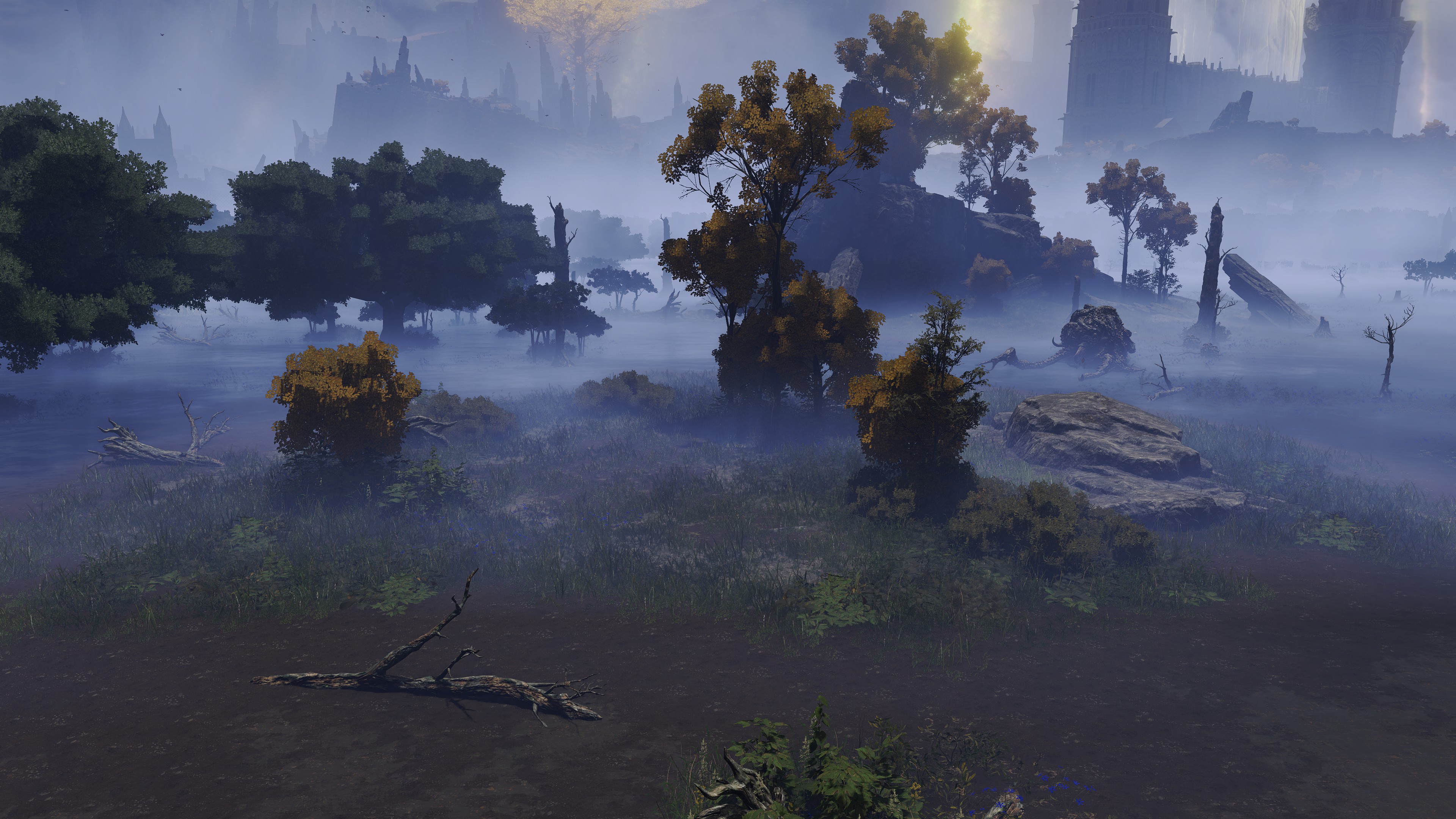

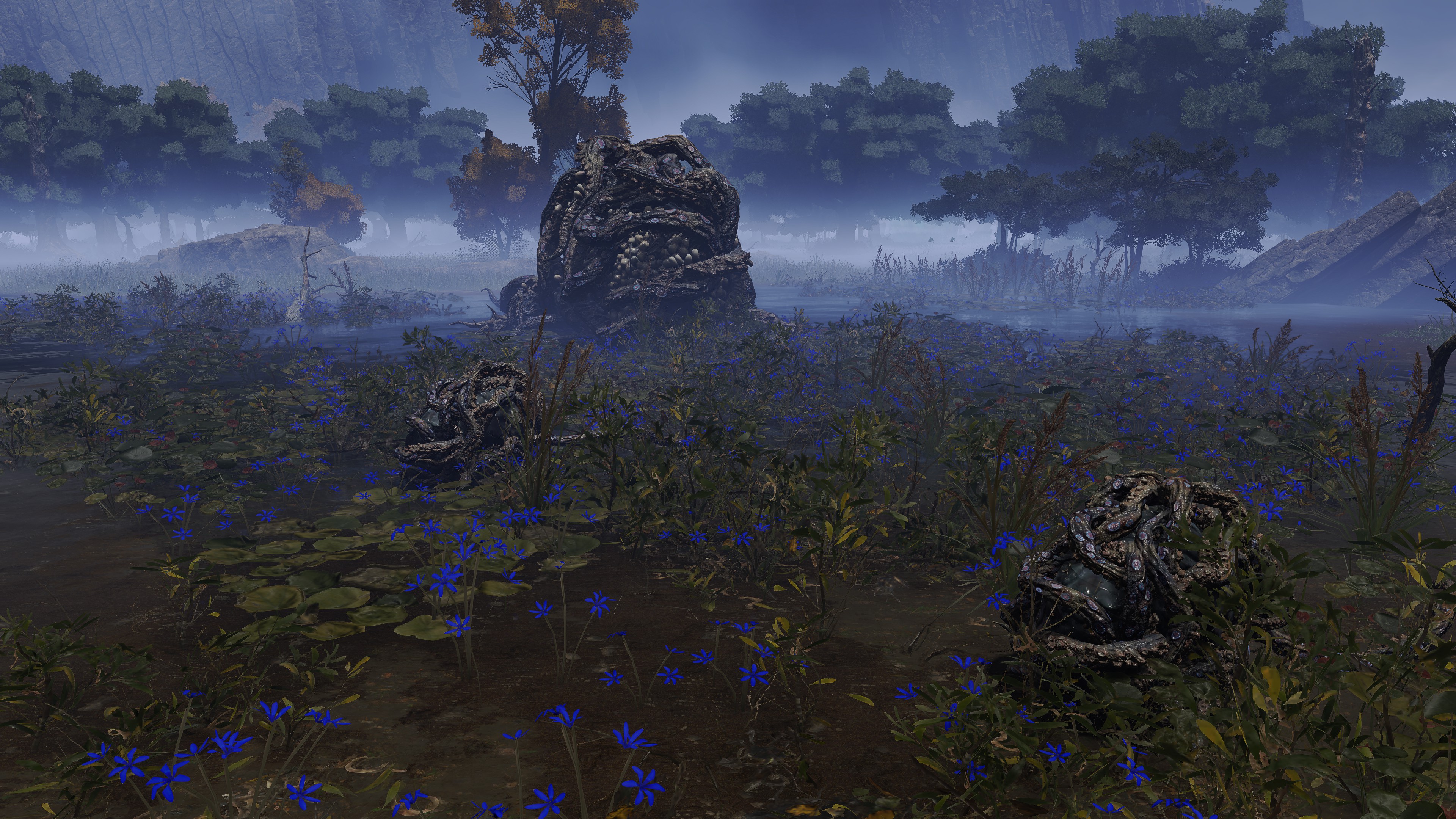
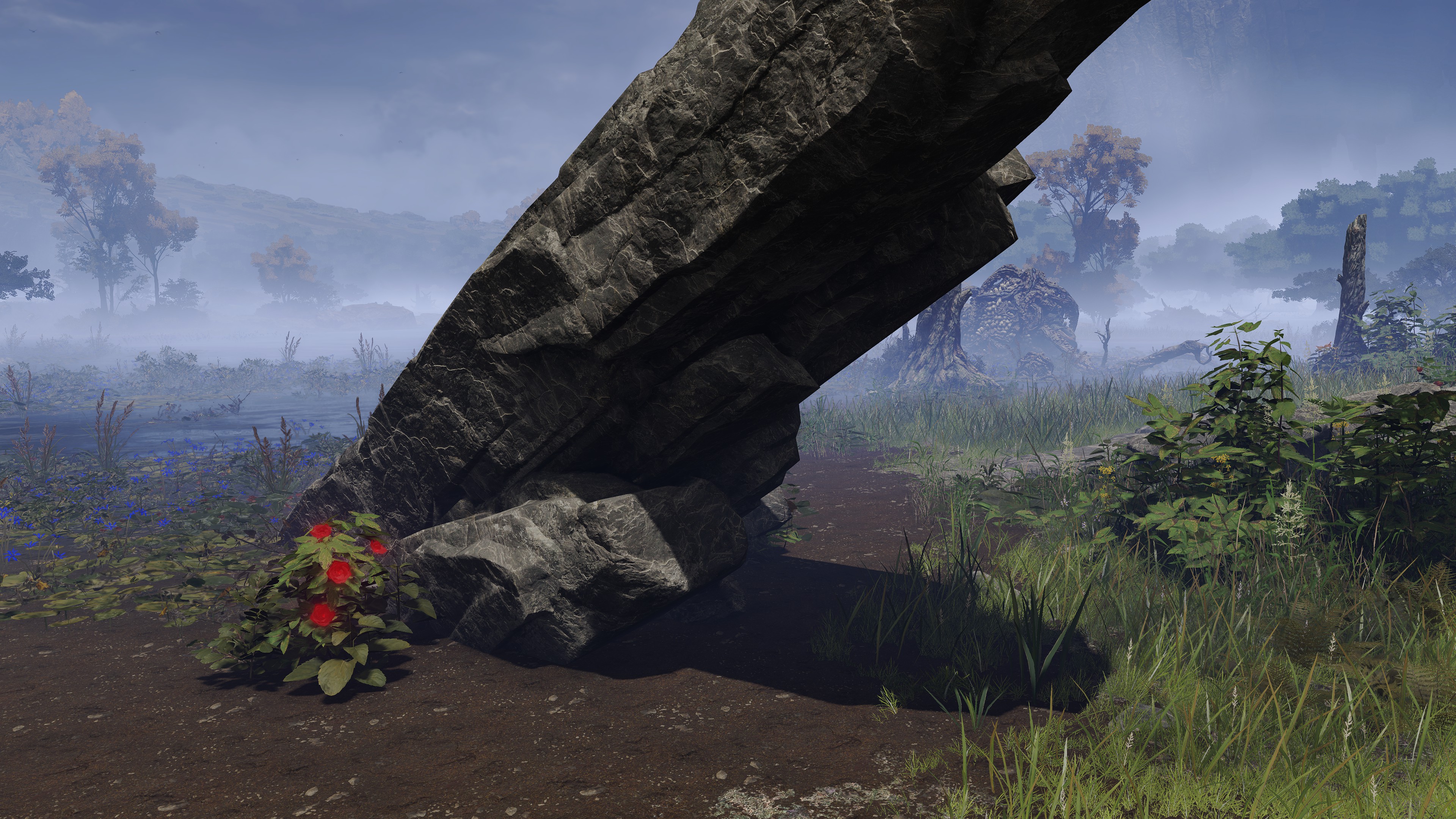
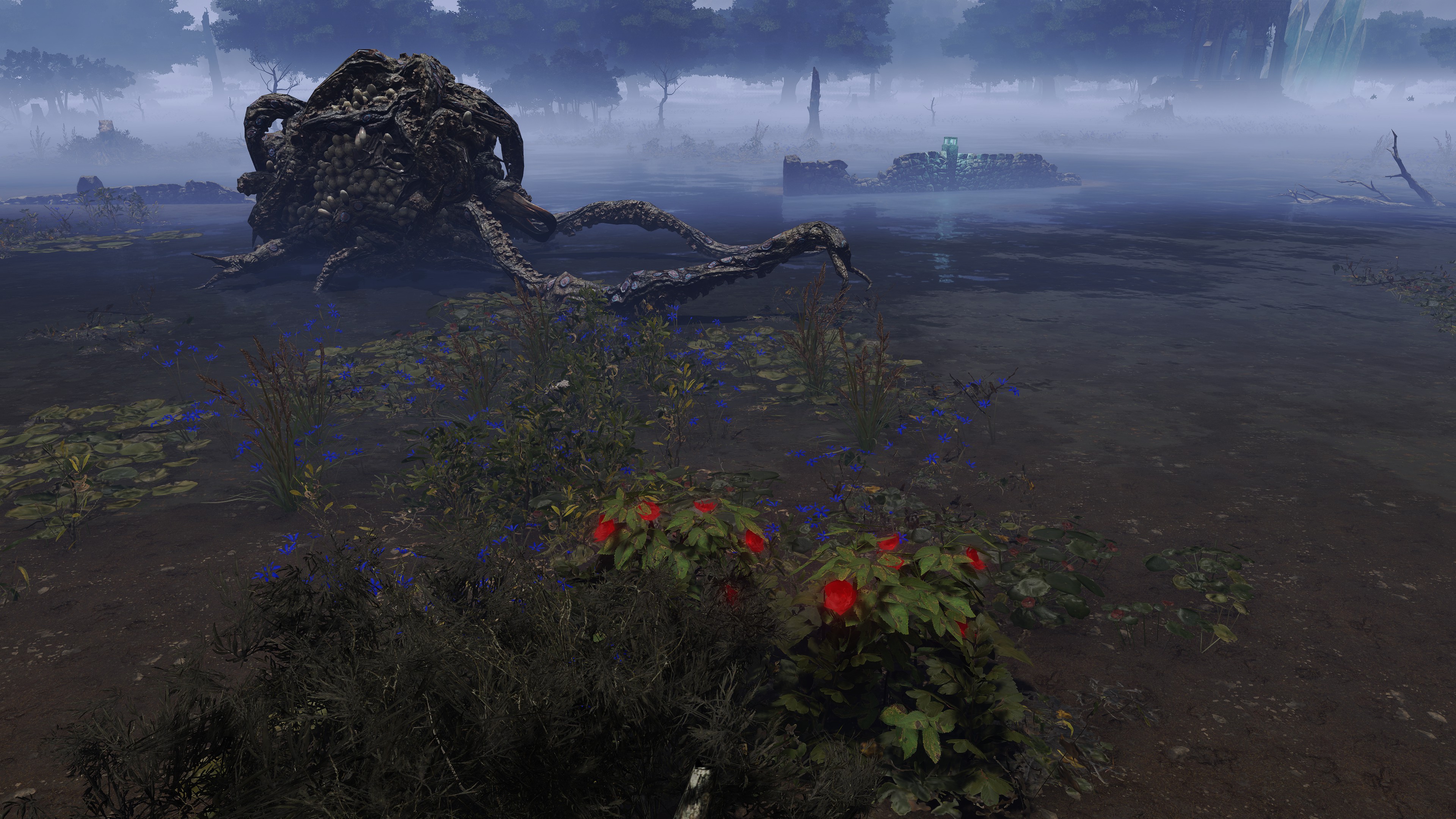
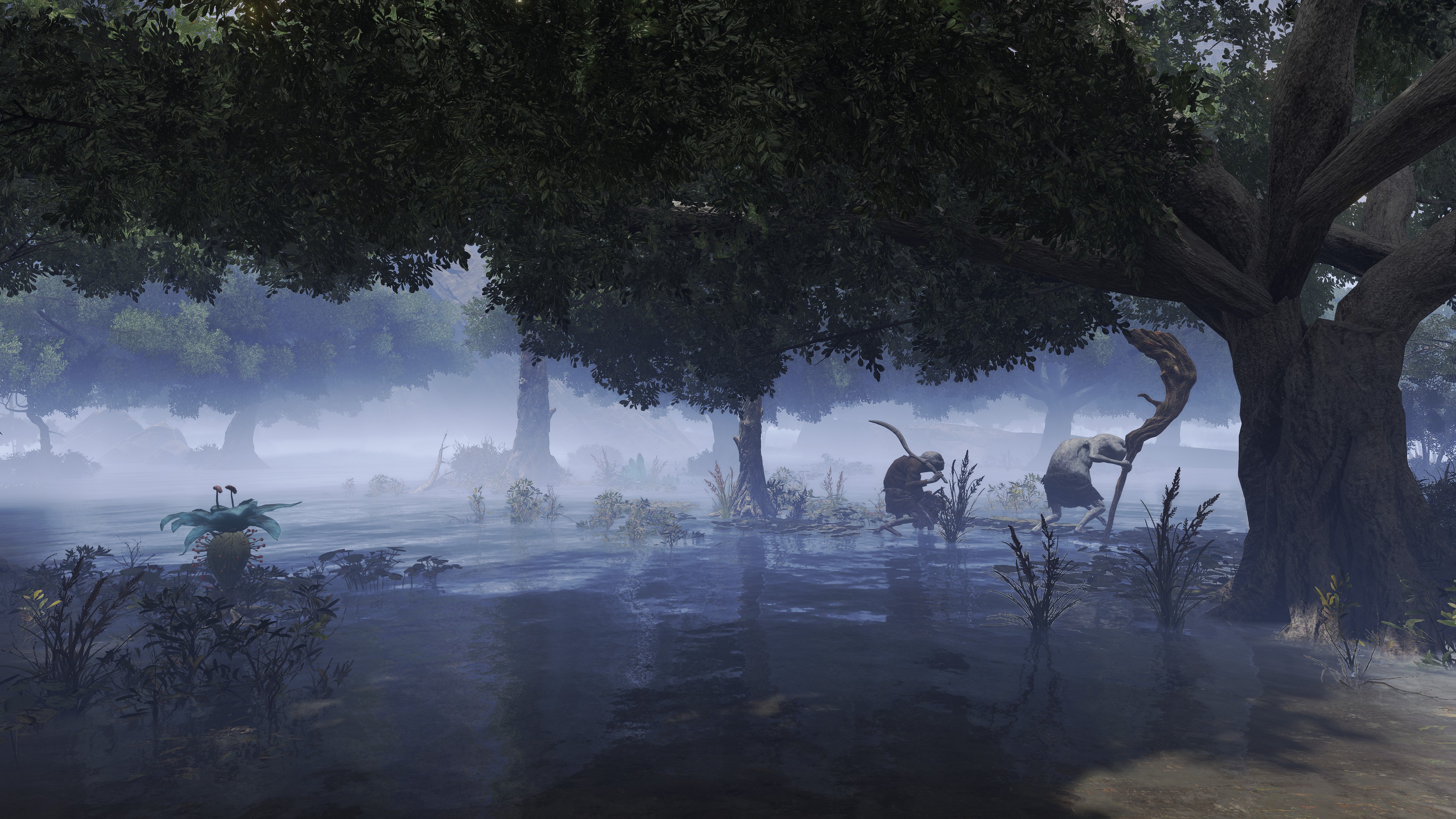
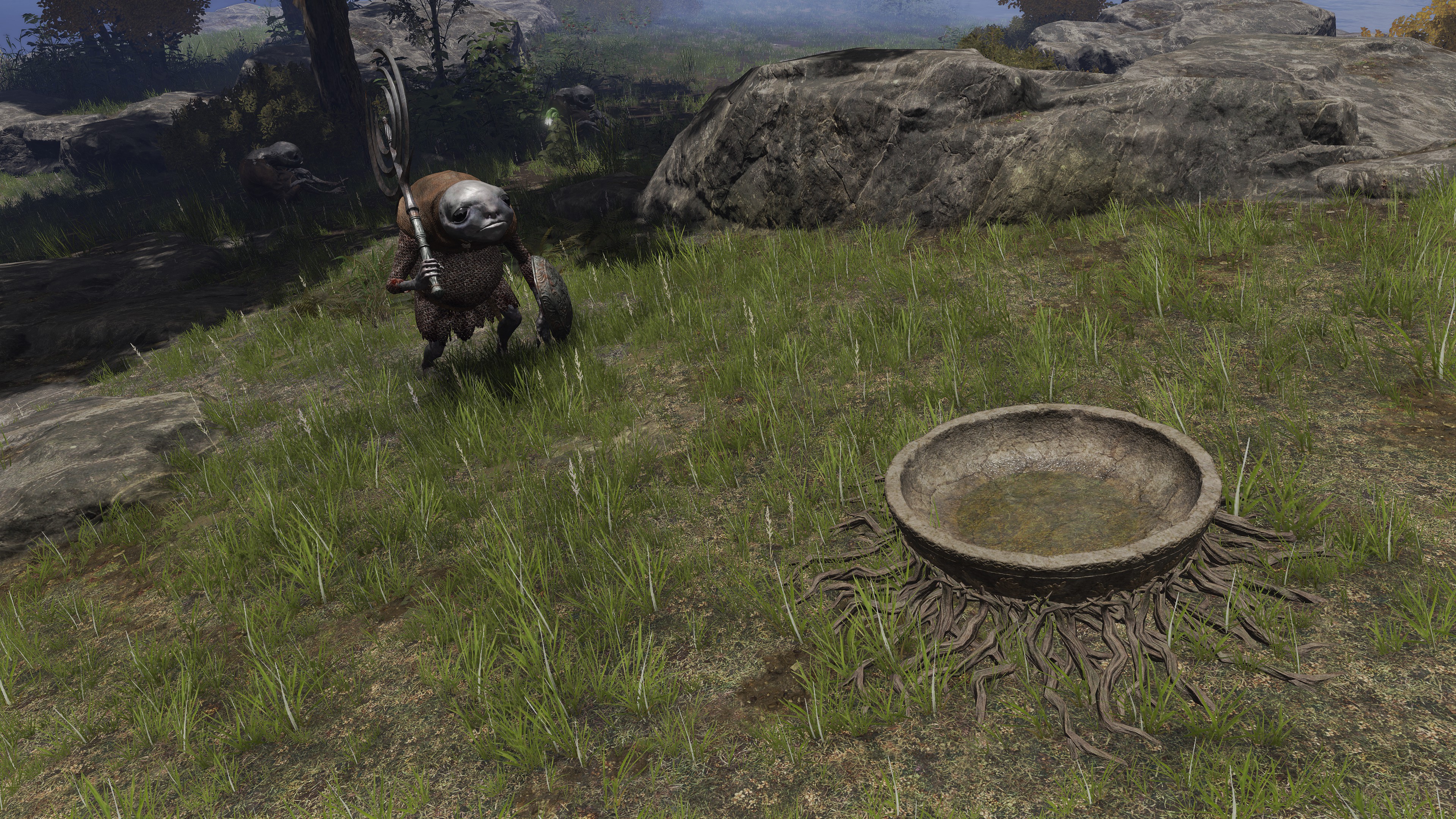
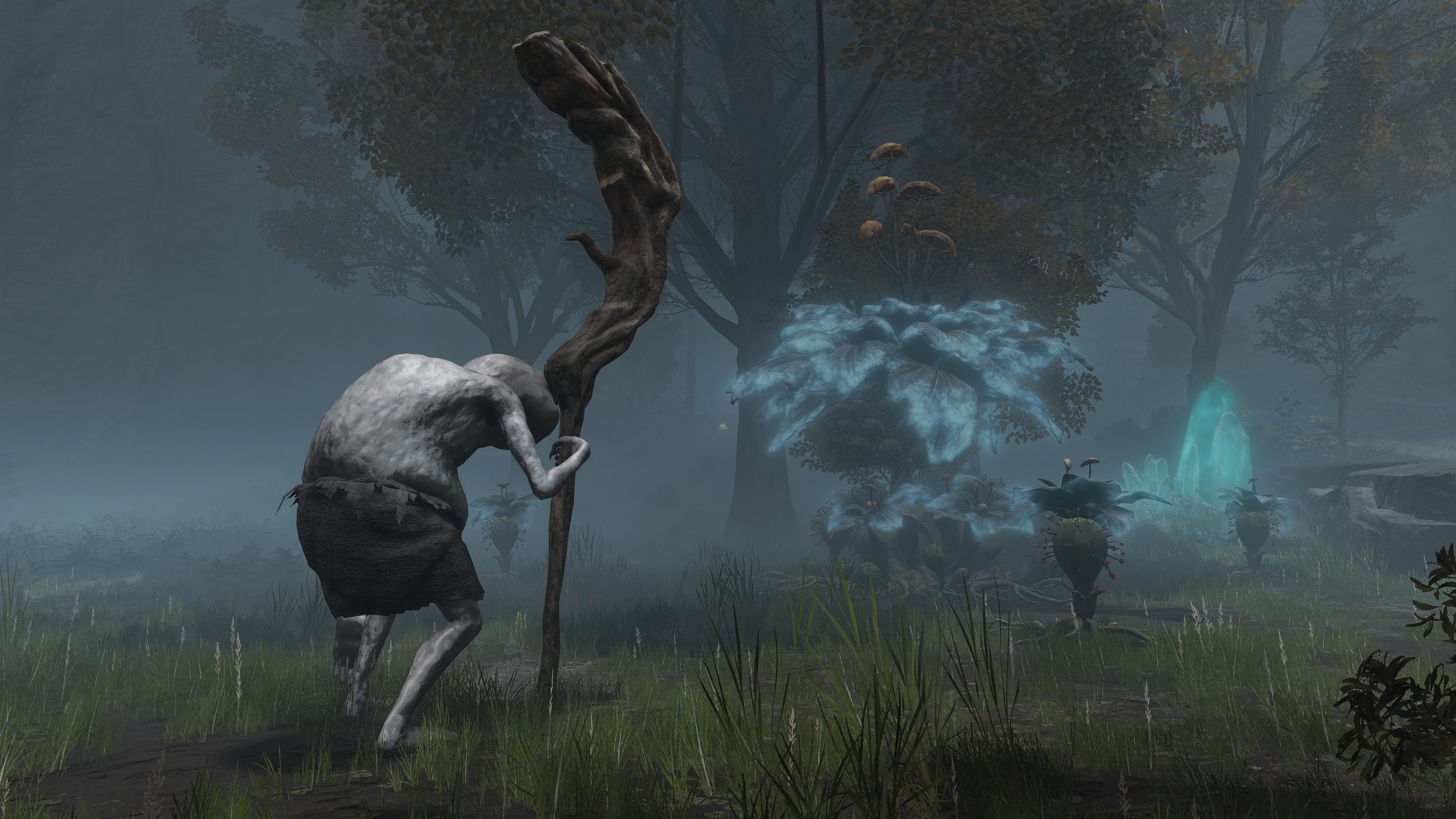
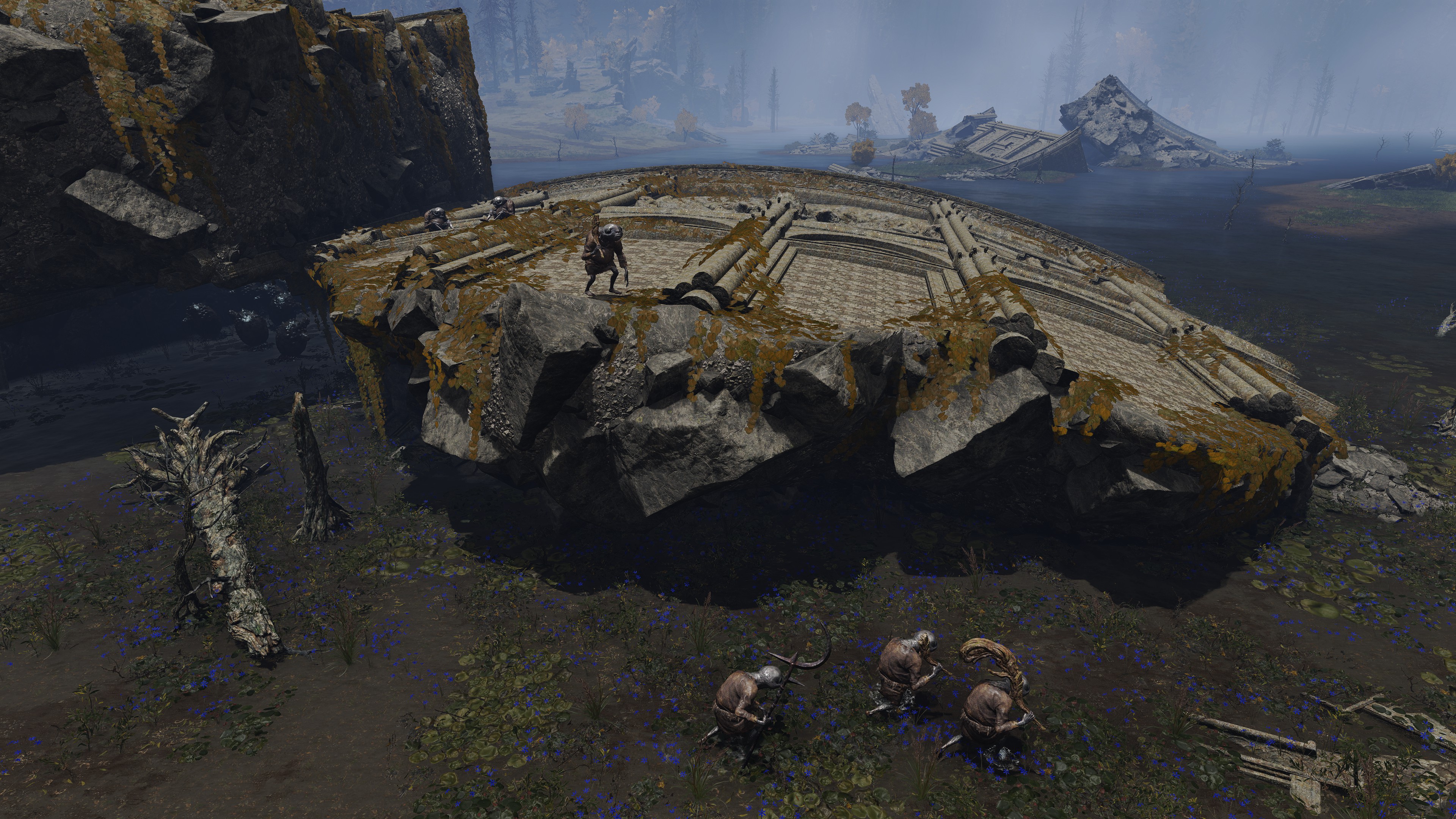
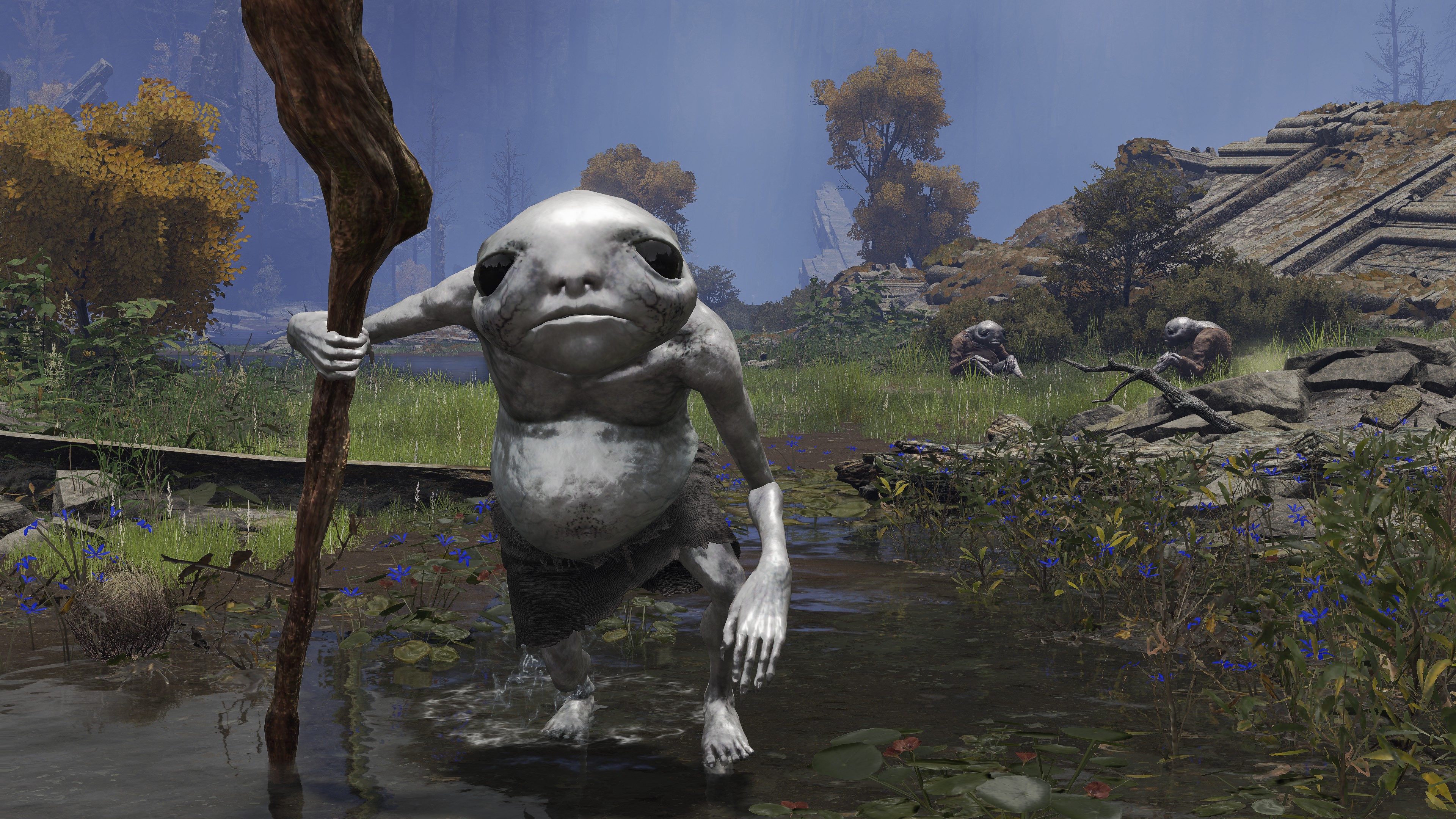
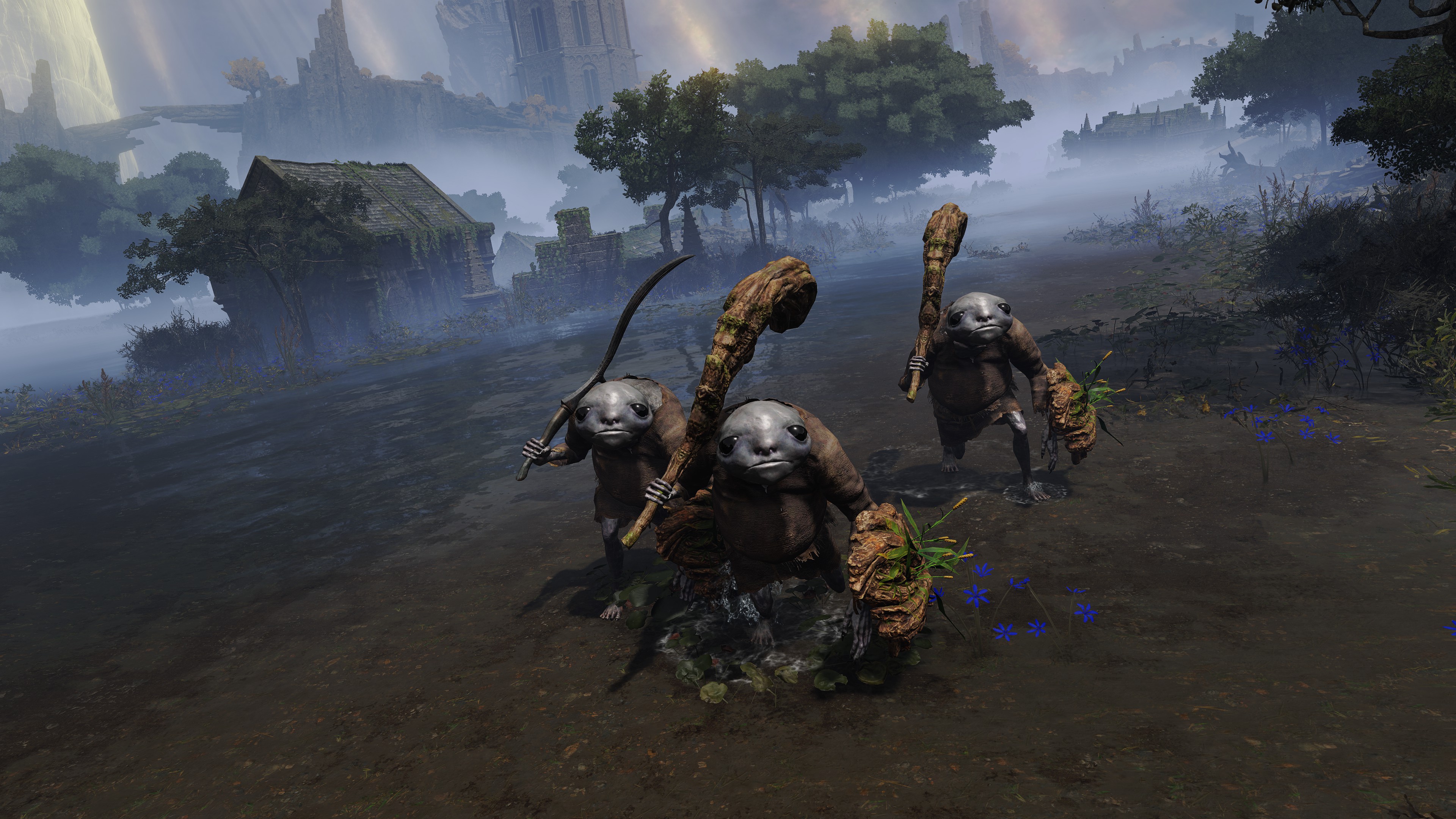
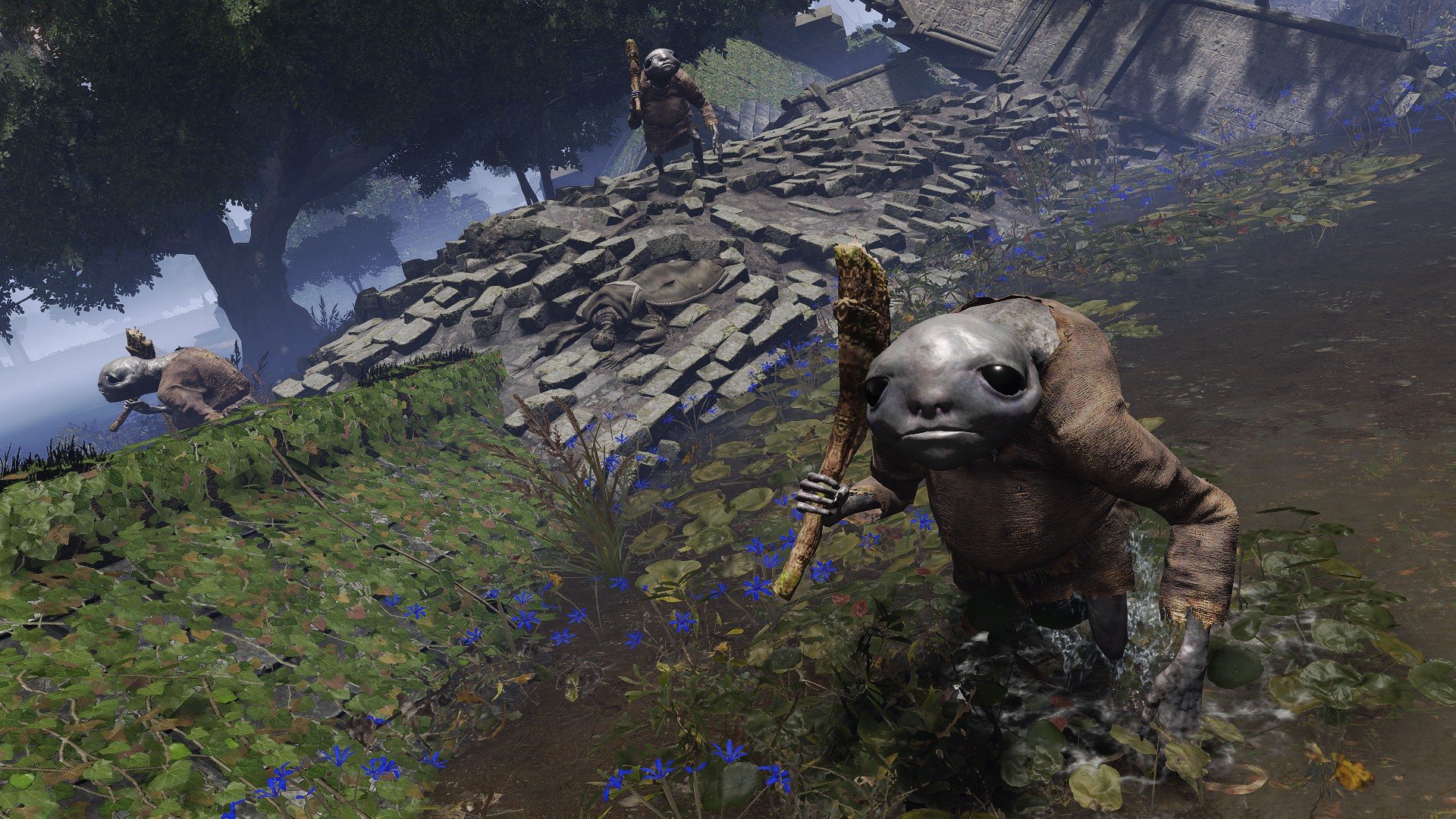
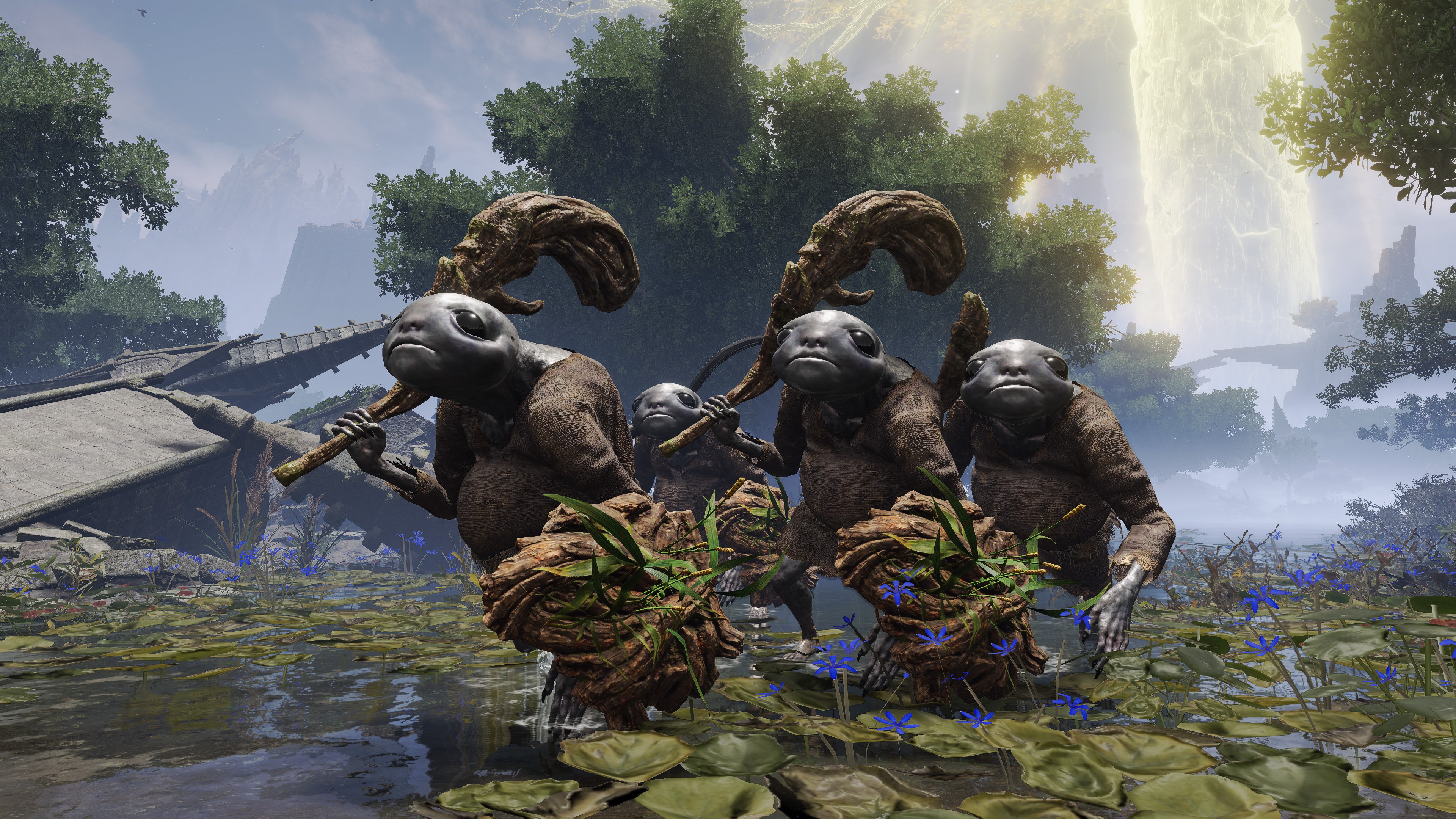
Saving the Cuckoos is the fact that the Albinaurics don’t appear to be in any rush to finish them off. Portions of the silver militia have spread to far corners of the new Liurnia Lake. One small unit waits on a random crystal basin to form Dexterity-Knot Crystal Tears, fitting for this cartwheeling generation. Another appears to have taken interest in one of the large Mirandas. More hold a funeral for the Albinauric woman seemingly murdered upon her return to the Temple Quarter from the Mountaintops. Even more have marched all the way north toward the river valley, killing campers and similar travelers from islands of Farum Azula’s fallen ruins. Even as some of this second generation’s weapons degrade over time, the frog-heads are happy to use overgrown tree branches and bramble of the lake as replacements for their spears and shields. The silver-men are clearly enjoying the freedom to roam the earth under the golden sun without fear of discrimination. Because of that, the civil war is technically at a stalemate. But any sober observer can see the writing on the wall.

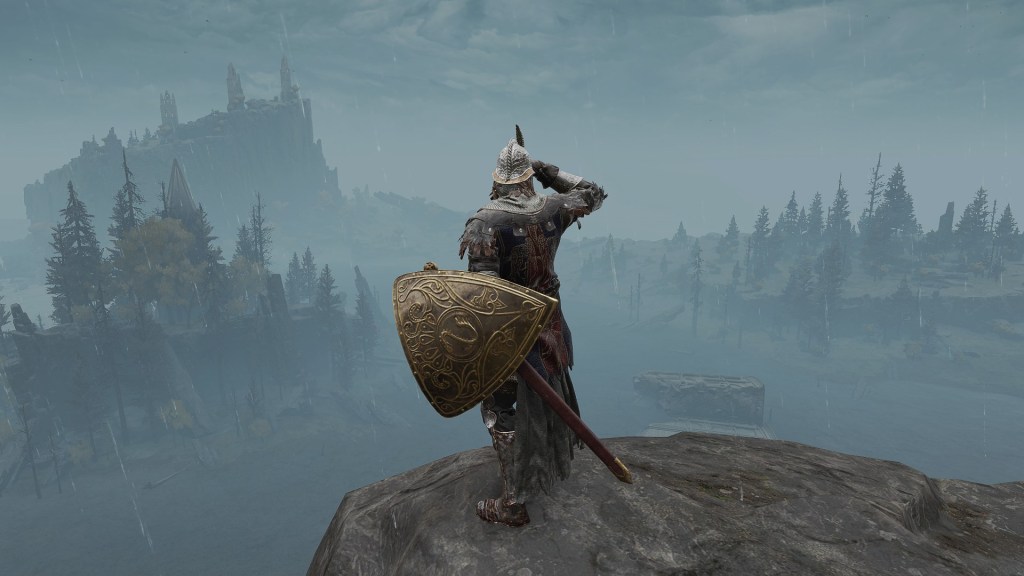
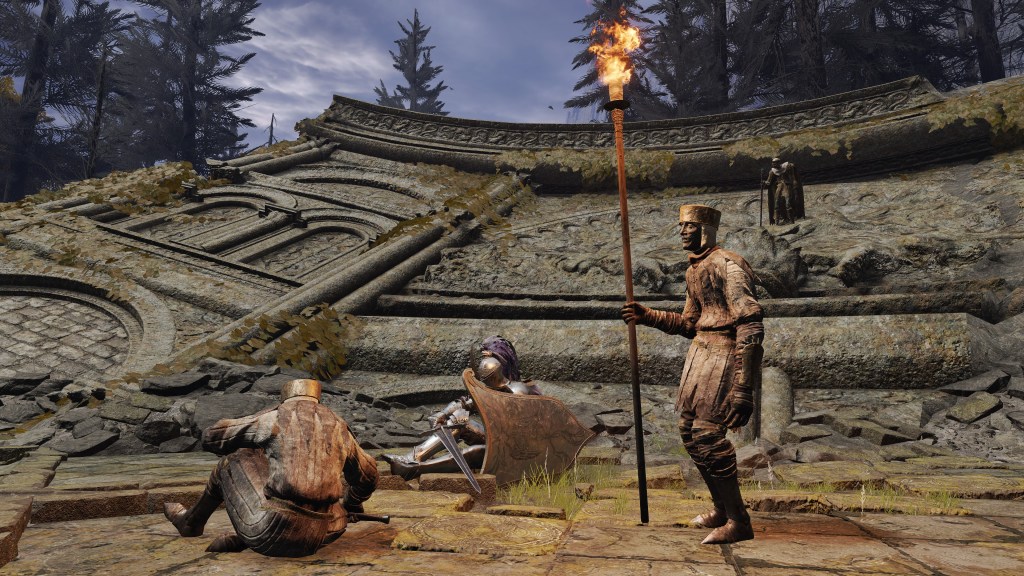
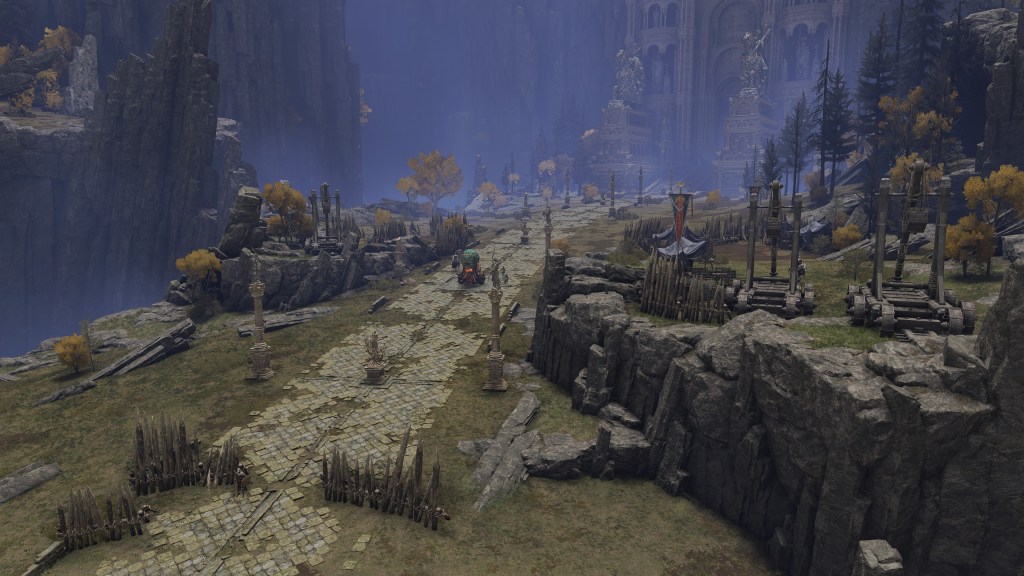
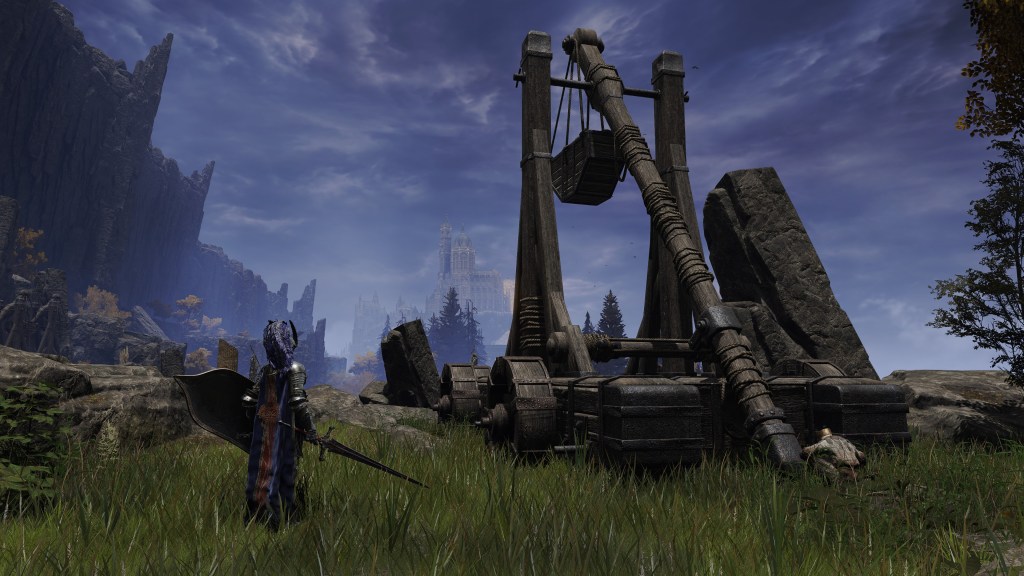
The Cuckoos of Bellum Highway don’t appear to be serving the academy. Despite the symbols still displayed, their robust defenses are set up to block traffic to the Grand Lift of Dectus, not Raya Lucaria. Moreover, they use the same trebuchets that Leyndell employs to protect its outer walls. This portion of the sorcerers’ army appears to have defected to Morgott, the Grace King using them to stop the other factions and Tarnished from invading his realm. The situation at the Frenzied Flame Village (Site F) reinforces the notion. There, behind Bellum’s defensive position, the occupying Cuckoos have allowed the fiery disease to spread to even themselves. Why not “purify” the village like at Site P? Because their master is Morgott, who hasn’t given them the same permission slip as the academy — and certainly wouldn’t look kindly on massacring faithful innocents. Opportunistic as ever, this detachment of the academy’s army defected when presented the offer. There is no glory in remaining with Raya Lucaria, and they have learned enough secrets of sorcery. Besides, work for the king of Leyndell is a reward of its own.
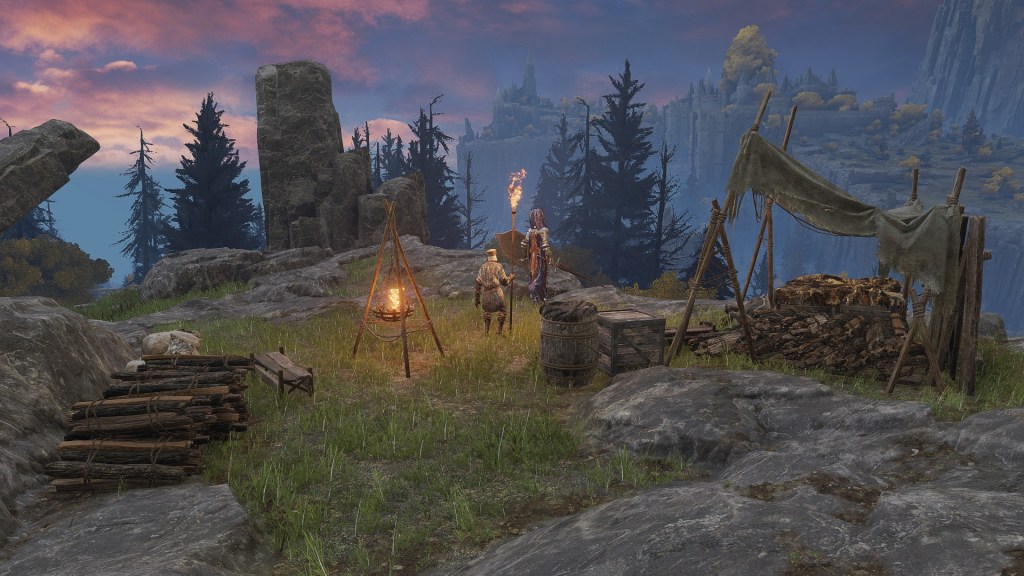




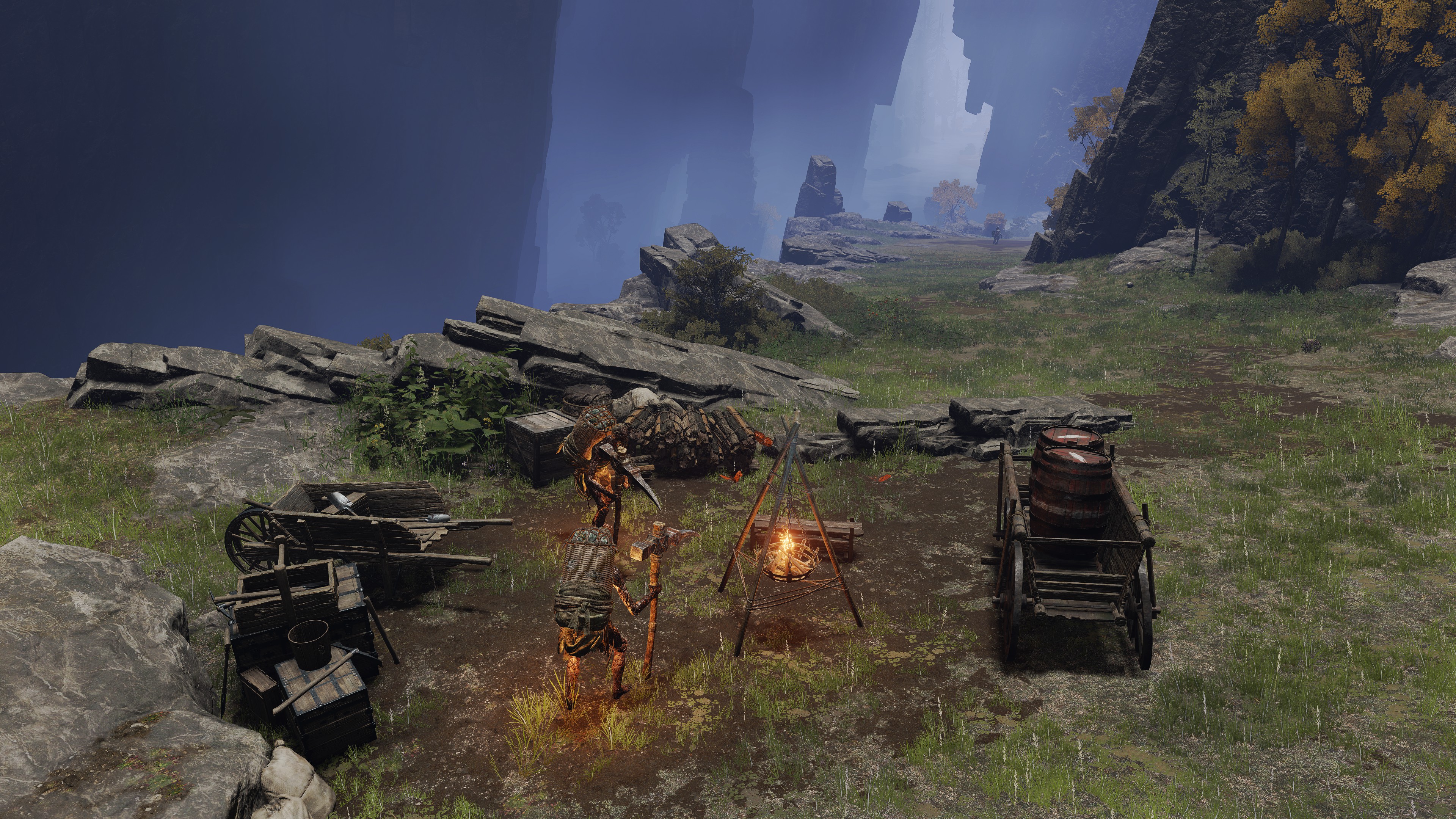
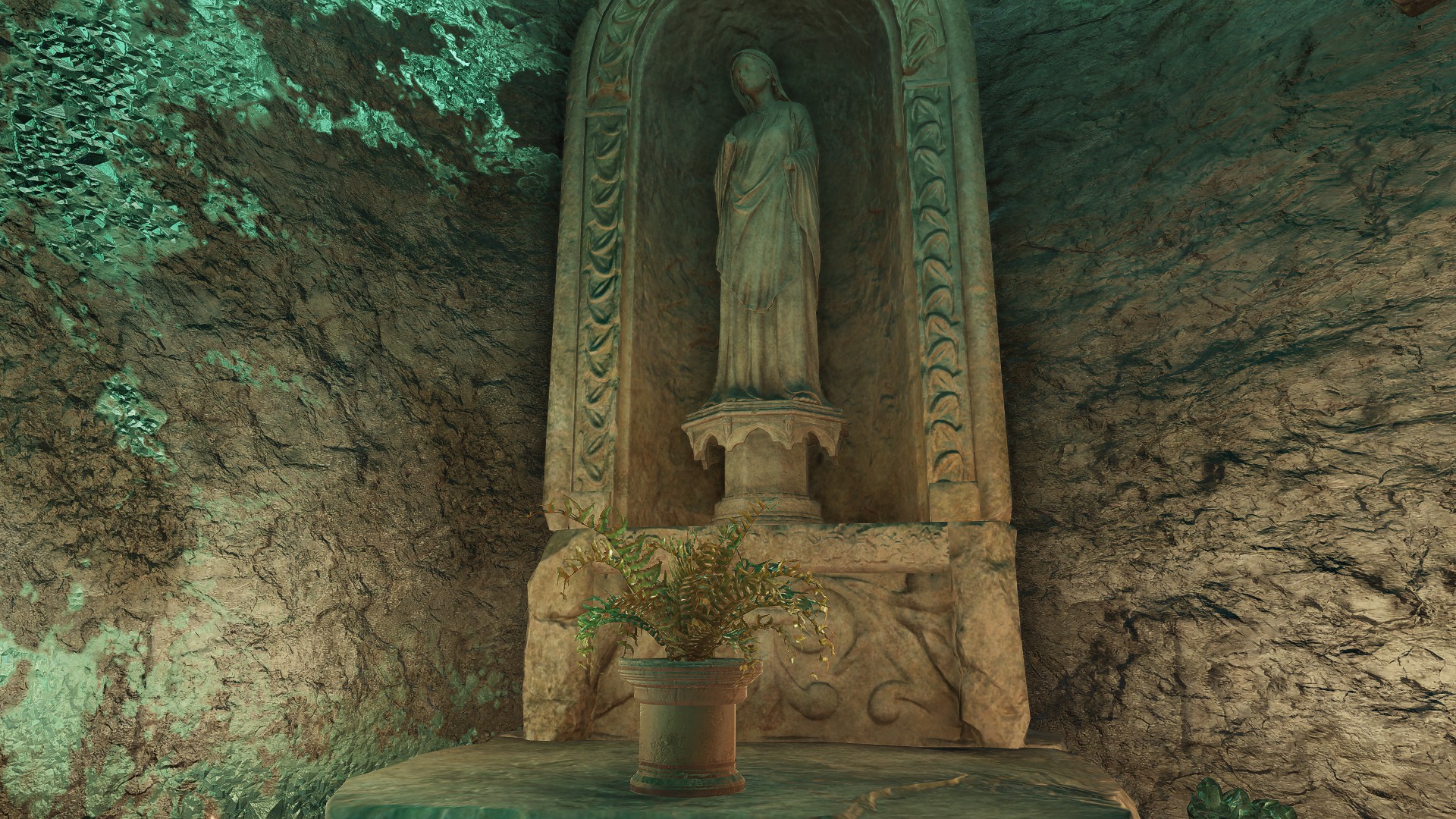
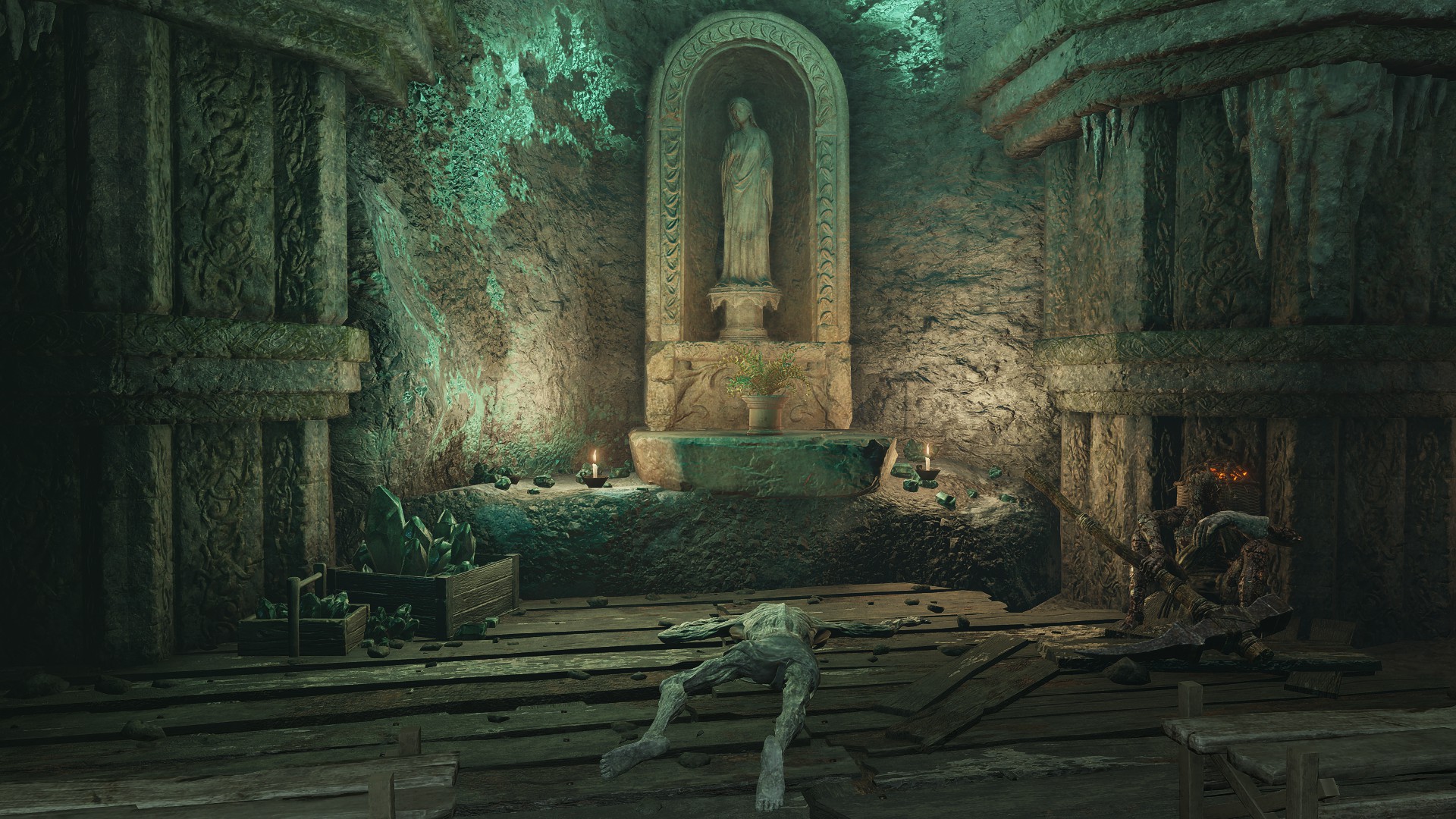
We can come across miners bringing resources up to these mercenaries from the Ruin-Strewn Precipice. The workers tirelessly excavate the Ancient Civilization’s ruins for crystal, their one reprieve during prayer service. And as we can see from the shrine, there is a potted plant beneath the female idol in contrast to the shrine in Raya Lucaria Crystal Tunnel. The additional nature association hints that it is dedicated to Marika, not Rennala, and the corpse with a rune arc laying before the effigy only reinforces that impression. Whether at Morgott’s command or by his patronage, the Cuckoos are managing their side of the old mine for Leyndell and taking first pick of the yield, which would include the occasional gold smithing stone found on local bodies. Considering how the academy still hoards the gems in Liurnia’s other mine, the Grace King is already proving to be far more generous an employer, which shouldn’t be lost on the Cuckoos. At the same time, they are still reprobates, and haven’t been the most attentive caretakers.
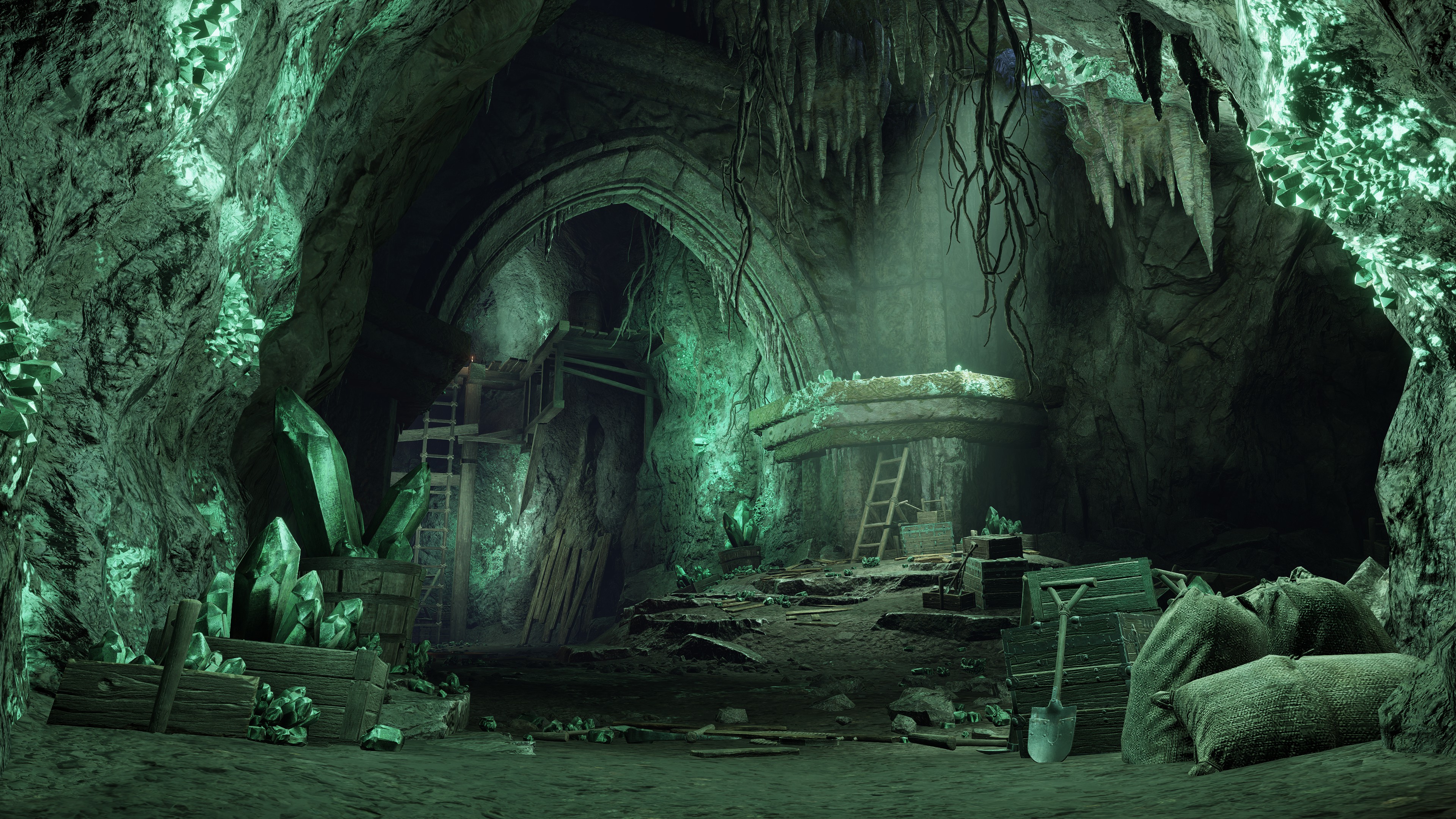
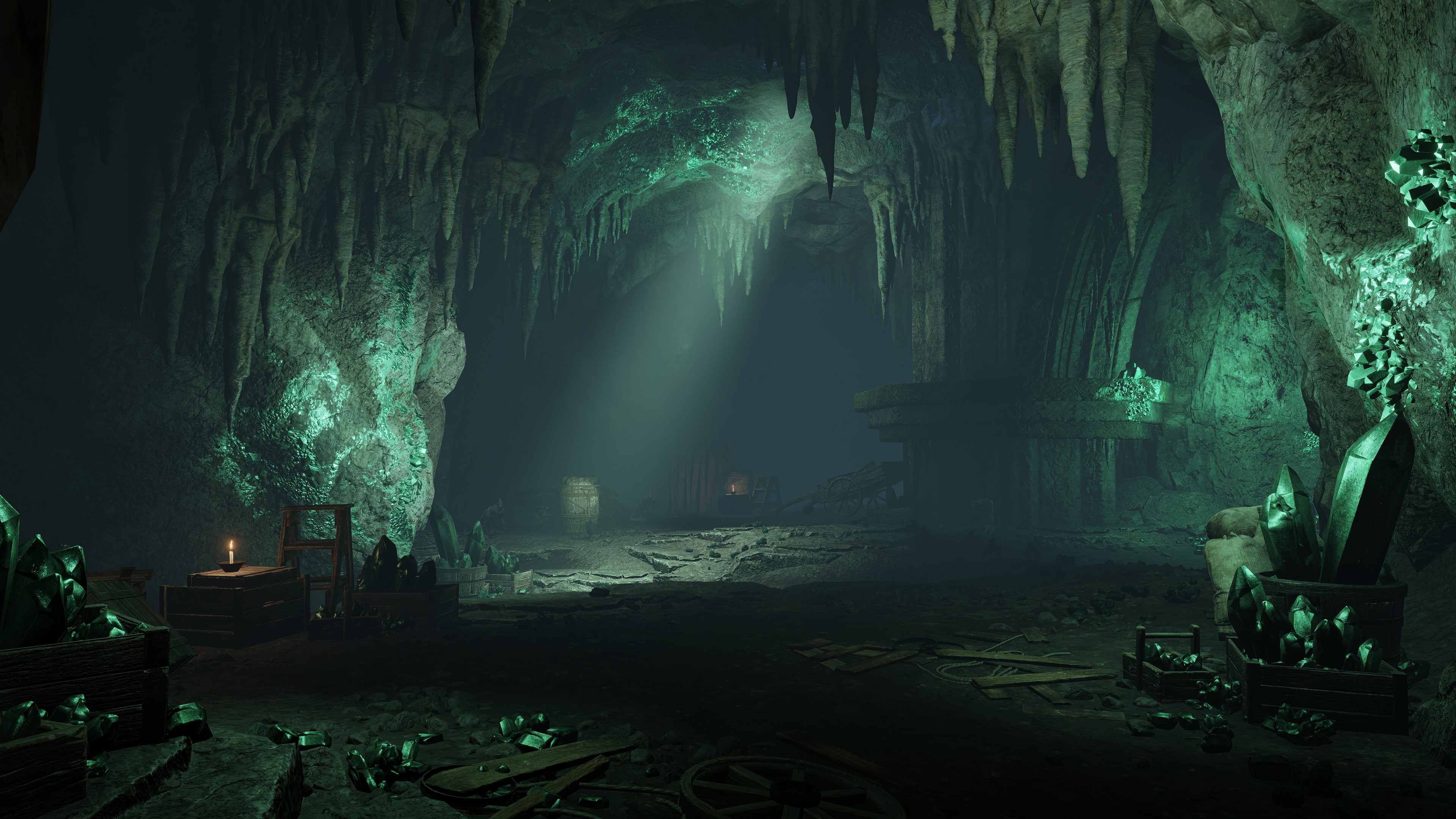

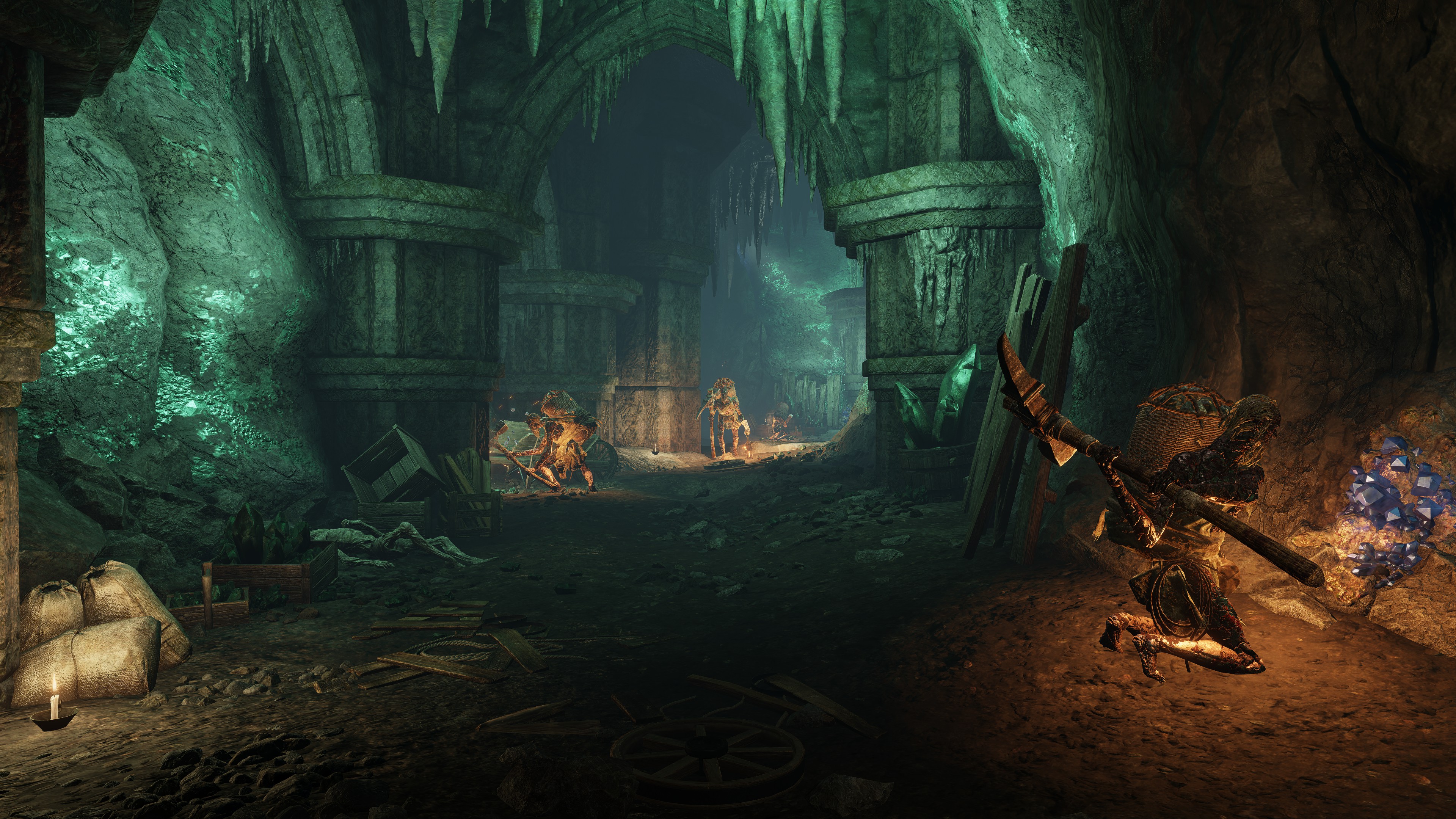
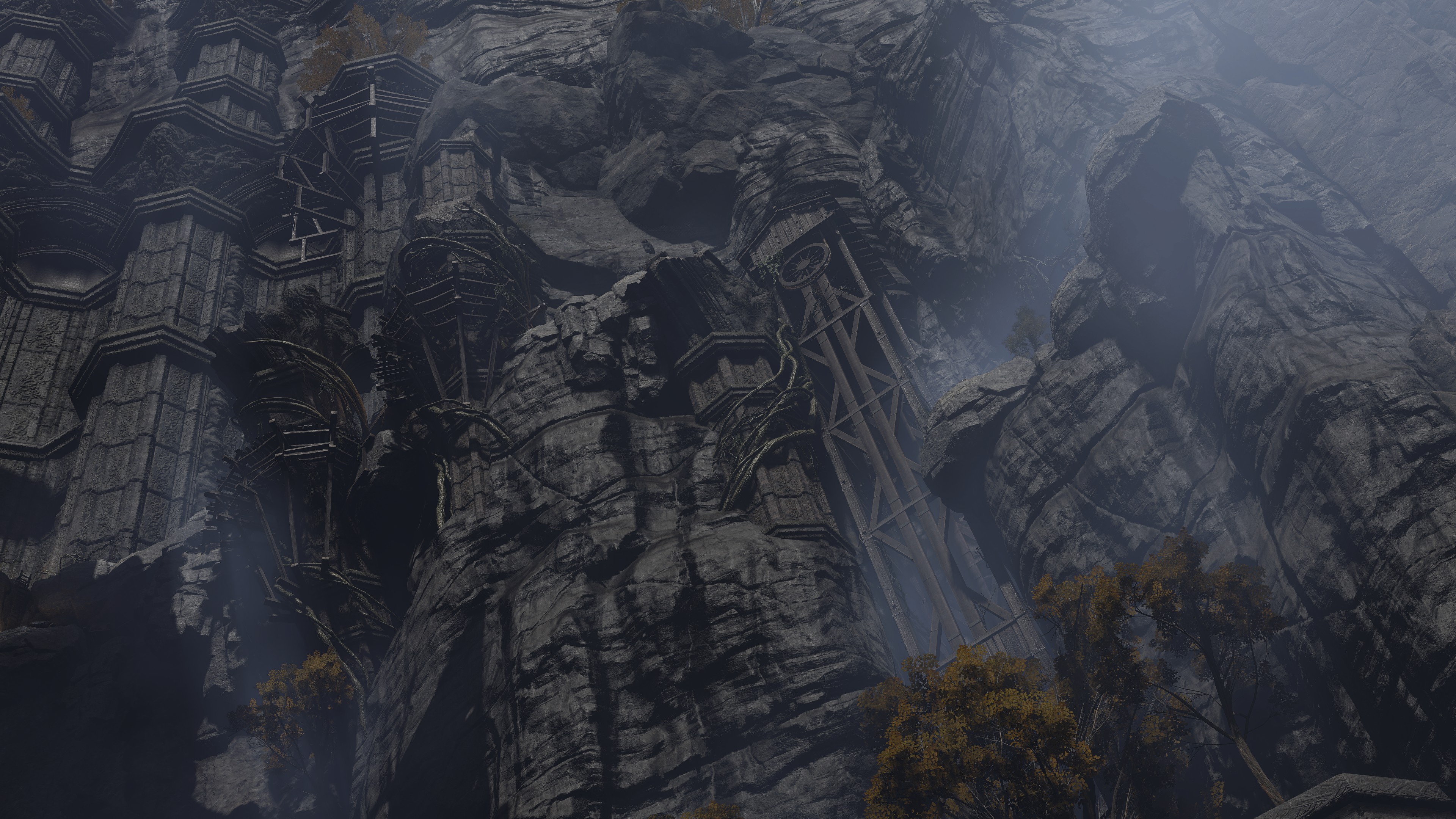
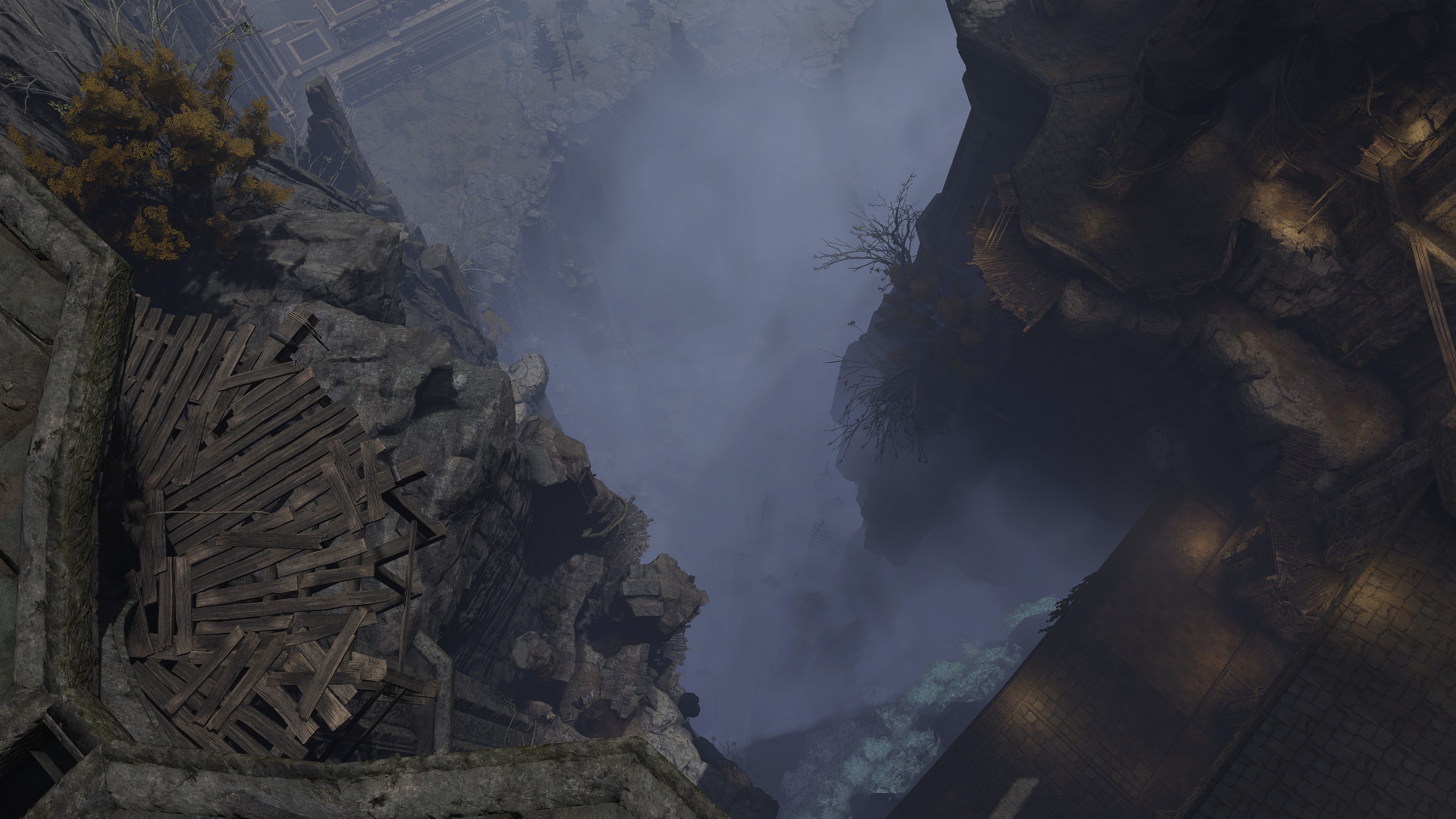
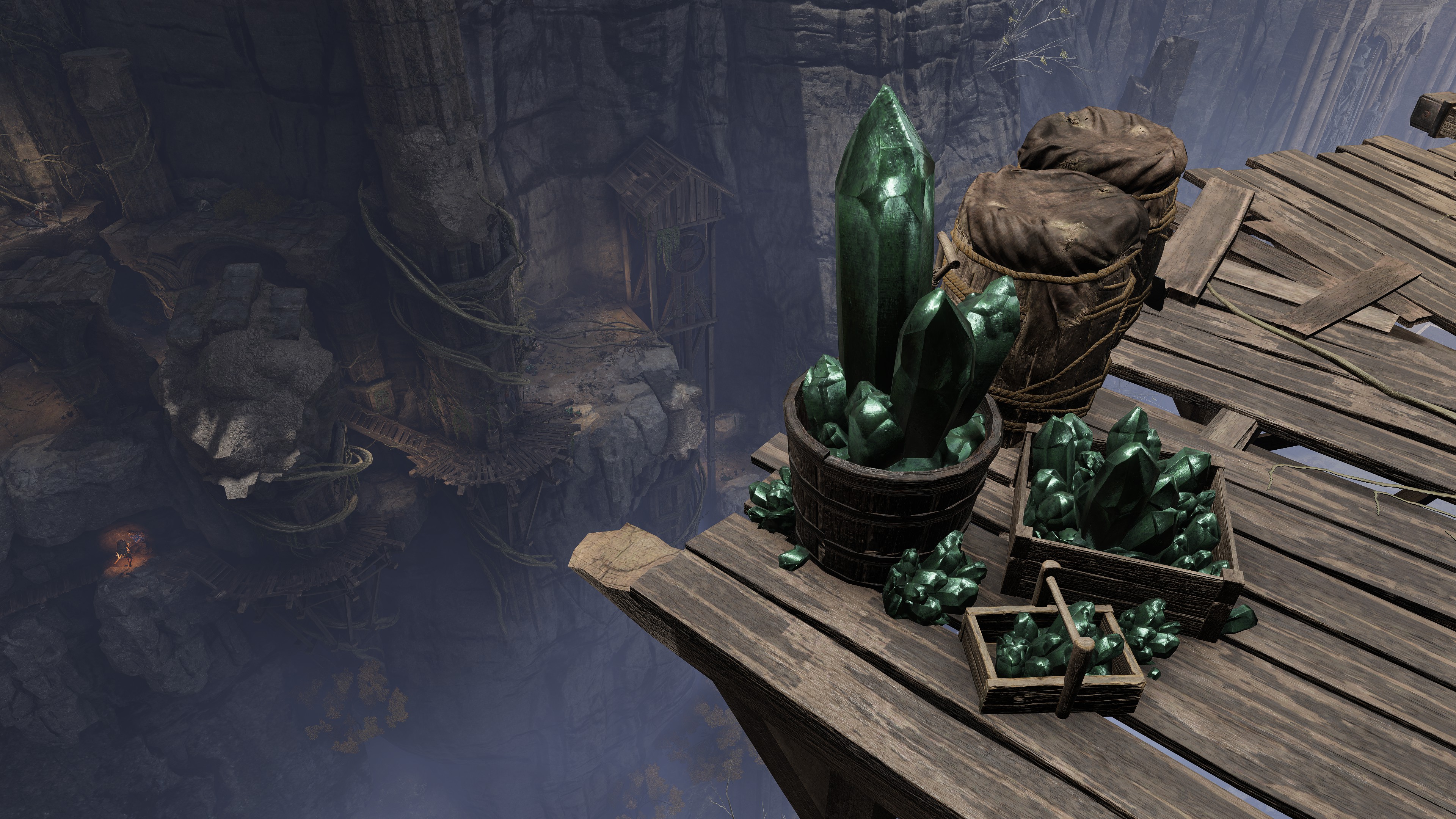
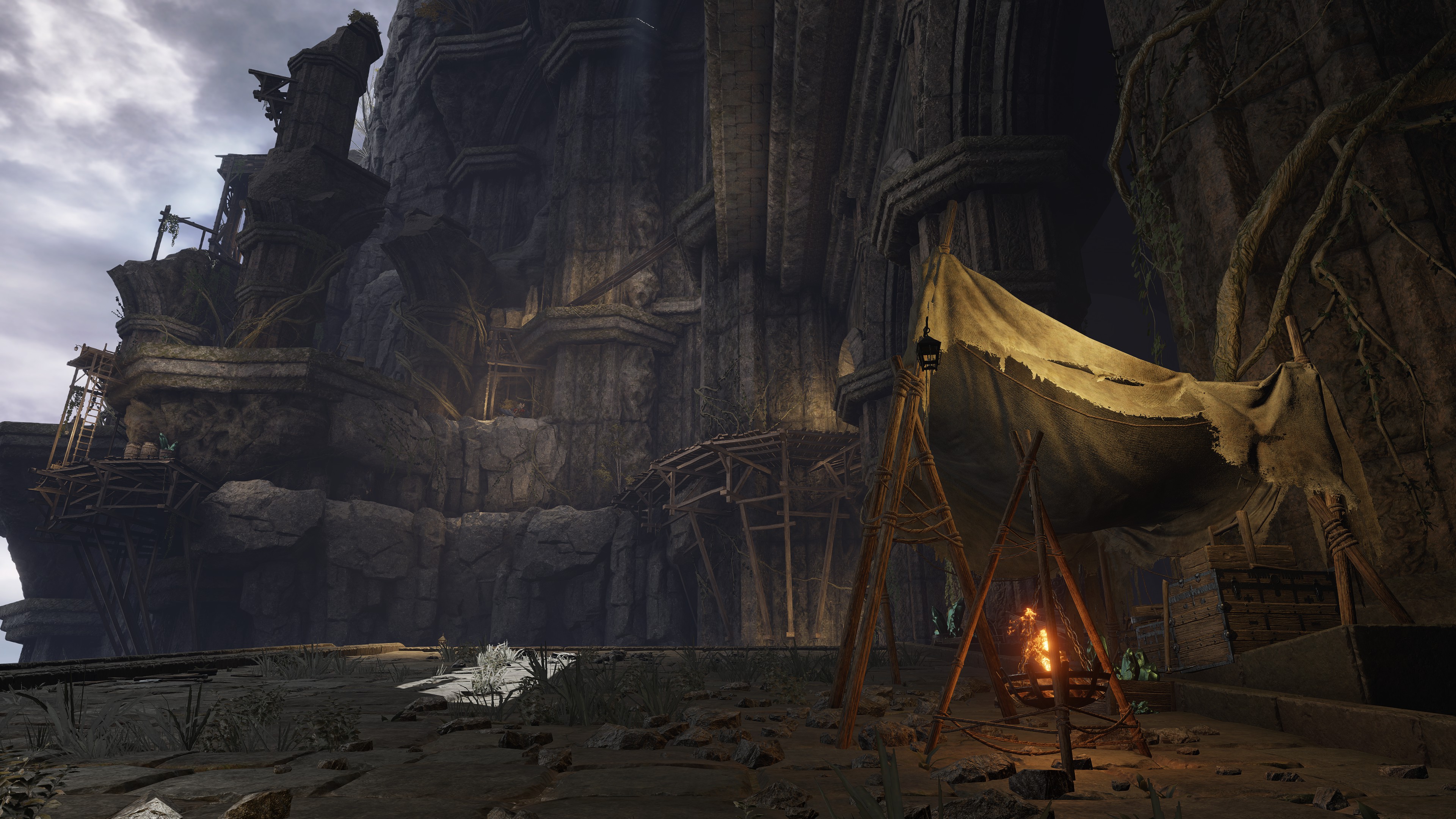


At the foot of the Precipice mine is supposed to be a village. However, it is a Ravine-Veiled “Village” with only one derelict building. It isn’t the only part left dilapidated. We must ascend ladders and platforms to head inside the mine, but there was originally a lift, whose infrastructure has since collapsed. This led to construction of a second lift, which we also see in pieces. But this lift was never completed past the shaft frame before its destruction. Combined with the derelict shack, and the scenario at hand is obvious. The village was established but never finished construction; the builders left before they had proper homes. It is no mystery why. The ravine holds little space, even ignoring the river’s flooding, and priority went to constructing the mine infrastructure across the Precipice. On top of that, the shadowy valley is rife with hungry bats and octopuses, who will climb the sheer cliff for a bite. Even Makar, hiding in the ruins, is leaving a litter of bones. Creating a settlement to support the mine was almost as hazardous as the mining itself. Eventually, the settlers gave up.
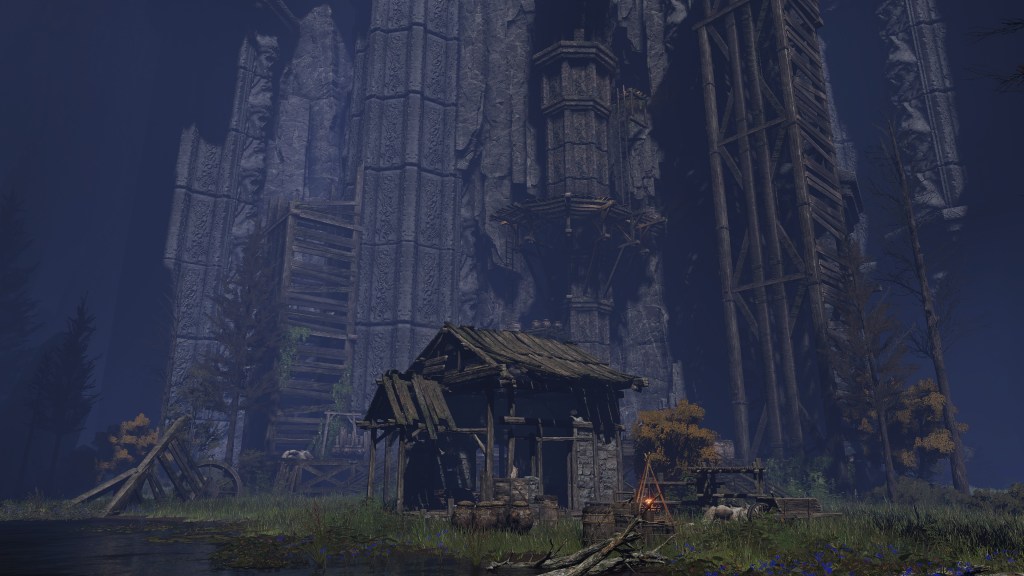
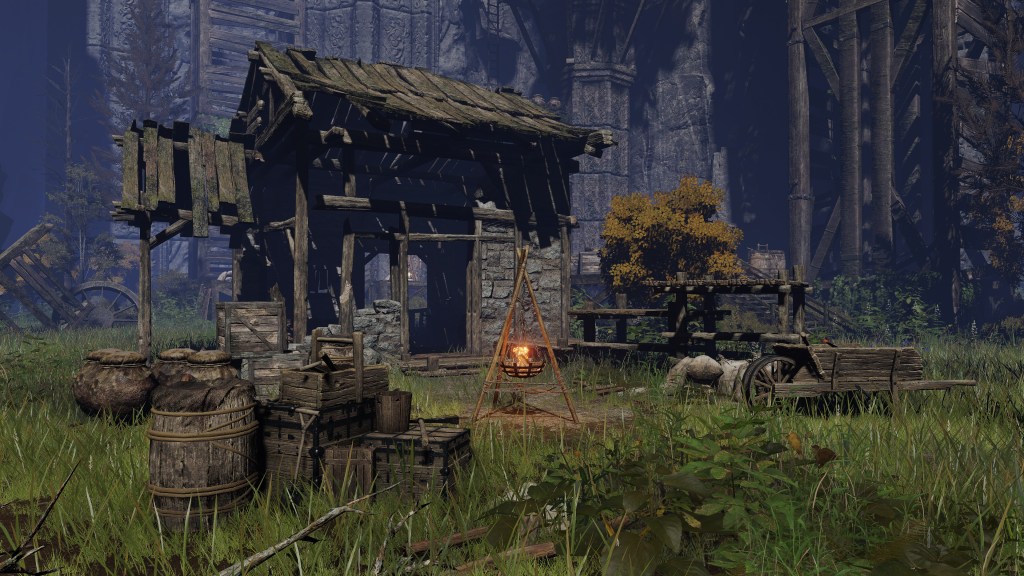
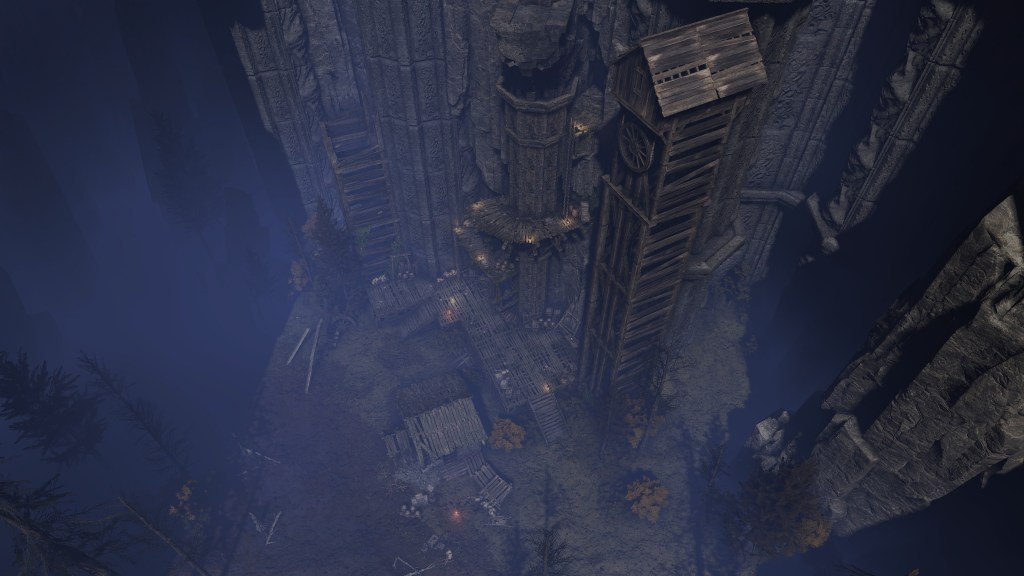
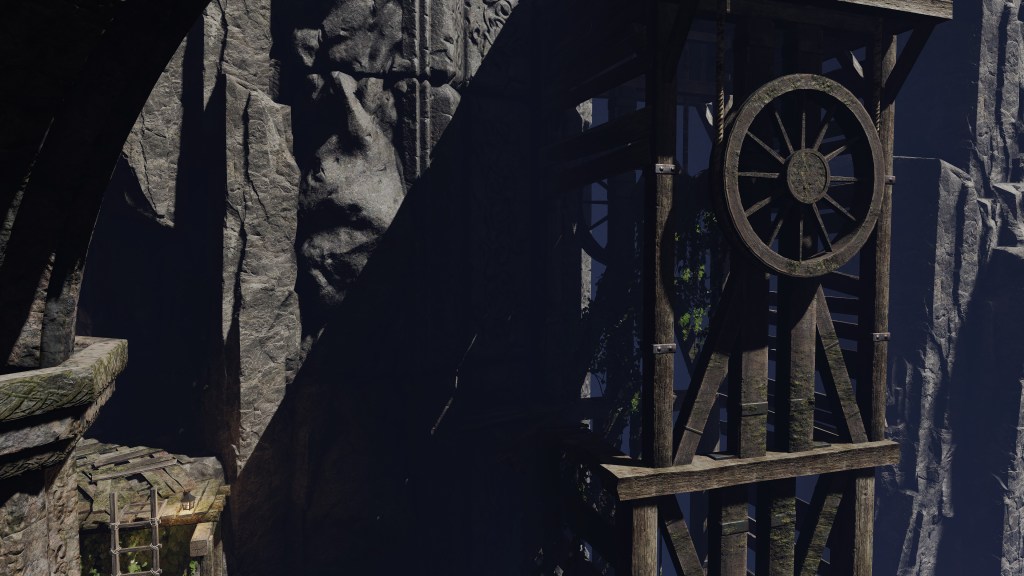
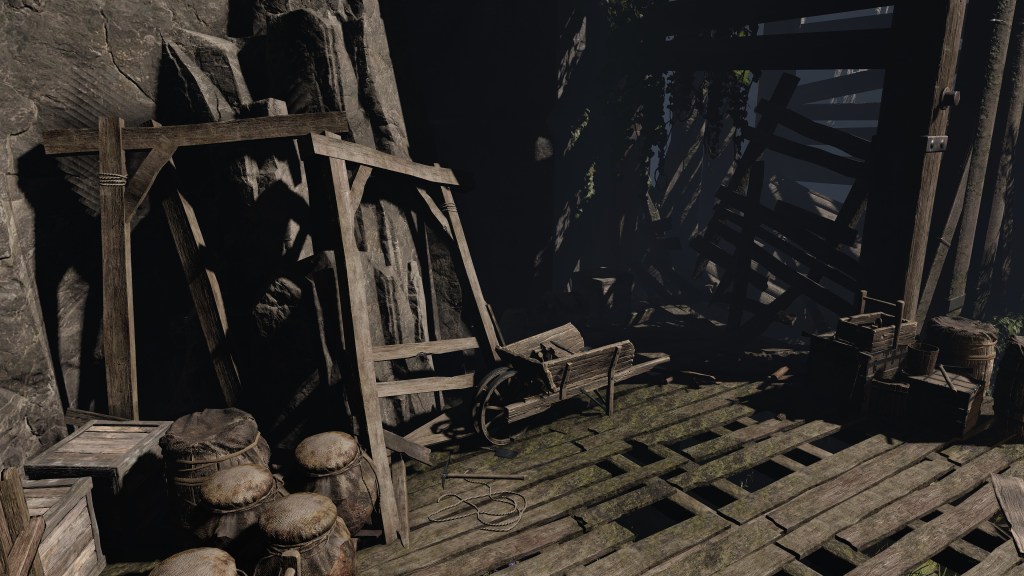
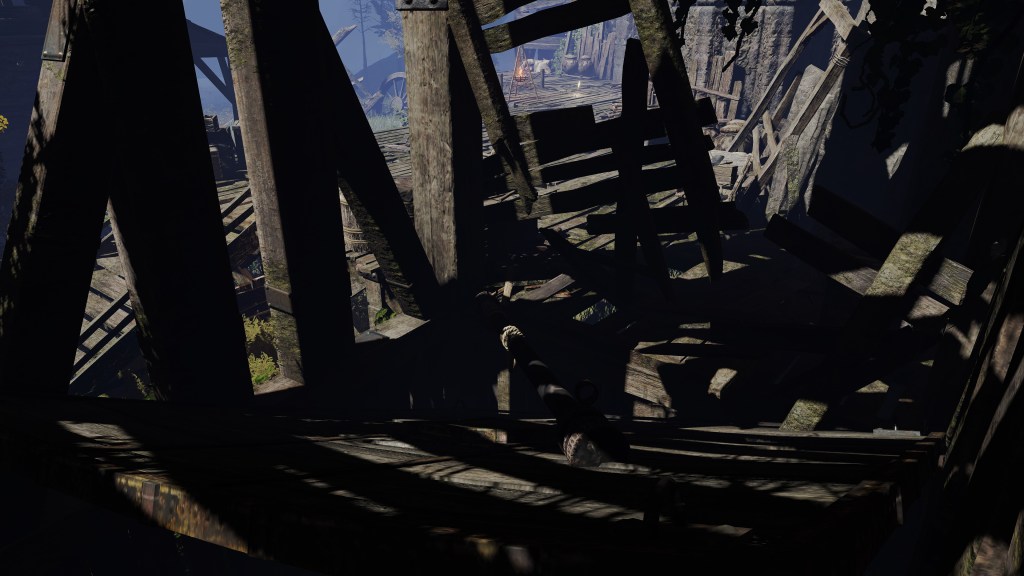
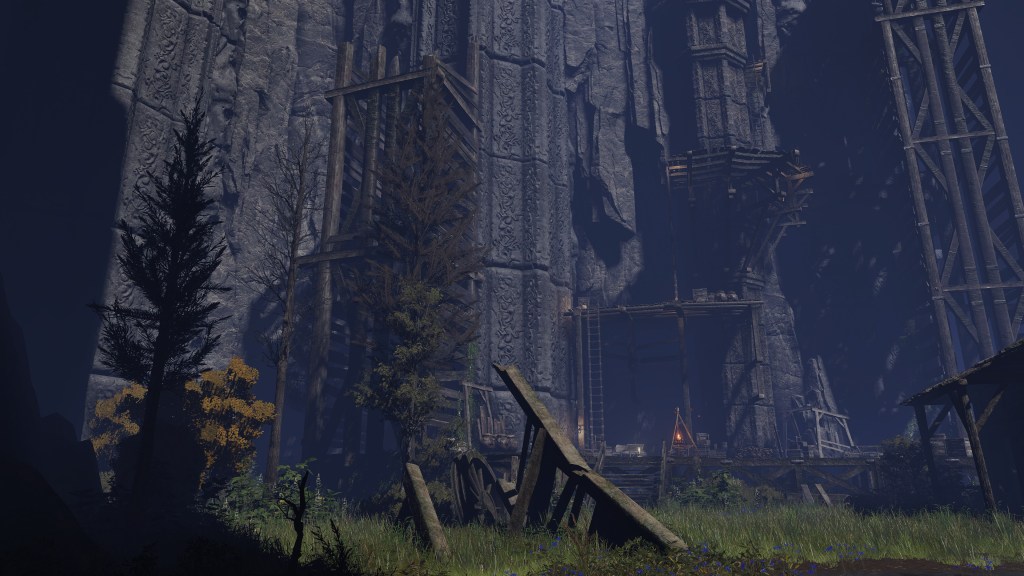
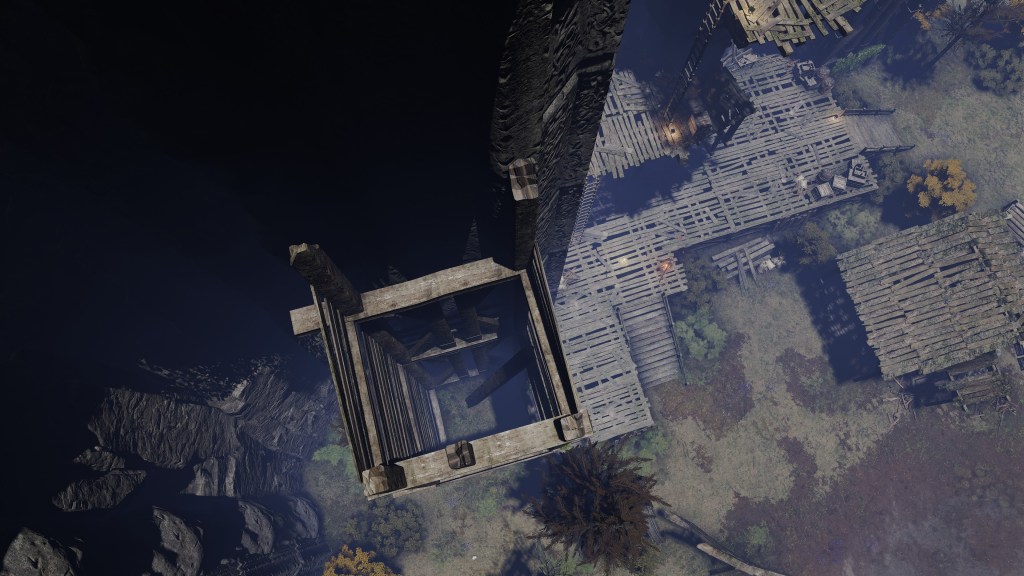
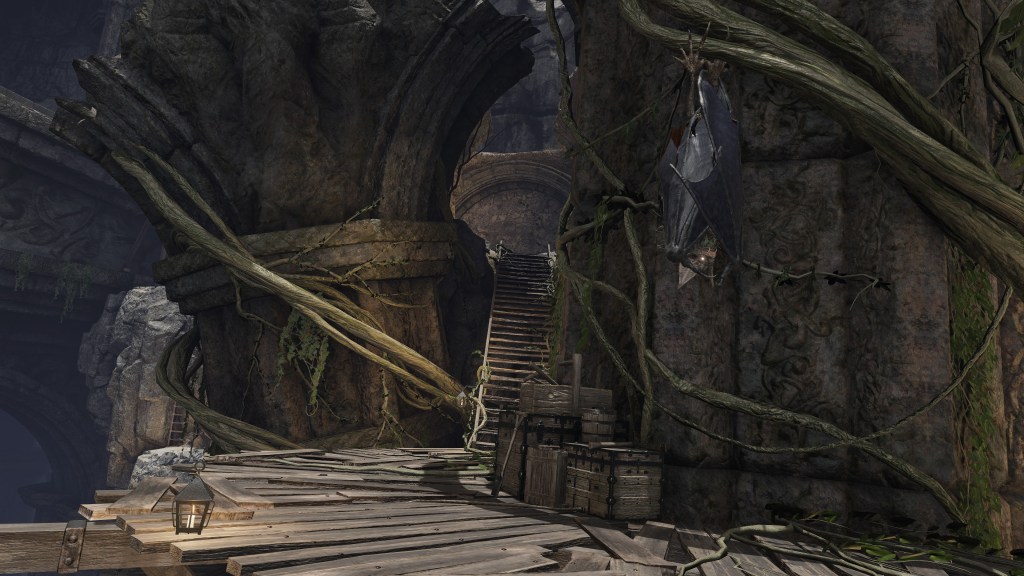
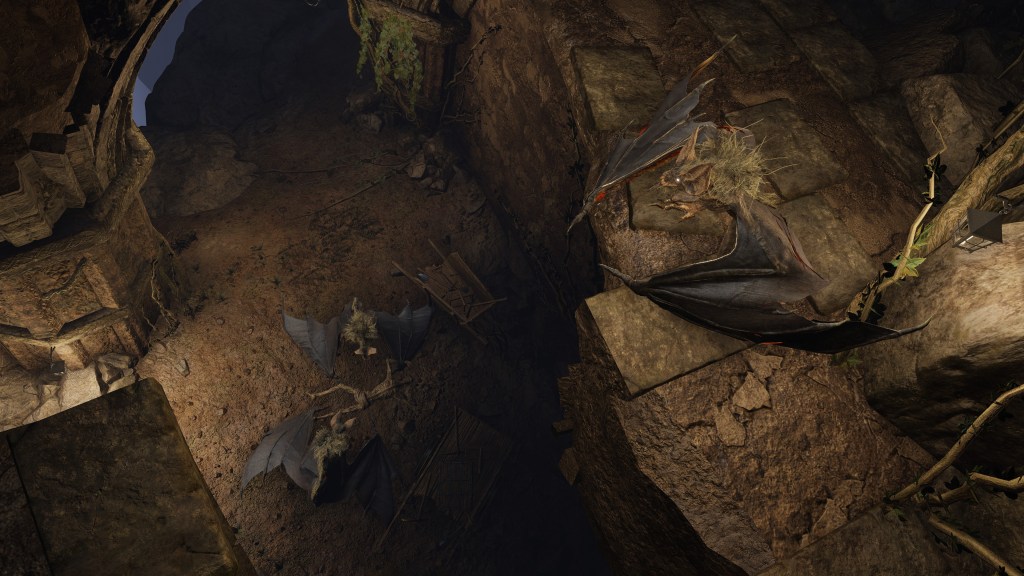
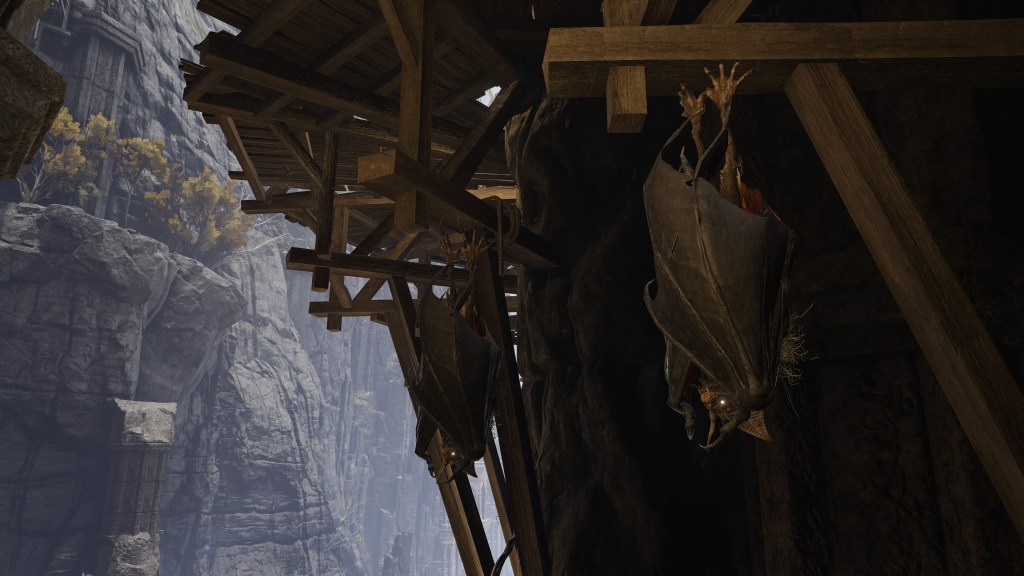
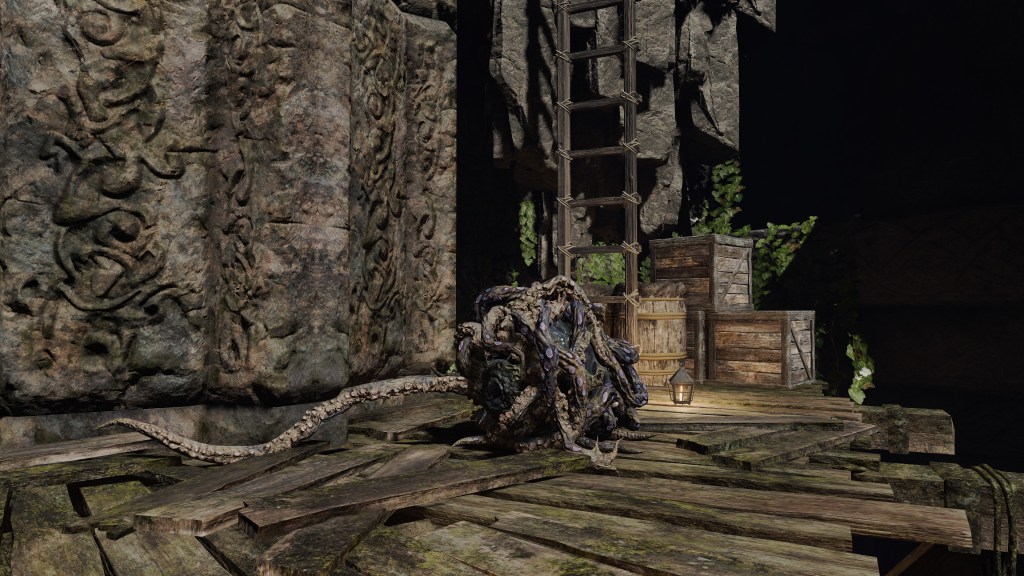
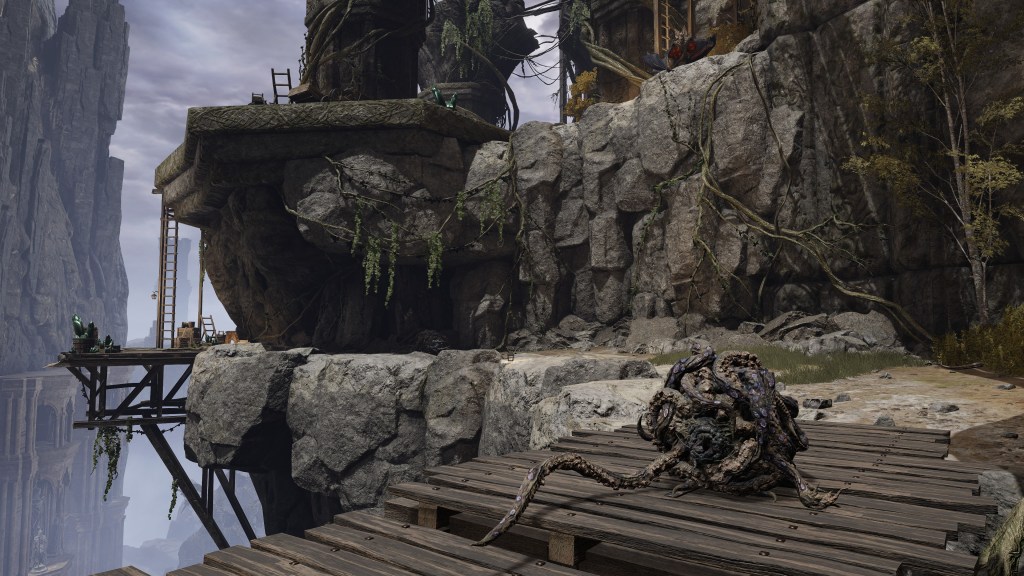
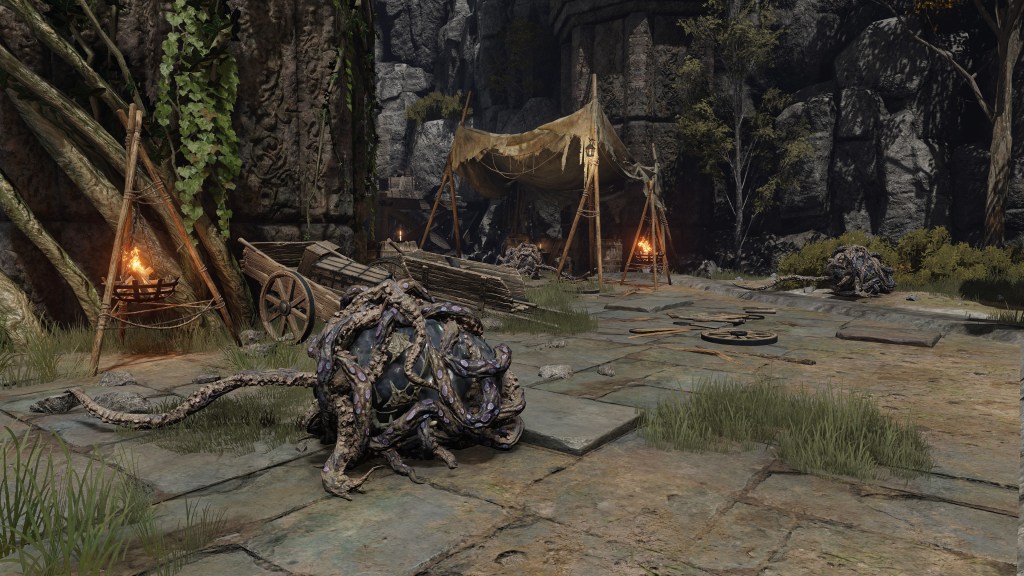
While the miners were still busy with mining, the builders packed up and left. This population for the new mine and mining village were presumably sourced locally, such as from Site F, but they were willing to abandon their old homes to survive. Because they couldn’t head up the slope to Bellum without crossing paths with patrolling Cuckoos, the exodus appears to have tried sneaking past them through the valley. A trail of bloodroses from the village down the vale show this dangerous path they took, suffering losses along the way. As if the overflowing current and toxic wildlife weren’t enough, they reached the mouth, only to come upon hostile Albinaurics, the trail of bloodroses ending at those silver-men’s isles. Each and every one tragically met with certain death, but the alternative promised death yet more certain. For abandoning duty to the service they were likely pressed into, the Cuckoos were sure to punish them severely. It didn’t matter if the village and mine were a deathtrap, Morgott gave his permission, and the Cuckoos were going to wring it of all its worth.


Taken together, the consistent throughline is neither Raya Lucaria nor its army show much unity with each other or within themselves. That lack of cohesion has limited the rebellion’s successes while multiplying its outright failures. The academy may still stand strong, but the sorcerers’ goal is not to fight. Once the Cuckoos eventually do suffer a final defeat, they will be alone on their mountain, and the war will be effectively done. What are the plans in that scenario? Do the scholars in their ivory tower even realize the situation they are in? If they have sued for peace with the Albinaurics, it hasn’t made much progress — and if they are just delusional, then this drawn-out stalemate is only prolonging the inevitable. In the meantime, more innocents will die and less soldiers will be around to restore order. The academy has plunged the land into a sorry state of affairs, with the only the mutual destruction of Caria for solace.
One False Hope
While all this was going on, Ranni already made her return to Caria Manor. From Rogier’s dialogue, she and her vassals have been staying in the castle for the last few years of the war. This wasn’t before the rebellion started. The spirit of an enchanted knight seated in the castle remarks how long he had waited for her, indicating that the man died by the time his prayers were answered. The noble spirit’s rhetorical apology to Iji at Site K similarly suggests that her vassals weren’t around during the Cuckoos’ invasion. It was potentially only years into the fighting that this group gathered back at the demigod’s old home. We can specifically pinpoint this to after the dragons turned hostile, as Adula is one of the glintstone dragons but also the princess’ sworn knight.
… Lady Ranni, I have awaited you for so long. Please, restore the royalty. Let there be a Full Moon in Caria…
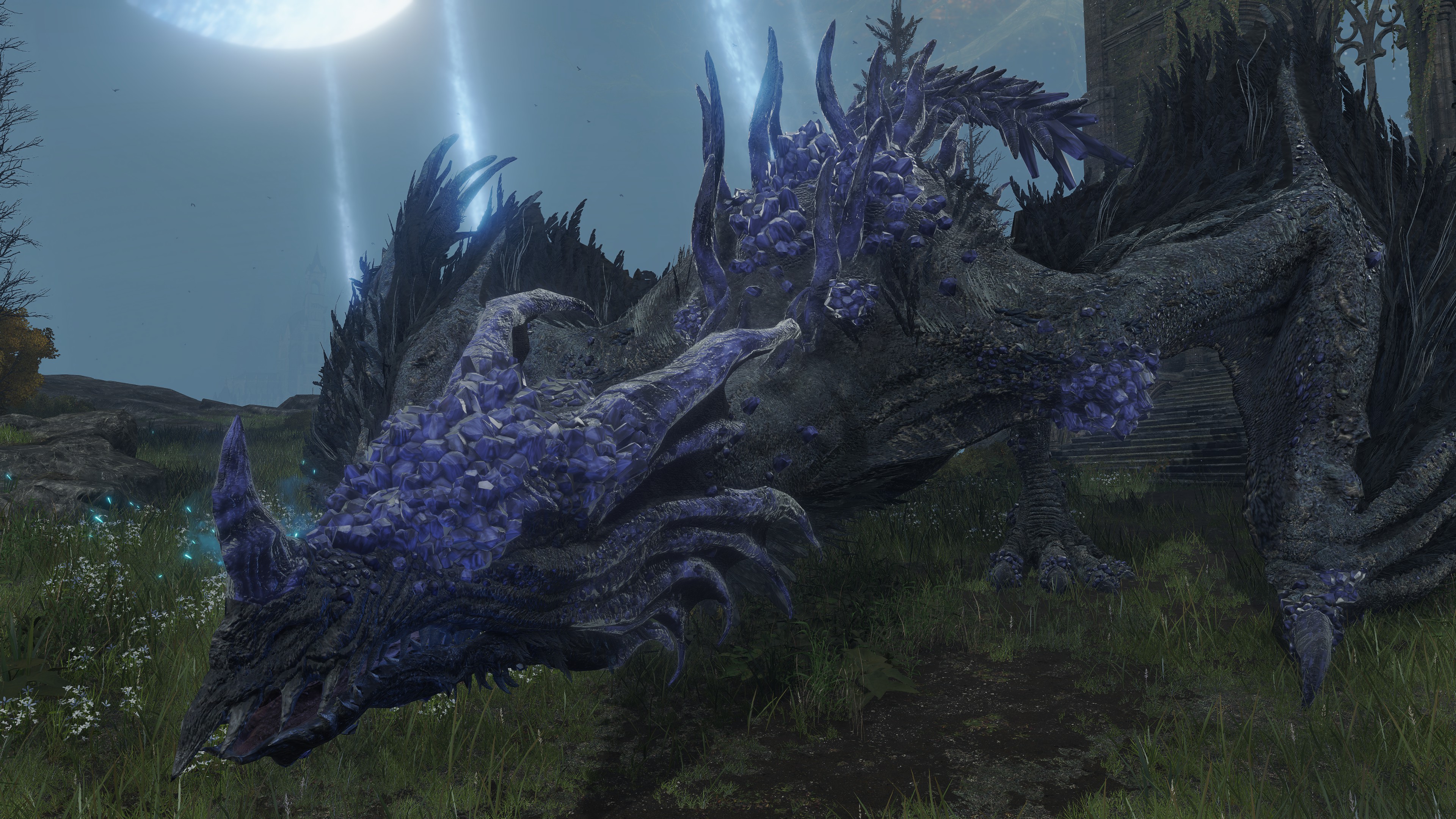
The wyvern was apparently defeated when trying to devour the witch and, respecting her strength, swore allegiance — befitting the name’s reference to adularia, the most common kind of moonstone. As a result, Adula received some of that strength in the form of the Darkmoon sorcery blade in those jaws instead, and the sorcery instruction aids in channeling the power of that glintstone body into Crystalian-style sorcery. But this flying dragon is unique from the other sorcerer-eaters, exhibiting blue crystals in opposition to the blue-green crystals matching the staff of standard sorcerer enemies. If the turquoise coloration reflects the kind of sorcerers most of the dragon were feeding on, then Adula has been devouring another kind. And when it comes to true blue crystal, the only sorcerers relevant to discussion in Liurnia are the Crystalians and the Carians who adopted their crystal sorcery. The latter would explain why we find the Three Sisters area lies in ruins, with nary a Carian to speak of. One dragon made a surprise attack on those living and researching behind the manor.
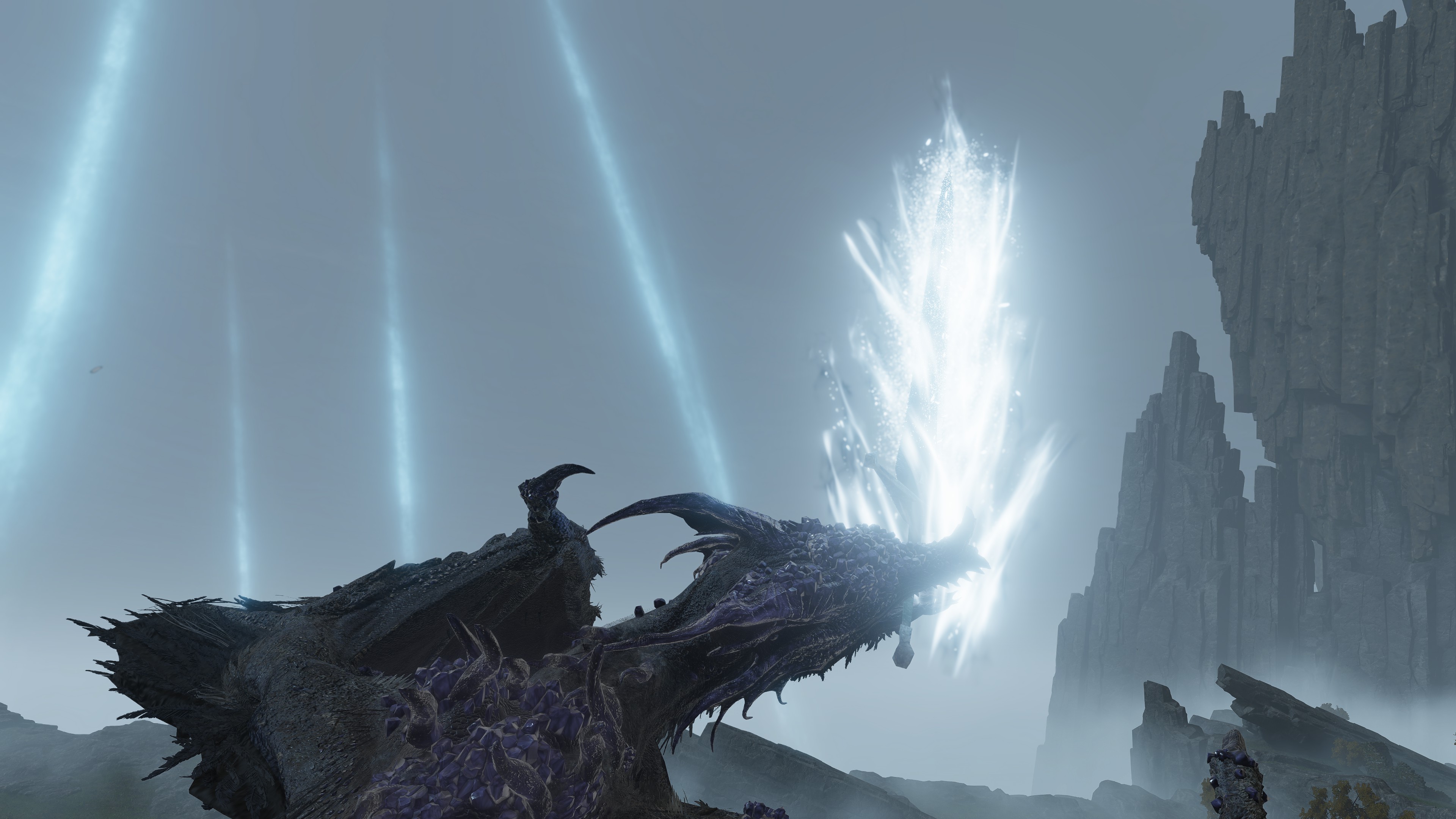
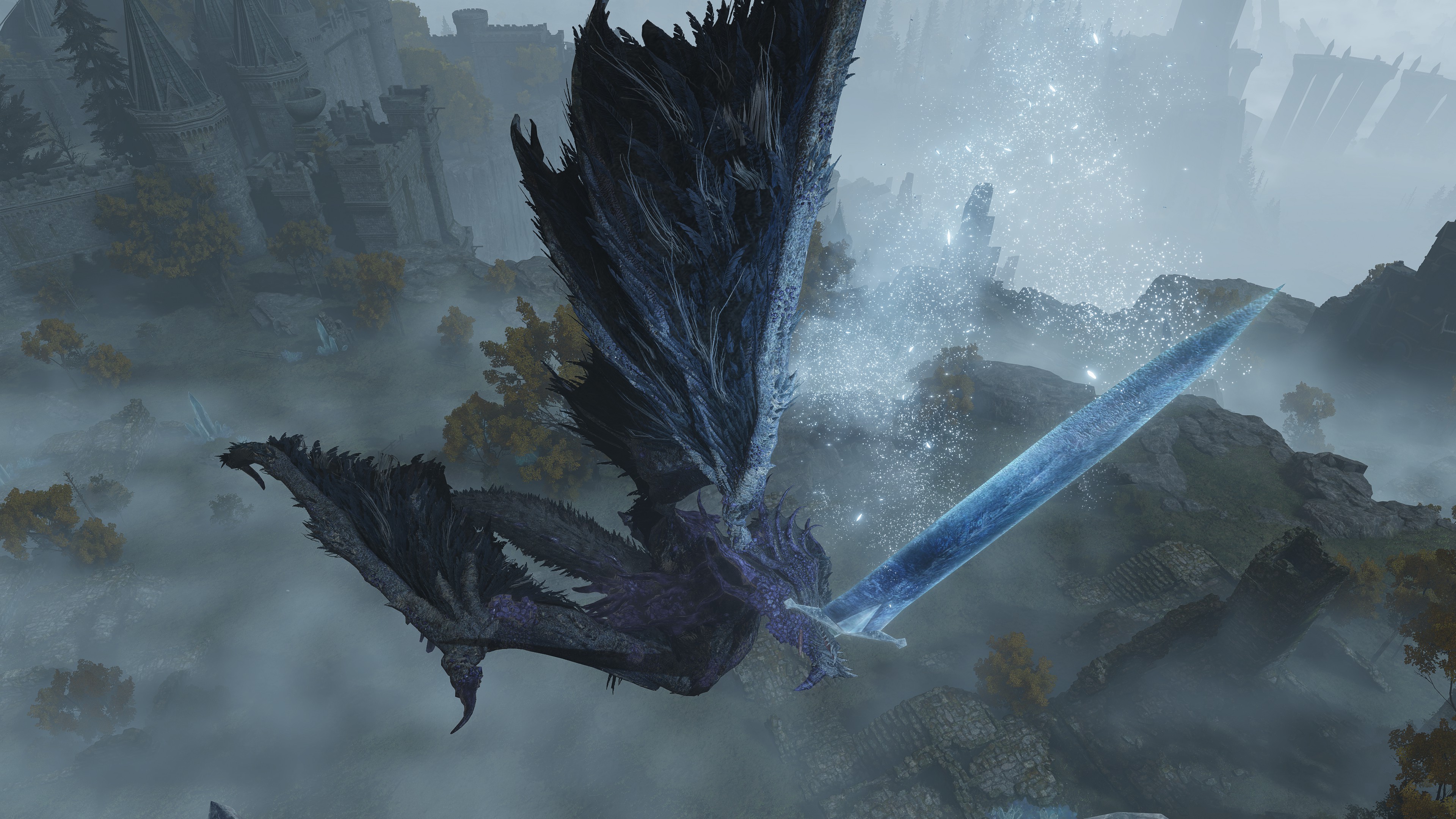
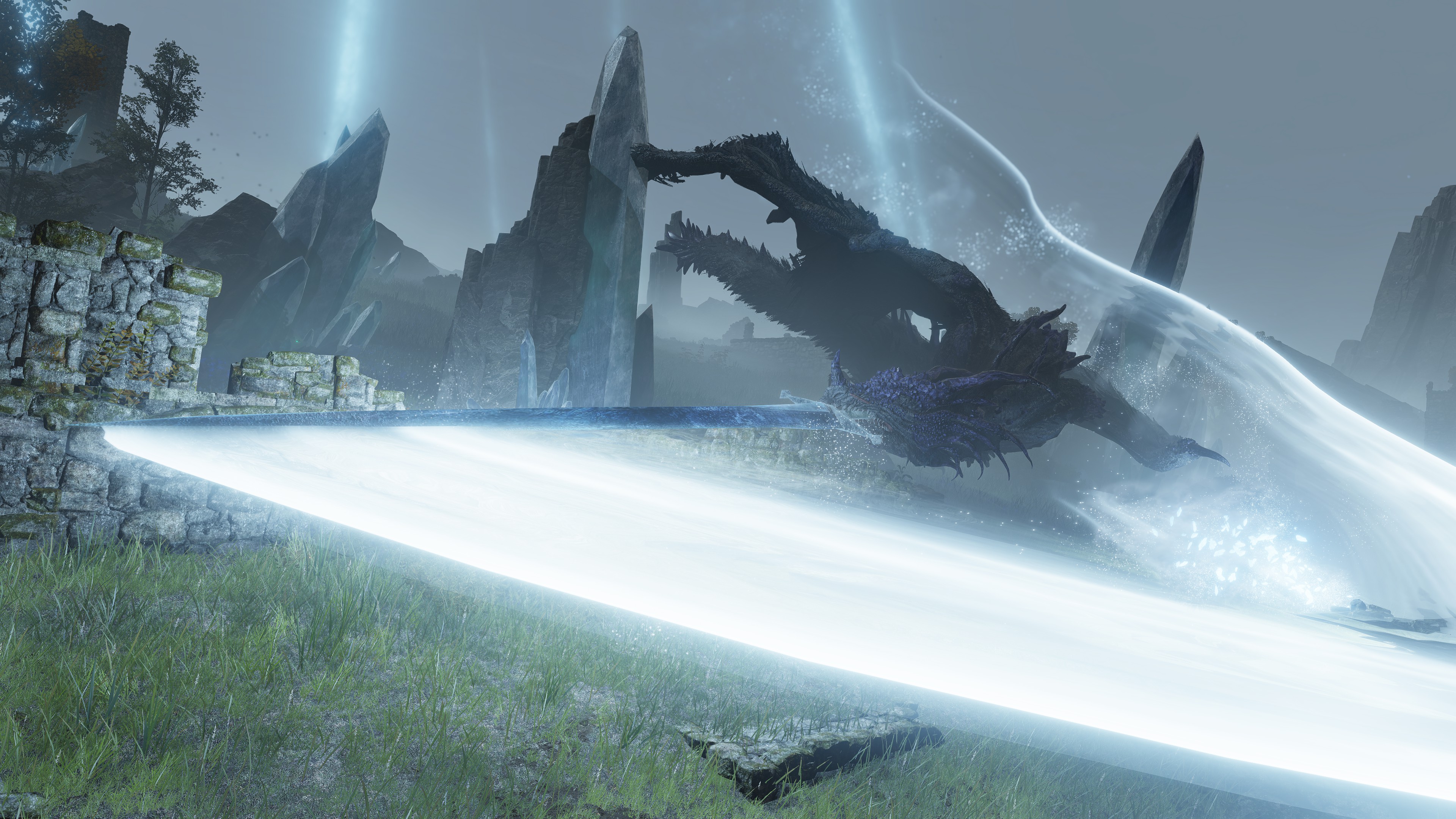
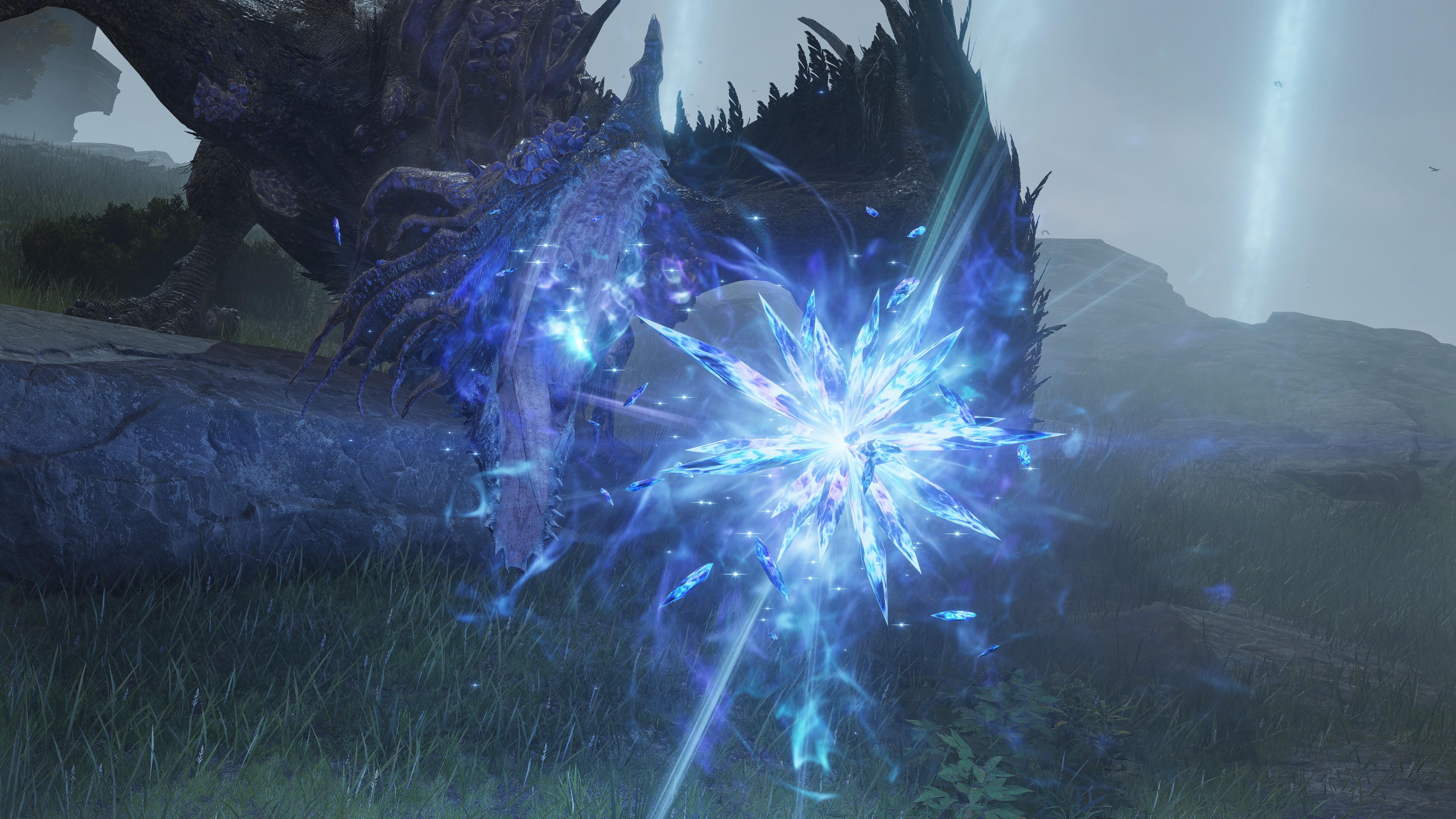
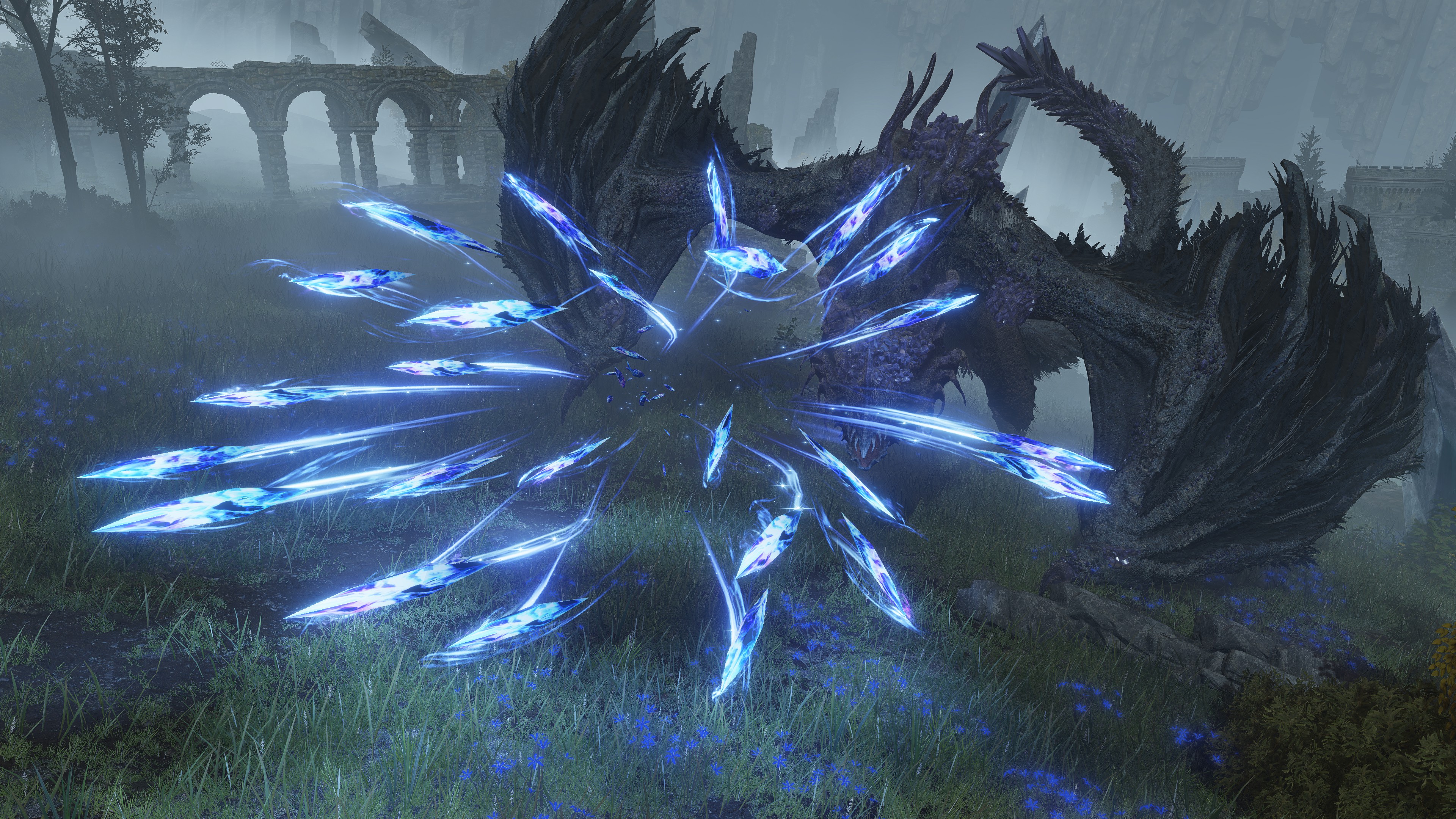
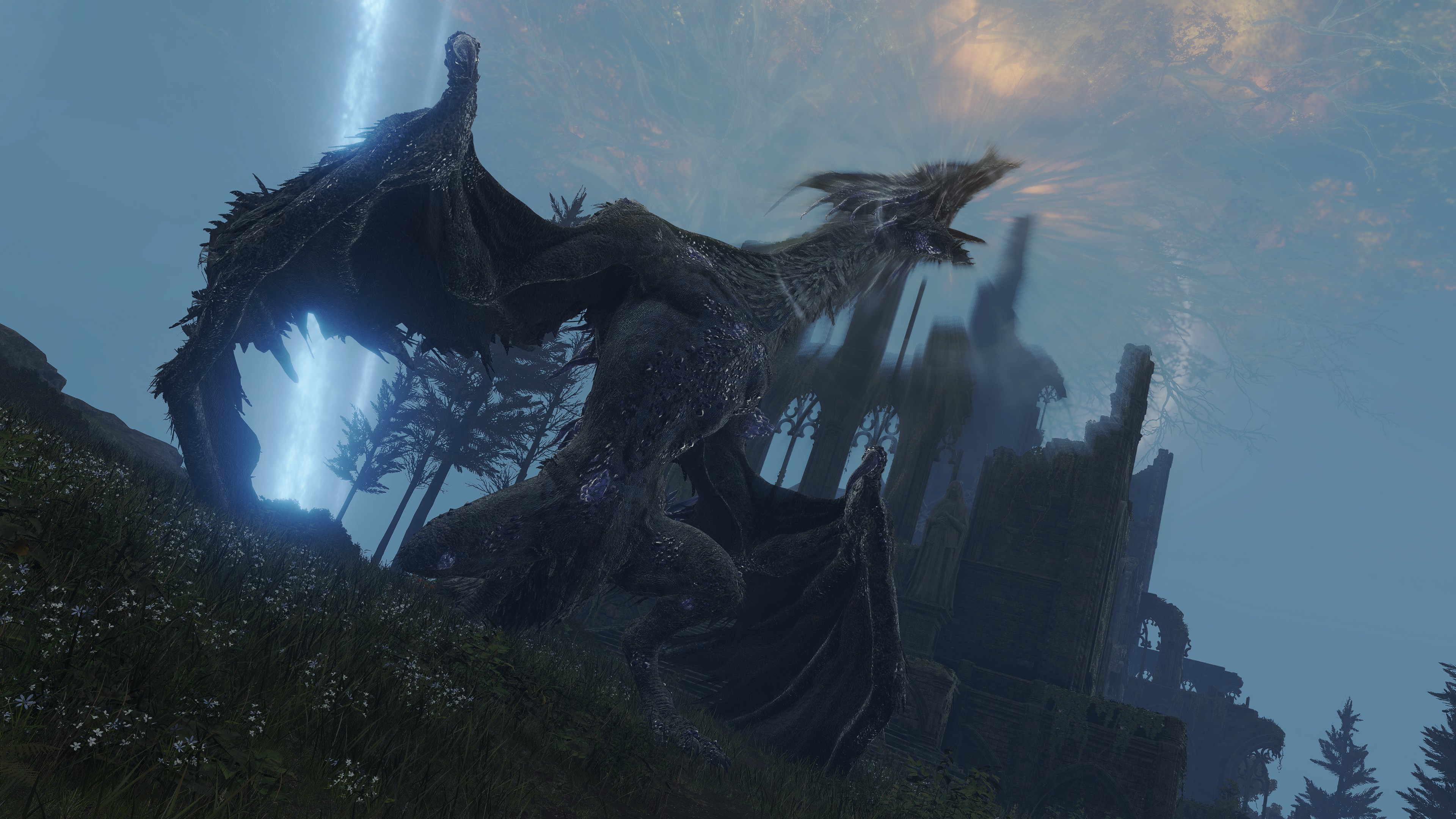
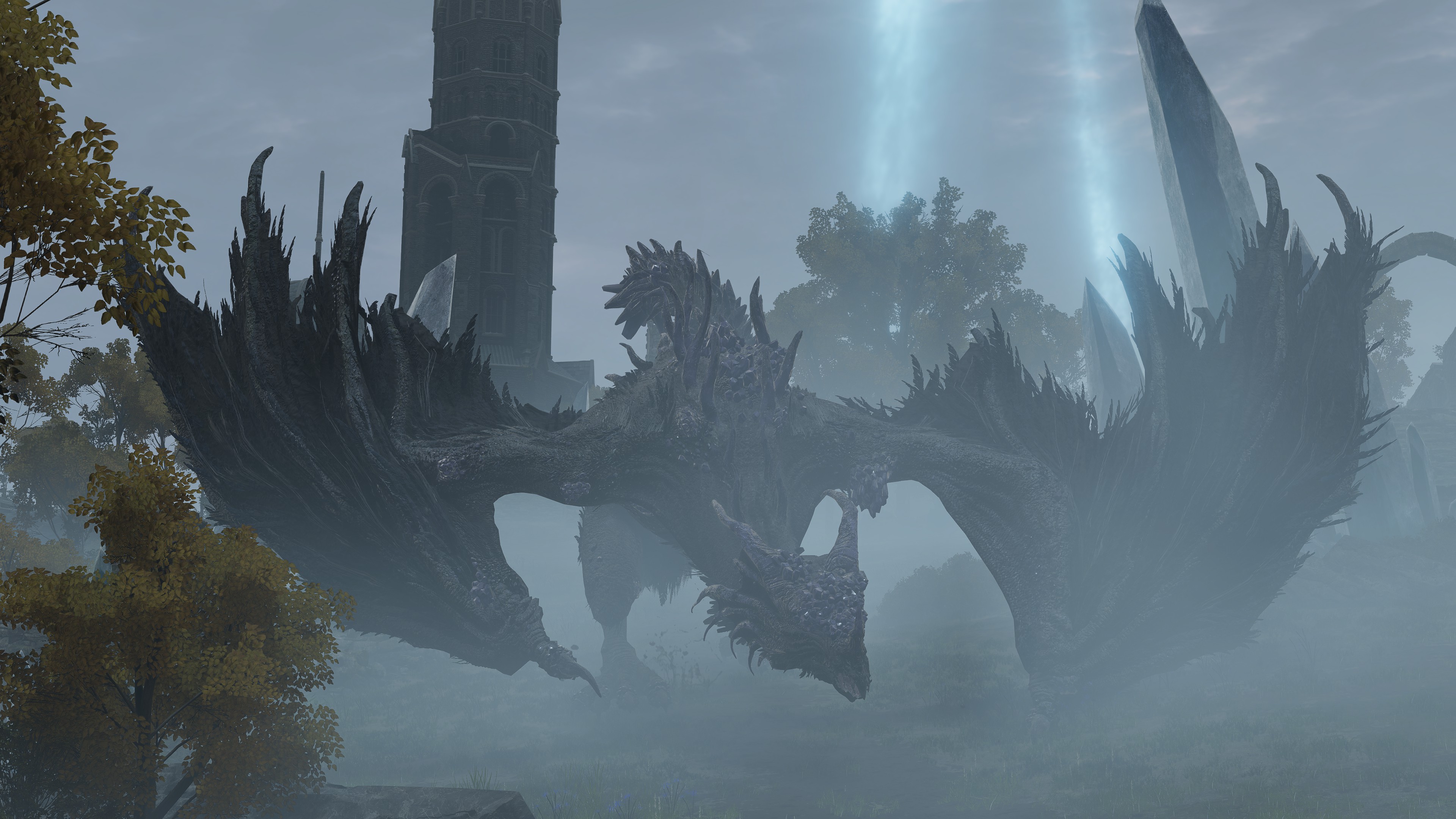
Meanwhile, the Lunar Princess had been staying at the Cathedral of Manus Celes. The church is the one building the dragons haven’t reduced to total rubble, in part because the flying glintstone knight protects it along with Ranni’s Rise. The place has mainly suffered damage from a shower of starlight shards crashing through the roof, which would be appropriate if the witch concerned with her fate was performing rituals to try and change it at the altar. The Cathedral is also where her Two Fingers have been imprisoned as she awaits the means to kill them alongside her fate. Even Alecto lies captured in the local evergaol, doubtless after tracking her backstabbing co-conspirator to the Moonlight Altar for revenge. Therefore, the Darkmoon witch was probably using the Cathedral as a hideout when she disappeared, ignoring matters with the manor until something beckoned her return. Perhaps she saw the destruction wrought by the dragons on the Altar and, presuming a similar attack on the castle, made her way over. But it was following their assault everywhere in Caria’s western holdings that she left for home.
This scenario explains why we encounter an enchanted knight’s spirit well behind the walls of the castle manor. More than likely, the knight was mortally wounded in attempting to stop Adula. Forced to retreat, he sat down under the chapel, preparing for death, when Ranni showed up at last, the cure for everyone’s despair. Before the Carian-devourer moved onto the manor and finished off the last of the household, the witch arrived to tame the wyvern with her cold magic. By that point, only the Three Sisters towers themselves remained intact, everything else since left to fall apart. The losses in life were just as devastating — the only survivors were some Erdtree and moon nobles, who continue to serve their savior, as well as the vassals and servants remaining in the castle. But Caria now had a leader, who was already knighting new warriors. The knight who endured for so long finally embraced death believing that she would restore the royal family as the next Full Moon Queen.
To the witch’s credit, her arrival revitalized Caria to some extent. The Glintstone Craftsman’s Cookbooks are notable for the description claiming that they “served” the academy, thereby not necessarily still in service to it. Some may have simply died whilst on the campaign, explaining why we find so many recipes left stored at the Cuckoos’ various encampments. Others might have been killed by their ostensible allies, such as the craftsman formulating freezing grease in Laskyar. But the rest might have defected to Caria. For sure, we collect two of the artisans’ cookbooks from the castle manor. A corpse holds onto the recipe for freezing pots — emblazoned the Carian crest and expressly derived from Ranni’s Darkmoon in their text — whereas Pidia sells the secrets to coldbone ammunition. It may well be that a few, dissatisfied with Raya Lucaria’s prospects, joined up with the royal house after the witch reentered the scene, giving renewed inspiration to investigate the power of cold.

However, Ranni isn’t the savior of Caria. Nothing she has done has substantially changed their circumstances. Miriel lays blame on the Shattering for everyone forgetting what’s important, but Liurnia’s conflict stems from far deeper, systemic issues that have been bubbling under the surface well before he became pastor. The Shattering has just created an opening for these points of friction to finally be hashed out. Even accepting the validity to the turtle’s argument, Ranni is still in no small part responsible for that war playing out. In that case, Caria’s subsequent downfall would have just been another cold calculation. Her only reason to return and help may have been to save her vassal, Seluvis; her reason to stay, because there is no family left to oppose her. Miriel has heard details about Rennala and the rebellion, but few actually care to visit the Church of Vows as it has fallen into disrepair. In the end, there is no populist want for unity in Liurnia — every party in this civil war is just looking out for themselves. The national identity was always a precarious coalition. Its fracture will be the Carians’ true legacy.
Ahh, is that so? There is no helping that, either. Ever since the Shattering War had occurred, people have all forgotten what’s important.
 Lokey Lore