
Preface
The Chalice Dungeons lack the same charm as the more carefully crafted world in Bloodborne‘s main journey, without question. But despite the repetition, these strings of areas can convey a lot about the underlying places. The environmental storytelling may only project a vague aura, but when the subject covers eons of history, anything more detailed would be impractical; especially for backstory. In that respect, the dungeons’ hazy tales have their own charm, telling the beginning in a way that answers the key questions while prodding the imagination for more.
Lost Lenore
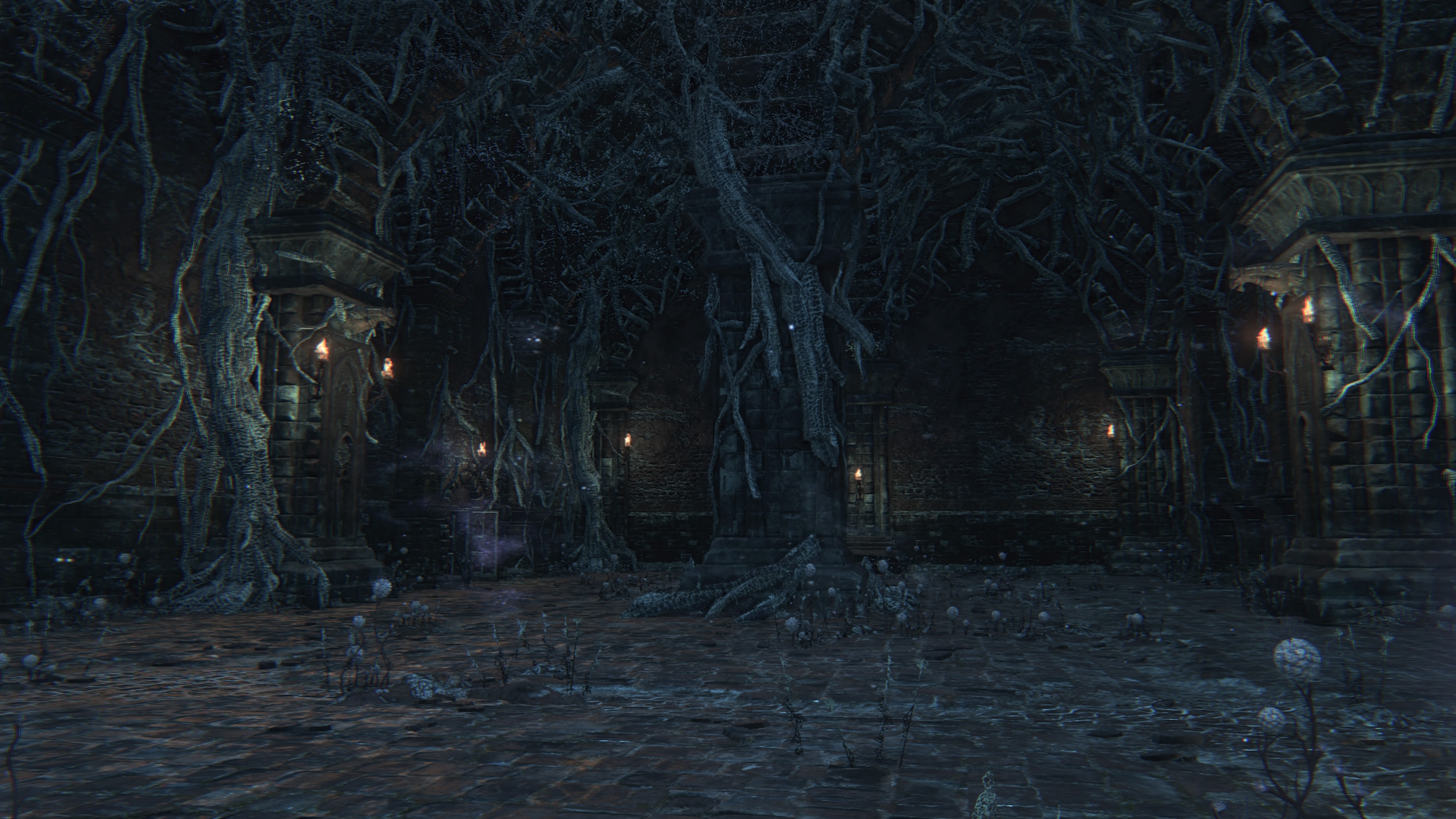
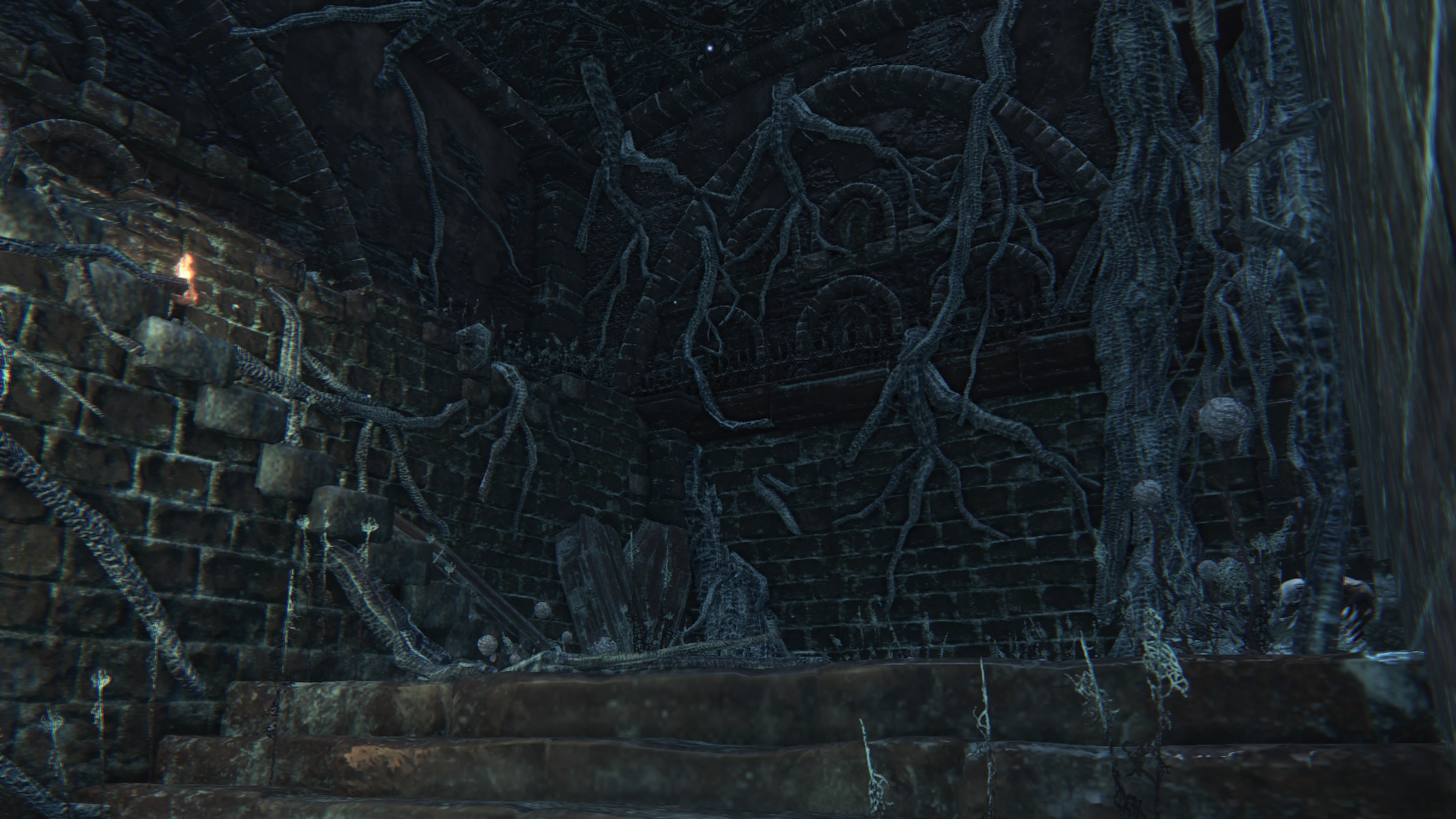
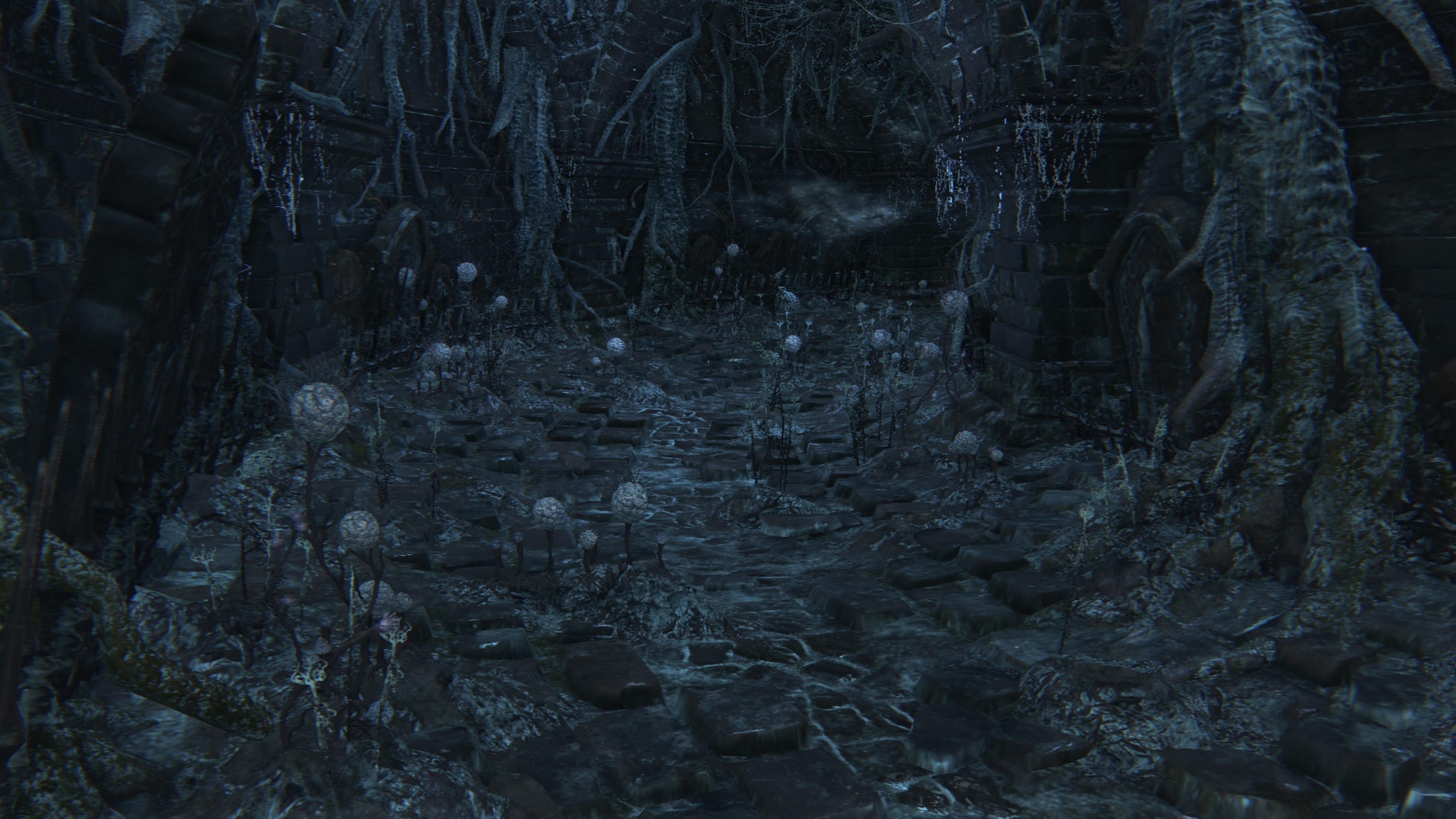
Located at Depth 5, the Isz Grave stands amongst the oldest sections of the underground ruins. It is, in fact, one of the secret sections for us to access, buried under so many layers of history. The fact that Isz has only one dungeon to its name suggests that the civilization was the earliest to collapse in the labyrinth’s history. That may be why the so-called Grave is identified specifically as a “stella”, (碑) the kind of tall stone monuments for future generations to remember things by. While still applicable as a tombstone, the choice of language might hint to what the land represents to the wider lineage of dungeons. In other words, Isz was foundational to the ruins, likely the oldest civilization in the world we encounter on our journey. And what would all posterity learn from this metaphorical memorial? Divine mysteries.
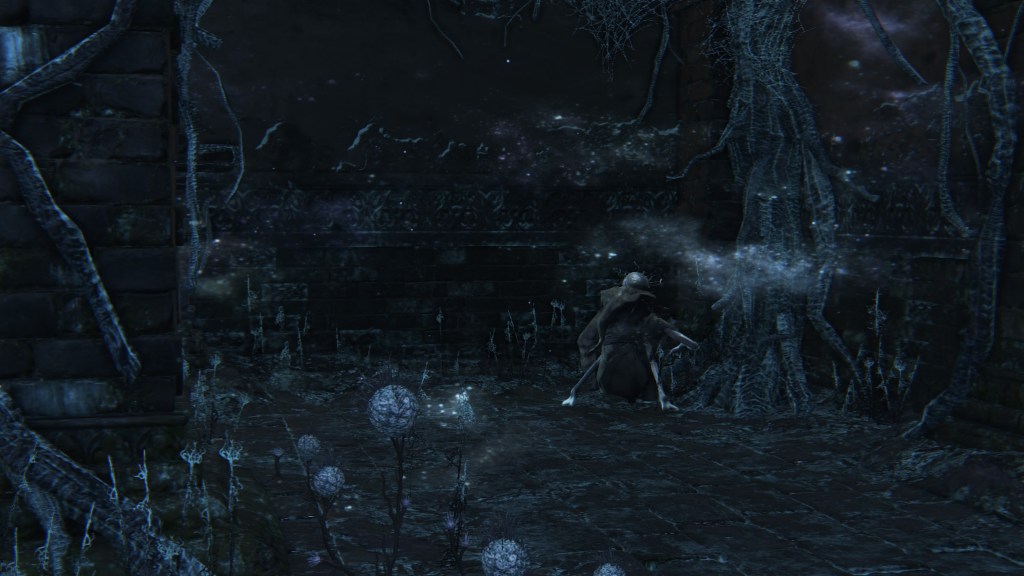
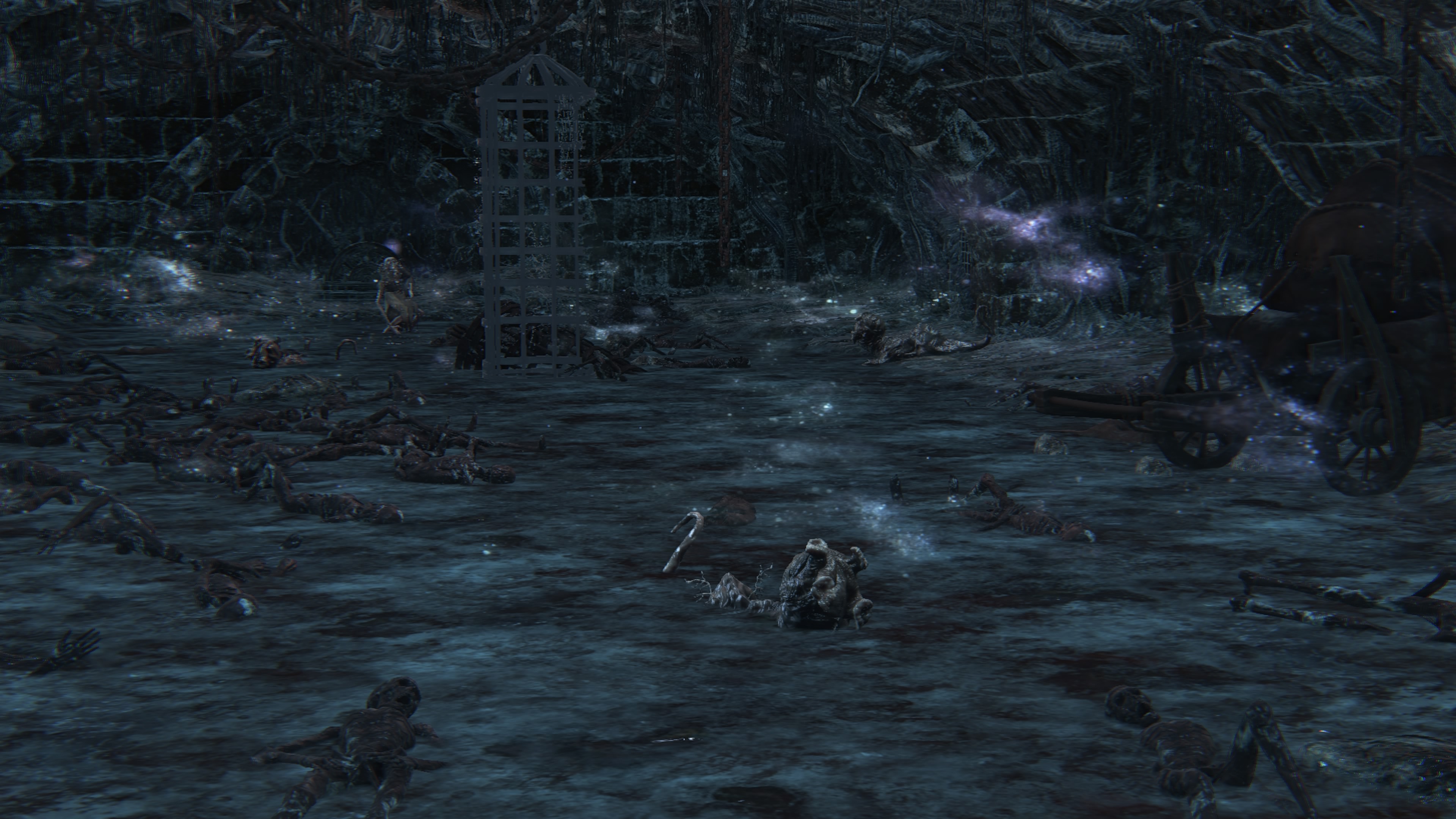
Descriptions to in-game achievements confirm Isz to be homeland of the stars’ kin, with the Choir additionally claiming that the dungeon touches the cosmos. Patches of nebula do drift along the very air — translucent and intangible — a sure sign of crossover between planes on heaven and earth. Without question, the Great Ones and related entities bear close connection to Isz. But if the dungeon is the kin’s home, their place of origin, then what about their radiant cousins? Once again, the Choir asserts that the contact with the cosmos proves this land to be where the Great Ones acquired their transcendent thinking. Put another way, we are to believe the original stars were the humans of Isz; as the first of the gods’ resting place, the dungeon apparently doubles as the birthplace of the gods themselves. It would certainly explain why the gods’ graves are situated where they are. Burying Great Ones requires Great Ones to bury, and if the ruins belong to lost civilizations, then it is only natural that the first grave bury the first Great One from the first civilization. Isz just happens to be that civilization.


One of the Holy Grails that lift a seal on various parts of the underground ruins. “Holy Grail Dungeons” which have their seals lifted via a pan-Holy Grail ritual are known to change their appearance with each ritual.
According to the “Choir”, the land of Isz is touching the cosmos. Thus, they say that it is where the Higher Ones had once acquired transcendent thinking.
If that land at Depth 5 is the origin point for stars in the sky, then the multitude of kin and contact with the cosmos is definitely telling. Citizens sought transcendence with a single-minded focus, hoping to elevate humanity to its full potential. However the country originated, Isz became dedicated to the research of cosmic greatness. The name also betrays the ultimate ethos of the culture. “Is” (イズ) has obviously been taken from the English verb, a form of “to be” which defines existence. The implication? Isz the nation was concerned with the nature of being; wishing to know what is, why it is, how it is what it is. That is very much relevant to how they stumbled upon transcendence and the cosmos. Most likely, Isz’s research began as an innocent inquiry into the fundamentals behind the existence to all things. Only by solving that mystery could they even begin pursuing ways to heighten being. And the answer to being is, of course, blood.
Experiments with blood were undeniably happening. While exploring the story dungeon, we commonly come across a number of peculiar items, such as sedatives made from thick human blood for researchers of the arcane to calm their disturbed minds — since falling into insanity is all too common in the course of their work. Although the item’s description claims that this medicine originates elsewhere on the surface, it is clear that clandestine Isz had independently formulated the recipe, long before the present era. And if they were treating mental illness with blood, then it is guaranteed that the ancients made the connection between blood and the arcane. They did toy around with the substance in other ways, as another frequent item in the dungeon is the poison knife. Despite its warped shape, it is more accurate to call this tool a surgical scalpel, (メス) the slow-acting poison presumably serving to suppress the blood of the surgeon’s subjects as they are cut open. Combined with the sedative, Isz must have frequently investigated blood for new insights, making use of subsequent discoveries.
Throwing knife covered in plenty of poison.
The warped blade is thin and sharp like a scalpel. The Treatment Church’s special treaters often possess them for self-defense.
Traditionally, hunters don’t use much poison. It is probably a little too slow in your ordinary beast hunt.
For a people intrigued about the fundamental building blocks to reality, learning how to operate the maddening power was probably intoxicating. The sedatives were just the beginning of this innovative blood treatment in Isz, pioneered by their observation of live blood during surgery. However, discovering blood’s practical applications as a panacea brought with it new problems, namely the beast scourge. Yellow Backbones are a “special” body part dissected from humans, the infection evidenced from the stench if not the color. These relics, collected within the story dungeon, almost assuredly belong to victims of this disease. In Isz, we do encounter scourge beasts, the original name “sufferer beast” (罹患者の獣) referring to someone who suffers from disease. Item descriptions consistently utilize this term in relation to the scourge, a portion’s tattered vestiges of clothing indicative of the creature’s former humanity — a patient whose illness was treated but evidently overtook them regardless. Put simply, Isz began seeing its population turn into monsters after adopting blood treatment.

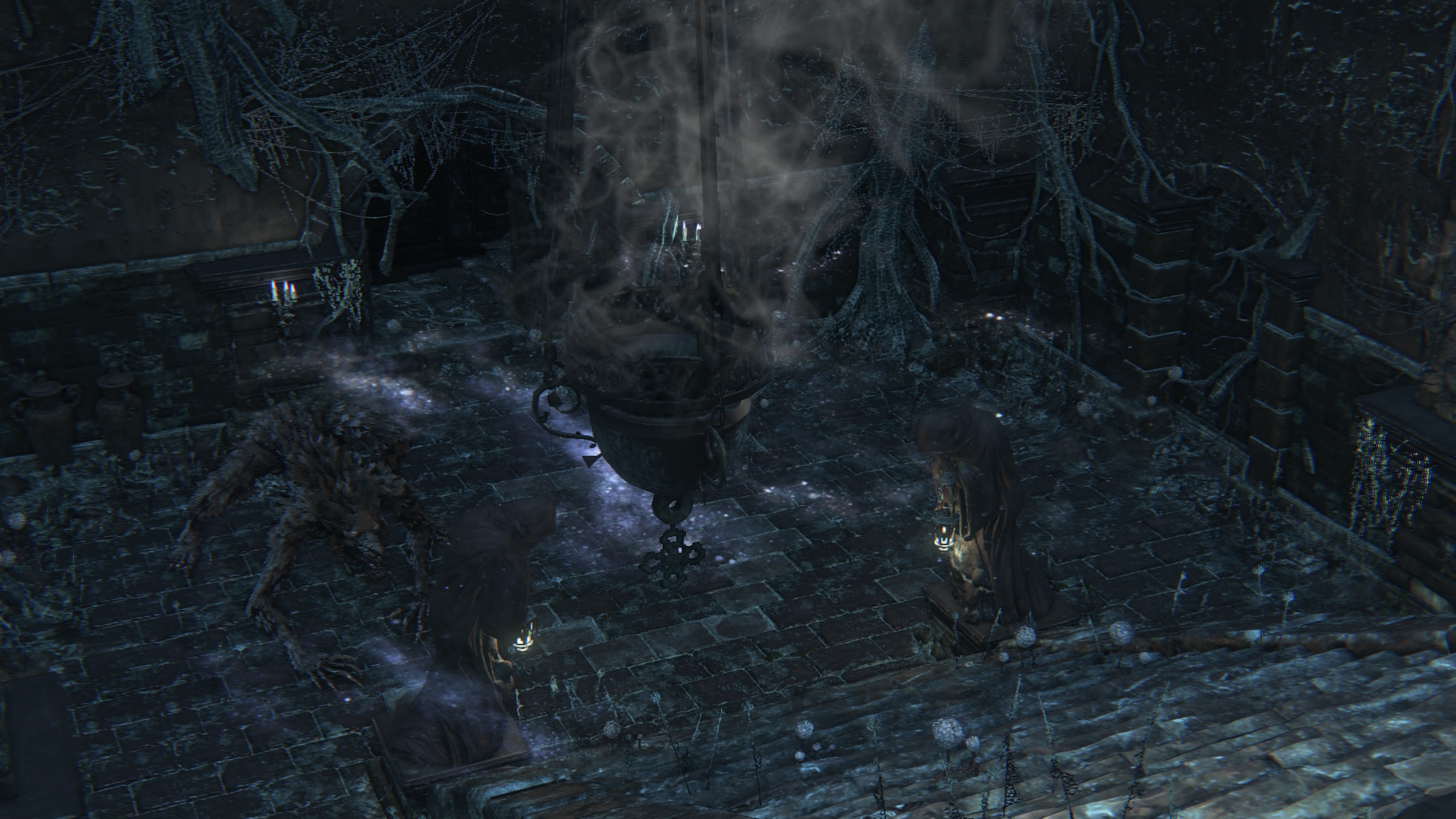
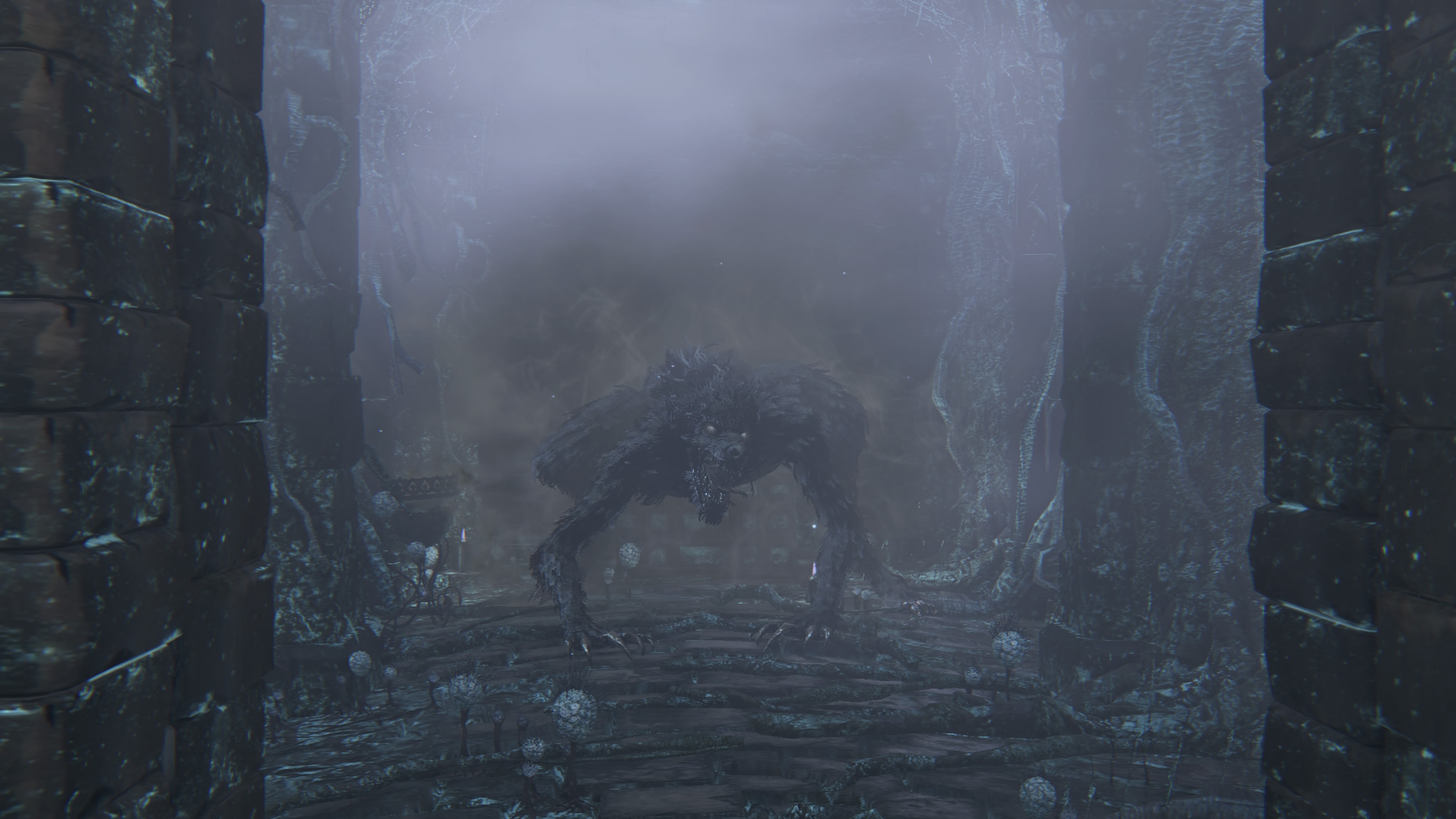
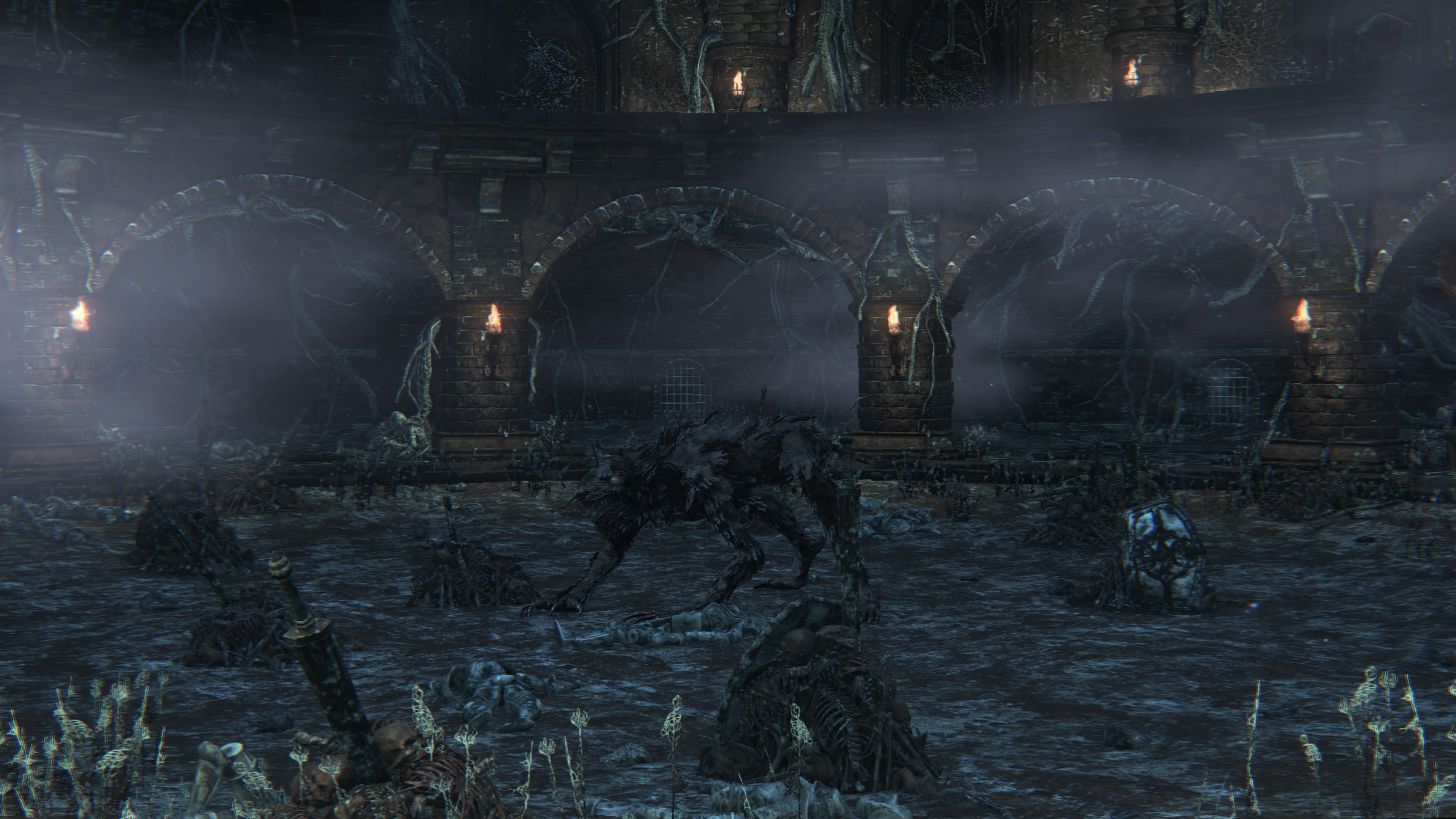


While no doubt a setback, the researchers were able to confirm one thing from these incidents: being could change, radically. Blood was capable of so much more than a restorative cure, they just needed to harness the power — to transcend, rather than degenerate, humanity. That fact alone might have drove them onward with this “madness” of theirs. After all, this discovery came with it the realization that blood didn’t just affect the physical but also the mental element. From that point on, Isz was no longer researching simply the fabric of reality, but of the mind. And somewhere down the line, their inquiries made the connection between blood and the mind via the brain. Blue Elixir is another drinking medication commonplace in Isz; this one used as an anesthetic in “dubious” experiments, numbing the brain before surgery. This proves that heads were operated upon, and we might even see some of the results.
Oral medicine that high-ranking treaters of the Treatment Church use in dubious experiments. It is a kind of spiritual anesthetic that numbs the brain.
But hunters maintain consciousness via left wills, and only use its side effect. In other words, they stop moving and let being itself fade.
The Sage’s Hair is actually a “saint” or “holy man’s skull” (聖者の頭蓋) which exists counterpart to the Wrist. Since the body parts are recognized by stench, there must be something special about the rotting corpse. The obvious answer is the blood. Descriptions link the saints to the modern Healing Church, but they can be looted from labyrinth madmen, who are classified as beasts despite appearances. Therefore, the Church’s so-called saints must possess blood plagued by the disease, in such a way that the smell “excites” the labyrinth’s residents. And if the only qualification is special beast blood, then any dungeon might have produced such “saints” prior. This means that any of the skulls and wrists we loot from corpses or chests may originate from the dungeon we find them in, which is consistent with how they are distributed. The Sage’s Hair is only available in dungeons at deeper depths, with six amassed in a treasure room within the Isz story dungeon. Evidently, heads in Isz were especially prone to impressive blood, doubtless due in large part to the country’s experiments.

One of the special materials needed for Holy Grail rituals.
A portion of the saints who the Treatment Church sacrificed for the sake of its search. It is said that the ruins keepers express a peculiar excitement toward the saints’ corpse odor.
A portion of the keepers express excitement due to the additional rite “Corpse Odor Sacrifice”. They are more dangerous than normal but should also serve as special hunt targets.
Altogether, the ancients focused on developing the brain as an organ of the mind, and they were on the right track. The brainsucker is a rare enemy, even in the dungeons, yet are still most common to Isz. The creature was clearly once human, garbed in a simple robe. But the body has transformed into a kin with pale blue skin and tentacled mouth. Most horrifying is how a tentacle bursts from inside its cranium, draining our insight along with our brain juice once the monster has us in its claws — aided, of course, by its use of paralyzing arcane arts. Naturally, all this invites questions about this “brain eater’s” (脳喰らい) origin. Close inspection reveals stitches where the head tentacle gushes from, implying that the enemy underwent prior surgery. This leaves an impression that surgeons implanted some sort of parasitic kin into the patient’s brain, which then took over and transformed the person into a brainsucker. An artificial kin may have been the original concept, and it does comport with the brain surgeries occurring in Isz. So long as they somehow acquired a parasite, the scenario is feasible.
However, there is reason to doubt FromSoftware’s intentions for the final game. Outside the Chalice Dungeons, brainsuckers can be encountered in only a few areas. In most cases, the surgical explanation is still justifiable. However, our earliest possible encounters with the enemy transpire not on the grounds of a laboratory, but in the alleys and street corners of Yharnam. It is difficult to imagine anyone undergoing live surgery in that environment. The surgeons are just as unlikely to allow the patient to return to normal life when observing the transformation should be part of the study. That the brainsuckers managed to escape likewise beggars belief — they fled so far from the operating table without any of the many, violent, parties’ notice? Taken as a whole, the brainsucker’s appearance in the city is more consistent with the random beasts similarly prowling the streets than deliberate experiment. This opens the possibility of the developers intending these encounters to denote rare outcomes for sufferers of the scourge, blood treatment transforming them not into beasts but kin.


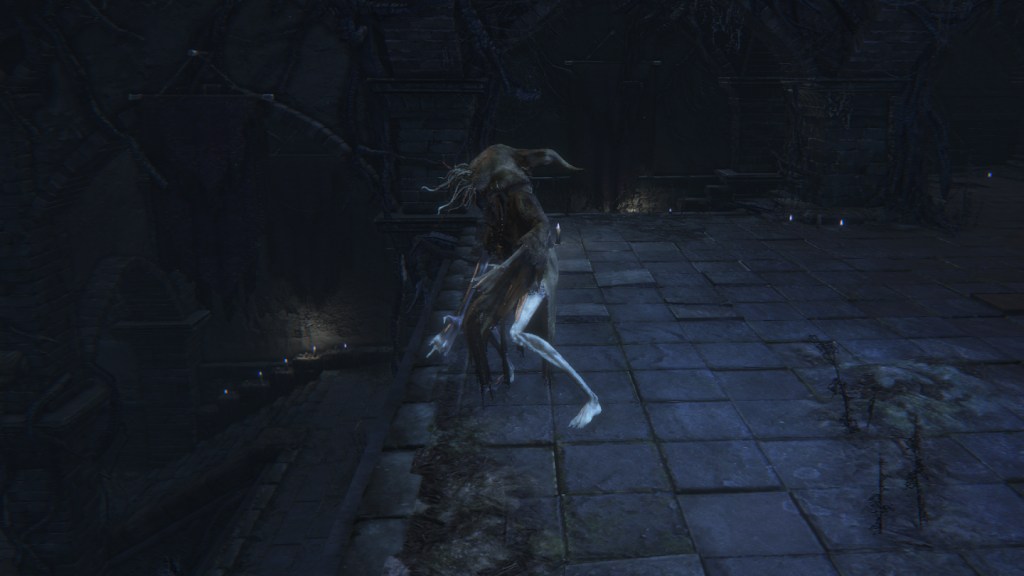


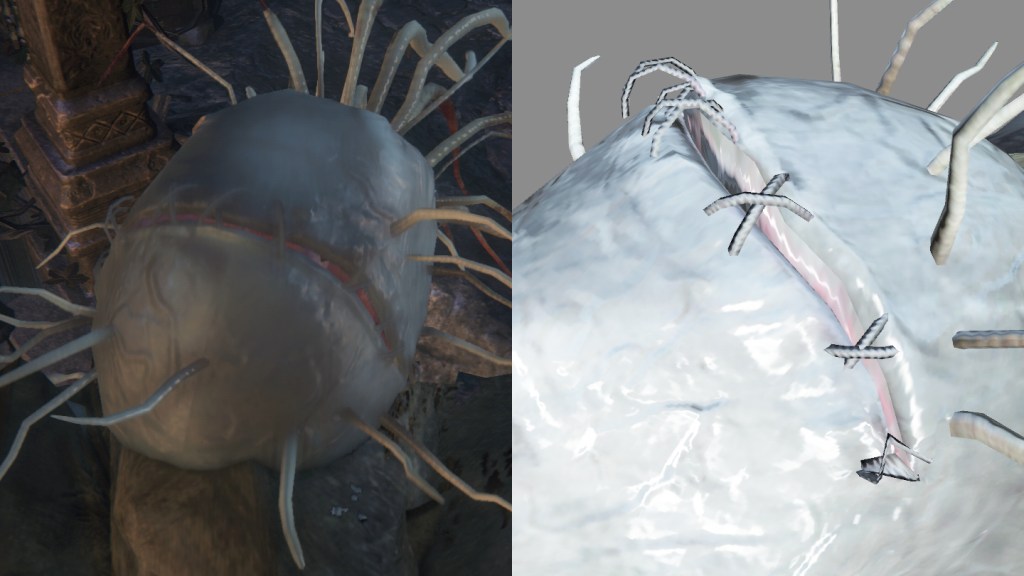
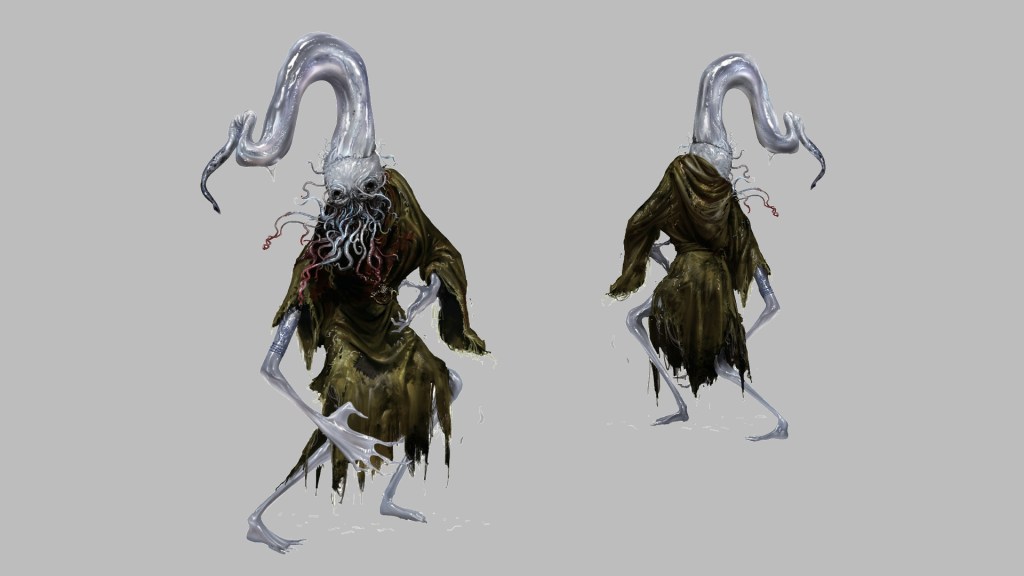

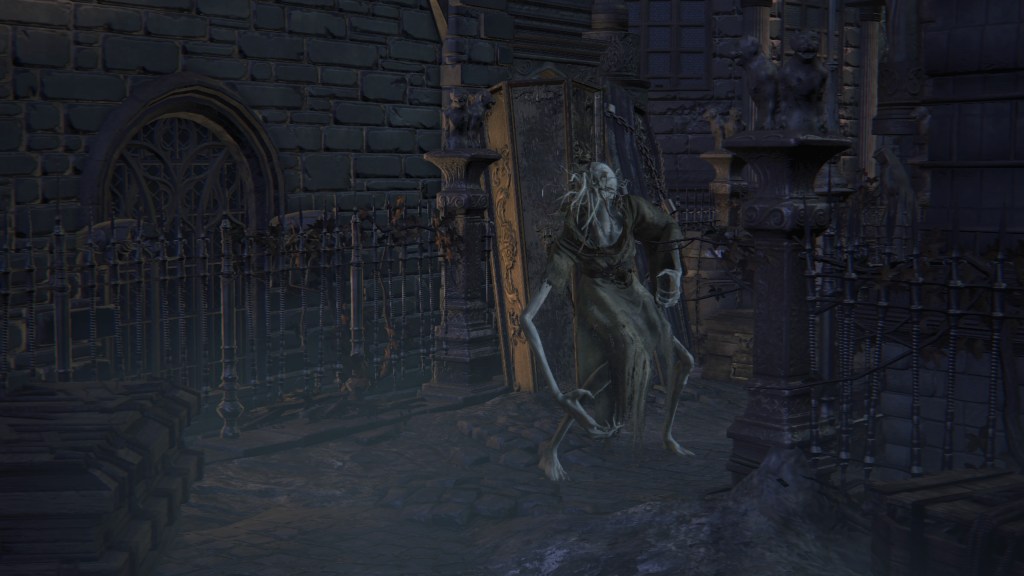


This fits better with Isz’s development. Rather than somehow acquire a kin to implant, they first observed the odd “beast” transformation and questioned what changed. The brainsucker provides the perfect example to reverse-engineer blood of the mind as a concept. The creature has the good sense to hide itself in secluded corners, evading attention from beasts and beast hunters alike. This plus its mastery of the arcane to “hunt” prey demonstrates greater intelligence than the average beast. It is simply the kin’s compulsion to obtain further enlightenment that drives it to kill on sight, sucking men dry of insight. This makes for a stark contrast against the base beast, demonstrating blood’s ability to heighten as much as diminish minds. As a result, they would home in on the brain for future inquiries. That leaves the brainsucker’s stitches unexplained, but admittedly, it is almost impossible to notice this detail during normal gameplay. In short, that feature may be a vestige of development, ignored or forgotten by the developers as the surgical origin evolved with the enemy’s placement in-game.
Regardless, Isz discovered the possibility to create kin instead of beasts to elevate human existence. And with refinements to the blood treatment, the researcher could reduce the number of “errors” in their experiments. Indeed, beasts are a rare sight in Isz. Looking at just the story dungeon, we come across a single pack of two scourge beasts plus one beastified corpse failing to stay dead with the rest in the sewers. And overall, Isz dungeons overwhelmingly consist of kin-type enemies. Through their tireless studies, the researchers managed to transform test subjects with increased precision, eventually making beasts the statistical outlier. And just as blood treatment can turn men into kin, it can also turn them into Great Ones. The experimental process assumedly resulted in some transcending planes if it was so widespread. And with enough Great Ones, Isz would eventually become aware of their existence. Perhaps it was from the blood of the bodies left behind, perhaps it was from the lights appearing in the night sky, or perhaps it was from the stars themselves reaching out. In the end, they realized their success.


Eye on the Prize
Despite all the strides they made, the researchers knew not how they succeeded, necessarily. Becoming a higher being was much more difficult to pinpoint in their experiments, so the country by and large remained in the same position. But now that some among them had already crossed over, the citizens of Isz had new options at their disposal: instead of a blind search, why not consult their former kinsmen for advice on joining them? All that would require is for them to achieve contact. Luckily for the researchers, some Great Ones were receptive to this idea. Isz root dungeons keep a whole host of Caryll runes, and both the root and story dungeons make available Great One’s Wisdom. These arcane entities were willing to assist, even if those still human weren’t able to fully comprehend their words. That caveat became the next stumbling block for researchers to tackle. Combined with studying Great One blood on earth, and the country must have noticed the need for insight to achieve transcendence.
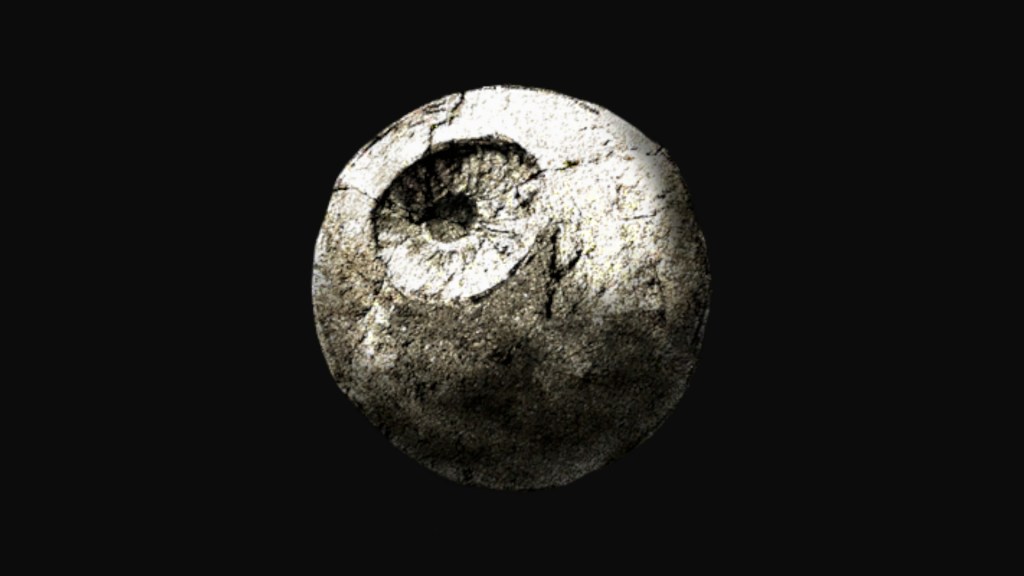
Isz zeroed in on the idea of the mind’s eye, at least. Common loot around those dungeons are unassuming pebbles. While the item itself may be nothing special, the menu graphic depicts the stone with an uncanny resemblance to eyeballs. In all likelihood, this imagery serves to explain why certain enemies might own one. For some, it might just be a random rock they decided to pick up and throw. But for others, it was that coincidental shape which likely attracted them to these particular pebbles. Isz fell into the latter camp. Not only is there little reason to associate this land in particular with small stones, we actually experience more examples of an eye obsession while exploring its root dungeons.
Like the brainsucker, the garden of eyes appears to be a human-turned-monstrosity, additional spider-like legs tearing the bloodstained robes off its back while a long tail and ginormous head ornament either end. The head in particular features a plethora of eyes, earning the creature its name. And as a “seedbed of eyes”, (瞳の苗床) it is clear that the ocular organs are supposed to be the seeds from which enlightenment will sprout. Someone apparently thought an enlightened mind required more eyes on the brain — in fairness, its ear-piercing scream in our face frenzies the blood just as a Great One’s words might. Cut content further reveals plans for the enemy to conjure arcane arts akin to the brainsucker, only relying on the spider-etched orb it holds as a catalyst instead of innate power alone. In total, it hints to this spider-like kin originating from experiments to create a Great One by piling on eyes in humans with partial success. And so far as Chalice Dungeons are concerned, we only come across the enemy in Isz.


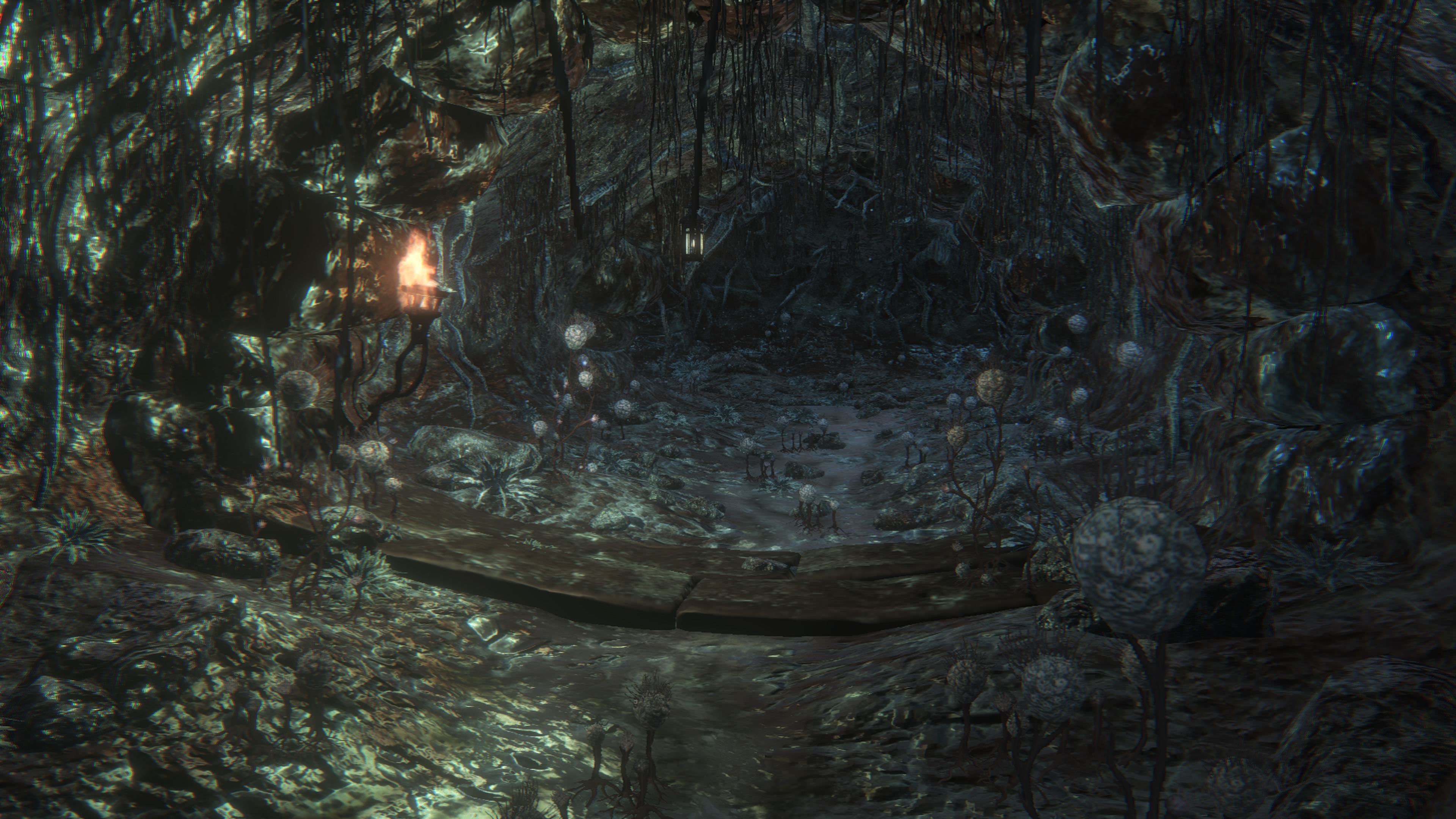
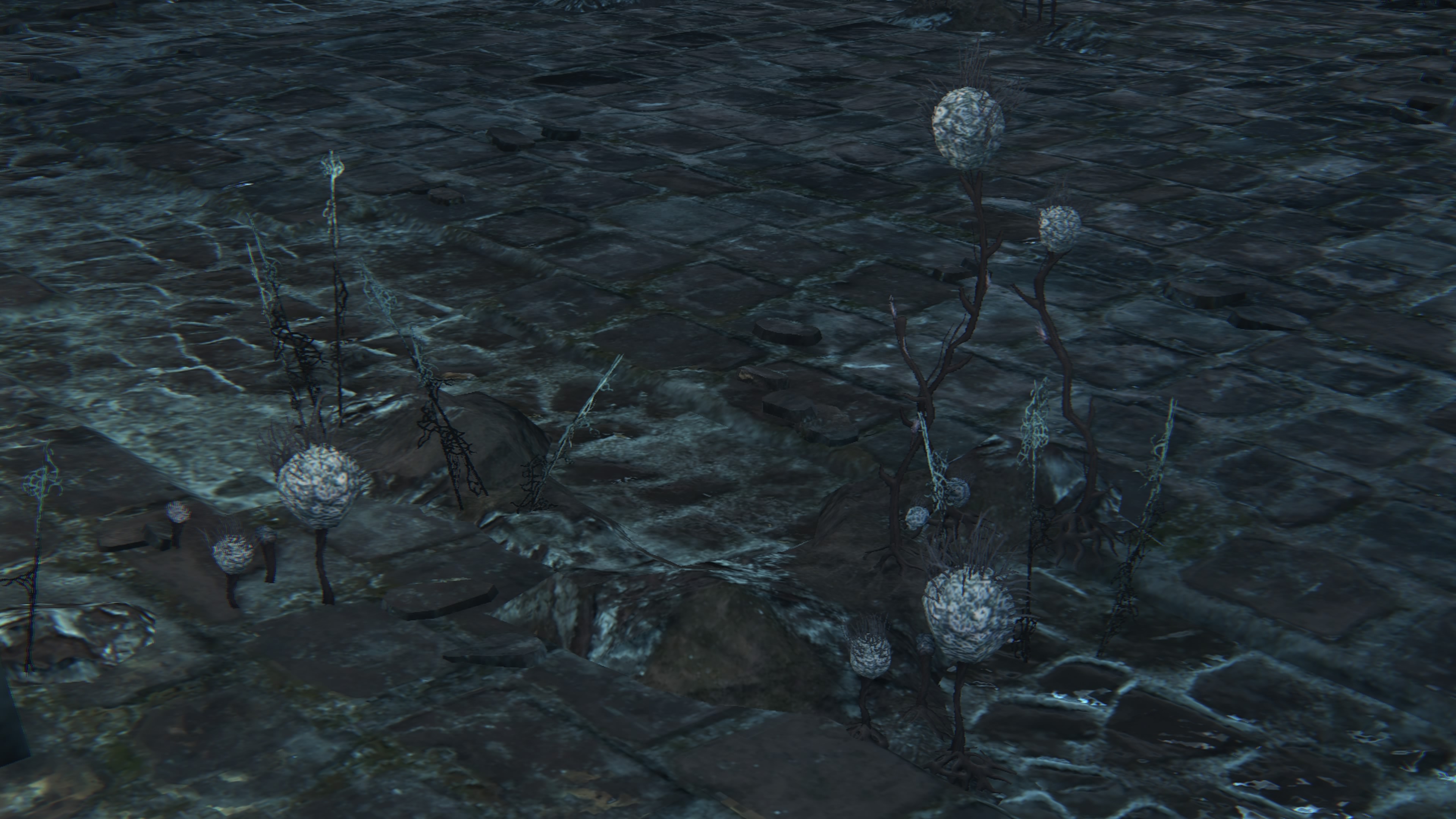
The allusion to plants fits, since fluorescent flowers similarly lurk in Isz root dungeons. Despite the name, this “firefly flower” (蛍花) is a fleshy horror below the stem, with insectoid legs and toothy maw. In fact, the bloom glowing bright white as it hangs over the mouth functions similar to an anglerfish lure, attracting prey while the kin’s body burrows beneath the ground or blends in with the overgrown ceiling. Even still, the flower is a weak point that agitates the enemy, and that power to emit light can also produce fiery meteors. Even when killed, it is the flower that sucks up a nebula like a black hole, establishing a link between that light and the stars. Being so commonplace in dungeon gardens, this kin might have been born from experimenting on actual plants. Either way, it embodies this idea of germinating a connection to the cosmos. In the context of animals, the brain is the proverbial bed from which ideas grow and develop. Validated ideas become knowledge, symbolized by eyeballs which have seen and confirmed that knowledge. And stars possess the ultimate knowledge.
Basically, the country’s fixation on ocular organs reflects their want for insight, to understand the Great Ones and how to obtain their same thinking. Some experimenters may have taken the idea too literally, resulting in gardens of eyes, but that was part and parcel to the testing process. Through trial and error, the nation closed the gap in understanding, slowly but surely. Along the way, they had help from higher places, conveying to Isz the runes for Arcane Lake, Great Lake, Deep Sea, and Great Deep Sea as evidenced in the root dungeons. These runes grant protection against the arcane, frenzy, or anything which might bring the person harm. Whether or not that was what they were trying to communicate, the Great Ones were supporting the investigators so that they wouldn’t die or lose themselves to their research. And in the process of cultivating insight, Isz realized another recurring pattern: water.



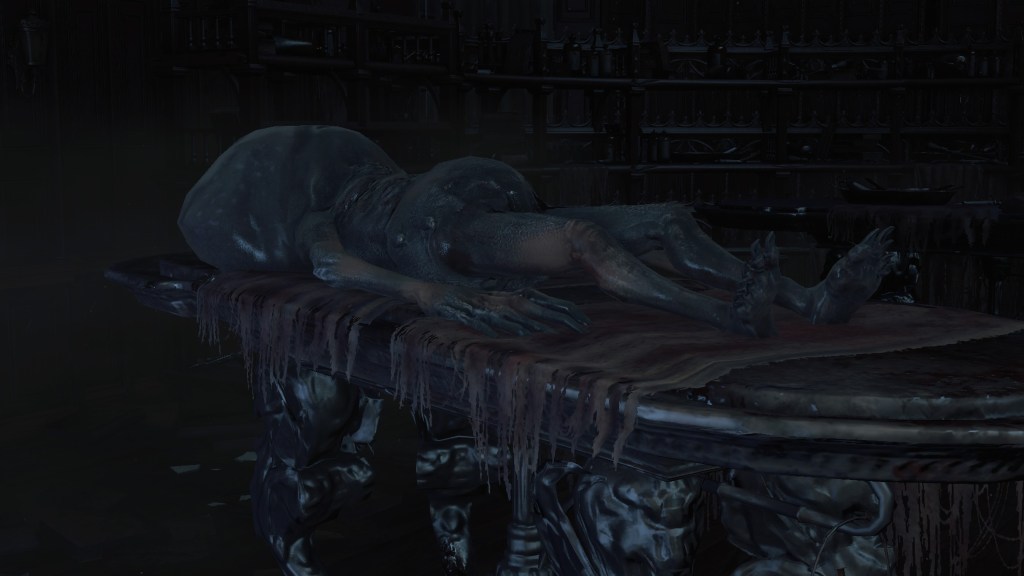
One of the most common kin in Isz dungeons are alien-like enemies with deep blue skin and majorly bloated heads. But contrast to the brainsucker, these bloatheads most likely are products of arcane experimentation. For one, they carry the brain-numbing blue elixirs. We can also find one specimen laying on an operating table in Iosefka’s Clinic, portions still human down to the skin color. Someone surgically transformed a patient into this monster, and the method clearly involved water with the way the head sways and undulates like a water balloon. If Isz was creating these bloatheads en masse, then they must have noticed the role water played in dividing planes. And if the barrier to transcendence was a body of water, then wouldn’t the solution be to create an entity whose mind could resonate with water and thereby possibly break through to the Great Ones on the other side? The researchers thought so. Certain bloatheads sprout a head full of glowing tendrils which emit radio signals and allow them to shoot out arcane blasts. These are essentially antennae for cross-plane communication via a water medium.
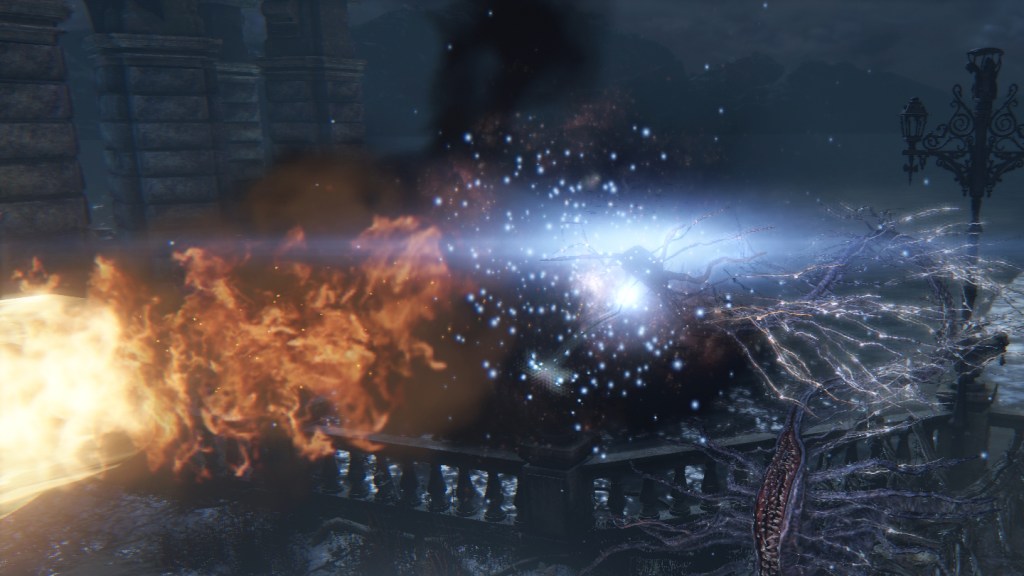
The final result is the Celestial Emissary. This “messenger from the star world” (星界からの使者) grows to gargantuan size, which we see happen instantaneously during our boss fight in Upper Cathedral Ward. In the Isz dungeons, however, this boss has already achieved full size, though it still swipes and stomps around much like the smaller bloatheads. Only later in the fight does the emissary, too, grow head tendrils and channel the arcane. From the boss’ name, we can ascertain that its eventual size and abilities are a byproduct of receiving insight from the stars beyond, which it then conveys in the form of its arcane attacks. Although certainly not a straightforward message, the messenger has nonetheless connected its water-filled mind to the cosmos. Perhaps other tendrilled bloatheads have achieved the same, becoming emissaries in their own right. But the boss version clearly operates on a higher level, with its size a reflection of personal ability. In-game achievements do identify the boss as a Great One, so its level of insight far surpasses whatever information the others receive. The message is simply a matter of scale.


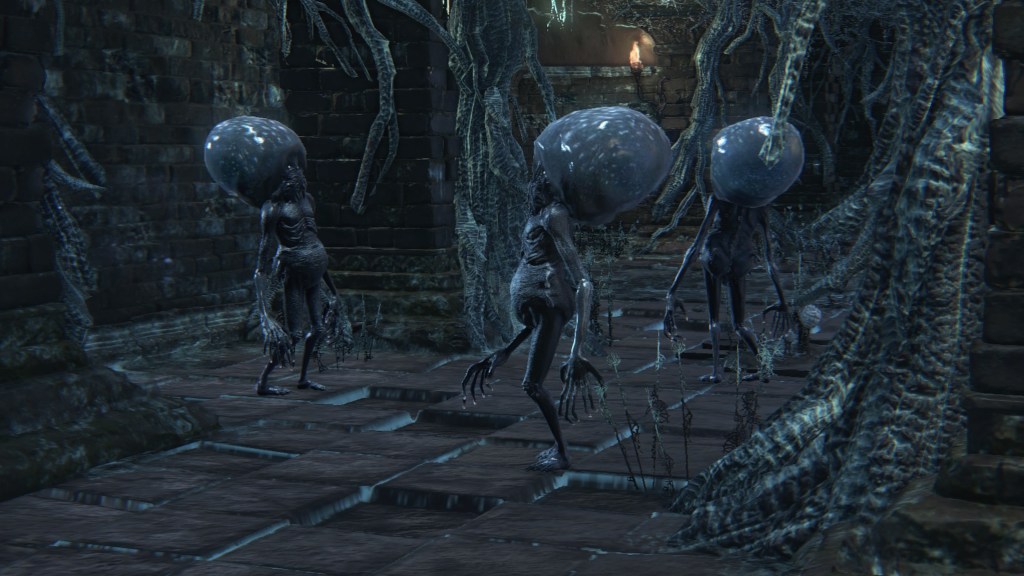




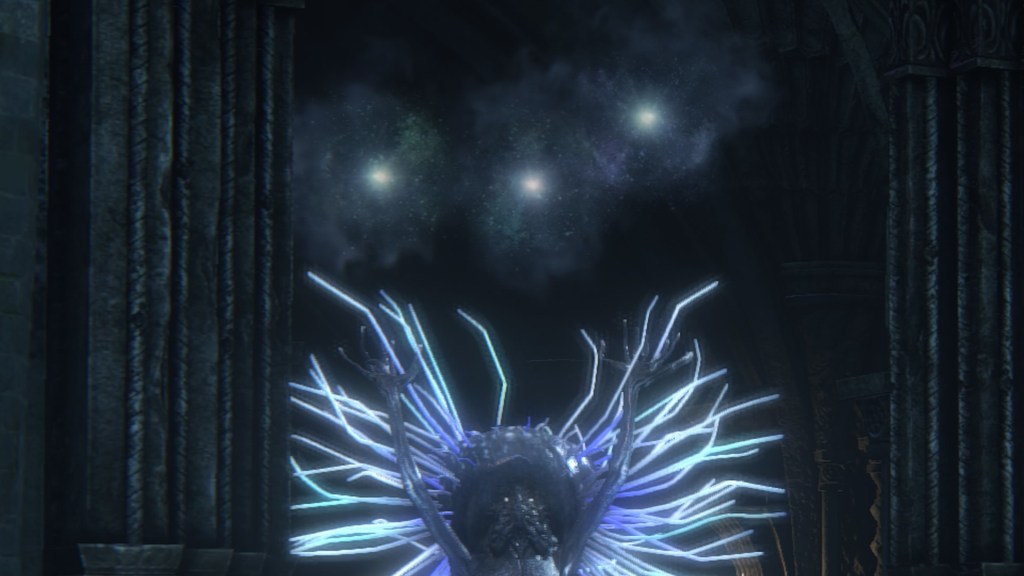


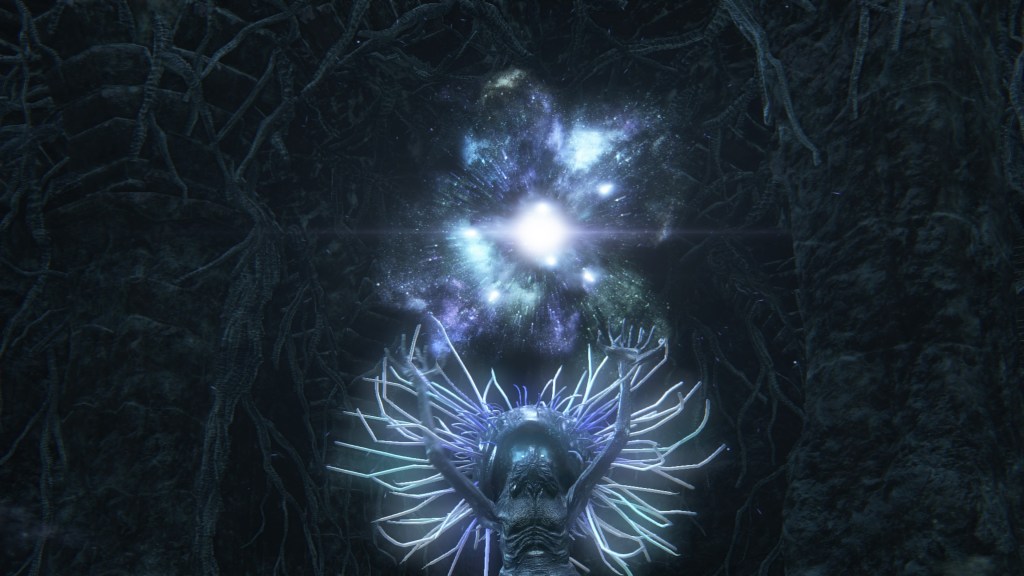
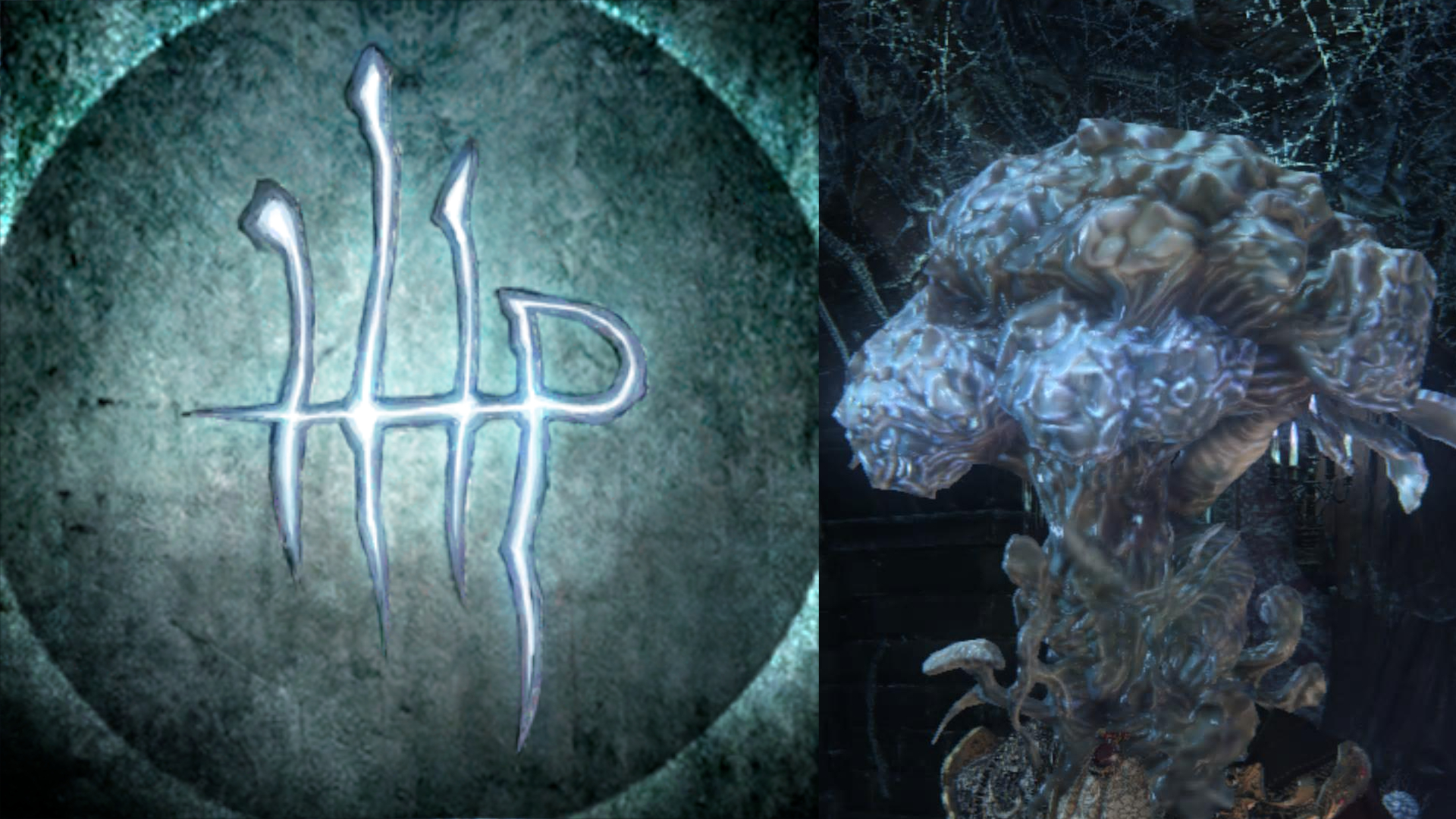
The bloatheads therefore acted as bridges to more consistent communication between man and Great One. By watering a seedbed, it might sprout shoots which would blossom. The human head is no different, its bloom being the secrets of the stars. It is the same principles behind the fluorescent flower or garden of eyes; the researchers built upon their examples to cultivate a mind capable of connecting with the cosmos. Milkweed illustrates the process. This “Seedbed” (苗床) rune presents a revelation — specifically, on how to become a “helper” assisting the stars. Internalizing the phonetic forms a covenant, allowing phantasms from the sky to dwell within the person. Those phantasms guide the covenantor to further discoveries, which coincides with a budding “star flower” (星輪) overtaking the head. Basically, Great Ones share part of themselves and their wisdom with receptive minds to make them their agents. The parallels to Celestial Emissaries, with their tendrils, is straightforward. The watery heads make them receptacles for a seed which breeds a Great One’s wisdom.
Karel brought to Adeline, patient of the Experiment Building. It is a phonetic of inhuman voices, moist-sounding whispers, and revelates the state to be a helper of the stars.
Those who are in this covenant become star flower stems that look up to the sky and let the phantasms dwell within them as “seedbeds”. The phantasms will guide us and bring further discoveries.
To summarize, the goal with the water was to create a kind of angel, a servant and envoy of a higher plane who could filter “divine revelation” directly and pass it along in a safer form. Whether or not the Celestial Emissary can be considered a success, it was a step toward formal communion with Great Ones. Pursuing this water angle may be why the dungeon has ended up covered in pale tomb mold, which should flourish in damp environments; even the drinking cups for their blood rituals are visibly consumed by fungus. The comparison to phantasms, including the star flower of Milkweed, adds to the impression. Regardless, the country crystalized this practice of nurturing minds like plants. With the help of “human” receivers, the Great Ones communicated their intentions across planes. Eventually, Isz appears to have moved on from intermediaries and began creating dimensional rifts for more direct contact with the stars. Still, water left a lasting legacy on the civilization through its hunting culture.






With so many kin, Isz naturally has no shortage of quicksilver for our firearms. And while we might be fashioning all these quicksilver bullets at our convenience, there is no doubt that the nation took note of the silver oozing from blood. Isz dungeons supply lost versions of three trick weapons, all of which employ silver metal. The Kirkhammer and Ludwig’s Holy Blade feature silver swords, the kind used by medieval knights. The Threaded Cane, meanwhile, invokes the stereotypical Victorian gentleman. Collectively, they exemplify the concept of sophistication, tools which are both clean and refined for the romantic. The use of shining silver only furthers this image, especially with its efficacy against the most corrupt beasts. Isz unquestionably picked up on these properties and how watery silver skewed heavily amongst kin blood. The country adopted the metal for beast hunts as a consequence, coming to associate it with transcendence itself. In fashioning their specific arms, the people saw themselves as above vulgarity, a high-minded society in every sense.
Traded in the Crib
Knightly or gentlemanly sophistication, combined with ever greater precision in their research, put man on the path to kin, with the occasional Great One being born. But still, Isz turned to the stars to perfect the method. And as they established firmer lines of communication, one thing became clear: the Great Ones were asking for children. According to its description, the Red Jelly is an inhuman baby that “dropped dead” somewhere in the labyrinth. They aren’t necessarily stillborn as the localization claims, though the reason for dropping dead likely is due to physical underdevelopment. The red color invokes the image of a fetus, after all, and the text additionally describes the baby as narisokonai. (なりそこない) The term implies that the jelly is actually a “failed-to-be” baby, lacking in some capacity. In this case, the gelatin-like infant appears to have not fully formed, a premature life incapable of surviving on its own for long. It wasn’t a baby in the truest sense, just an attempt at one, and attempt is the apt term. Why are so many imperfect inhuman babies in Isz? Because that is what the stars wished for.

One of the materials needed for Holy Grail rituals.
They are inhuman, failed-to-be babies who dropped dead around various parts of the underground ruins.
Put simply, Isz began bargaining with the Great Ones, exchanging babies for transcendence. This isn’t a surprise. Stars most liable to respond positively to the country’s attempts at contact were those who saw a material benefit to the interaction. But what higher being would see a benefit dealing with the dross who couldn’t even understand it? Disproportionately, those who realized and regretted their loss of children. Losing the fulfillment of facilitating a natural evolution, the Great Ones in the cosmos were the ones to indicate an offer, conveying this need for infants of their kind to raise in the far beyond. Isz responded to this offer enthusiastically, doing everything within their power to engineer a higher being for the stars to at least adopt. Such eagerness has some logic. Creating an adult Great One may have been too difficult for them to achieve consistent results, but surely a baby was more feasible? If they could make something so “basic”, the Great One would carry them the rest of the way. That was a fair deal, though the red jellies prove the struggle to accomplish even that much.
Such a pursuit warped even intimacy. The Ring of Betrothal is a silver wedding ring with radiant white gem, in line with Isz’s sensibilities. The description reveals how it was, in fact, something that the Great Ones put special meaning in, as it was part of a blood covenant during their age of old. Most importantly, this marriage for blood was permitted only to the ones harboring special babies. The men of Isz, before they became inhuman, were only marrying women who could produce the “special” baby required to continue their bloodline, not in this world, but into the next stage of evolution. It was, again, engineering infants to offer the early stars, with a womb as a medium. The ring in the menu graphic is bloody because the vows weren’t for love, but for a successful pregnancy after experimenting on the female subject. More than likely, women wanted the deal so that they could share in the husband’s enlightenment, thereby both ascending to the cosmos above — a prospect which might even extend to their respective families. The arrangement was beneficial for both parties, and so new experiments began.
Marriage ring that the inhuman somebodies called the Higher Ones imbued with special meaning.
In the old age of the Higher Ones, marriage was a blood covenant, so permitted only to the ones to harbor special babies.
It is possible that some did succeed, given the presence of the celestial child. The enemy is almost always encountered in large groups, which is probably why it is officially identified as “star children”, (星の子ら) plural. Nonetheless, the name implies this kin to be progeny of the stars. Indeed, it is the size of a small baby and crawls around like one, though only because the Lovecraftian creature lacks hind legs to stand on. It is also used to represent a Great One baby in one instance. If taking sanctuary in Oedon Chapel, Arianna will become pregnant under the red moon, exhibiting signs of morning sickness and a distended belly before finally giving birth in the sewers below. Her bloodied skirt and the trail of blood leading to her new location suggest as much, as does her inconsolable sobbing — she did just experience full gestation and childbirth all in a few hours. As for the spawn, facing her is one of these star children, a pink variant covered in blood and possessing a Third Umbilical Cord. Killing the child to obtain the cord causes the mother to faint, leaving no room to doubt that she delivered a Great One.



In that case, the celestial child does showcase an infant Great One, born from the stars. And if stars can impregnate women under the right circumstances, then Isz potentially underwent a string of virgin births, mothering infant Great Ones to then trade for full enlightenment. However, there is also reason to be skeptical. Unlike Arianna’s child, star children in the Chalice Dungeons possess not an eye cord but madman’s knowledge. These enemies do inflict frenzy with each attack, brimming with enlightenment as higher beings in such miniscule frames. But this also implies that they possess the requisite human skull harboring that insight — in other words, that they were once human. The enemy is generally considered kin, so Great One isn’t even necessary. In all likelihood, most celestial children are another experiment in transforming humans into kin, this time approaching infant Great Ones. Their natures are close, but the kin aren’t proper children of the stars, certainly not reborn of any mother.
The celestial child is in that way indicative of a more complicated history with transcendent infancy. Isz may have interpreted the Great Ones to be asking them to become children or, more cynically, tried to fool the stars into accepting them as the child. The number of star children remaining on this plane proves that these efforts were another failure, regardless. Maybe some in Isz did achieve Great One status, becoming a star’s child, and maybe new Great One children were born from mothers or similar experiments. However, success cases obviously weren’t universal still. At the same time, there is no denying that more and more of the citizenry were elevating their existence in their own right. Amygdala is one of the options for Isz bosses, and we similarly encounter large spiders with unnaturally stretchy limbs and, occasionally, human heads. They may not be on the levels of stars, but people were becoming Great Ones and kin of all kinds. And looking at the jam-packed sky, a great many more successfully reached the cosmos, leaving the world with only the failures.


A Maiden Hath No Tongue
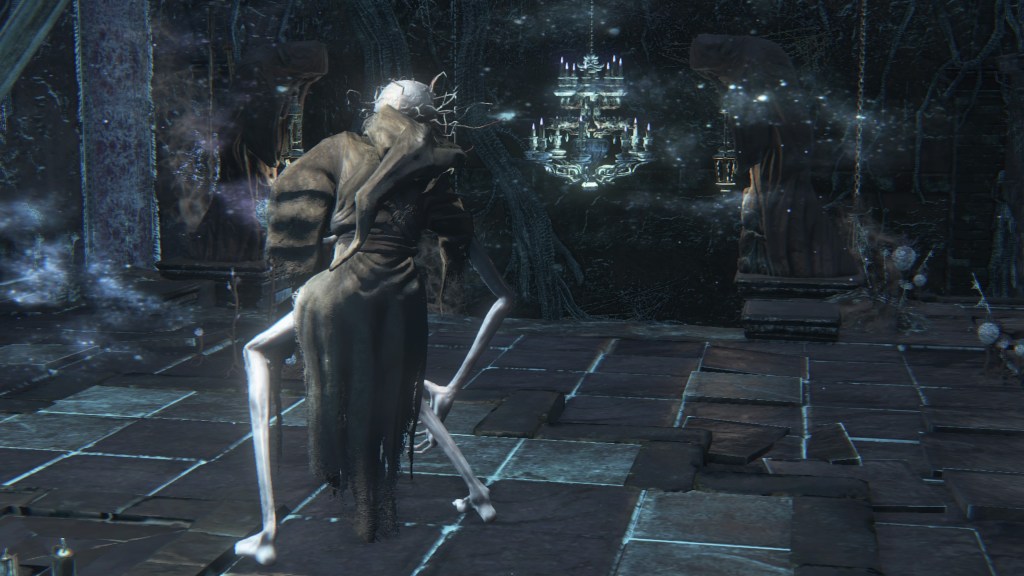
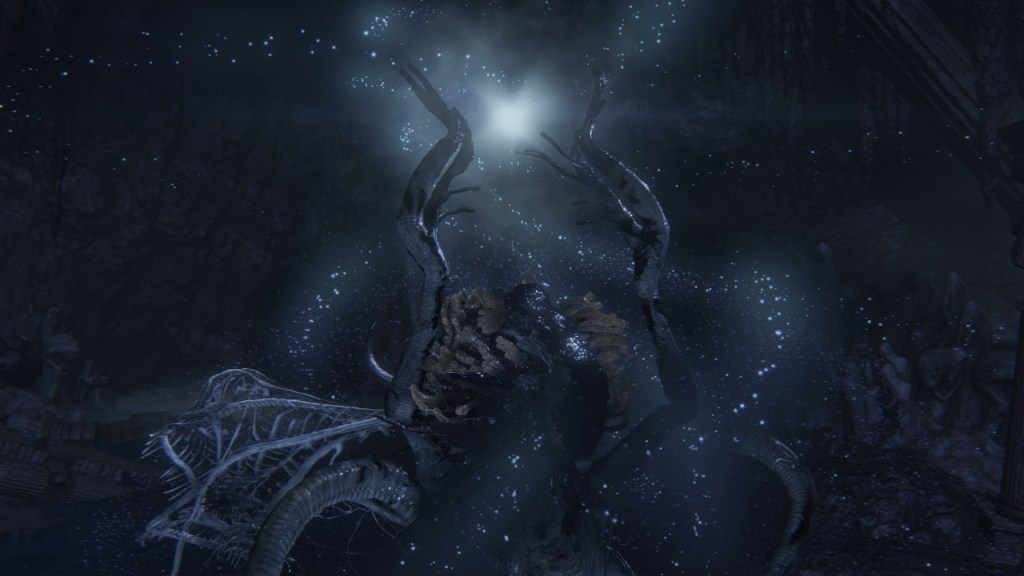
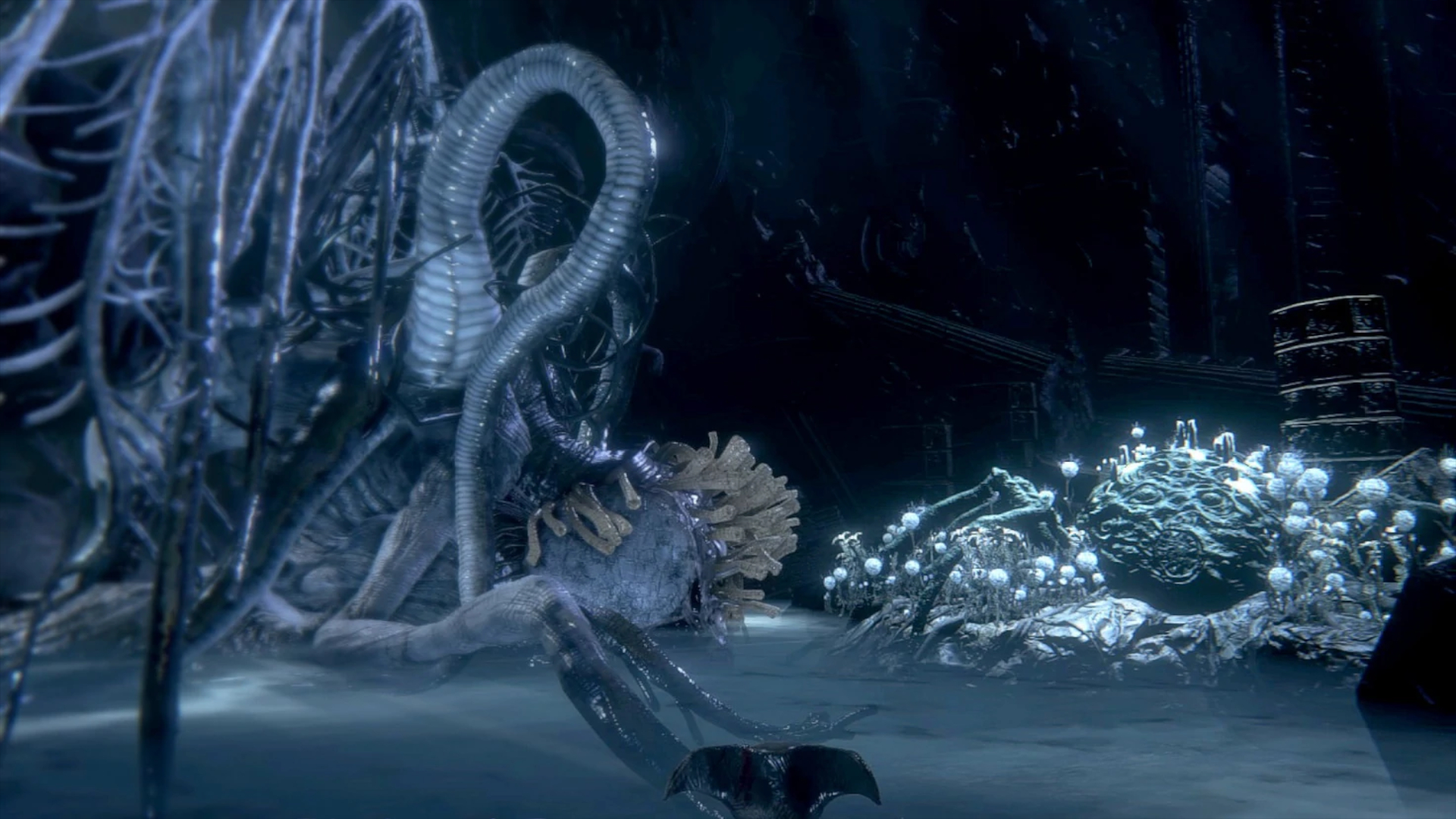
Ebrietas is a Great One exclusive to the Isz dungeons. Her title “Daughter of the Cosmos” is also more accurately “Star Maiden” (星の娘) and thereby firmly ties her to the twinkling lights above — though like most celestial children, her relation to the stars may be more metaphorical than anything. In simple terms, she is a child of Isz who achieved enlightenment, but only so far that she transformed on this plane with presumably her original human body; her mind never crossed over to the cosmos. We can further infer her to be the last to transform from the setup in the story dungeon. The bosses faced across the dungeon’s three layers are ordered as such: Brainsucker, Celestial Emissary, Ebrietas. If the first two capture the early and middle stages to Isz’s history with refining blood treatment and making contact, then Ebrietas must encapsulate the final stage. “All” were finally obtaining transcendent thinking, including her, and she was the last to remain when everything was over.
For that reason, Ebrietas is often referenced as the left-behind Great One, abandoned by her kinsmen amongst the stars. Ironically, she herself shares the vulnerabilities of Great One kin, though this is partly explained by her bearing a similarly aquatic constitution. The so-called maiden is still a higher being with immense insight, the red blood she of many eyes belches inflicting madness. And yet, no Great One provides her guidance to their side of the divide. The Eye rune acquired in Isz root dungeons resembles an actual eye inside of — arguably trained on — a star. It is spoken by Ebrietas, and the Choir set does make a point of the her looking up for signs from the stars in its description. Furthermore, the rune’s effect, increasing our discovery power, highlight the maiden’s own efforts to obtain yet greater insight from the sky above. Even during battle, the maiden weaponizes her ability to open astral rifts, not to mention produce a constant cacophony within an arcane field around her. It is not for lack of interest that this former citizen of Isz hasn’t communed with the astral plane.




Why has one of their own been ignored when she is practically begging for them to welcome her? Perhaps human Ebrietas had no loved ones among the stars to assist her. Without a cohort, it would be hard to muster much interest in her personally. Of course, she was a Great One and “daughter” of the stars, similar to the celestial children; both their designs even include “wings” evocative of angelic beings. One might reasonably wonder why no star desperate for progeny has adopted her anyway. However, this ignores the fact that Ebrietas isn’t an infant. She lacks an eye cord and so is undeniably fully mature as a Great One. Much like the Celestial Emissaries, her transformation into a higher being has left no room to grow, and why would a star take in a daughter whom it cannot nurture itself? The entire point of bargaining for children is so that the stars can experience the bliss of fostering the next generation. Doubtful that Ebrietas can conceive any better than their lot either. She thus has nothing to offer. In failing to astral project, her living soul has become stranded on earth, forever yearning for heaven.
This situation has understandably caused the abandoned Great One great distress. When hearing the stars singing via the arcane mist of Rosmarinus, the “fair maiden” apparently weeps. Their favor is not for her, and that reality makes her feel miserable. Even so, she had refused to leave her homeland for the longest time. The pearl slugs found in the various Isz dungeons serve as proof of Ebrietas meandering about, pieces of herself breaking off in the process like flakes of skin to form their own nests. The Eye rune is likewise looted from apparent eyewitnesses entombed after the fact. In all likelihood, she had been looking for any star in the countless cosmic rifts pervading the land — anyone willing to grant her wish. This Great One had been wandering Isz all by her lonesome, her only company the various failed experiments running wild in their creators’ absence. Her cries were still met with silence. Barring a personal epiphany, the maiden’s chances of living amongst equals seemed hopeless.

One of the materials needed for Holy Grail rituals.
Strange, small creatures that nest in various parts of the underground ruins. Slugs in particular are traces of an abandoned Higher One.
Things changed for her in more recent years, however. Outside the Chalice Dungeons, we encounter Ebrietas at the Altar of Despair. Down in that cavern, she idly stares at the corpse of another Great One, Rom; even our presence does nothing to dissuade her, short of physically attacking. This fixation on the Vacuous Spider betrays a deeper connection between the two. Rom and Ebrietas are both potential bosses in Isz dungeons, so were definitely capable of crossing paths sometime in the past. And for the Daughter of the Cosmos, this must have felt like a miracle. Finally, she encountered a higher being like her, transcending on the “wrong” side. Ebrietas probably saw in Rom a friend, someone on her level whom she could properly interact with. Perhaps she never met the local Amygdala, or maybe Rom alone acted friendly. It is no wonder that both immediately resort to violence in the labyrinth, considering all the horrors. But when it came to each other, Ebrietas found a true companion.
And yet, Rom is now dead, leaving the star maiden with no one again. Once more, she knows the hole of loneliness. After waiting so long to assuage such sentiments, it is no surprise that she is again consumed with sorrow. The name “Altar of Grief” (嘆きの祭壇) alludes to her mourning over Rom’s body in quiet lamentation. Whatever brought them to this cave closer to the surface, it is where her friend has been laid to rest and where she will remain — at least until we decide to make it her grave as well. Even at the risk of death, what reason does Ebrietas have to return to Isz? With massive depopulation from the experiments, the country for all intents and purposes had collapsed. The land has since become buried in dirt, made a tomb to stars which won’t respond to hollow pleas. It is possible that the one left behind realizes that her wishes will always fall on deaf ears. Rom was her only consolation, and she has been robbed of even that. She has no home to return to, and that is what keeps her distraught.

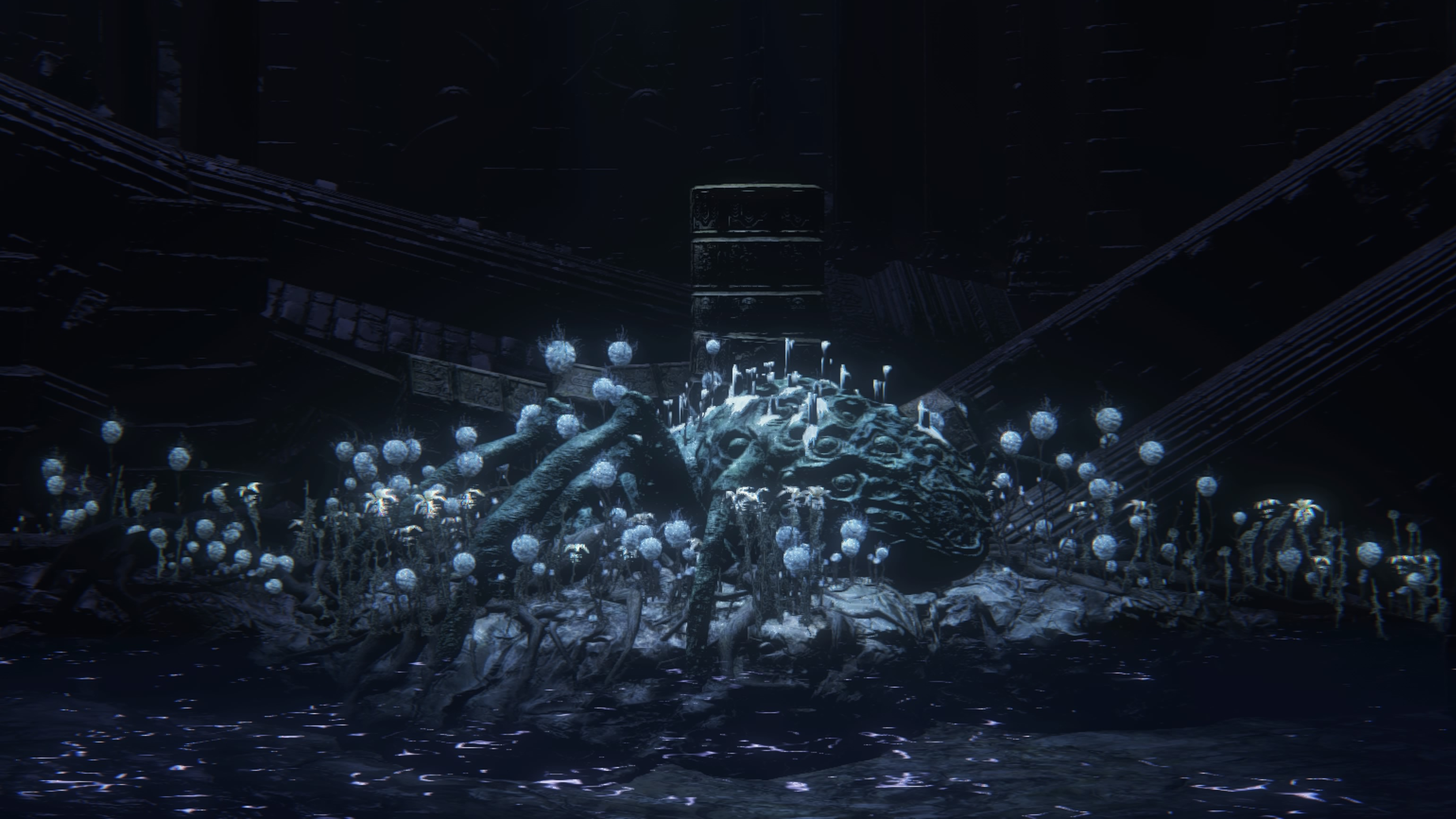

If Ebrietas represents the final stage of Isz, then it is a foreboding caution of greatness. So many obtained enlightenment and acquired transcendent thinking, minds leaving bodies to lucid dream in the cosmos as the first stars. But what they discovered was the emptiness to that end state of evolution. Like Ebrietas, the Great Ones themselves are incredibly lonely, desiring family and companionship through a child. The flesh they left behind in eternal rest became in some ways nostalgic. But there is no unlearning the secrets to the universe, and so they have been forced to seek other methods of satisfying that need. That has only dragged countless more humans into the abyss, literal and figurative. The nation have forced themselves to suffer together, the country becoming a monument to their foolishness more so than achievements. Isz always tried to maintain the veneer of sophistication, despite setbacks, but their work was as ugly as their hearts all the way through. A memorial only sees that beautiful side to the subject. In actuality, it is a legacy of loneliness and misery, a tragic example for others to follow.
 Lokey Lore