
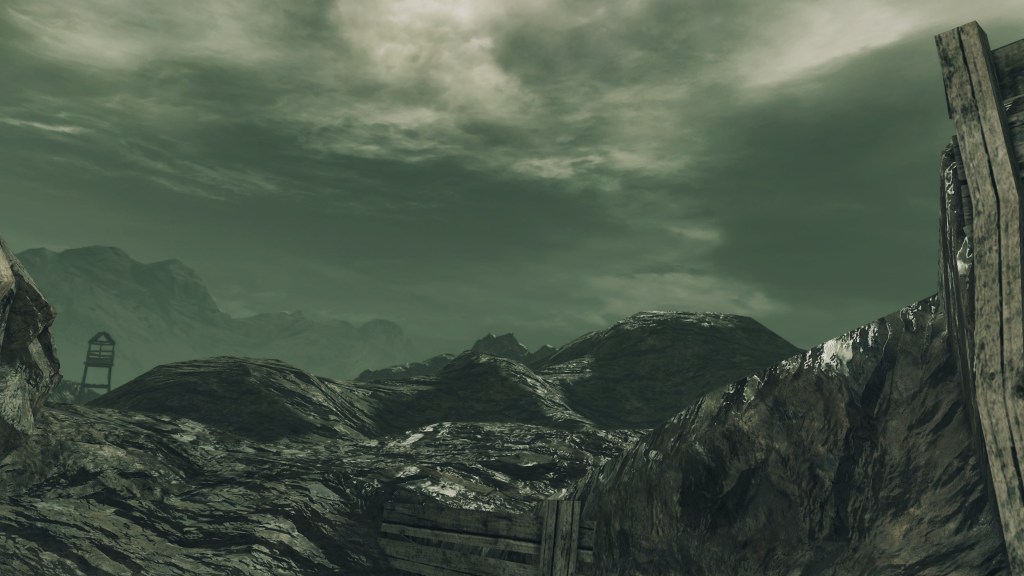
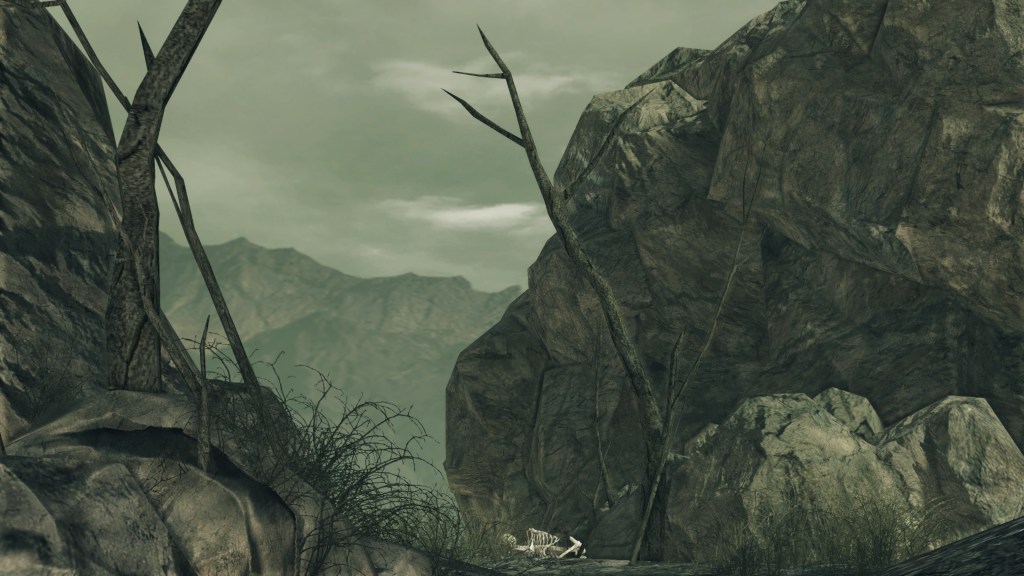
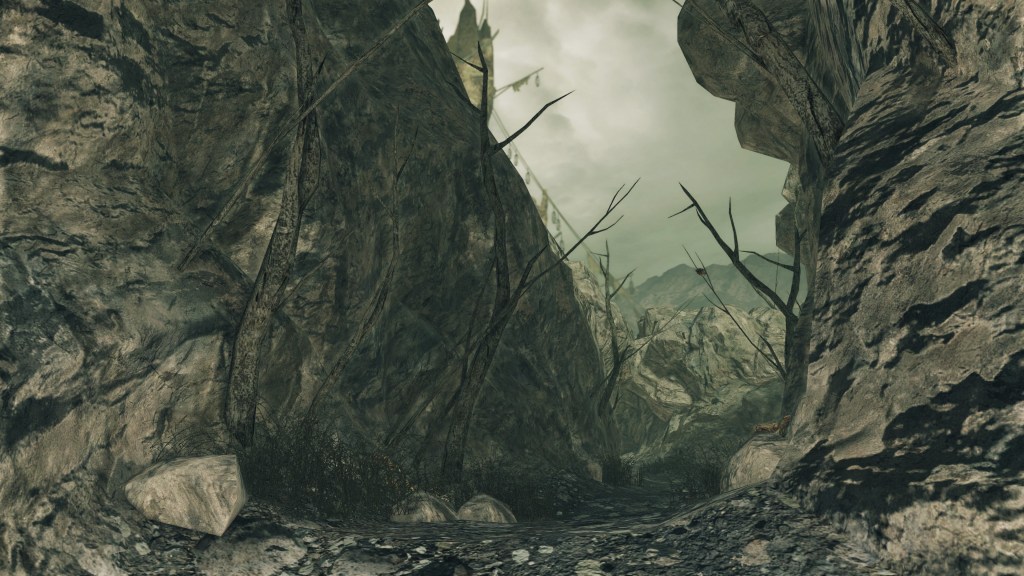
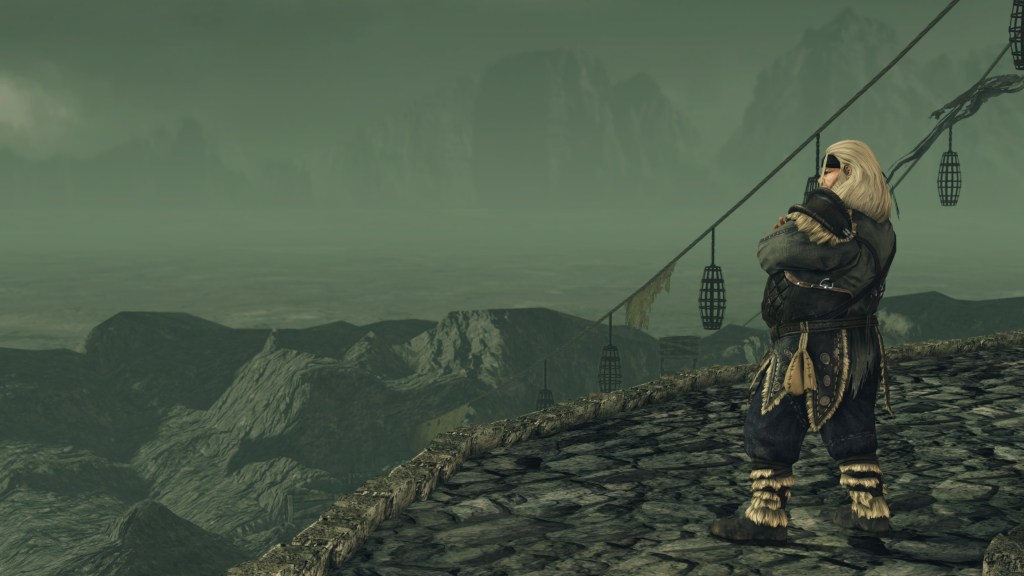
The further eastward and southward we journey in Drangleic, the more mountainous it becomes. And with every peak, there is a valley; the Harvest Valley is no exception. The rocky terrain is surrounded by much taller crags and cliffs. Admittedly, these peaks lie mostly off on the horizon, far and away from the area we explore, more immediate mountains removed from the gap sometime prior to launch. This creates an obvious disconnect with Huntsman’s Copse, which leads directly into the explorable valley after momentarily passing through one mount and crossing a short bridge over — ironically — a deeper gorge; neither the forest nor the mount is visible from a distance. Nonetheless, the overall land does sit below its surroundings, so it can be considered an especially large ravine south of the copse if we ignore the discrepancies.


Little more can be said about the area before the Great Shift, where parts of the Undead Burg from the original Dark Souls (DS1) seem to have ended up. There is the surviving Sunlight Altar originally located at the Undead Parish to the Burg, but also the Washing Pole, one of two we can loot from areas in-game. This is an exception to most weapons; typically, we can only find one before NG+, with another maybe sold by a merchant. And considering that the item was added to Harvest Valley after the big fix, it was most likely included to hint about the land’s history. In that case, it is likely referencing the same katana acquired at Blighttown, which existed in the Burg’s shadow. Together with the altar, it implies that significant parts of the Undead town below Anor Londo translocated to the valley, the pieces mostly buried. As to why FromSoftware chose the Washing Pole to convey this, Blighttown was a village situated in a poison-filled valley, and nothing could be more ironic than it landing in another.
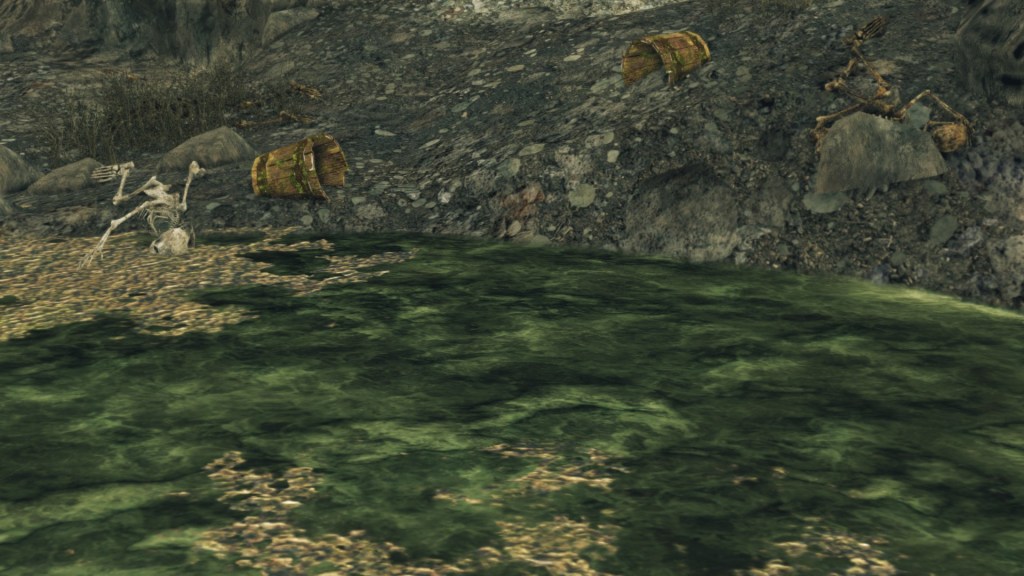
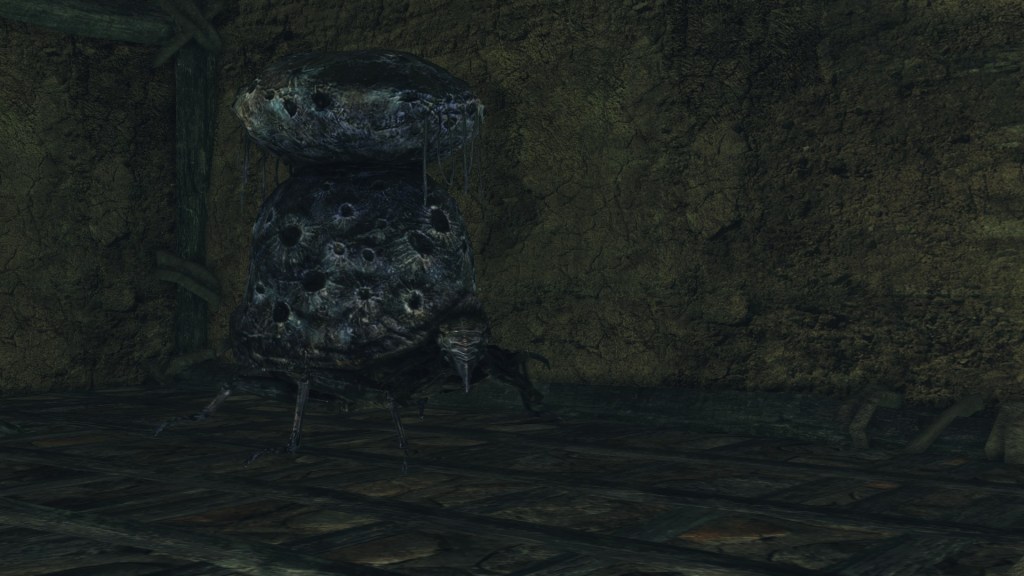
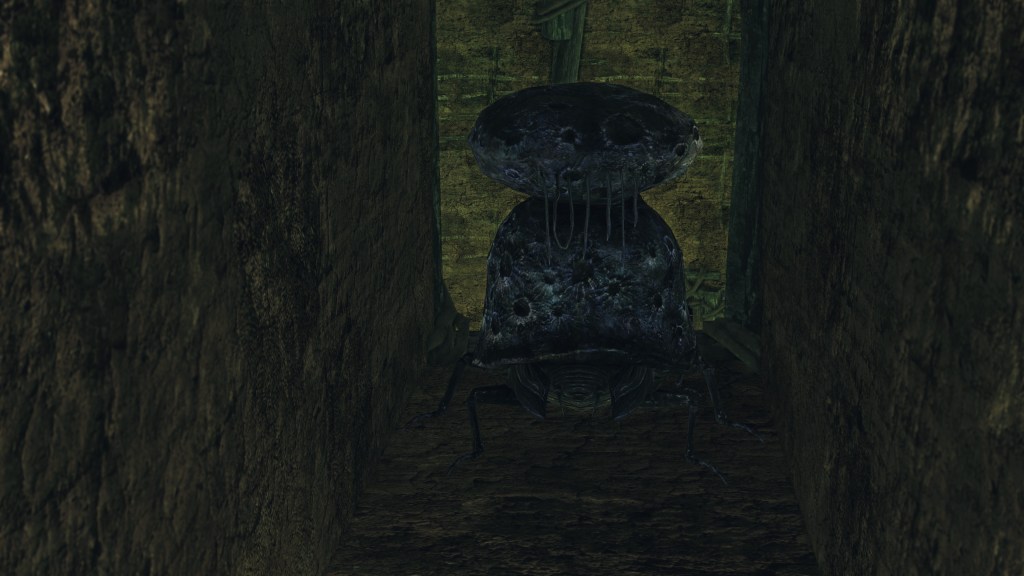
The area has earned its name as the “Valley of Pooling” (溜りの谷) for the poison it accumulates as well as the local facilities collecting the stuff. The green liquid welling up from the lowland functions the same as any other we encounter, which is probably why vegetation is sparse despite the soil assuredly accruing an inordinate amount of rainwater thanks to the topography. That same contaminated earth is presumably the reason for finding poison horn bugs in the valley. The insects evidently feed on the poison moss growing in abundance there, filtering out the poison and storing it in their domed thorax with horn-like protrusion. They subsequently eject the green toxins as a gas from the many orifices to ward off predators. An impressive adaptation, for sure. Unless evolving such a specific niche, however, no flora or fauna becomes native to this region. But Gilligan explains that the poison has added properties beneficial for beauty and health. Rumor of such a peculiar substance is likely what attracted Queen Mytha to this newly-conquered holding of her kingdom of Alken.



Hey, d’ya know? I’m told, there’s a monster woman here. They say the poison here’s good for her body. Apparently for her beauty and health. Honestly, women are already monsters…
As Gilligan recounts, Mytha at some point realized that her husband loved another woman. The Old Iron King certainly continued to express his star-crossed affection. Among the Bell Keepers guarding Belfry Sol, we can encounter one dressed identical to the puppets the queen creates. This suggests that this enemy is artificial and crafted at a later date than the original dolls protecting the bell tower, though not necessarily by her. Both manikins hold a recreation of Avelyn in each hand, implying that the puppeteer was as wealthy and extravagant as Fiorenza of Volgen — the Iron King, wasteful as he became, is the obvious candidate. In other words, after abandoning the queen of Venn for power, the king of Alken still entertained thoughts of simpler days, adding new golems to preserve the monument of their love as one example. Mytha need only witness a handful of such wistful moments to conclude that her husband was hung up on someone other than her.



Apparently even that monster was originally human. She was the wife who had married into the castle beyond here. But they say her husband already liked someone else. Knowing that, the wife desperately tried to become beautiful. Probably thought it’d steal the husband.
Aware of the details or not, the queen believed that she would steal his attention away from his old flame if she became beautiful. Her insecurity about her appearance was unfounded, as the description to Mytha’s Bent Blade claims that she was already more beautiful than anyone. Instead, this hints to the Queen’s vanity, so absorbed in her personal image that her husband’s perception of her needed to surpass that of other women. If he didn’t love her as is, then clearly she just wasn’t pretty enough — not that she was lacking in something less superficial. This behavior would fit with an elite noblewoman, the kind we can presume was arranged to marry the then Prince of Alken for the sake of his kingdom. Indeed, the queen proves adept with a spear, so she might have even been part of some prominent warrior family needed to secure hold of the military against Venn’s expansion at the time. But politics aside, Mytha legitimately loved the Iron King with all her heart.
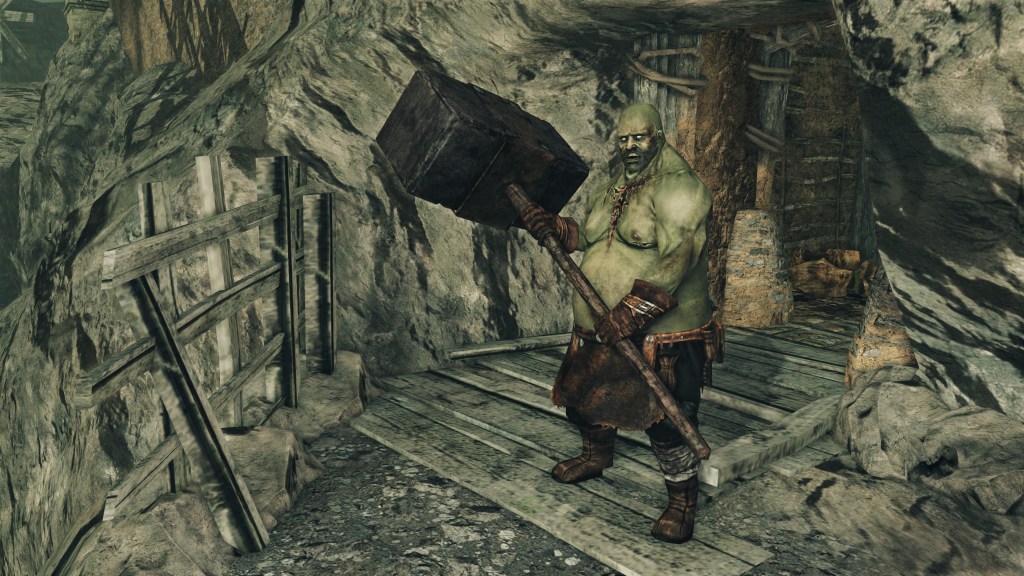
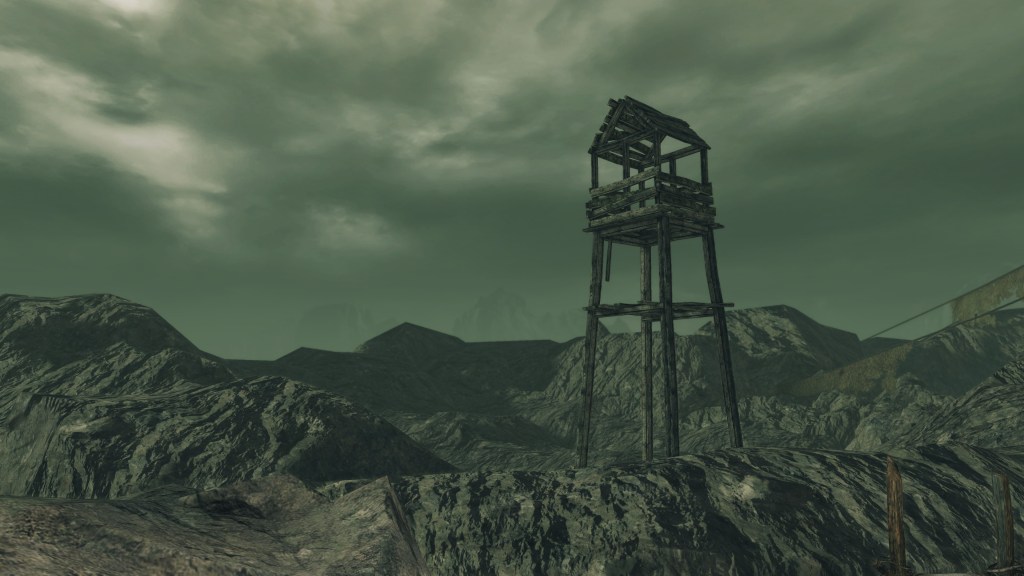
Thus began the queen’s desperate attempts to achieve perfect beauty. Perhaps she had tried and failed less controversial solutions before resorting to poison, but she has fully dedicated herself to this operation, regardless. Mytha has sent out countless laborers to mine the earth and extract the green gold. These include hulking hammerers whom the Dark Souls II Collector’s Edition Guide supposes were siphoned from the Iron King’s steelworkers. Apparently, her husband, fast descending into hedonism, cared not if she used part of his vast resources for her personal pet projects. And overseeing the workers were foreman riding atop giant humanoid monstrosities that helped with the digging, watchtowers dotting the perimeters for good measure. Soon enough, what little flora was cleared and the land was torn up, the fauna kept alive to seemingly squeeze the most poison out of the habitat for the workers to harvest at home base.

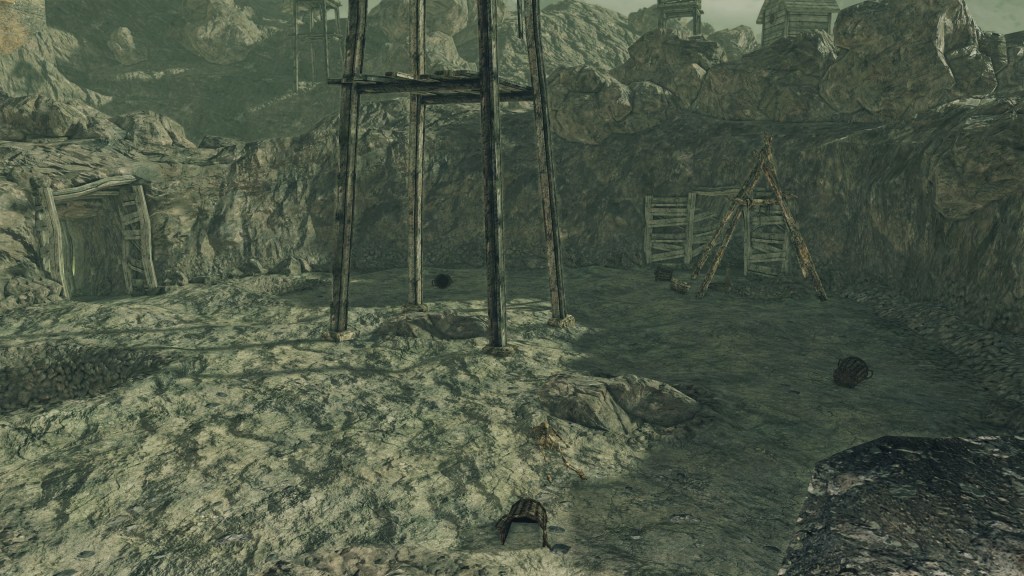



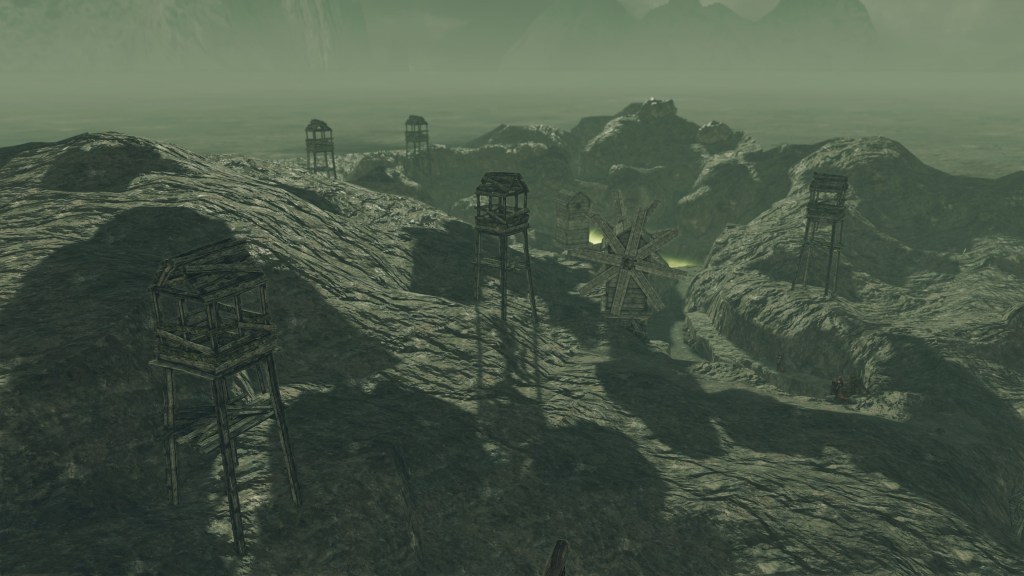
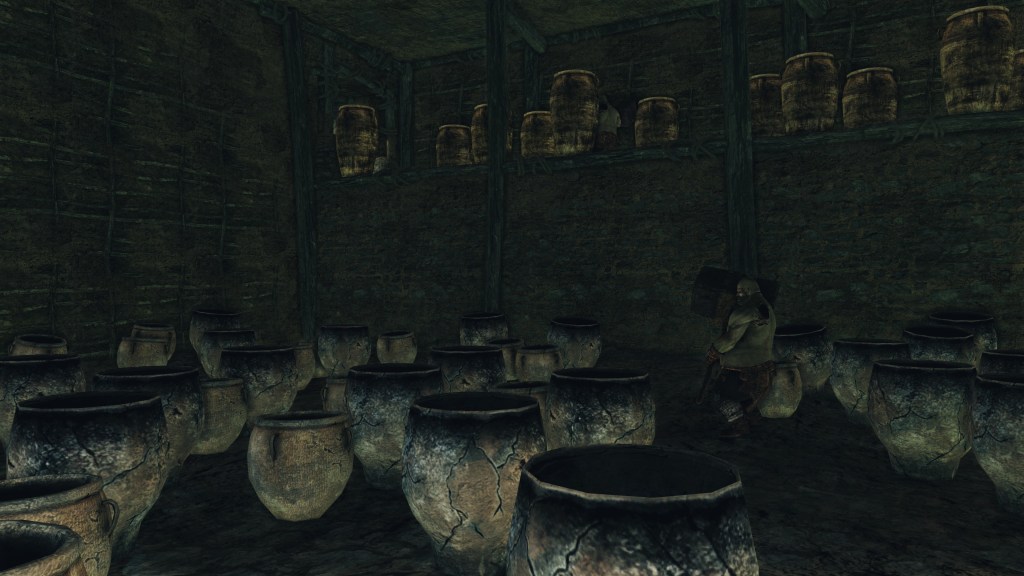
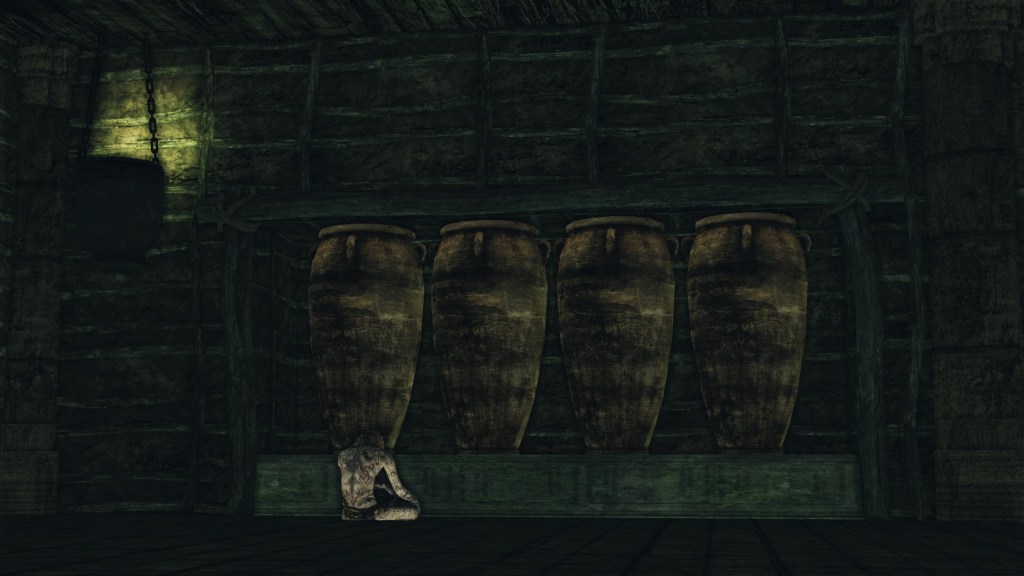
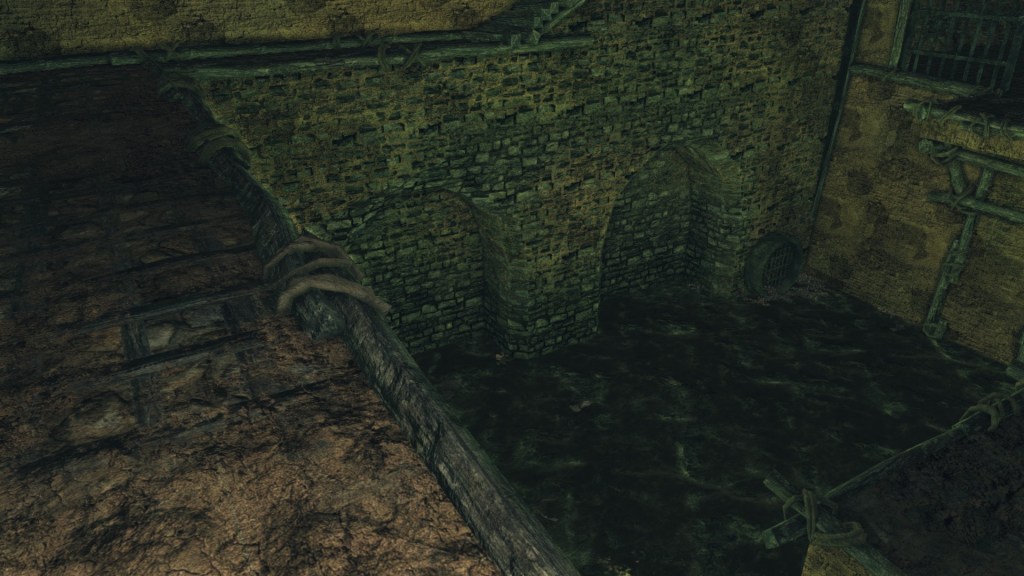
On the subject, all that ground they dug up was used to help build an “earthen tower” (土の塔) for Mytha to use as her command center. This Earthen Peak is where the workers bring the entirety of the poison and, in fact, is critical to the queen’s entire operation. Similar to extracting crude oil, any poison reserves the miners find get pumped up to the surface by the centralized windmill system. From there, the workers collect the poison by hand and transport it in pots back to the tower. The pots are then dumped into a massive vat encompassing most of the bottom floor, which the windmills again pump up to the queen’s personal bath and private chambers at the top. If she ever missed her husband, a path home was made available for her at anytime — though how a personal lift straight up the tower leads to the castle on the highland far behind it, even Director Tanimura admits is incomprehensible in the Dark Souls II: Design Works interview. Regardless, this system provided the royal everything without having to leave the comfort of her tower.


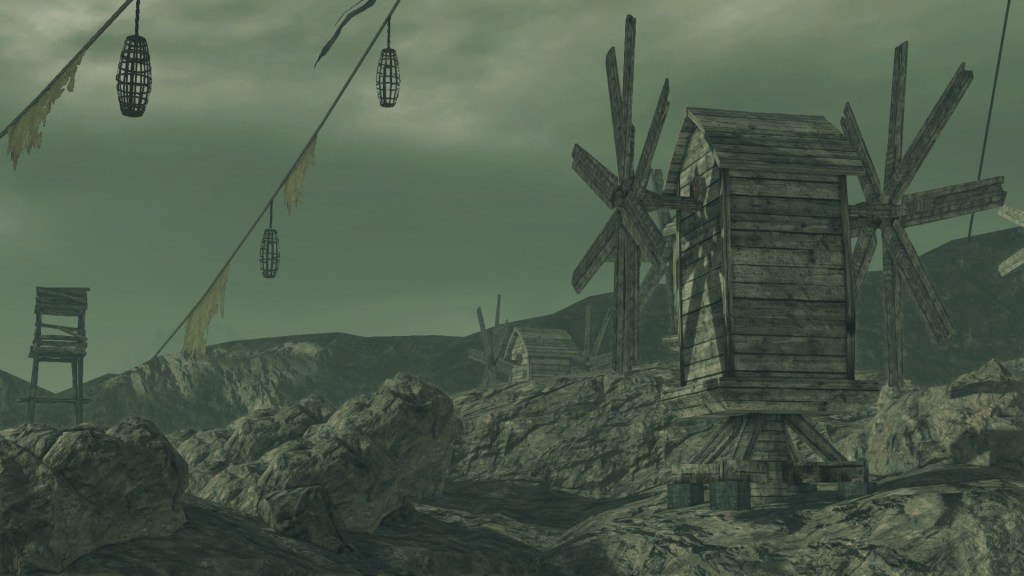



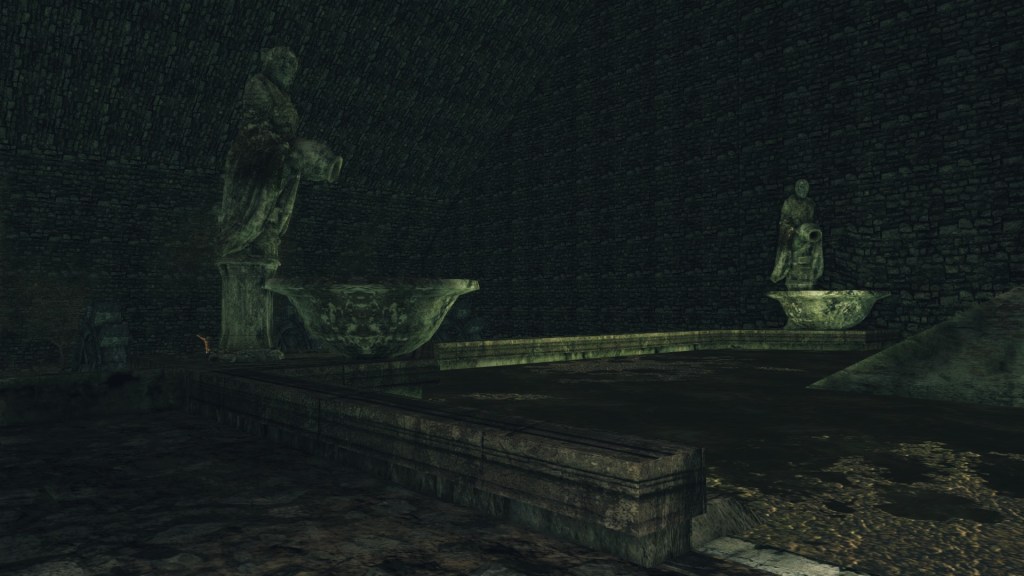
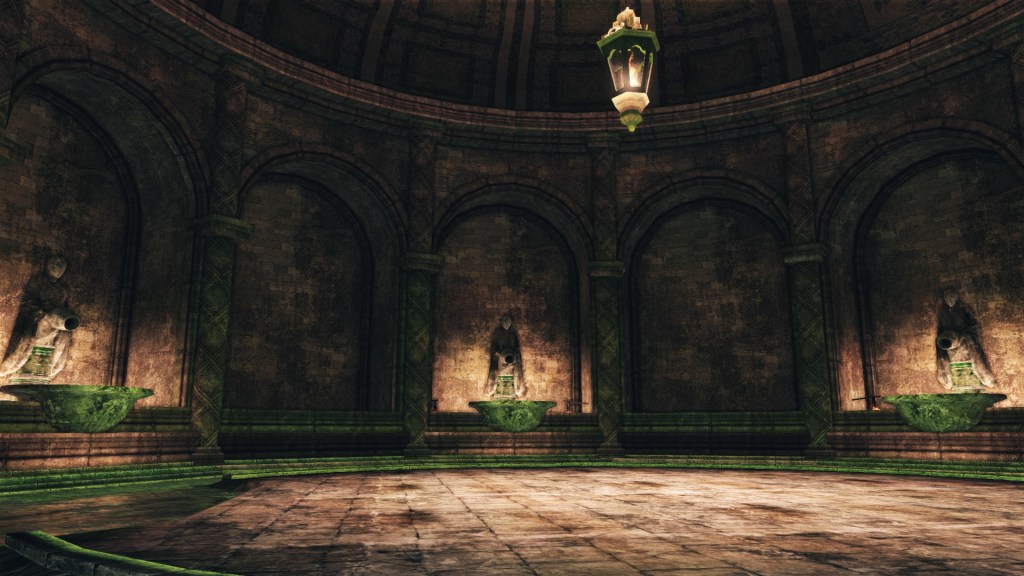
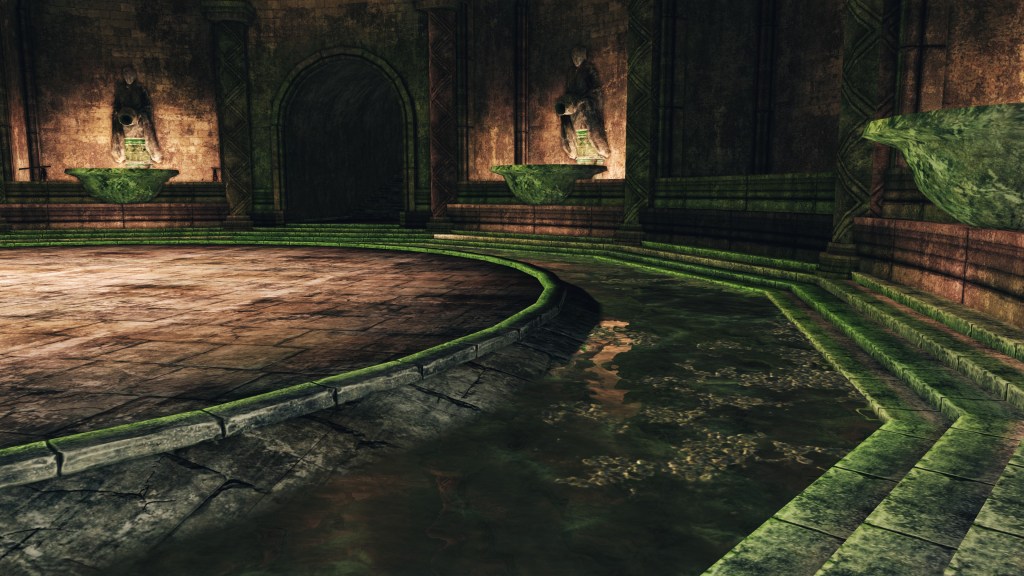

This is a large-scale operation earning Mytha, or Mida, (ミダ) her moniker as the “Poison Queen” (毒の妃) — an obvious reference to Mithridates, (ミトリダテス) the “Poison King” of Pontus who went to great lengths to research poisons and build an immunity to them. Mytha herself likely had to take time building up a tolerance to her poison before she could take any lengthy dips in the pools. In the meantime, she has taken great care to keep everything running smoothly. With a residence made of wood as much as mud and stone, a conflagration would be a huge concern. And while the only part of the facility we can burn is the main windmill — the one part clearly made with metal, oddly enough — Mytha seems to be aware of this vulnerability. A guard is stationed at the windmill, and a trapped chest on the bottom floor before entering the main facility holds a single torch, as if confiscated anticipating a possible accident. She wanted nothing to interrupt her constant immersion in poison. And for that, the poison had to keep flowing.
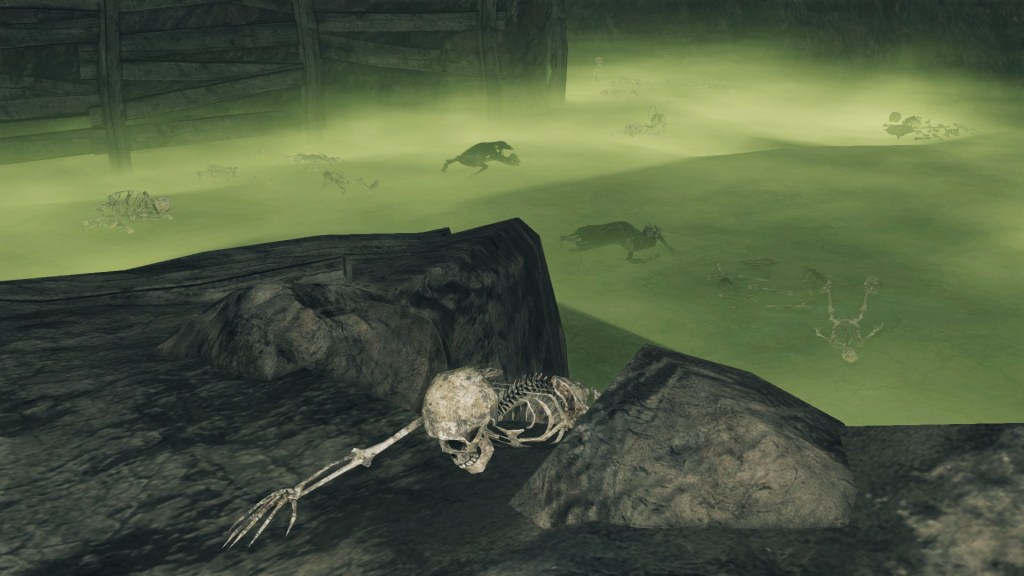
The valley’s laborers alone carry Red Leech Troches used to staunch bleeding, suggesting that staff are abused for failing to meet quotas. But work is suicide. While poisonous gases are commonly released whilst mining, few slave away digging outright poisoned earth. Countless corpses lay within the green fog, souls fading to nothing; the survivors carrying items used to stave off the poison. Even when they can no longer stand on their own two feet, they are still forced to work by those safe from their perch. If they lost a hand, the Work Hook stored in Earthen Peak implies that the queen would simply refit them with a prosthetic before throwing them back into the mines. Not even death was necessarily an escape. All the miners left are Hollows, so Mytha doesn’t care if her labor force turns Undead. This understandably generates a great deal of enmity, hence some of the skeletons reanimating without a necromancer in sight. These conditions can’t be considered the norm, as she secures the Work Hook in a mimic. The queen of Alken knew she had a lot to hide from official guests visiting from the capital.
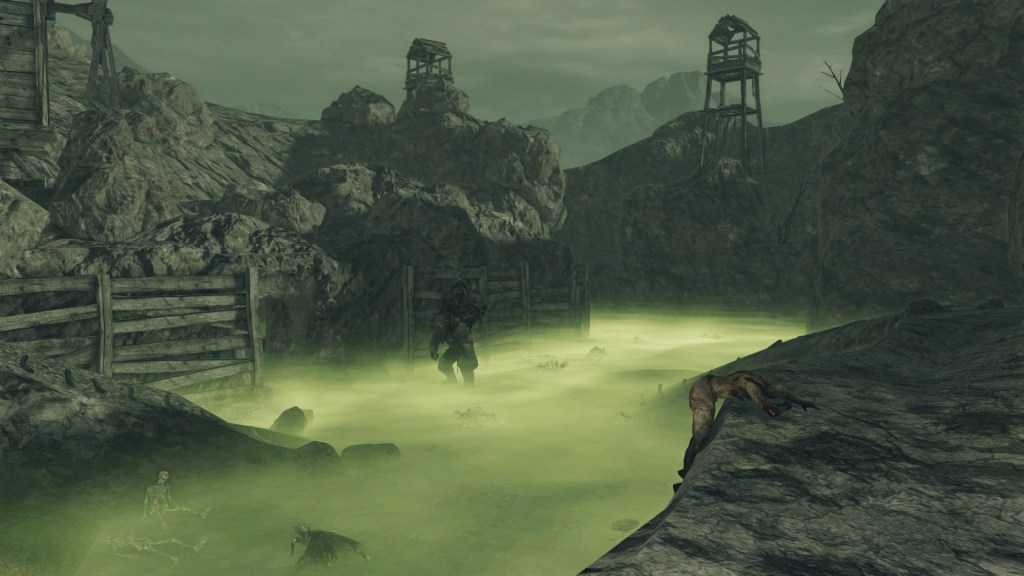
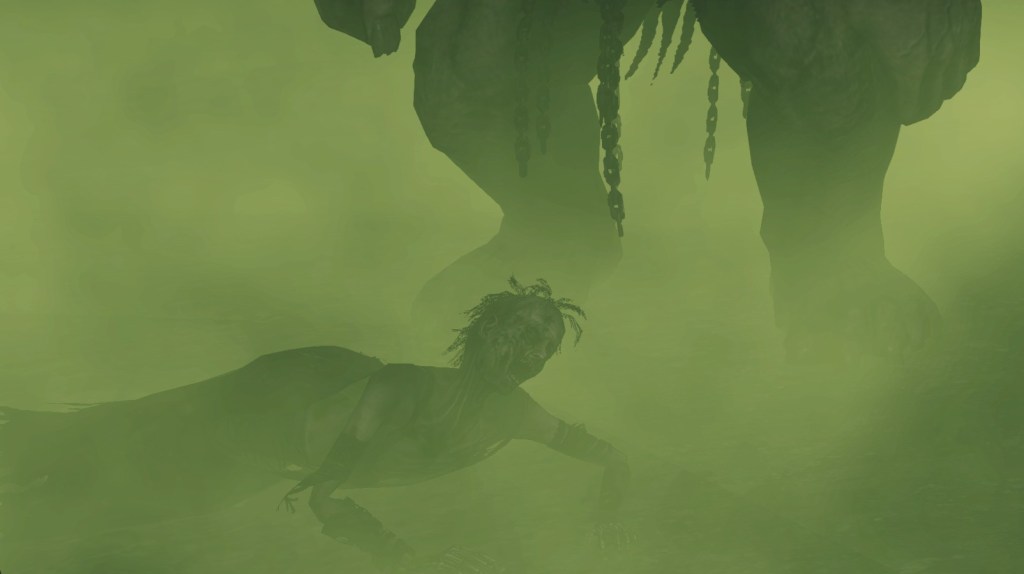
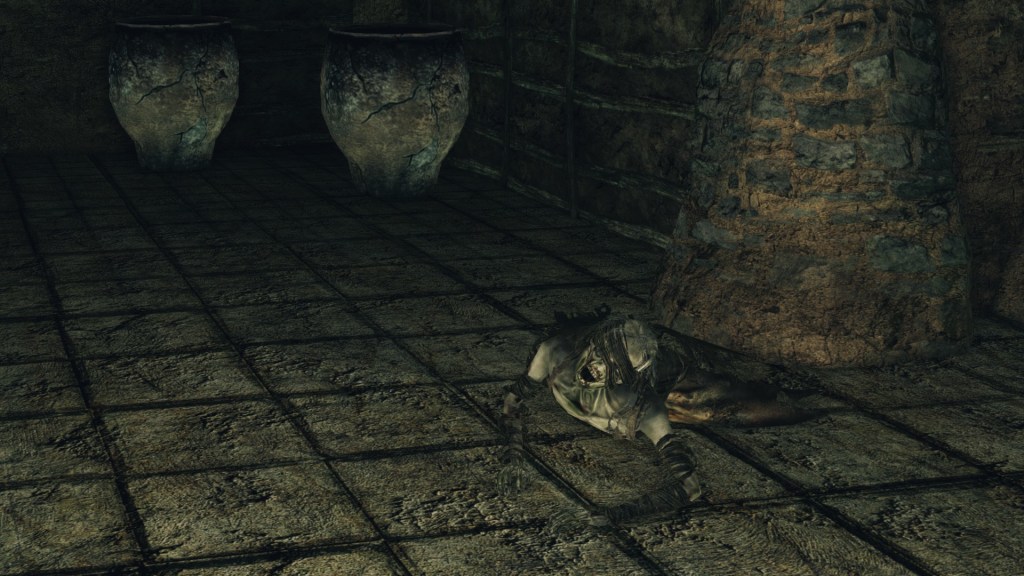


The poison diggers cast dark orbs from their palm, implying them to be the products of such magic — it certainly explains their unnatural size. The queen was already becoming an accomplished sorcerer during her stay, the Spell Quartz Ring and Great Heavy Soul Arrow stored at Earthen Peak insinuating her studies; the use of her own head as a catalyst showcasing her talent. It isn’t unimaginable then for Mytha to perform Dark experiments upon humans, specifically Heirs of the Sun intruding to make offerings if the medals the diggers carry are any indication. Her tower does keep the tale of Lightning Spear, a miracle awarded to the heirs’ predecessors upon joining the covenant in DS1. The Dark Gauntlets also kept there similarly affirm the queen’s interest in the subject. Her dabbling would have outraged Alken, hence why she hid the gauntlets within the same mimic. But so long as it didn’t come to the king’s attention, she didn’t care what powers she employed. All that matters is acquiring the valley’s poison to become beautiful. That obsession made her a monster, in more ways than one.
Out of grudge or obsession, the wife became a monster.
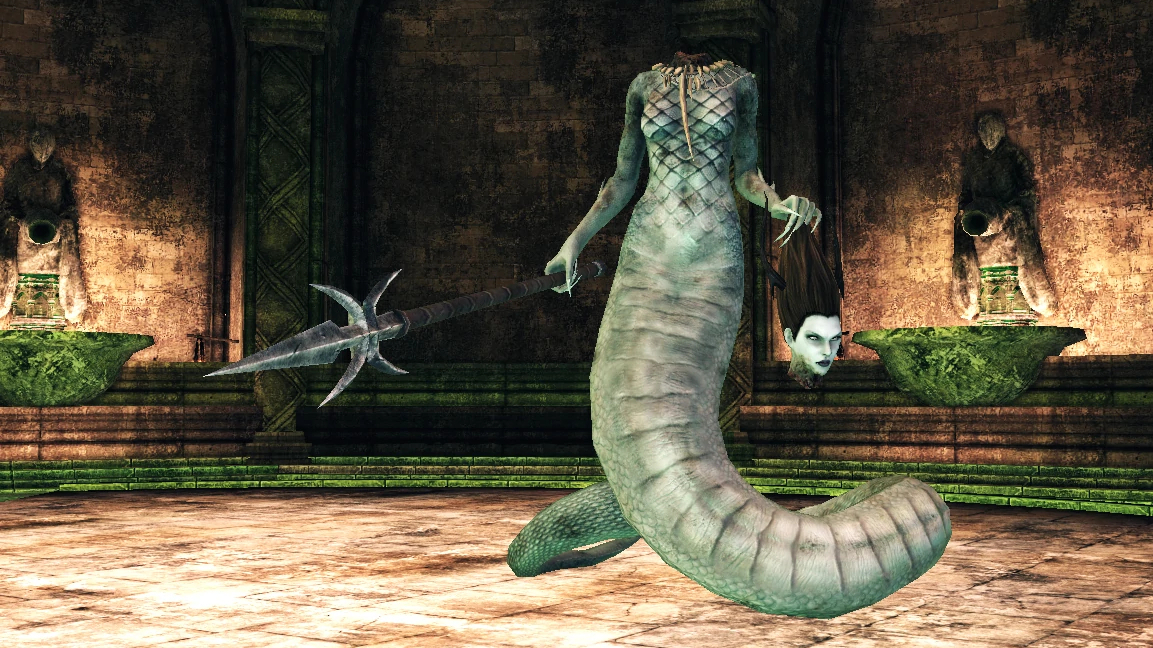
When we finally meet Mytha, the poison has transformed her skin to green scales with long horns, sharp claws, and a serpentine tail in place of legs. This reveals much about its true nature. For one, the poison’s healing properties have granted Mytha youth and longevity if not immortality, hence her survival into the present era. Moreover, her traits are consistent with dragonkin, serpents in particular considered failures at becoming dragons. Then there is the poison coming from deep beneath the earth. All these factors lead to but one cause: the sleeping dragon Sinh. That dragon was absorbing poison into his body underground until finally forced to release it. Assuming that Harvest Valley is located directly above Shulva, it is feasible for that poison to eventually seep into the earth above — just as all the water flowing into the valley logically sinks to the land below. The upsurge killed most of the flora and fauna, the surface lacking a surrogate to keep it beautiful and clean like Sinh. And as an archdragon, Sinh’s power of rock would likely be infused into the poison he bore over a long enough time.

Soul of the Poison Queen Mida, who resides in the Earthen Tower.
The queen who desired the King’s love even used poison on herself and eventually became a monster in pursuit of beauty. Love is spellbinding and thus maddening.
The special soul this queen possesses is used to acquire a vast amount of souls or create a great power.
As evidence of Shulva’s location, we can look to neighboring areas. Exploring Black Gulch invites invasion from Victor and Gully. Both men are reflections of one another, each dressed in tattered rags and wielding a Giant Stone Axe along with Orma or Reeve’s Greatshields. This suggests that they are twins, like the apostles, and their shared “forest child” (森の子) title indicates more still. Historically, it was common to leave children in the woods to die during famine, especially twins whose births were sometimes considered ill omens in medieval Europe. Growing up without parents would explain why the two look more like wild men. But their fall to savagery aside, it doesn’t clarify their appearance so deep into these caverns — unless the forest is overhead, above ground. In other words, Victor and Gully may hint to Black Gulch running beneath their forest, which down south could only be Shaded Woods or Huntsman’s Copse. Either one neighbors Earthen Peak on the official map, so it is easy to imagine how going further down the canyon to Shulva places us directly under Harvest Valley.
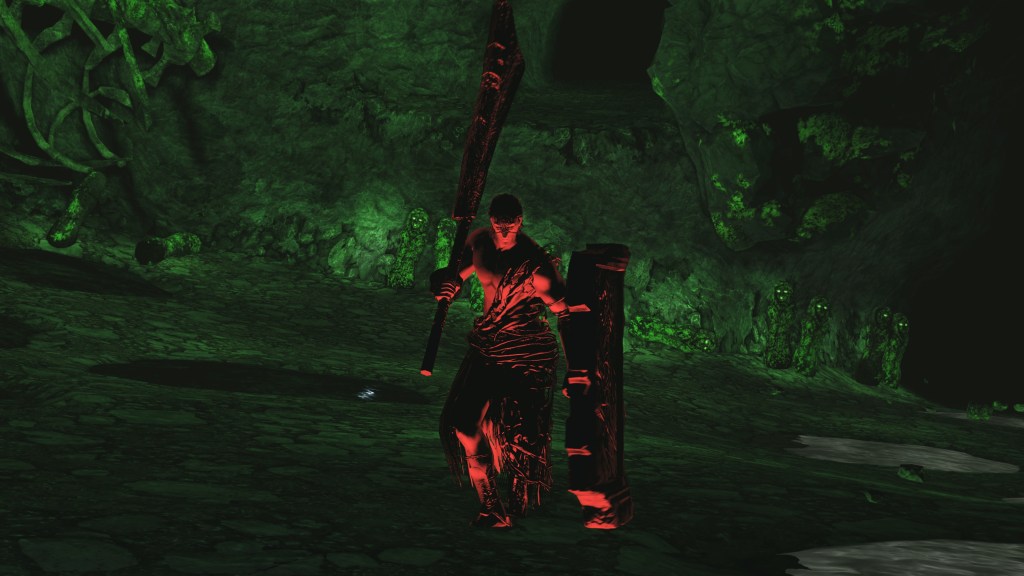

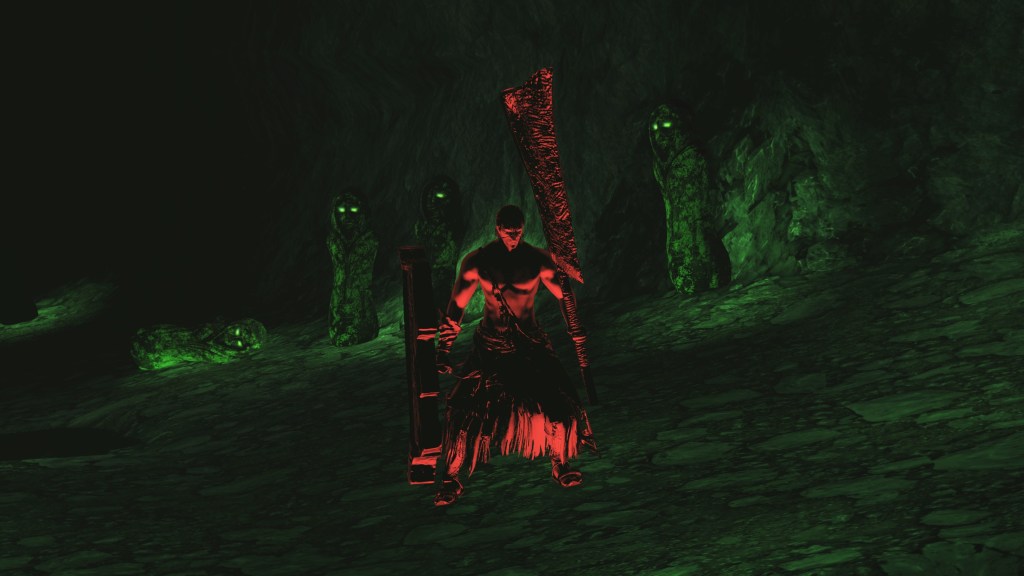


For the Sinh connection, we can look at how the environment has affected local titanite. While we are able to collect poison stone in Harvest Valley, a group of crystal lizards in the mines instead produce palestone, which removes special effects from weapons like poison. We may loot another from Chloanne upon first meeting her at the valley, and yet another in NG+, from the chest where we find Gavlan during his visit. Why this “white stone” (白石) unless to denote the poison’s link to a certain pale dragon? Even if the color is coincidence, there does appear to be some draconic connection, as crystal lizards produce the stone at the Dragon Aerie as well. Perhaps the color and effect capture a quality of rock or fog — one representing generic existence; the other, the void of existence. Either way, it is odd to acquire in a valley characterized by the poison being dug up, unless a dragon is responsible for it and thereby Mytha’s transformation.
As the final nail in the coffin, there is Thomas. Recall that the fire-juggling lowlife has seemingly become Queen Elana’s court jester. And yet, we can summon him for our battle against Mytha, inside her tower. Did he return to the surface or was this from before diving to the sunken kingdom? Whichever the nuance, leaving a summon sign at Earthen Peak implies one thing: ruining the Poison Queen’s operation somehow benefits the Corrupted Queen. Factor in the parallels between the valley and Sinh’s poisons, and the obvious explanation is that Mytha’s use of the poison can be considered sacrilege. By soullessly extracting the fluid for mere bathwater, the queen of Alken has abused the power of Shulva’s holy dragon, prompting Thomas’ attempt at assassination to get in his queen’s good graces. Whether Elana sent the clown on this mission or he himself is taking the initiative, the scenario leads to the same conclusion, and therefore, we can be confident that the poison of Harvest Valley originates from Sinh.
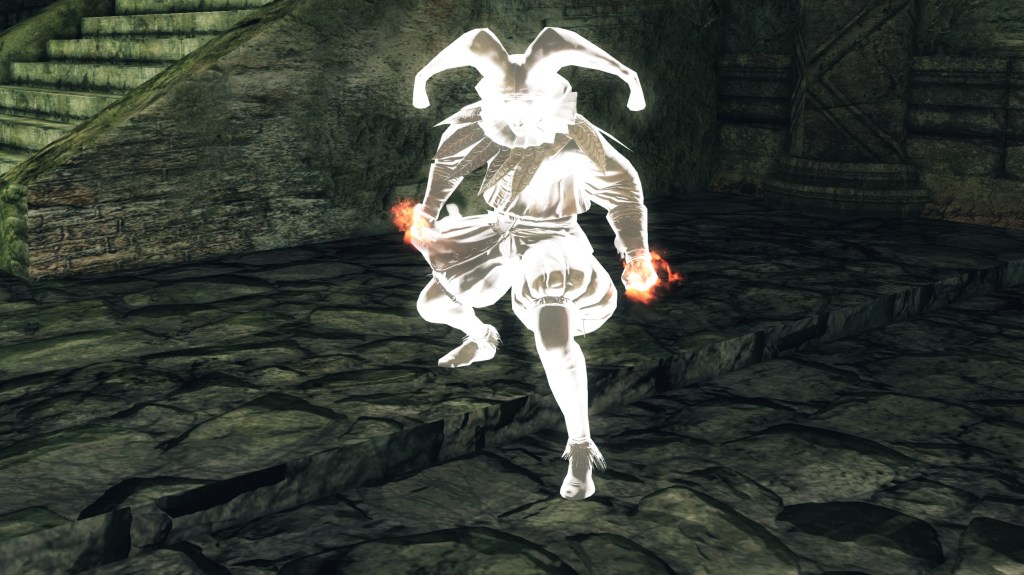
In essence, Mytha’s gradual yet extensive soaking in the poison caused her to undergo an imperfect draconification, a result of the archdragon’s power being transferred through such an unusual medium. Having only been aware of its short-term health benefits that most observers would notice first, she didn’t realize the full extent of what she was bathing in until it was too late. This twisted form naturally reflects her twisted personality full or cruelty and spite, but item descriptions always have this go hand-in-hand with her deep affection for the Iron King. This is why we can derive a twisted blade from Mytha’s soul when the actual boss uses a spear. It wasn’t really the poison that drove her mad, it was merely the trigger for a woman who had already been warped by love and hubris.
Dagger created from the soul of the Poison Queen Mida. A strong poison coats the awfully twisted blade.
Did the queen more beautiful than anyone go mad due to the poison at the bottom of the land, or was her love too strong?
Some of that hatred was pointed toward herself. The boss holds her own severed head by its hair, kept alive thanks to her draconic immortality. (an idea consistent with archdragons later seen in Dark Souls III) Even the use of her head, especially mouth, as a catalyst for sorcery is similar in principle to dragons’ ability to breathe fire. But it comes with the implication that the mad queen was so revolted by her new form that she ultimately beheaded herself in an attempt to disassociate her beauty from her ugliness. After all, other than the horns and sickly pallor, her head is the only part of her body that has yet to have its beauty corrupted. Of course, one must question the sanity of anyone thinking they can look more beautiful by separating a pretty face from an ugly body. Mytha’s obsession with her own appearance clearly made her desperate, and even isolating her head didn’t solve her disgusting form. And yet, her poison baths continue, a sign that this stubborn woman has put far too much effort into this to give up now. There is no going back on the method she has pursued — it has to work.
Just how deeply obsessed is that woman? Honestly, it’s a real nuisance.
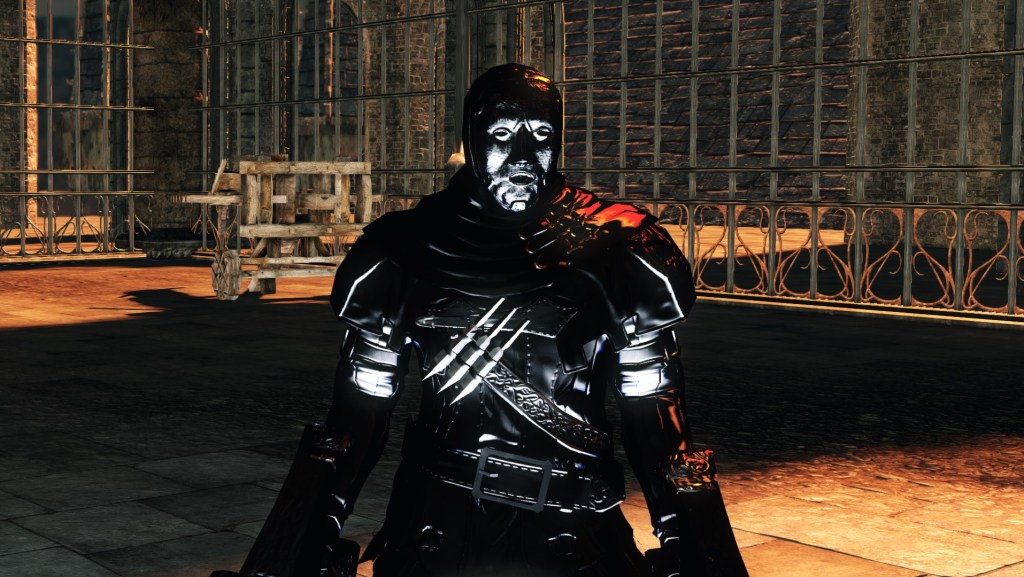
The queen later created puppets, filled not with miasma like the localization attests but “maliciousness”. The reason was because they helped her abduct humans to the valley. Nimble acrobatics allows the manikins to easily get the drop on passers-by, and Earthen Peak has no shortage of hanging cages. Gilligan was one of those captured, having apparently escaped along with another Hollow in hiding shortly before our arrival. His cut dialogue confirms that they are being put to work; it likewise affirms that all his knowledge about Mytha comes from these fellow prisoners. Indeed, when we first meet Gilligan, he assumes that we are escapees like him, which is rational if every sane person there is a prisoner doomed to die working in the mines. The desert sorcerers in the queen’s employ do suggest that she is targeting men specifically, which the Collector’s Edition Guide reinforces — and seeing the two prisoners prostrate themselves toward one such sorceress, their contribution works wonders. If Mytha’s goal is to lure in and capture men, then she is probably looking for strong males suited for heavy labor.
Armor of the dolls that lurk in the Valley of Pooling.
There was a strange art called “dolls” in two lost countries. The queen who was swallowed by poison created dolls filled with her own maliciousness and manipulated them as she willed.
Knife of the dolls that lurk in the Valley of Pooling.
There was a strange art called “dolls” in two lost countries. The queen who was swallowed by poison manipulated the dolls and abducted humans to the valley.
It’s an earlier story of why we’re digging up poison here.
It’s a story I heard from the lot captured here…
Ramping up production still hasn’t improved her appearance any, which isn’t lost on her. The puppets ended up having their faces torn off by their creator, furious at them seeing her hideous form. Mytha’s frustration at failing to meet her beauty standard has made her mentally unbalanced. And since item descriptions and Gilligan attribute a vindictive motive behind her behavior, this may have been when her cruel treatment of workers and other unethical acts actually began. So why do the desert sorcerers serve such a bad boss? Most likely to improve their own beauty. The sorcerers own dragon charms as well as the Lingering Dragoncrest Ring, items connected to the worship of archdragons. In that case, they are probably aware of the poison’s true nature and sought out the queen for the express purpose of obtaining her fountain of youth; they do rely on their feminine wiles to lower their target’s guard. It wouldn’t be the only example of Mytha working out some sort of deal with her servants either.
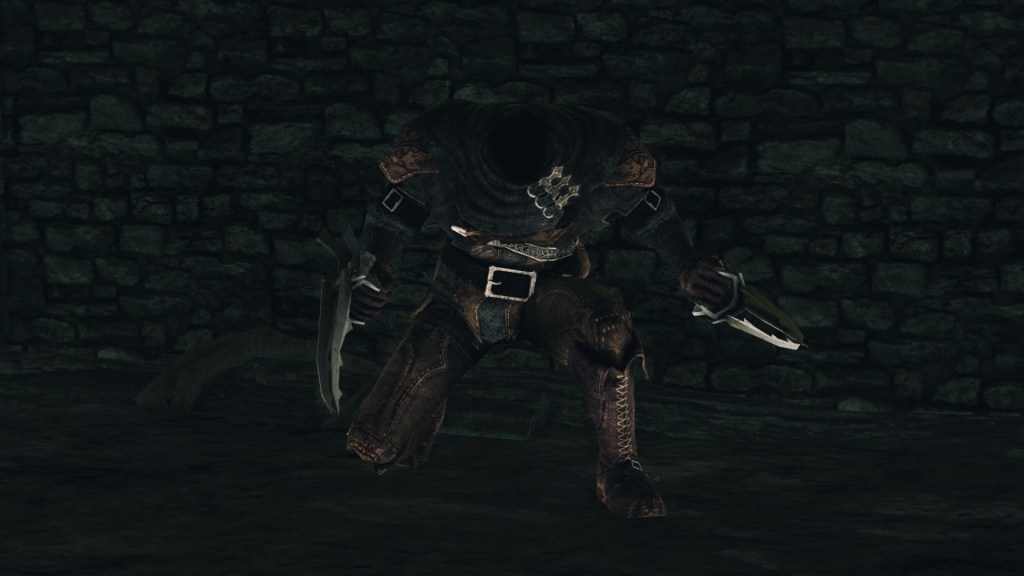




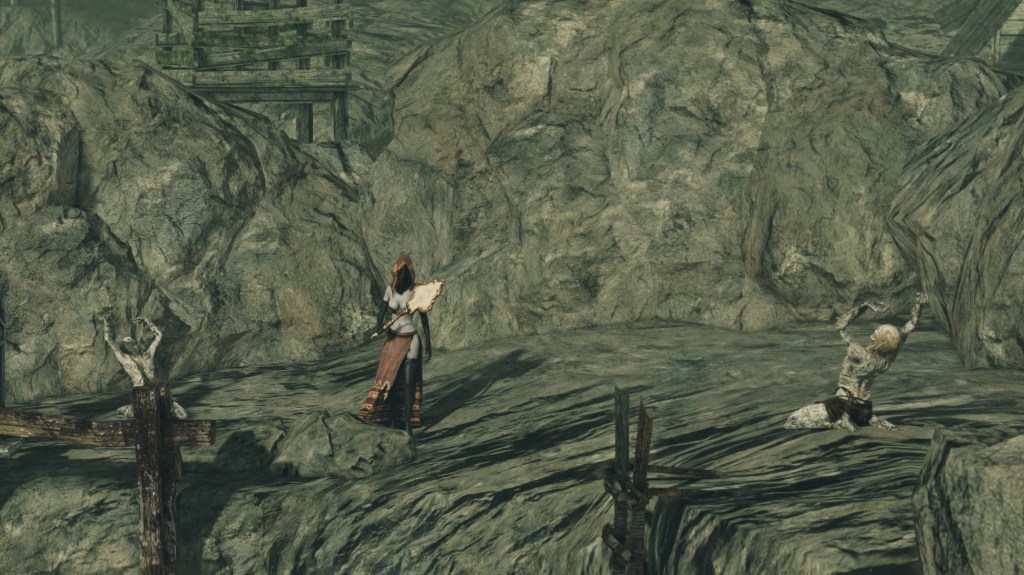
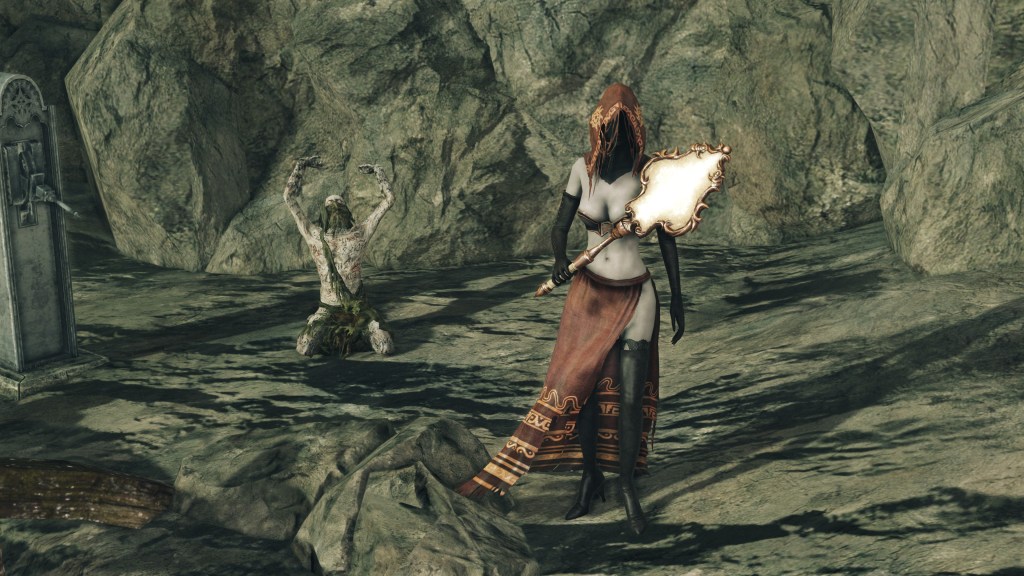
Mask of the dolls that lurk in the Valley of Pooling.
The dolls had their faces torn off by the queen who created them. She pointed her intense hatred toward those that saw her form.
Grave Wardens of the Undead Crypt are among Earthen Peak’s guards, their weapons uniquely imbued with sorcery. This implies that the sorceress Mytha has relations with the Fenito, which is possible if Alken discovered the crypt as part of its research into Heide. Mytha herself uses Heiden iconography for the ceiling fresco in her chamber, with Old Knight equipment found around her valley. However, her personal interest in the culture doesn’t equate to the Fenito lending some of their gravekeepers for an operation on the entire other end of the continent. Therefore, the queen most likely convinced the dead that the poison originating from underground would eventually threaten the mausoleum if allowed to build up and spread. In that scenario, the Fenito could justify their aid as an extension of their duties safeguarding the Undead’s eternal rest. And so, they had an accord.
Also helping secure the queen’s operations is a Mirrah shadow. Combined with the Mirrah Shield in a chest within the tower, and Mytha no doubt hired the eastern nation’s spooks, perhaps to spy on her own workers. After all, her reason for relying on all this outside help is obvious: she couldn’t trust knights or soldiers of Alken to leak nothing to the court back home. They were loyal first to her husband, which may be why any she brought with her were subject to experiments and made to work alongside the peons. The shadows would help keep an eye on any other potential dangers in that regard. But in the end, one must question the point of these continued endeavors. She is now queen of a ruined kingdom with no king to return her love. And as fate would have it, she has been looking for it in all the wrong places.


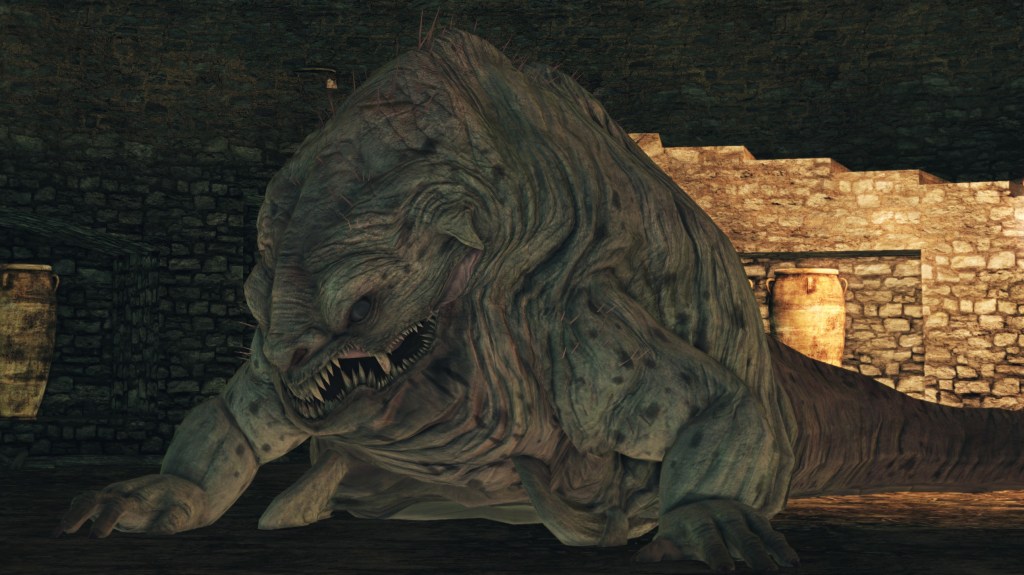
Like Mytha, the Covetous Demon was originally human, specifically a man who had always been by her side — probably a personal aide in her service since before she became Queen. Regardless of his exact identity, he had fallen for her. But because she didn’t return his affections, the man poured his passion into eating to assuage his loneliness, “covetous” (貪り) denoting insatiable lust in the context of devouring something especially. The Gaping Dragon from DS1 gives precedence to strong emotions like appetite radically twisting the body, and the scythe derived from his soul is just his warped spine that digs into flesh like a devouring maw. This leaves no doubt that eating made the man into the monster. Now he is lonelier than before but unable to stop either his love or his hunger. And Mytha has been more than happy to take advantage of that.
Soul of the Covetous Demon that eats all things.
Eating is a manifestation of affection. The person of he who harbored unreciprocated feelings was even lonelier after transforming into a devil.
The special soul this mass of flesh possesses is used to acquire a vast amount of souls or create a great power.
Sickle created from the soul of the Covetous Demon. The gluttonous demon’s distorted backbone is harder than you would think, and sweeps as if scraping off flesh rather than slashing.
Who was that which transformed into a demon originally? Was even he who didn’t leave the Queen’s side seized by some kind of love?
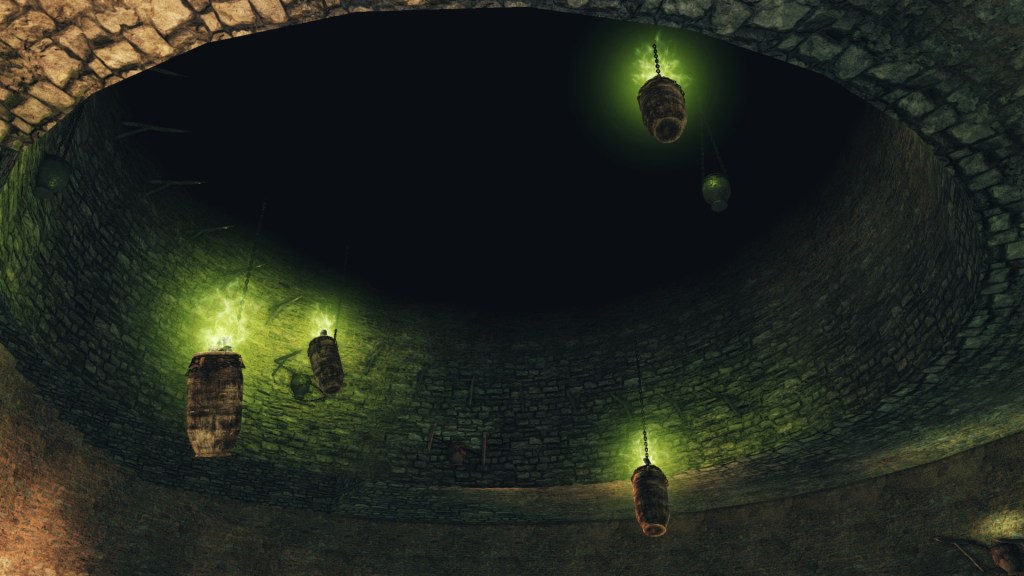
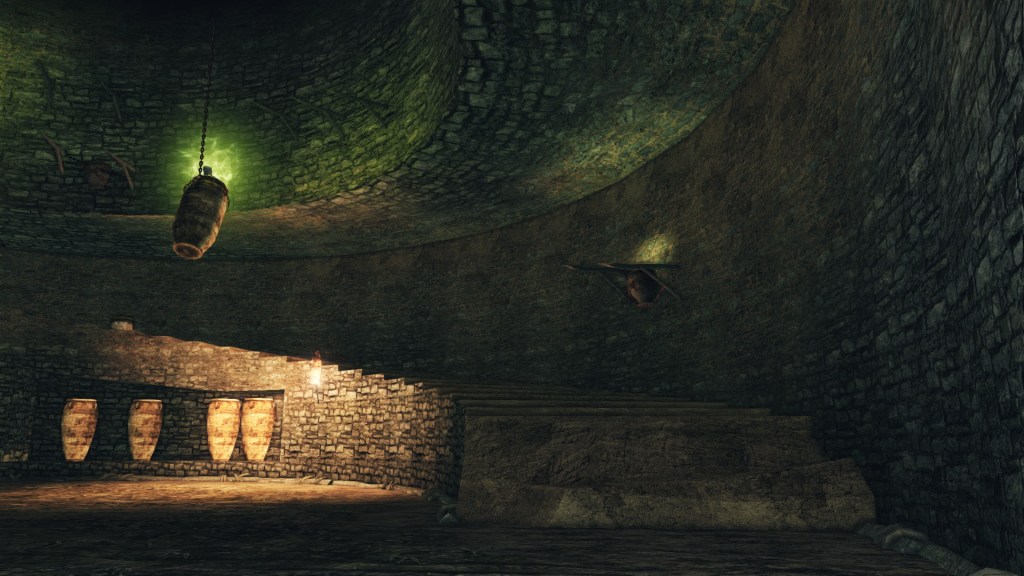
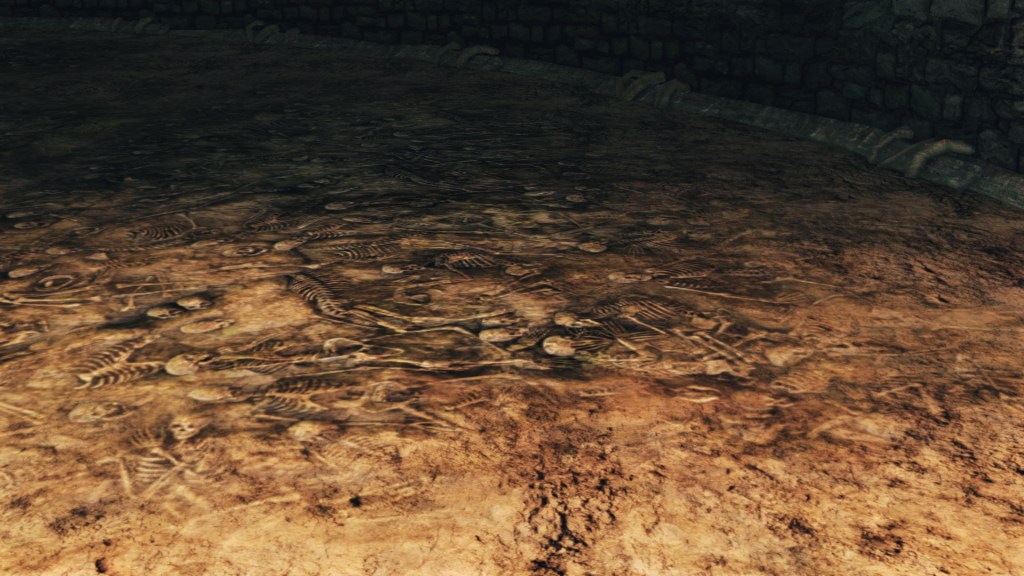
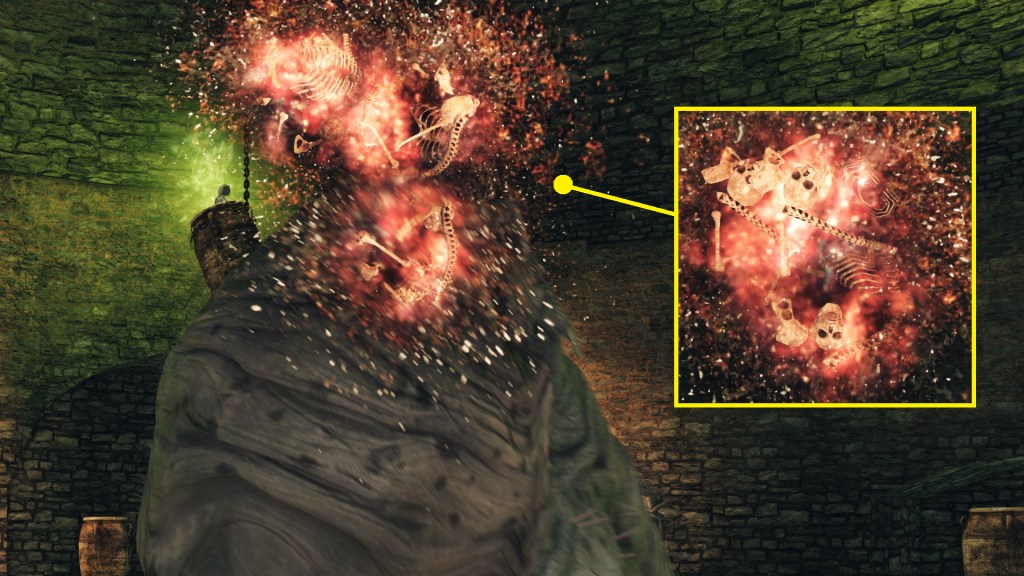
In the lead-up to the Covetous Demon, we find Hollows in pots with green flames hanging overhead. Once we actually enter the boss room, we see the demon longingly staring at more of these dangling prisoners, countless humans bones littering the floor with more he can belch up. Although the giant spiraling staircase behind him is broken, we can assume that it is supposed to lead up to Mytha’s private chambers — it is situated directly below her own boss room. It would thus seem that the queen has made the demon into a guard dog, teasing him with treats just out of reach to keep him on her doorstep. She has used her servant’s transformation to rid herself of countless unwanted visitors as a result. Perhaps she doesn’t want others to see her form, but there is irony in using the one person who loves her regardless when her reason for doing all this has long since lost its relevance. Love is indeed a crazy thing.



 Lokey Lore