
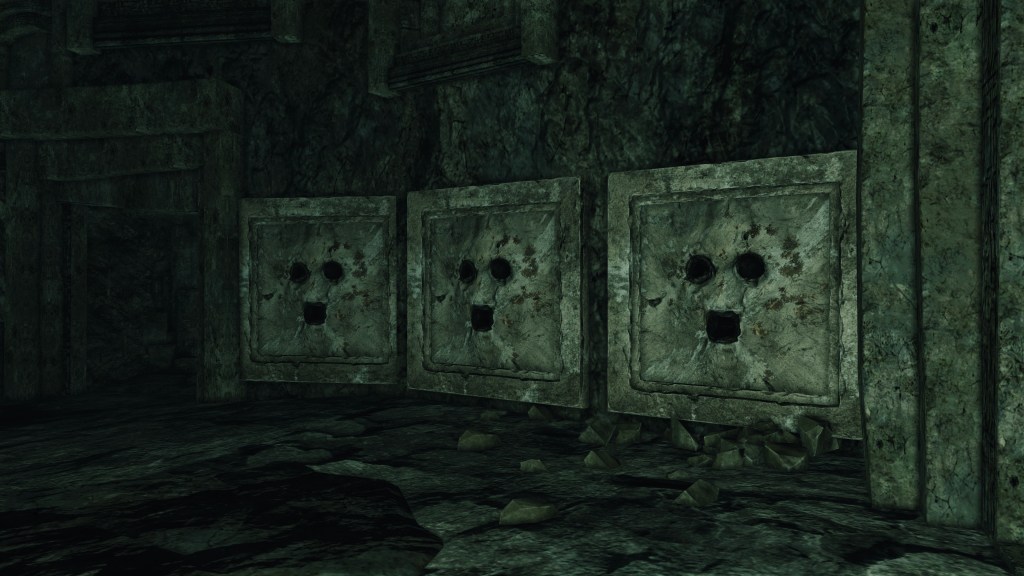
Pharros is a curious character. His legend remembers him for trotting across the globe, leaving various contraptions in his wake. These mechanisms invariably involve a strange “face” — two round holes above a square one. The mouth to this face is where we insert the lockstone keys for activating the mechanism. The device then triggers one in a myriad of effects, such as the “face” streaming “tears” into a sink. We see this image captured in the Mask of Pharros, a bearded man’s figure constantly drenching the wearer in his tears. The physics behind this bizarre invention aside, the obsession with misery begs questions about the globetrotter: could the bearded man be Pharros himself, a man with a tragic past using this odd pastime as a way to cope with the grief? His contraptions tend to respond to local “appeals” of people in distress, such as creating water pools for protection from hot fire, so could Pharros have lost loved ones on a journey? That would explain why he goes around helping similar travelers in his own peculiar way, though they still need a special stone for his aid.
Mask modeled on Pharros’ mechanism. Tears continually flow from the eyes, so the one wearing it is drenched in those tears.
Many of the mechanisms Pharros left are difficult for normal people to understand. This too is one of them.
However, the sheer extent of this work has led some to believe that Pharros is actually multiple people acting under a pseudonym. Indeed, we can find the legend’s handiwork in every corner of Drangleic, locations like the Doors of Pharros so named because his mechanisms govern that many doors among other traps. These contraptions always provide some utility, occasionally going so far as being integrated into the lighting systems. In other words, it is hard to imagine one person accomplishing such radical construction projects in dangerous areas, oftentimes still operating, without notice from man or monster. If Pharros wasn’t a single individual but a group leaving a callsign, then at least speedy assembly becomes more feasible. And yet, the implicit assumption is that it is still one individual creating each contraption, just spread out thanks to the group. That leaves eyebrows raised about how these feats are accomplished, so it may be that Pharros is just that exceptional an individual.

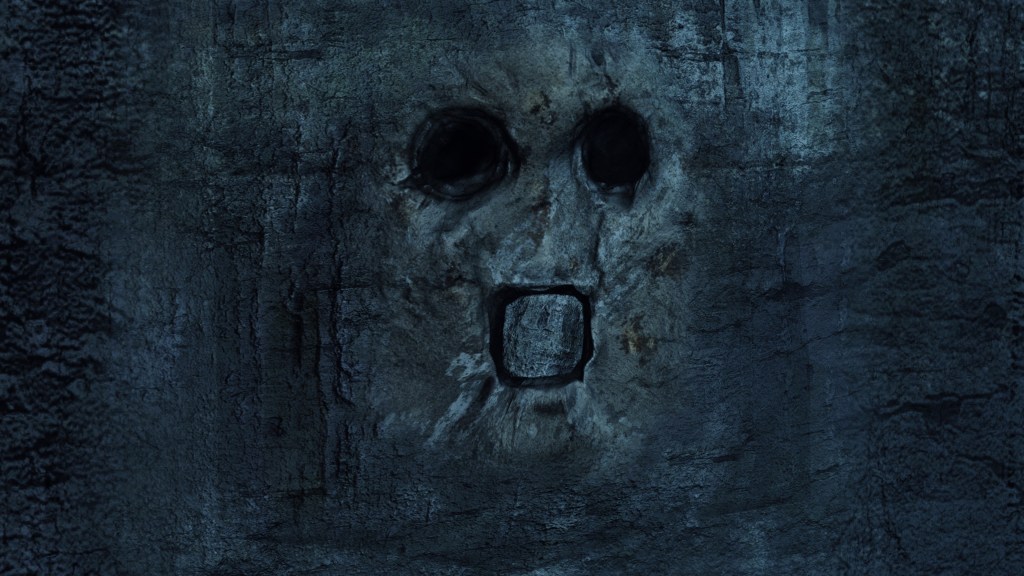

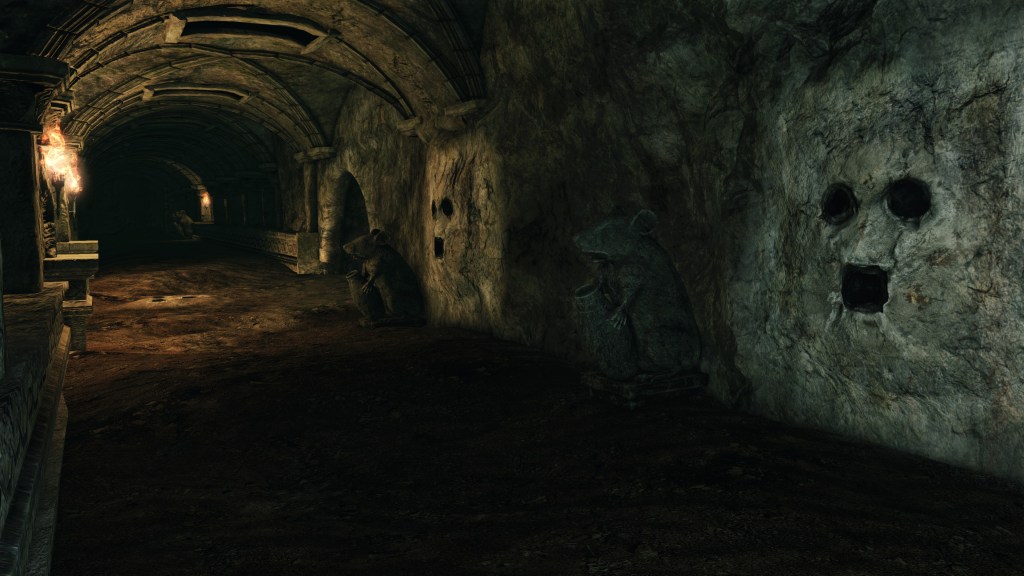
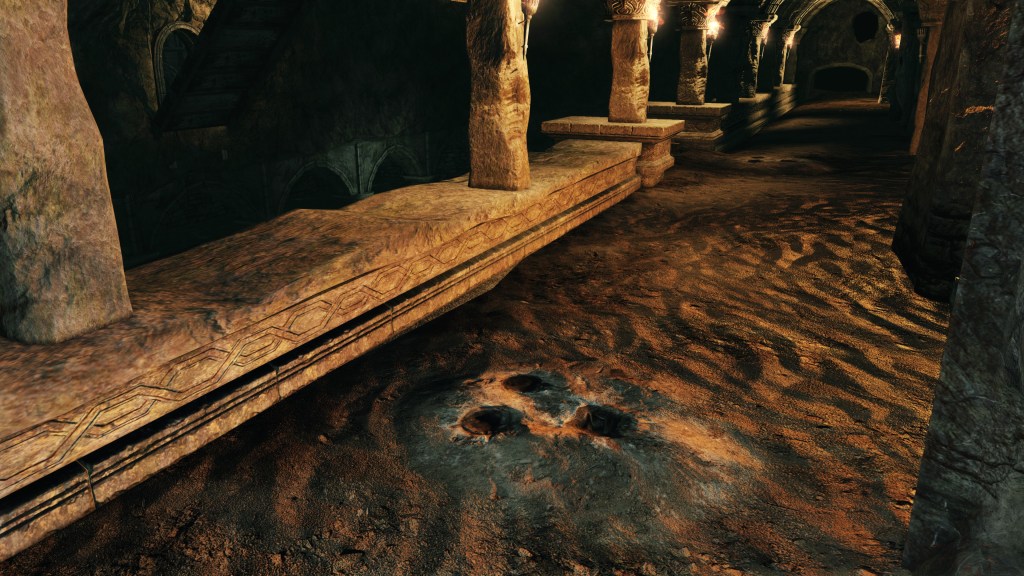
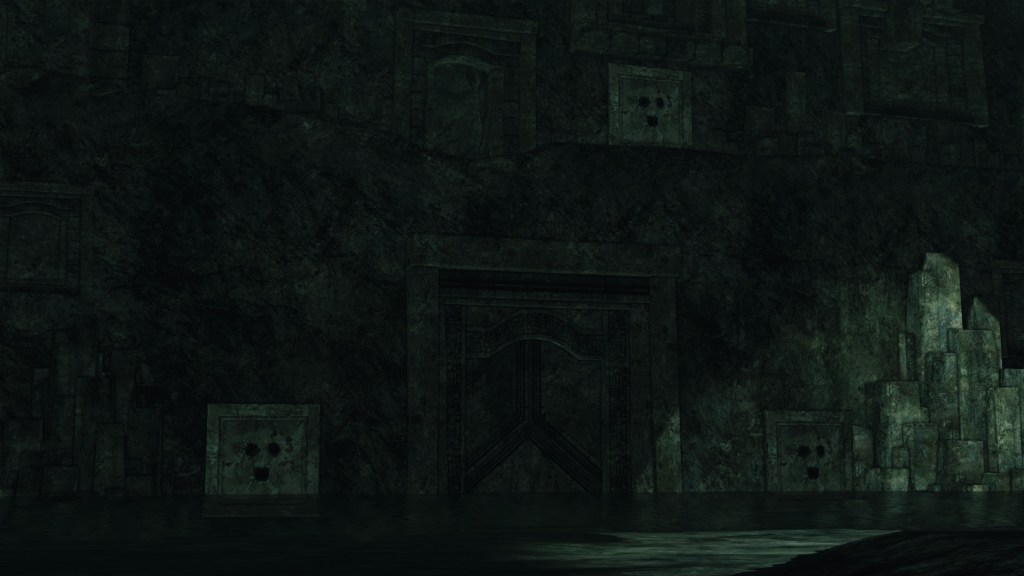

Stone that activates the mechanism left by the globtrotter Pharros.
The globetrotter Pharros is a legendary character who traversed various lands and left all sorts of mechanisms responding to the appeals of people in distress.
Because his footprint extends across a vast range, it is thought to be the combined work of multiple characters under the name Pharros.
Certainly, the end product stands out for some of its capabilities, including creating pools of healing water which even an Undead can enjoy. In some cases, the contraption reveals secrets, the “face” glowing on nearby walls which we can dispel with a single strike. This is the only example of illusory walls in the game, despite their being ubiquitous in the original Dark Souls. Drangleic otherwise relies on the more conventional “fake” walls which pull away via mundane mechanism when activated by non-violent interactions. Both methods are used to conceal hidden passages or stores of items related to the area, but only Pharros seems to preserve the magical means; maybe this makes Pharros a sort highly proficient spellcaster. To that point, we find his contraptions in the Memory of Orro, within a highly secure military facility mid-invasion. Either Pharros was alive during the fort’s heyday, or he can travel through time like us. Whichever is the truth, it require that he possess stealth and infiltration abilities matching the greatest of thieves, whether through magic or pure natural ability.
There is simply no denying that Pharros is larger than life as a person, and even less believable for an entire group. With genius only matched by physicality, the globetrotter deserves his renown as an enigma. His ultimate fate is equally as elusive. The inventor spent extra time currying favor with the Rat King, given the number of contraptions in areas the king controls. Said king even encourages us to make use of them as members of his covenant, though Pharros is only another human as far as the rodent is concerned. Still, that human clearly felt affinity for meager rodents, more than any wanders they might prey upon anyway. Yet whether that was where he ended his journey is another question. We find the Pharros Mask on a corpse at the end of the Iron Passage. Was this Pharros, finally stumbling along the journey, or simply another individual who picked up his works? It might forever remain a mystery. But true to his name, “Pharos” (ファロス) is a shining light for travelers exploring lands unknown, with lockstones littering the region aplenty. To them, that legacy is all that matters.
 Lokey Lore