
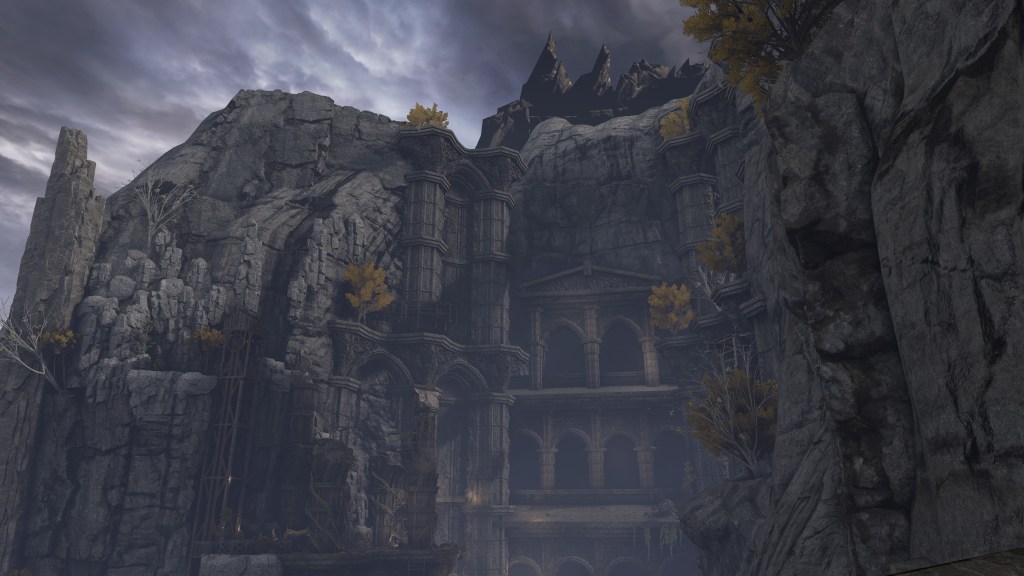
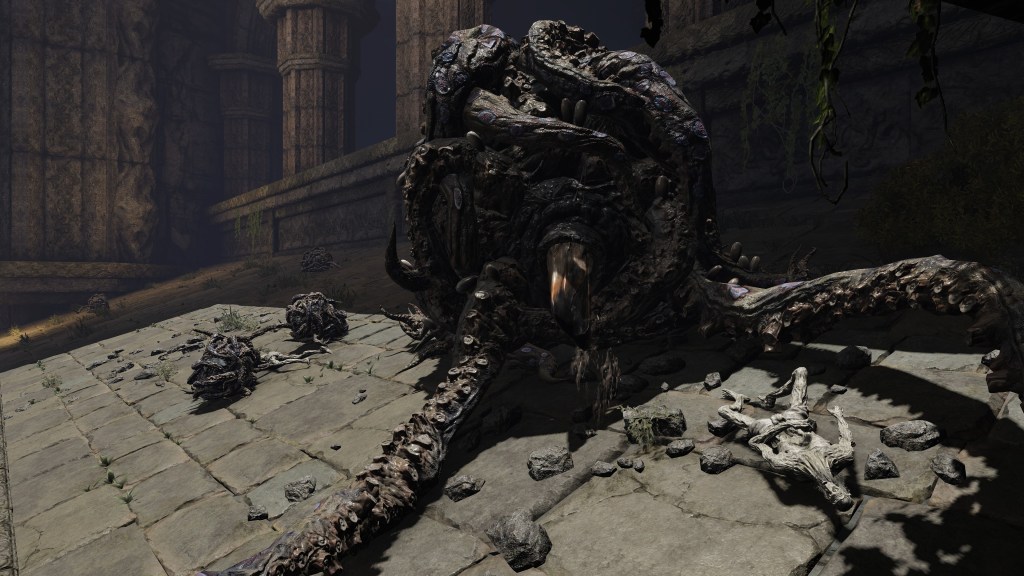
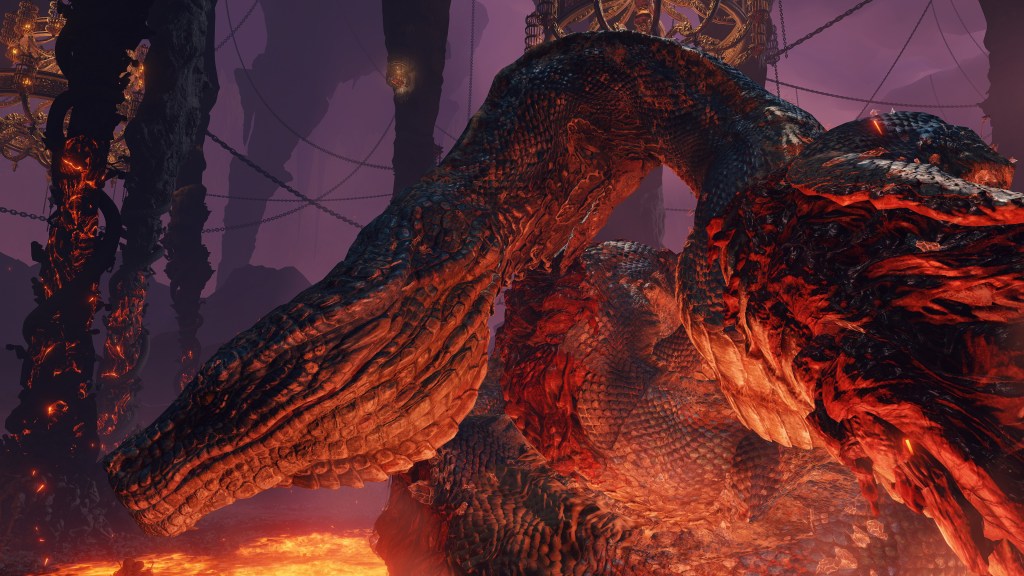
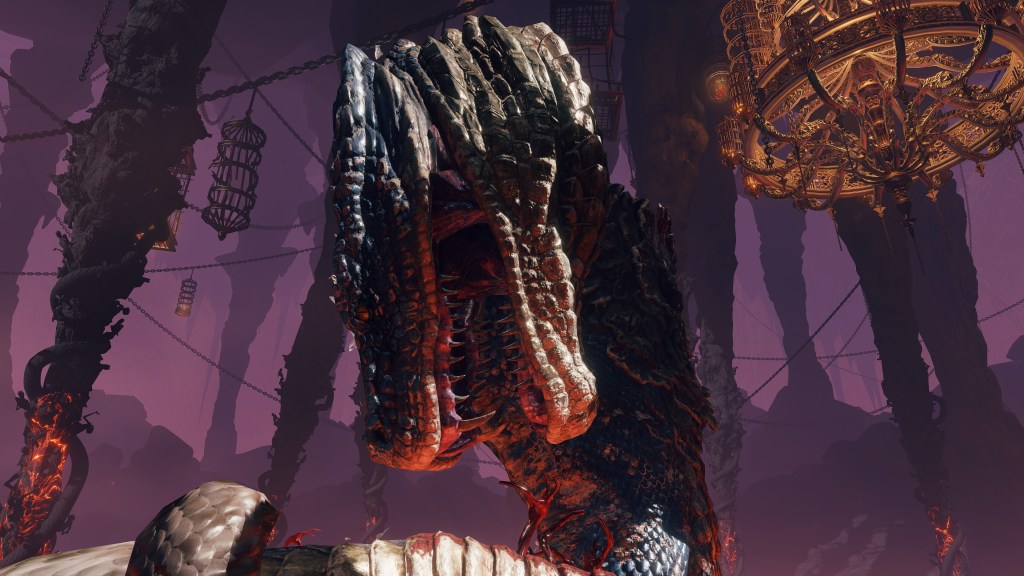
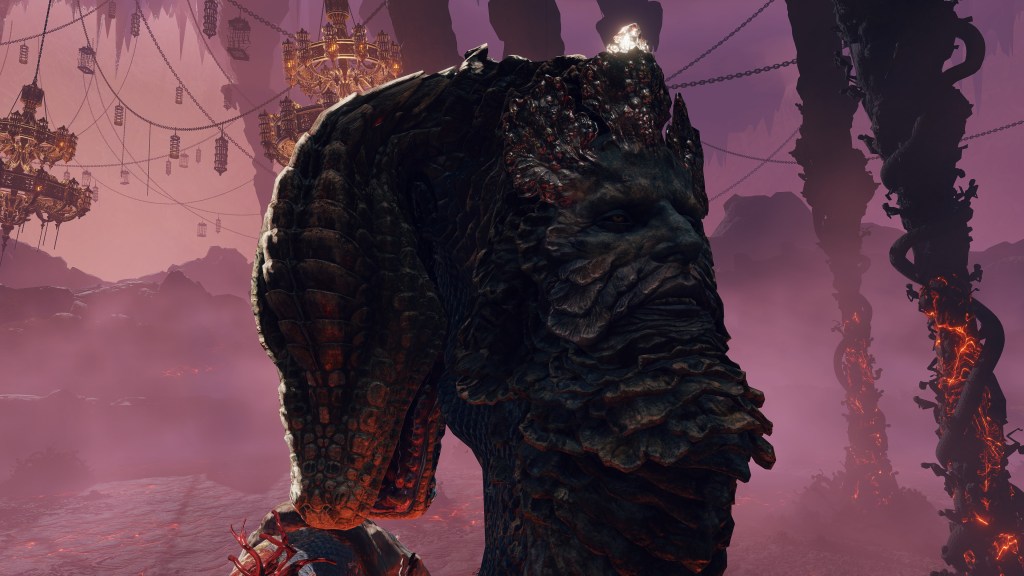
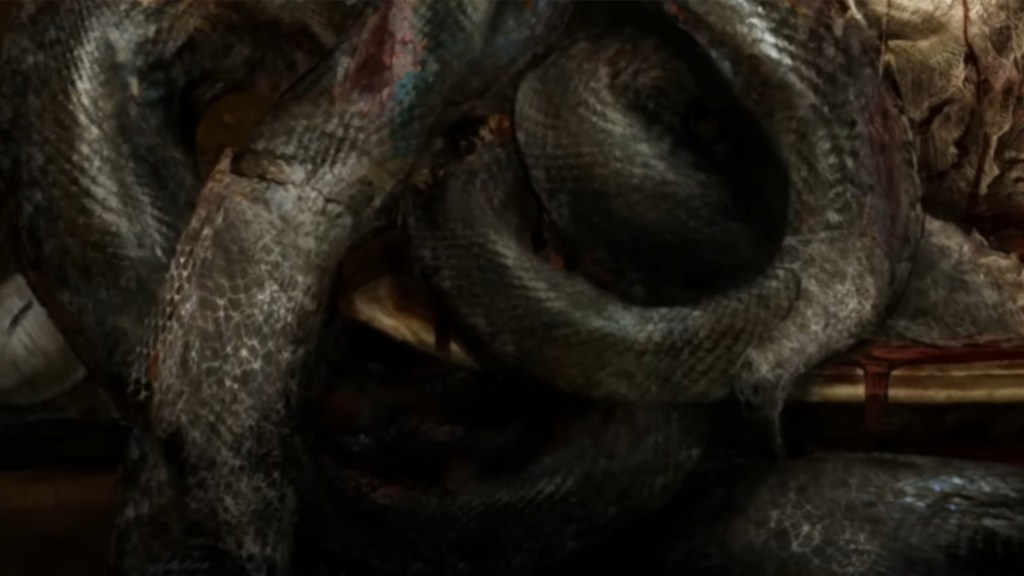
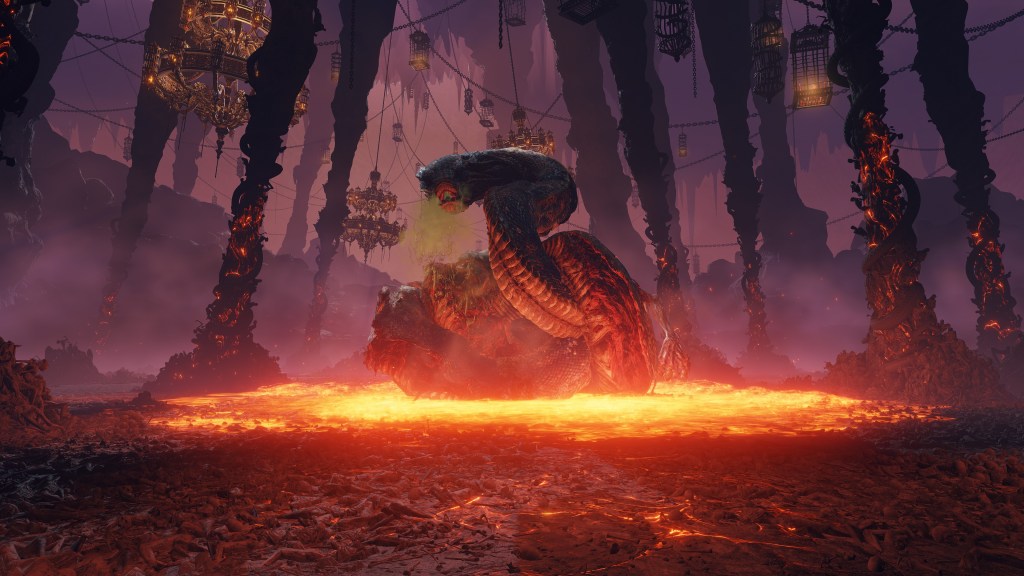
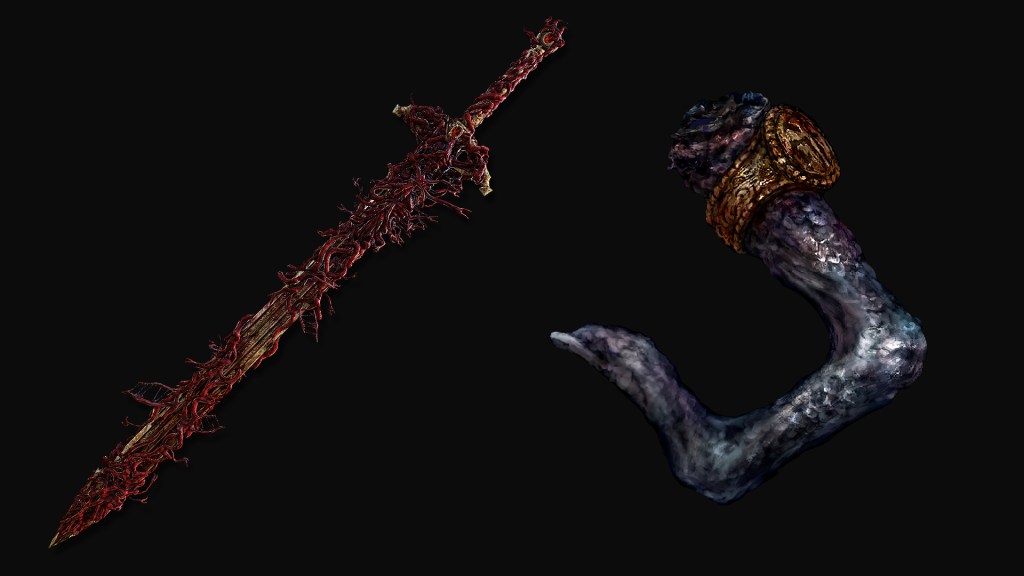
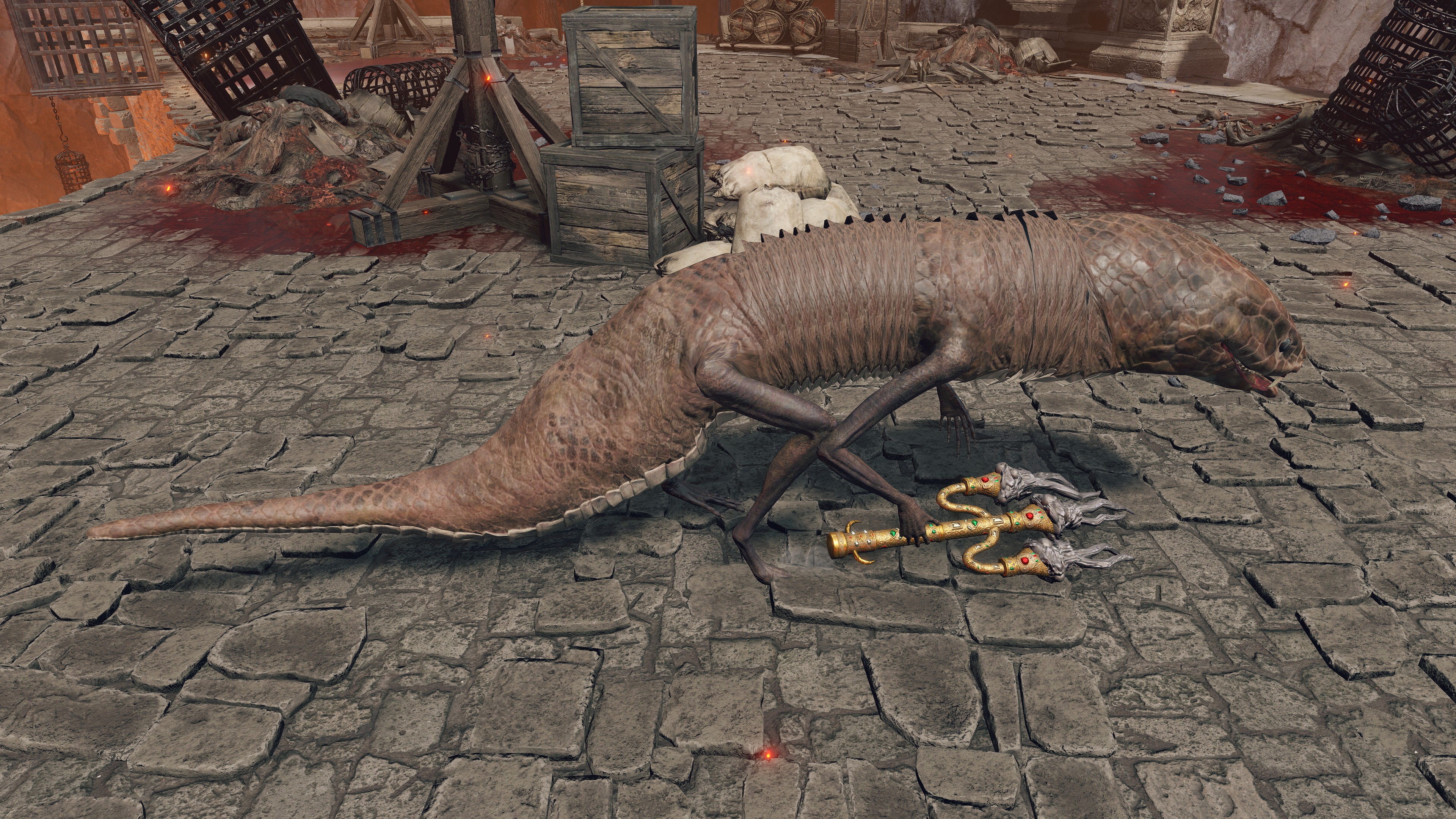
Amidst exploring the Ruin-Strewn Precipice immediately beneath Mt. Gelmir, we can come across a body carrying the Serpent-God’s Curved Sword, shaped after the snake worshiped in the land since long ago. This serpent god in question stands out for its longevity, apparently living eternally. When the immortal reptile is ostensibly killed during our boss battle, the devoured demigod takes unambiguous control of the body to continue the fight — even the snake’s head briefly comes back to life for certain attacks as things drag on. And when the god and demigod are finally slain, Tanith begins devouring the, still animate, severed head so that both might be reborn inside of her. Without a doubt, the snake possesses a vigor unlike any ordinary creature; its living essence simply won’t expire. Not only does this make the body difficult to slay, it allows the flesh to reconstitute itself or transform others assimilated with it. Perhaps that indestructibility necessitates some form of outside assistance in worst cases, but such a feat is unparalleled, nonetheless.
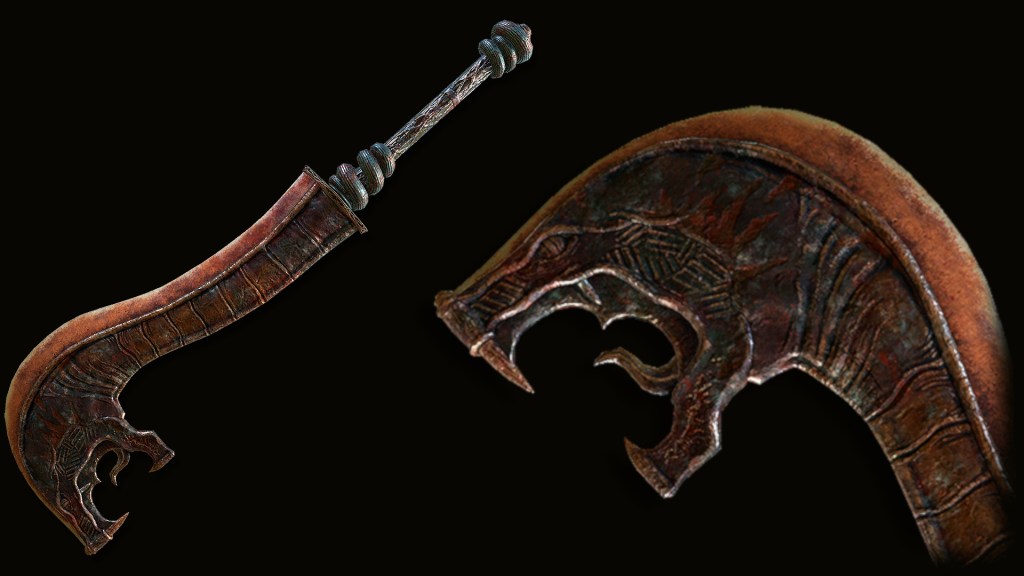
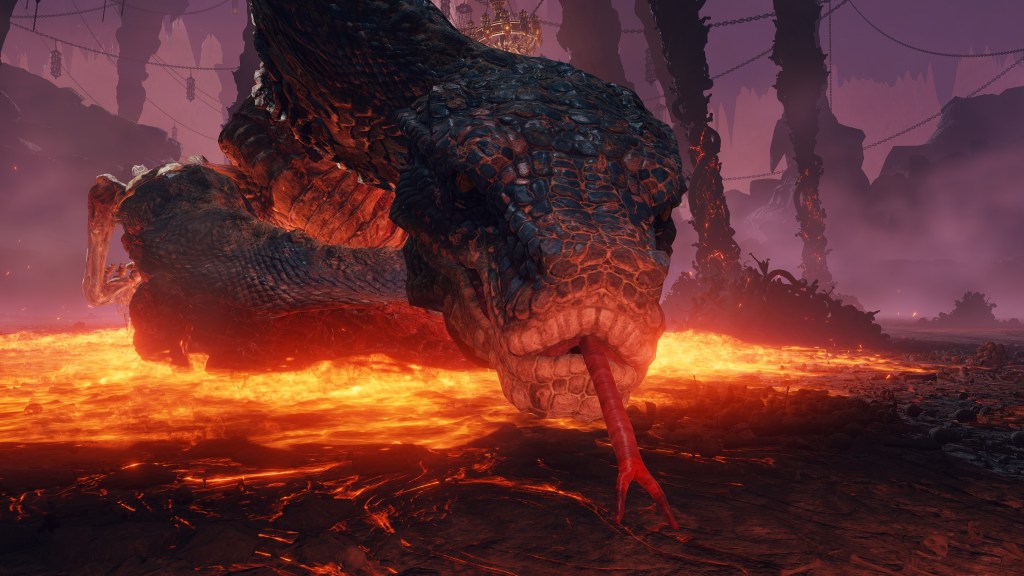
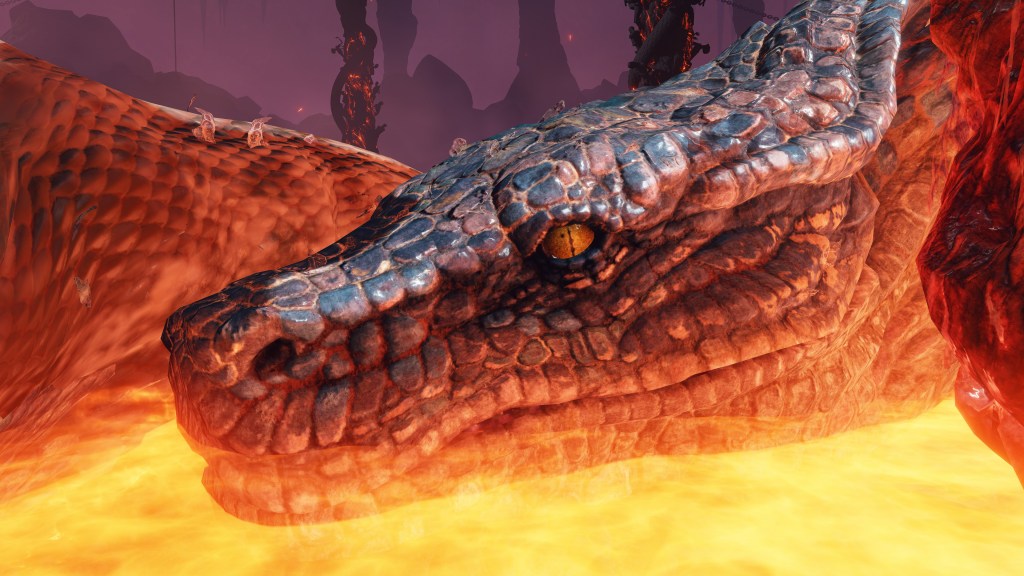
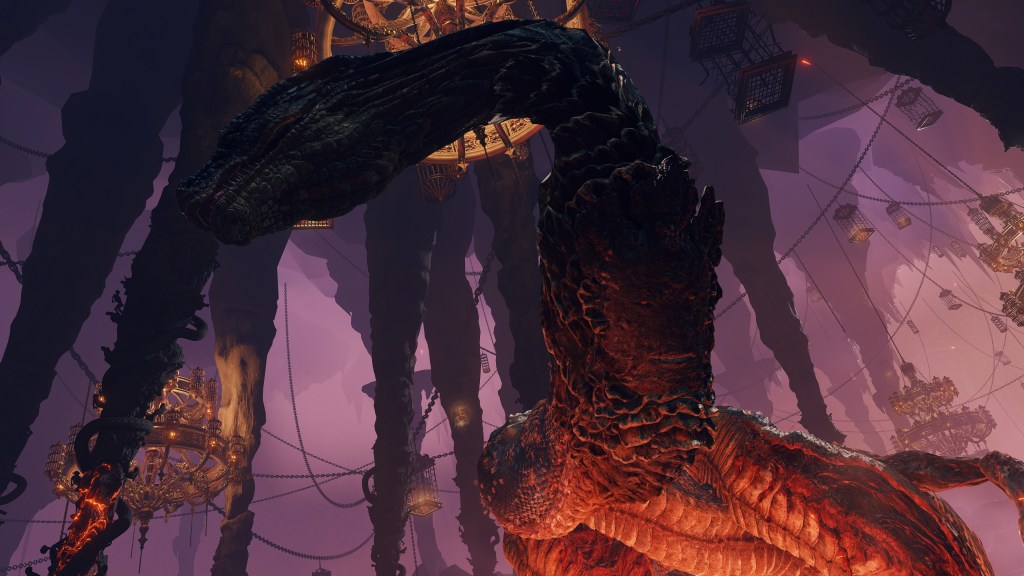
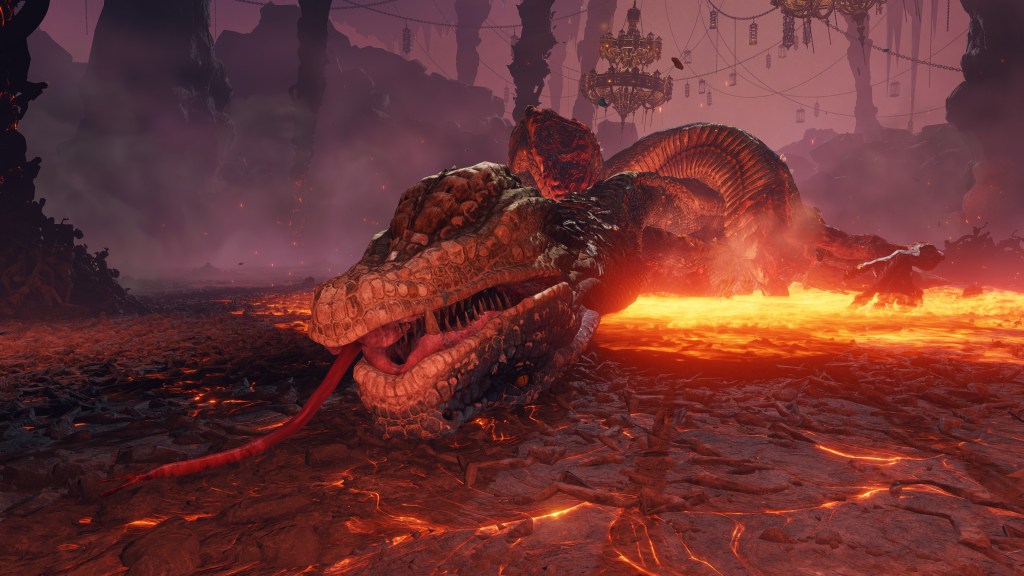
Curved sword modeled on an old snake god. Ritual tool of the lost faith of Gelmir.
Considered to have been used for offering up sacrifices, so recovers HP when defeating enemies.
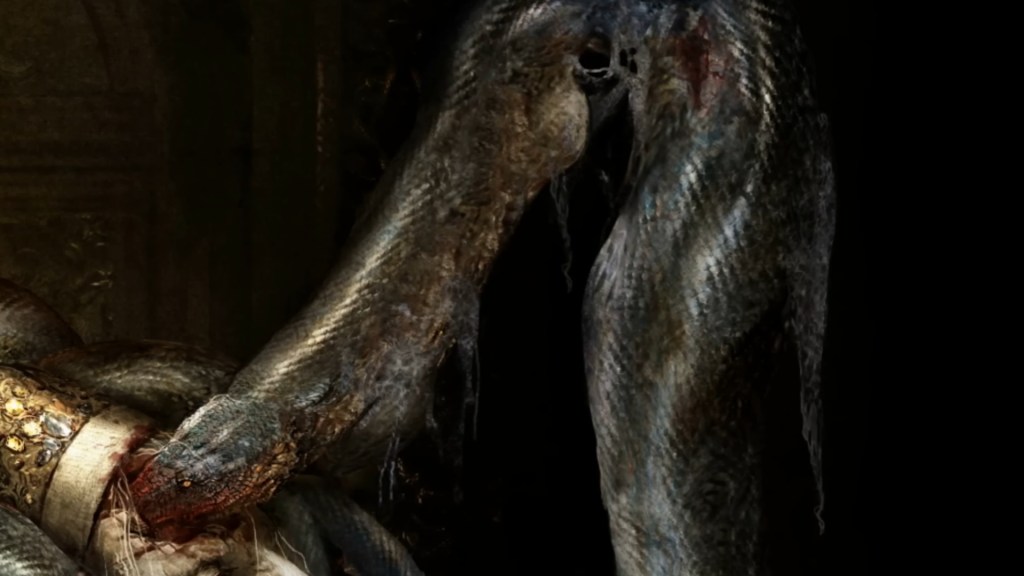
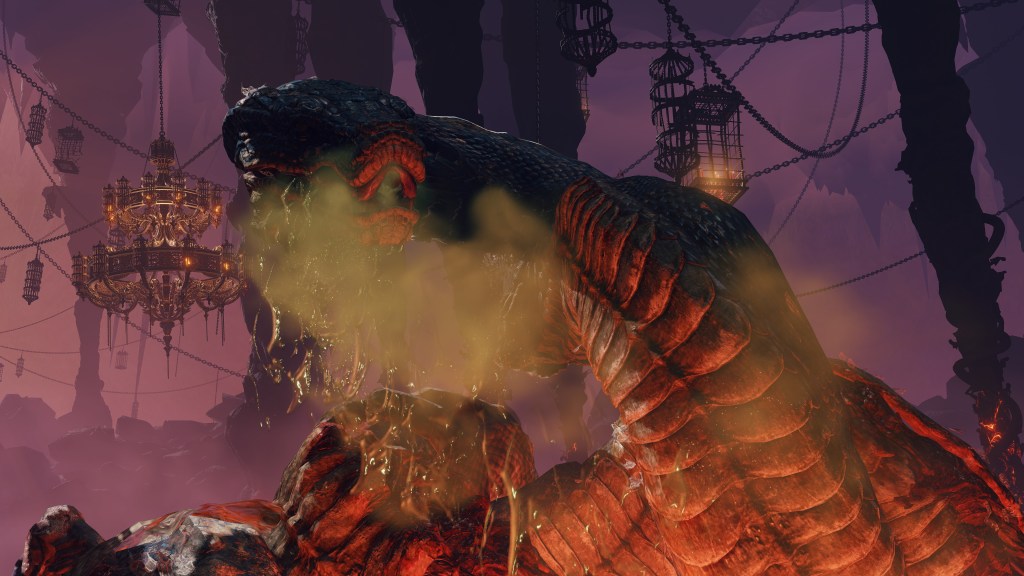
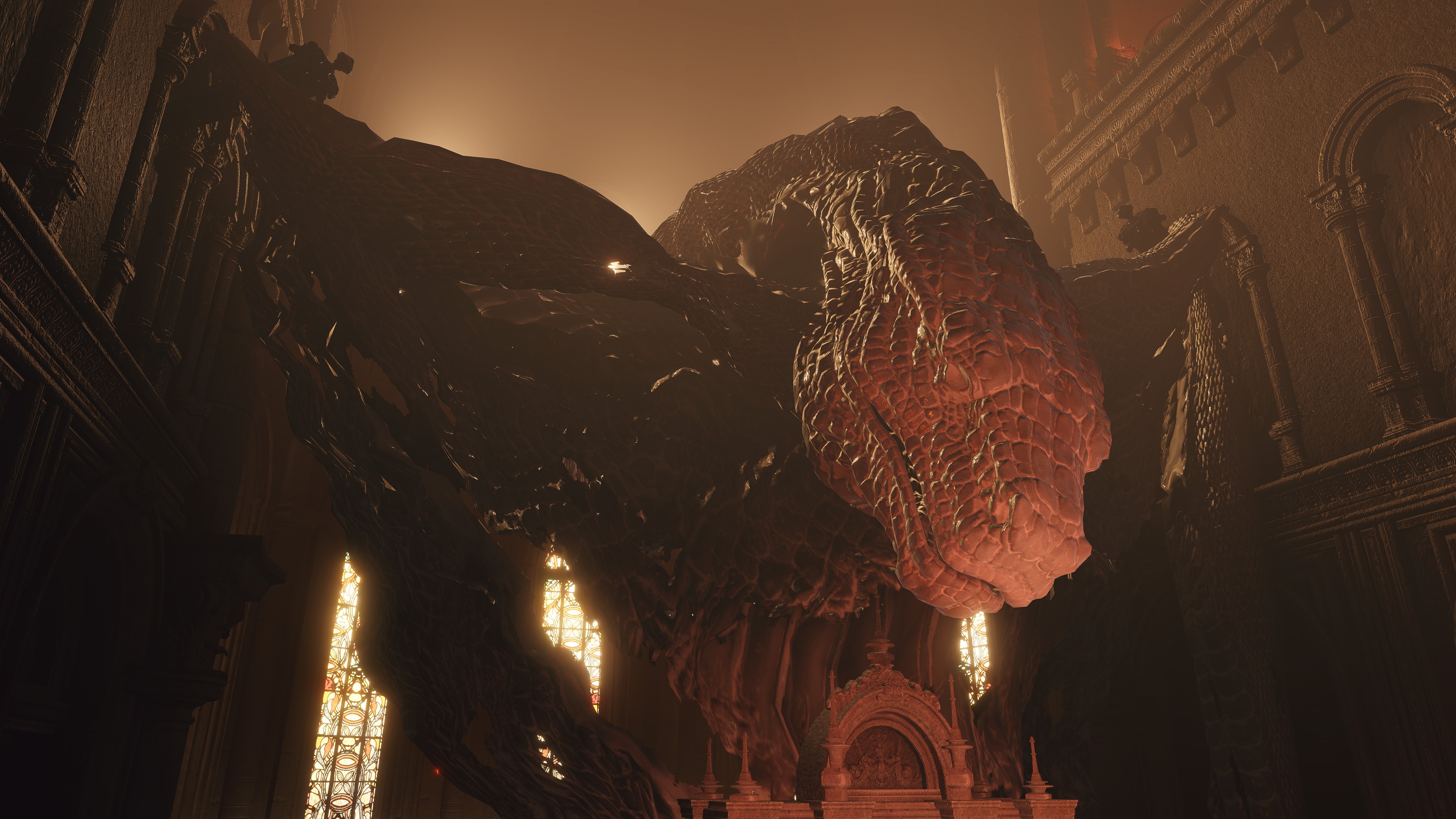
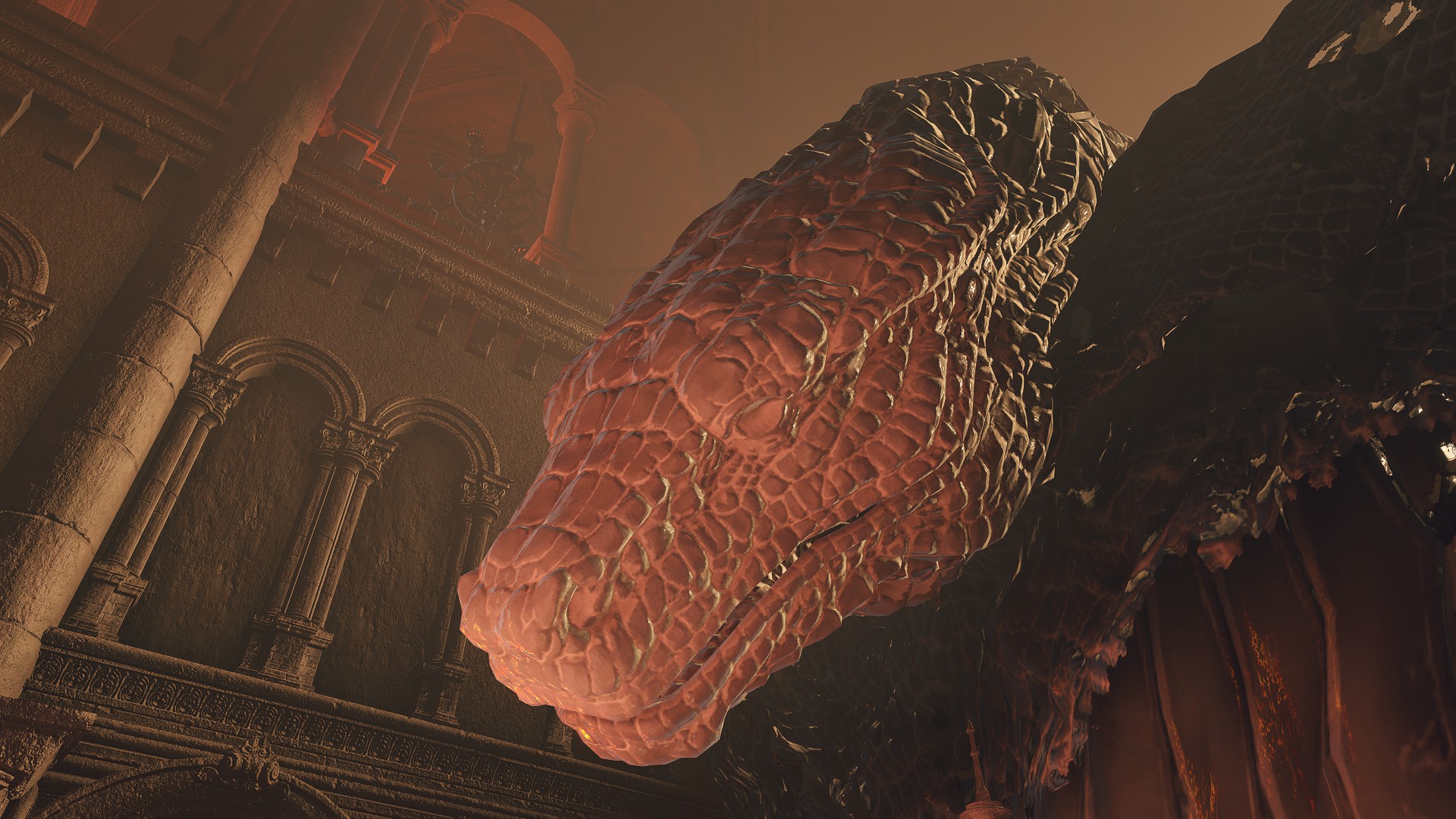
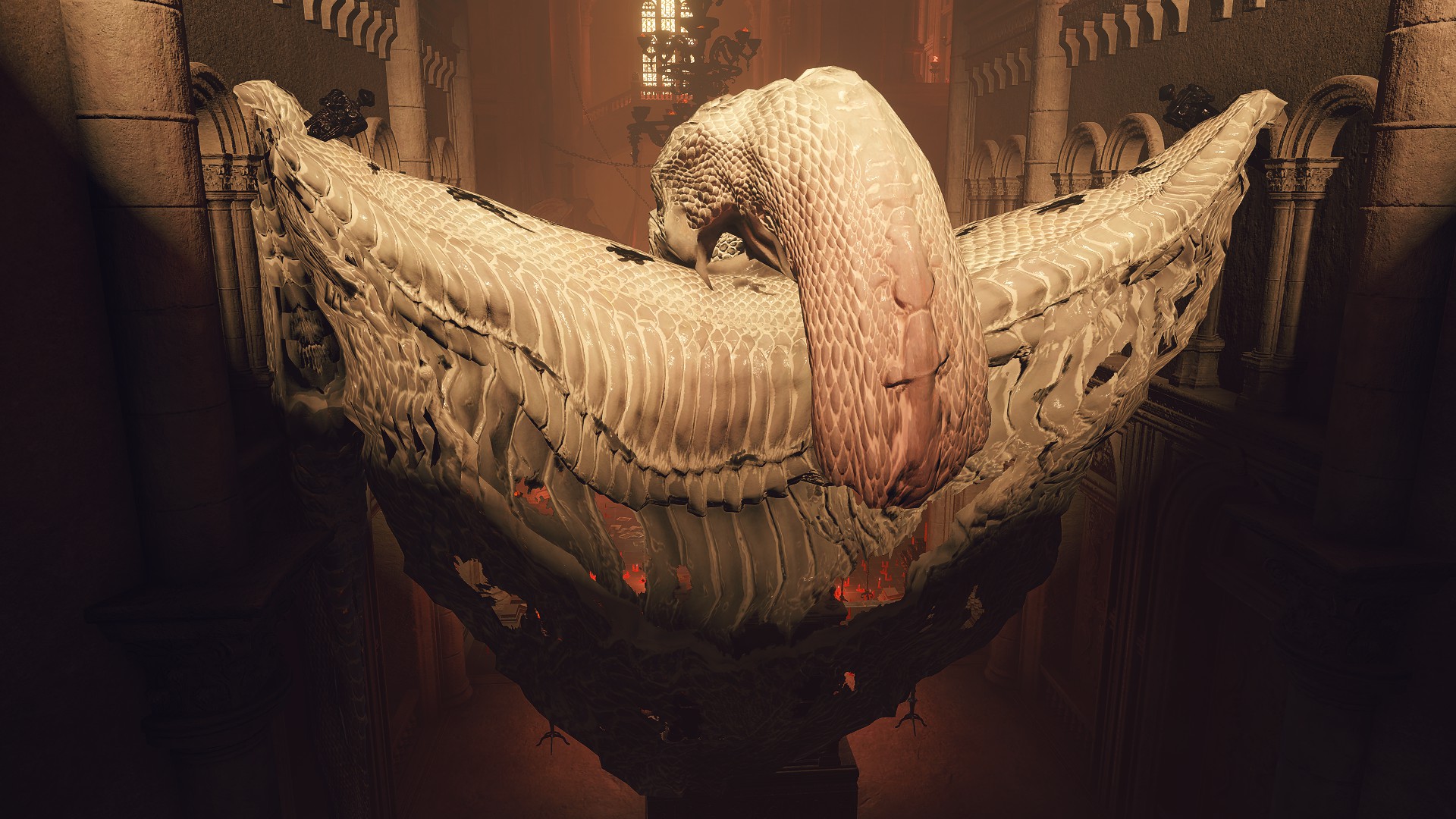
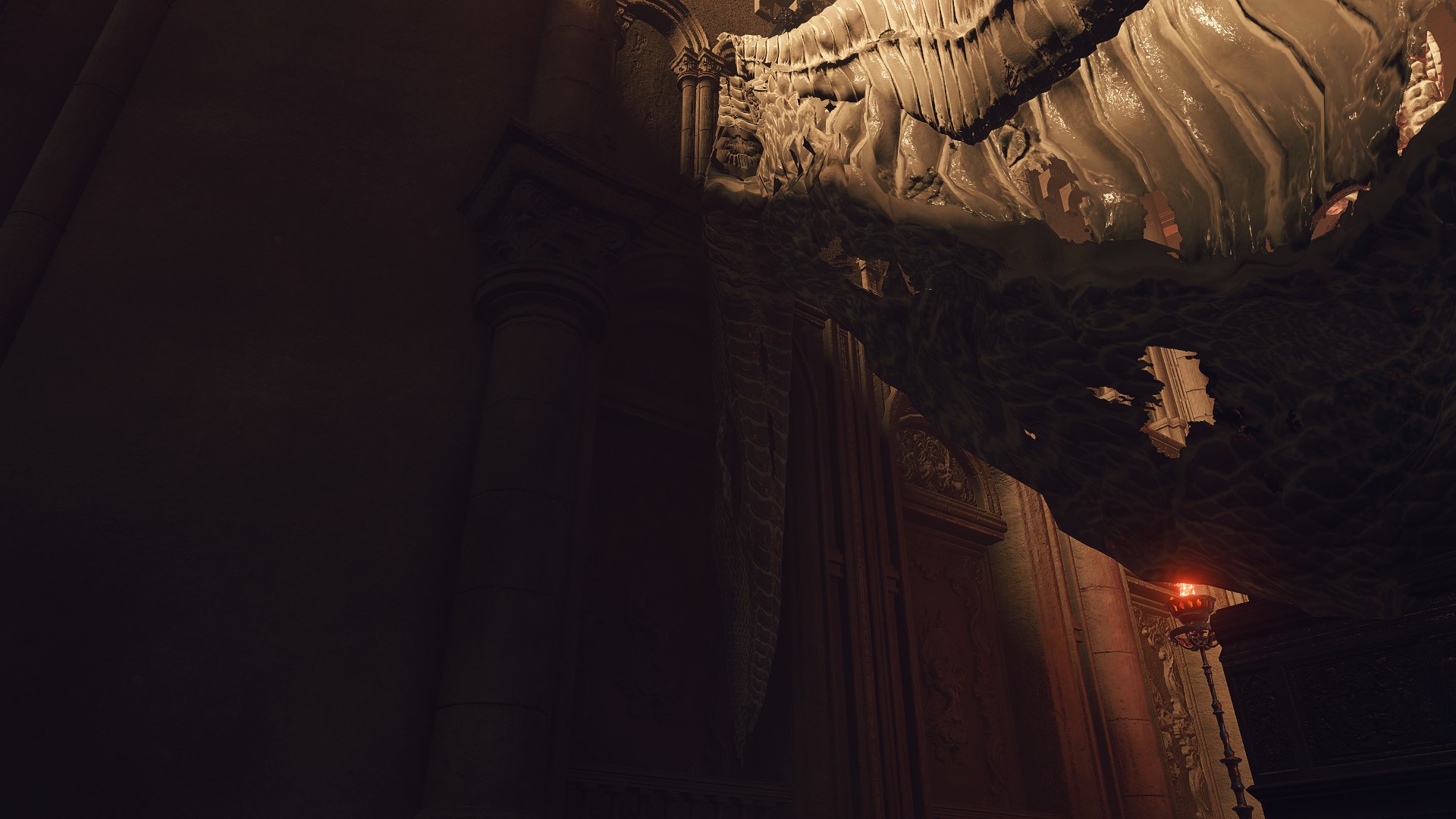
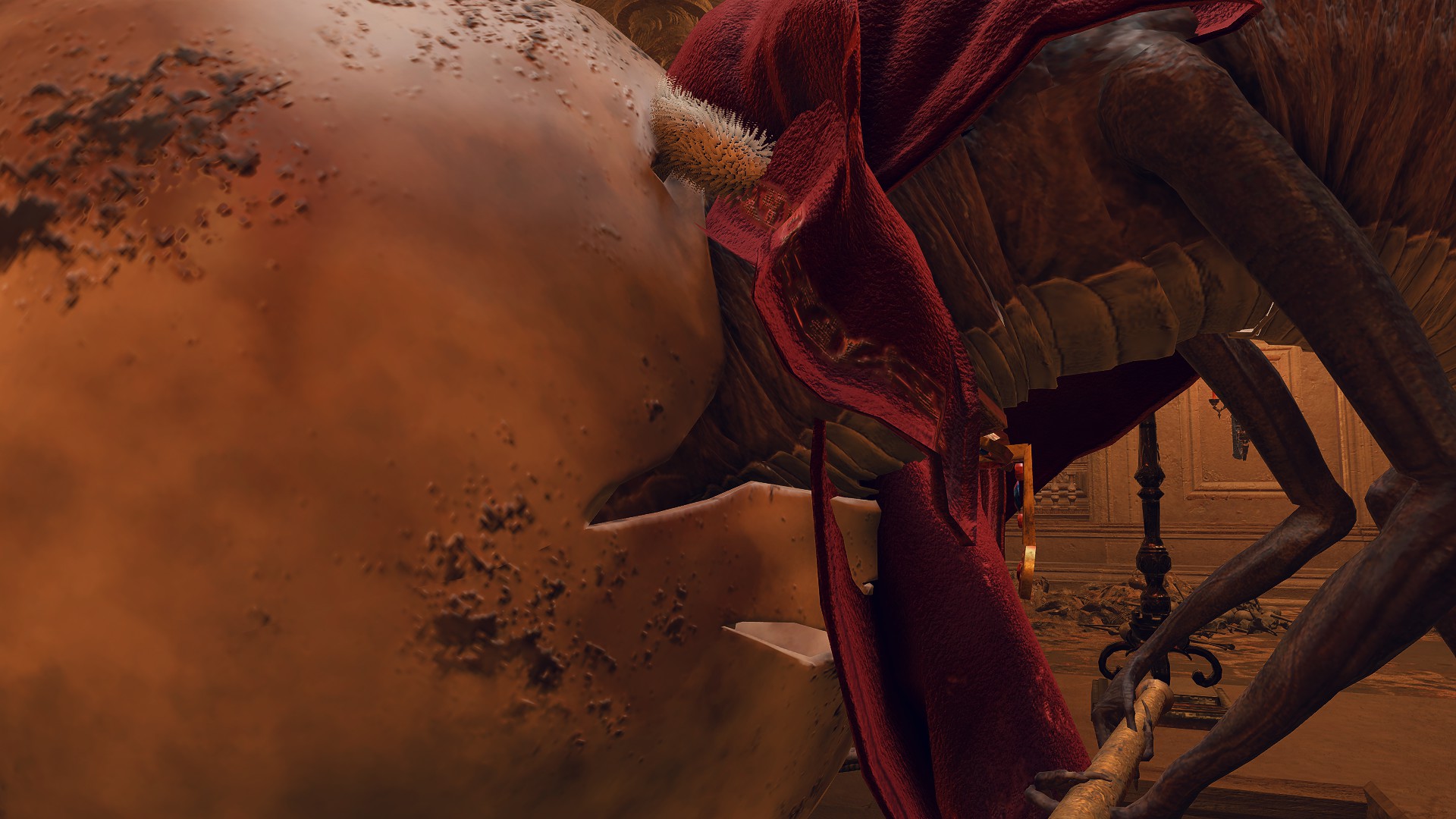
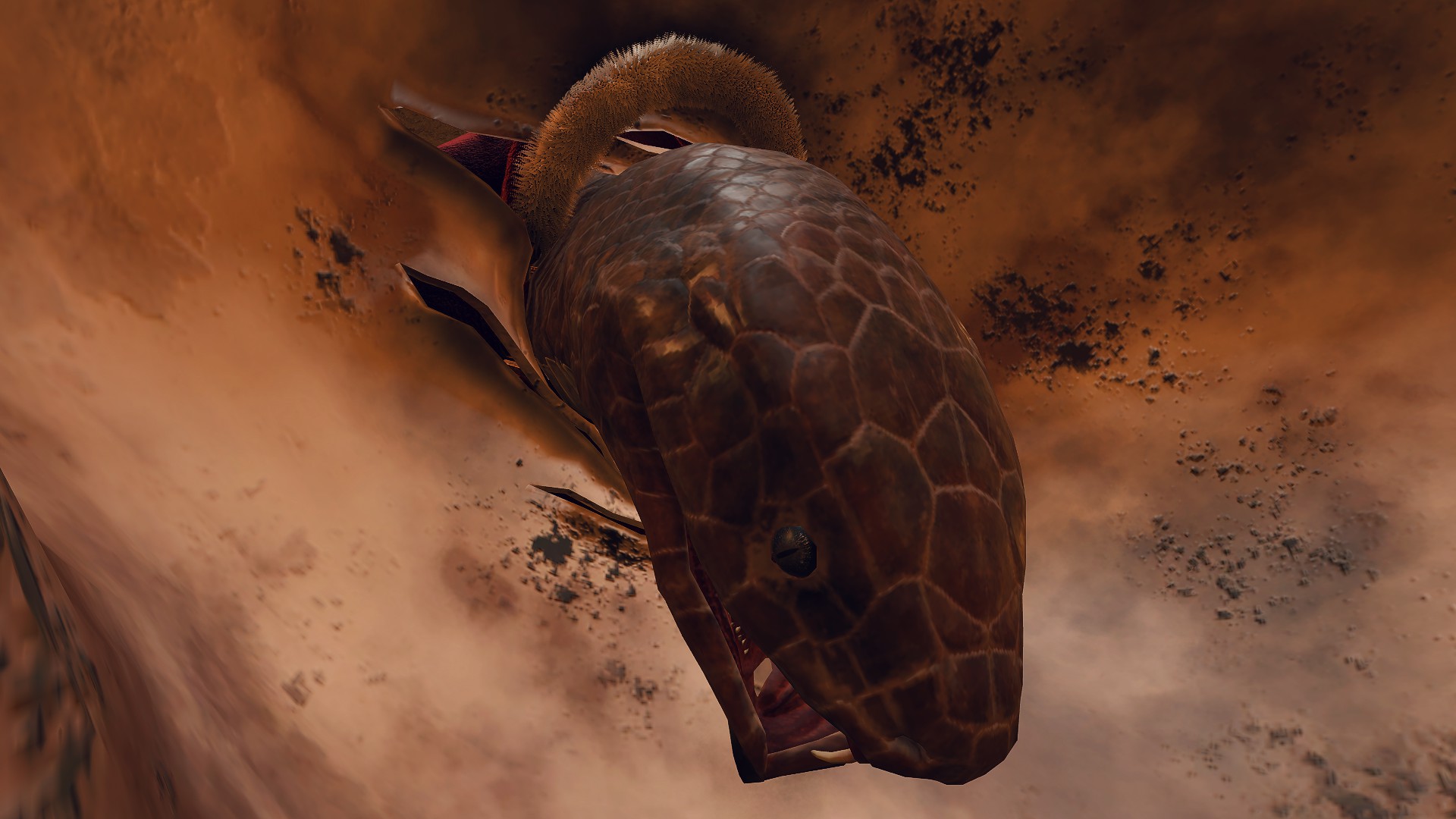
In that case, Gelmir’s god must be some sort of supernatural being, whether an outer god’s avatar or some other kind of astral entity. However it came to the Lands Between, the snake deity ultimately settled in the mountain where it had continued to live, eat, and grow. That last part is especially important in light of the reptile’s size. Snakes are known to never stop growing throughout their entire lives, and an eternal snake is no different, infinitely shedding its skin. The serpent devouring Rykard in the introductory cinematic looks no bigger than the average python. But looking around the boss room, the area is filled with snakeskins of varying sizes, some smaller and others far larger. This culminates with the boss itself, where our full body may as well be a toothpick between its teeth — remnants of fresh snakeskin still clinging to the cyan scales. In the relatively short time since the events of the Shattering when Rykard was last human, the “little” green snake has grown exponentially. Had the immortal serpent not been hunted in the past, it likely would be even larger than it is now.
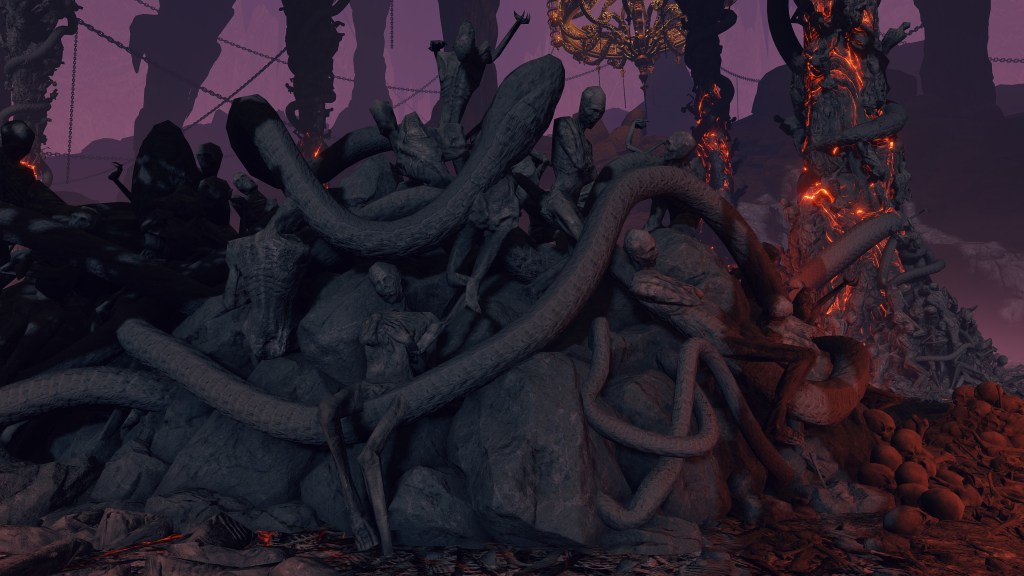
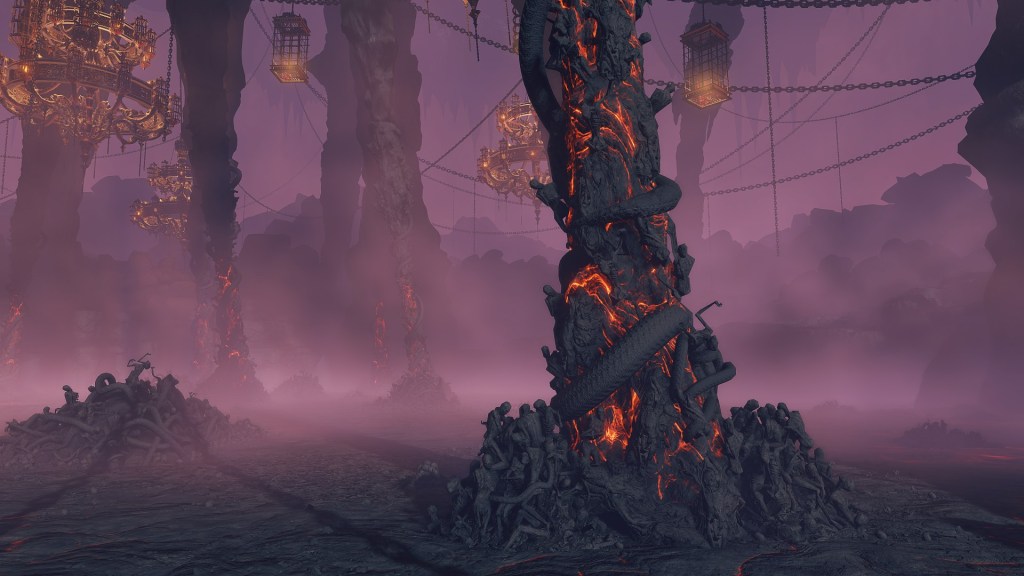
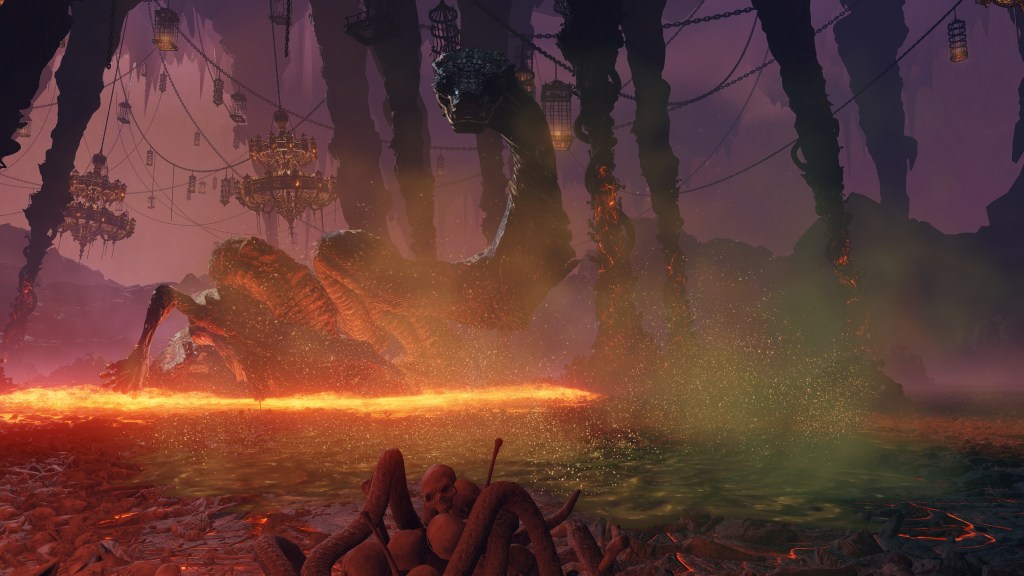
Nevertheless, it was still a “great snake” before the Serpent-Hunter was first used, owed to some connection to the divine. The god’s growth to great size may have even been slower at the time, due simply to food availability. The snake has an obvious preference for people, whether that means devouring them in pieces or wholesale. Serpents are indeed known for swallowing prey whole, but the serpent god demonstrates out-and-out greed, practically every step through its boss room littered with human remains yet to be devoured. Parts of the great snake’s body have burst open because of its gluttony. So many have been consumed, body and soul, that arms and arm-like tendrils begin flailing out of the gaping holes when the snake is no longer in nominal control of its form. The creature is a voracious eater, and this single-minded focus on growing through a steady diet likely ties into its goals on earth. As he neared demise, Rykard saw a vision of the god becoming big enough to devour the planet. And since he was being assimilated into its body at the time, this must be a peek inside the creature’s mind.
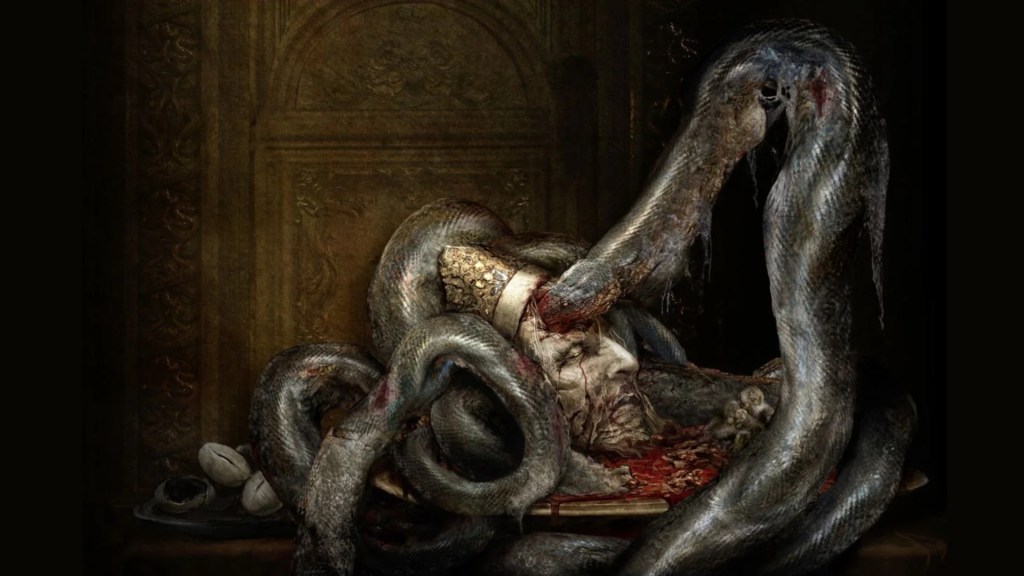
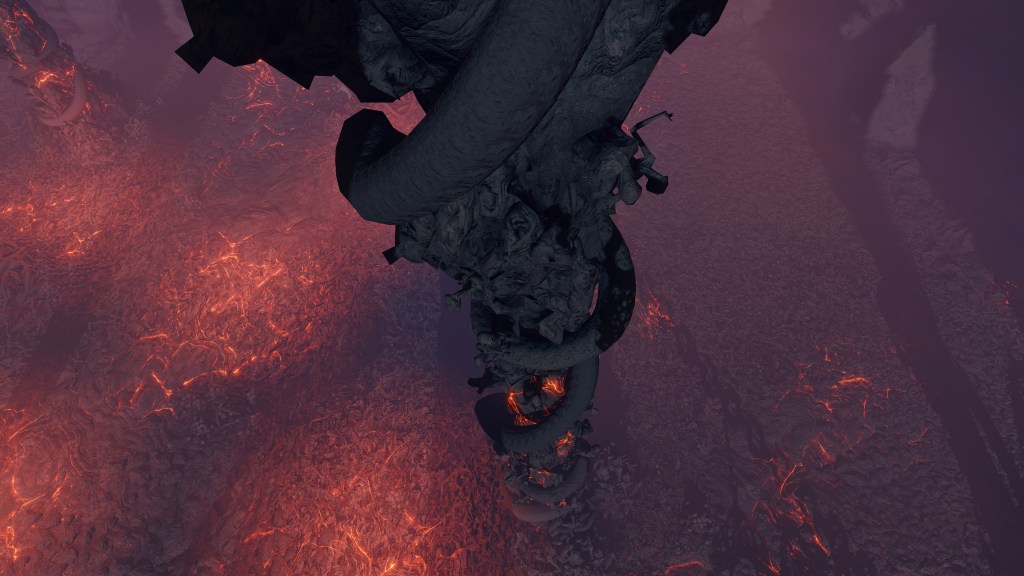
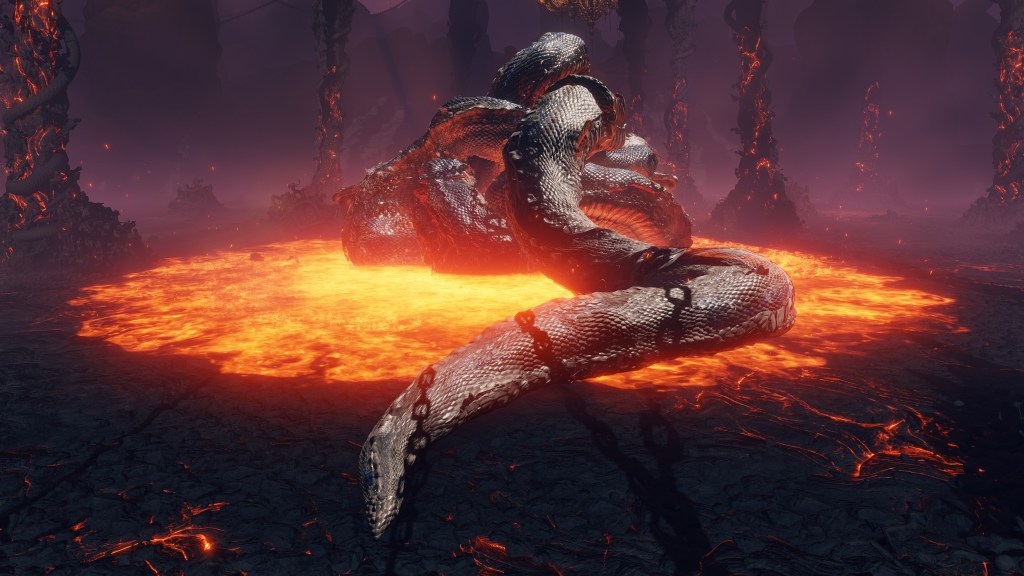
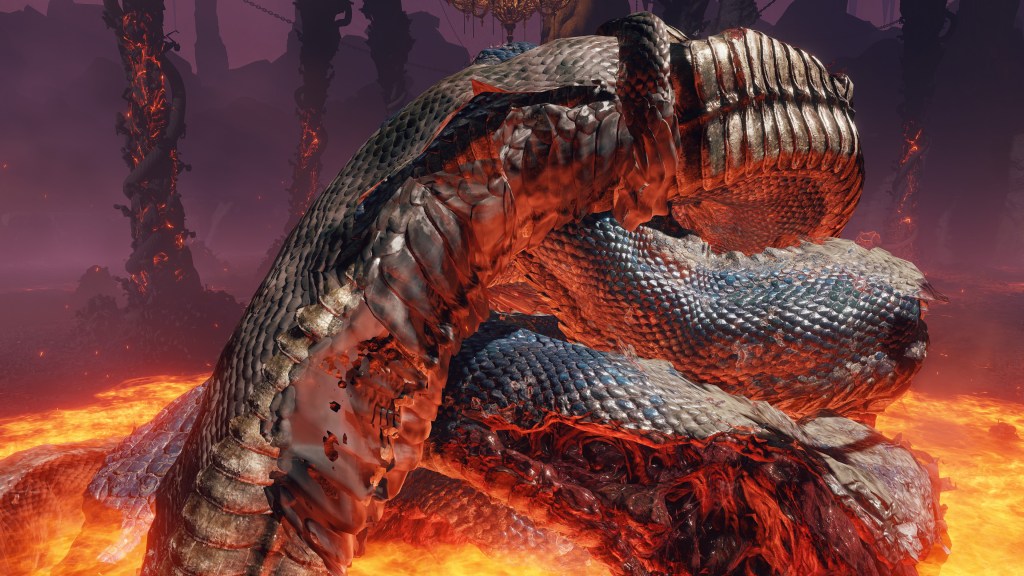
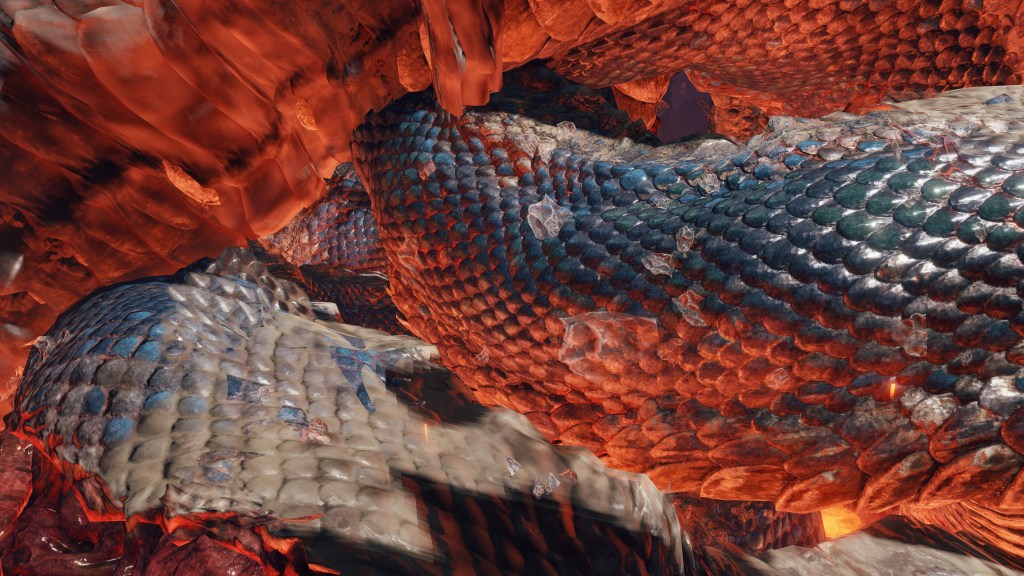
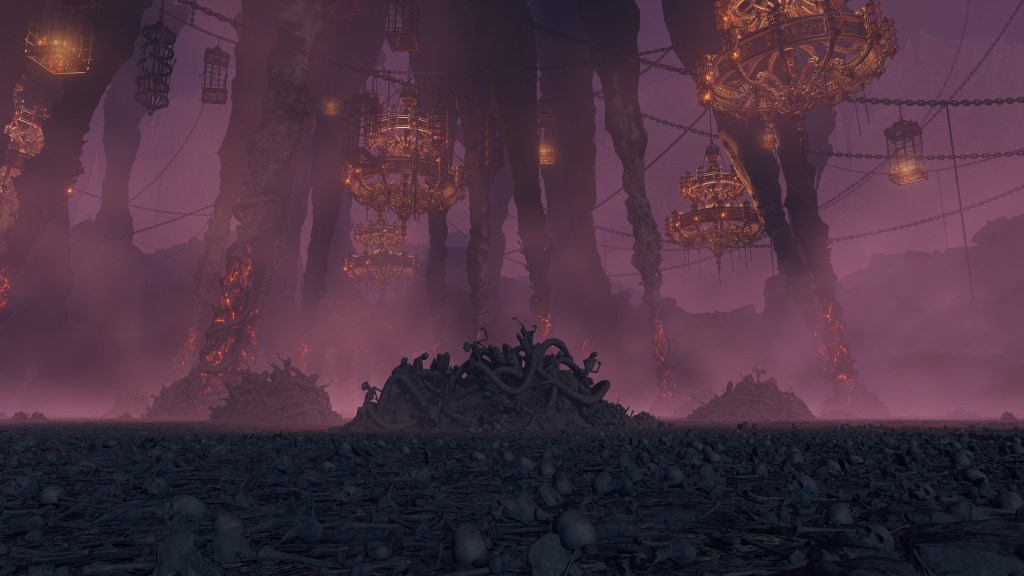
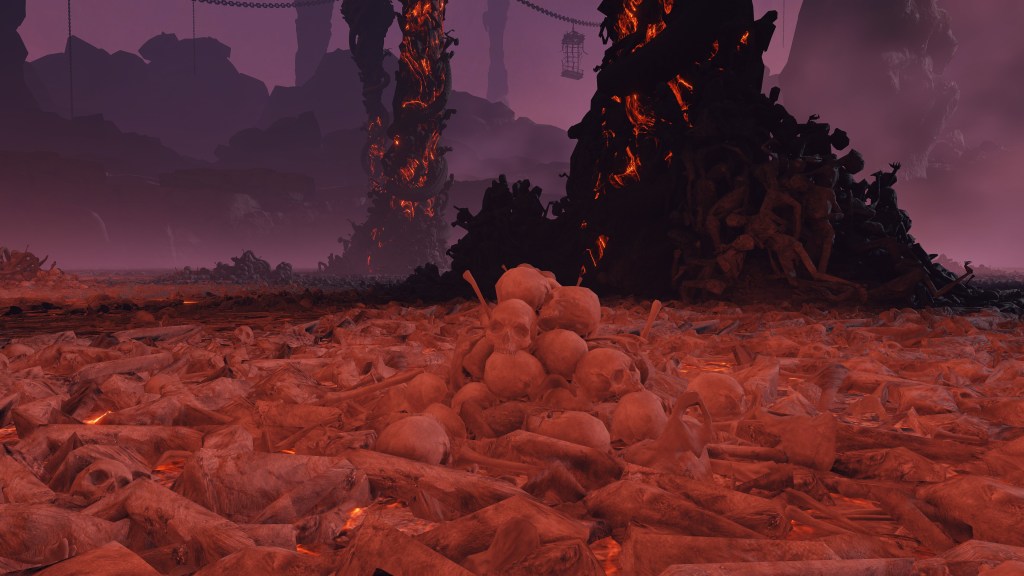
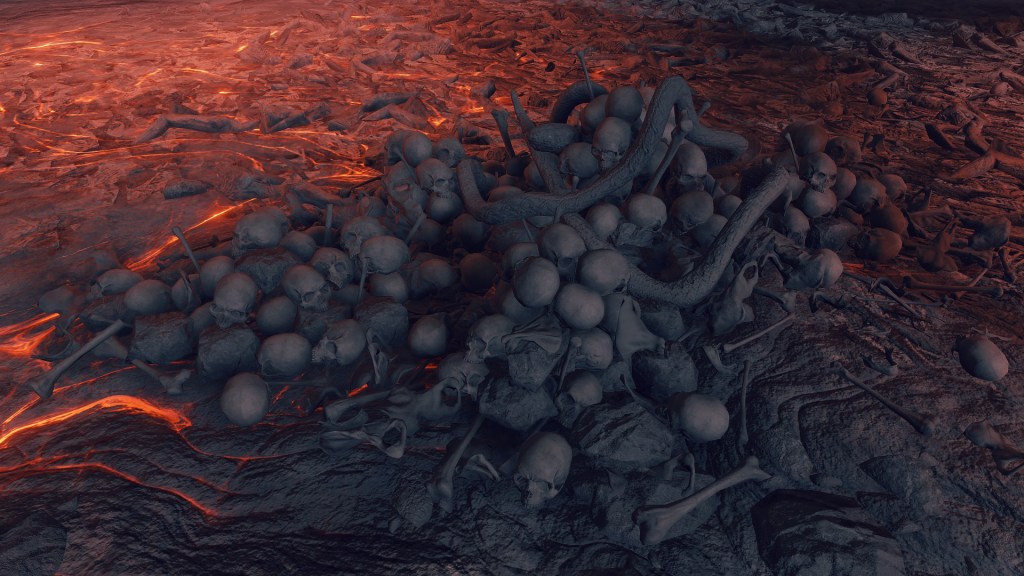
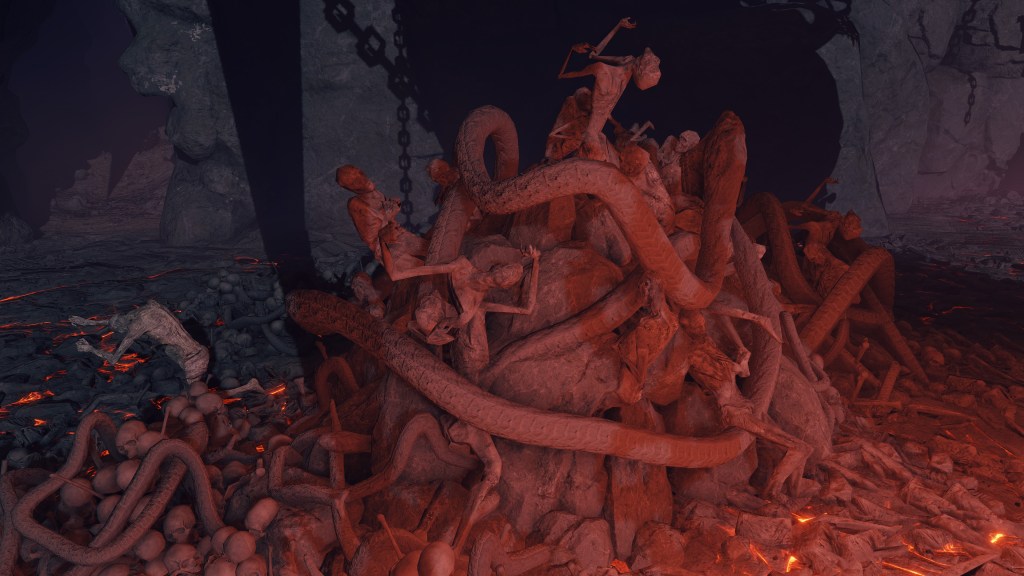
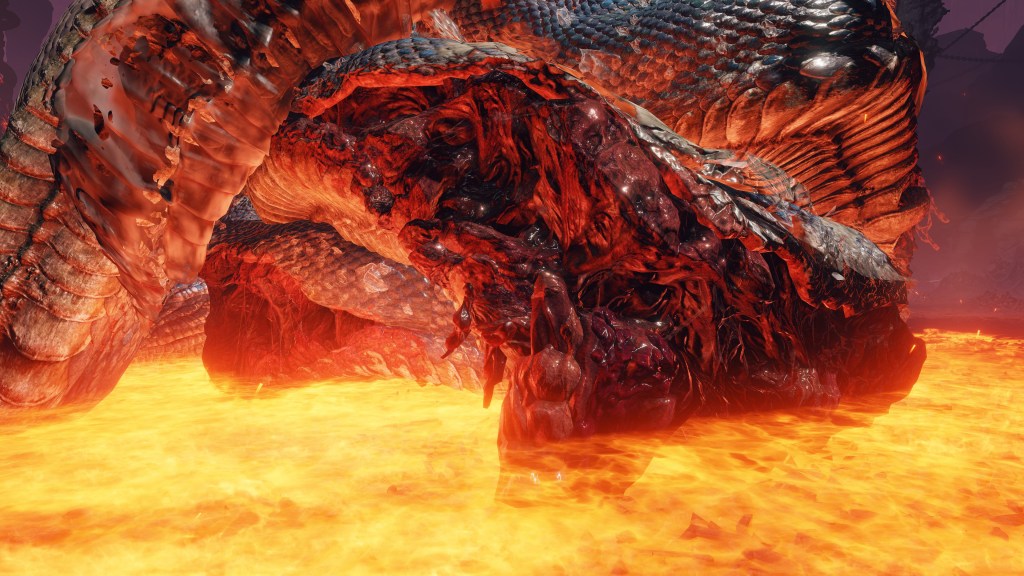
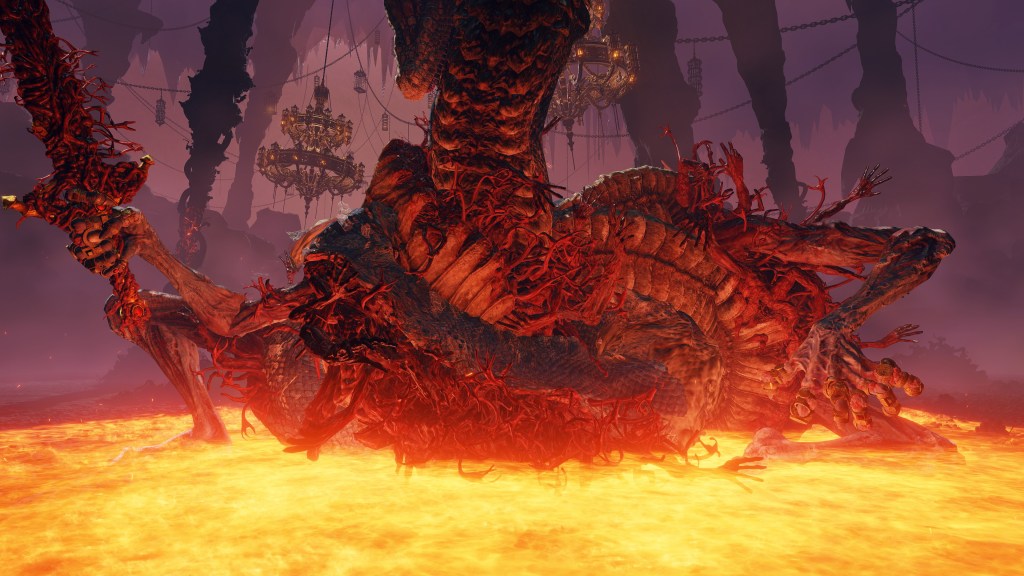
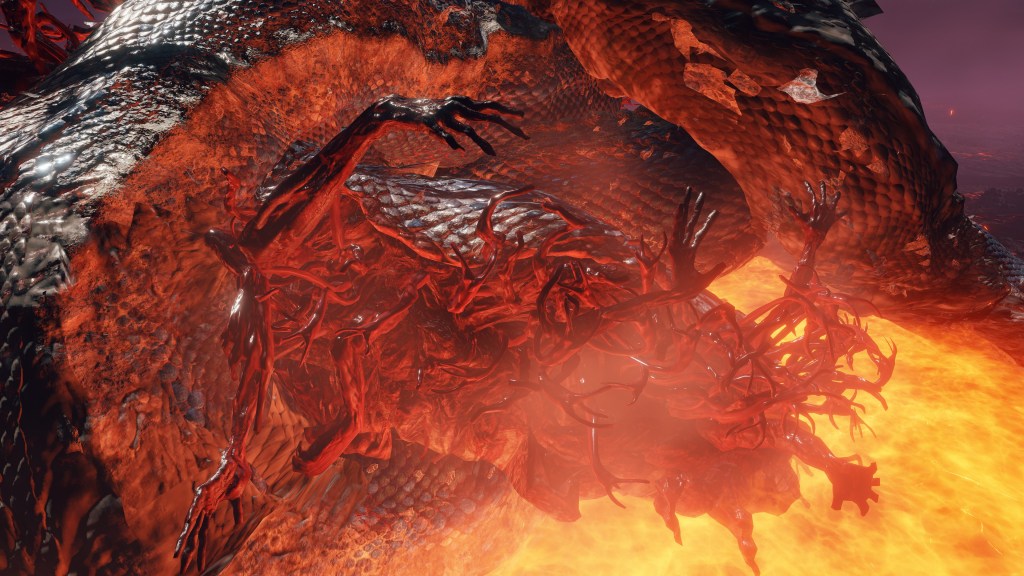
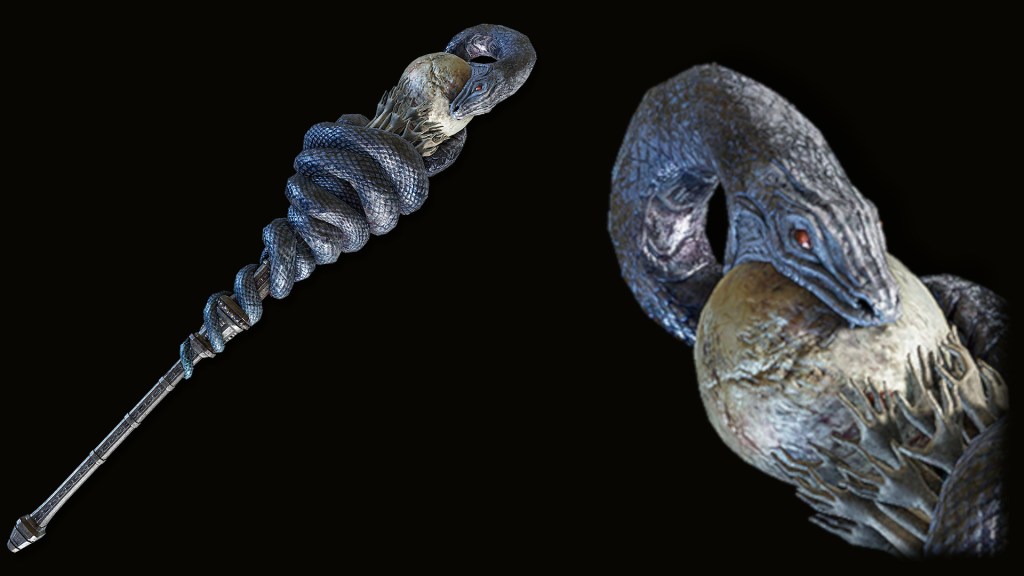
In other words, the great snake of Gelmir dreams of one day consuming the world, the human diet facilitating its growth to reach that cosmic level. Perhaps that is why the immortal reptile has appeared on earth, wishing for the destruction to all Creation. The god’s “blasphemous” followers do adopt “anti-regulation” (背律) as their ethos, defying the Greater Will’s Order in the same way “apostasy” (背教) defies the teachings of a faith. This puts the so-called “recusants” in a position similar to adherents of the Frenzied Flame. Granted, it is possible for the god itself to just possess an insatiable appetite, with no consideration for the wider cosmic order — the world is simply the last in the food chain to eat after everything else. However, that level of forethought betrays the creature’s higher intellect. If it was simply a beast enslaved to base instinct, then it is unlikely to even imagine the world as an end goal. Instead, Rykard’s vision proves it to be the god’s one constant. For whatever reason, the serpent loathes the world the divine created and wants nothing more than to overtake it, one bite at a time.
Scepter of the great snake devouring the world. A symbol that the Ruler of Blasphemy will one day raise. One of the “legendary weapons”.
It is said that its form is a vision of the future that Rykard, who was devoured by the great snake, glimpsed near death.
Personal animosity would explain its fixation on eating man to grow. Not only has mankind been the main beneficiaries of the Greater Will’s favor, they proliferate across the planet in every direction. In that sense, it is only fitting that they fuel the great snake’s growth into a world serpent which shall bring about the apocalypse, evoking Jörmungandr of Norse mythology. Such an opposition to Order is certainly worthy of being called blasphemy. But without a more obviously principled stance behind the death and destruction, this malicious irony to the snake’s plotting seems more like caustic rebellion from one deity to another. Perhaps, like the Biblical serpent of the Garden of Eden, the god of Gelmir was a heavenly being cast out of paradise and forced to crawl upon the earth as a result of some transgression. If it feels somehow wronged by the cosmic order, then it is no surprise that the animal god seek payback while indulging itself. To that end, it has used humans to try growing throughout the eons.
The volcano where that snake resides is home to its own town, so it is easy to imagine curious explorers finding the serpent on the mount and coming to venerate it, eventually attracting a whole community from the surrounding area. Maybe the snake began by eating the occasional traveler, or maybe it initiated peaceful coexistence in exchange for sustenance. Whatever the specifics, the resulting religion constituted human sacrifice, the Serpent God’s Curved Sword utilized in rituals to prepare others as offerings to the reptile; for that reason, the snake is depicted with an open mouth ready to dig into whatever offering the blade digs into, the sustenance it gains at the expense of others’ life force represented in the wielder recovering HP from the slain. Evidently, these pagans helped feed the serpent with their own, likely in the hopes of receiving power from their god.
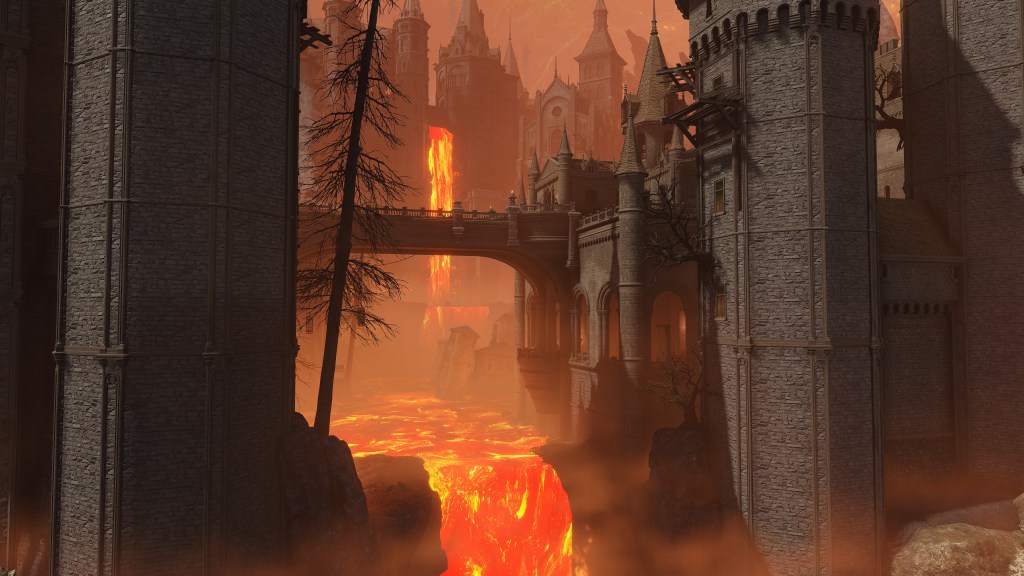
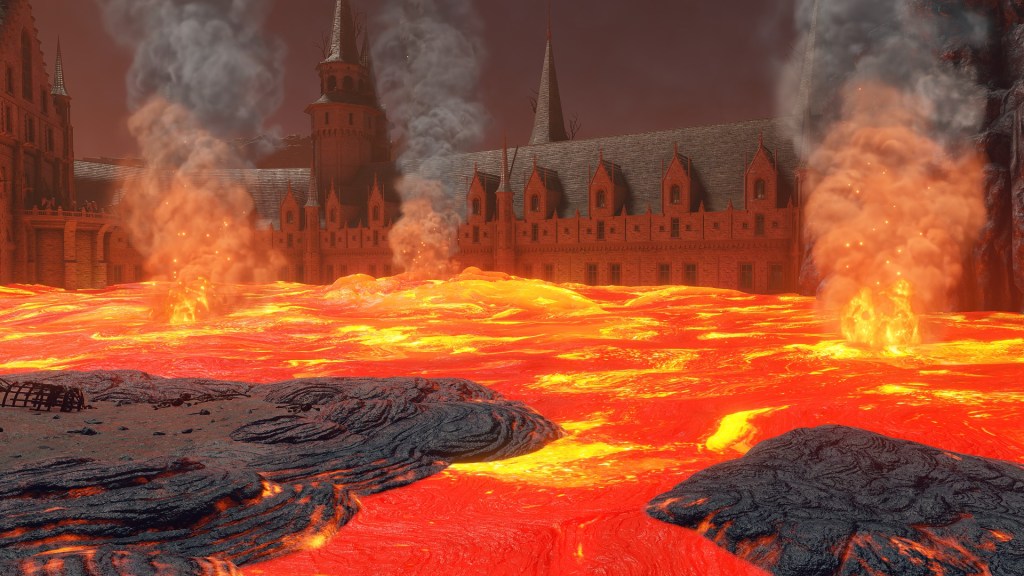
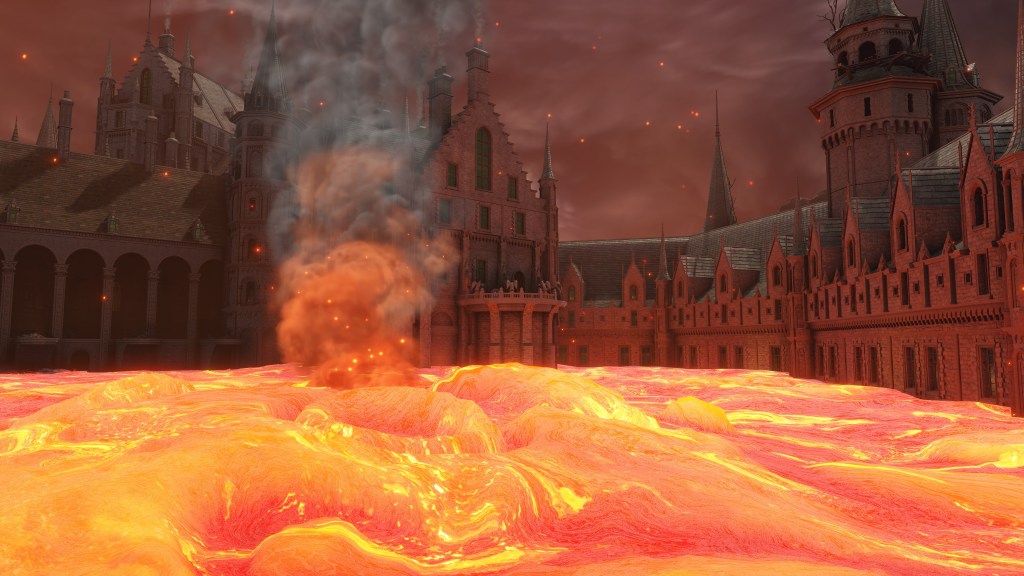
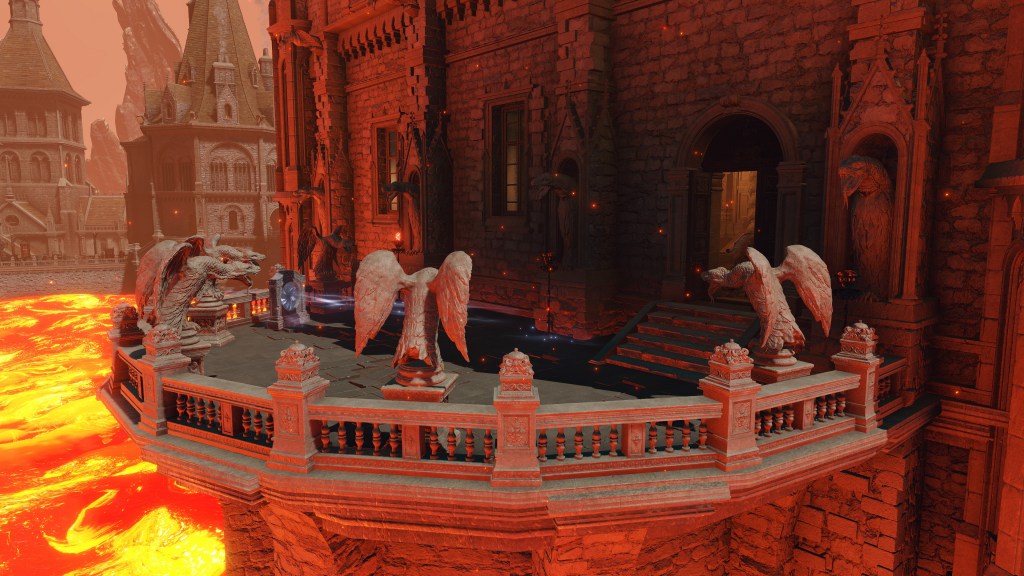
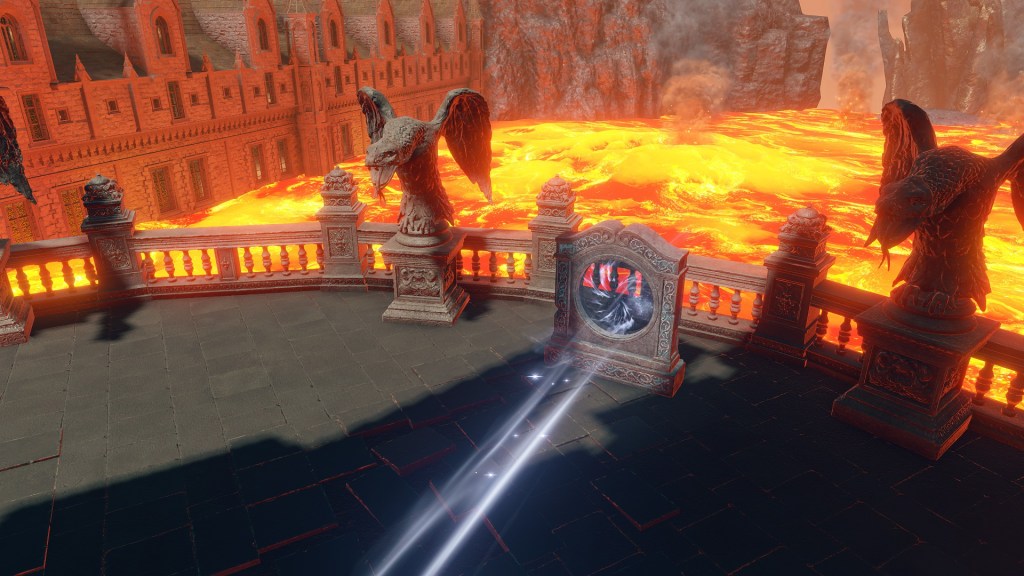
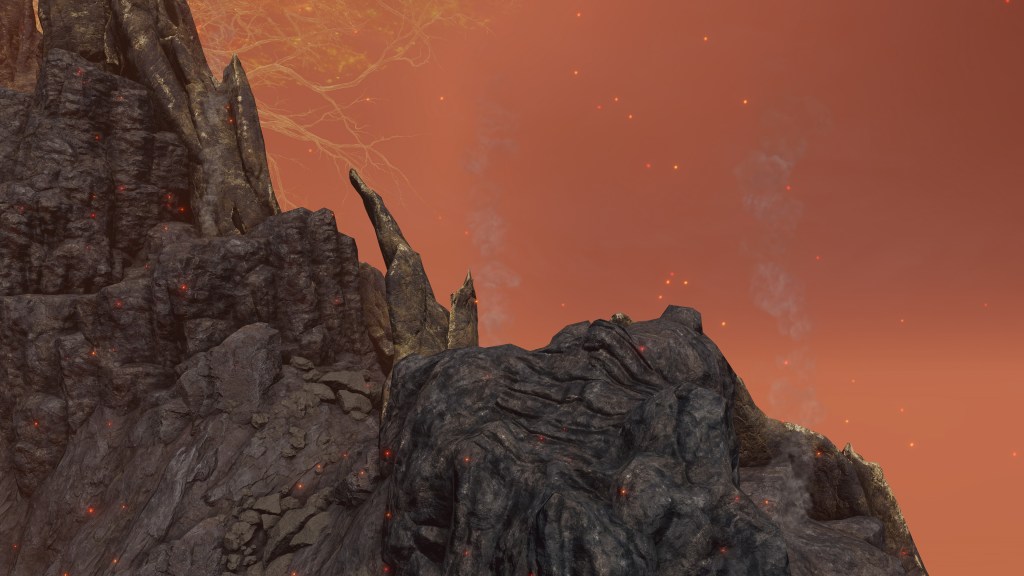
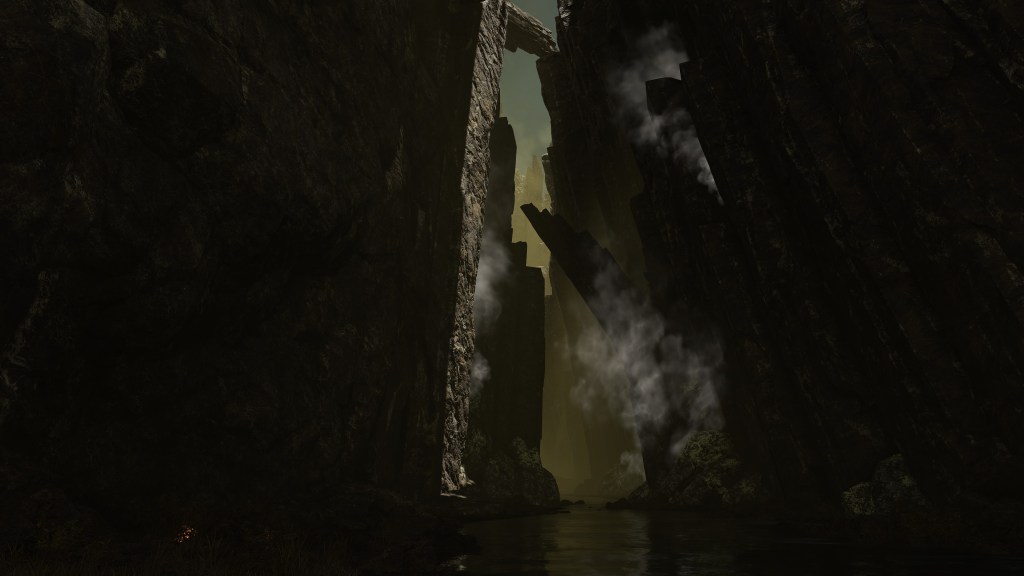
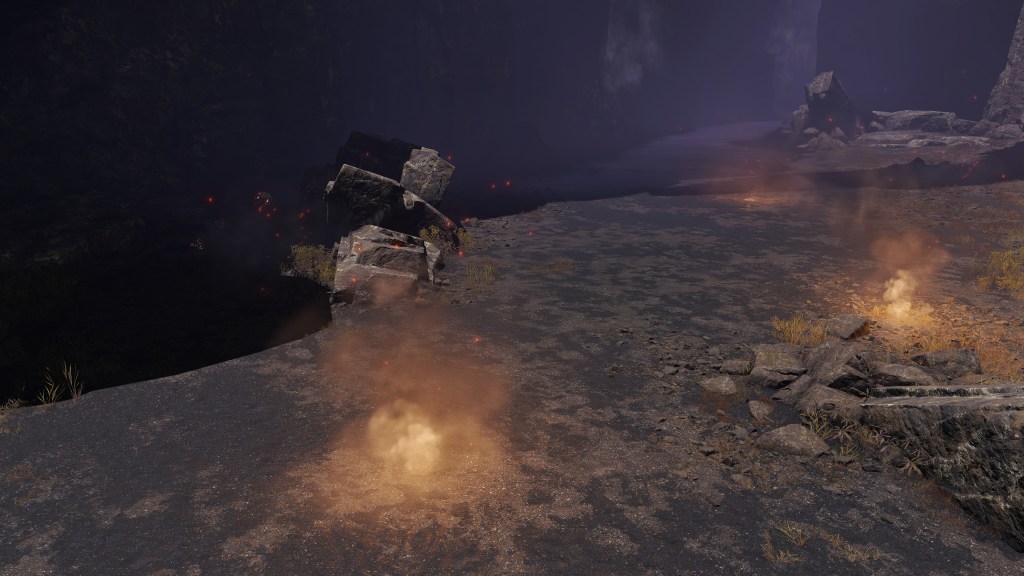
In growing to such size, the serpent produces the lava flowing from the volcano. We can see how its body instantly melts whatever rock it slithers across, creating a constant pool of magma around it. The long-term presence has evidently scorched the god’s entire lair, the blackened stone, flesh, and bone still lingering with molten heat. The boss room is likewise located beneath the source of magma spouting out from the summit; the waygate to said boss room pointing toward these welling emissions from a balcony covered in snake statues emphasizes the connection. Therefore, it is body heat which rises to permeate the mountain rock. Besides turning the stone overhead into magma, it warms up the whole region, hence local fieldstones containing hot gas. This high-temperature gas leaks out of not just peaks but even valleys like the Seething River, named for the vents regularly spouting especially fiery vapors. The land has even formed sulfur deposits because of this volcanic activity.
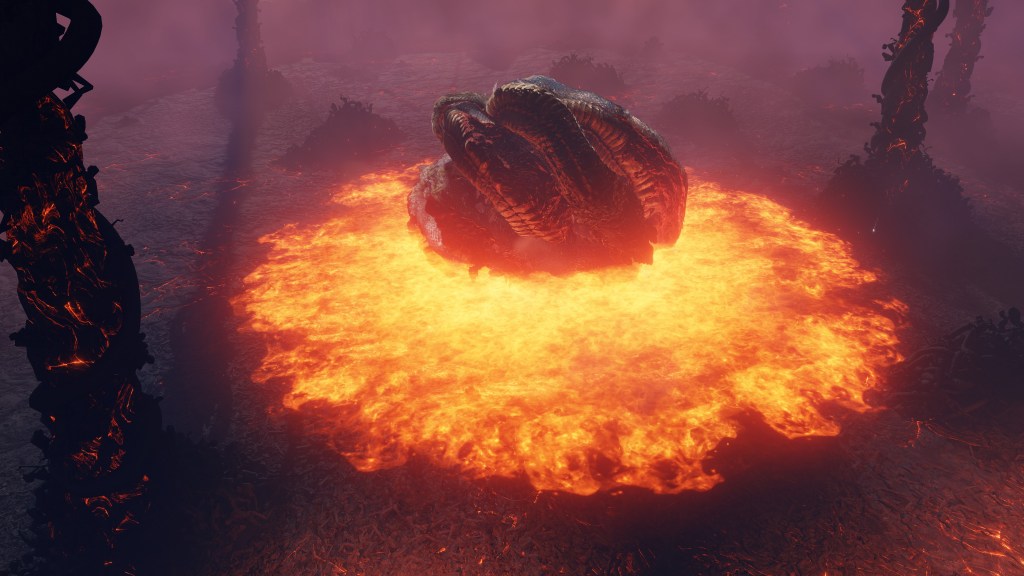
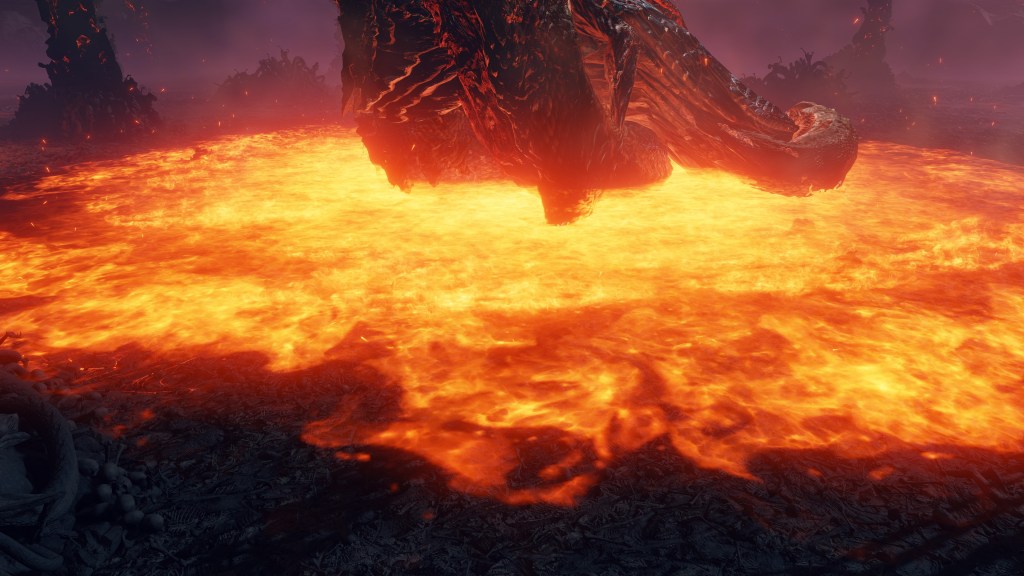
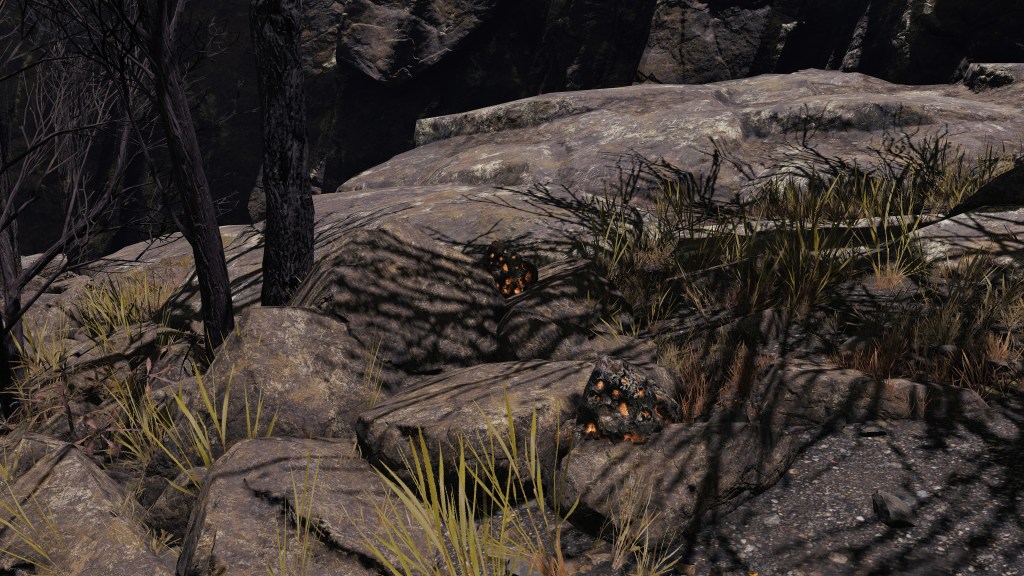
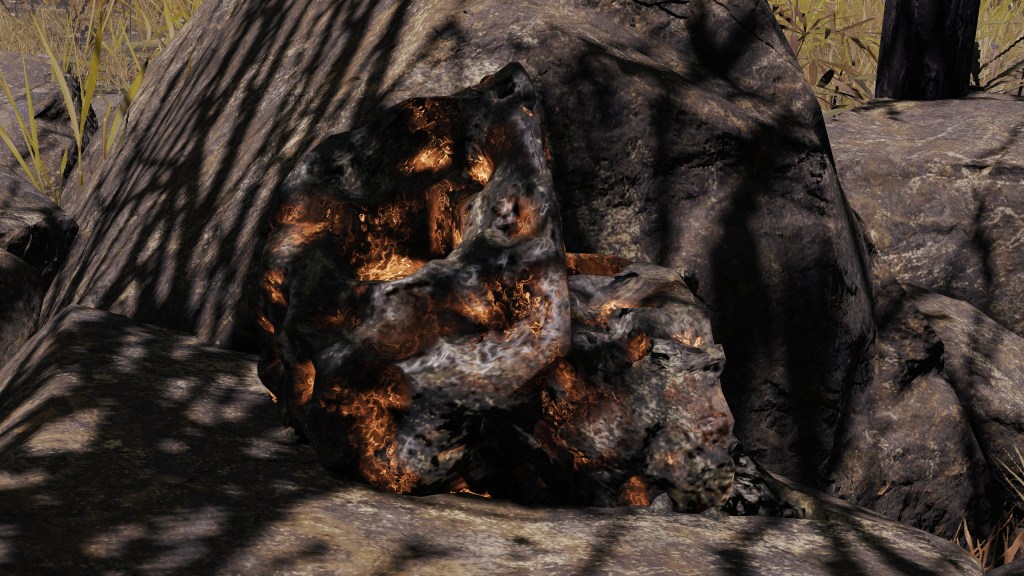
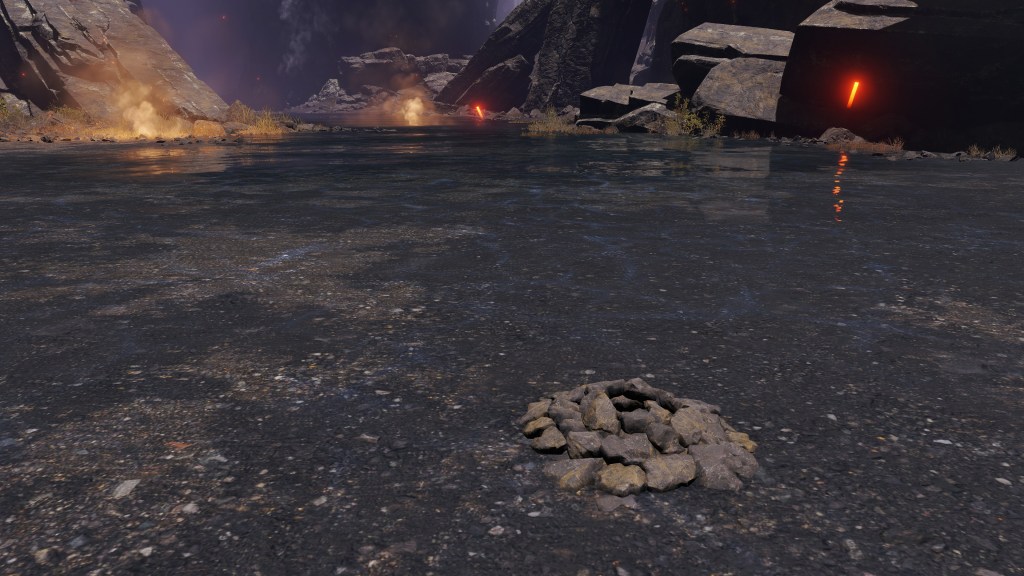
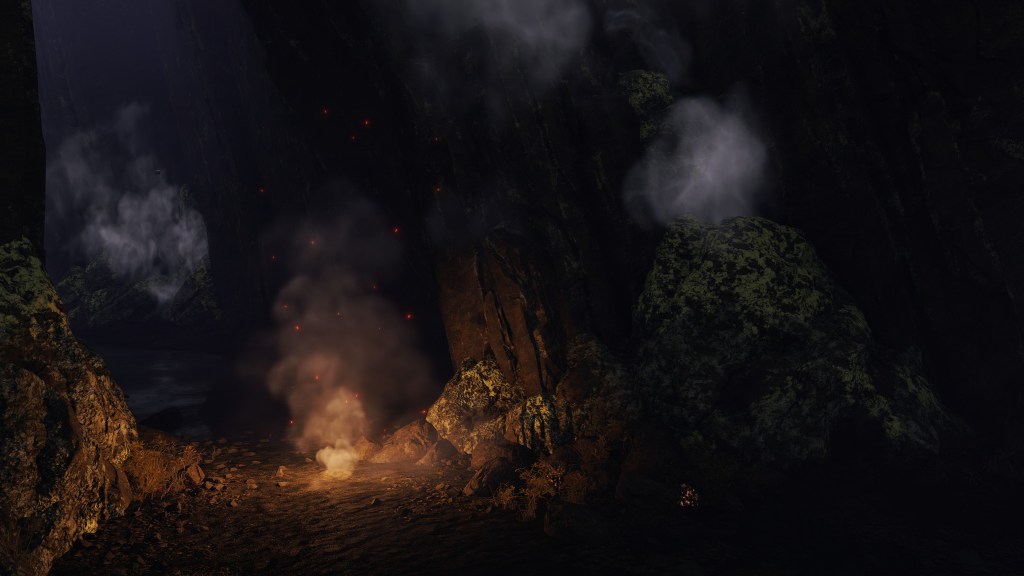
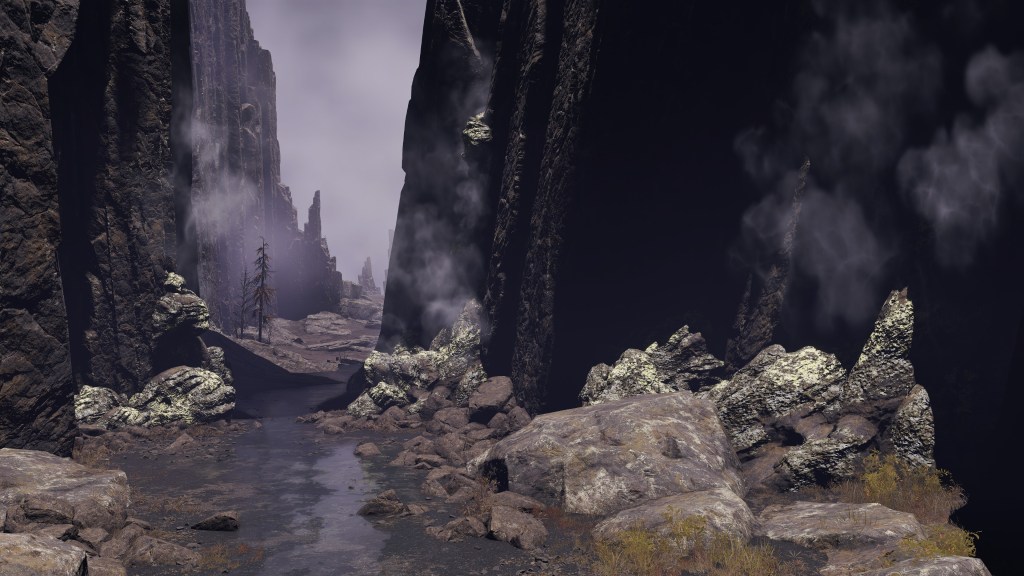
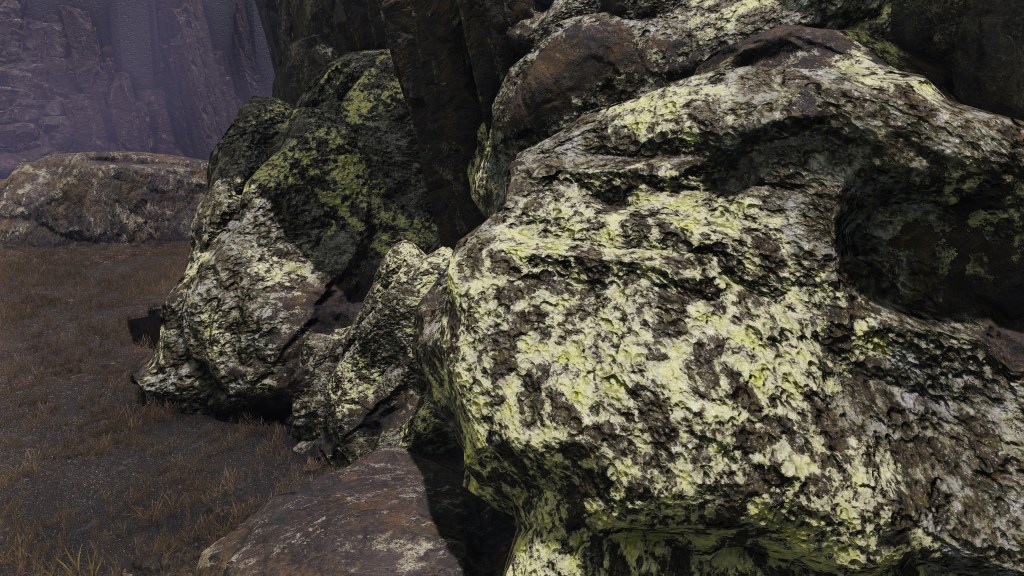
Fieldstone containing hot gas. One of the materials used in item crafting.
Found on Gelmir Volcano.
Truly, that volcano is a “fire mountain” (火山) in the most literal sense, the snake god being the source of the fire. Without it, Gelmir would be no different from Jagged Peak. Since we witness no signs of this melting body heat while the snake devours Rykard, it must be a byproduct of eating so many more. Indeed, a multitude of corpses across the lands inexplicably smolder with embers. In most cases, the corpse models possess a weapon or some other indication that they were a warrior in life. This embered state might thus be faulted on the dead’s fighting spirit, a fiery soul for a hot-blooded temperament. It would explain why only proven heroes are currently offered to Rykard, the strongest and bravest supplying the most vigor, and fire power, to the snake. These “blasphemous” flames the demigod wields to both produce magma and steal more life further add to the impression. But if even non-warriors possess a little heat in their spirits, they cumulatively could bring the serpent the same growth as well as bodily emissions — and that gives incentive to the human sacrifices.
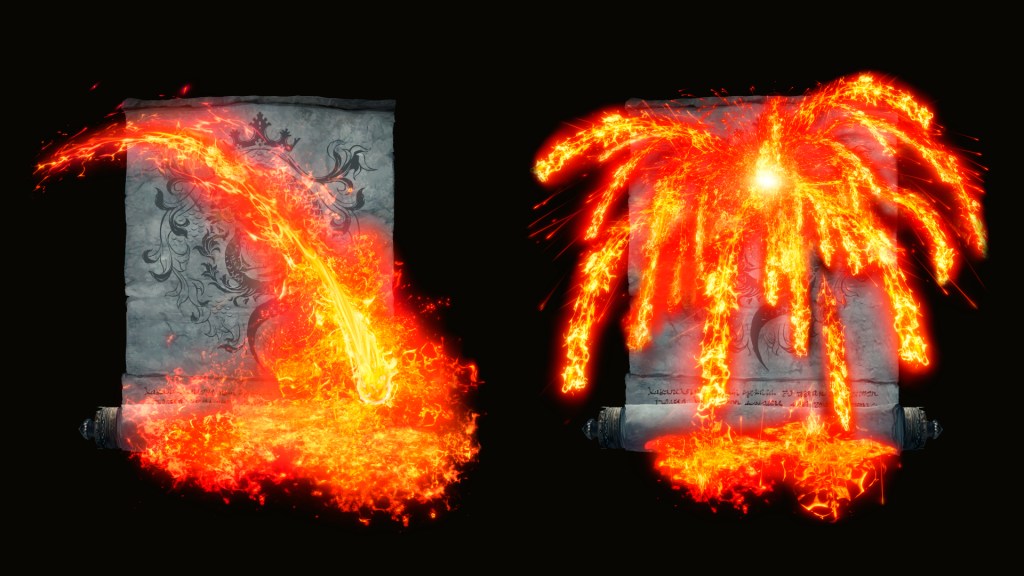
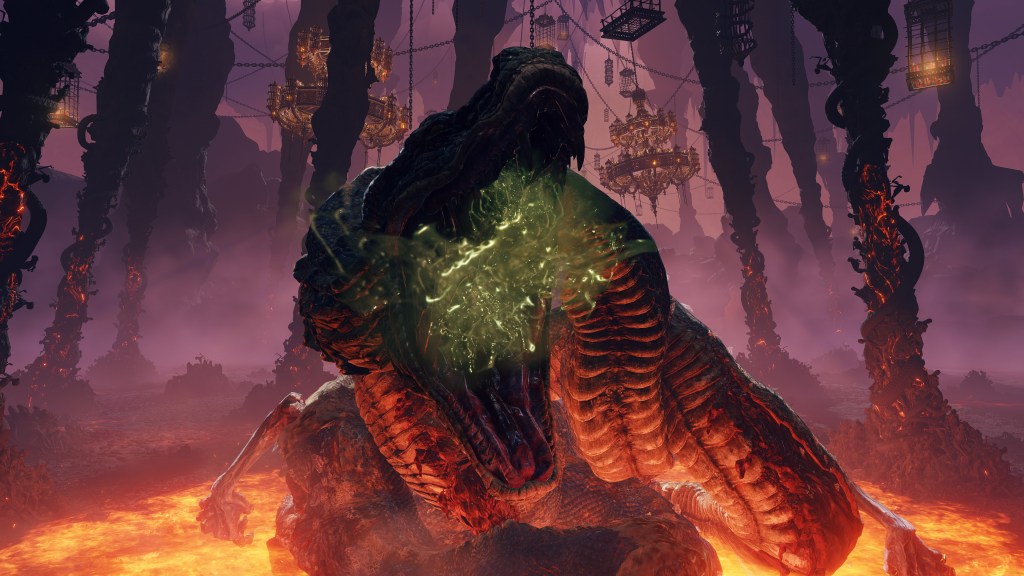
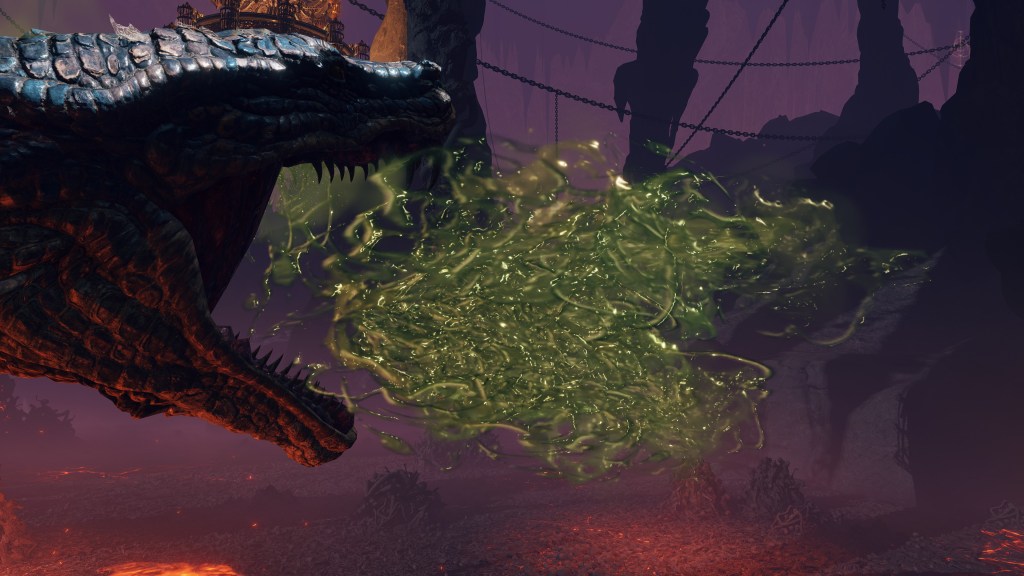
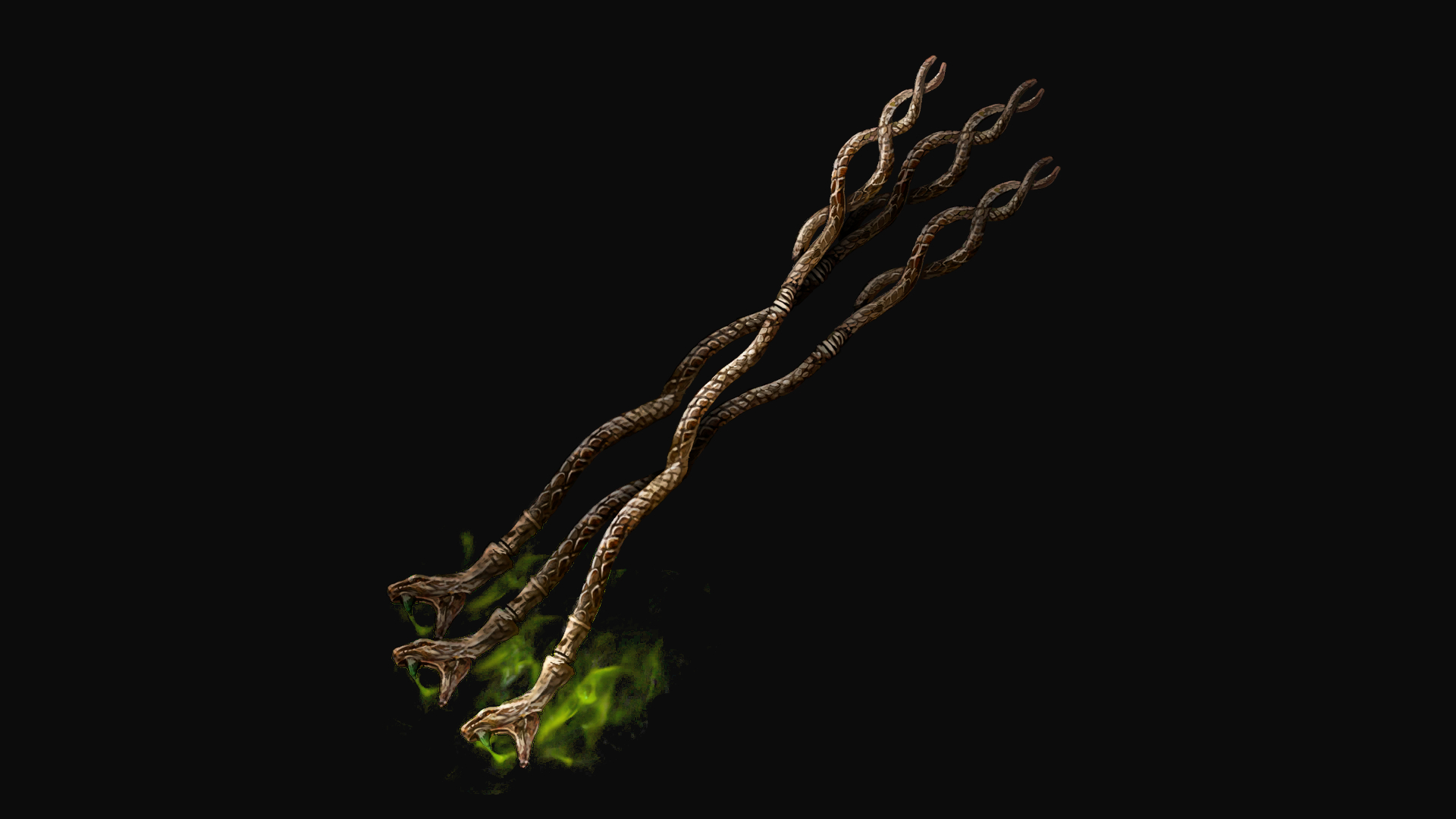
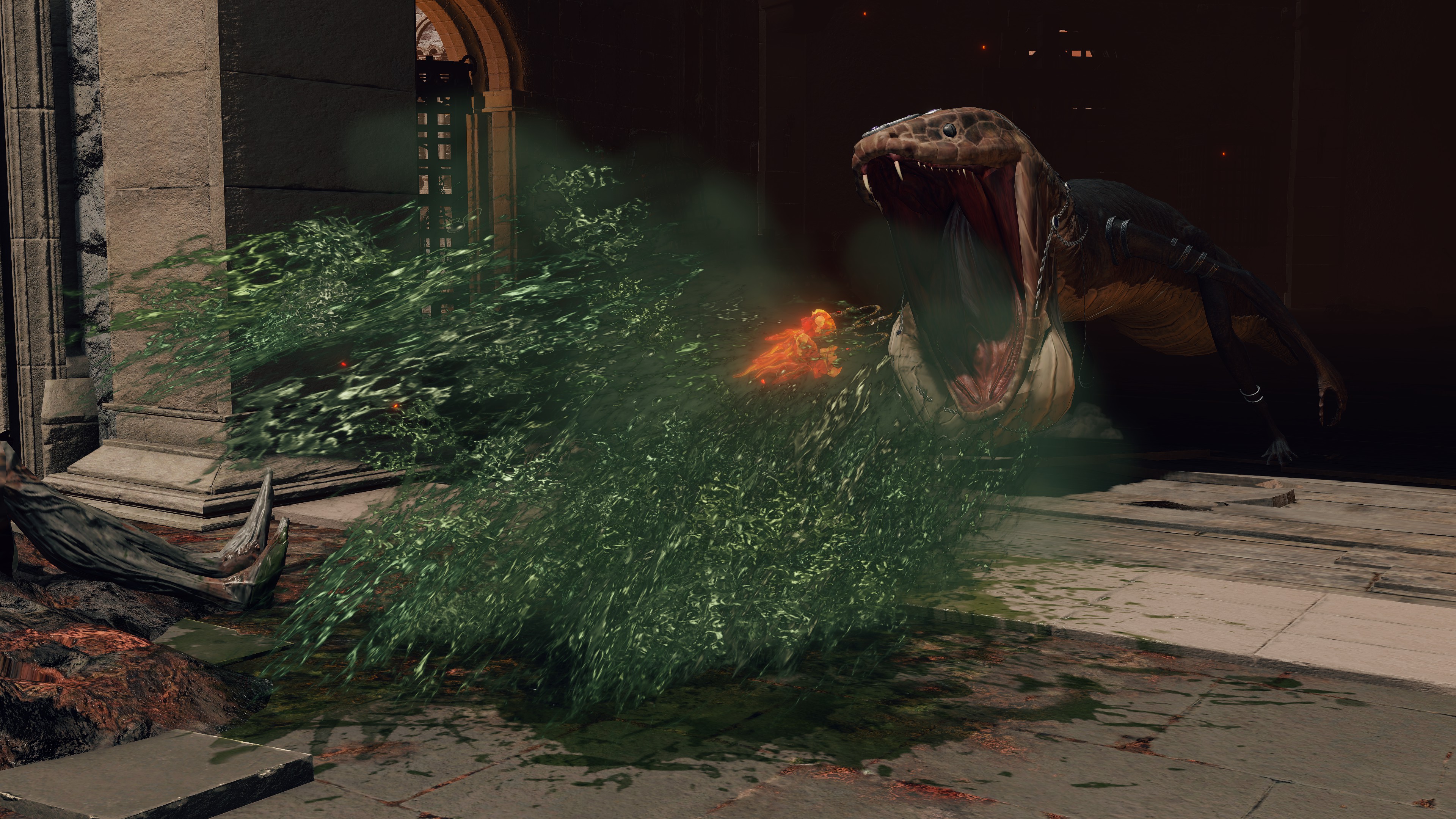
Like with the ancient death cult, Gelmir in its more primitive years was home to hexes, modern recreations as sorcery requiring faith as well as intelligence to cast. In this case, the conjury of snake worshipers focused primarily on manipulating the volcanic lava. And as Gelmir’s Fury highlights in the sorcery’s description, believing one can control something so volatile and immense as a volcano is the arrogance of men. The pagans settling Gelmir were fascinated by this mountain of fire. And if the extent of that lava depended upon feeding the immortal serpent, then it is only natural that they continue putting their faith in it. The snake god had more to offer than its fire as well. The Serpent Bow coats the arrows it fires with poison thanks to similar pagan hexes, its form and venomous function tying its creation back to Gelmir; the great snake can also spew such green venom. Overall, the serpent god has a cultivated a following to assist it in exchange for a larger share of its abilities.
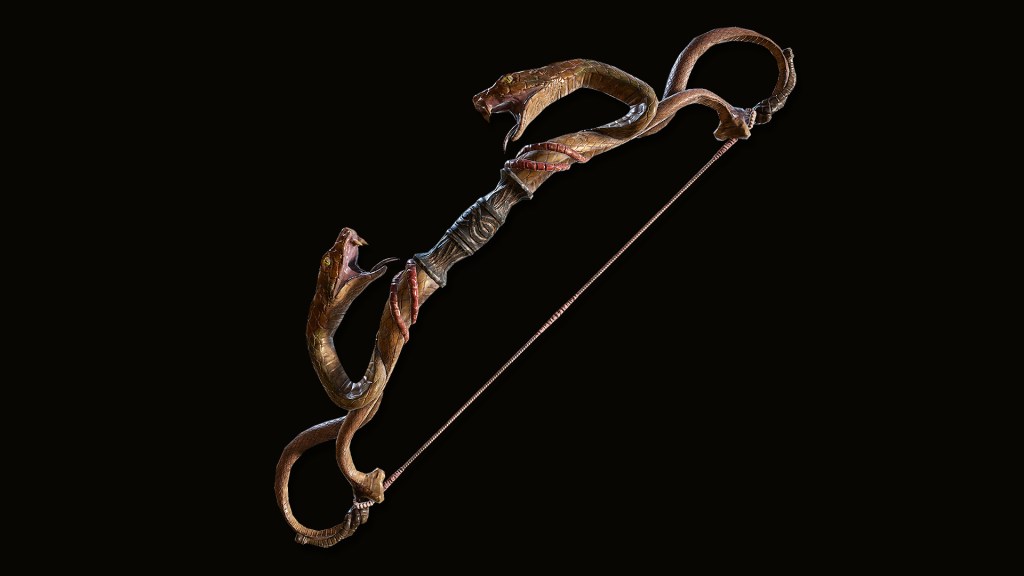
Atypical bow modeled on two poisonous snakes. Endows arrows with the poison attribute via pagan conjury and demonstrates its true value when using poison arrows in particular.
Used in assassinations, so its users are also called Formless Snakes.
Having helpers only serves to the deity’s benefit, which is presumably why it has never simply devoured them like the rest — let the ignorant fools enjoy their trinkets, while the crafty serpent slowly grows to devour them all come the end times. The land has certainly become drenched in blood because of this history. Besides volcanic stones, Gelmir is plentiful with sacramental buds, with some more growing on Altus at the foot of the mountain. This harvestable item is generally associated with youthful holy blood which causes the newborn tree soaking it up to remain a sapling. And yet, its appearance on the volcano is irregular. Typically, the bud grows either in huge concentrations at specific areas within Altus or Caelid or in sparse amounts sparingly across those same lands; on Gelmir, it is mostly in groups of three or four. Moreover, the model and menu graphics of it and crystal bud nigh match, sans the color. In other words, sacramental buds can effectively stand in for red glintstone buds. And red glintstone is what Gelmir’s sorcery staves embed at the tip to enhance their lava sorceries.
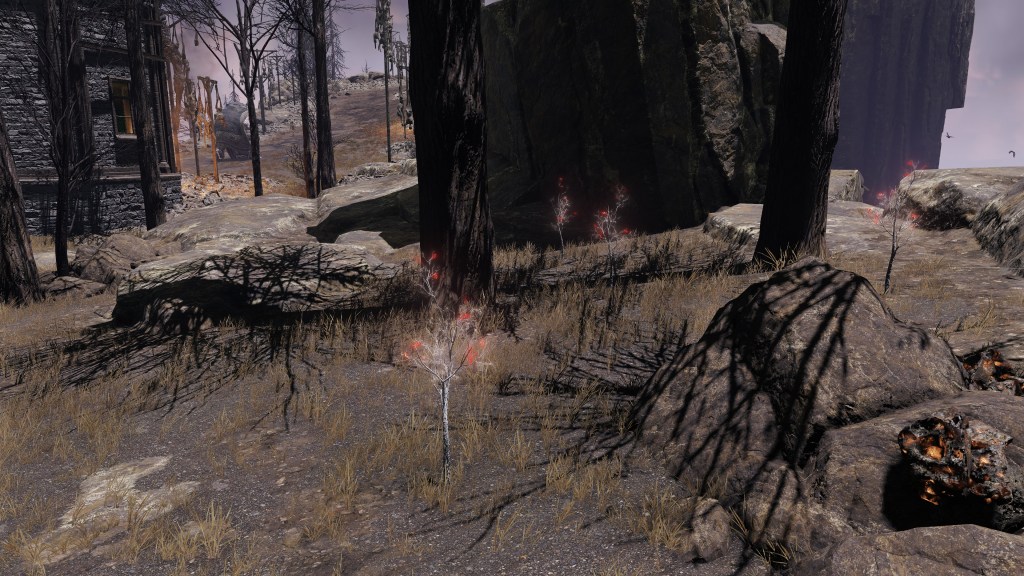
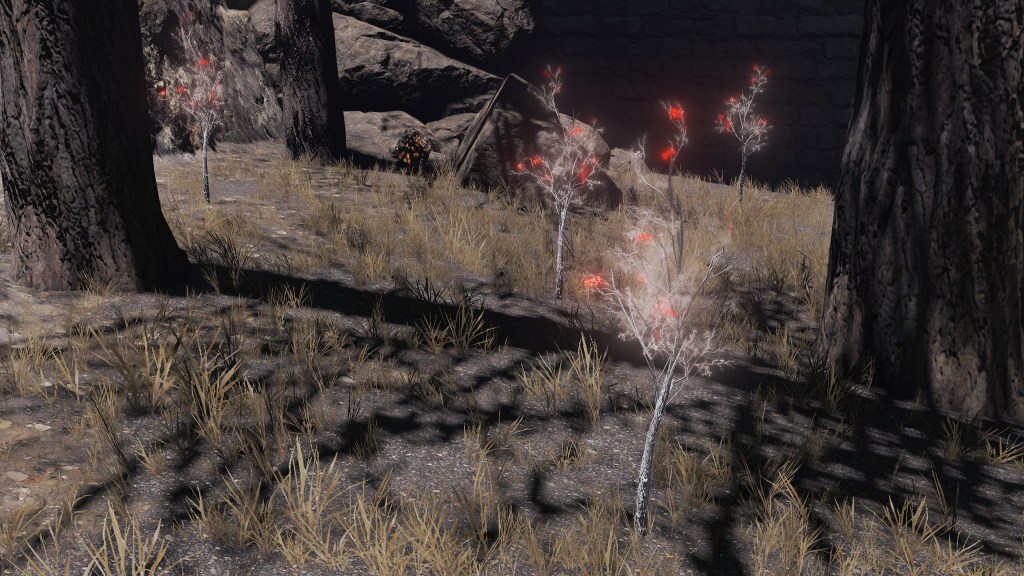
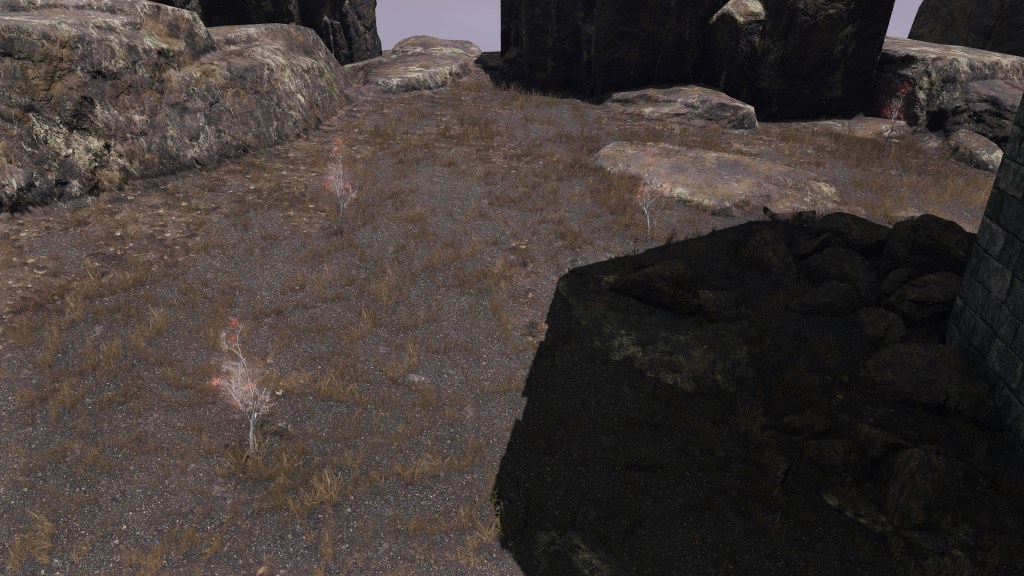
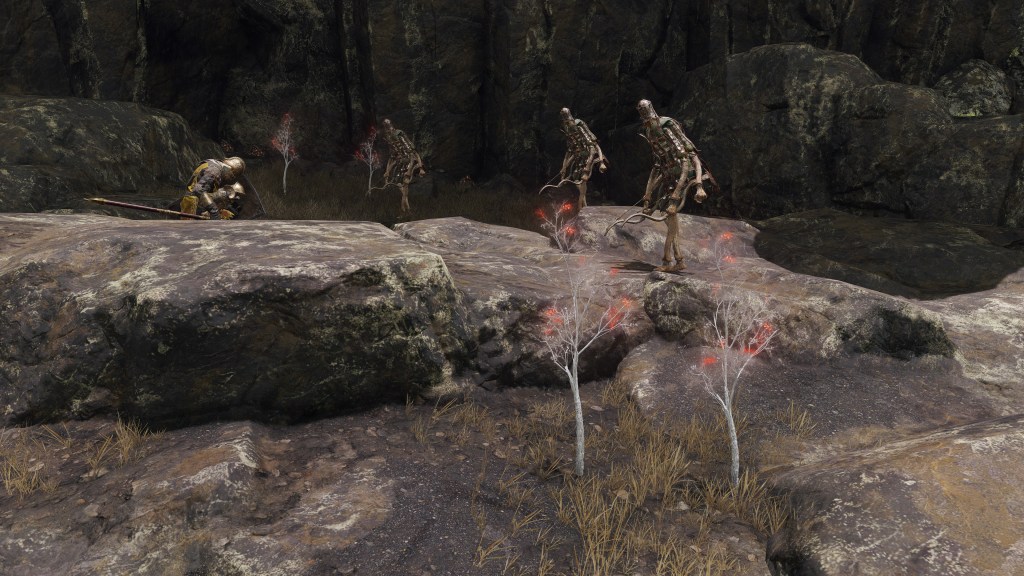
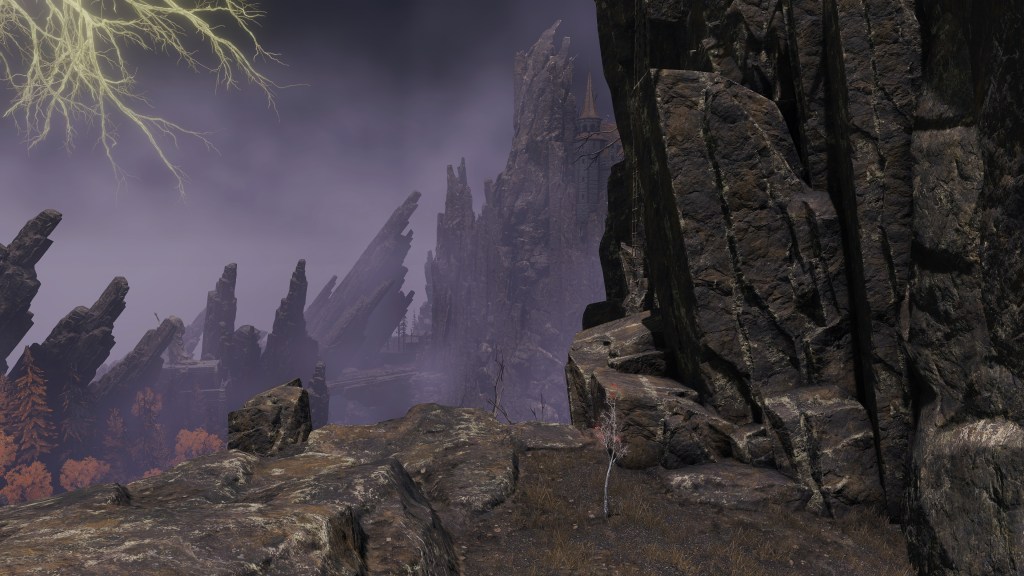
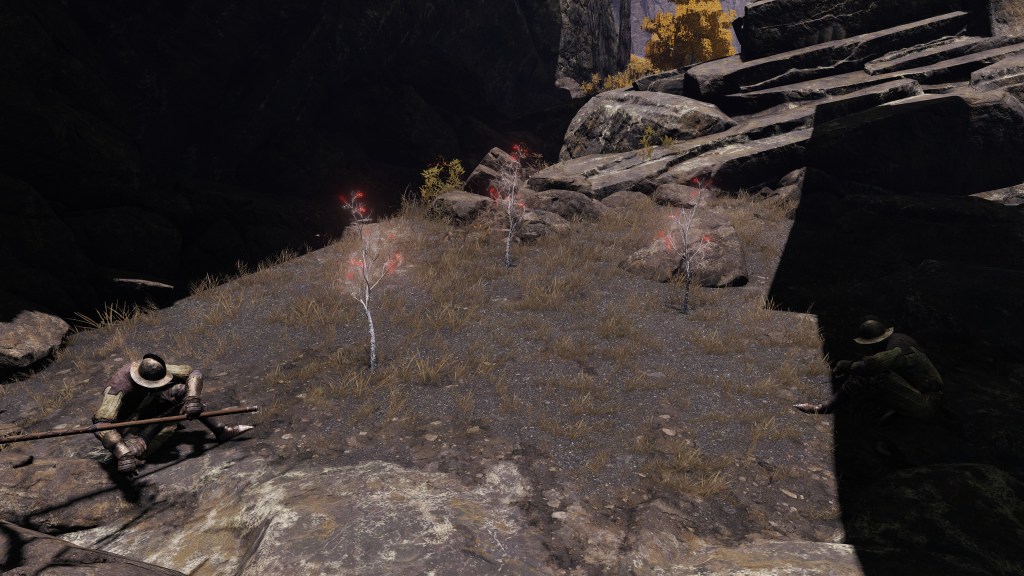
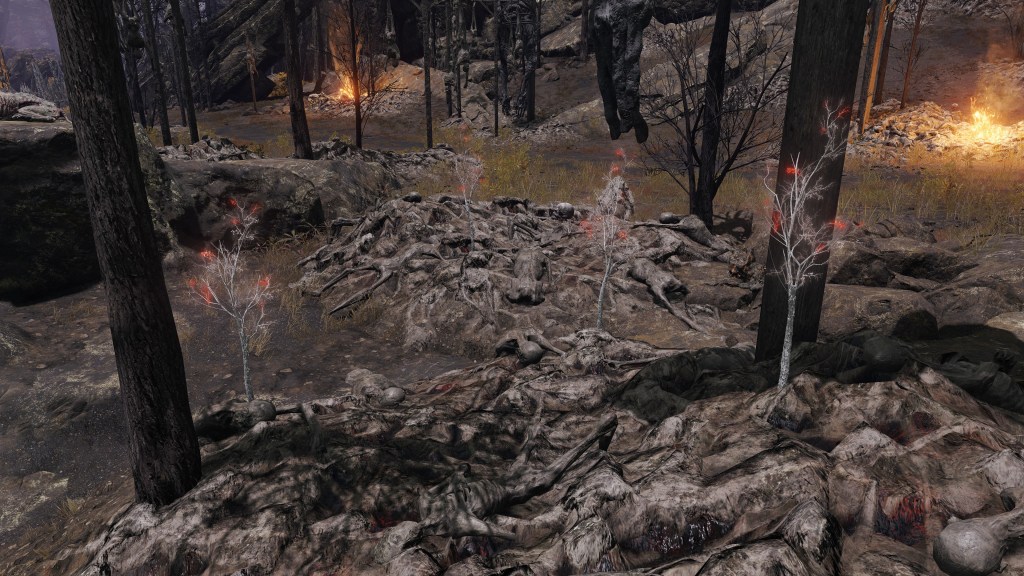
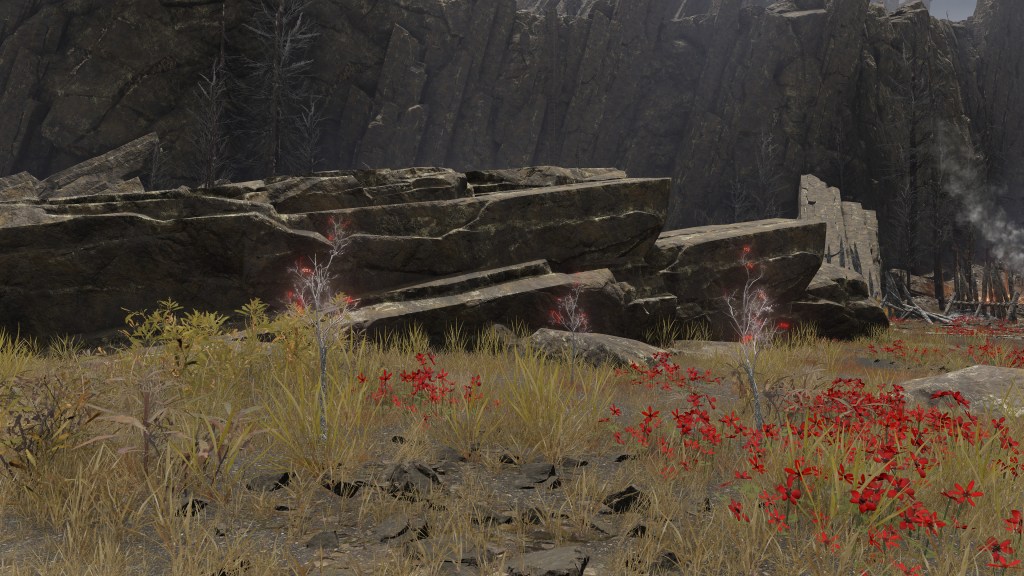
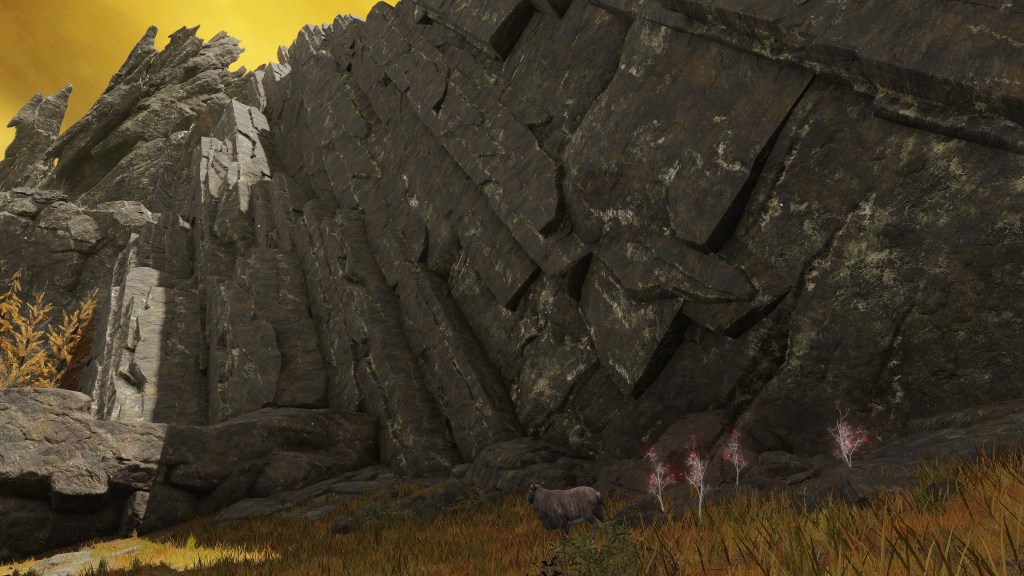
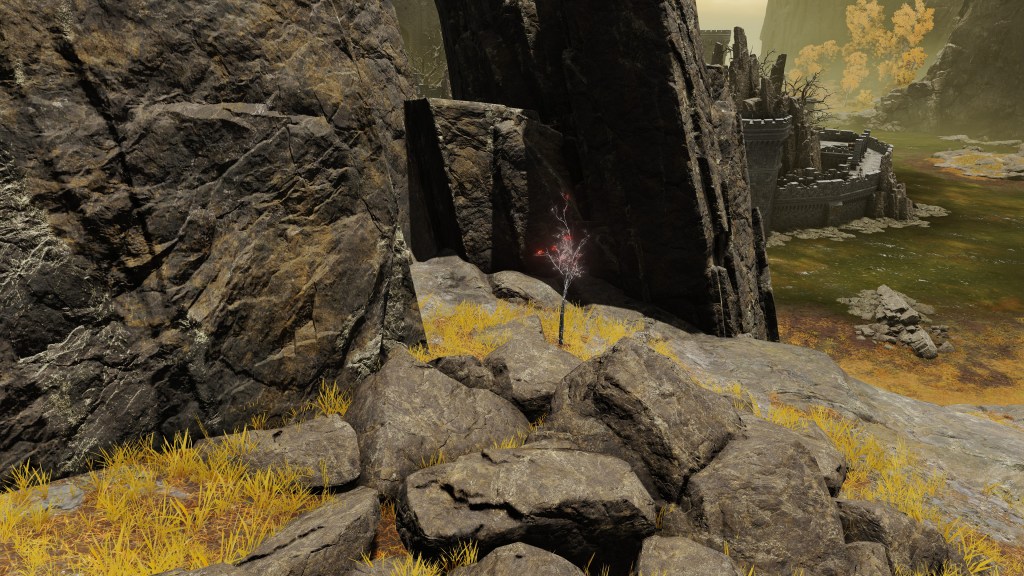
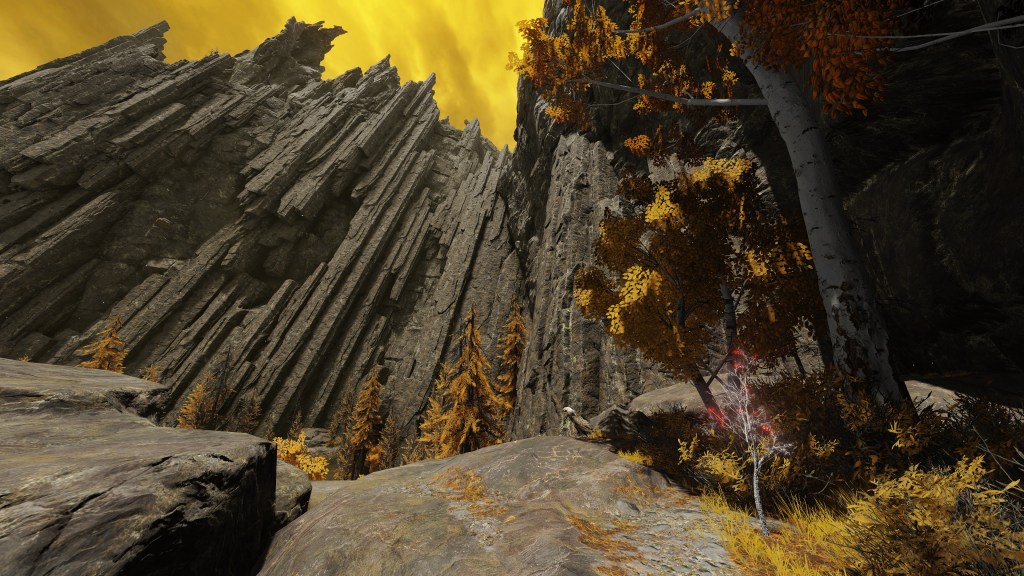
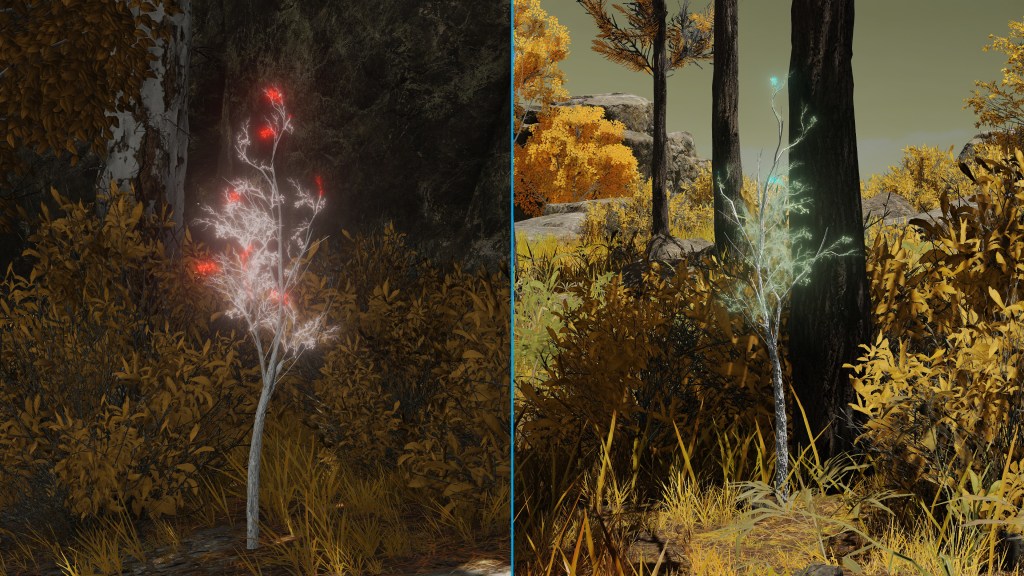
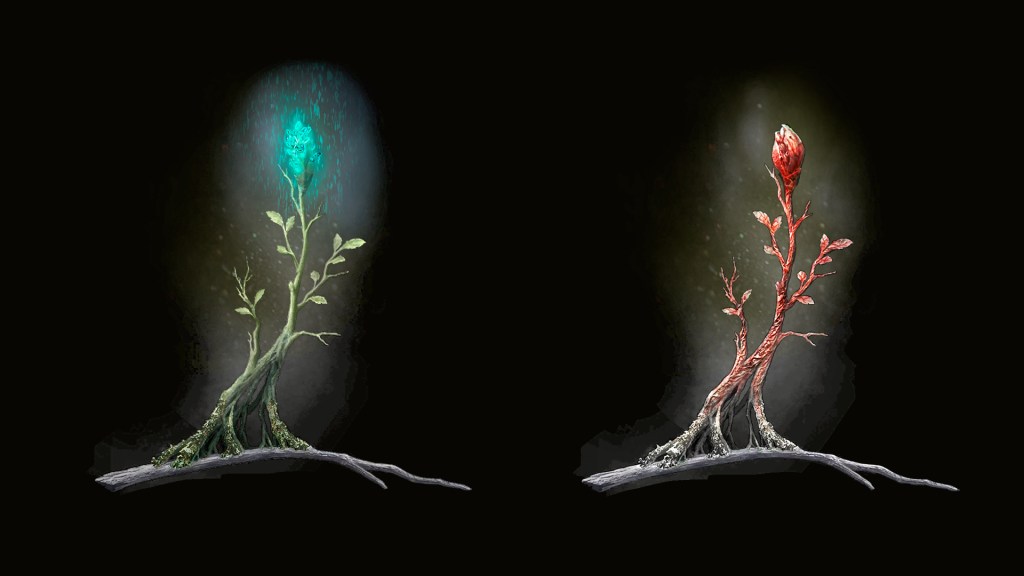
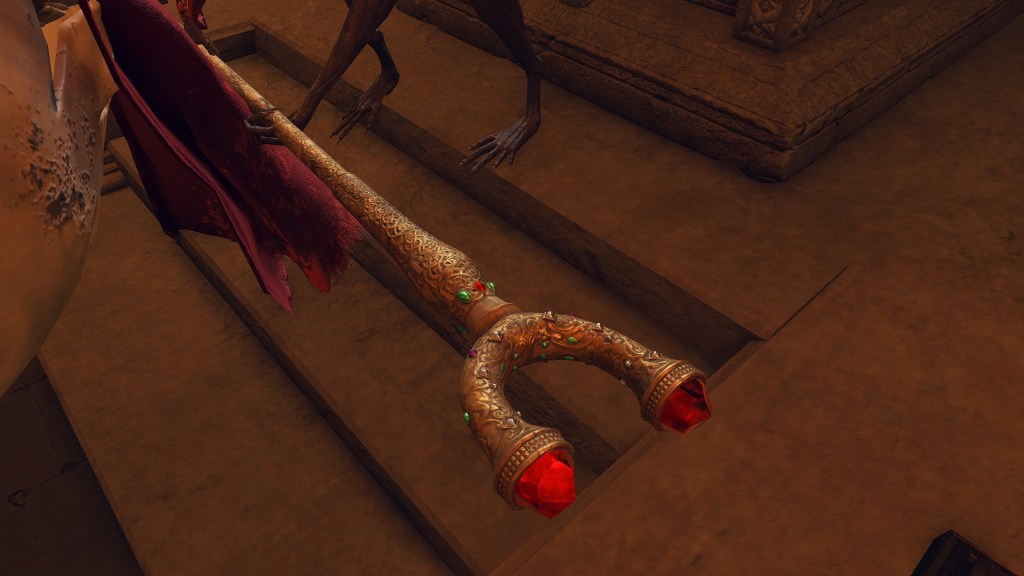
Put simply, the buds we collect on Gelmir are likely intended to be laden with red glintstone born from the blood of sacrifices, specifically to the snake responsible for the lava. Their frequent appearance throughout the land thereby denotes the sheer amount of spilt blood which subsequently seeped into the earth. Young trees may occasionally crystallize as a result, similar to the glintstone buds in neighboring lands, but it proves the wisdom in the serpent tolerating venerators. Thanks to them, the snake has received a steady supply of offerings to gorge upon, and all it cost was a community playing with its powers. So valuable were these powers that they gave rise to a new assassination industry on Gelmir, the worshipers sniping targets unaware with poison bows and “flying serpent” (毒飛蛇) arrows becoming known as Formless Serpents. The relationship appears to have benefited all but those unfortunate enough to be sacrificed. Even then, the victims arguably enjoyed the “benefit” of being reborn as part of the snake.
Anyone devoured by the great serpent after Rykard have become his “family” in the sense of each and every one sharing the same blood — individual blood and flesh merges within the snake. This kinship doesn’t even require that they fully assimilate into the body like the demigod has. Countless corpses remain attached to Rykard’s sword, which had been swallowed by the serpent before them. Despite the separation when he pulls the weapon out of the snake’s jaws during our boss battle, they are already considered “family” and absorb vitality from the dead; the same effect as Rykard’s Great Rune after it had been eaten along with him. Clearly, their blood need only mix for the snake to gain an influence. That explains the Recusant Finger, which belonged to a Tarnished who grew scales as “family” before the digit was severed. This makes sense in light of Tanith’s attempt to transform into a new snake by consuming the god’s flesh and blood, and Rykard proves that a dominant will could control the reptile in kind even as its meal. Death to the snake was, in some ways, a chance at a new beginning.
Holy sword of Rykard, Ruler of Blasphemy. The countless people eaten by him, the corpses of heroes, sinuously squirm on the surface of the sword blade.
They are now family with the same blood, so recovers HP when defeating enemies.
Item exclusive for online play. (can also be used from multiplayer menu)
Attempts invasion in another player’s world. Invade as an invader (anti-regulator) and the “furled finger owner” of that world’s defeat becomes the objective.
Hook-shaped finger possessing snakeskin. Relic of a Tarnished who became family of the master of Volcano Manor.
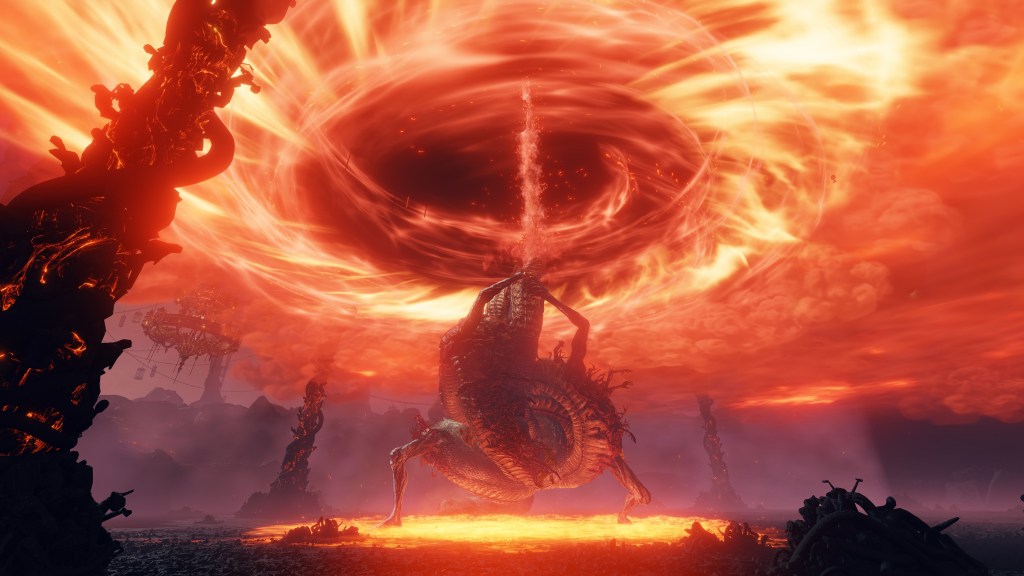
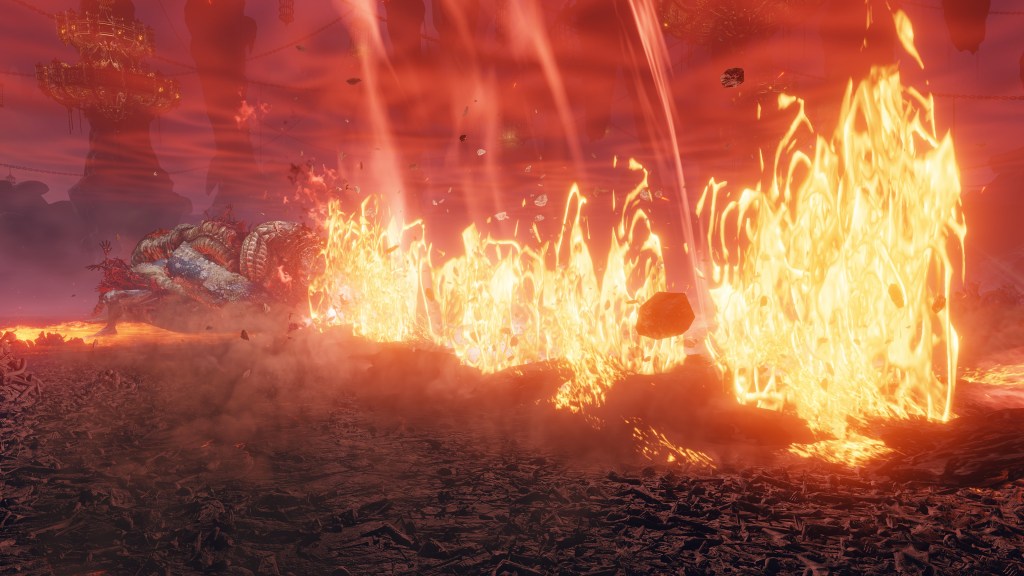
Of course, few possess the will of a demigod, and most sacrifices to the snake evidently haven’t appreciated their violent fate. Inside the body, the dead often become vengeful spirits, smoldering with flame from the internal heat. Rykard will occasionally breathe out these ghostly grudges to unleash their wrath upon us, each leaving a serpentine trail followed by a string of explosions. Even the scorched bodies littering the boss room harbor such resentment, Rykard rousing them with the brushes of his sword along the ground until they collectively form a cloud with which to rain all that rancor upon his enemies. The fact that Gelmir’s Fury mirrors the Wrath of Gold incantation as the “Wrath of Gelmir” (ゲルミアの怒り) makes one wonder who truly lies behind the volcano’s angry response — the snake with a vendetta against the Order born of golden runes, or the ghosts with a vendetta against the man-eating snake. Either way, a deity siphoning their life so that it can grow and eat more is, to no one’s surprise, not everyone’s cup of tea.
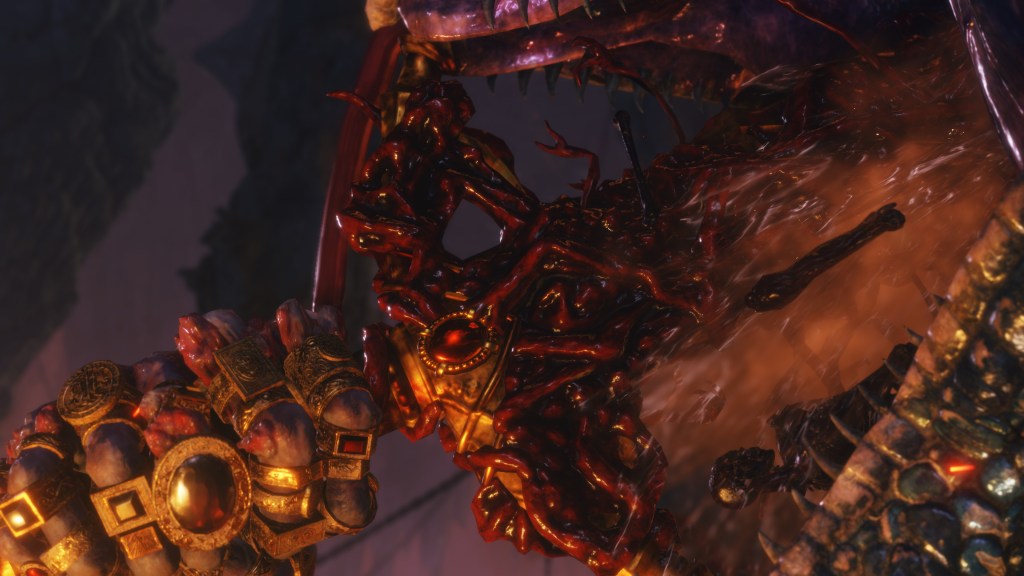
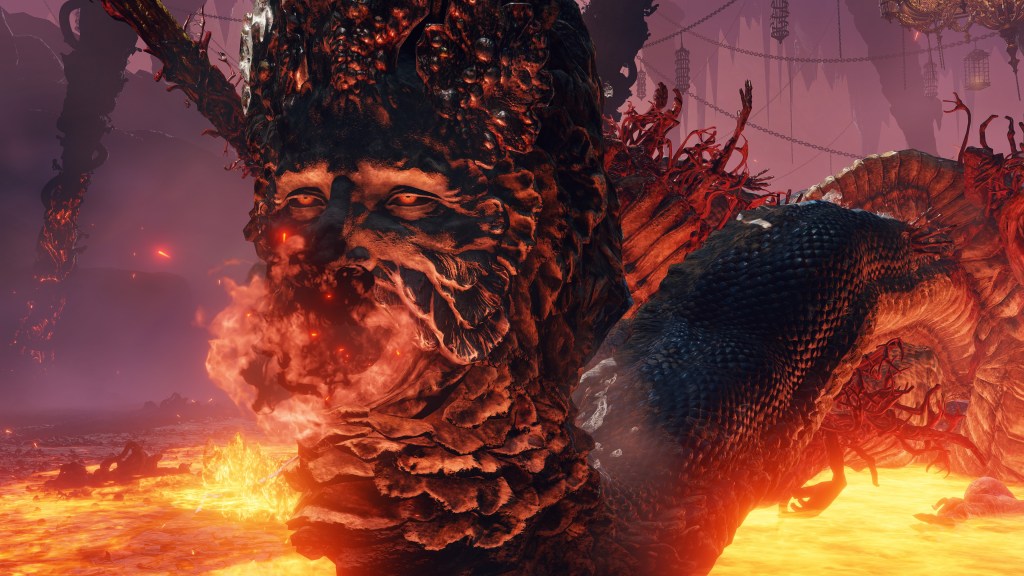
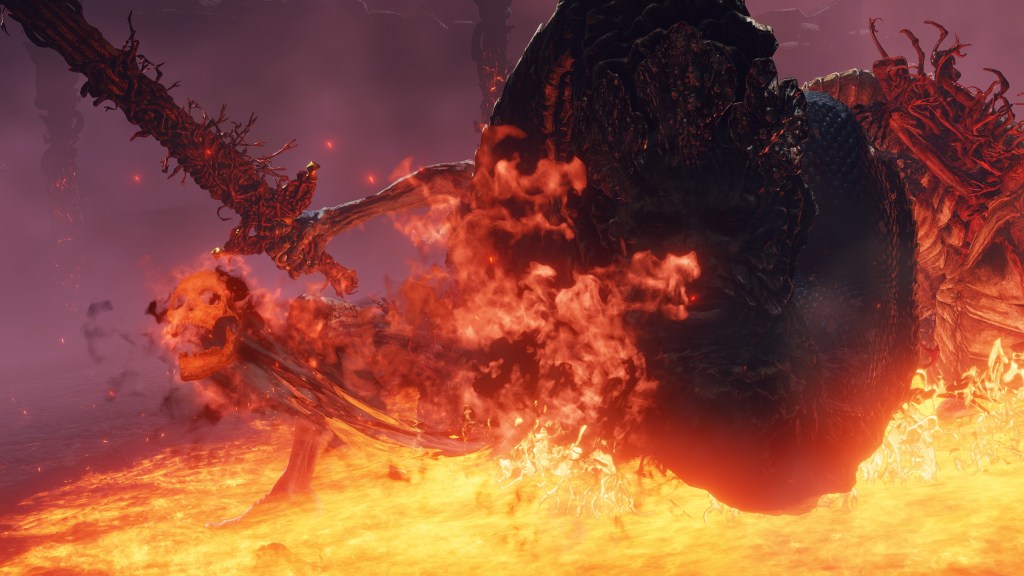
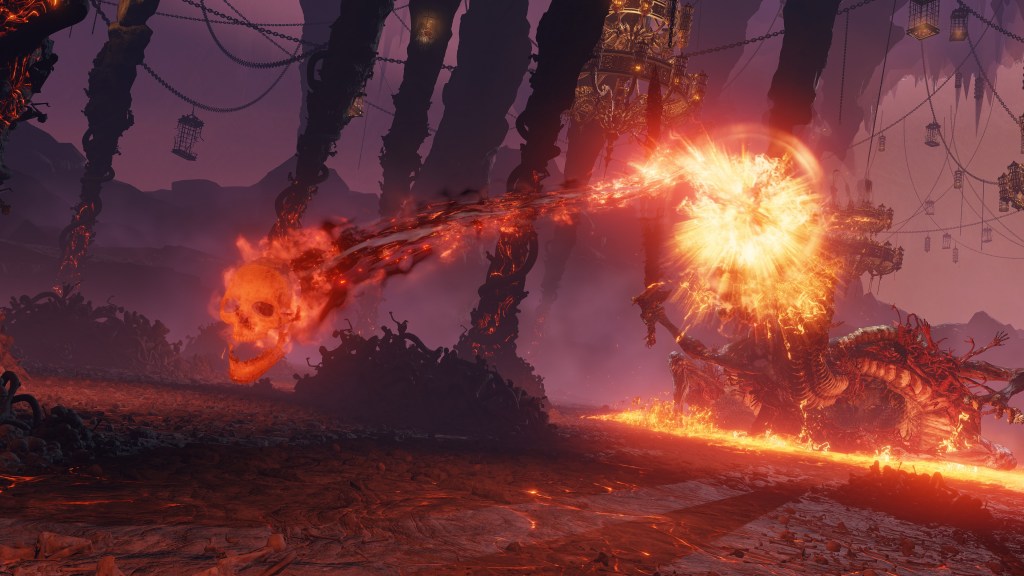
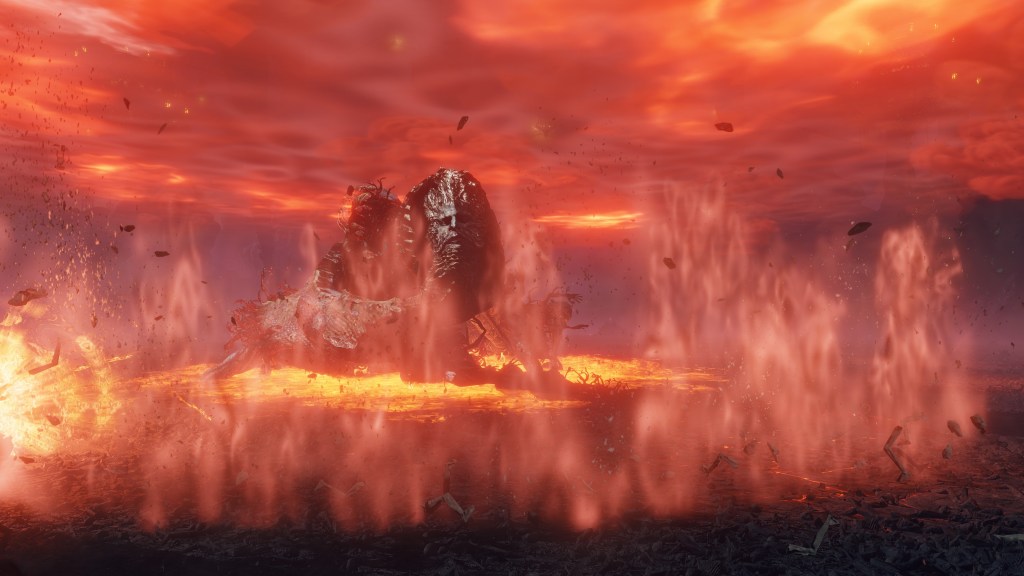
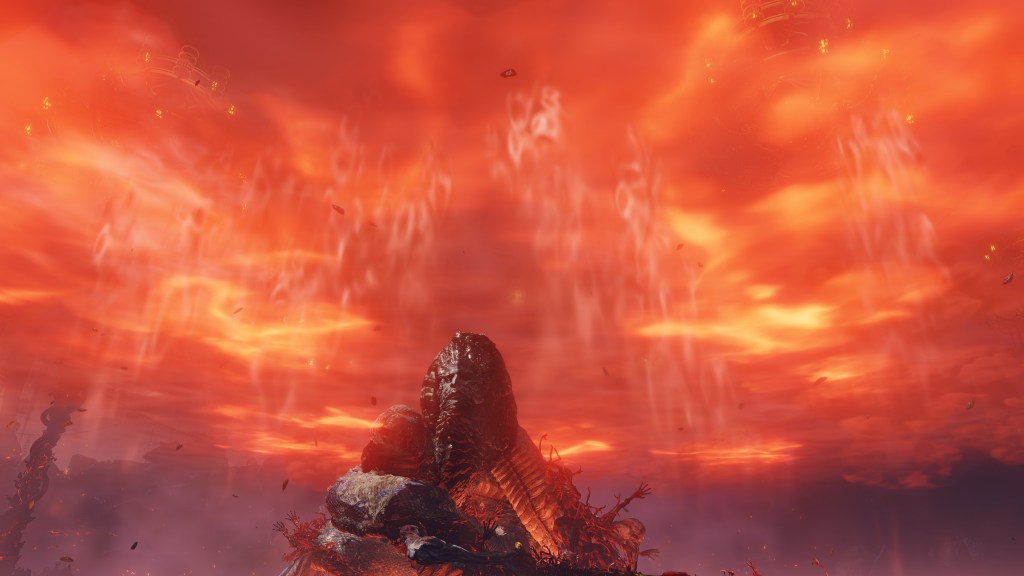
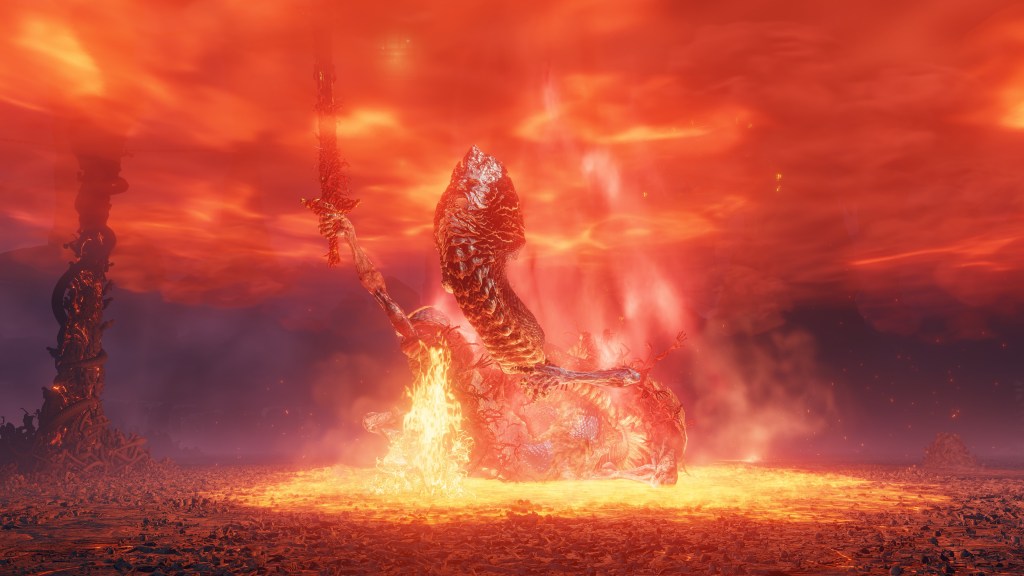
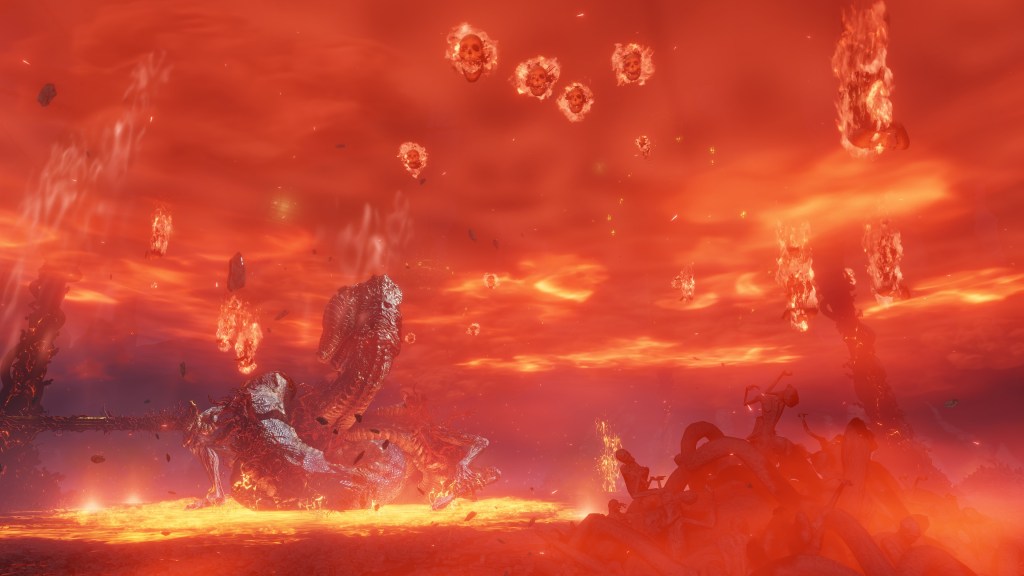
Repulsive power of Rykard, Ruler of Blasphemy.
Fires smoldering vengeful spirits and generates delayed consecutive explosions in their tracks.
They are the vengeful spirits of heroes’ violent death. For they had audience with the king, were greedily devoured with his welcome, and became members of the king’s family within the great snake.
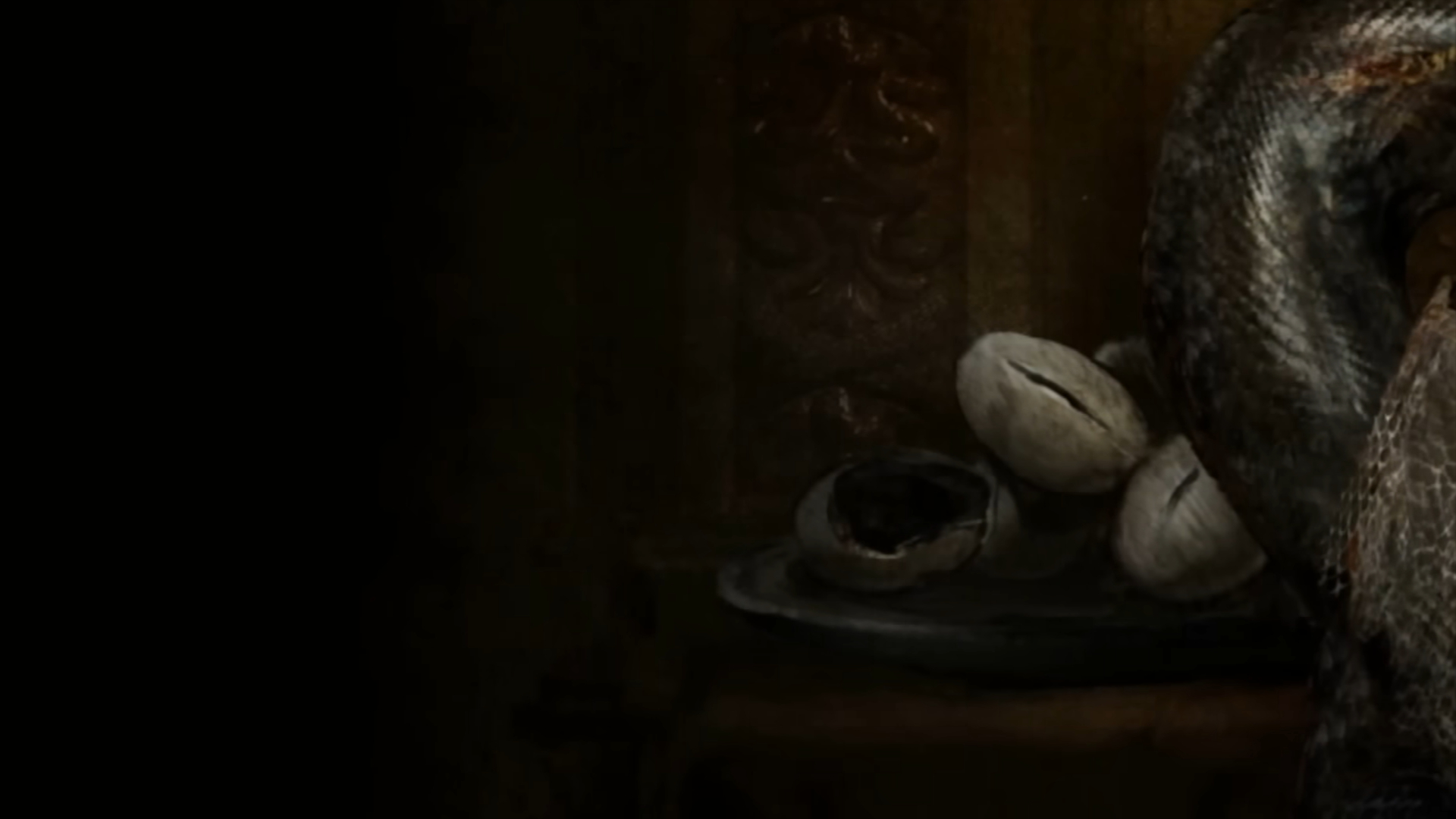
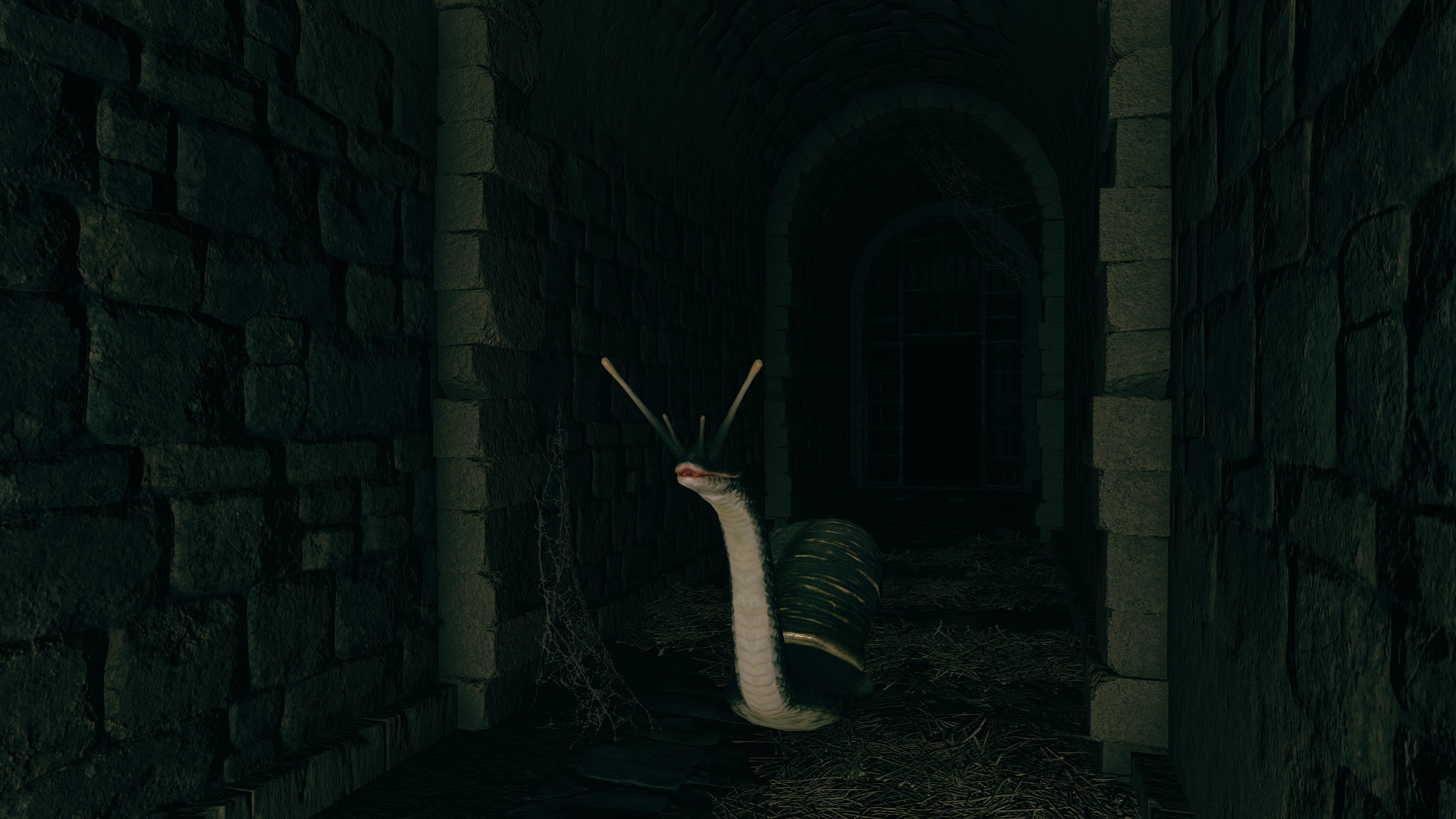
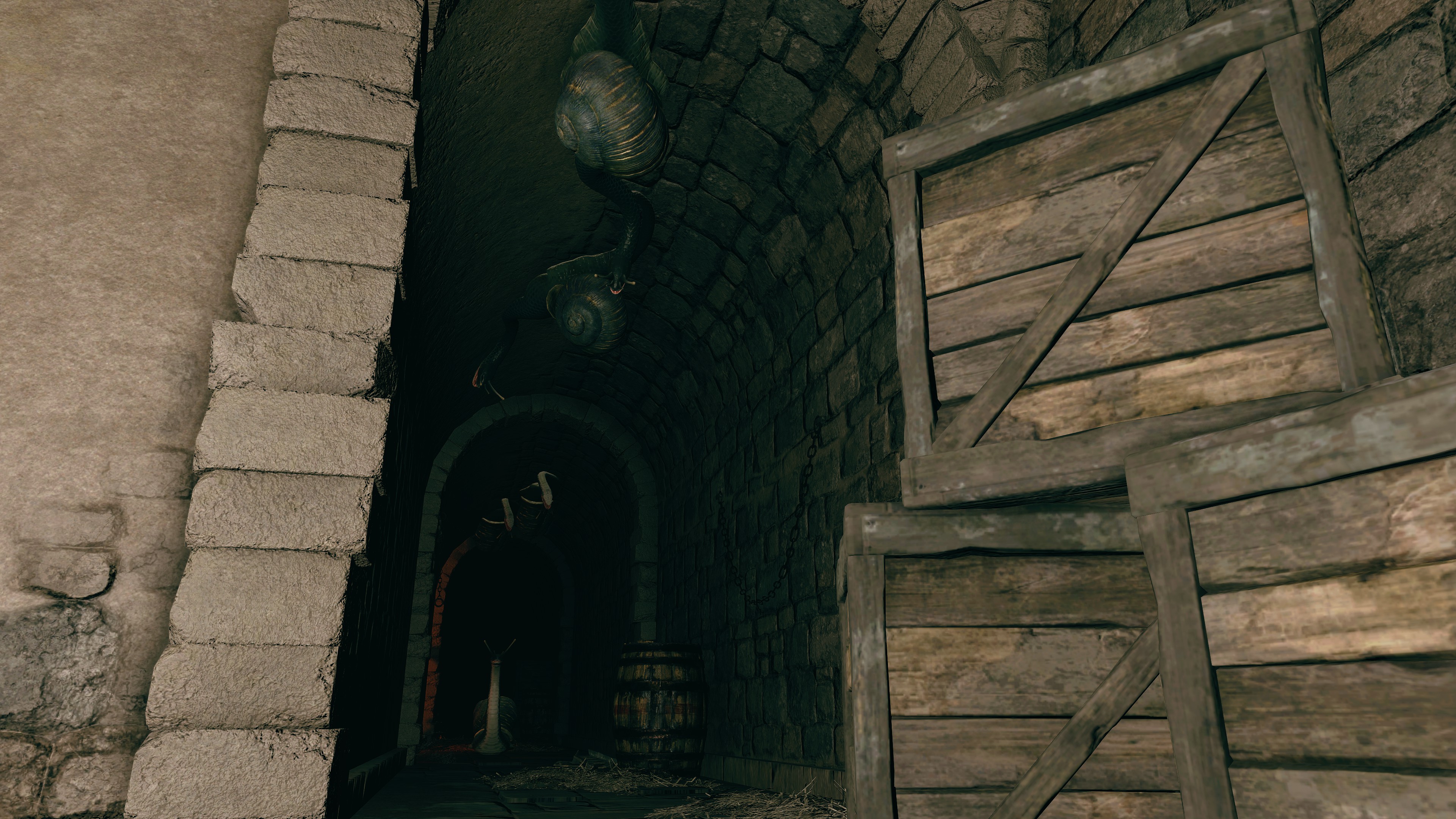
Granted, some of that spiritual energy might still be broken down and reconstituted into new forms, and not just as part of the great snake. After all, the animal god is female, as evidenced by its offspring. While devouring Rykard, we can spy a few small eggs next to the snake, either already hatched or hatching. This implies that the deity lays eggs in the course of endlessly devouring prey, presumably not even requiring a proper mate to facilitate this. We don’t encounter any snakelets slithering in the wild on Gelmir — the closest is the snail snakes taking the place of rats as local pests, humorously enough. However, the eggs suggest that lesser snakes do exist. They may be the source of the poison inserted into the Formless Serpents’ arrows, the description of which makes no mention of hexing in contrast to the bow. Regardless, that birth through ingestion involves the bodies and souls of the serpent’s victims in the process, which is consistent with its latest progeny.
Sculpted arrow modeled on a flying snake. It is used with the “Snake Bow”.
It is a Formless Snake’s servant, so deadly poison is crammed in its fangs.
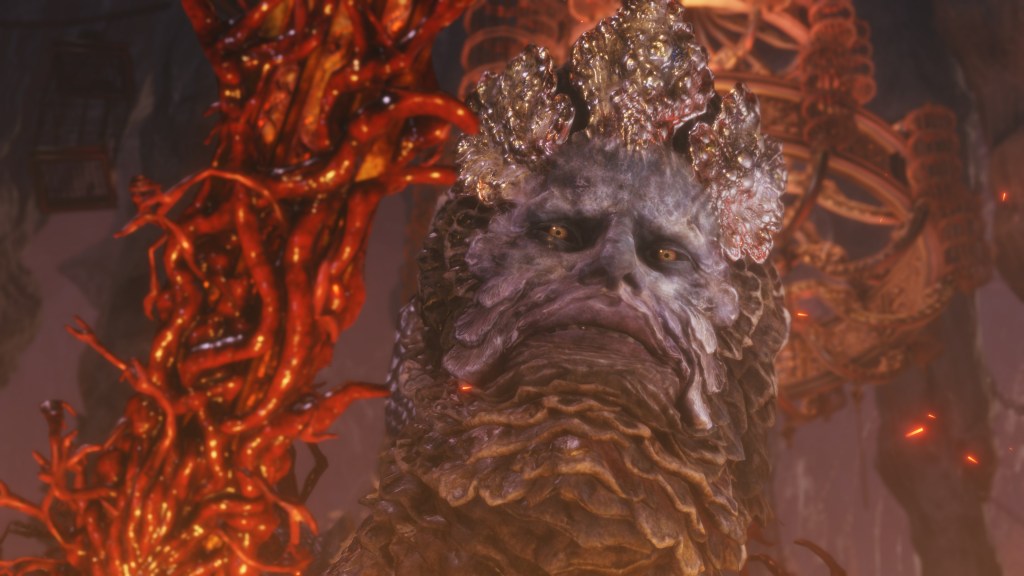
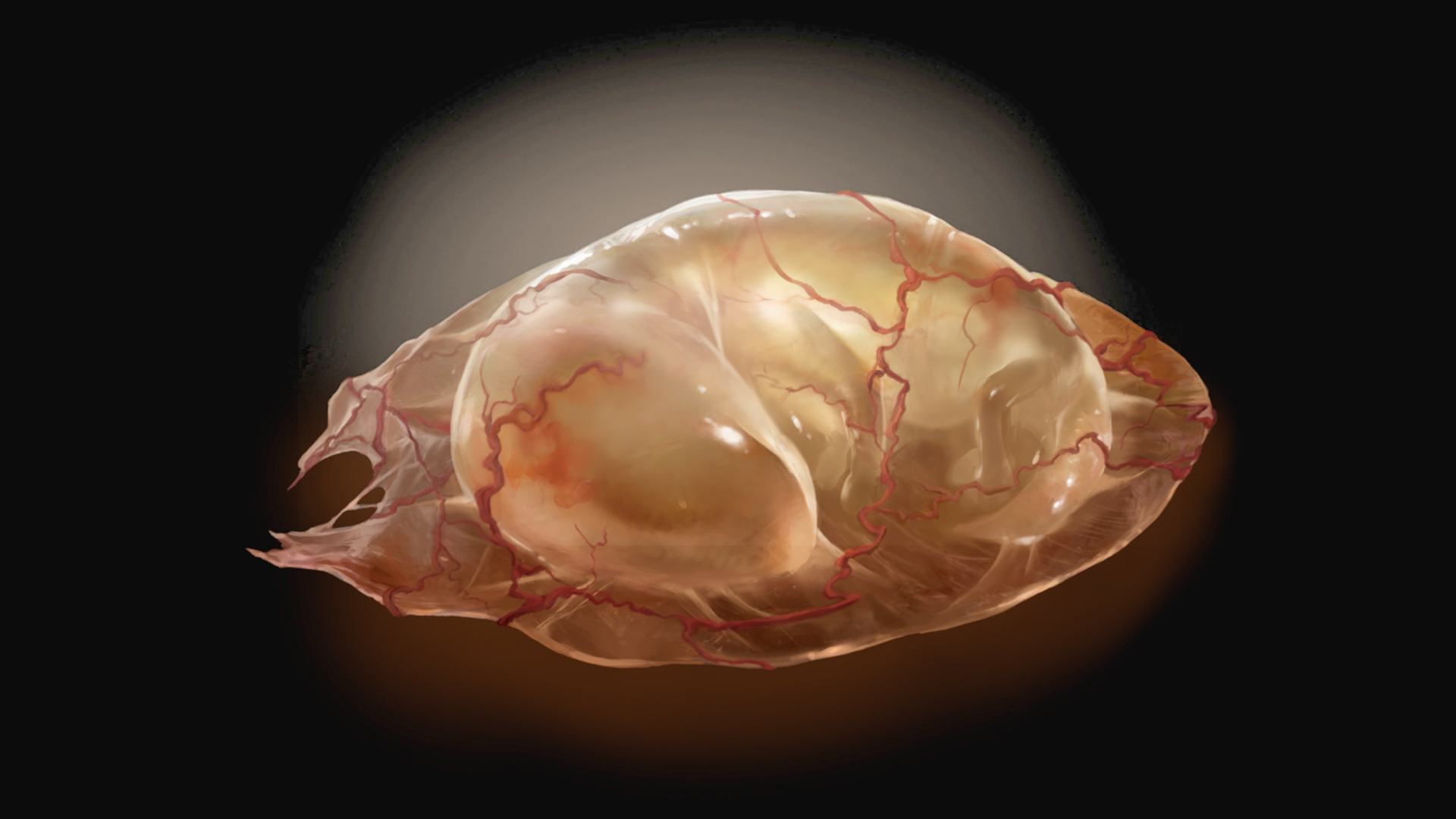
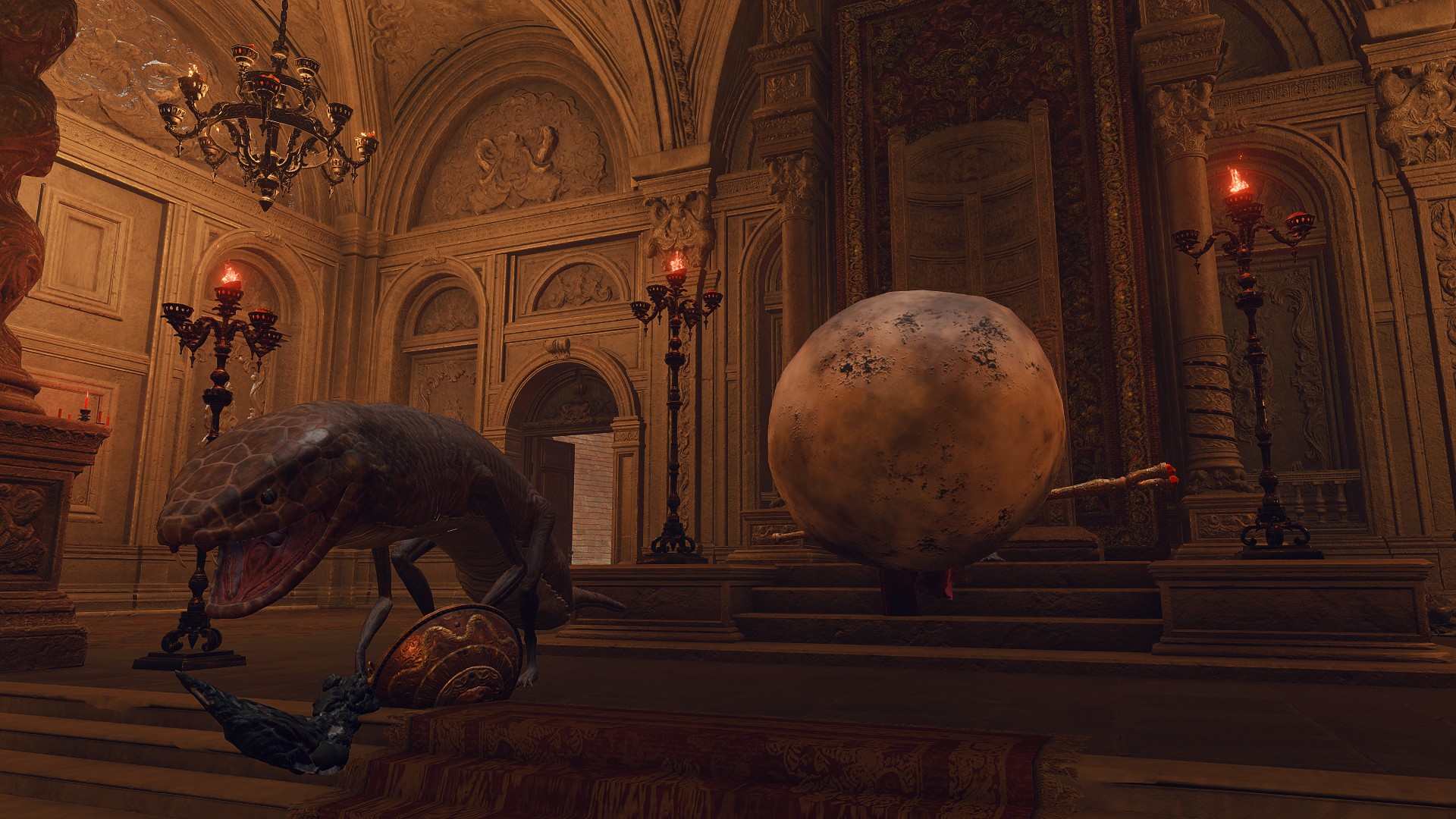
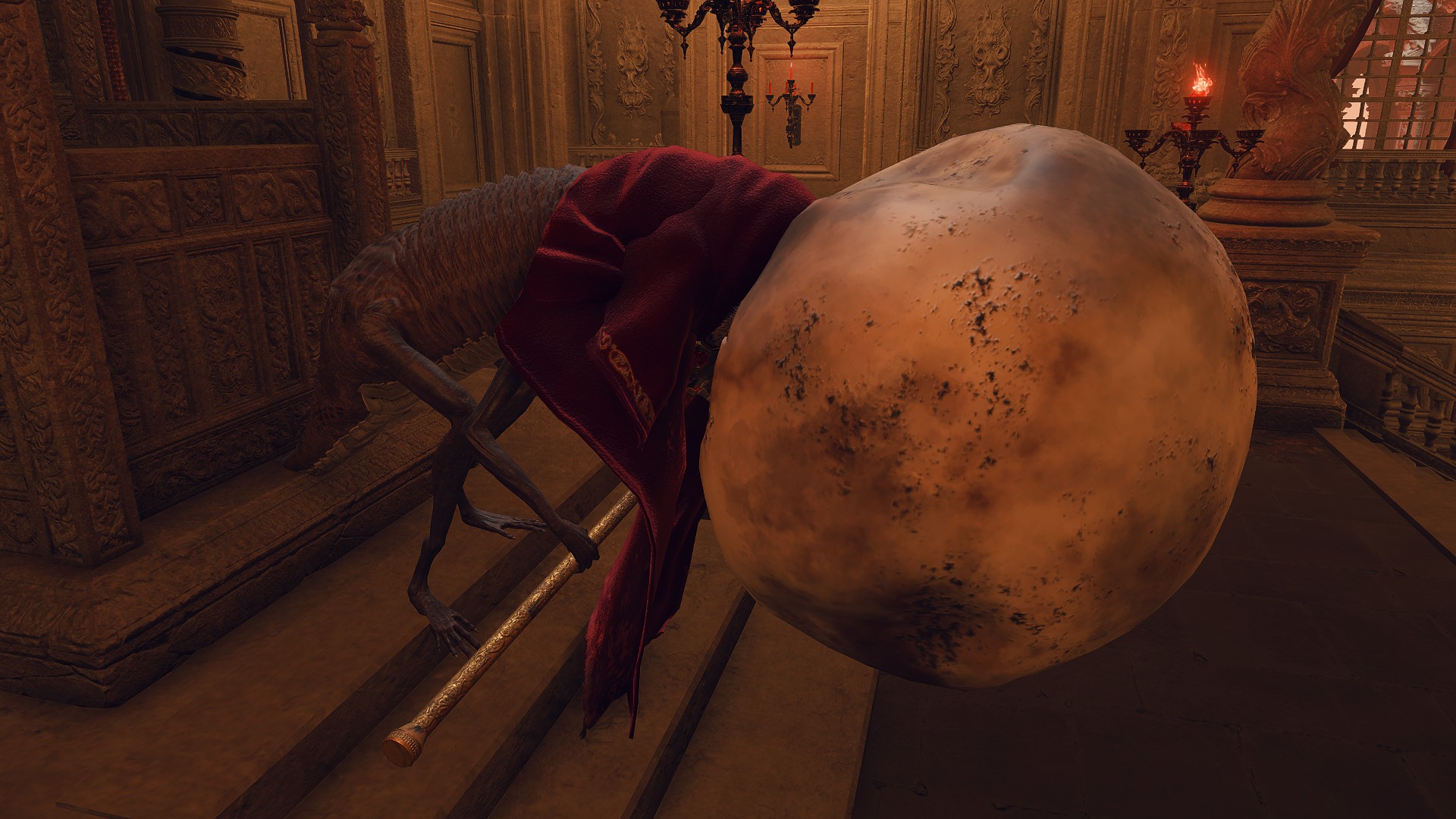
After devouring Rykard, the immortal snake gave birth to man serpents, her undrying amnion left on the altar in the Temple of Eiglay with a fetus still wrapped inside. Some fans have even posited Eiglay as the name of the serpent, since the church additionally enshrines a giant snakeskin consistent with the deity. “Ehgleh” (エーグレー) does closely resemble Eglė, (エグレ) the name of a Lithuanian folk hero who became Queen of the Serpents. The word construction may further be a play on the phrase “egg lay”; (エッグレイ) to that point, one snake-man styling himself a king, complete with stereotypical red cloak and golden scepter, wears a giant eggshell for a crown. The obvious implication is that the equally venemous snake-men are the god’s successors, having come from her eggs and amnions. Even though the throne this “king” stands in front of in Volcano Manor is most likely reserved for Rykard — who considers himself the Serpent King — it nonetheless cements the great snake as a kind of royal mother.
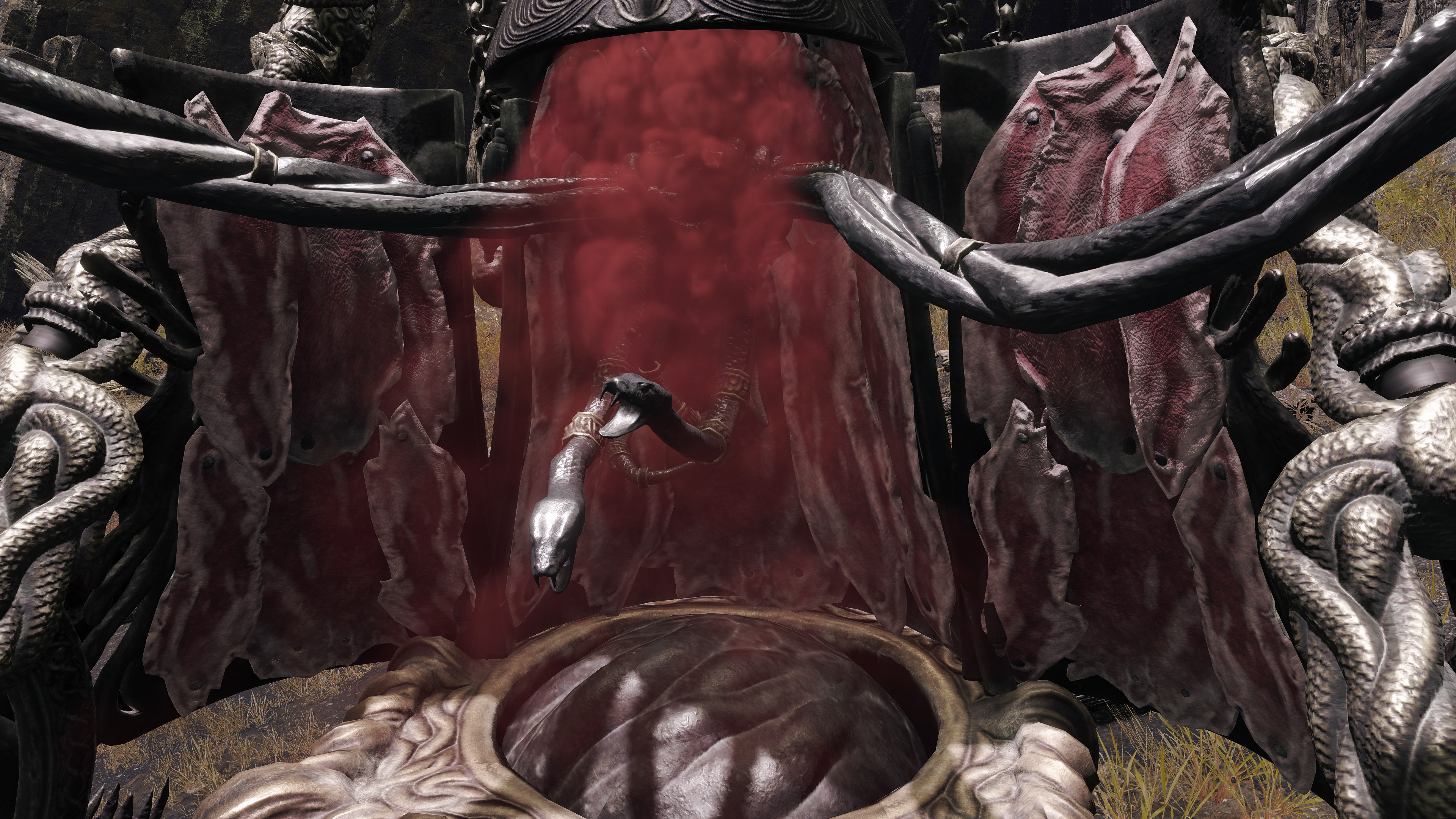
Whether or not Eiglay is a name for the god, the serpent ruling from the mountain on high is undoubtedly a goddess specifically. What meals didn’t nourish her growth nourished the growth of her children. Perhaps these were just an automatic byproduct of an eternal serpent’s growth cycle, with the snake-men reflecting Rykard’s influence as his body and Great Rune were assimilated. But even if the serpent cared not for the eggs she laid, Gelmir’s pagan worshipers could make use of the little reptiles. Assassins extracted the venom for poison arrows, and other residents might employ them for more inventions. Case and point, we see tangles of snakes piloting the abductor virgin “dolls” (人形) more common to the volcano than anywhere else. Although close inspection of the iron enemy’s insides reveals a nonsensical physiology, the slices of meat lining the interior plus the fact that the abduction device is a puppet suggest that these are genuine snakes of the mount trained by residents. If so, it was just one more reason to feed their mother. The culture was certainly popular.


Across the northeastern ridge of Altus lies the humble village of Dominula. With a Latin name meaning “mistress”, women hold a particularly special role in this place. This is because, even as the community uses the south-flowing winds from the Mountaintops to operate grain mills with harvest wrought by their plows and sickles, it prefers meatier delicacies. The hamlet maintains a number of horse pastures, though its livestock have long since starved to death and been stripped clean by the local canines. Meanwhile, the women simply enjoy their traditional festivities, singing and dancing in ceremonial dress. Yet despite the innocent revelry, one need not go far off the beaten path to find a village woman with a cleaver chowing down while standing over a dead man. Indeed, these ladies all have blood staining their mouths and clothes, their tools crafted with bone — not just the farming equipment, but the hatchets and hammers used for preparing game as well, and even their lanterns. The women are cannibals and, given the gender disparity, maneaters in every sense.
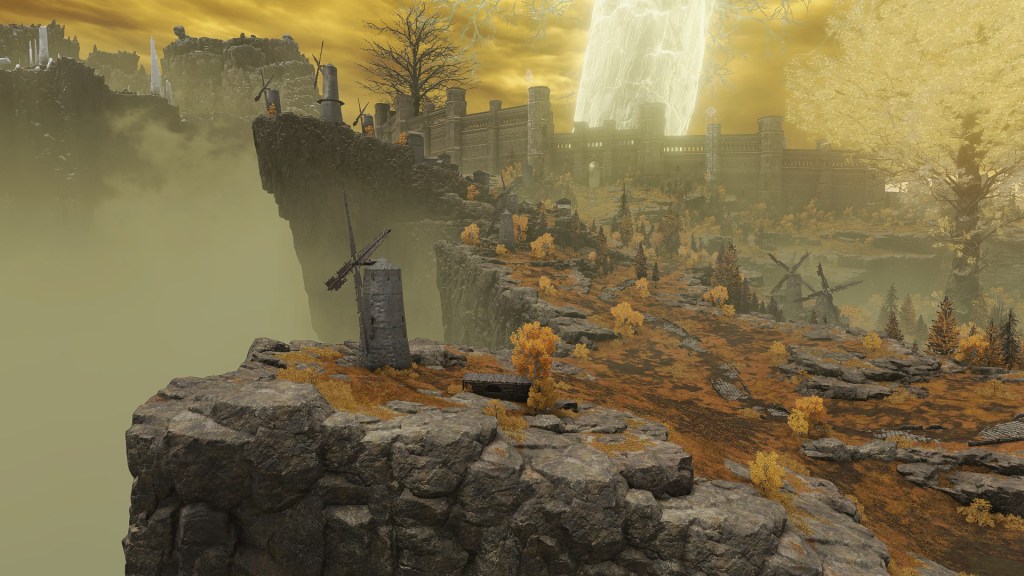
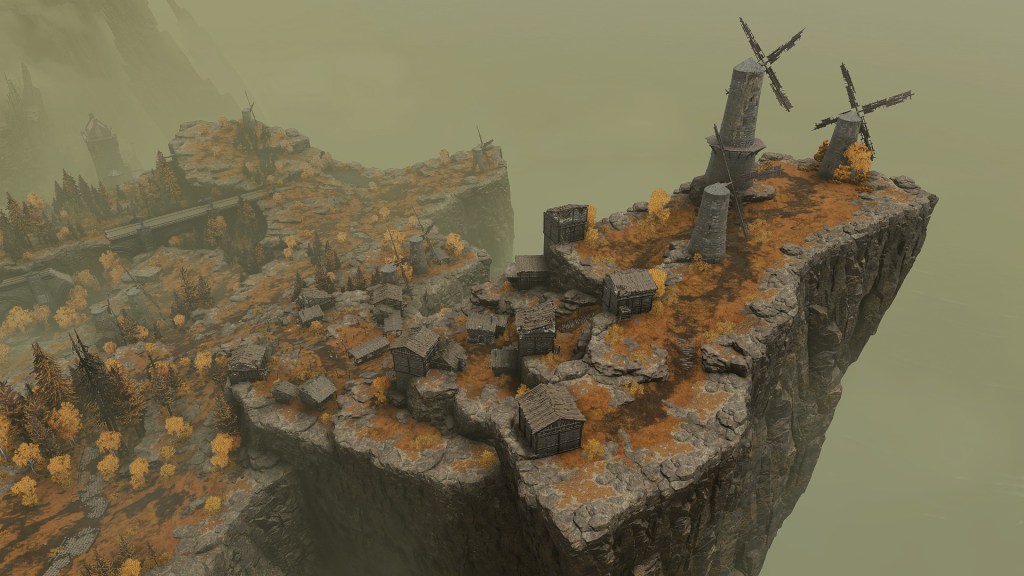
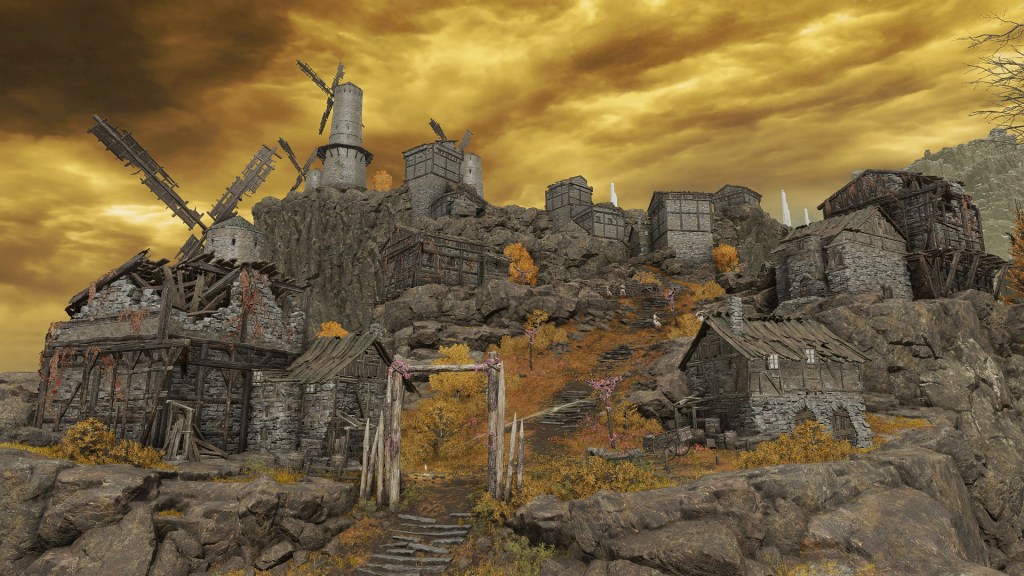
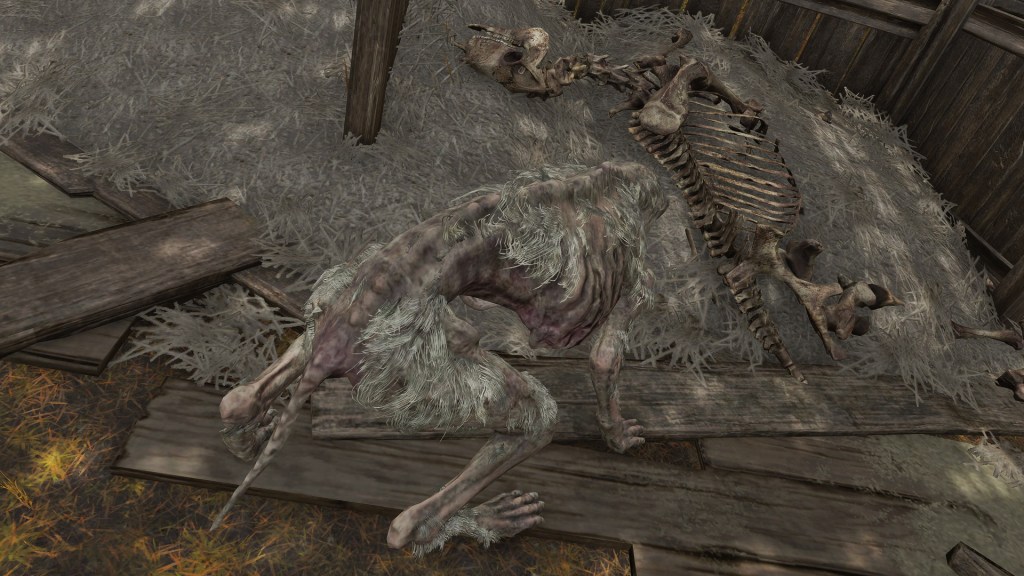
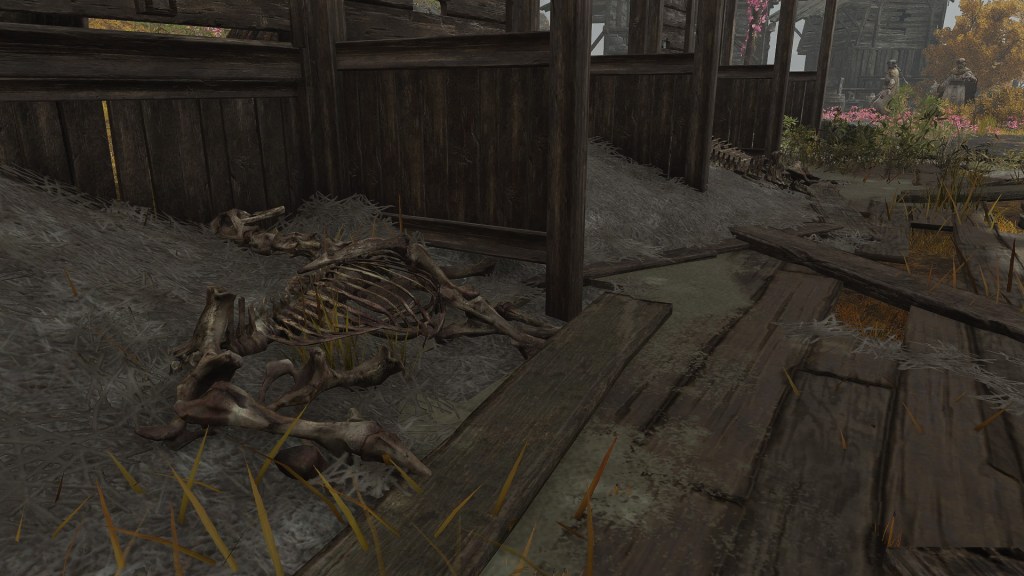
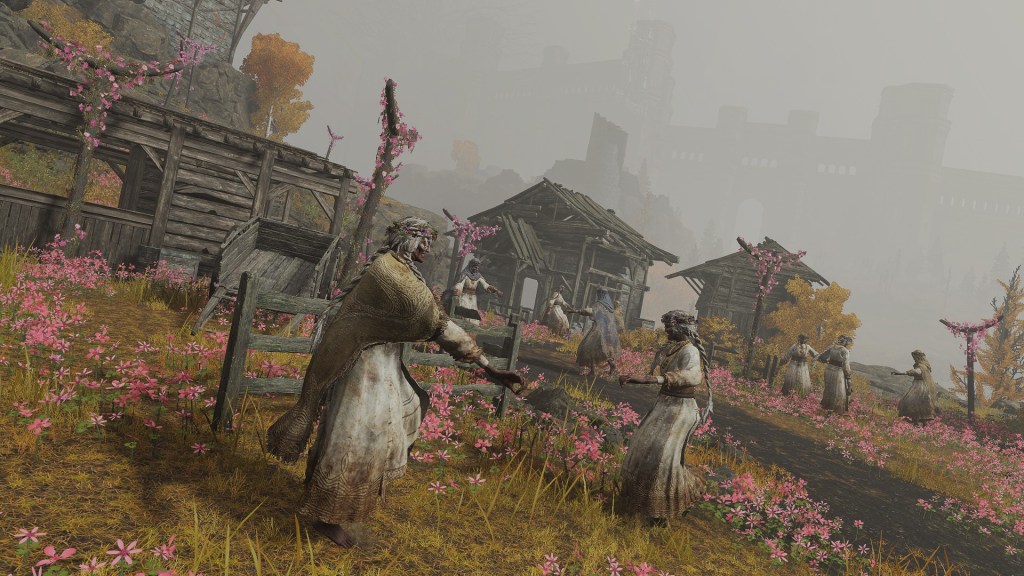
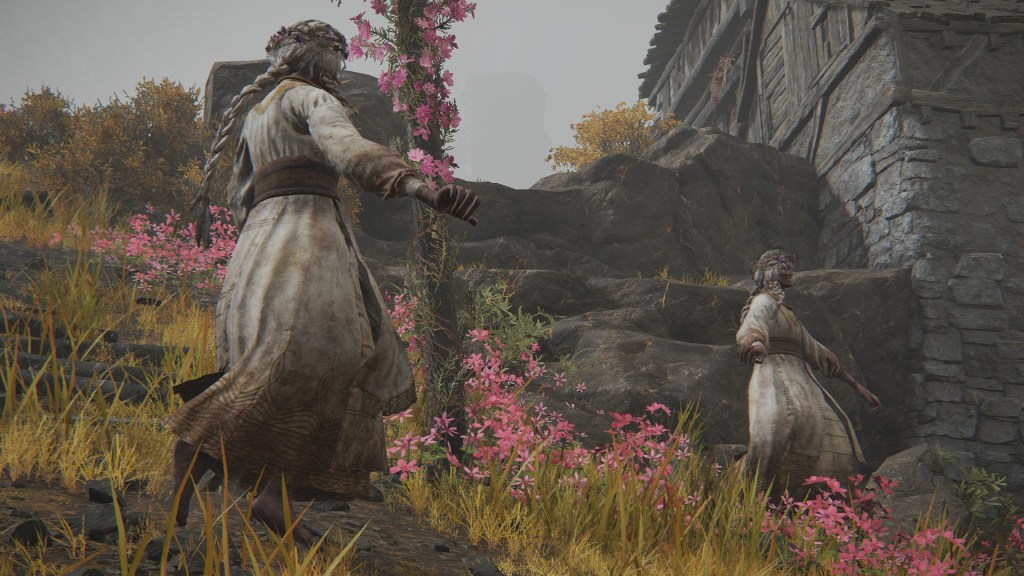
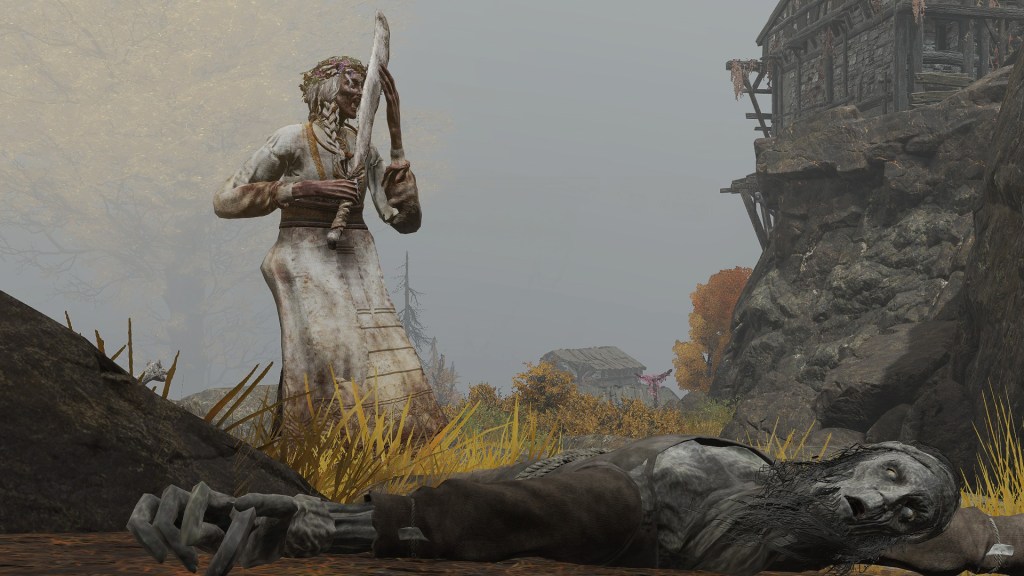
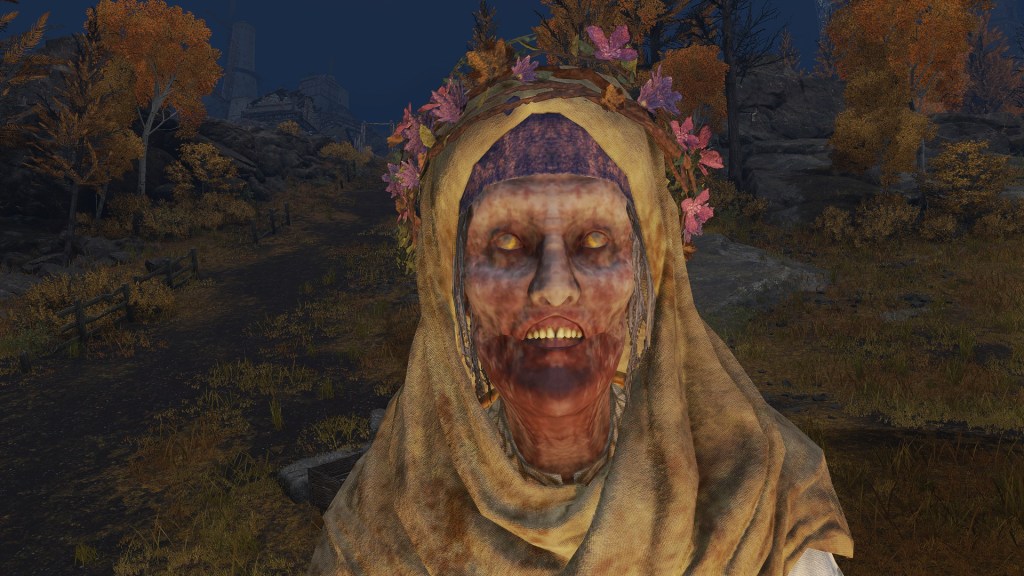
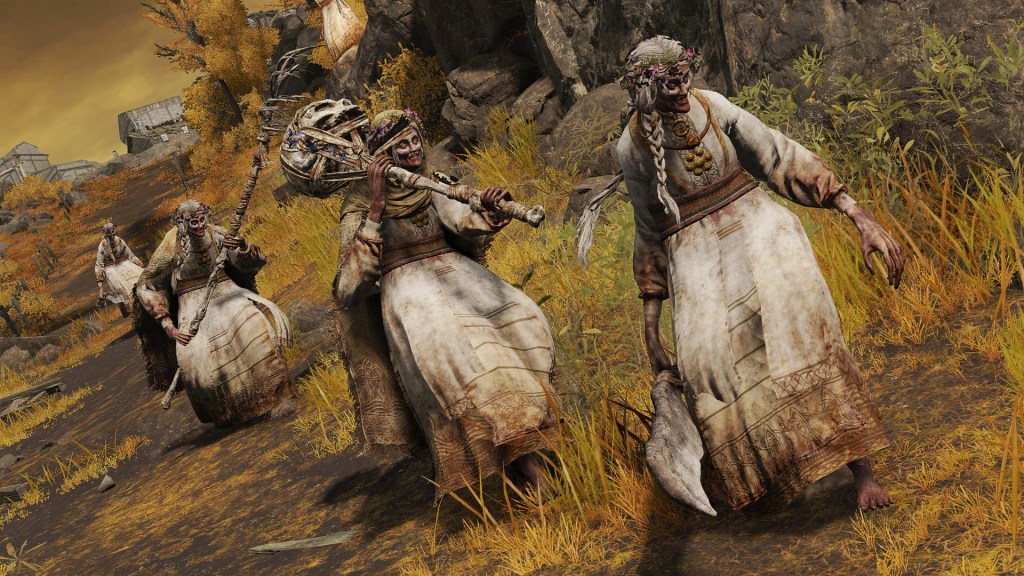
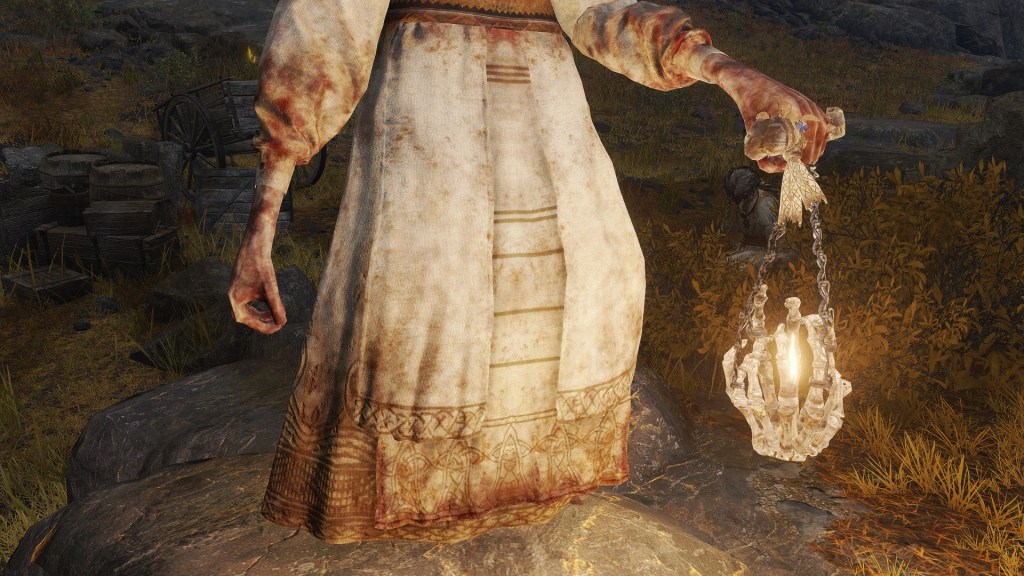
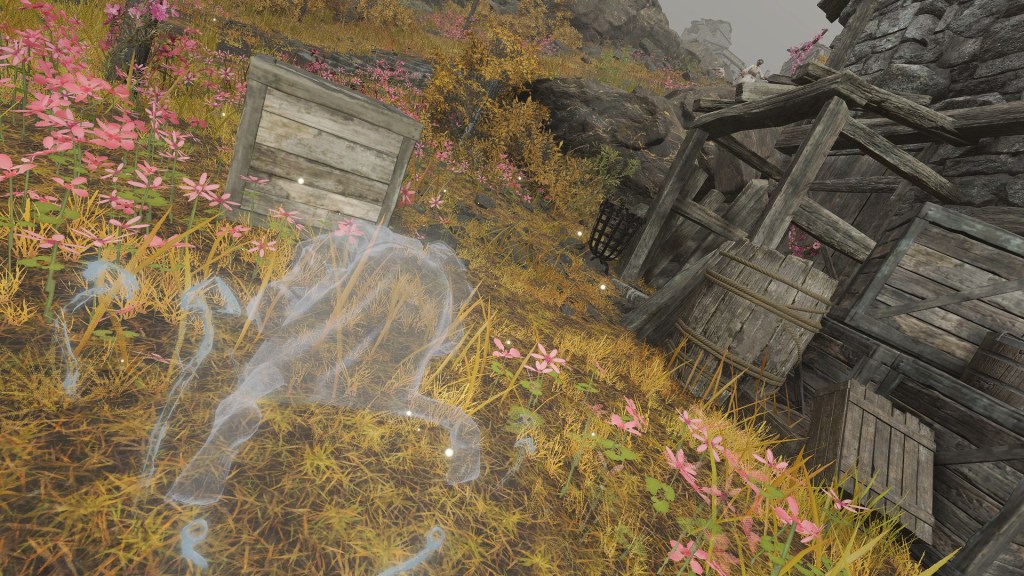
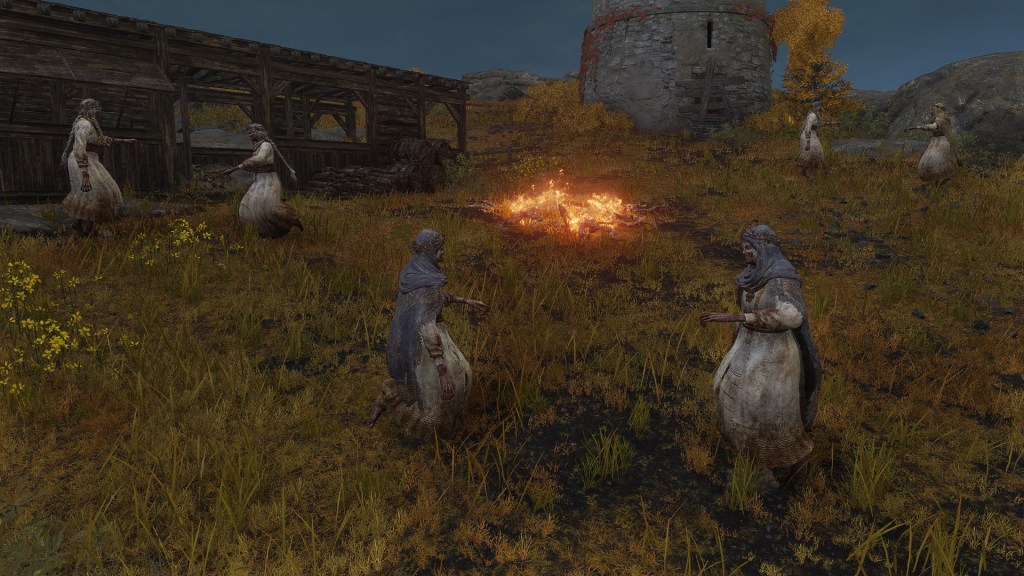
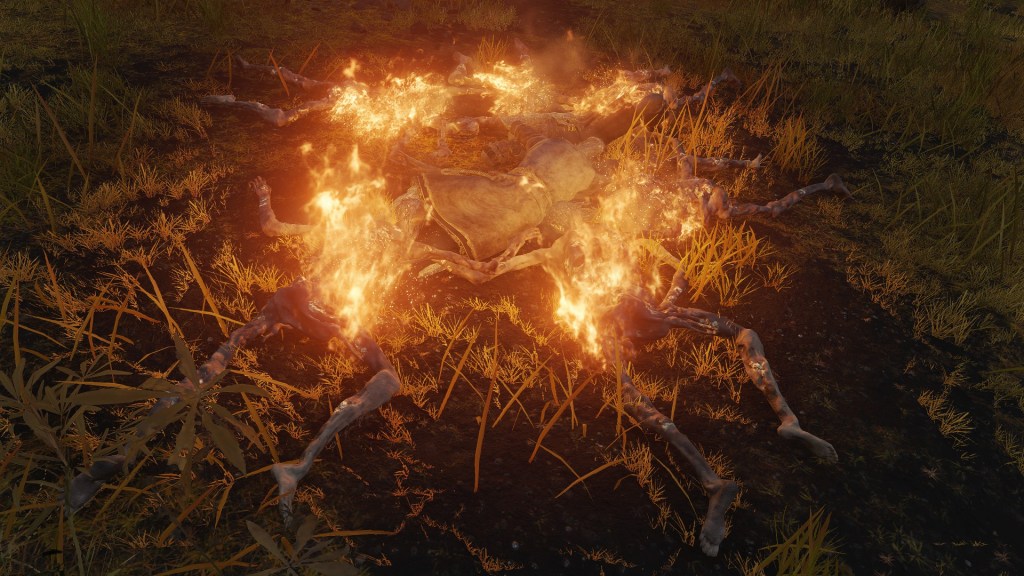
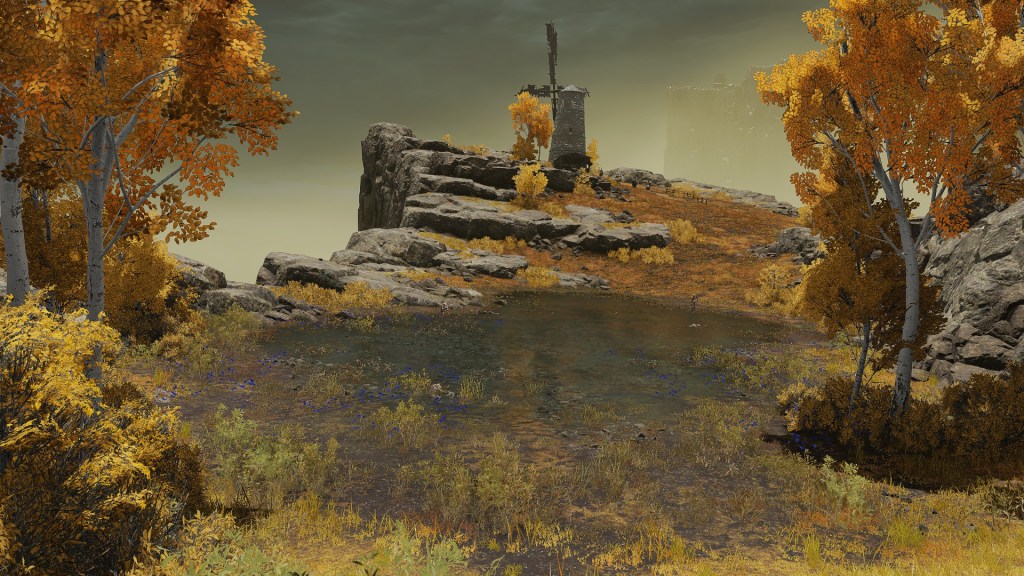
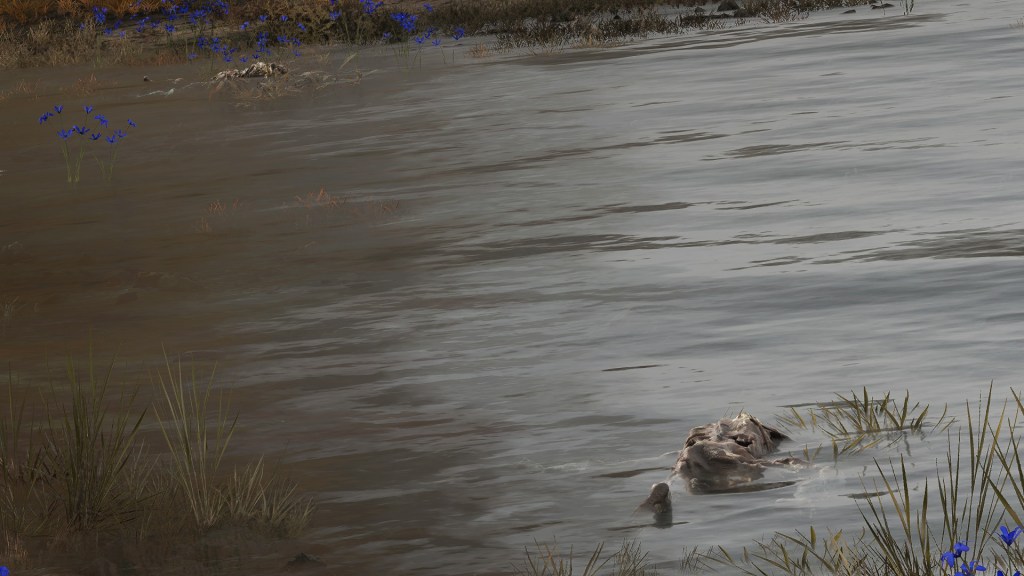
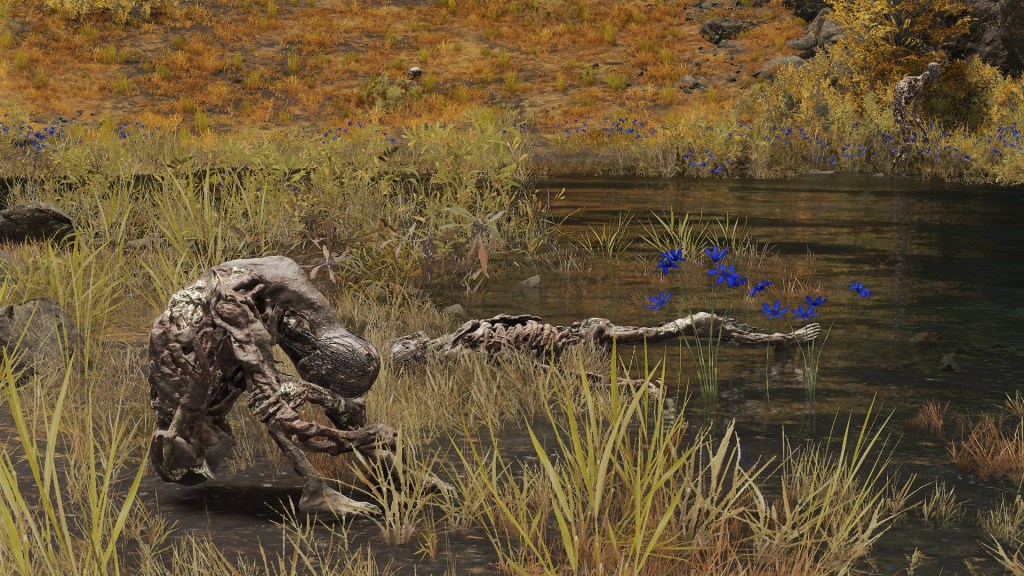
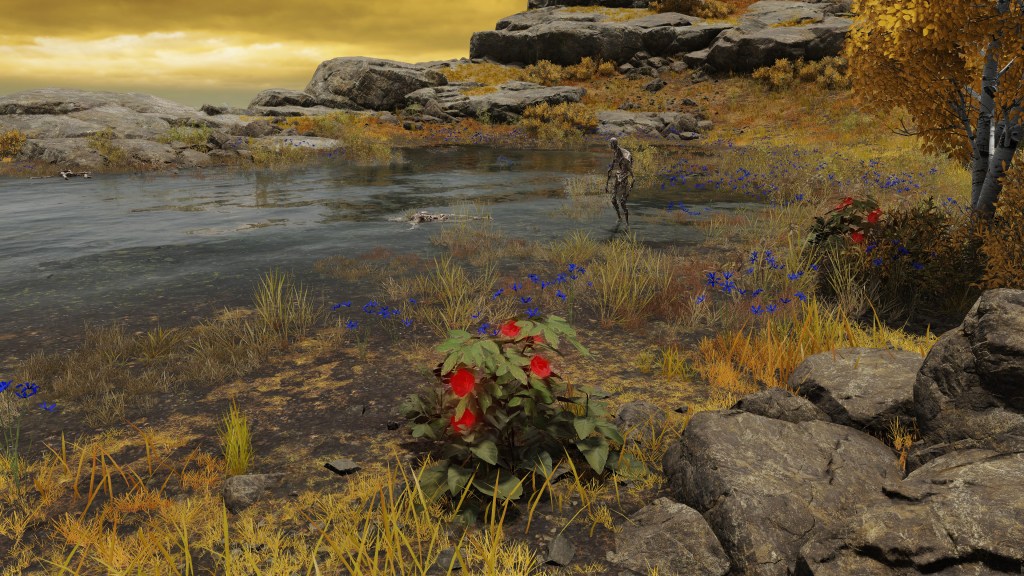
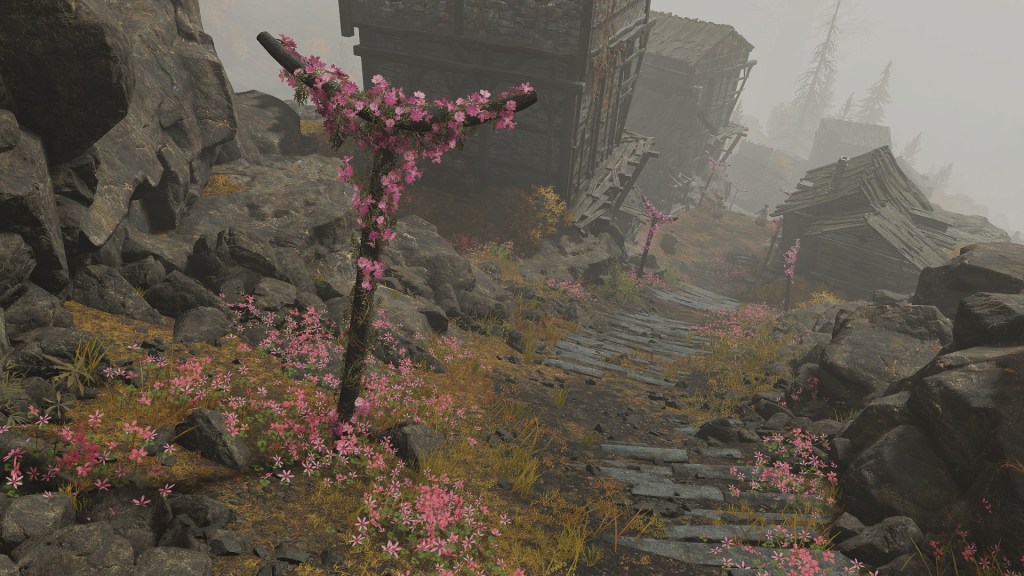
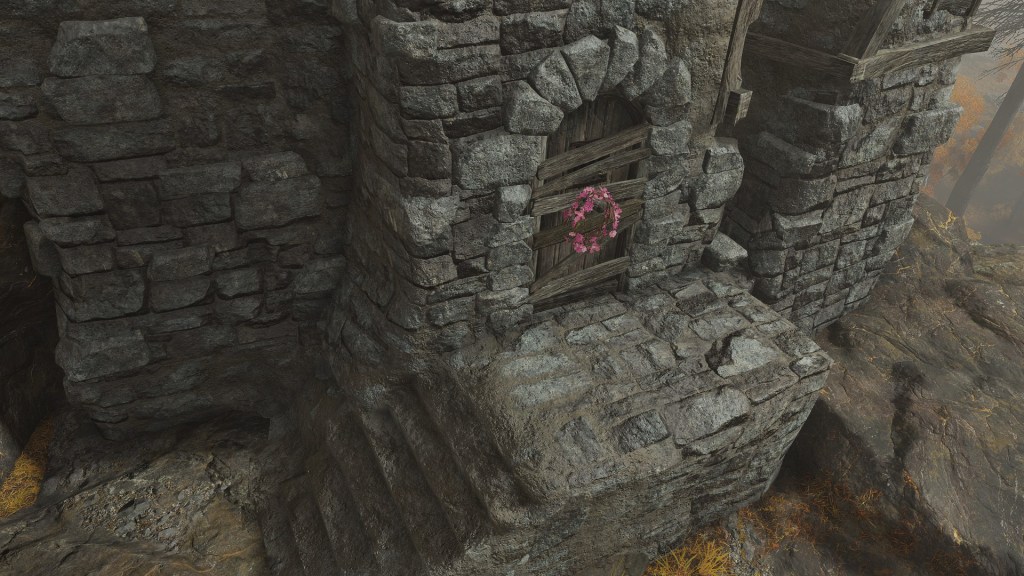
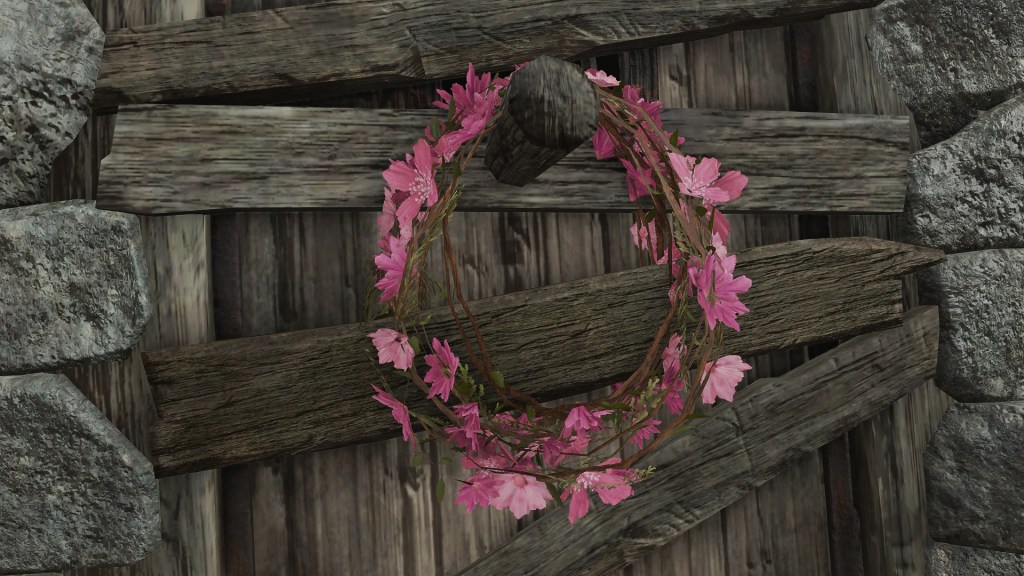
All of this is done as part of the festival. A male spirit in the hamlet cowers from the reveler’s song for fear of being skinned alive. We do see village women dance around a burning pile of skinless, rotting enemies at the East Windmill Pasture. This handful weren’t the only ones, as more of the rotten can be found in a nearby pond, mostly laying their full bodies in the waters now growing bloodroses. Without question, many men were rounded up and skinned alive, their enduring flesh left to rot in imprisonment before their mutilators finally decided to cook their meat. Some managed to run straight for the pond to put out the flames, but as the one curled up in despair shows, with still no hope of escape. This depraved cannibalism ritual is why we see so many women dance around crosses draped in local pink flowers. The same flowers hang as wreathes on the villagers’ heads or doors. That serves as a sign of celebration as well as of mourning, a wreathe representing the cycle of life — which takes on a more ominous meaning in the context of these festivities. In short, the women are giving a cheery sendoff to those they sacrifice.
… Eek… I can hear the song of the festival…… No no… don’t skin me… My hide is corrupted…
With that in mind, many of the practices do have a sense of ceremony to them. The ritual implements the Dominulans craft leave no part of the body wasted. The young maidens likewise receive blue cloaks contrasting the green mantles of their elders for their key role in the festival. Presumably, this entails performing their first kill, thereby celebrating becoming old enough to join in on the ritual sacrifice. There is no denying the respect afforded to this hallowed event. But whatever its trappings of civility, this festival is nonetheless savage. Ignoring the one instance of a makeshift cookout, the women consume their meat raw, biting their arms to spray a poisonous bloody mist. Moreover, the skills for their bone weapons mainly consist of Barbaric Roar and Wild Strikes, demonstrating how this agrarian settlement behaves no better than the highlanders living out in the wooded countryside. As to why they specifically developed a cannibalistic matriarchy, we need to look west to Mt. Gelmir.
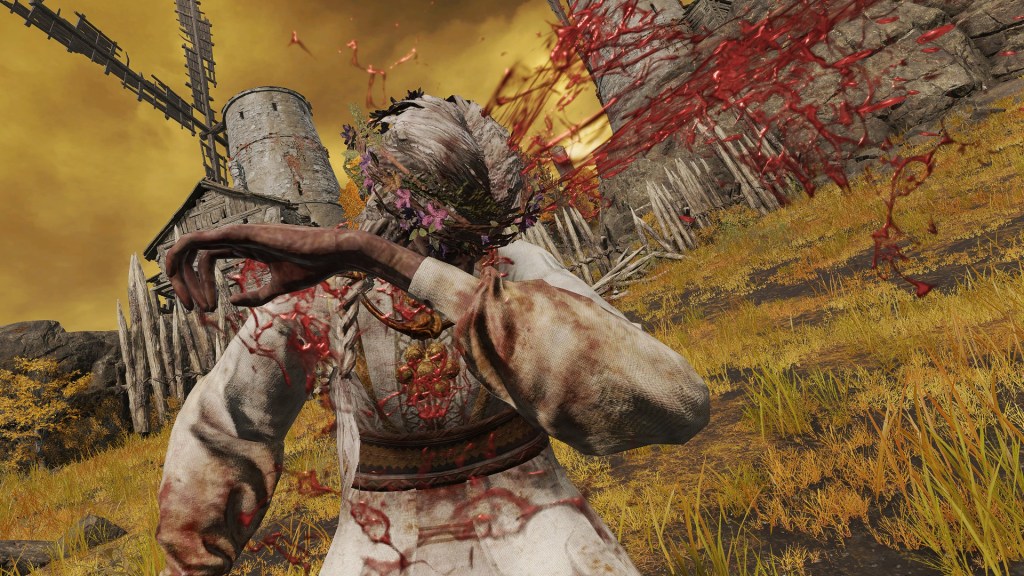
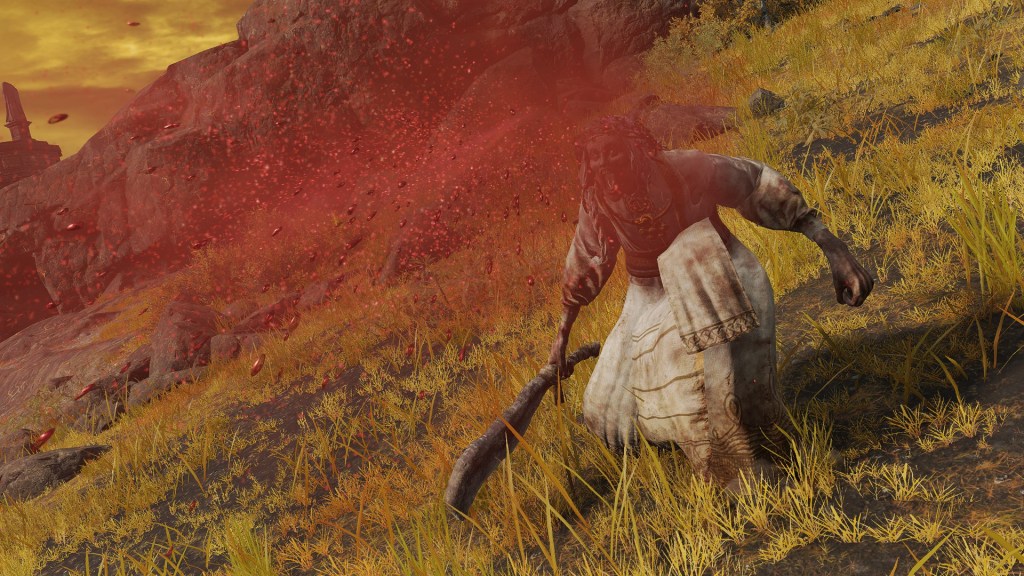
Ceremonial dress of dancers used in the festivals of Dominula, village of windmills.
The beautiful mantle dyed blue is permitted only to the young maidens, the leading role of the festival.
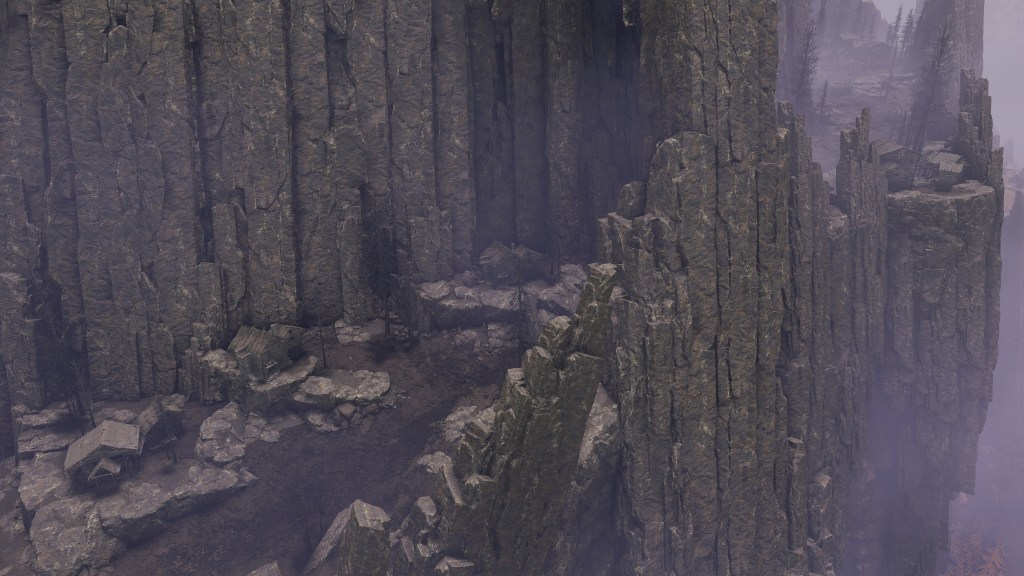
The Hermit Village roosts on the south crag of the volcano, though collections of similar dwellings extend around to the western side. True to its name, it is a reclusive sort, accessible solely by crossing the steady volcanic outflow beyond the Seething River. And yet, the corpses littering the place are the same women seen in Dominula. Although we find no flowers draped upon doors or crosses to coincide with their ceremonial dress, that may due to lack of availability on a volcano. The women, at least, still wear some, and this Hermit Village definitely has the same style of housing; the main difference is the lack of windmills, large herds of sheep within the confines instead indicating a more pastoral lifestyle. Altogether, it suggests a cultural connection between these hermits and Dominulans, and thereby Dominula and Gelmir. In fact, the “hidden” location by the lava may be intentional.
Among those houses outside the village area proper, the Hermit’s Shack stands closest to the magma. Such a placement is especially notable when the dilapidated home keeps the instructions for Roiling Magma. With a name like “boiling lava”, (たぎる溶岩) this sorcery evokes the image of a bubbling pot about to overflow, just like how the condensed magma we fire then bursts — or how the nearby magma spills out of the volcano. The shack may have most recently housed a modern sorcerer, but the hermit village in general might have previously practiced hexes. Perhaps then the hamlet was positioned behind the lava flow not just for their seclusion but also inquiry, adopting other elements of Gelmir’s faith in the process. In other words, the common culture seen in the Hermit Village and Dominula likely derive from association with the snake pagans. The sacrifice to a voracious deity for boons evolved into matriarchal cannibalism, the yokels probably aiming to replicate the results by copying the act — who is to say only a god can benefit from eating flesh? That culture then spread to the neighboring plateau.

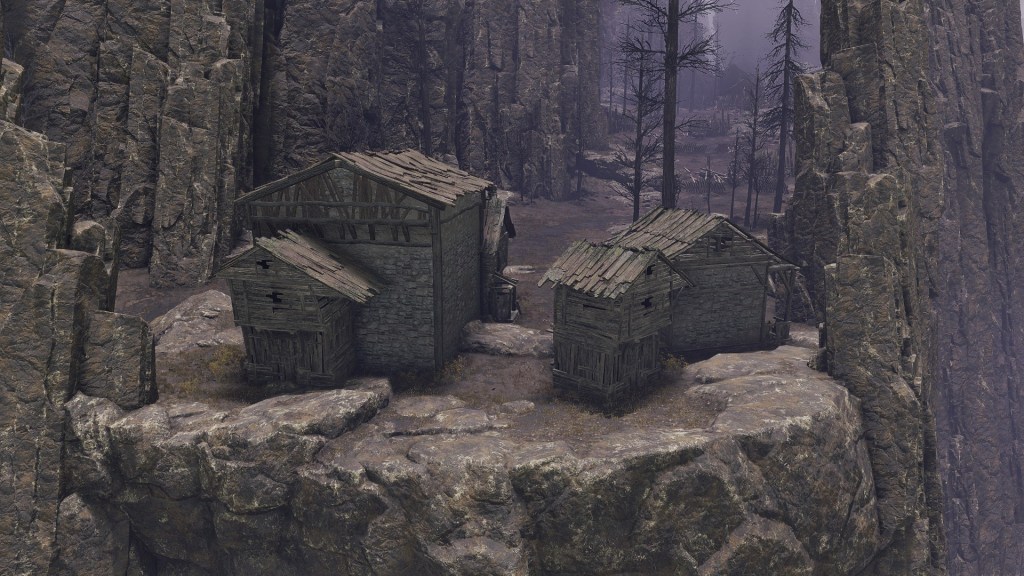
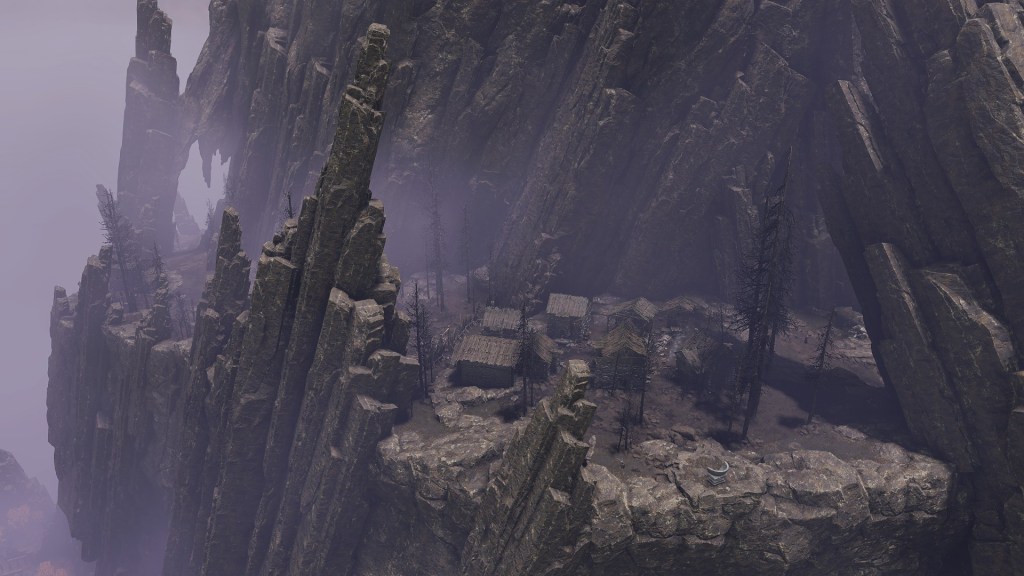
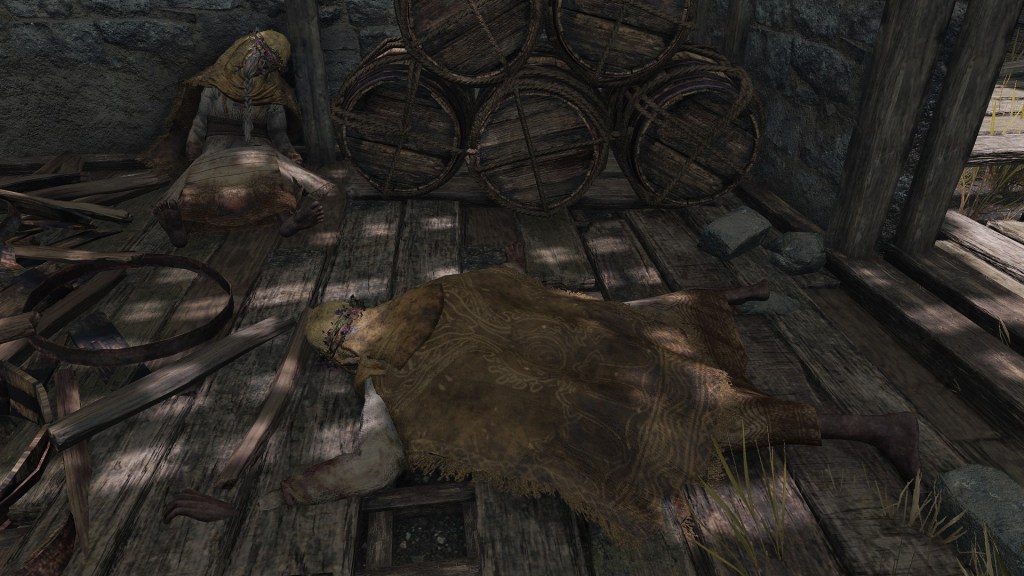
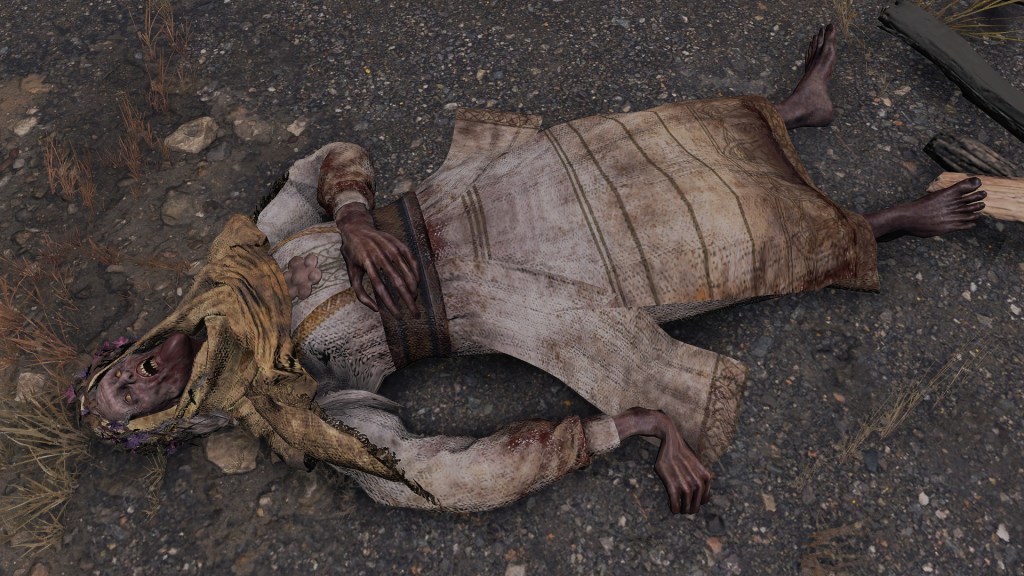
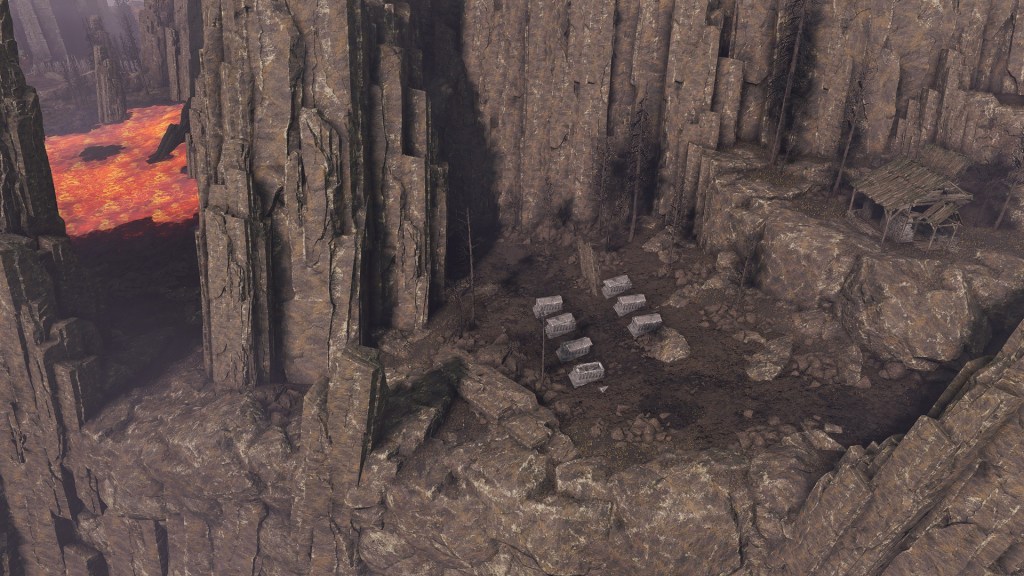
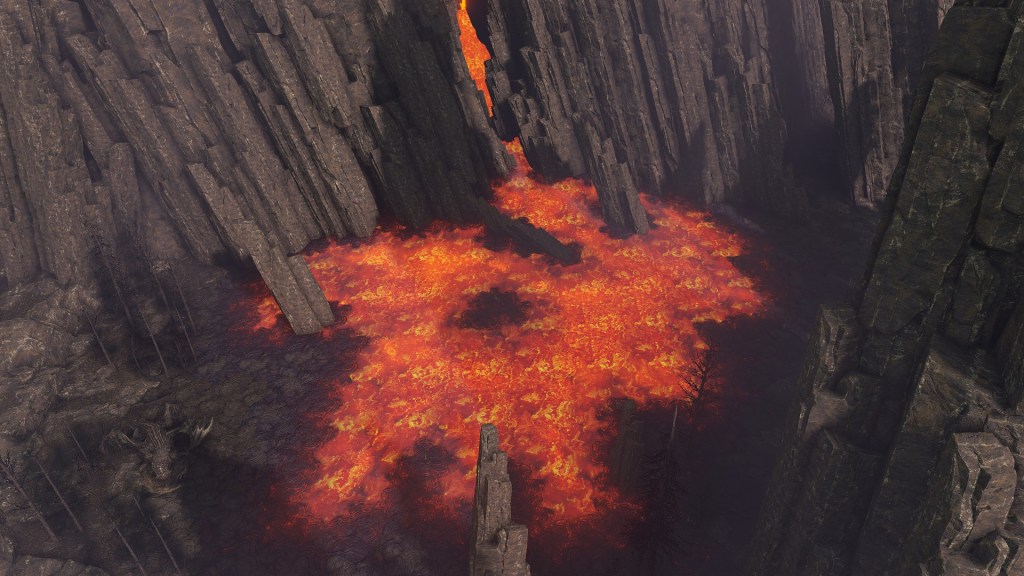
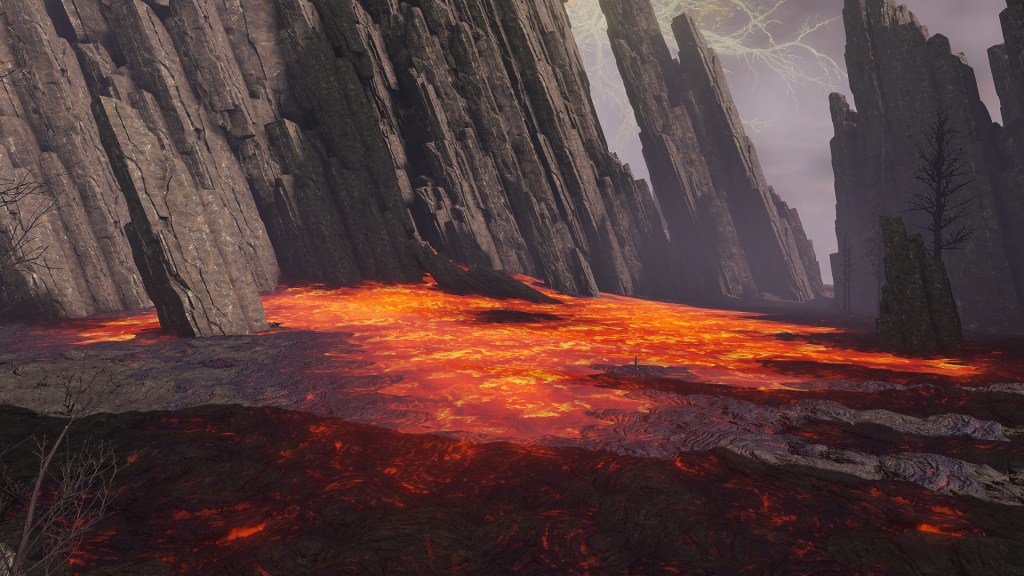
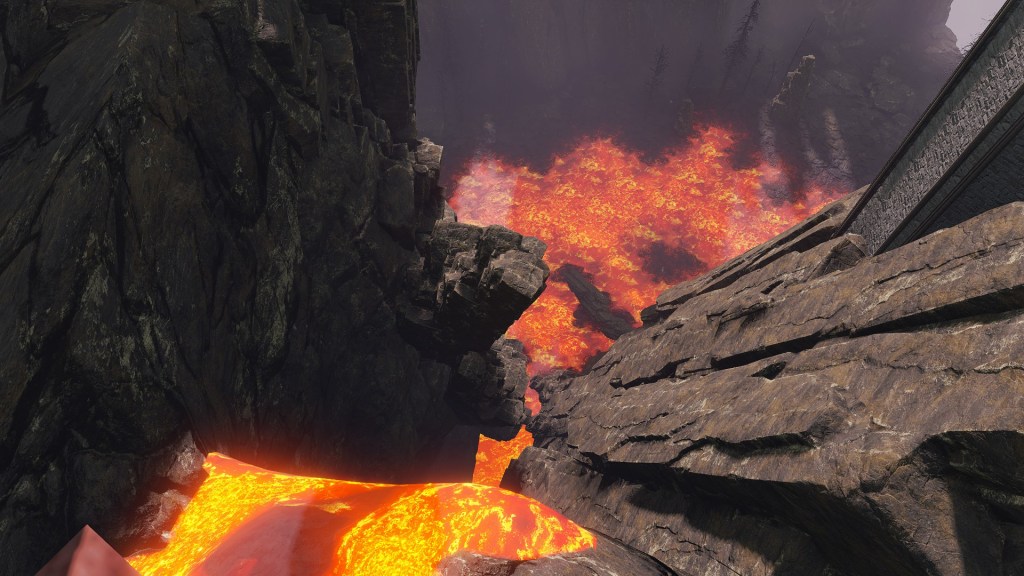
With that in mind, Gelmir’s snake worship wasn’t a minor faith limited to atop the volcano. The culture had flourished across the region, with deep roots among the pagan populace before current religion rose to become mainstream. Exemplifying this, the description to festive grease alludes to how the festivals were tolerated by the Erdtree precisely because it was an old custom. Such paganism may not have reached the same extent as the deathbird following predating it, but it could hardly be considered a mere cult at the time. Perhaps the great snake was hoping for more villages and settlements to adopt the faith over the generations, bringing more potential sources of offerings within her orbit. In the end, the god only cares to survive long enough to swallow the world. Until that day arrives, it will use whatever means to achieve those ends. Meanwhile, the world just keeps on turning.
 Lokey Lore